
Posted on Leave a comment

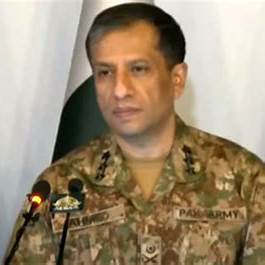
Pakistan Downs 12 Indian Drones Amid Escalating Tensions: DG ISPR Briefing

The press briefing of DG ISPR a need of time to address misconceptions

Title: Pakistan Downs 12 Indian Drones Amid Escalating Tensions: DG ISPR Briefing(Pakistan Today)

In a significant escalation of hostilities between India and Pakistan, the Pakistani military has reported the downing of 12 Indian drones that violated its airspace across multiple cities. This development follows a series of missile strikes and drone incursions by India, which Pakistan has condemned as acts of aggression.(Pakistan Today)


Key Highlights from DG ISPR’s Press Briefing

Drone Incursions and Neutralization

Lieutenant General Ahmed Sharif Chaudhry, Director General of Inter-Services Public Relations (DG ISPR), stated that on the night of May 7-8, Indian drones infiltrated Pakistani airspace, targeting several cities including Lahore, Gujranwala, Rawalpindi, Attock, Bahawalpur, and Karachi. The Pakistani armed forces, remaining vigilant, successfully intercepted and neutralized 12 of these drones. (Dunya News, ARY NEWS)

Casualties and Damage

The drone attacks resulted in the martyrdom of one civilian in Miano, Sindh, and injuries to four Pakistan Army personnel near Lahore. Additionally, minor damages were reported to military installations. (The Express Tribune, Dunya News)

Missile Strikes on Civilian Areas

Prior to the drone incidents, India launched missile attacks on six locations within Pakistan, including Kotli, Muzaffarabad, Ahmedpur Sharqia Bagh, and Muridke. These strikes resulted in the deaths of 26 Pakistani civilians and injuries to 46 others. The DG ISPR condemned these actions as cowardly and a blatant violation of international law. (ARY NEWS, ARY NEWS)


Pakistan’s Response and International Reactions

Military Readiness

The Pakistani military remains on high alert, with air defense systems fully operational to counter any further aggression. DG ISPR emphasized that any future violations of Pakistan’s airspace would be met with a swift and decisive response.(The Express Tribune, ARY NEWS)

Diplomatic Measures

Pakistan has informed the United Nations Security Council (UNSC) about the Indian strikes and asserted its right to respond in self-defense. The international community, including the UN, China, Russia, and Western countries, has expressed concern over the escalating tensions and urged both nations to exercise restraint. (ARY NEWS, The Guardian)


Impact on Civil Aviation and Public Safety

Flight Suspensions

In light of the security situation, the Pakistan Airports Authority (PAA) suspended flight operations at major airports, including Karachi, Lahore, Islamabad, Faisalabad, and Sialkot. All incoming flights were diverted, and scheduled flights canceled until further notice.

Public Alertness

Residents in affected areas, particularly in Lahore, reported hearing multiple explosions, leading to panic and fear among the populace. Authorities have urged citizens to remain vigilant and report any suspicious activities.


Conclusion

The recent developments mark a significant deterioration in India-Pakistan relations, with both nations engaging in military actions that have resulted in civilian casualties and heightened regional tensions. The international community’s call for de-escalation underscores the urgency of diplomatic engagement to prevent further conflict.(The Guardian)

As the situation unfolds, the need for open communication channels and adherence to international norms becomes paramount to ensure peace and stability in the region.


Posted on Leave a comment

Pakistan’s Stance: No Compromise on Sovereignty Amid Rising Regional Tensions

Introduction

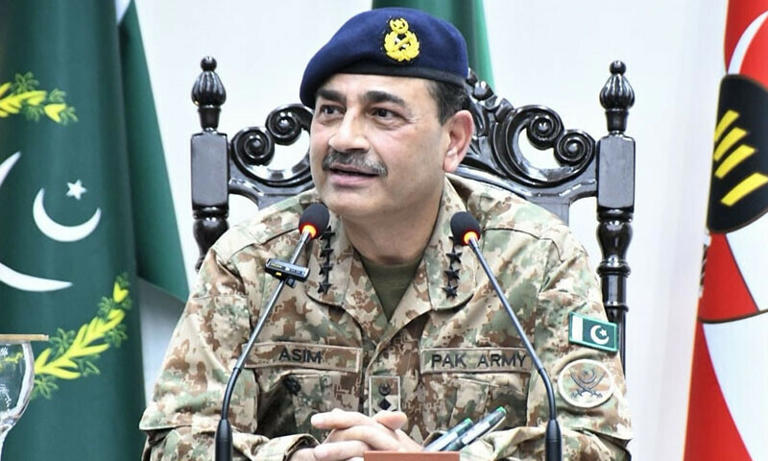
In a period marked by escalating regional tensions, Pakistan’s Chief of Army Staff (COAS), General Asim Munir, has firmly stated that any violation of Pakistan’s sovereignty will be met with a decisive response. This declaration comes in the wake of heightened hostilities following a deadly attack in Indian-administered Kashmir, which India attributes to Pakistan—a claim Islamabad vehemently denies. As diplomatic relations between the two nuclear-armed neighbors deteriorate, General Munir’s statements underscore Pakistan’s unwavering commitment to its national integrity.(The Express Tribune)

COAS General Asim Munir’s Firm Message

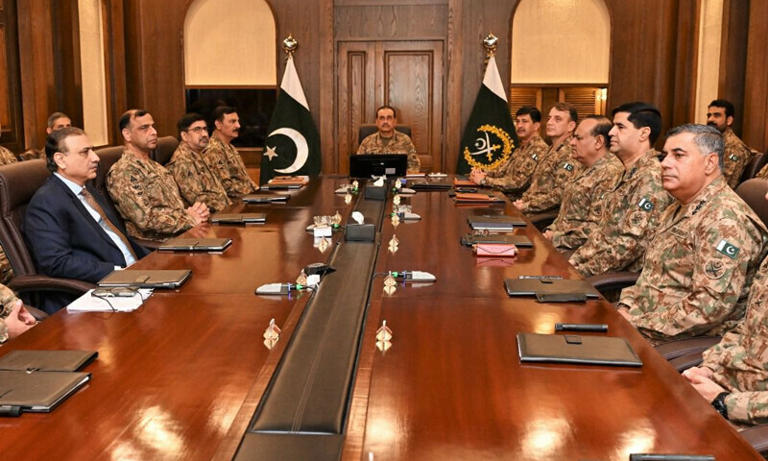
Addressing participants of the 15th National Workshop Balochistan at the General Headquarters (GHQ) in Rawalpindi, General Munir emphasized that Pakistan seeks peace but will not tolerate any infringement on its sovereignty. He stated, “Pakistan seeks peace in the region and beyond, however, if Pakistan’s sovereignty and territorial integrity are violated, Pakistan will respond with full force to preserve its national prestige and the wellbeing of its people.” (The News)

This strong stance reflects Pakistan’s broader security policy, especially concerning the volatile situation in Balochistan, where foreign-sponsored terrorism remains a significant threat. General Munir highlighted the government’s ongoing efforts to improve the socioeconomic conditions in the province, aiming to counteract the narratives of those seeking to destabilize the region. (The Express Tribune, GNN – Pakistan’s Largest News Portal)

Escalating Tensions with India

The recent attack in Pahalgam, Indian-administered Kashmir, which resulted in the deaths of 26 individuals, has further strained India-Pakistan relations. India accuses Pakistan of harboring the perpetrators, while Pakistan denies any involvement and has offered to cooperate in an international investigation. In response to the allegations, Pakistan has placed its military on high alert, citing intelligence reports suggesting potential Indian aggression. (AP News)

Diplomatic ties have suffered, with both countries expelling each other’s diplomats and suspending airspace. Additionally, India has unilaterally suspended a crucial water-sharing treaty, affecting the flow of the Chenab River into Pakistan. These actions have heightened fears of a broader conflict between the two nations.(AP News)

International Mediation Efforts

Amid the rising tensions, Iran’s Foreign Minister Abbas Araghchi visited Pakistan to mediate between Islamabad and New Delhi. He held separate meetings with Pakistani President Asif Ali Zardari and Prime Minister Shehbaz Sharif, who expressed gratitude for Iran’s peace efforts. Araghchi is scheduled to visit India next as part of the mediation process. (AP News)

The United Nations has also called for restraint. UN Secretary-General Antonio Guterres emphasized, “Make no mistake: A military solution is no solution. Now is the time for maximum restraint and stepping back from the brink.” He reiterated the UN’s readiness to support initiatives promoting de-escalation and diplomacy. (AP News)

Pakistan’s Military Preparedness

In a demonstration of its military capabilities, Pakistan recently test-fired short- and medium-range missiles. The military stated that the Fatah surface-to-surface missile, with a range of 120 kilometers, was launched from an undisclosed location. These tests are part of Pakistan’s routine military exercises but also serve as a signal of readiness amid the current tensions. (AP News)

General Munir has reiterated that Pakistan’s armed forces are fully prepared to defend the nation’s sovereignty. He warned that any military misadventure by India would be met with a swift and resolute response, emphasizing the military’s commitment to national defense. (Daily Times, Dawn)

The Broader Context

The Kashmir region has long been a flashpoint between India and Pakistan, with both countries claiming it in full but controlling parts of it. The recent events have reignited fears of a potential military conflict, which could have devastating consequences given the nuclear capabilities of both nations. The international community continues to urge both sides to engage in dialogue and avoid actions that could escalate the situation further.

Conclusion

General Asim Munir’s unequivocal message underscores Pakistan’s stance on national sovereignty amid escalating regional tensions. While Pakistan expresses a desire for peace, it remains prepared to defend its territorial integrity against any threats. The situation calls for measured diplomacy and restraint from all parties involved to prevent further escalation and ensure regional stability.(Daily Times)

Posted on Leave a comment

Escalating Tensions Between India and Pakistan: A Looming Crisis in Kashmir

Introduction

In recent weeks, the already fragile relationship between India and Pakistan has deteriorated significantly, following a deadly attack in the Pahalgam region of Indian-administered Kashmir. The incident, which resulted in the deaths of 26 tourists, has reignited longstanding hostilities and raised concerns about the potential for a broader conflict between the two nuclear-armed neighbors.

The Pahalgam Attack and Immediate Aftermath

On April 22, 2025, a group of militants launched a brutal assault in the Pahalgam area, targeting a group of tourists. The attack left 26 people dead, most of whom were Hindu pilgrims, and several others injured. Indian authorities quickly attributed the attack to Pakistan-based militant groups, a claim that Islamabad has vehemently denied.

In response to the attack, India imposed an immediate ban on the import of goods originating from or transiting through Pakistan. This move, aimed at pressuring Pakistan, further strained economic ties that had already been weakened in recent years.

Diplomatic Fallout and Regional Repercussions

The diplomatic fallout was swift and severe. Both countries expelled each other’s diplomats, closed airspace to each other’s airlines, and suspended key treaties, including a vital water-sharing agreement. Pakistan, in turn, halted border trade and warned that any disruption of river flows regulated by the longstanding treaty would be considered an act of war.

Amid these escalating tensions, Pakistan reached out to its Gulf allies, including Saudi Arabia, Kuwait, and the UAE, seeking their support in defusing the situation. Pakistani Prime Minister Shehbaz Sharif emphasized his country’s commitment to regional peace and called on these nations to pressure India towards de-escalation.

Impact on Civilians in Kashmir

The renewed hostilities have had a profound impact on civilians living along the Line of Control (LoC) in Kashmir. In Indian-administered areas, residents are living in fear, with limited access to shelters and emergency services. In Pakistani-administered regions, authorities have allocated emergency funds, closed religious seminaries for safety concerns, and placed emergency services on high alert.

Humanitarian organizations, such as the Pakistan Red Crescent, are mobilizing resources to assist displaced families, preparing tents and aid for those affected by the escalating conflict.

International Concerns and Calls for Restraint

The international community has expressed deep concern over the escalating tensions. India has requested the International Monetary Fund (IMF) to review its loan programs to Pakistan, citing security concerns. Meanwhile, global powers, including the United States, have urged both sides to exercise restraint and emphasized the importance of cooperation in addressing terrorism.

Conclusion

The recent events in Kashmir have brought India and Pakistan to the brink of a potential conflict, with severe implications for regional stability and global security. It is imperative for both nations to engage in constructive dialogue, prioritize diplomacy, and work collaboratively to address the underlying issues fueling this longstanding dispute. The international community must also play a proactive role in facilitating peaceful resolutions and preventing further escalation.