Posted on Leave a comment

Pakistan and Crypto: A Risky Romance or Real Opportunity?


Cryptocurrency has captured the imagination of many around the world, and Pakistan is no exception. However, a sort of crypto bug seems to have bitten the government recently — raising eyebrows both domestically and internationally. While some level of interest in crypto is understandable, the line between crypto as a political tool and crypto as a serious business proposition is critical to keep in mind. The stakes are high, because public resources are on the line.


Crypto as Influence Peddling: A Growing Concern

Recent international media reports suggest that part of Pakistan’s government interest in cryptocurrency revolves around gaining influence in Washington DC. Officials close to the Trump administration have been involved in crypto discussions with Pakistani counterparts.

From this perspective, one could say “it is what it is” — governments use emerging trends to build relationships and geopolitical leverage. But this becomes dangerous the moment the government treats crypto as a business or investment avenue rather than a diplomatic tool. The problem is that the resources at risk here are public, taxpayer-funded assets.


The Risk of Gambling with Sovereign Reserves

After the announcement of Pakistan’s Crypto Council, several suggestions have emerged on how Pakistan could expand its crypto involvement. One particularly alarming idea is to allocate a portion of the country’s foreign exchange reserves into cryptocurrencies like Bitcoin.

This suggestion often comes wrapped in a simplistic sales pitch — pointing to Bitcoin’s spectacular rise over the past decade and implying massive potential gains for Pakistan. But what gets conveniently left out is Bitcoin’s extreme volatility.

Sovereign reserves are never gambled on volatile assets. Instead, they are invested in fixed-income, low-risk instruments designed to protect national economic stability. Think pension funds or institutional savings — the rule is always low risk and predictable returns.


Crypto Mining Incentives: Who Benefits?

Another popular proposal is to incentivize crypto mining in Pakistan by offering electricity at rock-bottom prices — as low as 5 to 6 cents per unit. To put that into perspective, residential electricity consumers typically pay around 20 cents per unit, and industrial users about 14 cents.

This raises a critical question: If Pakistan indeed has cheap electricity to spare, why should crypto miners be the first in line to receive it? Why prioritize crypto mining — a speculative, energy-intensive activity — over critical sectors like healthcare, education, or manufacturing?

Adding to the confusion was a recent press release from the Finance Ministry announcing the allocation of 2000MW for crypto mining — without mentioning the price or any clear policy framework. In Pakistan, electricity is not allocated by quotas or sectors in such a rigid manner, so the announcement left more questions than answers.


The Idea of Regulated Crypto Exchanges: A Safer Path?

One proposal that appears less risky is to create on-shore crypto exchanges regulated like commodity exchanges. This step would simply regulate crypto trading, without putting public resources at risk. Regulated trading platforms could provide more transparency and protect investors from scams, but it doesn’t solve the fundamental issue that cryptocurrencies are highly speculative and unstable assets.


The Nature of Crypto: A Fictitious Asset

It is vital to understand that cryptocurrencies are fictitious assets — assets that exist only because holders believe in their value.

Money and gold are also fictitious in nature, but they have widespread acceptance and liquidity. They are trusted to be exchanged for goods and services almost universally. Crypto, on the other hand, remains speculative — driven largely by market hype and speculation rather than intrinsic value.

This speculative nature makes crypto extremely volatile and risky, especially for sovereign investors or public funds entrusted with preserving national wealth.


History’s Lessons: Fictitious Assets and Financial Crises

Fictitious assets are not new. History is littered with examples of how they have destabilized economies:

  • The South Sea Bubble of the 18th century: investments poured into a company with no real business prospects, leading to a massive crash.
  • The Collateralized Debt Obligations (CDOs) crisis in 2008: these complex financial products were essentially bundles of risky mortgages sold as safe assets, sparking the Great Recession.

While regulation has tamed some of these risks, new forms of speculative assets continue to emerge, including crypto.


Why the Government Must Beware

While individual investors may choose to trade cryptocurrencies with their own money, it is highly risky and irresponsible for governments to expose public funds to such volatility. The lure of quick gains can blind decision-makers to the potential fallout of a crypto crash or regulatory clampdown.

Crypto enthusiasts and industry players often market cryptocurrencies aggressively — much like snake oil salesmen — promising huge profits but glossing over the immense risks.


Conclusion: Proceed with Caution

Pakistan’s flirtation with cryptocurrency may offer some diplomatic advantages or potential business opportunities, but it carries significant risks. Public resources are not play money.

The government must differentiate between crypto as a tool for influence and political leverage versus crypto as a serious and sustainable business venture. Investing sovereign reserves or offering cheap electricity incentives without a robust regulatory and risk management framework could jeopardize economic stability.

For now, regulated crypto exchanges seem the safest avenue for Pakistan to engage with the crypto world — balancing innovation with caution.


Posted on Leave a comment

Pakistan’s Supreme Court Reinstates Military Trials for Civilians: Implications for Human Rights

Introduction

In a significant legal reversal, Pakistan’s Supreme Court has reinstated the military’s authority to try civilians, overturning its own 2023 decision that had deemed such trials unconstitutional. This move has sparked widespread concern among human rights advocates and legal experts, who view it as a regression in the country’s commitment to civil liberties and judicial independence. The decision revives a controversial law from the era of former military ruler Ayub Khan, raising questions about the future of civilian justice in Pakistan.


Historical Context: The Ayub Khan Era and Military Courts

The reinstated law traces its origins to 1967, during Ayub Khan’s military regime. Under the Defence of Pakistan Ordinance of 1965, civilians could be detained and tried by military courts on vague suspicions of acting against “peaceful conditions.” This framework allowed for preventive detentions without substantial evidence, undermining the principles of due process.

Justice A.R. Cornelius, in the landmark ‘Malik Ghulam Jilani’ case, challenged this approach by asserting that mere suspicion was insufficient for detention. He emphasized the necessity of objective evidence, setting a precedent for protecting individual rights against arbitrary state actions.


The 2023 Verdict: A Step Towards Civil Liberties

In October 2023, the Supreme Court, led by Justices Munib Akhtar and Ayesha Malik, declared the military trials of civilians unconstitutional. The judgment underscored that fundamental rights must be upheld even during times of conflict, aligning with Article 10-A of the Constitution, which guarantees the right to a fair trial and due process.

Justice Malik highlighted the inherent flaws in military court proceedings, noting the lack of transparency, absence of reasoned judgments, and the potential suspension of defense rights under the guise of military necessity. This decision was lauded as a reaffirmation of civilian judicial authority and a move towards strengthening democratic institutions.


The 2025 Reversal: A Judicial U-Turn

On May 7, 2025, the Constitutional Bench of the Supreme Court overturned the 2023 verdict, reinstating the military’s jurisdiction over civilian cases. The bench argued that the Army Act sufficiently protects the right to a fair trial, a claim that contradicts earlier findings about the deficiencies of military courts. Furthermore, the court referred the matter to Parliament to consider legislation granting civilians the right to appeal military court decisions in high courts.

This contradictory stance—asserting that fair trial rights are protected under the Army Act while simultaneously suggesting the need for additional legislative safeguards—has drawn criticism. Legal experts argue that this indicates an acknowledgment of the current system’s incompatibility with fair trial standards.


Implications for Civil-Military Relations and Judicial Independence

The decision to reinstate military trials for civilians has significant implications for Pakistan’s civil-military dynamics and the independence of its judiciary. Critics contend that the judiciary’s deference to military authority undermines civilian oversight and erodes public confidence in the legal system. The involvement of government-nominated judges in the Constitutional Bench further fuels concerns about impartiality and the separation of powers.

This development also raises alarms about the potential for misuse of military courts to suppress dissent and target political opponents, a tactic historically employed during authoritarian regimes. The erosion of civilian judicial authority could lead to a chilling effect on free expression and political activism.


International Human Rights Perspectives

International human rights organizations have consistently criticized the use of military courts to try civilians, citing violations of fair trial guarantees under international law. The United Nations Human Rights Committee has emphasized that military tribunals should not have jurisdiction over civilians, as they often lack the independence and impartiality required for fair proceedings.

Pakistan’s reinstatement of military trials for civilians places it at odds with these international norms and may attract scrutiny from global human rights bodies. Such practices could impact the country’s international standing and its relationships with democratic nations advocating for human rights and the rule of law.


Conclusion

The Supreme Court’s decision to reinstate military trials for civilians marks a pivotal moment in Pakistan’s legal and political landscape. By reviving a law rooted in authoritarian rule, the judiciary has raised concerns about the future of civil liberties and the balance of power between civilian institutions and the military. As Pakistan navigates this complex terrain, the protection of fundamental rights and the independence of the judiciary remain critical to the country’s democratic development.


Posted on Leave a comment

“Trump, Binance & 2000MW: Pakistan’s Bold Bet on Blockchain Domination”

In a significant move towards embracing digital finance, Pakistan has officially launched the Pakistan Crypto Council (PCC) to regulate and integrate blockchain technology and digital assets into the country’s financial system. This government-backed initiative aims to position Pakistan as a competitive player in the global digital economy.

Overview of the Pakistan Crypto Council (PCC)

The PCC was established in March 2025 as a collaborative effort between key government bodies, including the Ministry of Finance, State Bank of Pakistan, Securities and Exchange Commission of Pakistan (SECP), and the federal law and IT ministries. The council is chaired by Finance Minister Muhammad Aurangzeb, with entrepreneur Bilal Bin Saqib appointed as the Chief Executive Officer. (Dawn)

Objectives and Mandate

The primary goals of the PCC include:

  • Regulatory Framework: Developing clear guidelines for the adoption and use of cryptocurrencies and blockchain technology.
  • Innovation Promotion: Fostering an environment conducive to fintech startups and blockchain developers.
  • International Collaboration: Engaging with global crypto and blockchain organizations to align with best practices.
  • Investor Protection: Ensuring a secure and transparent ecosystem for investors and stakeholders.

Finance Minister Aurangzeb emphasized the importance of creating a regulatory framework that protects investors while fostering innovation.

Strategic Partnerships

In April 2025, the PCC partnered with World Liberty Financial (WLF), a decentralized finance platform backed by U.S. President Donald Trump. This collaboration aims to accelerate blockchain innovation and stablecoin adoption in Pakistan.

Additionally, Binance founder Changpeng Zhao was appointed as a strategic adviser to the PCC, bringing his expertise to support Pakistan’s blockchain infrastructure and regulatory frameworks.

Energy Allocation for Digital Initiatives

To support the growth of blockchain and AI technologies, the Pakistani government has allocated 2,000 megawatts of electricity for bitcoin mining and AI data centers. This initiative aims to monetize surplus electricity, create high-tech employment opportunities, and attract foreign investment.

Implications for Pakistan’s Economy

The establishment of the PCC and associated initiatives signify Pakistan’s commitment to embracing the digital economy. By integrating blockchain technology into its financial landscape, Pakistan aims to:

  • Boost Economic Growth: Leveraging digital assets to stimulate economic activity.
  • Enhance Financial Inclusion: Providing access to financial services through decentralized platforms.
  • Attract Foreign Investment: Creating a favorable environment for international investors in the crypto space.

Conclusion

Pakistan’s launch of the Crypto Council marks a pivotal step in integrating blockchain technology into its financial system. Through strategic partnerships, regulatory frameworks, and infrastructure development, Pakistan is poised to become a significant player in the global digital economy.

Posted on Leave a comment

“Kidnapped or Killed? The Brutal Choice Facing Balochistan’s Journalists”

On May 24, 2025, journalist Abdul Latif Baloch was fatally shot in his home in Mashkey, Awaran district, Balochistan, after resisting a kidnapping attempt by unidentified assailants. Baloch, a correspondent for the Quetta-based newspaper Daily Intikhab and a member of the Levies force, had previously suffered the tragic loss of his son, whose body was discovered in Mashkey a few years prior. (Dawn)

The Pakistan Federal Union of Journalists (PFUJ) and the Balochistan Union of Journalists (BUJ) have strongly condemned the killing, describing it as part of a broader pattern of violence aimed at silencing independent voices in the region. PFUJ leaders Khalid Khokhar and Arshad Ansari emphasized the urgent need for authorities to investigate the crime and bring the perpetrators to justice. BUJ officials highlighted the increasing dangers faced by journalists in Balochistan and called for immediate government action to ensure their safety.

This incident underscores the perilous environment for journalists in Balochistan, where threats, kidnappings, and targeted killings have become alarmingly common. The international community and press freedom organizations continue to urge Pakistani authorities to take concrete steps to protect journalists and uphold the principles of free and independent media.

Posted on Leave a comment

“From Saudi Streets to Jail Cells: Pakistan’s Zero-Tolerance Shock Therapy for Deportees”

In a decisive move to curb illegal migration and protect Pakistan’s international reputation, the federal government has announced stringent measures targeting citizens deported from foreign countries. Effective immediately, deported individuals will face passport cancellation and the registration of First Information Reports (FIRs) against them. This policy shift aims to deter unlawful activities abroad and reinforce the integrity of Pakistan’s travel documentation system.(UrduPoint, Dawn, Daily Times)

🚨 Key Measures Implemented

Interior Minister Mohsin Naqvi, during a high-level meeting in Islamabad on May 24, 2025, outlined the following actions:(Geo News)

  • Passport Cancellation: Deported individuals will have their passports revoked upon return to Pakistan.(Daily Times)
  • FIR Registration: Criminal cases will be filed against deportees to address their involvement in illegal activities abroad.(Facebook)
  • Passport Control List (PCL): Names of deported citizens will be added to the PCL for five years, restricting their ability to obtain new travel documents.(ARY NEWS)
  • Policy Review Committee: A committee led by the Interior Secretary has been established to strengthen passport issuance regulations and prevent misuse.

Minister Naqvi emphasized a zero-tolerance approach, stating that deportees have caused embarrassment to Pakistan on the international stage and will no longer be granted leniency. (Arab News)

📊 The Scale of the Issue

The decision follows alarming statistics regarding the deportation of Pakistani nationals:(Arab News)

  • Saudi Arabia: Over 5,000 Pakistani beggars have been deported in the past 16 months.(Geo News)
  • Other Countries: An additional 369 individuals were apprehended for begging in five other countries during the same period.(Dawn)
  • Europe: In April alone, 106 Pakistanis deported from various European nations arrived in Islamabad.(Geo News)

These figures highlight a troubling trend of Pakistani citizens engaging in unlawful activities abroad, prompting the government to take corrective action.

🌐 International Repercussions

The surge in deportations, particularly for offenses like organized begging, has tarnished Pakistan’s global image. A viral video earlier this year featured a Pakistani woman revealing that her in-laws’ luxurious lifestyle was funded through professional begging, underscoring the extent of the issue. (@EconomicTimes)

By implementing these new measures, the government aims to:

  • Deter Illegal Activities: Discourage citizens from engaging in unlawful conduct abroad.
  • Enhance Accountability: Hold individuals accountable for actions that damage the country’s reputation.
  • Strengthen Documentation Integrity: Ensure the Pakistani passport is not misused for illicit purposes.

🛂 Implications for Citizens

The government’s crackdown serves as a stern warning to those considering illegal migration or involvement in unlawful activities overseas. Citizens are urged to:

  • Adhere to Legal Channels: Pursue overseas opportunities through authorized and legal means.
  • Avoid Exploitative Practices: Refrain from engaging in activities that could lead to deportation and legal consequences.
  • Stay Informed: Keep abreast of government policies regarding international travel and migration.

🔚 Conclusion

Pakistan’s decision to cancel passports and file FIRs against deported citizens marks a significant step in addressing illegal migration and its associated challenges. By enforcing strict measures, the government seeks to uphold national dignity, ensure the responsible use of travel documents, and protect the country’s standing on the global stage.

Posted on Leave a comment

“Nature’s Wrath: Punjab Storm Leaves 8 Dead, 45 Injured – Full Damage Report”

On May 24, 2025, heavy rains and powerful windstorms swept across Punjab, Pakistan, leaving at least eight people dead and 45 injured, according to the Provincial Disaster Management Authority (PDMA). The storms caused widespread damage to infrastructure, disrupted transportation, and led to power outages in several areas.(Dawn)

🌧️ What Happened?

The PDMA reported that the fatalities occurred due to the collapse of dilapidated houses and exposure to unsafe conditions during the storm. The deaths were reported in the following districts:

  • Jhelum: 3 deaths
  • Rawalpindi: 1 death
  • Sheikhupura: 1 death
  • Nankana Sahib: 1 death
  • Sialkot: 1 death
  • Mianwali: 1 death(Dawn)

In Sheikhupura, the roof of a local factory collapsed due to strong winds, killing one worker and seriously injuring five others. Rescue 1122 teams responded promptly, pulling the victims from the rubble and transporting them to the Sheikhupura District Headquarters Hospital.

⚠️ Emergency Measures and Public Advisories

The PDMA had issued alerts urging citizens and provincial authorities to remain on high alert. PDMA Director General Irfan Ali Kathia directed deputy commissioners and rescue agencies across the province to stay vigilant amid reports of wind and rain in various districts. The PDMA’s control room monitored the situation 24/7, coordinating emergency responses.

Citizens were advised to:

  • Stay away from electric poles and hanging wires.
  • Avoid open spaces during bad weather and lightning.
  • Refrain from unnecessary travel and drive slowly.

The public can call the PDMA helpline at 1129 for assistance.

🚧 Transportation Disruptions

Severe weather conditions led to the closure of several motorways to ensure public safety:

  • M2 Motorway: Thokar to Kot Momin
  • M3 Motorway: Faizpur to Darkhana
  • Lahore-Sialkot Motorway

Dark clouds and severe thunderstorms were also reported on:

  • M4 Motorway: Abdul Hakeem to Sher Shah
  • M5 Motorway: Multan to Rahim Yar Khan
  • National highways from Lahore to Chichawatni, Mian Channu, Khanewal, Multan, and Lodhran

Motorway Police spokesperson Syed Imran Ahmed urged the public to exercise caution while driving and avoid speeding.

⚡ Infrastructure and Power Outages

The heavy rains and windstorms caused significant damage to infrastructure:

  • Several mud and dilapidated houses were damaged across the province.
  • Incidents of falling trees and damage to solar panels were reported in Lahore.
  • The Multan Electric Power Company (MEPCO) reported power supply disruptions in South Punjab, with feeders tripping in Multan, Khanewal, Vehari, and Sahiwal.

MEPCO Chief Executive Officer Gul Muhammad Zahid directed operational officers to remain alert, stating that power restoration activities would commence after the storm subsides.

🏥 Relief Efforts and Assistance

Punjab Relief Commissioner Nabeel Javed announced that medical assistance would be provided to the injured individuals. The PDMA also stated that financial assistance would be extended to the affected families.

Water and Sanitation Agency (WASA) Director General Ghufran Ahmed instructed all staff and machinery to remain on full alert, with pumps and personnel ready at all underpasses to address potential flooding.

📞 Stay Informed and Safe

In light of the severe weather conditions, residents are advised to:

  • Stay indoors and avoid unnecessary travel.
  • Keep away from electrical installations and avoid contact with waterlogged areas.
  • Stay updated through official channels and heed advisories from local authorities.
  • In case of emergencies, contact the PDMA helpline at 1129.

Posted on Leave a comment

“DGISPR’s Mic Drop Moment: How Pakistan Called Out Rahul Gandhi’s ‘Fake Alert’ Theory”

In May 2025, a political controversy erupted in India following statements by Congress leader Rahul Gandhi regarding Operation Sindoor, a military operation targeting terrorist camps in Pakistan. Gandhi alleged that the Indian government had informed Pakistan in advance about the strikes, a claim based on a video clip of External Affairs Minister S. Jaishankar. The Indian government and Pakistan’s military have both refuted this assertion, leading to a heated political debate.

Rahul Gandhi’s Allegations

Rahul Gandhi criticized the Indian government’s handling of Operation Sindoor, asserting that prior notification to Pakistan compromised the mission’s success and endangered Indian forces. He labeled the alleged advance warning as a “crime” and questioned who authorized such a move. Gandhi’s claims were based on a video clip where Minister Jaishankar purportedly mentioned informing Pakistan at the start of the operation. He further questioned the number of Indian aircraft lost due to this alleged disclosure.(The Times of India, The Financial Express)

Government’s Rebuttal

The Indian Ministry of External Affairs (MEA) dismissed Gandhi’s claims as a “misrepresentation of facts.” The MEA clarified that Pakistan was informed only after the initial strikes had been carried out, emphasizing that no prior warning was given to maintain operational security. The government maintained that the operation targeted terrorist infrastructure and that communication with Pakistan occurred post-strike to prevent escalation.(@EconomicTimes, The Times of India, The Financial Express)

Pakistan’s Response

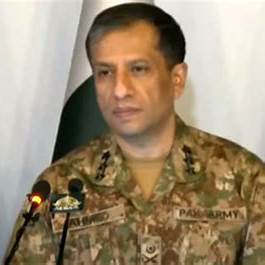
Pakistan’s Director General of Inter-Services Public Relations (DGISPR) also refuted Gandhi’s claims, describing them as a “comical narrative.” The DGISPR stated that no advance notice was received from India regarding the strikes and dismissed the notion of relying on Indian sources for intelligence.(@EconomicTimes)

Political Fallout

The controversy has intensified political tensions within India. The ruling Bharatiya Janata Party (BJP) accused Gandhi of echoing Pakistan’s narrative and undermining national security. BJP leaders criticized Gandhi’s statements, suggesting they could be used by adversaries to question India’s military decisions.

Conclusion

The debate over Operation Sindoor underscores the complexities of military operations and the importance of accurate communication. While the Indian government and Pakistan’s military deny any prior notification, the controversy highlights the need for transparency and accountability in matters of national security.

Posted on Leave a comment

“Blood on the School Bus: Pakistan’s Leaders Rush to Quetta After Deadly Khuzdar Bombing”

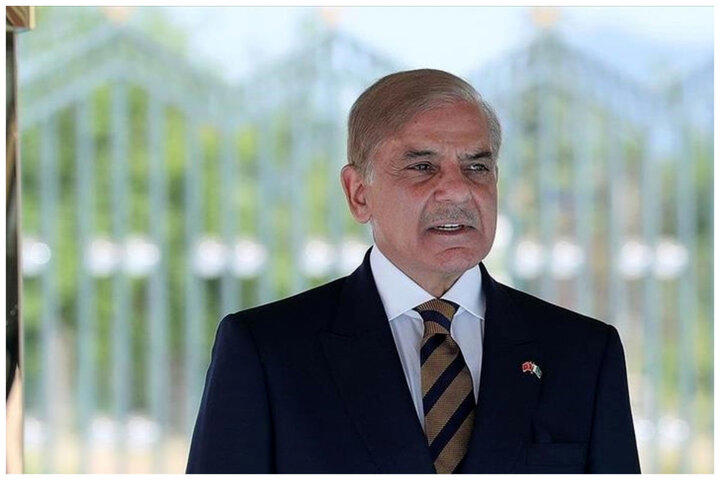
On May 21, 2025, a devastating suicide bombing targeted a school bus in Khuzdar, Balochistan, resulting in the deaths of at least six individuals, including four children, and injuring over 38 others. In response, Prime Minister Shehbaz Sharif and Field Marshal Asim Munir promptly traveled to Quetta to meet with the victims and oversee the situation.(Wikipedia, Aaj English TV)

The Attack: A Tragic Day in Khuzdar

The attack occurred around 7:40 a.m. local time when a vehicle-borne improvised explosive device (IED) struck a school bus transporting students of the Army Public School in Khuzdar. The explosion claimed the lives of four children, the bus driver, and a security guard, while injuring more than 38 others, many of whom remain in critical condition. (Wikipedia, The Guardian)

High-Level Visit: Condolences and Commitment

Prime Minister Shehbaz Sharif, accompanied by Field Marshal Asim Munir, Defense Minister Khawaja Asif, Interior Minister Mohsin Naqvi, and other officials, visited Quetta to express their condolences and meet with the injured children and their families. During the visit, both leaders condemned the attack as a “shameful and despicable act of terrorism” and vowed to bring the perpetrators to justice. (Aaj English TV, The Express Tribune)

Accusations Against India

In the aftermath of the attack, Pakistani authorities accused India of orchestrating the bombing through proxy militant groups. The Pakistani military referred to the attackers as “state-sponsored proxies” of India, alleging that such acts are part of a broader strategy to destabilize Pakistan. (Wikipedia, The Express Tribune)

Prime Minister Sharif echoed these sentiments, stating that the attack on a school bus by terrorists backed by India is clear proof of their hostility toward education in Balochistan. (AP News)

India’s Response

India’s foreign ministry dismissed Pakistan’s allegations as baseless, asserting that such claims are attempts to divert attention from internal issues. (The Guardian)

Broader Implications

This tragic incident underscores the ongoing security challenges in Balochistan, a region plagued by a long-standing insurgency led by separatist groups such as the Balochistan Liberation Army (BLA). While no group has claimed responsibility for the Khuzdar attack, suspicion falls on ethnic Baloch insurgents. (AP News)

The attack also highlights the vulnerability of educational institutions in conflict zones, drawing parallels to the 2014 Peshawar school massacre by the Pakistani Taliban.(AP News)

Government’s Pledge

The Pakistani leadership has pledged to intensify efforts to combat terrorism and ensure the safety of its citizens. Prime Minister Sharif emphasized the nation’s resolve to bring the fight against foreign-sponsored terrorism to its logical and decisive end. (Dunya News, ARY NEWS)

Conclusion

The Khuzdar school bus attack is a stark reminder of the persistent threats facing Pakistan, particularly in regions like Balochistan. As the nation mourns the loss of innocent lives, its leadership’s commitment to eradicating terrorism and ensuring justice for the victims remains steadfast.(Wikipedia

Posted on Leave a comment

“Pakistan’s Economy Breaks $400B Barrier—Growth or Stagnation Ahead?”

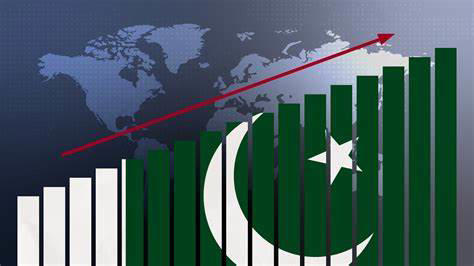
In a significant economic development, Pakistan has officially surpassed the $400 billion mark in Gross Domestic Product (GDP) for the first time. According to provisional estimates by the National Accounts Committee (NAC), the country’s nominal GDP for the fiscal year 2024–25 stands at approximately $410.96 billion, reflecting a 2.68% growth rate compared to the previous year.

Key Economic Indicators

  • GDP Growth: 2.68% in FY 2024–25, below the government’s target of 3.6%.
  • Per Capita Income: Increased by 9.75% to $1,824, up from $1,662 in the previous year.
  • Economic Size: The economy’s size reached Rs114.7 trillion, approximately $410.96 billion, up from Rs105.1 trillion ($371.66 billion) in the previous fiscal year. (Reuters)

Sectoral Performance

  • Agriculture: Grew modestly by 0.56%, constrained by climatic challenges and supply chain bottlenecks.
  • Industry: Expanded by 4.77%, driven by improvements in large-scale manufacturing and construction. (Wikipedia)
  • Services: Registered a 2.91% increase, supported by digital expansion and growth in the financial sector.

Implications of the Milestone

Surpassing the $400 billion GDP mark places Pakistan among the world’s 40 largest economies, signaling a notable progression in its financial trajectory.

However, the growth rate of 2.68% falls short of the government’s target, indicating that while the economy is expanding, it faces challenges that need to be addressed to achieve more robust growth. (The Times of India)

Looking Ahead

To sustain and accelerate economic growth, Pakistan may focus on:

  • Enhancing Agricultural Productivity: Investing in modern farming techniques and infrastructure to boost yields.
  • Industrial Diversification: Encouraging innovation and diversification in the industrial sector to reduce reliance on a few industries.
  • Service Sector Expansion: Leveraging technology to expand digital services and financial inclusion.
  • Policy Reforms: Implementing structural reforms to improve the business environment and attract investment.

Conclusion

Pakistan’s achievement of crossing the $400 billion GDP mark is a significant milestone, reflecting the country’s economic resilience and potential. While challenges remain, strategic investments and policy reforms can pave the way for sustained growth and improved living standards for its citizens.(Reddit)

Posted on Leave a comment

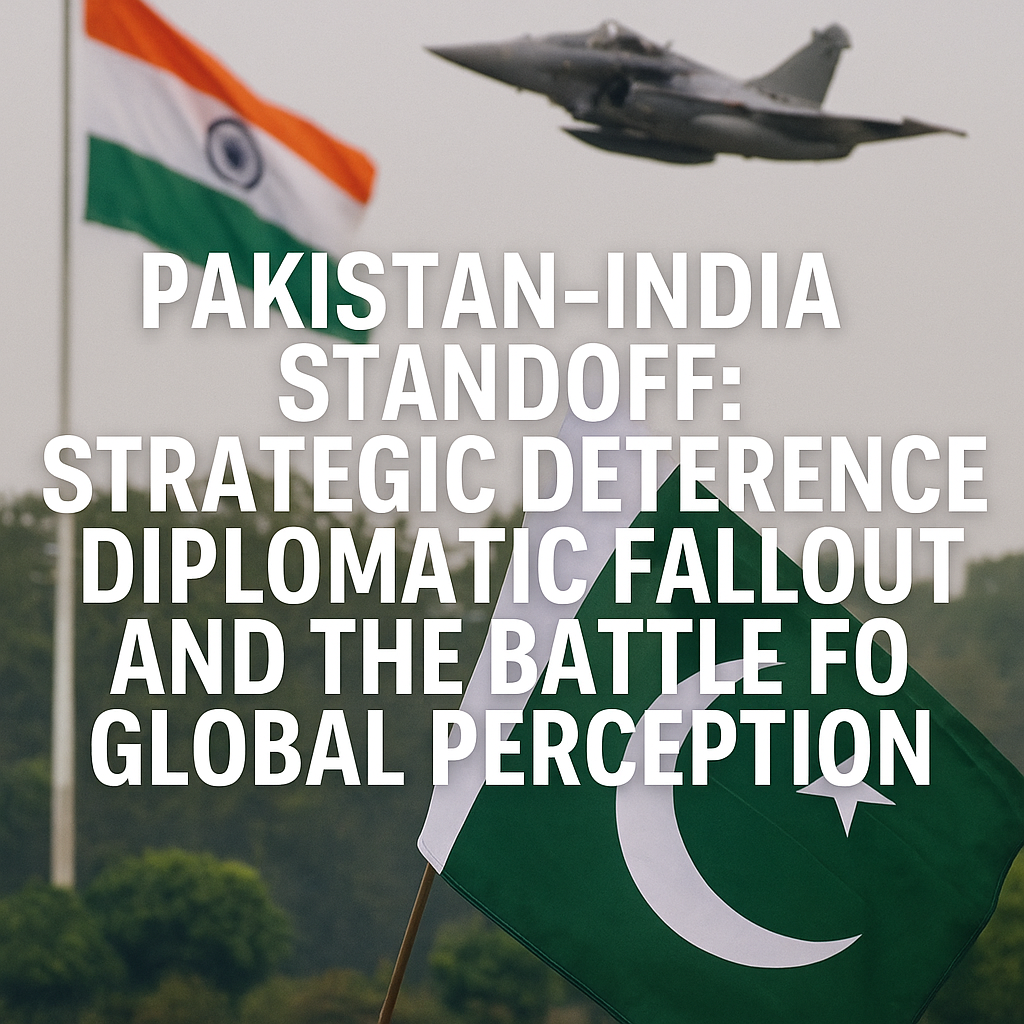
Pakistan-India Standoff: Strategic Deterrence, Diplomatic Fallout, and the Battle for Global Perception


In the recent military standoff between India and Pakistan, the region was once again on the brink of a full-blown war. While New Delhi sought to reshape the strategic landscape in its favor, Islamabad’s measured yet forceful kinetic response not only thwarted India’s escalation plans but also re-established Pakistan’s conventional deterrence as a credible force under the nuclear overhang. The standoff sent a clear message: Pakistan will respond decisively if provoked, and the costs for India could outweigh the gains in any future conflict.

Conventional Deterrence vs. Escalation: A Strategic Reset

Pakistan’s military response is seen by many defense analysts as a successful check on India’s attempt to broaden the spectrum of conventional war under the assumption of nuclear deterrence. According to reports, the loss of multiple Rafale aircraft by India and Pakistan’s demonstrated ability to target strategic sites across the Indian mainland forced a recalibration of India’s aggressive posture. Islamabad’s show of force effectively neutralized India’s bid for a “limited war” doctrine, a concept that has increasingly dominated Indian military thinking in recent years.

New Delhi’s assumption that it could carry out precision strikes under the umbrella of nuclear deterrence without triggering broader consequences backfired. In reality, India’s military objectives were left unachieved, its strategic calculations misfired, and its international credibility suffered.

Modi’s “New Normal” Falls Apart

Indian Prime Minister Narendra Modi’s rhetoric about having destroyed “terrorist infrastructure” in Pakistan proved hollow when contrasted with ground realities. Despite bold claims, India failed to create any tangible shift in its favor. In fact, the assertion of setting a new military norm was met with harsh realities that India could not ignore. Rather than establishing a precedent for future military responses to cross-border terror attacks, New Delhi found itself boxed in, wary of an even more punishing reprisal from Pakistan if it attempted a similar strategy again.

Pakistan, by reaffirming its conventional strength and political will, has effectively reshaped the regional security equation, turning India’s so-called “new normal” into a strategic liability.

A Fragile Ceasefire and the Risk of Miscalculation

Today, the situation remains precarious. A tenuous ceasefire agreement is in place, but the broader diplomatic framework between the two nuclear neighbors remains broken. The Directors General of Military Operations (DGMOs) continue to engage at a technical level, but meaningful political dialogue remains absent.

This lack of sustained communication increases the risk of future miscalculations, especially in a crisis-prone environment where even a minor incident could spiral into another major military confrontation. Modi’s declaration that India had “only suspended” military operations adds to the uncertainty, suggesting that the door to renewed escalation remains open.

Diplomatic Damage: India’s Global Standing Takes a Hit

Perhaps the most significant fallout of this crisis was diplomatic. India’s militaristic approach alienated several key global players and shifted international attention away from terrorism to the risks of nuclear war in South Asia. What was intended to be a show of strength instead revealed strategic recklessness. The international community began to question the wisdom of New Delhi’s aggressive policies, and for the first time in years, Kashmir returned to the global agenda.

In a particularly stinging development for India, former U.S. President Donald Trump offered to mediate the Kashmir conflict, a move that India publicly rejected but one that effectively re-hyphenated India and Pakistan in the eyes of the global community—something Indian diplomacy had long tried to avoid. Read more on Trump’s Kashmir mediation

India’s decision to suspend the Indus Waters Treaty also backfired. Even U.S. officials, in private communications, reportedly urged India to maintain its obligations under the treaty. Learn more about the Indus Waters Treaty and its history

US Intervention and China’s Strategic Alignment with Pakistan

The Trump administration played a decisive role in diffusing tensions, with Secretary of State Marco Rubio and Vice President J.D. Vance engaging both sides to urge de-escalation. Multiple diplomatic calls and backchannel efforts culminated in Trump announcing the ceasefire—an announcement India conspicuously ignored, refusing to publicly acknowledge the American role in ending the standoff.

In stark contrast, Pakistan and China maintained robust coordination throughout the crisis. Intelligence sharing, strategic alignment, and diplomatic synergy between the two countries strengthened their position while exposing the strategic isolation of India on the global stage.

Domestic Reactions: A Tale of Two Nations

Domestically, the political consequences of the conflict were equally revealing. In India, Modi’s Operation Sindoor drew criticism from opposition parties and even from within his traditional base. The right-wing was disillusioned by the decision to agree to a ceasefire, while the opposition painted the operation as a strategic failure.

In Pakistan, however, the narrative was starkly different. There was a surge of national unity, a renewal of confidence in the military, and widespread public approval of the government’s handling of the crisis. The military’s image soared, and the political leadership benefited from the perception of strength and success in repelling Indian aggression.

The Road Ahead: Uncertainty and Unfinished Business

While some confidence-building measures are underway, and the ceasefire is holding, long-term peace between India and Pakistan remains elusive. Both countries have emerged from the crisis with diametrically opposed interpretations. India believes it set a precedent, while Pakistan is convinced it neutralized that precedent entirely.

Without a meaningful diplomatic roadmap, these conflicting narratives only heighten the risk of future escalations. Any new incident—be it cross-border firing, a terrorist attack, or misinformation—could ignite another confrontation. With nuclear weapons in play, the margin for error is razor-thin.


Final Thoughts

The recent Pakistan-India military crisis underscores the fragility of peace in South Asia. It has shattered the illusion that conventional strikes can occur under a nuclear umbrella without grave consequences. The geopolitical fallout, domestic repercussions, and diplomatic aftershocks show that military adventurism comes with heavy costs.

For long-term stability, sustained dialogue, mutual recognition of red lines, and international engagement are essential. Otherwise, the region will remain one misstep away from disaster.