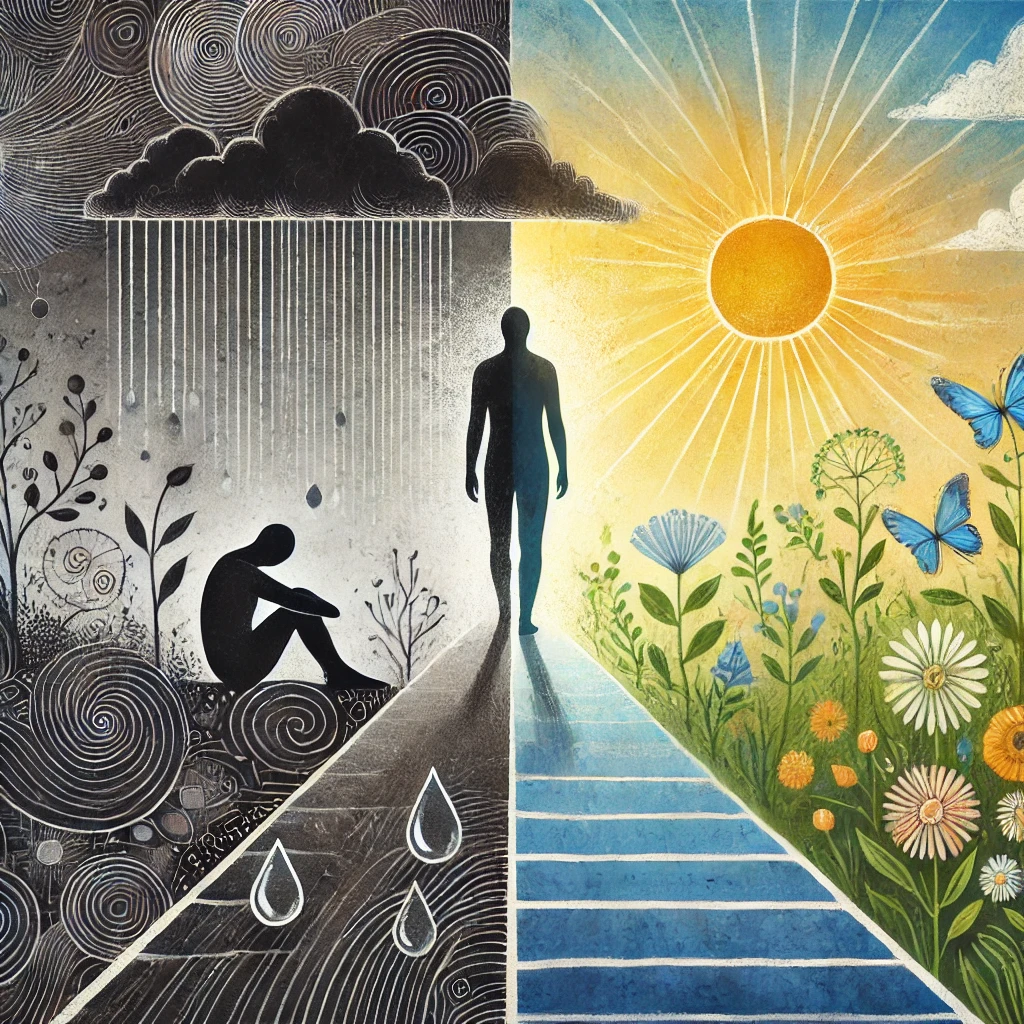
मानसिक स्वास्थ्य हमारे संपूर्ण स्वास्थ्य में महत्वपूर्ण भूमिका निभाता है, जिससे हमारे विचार, भावनाएँ और व्यवहार प्रभावित होते हैं। आज के तेजी से बदलते समाज में, संतुलित जीवन के लिए मानसिक स्वास्थ्य को प्राथमिकता देना आवश्यक है। तनाव, चिंता और अवसाद जैसी समस्याएँ बढ़ रही हैं, लेकिन पारंपरिक दवाओं के अलावा भी कई प्राकृतिक तरीके हैं जो मानसिक स्वास्थ्य को सुधार सकते हैं। अपने दैनिक जीवन में छोटे-छोटे बदलाव करके आप मानसिक स्वास्थ्य को बेहतर बना सकते हैं और जीवन में अधिक संतुलन पा सकते हैं। यहाँ कुछ प्रभावी तरीके दिए गए हैं जो आपको मानसिक स्वास्थ्य सुधारने की दिशा में आगे बढ़ने में मदद करेंगे।
1. सही आहार लें
आहार और मानसिक स्वास्थ्य के बीच गहरा संबंध है। Harvard Health Publishing के अनुसार, पोषक तत्वों से भरपूर आहार मस्तिष्क के स्वास्थ्य को बनाए रखने में महत्वपूर्ण भूमिका निभाता है। अपने आहार में निम्नलिखित खाद्य पदार्थ शामिल करें:
ओमेगा-3 फैटी एसिड: मछली, अलसी के बीज और अखरोट में पाया जाता है, जो अवसाद और चिंता को कम करता है।
एंटीऑक्सीडेंट युक्त खाद्य पदार्थ: हरी पत्तेदार सब्जियाँ, जामुन और मेवे मानसिक थकान को दूर करने में मदद करते हैं।
प्रोबायोटिक्स: दही, किमची और कोम्बुचा आंत के स्वास्थ्य को सुधारते हैं, जिससे मूड पर सकारात्मक प्रभाव पड़ता है।
2. शारीरिक गतिविधि से मूड बेहतर करें
नियमित व्यायाम करने से तनाव कम होता है और मानसिक स्वास्थ्य बेहतर होता है। व्यायाम के दौरान शरीर में “फील-गुड” हार्मोन (एंडोर्फिन) निकलते हैं, जो मूड को अच्छा बनाते हैं।
प्राकृतिक वातावरण में टहलना – यह व्यायाम के साथ-साथ मन को शांति भी देता है।
योग और स्ट्रेचिंग – मानसिक शांति और लचीलेपन को बढ़ाता है।
हाई-इंटेंसिटी एक्सरसाइज – ऊर्जा बढ़ाता है और सुस्ती दूर करता है।
3. अच्छी नींद को प्राथमिकता दें
अच्छी नींद मानसिक और शारीरिक स्वास्थ्य दोनों के लिए आवश्यक है।
हर दिन एक निश्चित समय पर सोने और जागने की आदत डालें।
सोने से एक घंटा पहले स्क्रीन (मोबाइल, टीवी) से दूर रहें।
सोने से पहले हर्बल चाय पिएँ या ध्यान करें।
“Practicing mindfulness in nature is a powerful way to reduce stress, boost mental health, and improve overall well-being naturally.”
4. माइंडफुलनेस और ध्यान का अभ्यास करें
माइंडफुलनेस वर्तमान क्षण में पूरी तरह से उपस्थित रहने की कला है, जिससे मानसिक स्पष्टता बढ़ती है।
माइंडफुलनेस ऐप का उपयोग करें।
गहरी सांस लेने के व्यायाम करें।
प्रतिदिन आभार (Gratitude) लिखें।
5. सामाजिक संबंध मजबूत करें
रिश्ते हमारी भावनात्मक सेहत के लिए बहुत महत्वपूर्ण होते हैं।
परिवार और दोस्तों के साथ समय बिताएँ।
किसी स्थानीय समूह या स्वयंसेवी संगठन से जुड़ें।
अपनों से नियमित रूप से संपर्क बनाए रखें।
6. प्रकृति के साथ समय बिताएँ
प्राकृतिक वातावरण में समय बिताने से मानसिक शांति मिलती है।
पार्क में टहलें या जंगल की सैर करें।
बागवानी करें या सूरज की रोशनी में बैठें।
पक्षियों की चहचहाहट और समुद्र की लहरों की आवाज़ सुनें।
7. स्क्रीन टाइम को सीमित करें
अत्यधिक डिजिटल उपकरणों का उपयोग मानसिक थकावट और चिंता को बढ़ा सकता है।
स्क्रीन टाइम के लिए सीमा तय करें।
भोजन और सोने से पहले फोन का उपयोग न करें।
ऑफलाइन गतिविधियों (जैसे पढ़ाई, पेंटिंग) पर ध्यान दें।
8. विश्राम तकनीकों का उपयोग करें
आराम करना मानसिक स्वास्थ्य के लिए आवश्यक है।
अरोमाथेरेपी – लैवेंडर और कैमोमाइल तेल से चिंता कम होती है।
हर्बल चाय – ग्रीन टी और पुदीने की चाय मानसिक शांति देती है।
मांसपेशियों को आराम देना – शरीर की सभी मांसपेशियों को आराम देने का व्यायाम करें।
9. हानिकारक आदतों से बचें
धूम्रपान, शराब और अस्वस्थ भोजन मानसिक स्वास्थ्य को नुकसान पहुँचा सकते हैं।
धूम्रपान की जगह व्यायाम करें।
शराब की जगह हर्बल चाय पिएँ।
प्रोसेस्ड फूड की जगह फल और मेवे खाएँ।
10. सकारात्मक सोच और आभार का अभ्यास करें
हर दिन आभार लिखें।
सकारात्मक विचारों पर ध्यान दें।
11. ज़रूरत पड़ने पर पेशेवर मदद लें
अगर ज़रूरत हो, तो मानसिक स्वास्थ्य विशेषज्ञ से सलाह लेने में संकोच न करें।
निष्कर्ष
प्राकृतिक तरीकों से मानसिक स्वास्थ्य सुधारने के लिए हमें अपने शरीर और दिमाग का ध्यान रखना चाहिए। छोटे-छोटे बदलाव करके आप अपने मानसिक स्वास्थ्य को मज़बूत बना सकते हैं।
La santé mentale joue un rôle essentiel dans notre bien-être général, influençant nos pensées, nos émotions et nos comportements. Dans notre société en constante évolution, il est crucial de donner la priorité à la santé mentale pour mener une vie équilibrée et améliorer son bien-être mental naturellement. Le stress, l’anxiété et la dépression sont en augmentation, mais il existe des méthodes naturelles efficaces pour renforcer la santé mentale au-delà des médicaments conventionnels. En adoptant de petits changements durables dans votre routine quotidienne, vous pouvez soutenir votre santé mentale et renforcer votre résilience. Voici quelques stratégies efficaces pour commencer votre parcours vers un meilleur bien-être mental.
1. Adoptez une alimentation saine pour un esprit plus équilibré
Le lien entre l’alimentation et la santé mentale est bien établi. Selon Harvard Health Publishing, une alimentation riche en nutriments joue un rôle clé dans le maintien de la santé cérébrale. Inclure les aliments suivants dans votre régime peut améliorer votre humeur et vos fonctions cognitives :
Acides gras oméga-3 : Présents dans le poisson, les graines de lin et les noix, ils réduisent les symptômes de la dépression et de l’anxiété.
Aliments riches en antioxydants : Les légumes verts, les baies et les noix aident à combattre le stress oxydatif, qui est lié à la fatigue mentale.
Probiotiques : Le yaourt, le kimchi et le kombucha favorisent la santé intestinale, influençant positivement l’humeur.
2. Bougez votre corps, améliorez votre humeur
Faire de l’exercice régulièrement est un moyen naturel puissant d’améliorer son bien-être mental. Lors d’une activité physique, notre corps libère des endorphines, souvent appelées hormones du bonheur, qui réduisent le stress et améliorent l’humeur.
Marchez dans la nature : Allie les bienfaits de l’activité physique et de l’environnement naturel.
Pratiquez le yoga et les étirements : Favorisent la relaxation et la pleine conscience.
Optez pour des exercices à haute intensité : Augmentent l’énergie et réduisent la fatigue.
3. Priorisez un sommeil de qualité
Un sommeil réparateur est essentiel pour la santé mentale et physique. Un manque de sommeil peut aggraver l’anxiété et la dépression. Pour améliorer votre sommeil naturellement :
Maintenez un horaire de sommeil régulier.
Évitez les écrans une heure avant de dormir.
Instaurez une routine relaxante avant le coucher.
“Practicing mindfulness in nature is a powerful way to reduce stress, boost mental health, and improve overall well-being naturally.”
4. Pratiquez la pleine conscience et la méditation
La pleine conscience consiste à être pleinement présent dans l’instant, sans jugement. Cela réduit le stress et améliore la clarté mentale.
Essayez des applications de méditation guidée.
Faites des exercices de respiration profonde.
Tenez un journal de gratitude.
5. Renforcez vos liens sociaux
Les relations sociales sont essentielles au bien-être émotionnel.
Passez du temps de qualité avec vos proches.
Rejoignez des groupes ou engagez-vous dans des actions bénévoles.
Contactez régulièrement vos amis et votre famille.
6. Passez du temps dans la nature
Des études montrent que passer du temps en plein air apaise l’esprit et améliore la santé mentale.
Marchez dans un parc ou faites de la randonnée.
Jardinez ou profitez du soleil.
Écoutez des sons naturels comme les vagues ou le chant des oiseaux.
7. Équilibrez votre temps d’écran
Une surexposition aux écrans peut causer de l’anxiété et de l’épuisement mental.
Limitez votre temps d’écran quotidien.
Prévoyez des moments sans technologie, surtout avant de dormir.
Remplacez le temps passé devant un écran par des loisirs hors ligne.
8. Explorez des techniques de relaxation
La relaxation est essentielle pour la santé mentale. Essayez :
L’aromathérapie avec des huiles essentielles comme la lavande.
Les tisanes apaisantes comme la camomille ou la menthe poivrée.
La relaxation musculaire progressive pour détendre le corps.
9. Évitez les habitudes nocives
Certains comportements, comme la consommation excessive d’alcool ou une alimentation déséquilibrée, peuvent nuire à votre bien-être mental.
Remplacez la cigarette par une activité physique.
Optez pour des infusions au lieu de l’alcool.
Privilégiez les fruits et les noix aux aliments transformés.
10. Cultivez la gratitude et la pensée positive
Tenir un journal de gratitude et pratiquer des affirmations positives peut améliorer l’humeur et réduire le stress.
11. Demandez de l’aide professionnelle si nécessaire
Si les approches naturelles ne suffisent pas, n’hésitez pas à consulter un professionnel.
Conclusion
Améliorer sa santé mentale naturellement repose sur des choix intentionnels et sains. En adoptant ces pratiques, vous investissez dans votre bien-être global.
ذہنی صحت ہماری مجموعی فلاح و بہبود میں ایک اہم کردار ادا کرتی ہے، جو ہمارے خیالات، جذبات اور رویے پر اثر انداز ہوتی ہے۔ ہماری تیزی سے بدلتی ہوئی دنیا میں ذہنی صحت کو ترجیح دینا ضروری ہے تاکہ متوازن زندگی گزاری جا سکے۔ دباؤ، بے چینی اور ڈپریشن جیسے مسائل بڑھ رہے ہیں، لیکن روایتی ادویات کے علاوہ بھی قدرتی طریقے موجود ہیں جو ذہنی صحت کو بہتر بنا سکتے ہیں۔ اپنی روزمرہ کی روٹین میں کچھ سادہ تبدیلیاں لا کر آپ اپنی ذہنی صحت کو بہتر بنا سکتے ہیں اور اپنے اندرونی سکون کو مضبوط کر سکتے ہیں۔ یہاں کچھ مؤثر حکمت عملیاں دی گئی ہیں جو آپ کے ذہنی سکون کے سفر کو آسان بنائیں گی۔
1. صحت مند غذا سے دماغی تندرستی بڑھائیں
خوراک اور ذہنی صحت کے درمیان ایک واضح تعلق ہے۔ Harvard Health Publishing کے مطابق، غذائیت سے بھرپور خوراک دماغی صحت کو برقرار رکھنے میں مدد دیتی ہے۔
اومیگا 3 فیٹی ایسڈ: مچھلی، السی کے بیج اور اخروٹ میں پایا جاتا ہے، جو ڈپریشن اور بے چینی کو کم کرتا ہے۔
اینٹی آکسیڈنٹ سے بھرپور غذائیں: سبز پتوں والی سبزیاں، بیریز اور میوے ذہنی تھکن کو کم کرنے میں مدد کرتے ہیں۔
پروبائیوٹکس: دہی، کمبوچا اور کِمچی آنتوں کی صحت بہتر کرتے ہیں، جس سے مزاج بہتر ہوتا ہے۔
2. جسمانی سرگرمیوں سے موڈ بہتر کریں
باقاعدگی سے ورزش کرنا ذہنی سکون کے لیے ایک طاقتور طریقہ ہے۔
قدرتی ماحول میں چہل قدمی کریں
یوگا اور اسٹریچنگ
ہائی انٹینسٹی ایکسرسائز
3. معیاری نیند کو ترجیح دیں
ہر روز ایک مقررہ وقت پر سوئیں۔
سونے سے پہلے اسکرین کا استعمال ترک کریں۔
4. ذہن سازی اور مراقبہ کریں
مراقبہ ایپس آزمائیں۔
سانس کی مشقیں کریں۔
“Practicing mindfulness in nature is a powerful way to reduce stress, boost mental health, and improve overall well-being naturally.”
5. سماجی تعلقات کو مضبوط کریں
دوستوں اور خاندان کے ساتھ وقت گزاریں۔
6. قدرتی ماحول سے لطف اندوز ہوں
باغبانی کریں یا سورج کی روشنی میں بیٹھیں۔
7. اسکرین ٹائم کم کریں
موبائل اور کمپیوٹر کے استعمال کو محدود کریں۔
8. آرام کے طریقے آزمائیں
ہربل چائے اور اروما تھراپی سے سکون حاصل کریں۔
9. نقصان دہ عادات سے پرہیز کریں
تمباکو نوشی اور الکحل سے گریز کریں۔
10. مثبت سوچ اپنائیں
11. پیشہ ورانہ مدد حاصل کریں
نتیجہ
قدرتی طریقوں سے ذہنی صحت کو بہتر بنانا ممکن ہے، اور یہ ایک بہترین سرمایہ کاری ہے جو آپ اپنی فلاح و بہبود میں کر سکتے ہیں۔
Mental health plays a crucial role in determining our overall wellness, influencing our thoughts, emotions, and behaviors. In our rapidly evolving society, prioritizing mental health is essential for achieving a balanced life to improve mental health naturally. Issues like stress, anxiety, and depression are on the rise, yet there are effective natural methods to enhance mental well-being beyond conventional medications. By incorporating simple, sustainable adjustments to your daily routine, you can support your mental health and strengthen your resilience. Below are some effective strategies to kick off your journey toward improved mental wellness.
1. Eat Your Way to a Healthier Mind
The link between diet and mental well-being is clear and it is one of natural mental health strategies. According to research from Harvard Health Publishing, a nutrient-dense diet plays a crucial role in maintaining brain health. Incorporating the following foods into your diet can enhance mood and cognitive function:
Omega-3 fatty acids: Found in fish, flaxseeds, and walnuts, these fats reduce symptoms of depression and anxiety.
Antioxidant-rich foods: Leafy greens, berries, and nuts help combat oxidative stress, which is linked to mental fatigue.
Probiotics: Foods like yogurt, kimchi, and kombucha improve gut health, influencing mood positively.
Keeping hydrated while reducing sugar and caffeine consumption can help balance mood fluctuations and enhance concentration.
2. Move Your Body, Lift Your Mood
Engaging in regular exercise is a powerful natural method to boost mental well-being and reduce stress naturally. When we participate in physical activities, our bodies release endorphins, which are known as the “feel-good” hormones. These chemicals play a significant role in alleviating stress and uplifting our mood and improve mood naturally without medications. The Mental Health Foundation highlights that even engaging in moderate amounts of exercise can lead to significant improvements in mental health. ● Walking in nature: Combines the benefits of physical activity with the therapeutic effects of greenery. ● Yoga and stretching: Promotes relaxation, flexibility, and mindfulness. ● High-intensity exercises: Boost energy and combat feelings of sluggishness. Consistency matters—just 30 minutes a day can transform your mental state.
3. Prioritize Quality Sleep
Restorative sleep is essential for both mental and physical well-being. Insufficient quality sleep can worsen symptoms of anxiety and depression. Here are some natural ways to enhance your sleep: ● Maintain a consistent sleep schedule, even on weekends. ● Avoid screens for at least an hour before bedtime to reduce blue light exposure. ● Create a calming bedtime ritual, like drinking herbal tea or practicing meditation.
4. Practice Mindfulness and Meditation
Mindfulness is the practice of staying fully engaged in the present moment without forming judgments about it and it improve mental health naturally. This approach helps to alleviate stress and improves mental clarity. To get started: ● Try guided meditation apps for structured sessions. ● Engage in deep breathing exercises to calm your mind. ● Maintain a gratitude journal, listing three things you’re thankful for daily. Mindfulness can be practiced anytime, whether during a walk, while eating, or through focused breathing.
5. Strengthen Social Connections
Social bonds play a crucial role in supporting our emotional health. According to the National Institute of Mental Health (NIMH), nurturing positive relationships is vital for addressing feelings of loneliness and preventing isolation.
● Spend quality time with family and friends. ● Join local groups or volunteer for causes you care about to build new connections. ● Reach out to loved ones regularly—sometimes a simple conversation can make a big difference.
6. Immerse Yourself in Nature
Research referenced by Psychology Today indicates that spending time in nature can significantly soothe the mind and helps improve mental health naturally. Activities like: ● Walking in parks or hiking in forests. ● Gardening or sitting in a sunlit area. ● Listening to natural sounds like waves or birdsong. can reduce stress, improve mood, and enhance cognitive function.
7. Balance Screen Time
Overuse of digital devices may contribute to mental exhaustion, anxiety, and a sense of loneliness. Additionally, social media can adversely affect mental well-being. Establishing limits on technology use can help alleviate stress and enhance concentration. To create a healthier digital lifestyle: ● Set limits on daily screen time. ● Schedule device-free moments, especially during meals and before bed. ● Replace screen time with offline hobbies like reading, painting, or cooking.
8. Explore Relaxation Techniques
Relaxation isn’t just a luxury—it’s a necessity for mental health. Here are some natural methods to unwind: ● Aromatherapy: Essential oils like lavender and chamomile can reduce anxiety. ● Herbal teas: Chamomile, green tea, and peppermint are known for their calming effects. ● Progressive muscle relaxation: A technique where you tense and relax each muscle group in your body. These practices can ease stress and promote a sense of calm.
9. Avoid Harmful Habits
Some behaviors, such as smoking, drinking too much alcohol, or frequently indulging in unhealthy foods, can negatively impact mental well-being. It’s important to substitute these habits with healthier options. ● opt for regular physical activity instead of smoking. ● Choose herbal teas over alcohol for relaxation. ● Snack on nuts or fruit instead of processed food.
10. Practice Gratitude and Positive Thinking
Nurturing a sense of gratitude can change the way your brain processes experiences, leading to a greater focus on the positive aspects of life. Studies highlighted by WebMD indicate that maintaining a gratitude journal or engaging in daily affirmations can enhance your mood and lower stress levels.
11. Seek Professional Help When Needed
Although natural approaches can work well, it’s crucial to acknowledge when seeking professional assistance is necessary. Engaging with therapists, counselors, or support groups can offer valuable strategies and support for coping with mental health issues.
Conclusion
Enhancing your mental health through natural methods involves making intentional decisions that promote your overall well-being. By nourishing both your body and mind, cultivating meaningful relationships, and reducing screen time, you can strengthen your mental resilience. Always remember that your mental health is crucial, and prioritizing it is one of the best investments you can make in your life.
في عالمنا السريع اليوم، من السهل جدًا أن نشعر بالإرهاق بسبب المتطلبات المستمرة للعمل المرهق. عائلتك تطلب اهتمامك، وإشعارات هاتفك المستمرة تضغط عليك لمواكبة متطلبات وسائل التواصل الاجتماعي. يبدو كأنه مهمة مستحيلة أن تجد لحظة من السلام والهدوء في هذا العالم. إذا كنت قد تساءلت يومًا: “كيف يمكنني أن أشعر بهدوء وتركيز أكبر في حياتي اليومية؟” فأنت لست وحدك.
الإجابة تكمن في الوعي الذهني، وهي تقنية قوية جدًا تساعدك على البقاء حاضرًا في اللحظة حتى وسط الفوضى. الوعي الذهني يعني الانتباه للحظة الحالية بحب وفضول، وليس تطهير عقلك تمامًا أو قضاء ساعات في التأمل.
في هذه المدونة، سنتناول مفهوم الوعي الذهني، والفوائد المدعومة علميًا التي يقدمها، والممارسات البسيطة التي يمكنك البدء بها اليوم لتقليل التوتر وتحسين رفاهيتك.
ما هو الوعي الذهني؟
هل تريد تصفية ذهنك أو التركيز على الأشياء من حولك بدلاً من العيش في عالم وهمي؟ إليك تعريف الوعي الذهني:
“الوعي الذهني هو القدرة البشرية الأساسية على التواجد الكامل، والوعي بمكاننا وما نفعله، دون رد فعل مفرط أو الشعور بالإرهاق مما يحدث من حولنا.”
القبول هو جانب آخر من جوانب الوعي الذهني، وهو الانتباه إلى أفكارنا ومشاعرنا دون إصدار أحكام عليها. على سبيل المثال، لا نعتقد أنه هناك “صواب” أو “خطأ” في طريقة التفكير أو الشعور في أي وقت معين. عندما ننخرط في الوعي الذهني، نتوقف عن استرجاع الماضي أو استباق المستقبل ونركز بدلاً من ذلك على ما نشعر به الآن.
القدرة على الوعي الذهني هي شيء يولد به جميع البشر؛ ما عليك سوى تعلم كيفية الوصول إليه.
العلم وراء الوعي الذهني
الوعي الذهني هو ممارسة مهمة لها فوائد مثبتة للصحة العقلية والجسدية. أُجريت العديد من الأبحاث التي تُظهر أن الوعي الذهني يساعد الدماغ، يقلل التوتر، بل ويحسن الصحة العامة بشكل عام.
كيف يغير الوعي الذهني الدماغ
أظهرت دراسة من كلية الطب بجامعة هارفارد باستخدام تقنية تصوير الدماغ أن التأمل الذهني يمكن أن يغير هيكل الدماغ فعليًا. تُظهر هذه الدراسة أن الوعي الذهني يمكن أن يزيد من المادة الرمادية المرتبطة بالذاكرة، والتعلم، وتنظيم المشاعر، بينما يقل نشاط اللوزة الدماغية، المسؤولة عن استجابة “القتال أو الهروب”، حيث تنكمش مع الممارسة المنتظمة للوعي الذهني، مما يؤدي إلى تقليل مستويات التوتر والقلق.
الوعي الذهني يقلل التوتر والقلق
أظهرت دراسة نُشرت في مجلة JAMA حول الوعي الذهني وتقليل التوتر أن الوعي الذهني يخفض مستويات الكورتيزول، وهو الهرمون المرتبط بالتوتر. تُظهر هذه الدراسة أن الوعي الذهني والتأمل يمكن أن يقللا من مستويات القلق والاكتئاب والألم.
يحسن التركيز والإنتاجية
أظهرت أبحاث من جامعة كاليفورنيا في سانتا باربرا أن الأشخاص الذين يدربون دماغهم باستخدام الوعي الذهني يبقون حاضرين، مما يعزز تركيزهم وإنتاجيتهم. يُظهر الوعي الذهني تحسينًا في مدة الانتباه وأداء أفضل في المهام المعرفية. كما يقوي الوعي الذهني قدرة الدماغ على تصفية التشويشات.
الفوائد الصحية الجسدية
الوعي الذهني ليس مفيدًا للعقل فقط، بل أيضًا مفيد لجسمك. تُظهر الأبحاث أن الوعي الذهني يمكن أن:
يخفض ضغط الدم.
يحسن جودة النوم.
يعزز وظيفة الجهاز المناعي.
ممارسات الوعي الذهني البسيطة للمبتدئين
تمارين التنفس
تنفس الصندوق (استنشق الهواء لمدة 4 ثوانٍ، احبس التنفس لمدة 4 ثوانٍ، زفر لمدة 4 ثوانٍ، كرر).
تنفس 5-5-5 (استنشق الهواء لمدة 5 ثوانٍ، زفر لمدة 5 ثوانٍ، كرر لمدة 5 دقائق).
تأمل مسح الجسم
استلقِ أو اجلس براحة ثم أغلق عينيك وخذ بعض الأنفاس العميقة ببطء. ركز انتباهك على كل جزء من جسمك بدءًا من أصابع القدمين وصولاً إلى الرأس، ولاحظ أي إحساسات دون أن تغيرها. اقضِ من 1-2 دقيقة على كل جزء من أجزاء الجسم.
المشي بوعي
اختر مكانًا هادئًا للمشي، سواء داخل المنزل أو خارجه، ثم امشِ ببطء وركز على الإحساس بأقدامك وهي تلامس الأرض. انتبه لتنفسك وحركة جسمك. إذا تشتت عقلك، أعد تركيزك بلطف على فعل المشي.
كيف دمج الوعي الذهني في الحياة اليومية
الأكل بوعي: يمكن القيام بذلك عن طريق الانتباه إلى طعامك، طعمه، قوامه، ورائحته. لا تستخدم الهاتف المحمول أثناء الأكل أو تشاهد التلفاز.
العمل بوعي: بدلاً من العمل المستمر، خذ فترات راحة قصيرة للتنفس وإعادة التركيز على عملك. قم بأداء مهام واحدة بدلاً من القيام بعدة مهام في وقت واحد.
التواصل بوعي: استمع بنشاط للشخص الذي تتحدث معه ولا تحاول تفسير ما يقوله، وكن حاضراً تمامًا أثناء المحادثة.
الأدوات والتطبيقات التي تساعدك على البقاء في حالة وعي ذهني
في عالم مليء بالتحديات والضغوط، يقدم الوعي الذهني وسيلة قوية لتهدئة عقلك ومنحك الوضوح. من خلال ممارسة الوعي الذهني، يمكنك تدريب عقلك على البقاء حاضراً في اللحظة، وتقليل التوتر، وتحسين رفاهيتك العامة.
تذكر أن الوعي الذهني ليس عن الكمال—إنه عن التقدم. حتى بضع دقائق يومياً يمكن أن تحدث فرقًا. ابدأ بخطوات صغيرة، وكن صبورًا مع نفسك، واحتفل بلحظات السلام التي تخلقها على طول الطريق. فلماذا لا نمارس ذلك الآن في اللحظة الحالية؟ خذ نفسًا عميقًا، أغلق عينيك، وامنح نفسك هدية الحضور. أنت تستحق ذلك.
There is a widespread misconception about the mental health that creates a barrier that stop people from understanding, treatment and seeking help worldwide. These myths frequently lead to a lack of knowledge about the realities of mental health issues, deter people from getting assistance, and reinforce stigma. By making up for these misconceptions we may be able to destroy the stereotypes that are damaging the society and make a world that is more accepting, healthier and enable people to seek help for mental health problems with empathy.
Myth: Mental Health Problems Are Rare
Mental Health: Not an Infrequent Occurrence, But a Common Reality
There is a widespread misconception that mental health problems are uncommon and only impact a tiny percentage of people. But the reality presents a completely different picture. A fairly large population is victim of mental and neurological problems and are more common than most believe it is, with one in four individuals in world experience it at some points in their lives, according to World Health Organization (WHO).
In some parts of the world, such as in UK, according to research one in six adults can face some kind of mental health problems such as anxiety, stress or depression, once a week. And these figures clearly shows that how common it is.
It is important to understand that how quickly and it is spreading and how frequently it is present in the society around us only then we will be able develop the empathy, lessen stigma and encourage people to talk about this more frequently. By acknowledging that mental health issues are affecting lives in every walk of life we can change the thinking from responsibility of a one person to shared responsibility.
The first step in developing a better and more caring world for the people suffering from the mental health disorders as a common concern rather than an uncommon exception is to acknowledge the prevalence and frequency of mental health issues that are present in our society.
Myth: People with Mental Illness Are Aggressive and unpredictable
False media representations is the leading source of this stigma that associates the mental health problems to the violence. Headlines wrongly associating the violent activites to the mental health issues is reinforcing this stigma. But reality is otherwise in which these incidents are rare rather than the rule.
Studies repeatedly reveal that most mentally ill people are not violent. The U.S. Department of Health and Human Services reports that just 3-5% of violent acts are committed by the people with mental health illness and these stats are far lower than people perception. Substance abuse, trauma and socioeconomic stresses are the contributor to the mental health violence. Mental illness rarely causes violence alone.
Myth: Mental Health Issues Show Weakness
The root cause of this stigma that mental health issues show weakness is the social stigma or culture beliefs that consider emotional difficulties equal to the weakness. And this is further supported by the historical perception that discounted mental health illness is the human short comings. This misconception discourages many people from seeking help out of concern of mockery or critics. But contrary to that mental health issues are illness not personal shortcomings.
For every mental health illness (For example anxiety or depression) there are genetic, biochemical or environmental variables. Just like the other diseases they also have some pathology that requires the particular treatment. Asking for help isn’t sign of weakness it is actually an act of bravery, determination and self-awareness. But mental health disorders require the courage and perseverance to manage with juggling personal and professional obligation.
Myth: Children Don’t Experience Mental Health Problems
Alot of people do not realize the complications and influence of children surroundings on their mental health. And they consider it just a bad phase in their life rather than possible signs of bigger problems. Parents may not discuss about this in the fear of being judged by others.
It is a widespread misperception that mental health problems are only present in adults and that kids are too young to think about these things. In reality they are equally vulnerable to the mental health issues and ignoring the signs and symptoms of mental health issues in children leads to the untreated problems, delayed diagnosis, and long-term effects.
According to World Health Organization (WHO) 14% of children and adolescents around the globe are affected by the mental health disorders. These include attention-deficit/hyperactivity disorder (ADHD), depression, anxiety disorders, and more. (UNICCEF)
Children’s mental health problems are as frequent as these problems are present in adults, but they present differently in children making it difficult to diagnose . Trauma, family strife, bullying, and academic pressure are some of key factors that impact the children mental health badly. Hormonal fluctuations, brain development, and genetics can all predispose kids to mental health problems and the risk is raised by environmental factors such exposure to violence, unstable family situations, and poverty.
Myth: Therapy Is Only for People with Severe Mental Illness
A common misconception is that therapy is only for persons experiencing serious mental health issues or crises. But therapy is a flexible instrument that can help everyone, no matter how bad their problems are. It can help people to overcome a variety of daily stressful activities and foster better relationships.
Not everyone responds to the therapy in the same manner in some cases therapy isnt helpful. Those having problems with the stress, life changes, marital problems, or personal development objectives may find it beneficial. Improving communication abilities, managing bereavement, and obtaining clarity of mind when making important life decisions are some of common motivations for the people for asking help. There is a spectrum of mental health, and treatment can help people at every stage of the disease, from managing complicated disorders to helping moderate anxiety. Therapy can serve as a preventive approach, addressing difficulties before they become more serious, much like routine doctor’s visits help maintain physical health.
Myth: Medication Is the Only Treatment for Mental Health Issues
A widespread misperception about mental health care is that medicine is the only option for treating mental illnesses. There is no doubt that the medication plays a significant role in managing mental health issues, but it is not the only method. People use different approach, including therapy, lifestyle changes, and support networks to successfully address individual needs.
Media shows medication as the only way of treating mental health issues downgrading the other methods. Many people seek immediate relief, and medication can sometimes provide speedier symptom control than the steady progression of therapy or lifestyle modifications. In many locations, therapy and alternative treatments are less accessible than medication, supporting the belief that medication is the only option.
The most effective method of treatment of anxiety and depression found by the researchers are combination of medication and psychotherapy. According to a study published in The Journal of the American Medical Association (JAMA), patients with severe depressive disorder benefit more from both medication and cognitive behavioral therapy. Therapy, lifestyle improvements, and support systems can help maintain mental health and reduce pharmaceutical need in the long run. Learning to manage triggers, develop resilience, and cultivate healthy habits offers people power over their mental health journey.
Myth: People with Mental Health Conditions Can’t Hold Jobs
Individuals with mental health disorders can be as productive as their colleagues without them, according to the National Alliance on Mental Illness (NAMI), with the right support. According to a World Health Organization (WHO) study, people with mental health conditions who obtain some kind of support or workplace accommodation are very highly going to stay in their jobs and perform well.
Lack of knowledge and misconceptions regarding the mental health illnesses contribute to this notion specifically its association with instability and unreliability. Coworkers don’t know how these problems are addressed and likelihood of success with their support. These people face job discrimination due to the historical stereotypes.
A person’s talent is not limited due to any mental health condition. Many people with variety of mental health conditions have done great in different fields. After dealing with these mental health conditions a person usually gain a variety problem solving skills, empathy and creativity that can be very helpful at work. Many persons with these disorders can control their symptoms and function efficiently in their workplace with appropriate treatment and lifestyle changes. Flexible workplace rules, such as remote work or mental wellness days, contribute to employees’ success.
Myth: If you have a mental illness, you cannot recover
One of the most depressing and inaccurate clichés about mental health is that persons suffering from mental illnesses can never recover. This misunderstanding not only contributes to stigma but also discourages people from getting help, encouraging emotions of hopelessness. While in truth, mental illness is treatable and can be cured just like any other disease. They are very much misinterpreted that these disorders can’t be treated, and they are permanent.
Many people learn to manage the symptoms of their illness along with doing their work efficintly and mantainig their relationships. Recovery is a journey, not a destination. It comprises gradual improvement, with setbacks as a normal part of the process.
Conclusion
By understanding what mental health is and we will be able to overcome these myths with scientifically proven facts and maybe can create a society which is more informed. Mental health issues are not a sign that a person is weak neither they are uncurable nor uncommon. People can effectively manage their work along with their mental health with a little support and necessary resources.
It is time to abandon the myths and accept the fact mental health is as important as physical health. Together, we can make a world where we can help each other, asking for help is easier, support is available, and no one suffers alone. In short, we can work on making a world better place to live. Let us continue the conversation, communicate the truth, and lobby for increased mental health awareness for everyone.
Modern life moves so quickly that there are moments when you hardly have time to pause and relax. It can make consistently getting a decent night’s sleep feel unattainable.
However, sleep is just as vital to health as food and exercise. Getting enough sleep enhances your happiness, health, and cognitive function.
Sleep is physically essential for cardiovascular health since it lowers the risk of heart disease, stroke, and hypertension. By balancing hormones, it also controls appetite and metabolism, preventing weight gain. Additionally, sleep helps the immune system by generating proteins called cytokines, which improve the body’s defenses against inflammation and infections. (NIH News in Health)
Making sleep a priority is a proactive way to enhance general health. People can improve their physical resilience, emotional stability, and cognitive function by implementing appropriate sleep habits, which will ultimately lead to a higher quality of life.
This blog’s goal is to draw attention to how important sleep is for preserving both physical and mental well-being. This blog seeks to inform readers about the importance of getting enough sleep by examining the science underlying sleep, its effects on wellbeing, and the negative effects of sleep deprivation. It also offers doable methods for enhancing sleep patterns, enabling people to take concrete measures for improved health and a more balanced way of living.
How much sleep a person needs?
As you age, your sleep requirements vary. Experts advise teens should receive eight to ten hours per night, while school-age youngsters should get at least nine. The majority of adults require seven hours or more of sleep every night.
There are a lot of misconceptions around sleep. One is that as people age, they require less sleep. This is untrue. The amount is still the same for older folks. But as you age, the quality of your sleep may deteriorate. Additionally, older persons are more likely to take sleep-impairing drugs.
Sleep Science
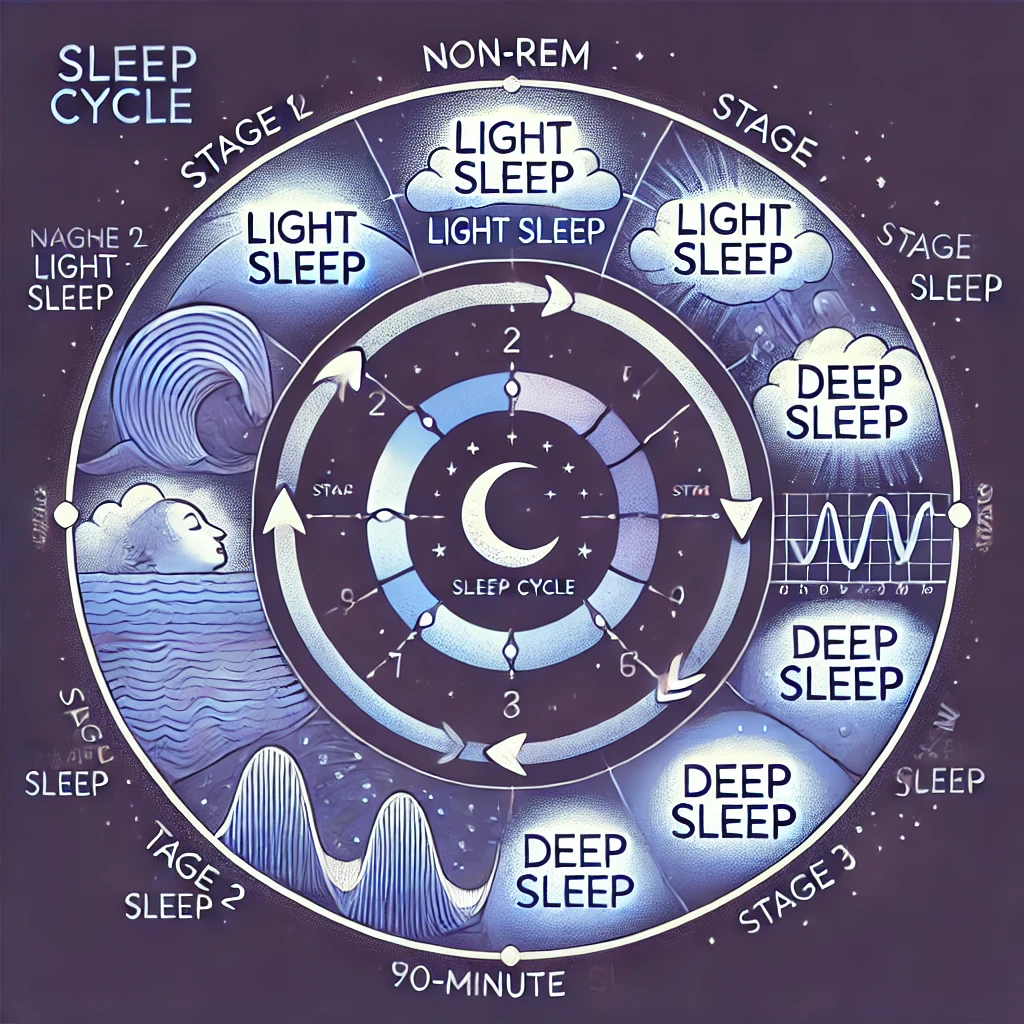
The circadian rhythm, which is the body’s internal clock, controls the various stages of sleep.Sleep is not consistent. Rather, your overall sleep is comprised of multiple cycles of the sleep cycle, which consists of four distinct stages, throughout the night. A person experiences four to six sleep cycles in a normal night.
Sleep Stages
Rapid eye movement (REM) sleep and non-rapid eye movement (NREM) sleep are the two primary categories of sleep. Every kind includes distinct phases that alternate over the night.
NREM Sleep:
Stage 1: This phase, which lasts for a few minutes, is the change from wakefulness to sleep. Muscles start to relax during this period of light sleep, and respiration, eye movements, and heartbeat all slow down. Stage 2: A brief interval of light slumber followed by deeper sleep. Muscles relax even more and breathing and heartbeat slow down even more. Body temperature decreases and eye movements cease. Short electrical activity bursts cause the brain’s activity to slow down. Stage 3: Also referred to as slow-wave sleep or deep sleep, this stage is essential for feeling rejuvenated. Muscles are completely relaxed, and respiration and heart rate drop to their lowest points. During this phase, awakening is challenging.
REM Sleep:
occurs roughly ninety minutes after going to sleep. Behind closed eyelids, the eyes move quickly, and brain activity resembles that of waking. REM sleep is when most dreams occur. In order to stop dreaming, muscles are momentarily paralyzed. Each of these phases lasts roughly 90 to 110 minutes and repeats cyclically throughout the night. While deep sleep diminishes as the night go on, REM sleep durations increase.
What is Circadian Rhythms
The body’s internal 24-hour clock, known as the circadian rhythm, controls the sleep-wake cycle and affects our feelings of alertness and drowsiness. The brain’s suprachiasmatic nucleus (SCN), which reacts to environmental cues including light and dark, is principally in charge of it.
Light Exposure: The SCN tells the brain to produce less melatonin, a hormone that encourages sleep, when exposed to light, particularly natural sunshine. This results in heightened alertness. On the other hand, darkness causes the SCN to increase melatonin levels, which results in drowsiness. Daily Fluctuations: Circadian rhythms adapt physiological processes to the outside world by causing changes in body temperature, hormone release, and other physiological activities throughout the day. Sleep disorders and adverse health effects can result from circadian rhythm disruptions brought on by shift work, time zone changes, or exposure to artificial light at night.
Impact of Sleep on Mental Health
Sleep deprivation causes more than simply fatigue. According to an American Psychological Association study that summarized more than 50 years of research on sleep deprivation and mood, it can impair our emotional functioning, reduce good emotions, and increase our risk for anxiety symptoms.
In our largely sleep-deprived society, quantifying the effects of sleep loss on emotion is critical for promoting psychological health,” said study lead author Cara Palmer, PhD, of Montana State University. “This study represents the most comprehensive synthesis of experimental sleep and emotion research to date, and provides strong evidence that periods of extended wakefulness, shortened sleep duration, and nighttime awakenings adversely influence human emotional functioning.”
Sleep is essential for maintaining emotional stability. Lack of sleep can make it harder to handle stress and everyday demands by increasing anger and emotional instability. Sleep deprivation has been shown to increase anxiety and reduce pleasant moods.
Mental Abilities
For cognitive functions like learning, memory consolidation, and attention, getting enough sleep is essential. Sleep deprivation affects these processes, making it harder to focus, make decisions, and solve problems. Lack of sleep negatively impacts cognitive function, affecting tasks requiring attentiveness and fast thinking, according to studies.
Mental Illnesses Due to Sleep deprivation
Numerous mental health conditions are directly associated with persistent sleep disturbances:
Depression: There is increase in the symptoms of major depressive symptoms in individuals with the lack of proper sleep. Sleep deprivation is also associated with the higher risk of the depression. COLUMBIA PSYCHIATRY
Anxiety: Sleep deprivation makes us less happy, more anxious. Anxiety symptoms are more likely to be heightened in people who are sleep deprived. AMERICAN PSYCHOLOGICAL ASSOCIATION
Bipolar Disorder: Bipolar disorder sufferers who experience sleep deprivation may experience manic episodes, suggesting a close connection between mood stability and sleep habits.
Suicidal Ideation: It is seen that the sleep deprivation can lead to increase in the suicidal thoughts and behavior. By focusing on the sleep issues one can mitigate this risk and improve the overall health outcomes.
What Factors Affect Sleep Quality?
Irregular Sleep Schedules: Sleep can be enhanced by establishing a regular bedtime and wake-up schedule. People going to bed at different times can disturb the circadian rhythm and that disturbs the sleep quality.
Dietary Habits: Consuming excessive amounts of alcohol or coffee might make it difficult to fall or stay asleep
Physical Activity: Physical activity is essential for the healthy life and a good sleep but doing externes exercise near the sleeping time can leads to arousal and disturb the sleep.
Light Exposure: Melatonin, a hormone that controls sleep-wake cycles, can be suppressed by exposure to light, especially blue light from electronics. In a 2016 study, researchers examined how light pollution—which includes light from streetlights, billboards, buildings, automobiles, and more—affects the quality of sleep. They discovered that even a small amount of light, such that from nocturnal lights outside, can interfere with sleep and raise the risk of illness.
Room Temperature: What room temperature is the best for the sleeping is the question often asked. For the best sleeping conditions, experts advise keeping the bedroom temperature between 60- and 68-degrees Fahrenheit.
Snoring: Although some snoring is natural, excessive snoring can have an impact on the sleeper or their partner. One possible cause of this kind of snoring is obstructive sleep apnea (OSA).
Medications: Certain prescription medications, like diuretics, can cause users to wake up in the middle of the night by increasing the desire to use the restroom. Whether prescribed by a physician or purchased over the counter (OTC), sleep aids can have adverse consequences, including daytime sleepiness.
Sleep Disorders: Sleep quality is directly impacted by disorders like restless legs syndrome, sleep apnea, and insomnia. To restore good sleep patterns, it is imperative to seek medical diagnosis and proper treatment for these problems.
Strategies for Improving Sleep Quality
1.Keep the constant sleep schedule: Try to go to sleep and wake up at about the same times every day — even on weekends. This reinforces your body’s sleep cycle (your internal clock), which can make it easier for you to fall asleep and wake up every day.
2. Create a Restful Sleep Environment: You can create a restful sleep environment by reducing the amount of exposure to the blue light before you go to bed, using the earplugs for reducing the ambient noise. Keep your bedroom at or below 65°F (18.3°C) to encourage restful sleep.
3.Don’t drink any liquids before the Bed: Drinking large amounts of water and other liquids leads to excessive urination which can have a negative effect on the sleep quality and daytime energy.
4. Supplements for the good sleep: A number of supplements could aid with your relaxation and sleep, such as: Nitrate of magnesium, zinc, resveratrol, and omega-3 These supplements can be helpful when used in conjunction with other tactics, even though they are not a panacea for sleep problems. To evaluate these supplements’ impact on your sleep and ensure you do not have a bad reaction, try them one at a time.
5.Melatonin supplements: One important sleep hormone that signals to your brain when it is time to unwind and go to sleep is melatonin. Supplementing with melatonin, a very common sleep medication, may help you go to sleep more quickly.
6. Reduce daytime naps: Short power naps have their uses, but prolonged or erratic naps during the day can interfere with your ability to sleep at night. Sleeping during the day might throw off your internal clock, making it difficult for you to fall asleep at night.
7. Exercise regularly: Your general health and quality of sleep can be enhanced by as little as 30 minutes of aerobic exercise each day. Given that exposure to natural light helps regulate your sleep cycle, exercising outside may enhance the advantages even further.
8. Manage stress before going to bed: It can keep you up at night to think about your concerns. To lessen the likelihood that your anxieties will keep you up:
To help you get your problems out of your thoughts,
write them down before bed
Write down your to-do list as well if it causes you tension. Set your priorities for tomorrow and the remainder of the week, then make an effort to unwind.
According to research, a weighted blanket may offer advantages akin to those of deep pressure treatment for treating anxiety and sleeplessness.
To help you relax, try meditation before bed.
9.Limit large meals before the bed: Limit your large meals before the bed as it can affect your sleep and it may also cause symptoms of acid reflux, which can keep you awake.
10. Rule out sleeping disorders: You might also experience insomnia, which can be caused by factors such as stress and underlying medical conditions. If you’ve always had trouble sleeping, it might be a good idea to consult a healthcare professional.
According to American Psychiatric Association Major depressive disorder (MDD), another name for depression, is a prevalent and dangerous mood condition that has a detrimental impact on a person’s feelings, thoughts, and behavior. Persistent melancholy, a decline in interest in once-enjoyed activities, and a variety of emotional and physical issues are its hallmarks. The degree of depression varies and affects a person’s capacity to function in day-to-day life.
Sadness is a part of normal human emotions that arises as a result of some specific event such as failure, loss or disappointment. it is a temporary lower mood that lasts for a short period of time not affecting the normal functioning of life and subsides as the person adapts or find a solution. while contrary to that if symptoms last for at least two weeks without any triggering event and interfere with sleep, relationship, appetite and other normal daily activities it is termed as a clinical depression.
Prevalence and Global Impact
According to WHO depression is a common mental disorder. Globally an estimated of 5% of suffer from depression. An estimated 3.8% of people suffer from depression, which includes 5.7% of individuals over 60 and 5% of adults (4% of males and 6% of women). Depression affects over 280 million people worldwide (1). Women are almost 50% more likely than men to experience depression. Depression affects almost 10 percent of pregnant women and women who have recently given birth worldwide (2). Every year, almost 700,000 people lose their lives to suicide. The fourth most common cause of mortality for people aged 15 to 29 is suicide.
More than 75% of people in low- and middle-income countries do not obtain treatment for mental problems, despite the fact that there are proven, efficient treatments for them (3). Lack of funding for mental health services, a shortage of qualified medical professionals, and the stigma attached to mental illnesses are all obstacles to providing good care.
The Blog’s Objective
The purpose of this blog is to Inform the Public About Depression by providing a comprehensive understanding of depression, including its signs, causes, and various manifestations, the site seeks to refute myths and increase awareness. It aims to equip readers with the knowledge they need to recognize and treat depression in others or in themselves.
And To Inform Readers on Depression The blog seeks to dispel common myths and increase awareness by providing a thorough understanding of depression, including its symptoms, causes, and various manifestations. Giving readers the knowledge they need to recognize and treat depression in others or oneself is its goal.
Symptoms of depression
Even though depression can happen just once in a person’s lifetime, most people have several episodes. Symptoms of these episodes last for the majority of the day, almost every day, and can include
Feelings of sadness, tearfulness, emptiness or hopelessness
Angry outbursts, irritability or frustration, even over small matters
Loss of interest or pleasure in most or all normal activities, such as sex, hobbies or sports
Sleep disturbances, including insomnia or sleeping too much
Tiredness and lack of energy, so even small tasks take extra effort
Reduced appetite and weight loss or increased cravings for food and weight gain
Anxiety, agitation or restlessness
Slowed thinking, speaking or body movements
Feelings of worthlessness or guilt, fixating on past failures or self-blame
Trouble thinking, concentrating, making decisions and remembering things
Frequent or recurrent thoughts of death, suicidal thoughts, suicide attempts or suicide
Unexplained physical problems, such as back pain or headaches
The symptoms of depression are typically severe enough for many people to have visible difficulties with daily activities, including relationships with others, work, school, and social activities. Some people may be usually dissatisfied or unpleasant without truly understanding why.
Depression symptoms in children and teens
Although there may be some variations, the typical signs and symptoms of depression in kids and teens are comparable to those in adults.
Sadness, irritability, clinginess, concern, aches and pains, refusal to attend school, or underweight are some of the symptoms of depression in younger children. Teens may experience symptoms such as depression, irritability, anger, feelings of worthlessness and negativity, poor academic performance or attendance, feeling misinterpreted and overly sensitive, abusing drugs or alcohol recreationally, overeating or sleeping, self-harm, losing interest in everyday activities, and avoiding social situations.
Depression symptoms in older adults
Depression should never be treated lightly because it is not a typical aspect of aging. Sadly, older persons who suffer from depression frequently go undetected and untreated, and they may be unwilling to ask for assistance. In older persons, the symptoms of depression may be varied or less evident, including:
Personality changes or memory issues Aches or pains in the body Fatigue, appetite loss, difficulty sleeping, or lack of desire in sex that is not brought on by a sickness or drug Instead of going out to interact or try new things, people frequently prefer to stay at home. Suicidal thoughts or emotions, particularly in elderly males
When to see a doctor
As soon as possible, schedule a visit with your physician or mental health specialist if you are experiencing depression. Speak with a friend or loved one, a medical professional, a religious leader, or another person you trust if you are hesitant to get therapy.
Significantly detrimental life changes, stress, or trauma
Although depression can strike at any age, it usually first manifests in adulthood. Although children may exhibit more anger or anxiety than sorrow, depression in children and adolescents is now acknowledged to exist. High levels of anxiety in childhood are often the precursor to many chronic mood and anxiety disorders in adults.
Depression can co-occur with other significant medical conditions such diabetes, cancer, heart disease, chronic pain, and Parkinson’s disease, particularly in midlife or later in life. Research indicates that persons who suffer from depression and other medical illnesses often have more severe symptoms of both conditions, and these conditions are frequently worse when depression is present.
How is depression treated?
Even the most severe symptoms of depression are treatable. Treatment is more successful the earlier it starts. psychotherapy, medication, or a combination of the two are typically used to treat depression.
When a person does not improve after taking at least two antidepressant drugs, they may have treatment-resistant depression. Brain stimulation therapy can be something to look into if psychotherapy and medicine are ineffective at reducing depressed symptoms or if there is an urgent need for quick symptom alleviation.
Psychotherapies
People with depression can benefit from various forms of psychotherapy, commonly known as talk therapy or counseling, which can teach them new ways of thinking and acting as well as help them break bad patterns that make them feel depressed. Cognitive-behavioral therapy (CBT) and interpersonal therapy (IPT) are evidence-based methods for treating depression.
In certain situations, consumers can now obtain mental health care more easily and conveniently because to the rise of telehealth, which provides an alternative to in-person therapy. Virtual mental health care could be a simpler choice for those who were previously reluctant to seek mental health treatment.
Medications
Depression is frequently treated with antidepressants. They function by altering the way the brain makes or uses specific molecules related to stress or mood. Before you find an antidepressant that helps your symptoms and has tolerable side effects, you might need to try a few different ones. Usually, a drug that has previously helped you or a close relative will be taken into consideration first.
Antidepressants typically take 4–8 weeks to start working, and before mood improves, issues with hunger, sleep, and concentration frequently get better. Before determining whether a drug is good for you, it is crucial to allow it time to start working. Learn more about mental health medications.
Taking an antidepressant in addition to another medicine that might help it work better, like an antipsychotic or anticonvulsant, is another option for treating depression that is resistant to treatment. To determine the function of these more recent drugs in standard practice, more investigation is required.
Do not discontinue taking an antidepressant without first consulting a healthcare professional. Antidepressant users can experience a relapse of their depression symptoms after they stop taking the drugs on their own because they feel better. When you and your doctor determine it is appropriate to stop taking a drug, which is often after 9 to 12 months, the doctor will assist you in reducing your dosage gradually and securely. Withdrawal symptoms may occur if a medicine is stopped abruptly.
Brain stimulation therapies
Brain stimulation therapy can be something to consider if psychotherapy and medicine are unable to alleviate depressive symptoms. Many forms of brain stimulation therapy are currently available, some of which the FDA has approved for the treatment of depression. For mental illnesses like depression, additional brain stimulation treatments are still in the experimental stage of research.
Despite being less common than psychotherapy and medicine, brain stimulation therapies can be quite helpful in treating mental illnesses in patients who do not respond to other forms of treatment. For the majority of mental diseases, these therapies are employed only after psychotherapy and medication have been attempted, and they are typically used in conjunction with existing treatments.
Electricity is used in brain stimulation therapy to either activate or inhibit the brain. Either electrodes inserted on the scalp or electrodes implanted in the brain provide the electricity directly or indirectly. Applying magnetic fields to the head is another way to induce the electricity.
The following are the brain stimulation treatments that have the most evidence:
ECT, or electroconvulsive treatment
Transcranial magnetic stimulation that is repeated (rTMS)
Stimulation of the vagus nerve (VNS)
Therapy for magnetic seizures (MST)
DBS, or deep brain stimulation
The two most popular brain stimulation treatments are rTMS and ECT, with ECT having been used for the longest. The other treatments are more recent and are still regarded as experimental in certain situations. For the treatment of particular mental illnesses, other brain stimulation techniques might also be promising.
The FDA has approved ECT, rTMS, and VNS to treat severe depression that is resistant to treatment. They can be useful for patients who have not responded to traditional forms of treatment, for those for whom drugs are unsafe, and in extreme situations requiring quick action, as when a patient is hungry, suicidal, or catatonic.
To treat depression and other mental illnesses, more forms of brain stimulation therapy are being researched. Before receiving brain stimulation therapy, discuss the possible advantages and disadvantages with your healthcare professional. To know more about brain stimulation therapies.
Which natural products can treat depression
No natural products for the treatment of depression have received FDA approval. Some people treat depression using natural products like vitamin D and the herbal dietary supplement St. John’s wort, despite the fact that research is still ongoing and results are conflicting. But there may be dangers associated with these products. Natural goods and dietary supplements, for example, may reduce the efficiency of certain pharmaceuticals or interact with them in ways that are harmful or even fatal.
Consult a healthcare professional before using vitamin D, St. John’s wort, or any other natural products or dietary supplements. The safety and efficacy of these and other natural products need to be thoroughly investigated.
One popular treatment option for those with seasonal affective disorder (SAD) is daily morning light therapy Except for those who have particular eye conditions or are taking medications that make them more sensitive to sunlight, light therapy devices are safe and significantly brighter than standard indoor lighting. Evaluation, therapy, and follow-up by a health care professional are highly suggested, as is the case with any depression interventions. Light therapy’s effectiveness for treating non-seasonal depression is still being investigated.