Posted on Leave a comment

From Burnout to Balance: Medical Students’ Mental Health in Crisis

Behind the stethoscopes, white coats, and long hours of study, a troubling crisis unfolds—excessive work hours, unending exams, and immense pressure to excel. While society often views doctors as strong and resilient heroes, more and more future doctors are burning out even before they graduate. The irony is striking: those trained to heal others often suffer in silence themselves.

The Alarming State of Medical Student Mental Health

A landmark meta-analysis published in JAMA revealed that:

  • 27.2% of medical students worldwide experience depressive symptoms
  • 11.1% report suicidal ideation
  • Only 15-20% seek help
  • 50-75% of doctors experience burnout during training 

What Drives Medical Student Burnout?

Burnout is not just “being tired”—it’s a state of emotional exhaustion, depersonalization, and a reduced sense of achievement. Several overlapping factors contribute to this phenomenon:

1. Overwhelming Workload and Academic Pressure

With endless exams, ward duties, packed schedules, and an average of 4-6 hours of sleep, students often feel:

“I feel like I’m constantly running a race I can’t finish,” said one 4th-year student in a BMJ mental health survey (2023).

2. Isolation and Competitive Culture

Many students adopt the belief that struggle is normal in med school and don’t seek support. The competitive environment encourages the fear of being seen as “weak” and prevents students from seeking therapy or taking breaks.

3. Emotional Toll of Clinical Rotations

Clinical rotations expose students to trauma, patient death, medical errors, and ethical dilemmas—without providing sufficient emotional training or support to deal with this stress.

4. Financial Stress & Career Uncertainty

Increasing tuition fees, living expenses, and concerns about future residency opportunities contribute to ongoing stress—particularly in nations such as Pakistan, India, and even the UK.

Voices from the Frontlines: Medical Students Speak Out

“I remember studying for Step 1 while battling panic attacks. I was terrified to tell anyone because I didn’t want to be labeled as ‘unstable.'” – Anonymous M3

“The worst part wasn’t the workload—it was the guilt. If I took a day off, I felt like I was failing.” – Reddit user

These stories highlight a toxic cycle: pressure → burnout → silence → worsening mental health.

Coping Strategies: From Crisis to Care

Fortunately, a shift is starting to occur. Studies now endorse various evidence-based approaches that assist students in coping with stress and avoiding burnout:

1. Mindfulness-Based Stress Reduction (MBSR)

This structured 8-week program teaches meditation and self-awareness, showing immense benefits in reducing anxiety, improving sleep, and even improving academic focus.

A recent 2025 review found mindfulness programs reduced burnout scores by 30-40% among medical students.

2. Peer Support & Mentorship

Programs that connect students with other students or senior mentors should be introduced as they reduce feelings of isolation and create safe spaces for discussion.

3. Curriculum Reforms

Some schools have adopted pass/fail grading systems, mandatory mental health breaks, and reduced working hours, which have seen significant improvements in student well-being.

4. Accessible Campus Counseling

The availability of round-the-clock mental health services and policies allowing students to take leave without penalties are having a significant impact—particularly in European and North American institutions.

5. Address Financial Strains

Reducing tuition fees, forgiving loans and providing financial literacy training can ease economic anxiety.

Healing the Healers

Medical students are the future of healthcare—but how can they care for others if no one cares for them?

It’s time to move from burnout to balance as real change requires systemic shifts—institutional policies that prioritize mental health, a culture that embraces vulnerability, and a training model that values balance as much as knowledge.

We don’t need tougher doctors. We need healthier ones.

Posted on Leave a comment

Pakistan’s Defense Minister Signals Readiness Amid Escalating Tensions with India

In the wake of escalating hostilities between Pakistan and India, Defense Minister Khawaja Asif has declared that Pakistan is prepared to escalate its response if tensions with India continue to rise. This statement comes amid a series of military confrontations and diplomatic exchanges that have heightened concerns over the stability of the region.

Background: Rising Tensions in Kashmir

The current escalation traces back to a deadly attack on Indian tourists in Kashmir in April 2025, which India attributed to Pakistan-based militants. In retaliation, India launched “Operation Sindoor,” targeting what it described as terrorist infrastructure within Pakistan. Pakistan, however, reported civilian casualties and condemned the strikes as acts of aggression. The ensuing days saw both nations engaging in missile and drone attacks, leading to significant casualties and displacement along the border regions.(The Times, The Guardian, The Times)

Defense Minister’s Statement

Amid these developments, Defense Minister Khawaja Asif emphasized Pakistan’s readiness to respond to any further provocations. While he did not specify the nature of the “next level” response, his remarks suggest a willingness to escalate military actions if necessary. This stance reflects Pakistan’s broader strategy of maintaining a posture of deterrence while signaling its commitment to defending national sovereignty.(The Guardian)

International Mediation and Ceasefire Efforts

In response to the escalating conflict, international actors, including the United States, United Kingdom, Saudi Arabia, and China, have intervened to mediate a ceasefire between the two nuclear-armed neighbors. On May 10, 2025, both India and Pakistan agreed to an immediate ceasefire, announced by U.S. President Donald Trump. Despite this agreement, reports of continued drone strikes and artillery exchanges have emerged, indicating the fragility of the ceasefire and the deep-seated mistrust between the two nations.(The Guardian)

Nuclear Concerns and Strategic Posturing

The specter of nuclear conflict looms large over the India-Pakistan standoff. While India adheres to a no-first-use nuclear policy, Pakistan has not committed to such a stance, raising concerns about potential escalation. Defense Minister Asif’s assertion that no meeting of the National Command Authority—the body overseeing Pakistan’s nuclear arsenal—is currently scheduled, may be an attempt to allay fears of imminent nuclear engagement. However, the situation remains tense, with both sides maintaining high alert levels.(WSJ, Reuters)

Conclusion

The recent statements by Pakistan’s Defense Minister underscore the precarious nature of the current India-Pakistan relationship. While international mediation has achieved a temporary ceasefire, the underlying issues fueling the conflict remain unresolved. The potential for further escalation persists, necessitating sustained diplomatic efforts and confidence-building measures to prevent a descent into full-scale war.

Posted on Leave a comment

Escalating India-Pakistan Tensions: A Looming Economic Crisis for Pakistan

Introduction

In May 2025, the long-standing tensions between India and Pakistan have escalated dramatically, leading to significant military confrontations. While the immediate focus is on the geopolitical ramifications, the economic consequences, particularly for Pakistan, are profound and potentially devastating. This blog delves into the unfolding crisis, examining the economic vulnerabilities of Pakistan amidst the escalating conflict.(Macrotrends)

The Current Conflict: A Brief Overview

The recent surge in hostilities was triggered by a deadly attack in Kashmir, resulting in the deaths of 26 Hindu tourists. India attributed the attack to militant groups based in Pakistan, leading to retaliatory strikes targeting what India described as “terrorist infrastructure” within Pakistan. Pakistan responded by downing Indian drones and conducting its own military operations. This exchange marks the most intense confrontation between the two nuclear-armed neighbors in nearly three decades .(Reuters, Reuters, Reuters)

Economic Fallout: Pakistan’s Fragile Economy Under Siege

Pakistan’s economy, already strained by years of fiscal mismanagement, political instability, and reliance on international bailouts, is now facing additional pressure from the escalating conflict.(The Times of India) (World Bank)

  • IMF Bailouts and Debt Dependency: As of March 31, 2025, Pakistan’s outstanding loans from the International Monetary Fund (IMF) stood at approximately $6.2 billion . The country has sought assistance from the IMF 25 times since joining in 1950, highlighting its chronic dependency on external financial support.(India Today)
  • Stalled Economic Growth: The Asian Development Bank forecasts a modest growth rate of 2.5% for Pakistan in the fiscal year 2025 . However, this projection is under threat due to the current geopolitical instability.(Asian Development Bank)
  • Foreign Exchange Reserves Depletion: The closure of airspace and suspension of trade routes have led to a significant loss in foreign exchange earnings. A similar airspace closure in 2019 cost Pakistan approximately $100 million .(India Today)

India’s Strategic Moves: Economic Isolation of Pakistan

India is leveraging its position to economically isolate Pakistan further:

  • IMF Loan Review Request: India has formally requested the IMF to review its loan programs to Pakistan, citing concerns over the latter’s alleged support for militant activities .(Reuters)
  • Suspension of Water-Sharing Treaty: India has suspended a key water-sharing treaty with Pakistan, exacerbating tensions and potentially impacting Pakistan’s agriculture-dependent economy .(Reuters)

Market Reactions: Investor Confidence Wanes

The financial markets have responded negatively to the escalating conflict:

  • Currency Depreciation: The Indian rupee experienced its worst single-day decline in over two years, reflecting regional instability .(Reuters)
  • Stock Market Volatility: Both Indian and Pakistani stock markets have seen increased volatility, with investors pulling back amid uncertainty.
  • Bond Yields Rise: Indian bond yields have risen, indicating increased borrowing costs and investor wariness.

The Humanitarian Angle: Civilian Impact and Displacement

  • Displacement: Border villages in India have been evacuated, and Pakistani cities like Karachi, Lahore, and Rawalpindi have been targeted, leading to civilian displacement .(Reuters)
  • Infrastructure Damage: The conflict has resulted in damage to critical infrastructure, further straining resources and hindering economic activity.(Wikipedia}

Conclusion: Navigating a Path Forward

The escalating conflict between India and Pakistan poses a significant threat to regional stability and economic prosperity. For Pakistan, the stakes are particularly high, with its fragile economy teetering on the brink. De-escalation, diplomatic engagement, and a focus on economic reforms are imperative to prevent a full-blown crisis.

Posted on Leave a comment

Escalating Tensions: India and Pakistan Exchange Accusations Over Military Strikes

In a significant escalation of hostilities, India and Pakistan have exchanged accusations over military strikes, raising concerns about the potential for a broader conflict between the two nuclear-armed neighbors. The recent incidents have marked one of the most serious confrontations between the countries in over two decades.

Accusations and Denials

India has accused Pakistan of launching drone and missile attacks on three of its military bases located in Jammu, Udhampur in Indian-administered Kashmir, and Pathankot in Punjab. The Indian Army claims to have thwarted these attempts, which reportedly resulted in blasts and a subsequent blackout in Jammu city. Pakistan’s Defense Minister, Khawaja Asif, has categorically denied these allegations, stating that Pakistan was not involved in the attacks.

Retaliatory Strikes and International Reactions

The situation further intensified when India reported striking Pakistan’s air defenses, alleging that it had neutralized Pakistan’s attempts to target military installations in India. Pakistan has condemned this action as an “act of aggression,” following earlier Indian missile strikes on targets within Pakistan and Pakistani-administered Kashmir. The international community, including the United Nations and various world leaders, has called for de-escalation and restraint to prevent the situation from spiraling out of control.

Humanitarian Impact and Rising Tensions

The ongoing conflict has had a severe humanitarian impact, with casualties reported on both sides. Pakistan claims that Indian air strikes have resulted in 31 deaths and 57 injuries, while India reports 16 fatalities due to Pakistani firing in the disputed Kashmir region. The escalating tensions have also led to the displacement of civilians in border areas, who have been forced to seek shelter due to the cross-border shelling.

The Path Forward

As the situation remains volatile, there are growing concerns about the potential for further escalation. Both countries have a history of conflict over the Kashmir region, which has been a flashpoint since their independence in 1947. The recent events underscore the urgent need for diplomatic efforts to de-escalate tensions and prevent a full-blown conflict. The international community continues to monitor the situation closely, hoping for a peaceful resolution to the crisis.

In conclusion, the recent military exchanges between India and Pakistan highlight the fragile nature of their relationship and the ongoing challenges in the region. As both countries navigate this complex situation, the hope is that diplomatic channels will prevail, leading to a de-escalation of hostilities and a return to stability.

Posted on Leave a comment

India-Pakistan Tensions Escalate After Pahalgam Attack: A Perilous Hour for South Asia

The already fragile relationship between India and Pakistan is once again on the edge following a deadly terrorist attack in Pahalgam, Kashmir. As tensions rise, both nations are exchanging sharp accusations, and the international community watches with concern. With the region’s history of conflict and the ever-present shadow of nuclear weapons, this is a perilous hour for South Asia.


India-Pakistan Tensions Escalate After Pahalgam Attack: A Perilous Hour for South Asia

The already fragile relationship between India and Pakistan is once again on the edge following a deadly terrorist attack in Pahalgam, Kashmir. As tensions rise, both nations are exchanging sharp accusations, and the international community watches with concern. With the region’s history of conflict and the ever-present shadow of nuclear weapons, this is a perilous hour for South Asia.

⚠️ What Happened in Pahalgam?

Earlier this week, a tragic terrorist attack occurred in Pahalgam, located in the Indian-administered region of Kashmir. Several Indian soldiers lost their lives. In response, Indian officials quickly blamed Pakistan-based militant groups, reigniting a familiar — but dangerous — cycle of blame and threats.

The Indian government, facing mounting public pressure, has hinted at a potential military response. This comes at a politically sensitive time, as India heads into general elections and national security becomes a key voter issue.


🇮🇳 India’s Tough Talk: Real Threat or Political Posturing?

The Modi-led government has made it clear that silence will not be their response. Past incidents, such as the 2016 Uri attack and the 2019 Pulwama-Balakot escalation, show that India is willing to take bold military steps under similar circumstances.

What makes this moment especially tense:

  • Public outcry demanding swift action.
  • Elections approaching, increasing pressure on political leaders.
  • Past precedents of airstrikes and cross-border operations.
  • National media pushing for aggressive retaliation.

At the same time, strategic minds in New Delhi are aware of the risks. India doesn’t want to trigger a full-blown war, but it also cannot afford to appear weak.


🇵🇰 Pakistan’s Response: Firm Denial, Military Preparedness

Pakistan has strongly denied any involvement in the attack, calling India’s allegations “baseless” and “politically motivated.” Officials in Islamabad suggest that India is using this incident to stoke nationalism ahead of elections.

Notably, Pakistan’s military has also issued statements, warning that any aggression will be met with force. This is significant. In Pakistan, the military plays a central role in matters of foreign policy and national security.

Pakistan’s position:

  • Denial of state links to the attack.
  • Calls for de-escalation and diplomatic resolution.
  • Readiness to respond if provoked.

🧨 Why This Moment Feels Different

Tensions between India and Pakistan are nothing new. But this time, several factors make the situation more dangerous:

1. No Backdoor Diplomacy

Unlike previous crises, there are no clear signs of backchannel talks between the two nations. In past standoffs, secret communication often helped ease tensions. That option seems missing now.

2. Election Pressure

Both governments are facing domestic political challenges. India is preparing for elections. Pakistan’s political landscape is also volatile, with civil-military tensions and economic instability.

3. Media Hype and Public Sentiment

The media in both countries is fueling public outrage, leaving little room for nuance or diplomacy. In such a charged environment, leaders may feel pushed into action they might otherwise avoid.

4. Nuclear Overhang

Let’s not forget — both countries are nuclear-armed. Any miscalculation or unintended escalation could have catastrophic consequences.


🌍 Global Reaction: Calls for Restraint, Little Action

The international community has reacted with concern. Both Washington and Beijing have issued formal statements urging restraint, while the United Nations has called for dialogue. However, there has been no real push for mediation.

Why the global response feels muted:

  • The US is preoccupied with its own domestic and global priorities.
  • China maintains strong relationships with both India and Pakistan, making it cautious.
  • The UN has historically had limited influence in resolving Indo-Pak crises.

In short, while the world is watching, it is not intervening — at least not yet.


✅ What Can Be Done to De-escalate?

History shows us that while military action may offer short-term political gains, it almost always leads to long-term instability. There are peaceful options available — if both sides are willing to use them.

Pathways to Peace:

  • Resume diplomatic channels, even unofficial ones.
  • Confidence-building measures like reopening trade or cultural ties.
  • Track II diplomacy involving academics, retired officials, and civil society.
  • Public responsibility — media and influencers should avoid inflammatory rhetoric.

🧭 Final Thoughts: Will Cooler Heads Prevail?

This is, without exaggeration, one of the most dangerous moments in recent India-Pakistan relations. The stakes are high, the emotions are raw, and the political climate is tense.

But war is not the only path. Dialogue, diplomacy, and restraint are still possible — and far more beneficial to the millions who would suffer the most in a conflict.

In this perilous hour, the region doesn’t need more missiles or military moves. It needs leadership, maturity, and the courage to choose peace over provocation.


Liked this article?
Share it with others and follow us for updates on South Asian geopolitics, crisis analysis, and global diplomacy.


Posted on Leave a comment

Weight Loss Drugs: The Science, Safety, and Breakthroughs

With increasing obesity rates and related health risks, weight loss medications have become important complements to lifestyle changes. Although lifestyle modifications are crucial for obesity management, these drugs can assist patients in achieving lasting weight loss results.

The Need for Pharmacotherapy in Obesity

Over 1 billion people worldwide live with obesity, according to the World Obesity Federation, which significantly increases the risk of serious health issues like type 2 diabetes, heart disease, and certain cancers. While changing habits is important, sustaining weight loss can be difficult, making weight loss drugs a helpful option.

How Do Weight Loss Drugs Work?

  • LIPASE INHIBITORS: Orlistat (Alli, Xenical) helps reduce fat absorption in the body by blocking certain enzymes in the digestive system. It can lower fat absorption by about 30%..
  • APPETITE SUPPRESSANTS: Phentermine, often combined with Topiramate (Qsymia), is an appetite-suppressing stimulant used for weight loss, though it carries some risks.
  • GLP-1 RECEPTOR AGONISTS: Initially created for diabetes treatment, GLP-1 agonists have become transformative in the field of obesity medication.
    • Liraglutide (Saxenda)
    • Semaglutide (Wegovy)
  • DUAL AGONISTS: Tirzepatide is a medication that helps treat both type 2 diabetes and obesity. In the SURMOUNT-1 trial, patients lost an average of 20.9% of their body weight over 72 weeks. This result is better than any previous weight loss medications.

Key Weight Loss Drugs Approved by the FDA

Drug Name (Brand)Active IngredientAvg. Weight LossCommon Side Effects
WegovySemaglutide15-20% of body weightNausea, diarrhea, constipation
ZepboundTirzepatide20-25% of body weightNausea, vomiting, acid reflux
SaxendaLiraglutide5-10% of body weightHeadache, dizziness, pancreatitis risk
ContraveNaltrexone/bupropion5-10% of body weightInsomnia, dry mouth, increased blood pressure
Orlistat (Xenical, Alli)Orlistat5-7% of body weightOily stools, gas, diarrhea

Nonetheless, weight loss tends to level off after approximately a year, and many individuals may regain weight if they discontinue the medication.

Who Qualifies for Weight Loss Drugs?

According to the FDA and NIH, these medications are recommended for:

  • Adults with a BMI ≥30 (obesity).
  • Adults with a BMI ≥27 + weight-related conditions (diabetes, hypertension).
  • Patients who have not succeeded with diet and exercise alone.

They are not recommended for:

  • Individuals looking for “instant solutions” without making lifestyle adjustments.
  • Those with a history of pancreatitis, thyroid cancer, or certain mental health conditions.

Potential Side Effects & Risks

While effective, these drugs can cause:

  1.  Common side effects:
    • Nausea
    • Vomiting
    • Diarrhea
    • Constipation
  2.  Serious (but rare) risks:
    • Pancreatitis (linked to GLP-1 drugs)
    • Gallbladder disease
    • Thyroid tumors (seen in animal studies, but human risk is unclear)

The Cost & Accessibility Challenge

  • Wegovy and Zepbound cost between $1,000 and $1,500 a month if you don’t have insurance.
  • Many insurance companies do not cover weight loss medications unless a doctor says they are necessary.
  • Shortages have occurred due to high demand.
  • Alternative options include:
    • Compound pharmacies (cheaper versions, but safety concerns exist).
    • Older, cheaper drugs (like phentermine, but with more side effects).

The Future of Obesity Pharmacotherapy

Research into combination therapies, such as GLP-1 plus Amylin analogues, is advancing quickly and reshaping the field of weight loss medications. The aim extends beyond mere weight loss to include maintaining metabolic health, decreasing inflammation, and enhancing overall quality of life.

Conclusion

Although they are not a “cure-all,” drugs such as Semaglutide and Tirzepatide are transforming the approach to obesity treatment. Success requires:
✅ Using medication along with diet and exercise.
✅ Long-term commitment (many regain weight if they stop).
✅ Medical supervision to manage side effects.

For the suitable individual, these medications provide a potent resource—but they represent merely one aspect of a lasting weight loss journey.

Disclaimer: This article is for educational purposes only. Always consult a healthcare professional before starting any medication.

Posted on Leave a comment

Telemedicine and Digital Health: Revolutionizing the Future of Healthcare

The healthcare sector is undergoing a transformation due to the rapid adoption of telemedicine and digital health technologies. These innovations enhance accessibility, efficiency, and patient-centered care. For instance, from online consultations to wearable devices, they remove barriers to care and empower individuals in managing their health. Furthermore, this article explores the growth, benefits, challenges, and potential impact of these technologies on 21st-century healthcare.

The Evolution of Telemedicine

Telemedicine uses telecommunications technology to provide remote healthcare services, including video consultations, phone calls, and messaging with professionals. Its popularity has increased, especially during the COVID-19 pandemic, as it enables care with minimal physical interaction.

Digital health encompasses various technologies such as mobile health apps, wearables, electronic health records (EHRs), and AI-driven tools. Moreover, these innovations aim to improve healthcare delivery, enhance patient outcomes and additionally, streamline administrative tasks.

These services are proving particularly useful in areas with limited healthcare infrastructure or long wait times for in-person appointments.

AI and Digital Therapeutics in Healthcare

AI is revolutionizing healthcare, especially in diagnostics and treatment planning. Institutions like Houston Methodist and Rice University are at the forefront of integrating AI to enhance patient outcomes and improve operations. Furthermore, AI tools now analyze medical imaging, predict disease progression, and provide personalized treatment recommendations.

Digital therapeutics are transforming mental health care. For instance, the UK’s NICE recently endorsed Sleepio, a digital CBT app for insomnia, as an effective alternative to sleeping pills. Moreover, this trend towards AI-powered self-care is enhancing access to mental health resources and reducing reliance on medication.

The Rise of Telemedicine and Digital Health

The adoption of telemedicine and digital health has accelerated in recent years, fueled by several factors:

  • The COVID-19 Pandemic:
    The pandemic underscored the need for remote healthcare, with telehealth use increasing 38 times from pre-pandemic levels, as patients and providers opted for virtual care to ensure continuity.
  • Advancements in Technology:
    Better internet access, more people using smartphones, and advancements in AI have made digital health tools easier to access and more effective..
  • Growing Demand for Personalized Care:
    Patients are more frequently looking for accessible, on-demand healthcare options that align with their lifestyles.
  • Policy Changes:
    Governments and regulators have improved telehealth coverage and reimbursement, facilitating virtual care access for providers.

Benefits of Telemedicine and Digital Health

  • Improved Access to Care:
    Telemedicine helps patients in remote areas get access to specialists and healthcare services. The World Health Organization (WHO) highlights its importance in improving healthcare access in places with fewer resources.
  • Convenience and Flexibility:
    Patients can consult healthcare providers from home, reducing travel and time off work, which is especially helpful for those with mobility issues or chronic conditions.
  • Cost-Effectiveness:
    Telemedicine can reduce healthcare costs by cutting down on hospital visits and making administration simpler. A study in the Journal of Medical Internet Research shows that telehealth services save money for both patients and providers.
  • Enhanced Patient Engagement:
    Digital health tools, like wearable devices and mobile apps, help patients monitor their health and make better decisions. For example, apps like Headspace and Woebot offer mental health support, while wearables track activity and vital signs.
  • Proactive and Preventive Care:
    AI tools can analyze patient data to identify health risks and suggest preventive measures, shifting from reactive to proactive care to improve outcomes and reduce costs.

Challenges and Limitations

Despite their many benefits, telemedicine and digital health face several challenges:

  • Digital Divide:
    Not everyone can use the internet or devices for digital health tools, which can increase health gaps, particularly for older adults and low-income groups.
  • Privacy and Security Concerns:
    Digital health tools raise concerns about data privacy and security. Compliance with regulations like HIPAA and GDPR is essential for protecting patient information.
  • Regulatory and Reimbursement Issues:
    Even though telehealth policies have expanded, reimbursement rates and rules still vary between regions. This inconsistency can make it harder for people to adopt telehealth widely.
  • Quality of Care:
    Some healthcare providers and patients doubt the quality of virtual care compared to in-person visits, highlighting the need for telemedicine to meet the same standards as traditional care.
  • Technological Limitations:
    Not all medical conditions can be managed well through telemedicine. For example, some physical exams and diagnostic tests still need in-person visits.

The Future of Telemedicine and Digital Health

The future of telemedicine and digital health is bright, with several trends poised to shape the industry:

  • Integration of AI and Machine Learning:
    AI tools can improve diagnostics, personalize treatments, and predict health outcomes. For instance, they analyze medical images to detect diseases like cancer early.
  • Expansion of Wearable Technology:
    Wearable devices like smartwatches and fitness trackers offer real-time monitoring of vital signs and early health issue detection.
  • Hybrid Care Models:
    The future of healthcare will likely combine in-person and virtual care, giving patients choices based on their needs.
  • Focus on Mental Health:
    Digital health tools are vital in tackling the global mental health crisis. Services like BetterHelp and Talkspace enhance therapy accessibility, while apps like Woebot offer AI-driven support.
  • Global Collaboration:
    Telemedicine allows healthcare providers to work together across borders. This helps them share knowledge and improves access to specialized care.
  • Direct-to-Consumer Healthcare Platforms Pharmaceutical companies are adopting digital health through platforms like PfizerForAll, which connects patients to telehealth providers, facilitates medication deliveries, and aids in scheduling vaccinations and diagnostic tests, enabling at-home health management.

Conclusion

Telemedicine and digital health are transforming healthcare significantly. Moreover, they are increasing access, boosting patient engagement, and lowering costs. However, while these technologies hold the promise of a more equitable and efficient system, challenges such as the digital divide, privacy issues, and regulatory barriers must be addressed. Ultimately, overcoming these obstacles is essential to unlocking their full potential and ensuring that everyone can benefit from advancements in healthcare.

Telemedicine and digital health are crucial for the future of healthcare. Embracing these innovations can create a more accessible, efficient, and responsive system for patients worldwide.

Posted on Leave a comment

Mental Health Apps and Online Therapy: Revolutionizing Access to Care

In recent times, there has been a significant rise in mental health awareness, resulting in a growing need for accessible and affordable psychological support. Technology has become essential in contemporary healthcare, with mental health apps and online therapy platforms emerging as effective solutions to meet this increasing demand for convenient and cost-effective mental health assistance. These developments are dismantling obstacles to care, providing individuals with innovative methods to take charge of their mental wellness, and transforming the landscape of mental health services.

The Growing Need for Mental Health Support

Mental health issues are increasing around the world. The World Health Organization (WHO) reports that nearly 1 in 8 individuals globally struggle with a mental health condition. Factors like the COVID-19 pandemic, economic uncertainty, and social isolation have worsened feelings of stress, anxiety, and depression. Many people face barriers to accessing mental health care, including high costs, long wait times, and societal stigma. This is where mental health apps and online therapy play a crucial role. By utilizing technology, these resources offer essential support to those who may not otherwise receive it.

What Are Mental Health Apps and Online Therapy?

Mental health applications are digital tools available on smartphones or the web that assist users in managing their mental well-being. They include a variety of features such as:

  • Mood tracking: Users can record their feelings and recognize trends over time.
  • Guided meditation and mindfulness: Apps like Calm and Headspace offer techniques for relaxation and stress management.
  • Cognitive Behavioral Therapy (CBT) exercises: Platforms such as Woebot and Sanvello utilize CBT methods to help users shift negative thought patterns.
  • Crisis support: Some applications link users to hotlines or resources for emergency help.
  • Peer support: Services like 7 Cups provide anonymous chat rooms for users to discuss their experiences.

 In contrast, online therapy consists of virtual sessions with certified therapists via video calls, phone conversations, or messaging. Platforms such as BetterHelp, Talkspace, and Amwell have enhanced accessibility to therapy by removing the necessity for in-person appointments.

Benefits of Mental Health Apps and Online Therapy

  • Accessibility: Online therapy and applications are accessible around the clock, allowing individuals to seek assistance whenever it suits them. These resources are especially advantageous for those in rural or underserved regions where mental health services might be scarce.
  • Affordability: Numerous apps provide free or inexpensive alternatives, and online therapy tends to be more budget-friendly compared to conventional face-to-face sessions.
  • Anonymity and Reduced Stigma: Digital platforms offer a degree of privacy that can motivate individuals to seek assistance without the worry of being judged.
  • Personalization: Apps use algorithms and user data to tailor recommendations and interventions to individual needs.
  • Convenience: Users can access support from the comfort of their homes, eliminating the need for travel or time off work.

Challenges and Limitations

While mental health apps and online therapy offer many advantages, they are not without challenges:

  • Quality and Regulation: The mental health app market is largely unregulated, raising concerns about quality and effectiveness. Users should look for apps developed with expert guidance and backed by scientific evidence.
  • Privacy Concerns: Sharing sensitive mental health information online can pose privacy risks. It’s crucial to use platforms that comply with data protection laws like HIPAA or GDPR.
  • Limited Human Interaction: Apps can be helpful, but they can’t replace the deep connection and personalized support from a licensed therapist.
  • Not Suitable for Severe Conditions: Digital tools are most effective for addressing mild to moderate mental health concerns. Those experiencing severe issues may need to seek in-person treatment.

The Future of Digital Mental Health

AI and machine learning are enhancing mental health apps, with chatbots providing immediate support and wearables tracking health data for better wellness. Additionally, as regulations surrounding telehealth progress, online therapy is expected to gain greater acceptance and become more integrated into conventional healthcare systems.

Tips for Choosing the Right Mental Health App or Online Therapy Platform

  • Research the Credentials: Make sure the app or platform is created by reputable organizations and has the backing of mental health experts.
  • Read Reviews: Seek user input to assess the app’s effectiveness and user-friendliness.
  • Check for Privacy Policies: Make sure the platform prioritizes data security and confidentiality.
  • Consider Your Needs: Select a tool that corresponds with your particular mental health objectives, whether you’re seeking to manage stress, alleviate anxiety, or engage in therapy.
  • Consult a Professional: If you’re unsure where to start, consult a healthcare provider for recommendations.

Conclusion

Mental health apps and online therapy have significantly changed how people pursue psychological support. Digital healthcare platforms are essential for providing mental wellness support to those without access to traditional therapy. It is important for users to choose trustworthy platforms and to seek professional assistance when required. The integration of technology and mental health services is enhancing the accessibility and affordability of psychological support.

Posted on Leave a comment

Can Intermittent Fasting Help Manage Diabetes? What Science Says

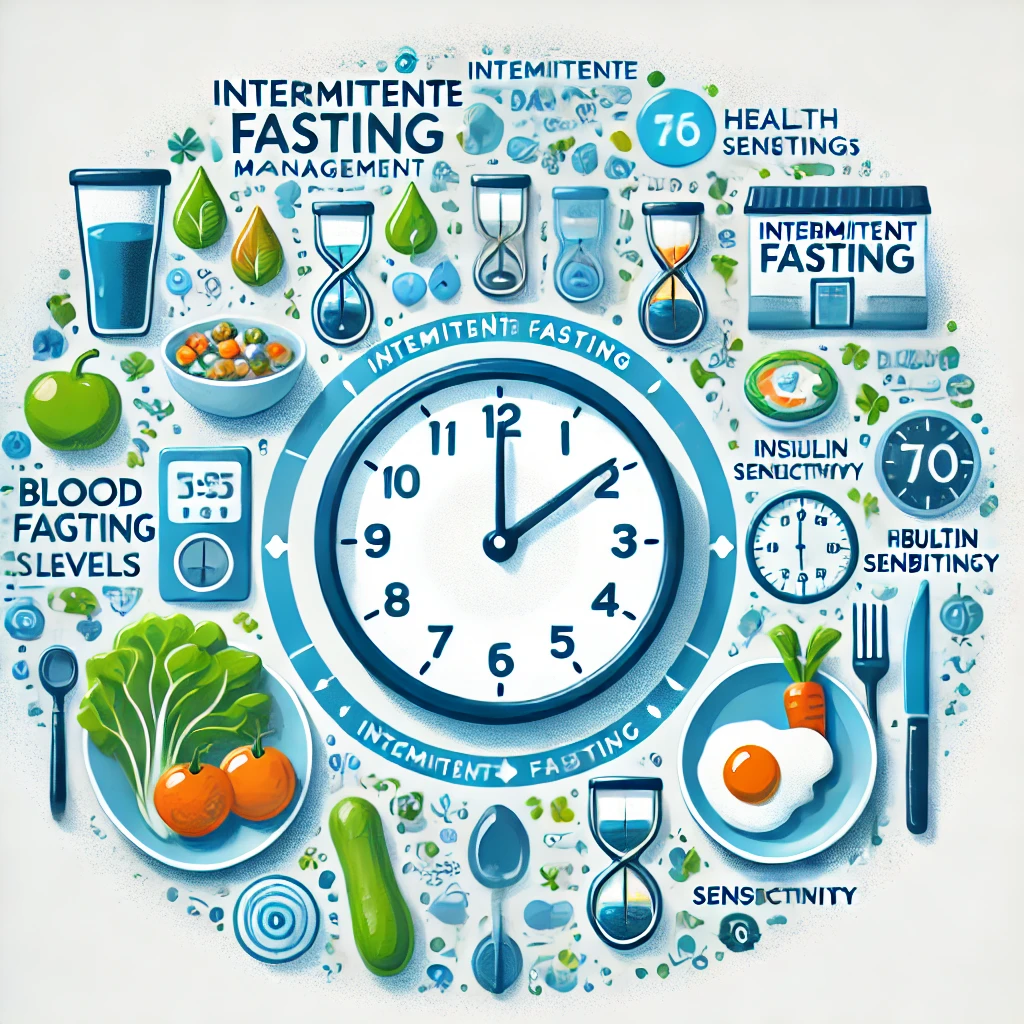
An infographic illustrating the connection between intermittent fasting and diabetes management, featuring a clock, fasting schedule, diabetic-friendly foods, and health benefits icons

Introduction

Intermittent fasting (IF) has gained popularity for its potential health benefits, including weight loss and improved metabolic health. But can it help manage diabetes? This question has intrigued researchers and healthcare professionals alike. Given the growing prevalence of diabetes worldwide, finding effective management strategies is crucial. This article explores how intermittent fasting affects blood sugar levels, insulin sensitivity, and overall diabetes management, backed by scientific research.

What Is Intermittent Fasting?

Intermittent fasting (IF) is an eating pattern that cycles between periods of eating and fasting. Unlike traditional diets, IF focuses on when to eat rather than what to eat. Popular IF methods include:

  • 16:8 Method: Fasting for 16 hours and eating within an 8-hour window.
  • 5:2 Diet: Eating normally for five days and significantly reducing calorie intake on two non-consecutive days.
  • Alternate-Day Fasting: Fasting every other day.
  • 24-Hour Fasting: Fasting for an entire day once or twice a week.

How Intermittent Fasting Affects Blood Sugar Levels

Research suggests that IF can help regulate blood sugar levels by:

  • Reducing Insulin Resistance: IF can improve insulin sensitivity, making it easier for cells to absorb glucose, thereby lowering blood sugar levels.
  • Stabilizing Glucose Fluctuations: Extended fasting periods may reduce blood sugar spikes, particularly after meals.
  • Encouraging Fat Utilization: The body shifts to burning fat for energy during fasting, which may benefit individuals with type 2 diabetes.

Scientific Studies on IF and Diabetes

Several studies support the potential benefits of intermittent fasting for diabetes management:

  1. **A 2018 study in the journal **Cell Metabolism found that time-restricted eating improved insulin sensitivity and reduced blood pressure in overweight individuals.
  2. **A 2019 study in **The New England Journal of Medicine highlighted IF’s metabolic benefits, including improved glucose regulation and reduced inflammation.
  3. **A 2020 study in **Diabetes Care suggested that IF may help some individuals reduce their dependency on diabetes medication.

Benefits of Intermittent Fasting for Diabetics

1. Improved Insulin Sensitivity

IF can help reduce insulin resistance, a key factor in type 2 diabetes management.

2. Better Weight Control

Many people with diabetes struggle with weight management. IF can promote weight loss by reducing calorie intake and increasing fat burning.

3. Lower Blood Sugar Levels

Periodic fasting may help maintain stable glucose levels and prevent dangerous spikes.

4. Reduced Risk of Heart Disease

People with diabetes are at higher risk of cardiovascular diseases. IF has been linked to lower cholesterol and blood pressure levels.

Risks and Considerations for Diabetics

While IF has potential benefits, it is not suitable for everyone. Here are some key considerations:

  • Risk of Hypoglycemia: Extended fasting may cause dangerously low blood sugar levels, especially for those on insulin or certain medications.
  • Nutrient Deficiencies: Skipping meals can lead to inadequate nutrient intake if not carefully planned.
  • Not Suitable for Type 1 Diabetes: People with type 1 diabetes should avoid IF due to the risk of severe blood sugar fluctuations.

Who Should Avoid Intermittent Fasting?

  • Individuals with type 1 diabetes
  • Pregnant or breastfeeding women
  • Those with a history of eating disorders
  • People taking medications that require food intake

How to Safely Practice Intermittent Fasting with Diabetes

If you have diabetes and want to try IF, follow these guidelines:

  • Consult Your Doctor: Always speak with a healthcare professional before making dietary changes.
  • Monitor Blood Sugar Levels: Regularly check glucose levels to avoid complications.
  • Choose Nutrient-Dense Foods: Prioritize high-fiber, protein-rich meals to prevent blood sugar spikes.
  • Stay Hydrated: Drink plenty of water to prevent dehydration.
  • Adjust Medications If Necessary: Work with your doctor to modify medication dosages if needed.

FAQs

1. Is intermittent fasting safe for diabetics?

IF can be safe for some individuals with diabetes but should always be done under medical supervision.

2. How long should a diabetic fast?

The safest fasting duration varies, but shorter fasting periods (such as 12-14 hours) are generally safer than extended fasts.

3. Does intermittent fasting help with type 2 diabetes?

Research indicates that IF may improve insulin sensitivity and blood sugar control in individuals with type 2 diabetes.

4. Can intermittent fasting replace diabetes medication?

While IF may reduce the need for medication, it should never be used as a replacement without a doctor’s approval.

5. What should diabetics eat during eating windows?

Focus on whole foods, lean proteins, healthy fats, and fiber-rich carbohydrates to maintain stable blood sugar levels.

Conclusion

Intermittent fasting shows promising potential for managing diabetes, particularly type 2 diabetes. However, it is not a one-size-fits-all solution. If you have diabetes and are considering IF, consult your healthcare provider to determine whether it is safe and suitable for you. By following a well-structured plan and closely monitoring your blood sugar levels, you can explore the benefits of intermittent fasting while minimizing potential risks.

Have you tried intermittent fasting for diabetes management? Share your experience in the comments below!

Posted on Leave a comment

Top 10 Superfoods to Lower Blood Sugar Naturally

"An infographic displaying the top 10 superfoods that help lower blood sugar naturally, including leafy greens, berries, nuts, whole grains, and legumes, with brief descriptions of their benefits."

Introduction

Managing blood sugar levels is crucial for individuals with diabetes and those looking to maintain overall health. While medications and lifestyle changes play a vital role, incorporating the right foods into your diet can naturally help regulate blood sugar levels. In this guide, we’ll explore the top 10 superfoods that effectively lower blood sugar and promote overall well-being.

1. Leafy Greens

Leafy greens like spinach, kale, and Swiss chard are packed with fiber, antioxidants, and essential vitamins that help regulate blood sugar levels.

  • High in magnesium, which improves insulin sensitivity
  • Low in carbohydrates, reducing blood sugar spikes
  • Contains polyphenols that help combat inflammation

How to Consume:

  • Add to smoothies, salads, or stir-fries
  • Steam and season with olive oil and garlic

2. Berries

Berries, such as blueberries, strawberries, and raspberries, are rich in antioxidants and fiber, making them an excellent choice for blood sugar management.

  • Slow down digestion and sugar absorption
  • Reduce inflammation and improve insulin sensitivity
  • Low glycemic index (GI), preventing sugar spikes

How to Consume:

  • Add to yogurt, oatmeal, or smoothies
  • Enjoy as a healthy snack or dessert alternative

3. Cinnamon

Cinnamon is a powerful spice with blood sugar-lowering properties that can enhance insulin function.

  • Contains bioactive compounds that mimic insulin
  • Lowers fasting blood sugar levels
  • Improves glucose metabolism

How to Consume:

  • Sprinkle over oatmeal, coffee, or tea
  • Use in baking or smoothies

4. Chia Seeds

Chia seeds are loaded with fiber, omega-3 fatty acids, and protein, helping to stabilize blood glucose levels.

  • Slows down digestion, preventing sugar spikes
  • Promotes fullness, aiding in weight management
  • Rich in antioxidants that fight inflammation

How to Consume:

  • Mix into yogurt, smoothies, or oatmeal
  • Make a chia pudding with almond milk

5. Avocados

Avocados are a low-carb, high-fiber superfood that helps maintain stable blood sugar levels.

  • Packed with healthy monounsaturated fats
  • Improves insulin sensitivity
  • Provides essential vitamins and minerals

How to Consume:

  • Spread on whole-grain toast
  • Add to salads or blend into smoothies

6. Nuts and Seeds

Almonds, walnuts, flaxseeds, and sunflower seeds are excellent sources of healthy fats, fiber, and protein that help regulate blood sugar.

  • Slow sugar absorption into the bloodstream
  • Reduce hunger and cravings
  • Provide essential micronutrients like magnesium and zinc

How to Consume:

  • Snack on a handful of nuts
  • Sprinkle seeds over salads or yogurt

7. Legumes

Beans, lentils, and chickpeas are rich in fiber and protein, making them ideal for stabilizing blood sugar levels.

  • Slow carbohydrate digestion and absorption
  • Promote gut health and lower cholesterol
  • Keep you full for longer periods

How to Consume:

  • Add to soups, salads, or stews
  • Make a hummus dip

8. Garlic

Garlic has been shown to have a positive impact on blood sugar and cholesterol levels.

  • Enhances insulin sensitivity
  • Reduces fasting blood sugar levels
  • Supports heart health and reduces inflammation

How to Consume:

  • Use in cooking for added flavor
  • Consume raw in salads or dressings

9. Turmeric

Turmeric, particularly its active compound curcumin, has powerful anti-inflammatory and blood sugar-regulating properties.

  • Boosts insulin function
  • Reduces inflammation linked to diabetes
  • Enhances liver health and metabolism

How to Consume:

  • Add to soups, curries, or smoothies
  • Mix with warm milk (golden milk)

10. Whole Grains

Whole grains like quinoa, brown rice, and oats are packed with fiber, vitamins, and minerals, helping to regulate blood sugar.

  • Slow digestion and prevent sugar spikes
  • Provide sustained energy release
  • Rich in antioxidants that support overall health

How to Consume:

  • Substitute white rice with quinoa or brown rice
  • Eat oatmeal for breakfast

Conclusion

Incorporating these superfoods into your diet can help lower blood sugar naturally and improve overall health. Along with a balanced diet, regular physical activity and proper hydration play a key role in diabetes management. Start making small changes today and experience the benefits of natural blood sugar control!

📩 Subscribe to our newsletter for more health tips and recipes!

FAQs

1. What are the best foods to lower blood sugar naturally?

Leafy greens, berries, cinnamon, chia seeds, and legumes are excellent choices to help regulate blood sugar levels.

2. How quickly can diet changes affect blood sugar levels?

Small changes can show effects within a few weeks, but consistency in healthy eating is key for long-term benefits.

3. Can eating nuts and seeds help with diabetes management?

Yes, nuts and seeds provide fiber, healthy fats, and protein, which help stabilize blood sugar levels.

4. Are artificial sweeteners better than natural sweeteners for blood sugar control?

Natural sweeteners like stevia and monk fruit are better options compared to artificial sweeteners, which may affect insulin response.

5. What drinks help lower blood sugar levels?

Green tea, turmeric milk, cinnamon tea, and infused water with lemon or apple cider vinegar can aid in blood sugar regulation.

6. Should I avoid all carbohydrates to lower blood sugar?

No, opt for complex carbohydrates like whole grains and fiber-rich foods rather than refined carbs to maintain stable blood sugar levels.

7. How does turmeric help with diabetes?

Curcumin in turmeric improves insulin sensitivity and reduces inflammation, benefiting diabetes management.

By making smart dietary choices, you can take control of your blood sugar levels naturally. Start incorporating these superfoods into your meals and enjoy a healthier lifestyle!