Posted on 2 Comments

“The Connection Between Anxiety and Gut Health: What You Need to Know”

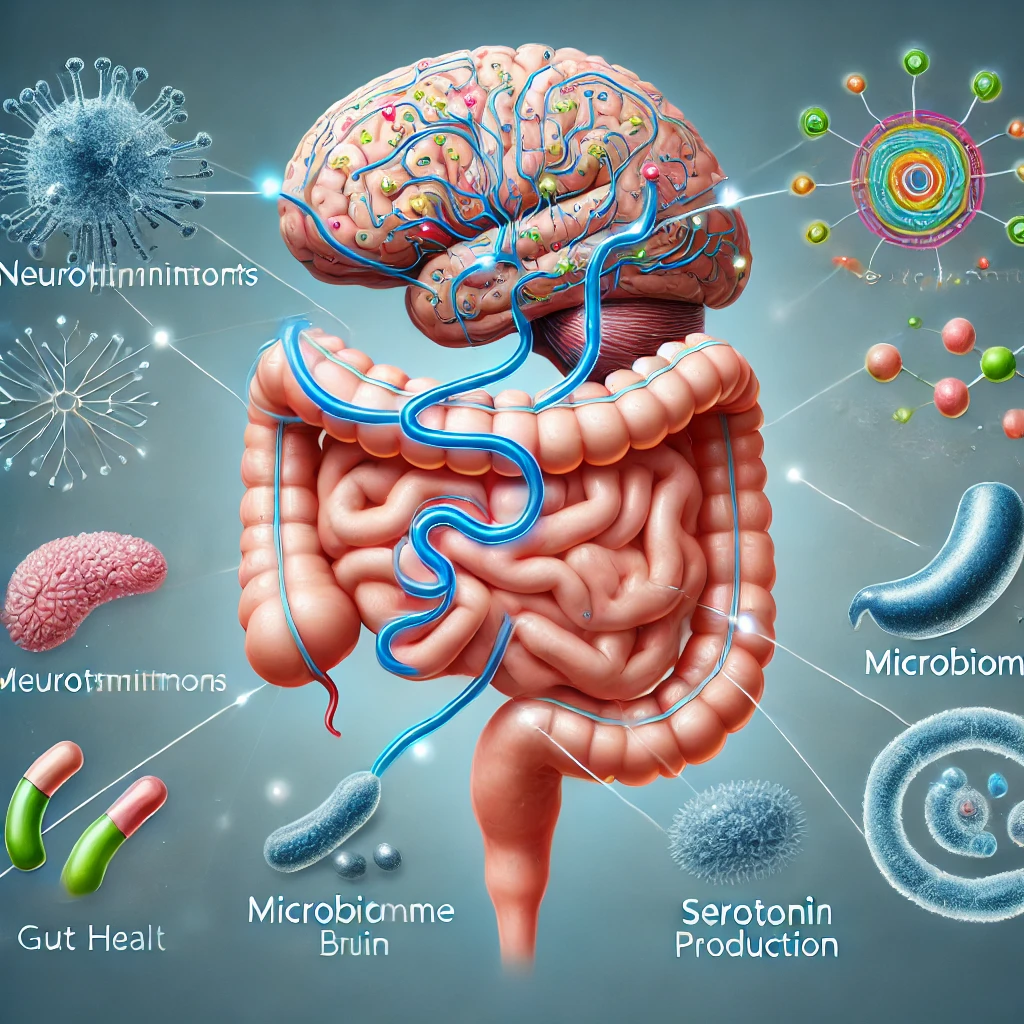
Gut-brain axis illustration showing vagus nerve

In recent years, researchers have discovered an intriguing connection between the gut and the brain, commonly known as the gut-brain axis. This relationship has illuminated the impact of our digestive system on mental health, especially anxiety. If you have ever experienced “butterflies” in your stomach prior to a significant presentation or encountered gastrointestinal discomfort during stressful periods, you have already perceived the gut-brain link in operation. What is the nature of this interaction, and how might comprehending it enhance both gut health and mental well-being? Let us commence.

The Gut-Brain Axis: A Two-Way Communication System

The gut-brain axis is a sophisticated communication network that connects the central nervous system (brain and spinal cord) with the enteric nervous system (the neural system of the gastrointestinal tract). The vagus nerve, an extensive cranial nerve, mediates communication between the gut and the brain.
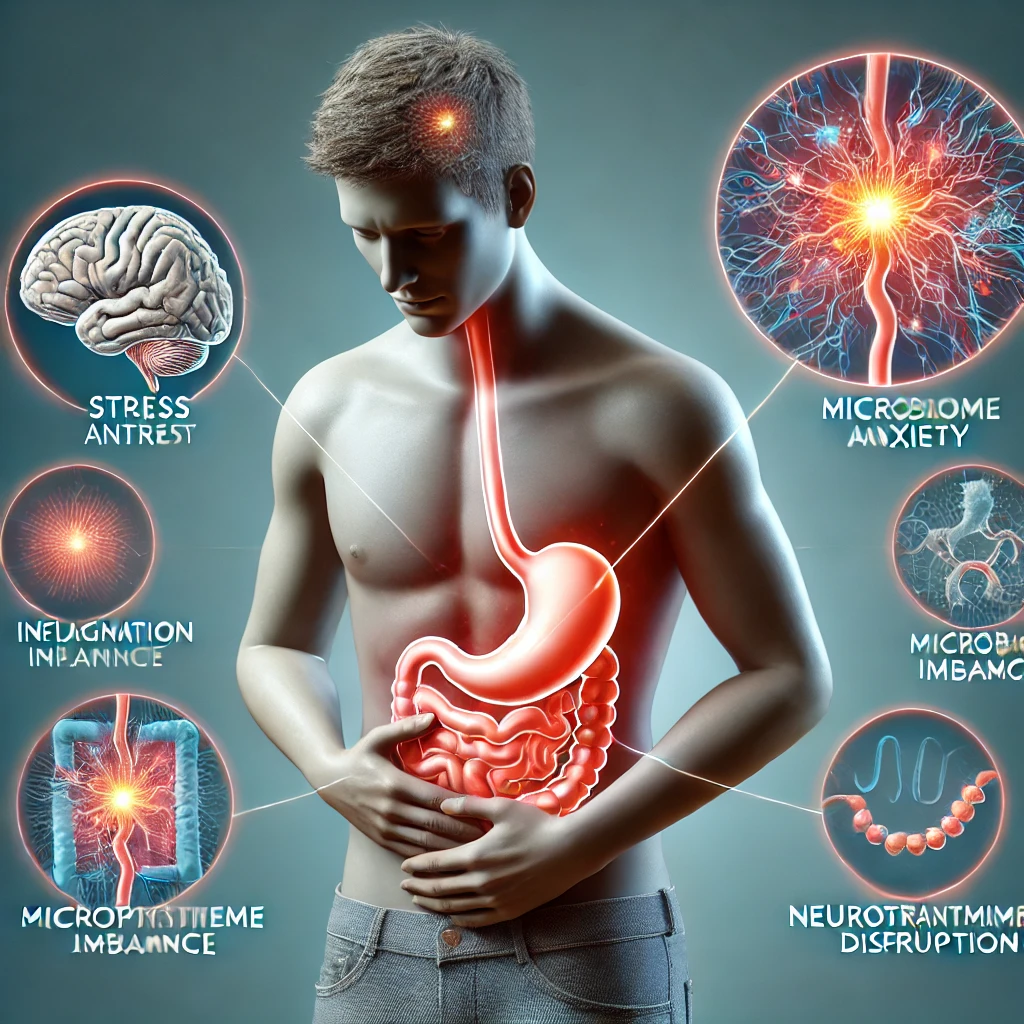
Stress and anxiety impacting gut health illustration.
Chronic stress can disrupt gut microbiome balance and neurotransmitter function.

Studies indicate that the gut and brain maintain continuous connection, significantly impacting one another. For instance, your gut microbiome—the billions of bacteria, viruses, and fungi residing in your digestive tract—plays a vital part in this interaction. These microorganisms synthesize neurotransmitters such as serotonin, frequently referred to as the “feel-good” hormone. Remarkably, almost 90% of serotonin is synthesized in the gastrointestinal tract rather than the brain. This underscores the profound connection between mental health and digestion.

How Anxiety Affects Gut Health

Anxiety and stress can severely disrupt your gastrointestinal health. During periods of stress, the body stimulates the HPA axis (hypothalamic-pituitary-adrenal axis), resulting in the secretion of stress hormones such as cortisol. Although this response is beneficial in brief intervals, prolonged stress may result in:

Dysbiosis: An imbalance in the gut microbiome characterized by a predominance of harmful bacteria over healthy ones.

Chronic stress can induce gut inflammation, associated with illnesses such as irritable bowel syndrome (IBS) and other digestive issues.

Leaky gut: Enhanced intestinal permeability permits toxins to infiltrate the bloodstream, potentially inciting systemic inflammation and mental problems.

These alterations may result in symptoms such as bloating, cramping, diarrhea, or constipation—collectively termed gastrointestinal distress. For those with anxiety, these symptoms can establish a detrimental cycle, as gastrointestinal problems can intensify feelings of stress and anxiety.

The Impact of Digestive Disorders on Mental Health

Research from Harvard Medical School indicates that persons with digestive diseases, especially IBS (Irritable Bowel Syndrome), are more prone to anxiety and panic attacks. Food sensitivities and chronic inflammation can exacerbate these problems, impacting both physical and emotional health.

Natural Ways to Improve Gut Health for Anxiety Relief

Improving gut health can significantly reduce anxiety and promote emotional well-being. Here’s how:

Incorporate Probiotics and Prebiotics:

Probiotics for anxiety: Fermented foods like yogurt, kefir, sauerkraut, and kimchi support healthy gut bacteria.

Prebiotic foods: Bananas, garlic, onions, and asparagus nourish beneficial bacteria.

Follow a Gut-Friendly Diet:

The optimal diet for enhancing gut health and alleviating anxiety comprises:

  • Foods abundant in fiber (whole grains, legumes, fruits, vegetables)
  • Omega-3 fatty acids (found in salmon, flaxseeds, and walnuts) for mitigating inflammation
  • Foods that promote gut healing (bone broth, ginger, turmeric) for the restoration of leaky gut
  • Restricting processed meals, sugars, and artificial sweeteners to avert dysbiosis

Reduce Stress to Support the Gut-Brain Axis:

  • Meditation and deep breathing stimulate the vagus nerve, soothing the nervous system.
  • Yoga and physical activity enhance digestion and reduce cortisol levels.
  • Sufficient sleep aids in the regulation of gut microbiota and the stress response.

Address Food Sensitivities:

Recognize and remove inflammatory foods such as gluten, dairy, and processed sweets that could provoke gut inflammation and anxiety.

Conclusion

The gut-brain connection significantly influences mental health, impacting both anxiety symptoms and digestive processes. By implementing gut-friendly practices—such as ingesting probiotics, regulating chronic stress, and sustaining a balanced diet—you can enhance both gastrointestinal health and emotional wellness. Current study underscores the efficacy of gut health supplements in alleviating anxiety and the role of personalized nutrition in enhancing mental clarity.

Valuing your intuition equates to valuing your intellect. Initiate minor modifications today to attain enduring psychological well-being.

FAQs About Anxiety and Gut Health

1. Can probiotics help reduce anxiety and depression?

Research indicates that specific probiotic strains may enhance mood by equilibrating the gut microbiome and decreasing inflammation. Probiotics ought to be incorporated into a comprehensive strategy for mental wellness.

2. What are the signs of poor gut health?

Typical indicators encompass bloating, flatulence, diarrhea, constipation, food intolerances, and persistent weariness. Suboptimal gut health may also present as dermatological problems, emotional fluctuations, and anxiety.

3. How does gut inflammation contribute to mental health disorders?

Intestinal inflammation can generate inflammatory markers that influence the brain, potentially altering neurotransmitter synthesis and resulting in anxiety or sadness.

4. What’s the best diet for improving gut health and reducing anxiety?

An optimal diet comprises abundant fibre, fermented foods, and omega-3 fatty acids. Refraining from processed meals, sugar, and artificial sweeteners may also be beneficial.

5. How does the vagus nerve influence the gut-brain connection?

The vagus nerve serves as the principal conduit for communication between the gastrointestinal system and the brain. It aids in the regulation of digestion, mood, and the stress response. Activating the vagus nerve via deep breathing or meditation can enhance gut-brain connection.

For further reading, check out these high-authority resources:
Posted on 2 Comments

“Longevity and Wellness: How Innovations Are Extending Healthy Living”

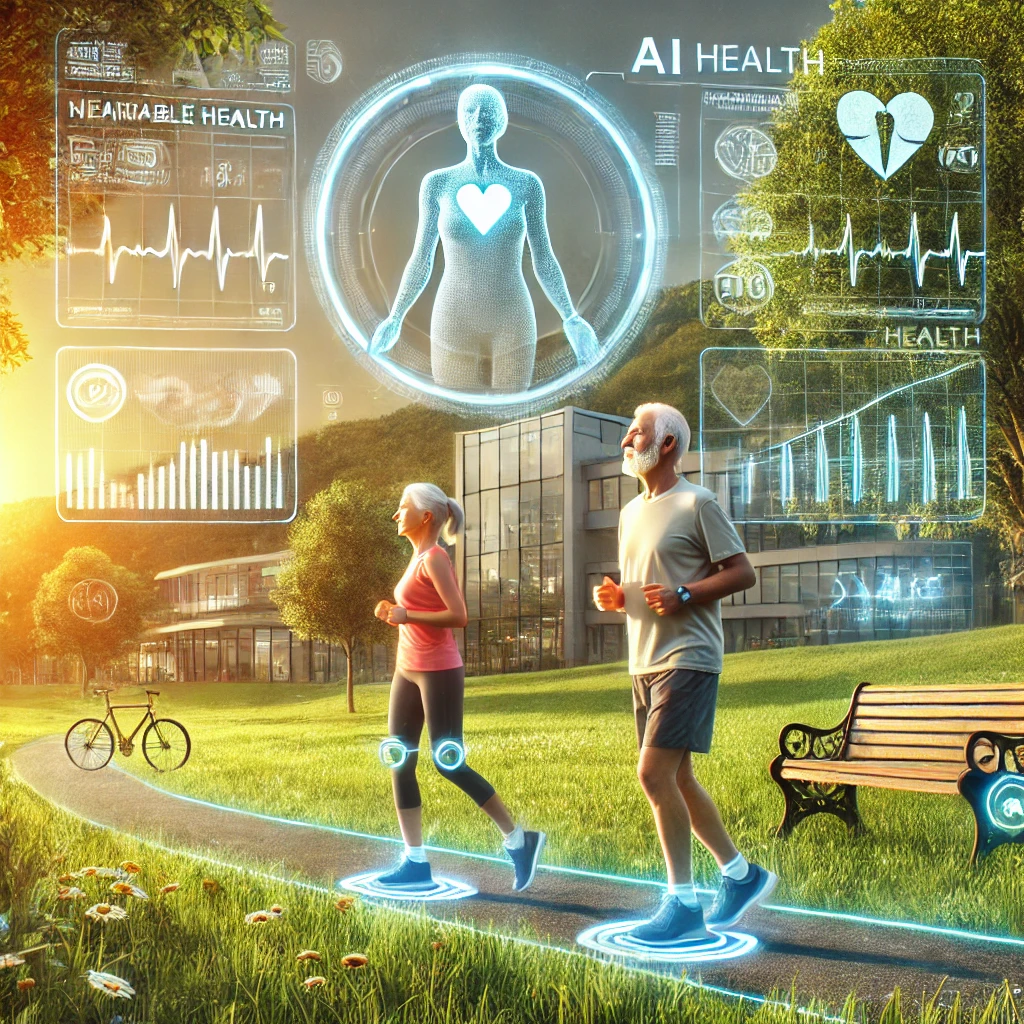
A futuristic vision of longevity and wellness, showcasing people of different ages engaging in healthy activities like yoga, jogging, and meditation in a high-tech park. Wearable health devices track their vitals, while a cutting-edge medical research center in the background symbolizes advancements in longevity science."

Introduction

In recent years, the pursuit of healthy living for the prolonged period of time has transcended traditional healthcare approaches. People are using different strategies that integrates the personalized nutrition, advancements in medical science and technology-driven wellness solutions. These approaches are not only focused only prolonging the life but also enhancing the quality of health span. Longevity research breakthroughs, Anti-aging medical advancements, healthy aging lifestyle innovations and healthy aging technologies have played a crucial role in this aspect. Innovations such as regenerative therapies, personalized nutrition plans, and AI-powered health diagnostics are the key aspects in achieving longevity and wellness. It is evident that the convergence of science and technology are making a way for a future where longevity and wellness are attainable goals for a broader population.

1. Advances in Medical Science

Advances in medical science is very instrumental in improving the wellness of individuals they play a key role in extending both lifespan and health span of the individuals.

Precision medicine

It helps in tailoring the treatment of individuals on the basis of their genetic profile, this has revolutionized the approach of managing chronic diseases and age-related conditions. Target therapies were used in the oncology, and it has significantly improved the survival rate.

Senolytics

These are the drugs that eliminate senescent cells which is very helpful in delaying age-associated disorders.

Stem cell therapies

The stem cell therapies provide the regenerative treatments for degenerative diseases like Parkinson’s and osteoarthritis.

Artificial intelligence (AI)

Artificial intelligence (AI) and big data analytics are using all the data making some predictions about disease outbreaks which helps in the following which ultimately provides a healthy living.

  • ✅ Early disease detection
  • ✅ Personalized treatment planning
  • ✅ Predicting health risks using big data

2. The Role of Nutrition and Diet

Nutrition played a pivotal role in the wellbeing and overall health of the individuals. Research are constantly done on the role of diet and nutrition in the aging, disease prevention and longevity.

  • Nutrigenomics it is a study of how genes interact with the nutrients and extending healthy lifespan of the individuals. It allows people to optimize their diet based on their genetic makeup.
  • Mediterranean diet this diet pattern consists of healthy fats, lean proteins and antioxidants which decreases the risk of cardiovascular disorders and neurodegenerative diseases.
  • Blue Zones diet it is basically the eating pattern or habits of world longest living population, emphasizes whole foods, plant-based nutrition, and moderate calorie intake, promoting longevity.

3.  Technological Innovations in Wellness

Technological innovations help in proactive monitoring if health that enables in early detection of disease or any peculiar change in normal pattern of health monitors

  • Wearable Health Tech and Real-Time Monitoring they constantly measures the heart rate, oxygen levels and sleep patterns that allow users to measure their health in real time.
  • AI-Powered Health Diagnostics helps in the diagnosis of the diseases such as cancer and neurological disorders with high accuracy, leading to earlier and effective treatments.
  • Virtual and Augmented Reality (VR/AR) in Wellness this technology is used in mental health therapy, pain management, and fitness training.
"A futuristic vision of longevity and wellness, showcasing people of different ages engaging in healthy activities like yoga, jogging, and meditation in a high-tech park. Wearable health devices track their vitals, while a cutting-edge medical research center in the background symbolizes advancements in longevity science."
“Embracing the future of longevity and wellness—where innovation, technology, and healthy living come together to extend healthspan and improve quality of life.

4. Mental and Emotional Well-being

Mental and emotional wellbeing are the very important component of healthy and long life without these it is near impossible to live a healthy and happy life. Alot of research is done that shows the interplay of the psychological resilience, stress management, and social connections and its vital role in slowing the aging process and preventing age-related diseases. Innovations in different aspects of health helped people to improve their mental and emotional wellbeing.

The Science of Mindfulness and Stress Management

Mindfulness is the basic human ability to be fully present, aware of where we are and what we’re doing, and not overly reactive or overwhelmed by what’s going on around us. It helps in reducing the stress and makes people feel at ease thus reducing the levels of cortisol eventually. Chronic stress has a role in increasing inflammation which shortens telomerase, these are protective caps of DNA that determine cellular span.

The Impact of Social Connections on Longevity

Studies from Blue Zones (these are regions with the highest concentrations of centenarians) these studies show the importance of close-knit communities and sense of purpose in the people helps in promoting longevity. while on the other side of the coin loneliness was associated to the increased risk of cardiovascular diseases.

Cognitive Training and Neuroplasticity

The ability of the brain to adapt and form new neural connections is called neuroplasticity and brain retains this ability throughout the life. If you involve yourself in lifelong learning, problem-solving activities, and brain training exercises your brain keeps on improving and you can delay the cognitive decline of your brain. Brain-computer interfaces and virtual reality-based cognitive training can help a lot in this process.

5. Regenerative and Emerging Therapies

In past few years, we have seen unprecedented advances in the field of regenerative medicine it has achieved the new heights that nobody was thinking of and now it is offering new hope for extending not only lifespan, but also HealthSpan that is more important. These therapies are mainly focused on repairing damaged tissues, slowing biological aging, and reversing age-related diseases. these emerging therapies are revolutionizing our approach to aging and age-related diseases they are helping us to work on the mechanisms of cellular aging.

Stem Cell Therapy: The Cornerstone of Regeneration

Stem cells have the unique ability to regenerate and form new cells from the previous cells. Research on mesenchymal stem cells (MSCs) has shown amazing results in treating degenerative conditions like Parkinson’s disease, osteoarthritis, and cardiovascular disorders. Recent developments include:

  • Mesenchymal stem cells (MSCs) for treating inflammatory conditions
  • Neural stem cells for neurodegenerative diseases
  • Induced pluripotent stem cells (iPSCs) for personalized medicine
  • Tissue-specific stem cells for organ regeneration

Longevity Drugs: Metformin and Rapamycin

These drugs are tested and proven to play an important role in the anti aging potential. Metformin and Rapamycin do their job by improving insulin sensitivity and by promoting autophagy respectively.

6. The Future of Longevity and Ethical Considerations

Today we are standing on the brink of the revolutionary advances in longevity science, it is important to look not just the scientific possibilities, but also the ethical problems these developments bring. One of the most important ethical concerns is the potential for longevity technologies to exacerbate existing social inequalities. This manifests in several ways:

  • Economic disparities in access to life-extending treatments
  • Geographic variations in availability of advanced healthcare
  • Different levels of technological literacy affecting treatment utilization
  • Cultural and social barriers to healthcare access

Furthermore, it leads to many other problems which raise many Questions in the society For example:

  • How the Shifts in family dynamics and inheritance patterns can affected?
  • what will be Changes in career trajectories and retirement concepts?
  • how it will Impact on social security and pension systems?
  • what will be Educational and professional opportunities for younger generations?
  • Healthcare system capacity and adaptation needs?
  • What will be Housing and infrastructure requirements?
  • What will be Healthcare economics and insurance models?
Moving Forward Responsibly

The path forward requires a balance between the scientific progress with ethical considerations:

  • Fostering public dialogue and understanding
  • Promoting inclusive research and development
  • Ensuring equitable access to treatments
  • Developing sustainable implementation models
  • Creating adaptive regulatory frameworks

Conclusion

The pursuit of longevity and wellness is not just about living a long life but also about living a healthy life a disease-free life making sure that the years of life spent in good health. Thanks to advancements in medical science, we can slow down the aging process, we can prevent diseases, and we are able to enhance overall quality of life.

As longevity research continues people are able to take proactive steps today by adopting a holistic approach—adopting healthy habits, leveraging new medical innovations, and staying informed about emerging therapies. The future of aging is no longer just about adding years to life, but about adding life to years.

Start today by:
Prioritizing nutrition
Staying active
Managing stress and sleep
Leveraging technology
Exploring emerging therapies

Posted on 1 Comment

প্রাকৃতিক উপায়ে রোগ প্রতিরোধ ক্ষমতা বাড়ানোর ১০টি উপায়

A variety of fresh fruits, vegetables, nuts, and seeds displayed on a wooden table, rich in vitamins and antioxidants to boost immune system naturally."

ভূমিকা

মানবদেহের রোগ প্রতিরোধ ব্যবস্থা (Immune System) আমাদের সংক্রমণ, ভাইরাস এবং বিভিন্ন রোগ থেকে রক্ষা করে। যদিও আধুনিক চিকিৎসা প্রতিরোধ ক্ষমতা বাড়ানোর জন্য বিভিন্ন বিকল্প প্রদান করে, তবে প্রাকৃতিক উপায়েও আমাদের ইমিউন সিস্টেমকে শক্তিশালী করা সম্ভব। এখানে ১০টি কার্যকর ও বৈজ্ঞানিক ভিত্তিক পদ্ধতি দেওয়া হলো যা আপনাকে স্বাভাবিকভাবে রোগ প্রতিরোধ ক্ষমতা বৃদ্ধি করতে সাহায্য করবে।

১. পুষ্টিকর ও সুষম খাদ্য গ্রহণ করুন

সঠিক পুষ্টিগুণসম্পন্ন খাদ্য শরীরের রোগ প্রতিরোধ ক্ষমতা বাড়াতে সাহায্য করে:

  • ভিটামিন C: লেবু, কমলা, ক্যাপসিকাম এবং ব্রকোলি শ্বেত রক্তকণিকার বৃদ্ধি促促进 করে।
  • ভিটামিন D: সূর্যালোক, চর্বিযুক্ত মাছ এবং ফোর্টিফায়েড খাবার প্রতিরোধ ক্ষমতা বাড়ায়।
  • জিঙ্ক: বাদাম, বীজ এবং ডাল রোগ প্রতিরোধী কোষের বিকাশে সাহায্য করে।
  • অ্যান্টিঅক্সিডেন্ট: বেরি, পালংশাক ও বাদাম শরীরে প্রদাহ কমাতে সাহায্য করে।

২. পর্যাপ্ত পরিমাণে পানি পান করুন

শরীর থেকে টক্সিন দূর করতে এবং রোগ প্রতিরোধ ক্ষমতা সঠিকভাবে কাজ করতে পর্যাপ্ত পানি পান করা খুবই গুরুত্বপূর্ণ। প্রতিদিন কমপক্ষে ৮ গ্লাস পানি পান করুন এবং শসা, তরমুজ ও হার্বাল চা পান করুন।

৩. পর্যাপ্ত ঘুমান

ঘুমের সময় শরীর সাইটোকাইনস (Cytokines) নামক প্রতিরোধী প্রোটিন তৈরি করে, যা সংক্রমণের বিরুদ্ধে লড়াই করে। প্রতিদিন ৭-৯ ঘণ্টা ঘুম নিশ্চিত করুন।

৪. নিয়মিত ব্যায়াম করুন

হাঁটা, যোগব্যায়াম এবং সাইকেল চালানোর মতো হালকা ব্যায়াম রক্ত সঞ্চালন বৃদ্ধি করে এবং রোগ প্রতিরোধ ক্ষমতা বাড়ায়।

৫. মানসিক চাপ কমান

চাপের কারণে কর্টিসল হরমোন বৃদ্ধি পায় যা রোগ প্রতিরোধ ক্ষমতা দুর্বল করে। চাপ কমানোর জন্য ধ্যান (Meditation), যোগব্যায়াম ও শ্বাসপ্রশ্বাসের ব্যায়াম করুন।

"A wholesome selection of immune-boosting foods, including citrus fruits, berries, nuts, and leafy greens, arranged on a rustic table."
“Fuel your body with natural immunity boosters—fresh fruits, vegetables, and nutrient-rich foods for a stronger immune system.”

৬. প্রোবায়োটিক এবং ফারমেন্টেড খাবার খান

আন্ত্রিক স্বাস্থ্য ভালো রাখতে দই, কেফির, আচার ও কিমচি খুব উপকারী।

৭. ভিটামিন D গ্রহণ করুন

প্রতিদিন ১০-১৫ মিনিট রোদে বসুন অথবা ডাক্তার পরামর্শ অনুযায়ী ভিটামিন D সাপ্লিমেন্ট গ্রহণ করুন।

৮. চিনি ও প্রক্রিয়াজাত খাবার পরিহার করুন

চিনি রোগ প্রতিরোধী কোষগুলির কার্যকারিতা কমাতে পারে। চিনি কমিয়ে প্রাকৃতিক বিকল্প যেমন মধু বা ফল খান।

৯. স্বাস্থ্যকর অভ্যাস বজায় রাখুন

নিয়মিত হাত ধোয়া, পরিষ্কার-পরিচ্ছন্ন থাকা এবং অসুস্থ ব্যক্তিদের থেকে দূরে থাকা রোগ সংক্রমণ প্রতিরোধ করতে সাহায্য করে।

১০. সামাজিক সংযোগ বজায় রাখুন

সামাজিক সম্পর্ক মানসিক চাপ কমায় এবং রোগ প্রতিরোধ ক্ষমতা বাড়াতে সাহায্য করে। পরিবার ও বন্ধুদের সাথে সময় কাটান।

উপসংহার

সঠিক খাদ্যাভ্যাস, ব্যায়াম, পর্যাপ্ত বিশ্রাম এবং কম চাপ রাখার মাধ্যমে আপনি স্বাভাবিকভাবে আপনার রোগ প্রতিরোধ ক্ষমতা বাড়াতে পারেন। সুস্থ থাকার জন্য এই অভ্যাসগুলো দৈনন্দিন জীবনে অনুসরণ করুন।

Posted on 1 Comment

प्राकृतिक रूप से अपनी प्रतिरक्षा प्रणाली को बेहतर बनाने के 10 तरीके

A variety of fresh fruits, vegetables, nuts, and seeds displayed on a wooden table, rich in vitamins and antioxidants to boost immune system naturally."

परिचय

रोग प्रतिरोधक प्रणाली (इम्यून सिस्टम) हमारे शरीर को संक्रमण, वायरस और बीमारियों से बचाने के लिए एक प्राकृतिक ढाल की तरह काम करती है। हालांकि आधुनिक चिकित्सा में कई तरीके उपलब्ध हैं, लेकिन प्राकृतिक तरीकों से अपनी रोग प्रतिरोधक क्षमता को मजबूत करना भी बेहद फायदेमंद हो सकता है। यहां 10 प्राकृतिक और प्रभावी तरीके दिए गए हैं, जो आपकी प्रतिरोधक क्षमता को बेहतर बनाने में मदद करेंगे।

1. संतुलित और पोषक आहार लें

स्वस्थ और संतुलित आहार शरीर की रोग प्रतिरोधक क्षमता को मजबूत बनाने में महत्वपूर्ण भूमिका निभाता है:

  • विटामिन C: संतरे, नींबू, शिमला मिर्च और ब्रोकली सफेद रक्त कोशिकाओं (white blood cells) को बढ़ाने में मदद करते हैं।
  • विटामिन D: धूप, फैटी मछली और फोर्टिफाइड फूड्स रोग प्रतिरोधक क्षमता को मजबूत करते हैं।
  • जिंक: बादाम, बीज और दालें प्रतिरक्षा कोशिकाओं के विकास में सहायक होती हैं।
  • एंटीऑक्सीडेंट्स: बेरीज़, पालक और मेवे शरीर में सूजन को कम करने में मदद करते हैं।

2. हाइड्रेटेड रहें

पर्याप्त मात्रा में पानी पीना शरीर को डिटॉक्स करने और प्रतिरक्षा कोशिकाओं के सुचारू कार्य के लिए आवश्यक है। रोज़ाना कम से कम 8 गिलास पानी पिएं और खीरा, तरबूज और हर्बल चाय जैसे हाइड्रेटिंग फूड्स को अपनी डाइट में शामिल करें।

3. अच्छी नींद लें

अच्छी नींद आपके शरीर को संक्रमण से लड़ने वाले प्रोटीन (साइटोकिन्स) का उत्पादन करने में मदद करती है। रोज़ाना 7-9 घंटे की भरपूर नींद लेने की कोशिश करें।

4. नियमित रूप से व्यायाम करें

तेज़ चलना, योग करना या साइकिल चलाने जैसी हल्की-फुल्की एक्सरसाइज रक्त संचार को बढ़ाती है और रोग प्रतिरोधक क्षमता को मजबूत करती है।

5. तनाव कम करें

अत्यधिक तनाव शरीर में कोर्टिसोल हार्मोन को बढ़ाता है, जिससे इम्यून सिस्टम कमजोर हो सकता है। तनाव को कम करने के लिए ध्यान (मेडिटेशन), गहरी सांस लेने की तकनीकें और योग करें।

6. प्रोबायोटिक्स और किण्वित खाद्य पदार्थ खाएं

आंतों की सेहत (gut health) प्रतिरक्षा प्रणाली को प्रभावित करती है। दही, केफिर, अचार, और किमची जैसे खाद्य पदार्थ अच्छे बैक्टीरिया के विकास में मदद करते हैं।

7. विटामिन D प्राप्त करें

रोजाना 10-15 मिनट धूप में बैठें या डॉक्टर की सलाह से विटामिन डी सप्लीमेंट लें।

8. चीनी और प्रोसेस्ड फूड से बचें

ज्यादा चीनी खाने से सफेद रक्त कोशिकाओं की कार्यक्षमता कमजोर हो सकती है। प्राकृतिक विकल्पों जैसे शहद या ताजे फलों का सेवन करें।

9. स्वच्छता बनाए रखें

नियमित रूप से हाथ धोना, सतहों को साफ रखना और बीमार लोगों से दूरी बनाए रखना संक्रमण को रोक सकता है।

10. सामाजिक संपर्क बनाए रखें

अच्छे दोस्त और सकारात्मक सोच आपकी प्रतिरक्षा प्रणाली को मजबूत कर सकते हैं। परिवार और दोस्तों के साथ समय बिताएं।

निष्कर्ष

रोग प्रतिरोधक क्षमता को स्वाभाविक रूप से बढ़ाने के लिए संतुलित आहार, नियमित व्यायाम, अच्छी नींद और तनाव प्रबंधन जरूरी है। इन आदतों को अपनी दिनचर्या में शामिल करें और लंबे समय तक स्वस्थ रहें।

Posted on 2 Comments

قدرتی طریقوں سے اپنی قوت مدافعت کو بہتر بنانے کے 10 طریقے

A variety of fresh fruits, vegetables, nuts, and seeds displayed on a wooden table, rich in vitamins and antioxidants to boost immune system naturally."

تعارف

مدافعتی نظام جسم کے انفیکشن، وائرس اور بیماریوں کے خلاف قدرتی دفاع کے طور پر کام کرتا ہے۔ جدید طب مدافعتی صحت کو بہتر بنانے کے لیے مختلف اختیارات فراہم کرتی ہے، لیکن قوت مدافعت کو قدرتی طور پر بڑھانے کے لیے قدرتی حکمت عملی بھی بے حد فائدہ مند ثابت ہوسکتی ہیں۔ یہاں 10 مؤثر اور آزمودہ طریقے دیے گئے ہیں جو آپ کی قوت مدافعت کو بڑھانے اور مجموعی صحت کو برقرار رکھنے میں مدد کریں گے۔

متوازن اور غذائیت سے بھرپور غذا کھائیں

متوازن خوراک مدافعتی نظام کو مضبوط بنانے میں اہم کردار ادا کرتی ہے۔ اپنی غذا میں درج ذیل غذائی اجزاء کو شامل کریں:

  • وٹامن سی: لیموں، مالٹے، شملہ مرچ اور بروکلی قوت مدافعت کو بڑھاتے ہیں۔
  • وٹامن ڈی: چکنی مچھلی، دودھ کی مصنوعات، اور سورج کی روشنی مدافعتی نظام کو مضبوط کرتی ہے۔
  • زنک: گری دار میوے، بیج اور دالیں مدافعتی خلیوں کی نشوونما میں مدد دیتے ہیں۔
  • اینٹی آکسیڈنٹس: بیریز، پالک، اور میوے جسم میں سوزش کو کم کرنے میں مدد دیتے ہیں۔

پانی زیادہ پئیں

جسم سے زہریلے مادے خارج کرنے اور مدافعتی خلیوں کو بہتر طریقے سے کام کرنے کے لیے پانی پینا ضروری ہے۔ روزانہ کم از کم 8 گلاس پانی پینے کی کوشش کریں اور کھیرے، تربوز اور ہربل چائے جیسے ہائیڈریٹنگ غذائیں کھائیں۔

نیند کو ترجیح دیں

مدافعتی نظام اور نیند کا آپس میں گہرا تعلق ہے۔ نیند کے دوران جسم مدافعتی خلیے بناتا ہے جو بیماریوں سے لڑنے میں مدد دیتے ہیں۔ روزانہ 7-9 گھنٹے کی بھرپور نیند لینے کی کوشش کریں۔

باقاعدگی سے ورزش کریں

چلنے، یوگا کرنے یا سائیکل چلانے جیسی اعتدال پسند جسمانی سرگرمیاں خون کے بہاؤ کو بڑھاتی ہیں اور مدافعتی نظام کو مضبوط کرتی ہیں۔ تاہم، حد سے زیادہ سخت ورزش مدافعتی ردعمل کو کمزور کر سکتی ہے۔

تناؤ کو کم کریں

مسلسل تناؤ کورٹیسول جیسے ہارمونس کی سطح کو بڑھا سکتا ہے جو مدافعتی نظام کو کمزور کرتا ہے۔ ذہنی سکون کے لیے مراقبہ، گہری سانس لینے کی مشقیں اور تفریحی سرگرمیوں میں حصہ لینا مفید ہو سکتا ہے۔

پروبائیوٹکس اور خمیر شدہ غذائیں کھائیں

آنتوں کی صحت مدافعتی نظام کے لیے بہت اہم ہے۔ دہی، کیفر، اچار، اور کمچی جیسے پروبائیوٹک غذائیں اچھے بیکٹیریا کی افزائش کو فروغ دیتی ہیں۔

وٹامن ڈی حاصل کریں

مدافعتی نظام کی مضبوطی کے لیے وٹامن ڈی انتہائی ضروری ہے۔ روزانہ 10-15 منٹ سورج کی روشنی میں گزاریں یا وٹامن ڈی سپلیمنٹ کا استعمال کریں۔

چینی اور پروسیس شدہ کھانوں سے پرہیز کریں

زیادہ چینی کا استعمال مدافعتی خلیوں کی کارکردگی کو کمزور کر سکتا ہے۔ اس کے بجائے شہد یا قدرتی پھلوں کا انتخاب کریں اور غذائیت سے بھرپور کھانوں کو ترجیح دیں۔

صفائی کا خیال رکھیں

باقاعدہ ہاتھ دھونا، سطحوں کی صفائی کرنا اور بیمار افراد سے دور رہنا بیماریوں سے بچاؤ میں مدد دے سکتا ہے۔

سماجی تعلقات کو مضبوط کریں

خوشگوار تعلقات اور مثبت سوچ مدافعتی نظام کو سپورٹ کرنے میں مدد دیتے ہیں۔ دوستوں اور خاندان کے ساتھ وقت گزارنا ذہنی اور جسمانی صحت کو بہتر بناتا ہے۔

نتیجہ

قدرتی طریقوں سے مدافعتی نظام کو مضبوط بنانے کے لیے متوازن غذا، ورزش، نیند، تناؤ کا انتظام اور سماجی تعلقات کا خاص خیال رکھنا ضروری ہے۔ ان آسان اور مؤثر حکمت عملیوں کو اپنی روزمرہ زندگی میں شامل کریں تاکہ صحت مند زندگی گزار سکیں۔

Posted on 3 Comments

La vérité sur le jeûne intermittent : avantages et risques

Introduction

Le jeûne intermittent est devenu très populaire ces dernières années, car il peut entraîner une perte de poids significative. Ce mode d’alimentation alterne des périodes de jeûne et des périodes d’alimentation. Malgré son succès croissant, peu d’études ont analysé en détail ses bienfaits pour la santé humaine. Le jeûne intermittent permet une perte de poids modérée (environ 3 à 8 % du poids initial) sur des périodes courtes (8 à 12 semaines) et améliore la santé métabolique. Dans ce blog, nous explorerons en profondeur le jeûne intermittent, ses avantages, ses risques et pour qui il peut être bénéfique.

Qu’est-ce que le jeûne intermittent ?

Le jeûne intermittent est un mode d’alimentation basé sur l’alternance entre des périodes de jeûne et de repas. Contrairement aux régimes classiques qui se concentrent sur quoi manger, il met l’accent sur quand manger. Il existe trois méthodes populaires de jeûne intermittent :

  1. Méthode 16:8 : Jeûner pendant 16 heures et manger pendant une fenêtre de 8 heures (par exemple, entre 12h et 20h).
  2. Régime 5:2 : Manger normalement pendant 5 jours et réduire son apport calorique à 500-600 calories pendant 2 jours non consécutifs.
  3. Jeûne un jour sur deux : Alterner entre des jours de jeûne (consommation très réduite de calories) et des jours d’alimentation normale.

Le jeûne est pratiqué depuis des siècles pour des raisons religieuses et spirituelles, mais il attire aujourd’hui l’attention en tant qu’outil puissant pour améliorer la santé et le bien-être.

Les bienfaits du jeûne intermittent

  1. Perte de poids
    En réduisant l’apport calorique et en stimulant le métabolisme via l’augmentation du taux de noradrénaline, le jeûne intermittent favorise la combustion des graisses. Il peut entraîner une réduction de 3 à 8 % du poids corporel en 3 à 24 semaines.
  2. Amélioration de la sensibilité à l’insuline
    Le jeûne intermittent réduit la glycémie, ce qui améliore la sensibilité à l’insuline et diminue ainsi le risque de diabète de type 2.
  3. Réparation cellulaire et autophagie
    Pendant le jeûne, le corps active un processus appelé autophagie, qui élimine les composants cellulaires endommagés et favorise la régénération cellulaire.
  4. Santé cardiaque
    Le jeûne intermittent contribue à réduire la pression artérielle, le taux de cholestérol et l’inflammation, ce qui diminue les risques de maladies cardiovasculaires.
  5. Santé cérébrale
    Le jeûne augmente la production de BDNF (facteur neurotrophique dérivé du cerveau), une protéine essentielle au bon fonctionnement cognitif, ce qui favorise la santé cérébrale.
  6. Longévité
    Le jeûne intermittent réduit le stress oxydatif et ralentit le vieillissement. Des études animales ont montré qu’il peut prolonger la durée de vie.

Risques et effets secondaires du jeûne intermittent

  1. Faim et fatigue
    Le jeûne peut provoquer de la faim, de la fatigue, une baisse d’énergie, de l’irritabilité et des difficultés de concentration, en particulier au début.
  2. Carences nutritionnelles
    Avec une fenêtre alimentaire réduite, il peut être difficile d’obtenir tous les nutriments essentiels.
  3. Troubles du comportement alimentaire
    Chez certaines personnes, le jeûne intermittent peut entraîner des habitudes alimentaires malsaines ou aggraver des troubles existants.
  4. Inadapté à certaines personnes
    Le jeûne intermittent n’est pas recommandé aux femmes enceintes, aux personnes souffrant de certaines maladies ou aux individus ayant un métabolisme fragile.
  5. Impact sur la vie sociale
    Refuser des invitations à des repas en raison du jeûne peut avoir un effet négatif sur la vie sociale.

Qui devrait essayer le jeûne intermittent ?

Le jeûne intermittent peut être bénéfique pour :
✔️ Les adultes en bonne santé souhaitant perdre du poids ou améliorer leur santé métabolique.
✔️ Les personnes présentant une résistance à l’insuline ou un prédiabète.

Cependant, il n’est pas recommandé pour :
❌ Les femmes enceintes ou allaitantes.
❌ Les personnes ayant des antécédents de troubles alimentaires.
❌ Les personnes atteintes de maladies chroniques (diabète, insuffisance rénale) sans suivi médical.

Conseils pour bien débuter le jeûne intermittent

✔️ Commencez progressivement : Ne tentez pas un jeûne strict dès le premier jour. Augmentez la durée progressivement.
✔️ Hydratez-vous bien : Buvez beaucoup d’eau, des tisanes ou du café noir pour éviter la déshydratation.
✔️ Privilégiez les aliments riches en nutriments : Consommez des aliments sains et évitez les aliments ultra-transformés.
✔️ Écoutez votre corps : Arrêtez le jeûne si vous ressentez des étourdissements, une fatigue intense ou d’autres effets négatifs.

Conclusion

Le jeûne intermittent présente de nombreux avantages pour la santé, notamment une perte de poids, une amélioration de la sensibilité à l’insuline et un renforcement des fonctions cérébrales et cardiaques. Cependant, il comporte aussi des risques, tels que la faim, les carences nutritionnelles et un impact sur la vie sociale. Avant de commencer, il est conseillé de consulter un professionnel de santé pour s’assurer qu’il convient à votre situation.

Avez-vous déjà essayé le jeûne intermittent ? Partagez votre expérience dans les commentaires !

FAQ

🔹 Le jeûne intermittent est-il sans danger pour les femmes ?
Il peut être bénéfique, mais chez certaines femmes, il peut entraîner des déséquilibres hormonaux ou des cycles menstruels irréguliers. Consultez un médecin avant de commencer.

🔹 Puis-je boire du café ou du thé pendant le jeûne ?
Oui, le café noir et le thé non sucré peuvent aider à réduire les fringales.

🔹 Combien de temps faut-il pour voir des résultats ?
Les résultats varient d’une personne à l’autre, mais beaucoup constatent des changements en 2 à 4 semaines.

🔹 Que dois-je manger pendant ma fenêtre alimentaire ?
Privilégiez des aliments riches en nutriments et évitez les aliments ultra-transformés.

Posted on 2 Comments

“Comprendre la thérapie à l’insuline : Un guide pour débutants de la gestion du diabète”

Introduction


Lorsque vous apprenez pour la première fois que vous êtes diagnostiqué diabétique et qu’on vous dit que vous devez commencer une thérapie à l’insuline, la gestion de votre condition peut sembler accablante. La thérapie à l’insuline est un outil efficace qui peut vous aider à gérer vos niveaux de sucre dans le sang de manière efficace et vous aide à mener une vie plus équilibrée dans l’ensemble. Savoir comment l’insuline fonctionne et comment l’utiliser efficacement peut faire une grande différence, peu importe le type de diabète, qu’il soit de type 1, de type 2 ou gestationnel.

L’insuline est l’hormone essentielle pour contrôler les niveaux de sucre dans le sang. Le corps des diabétiques produit soit une quantité insuffisante d’insuline, soit est incapable de l’utiliser efficacement. Le traitement par insuline peut aider votre corps à maintenir des niveaux adéquats de sucre dans le sang en complétant ou en remplaçant l’insuline nécessaire.

Dans ce guide pour débutants, nous vous dirons tout ce que vous devez savoir sur la thérapie à l’insuline, le dosage de l’insuline, l’ajustement de l’insuline et la manière dont elle est administrée. Nous vous fournirons des informations précieuses pour prendre le contrôle de votre prise en charge du diabète. Ce guide vous donnera les connaissances nécessaires pour gérer efficacement votre diabète. Commençons !

Qu’est-ce que l’insuline ?


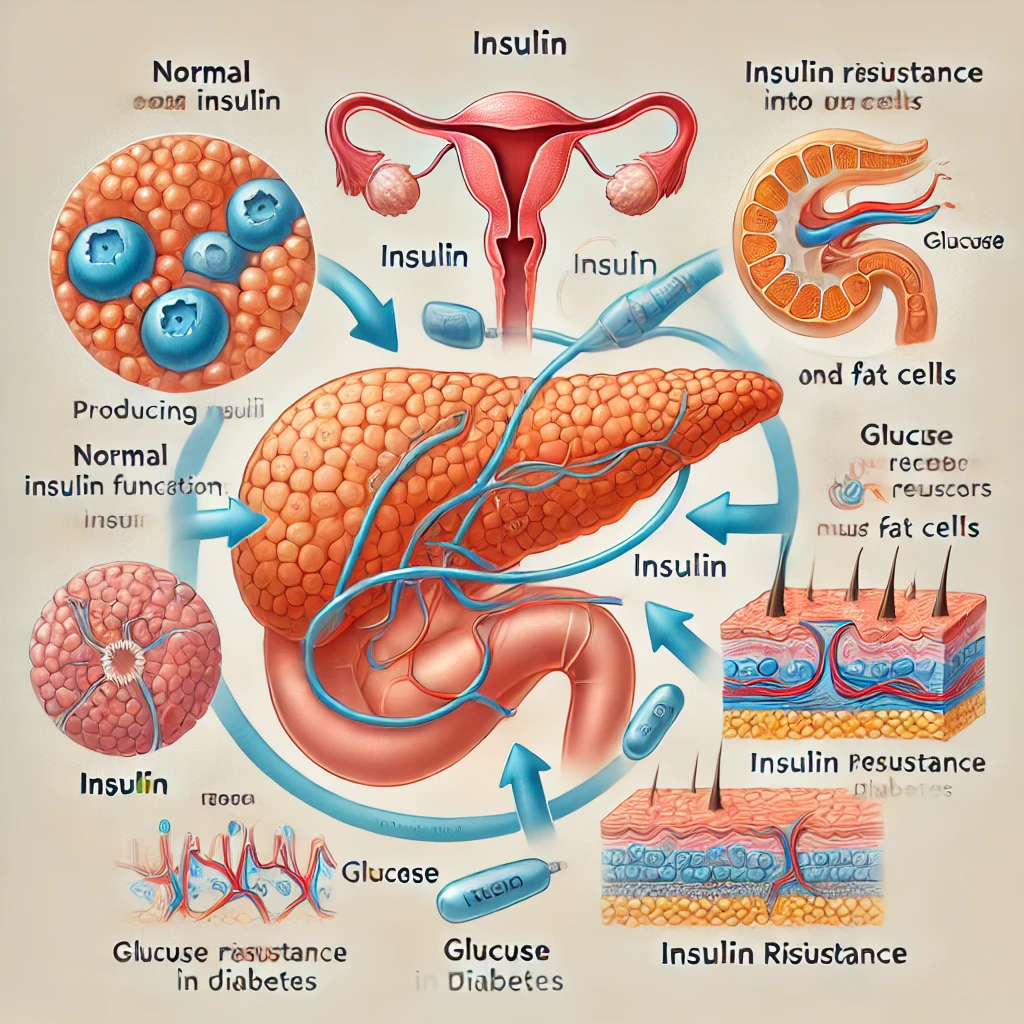
L’insuline est une hormone produite par le pancréas. Elle est vitale pour réguler les niveaux de sucre dans le sang. Imaginez l’insuline comme la “clé” utilisée pour ouvrir vos cellules, permettant au glucose d’y entrer et d’être utilisé comme carburant. En l’absence d’insuline, le sucre dans le sang ne pénètre pas dans les cellules, entraînant des niveaux élevés de glucose dans le sang.

Comment fonctionne l’insuline


Lorsque vous mangez quelque chose, les glucides de votre nourriture sont décomposés en glucose et pénètrent dans le sang. Ce glucose envoie des signaux au pancréas pour libérer de l’insuline afin d’aider ce glucose à pénétrer dans les cellules. Ce glucose est soit utilisé par les cellules, soit stocké pour un usage ultérieur. L’insuline signale également au foie de stocker l’excès de glucose sous forme de glycogène pour un usage futur, ce qui empêche les niveaux de sucre dans le sang de devenir trop élevés.

Que se passe-t-il lorsque l’insuline est insuffisante ou inefficace ?

Chez les personnes atteintes de diabète de type 1, le corps ne produit pas suffisamment d’insuline, tandis que dans le diabète de type 2, le corps devient résistant à l’insuline. Sans insuline dans le corps ou lorsque le corps ne peut pas l’utiliser correctement, le glucose s’accumule dans le sang, entraînant une hyperglycémie. Au fil du temps, cette hyperglycémie peut provoquer des complications graves, telles que des lésions nerveuses, des maladies rénales et des problèmes cardiovasculaires.

Types d’insuline

Les différents types d’insuline ont des périodes d’apparition, de pic et de durée différentes, ce qui permet une certaine flexibilité dans le contrôle des niveaux de sucre dans le sang tout au long de la journée. Voici un aperçu des principaux types d’insuline :

Insuline à action rapide

  • Apparition : 10 à 20 minutes
  • Pic : 1 à 3 heures
  • Durée : 3 à 5 heures
  • Exemples : Insuline lispro (Humalog), Insuline aspart (NovoLog), Insuline glulisine (Apidra)
  • Utilisation : Prise juste avant ou après les repas pour contrôler les pics de sucre dans le sang causés par l’alimentation.

Insuline à action rapide (Insuline régulière)

  • Apparition : 30 minutes
  • Pic : 2 à 4 heures
  • Durée : 6 à 8 heures
  • Exemples : Humulin R, Novolin R
  • Utilisation : Prise généralement 30 minutes avant les repas pour gérer la glycémie pendant les repas et les collations.

Insuline à action intermédiaire (Insuline NPH)

  • Apparition : 1 à 2 heures
  • Pic : 4 à 12 heures
  • Durée : 12 à 18 heures
  • Exemples : Humulin N, Novolin N
  • Utilisation : Fournit une couverture de fond pendant environ la moitié de la journée ou toute la nuit.

Insuline à action prolongée

  • Apparition : 1 à 2 heures
  • Pic : Minimal ou aucun pic
  • Durée : Jusqu’à 24 heures ou plus
  • Exemples : Insuline glargine (Lantus, Basaglar, Toujeo), Insuline detemir (Levemir), Insuline degludec (Tresiba)
  • Utilisation : Fournit un niveau constant d’insuline toute la journée et la nuit, imitant la production d’insuline basale du corps.

Insuline ultra-longue action

  • Apparition : 1 à 2 heures
  • Pic : Minimal ou aucun pic
  • Durée : Jusqu’à 42 heures
  • Exemples : Insuline degludec (Tresiba)
  • Utilisation : Offre une couverture prolongée pour ceux qui ont besoin de niveaux d’insuline constants pendant une période plus longue.

Insuline prémélangée

  • Apparition : Variable (combinaison d’insuline à action rapide/rapide et d’insuline à action intermédiaire)
  • Pic : Variable
  • Durée : Variable
  • Exemples : Humulin 70/30, Novolog Mix 70/30
  • Utilisation : Combine deux types d’insuline pour fournir à la fois une couverture pendant les repas et de fond, souvent pour plus de commodité.

Conseils pour gérer la thérapie à l’insuline

Gérer la thérapie à l’insuline de manière efficace est essentiel pour contrôler le diabète et maintenir un mode de vie sain. Voici quelques conseils pratiques pour vous aider à rester sur la bonne voie :

  • Suivez le plan de votre médecin
  • Surveillez régulièrement votre glycémie
  • Faites pivoter les sites d’injection
  • Mangez une alimentation équilibrée
  • Préparez-vous à l’hypoglycémie
  • Stockez l’insuline correctement
  • Construisez un système de soutien

Conseils de mode de vie pour une thérapie à l’insuline efficace
Gérer le diabète ne nécessite pas seulement des injections d’insuline, cela nécessite des changements réfléchis dans le mode de vie pour s’assurer que les niveaux de sucre dans le sang sont sous contrôle et que la personne reste en bonne santé en évitant les effets nuisibles de l’hyperglycémie. Voici quelques conseils pratiques pour vous aider à tirer le meilleur parti de votre thérapie à l’insuline :

  • Suivez un régime équilibré
  • Restez physiquement actif
  • Surveillez régulièrement vos niveaux de sucre dans le sang
  • Gérez le stress
  • Priorisez le sommeil
  • Restez hydraté
  • Soyez préparé pour les urgences (c’est-à-dire emportez des en-cas, éduquez vos proches, etc.)
  • Restez constant avec l’insuline

Mythes et faits sur la thérapie à l’insuline

L’insuline signifie que mon diabète est plus grave : Si vous avez besoin d’insuline, cela ne signifie pas que votre diabète est à un stade plus grave, cela peut être le début du diabète de type 1. Le diabète de type 1 et de type 2 peuvent nécessiter de l’insuline à différents stades.
L’insuline cause une prise de poids : Oui, les gens prennent généralement du poids au début de la thérapie à l’insuline, cela peut être parce que leur corps utilise mieux l’insuline. Si vous prenez soin de votre alimentation et faites de l’exercice régulièrement, cela peut être géré efficacement.
Les injections d’insuline sont douloureuses : Avec les progrès de la technologie, les nouvelles injections sont beaucoup moins douloureuses que ce à quoi les gens s’attendent.
L’insuline est addictive : C’est une hormone naturelle produite par le pancréas et nécessaire uniquement lorsque le corps ne la produit pas en quantité suffisante pour réguler efficacement les niveaux de sucre dans le sang.
L’insuline est uniquement pour le diabète de type 1 : La thérapie à l’insuline est nécessaire pour toutes les personnes atteintes de diabète de type 1, mais aussi à certains stades du diabète de type 2, surtout à mesure que la condition progresse.
Les remèdes naturels peuvent remplacer l’insuline : Les changements de mode de vie aident à la régulation de la thérapie à l’insuline, mais ils ne suffisent pas à remplacer l’insuline.

Conclusion

La thérapie à l’insuline joue un rôle important dans la gestion du diabète, offrant un moyen de réguler les niveaux de sucre dans le sang et de prévenir les complications. Que vous ayez le diabète de type 1 ou de type 2, comprendre comment l’insuline fonctionne est bénéfique pour vous.

Démystifier les mythes courants et adopter des changements de mode de vie comme une alimentation équilibrée, l’exercice régulier et la gestion du stress, la thérapie à l’insuline consiste à plus que de simples injections. Vous devez toujours démystifier les mythes courants et comprendre les vrais faits derrière.

Rappelez-vous, vous n’êtes pas seul dans ce voyage. Avec les bonnes connaissances, le soutien et les conseils, vous pouvez gérer efficacement votre diabète et vivre une vie saine et épanouie. Si vous avez des questions ou des préoccupations concernant la thérapie à l’insuline, n’hésitez pas à contacter votre médecin ou votre éducateur en diabète.

Faites le premier pas aujourd’hui – adoptez la thérapie à l’insuline comme un allié puissant dans votre gestion du diabète !

Questions fréquemment posées (FAQ)


Aurais-je besoin d’insuline pour toujours ?
Oui, en cas de diabète de type 1, mais en cas de diabète de type 2, vous pourriez en avoir besoin pendant une période plus courte ou, dans certains cas, à vie, selon l’état de la maladie.

Puis-je arrêter l’insuline si ma glycémie s’améliore ?
Pour cela, vous devez obtenir l’avis d’un professionnel de la santé, vous ne pouvez pas arrêter cela de manière autonome.

Quels sont les effets secondaires de la thérapie à l’insuline ?
La thérapie à l’insuline peut provoquer des effets secondaires tels que l’hypoglycémie, la prise de poids, des réactions au site d’injection et des réponses allergiques, mais ces effets sont gérables avec des soins appropriés et des conseils médicaux.

La thérapie à l’insuline est-elle uniquement pour le diabète de type 1 ?
Non, la thérapie à l’insuline est également utilisée pour le diabète de type 2, surtout lorsque les autres traitements ne suffisent pas à contrôler la glycémie.

Posted on Leave a comment

ইনসুলিন থেরাপি বোঝা: ডায়াবেটিস ব্যবস্থাপনার জন্য একটি শুরু করার গাইড

ভূমিকা

যখন প্রথম জানতে পারেন যে আপনার ডায়াবেটিস হয়েছে এবং ইনসুলিন থেরাপি শুরু করতে হবে, তখন এটি সামলানো খুব কঠিন মনে হতে পারে। ইনসুলিন থেরাপি হল একটি কার্যকর পদ্ধতি, যা আপনার রক্তে শর্করার মাত্রা নিয়ন্ত্রণ করতে সাহায্য করে এবং আপনাকে একটি সুস্থ জীবনযাপন করতে সহায়তা করে। ইনসুলিন কীভাবে কাজ করে এবং এটি কীভাবে সঠিকভাবে ব্যবহার করতে হয় তা জানা খুবই গুরুত্বপূর্ণ, তা সে টাইপ ১, টাইপ ২ বা গর্ভকালীন ডায়াবেটিস যাই হোক না কেন।

ইনসুলিন হল রক্তে শর্করা নিয়ন্ত্রণের জন্য প্রয়োজনীয় একটি হরমোন। ডায়াবেটিস রোগীদের শরীর হয় যথেষ্ট পরিমাণ ইনসুলিন উৎপাদন করতে পারে না, নয়তো এটি কার্যকরভাবে ব্যবহার করতে পারে না। ইনসুলিন থেরাপির মাধ্যমে শরীরের প্রয়োজনীয় ইনসুলিনের ঘাটতি পূরণ করা যায় এবং রক্তে শর্করার স্তর নিয়ন্ত্রণে রাখা সম্ভব হয়।

এই গাইডে, আমরা ইনসুলিন থেরাপি, ডোজ, সামঞ্জস্যকরণ এবং এটি কীভাবে নেওয়া হয় সে সম্পর্কে বিস্তারিত আলোচনা করব। এটি আপনাকে ডায়াবেটিস ব্যবস্থাপনায় আত্মবিশ্বাসী হতে সাহায্য করবে। তাহলে চলুন শুরু করা যাক!

ইনসুলিন কী?

ইনসুলিন হল অগ্ন্যাশয় (প্যানক্রিয়াস) দ্বারা উৎপাদিত একটি হরমোন, যা রক্তে শর্করার মাত্রা নিয়ন্ত্রণ করতে গুরুত্বপূর্ণ ভূমিকা রাখে। এটি এক ধরনের “চাবি” যা কোষগুলোর দরজা খুলতে সাহায্য করে, যাতে গ্লুকোজ কোষের ভেতরে প্রবেশ করতে পারে এবং শক্তি হিসেবে ব্যবহৃত হয়। যদি ইনসুলিনের অভাব ঘটে, তাহলে গ্লুকোজ কোষের ভিতরে প্রবেশ করতে পারে না এবং রক্তে অতিরিক্ত গ্লুকোজ জমা হতে থাকে।

ইনসুলিন কীভাবে কাজ করে?

যখন আপনি কোনো খাবার খান, তখন খাবারে থাকা কার্বোহাইড্রেট ভেঙে গ্লুকোজ তৈরি হয় এবং এটি রক্তে প্রবেশ করে। তখন অগ্ন্যাশয় ইনসুলিন নিঃসরণ করে, যা এই গ্লুকোজকে কোষে প্রবেশ করিয়ে শক্তিতে রূপান্তরিত করে।

এছাড়াও, ইনসুলিন লিভারকে বাড়তি গ্লুকোজকে গ্লাইকোজেনে পরিণত করে সংরক্ষণ করতে বলে, যাতে রক্তে শর্করার মাত্রা অতিরিক্ত না বেড়ে যায়।

যদি ইনসুলিন পর্যাপ্ত না হয় বা কাজ না করে তাহলে কী হয়?

  • টাইপ ১ ডায়াবেটিসে, শরীর পর্যাপ্ত ইনসুলিন উৎপাদন করতে পারে না।
  • টাইপ ২ ডায়াবেটিসে, শরীর ইনসুলিন প্রতিরোধী হয়ে পড়ে, যার ফলে ইনসুলিন সঠিকভাবে কাজ করতে পারে না।

এতে রক্তে অতিরিক্ত গ্লুকোজ জমা হয়, যা হাইপারগ্লাইসেমিয়া (রক্তে উচ্চ শর্করার মাত্রা) সৃষ্টি করতে পারে। দীর্ঘমেয়াদে এটি স্নায়ু ক্ষতি, কিডনি রোগ এবং হৃদরোগের ঝুঁকি বাড়ায়।

ইনসুলিনের প্রকারভেদ

বিভিন্ন ধরণের ইনসুলিনের শুরু, শীর্ষ এবং স্থায়ীত্ব সময় আলাদা হয়। এখানে ইনসুলিনের প্রধান ধরণগুলোর সংক্ষিপ্ত বিবরণ দেওয়া হলো:

১. র‍্যাপিড-অ্যাক্টিং ইনসুলিন

  • শুরু: ১০-২০ মিনিট
  • শীর্ষ: ১-৩ ঘণ্টা
  • স্থায়ীত্ব: ৩-৫ ঘণ্টা
  • উদাহরণ: ইনসুলিন লিসপ্রো (হুমালগ), ইনসুলিন অ্যাসপার্ট (নোভোলগ)
  • ব্যবহার: খাবারের আগে বা পরে নেওয়া হয়।

২. শর্ট-অ্যাক্টিং ইনসুলিন (নিয়মিত ইনসুলিন)

  • শুরু: ৩০ মিনিট
  • শীর্ষ: ২-৪ ঘণ্টা
  • স্থায়ীত্ব: ৬-৮ ঘণ্টা
  • উদাহরণ: হুমুলিন আর, নভোলিন আর
  • ব্যবহার: সাধারণত খাবারের ৩০ মিনিট আগে নেওয়া হয়।

৩. ইন্টারমিডিয়েট-অ্যাক্টিং ইনসুলিন (NPH ইনসুলিন)

  • শুরু: ১-২ ঘণ্টা
  • শীর্ষ: ৪-১২ ঘণ্টা
  • স্থায়ীত্ব: ১২-১৮ ঘণ্টা
  • উদাহরণ: হুমুলিন এন, নভোলিন এন
  • ব্যবহার: দীর্ঘ সময়ের জন্য রক্তে শর্করা নিয়ন্ত্রণ করে।

৪. লং-অ্যাক্টিং ইনসুলিন

  • শুরু: ১-২ ঘণ্টা
  • শীর্ষ: কোনো নির্দিষ্ট শীর্ষ নেই
  • স্থায়ীত্ব: ২৪ ঘণ্টা বা তার বেশি
  • উদাহরণ: ল্যান্টাস, লেভেমির, ট্রেসিবা
  • ব্যবহার: সারাদিন রক্তে শর্করার স্থিতিশীল মাত্রা বজায় রাখে।

ইনসুলিন থেরাপি ব্যবস্থাপনার জন্য পরামর্শ

  1. চিকিৎসকের পরামর্শ অনুসরণ করুন।
  2. নিয়মিত রক্তের শর্করা পরীক্ষা করুন।
  3. ইনজেকশন দেওয়ার স্থান পরিবর্তন করুন।
  4. সুষম খাদ্য গ্রহণ করুন।
  5. হাইপোগ্লাইসেমিয়ার জন্য প্রস্তুত থাকুন।
  6. ইনসুলিন সঠিকভাবে সংরক্ষণ করুন।
  7. একটি সমর্থন ব্যবস্থা গড়ে তুলুন।

ইনসুলিন থেরাপি সম্পর্কিত মিথ ও বাস্তবতা

ইনসুলিন মানে আমার ডায়াবেটিস খারাপ হয়েছে → না, এটি শুধু একটি চিকিৎসা পদ্ধতি।
ইনসুলিন ওজন বৃদ্ধি করে → হ্যাঁ, তবে নিয়মিত ব্যায়াম ও খাদ্য নিয়ন্ত্রণ করলে এটি সামলানো যায়।
ইনসুলিন ইনজেকশন খুব ব্যথাদায়ক → আধুনিক সূঁচ এবং পেন ইনজেকশন অনেকটাই ব্যথাহীন।
ইনসুলিন আসক্তি তৈরি করে → না, এটি একটি প্রাকৃতিক হরমোন যা শরীরের প্রয়োজন অনুযায়ী দেওয়া হয়।
ইনসুলিন শুধুমাত্র টাইপ ১ ডায়াবেটিসের জন্য → টাইপ ২ ডায়াবেটিসেও ইনসুলিনের প্রয়োজন হতে পারে।

প্রায়শই জিজ্ঞাসিত প্রশ্ন (FAQs)

আমি কি সারা জীবন ইনসুলিন নিতে হবে?
হ্যাঁ, টাইপ ১ ডায়াবেটিসের ক্ষেত্রে ইনসুলিন সারা জীবন নিতে হতে পারে। তবে, টাইপ ২ ডায়াবেটিসের ক্ষেত্রে এটি নির্ভর করে রোগের অবস্থা ও চিকিৎসার উপর—কখনও স্বল্পমেয়াদী, কখনও দীর্ঘমেয়াদী হতে পারে।

আমার রক্তে শর্করার মাত্রা নিয়ন্ত্রিত হলে কি আমি ইনসুলিন বন্ধ করতে পারব?
এ বিষয়ে সিদ্ধান্ত নেওয়ার জন্য চিকিৎসকের পরামর্শ নেওয়া জরুরি। নিজে থেকে ইনসুলিন বন্ধ করা উচিত নয়।

ইনসুলিন থেরাপির কি কোনো পার্শ্বপ্রতিক্রিয়া আছে?
হ্যাঁ, ইনসুলিন থেরাপির ফলে হাইপোগ্লাইসেমিয়া (রক্তে শর্করার মাত্রা কমে যাওয়া), ওজন বৃদ্ধি, ইনজেকশন সাইটে ব্যথা বা প্রতিক্রিয়া এবং অ্যালার্জির মতো পার্শ্বপ্রতিক্রিয়া হতে পারে। তবে, সঠিক চিকিৎসা ও যত্নের মাধ্যমে এগুলো নিয়ন্ত্রণ করা সম্ভব।

ইনসুলিন থেরাপি কি শুধুমাত্র টাইপ ১ ডায়াবেটিসের জন্য?
না, টাইপ ১ ডায়াবেটিসের জন্য ইনসুলিন আবশ্যক হলেও, টাইপ ২ ডায়াবেটিসের ক্ষেত্রে

Posted on 2 Comments

গ্যাস্ট্রোইসোফেজিয়াল রিফ্লাক্স ডিজিজ (GERD): কারণ, লক্ষণ এবং কার্যকর ব্যবস্থাপনা কৌশল বোঝা


ভূমিকা

এটিকে “রিফ্লাক্স ইসোফাজাইটিস” নামেও পরিচিত। এটি পাকস্থলীর উপাদান নিম্ন ইসোফেগাসে ফিরে আসার কারণে ইসোফেগাসে জ্বালা এবং প্রদাহ সৃষ্টি করে। GERD একটি সাধারণ অবস্থা, যা নিয়মিতভাবে মার্কিন যুক্তরাষ্ট্রের প্রায় 20% জনসংখ্যাকে প্রভাবিত করে। এটি সবচেয়ে সাধারণ গ্যাস্ট্রোইনটেস্টাইনাল ডিসঅর্ডারগুলির মধ্যে একটি যা লক্ষণ সৃষ্টি করে এবং যার কারণে মানুষ নিয়মিতভাবে চিকিৎসকের কাছে যায়। এটি বোঝা আপনাকে এই রোগকে একটি গুরুতর সমস্যা হওয়া থেকে রক্ষা করতে সাহায্য করতে পারে। কারণ যদি এটি চিকিৎসা না করা হয়, তবে এটি ইসোফাজাইটিস (ইসোফেগাসের প্রদাহ), ইসোফেজিয়াল স্ট্রিকচার (ইসোফেগাসের সংকীর্ণতা), ব্যারেটের ইসোফেগাস (একটি প্রিক্যান্সারাস অবস্থা) এবং এমনকি ইসোফেজিয়াল ক্যান্সারের মতো গুরুতর জটিলতা সৃষ্টি করতে পারে। আমেরিকান কলেজ অফ গ্যাস্ট্রোএন্টেরোলজি অনুসারে, GERD-এর কার্যকর চিকিৎসা কেবল লক্ষণগুলি উপশম করে না বরং ইসোফেগাসের দীর্ঘমেয়াদী ক্ষতির ঝুঁকিও হ্রাস করে।

GERD কী?


এটি একটি দীর্ঘস্থায়ী অবস্থা যেখানে পাকস্থলীর অ্যাসিড ইসোফেগাসে ফিরে আসে। এটি মাঝে মাঝে হওয়া অ্যাসিড রিফ্লাক্সের সাথে প্রায়ই বিভ্রান্ত হয়, যা একটি সাধারণ অবস্থা যেখানে পাকস্থলীর অ্যাসিড ইসোফেগাসে ফিরে আসে এবং অস্থায়ী অস্বস্তি যেমন হার্টবার্ন বা রিগারজিটেশন সৃষ্টি করে। এটি সাধারণত নির্দিষ্ট খাবার, অতিরিক্ত খাওয়া বা খাবারের পরে শুয়ে পড়ার কারণে ট্রিগার হয়। এর তুলনায় GERD একটি দীর্ঘস্থায়ী অবস্থা যেখানে অ্যাসিড রিফ্লাক্স সপ্তাহে দুই বা তার বেশি বার ঘটে, যা ইসোফাজাইটিস বা ব্যারেটের ইসোফেগাসের মতো স্থায়ী লক্ষণ এবং জটিলতা সৃষ্টি করে।

নিম্ন ইসোফেজিয়াল স্ফিঙ্কটার (LES) অ্যাসিড রিফ্লাক্স প্রতিরোধে একটি অত্যন্ত গুরুত্বপূর্ণ ভূমিকা পালন করে। এটি সাধারণত ইসোফেগাস থেকে খাবার আসলে শিথিল হয় এবং পাকস্থলীতে খাবার পৌঁছানোর সাথে সাথে বন্ধ হয়ে যায়। কিন্তু GERD-এ হয় LES প্যাথলজিক্যালি শিথিল হয়ে যায় অথবা LES এতটাই অক্ষম হয়ে যায় যে এটি ইসোফেগাসে খাবার ফিরে যাওয়া বন্ধ করতে যথেষ্ট শক্ত হয় না।

GERD-এর লক্ষণ

সাধারণ লক্ষণ:
হার্টবার্ন এবং রিগারজিটেশন প্রধান লক্ষণ।
হার্টবার্ন (বুকের মধ্যে জ্বালাপোড়া) বাঁকানো, চাপ দেওয়া বা শুয়ে পড়ার কারণে উদ্দীপিত হয়।
“ওয়াটার ব্রাশ” – অ্যাসিড গলায় প্রবেশ করলে রিফ্লেক্স স্যালিভারি গ্ল্যান্ড স্টিমুলেশনের কারণে লালা বৃদ্ধি।
রিগারজিটেশন (মুখে টক বা তিক্ত স্বাদ)।
গিলতে অসুবিধা (ডিসফ্যাজিয়া)।

অতিরিক্ত লক্ষণ:
গলা ব্যথা বা গলা ভেঙে যাওয়া।
বুক ব্যথা (হৃদয় সম্পর্কিত ব্যথার মতো হতে পারে)।
ল্যারিনজাইটিস
দাঁতের ক্ষয়
পুনরাবৃত্ত বুকের সংক্রমণ
দীর্ঘস্থায়ী কাশি

ল্যারিঙ্গোফ্যারিঞ্জিয়াল রিফ্লাক্স (LPR) হল এক ধরনের অ্যাসিড রিফ্লাক্স যেখানে পাকস্থলীর অ্যাসিড গলা, ভয়েস বক্স (ল্যারিন্ক্স) বা এমনকি নাকের প্যাসেজে পিছনের দিকে প্রবাহিত হয়। এটি সাধারণত কোনও ক্লাসিক লক্ষণ দেখায় না, তবে এটি সাধারণত উপরের শ্বাসনালীকে প্রভাবিত করে, যা নির্ণয় করা কঠিন করে তোলে।

GERD-এর কারণ এবং ঝুঁকির কারণ

LES-এর দুর্বলতা বা অকার্যকারিতা।
জীবনযাত্রার কারণ:
স্থূলতা
ধূমপান
অ্যালকোহল সেবন
খারাপ খাদ্যাভ্যাস (মসলাযুক্ত, চর্বিযুক্ত বা অ্যাসিডিক খাবার)।

চিকিৎসা অবস্থা যা GERD সৃষ্টি করে:
হাইটাল হার্নিয়া
গর্ভাবস্থা
পাকস্থলীর খালি হতে দেরি (গ্যাস্ট্রোপেরেসিস)।

অচিকিৎসিত GERD-এর জটিলতা


ইসোফাজাইটিস (ইসোফেগাসের প্রদাহ)।
ইসোফেজিয়াল স্ট্রিকচার (ইসোফেগাসের সংকীর্ণতা)।
ব্যারেটের ইসোফেগাস (ইসোফেগাসের আস্তরণে প্রিক্যান্সারাস পরিবর্তন)।
ইসোফেজিয়াল ক্যান্সারের ঝুঁকি বৃদ্ধি।
আয়রন ঘাটতি অ্যানিমিয়া – (দীর্ঘস্থায়ী ইসোফাজাইটিস থেকে রক্তক্ষরণ)।

GERD-এর নির্ণয়

চিকিৎসা ইতিহাস এবং লক্ষণ মূল্যায়ন GERD নির্ণয়ের মূল ভিত্তি এবং বেশিরভাগ ক্ষেত্রে রোগীর কার্যকর ইতিহাস নেওয়া এবং পরীক্ষার মাধ্যমে নির্ণয় করা হয়।

ডায়াগনস্টিক টেস্ট:
যদি আমরা বলি যে এই টেস্টগুলি GERD নির্ণয়ের জন্য নয় বরং GERD নিশ্চিত করার জন্য, তবে এটি ভুল হবে না কারণ বেশিরভাগ রোগী ভাল ইতিহাস নেওয়া এবং মূল্যায়নের মাধ্যমে নির্ণয় করা হয়। নিম্নলিখিত টেস্টগুলি GERD নির্ণয় এবং নিশ্চিতকরণে ব্যবহৃত হয়:
এন্ডোস্কোপি
ইসোফেজিয়াল pH মনিটরিং
বেরিয়াম সোয়ালো
ইসোফেজিয়াল ম্যানোমেট্রি

রিফ্লাক্স টেস্টিং:
ওয়্যারলেস pH টেস্টিং আপনার ডাক্তারকে 48 ঘন্টা সময়কালে আপনার রিফ্লাক্স কার্যকলাপ মূল্যায়ন করতে দেয় যখন আপনি আপনার স্বাভাবিক ক্রিয়াকলাপ চালিয়ে যান। ওয়্যারলেস pH টেস্টিং করার জন্য দুটি পদ্ধতি রয়েছে:
ওয়্যারলেস pH টেস্টিং
24-ঘন্টা pH ইম্পিডেন্স

চিকিৎসা বিকল্প


জীবনযাত্রার পরিবর্তন:
জীবনযাত্রার পরিবর্তনের মাধ্যমে একজন GERD প্রতিরোধ এবং পরিচালনা করতে পারে। এখানে GERD পরিচালনার জন্য কিছু জীবনযাত্রার পরিবর্তন দেওয়া হল:
খাদ্যাভ্যাস পরিবর্তন, যেমন ট্রিগার খাবার এড়ানো, বড় অংশের পরিবর্তে ছোট অংশ খাওয়া।
স্থূলতা থাকলে ওজন কমানো গুরুত্বপূর্ণ কারণ পেটের অতিরিক্ত চর্বি পেটে অতিরিক্ত চাপ সৃষ্টি করে।
বিছানার মাথা উঁচু করা।
খাওয়ার পরে শুয়ে না পড়া।
ঘুমানোর কয়েক ঘন্টা আগে খাওয়া এড়ানো।

ওষুধ:
অ্যান্টাসিড (দ্রুত উপশমের জন্য)।
H2 ব্লকার (যেমন রানিটিডিন, ফ্যামোটিডিন)। এইগুলি প্যারিয়েটাল কোষে হিস্টামিনের ক্রিয়া ব্লক করে এবং অ্যাসিড স্রাব কমায়। এই ওষুধগুলি কেবল লক্ষণগুলি উপশম করে, ইসোফাজাইটিস নিরাময় করে না।
প্রোটন পাম্প ইনহিবিটর (PPIs) (যেমন ওমেপ্রাজল, ইসোমেপ্রাজল)। PPIs হল চিকিৎসার প্রথম পছন্দ। PPIs H+/K+ ATPase ব্লক করে গ্যাস্ট্রিক অ্যাসিড উৎপাদন কমায়। PPIs লক্ষণ এবং ইসোফাজাইটিস উভয়ই উপশম করে। পার্শ্বপ্রতিক্রিয়া = মাথাব্যথা, ডায়রিয়া, ক্লোস্ট্রিডিয়াম ডিফিসিল সংক্রমণের ঝুঁকি বৃদ্ধি।

সার্জিক্যাল চিকিৎসা:


সার্জারির সূচনা:
চিকিৎসা চিকিৎসা ব্যর্থতা
দীর্ঘমেয়াদী PPIs গ্রহণে অনিচ্ছা
গুরুতর রিগারজিটেশন
ব্যারেটের ইসোফেগাস

সার্জিক্যাল বিকল্প:
ফান্ডোপ্লিকেশন (পাকস্থলীর শীর্ষ অংশ LES-এর চারপাশে মোড়ানো)।
LINX ডিভাইস (LES শক্তিশালী করার জন্য চৌম্বকীয় রিং)।

কখন ডাক্তার দেখাবেন
স্থায়ী বা খারাপ হওয়া লক্ষণ।
গিলতে অসুবিধা বা গিলতে ব্যথা।
অব্যক্ত ওজন হ্রাস।
বুক ব্যথা যা হৃদয়ের অবস্থা নির্দেশ করতে পারে।

প্রশ্নোত্তর


GERD কি পিঠে ব্যথা সৃষ্টি করতে পারে?

হ্যাঁ, GERD কিছু ক্ষেত্রে পিঠে ব্যথা সৃষ্টি করতে পারে। ব্যথাটি প্রায়শই বুক থেকে উপরের পিঠে, সাধারণত কাঁধের ব্লেডের মধ্যে জ্বালাপোড়া বা অস্বস্তি হিসাবে বর্ণনা করা হয়।

GERD কি নিরাময় করা যায়?
GERD বেশিরভাগ ক্ষেত্রে সম্পূর্ণ নিরাময় করা যায় না, তবে জীবনযাত্রার পরিবর্তন, ওষুধ এবং কিছু ক্ষেত্রে সার্জারির মাধ্যমে এটি কার্যকরভাবে পরিচালনা করা যেতে পারে। যদিও লক্ষণগুলি প্রায়শই নিয়ন্ত্রণ করা যায়, জটিলতা প্রতিরোধ এবং জীবনমান বজায় রাখার জন্য সাধারণত দীর্ঘমেয়াদী পরিচালনার প্রয়োজন হয়।

GERD কি শ্বাসকষ্ট, বমি বমি ভাব বা বুক ব্যথা সৃষ্টি করতে পারে?
হ্যাঁ, GERD শ্বাসকষ্ট, বমি বমি ভাব এবং বুক ব্যথা সৃষ্টি করতে পারে।

GERD কিভাবে জীবনমান প্রভাবিত করে?
GERD ক্রনিক অস্বস্তি, ঘুমের ব্যাঘাত, খাদ্যতালিকাগত বিধিনিষেধ এবং মানসিক চাপ সৃষ্টি করে জীবনমানকে উল্লেখযোগ্যভাবে প্রভাবিত করে, যা প্রায়শই দৈনন্দিন ক্রিয়াকলাপ এবং উৎপাদনশীলতাকে প্রভাবিত করে। জীবনযাত্রার পরিবর্তন, ওষুধ বা সার্জারির মাধ্যমে কার্যকর পরিচালনা লক্ষণগুলি উপশম করতে এবং সামগ্রিক সুস্থতা উন্নত করতে সাহায্য করতে পারে।

GERD বনাম IBS?
GERD প্রাথমিকভাবে ইসোফেগাসকে প্রভাবিত করে, অ্যাসিড রিফ্লাক্সের কারণে হার্টবার্ন এবং রিগারজিটেশন সৃষ্টি করে, যখন IBS কোলনকে প্রভাবিত করে, পেটে ব্যথা, ফোলাভাব এবং মলত্যাগের অভ্যাস পরিবর্তন করে। উভয় অবস্থাই চাপ বা খাদ্য দ্বারা ট্রিগার হতে পারে তবে তাদের জন্য বিভিন্ন ডায়াগনস্টিক পদ্ধতি এবং চিকিৎসার প্রয়োজন।

GERD বনাম পেপটিক আলসার?
GERD ইসোফেগাসকে প্রভাবিত করে, অ্যাসিড রিফ্লাক্সের কারণে হার্টবার্ন এবং রিগারজিটেশন সৃষ্টি করে, যখন পেপটিক আলসার পাকস্থলী বা ডুওডেনামে ঘা সৃষ্টি করে, যা স্থানীয় পেটে ব্যথা এবং বমি বমি ভাব সৃষ্টি করে। GERD সাধারণত একটি দুর্বল LES-এর কারণে হয়, যেখানে পেপটিক আলসার সাধারণত H. pylori সংক্রমণ বা NSAID ব্যবহারের কারণে হয়।

https://youtu.be/f28wm-DubrM
Posted on Leave a comment

गैस्ट्रोएसोफेजियल रिफ्लक्स डिजीज (GERD): कारण, लक्षण और प्रभावी प्रबंधन रणनीतियों को समझना

परिचय


इसे “रिफ्लक्स एसोफैगाइटिस” के रूप में भी जाना जाता है। यह पेट की सामग्री के निचले अन्नप्रणाली (एसोफैगस) में वापस आने को संदर्भित करता है, जिससे अन्नप्रणाली में जलन और सूजन होती है। जीईआरडी (GERD) एक सामान्य स्थिति है, जो नियमित रूप से लगभग 20% अमेरिकी आबादी को प्रभावित करती है। यह सबसे आम गैस्ट्रोइंटेस्टाइनल विकारों में से एक है जो लक्षण पैदा करता है और जिसके कारण लोग नियमित रूप से चिकित्सकों के पास जाते हैं। इसलिए, इसे समझना आपको इस बीमारी को गंभीर समस्या बनने से रोकने में मदद कर सकता है। यदि इसका इलाज न किया जाए, तो यह गंभीर जटिलताएं पैदा कर सकता है, जैसे एसोफैगाइटिस (अन्नप्रणाली की सूजन), एसोफेजियल स्ट्रिक्चर (अन्नप्रणाली का संकुचन), बैरेट्स एसोफैगस (एक प्रीकैंसरस स्थिति), और यहां तक कि एसोफेजियल कैंसर भी। अमेरिकन कॉलेज ऑफ गैस्ट्रोएंटरोलॉजी के अनुसार, जीईआरडी का प्रभावी उपचार न केवल लक्षणों को कम करता है बल्कि अन्नप्रणाली को दीर्घकालिक नुकसान के जोखिम को भी कम करता है।

जीईआरडी क्या है?

यह एक पुरानी स्थिति है जिसमें पेट का एसिड अन्नप्रणाली में वापस आ जाता है। इसे अक्सर सामयिक एसिड रिफ्लक्स के साथ भ्रमित किया जाता है, जो एक सामान्य स्थिति है जहां पेट का एसिड अन्नप्रणाली में वापस आता है, जिससे अस्थायी असुविधा जैसे सीने में जलन या उल्टी जैसा महसूस होता है। यह अक्सर कुछ खाद्य पदार्थों, अधिक खाने या भोजन के बाद लेटने से ट्रिगर होता है। इसकी तुलना में, जीईआरडी एक पुरानी स्थिति है जहां एसिड रिफ्लक्स सप्ताह में दो या अधिक बार होता है, जिससे लगातार लक्षण और जटिलताएं जैसे एसोफैगाइटिस या बैरेट्स एसोफैगस हो सकते हैं।

निचला एसोफेजियल स्फिंक्टर (LES) एसिड रिफ्लक्स को अन्नप्रणाली में वापस जाने से रोकने में बहुत महत्वपूर्ण भूमिका निभाता है। यह आमतौर पर तब आराम करता है जब अन्नप्रणाली से भोजन आता है और जैसे ही भोजन पेट में पहुंचता है, यह बंद हो जाता है। लेकिन जीईआरडी में या तो निचले एसोफेजियल स्फिंक्टर (LES) का रोग संबंधी अस्थायी आराम होता है या निचला एसोफेजियल स्फिंक्टर इतना अक्षम हो जाता है कि वह भोजन को अन्नप्रणाली में वापस जाने से रोकने के लिए पर्याप्त रूप से कस नहीं पाता है।

जीईआरडी के लक्षण


सामान्य लक्षण:

  • सीने में जलन और उल्टी जैसा महसूस होना मुख्य लक्षण हैं।
  • सीने में जलन (छाती में जलन का एहसास) झुकने, तनाव या लेटने से उत्तेजित होती है।
  • “वॉटर ब्रश” – एसिड के अन्नप्रणाली में प्रवेश करने पर लार ग्रंथि की प्रतिक्रिया के कारण लार का अधिक स्राव।
  • उल्टी जैसा महसूस होना (मुंह में खट्टा या कड़वा स्वाद)।
  • निगलने में कठिनाई (डिस्फेजिया)।

अतिरिक्त-अन्नप्रणालीय लक्षण:

  • गला बैठना या गले में खराश।
  • सीने में दर्द (दिल से संबंधित दर्द की नकल कर सकता है)।
  • लैरिंजाइटिस।
  • दांतों का क्षरण।
  • बार-बार छाती में संक्रमण।
  • पुरानी खांसी।

लैरिंगोफेरिंजियल रिफ्लक्स (LPR) एक प्रकार का एसिड रिफ्लक्स है जिसमें पेट का एसिड गले, वॉयस बॉक्स (लैरिंक्स), या यहां तक कि नाक के मार्ग में वापस आता है। इसमें कोई क्लासिक लक्षण नहीं दिखाई देते हैं, लेकिन यह आमतौर पर ऊपरी वायुमार्ग को प्रभावित करता है, जिससे इसका निदान करना मुश्किल हो जाता है।

जीईआरडी के कारण और जोखिम कारक

  • निचले एसोफेजियल स्फिंक्टर (LES) की कमजोरी या खराबी।
  • जीवनशैली कारक:
    • मोटापा।
    • धूम्रपान।
    • शराब का सेवन।
    • अस्वास्थ्यकर आहार (मसालेदार, वसायुक्त या अम्लीय खाद्य पदार्थ)।
  • चिकित्सीय स्थितियां:
    • हायटल हर्निया।
    • गर्भावस्था।
    • पेट का खाली होने में देरी (गैस्ट्रोपेरिसिस)।

अनुपचारित जीईआरडी की जटिलताएं

  • एसोफैगाइटिस (अन्नप्रणाली की सूजन)।
  • एसोफेजियल स्ट्रिक्चर (अन्नप्रणाली का संकुचन)।
  • बैरेट्स एसोफैगस (अन्नप्रणाली की परत में प्रीकैंसरस परिवर्तन)।
  • एसोफेजियल कैंसर का खतरा बढ़ना।
  • आयरन की कमी से एनीमिया (लंबे समय तक एसोफैगाइटिस से रक्तस्राव)।

जीईआरडी का निदान

  • चिकित्सा इतिहास और लक्षण मूल्यांकन जीईआरडी के निदान में मुख्य आधार हैं, और अधिकांश मामलों का निदान प्रभावी इतिहास लेने और रोगी की जांच के साथ किया जाता है।
  • नैदानिक परीक्षण:
    • एंडोस्कोपी।
    • एसोफेजियल पीएच मॉनिटरिंग।
    • बेरियम स्वैलो।
    • एसोफेजियल मैनोमेट्री।
  • रिफ्लक्स टेस्टिंग:
    • वायरलेस पीएच टेस्टिंग।
    • 24-घंटे पीएच इम्पीडेंस।

उपचार विकल्प

  • जीवनशैली में बदलाव:
    • आहार में बदलाव (ट्रिगर खाद्य पदार्थों से बचें, छोटे हिस्से में भोजन करें)।
    • वजन घटाना (मोटापे के मामले में)।
    • बिस्तर के सिर को ऊंचा करें।
    • खाने के बाद लेटने से बचें।
    • सोने से कुछ घंटे पहले खाने से बचें।
  • दवाएं:
    • एंटासिड्स (त्वरित राहत के लिए)।
    • एच2 ब्लॉकर्स (जैसे रैनिटिडाइन, फैमोटिडाइन)।
    • प्रोटॉन पंप इनहिबिटर्स (PPIs) (जैसे ओमेप्राज़ोल, एसोमेप्राज़ोल)।
  • सर्जिकल उपचार:
    • फंडोप्लिकेशन (पेट के ऊपरी हिस्से को LES के चारों ओर लपेटना)।
    • LINX डिवाइस (LES को मजबूत करने के लिए चुंबकीय रिंग)।

डॉक्टर से कब संपर्क करें

  • लगातार या बिगड़ते लक्षण।
  • निगलने में कठिनाई या दर्द।
  • बिना कारण वजन घटना।
  • सीने में दर्द जो हृदय संबंधी स्थिति का संकेत हो सकता है।

अक्सर पूछे जाने वाले प्रश्न

  • क्या जीईआरडी से पीठ दर्द हो सकता है?
    हां, जीईआरडी कुछ मामलों में पीठ दर्द का कारण बन सकता है। दर्द को अक्सर छाती से ऊपरी पीठ तक फैलने वाली जलन या बेचैनी के रूप में वर्णित किया जाता है।
  • क्या जीईआरडी को ठीक किया जा सकता है?
    जीईआरडी को अधिकांश मामलों में पूरी तरह से ठीक नहीं किया जा सकता है, लेकिन इसे जीवनशैली में बदलाव, दवाओं और कुछ मामलों में सर्जरी के साथ प्रभावी ढंग से प्रबंधित किया जा सकता है।
  • क्या जीईआरडी से सांस लेने में तकलीफ, मतली या सीने में दर्द हो सकता है?
    हां, जीईआरडी से सांस लेने में तकलीफ, मतली और सीने में दर्द हो सकता है।
  • जीईआरडी जीवन की गुणवत्ता को कैसे प्रभावित करता है?
    जीईआरडी जीवन की गुणवत्ता को महत्वपूर्ण रूप से प्रभावित करता है, जिससे पुरानी बेचैनी, नींद में खलल, आहार संबंधी प्रतिबंध और भावनात्मक तनाव होता है।
  • जीईआरडी बनाम आईबीएस?
    जीईआरडी मुख्य रूप से अन्नप्रणाली को प्रभावित करता है, जबकि आईबीएस कोलोन को प्रभावित करता है।
  • जीईआरडी बनाम पेप्टिक अल्सर?
    जीईआरडी अन्नप्रणाली को प्रभावित करता है, जबकि पेप्टिक अल्सर पेट या डुओडेनम में घाव होते हैं।
https://youtu.be/f28wm-DubrM