
Posted on 2 Comments

Best Foods for Heart Health and Preventing Cardiovascular Diseases

Introduction

Keeping your heart healthy is essential for maintaining overall well-being and longevity. Cardiovascular disease (CVD) is the leading cause of death worldwide, responsible for over 17.9 million fatalities each year, according to the World Health Organization (WHO). Fortunately, a heart-healthy diet can significantly lower your risk of heart disease and improve your overall health. But what are the best foods for heart health? In this guide, we’ll explore the top nutrient-rich foods that support a healthy heart and help prevent cardiovascular diseases.

Why Diet Matters for Heart Health

Your diet plays a crucial role in maintaining your cardiovascular health. Consuming processed foods high in trans fats, sugars, and sodium can contribute to high blood pressure, high cholesterol, and obesity – key risk factors for heart disease. On the other hand, eating a balanced and nutrient-rich diet can:

  • Lower bad cholesterol (LDL)
  • Increase good cholesterol (HDL)
  • Reduce inflammation
  • Improve blood circulation
  • Regulate blood pressure

Now, let’s dive into the best heart-healthy foods that can support a strong and healthy cardiovascular system.

Top Heart-Healthy Foods

1. Fatty Fish

Fatty fish such as salmon, mackerel, sardines, and trout are packed with omega-3 fatty acids, which have been shown to:

  • Reduce inflammation in the arteries
  • Lower triglyceride levels
  • Decrease the risk of arrhythmias (irregular heartbeats)

The American Heart Association (AHA) recommends eating two servings of fatty fish per week to support heart health.

2. Nuts and Seeds

Almonds, walnuts, flaxseeds, and chia seeds are excellent sources of heart-healthy nutrients such as:

  • Omega-3 fatty acids
  • Fiber
  • Magnesium
  • Antioxidants

Studies have shown that regular consumption of nuts can reduce bad cholesterol levels and lower the risk of heart disease.

3. Leafy Green Vegetables

Spinach, kale, and Swiss chard are rich in vitamins, minerals, and antioxidants. They contain:

  • Vitamin K, which helps with blood clotting
  • Nitrates that promote healthy blood vessels and lower blood pressure
  • Fiber, which supports healthy cholesterol levels

Adding more greens to your meals can contribute to better heart health.

4. Berries

Blueberries, strawberries, raspberries, and blackberries are loaded with antioxidants and polyphenols. These compounds help:

  • Reduce oxidative stress and inflammation
  • Lower blood pressure
  • Improve arterial function

Including a variety of berries in your diet can provide powerful heart-protective benefits.

5. Whole Grains

Whole grains like oats, quinoa, brown rice, and whole wheat bread are high in fiber. They help:

  • Reduce LDL (bad cholesterol)
  • Regulate blood sugar levels
  • Lower the risk of heart disease

Unlike refined grains, whole grains provide essential nutrients that support cardiovascular wellness.

6. Avocados

Avocados are rich in monounsaturated fats, a healthy type of fat that:

  • Reduces bad cholesterol levels
  • Provides potassium, which helps regulate blood pressure
  • Supports heart function

Including avocados in your diet can help promote a healthy heart.

7. Dark Chocolate

Consuming dark chocolate with at least 70% cocoa has been linked to heart health benefits. It contains:

  • Flavonoids, which improve circulation
  • Antioxidants that reduce inflammation
  • Compounds that lower blood pressure

Enjoy dark chocolate in moderation for its heart-protective properties.

8. Olive Oil

Extra virgin olive oil is a staple of the Mediterranean diet, known for its heart benefits. It is rich in:

  • Monounsaturated fats that boost good cholesterol
  • Antioxidants that reduce inflammation
  • Compounds that protect blood vessels

Using olive oil in cooking or as a salad dressing is a great way to support cardiovascular health.

9. Beans and Legumes

Beans, lentils, and chickpeas are high in fiber, protein, and beneficial plant compounds. They have been shown to:

  • Lower cholesterol levels
  • Stabilize blood sugar
  • Reduce the risk of heart disease

Incorporating legumes into your meals can provide heart-protective benefits.

10. Garlic

Garlic contains a compound called allicin, which has been found to:

  • Lower blood pressure
  • Reduce cholesterol
  • Improve circulation

Adding fresh garlic to your diet can support heart health naturally.

Final Thoughts

Maintaining heart health starts with smart food choices. By incorporating nutrient-dense foods like fatty fish, leafy greens, berries, and whole grains, you can lower your risk of cardiovascular disease and improve overall well-being. Small dietary changes can make a big impact over time.

Take Action for a Healthier Heart

Are you ready to improve your heart health? Start by adding these foods to your daily meals and adopting a wholesome, balanced diet. Share your heart-healthy journey with friends and family – together, we can build a healthier future!

Posted on Leave a comment

Best Foods for Heart Health and How They Improve Circulation

Introduction

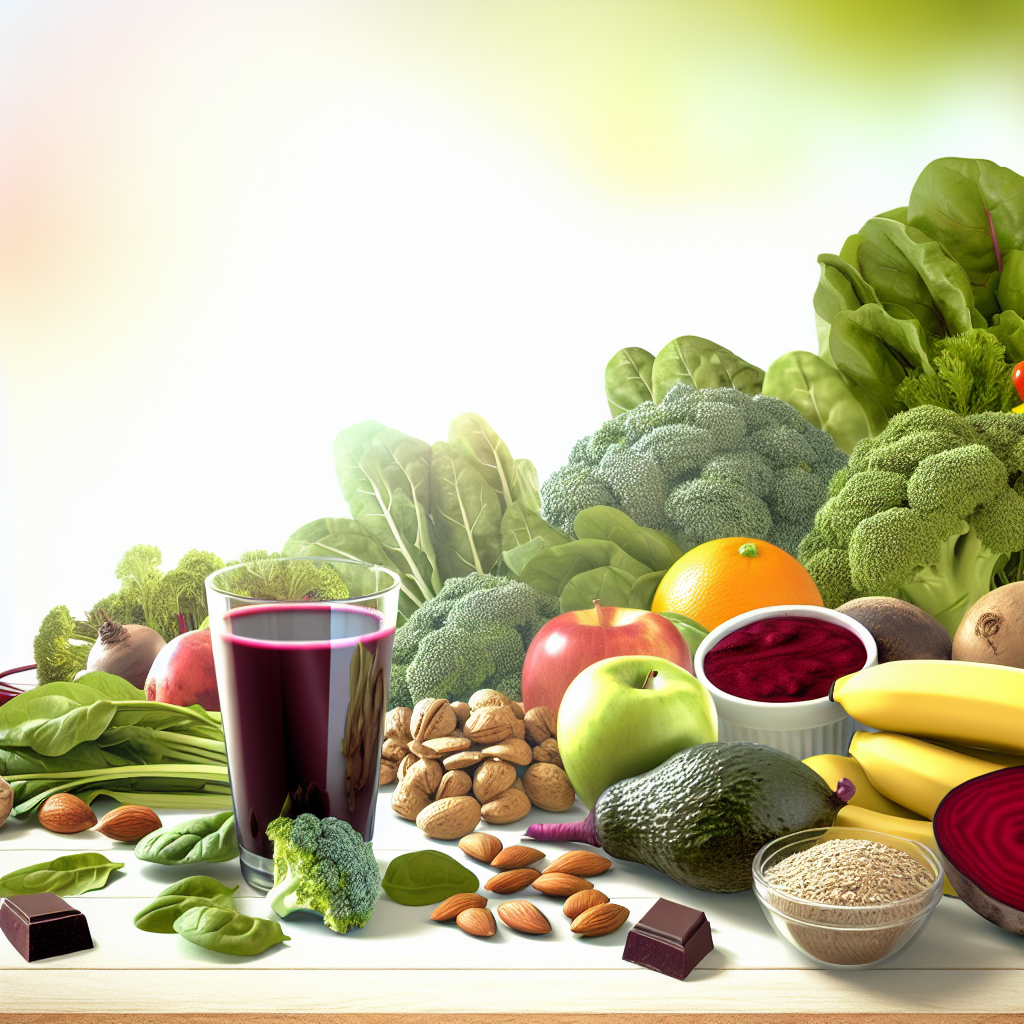
Your heart works tirelessly to keep your body running, pumping blood and delivering oxygen to every cell. But did you know that what you eat plays a crucial role in keeping your heart healthy? A diet rich in certain foods can strengthen your cardiovascular system, reduce the risk of heart disease, and improve circulation. In this guide, we’ll explore the best foods for heart health and how they enhance blood flow.

Why Heart-Healthy Foods Matter

Heart disease is the leading cause of death worldwide, accounting for nearly 18 million deaths each year, according to the World Health Organization. Poor circulation can lead to issues such as high blood pressure, varicose veins, and even stroke. By incorporating nutrient-dense foods into your diet, you can help keep your heart strong and your blood vessels functioning properly.

Top Heart-Healthy Foods and Their Benefits

1. Fatty Fish

Fatty fish such as salmon, mackerel, and sardines are loaded with omega-3 fatty acids, which help reduce inflammation and lower triglyceride levels.

  • Supports healthy blood pressure
  • Lowers the risk of heart disease
  • Improves blood vessel function

A study published in the American Journal of Clinical Nutrition found that individuals who consumed omega-3-rich fish regularly had a significantly lower risk of cardiovascular diseases.

2. Leafy Greens

Vegetables like spinach, kale, and Swiss chard are packed with nitrates and antioxidants that promote better circulation and arterial flexibility.

  • Reduces blood pressure
  • Enhances oxygen delivery
  • Supports artery health

Research suggests that a diet rich in leafy greens can lower the risk of heart disease by up to 16%.

3. Berries

Strawberries, blueberries, and raspberries contain powerful antioxidants called flavonoids that benefit heart health.

  • Reduces inflammation
  • Improves arterial function
  • Lowers bad cholesterol levels

According to a Harvard study, consuming berries at least three times a week can reduce heart attack risk by 32%.

4. Nuts and Seeds

Walnuts, almonds, flaxseeds, and chia seeds are rich in healthy fats, fiber, and plant-based protein.

  • Reduces LDL (“bad”) cholesterol
  • Decreases inflammation
  • Improves blood circulation

Walnuts, in particular, are known to increase endothelial function, which keeps blood vessels flexible and promotes smooth blood flow.

5. Whole Grains

Brown rice, quinoa, oatmeal, and whole wheat bread provide fiber, essential nutrients, and antioxidants that support heart health.

  • Regulates blood sugar levels
  • Lowers risk of heart disease
  • Reduces hypertension

The Dietary Guidelines for Americans recommend making at least half of your daily grain intake whole grains to support cardiovascular well-being.

6. Dark Chocolate

Dark chocolate (with at least 70% cocoa) is rich in antioxidants called flavonoids, which benefit the heart when consumed in moderation.

  • Improves blood vessel function
  • Reduces oxidative stress
  • Lowers blood pressure

A study in the European Journal of Preventive Cardiology found that regular dark chocolate consumption may reduce heart disease risk by 37%.

7. Avocados

Avocados are an excellent source of heart-healthy monounsaturated fats, which help lower bad cholesterol and maintain good heart function.

  • Reduces risk of heart disease
  • Provides potassium for blood pressure regulation
  • Increases good HDL cholesterol

Eating just one avocado a day has been shown to significantly improve cholesterol levels.

8. Garlic

Garlic contains a compound called allicin, which has been shown to enhance blood circulation and lower blood pressure.

  • Supports arterial health
  • Reduces blood clot formation
  • Improves cardiovascular function

Studies suggest that garlic supplementation can reduce blood pressure by 5-10 mmHg in people with hypertension.

9. Beets

Beets are packed with nitrates, which the body converts into nitric oxide to improve blood flow and relax blood vessels.

  • Reduces blood pressure
  • Boosts circulation
  • Increases oxygen transportation

Drinking beet juice daily has been linked to lower blood pressure levels.

10. Olive Oil

Extra virgin olive oil contains heart-protective antioxidants and monounsaturated fats that reduce inflammation and improve circulation.

  • Lowers bad cholesterol
  • Boosts healthy artery function
  • Prevents oxidative stress

Mediterranean diets rich in olive oil are linked to a 30% reduced risk of heart disease.

How to Incorporate These Foods Into Your Diet

Here are some easy ways to make these heart-friendly foods a part of your daily routine:

  • Add salmon or mackerel to your meals twice a week.
  • Blend spinach or kale into smoothies.
  • Snack on almonds, walnuts, or mixed seeds.
  • Swap refined grains for whole grains.
  • Enjoy a small piece of dark chocolate for heart benefits.
  • Use olive oil when cooking instead of butter.

Conclusion

Maintaining a heart-healthy diet is one of the best ways to improve circulation and lower your risk of heart disease. By incorporating foods rich in omega-3s, antioxidants, fiber, and healthy fats, you can promote cardiovascular health and enhance your overall well-being. Start making small dietary swaps today, and your heart will thank you in the long run!

Take Action Today

Ready to boost your heart health? Start by adding one of these superfoods to your next meal! Share this article with friends and family to spread the knowledge. Your heart deserves it!

Posted on 2 Comments

Causes and Treatment of Chronic Pain for Long-Term Relief

Chronic pain affects millions of people worldwide, diminishing their quality of life and making even simple daily activities challenging. Unlike acute pain that fades away as an injury heals, chronic pain lingers for months or even years. The good news? There are effective treatment strategies to manage it and improve your well-being. In this guide, we’ll explore the causes of chronic pain and the best treatment options for long-term relief.

What Is Chronic Pain?

Chronic pain is any pain that lasts for more than 12 weeks, even after the underlying injury or illness has healed. It can range from mild discomfort to debilitating agony, affecting physical, emotional, and mental health.

Common Causes of Chronic Pain

There are several reasons why chronic pain develops. Identifying the root cause is crucial for effective treatment.

1. Injuries That Didn’t Heal Properly

Sometimes, injuries from accidents, falls, or surgeries don’t heal as expected. This can lead to persistent inflammation or nerve damage, causing ongoing pain.

2. Medical Conditions

Certain conditions often trigger chronic pain, including:

  • Arthritis: Inflammation of the joints leads to stiffness and long-term discomfort.
  • Fibromyalgia: A disorder characterized by widespread musculoskeletal pain.
  • Diabetes: May cause nerve damage known as diabetic neuropathy.
  • Multiple Sclerosis (MS): Affects nerves and can cause chronic pain.

3. Nerve Damage

When nerves become damaged due to infection, injury, or medical conditions, they send out faulty pain signals, resulting in chronic nerve pain.

4. Psychological Factors

Stress, anxiety, and depression can amplify chronic pain. Emotional distress affects how pain is perceived, making it feel worse.

5. Lifestyle Factors

Certain habits can contribute to long-term pain, such as:

  • Poor posture: Can lead to joint and muscle strain.
  • Obesity: Extra weight puts pressure on joints, worsening pain.
  • Lack of exercise: Weak muscles and stiffness can increase discomfort.

Effective Treatments for Long-Term Pain Relief

Managing chronic pain requires a combination of approaches. Here are some effective treatments to help relieve discomfort and improve quality of life.

1. Medications

Doctors often prescribe medications to manage pain, such as:

  • Over-the-counter pain relievers: Like ibuprofen and acetaminophen for mild pain.
  • Prescription medications: Such as opioids (used sparingly due to addiction risk) and muscle relaxants.
  • Topical creams: Applied directly to sore areas for relief.
  • Antidepressants: Sometimes prescribed to help manage nerve pain.

2. Physical Therapy

Stretching, strengthening, and mobility exercises can ease pain and enhance function. A physical therapist can develop a personalized plan to:

  • Improve muscle strength
  • Enhance flexibility and joint mobility
  • Reduce tension and stiffness

3. Alternative Therapies

Many people find relief through natural and complementary treatments, such as:

  • Acupuncture: Stimulates nerves and muscles for pain relief.
  • Chiropractic care: Adjustments help realign the spine and reduce discomfort.
  • Massage therapy: Eases muscle stiffness and promotes relaxation.
  • Herbal supplements: Such as turmeric and ginger for reducing inflammation.

4. Mind-Body Techniques

Psychological factors play a significant role in chronic pain. Practices like:

  • Meditation: Helps train the brain to manage pain perception.
  • Yoga: Combines movement, breathing, and relaxation techniques.
  • Cognitive-behavioral therapy (CBT): Teaches coping strategies to manage pain-related thoughts.

5. Lifestyle Changes

Small adjustments in daily habits can have a big impact, including:

  • Maintaining a balanced diet rich in anti-inflammatory foods.
  • Engaging in regular low-impact exercises like swimming or walking.
  • Practicing good sleep hygiene to improve rest and recovery.

6. Interventional Procedures

For severe and persistent pain, medical interventions may be necessary, such as:

  • Injections: Corticosteroid injections reduce inflammation in targeted areas.
  • Nerve blocks: Temporary relief by numbing painful nerves.
  • Surgery: In extreme cases, such as for herniated discs or joint replacements.

Final Thoughts: Finding the Right Treatment for You

Chronic pain can be overwhelming, but with the right combination of treatments, you can regain control of your life. Whether through medications, physical therapy, alternative treatments, or lifestyle changes, finding what works best for you is key.

If you or a loved one are struggling with chronic pain, consider consulting a medical professional to develop a personalized pain management plan.

Take the Next Step Towards Pain Relief

Don’t let chronic pain dictate your life. Explore treatment options and begin your journey to long-term relief today. If you have any questions or experiences to share, leave a comment below—we’d love to hear from you!


Posted on 2 Comments

Best Vitamins and Supplements for Boosting Your Immune System

Introduction

Having a strong immune system is essential for staying healthy, fighting off infections, and preventing illnesses. While a balanced diet and healthy lifestyle are key factors, certain vitamins and supplements can give your immune defenses an extra boost. In this guide, we’ll explore the most effective nutrients that can help strengthen your body’s ability to fight off germs, backed by scientific research and expert recommendations.

Why Supporting Your Immune System Matters

Your immune system plays a crucial role in protecting you from bacteria, viruses, and other harmful pathogens. Factors like stress, poor nutrition, lack of sleep, and environmental toxins can weaken your immunity, making you more vulnerable to infections. By ensuring you get the right nutrients, you can support your body’s natural defense mechanisms and maintain overall well-being.

Top Vitamins for Immune Health

Vitamin C: The Ultimate Immunity Booster

Vitamin C is one of the most well-known immune-boosting nutrients. It helps stimulate the production of white blood cells, which are essential for fighting infections. According to a study published in Nutrients, regular intake of vitamin C can reduce the duration and severity of colds.

  • Sources: Citrus fruits (oranges, lemons, grapefruits), strawberries, bell peppers, spinach
  • Recommended Daily Intake: 75-90 mg for adults

Vitamin D: Essential for Immune Function

Vitamin D plays a crucial role in modulating the immune response. Research suggests that low levels of vitamin D are associated with increased susceptibility to infections, including respiratory illnesses.

  • Sources: Sun exposure, fatty fish (salmon, tuna), mushrooms, fortified dairy products
  • Recommended Daily Intake: 600-800 IU for adults

Vitamin A: Supports Mucosal Health

Vitamin A is important for maintaining the integrity of mucosal barriers, which serve as the first line of defense against pathogens. It also enhances the activity of white blood cells.

  • Sources: Carrots, sweet potatoes, eggs, liver
  • Recommended Daily Intake: 700-900 mcg for adults

Key Supplements to Strengthen Immunity

Zinc: A Must-Have Mineral

Zinc is essential for immune cell function and inflammation control. Studies show that taking zinc supplements can reduce the duration of the common cold by up to 33%.

  • Sources: Meat, shellfish, legumes, nuts, seeds
  • Recommended Daily Intake: 11 mg for men, 8 mg for women

Probiotics: Gut Health and Immunity

Over 70% of your immune system resides in your gut. Probiotics, which are beneficial bacteria, help maintain a healthy gut microbiome, reducing the risk of infections.

  • Sources: Yogurt, kefir, sauerkraut, kimchi, kombucha
  • Supplement Tip: Look for a probiotic with multiple strains for maximum benefits

Garlic Extract: A Natural Immune Booster

Garlic has powerful antimicrobial properties. Studies suggest that regular consumption of garlic can help prevent colds and flu.

  • Best Form: Raw garlic, aged garlic extract, supplements
  • Recommended Dosage: 600–1,200 mg per day

Lifestyle Tips to Maximize Immune Health

While supplements can be beneficial, they work best when combined with a healthy lifestyle. Here are some additional tips to maintain a strong immune system:

  • Eat a Balanced Diet: Focus on whole foods, including fruits, vegetables, lean proteins, and healthy fats.
  • Exercise Regularly: Moderate physical activity helps promote immune cell circulation.
  • Stay Hydrated: Water helps flush out toxins and keeps your body functioning properly.
  • Get Enough Sleep: Aim for 7-9 hours of restful sleep per night.
  • Manage Stress: Chronic stress can weaken your immunity, so practice mindfulness, meditation, or deep breathing techniques.

Conclusion

Boosting your immune system naturally is possible with the right combination of vitamins, supplements, and healthy lifestyle choices. Ensuring you meet your daily nutritional needs can go a long way in helping your body fight off infections and stay strong. However, always consult with a healthcare professional before adding new supplements to your routine to ensure they are suitable for your individual health needs.

Ready to take charge of your immune health? Start by incorporating these essential nutrients into your diet and daily routine. Have any favorite immunity-boosting tips? Share them in the comments below!


Posted on 2 Comments

Latest Advances in Cancer Treatment and Breakthrough Therapies Explained

Cancer research has made incredible progress in recent years, offering new hope for patients. Scientists and doctors are constantly innovating, developing advanced treatments that improve survival rates and quality of life. From immunotherapy to precision medicine, the latest breakthroughs are revolutionizing how we fight cancer. In this article, we’ll explore these cutting-edge therapies, how they work, and what they mean for the future of oncology.

Understanding the Changing Landscape of Cancer Treatment

Traditional cancer treatments like chemotherapy and radiation have been effective for many patients, but they often come with harsh side effects. Today, researchers are focusing on more targeted and personalized approaches, aiming to minimize damage to healthy cells while effectively eliminating cancer.

Breakthrough Cancer Therapies You Should Know About

1. Immunotherapy: Harnessing the Body’s Own Defenses

One of the most exciting advancements in cancer treatment is immunotherapy. This approach helps the body’s immune system recognize and destroy cancer cells. Unlike chemotherapy, which kills both healthy and cancerous cells, immunotherapy strengthens the body’s natural defenses.

Types of Immunotherapy Include:

  • Checkpoint Inhibitors: These drugs block proteins that prevent immune cells from attacking cancer cells.
  • CAR-T Cell Therapy: A technique where a patient’s T cells are genetically modified to fight cancer.
  • Cancer Vaccines: These stimulate the immune system to recognize and destroy cancerous cells.

According to the American Cancer Society, immunotherapy is proving particularly effective in treating melanoma, lung cancer, and some types of blood cancers.

2. Precision Medicine: Personalized Cancer Treatment

Not all cancers are the same, and precision medicine tailors treatment to an individual’s specific genetic makeup and the genetic mutations of their cancer cells. Doctors analyze a patient’s tumor at the molecular level to determine which therapies will work best.

Benefits of Precision Medicine:

  • Increases treatment effectiveness.
  • Reduces unnecessary side effects.
  • Provides a personalized approach based on a patient’s DNA.

Recent studies suggest that precision medicine is especially promising for breast cancer, ovarian cancer, and leukemia.

3. Targeted Therapy: Attacking Cancer at Its Source

Targeted therapy is another groundbreaking treatment that focuses on the molecular changes that drive cancer growth. Unlike chemotherapy, which kills rapidly dividing cells, targeted therapies block signals that help cancer grow and spread.

Types of Targeted Therapy Include:

  • Monoclonal Antibodies: Lab-made proteins that bind to specific cancer cells and help the immune system destroy them.
  • Small Molecule Inhibitors: Drugs that block cancer cell growth pathways.

According to recent reports, targeted therapies have significantly improved survival rates in breast, lung, and colorectal cancers.

4. CRISPR and Gene Editing: The Future of Cancer Treatment

One of the most exciting developments in cancer research is the use of CRISPR gene-editing technology. Scientists are exploring ways to modify genetic mutations that cause cancer, potentially preventing the disease before it even starts.

This technology could revolutionize cancer treatment by:

  • Eliminating mutated genes responsible for cancer.
  • Enhancing immune cells to recognize and attack tumors more effectively.
  • Preventing the spread of cancer cells by modifying their genetic structure.

5. Liquid Biopsies: Early Detection for Better Outcomes

Detecting cancer early is crucial for successful treatment. Liquid biopsies are a non-invasive way to detect cancer through a simple blood test, identifying tumor cells or DNA fragments shed by cancer cells.

Advantages of liquid biopsies include:

  • Early detection of tumors before symptoms appear.
  • Monitoring treatment response in real time.
  • Tracking cancer recurrence after treatment.

This revolutionary approach can detect cancers like lung, breast, and pancreatic cancer in their earliest stages.

Challenges and the Road Ahead

Despite these incredible advancements, challenges remain. Some of these new therapies are expensive and not yet widely accessible. Additionally, cancer cells can mutate, leading to drug resistance in some cases.

However, ongoing research, clinical trials, and collaborations between pharmaceutical companies and healthcare providers are driving progress toward more effective and affordable treatments.

The Future of Cancer Treatment: A Hopeful Outlook

The future of cancer treatment is brighter than ever. With continuous advancements in technology, genetics, and immunology, we are inching closer to more effective, less invasive, and highly personalized treatments. What was once considered science fiction is now becoming reality—offering hope to millions of patients worldwide.

If you or someone you love is battling cancer, staying informed about the latest developments can help you make well-informed decisions about treatment options. Always consult with your healthcare provider to explore the best approach tailored to your specific condition.

Final Thoughts

Scientific breakthroughs in cancer treatment are saving lives and reshaping medical care. From immunotherapy to precision medicine, these advancements bring new possibilities for treating and even curing different types of cancer.

Want to stay updated on the latest health and medical innovations? Subscribe to our newsletter for more insights, expert advice, and the latest updates in cancer treatment.


Posted on 2 Comments

Best Foods for Brain Health and Cognitive Function Enhancement

Ever feel forgetful, struggle with focus, or experience brain fog? Your diet plays a significant role in brain function. Just like the heart, the brain thrives on proper nutrition. By eating the right foods, you can enhance memory, improve concentration, and protect against cognitive decline.

Research shows that certain foods can help boost brainpower, improving mental clarity and even reducing the risk of neurodegenerative diseases. Let’s explore the top brain-boosting foods and how they benefit your cognitive function.

How Nutrition Impacts Brain Health

The brain is an energy-intensive organ, consuming 20% of the body’s total energy. It requires a steady supply of nutrients to function at its best. Poor nutrition can lead to memory issues, reduced focus, and an increased risk of disorders like Alzheimer’s.

A study published in The Lancet Neurology found that diet plays a key role in cognitive aging. Consuming anti-inflammatory and antioxidant-rich foods can protect brain cells from damage, keeping your mind sharp.

Top Brain-Boosting Foods

1. Fatty Fish – Omega-3 Powerhouse

Fatty fish like salmon, sardines, and trout are rich in omega-3 fatty acids. These essential fats help build brain cell membranes and enhance neuron communication.

  • Supports memory and learning
  • Reduces brain inflammation
  • Prevents cognitive decline

According to a Harvard Medical School report, regular omega-3 intake supports faster brain function and protects against neurodegeneration.

2. Blueberries – Nature’s Brain-Protecting Antioxidants

Blueberries are packed with anthocyanins, antioxidants that protect the brain from oxidative stress. Studies suggest they can delay brain aging and boost memory.

  • Increases neuron communication
  • Improves long-term memory
  • Reduces risk of neurodegenerative diseases

A 2021 study published in Frontiers in Aging Neuroscience found that regular blueberry consumption improves cognitive function in older adults.

3. Dark Chocolate – A Brain-Friendly Treat

Dark chocolate with at least 70% cocoa is loaded with flavonoids, caffeine, and antioxidants that promote brain health.

  • Enhances focus and concentration
  • Boosts mood and relieves stress
  • Supports blood flow to the brain

A study from Harvard’s T.H. Chan School of Public Health suggests that consuming dark chocolate regularly improves cognitive performance.

4. Nuts & Seeds – Brain-Boosting Healthy Fats

Almonds, walnuts, and sunflower seeds provide vitamin E, which helps prevent cognitive decline as you age.

  • Protects brain cells from oxidative stress
  • Supports memory function
  • Boosts mental clarity

Research from Oxford University found that higher levels of vitamin E are linked to better cognitive function in aging adults.

5. Leafy Greens – Nutrient-Dense Superfoods

Spinach, kale, and broccoli are rich in vitamin K, folate, and beta carotene, all of which support brain health.

  • Slows cognitive decline
  • Boosts mental sharpness
  • Reduces brain inflammation

A 2018 study from Rush University found that people who ate leafy greens regularly had brain function equivalent to being 11 years younger.

6. Whole Grains – Brain Fuel

Whole grains like oats, brown rice, and quinoa provide steady energy, keeping your brain fueled throughout the day.

  • Improves focus and concentration
  • Prevents brain fog
  • Enhances mood stability

Research published in The American Journal of Clinical Nutrition found that whole grains support better cognitive performance compared to refined grains.

7. Coffee & Green Tea – Cognitive Enhancers

These beverages contain caffeine and antioxidants that improve brain function.

  • Enhances alertness and reaction time
  • Boosts memory retention
  • Supports brain longevity

A 2017 study in Nature Neuroscience found that moderate caffeine intake enhances memory consolidation.

Simple Tips to Maximize Brain Health

  • Stay hydrated – Dehydration slows cognitive function.
  • Reduce sugar intake – Excess sugar leads to cognitive decline.
  • Eat a balanced diet – Focus on whole, nutrient-rich foods.
  • Exercise regularly – Physical activity boosts brain function.
  • Prioritize sleep – Good sleep improves memory and focus.

Final Thoughts

Your brain works hard 24/7, and giving it the right fuel makes a significant difference. By incorporating brain-boosting foods into your diet, you can enhance memory, improve focus, and support long-term cognitive health.

Start small—add more fatty fish, berries, and leafy greens to your meals. The sooner you begin nourishing your brain, the better your mental sharpness and overall wellness will be!

Want more health and wellness tips? Subscribe to our newsletter and get expert advice delivered straight to your inbox!


Posted on 2 Comments

Best Foods for Brain Health and Memory Improvement

Introduction

Have you ever walked into a room and completely forgotten why? Or struggled to remember simple details? If so, you’re not alone. As we age, brain function can naturally decline, but the good news is that what you eat can make a huge difference! Nutrition plays a crucial role in brain health, impacting memory, focus, and cognitive function. Eating the right foods can enhance mental clarity and may even help prevent neurodegenerative diseases like Alzheimer’s.

In this guide, we’ll explore the best foods to boost brain power and improve memory, backed by science.

Why Food Matters for Brain Health

Your brain is an energy-intensive organ, requiring about 20% of the body’s calories to function properly. It also relies on a steady supply of nutrients, including omega-3 fatty acids, antioxidants, and vitamins, to support cognitive functions. A well-balanced diet can:

Improve concentration and learning abilities
Reduce the risk of cognitive decline
Enhance memory retention
Lower stress and inflammation in the brain

Top 8 Brain-Boosting Foods

1. Fatty Fish: The Ultimate Brain Food

Fatty fish like salmon, trout, and sardines are rich in omega-3 fatty acids, which are crucial for brain cell structure and function.

Benefits:

  • Improves memory and cognitive function
  • Reduces inflammation, lowering the risk of brain diseases
  • Enhances learning capacity

💡 Tip: Aim for at least two servings per week.

2. Blueberries: Nature’s Memory Enhancer

Blueberries are packed with antioxidants and flavonoids that protect neurons from oxidative stress and improve brain cell communication.

Research suggests that blueberries can:Delay brain aging and memory decline
Boost communication between brain cells
Improve short-term memory

💡 Tip: Add them to oatmeal, yogurt, or smoothies for a brain-boosting treat!

3. Dark Chocolate: A Delicious Cognitive Boost

Dark chocolate (at least 70% cocoa) contains flavonoids, caffeine, and antioxidants, all of which benefit the brain.

How it helps:

  • Enhances memory and processing speed
  • Stimulates endorphins, improving mood
  • Protects brain cells from damage

💡 Tip: Enjoy one to two squares daily to maximize benefits!

4. Nuts and Seeds: Brain-Boosting Snacks

Nuts like walnuts, almonds, and sunflower seeds are excellent sources of vitamin E, antioxidants, and healthy fats.

Prevents cognitive decline
Reduces oxidative stress in the brain
Improves memory and attention span

💡 Tip: A handful of nuts daily is enough to reap the benefits!

5. Leafy Green Vegetables: Nutrient Powerhouses

Greens like spinach, kale, and broccoli are rich in vitamin K, lutein, and folate, essential for brain health.

Slows cognitive decline
Boosts brain plasticity
Improves mental alertness

💡 Tip: Lightly cook greens to maximize nutrient absorption.

6. Eggs: Essential for Brain Function

Eggs contain choline, B vitamins, and folic acid, all necessary for brain development and memory retention.

Supports neurodevelopment and function
Helps neurotransmitter production
Improves mood and cognitive performance

💡 Tip: Include eggs in breakfast for a mental boost.

7. Turmeric: A Powerful Brain-Boosting Spice

Turmeric contains curcumin, a compound with anti-inflammatory and antioxidant effects that benefit the brain.

Boosts memory and helps remove brain plaque
Supports the growth of new brain cells
Fights depression and anxiety

💡 Tip: Pair turmeric with black pepper for better absorption!

8. Green Tea: The Ultimate Brain Beverage

Green tea is rich in L-theanine, a compound that promotes relaxation while improving focus.

Enhances alertness and mental clarity
Protects the brain from aging
Reduces stress and promotes calmness

💡 Tip: Swap your coffee for green tea for sustained energy without jitters!

Eating for a Sharper Mind

Besides eating brain-boosting foods, maintaining a well-balanced diet filled with whole, unprocessed foods is crucial. Studies suggest that following a Mediterranean-style diet rich in healthy fats, lean proteins, fresh fruits, and vegetables is linked to better cognitive function.

Final Thoughts

Your diet plays a critical role in maintaining brain health and improving memory. By incorporating these nutrient-rich foods into your routine, you can support your cognitive function and protect against mental decline. Small dietary changes today can lead to sharper thinking and better memory for years to come.

Start Boosting Your Brainpower Today!

Which of these brain-boosting foods is your favorite? Let us know in the comments below! Don’t forget to share this guide with friends and family to help them stay sharp! 🧠💡🥑

Posted on 2 Comments

Best Foods to Boost Your Immune System and Stay Healthy

Introduction

In today’s fast-paced world, maintaining a strong immune system is more important than ever. Your immune system serves as your body’s first line of defense, protecting you from infections and diseases. While genetics and lifestyle factors play a role, your diet is one of the most powerful ways to strengthen your immunity naturally.

In this guide, we’ll explore the best immunity-boosting foods, backed by science, to keep you healthy and resilient all year long.

Why a Strong Immune System is Important

A robust immune system helps your body fight off bacteria, viruses, and other harmful invaders. A well-balanced diet rich in vitamins, minerals, and antioxidants can significantly enhance immune function.

According to a study published in The American Journal of Clinical Nutrition, consuming a nutrient-dense diet can reduce your susceptibility to common colds and infections while supporting overall well-being.

Top 10 Immunity-Boosting Foods

1. Citrus Fruits: A Powerhouse of Vitamin C

Citrus fruits are loaded with vitamin C, which stimulates the production of white blood cells—your body’s key infection fighters.

Oranges – Great for hydration and vitamin C boost
Lemons – Supports digestion and detoxification
Grapefruits – Rich in antioxidants and fiber
Limes – Strengthens the immune system and aids digestion
Tangerines – Provides a quick vitamin C-packed snack

According to the National Institutes of Health (NIH), vitamin C may reduce the duration of colds by up to 14% in adults.

2. Garlic: Nature’s Immune Booster

Garlic contains allicin, a compound with antibacterial and antiviral properties. Studies suggest that garlic can reduce the severity of colds and flu by up to 63%.

💡 Tip: Add garlic to soups, sauces, or stir-fries for a natural immune boost.

3. Ginger: Fights Inflammation and Infections

Ginger is packed with antioxidants and anti-inflammatory compounds that help combat infections, soothe sore throats, and reduce nausea.

Add fresh ginger to your tea
Use it in soups and stir-fries
Blend it into smoothies

4. Yogurt: Supports Gut Health and Immunity

Yogurt is rich in probiotics, or “good bacteria,” that support gut health—a key player in a strong immune system.

💡 For maximum benefits, choose plain Greek yogurt with live and active cultures.

5. Turmeric: Potent Anti-Inflammatory Spice

Turmeric contains curcumin, a powerful compound with antioxidant and immune-boosting properties. A study published in Frontiers in Immunology suggests that curcumin can enhance immune function.

Pair turmeric with black pepper for better absorption.
Add it to soups, teas, and curries.

6. Green Tea: Antioxidant Superfood

Green tea is packed with flavonoids and epigallocatechin gallate (EGCG), both known to enhance immune function.

💡 Drink a cup of green tea daily to support your immune system and overall health.

7. Almonds: Vitamin E for Immunity

Vitamin E is essential for immune function, and almonds are an excellent source of this vital nutrient.

A handful of almonds provides nearly 50% of your daily vitamin E requirement.
Pair with walnuts and flaxseeds for a nutrient-dense snack.

8. Red Bell Peppers: More Vitamin C Than Oranges

Did you know red bell peppers contain nearly three times more vitamin C than oranges? They’re also rich in beta-carotene, which helps maintain healthy skin and immunity.

💡 Add them to salads, stir-fries, or eat them raw for a crunchy, nutritious boost.

9. Spinach: A Nutrient-Dense Superfood

Spinach is loaded with vitamin C, beta-carotene, and antioxidants, which help your immune system fight infections.

For better nutrient absorption, lightly cook spinach instead of eating it raw.

10. Blueberries: Antioxidant Powerhouse

Blueberries contain flavonoids, which play a significant role in enhancing immune defense.

Add them to oatmeal or yogurt
Blend them into smoothies
Snack on them fresh

Other Lifestyle Tips to Support Immunity

Beyond diet, adopting healthy lifestyle habits can further boost your immune system:

Stay Hydrated – Drink at least 8 glasses of water per day to support immune function.
Get Enough Sleep – Adults should aim for 7-9 hours per night to keep immunity strong.
Exercise Regularly – Moderate exercise improves circulation and supports immune response.
Manage Stress – Chronic stress can suppress immunity. Try meditation, mindfulness, or deep breathing exercises.

Conclusion

Your immune system is your best defense against illness, and incorporating these nutrient-rich foods into your diet can help keep you healthy year-round. Small dietary changes, combined with a balanced lifestyle, can make a huge impact on your overall well-being.

Start Boosting Your Immunity Today!

Which of these immunity-boosting foods is your favorite? Let us know in the comments below! Don’t forget to share this article with friends and family to help them stay healthy too! 💪🍎🥑

Posted on 2 Comments

Best Foods to Lower High Blood Pressure Naturally and Effectively

Introduction

High blood pressure, or hypertension, is a widespread health issue affecting millions globally. If left unmanaged, it significantly increases the risk of heart disease, stroke, and kidney problems. The good news? You can naturally lower your blood pressure by making smart dietary choices.

Certain foods are packed with essential nutrients like potassium, magnesium, fiber, and antioxidants, all of which help regulate blood pressure levels. In this article, we’ll explore the best foods to support a healthy heart and keep hypertension in check.

Why Diet Matters for Blood Pressure Control

Your diet plays a crucial role in maintaining optimal blood pressure levels. According to the American Heart Association (AHA), reducing sodium intake while increasing potassium-rich and fiber-rich foods can significantly help control hypertension.

The DASH (Dietary Approaches to Stop Hypertension) diet is scientifically proven to lower blood pressure naturally. By incorporating the right foods, you can improve your heart health and reduce your risk of cardiovascular diseases.

Top 10 Foods to Lower High Blood Pressure

1. Leafy Greens

Leafy greens like spinach, kale, and collard greens are packed with potassium, which helps your kidneys eliminate excess sodium, leading to lower blood pressure.

Spinach – High in fiber and potassium
Kale – Loaded with heart-protective antioxidants
Swiss chard – Rich in magnesium, which helps relax blood vessels

2. Berries

Berries—especially blueberries, strawberries, and raspberries—are rich in flavonoids, powerful antioxidants linked to improved heart health and blood circulation.

Blueberries – Boost heart function
Strawberries – High in vitamin C for vascular health
Raspberries – Help reduce inflammation and improve blood flow

3. Bananas

Bananas are a potassium powerhouse, essential for maintaining a healthy sodium-potassium balance and relaxing blood vessel walls, which lowers blood pressure naturally.

4. Beets

Beets are loaded with nitric oxide, which helps dilate blood vessels and improve circulation. Drinking beet juice has been shown to lower blood pressure almost immediately.

5. Oats

Oats are rich in beta-glucan, a type of fiber known for its blood pressure-lowering properties. A daily bowl of oatmeal can significantly improve heart health.

6. Garlic

Garlic contains allicin, a natural compound that promotes better blood circulation and reduces hypertension. Consuming fresh garlic or taking garlic supplements can be highly beneficial.

7. Fatty Fish

Fatty fish like salmon, mackerel, and sardines are rich in omega-3 fatty acids, which help reduce inflammation and improve arterial function.

Salmon – Enhances heart and brain health
Mackerel – Supports circulation and reduces inflammation
Sardines – Packed with heart-protective nutrients

8. Nuts and Seeds

Almonds, walnuts, and flaxseeds are excellent sources of magnesium and healthy fats, both of which help regulate blood pressure and improve cardiovascular health.

9. Dark Chocolate

Dark chocolate (with at least 70% cocoa) contains flavonoids that help relax blood vessels and improve circulation, leading to lower blood pressure.

10. Greek Yogurt

Greek yogurt is rich in calcium and probiotics, both of which are essential for maintaining healthy blood pressure levels.

Additional Tips for Lowering High Blood Pressure

Beyond eating the right foods, adopting a healthy lifestyle can further enhance blood pressure regulation:

Limit Salt Intake – Reduce processed and fast foods high in sodium.
Exercise Regularly – Engage in 30 minutes of physical activity daily.
Stay Hydrated – Drink plenty of water to support kidney function.
Manage Stress – Practice meditation, yoga, or deep breathing exercises.
Quit Smoking – Smoking constricts blood vessels, raising blood pressure.

Conclusion

Incorporating these heart-healthy foods into your diet can make a huge difference in managing and lowering high blood pressure naturally. A balanced diet rich in potassium, magnesium, and antioxidants, combined with healthy lifestyle habits, can significantly reduce your risk of hypertension and promote overall well-being.

Start Your Journey to Lower Blood Pressure Today!

Are you ready to take control of your blood pressure naturally? Start by adding these nutrient-rich foods to your meals and making smarter lifestyle choices.

📢 Share this article with friends and family to help them on their journey to better heart health! 💙

Posted on 2 Comments

Latest Advances in Cancer Treatment Improving Survival Rates Globally

Cancer treatment has seen remarkable progress in recent years, opening new doors for patients around the world. From cutting-edge immunotherapy to precision medicine, groundbreaking discoveries are giving more people a fighting chance. Thanks to these advancements, cancer survival rates are rising, offering hope to millions.

Breakthroughs in Cancer Treatment

New research and technological developments have transformed the way cancer is diagnosed and treated. Here are some of the most promising innovations:

1. Immunotherapy: Using the Body’s Immune System to Fight Cancer

One of the most revolutionary advances in cancer treatment is immunotherapy. This approach harnesses the body’s own immune system to detect and destroy cancer cells effectively.

  • Checkpoint Inhibitors: These drugs block proteins that prevent immune cells from attacking cancer.
  • CAR-T Cell Therapy: A personalized treatment where a patient’s T-cells are modified to target and kill cancer cells.
  • Cancer Vaccines: Designed to stimulate the immune system to prevent or treat cancer.

According to the American Cancer Society, immunotherapy has drastically improved survival rates for cancers such as melanoma, lung cancer, and certain types of leukemia.

2. Targeted Therapy: Attacking Cancer at the Molecular Level

Unlike traditional chemotherapy, targeted therapy focuses on specific molecules involved in cancer cell growth and survival. These therapies cause less damage to normal cells while effectively stopping tumor progression.

  • Tyrosine Kinase Inhibitors (TKIs): These drugs block signals needed for tumors to grow.
  • Monoclonal Antibodies: Engineered proteins that bind to cancer cells, marking them for destruction by the immune system.

Research indicates that cancers such as breast cancer (HER2-positive) and chronic myeloid leukemia (CML) have significantly better survival rates thanks to targeted therapy.

3. Precision Medicine: Personalized Cancer Treatment

Precision medicine, also called personalized medicine, tailors treatment based on a patient’s genetic profile. This approach allows doctors to select therapies that are most effective for an individual’s unique cancer type.

  • Doctors use genetic testing to understand the specific mutations driving the cancer.
  • This enables patients to receive treatments that target those mutations specifically, leading to better outcomes.

According to a 2023 study published in the Journal of Clinical Oncology, precision medicine has increased survival rates in various cancer types by 30-40% compared to conventional treatments.

Innovative Approaches in Early Detection

Detecting cancer at an early stage significantly improves survival rates. Some of the latest advancements in early detection include:

1. Liquid Biopsies: A Non-Invasive Way to Detect Cancer

Liquid biopsies are simple blood tests that detect tumor DNA fragments released into the bloodstream. Early detection through liquid biopsies allows for:

  • Identifying cancer before symptoms appear.
  • Monitoring how well treatment is working.
  • Detecting potential recurrences sooner than traditional scans.

The use of liquid biopsy in diagnosing cancers such as lung and colorectal cancer has significantly improved early detection rates.

2. AI and Machine Learning in Cancer Diagnosis

Artificial intelligence (AI) is playing a crucial role in improving cancer detection accuracy. AI algorithms analyze medical images and provide highly accurate diagnoses, often detecting small tumors that radiologists might miss.

Studies show that AI-powered screening tools for breast cancer and lung cancer have increased early diagnosis rates by up to 20% compared to traditional methods.

Global Impact of Cancer Treatment Advances

These innovations are not only improving survival rates but also making treatment more accessible worldwide. Countries with limited resources are benefiting from:

  • Lower-cost generic targeted therapies.
  • Telemedicine consultations for remote cancer patients.
  • Availability of advanced screening technologies.

In developing nations, organizations are working to provide affordable treatment options, ensuring that more people have access to life-saving therapies.

The Future of Cancer Treatment

The future looks promising with continuous breakthroughs in cancer research. Some exciting developments on the horizon include:

  • CRISPR Gene Editing: Researchers are exploring gene editing to correct mutations responsible for cancer.
  • Enhanced Nanotechnology: Tiny nanoparticles are being designed to deliver drugs directly to cancer cells.
  • Artificial Intelligence in Drug Discovery: AI is accelerating the development of new cancer medications.

With ongoing clinical trials and research, the next decade could bring even more effective treatments, further increasing survival rates and improving quality of life for cancer patients.

Conclusion

Thanks to groundbreaking advancements in cancer treatment, survival rates are improving globally. Innovations like immunotherapy, targeted therapy, and precision medicine are changing the game, while early detection technologies help diagnose cancer before it spreads. As research continues, we remain hopeful for a future where cancer is no longer a deadly disease but a treatable condition.

If you or a loved one is facing a cancer diagnosis, staying informed about the latest treatment options is crucial. Speak to a healthcare provider about the best available therapies. Share this article to spread awareness and encourage continued research in the fight against cancer.