Posted on Leave a comment

From Burnout to Balance: Medical Students’ Mental Health in Crisis

Behind the stethoscopes, white coats, and long hours of study, a troubling crisis unfolds—excessive work hours, unending exams, and immense pressure to excel. While society often views doctors as strong and resilient heroes, more and more future doctors are burning out even before they graduate. The irony is striking: those trained to heal others often suffer in silence themselves.

The Alarming State of Medical Student Mental Health

A landmark meta-analysis published in JAMA revealed that:

  • 27.2% of medical students worldwide experience depressive symptoms
  • 11.1% report suicidal ideation
  • Only 15-20% seek help
  • 50-75% of doctors experience burnout during training 

What Drives Medical Student Burnout?

Burnout is not just “being tired”—it’s a state of emotional exhaustion, depersonalization, and a reduced sense of achievement. Several overlapping factors contribute to this phenomenon:

1. Overwhelming Workload and Academic Pressure

With endless exams, ward duties, packed schedules, and an average of 4-6 hours of sleep, students often feel:

“I feel like I’m constantly running a race I can’t finish,” said one 4th-year student in a BMJ mental health survey (2023).

2. Isolation and Competitive Culture

Many students adopt the belief that struggle is normal in med school and don’t seek support. The competitive environment encourages the fear of being seen as “weak” and prevents students from seeking therapy or taking breaks.

3. Emotional Toll of Clinical Rotations

Clinical rotations expose students to trauma, patient death, medical errors, and ethical dilemmas—without providing sufficient emotional training or support to deal with this stress.

4. Financial Stress & Career Uncertainty

Increasing tuition fees, living expenses, and concerns about future residency opportunities contribute to ongoing stress—particularly in nations such as Pakistan, India, and even the UK.

Voices from the Frontlines: Medical Students Speak Out

“I remember studying for Step 1 while battling panic attacks. I was terrified to tell anyone because I didn’t want to be labeled as ‘unstable.'” – Anonymous M3

“The worst part wasn’t the workload—it was the guilt. If I took a day off, I felt like I was failing.” – Reddit user

These stories highlight a toxic cycle: pressure → burnout → silence → worsening mental health.

Coping Strategies: From Crisis to Care

Fortunately, a shift is starting to occur. Studies now endorse various evidence-based approaches that assist students in coping with stress and avoiding burnout:

1. Mindfulness-Based Stress Reduction (MBSR)

This structured 8-week program teaches meditation and self-awareness, showing immense benefits in reducing anxiety, improving sleep, and even improving academic focus.

A recent 2025 review found mindfulness programs reduced burnout scores by 30-40% among medical students.

2. Peer Support & Mentorship

Programs that connect students with other students or senior mentors should be introduced as they reduce feelings of isolation and create safe spaces for discussion.

3. Curriculum Reforms

Some schools have adopted pass/fail grading systems, mandatory mental health breaks, and reduced working hours, which have seen significant improvements in student well-being.

4. Accessible Campus Counseling

The availability of round-the-clock mental health services and policies allowing students to take leave without penalties are having a significant impact—particularly in European and North American institutions.

5. Address Financial Strains

Reducing tuition fees, forgiving loans and providing financial literacy training can ease economic anxiety.
Healing the Healers

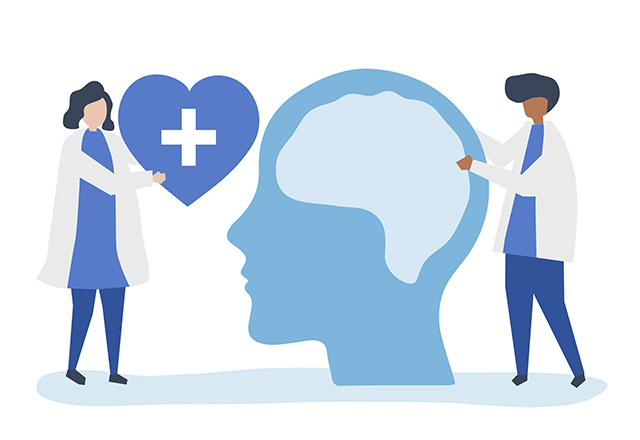
Medical students are the future of healthcare—but how can they care for others if no one cares for them?

It’s time to move from burnout to balance as real change requires systemic shifts—institutional policies that prioritize mental health, a culture that embraces vulnerability, and a training model that values balance as much as knowledge.

We don’t need tougher doctors. We need healthier ones.
Posted on Leave a comment

How Pakistan Built the Bomb: A Story of Resolve, Sacrifice, and Survival

Explore how Pakistan quietly built its nuclear weapons program against global resistance. Learn how political pressure, military ambition, and national pride helped shape South Asia’s nuclear future.


Introduction

Few countries have faced the kind of security challenges Pakistan did after the 1971 war. Surrounded by regional threats and politically isolated, Pakistan made a choice that would define its future: to develop a nuclear deterrent at any cost. This is the story of how a poor, developing nation secretly built one of the most powerful arsenals in the world—despite sanctions, technology bans, and massive international opposition.


The Turning Point: 1971 and the Loss of East Pakistan

The fall of Dhaka in 1971 was not just a military loss—it was a psychological shock for Pakistan. The country lost half its population, suffered deep national humiliation, and saw the limits of its conventional military power. In that moment of crisis, Pakistan’s leadership realized that survival in a hostile neighborhood would require more than soldiers and tanks.

With India already far ahead economically and militarily, and its nuclear ambitions becoming public, Pakistan feared being cornered. In early 1972, a high-level meeting was held to launch the country’s nuclear weapons program. The decision was made quietly, but its impact would echo for decades.


A Vow to Never Be Vulnerable Again

The leadership vowed to develop a nuclear deterrent—whatever it took. The phrase “we will eat grass but build the bomb” captured the national mood. Resources were limited, but the motivation was powerful: never again should Pakistan be forced to surrender or be humiliated in war.

This was the beginning of a decades-long scientific, military, and political mission. Unlike large nations with open programs, Pakistan’s nuclear development had to be done in total secrecy, away from the eyes of the world and even many of its own citizens.


Building in the Shadows: Science, Secrecy, and Sacrifice

Throughout the 1970s and 1980s, Pakistan quietly worked on uranium enrichment and warhead design. Scientists worked in labs with limited tools and aging equipment. Engineers had to smuggle or re-engineer parts that Western nations refused to sell. Intelligence agencies built covert networks to acquire critical components from overseas.

Despite multiple leadership changes—from Zulfikar Ali Bhutto to General Zia-ul-Haq, and later to elected governments—the nuclear effort never slowed. It became a national mission, passed from one administration to the next like sacred trust.

Ordinary Pakistanis often didn’t know about the program, but behind closed doors, labs and facilities were operating around the clock. Scientists lived under strict control and high pressure, often cut off from their families for long periods.


Facing the World: The 1998 Nuclear Tests

In May 1998, India tested its nuclear weapons in a show of strength. The pressure on Pakistan to respond was overwhelming. Politicians, military officials, and the public demanded action.

Less than three weeks later, Pakistan carried out five underground nuclear tests in the mountains of Chagai, Balochistan. The explosions turned the hills white and announced to the world: Pakistan was now a nuclear power.

These tests changed everything. They confirmed Pakistan’s place in the global strategic landscape and cemented its deterrence strategy. The world reacted with sanctions and criticism, but inside Pakistan, it was a moment of triumph.


Strategic Balance in South Asia

Since then, nuclear weapons have shaped the military balance between Pakistan and India. Despite multiple border crises and terror incidents, both countries have avoided full-scale war. The presence of nuclear weapons has added a layer of caution to South Asia’s dangerous rivalries.

Pakistan’s doctrine is built on deterrence, not aggression. It has developed delivery systems—missiles, aircraft, and more—to ensure that any attack would result in unacceptable consequences.


The Costs and Responsibilities of the Bomb

Building nuclear weapons didn’t come free. Billions were spent on research, facilities, and maintenance. Sanctions hurt Pakistan’s economy. And the program raised tough questions about civil-military control, transparency, and international trust.

There were also darker chapters, such as unauthorized technology transfers to other countries in the early 2000s. These incidents shook Pakistan’s international credibility but also led to tighter controls and stronger oversight structures.


Legacy and Lessons

Pakistan’s nuclear journey is about more than bombs and missiles. It’s about a nation’s resolve to defend itself in a world that often left it isolated. It’s about scientists and soldiers working in silence, often without recognition. And it’s about political leaders making difficult choices in the name of national survival.

Today, Pakistan continues to modernize and secure its strategic assets, not just as a show of strength, but as a matter of national identity and survival.


Final Thoughts

Pakistan’s path to becoming a nuclear power is a story of grit, sacrifice, and strategic determination. It is a powerful example of how a country with limited resources, under constant threat, managed to achieve one of the most complex scientific and military feats in the modern world.

Understanding this journey is essential for anyone who wants to grasp the security dynamics of South Asia—and the importance of diplomacy, stability, and deterrence in a nuclear-armed region.


Enjoyed this article? For more insights on regional security, geopolitics, and untold historical stories, follow us on RemedyTalks.com.

#PakistanNuclearHistory #ChagaiTests #SouthAsiaSecurity #NuclearDeterrence #StrategicDefense #RemedyTalks

Posted on Leave a comment

Weight Loss Drugs: The Science, Safety, and Breakthroughs

With increasing obesity rates and related health risks, weight loss medications have become important complements to lifestyle changes. Although lifestyle modifications are crucial for obesity management, these drugs can assist patients in achieving lasting weight loss results.

The Need for Pharmacotherapy in Obesity

Over 1 billion people worldwide live with obesity, according to the World Obesity Federation, which significantly increases the risk of serious health issues like type 2 diabetes, heart disease, and certain cancers. While changing habits is important, sustaining weight loss can be difficult, making weight loss drugs a helpful option.

How Do Weight Loss Drugs Work?

  • LIPASE INHIBITORS: Orlistat (Alli, Xenical) helps reduce fat absorption in the body by blocking certain enzymes in the digestive system. It can lower fat absorption by about 30%..
  • APPETITE SUPPRESSANTS: Phentermine, often combined with Topiramate (Qsymia), is an appetite-suppressing stimulant used for weight loss, though it carries some risks.
  • GLP-1 RECEPTOR AGONISTS: Initially created for diabetes treatment, GLP-1 agonists have become transformative in the field of obesity medication.
    • Liraglutide (Saxenda)
    • Semaglutide (Wegovy)
  • DUAL AGONISTS: Tirzepatide is a medication that helps treat both type 2 diabetes and obesity. In the SURMOUNT-1 trial, patients lost an average of 20.9% of their body weight over 72 weeks. This result is better than any previous weight loss medications.

Key Weight Loss Drugs Approved by the FDA

Drug Name (Brand)Active IngredientAvg. Weight LossCommon Side Effects
WegovySemaglutide15-20% of body weightNausea, diarrhea, constipation
ZepboundTirzepatide20-25% of body weightNausea, vomiting, acid reflux
SaxendaLiraglutide5-10% of body weightHeadache, dizziness, pancreatitis risk
ContraveNaltrexone/bupropion5-10% of body weightInsomnia, dry mouth, increased blood pressure
Orlistat (Xenical, Alli)Orlistat5-7% of body weightOily stools, gas, diarrhea

Nonetheless, weight loss tends to level off after approximately a year, and many individuals may regain weight if they discontinue the medication.

Who Qualifies for Weight Loss Drugs?

According to the FDA and NIH, these medications are recommended for:

  • Adults with a BMI ≥30 (obesity).
  • Adults with a BMI ≥27 + weight-related conditions (diabetes, hypertension).
  • Patients who have not succeeded with diet and exercise alone.

They are not recommended for:

  • Individuals looking for “instant solutions” without making lifestyle adjustments.
  • Those with a history of pancreatitis, thyroid cancer, or certain mental health conditions.

Potential Side Effects & Risks

While effective, these drugs can cause:

  1.  Common side effects:
    • Nausea
    • Vomiting
    • Diarrhea
    • Constipation
  2.  Serious (but rare) risks:
    • Pancreatitis (linked to GLP-1 drugs)
    • Gallbladder disease
    • Thyroid tumors (seen in animal studies, but human risk is unclear)

The Cost & Accessibility Challenge

  • Wegovy and Zepbound cost between $1,000 and $1,500 a month if you don’t have insurance.
  • Many insurance companies do not cover weight loss medications unless a doctor says they are necessary.
  • Shortages have occurred due to high demand.
  • Alternative options include:
    • Compound pharmacies (cheaper versions, but safety concerns exist).
    • Older, cheaper drugs (like phentermine, but with more side effects).

The Future of Obesity Pharmacotherapy

Research into combination therapies, such as GLP-1 plus Amylin analogues, is advancing quickly and reshaping the field of weight loss medications. The aim extends beyond mere weight loss to include maintaining metabolic health, decreasing inflammation, and enhancing overall quality of life.

Conclusion

Although they are not a “cure-all,” drugs such as Semaglutide and Tirzepatide are transforming the approach to obesity treatment. Success requires:
✅ Using medication along with diet and exercise.
✅ Long-term commitment (many regain weight if they stop).
✅ Medical supervision to manage side effects.

For the suitable individual, these medications provide a potent resource—but they represent merely one aspect of a lasting weight loss journey.

Disclaimer: This article is for educational purposes only. Always consult a healthcare professional before starting any medication.

Posted on 2 Comments

“The Heart-Brain Connection: How Cardiovascular Health Impacts Cognitive Function and Mental Clarity”

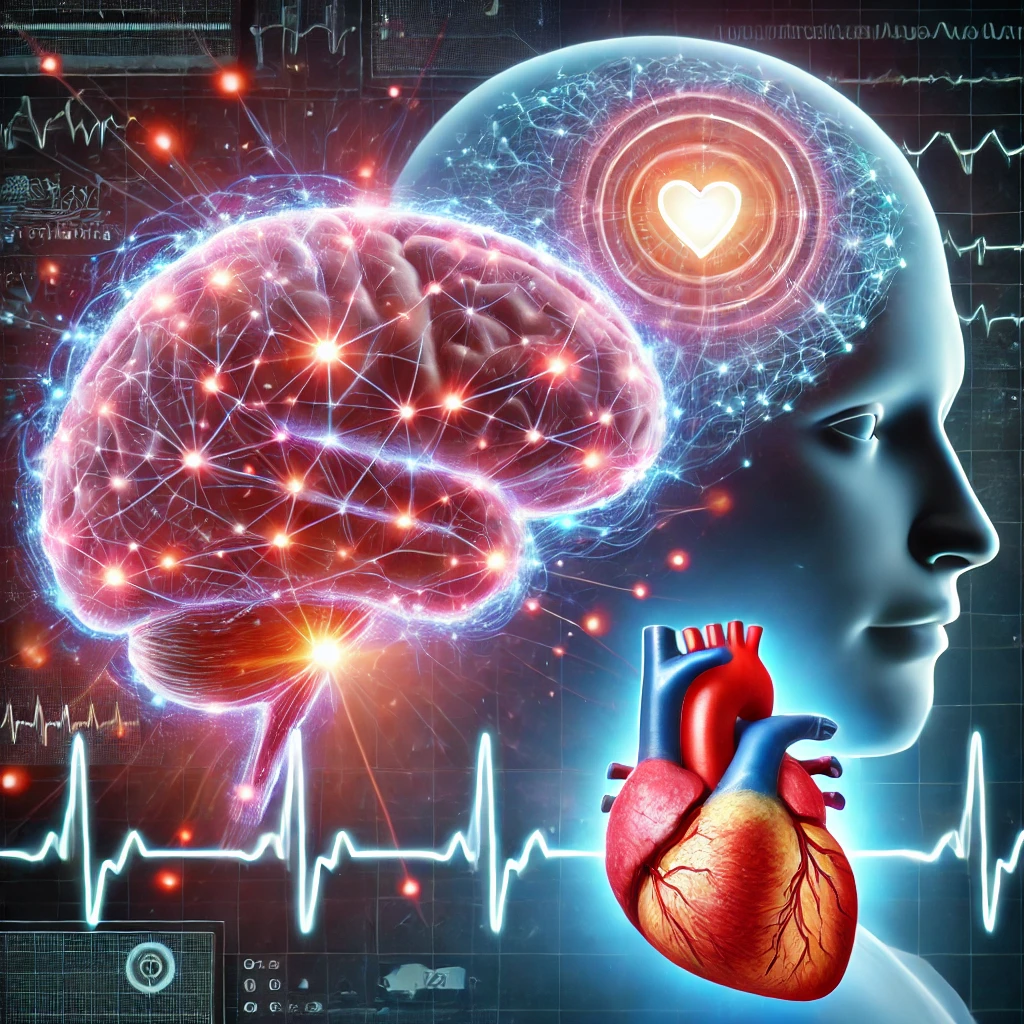
A futuristic depiction of the heart-brain connection with a glowing brain linked to a pulsating heart through illuminated pathways.

Introduction

Within the realm of contemporary medicine, the symptoms of heart disease and the health of the circulatory system have become more relevant issues. Among the most remarkable relationships in the field of medicine is the connection that exists between the health of the heart and the function of the brain. Despite the fact that we have traditionally considered these to be two distinct systems, it is now widely acknowledged that the management of blood pressure and the prevention of heart disease are both essential components in the process of preserving cognitive health and avoiding memory loss.

1. Understanding the Heart-Brain Connection

Because of the intricate network of blood arteries, nerves, and biochemical impulses that connects the heart and the brain, the two organs are connected. The heart is responsible for pumping oxygen-rich blood to the brain, which, in order for the brain to operate properly, is required. Any disruption in this process, such as decreased blood flow as a result of clogged arteries or high blood pressure, can have a severe impact on the health of the brain.

When it comes to this link, the vascular system is an extremely important factor. By maintaining healthy blood vessels, one may ensure that oxygen and nutrients are delivered to the brain in an effective manner while also removing waste materials. There is a possibility that the brain will not receive the resources it requires when cardiovascular health is deteriorating, which can eventually lead to cognitive problems.

Maintaining a healthy cardiovascular system can dramatically lower the risk of having a stroke, dementia, and other cognitive diseases, as stated by the American Heart Association (AHA). The significance of taking care of your heart in order to safeguard your brain is brought into focus by this. (American Heart Association).

2. How Heart Health Affects Cognitive Function

Research has established a connection between cardiovascular illnesses (CVDs) and an increased likelihood of cognitive decline and dementia. Among the most important mechanisms are:

Reduced Blood Flow to the Brain: As a result of blocked or restricted arteries, there is a reduction in the amount of oxygen that is delivered to the brain, which can lead to damage to the brain cells.

Inflammation: A chronic inflammation that is caused by heart disease can be a contributing factor in the development of neurodegenerative diseases and cognitive impairment.

oxidative stress: An imbalance between free radicals and antioxidants in the body can cause damage to brain cells, which can result in issues with memory and focus. This type of stress is known as oxidative stress.

Stroke and Mini-Strokes: Strokes happen when blood supply to the brain is disrupted, and they can cause rapid cognitive impairment. Mini-strokes, also known as transient ischemic attacks (TIAs), on the other hand, raise the risk of dementia. (National Institutes of Health).

3. Signs of Poor Cardiovascular Health and Its Impact on the Brain

Becoming aware of the symptoms that indicate poor cardiovascular health is the initial step in the process of safeguarding your brain. The following are examples of common symptoms:

  • Hypertension, also known as high blood pressure
  • Having high levels of cholesterol
  • During physical activity, experiencing a shortness of breath
  • a discomfort or soreness in the chest
  • Exhaustion and lightheadedness

If these problems are not treated, they might result in a decrease in the amount of blood that flows to the brain, which can cause symptoms such as:

  • A issue with memory
  • Difficulty focussing the mind
  • Fog in the brain
  • Potentially elevated risk of dementia

If you encounter any of these symptoms, it is imperative that you seek the advice of a qualified medical practitioner in order to undergo a comprehensive evaluation. (Mayo Clinic).

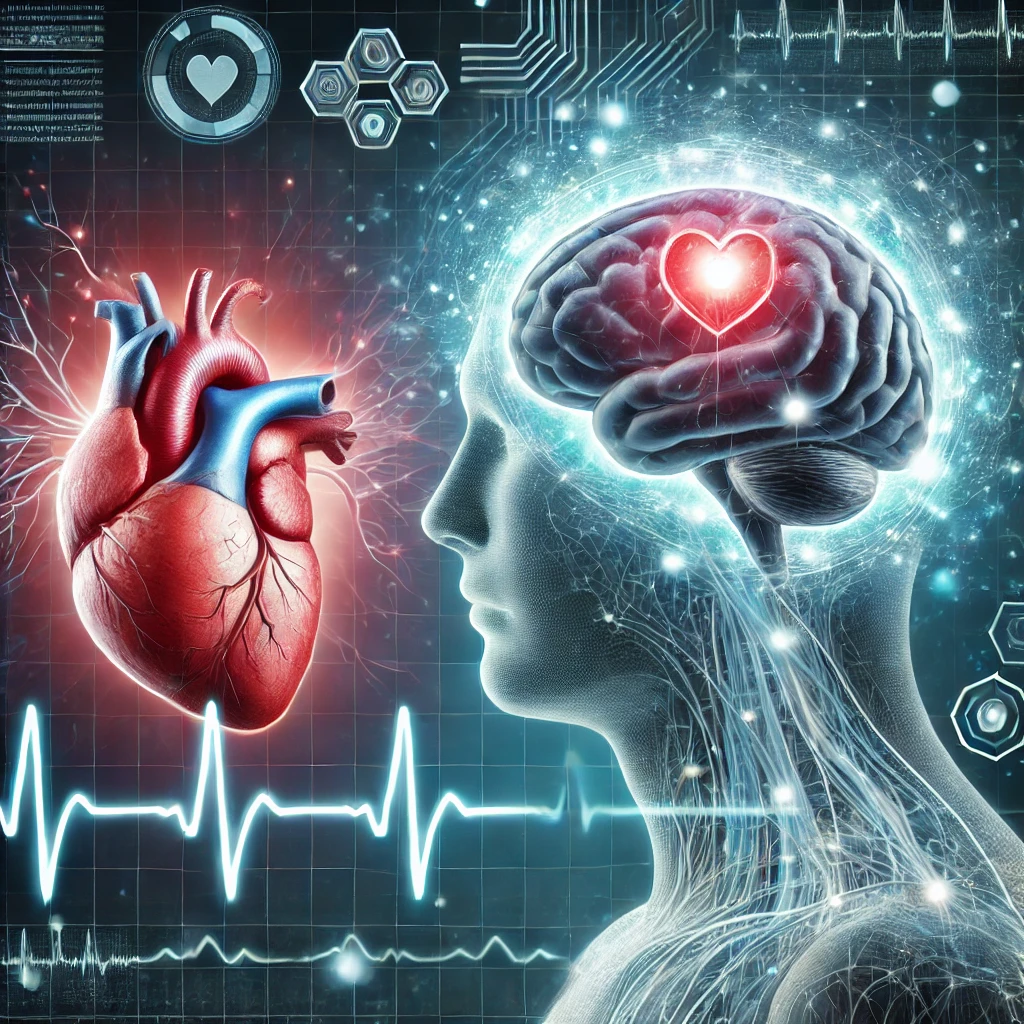
 A heart and brain connected by an energy stream, symbolizing the relationship between cardiovascular health and cognitive function.

4. How to Protect Both Your Heart and Brain

The good news is that many of the same tactics that protect your heart also improve your brain. This is particularly an advantage. A few methods that are supported by scientific research are as follows:

Dietary Changes:

  • Omega-3 Fatty Acids: Omega-3s, which may be found in fatty fish such as salmon, are good to the brain because they help to reduce inflammation and hence promote the health of the heart.
  • Foods High in Antioxidants: Berries, leafy greens, and nuts are all excellent sources of antioxidants, which are antioxidants that protect blood vessels and brain cells.
  • Whole grains and fiber are health benefits that are beneficial to both the heart and the brain since they help reduce cholesterol and enhance blood flow.

Exercise

  • aerobic exercise: Cardiovascular health can be improved with aerobic exercise, which includes activities such as walking, swimming, and cycling. This type of exercise also increases blood flow to the brain.
  • Strength Training: Building muscle through strength training can assist in the regulation of blood pressure and the reduction of the risk of developing heart disease.
  • Yoga and Tai Chi: Both yoga and tai chi are techniques that combine physical activity with the reduction of stress, which is beneficial to the health of both the heart and the brain.

Lifestyle Tips:

  • Quit Smoking: You should give up smoking since it causes damage to your blood vessels and raises the risk of cardiovascular disease and cognitive decline.
  • Limit Alcohol: Reduce your alcohol intake because drinking too much alcohol can be harmful to both your heart and your brain.
  • Maintain a Healthy Weight: Obesity is a risk factor for both cardiovascular disease and dementia, so being overweight or obese should be avoided at all costs.

Regular Checkups:

  • Ensure that you periodically check your blood sugar, cholesterol, and blood pressure concentrations.
  • When circulatory problems are detected at an early stage, it is possible to prevent long-term harm to the brain.

5. The Role of Sleep and Stress in Heart-Brain Health

The ability to get enough quality sleep and effectively manage stress related to heart disease are both essential for preserving both cardiovascular and cognitive health. The research conducted at the Sleep Medicine Center at Stanford University reveals:

  • Connections between sleep apnea and coronary heart disease
  • The impact of stress on the health of the heart
  • How to lessen the likelihood of developing heart disease
  • Sleep’s influence on the body’s blood pressure
  • Techniques for managing stress that are beneficial to the heart

6. Emerging Research on the Heart-Brain Connection

Recent advancements in scientific research have provided fresh perspectives on things like:

  • The most recent treatments for heart disease
  • Unparalleled advancements in cardiovascular research
  • Medications that are new for blood pressure
  • The most advanced monitoring of heart health
  • Assessments of cognitive health that are innovative

Conclusion

The connection between the heart and brain serves as a significant reminder of the interrelatedness of our bodily systems. Enhancing your cardiovascular health not only protects your heart but also preserves your brain and mental acuity. Implementing a heart-healthy diet, reducing stress, and maintaining physical activity can significantly enhance your overall well-being.

It is never too early or too late to prioritize the health of your heart and brain. Seek guidance from your healthcare practitioner for tailored recommendations and initiate your journey towards a healthier, more astute future.

FAQs

1. How does high blood pressure affect the brain?

Problems with blood vessels in the brain can be caused by high blood pressure. This can lower blood flow and raise the chance of stroke, memory loss, and dementia.

2. Can improving heart health reverse cognitive decline?

Some cognitive decline may be permanent, but improving heart health can slow it down and make the brain work better generally.

3. What are the best foods for heart and brain health?

Both organs benefit from foods that are high in fiber (like whole grains), vitamins (like berries), and omega-3s (like salmon).

4. How much exercise is needed to protect the heart and brain?

Aim to do strength training twice a week and mild aerobic exercise for at least 150 minutes each week.

5. Is stress really that harmful to the heart and brain?

In fact, long-term stress can cause high blood pressure, inflammation, and memory loss. Dealing with stress is important for general health.

Refrences

  • American Heart Association: Heart-Brain Connection
  • National Institute on Aging: Cognitive Health
  • Harvard Health: The Heart-Brain Link
  • Mayo Clinic: Cardiovascular Health

    Take Charge of Your Heart and Brain Health Today!
    Your heart and brain work together to support your overall well-being. By making simple lifestyle changes—eating a heart-healthy diet, staying active, managing stress, and prioritizing sleep—you can protect both your cardiovascular and cognitive health.
    Start today:
    ✅ Eat nutritious foods that support brain and heart function
    ✅ Engage in regular physical activity
    ✅ Manage stress through mindfulness and relaxation techniques
    ✅ Get quality sleep and maintain a healthy routine
    ✅ Schedule regular health checkups and monitor key risk factors
    Stay informed, stay proactive, and take charge of your longevity! Share this article with your loved ones and help spread awareness about the crucial heart-brain connection.

Posted on Leave a comment

“The Gut-Brain Connection: How Your Microbiome Influences Mental and Physical Health”

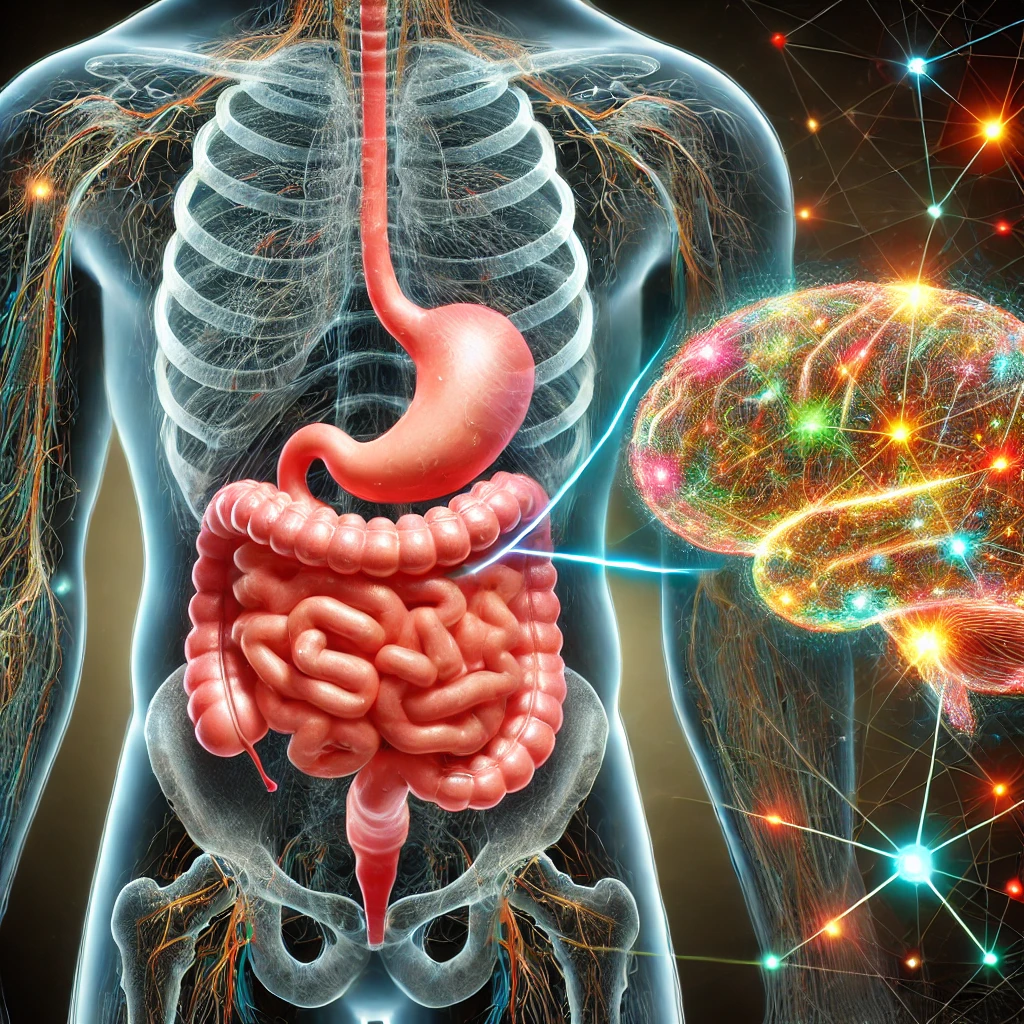
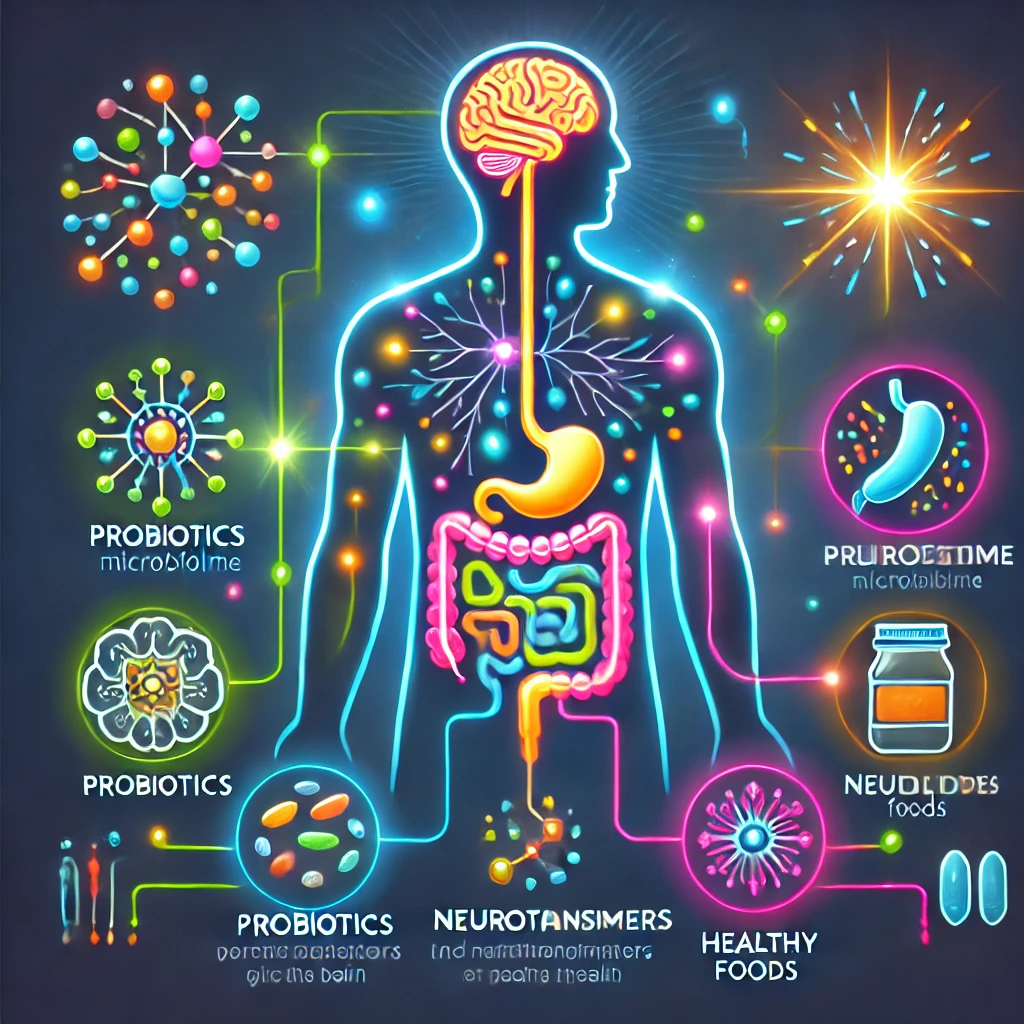
A detailed digital illustration of the human gut microbiome, showing neural pathways connecting the gut to the brain, highlighting the gut-brain axis.

Introduction

What is gut health, and why does it matter? This question has become increasingly important in our knowledge of total wellness. The gut-brain link, a complex communication network within our bodies, has become one of the most exciting areas of medical research. Scientists have discovered that the trillions of bacteria that live in our digestive system—known as the gut microbiome—play an important role in our mental and physical health. Harvard Health: The Gut-Brain Connection

Scientists have discovered that the gut microbiome—the billions of bacteria, fungi, and viruses that live in your digestive system—has a significant impact on both mental and physical health. The gut-brain axis regulates mood, cognitive function, digestion, and immunity. In this post, we’ll look at how the gut microbiome effects the brain, how gut health affects mental health, and how to promote a healthy gut-brain relationship.

What is the Gut-Brain Axis?

The gut-brain axis is a bidirectional communication network that connects the central nervous system (CNS) to the enteric nervous system (ENS), which regulates the digestive tract. This relationship is made possible by the vagus nerve, hormones, and immune system pathways. The gut microbiome is critical to this communication because it produces neurotransmitters, metabolites, and other signaling molecules that affect brain function and mood. National Institutes of Health: The Microbiome and Mental Health

Research has demonstrated that the gut microbiota can influence mood, cognition, and even mental health problems such as anxiety and depression. Conversely, the brain can influence gut health via stress and emotional responses, resulting in a feedback loop that affects overall health. Mayo Clinic: Probiotics and Gut Health

How the Gut Microbiome Influences Mental Health

Neurotransmitter Production

The gut microbiome produces many of the same neurotransmitters present in the brain, such as serotonin, dopamine, and GABA. In fact, the gut produces nearly 90% of serotonin, a major mood regulator. An imbalance in gut bacteria can impair the production of these neurotransmitters, potentially resulting in mood problems. This explains why the microbiome and mental health are so closely linked.

Inflammation and Mental Health

Chronic inflammation is linked to mental health disorders such as sadness and anxiety. The gut microbiota regulates the immune system. When dangerous bacteria dominate the stomach, it can cause systemic inflammation, which can impair brain function.

Stress Response

The gut microbiome influences the body’s response to stress by modulating the hypothalamic-pituitary-adrenal (HPA) axis, which controls the release of stress hormones like cortisol. A healthy gut can help regulate stress responses, while an imbalanced microbiome may exacerbate stress and anxiety.

Stress and Cortisol Levels:

Stress hormone production is increased, and mental health difficulties are worsened when the gut flora is altered.

The Gut Microbiome and Physical Health

Immune System Function

The majority of our immune system—about 70%—is located in the digestive tract, according to NIH study. When it comes to immunological cell training, the microbiota is pivotal.

Inflammation

Intestinal microbes have an important role in controlling systemic inflammation. Chronic inflammation and other health problems can result from microbiome disruptions.

Weight Management

Energy homeostasis and metabolism are affected by the gut microbiome. People who are overweight tend to have less diverse gut flora than those who maintain a healthy weight, according to research. Appetite and fat accumulation can be influenced by certain bacteria in the gut.

Chronic Disease Prevention

An imbalanced microbiome has been linked to chronic conditions like type 2 diabetescardiovascular disease, and even cancer. By promoting a healthy gut, you can reduce your risk of these diseases. This highlights the importance of understanding microbiome and chronic diseases.

How to Improve Gut Health Naturally

Eat a Gut-Healthy Diet

Here are some of the top foods that support healthy gut-brain function:

  • Live cultures (such as kombucha, kefir, and yogurt)
  • Fruits and vegetables high in fiber
  • Grain products
  • Healthy protein sources
  • Consumption of meals high in omega-3,
  • Bone broth
  • Green tea
  • Fresh vegetable juices

Reduce Stress Levels

  • Practice deep breathing, yoga, and meditation.
  • Engage in mindful meditation while spending time in nature.

Improve Sleep Hygiene

  • Aim for 7-9 hours of sleep per night to support gut and brain function.
  • Maintain a consistent sleep schedule and avoid blue light before bedtime.

Exercise Regularly

  • Engaging in physical activity has dual benefits for gut microbiota diversity and cognitive health.
  • Regular moderate exercise, such as brisk walking, cycling, and strength training, has positive effects on both physical and mental health.

Take Probiotics and Supplements

  • For optimal gut health, think about using high-quality probiotic supplements.
  • Magnesium and vitamin D work together to decrease inflammation and control neurotransmitters.
  • Supplements for Gut Health: Digestive Enzymes, Omega-3 Fatty Acids, Probiotics, and Prebiotics Can Help Keep Your Microbiome in Check.

Conclusion

The gut-brain connection is a powerful and complex system that significantly influences mental and physical well-being. By prioritizing gut health through diet, stress management, and lifestyle changes, you can enhance brain function, mood, immunity, and overall health. The emerging research continues to reveal new insights, making it clear that a healthy gut leads to a healthier mind and body.

Frequently Asked Questions (FAQs)

1. Can improving gut health reduce anxiety and depression?

There is some evidence that a balanced microbiome in the gut can alleviate symptoms of anxiety and depression by increasing serotonin production.

2. How does stress affect gut health?

Irritable bowel syndrome (IBS), bloating, and other gastrointestinal problems can develop as a result of chronic stress’s effects on the gut flora, which in turn raise inflammation.

3. What foods improve gut-brain health?

Yogurt, kefir, garlic, onions, foods rich in probiotics and prebiotics, foods rich in polyphenols, and foods rich in omega-3 fatty acids all contribute to a healthy gut and brain.

4. How long does it take to improve gut health?

With consistent dietary and lifestyle changes, improvements can be seen within a few weeks to a few months.

5. Are probiotic supplements necessary?

Probiotic pills can be helpful, particularly for people with gut imbalances or after using antibiotics, although dietary sources are best.

Invest in your gut health today for a happier mind and a healthier body! 🚀

Posted on Leave a comment

“The Importance of Gut Health: How Your Digestive System Impacts Overall Wellness”

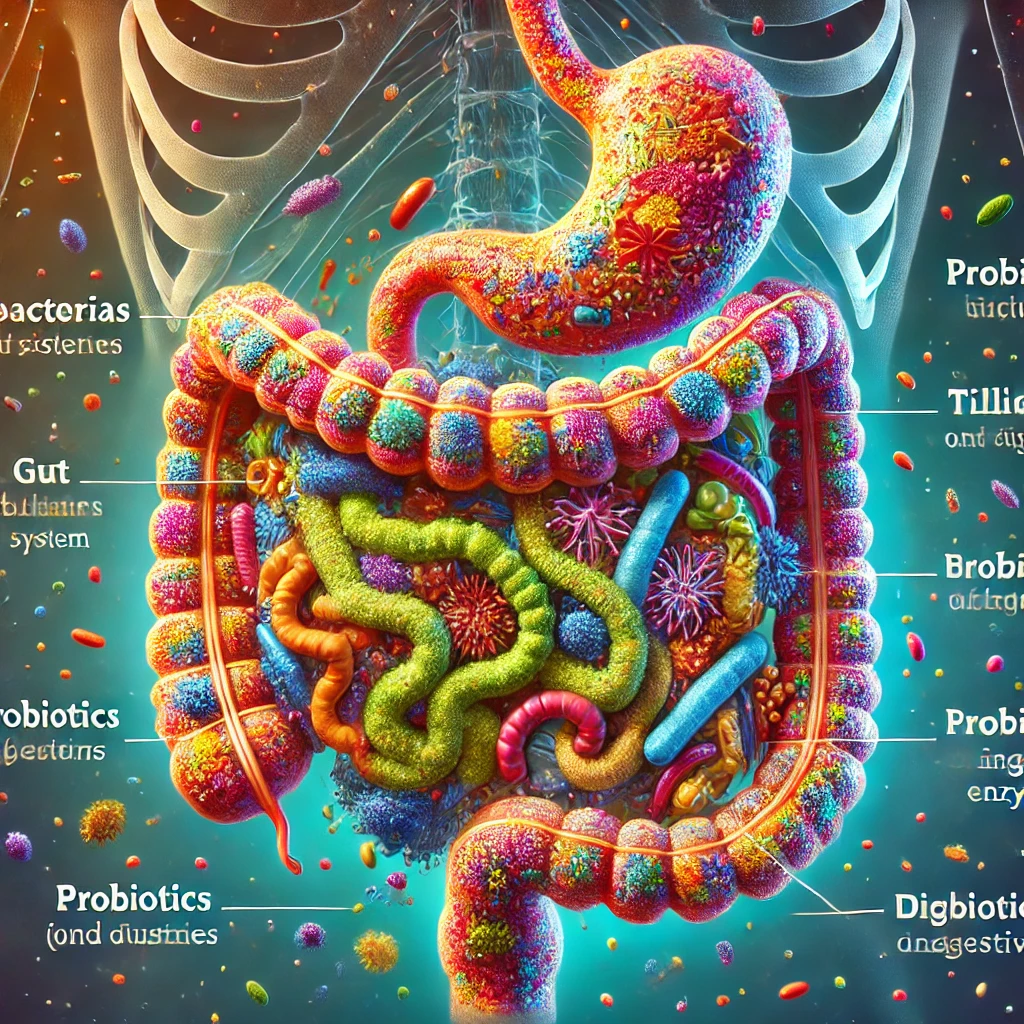
"Detailed digital illustration of the human gut microbiome, showing beneficial bacteria, probiotics, gut lining, and digestive enzymes."

What is gut health?

Gut refers to entire digestive system and gut health is described as the balance functioning of the digestive system. The physical structure of the gut from mouth to colon is intact and functioning properly. It is digesting and absorbing nutrients well with regular and healthy bowl movements. Microbiome balance is present in the gut. Gut microbiome plays a crucial role in aiding digestion. these microbiomes help in production of essential nutrients and compounds.

The gut directly influences the following connected systems:

  • Immune system (70-80% of immune cells are in the gut)
  • Mental health through the gut-brain axis
  • Hormone regulation
  • Inflammation levels throughout the body
  • Energy production and metabolism

Understanding the Gut Microbiome

The gut microbiome refers to the trillions of microorganisms that live in the digestive system. It is estimated to be 100 trillion microorganisms with 1000 different species of bacteria. It not only contains the bacteria but also contains the fungi, viruses, and other microorganisms. it is unique in each person just like fingerprint. A healthy microbiome has high biodiversity.

Key Functions:

1. Digestion and Nutrient Processing

What is the gut microbiome and why is it important? Gut microbiomes are involved in breaking down of complex carbohydrates and helps on absorption of minerals. They produce essential vitamins like B12 and vitamin K. It metabolizes proteins and creates short-chain fatty acids. Learn more from Harvard Health.

2. Protective Functions

Gut microbiome trains the immune system to fight off against the pathogenic bacteria. It maintains the gut wall integrity by forming a barrier against harmful bacteria. Read more from NIH.

3. Communication Role

Gut microbiome produces neurotransmitters that involves in communication with the brain. It influences hormone production which affects appetite and satiety and have a significant impact on mood and behavior of the individual.

4. Gut Health and Immune System Regulation

The gut is home to around 70% of the immune system, where helpful bacteria assist in distinguishing between hazardous invaders and safe compounds.

5. Gut Health and Weight Loss Connection

Your metabolism and weight are greatly affected by the bacteria that live in your gut. Research published in science has shown that different combinations of bacteria can have an impact on:

  • The number of calories you get from food
  • The storage and distribution of fat
  • Regulating blood sugar
  • The levels of cholesterol
  • The amount of energy used

Studies have demonstrated that people who have a more diversified gut microbiota are more likely to have a healthy weight and a better metabolic profile than those whose gut microbiomes are less diverse.

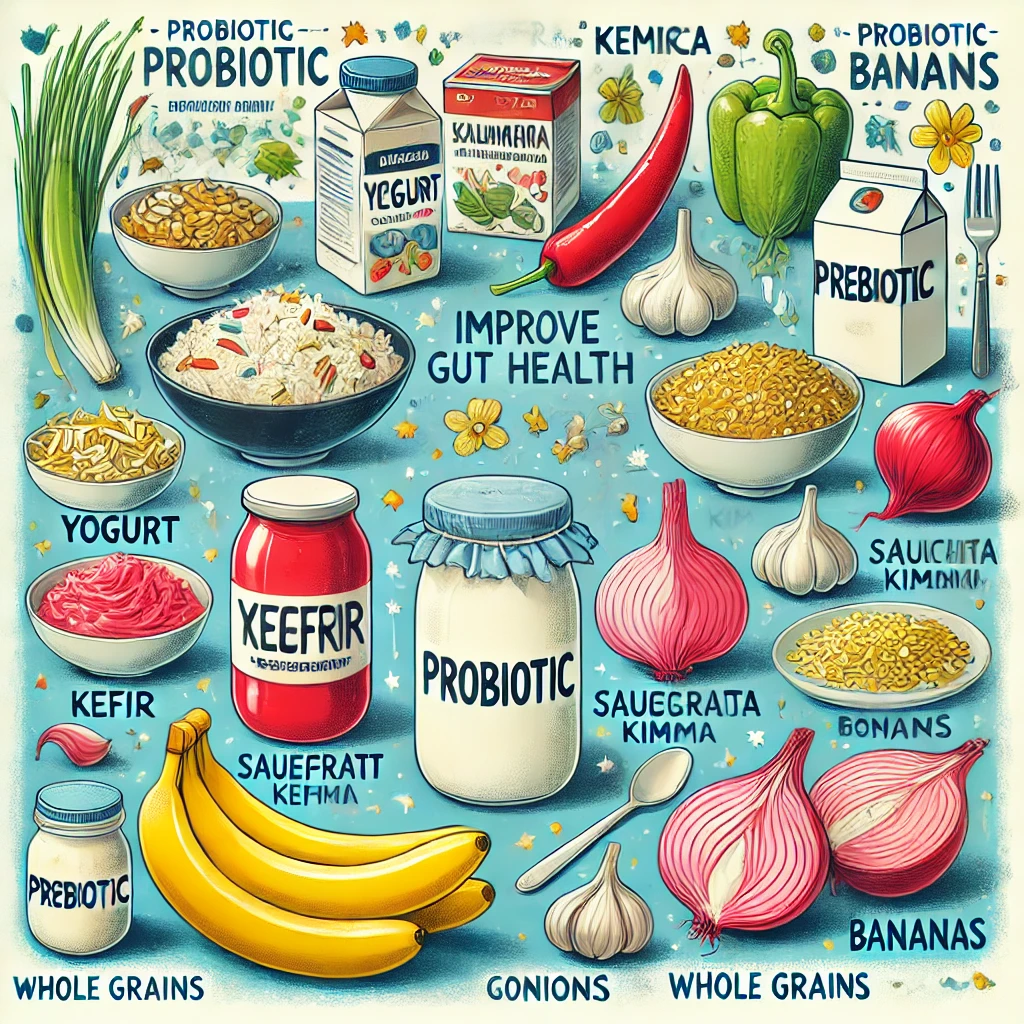
"An infographic displaying probiotic and prebiotic foods for gut health, including yogurt, kefir, sauerkraut, kimchi, garlic, onions, bananas, and whole grains."

The Gut-Brain Connection

The “gut-brain axis,” which refers to the close relationship between the gut and the brain, is one of the most interesting discoveries made in recent years. According to research published in the Journal of Clinical Medicine, your stomach produces more than 90% of the serotonin in your body. Serotonin is a neurotransmitter that is important for regulating mood and maintaining emotional well-being.
The enteric nervous system, which is sometimes called the “second brain,” is a neuronal network that is located in your digestive system. This system interacts with your brain through the vagus nerve, which affects:

  • Emotions and moods
  • Responses to stress
  • Patterns of sleep
  • The ability to think
  • Levels of anxiety

Signs of Poor Gut Health

It is important to be able to identify the symptoms of poor gut health in order to preserve overall wellness. Some such markers are:

  • Discomfort in the digestive system (such as bloating, gas, constipation, or diarrhea)
  • Weight fluctuations that cannot be explained
  • Long-term exhaustion
  • Skin issues (acne, eczema)
  • Food intolerances
  • Infections that happen often
  • Mood problems
  • Problems with sleep

The Future of Gut Health

New linkages between gut health and several elements of human health are being discovered by ongoing research. Researchers are investigating:

  • Nutrition that is tailored to the microbiota profiles of each person
  • New treatment methods for different illnesses
  • The microbiome’s impact on aging and lifespan
  • The relationship between intestinal health and chronic disorders
  • New probiotic and prebiotic therapies

How to improve gut health naturally

Maintaining a balanced gut microbiome is crucial for long-term health. Here are some practical ways for repairing an unhealthy gut and maintaining good gut health and wellness.

1. Eat a Diverse, Fiber-Rich Diet

Eat whole grains, fruits, vegetables, nuts, and seeds, which include prebiotic fiber that nourishes helpful bacteria. Learn about fiber from the Mayo Clinic.

Include fermented foods in your diet, such as yogurt, kefir, sauerkraut, kimchi, and miso, which are rich in probiotics and promote a healthy gut.

2. Stay Hydrated

Drinking enough water helps with digestion, the absorption of nutrients, and the mucosal lining of the intestines. More on hydration from CDC.

3. Manage Stress Effectively

Meditation, deep breathing, yoga, and regular exercise are all practices that can help control stress hormones that affect gut health. Read more on stress and digestion from Johns Hopkins.

4. Use Antibiotics Only When Necessary

Antibiotics can kill off good bacteria if you take them too often, so only take them when your doctor tells you to and think about taking probiotics afterward. More on antibiotic use from the CDC.

Conclusion

A healthy gut is essential for overall wellness, since it affects digestion, immunity, metabolism, and even mental health. You may improve your gut microbiome and general health by making intentional choices about your lifestyle, such as eating a balanced diet, reducing stress, and maintaining a regular sleep schedule. If you focus on your gut health and wellness today, you may experience long-term benefits, such as a lower risk of chronic diseases and a higher quality of life.

Frequently Asked Questions (FAQs)

1. What are the best foods for gut health?

Foods for a healthy gut include yogurt, kefir, sauerkraut, kimchi, garlic, onions, bananas, and whole grains, all rich in probiotics and prebiotics.

2. How long does it take to improve gut health?

Depending on diet and lifestyle changes, noticeable improvements can occur within a few weeks to a few months.

3. Can gut health improve mental health?

Yes, the gut-brain connection plays a role in mental health. An imbalanced microbiome can contribute to mood disorders, anxiety, and depression.

4. What are the best probiotics for gut health?

Lactobacillus and Bifidobacterium strains are among the most beneficial probiotics for gut health.

5. How does gut health affect your immune system?

A healthy gut supports immune function by regulating inflammation and preventing harmful bacteria from taking over.

Investing in gut health and wellness today can have profound benefits for your future well-being!

Posted on 2 Comments

“Longevity and Wellness: How Innovations Are Extending Healthy Living”

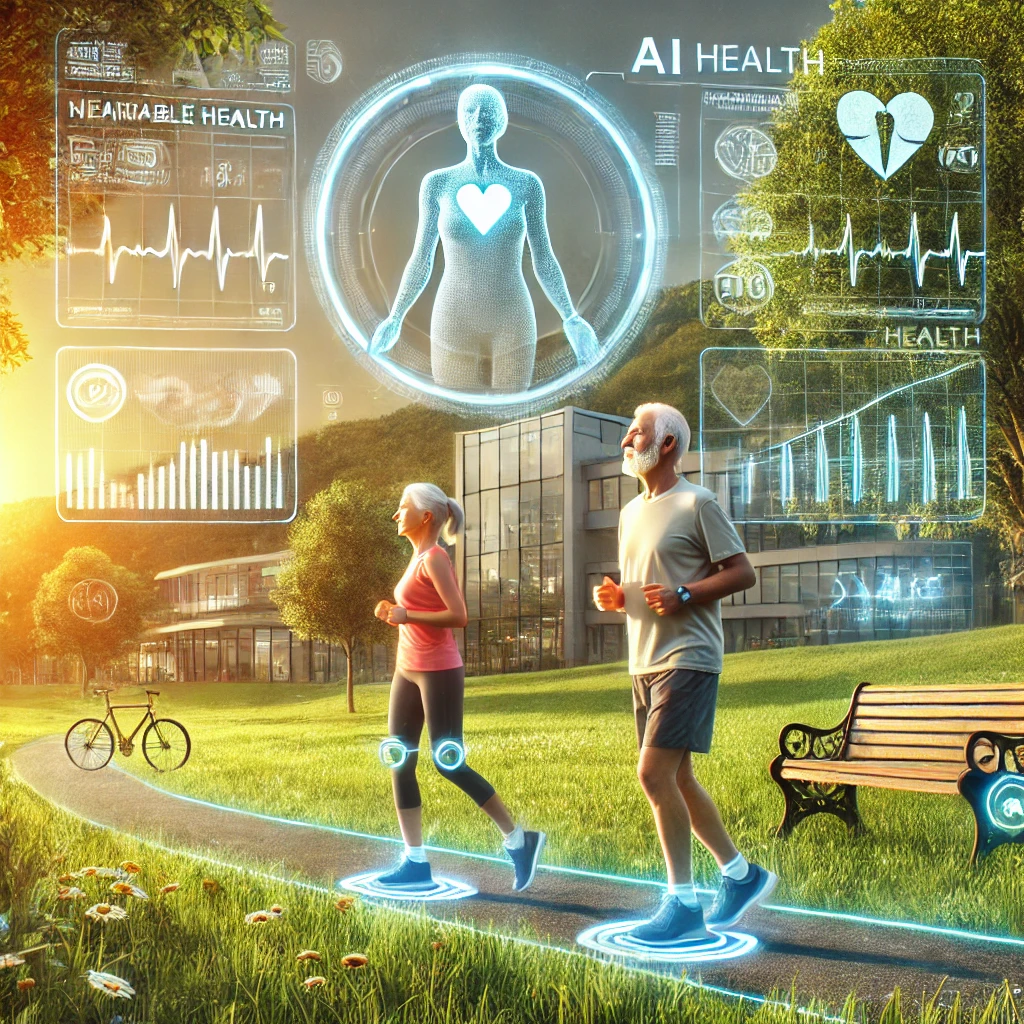
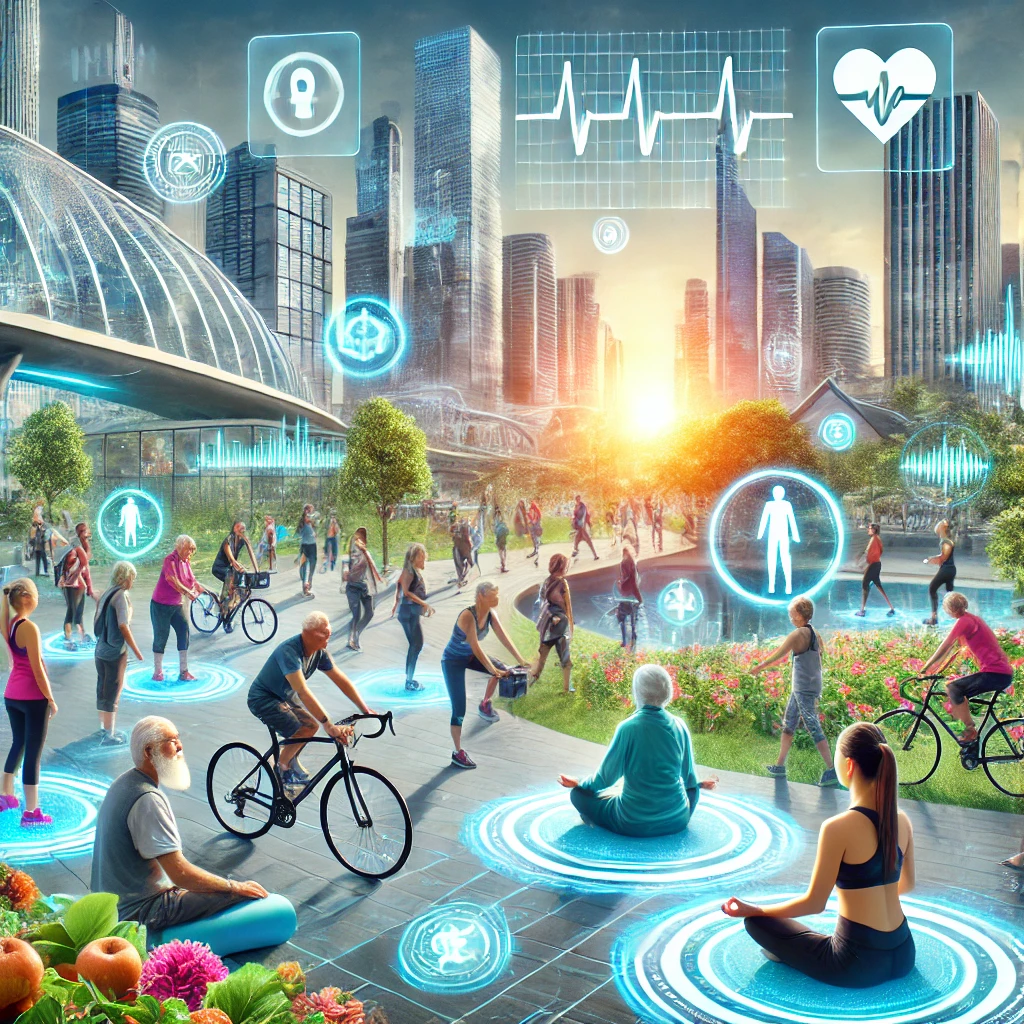
A futuristic vision of longevity and wellness, showcasing people of different ages engaging in healthy activities like yoga, jogging, and meditation in a high-tech park. Wearable health devices track their vitals, while a cutting-edge medical research center in the background symbolizes advancements in longevity science."

Introduction

In recent years, the pursuit of healthy living for the prolonged period of time has transcended traditional healthcare approaches. People are using different strategies that integrates the personalized nutrition, advancements in medical science and technology-driven wellness solutions. These approaches are not only focused only prolonging the life but also enhancing the quality of health span. Longevity research breakthroughs, Anti-aging medical advancements, healthy aging lifestyle innovations and healthy aging technologies have played a crucial role in this aspect. Innovations such as regenerative therapies, personalized nutrition plans, and AI-powered health diagnostics are the key aspects in achieving longevity and wellness. It is evident that the convergence of science and technology are making a way for a future where longevity and wellness are attainable goals for a broader population.

1. Advances in Medical Science

Advances in medical science is very instrumental in improving the wellness of individuals they play a key role in extending both lifespan and health span of the individuals.

Precision medicine

It helps in tailoring the treatment of individuals on the basis of their genetic profile, this has revolutionized the approach of managing chronic diseases and age-related conditions. Target therapies were used in the oncology, and it has significantly improved the survival rate.

Senolytics

These are the drugs that eliminate senescent cells which is very helpful in delaying age-associated disorders.

Stem cell therapies

The stem cell therapies provide the regenerative treatments for degenerative diseases like Parkinson’s and osteoarthritis.

Artificial intelligence (AI)

Artificial intelligence (AI) and big data analytics are using all the data making some predictions about disease outbreaks which helps in the following which ultimately provides a healthy living.

  • ✅ Early disease detection
  • ✅ Personalized treatment planning
  • ✅ Predicting health risks using big data

2. The Role of Nutrition and Diet

Nutrition played a pivotal role in the wellbeing and overall health of the individuals. Research are constantly done on the role of diet and nutrition in the aging, disease prevention and longevity.

  • Nutrigenomics it is a study of how genes interact with the nutrients and extending healthy lifespan of the individuals. It allows people to optimize their diet based on their genetic makeup.
  • Mediterranean diet this diet pattern consists of healthy fats, lean proteins and antioxidants which decreases the risk of cardiovascular disorders and neurodegenerative diseases.
  • Blue Zones diet it is basically the eating pattern or habits of world longest living population, emphasizes whole foods, plant-based nutrition, and moderate calorie intake, promoting longevity.

3.  Technological Innovations in Wellness

Technological innovations help in proactive monitoring if health that enables in early detection of disease or any peculiar change in normal pattern of health monitors

  • Wearable Health Tech and Real-Time Monitoring they constantly measures the heart rate, oxygen levels and sleep patterns that allow users to measure their health in real time.
  • AI-Powered Health Diagnostics helps in the diagnosis of the diseases such as cancer and neurological disorders with high accuracy, leading to earlier and effective treatments.
  • Virtual and Augmented Reality (VR/AR) in Wellness this technology is used in mental health therapy, pain management, and fitness training.
"A futuristic vision of longevity and wellness, showcasing people of different ages engaging in healthy activities like yoga, jogging, and meditation in a high-tech park. Wearable health devices track their vitals, while a cutting-edge medical research center in the background symbolizes advancements in longevity science."
“Embracing the future of longevity and wellness—where innovation, technology, and healthy living come together to extend healthspan and improve quality of life.

4. Mental and Emotional Well-being

Mental and emotional wellbeing are the very important component of healthy and long life without these it is near impossible to live a healthy and happy life. Alot of research is done that shows the interplay of the psychological resilience, stress management, and social connections and its vital role in slowing the aging process and preventing age-related diseases. Innovations in different aspects of health helped people to improve their mental and emotional wellbeing.

The Science of Mindfulness and Stress Management

Mindfulness is the basic human ability to be fully present, aware of where we are and what we’re doing, and not overly reactive or overwhelmed by what’s going on around us. It helps in reducing the stress and makes people feel at ease thus reducing the levels of cortisol eventually. Chronic stress has a role in increasing inflammation which shortens telomerase, these are protective caps of DNA that determine cellular span.

The Impact of Social Connections on Longevity

Studies from Blue Zones (these are regions with the highest concentrations of centenarians) these studies show the importance of close-knit communities and sense of purpose in the people helps in promoting longevity. while on the other side of the coin loneliness was associated to the increased risk of cardiovascular diseases.

Cognitive Training and Neuroplasticity

The ability of the brain to adapt and form new neural connections is called neuroplasticity and brain retains this ability throughout the life. If you involve yourself in lifelong learning, problem-solving activities, and brain training exercises your brain keeps on improving and you can delay the cognitive decline of your brain. Brain-computer interfaces and virtual reality-based cognitive training can help a lot in this process.

5. Regenerative and Emerging Therapies

In past few years, we have seen unprecedented advances in the field of regenerative medicine it has achieved the new heights that nobody was thinking of and now it is offering new hope for extending not only lifespan, but also HealthSpan that is more important. These therapies are mainly focused on repairing damaged tissues, slowing biological aging, and reversing age-related diseases. these emerging therapies are revolutionizing our approach to aging and age-related diseases they are helping us to work on the mechanisms of cellular aging.

Stem Cell Therapy: The Cornerstone of Regeneration

Stem cells have the unique ability to regenerate and form new cells from the previous cells. Research on mesenchymal stem cells (MSCs) has shown amazing results in treating degenerative conditions like Parkinson’s disease, osteoarthritis, and cardiovascular disorders. Recent developments include:

  • Mesenchymal stem cells (MSCs) for treating inflammatory conditions
  • Neural stem cells for neurodegenerative diseases
  • Induced pluripotent stem cells (iPSCs) for personalized medicine
  • Tissue-specific stem cells for organ regeneration

Longevity Drugs: Metformin and Rapamycin

These drugs are tested and proven to play an important role in the anti aging potential. Metformin and Rapamycin do their job by improving insulin sensitivity and by promoting autophagy respectively.

6. The Future of Longevity and Ethical Considerations

Today we are standing on the brink of the revolutionary advances in longevity science, it is important to look not just the scientific possibilities, but also the ethical problems these developments bring. One of the most important ethical concerns is the potential for longevity technologies to exacerbate existing social inequalities. This manifests in several ways:

  • Economic disparities in access to life-extending treatments
  • Geographic variations in availability of advanced healthcare
  • Different levels of technological literacy affecting treatment utilization
  • Cultural and social barriers to healthcare access

Furthermore, it leads to many other problems which raise many Questions in the society For example:

  • How the Shifts in family dynamics and inheritance patterns can affected?
  • what will be Changes in career trajectories and retirement concepts?
  • how it will Impact on social security and pension systems?
  • what will be Educational and professional opportunities for younger generations?
  • Healthcare system capacity and adaptation needs?
  • What will be Housing and infrastructure requirements?
  • What will be Healthcare economics and insurance models?
Moving Forward Responsibly

The path forward requires a balance between the scientific progress with ethical considerations:

  • Fostering public dialogue and understanding
  • Promoting inclusive research and development
  • Ensuring equitable access to treatments
  • Developing sustainable implementation models
  • Creating adaptive regulatory frameworks

Conclusion

The pursuit of longevity and wellness is not just about living a long life but also about living a healthy life a disease-free life making sure that the years of life spent in good health. Thanks to advancements in medical science, we can slow down the aging process, we can prevent diseases, and we are able to enhance overall quality of life.

As longevity research continues people are able to take proactive steps today by adopting a holistic approach—adopting healthy habits, leveraging new medical innovations, and staying informed about emerging therapies. The future of aging is no longer just about adding years to life, but about adding life to years.

Start today by:
Prioritizing nutrition
Staying active
Managing stress and sleep
Leveraging technology
Exploring emerging therapies

Posted on 1 Comment

প্রাকৃতিক উপায়ে রোগ প্রতিরোধ ক্ষমতা বাড়ানোর ১০টি উপায়

A variety of fresh fruits, vegetables, nuts, and seeds displayed on a wooden table, rich in vitamins and antioxidants to boost immune system naturally."

ভূমিকা

মানবদেহের রোগ প্রতিরোধ ব্যবস্থা (Immune System) আমাদের সংক্রমণ, ভাইরাস এবং বিভিন্ন রোগ থেকে রক্ষা করে। যদিও আধুনিক চিকিৎসা প্রতিরোধ ক্ষমতা বাড়ানোর জন্য বিভিন্ন বিকল্প প্রদান করে, তবে প্রাকৃতিক উপায়েও আমাদের ইমিউন সিস্টেমকে শক্তিশালী করা সম্ভব। এখানে ১০টি কার্যকর ও বৈজ্ঞানিক ভিত্তিক পদ্ধতি দেওয়া হলো যা আপনাকে স্বাভাবিকভাবে রোগ প্রতিরোধ ক্ষমতা বৃদ্ধি করতে সাহায্য করবে।

১. পুষ্টিকর ও সুষম খাদ্য গ্রহণ করুন

সঠিক পুষ্টিগুণসম্পন্ন খাদ্য শরীরের রোগ প্রতিরোধ ক্ষমতা বাড়াতে সাহায্য করে:

  • ভিটামিন C: লেবু, কমলা, ক্যাপসিকাম এবং ব্রকোলি শ্বেত রক্তকণিকার বৃদ্ধি促促进 করে।
  • ভিটামিন D: সূর্যালোক, চর্বিযুক্ত মাছ এবং ফোর্টিফায়েড খাবার প্রতিরোধ ক্ষমতা বাড়ায়।
  • জিঙ্ক: বাদাম, বীজ এবং ডাল রোগ প্রতিরোধী কোষের বিকাশে সাহায্য করে।
  • অ্যান্টিঅক্সিডেন্ট: বেরি, পালংশাক ও বাদাম শরীরে প্রদাহ কমাতে সাহায্য করে।

২. পর্যাপ্ত পরিমাণে পানি পান করুন

শরীর থেকে টক্সিন দূর করতে এবং রোগ প্রতিরোধ ক্ষমতা সঠিকভাবে কাজ করতে পর্যাপ্ত পানি পান করা খুবই গুরুত্বপূর্ণ। প্রতিদিন কমপক্ষে ৮ গ্লাস পানি পান করুন এবং শসা, তরমুজ ও হার্বাল চা পান করুন।

৩. পর্যাপ্ত ঘুমান

ঘুমের সময় শরীর সাইটোকাইনস (Cytokines) নামক প্রতিরোধী প্রোটিন তৈরি করে, যা সংক্রমণের বিরুদ্ধে লড়াই করে। প্রতিদিন ৭-৯ ঘণ্টা ঘুম নিশ্চিত করুন।

৪. নিয়মিত ব্যায়াম করুন

হাঁটা, যোগব্যায়াম এবং সাইকেল চালানোর মতো হালকা ব্যায়াম রক্ত সঞ্চালন বৃদ্ধি করে এবং রোগ প্রতিরোধ ক্ষমতা বাড়ায়।

৫. মানসিক চাপ কমান

চাপের কারণে কর্টিসল হরমোন বৃদ্ধি পায় যা রোগ প্রতিরোধ ক্ষমতা দুর্বল করে। চাপ কমানোর জন্য ধ্যান (Meditation), যোগব্যায়াম ও শ্বাসপ্রশ্বাসের ব্যায়াম করুন।

"A wholesome selection of immune-boosting foods, including citrus fruits, berries, nuts, and leafy greens, arranged on a rustic table."
“Fuel your body with natural immunity boosters—fresh fruits, vegetables, and nutrient-rich foods for a stronger immune system.”

৬. প্রোবায়োটিক এবং ফারমেন্টেড খাবার খান

আন্ত্রিক স্বাস্থ্য ভালো রাখতে দই, কেফির, আচার ও কিমচি খুব উপকারী।

৭. ভিটামিন D গ্রহণ করুন

প্রতিদিন ১০-১৫ মিনিট রোদে বসুন অথবা ডাক্তার পরামর্শ অনুযায়ী ভিটামিন D সাপ্লিমেন্ট গ্রহণ করুন।

৮. চিনি ও প্রক্রিয়াজাত খাবার পরিহার করুন

চিনি রোগ প্রতিরোধী কোষগুলির কার্যকারিতা কমাতে পারে। চিনি কমিয়ে প্রাকৃতিক বিকল্প যেমন মধু বা ফল খান।

৯. স্বাস্থ্যকর অভ্যাস বজায় রাখুন

নিয়মিত হাত ধোয়া, পরিষ্কার-পরিচ্ছন্ন থাকা এবং অসুস্থ ব্যক্তিদের থেকে দূরে থাকা রোগ সংক্রমণ প্রতিরোধ করতে সাহায্য করে।

১০. সামাজিক সংযোগ বজায় রাখুন

সামাজিক সম্পর্ক মানসিক চাপ কমায় এবং রোগ প্রতিরোধ ক্ষমতা বাড়াতে সাহায্য করে। পরিবার ও বন্ধুদের সাথে সময় কাটান।

উপসংহার

সঠিক খাদ্যাভ্যাস, ব্যায়াম, পর্যাপ্ত বিশ্রাম এবং কম চাপ রাখার মাধ্যমে আপনি স্বাভাবিকভাবে আপনার রোগ প্রতিরোধ ক্ষমতা বাড়াতে পারেন। সুস্থ থাকার জন্য এই অভ্যাসগুলো দৈনন্দিন জীবনে অনুসরণ করুন।

Posted on 1 Comment

प्राकृतिक रूप से अपनी प्रतिरक्षा प्रणाली को बेहतर बनाने के 10 तरीके

A variety of fresh fruits, vegetables, nuts, and seeds displayed on a wooden table, rich in vitamins and antioxidants to boost immune system naturally."

परिचय

रोग प्रतिरोधक प्रणाली (इम्यून सिस्टम) हमारे शरीर को संक्रमण, वायरस और बीमारियों से बचाने के लिए एक प्राकृतिक ढाल की तरह काम करती है। हालांकि आधुनिक चिकित्सा में कई तरीके उपलब्ध हैं, लेकिन प्राकृतिक तरीकों से अपनी रोग प्रतिरोधक क्षमता को मजबूत करना भी बेहद फायदेमंद हो सकता है। यहां 10 प्राकृतिक और प्रभावी तरीके दिए गए हैं, जो आपकी प्रतिरोधक क्षमता को बेहतर बनाने में मदद करेंगे।

1. संतुलित और पोषक आहार लें

स्वस्थ और संतुलित आहार शरीर की रोग प्रतिरोधक क्षमता को मजबूत बनाने में महत्वपूर्ण भूमिका निभाता है:

  • विटामिन C: संतरे, नींबू, शिमला मिर्च और ब्रोकली सफेद रक्त कोशिकाओं (white blood cells) को बढ़ाने में मदद करते हैं।
  • विटामिन D: धूप, फैटी मछली और फोर्टिफाइड फूड्स रोग प्रतिरोधक क्षमता को मजबूत करते हैं।
  • जिंक: बादाम, बीज और दालें प्रतिरक्षा कोशिकाओं के विकास में सहायक होती हैं।
  • एंटीऑक्सीडेंट्स: बेरीज़, पालक और मेवे शरीर में सूजन को कम करने में मदद करते हैं।

2. हाइड्रेटेड रहें

पर्याप्त मात्रा में पानी पीना शरीर को डिटॉक्स करने और प्रतिरक्षा कोशिकाओं के सुचारू कार्य के लिए आवश्यक है। रोज़ाना कम से कम 8 गिलास पानी पिएं और खीरा, तरबूज और हर्बल चाय जैसे हाइड्रेटिंग फूड्स को अपनी डाइट में शामिल करें।

3. अच्छी नींद लें

अच्छी नींद आपके शरीर को संक्रमण से लड़ने वाले प्रोटीन (साइटोकिन्स) का उत्पादन करने में मदद करती है। रोज़ाना 7-9 घंटे की भरपूर नींद लेने की कोशिश करें।

4. नियमित रूप से व्यायाम करें

तेज़ चलना, योग करना या साइकिल चलाने जैसी हल्की-फुल्की एक्सरसाइज रक्त संचार को बढ़ाती है और रोग प्रतिरोधक क्षमता को मजबूत करती है।

5. तनाव कम करें

अत्यधिक तनाव शरीर में कोर्टिसोल हार्मोन को बढ़ाता है, जिससे इम्यून सिस्टम कमजोर हो सकता है। तनाव को कम करने के लिए ध्यान (मेडिटेशन), गहरी सांस लेने की तकनीकें और योग करें।

6. प्रोबायोटिक्स और किण्वित खाद्य पदार्थ खाएं

आंतों की सेहत (gut health) प्रतिरक्षा प्रणाली को प्रभावित करती है। दही, केफिर, अचार, और किमची जैसे खाद्य पदार्थ अच्छे बैक्टीरिया के विकास में मदद करते हैं।

7. विटामिन D प्राप्त करें

रोजाना 10-15 मिनट धूप में बैठें या डॉक्टर की सलाह से विटामिन डी सप्लीमेंट लें।

8. चीनी और प्रोसेस्ड फूड से बचें

ज्यादा चीनी खाने से सफेद रक्त कोशिकाओं की कार्यक्षमता कमजोर हो सकती है। प्राकृतिक विकल्पों जैसे शहद या ताजे फलों का सेवन करें।

9. स्वच्छता बनाए रखें

नियमित रूप से हाथ धोना, सतहों को साफ रखना और बीमार लोगों से दूरी बनाए रखना संक्रमण को रोक सकता है।

10. सामाजिक संपर्क बनाए रखें

अच्छे दोस्त और सकारात्मक सोच आपकी प्रतिरक्षा प्रणाली को मजबूत कर सकते हैं। परिवार और दोस्तों के साथ समय बिताएं।

निष्कर्ष

रोग प्रतिरोधक क्षमता को स्वाभाविक रूप से बढ़ाने के लिए संतुलित आहार, नियमित व्यायाम, अच्छी नींद और तनाव प्रबंधन जरूरी है। इन आदतों को अपनी दिनचर्या में शामिल करें और लंबे समय तक स्वस्थ रहें।

Posted on 2 Comments

قدرتی طریقوں سے اپنی قوت مدافعت کو بہتر بنانے کے 10 طریقے

A variety of fresh fruits, vegetables, nuts, and seeds displayed on a wooden table, rich in vitamins and antioxidants to boost immune system naturally."

تعارف

مدافعتی نظام جسم کے انفیکشن، وائرس اور بیماریوں کے خلاف قدرتی دفاع کے طور پر کام کرتا ہے۔ جدید طب مدافعتی صحت کو بہتر بنانے کے لیے مختلف اختیارات فراہم کرتی ہے، لیکن قوت مدافعت کو قدرتی طور پر بڑھانے کے لیے قدرتی حکمت عملی بھی بے حد فائدہ مند ثابت ہوسکتی ہیں۔ یہاں 10 مؤثر اور آزمودہ طریقے دیے گئے ہیں جو آپ کی قوت مدافعت کو بڑھانے اور مجموعی صحت کو برقرار رکھنے میں مدد کریں گے۔

متوازن اور غذائیت سے بھرپور غذا کھائیں

متوازن خوراک مدافعتی نظام کو مضبوط بنانے میں اہم کردار ادا کرتی ہے۔ اپنی غذا میں درج ذیل غذائی اجزاء کو شامل کریں:

  • وٹامن سی: لیموں، مالٹے، شملہ مرچ اور بروکلی قوت مدافعت کو بڑھاتے ہیں۔
  • وٹامن ڈی: چکنی مچھلی، دودھ کی مصنوعات، اور سورج کی روشنی مدافعتی نظام کو مضبوط کرتی ہے۔
  • زنک: گری دار میوے، بیج اور دالیں مدافعتی خلیوں کی نشوونما میں مدد دیتے ہیں۔
  • اینٹی آکسیڈنٹس: بیریز، پالک، اور میوے جسم میں سوزش کو کم کرنے میں مدد دیتے ہیں۔

پانی زیادہ پئیں

جسم سے زہریلے مادے خارج کرنے اور مدافعتی خلیوں کو بہتر طریقے سے کام کرنے کے لیے پانی پینا ضروری ہے۔ روزانہ کم از کم 8 گلاس پانی پینے کی کوشش کریں اور کھیرے، تربوز اور ہربل چائے جیسے ہائیڈریٹنگ غذائیں کھائیں۔

نیند کو ترجیح دیں

مدافعتی نظام اور نیند کا آپس میں گہرا تعلق ہے۔ نیند کے دوران جسم مدافعتی خلیے بناتا ہے جو بیماریوں سے لڑنے میں مدد دیتے ہیں۔ روزانہ 7-9 گھنٹے کی بھرپور نیند لینے کی کوشش کریں۔

باقاعدگی سے ورزش کریں

چلنے، یوگا کرنے یا سائیکل چلانے جیسی اعتدال پسند جسمانی سرگرمیاں خون کے بہاؤ کو بڑھاتی ہیں اور مدافعتی نظام کو مضبوط کرتی ہیں۔ تاہم، حد سے زیادہ سخت ورزش مدافعتی ردعمل کو کمزور کر سکتی ہے۔

تناؤ کو کم کریں

مسلسل تناؤ کورٹیسول جیسے ہارمونس کی سطح کو بڑھا سکتا ہے جو مدافعتی نظام کو کمزور کرتا ہے۔ ذہنی سکون کے لیے مراقبہ، گہری سانس لینے کی مشقیں اور تفریحی سرگرمیوں میں حصہ لینا مفید ہو سکتا ہے۔

پروبائیوٹکس اور خمیر شدہ غذائیں کھائیں

آنتوں کی صحت مدافعتی نظام کے لیے بہت اہم ہے۔ دہی، کیفر، اچار، اور کمچی جیسے پروبائیوٹک غذائیں اچھے بیکٹیریا کی افزائش کو فروغ دیتی ہیں۔

وٹامن ڈی حاصل کریں

مدافعتی نظام کی مضبوطی کے لیے وٹامن ڈی انتہائی ضروری ہے۔ روزانہ 10-15 منٹ سورج کی روشنی میں گزاریں یا وٹامن ڈی سپلیمنٹ کا استعمال کریں۔

چینی اور پروسیس شدہ کھانوں سے پرہیز کریں

زیادہ چینی کا استعمال مدافعتی خلیوں کی کارکردگی کو کمزور کر سکتا ہے۔ اس کے بجائے شہد یا قدرتی پھلوں کا انتخاب کریں اور غذائیت سے بھرپور کھانوں کو ترجیح دیں۔

صفائی کا خیال رکھیں

باقاعدہ ہاتھ دھونا، سطحوں کی صفائی کرنا اور بیمار افراد سے دور رہنا بیماریوں سے بچاؤ میں مدد دے سکتا ہے۔

سماجی تعلقات کو مضبوط کریں

خوشگوار تعلقات اور مثبت سوچ مدافعتی نظام کو سپورٹ کرنے میں مدد دیتے ہیں۔ دوستوں اور خاندان کے ساتھ وقت گزارنا ذہنی اور جسمانی صحت کو بہتر بناتا ہے۔

نتیجہ

قدرتی طریقوں سے مدافعتی نظام کو مضبوط بنانے کے لیے متوازن غذا، ورزش، نیند، تناؤ کا انتظام اور سماجی تعلقات کا خاص خیال رکھنا ضروری ہے۔ ان آسان اور مؤثر حکمت عملیوں کو اپنی روزمرہ زندگی میں شامل کریں تاکہ صحت مند زندگی گزار سکیں۔