Posted on 2 Comments

Diabetes Diagnosis: What Tests Do You Need and What They Mean

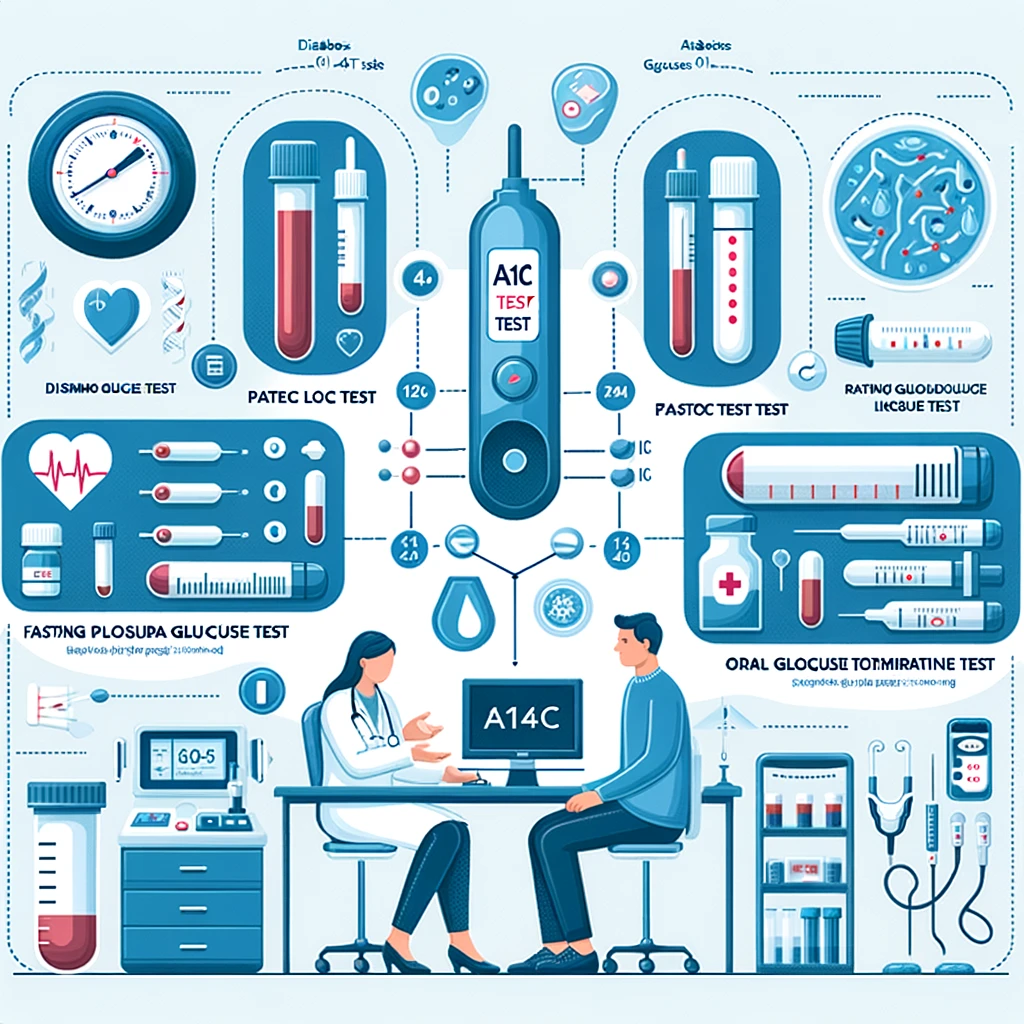
Infographic illustrating different diabetes diagnostic tests, including A1C test, fasting plasma glucose test, oral glucose tolerance test, and random plasma glucose test, with medical equipment and a doctor explaining results to a patient.

Introduction

Diabetes is a global health concern, affecting millions of people worldwide. Early detection through proper diabetes diagnostic tests is crucial for effective management and prevention of complications. But how is diabetes diagnosed? What tests do doctors use to confirm the condition?

In this guide, we will explore the key tests used to diagnose diabetes, what they measure, and how to interpret the results. Whether you’re at risk of diabetes or simply looking to understand the diagnostic process, this article provides the insights you need.

Common Blood Tests for Diabetes Diagnosis

Doctors use several blood tests for diabetes diagnosis, each measuring different aspects of blood sugar control. Here are the most commonly used tests:

1. A1C Test for Diabetes (Glycated Hemoglobin Test)

The A1C test measures your average blood sugar levels over the past 2–3 months by analyzing the percentage of hemoglobin that is glycated (coated with sugar).

A1C Levels in Diabetes Diagnosis:

  • Normal: Below 5.7%
  • Prediabetes: 5.7% – 6.4%
  • Diabetes: 6.5% or higher

Why it’s important: This test helps diagnose both Type 1 and Type 2 diabetes and is also used to monitor blood sugar control in people already diagnosed.

2. Fasting Plasma Glucose (FPG) Test

The Fasting Plasma Glucose test measures blood sugar levels after an overnight fast of at least 8 hours. It is one of the most common tests used for initial screening.

Interpreting Diabetes Test Results:

  • Normal: Less than 100 mg/dL
  • Prediabetes: 100 – 125 mg/dL
  • Diabetes: 126 mg/dL or higher (confirmed by a second test)

Why it’s important: The FPG test provides a clear indication of how your body manages blood sugar when fasting, making it useful for diagnosing diabetes.

3. Oral Glucose Tolerance Test (OGTT)

The Oral Glucose Tolerance Test (OGTT) evaluates how your body processes sugar over time. After fasting overnight, you consume a sugary drink, and blood sugar levels are tested at intervals over two hours.

Results:

  • Normal: Less than 140 mg/dL
  • Prediabetes: 140 – 199 mg/dL
  • Diabetes: 200 mg/dL or higher

Why it’s important: The OGTT is particularly effective for diagnosing gestational diabetes (diabetes during pregnancy) and detecting prediabetes.

4. Random Plasma Glucose (RPG) Test

Unlike the FPG test, the Random Plasma Glucose test does not require fasting. Instead, it measures blood sugar levels at any random time of the day.

Diabetes Diagnosis Criteria:

  • A reading of 200 mg/dL or higher, along with symptoms of diabetes (such as excessive thirst, frequent urination, and fatigue), indicates diabetes.

Why it’s important: This test is often used in urgent situations when symptoms suggest diabetes and immediate diagnosis is necessary.

Prediabetes Diagnostic Criteria

Prediabetes is a condition where blood sugar levels are higher than normal but not high enough to be classified as diabetes. Early detection is crucial to prevent the progression to Type 2 diabetes.

Diabetes Screening Guidelines for Prediabetes:

  • A1C Test: 5.7% – 6.4%
  • Fasting Plasma Glucose Test: 100 – 125 mg/dL
  • Oral Glucose Tolerance Test: 140 – 199 mg/dL

If you have prediabetes, lifestyle changes such as diet, exercise, and weight management can help prevent full-blown diabetes.

How to Prepare for Diabetes Testing

To ensure accurate results, follow these guidelines before your test:

  • For fasting tests (FPG, OGTT): Do not eat or drink anything (except water) for 8–12 hours before the test.
  • For A1C test: No special preparation is required.
  • For OGTT: Be prepared to stay at the testing center for up to 2 hours after consuming the glucose drink.

What Happens After a Diabetes Diagnosis?

If your test results confirm diabetes, your doctor may recommend:

  • Lifestyle modifications (healthy eating, physical activity, weight management)
  • Regular blood sugar monitoring
  • Medications or insulin therapy (depending on the type and severity of diabetes)
  • Follow-up tests to monitor long-term blood sugar control

FAQs

What Is the Most Accurate Test for Diabetes?

The A1C test and Fasting Plasma Glucose test are considered the most reliable for diagnosing diabetes. The OGTT is particularly useful for detecting gestational diabetes.

Can Diabetes Be Diagnosed with Just One Test?

A single abnormal test result is not enough for a definitive diagnosis. Doctors usually require at least two abnormal test results on different days to confirm diabetes.

How Often Should I Get Tested for Diabetes?

  • If you have risk factors (obesity, family history, high blood pressure), you should be tested at least once a year.
  • If you are over 45, experts recommend routine screening every 3 years.
  • If diagnosed with prediabetes, you should be tested annually.

Can I Lower My Blood Sugar Levels Naturally?

Yes! Eating a low-carb diet, increasing physical activity, reducing stress, and maintaining a healthy weight can significantly improve blood sugar control.

Conclusion

Early diagnosis of diabetes is critical for effective treatment and prevention of complications. Understanding the different diabetes diagnostic tests, what they measure, and how to interpret the results can help you take proactive steps toward your health.

If you suspect you have diabetes or are at risk, consult a healthcare provider and get tested today!

📩 Subscribe to our newsletter for more health insights and updates!

References

  1. American Diabetes Association (ADA)Standards of Medical Care in Diabetes
  2. Centers for Disease Control and Prevention (CDC)Diabetes Basics
  3. World Health Organization (WHO)Diabetes Fact Sheet
  4. National Institute of Diabetes and Digestive and Kidney Diseases (NIDDK)Diabetes Tests & Diagnosis
  5. Mayo ClinicDiabetes Diagnosis and Treatment

Posted on 3 Comments

10 Early Signs of Diabetes: Symptoms You Shouldn’t Ignore

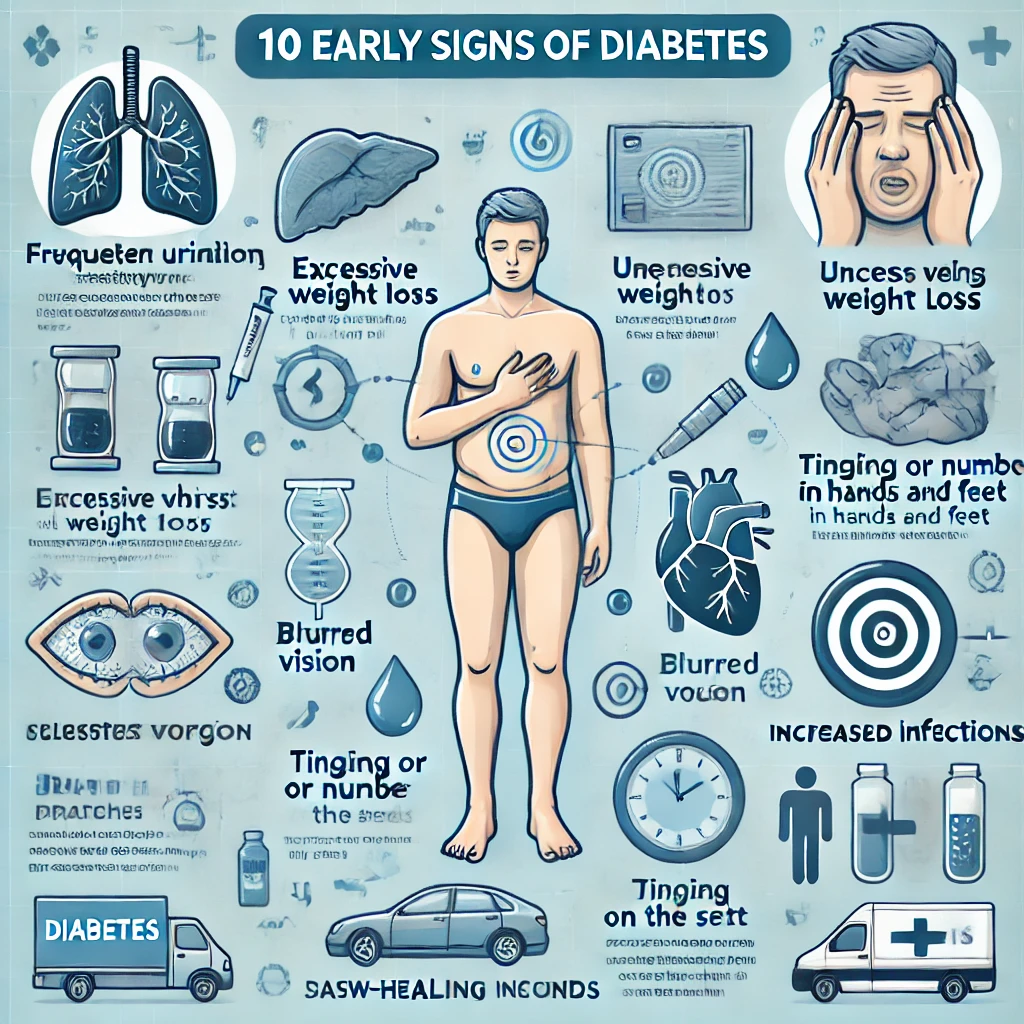
"Infographic illustrating 10 early signs of diabetes with icons and medical-themed visuals."

Introduction

Diabetes is a silent but serious health condition that affects millions of people worldwide. Many individuals may have diabetes without realizing it, as early symptoms can be subtle or mistaken for other issues. Detecting the early signs of diabetes is crucial for preventing complications and managing the condition effectively. But what are the first signs of diabetes? How can you recognize diabetes onset symptoms before it progresses?

In this guide, we’ll explore the 10 most common early diabetes symptoms, helping you recognize them early and seek medical attention when needed.

1. Frequent Urination (Polyuria)

One of the most common early diabetes symptoms is excessive urination. If you notice that you’re using the bathroom more often, especially at night, it may be due to high blood sugar levels forcing your kidneys to work harder to remove excess glucose from the blood.

Why it happens: When blood sugar levels rise, the kidneys try to flush out the excess sugar through urine, leading to increased urination.

What to do: If you experience frequent urination along with other symptoms, consult a doctor for a blood sugar test.

2. Excessive Thirst (Polydipsia)

Frequent urination can lead to dehydration, causing unusual thirst. If you find yourself drinking more water than usual but still feeling thirsty, it could be an early warning sign of diabetes.

Why it happens: As the body loses more fluids through urination, it signals the brain to drink more water.

What to do: Pay attention to persistent thirst and increased fluid intake. If this continues for a few weeks, seek medical advice.

3. Unexplained Weight Loss

Losing weight without trying can be alarming and is often associated with diabetes, especially Type 1 diabetes.

Why it happens: When the body lacks insulin to convert sugar into energy, it starts breaking down fat and muscle instead, leading to rapid weight loss.

What to do: If you experience sudden, unexplained weight loss, it’s crucial to get your blood sugar checked.

4. Constant Fatigue and Weakness

Feeling tired all the time despite getting enough sleep? This could be a result of high blood sugar levels preventing glucose from entering your cells to provide energy.

Why it happens: When your body doesn’t use glucose properly, energy levels drop, leading to persistent fatigue.

What to do: Monitor your energy levels and consult a healthcare provider if fatigue persists.

5. Blurred Vision

Sudden changes in vision or blurry eyesight can be an early symptom of diabetes. High blood sugar levels can cause swelling in the eye’s lens, affecting focus.

Why it happens: Elevated blood sugar changes fluid levels in the eye, leading to vision fluctuations.

What to do: If you notice blurred vision that comes and goes, it’s best to schedule an eye exam and get your blood sugar tested.

6. Slow Healing Wounds

If cuts, bruises, or infections take longer to heal than usual, it could be a warning sign of diabetes.

Why it happens: High blood sugar impairs blood circulation and affects the body’s ability to repair tissues.

What to do: Keep an eye on wounds that don’t heal and consult a doctor if healing seems unusually slow.

7. Tingling or Numbness in Hands and Feet

Tingling, numbness, or a burning sensation in the hands or feet can indicate nerve damage caused by prolonged high blood sugar levels.

Why it happens: Diabetes can damage nerves (diabetic neuropathy), leading to these sensations.

What to do: If you notice persistent numbness or tingling, consult a doctor as soon as possible.

8. Increased Hunger (Polyphagia)

Feeling constantly hungry even after eating could be a sign that your body isn’t processing glucose properly.

Why it happens: The body’s inability to use glucose for energy makes you feel hungrier.

What to do: If you’re experiencing excessive hunger along with other diabetes symptoms, see a doctor.

9. Recurring Infections

Frequent infections, such as urinary tract infections, skin infections, or gum infections, can indicate diabetes.

Why it happens: High blood sugar weakens the immune system, making infections more common.

What to do: Pay attention to persistent infections and discuss them with a healthcare provider.

10. Dark Patches on Skin (Acanthosis Nigricans)

Dark, velvety patches on the skin, particularly around the neck, armpits, or groin, could indicate insulin resistance, a precursor to diabetes.

Why it happens: Insulin resistance can cause skin cells to multiply rapidly, leading to darkened areas.

What to do: If you notice dark patches, get tested for diabetes and consult a dermatologist.

Recognizing Diabetes Symptoms Early

The sooner diabetes is detected, the better it can be managed. If you notice any of the above symptoms, it’s essential to undergo a blood sugar test to determine if you have prediabetes or diabetes.

How to Prevent Diabetes

  • Maintain a healthy weight
  • Eat a balanced, low-sugar diet
  • Stay physically active
  • Monitor blood sugar levels regularly
  • Get regular health check-ups

FAQs

What Are the First Signs of Diabetes?

The first signs of diabetes include excessive thirst, frequent urination, unexplained weight loss, fatigue, and blurred vision.

Can Early Diabetes Symptoms Be Reversed?

If caught early, Type 2 diabetes can often be managed or even reversed with lifestyle changes such as diet and exercise.

What Happens If Diabetes Goes Undiagnosed?

If left untreated, diabetes can lead to serious complications such as nerve damage, kidney disease, and cardiovascular issues.

Should I Get Tested for Diabetes?

If you have any of the diabetes early warning signs, especially if you have risk factors like obesity or a family history, you should get tested.

Conclusion

Recognizing early symptoms of diabetes is key to preventing complications. If you’re experiencing any of these warning signs, don’t ignore them—seek medical attention and get tested. The earlier you catch diabetes, the better your chances of managing it effectively.

💬 Have you experienced any of these symptoms? Share your thoughts in the comments!

📩 Subscribe to our newsletter for more health tips and updates.

References

  1. American Diabetes Association. (2025). “Understanding Diabetes Symptoms.” Retrieved from www.diabetes.org
  2. Centers for Disease Control and Prevention (CDC). (2025). “Diabetes Basics.” Retrieved from www.cdc.gov/diabetes
  3. World Health Organization (WHO). (2025). “Diabetes Facts and Figures.” Retrieved from www.who.int
  4. Mayo Clinic. (2025). “Diabetes Symptoms & Causes.” Retrieved from www.mayoclinic.org
  5. National Institute of Diabetes and Digestive and Kidney Diseases (NIDDK). (2025). “Early Signs of Diabetes.” Retrieved from www.niddk.nih.gov
Posted on 2 Comments

The History of Diabetes Treatment: From Insulin to Modern Medicine

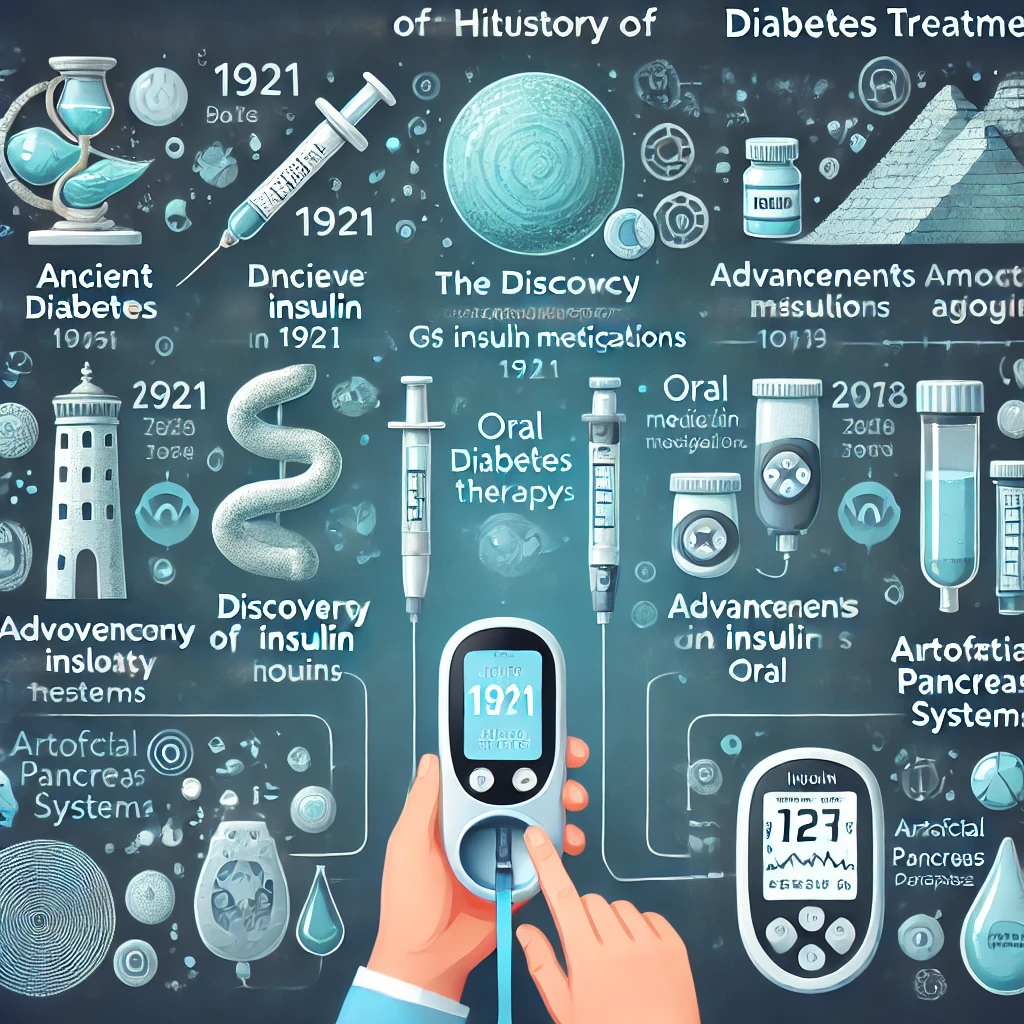
An informative infographic displaying the history of diabetes treatment, featuring a timeline from ancient remedies to modern advancements like insulin therapy, GLP-1 agonists, and AI-driven diabetes care.

Introduction

Diabetes has been a recognized condition for thousands of years, but its treatment has evolved dramatically over time. From ancient herbal remedies to the revolutionary discovery of insulin and today’s advanced therapies, the progress in diabetes management has transformed the lives of millions. Understanding this journey is crucial in appreciating modern diabetes care and its future possibilities.

In this blog, we’ll explore the evolution of diabetes management, covering key milestones in diabetes treatment, from early historical approaches to cutting-edge therapies like GLP-1 agonists and continuous glucose monitoring

Historical Diabetes Remedies

Before insulin was discovered, diabetes was often a fatal condition. Ancient civilizations attempted various treatments based on observation and trial and error.

  • Ancient Egypt (1500 BCE): The Ebers Papyrus described a condition resembling diabetes, recommending herbal mixtures and special diets.
  • Ancient India & Greece (5th Century BCE): Physicians noted excessive urination (polyuria) and used dietary changes to manage symptoms.
  • Medieval Europe & Asia: Herbal treatments, bloodletting, and restrictive diets were common, though ineffective.

These early treatments provided little relief, highlighting the urgent need for a scientific breakthrough.

The Discovery of Insulin and Its Impact

Development of Insulin Therapy

The most significant breakthrough in diabetes treatment came in the early 20th century. Before insulin, diabetes patients were often put on extremely low-carbohydrate diets, which extended life expectancy only slightly.

  • 1869: Paul Langerhans discovered clusters of pancreatic cells, later named the Islets of Langerhans.
  • 1889: Oskar Minkowski and Joseph von Mering established the connection between the pancreas and diabetes.
  • 1921: Frederick Banting and Charles Best successfully extracted insulin from the pancreas of dogs.
  • 1922: The first successful insulin injection was administered to a 14-year-old boy, Leonard Thompson, saving his life.

This discovery revolutionized diabetes care, turning a fatal disease into a manageable condition.

Milestones in Diabetes Treatment

Advancements in Diabetes Therapy

Over the decades, scientists and medical experts refined insulin therapy and introduced new treatment options.

  • 1930s-1940s: Development of longer-acting insulin preparations to improve blood sugar control.
  • 1950s-1960s: Discovery of oral diabetes medications, such as sulfonylureas, for Type 2 diabetes.
  • 1980s: Introduction of human insulin, synthesized using recombinant DNA technology.
  • 1990s: Development of insulin analogs for better blood sugar regulation.
  • 2000s-Present: Innovations like continuous glucose monitoring (CGM), insulin pumps, and GLP-1 receptor agonists to improve diabetes management.

Modern Diabetes Medications

Today, diabetes treatment is more advanced than ever, with medications tailored to different needs.

Innovations in Diabetes Care

  • Insulin Therapies: Rapid-acting, long-acting, and mixed insulins offer precise glucose control.
  • Oral Medications: Metformin remains the first-line treatment for Type 2 diabetes.
  • GLP-1 Agonists: These medications help regulate blood sugar and promote weight loss.
  • SGLT2 Inhibitors: Improve blood sugar control and protect heart and kidney health.
  • Artificial Pancreas Systems: Automated insulin delivery based on real-time glucose monitoring.

From Insulin to GLP-1 Agonists: The Future of Diabetes Treatment

With continuous advancements, the future of diabetes care is promising. Emerging treatments include:

  • Stem Cell Therapy: Potential cure by regenerating insulin-producing cells.
  • Gene Therapy: Correcting genetic defects causing diabetes.
  • Artificial Intelligence in Diabetes Care: Personalized treatment plans and predictive analytics.

These developments could redefine how diabetes is managed in the coming years.

FAQs

When was insulin first used to treat diabetes?

Insulin was first used in 1922 to treat a diabetic patient, marking the beginning of effective diabetes management.

What were early diabetes treatments before insulin?

Early treatments included strict diets, herbal remedies, and experimental procedures like bloodletting, but they were largely ineffective.

What is the latest advancement in diabetes treatment?

Recent advances include GLP-1 agonists, SGLT2 inhibitors, and artificial pancreas systems that automate insulin delivery.

Can diabetes be cured?

Currently, there is no cure for diabetes, but research in stem cell and gene therapy holds promise for future treatments.

Conclusion

The journey from historical diabetes remedies to modern diabetes medications showcases the incredible progress in medical science. The discovery of insulin was a game-changer, and ongoing research continues to bring hope to millions of people living with diabetes.

As new innovations emerge, the future of diabetes management looks brighter than ever. Stay informed, consult healthcare professionals, and explore the latest advancements in diabetes therapy for better control and quality of life.

📢 Call to Action: Share this article to spread awareness about diabetes treatment advancements! If you have any questions or insights, drop a comment below! 🚀

Posted on 2 Comments

Global Diabetes Statistics: How Common is Diabetes in 2025?

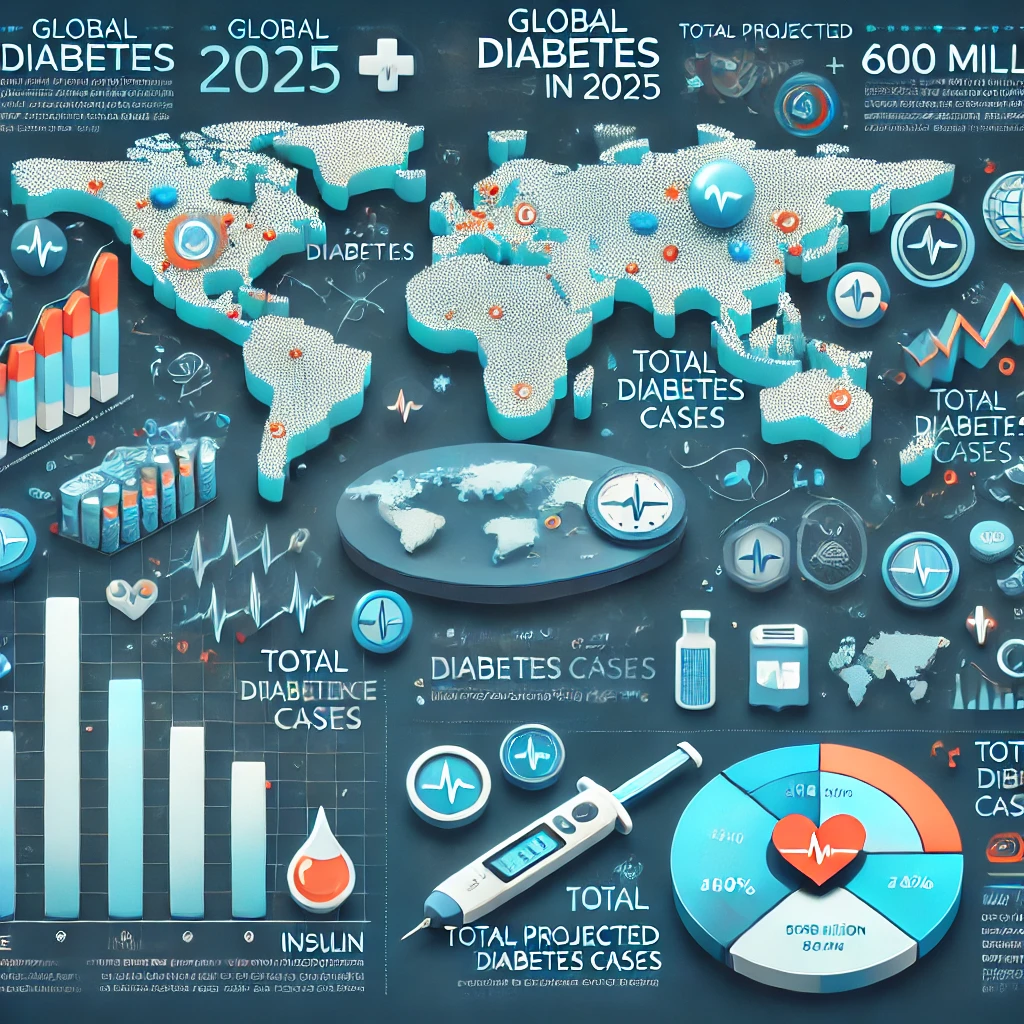
Global diabetes statistics infographic showing diabetes prevalence by region, bar graphs comparing incidence rates, and key numerical data for 2025.

Introduction

Diabetes is a growing global health concern, affecting millions of people worldwide. With rapid lifestyle changes, increasing obesity rates, and aging populations, diabetes prevalence continues to rise. But just how widespread is diabetes in 2025? Understanding the latest global diabetes statistics can help policymakers, healthcare professionals, and individuals take proactive steps in managing and preventing the disease.

In this article, we’ll explore the global diabetes prevalence in 2025, regional differences, future projections, and the impact of diabetes on healthcare systems. We’ll also highlight key factors influencing the global diabetes epidemic in 2025 and offer insights into what can be done to address this public health crisis.

Global Diabetes Prevalence 2025

Diabetes remains a significant health challenge, with its prevalence growing across all age groups and regions. According to the International Diabetes Federation (IDF) and the World Health Organization (WHO), global diabetes rates are at an all-time high.

Key Global Diabetes Statistics 2025:

  • The estimated number of diabetes cases worldwide in 2025 is expected to exceed 600 million, up from 537 million in 2021.
  • 1 in 10 adults globally is affected by diabetes.
  • Type 2 diabetes accounts for approximately 90-95% of all cases.
  • Low- and middle-income countries experience the highest increases in diabetes prevalence due to urbanization and lifestyle changes.

The rise in diabetes cases highlights the urgent need for increased awareness, early diagnosis, and lifestyle interventions.

Diabetes Statistics Worldwide 2025

Diabetes affects populations differently across continents, with some countries experiencing a more significant rise than others.

Diabetes Prevalence by Country 2025:

Country/RegionDiabetes Prevalence (Estimated % of Population)
North America11.3%
Europe8.9%
South Asia12.5%
Middle East13.7%
Africa7.1%
Latin America9.8%

Factors contributing to regional differences include genetics, lifestyle habits, healthcare accessibility, and government policies on diabetes prevention.

Projected Diabetes Cases 2025

According to diabetes prevalence forecasts, the number of people with diabetes will continue to grow due to:

  • Aging populations – Older individuals have a higher risk of developing Type 2 diabetes.
  • Urbanization and sedentary lifestyles – Increased use of technology has led to reduced physical activity.
  • Rising obesity rates – Excess weight is a primary risk factor for Type 2 diabetes.
  • Dietary changes – Increased consumption of processed and sugary foods contributes to insulin resistance.

Future Diabetes Statistics:

  • By 2045, diabetes cases could exceed 780 million worldwide if no significant preventive measures are taken.
  • Healthcare costs related to diabetes treatment and management are projected to reach over $1 trillion annually.

Diabetes Trends 2025

Several trends are shaping the future of diabetes care and prevention:

1. Increased Use of Technology in Diabetes Management

  • Continuous glucose monitoring (CGM) devices and smart insulin pumps are making diabetes management more efficient.
  • Telemedicine is improving diabetes care, especially in remote areas.

2. Government and Policy Interventions

  • Many countries are implementing sugar taxes and promoting public health campaigns to reduce diabetes risks.
  • WHO and other organizations emphasize the need for improved healthcare access and lifestyle education.

3. Greater Focus on Prevention Strategies

  • More individuals are adopting healthier diets and engaging in regular physical activity.
  • Workplace wellness programs are encouraging diabetes prevention.

Global Diabetes Epidemic 2025

Diabetes is no longer just a health issue; it’s a global epidemic affecting economies and healthcare systems worldwide.

Economic and Social Impact of Diabetes:

  • High medical expenses – Diabetes treatment, including medications and hospital visits, places a financial burden on individuals and healthcare systems.
  • Reduced productivity – People with diabetes-related complications often miss work, affecting economic growth.
  • Mental health effects – Diabetes is linked to higher rates of depression and anxiety.

With the growing burden of diabetes, proactive measures are essential to curb its impact.

How Can We Reduce Diabetes Rates?

Although the diabetes epidemic is on the rise, there are steps individuals and governments can take to slow down its progression.

1. Adopting a Healthier Lifestyle

  • Regular physical activity (at least 30 minutes per day)
  • A balanced diet rich in whole grains, lean proteins, and vegetables
  • Reducing sugar and processed food intake

2. Regular Health Screenings

  • Early detection of prediabetes can help prevent Type 2 diabetes.
  • Routine blood sugar monitoring for high-risk individuals.

3. Government Policies and Community Programs

  • More funding for diabetes research and education.
  • Community fitness programs and dietary awareness campaigns.

By implementing these strategies, we can reduce the incidence of diabetes and improve global health.

FAQs

1. How many people have diabetes worldwide in 2025?

Approximately 600 million people globally are estimated to have diabetes in 2025.

2. What is the leading cause of Type 2 diabetes in 2025?

Poor diet, obesity, and a sedentary lifestyle remain the top causes of Type 2 diabetes in 2025.

3. Which country has the highest diabetes prevalence in 2025?

South Asian and Middle Eastern countries have some of the highest diabetes prevalence rates, with rates exceeding 12-13% in certain regions.

4. Can diabetes be reversed?

While Type 1 diabetes is not reversible, Type 2 diabetes can often be managed or even put into remission through diet, exercise, and weight loss.

5. How can I prevent diabetes?

  • Maintain a healthy weight
  • Eat a balanced, low-sugar diet
  • Exercise regularly
  • Monitor blood sugar levels if at risk

Conclusion

The global diabetes epidemic in 2025 is a serious concern, affecting millions worldwide. By understanding the latest diabetes statistics worldwide, we can take action to reduce risk factors, improve healthcare access, and implement effective prevention strategies.

Governments, healthcare organizations, and individuals must work together to tackle the growing burden of diabetes. Are you taking steps to prevent diabetes? Share your thoughts in the comments below!

Call to Action:

📩 Subscribe for more health updates! | 📖 Download our free guide on diabetes prevention.

References:

Posted on 5 Comments

Type 1 vs. Type 2 Diabetes: Key Differences You Must Know

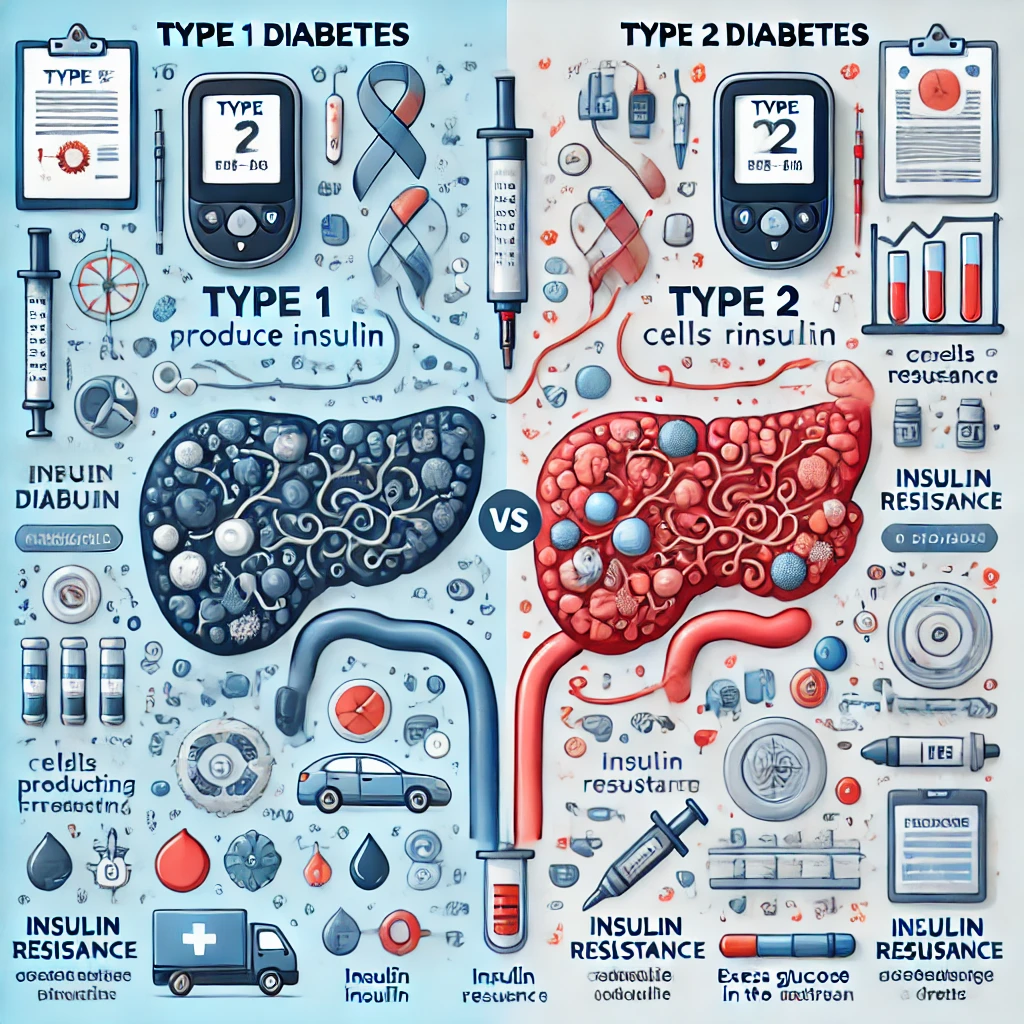
Infographic illustrating the differences between Type 1 and Type 2 diabetes, showing insulin production and resistance, along with medical icons like glucose monitors and insulin syringes

Introduction

Diabetes is a widespread health condition affecting millions of people worldwide. However, not all diabetes is the same. The two primary types, Type 1 and Type 2 diabetes, have distinct causes, symptoms, and treatments. Understanding these differences is crucial for proper management, early diagnosis, and improved quality of life.

If you’ve ever wondered, “Which is worse: Type 1 or Type 2 diabetes?” or “Is Type 1 or Type 2 diabetes genetic?”, this guide will provide clarity. We’ll break down the Type 1 vs Type 2 diabetes differences, covering causes, symptoms, treatments, and everything you need to know for better diabetes awareness.

Type 1 vs Type 2 Diabetes Differences

While both types of diabetes involve high blood sugar levels, the underlying causes and management approaches vary significantly. Here’s a quick comparison:

FeatureType 1 DiabetesType 2 Diabetes
CauseAutoimmune response destroys insulin-producing cellsBody becomes resistant to insulin or doesn’t produce enough
Onset AgeOften diagnosed in childhood or adolescenceTypically develops in adults over 40 but increasingly seen in younger people
Insulin DependencyRequires lifelong insulin therapyMay be managed with diet, exercise, and medication before needing insulin
ReversibilityNot reversibleCan be managed and even put into remission with lifestyle changes
Genetic LinkSome genetic predispositions, but mostly autoimmuneStrong genetic component along with lifestyle factors

Type 1 vs Type 2 Diabetes Symptoms

The symptoms of both types can overlap, but some key differences exist.

Common Symptoms of Type 1 and Type 2 Diabetes:

  • Frequent urination (polyuria)
  • Excessive thirst (polydipsia)
  • Unexplained weight loss
  • Fatigue and weakness
  • Blurred vision

Unique Symptoms:

  • Type 1 Diabetes: Rapid weight loss, extreme fatigue, and diabetic ketoacidosis (DKA) risk.
  • Type 2 Diabetes: Slow onset, numbness or tingling in hands and feet, frequent infections, and slow-healing wounds.

Type 1 vs Type 2 Diabetes Causes

What Causes Type 1 Diabetes?

Type 1 diabetes is an autoimmune disorder where the immune system mistakenly attacks insulin-producing beta cells in the pancreas. Scientists believe a combination of genetic factors and environmental triggers (such as viral infections) may contribute to this condition.

What Causes Type 2 Diabetes?

Type 2 diabetes develops due to insulin resistance, where the body’s cells don’t respond to insulin properly. Over time, the pancreas struggles to produce enough insulin to keep blood sugar levels stable.

Risk factors for Type 2 diabetes include:

  • Genetics (family history)
  • Obesity and sedentary lifestyle
  • Poor diet high in processed sugars and unhealthy fats
  • Age (risk increases after 40 but is rising in younger populations)
  • High blood pressure and cholesterol

How to Diagnose Type 1 vs Type 2 Diabetes

A proper diagnosis is essential for effective treatment. Doctors typically use the following tests:

  • Fasting Blood Sugar Test – Measures blood sugar levels after fasting.
  • A1C Test – Provides an average blood sugar level over the past 2-3 months.
  • Oral Glucose Tolerance Test (OGTT) – Evaluates how the body processes sugar.
  • Autoantibody Tests – Help distinguish Type 1 from Type 2 by detecting immune system markers.
  • C-Peptide Test – Determines how much insulin the body is producing.

Type 1 vs Type 2 Diabetes Treatment

Type 1 Diabetes Treatment:

  • Daily insulin injections or insulin pump therapy.
  • Continuous glucose monitoring (CGM) for better blood sugar tracking.
  • Carbohydrate counting to manage insulin intake.
  • Regular exercise and a balanced diet.

Type 2 Diabetes Treatment:

  • Lifestyle changes (healthy diet, weight management, and physical activity).
  • Oral medications like Metformin to improve insulin sensitivity.
  • Insulin therapy (for advanced cases).
  • Blood sugar monitoring and periodic doctor check-ups.

Which is Worse: Type 1 or Type 2 Diabetes?

Both conditions require careful management, but neither is necessarily “worse” than the other.

  • Type 1 diabetes has a sudden onset and requires lifelong insulin therapy, making it more challenging to manage daily.
  • Type 2 diabetes can often be managed through lifestyle changes, but if left uncontrolled, it can lead to severe complications such as heart disease, kidney failure, and neuropathy.

Difference Between Type 1 and Type 2 Diabetes PDF

For those who prefer a printable reference, you can find a Difference Between Type 1 and Type 2 Diabetes PDF from reputable health sources such as the American Diabetes Association (ADA) or WHO

FAQs

Is Type 1 or Type 2 Diabetes Genetic?

Both types have a genetic component but Type 2 diabetes has a stronger hereditary link. If a close relative has Type 2 diabetes, your risk increases significantly. Type 1 diabetes is linked to immune system factors rather than direct inheritance.

Can Type 2 Diabetes Turn into Type 1?

No, Type 2 diabetes cannot turn into Type 1. They are separate conditions with different causes. However, advanced Type 2 diabetes may require insulin therapy similar to Type 1 diabetes.

How Can I Prevent Type 2 Diabetes?

  • Maintain a healthy weight
  • Follow a balanced, low-sugar diet
  • Exercise regularly
  • Monitor blood sugar levels if at risk

Do Type 1 and Type 2 Diabetes Have the Same Complications?

Yes, both types can lead to complications like nerve damage, kidney disease, vision problems, and heart disease if poorly managed.

Conclusion

Understanding the Type 1 and Type 2 diabetes comparison is essential for better awareness and management. While both require medical attention, lifestyle changes can significantly impact Type 2 diabetes, whereas Type 1 diabetes requires lifelong insulin therapy.

If you or a loved one is dealing with diabetes, consult a healthcare provider for a personalized treatment plan. Stay informed, take proactive steps, and share this information to raise awareness!

Call to Action:

💬 Do you have questions about diabetes? Drop them in the comments below! 📩 Subscribe to our newsletter for more health tips and updates. 📖 Download our free “Difference Between Type 1 and Type 2 Diabetes PDF” for easy reference.