Posted on 2 Comments

Diabetes Diagnosis: What Tests Do You Need and What They Mean

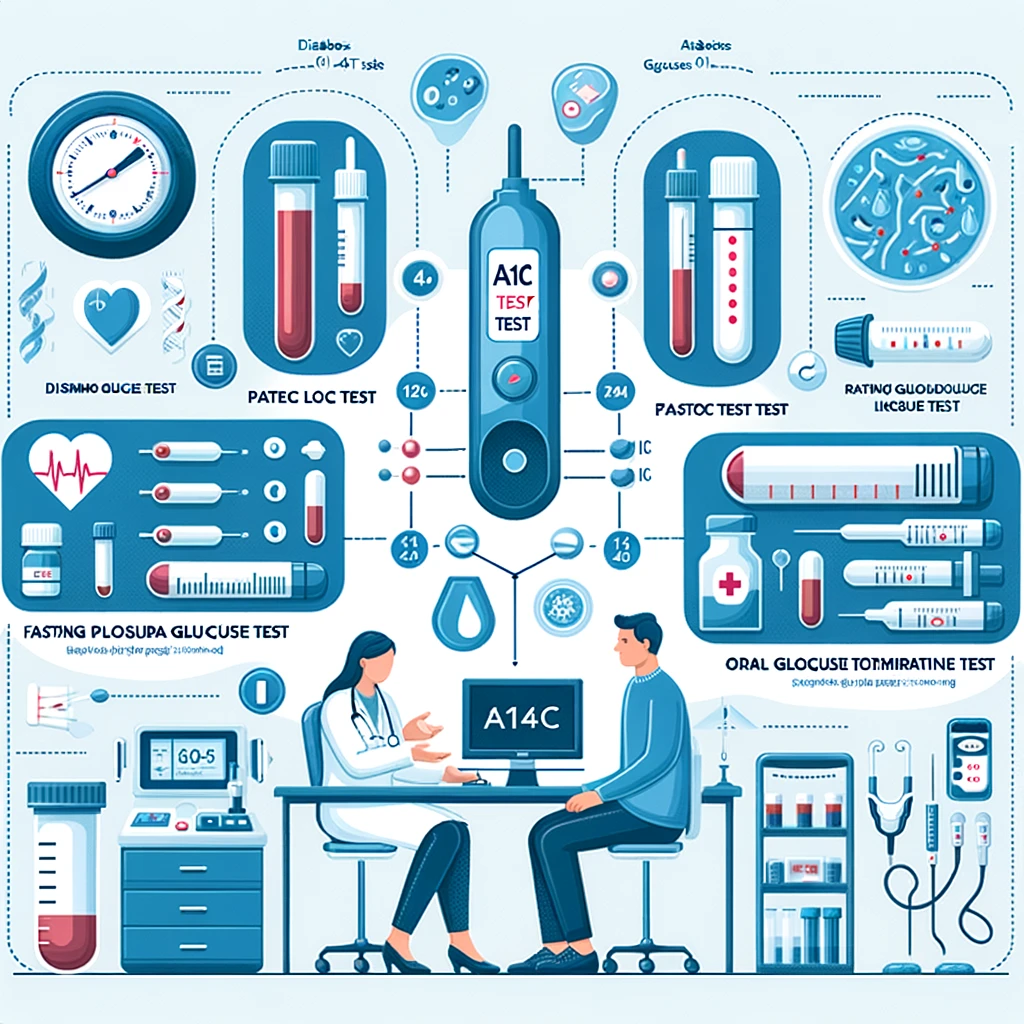
Infographic illustrating different diabetes diagnostic tests, including A1C test, fasting plasma glucose test, oral glucose tolerance test, and random plasma glucose test, with medical equipment and a doctor explaining results to a patient.

Introduction

Diabetes is a global health concern, affecting millions of people worldwide. Early detection through proper diabetes diagnostic tests is crucial for effective management and prevention of complications. But how is diabetes diagnosed? What tests do doctors use to confirm the condition?

In this guide, we will explore the key tests used to diagnose diabetes, what they measure, and how to interpret the results. Whether you’re at risk of diabetes or simply looking to understand the diagnostic process, this article provides the insights you need.

Common Blood Tests for Diabetes Diagnosis

Doctors use several blood tests for diabetes diagnosis, each measuring different aspects of blood sugar control. Here are the most commonly used tests:

1. A1C Test for Diabetes (Glycated Hemoglobin Test)

The A1C test measures your average blood sugar levels over the past 2–3 months by analyzing the percentage of hemoglobin that is glycated (coated with sugar).

A1C Levels in Diabetes Diagnosis:

  • Normal: Below 5.7%
  • Prediabetes: 5.7% – 6.4%
  • Diabetes: 6.5% or higher

Why it’s important: This test helps diagnose both Type 1 and Type 2 diabetes and is also used to monitor blood sugar control in people already diagnosed.

2. Fasting Plasma Glucose (FPG) Test

The Fasting Plasma Glucose test measures blood sugar levels after an overnight fast of at least 8 hours. It is one of the most common tests used for initial screening.

Interpreting Diabetes Test Results:

  • Normal: Less than 100 mg/dL
  • Prediabetes: 100 – 125 mg/dL
  • Diabetes: 126 mg/dL or higher (confirmed by a second test)

Why it’s important: The FPG test provides a clear indication of how your body manages blood sugar when fasting, making it useful for diagnosing diabetes.

3. Oral Glucose Tolerance Test (OGTT)

The Oral Glucose Tolerance Test (OGTT) evaluates how your body processes sugar over time. After fasting overnight, you consume a sugary drink, and blood sugar levels are tested at intervals over two hours.

Results:

  • Normal: Less than 140 mg/dL
  • Prediabetes: 140 – 199 mg/dL
  • Diabetes: 200 mg/dL or higher

Why it’s important: The OGTT is particularly effective for diagnosing gestational diabetes (diabetes during pregnancy) and detecting prediabetes.

4. Random Plasma Glucose (RPG) Test

Unlike the FPG test, the Random Plasma Glucose test does not require fasting. Instead, it measures blood sugar levels at any random time of the day.

Diabetes Diagnosis Criteria:

  • A reading of 200 mg/dL or higher, along with symptoms of diabetes (such as excessive thirst, frequent urination, and fatigue), indicates diabetes.

Why it’s important: This test is often used in urgent situations when symptoms suggest diabetes and immediate diagnosis is necessary.

Prediabetes Diagnostic Criteria

Prediabetes is a condition where blood sugar levels are higher than normal but not high enough to be classified as diabetes. Early detection is crucial to prevent the progression to Type 2 diabetes.

Diabetes Screening Guidelines for Prediabetes:

  • A1C Test: 5.7% – 6.4%
  • Fasting Plasma Glucose Test: 100 – 125 mg/dL
  • Oral Glucose Tolerance Test: 140 – 199 mg/dL

If you have prediabetes, lifestyle changes such as diet, exercise, and weight management can help prevent full-blown diabetes.

How to Prepare for Diabetes Testing

To ensure accurate results, follow these guidelines before your test:

  • For fasting tests (FPG, OGTT): Do not eat or drink anything (except water) for 8–12 hours before the test.
  • For A1C test: No special preparation is required.
  • For OGTT: Be prepared to stay at the testing center for up to 2 hours after consuming the glucose drink.

What Happens After a Diabetes Diagnosis?

If your test results confirm diabetes, your doctor may recommend:

  • Lifestyle modifications (healthy eating, physical activity, weight management)
  • Regular blood sugar monitoring
  • Medications or insulin therapy (depending on the type and severity of diabetes)
  • Follow-up tests to monitor long-term blood sugar control

FAQs

What Is the Most Accurate Test for Diabetes?

The A1C test and Fasting Plasma Glucose test are considered the most reliable for diagnosing diabetes. The OGTT is particularly useful for detecting gestational diabetes.

Can Diabetes Be Diagnosed with Just One Test?

A single abnormal test result is not enough for a definitive diagnosis. Doctors usually require at least two abnormal test results on different days to confirm diabetes.

How Often Should I Get Tested for Diabetes?

  • If you have risk factors (obesity, family history, high blood pressure), you should be tested at least once a year.
  • If you are over 45, experts recommend routine screening every 3 years.
  • If diagnosed with prediabetes, you should be tested annually.

Can I Lower My Blood Sugar Levels Naturally?

Yes! Eating a low-carb diet, increasing physical activity, reducing stress, and maintaining a healthy weight can significantly improve blood sugar control.

Conclusion

Early diagnosis of diabetes is critical for effective treatment and prevention of complications. Understanding the different diabetes diagnostic tests, what they measure, and how to interpret the results can help you take proactive steps toward your health.

If you suspect you have diabetes or are at risk, consult a healthcare provider and get tested today!

📩 Subscribe to our newsletter for more health insights and updates!

References

  1. American Diabetes Association (ADA)Standards of Medical Care in Diabetes
  2. Centers for Disease Control and Prevention (CDC)Diabetes Basics
  3. World Health Organization (WHO)Diabetes Fact Sheet
  4. National Institute of Diabetes and Digestive and Kidney Diseases (NIDDK)Diabetes Tests & Diagnosis
  5. Mayo ClinicDiabetes Diagnosis and Treatment
Posted on 3 Comments

10 Early Signs of Diabetes: Symptoms You Shouldn’t Ignore

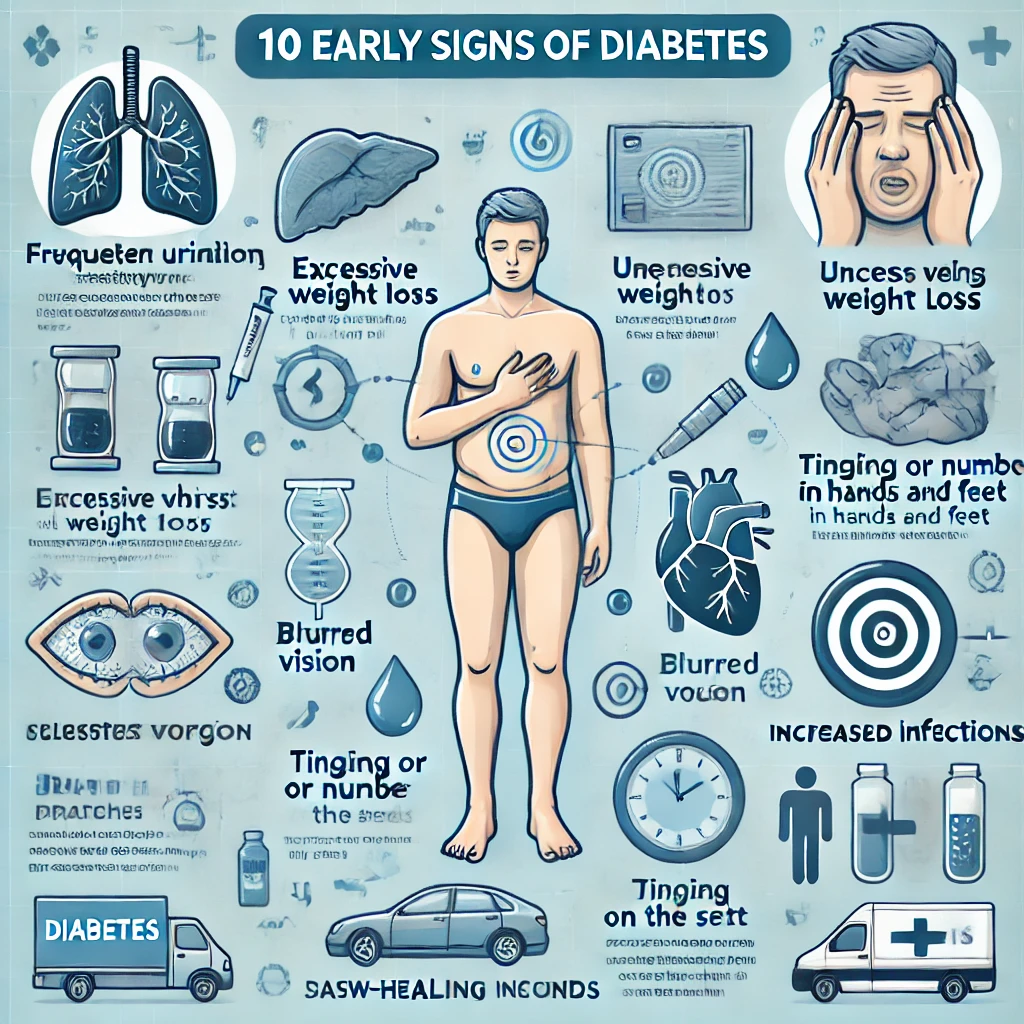
"Infographic illustrating 10 early signs of diabetes with icons and medical-themed visuals."

Introduction

Diabetes is a silent but serious health condition that affects millions of people worldwide. Many individuals may have diabetes without realizing it, as early symptoms can be subtle or mistaken for other issues. Detecting the early signs of diabetes is crucial for preventing complications and managing the condition effectively. But what are the first signs of diabetes? How can you recognize diabetes onset symptoms before it progresses?

In this guide, we’ll explore the 10 most common early diabetes symptoms, helping you recognize them early and seek medical attention when needed.

1. Frequent Urination (Polyuria)

One of the most common early diabetes symptoms is excessive urination. If you notice that you’re using the bathroom more often, especially at night, it may be due to high blood sugar levels forcing your kidneys to work harder to remove excess glucose from the blood.

Why it happens: When blood sugar levels rise, the kidneys try to flush out the excess sugar through urine, leading to increased urination.

What to do: If you experience frequent urination along with other symptoms, consult a doctor for a blood sugar test.

2. Excessive Thirst (Polydipsia)

Frequent urination can lead to dehydration, causing unusual thirst. If you find yourself drinking more water than usual but still feeling thirsty, it could be an early warning sign of diabetes.

Why it happens: As the body loses more fluids through urination, it signals the brain to drink more water.

What to do: Pay attention to persistent thirst and increased fluid intake. If this continues for a few weeks, seek medical advice.

3. Unexplained Weight Loss

Losing weight without trying can be alarming and is often associated with diabetes, especially Type 1 diabetes.

Why it happens: When the body lacks insulin to convert sugar into energy, it starts breaking down fat and muscle instead, leading to rapid weight loss.

What to do: If you experience sudden, unexplained weight loss, it’s crucial to get your blood sugar checked.

4. Constant Fatigue and Weakness

Feeling tired all the time despite getting enough sleep? This could be a result of high blood sugar levels preventing glucose from entering your cells to provide energy.

Why it happens: When your body doesn’t use glucose properly, energy levels drop, leading to persistent fatigue.

What to do: Monitor your energy levels and consult a healthcare provider if fatigue persists.

5. Blurred Vision

Sudden changes in vision or blurry eyesight can be an early symptom of diabetes. High blood sugar levels can cause swelling in the eye’s lens, affecting focus.

Why it happens: Elevated blood sugar changes fluid levels in the eye, leading to vision fluctuations.

What to do: If you notice blurred vision that comes and goes, it’s best to schedule an eye exam and get your blood sugar tested.

6. Slow Healing Wounds

If cuts, bruises, or infections take longer to heal than usual, it could be a warning sign of diabetes.

Why it happens: High blood sugar impairs blood circulation and affects the body’s ability to repair tissues.

What to do: Keep an eye on wounds that don’t heal and consult a doctor if healing seems unusually slow.

7. Tingling or Numbness in Hands and Feet

Tingling, numbness, or a burning sensation in the hands or feet can indicate nerve damage caused by prolonged high blood sugar levels.

Why it happens: Diabetes can damage nerves (diabetic neuropathy), leading to these sensations.

What to do: If you notice persistent numbness or tingling, consult a doctor as soon as possible.

8. Increased Hunger (Polyphagia)

Feeling constantly hungry even after eating could be a sign that your body isn’t processing glucose properly.

Why it happens: The body’s inability to use glucose for energy makes you feel hungrier.

What to do: If you’re experiencing excessive hunger along with other diabetes symptoms, see a doctor.

9. Recurring Infections

Frequent infections, such as urinary tract infections, skin infections, or gum infections, can indicate diabetes.

Why it happens: High blood sugar weakens the immune system, making infections more common.

What to do: Pay attention to persistent infections and discuss them with a healthcare provider.

10. Dark Patches on Skin (Acanthosis Nigricans)

Dark, velvety patches on the skin, particularly around the neck, armpits, or groin, could indicate insulin resistance, a precursor to diabetes.

Why it happens: Insulin resistance can cause skin cells to multiply rapidly, leading to darkened areas.

What to do: If you notice dark patches, get tested for diabetes and consult a dermatologist.

Recognizing Diabetes Symptoms Early

The sooner diabetes is detected, the better it can be managed. If you notice any of the above symptoms, it’s essential to undergo a blood sugar test to determine if you have prediabetes or diabetes.

How to Prevent Diabetes

  • Maintain a healthy weight
  • Eat a balanced, low-sugar diet
  • Stay physically active
  • Monitor blood sugar levels regularly
  • Get regular health check-ups

FAQs

What Are the First Signs of Diabetes?

The first signs of diabetes include excessive thirst, frequent urination, unexplained weight loss, fatigue, and blurred vision.

Can Early Diabetes Symptoms Be Reversed?

If caught early, Type 2 diabetes can often be managed or even reversed with lifestyle changes such as diet and exercise.

What Happens If Diabetes Goes Undiagnosed?

If left untreated, diabetes can lead to serious complications such as nerve damage, kidney disease, and cardiovascular issues.

Should I Get Tested for Diabetes?

If you have any of the diabetes early warning signs, especially if you have risk factors like obesity or a family history, you should get tested.

Conclusion

Recognizing early symptoms of diabetes is key to preventing complications. If you’re experiencing any of these warning signs, don’t ignore them—seek medical attention and get tested. The earlier you catch diabetes, the better your chances of managing it effectively.

💬 Have you experienced any of these symptoms? Share your thoughts in the comments!

📩 Subscribe to our newsletter for more health tips and updates.

References

  1. American Diabetes Association. (2025). “Understanding Diabetes Symptoms.” Retrieved from www.diabetes.org
  2. Centers for Disease Control and Prevention (CDC). (2025). “Diabetes Basics.” Retrieved from www.cdc.gov/diabetes
  3. World Health Organization (WHO). (2025). “Diabetes Facts and Figures.” Retrieved from www.who.int
  4. Mayo Clinic. (2025). “Diabetes Symptoms & Causes.” Retrieved from www.mayoclinic.org
  5. National Institute of Diabetes and Digestive and Kidney Diseases (NIDDK). (2025). “Early Signs of Diabetes.” Retrieved from www.niddk.nih.gov
Posted on 2 Comments

The History of Diabetes Treatment: From Insulin to Modern Medicine

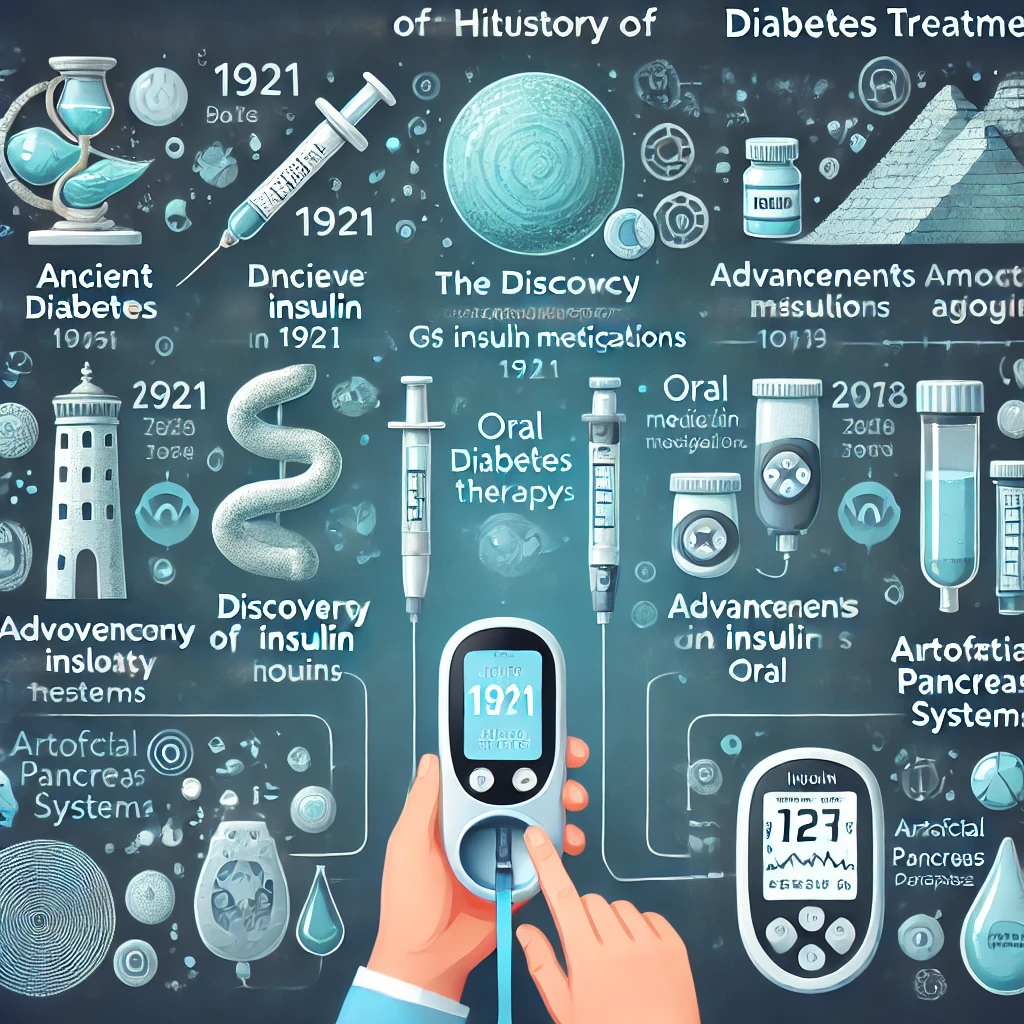
An informative infographic displaying the history of diabetes treatment, featuring a timeline from ancient remedies to modern advancements like insulin therapy, GLP-1 agonists, and AI-driven diabetes care.

Introduction

Diabetes has been a recognized condition for thousands of years, but its treatment has evolved dramatically over time. From ancient herbal remedies to the revolutionary discovery of insulin and today’s advanced therapies, the progress in diabetes management has transformed the lives of millions. Understanding this journey is crucial in appreciating modern diabetes care and its future possibilities.

In this blog, we’ll explore the evolution of diabetes management, covering key milestones in diabetes treatment, from early historical approaches to cutting-edge therapies like GLP-1 agonists and continuous glucose monitoring

Historical Diabetes Remedies

Before insulin was discovered, diabetes was often a fatal condition. Ancient civilizations attempted various treatments based on observation and trial and error.

  • Ancient Egypt (1500 BCE): The Ebers Papyrus described a condition resembling diabetes, recommending herbal mixtures and special diets.
  • Ancient India & Greece (5th Century BCE): Physicians noted excessive urination (polyuria) and used dietary changes to manage symptoms.
  • Medieval Europe & Asia: Herbal treatments, bloodletting, and restrictive diets were common, though ineffective.

These early treatments provided little relief, highlighting the urgent need for a scientific breakthrough.

The Discovery of Insulin and Its Impact

Development of Insulin Therapy

The most significant breakthrough in diabetes treatment came in the early 20th century. Before insulin, diabetes patients were often put on extremely low-carbohydrate diets, which extended life expectancy only slightly.

  • 1869: Paul Langerhans discovered clusters of pancreatic cells, later named the Islets of Langerhans.
  • 1889: Oskar Minkowski and Joseph von Mering established the connection between the pancreas and diabetes.
  • 1921: Frederick Banting and Charles Best successfully extracted insulin from the pancreas of dogs.
  • 1922: The first successful insulin injection was administered to a 14-year-old boy, Leonard Thompson, saving his life.

This discovery revolutionized diabetes care, turning a fatal disease into a manageable condition.

Milestones in Diabetes Treatment

Advancements in Diabetes Therapy

Over the decades, scientists and medical experts refined insulin therapy and introduced new treatment options.

  • 1930s-1940s: Development of longer-acting insulin preparations to improve blood sugar control.
  • 1950s-1960s: Discovery of oral diabetes medications, such as sulfonylureas, for Type 2 diabetes.
  • 1980s: Introduction of human insulin, synthesized using recombinant DNA technology.
  • 1990s: Development of insulin analogs for better blood sugar regulation.
  • 2000s-Present: Innovations like continuous glucose monitoring (CGM), insulin pumps, and GLP-1 receptor agonists to improve diabetes management.

Modern Diabetes Medications

Today, diabetes treatment is more advanced than ever, with medications tailored to different needs.

Innovations in Diabetes Care

  • Insulin Therapies: Rapid-acting, long-acting, and mixed insulins offer precise glucose control.
  • Oral Medications: Metformin remains the first-line treatment for Type 2 diabetes.
  • GLP-1 Agonists: These medications help regulate blood sugar and promote weight loss.
  • SGLT2 Inhibitors: Improve blood sugar control and protect heart and kidney health.
  • Artificial Pancreas Systems: Automated insulin delivery based on real-time glucose monitoring.

From Insulin to GLP-1 Agonists: The Future of Diabetes Treatment

With continuous advancements, the future of diabetes care is promising. Emerging treatments include:

  • Stem Cell Therapy: Potential cure by regenerating insulin-producing cells.
  • Gene Therapy: Correcting genetic defects causing diabetes.
  • Artificial Intelligence in Diabetes Care: Personalized treatment plans and predictive analytics.

These developments could redefine how diabetes is managed in the coming years.

FAQs

When was insulin first used to treat diabetes?

Insulin was first used in 1922 to treat a diabetic patient, marking the beginning of effective diabetes management.

What were early diabetes treatments before insulin?

Early treatments included strict diets, herbal remedies, and experimental procedures like bloodletting, but they were largely ineffective.

What is the latest advancement in diabetes treatment?

Recent advances include GLP-1 agonists, SGLT2 inhibitors, and artificial pancreas systems that automate insulin delivery.

Can diabetes be cured?

Currently, there is no cure for diabetes, but research in stem cell and gene therapy holds promise for future treatments.

Conclusion

The journey from historical diabetes remedies to modern diabetes medications showcases the incredible progress in medical science. The discovery of insulin was a game-changer, and ongoing research continues to bring hope to millions of people living with diabetes.

As new innovations emerge, the future of diabetes management looks brighter than ever. Stay informed, consult healthcare professionals, and explore the latest advancements in diabetes therapy for better control and quality of life.

📢 Call to Action: Share this article to spread awareness about diabetes treatment advancements! If you have any questions or insights, drop a comment below! 🚀

Posted on 2 Comments

Global Diabetes Statistics: How Common is Diabetes in 2025?

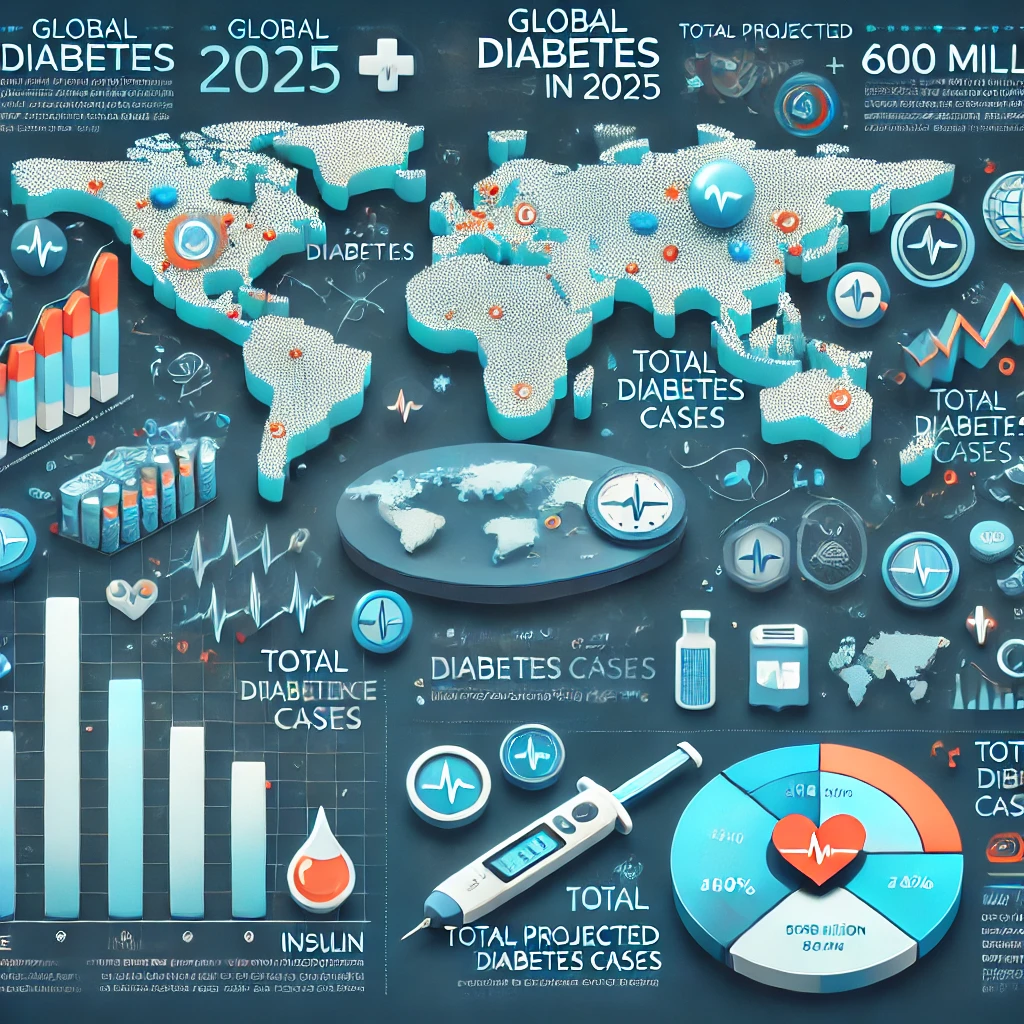
Global diabetes statistics infographic showing diabetes prevalence by region, bar graphs comparing incidence rates, and key numerical data for 2025.

Introduction

Diabetes is a growing global health concern, affecting millions of people worldwide. With rapid lifestyle changes, increasing obesity rates, and aging populations, diabetes prevalence continues to rise. But just how widespread is diabetes in 2025? Understanding the latest global diabetes statistics can help policymakers, healthcare professionals, and individuals take proactive steps in managing and preventing the disease.

In this article, we’ll explore the global diabetes prevalence in 2025, regional differences, future projections, and the impact of diabetes on healthcare systems. We’ll also highlight key factors influencing the global diabetes epidemic in 2025 and offer insights into what can be done to address this public health crisis.

Global Diabetes Prevalence 2025

Diabetes remains a significant health challenge, with its prevalence growing across all age groups and regions. According to the International Diabetes Federation (IDF) and the World Health Organization (WHO), global diabetes rates are at an all-time high.

Key Global Diabetes Statistics 2025:

  • The estimated number of diabetes cases worldwide in 2025 is expected to exceed 600 million, up from 537 million in 2021.
  • 1 in 10 adults globally is affected by diabetes.
  • Type 2 diabetes accounts for approximately 90-95% of all cases.
  • Low- and middle-income countries experience the highest increases in diabetes prevalence due to urbanization and lifestyle changes.

The rise in diabetes cases highlights the urgent need for increased awareness, early diagnosis, and lifestyle interventions.

Diabetes Statistics Worldwide 2025

Diabetes affects populations differently across continents, with some countries experiencing a more significant rise than others.

Diabetes Prevalence by Country 2025:

Country/RegionDiabetes Prevalence (Estimated % of Population)
North America11.3%
Europe8.9%
South Asia12.5%
Middle East13.7%
Africa7.1%
Latin America9.8%

Factors contributing to regional differences include genetics, lifestyle habits, healthcare accessibility, and government policies on diabetes prevention.

Projected Diabetes Cases 2025

According to diabetes prevalence forecasts, the number of people with diabetes will continue to grow due to:

  • Aging populations – Older individuals have a higher risk of developing Type 2 diabetes.
  • Urbanization and sedentary lifestyles – Increased use of technology has led to reduced physical activity.
  • Rising obesity rates – Excess weight is a primary risk factor for Type 2 diabetes.
  • Dietary changes – Increased consumption of processed and sugary foods contributes to insulin resistance.

Future Diabetes Statistics:

  • By 2045, diabetes cases could exceed 780 million worldwide if no significant preventive measures are taken.
  • Healthcare costs related to diabetes treatment and management are projected to reach over $1 trillion annually.

Diabetes Trends 2025

Several trends are shaping the future of diabetes care and prevention:

1. Increased Use of Technology in Diabetes Management

  • Continuous glucose monitoring (CGM) devices and smart insulin pumps are making diabetes management more efficient.
  • Telemedicine is improving diabetes care, especially in remote areas.

2. Government and Policy Interventions

  • Many countries are implementing sugar taxes and promoting public health campaigns to reduce diabetes risks.
  • WHO and other organizations emphasize the need for improved healthcare access and lifestyle education.

3. Greater Focus on Prevention Strategies

  • More individuals are adopting healthier diets and engaging in regular physical activity.
  • Workplace wellness programs are encouraging diabetes prevention.

Global Diabetes Epidemic 2025

Diabetes is no longer just a health issue; it’s a global epidemic affecting economies and healthcare systems worldwide.

Economic and Social Impact of Diabetes:

  • High medical expenses – Diabetes treatment, including medications and hospital visits, places a financial burden on individuals and healthcare systems.
  • Reduced productivity – People with diabetes-related complications often miss work, affecting economic growth.
  • Mental health effects – Diabetes is linked to higher rates of depression and anxiety.

With the growing burden of diabetes, proactive measures are essential to curb its impact.

How Can We Reduce Diabetes Rates?

Although the diabetes epidemic is on the rise, there are steps individuals and governments can take to slow down its progression.

1. Adopting a Healthier Lifestyle

  • Regular physical activity (at least 30 minutes per day)
  • A balanced diet rich in whole grains, lean proteins, and vegetables
  • Reducing sugar and processed food intake

2. Regular Health Screenings

  • Early detection of prediabetes can help prevent Type 2 diabetes.
  • Routine blood sugar monitoring for high-risk individuals.

3. Government Policies and Community Programs

  • More funding for diabetes research and education.
  • Community fitness programs and dietary awareness campaigns.

By implementing these strategies, we can reduce the incidence of diabetes and improve global health.

FAQs

1. How many people have diabetes worldwide in 2025?

Approximately 600 million people globally are estimated to have diabetes in 2025.

2. What is the leading cause of Type 2 diabetes in 2025?

Poor diet, obesity, and a sedentary lifestyle remain the top causes of Type 2 diabetes in 2025.

3. Which country has the highest diabetes prevalence in 2025?

South Asian and Middle Eastern countries have some of the highest diabetes prevalence rates, with rates exceeding 12-13% in certain regions.

4. Can diabetes be reversed?

While Type 1 diabetes is not reversible, Type 2 diabetes can often be managed or even put into remission through diet, exercise, and weight loss.

5. How can I prevent diabetes?

  • Maintain a healthy weight
  • Eat a balanced, low-sugar diet
  • Exercise regularly
  • Monitor blood sugar levels if at risk

Conclusion

The global diabetes epidemic in 2025 is a serious concern, affecting millions worldwide. By understanding the latest diabetes statistics worldwide, we can take action to reduce risk factors, improve healthcare access, and implement effective prevention strategies.

Governments, healthcare organizations, and individuals must work together to tackle the growing burden of diabetes. Are you taking steps to prevent diabetes? Share your thoughts in the comments below!

Call to Action:

📩 Subscribe for more health updates! | 📖 Download our free guide on diabetes prevention.

References:

Posted on 5 Comments

Type 1 vs. Type 2 Diabetes: Key Differences You Must Know

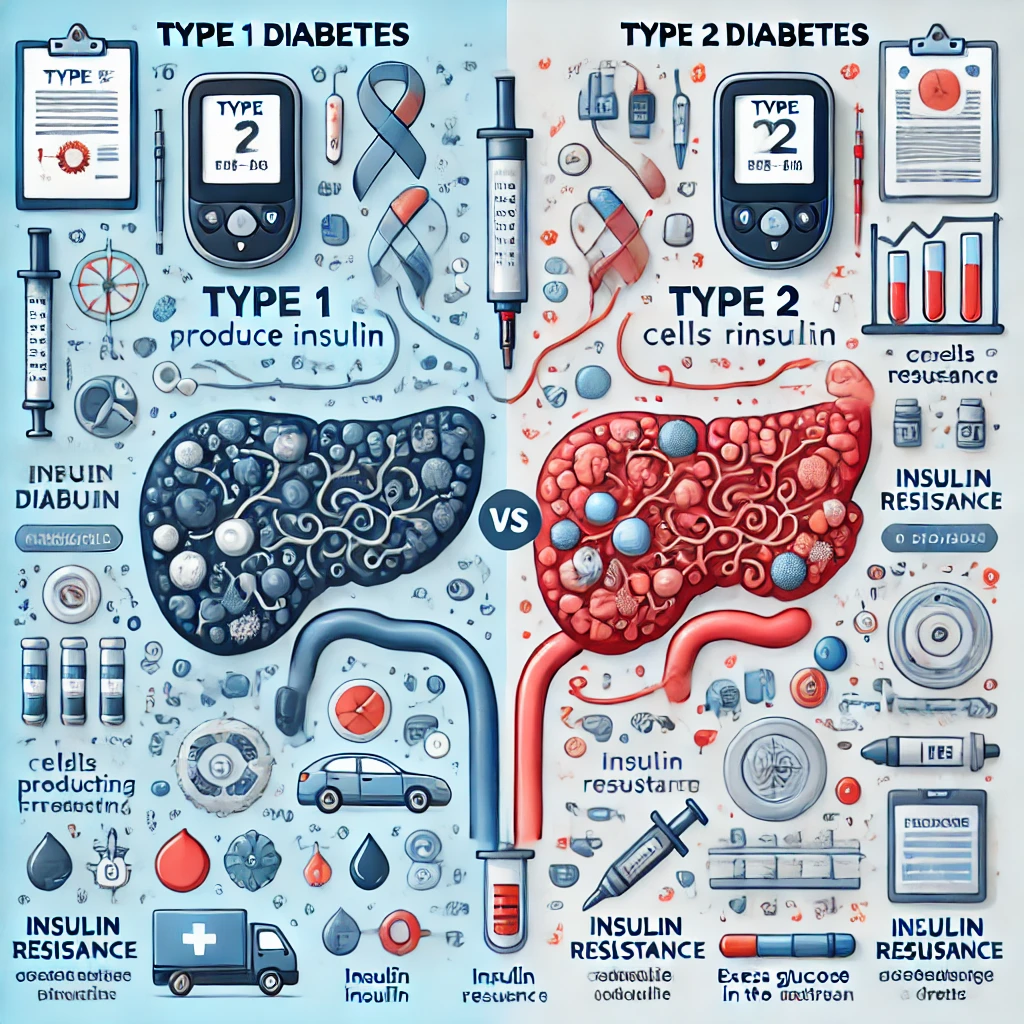
Infographic illustrating the differences between Type 1 and Type 2 diabetes, showing insulin production and resistance, along with medical icons like glucose monitors and insulin syringes

Introduction

Diabetes is a widespread health condition affecting millions of people worldwide. However, not all diabetes is the same. The two primary types, Type 1 and Type 2 diabetes, have distinct causes, symptoms, and treatments. Understanding these differences is crucial for proper management, early diagnosis, and improved quality of life.

If you’ve ever wondered, “Which is worse: Type 1 or Type 2 diabetes?” or “Is Type 1 or Type 2 diabetes genetic?”, this guide will provide clarity. We’ll break down the Type 1 vs Type 2 diabetes differences, covering causes, symptoms, treatments, and everything you need to know for better diabetes awareness.

Type 1 vs Type 2 Diabetes Differences

While both types of diabetes involve high blood sugar levels, the underlying causes and management approaches vary significantly. Here’s a quick comparison:

FeatureType 1 DiabetesType 2 Diabetes
CauseAutoimmune response destroys insulin-producing cellsBody becomes resistant to insulin or doesn’t produce enough
Onset AgeOften diagnosed in childhood or adolescenceTypically develops in adults over 40 but increasingly seen in younger people
Insulin DependencyRequires lifelong insulin therapyMay be managed with diet, exercise, and medication before needing insulin
ReversibilityNot reversibleCan be managed and even put into remission with lifestyle changes
Genetic LinkSome genetic predispositions, but mostly autoimmuneStrong genetic component along with lifestyle factors

Type 1 vs Type 2 Diabetes Symptoms

The symptoms of both types can overlap, but some key differences exist.

Common Symptoms of Type 1 and Type 2 Diabetes:

  • Frequent urination (polyuria)
  • Excessive thirst (polydipsia)
  • Unexplained weight loss
  • Fatigue and weakness
  • Blurred vision

Unique Symptoms:

  • Type 1 Diabetes: Rapid weight loss, extreme fatigue, and diabetic ketoacidosis (DKA) risk.
  • Type 2 Diabetes: Slow onset, numbness or tingling in hands and feet, frequent infections, and slow-healing wounds.

Type 1 vs Type 2 Diabetes Causes

What Causes Type 1 Diabetes?

Type 1 diabetes is an autoimmune disorder where the immune system mistakenly attacks insulin-producing beta cells in the pancreas. Scientists believe a combination of genetic factors and environmental triggers (such as viral infections) may contribute to this condition.

What Causes Type 2 Diabetes?

Type 2 diabetes develops due to insulin resistance, where the body’s cells don’t respond to insulin properly. Over time, the pancreas struggles to produce enough insulin to keep blood sugar levels stable.

Risk factors for Type 2 diabetes include:

  • Genetics (family history)
  • Obesity and sedentary lifestyle
  • Poor diet high in processed sugars and unhealthy fats
  • Age (risk increases after 40 but is rising in younger populations)
  • High blood pressure and cholesterol

How to Diagnose Type 1 vs Type 2 Diabetes

A proper diagnosis is essential for effective treatment. Doctors typically use the following tests:

  • Fasting Blood Sugar Test – Measures blood sugar levels after fasting.
  • A1C Test – Provides an average blood sugar level over the past 2-3 months.
  • Oral Glucose Tolerance Test (OGTT) – Evaluates how the body processes sugar.
  • Autoantibody Tests – Help distinguish Type 1 from Type 2 by detecting immune system markers.
  • C-Peptide Test – Determines how much insulin the body is producing.

Type 1 vs Type 2 Diabetes Treatment

Type 1 Diabetes Treatment:

  • Daily insulin injections or insulin pump therapy.
  • Continuous glucose monitoring (CGM) for better blood sugar tracking.
  • Carbohydrate counting to manage insulin intake.
  • Regular exercise and a balanced diet.

Type 2 Diabetes Treatment:

  • Lifestyle changes (healthy diet, weight management, and physical activity).
  • Oral medications like Metformin to improve insulin sensitivity.
  • Insulin therapy (for advanced cases).
  • Blood sugar monitoring and periodic doctor check-ups.

Which is Worse: Type 1 or Type 2 Diabetes?

Both conditions require careful management, but neither is necessarily “worse” than the other.

  • Type 1 diabetes has a sudden onset and requires lifelong insulin therapy, making it more challenging to manage daily.
  • Type 2 diabetes can often be managed through lifestyle changes, but if left uncontrolled, it can lead to severe complications such as heart disease, kidney failure, and neuropathy.

Difference Between Type 1 and Type 2 Diabetes PDF

For those who prefer a printable reference, you can find a Difference Between Type 1 and Type 2 Diabetes PDF from reputable health sources such as the American Diabetes Association (ADA) or WHO

FAQs

Is Type 1 or Type 2 Diabetes Genetic?

Both types have a genetic component but Type 2 diabetes has a stronger hereditary link. If a close relative has Type 2 diabetes, your risk increases significantly. Type 1 diabetes is linked to immune system factors rather than direct inheritance.

Can Type 2 Diabetes Turn into Type 1?

No, Type 2 diabetes cannot turn into Type 1. They are separate conditions with different causes. However, advanced Type 2 diabetes may require insulin therapy similar to Type 1 diabetes.

How Can I Prevent Type 2 Diabetes?

  • Maintain a healthy weight
  • Follow a balanced, low-sugar diet
  • Exercise regularly
  • Monitor blood sugar levels if at risk

Do Type 1 and Type 2 Diabetes Have the Same Complications?

Yes, both types can lead to complications like nerve damage, kidney disease, vision problems, and heart disease if poorly managed.

Conclusion

Understanding the Type 1 and Type 2 diabetes comparison is essential for better awareness and management. While both require medical attention, lifestyle changes can significantly impact Type 2 diabetes, whereas Type 1 diabetes requires lifelong insulin therapy.

If you or a loved one is dealing with diabetes, consult a healthcare provider for a personalized treatment plan. Stay informed, take proactive steps, and share this information to raise awareness!

Call to Action:

💬 Do you have questions about diabetes? Drop them in the comments below! 📩 Subscribe to our newsletter for more health tips and updates. 📖 Download our free “Difference Between Type 1 and Type 2 Diabetes PDF” for easy reference.

Posted on 1 Comment

“انسولین تھراپی کو سمجھنا: ذیابیطس کے انتظام کے لیے ابتدائی رہنمائی”

تعریف


جب آپ کو یہ خبر ملتی ہے کہ آپ کو ذیابیطس کی تشخیص ہوئی ہے اور آپ کو انسولین تھراپی شروع کرنے کی ضرورت ہے تو اپنی حالت کو منظم کرنا ایک پیچیدہ کام محسوس ہو سکتا ہے۔ انسولین تھراپی ایک مؤثر آلہ ہے جو آپ کو اپنے خون کی شوگر کی سطحوں کو مؤثر طریقے سے منظم کرنے میں مدد کر سکتی ہے اور آپ کو مجموعی طور پر ایک متوازن زندگی گزارنے میں مدد دیتی ہے۔ یہ جاننا کہ انسولین کس طرح کام کرتی ہے اور اسے مؤثر طریقے سے کیسے استعمال کیا جائے، آپ کی زندگی میں ایک بڑا فرق ڈال سکتا ہے، چاہے وہ ذیابیطس کی کوئی بھی قسم ہو، جیسے ٹائپ 1، ٹائپ 2 یا حمل کے دوران ذیابیطس۔

انسولین وہ ضروری ہارمون ہے جو خون کی شوگر کی سطحوں کو کنٹرول کرتا ہے۔ ذیابیطس کے مریضوں کا جسم یا تو انسولین کی ناکافی مقدار پیدا کرتا ہے یا اسے مؤثر طریقے سے استعمال کرنے سے قاصر ہوتا ہے۔ انسولین کا علاج آپ کے جسم کو اس کی ضرورت کے مطابق انسولین فراہم کر کے مناسب خون کی شوگر کی سطح کو برقرار رکھنے میں مدد کرتا ہے۔

اس ابتدائی رہنما میں، ہم آپ کو انسولین تھراپی، انسولین کی مقدار، انسولین کی ایڈجسٹمنٹ اور اس کے استعمال کے بارے میں تمام ضروری معلومات فراہم کریں گے۔ ہم آپ کو وہ قیمتی معلومات فراہم کریں گے جو آپ کو اپنی ذیابیطس کی دیکھ بھال پر قابو پانے کے لیے جاننی ضروری ہیں، یہ رہنما آپ کو اپنے ذیابیطس کے انتظام پر قابو پانے کے لیے علم سے بااختیار بنائے گا۔ تو شروع کرتے ہیں!

انسولین کیا ہے؟


انسولین ایک ہارمون ہے جو پینکریاس (لبلبے) کے ذریعہ پیدا ہوتا ہے۔ یہ خون کی شوگر کی سطح کو باقاعدہ کرنے میں ضروری ہے۔ انسولین کو ایک “چابی” سمجھیں جو آپ کے خلیات کو کھولنے کے لیے استعمال ہوتی ہے، تاکہ گلوکوز اندر جا سکے اور ایندھن کے طور پر استعمال ہو سکے۔ انسولین کی غیر موجودگی میں خون کی شوگر خلیات میں داخل نہیں ہو پاتی، جس کی وجہ سے خون میں گلوکوز کی سطحیں بہت زیادہ ہو جاتی ہیں۔

انسولین کس طرح کام کرتی ہے؟


جب آپ کچھ کھاتے ہیں تو آپ کے کھانے سے کاربوہائیڈریٹس گلوکوز میں ٹوٹ جاتے ہیں اور خون میں شامل ہو جاتے ہیں۔ یہ گلوکوز پینکریاس کو سگنل بھیجتا ہے کہ وہ انسولین جاری کرے تاکہ یہ گلوکوز خلیات میں داخل ہو سکے۔ یہ گلوکوز خلیات کے ذریعے استعمال ہوتا ہے یا مستقبل کے لیے ذخیرہ کیا جاتا ہے۔ انسولین جگر کو اضافی گلوکوز کو گلیکوجن کی شکل میں ذخیرہ کرنے کے لیے بھی سگنل بھیجتی ہے، تاکہ خون کی شوگر کی سطحوں کو زیادہ نہ بڑھنے دیا جا سکے۔

جب انسولین ناکافی یا غیر مؤثر ہو تو کیا ہوتا ہے؟


ٹائپ 1 ذیابیطس میں جسم انسولین کی کافی مقدار پیدا نہیں کرتا جبکہ ٹائپ 2 ذیابیطس میں جسم انسولین کے خلاف مزاحمت کرتا ہے۔ جب جسم میں انسولین نہیں ہوتی یا جسم اسے مؤثر طریقے سے استعمال نہیں کر پاتا تو گلوکوز خون میں جمع ہو جاتا ہے جس سے ہائپرگلیسیمیا ہوتا ہے۔ وقت گزرنے کے ساتھ یہ ہائپرگلیسیمیا سنگین پیچیدگیاں پیدا کر سکتا ہے، جیسے اعصابی نقصان، گردے کی بیماریاں، اور قلبی مسائل۔

انسولین کی اقسام


انسولین کی مختلف اقسام کی مختلف آغاز، عروج اور دورانیہ کی مدت ہوتی ہے، جو خون کی شوگر کی سطحوں کو پورے دن میں قابو کرنے میں لچک فراہم کرتی ہے۔ یہاں انسولین کی اہم اقسام کی تفصیل دی گئی ہے:

  • رپڈ ایکٹنگ انسولین
    آغاز: 10-20 منٹ
    عروج: 1-3 گھنٹے
    دورانیہ: 3-5 گھنٹے
    مثالیں: انسولین لِسپرو (ہومیلاگ)، انسولین اسپارٹ (نوولوگ)، انسولین گلیوسین (ایپیڈرا)
    استعمال: کھانے سے پہلے یا بعد میں خون کی شوگر میں اضافے کو کنٹرول کرنے کے لیے۔
  • شورٹ ایکٹنگ انسولین (ریگولر انسولین)
    آغاز: 30 منٹ
    عروج: 2-4 گھنٹے
    دورانیہ: 6-8 گھنٹے
    مثالیں: ہیومولن آر، نوولن آر
    استعمال: عام طور پر کھانے سے 30 منٹ پہلے خون کی شوگر کو کھانے اور سنیکس کے دوران منظم کرنے کے لیے۔
  • انٹرمیڈیٹ ایکٹنگ انسولین (این پی ایچ انسولین)
    آغاز: 1-2 گھنٹے
    عروج: 4-12 گھنٹے
    دورانیہ: 12-18 گھنٹے
    مثالیں: ہیومولن این، نوولن این
    استعمال: تقریباً آدھے دن یا رات بھر کے لیے پس منظر انسولین فراہم کرتی ہے۔
  • لانگ ایکٹنگ انسولین
    آغاز: 1-2 گھنٹے
    عروج: کم سے کم یا کوئی عروج نہیں
    دورانیہ: 24 گھنٹے یا اس سے زیادہ
    مثالیں: انسولین گلارگین (لانٹس، باسگلر، ٹوجیو)، انسولین ڈیٹیمیر (لیویمیر)، انسولین ڈیگلوڈیک (ٹریسیبا)
    استعمال: دن اور رات بھر میں انسولین کی ایک مستقل سطح فراہم کرتی ہے، جو جسم کی بیسل انسولین پیداوار کی نقل کرتی ہے۔

انسولین تھراپی کو مؤثر طریقے سے منظم کرنے کے لیے نکات


انسولین تھراپی کو مؤثر طریقے سے منظم کرنا ذیابیطس کو کنٹرول کرنے اور صحت مند طرز زندگی کو برقرار رکھنے کے لیے کلیدی ہے۔ آپ کو صحیح راستے پر رہنے میں مدد کے لیے کچھ عملی نکات یہ ہیں:

  • اپنے ڈاکٹر کے منصوبے پر عمل کریں
  • خون کی شوگر کو باقاعدگی سے مانیٹر کریں
  • انجیکشن کے مقامات تبدیل کریں
  • متوازن غذا کھائیں
  • ہائپوگلیسیمیا کے لیے تیار رہیں
  • انسولین کو صحیح طریقے سے ذخیرہ کریں
  • ایک سپورٹ سسٹم بنائیں

انسولین تھراپی کے بارے میں کچھ مشہور غلط فہمیاں

  • انسولین کا مطلب ہے کہ میری ذیابیطس خراب ہو گئی ہے: اگر آپ کو انسولین کی ضرورت ہے تو اس کا مطلب یہ نہیں کہ آپ کی ذیابیطس کسی بدترین مرحلے میں ہے، یہ ٹائپ 1 ذیابیطس کا آغاز ہو سکتا ہے۔
  • انسولین وزن بڑھاتی ہے: ہاں، لوگ عام طور پر انسولین تھراپی کے آغاز میں وزن بڑھاتے ہیں، لیکن یہ اس وجہ سے ہو سکتا ہے کہ ان کا جسم انسولین کو بہتر طریقے سے استعمال کر رہا ہے۔
  • انسولین کے انجیکشن دردناک ہوتے ہیں: ٹیکنالوجی کی ترقی کی وجہ سے نئے انجیکشن پہلے کی نسبت بہت کم دردناک ہیں۔
  • انسولین عادت بناتی ہے: یہ ایک قدرتی ہارمون ہے جو پینکریاس سے پیدا ہوتا ہے اور صرف اس صورت میں درکار ہوتا ہے جب جسم اسے مؤثر طریقے سے پیدا نہیں کر پا رہا۔

نتیجہ


انسولین تھراپی ذیابیطس کے انتظام میں اہم کردار ادا کرتی ہے، یہ خون کی شوگر کی سطحوں کو کنٹرول کرنے اور پیچیدگیوں کو روکنے کا ایک طریقہ فراہم کرتی ہے۔ چاہے آپ کو ٹائپ 1 یا ٹائپ 2 ذیابیطس ہو، انسولین کے کام کرنے کا طریقہ سمجھنا آپ کے لیے فائدہ مند ہے۔

عام سوالات (FAQs)

  • کیا مجھے ہمیشہ کے لیے انسولین کی ضرورت ہوگی؟
    جی ہاں، ٹائپ 1 ذیابیطس میں لیکن ٹائپ 2 ذیابیطس میں آپ کو ایک مختصر عرصے کے لیے یا ہمیشہ کے لیے ضرورت ہو سکتی ہے، جو بیماری کی حالت پر منحصر ہے۔
  • کیا میں انسولین کو روک سکتا ہوں اگر میری خون کی شوگر بہتر ہو؟
    اس کے لیے آپ کو صحت کی دیکھ بھال کرنے والے کے مشورے کی ضرورت ہوگی، آپ خود سے یہ نہیں کر سکتے۔
  • انسولین تھراپی کے کیا سائیڈ افیکٹس ہو سکتے ہیں؟
    انسولین تھراپی کی وجہ سے ہائپوگلیسیمیا، وزن کا بڑھنا، انجیکشن کے مقامات پر ردعمل اور الرجی ہو سکتی ہیں، لیکن یہ مناسب دیکھ بھال اور طبی رہنمائی سے قابل انتظام ہیں۔
  • کیا انسولین تھراپی صرف ٹائپ 1 ذیابیطس کے لیے ہے؟
    نہیں، انسولین تھراپی ٹائپ 2 ذیابیطس میں بھی استعمال کی جاتی ہے، خاص طور پر جب دوسرے علاج خون کی شوگر کو کنٹرول کرنے کے لیے کافی نہیں ہوتے۔
Posted on 2 Comments

“Comprendre la thérapie à l’insuline : Un guide pour débutants de la gestion du diabète”

Introduction


Lorsque vous apprenez pour la première fois que vous êtes diagnostiqué diabétique et qu’on vous dit que vous devez commencer une thérapie à l’insuline, la gestion de votre condition peut sembler accablante. La thérapie à l’insuline est un outil efficace qui peut vous aider à gérer vos niveaux de sucre dans le sang de manière efficace et vous aide à mener une vie plus équilibrée dans l’ensemble. Savoir comment l’insuline fonctionne et comment l’utiliser efficacement peut faire une grande différence, peu importe le type de diabète, qu’il soit de type 1, de type 2 ou gestationnel.

L’insuline est l’hormone essentielle pour contrôler les niveaux de sucre dans le sang. Le corps des diabétiques produit soit une quantité insuffisante d’insuline, soit est incapable de l’utiliser efficacement. Le traitement par insuline peut aider votre corps à maintenir des niveaux adéquats de sucre dans le sang en complétant ou en remplaçant l’insuline nécessaire.

Dans ce guide pour débutants, nous vous dirons tout ce que vous devez savoir sur la thérapie à l’insuline, le dosage de l’insuline, l’ajustement de l’insuline et la manière dont elle est administrée. Nous vous fournirons des informations précieuses pour prendre le contrôle de votre prise en charge du diabète. Ce guide vous donnera les connaissances nécessaires pour gérer efficacement votre diabète. Commençons !

Qu’est-ce que l’insuline ?


L’insuline est une hormone produite par le pancréas. Elle est vitale pour réguler les niveaux de sucre dans le sang. Imaginez l’insuline comme la “clé” utilisée pour ouvrir vos cellules, permettant au glucose d’y entrer et d’être utilisé comme carburant. En l’absence d’insuline, le sucre dans le sang ne pénètre pas dans les cellules, entraînant des niveaux élevés de glucose dans le sang.

Comment fonctionne l’insuline


Lorsque vous mangez quelque chose, les glucides de votre nourriture sont décomposés en glucose et pénètrent dans le sang. Ce glucose envoie des signaux au pancréas pour libérer de l’insuline afin d’aider ce glucose à pénétrer dans les cellules. Ce glucose est soit utilisé par les cellules, soit stocké pour un usage ultérieur. L’insuline signale également au foie de stocker l’excès de glucose sous forme de glycogène pour un usage futur, ce qui empêche les niveaux de sucre dans le sang de devenir trop élevés.

Que se passe-t-il lorsque l’insuline est insuffisante ou inefficace ?

Chez les personnes atteintes de diabète de type 1, le corps ne produit pas suffisamment d’insuline, tandis que dans le diabète de type 2, le corps devient résistant à l’insuline. Sans insuline dans le corps ou lorsque le corps ne peut pas l’utiliser correctement, le glucose s’accumule dans le sang, entraînant une hyperglycémie. Au fil du temps, cette hyperglycémie peut provoquer des complications graves, telles que des lésions nerveuses, des maladies rénales et des problèmes cardiovasculaires.

Types d’insuline

Les différents types d’insuline ont des périodes d’apparition, de pic et de durée différentes, ce qui permet une certaine flexibilité dans le contrôle des niveaux de sucre dans le sang tout au long de la journée. Voici un aperçu des principaux types d’insuline :

Insuline à action rapide

  • Apparition : 10 à 20 minutes
  • Pic : 1 à 3 heures
  • Durée : 3 à 5 heures
  • Exemples : Insuline lispro (Humalog), Insuline aspart (NovoLog), Insuline glulisine (Apidra)
  • Utilisation : Prise juste avant ou après les repas pour contrôler les pics de sucre dans le sang causés par l’alimentation.

Insuline à action rapide (Insuline régulière)

  • Apparition : 30 minutes
  • Pic : 2 à 4 heures
  • Durée : 6 à 8 heures
  • Exemples : Humulin R, Novolin R
  • Utilisation : Prise généralement 30 minutes avant les repas pour gérer la glycémie pendant les repas et les collations.

Insuline à action intermédiaire (Insuline NPH)

  • Apparition : 1 à 2 heures
  • Pic : 4 à 12 heures
  • Durée : 12 à 18 heures
  • Exemples : Humulin N, Novolin N
  • Utilisation : Fournit une couverture de fond pendant environ la moitié de la journée ou toute la nuit.

Insuline à action prolongée

  • Apparition : 1 à 2 heures
  • Pic : Minimal ou aucun pic
  • Durée : Jusqu’à 24 heures ou plus
  • Exemples : Insuline glargine (Lantus, Basaglar, Toujeo), Insuline detemir (Levemir), Insuline degludec (Tresiba)
  • Utilisation : Fournit un niveau constant d’insuline toute la journée et la nuit, imitant la production d’insuline basale du corps.

Insuline ultra-longue action

  • Apparition : 1 à 2 heures
  • Pic : Minimal ou aucun pic
  • Durée : Jusqu’à 42 heures
  • Exemples : Insuline degludec (Tresiba)
  • Utilisation : Offre une couverture prolongée pour ceux qui ont besoin de niveaux d’insuline constants pendant une période plus longue.

Insuline prémélangée

  • Apparition : Variable (combinaison d’insuline à action rapide/rapide et d’insuline à action intermédiaire)
  • Pic : Variable
  • Durée : Variable
  • Exemples : Humulin 70/30, Novolog Mix 70/30
  • Utilisation : Combine deux types d’insuline pour fournir à la fois une couverture pendant les repas et de fond, souvent pour plus de commodité.

Conseils pour gérer la thérapie à l’insuline

Gérer la thérapie à l’insuline de manière efficace est essentiel pour contrôler le diabète et maintenir un mode de vie sain. Voici quelques conseils pratiques pour vous aider à rester sur la bonne voie :

  • Suivez le plan de votre médecin
  • Surveillez régulièrement votre glycémie
  • Faites pivoter les sites d’injection
  • Mangez une alimentation équilibrée
  • Préparez-vous à l’hypoglycémie
  • Stockez l’insuline correctement
  • Construisez un système de soutien

Conseils de mode de vie pour une thérapie à l’insuline efficace
Gérer le diabète ne nécessite pas seulement des injections d’insuline, cela nécessite des changements réfléchis dans le mode de vie pour s’assurer que les niveaux de sucre dans le sang sont sous contrôle et que la personne reste en bonne santé en évitant les effets nuisibles de l’hyperglycémie. Voici quelques conseils pratiques pour vous aider à tirer le meilleur parti de votre thérapie à l’insuline :

  • Suivez un régime équilibré
  • Restez physiquement actif
  • Surveillez régulièrement vos niveaux de sucre dans le sang
  • Gérez le stress
  • Priorisez le sommeil
  • Restez hydraté
  • Soyez préparé pour les urgences (c’est-à-dire emportez des en-cas, éduquez vos proches, etc.)
  • Restez constant avec l’insuline

Mythes et faits sur la thérapie à l’insuline

L’insuline signifie que mon diabète est plus grave : Si vous avez besoin d’insuline, cela ne signifie pas que votre diabète est à un stade plus grave, cela peut être le début du diabète de type 1. Le diabète de type 1 et de type 2 peuvent nécessiter de l’insuline à différents stades.
L’insuline cause une prise de poids : Oui, les gens prennent généralement du poids au début de la thérapie à l’insuline, cela peut être parce que leur corps utilise mieux l’insuline. Si vous prenez soin de votre alimentation et faites de l’exercice régulièrement, cela peut être géré efficacement.
Les injections d’insuline sont douloureuses : Avec les progrès de la technologie, les nouvelles injections sont beaucoup moins douloureuses que ce à quoi les gens s’attendent.
L’insuline est addictive : C’est une hormone naturelle produite par le pancréas et nécessaire uniquement lorsque le corps ne la produit pas en quantité suffisante pour réguler efficacement les niveaux de sucre dans le sang.
L’insuline est uniquement pour le diabète de type 1 : La thérapie à l’insuline est nécessaire pour toutes les personnes atteintes de diabète de type 1, mais aussi à certains stades du diabète de type 2, surtout à mesure que la condition progresse.
Les remèdes naturels peuvent remplacer l’insuline : Les changements de mode de vie aident à la régulation de la thérapie à l’insuline, mais ils ne suffisent pas à remplacer l’insuline.

Conclusion

La thérapie à l’insuline joue un rôle important dans la gestion du diabète, offrant un moyen de réguler les niveaux de sucre dans le sang et de prévenir les complications. Que vous ayez le diabète de type 1 ou de type 2, comprendre comment l’insuline fonctionne est bénéfique pour vous.

Démystifier les mythes courants et adopter des changements de mode de vie comme une alimentation équilibrée, l’exercice régulier et la gestion du stress, la thérapie à l’insuline consiste à plus que de simples injections. Vous devez toujours démystifier les mythes courants et comprendre les vrais faits derrière.

Rappelez-vous, vous n’êtes pas seul dans ce voyage. Avec les bonnes connaissances, le soutien et les conseils, vous pouvez gérer efficacement votre diabète et vivre une vie saine et épanouie. Si vous avez des questions ou des préoccupations concernant la thérapie à l’insuline, n’hésitez pas à contacter votre médecin ou votre éducateur en diabète.

Faites le premier pas aujourd’hui – adoptez la thérapie à l’insuline comme un allié puissant dans votre gestion du diabète !

Questions fréquemment posées (FAQ)


Aurais-je besoin d’insuline pour toujours ?
Oui, en cas de diabète de type 1, mais en cas de diabète de type 2, vous pourriez en avoir besoin pendant une période plus courte ou, dans certains cas, à vie, selon l’état de la maladie.

Puis-je arrêter l’insuline si ma glycémie s’améliore ?
Pour cela, vous devez obtenir l’avis d’un professionnel de la santé, vous ne pouvez pas arrêter cela de manière autonome.

Quels sont les effets secondaires de la thérapie à l’insuline ?
La thérapie à l’insuline peut provoquer des effets secondaires tels que l’hypoglycémie, la prise de poids, des réactions au site d’injection et des réponses allergiques, mais ces effets sont gérables avec des soins appropriés et des conseils médicaux.

La thérapie à l’insuline est-elle uniquement pour le diabète de type 1 ?
Non, la thérapie à l’insuline est également utilisée pour le diabète de type 2, surtout lorsque les autres traitements ne suffisent pas à contrôler la glycémie.

Posted on Leave a comment

ইনসুলিন থেরাপি বোঝা: ডায়াবেটিস ব্যবস্থাপনার জন্য একটি শুরু করার গাইড

ভূমিকা

যখন প্রথম জানতে পারেন যে আপনার ডায়াবেটিস হয়েছে এবং ইনসুলিন থেরাপি শুরু করতে হবে, তখন এটি সামলানো খুব কঠিন মনে হতে পারে। ইনসুলিন থেরাপি হল একটি কার্যকর পদ্ধতি, যা আপনার রক্তে শর্করার মাত্রা নিয়ন্ত্রণ করতে সাহায্য করে এবং আপনাকে একটি সুস্থ জীবনযাপন করতে সহায়তা করে। ইনসুলিন কীভাবে কাজ করে এবং এটি কীভাবে সঠিকভাবে ব্যবহার করতে হয় তা জানা খুবই গুরুত্বপূর্ণ, তা সে টাইপ ১, টাইপ ২ বা গর্ভকালীন ডায়াবেটিস যাই হোক না কেন।

ইনসুলিন হল রক্তে শর্করা নিয়ন্ত্রণের জন্য প্রয়োজনীয় একটি হরমোন। ডায়াবেটিস রোগীদের শরীর হয় যথেষ্ট পরিমাণ ইনসুলিন উৎপাদন করতে পারে না, নয়তো এটি কার্যকরভাবে ব্যবহার করতে পারে না। ইনসুলিন থেরাপির মাধ্যমে শরীরের প্রয়োজনীয় ইনসুলিনের ঘাটতি পূরণ করা যায় এবং রক্তে শর্করার স্তর নিয়ন্ত্রণে রাখা সম্ভব হয়।

এই গাইডে, আমরা ইনসুলিন থেরাপি, ডোজ, সামঞ্জস্যকরণ এবং এটি কীভাবে নেওয়া হয় সে সম্পর্কে বিস্তারিত আলোচনা করব। এটি আপনাকে ডায়াবেটিস ব্যবস্থাপনায় আত্মবিশ্বাসী হতে সাহায্য করবে। তাহলে চলুন শুরু করা যাক!

ইনসুলিন কী?

ইনসুলিন হল অগ্ন্যাশয় (প্যানক্রিয়াস) দ্বারা উৎপাদিত একটি হরমোন, যা রক্তে শর্করার মাত্রা নিয়ন্ত্রণ করতে গুরুত্বপূর্ণ ভূমিকা রাখে। এটি এক ধরনের “চাবি” যা কোষগুলোর দরজা খুলতে সাহায্য করে, যাতে গ্লুকোজ কোষের ভেতরে প্রবেশ করতে পারে এবং শক্তি হিসেবে ব্যবহৃত হয়। যদি ইনসুলিনের অভাব ঘটে, তাহলে গ্লুকোজ কোষের ভিতরে প্রবেশ করতে পারে না এবং রক্তে অতিরিক্ত গ্লুকোজ জমা হতে থাকে।

ইনসুলিন কীভাবে কাজ করে?

যখন আপনি কোনো খাবার খান, তখন খাবারে থাকা কার্বোহাইড্রেট ভেঙে গ্লুকোজ তৈরি হয় এবং এটি রক্তে প্রবেশ করে। তখন অগ্ন্যাশয় ইনসুলিন নিঃসরণ করে, যা এই গ্লুকোজকে কোষে প্রবেশ করিয়ে শক্তিতে রূপান্তরিত করে।

এছাড়াও, ইনসুলিন লিভারকে বাড়তি গ্লুকোজকে গ্লাইকোজেনে পরিণত করে সংরক্ষণ করতে বলে, যাতে রক্তে শর্করার মাত্রা অতিরিক্ত না বেড়ে যায়।

যদি ইনসুলিন পর্যাপ্ত না হয় বা কাজ না করে তাহলে কী হয়?

  • টাইপ ১ ডায়াবেটিসে, শরীর পর্যাপ্ত ইনসুলিন উৎপাদন করতে পারে না।
  • টাইপ ২ ডায়াবেটিসে, শরীর ইনসুলিন প্রতিরোধী হয়ে পড়ে, যার ফলে ইনসুলিন সঠিকভাবে কাজ করতে পারে না।

এতে রক্তে অতিরিক্ত গ্লুকোজ জমা হয়, যা হাইপারগ্লাইসেমিয়া (রক্তে উচ্চ শর্করার মাত্রা) সৃষ্টি করতে পারে। দীর্ঘমেয়াদে এটি স্নায়ু ক্ষতি, কিডনি রোগ এবং হৃদরোগের ঝুঁকি বাড়ায়।

ইনসুলিনের প্রকারভেদ

বিভিন্ন ধরণের ইনসুলিনের শুরু, শীর্ষ এবং স্থায়ীত্ব সময় আলাদা হয়। এখানে ইনসুলিনের প্রধান ধরণগুলোর সংক্ষিপ্ত বিবরণ দেওয়া হলো:

১. র‍্যাপিড-অ্যাক্টিং ইনসুলিন

  • শুরু: ১০-২০ মিনিট
  • শীর্ষ: ১-৩ ঘণ্টা
  • স্থায়ীত্ব: ৩-৫ ঘণ্টা
  • উদাহরণ: ইনসুলিন লিসপ্রো (হুমালগ), ইনসুলিন অ্যাসপার্ট (নোভোলগ)
  • ব্যবহার: খাবারের আগে বা পরে নেওয়া হয়।

২. শর্ট-অ্যাক্টিং ইনসুলিন (নিয়মিত ইনসুলিন)

  • শুরু: ৩০ মিনিট
  • শীর্ষ: ২-৪ ঘণ্টা
  • স্থায়ীত্ব: ৬-৮ ঘণ্টা
  • উদাহরণ: হুমুলিন আর, নভোলিন আর
  • ব্যবহার: সাধারণত খাবারের ৩০ মিনিট আগে নেওয়া হয়।

৩. ইন্টারমিডিয়েট-অ্যাক্টিং ইনসুলিন (NPH ইনসুলিন)

  • শুরু: ১-২ ঘণ্টা
  • শীর্ষ: ৪-১২ ঘণ্টা
  • স্থায়ীত্ব: ১২-১৮ ঘণ্টা
  • উদাহরণ: হুমুলিন এন, নভোলিন এন
  • ব্যবহার: দীর্ঘ সময়ের জন্য রক্তে শর্করা নিয়ন্ত্রণ করে।

৪. লং-অ্যাক্টিং ইনসুলিন

  • শুরু: ১-২ ঘণ্টা
  • শীর্ষ: কোনো নির্দিষ্ট শীর্ষ নেই
  • স্থায়ীত্ব: ২৪ ঘণ্টা বা তার বেশি
  • উদাহরণ: ল্যান্টাস, লেভেমির, ট্রেসিবা
  • ব্যবহার: সারাদিন রক্তে শর্করার স্থিতিশীল মাত্রা বজায় রাখে।

ইনসুলিন থেরাপি ব্যবস্থাপনার জন্য পরামর্শ

  1. চিকিৎসকের পরামর্শ অনুসরণ করুন।
  2. নিয়মিত রক্তের শর্করা পরীক্ষা করুন।
  3. ইনজেকশন দেওয়ার স্থান পরিবর্তন করুন।
  4. সুষম খাদ্য গ্রহণ করুন।
  5. হাইপোগ্লাইসেমিয়ার জন্য প্রস্তুত থাকুন।
  6. ইনসুলিন সঠিকভাবে সংরক্ষণ করুন।
  7. একটি সমর্থন ব্যবস্থা গড়ে তুলুন।

ইনসুলিন থেরাপি সম্পর্কিত মিথ ও বাস্তবতা

ইনসুলিন মানে আমার ডায়াবেটিস খারাপ হয়েছে → না, এটি শুধু একটি চিকিৎসা পদ্ধতি।
ইনসুলিন ওজন বৃদ্ধি করে → হ্যাঁ, তবে নিয়মিত ব্যায়াম ও খাদ্য নিয়ন্ত্রণ করলে এটি সামলানো যায়।
ইনসুলিন ইনজেকশন খুব ব্যথাদায়ক → আধুনিক সূঁচ এবং পেন ইনজেকশন অনেকটাই ব্যথাহীন।
ইনসুলিন আসক্তি তৈরি করে → না, এটি একটি প্রাকৃতিক হরমোন যা শরীরের প্রয়োজন অনুযায়ী দেওয়া হয়।
ইনসুলিন শুধুমাত্র টাইপ ১ ডায়াবেটিসের জন্য → টাইপ ২ ডায়াবেটিসেও ইনসুলিনের প্রয়োজন হতে পারে।

প্রায়শই জিজ্ঞাসিত প্রশ্ন (FAQs)

আমি কি সারা জীবন ইনসুলিন নিতে হবে?
হ্যাঁ, টাইপ ১ ডায়াবেটিসের ক্ষেত্রে ইনসুলিন সারা জীবন নিতে হতে পারে। তবে, টাইপ ২ ডায়াবেটিসের ক্ষেত্রে এটি নির্ভর করে রোগের অবস্থা ও চিকিৎসার উপর—কখনও স্বল্পমেয়াদী, কখনও দীর্ঘমেয়াদী হতে পারে।

আমার রক্তে শর্করার মাত্রা নিয়ন্ত্রিত হলে কি আমি ইনসুলিন বন্ধ করতে পারব?
এ বিষয়ে সিদ্ধান্ত নেওয়ার জন্য চিকিৎসকের পরামর্শ নেওয়া জরুরি। নিজে থেকে ইনসুলিন বন্ধ করা উচিত নয়।

ইনসুলিন থেরাপির কি কোনো পার্শ্বপ্রতিক্রিয়া আছে?
হ্যাঁ, ইনসুলিন থেরাপির ফলে হাইপোগ্লাইসেমিয়া (রক্তে শর্করার মাত্রা কমে যাওয়া), ওজন বৃদ্ধি, ইনজেকশন সাইটে ব্যথা বা প্রতিক্রিয়া এবং অ্যালার্জির মতো পার্শ্বপ্রতিক্রিয়া হতে পারে। তবে, সঠিক চিকিৎসা ও যত্নের মাধ্যমে এগুলো নিয়ন্ত্রণ করা সম্ভব।

ইনসুলিন থেরাপি কি শুধুমাত্র টাইপ ১ ডায়াবেটিসের জন্য?
না, টাইপ ১ ডায়াবেটিসের জন্য ইনসুলিন আবশ্যক হলেও, টাইপ ২ ডায়াবেটিসের ক্ষেত্রে

Posted on Leave a comment

इंसुलिन थेरेपी को समझना: मधुमेह प्रबंधन के लिए एक शुरुआती मार्गदर्शिका

परिचय

जब आपको पहली बार यह खबर मिलती है कि आपको डायबिटीज है और आपको इंसुलिन थेरेपी शुरू करने की सलाह दी जाती है, तो इस स्थिति को प्रबंधित करना चुनौतीपूर्ण लग सकता है। इंसुलिन थेरेपी एक प्रभावी उपकरण है जो आपके ब्लड शुगर लेवल को नियंत्रित करने में मदद करता है और आपको एक संतुलित जीवन जीने में सहायता करता है। इंसुलिन कैसे काम करता है और इसे कैसे प्रभावी ढंग से उपयोग किया जाए, यह जानना आपके लिए बहुत फायदेमंद हो सकता है, चाहे आपको टाइप 1, टाइप 2 या गर्भकालीन डायबिटीज ही क्यों न हो।

इंसुलिन ब्लड शुगर लेवल को नियंत्रित करने के लिए एक आवश्यक हार्मोन है। डायबिटीज वाले लोगों के शरीर में या तो पर्याप्त मात्रा में इंसुलिन नहीं बनता है या फिर शरीर इसे प्रभावी ढंग से उपयोग नहीं कर पाता है। इंसुलिन थेरेपी आपके शरीर को आवश्यक इंसुलिन की पूर्ति करके ब्लड शुगर लेवल को संतुलित रखने में मदद करती है।

इस शुरुआती गाइड में, हम आपको इंसुलिन थेरेपी, इंसुलिन की खुराक, इंसुलिन समायोजन और इसे कैसे दिया जाता है, इसके बारे में सभी जानकारी देंगे। यह गाइड आपको डायबिटीज केयर को समझने और नियंत्रित करने के लिए आवश्यक ज्ञान प्रदान करेगी। चलिए शुरू करते हैं!

इंसुलिन क्या है?

इंसुलिन अग्न्याशय (पैंक्रियास) द्वारा उत्पादित एक हार्मोन है। यह ब्लड शुगर लेवल को नियंत्रित करने में महत्वपूर्ण भूमिका निभाता है। इंसुलिन को एक “चाबी” के रूप में समझें जो आपकी कोशिकाओं को खोलती है और ग्लूकोज को कोशिकाओं में प्रवेश करने देती है ताकि यह ऊर्जा के रूप में उपयोग हो सके। इंसुलिन के बिना, ग्लूकोज कोशिकाओं में प्रवेश नहीं कर पाता है, जिससे ब्लड में ग्लूकोज का स्तर बढ़ जाता है।

इंसुलिन कैसे काम करता है?

जब आप कुछ खाते हैं, तो आपके भोजन में मौजूद कार्बोहाइड्रेट ग्लूकोज में टूट जाता है और रक्तप्रवाह में प्रवेश करता है। यह ग्लूकोज अग्न्याशय को इंसुलिन रिलीज करने का संकेत देता है, जो ग्लूकोज को कोशिकाओं में ले जाने में मदद करता है। यह ग्लूकोज या तो कोशिकाओं द्वारा उपयोग किया जाता है या भविष्य के उपयोग के लिए संग्रहीत किया जाता है। इंसुलिन यकृत (लिवर) को अतिरिक्त ग्लूकोज को ग्लाइकोजन के रूप में संग्रहीत करने का भी संकेत देता है, जो ब्लड शुगर लेवल को बहुत अधिक बढ़ने से रोकता है।

जब इंसुलिन अपर्याप्त या अप्रभावी होता है तो क्या होता है?

टाइप 1 डायबिटीज वाले लोगों के शरीर में पर्याप्त इंसुलिन नहीं बनता है, जबकि टाइप 2 डायबिटीज वाले लोगों का शरीर इंसुलिन के प्रति प्रतिरोधी हो जाता है। इंसुलिन के बिना या जब शरीर इसे ठीक से उपयोग नहीं कर पाता है, तो ग्लूकोज रक्त में जमा हो जाता है, जिससे हाइपरग्लाइसीमिया (उच्च रक्त शर्करा) होता है। समय के साथ, यह हाइपरग्लाइसीमिया गंभीर जटिलताएं पैदा कर सकता है, जैसे कि तंत्रिका क्षति, गुर्दे की बीमारी और हृदय संबंधी समस्याएं।

इंसुलिन के प्रकार


विभिन्न प्रकार के इंसुलिन की शुरुआत, चरम और अवधि अलग-अलग होती है, जो पूरे दिन ब्लड शुगर लेवल को नियंत्रित करने में लचीलापन प्रदान करती है। यहां मुख्य प्रकार के इंसुलिन का विवरण दिया गया है:

रैपिड-एक्टिंग इंसुलिन

    • शुरुआत: 10–20 मिनट
    • चरम: 1–3 घंटे
    • अवधि: 3–5 घंटे
    • उदाहरण: इंसुलिन लिस्प्रो (ह्यूमालॉग), इंसुलिन एस्पार्ट (नोवोलॉग), इंसुलिन ग्लुलिसिन (एपिड्रा)
    • उपयोग: भोजन के तुरंत पहले या बाद में लिया जाता है ताकि भोजन के कारण होने वाले ब्लड शुगर स्पाइक्स को नियंत्रित किया जा सके।

    शॉर्ट-एक्टिंग इंसुलिन (रेगुलर इंसुलिन)

      • शुरुआत: 30 मिनट
      • चरम: 2–4 घंटे
      • अवधि: 6–8 घंटे
      • उदाहरण: ह्यूमुलिन आर, नोवोलिन आर
      • उपयोग: आमतौर पर भोजन से 30 मिनट पहले लिया जाता है ताकि भोजन और स्नैक्स के दौरान ब्लड शुगर को नियंत्रित किया जा सके।

      इंटरमीडिएट-एक्टिंग इंसुलिन (एनपीएच इंसुलिन)

        • शुरुआत: 1–2 घंटे
        • चरम: 4–12 घंटे
        • अवधि: 12–18 घंटे
        • उदाहरण: ह्यूमुलिन एन, नोवोलिन एन
        • उपयोग: लगभग आधे दिन या रात भर के लिए बैकग्राउंड इंसुलिन कवरेज प्रदान करता है।

        लॉन्ग-एक्टिंग इंसुलिन

        • शुरुआत: 1–2 घंटे
        • चरम: न्यूनतम या कोई चरम नहीं
        • अवधि: 24 घंटे या अधिक
        • उदाहरण: इंसुलिन ग्लार्जिन (लैंटस, बसाग्लार, टौजियो), इंसुलिन डेटेमिर (लेवेमिर), इंसुलिन डेग्लूडेक (ट्रेसीबा)
        • उपयोग: दिन और रात भर शरीर की बेसल इंसुलिन आवश्यकताओं को पूरा करता है।
        insulin-therapy-guide.jpg

        अल्ट्रा-लॉन्ग-एक्टिंग इंसुलिन

        • चरम: न्यूनतम या कोई चरम नहीं
        • शुरुआत: 1–2 घंटे
        • अवधि: 42 घंटे तक
        • उदाहरण: इंसुलिन डेग्लूडेक (ट्रेसीबा)
        • उपयोग: लंबे समय तक स्थिर इंसुलिन लेवल प्रदान करता है।

        प्री-मिक्स्ड इंसुलिन

        • शुरुआत: भिन्न (रैपिड/शॉर्ट-एक्टिंग और इंटरमीडिएट-एक्टिंग इंसुलिन का मिश्रण)
        • चरम: भिन्न
        • अवधि: भिन्न
        • उदाहरण: ह्यूमुलिन 70/30, नोवोलॉग मिक्स 70/30
        • उपयोग: भोजन और बैकग्राउंड कवरेज दोनों प्रदान करता है।

        इंसुलिन थेरेपी प्रबंधन के लिए टिप्स

        1. डॉक्टर की योजना का पालन करें।
        2. नियमित रूप से ब्लड शुगर की जांच करें।
        3. इंजेक्शन साइट्स को घुमाएं।
        4. संतुलित आहार लें।
        5. हाइपोग्लाइसीमिया के लिए तैयार रहें।
        6. इंसुलिन को सही तरीके से स्टोर करें।
        7. एक सपोर्ट सिस्टम बनाएं।

        निष्कर्ष


        इंसुलिन थेरेपी डायबिटीज प्रबंधन में एक महत्वपूर्ण भूमिका निभाती है। सही ज्ञान, समर्थन और मार्गदर्शन के साथ, आप डायबिटीज को सफलतापूर्वक प्रबंधित कर सकते हैं और एक स्वस्थ, संतुलित जीवन जी सकते हैं।

        अक्सर पूछे जाने वाले प्रश्न (FAQs)

        1.क्या मुझे हमेशा इंसुलिन लेना पड़ेगा?

          • टाइप 1 डायबिटीज में हां, लेकिन टाइप 2 डायबिटीज में यह स्थिति पर निर्भर करता है।

          2.क्या मैं इंसुलिन बंद कर सकता हूं अगर मेरा ब्लड शुगर सुधर जाए?

            • इसके लिए डॉक्टर की सलाह आवश्यक है।

            3. इंसुलिन थेरेपी के साइड इफेक्ट्स क्या हैं?

              • हाइपोग्लाइसीमिया, वजन बढ़ना, इंजेक्शन साइट प्रतिक्रियाएं आदि हो सकते हैं, लेकिन ये प्रबंधनीय हैं।

              4. क्या इंसुलिन थेरेपी केवल टाइप 1 डायबिटीज के लिए है?

                • नहीं, टाइप 2 डायबिटीज में भी इसकी आवश्यकता हो सकती है।

                5. प्राकृतिक उपचार इंसुलिन की जगह ले सकते हैं?

                  • नहीं, प्राकृतिक उपचार इंसुलिन थेरेपी का विकल्प नहीं हैं।
                  Posted on 4 Comments

                  “Understanding Insulin Therapy: A Beginner’s Guide to Diabetes Management”

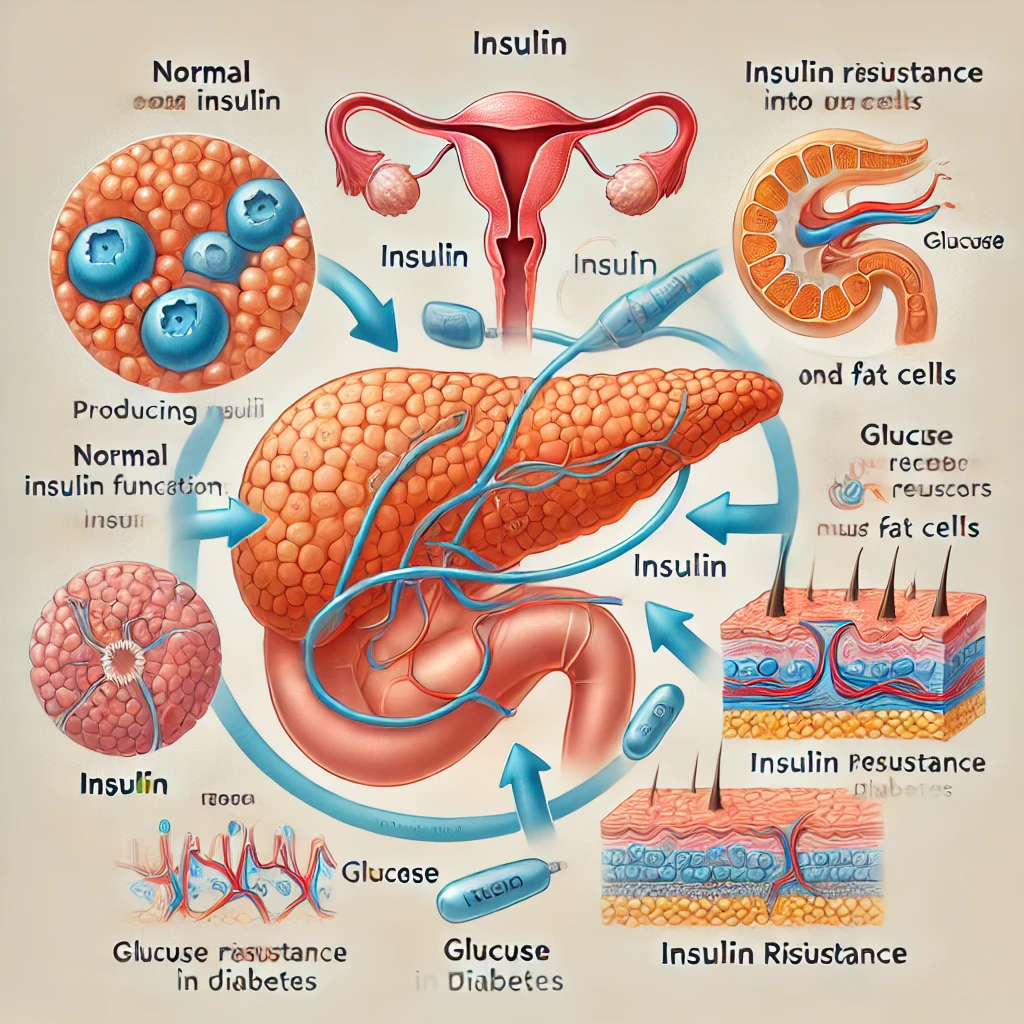
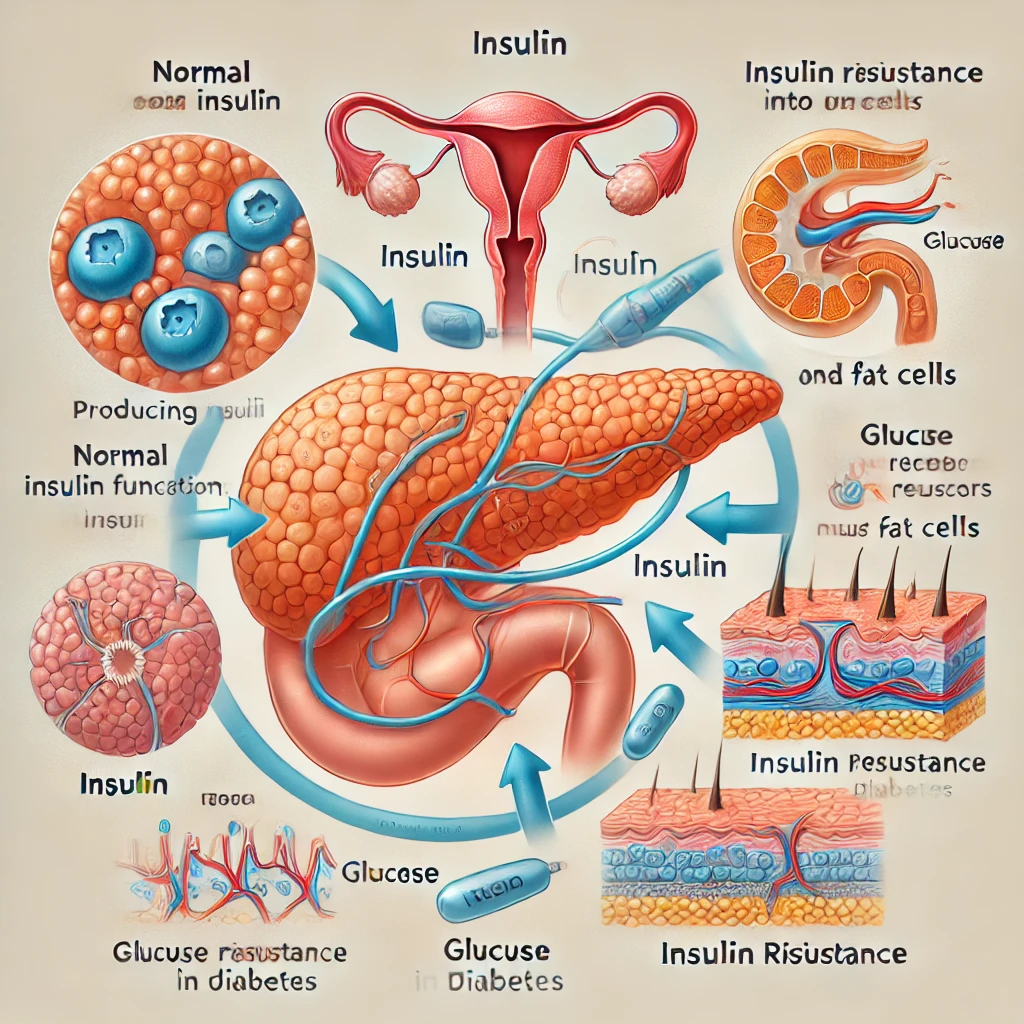
                  "Illustration of how insulin works in the body for diabetes management."

                  Introduction

                  When you first hear the news that you are diagnosed with the diabetes and told that you have to start insulin therapy, managing your condition can seem overwhelming. Insulin therapy is an effective tool that can help you manage your blood sugar levels in an effective way and helps you live a more balanced life overall. Knowing how insulin works and how to use it efficiently can make a big difference, regardless of type of diabetes either Type 1, Type 2, or gestational diabetes.

                  Insulin is the essential hormone for controlling blood sugar levels. The body of diabetics either produces insufficient amounts of insulin or is unable to use it effectively. Treatment with insulin can help your body to maintain adequate blood sugar levels by supplementing or replacing the insulin it requires.

                  In this beginner’s guide, we will tell you everything you need to know about insulin therapy, insulin dosage, insulin adjustment and how it is given. we will provide you with valuable information you need to know to take control of your diabetes care, this guide will empower you with the knowledge to take charge of your diabetes management. Let’s get started!

                  What is insulin?

                  Insulin is a hormone produced by the pancreas. It is vital in regulating blood sugar levels. Imagine insulin as the “key” which is used to open your cells, letting the glucose to go inside and be used as fuel. In the absence of the insulin the blood sugar doesn’t enter the cells leading to high levels of glucose in the blood.

                  How Insulin Works

                  when you eat something, the carbohydrate from your food is broken down into glucose and enters the blood stream. This glucose sends signals to pancreas to release insulin to help this insulin move into the cells. This glucose is either used by the cells or stored for the later use. Insulin also signals liver to store extra glucose in the form of glycogen for future use and this prevents blood sugar levels from rising too high.

                  What Happens When Insulin is Insufficient or Ineffective?

                  In people with type 1 the body doesn’t produce enough insulin while in type 2 diabetes the body becomes resistant to the insulin. Without insulin in the body or when body isn’t able to use it properly the glucose buildup in the blood leading to hyperglycemia. Over the time this hyperglycemia can cause serious complications, such as nerve damage, kidney disease, and cardiovascular problems.

                  Types of insulin

                  Different types of insulin have different onset, peak and duration period, this allows flexibility in controlling blood sugar levels throughout the day. Here’s a breakdown of the main types of insulin:

                  Rapid-Acting Insulin

                  • Onset: 10–20 minutes
                  • Peak: 1–3 hours
                  • Duration: 3–5 hours
                  • Examples: Insulin lispro (Humalog), Insulin aspart (NovoLog), Insulin glulisine (Apidra)
                  • Use: Taken just before or after meals to control blood sugar spikes caused by eating.

                  Short-Acting Insulin (Regular Insulin)

                  • Onset: 30 minutes
                  • Peak: 2–4 hours
                  • Duration: 6–8 hours
                  • Examples: Humulin R, Novolin R
                  • Use: Typically taken 30 minutes before meals to manage blood sugar during meals and snacks.

                  Intermediate-Acting Insulin (NPH Insulin)

                  • Onset: 1–2 hours
                  • Peak: 4–12 hours
                  • Duration: 12–18 hours
                  • Examples: Humulin N, Novolin N
                  • Use: Provides background insulin coverage for about half a day or overnight.

                  Long-Acting Insulin

                  • Onset: 1–2 hours
                  • Peak: Minimal or no peak
                  • Duration: Up to 24 hours or more
                  • Examples: Insulin glargine (Lantus, Basaglar, Toujeo), Insulin detemir (Levemir), Insulin degludec (Tresiba)
                  • Use: Provides a steady level of insulin throughout the day and night, mimicking the body’s basal insulin production.

                  Ultra-Long-Acting Insulin

                  • Onset: 1–2 hours
                  • Peak: Minimal or no peak
                  • Duration: Up to 42 hours
                  • Examples: Insulin degludec (Tresiba)
                  • Use: Offers extended coverage for those who need consistent insulin levels over a longer period.

                   Pre-Mixed Insulin

                  • Onset: Varies (combination of rapid/short-acting and intermediate-acting insulin)
                  • Peak: Varies
                  • Duration: Varies
                  • Examples: Humulin 70/30, Novolog Mix 70/30
                  • Use: Combines two types of insulin to provide both mealtime and background coverage, often for convenience.

                  Tips for Managing Insulin Therapy

                  Managing insulin therapy effectively is key to controlling diabetes and maintaining a healthy lifestyle. Here are some practical tips to help you stay on track:

                  •  Follow Your Doctor’s Plan
                  •  Monitor Blood Sugar Regularly
                  • Rotate Injection Sites
                  • Eat a Balanced Diet
                  • Be Prepared for Hypoglycemia
                  • Store Insulin Properly
                  •  Build a Support System

                  Lifestyle Tips for Effective Insulin Therapy

                  Managing diabetes does not require only the insulin injections it requires thoughtful changes in the lifestyle to make sure that blood sugar levels are in control and person is healthy avoiding the harmful effects of the hyperglycemia. Here are some practical tips to help you make the most of your insulin therapy:

                  •  Follow a Balanced Diet
                  • Stay Physically Active
                  • Monitor Blood Sugar Levels regularly
                  • Manage Stress
                  • Prioritize Sleep
                  • Stay Hydrated
                  • Be Prepared for Emergencies i.e Carry Snacks, Educate Loved Ones etc
                  •  Stay Consistent with Insulin

                  Myths and Facts About Insulin Therapy

                  • Insulin Means My Diabetes is Worse: If you are in need of insulin it doesnt mean that your diabetes at some worse satge it might be the beggining of type 1 diabetes. Both Type 1 and Type 2 diabetes may require insulin at different stages.
                  •  Insulin Causes Weight Gain: Yes, people usually gain weight at the start of the insulin therapy it might because their body is better utilizing the insulin. If you are taking care of your diet and doing exercise regularly this is managed effectively.
                  • Insulin Injections Are Painful: With the advancement in technology the new injections are extremely less painful than people are expecting them to be so.
                  • Insulin is Addictive: It is a natural hormone produced by the pancreas and required only when body is not producing it in the quantity required by the body to regulate blood sugar levels effectively.
                  • Insulin is Only for Type 1 Diabetes: Insulin therapy is required by all people with diabetes type 1 but only by the. Some stages of type 2 diabetes also require the insulin therapy especially as the condition progresses.
                  • Natural Remedies Can Replace Insulin: lifestyle changes help in the regulation of insulin therapy, but they are not only enough replacing the insulin.

                  Conclusion

                  Insulin therapy plays an important role i management of diabetes, offering a way to regulate blood sugar levels and prevent complications. Whether you have Type 1 or Type 2 diabetes, understanding how insulin works is beneficial for you.

                  From debunking common myths to adopting lifestyle changes like a balanced diet, regular exercise, and stress management, effective insulin therapy is about more than just injections. You always need to debunk the common myths and understand the real facts behind.

                  Remember, you’re not alone on this journey. With the right knowledge, support, and guidance you can successfully manage diabetes and live a healthy, fulfilling life. If you have questions or concerns about insulin therapy, don’t hesitate to reach out to your doctor or diabetes educator.

                  Take the first step today—embrace insulin therapy as a powerful ally in your diabetes management journey!

                  Frequently Asked Questions (FAQs)

                  Will I need insulin forever?

                  Yes, in case of type 1 diabetes but in case of type two diabetes you may need it for a shorter period of time or either forever depending upon the condition of the disease.

                  Can I stop insulin if my blood sugar improves?

                  For that you need the guidance from the health care you cannot stop this on your own.

                  What are the side effects of insulin therapy?

                  Insulin therapy can cause side effects like hypoglycemia, weight gain, injection site reactions, and allergic responses, but these are manageable with proper care and medical guidance.

                  Is insulin therapy only for Type 1 diabetes?

                  No, insulin therapy is also used for Type 2 diabetes, especially when other treatments aren’t enough to control blood sugar.