Posted on Leave a comment

HISTORIC BREAKING: PKK Ends 41-Year Armed Struggle – What This Means for Turkey & the World

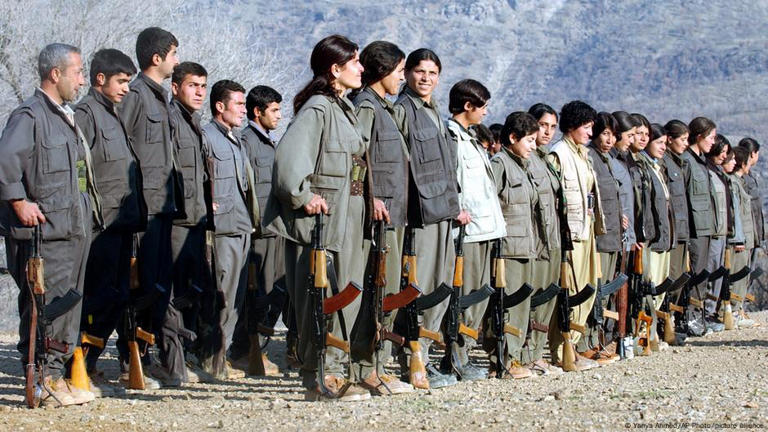
The Kurdistan Workers’ Party (PKK) has officially announced its dissolution and the end of its 41-year armed insurgency against the Turkish state. This historic decision, made during the group’s 12th Congress held in early May 2025, follows a call from its imprisoned leader, Abdullah Öcalan, who urged the organization to lay down arms and pursue peaceful, democratic means to address Kurdish issues. (The Times of India, Wikipedia)

🕊️ Implications for Turkey

1. Potential for Lasting Peace:
The PKK’s disbandment could signal the end of a conflict that has claimed over 40,000 lives since 1984. This development offers an opportunity for reconciliation and the integration of Kurdish communities into Turkey’s political and social fabric. (Reuters)

2. Economic and Regional Stability:
The cessation of hostilities may lead to economic growth, particularly in southeastern Turkey, by attracting investment and reducing military expenditures. Additionally, it could enhance regional stability, especially in areas affected by cross-border tensions involving Kurdish groups. (The Times)

3. Political Dynamics:
President Recep Tayyip Erdoğan has welcomed the PKK’s decision, viewing it as a step toward national unity. However, some analysts suggest that this move might also serve to bolster his political position, potentially aiding efforts to amend the constitution and extend his presidency beyond 2028. (AP News, The Times)

⚠️ Remaining Challenges

1. Disarmament Process:
While the PKK has declared its intent to disband, the logistics of disarmament and reintegration of former fighters remain complex. The Turkish government plans to oversee the surrender of weapons and the reintegration process, but details are still being finalized. (AP News, El País)

2. Regional Kurdish Groups:
The impact of the PKK’s dissolution on affiliated Kurdish groups, particularly in Syria and Iraq, is uncertain. Some factions may choose to continue their activities independently, potentially affecting regional dynamics. (The New Arab)

3. Political Representation:
The future of pro-Kurdish political parties in Turkey, such as the Peoples’ Equality and Democracy Party (DEM), will be crucial in ensuring that Kurdish voices are represented in the political arena. Their ability to operate freely and participate in democratic processes will be a key indicator of progress. (Wikipedia)

🌍 International Reactions

The international community has largely welcomed the PKK’s decision. The United Nations and various governments view it as a positive step toward peace and stability in the region. (The Times of India)
Posted on Leave a comment

What to Know About the P.K.K. and Its Fight Against Turkey

The Kurdistan Workers’ Party (PKK) has officially announced its disbandment, marking the end of a 40-year armed insurgency against the Turkish state—a conflict that has resulted in over 40,000 deaths since its inception in 1984 .(The Times)

Reasons Behind the Disbandment

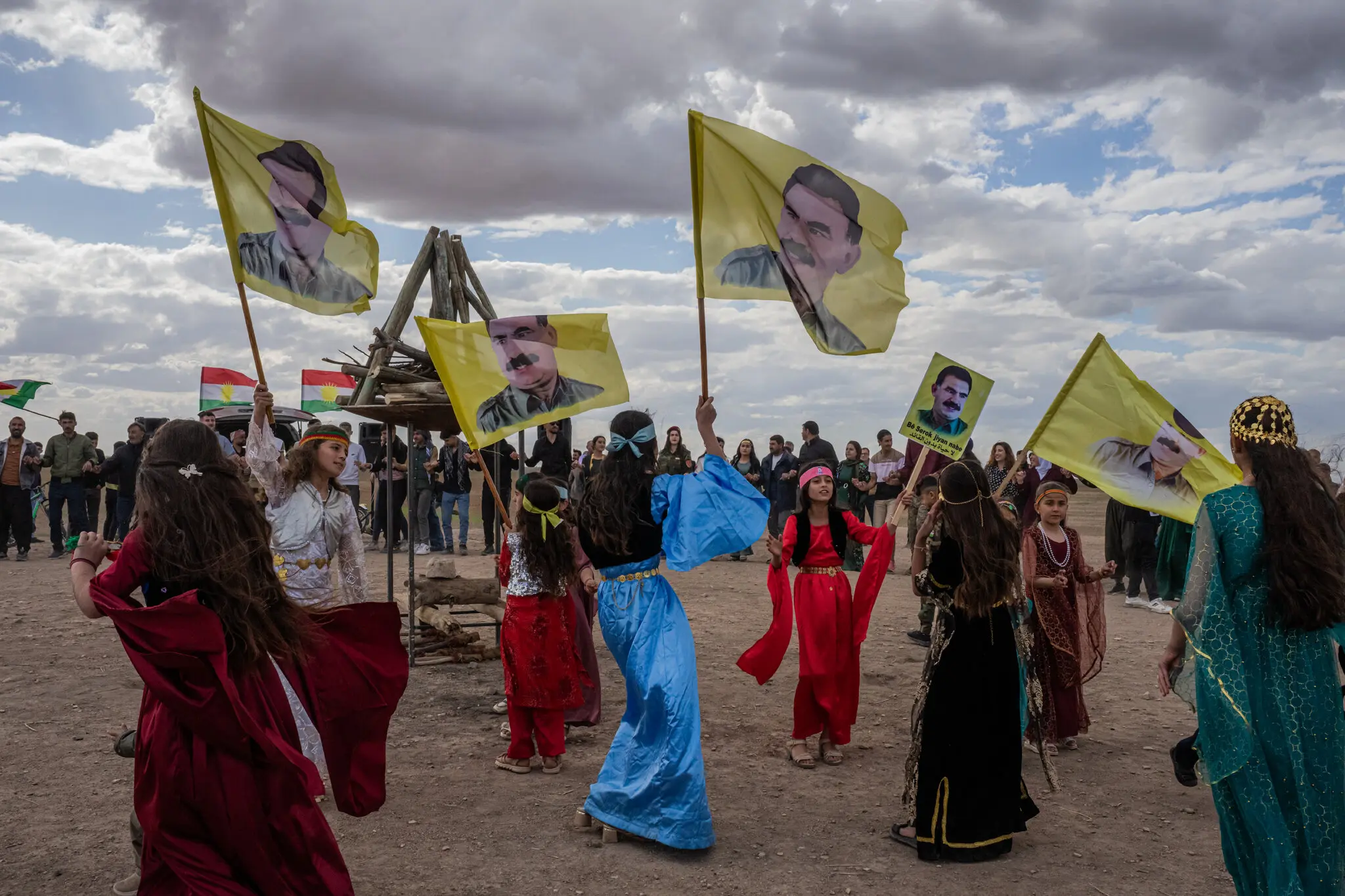
The decision follows a call from the PKK’s imprisoned leader, Abdullah Öcalan, who, despite being incarcerated since 1999, continues to wield significant influence within the Kurdish movement . In February 2025, Öcalan urged the PKK to lay down arms and pursue democratic avenues for achieving Kurdish rights. Subsequently, the PKK declared a unilateral ceasefire on March 1, 2025, and formalized its dissolution during a congress held in northern Iraq in early May .(AP News, AP News)

Several factors contributed to this historic move:

  • Military Pressure: Sustained Turkish military operations have significantly weakened the PKK’s operational capabilities .(The Times)
  • Geopolitical Shifts: The withdrawal of U.S. forces from northern Syria and Turkey’s diplomatic engagements have altered the regional dynamics, reducing external support for the PKK .(ElHuffPost)
  • Internal Reassessment: Recognizing the changing landscape, the PKK concluded that its objectives could be better pursued through political and democratic means rather than armed struggle .(El País)

Turkish Government’s Response

Turkish President Recep Tayyip Erdoğan welcomed the PKK’s decision, describing it as a pivotal step toward ensuring national security and regional stability. He emphasized the need for the disarmament process to be comprehensive, extending to PKK-affiliated groups in Syria, Iraq, and Europe . The Turkish government plans to oversee the disarmament process, including the collection of weapons in designated areas and the reintegration of former fighters without serious offenses .(rudaw.net, The Washington Post, El País)

Implications for the Kurdish Community

The PKK’s disbandment opens avenues for enhanced political participation and cultural recognition for Kurds in Turkey. However, challenges remain, particularly concerning the legal status of Kurdish political parties and the broader integration of Kurdish citizens into Turkish political life .(BBC)

Families of former PKK members express cautious optimism, hoping for the safe return of their loved ones and a peaceful future . The disbandment also has potential ramifications for regional dynamics, particularly in relation to Kurdish groups in neighboring countries.(Reuters)

While the PKK’s dissolution marks a significant milestone, the path to lasting peace and reconciliation will require sustained efforts from all stakeholders to address underlying issues and foster inclusive governance.

Posted on Leave a comment

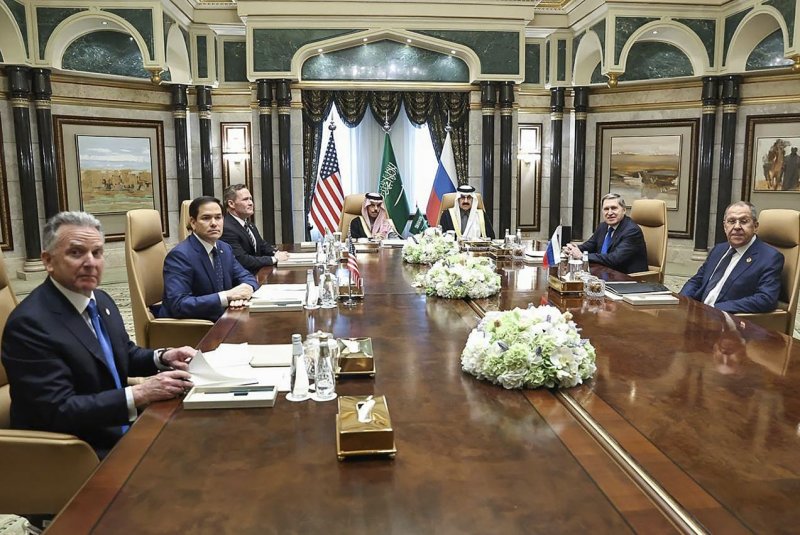
Putin Proposes Direct Talks with Ukraine Amid Ceasefire Demands

Putin Proposes Direct Talks with Ukraine Amid Ceasefire Demands

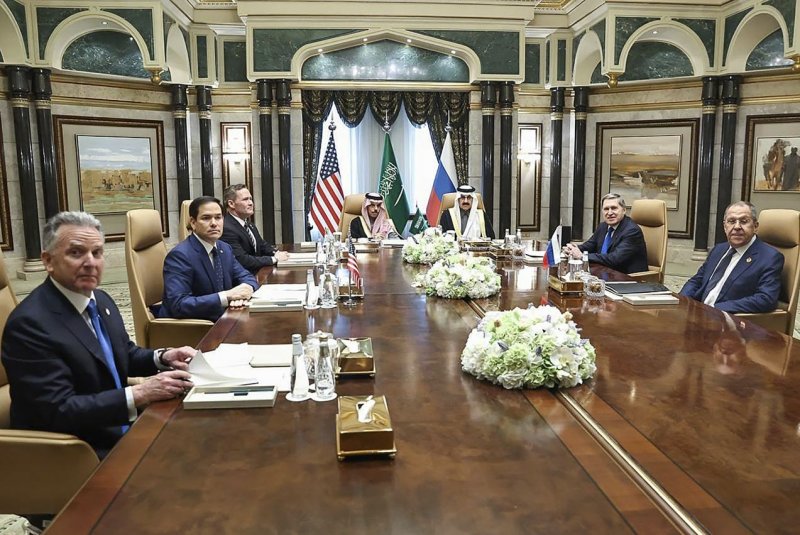
Russian President Vladimir Putin has proposed resuming direct peace talks with Ukraine, suggesting a meeting in Istanbul on May 15 without preconditions. This initiative comes as Ukraine and its Western allies demand a 30-day unconditional ceasefire, threatening further sanctions if Russia does not comply.(Reuters, AP News)

Putin claims that previous negotiations were abandoned by Kyiv in 2022 under Western influence, despite a joint draft agreement being developed. He emphasizes Russia’s readiness for serious discussions to address the root causes of the conflict and establish long-term peace. However, he criticizes Ukrainian authorities and their Western supporters for prioritizing political ambitions over peace, accusing Kyiv of rejecting multiple Russian ceasefire proposals.

Ukrainian President Volodymyr Zelenskyy has expressed hope for a full ceasefire starting May 12 and is prepared to meet Putin in Turkey on May 15. This follows U.S. President Donald Trump’s encouragement for Ukraine to accept Russia’s proposal for direct talks, bypassing prior demands for a pre-talks ceasefire. European leaders, including those from France, Germany, the UK, and Poland, support the ceasefire proposal and warn of increased sanctions on Russia if rejected.

Despite diplomatic efforts, Russia resumed drone attacks on Ukraine after a brief self-declared pause, leading to mutual accusations of ceasefire violations. Turkish President Recep Tayyip Erdoğan has expressed full support for hosting the negotiations, calling the situation a historic turning point.

The international community remains cautious, with skepticism about Russia’s commitment to peace due to its history of broken ceasefires and ongoing hostilities. The proposed talks in Istanbul could mark a significant move toward peace if both sides agree to come to the table.