Posted on Leave a comment

THE FOREVER WAR IN GAZA: A HUMANITARIAN AND POLITICAL NIGHTMARE

Introduction

The ongoing conflict in Gaza has once again erupted into a devastating humanitarian crisis, deeply rooted in decades of political tensions and failed diplomacy. Recent developments during former U.S. President Donald Trump’s Middle East visit have added new dimensions to the crisis. As Israel intensifies its military campaign under the guise of “destroying Hamas once and for all,” the region is witnessing unprecedented levels of destruction, displacement, and international condemnation.

Trump’s Middle East Diplomacy and Israel’s Exclusion

During Trump’s recent visit to the Middle East, the former president made several moves that appeared to sideline Israel. From lifting sanctions on Syria and meeting with Syrian leaders to forging a ceasefire with the Houthis in Yemen and engaging directly with Hamas to free an American hostage, Trump’s actions deviated sharply from traditional U.S.-Israel policy coordination. Most notably, his willingness to enter nuclear negotiations with Iran—a staunch Israeli adversary—was perceived in Tel Aviv as a direct challenge to Israeli interests.

These actions have not only unsettled Israeli leadership but have also marked a shift in Washington’s diplomatic approach. Commentators like Kim Ghattas have observed that Trump was “cutting Israel out of the deals it is making,” leaving Prime Minister Netanyahu reduced to a mere spectator.

Israel’s Gideon’s Chariots Offensive

In response, Israel has launched what it calls the “Gideon’s Chariots” offensive, aiming to take control of all of Gaza and obliterate Hamas. The campaign targets both southern and northern Gaza, and is widely viewed as a strategy to push Palestinians out of the Strip permanently. Netanyahu’s long-standing ambition to displace Gaza’s population is now being enacted through brutal military force.

This military escalation has resulted in mass displacement, the collapse of humanitarian infrastructure, and mounting civilian casualties. Despite international pressure, including a warning from the White House that Netanyahu would be “on his own” if he continued the war, Israel has shown no signs of halting its aggression.

International Response and Condemnation

The world is watching in horror. United Nations Secretary-General António Guterres described the crisis as “beyond description, beyond atrocious, and beyond inhumane,” warning that the entire population of Gaza faces famine. Western allies such as France, the UK, and Canada have issued joint statements condemning Israel’s actions, even threatening sanctions and a review of trade relations.

Amnesty International’s statement underscored the global outrage: “It is outrageous and morally reprehensible that it took the world nearly 80 days of broadcast starvation and cruelty amidst genocide to exert enough pressure on Israel to even slightly ease its total siege.”

Humanitarian Crisis and Militarised Aid

Under intense international scrutiny, Israel has allowed minimal aid into Gaza. However, these efforts are widely considered insufficient. The new U.S.-backed plan to manage aid through centralized, militarized distribution centers has drawn sharp criticism. Managed by the Swiss-incorporated Gaza Humanitarian Foundation and protected by private contractors, the plan is seen as another form of displacement.

UN officials have refused to participate, condemning the militarisation of aid and accusing Israel of turning starvation into a bargaining chip. This method not only undermines the impartiality of humanitarian work but also exacerbates the suffering of displaced Palestinians.

Ceasefire Hopes and Political Deadlock

Talks to renew a ceasefire have stalled, largely due to Israel’s reluctance. Despite U.S. pressure, particularly from the Trump administration, Netanyahu remains committed to achieving what he calls “total victory” over Hamas. His unilateral decision to break the last ceasefire in March has further diminished hopes for a peaceful resolution.

Vice President J.D. Vance’s cancellation of his planned visit to Israel is seen as a signal of U.S. frustration, though diplomatic efforts continue. Without meaningful negotiations, the region is doomed to further cycles of violence and instability.

The Question of Trump’s Plan

A disturbing element in this conflict is the suggestion that Israel’s current actions may be part of a broader plan attributed to Donald Trump—a plan involving the permanent relocation of Gaza’s population to third countries. Israel’s far-right finance minister Bezalel Smotrich openly spoke about “destroying everything that’s left of the Gaza Strip” and pushing the population out.

Whether this is indeed Trump’s plan or a misappropriation of his ideas remains unclear. However, it is vital for Washington to clarify its stance. If such a plan is being implemented with U.S. approval, it undermines any claims of America being a force for peace. If not, disowning the policy could pressure Israel into reevaluating its actions.

Conclusion

The situation in Gaza is a tragic embodiment of failed diplomacy, unchecked military aggression, and a collapsing humanitarian system. While Trump’s approach to Middle East politics may have shifted alliances, it has not achieved the lasting peace it seemed to promise. Israel’s relentless offensive, underpinned by plans like Gideon’s Chariots and possible forced relocations, only deepens the wounds of a long-suffering population.

It is time for the international community—including the U.S.—to take a firm, principled stand. Real peace will not come from sidelining key players or militarising aid, but from addressing the root causes of the conflict, ending occupation, and respecting human rights.

Internal Linking Suggestion: For further analysis on how military conflict impacts humanitarian law, read our post: “The Weaponization of Aid in Modern Warfare” on remedytalks.com.
Posted on Leave a comment

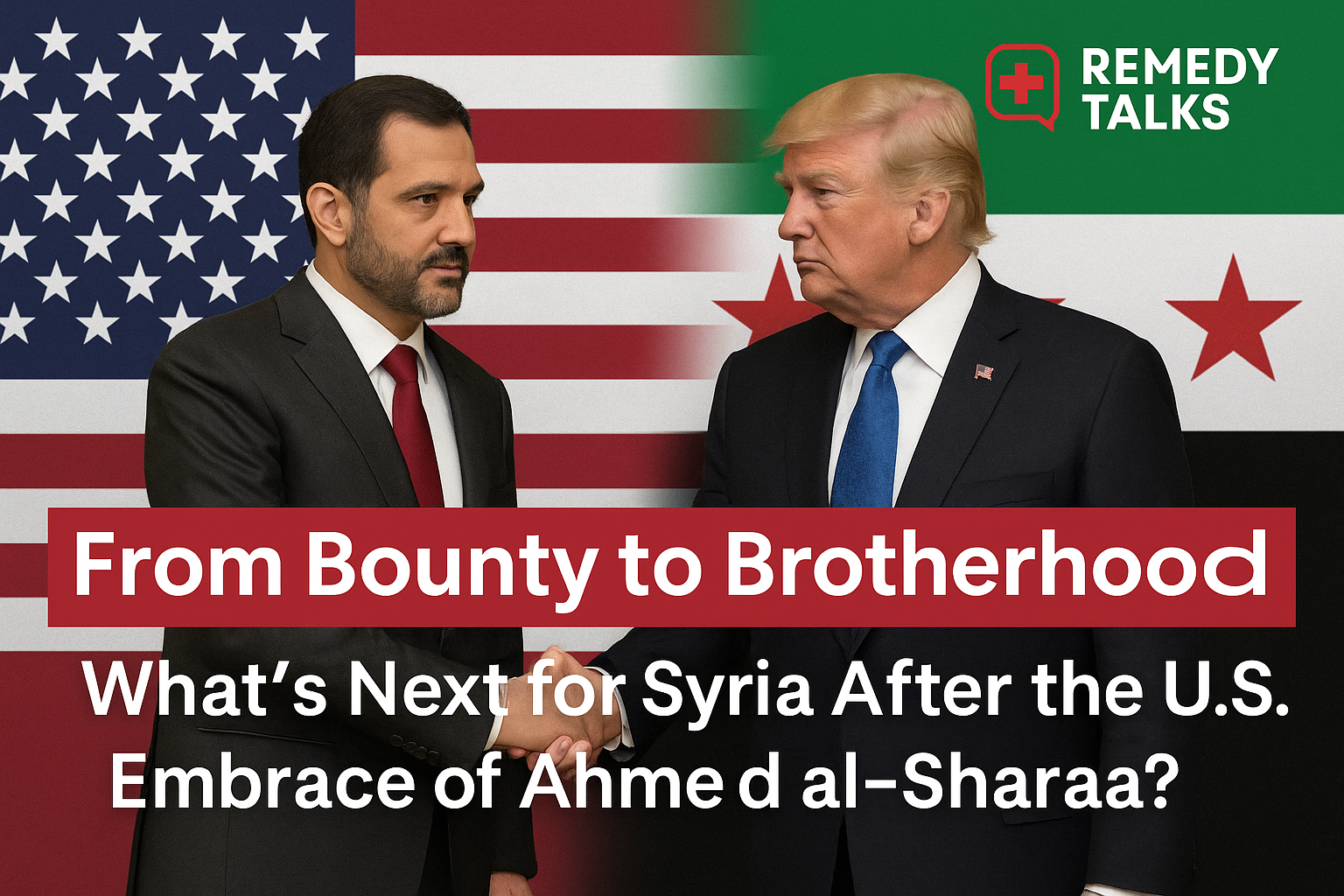
From Bounty to Brotherhood: What’s Next for Syria After the U.S Embrace of Ahmed al-Sharaa?


By Remedy Talks Editorial Team
Published on RemedyTalks.com


A Shift in Allegiances That History Won’t Forget

Geopolitics has always been a realm where alliances shift like sand in the wind, but few transformations have been as jarring as the one we just witnessed in Syria. The man once known to the world as Abu Mohammed al-Jolani, feared leader of the Al Qaeda-linked Al Nusra Front, has now stepped onto the global stage with a new identity: Ahmed al-Sharaa, interim leader of Syria—endorsed, welcomed, and legitimized by none other than former U.S. President Donald Trump in a formal meeting in Riyadh.

For Syrians who have endured more than a decade of civil war, displacement, and international isolation, this moment is a complicated one. On the one hand, the lifting of U.S. sanctions signals a potential opening for economic recovery. On the other, it raises deeply uncomfortable questions about morality, memory, and the future of governance in a war-torn nation.


From ‘Terrorist’ to Transitional Leader: A Calculated U-Turn

It wasn’t long ago that the United States placed a $10 million bounty on al-Sharaa’s head. He was then seen as a dangerous militant with ties to extremist ideology. His group, Al Nusra Front, was notorious for its brutal tactics and Islamist agenda.

So what changed?

Nothing about Sharaa’s past did. What shifted was his strategic value in the geopolitical chessboard. He played a crucial role in bringing down the Assad regime, a goal long pursued by the U.S., its European allies, and Gulf states. In doing so, he helped diminish the stronghold of Iranian and Russian influence in the Levant.

His reward? Legitimacy, a handshake, and the promise of reconstruction funding.


A Tale of Two Militants: Syria vs. Afghanistan

The irony is thick when comparing this development to how the world treats the Taliban in Afghanistan. Despite ending a two-decade occupation and taking control of Kabul, the Taliban remain under sanctions and globally isolated.

Ideologically, the Taliban and Sharaa’s previous circle are not dissimilar. But where one challenged Western dominance, the other aligned with it to achieve mutual goals. The message is clear: in the eyes of major powers, militancy is acceptable—if it serves their interests.

This kind of selective political hygiene—where one extremist is rehabilitated and another condemned—does little to build global trust or long-term peace.


The Golan Question and the Price of Recognition

During the Riyadh meeting, President Trump reportedly asked Sharaa to recognize Israel. Yet there was no mention of Israel returning Syrian territory it has occupied for decades, including the strategic Golan Heights.

This puts Syria’s new rulers in a precarious position. Recognition of Israel without territorial restitution could fracture internal unity even further and alienate important regional actors. It might also weaken Sharaa’s domestic legitimacy, especially among nationalists and minority communities already skeptical of his leadership.


Old Fears, New Faces: Will Extremism Simply Change Hands?

The hope—at least on paper—is that this new chapter brings stability and inclusion. Sharaa has spoken of building an “inclusive state.” But early signs are troubling.

Recent reports from within Syria speak of sectarian clashes, especially involving the Alawi and Druze minorities. These communities fear being sidelined or persecuted by a government with deep roots in jihadist ideology.

The risk is that Syria could move from autocracy under Assad to ideological rigidity under Sharaa, replacing one form of oppression with another. The world must avoid being lulled into complacency by the narrative of progress while the reality on the ground deteriorates further.


What Syria Needs — And Deserves

The Syrian people have suffered enough. Over 500,000 lives lost, millions displaced, and an entire generation born into war. What they need now is not another power shift dictated by outside interests but a genuinely inclusive, homegrown process of rebuilding.

That includes:

  • Minority protections, including legal and political safeguards
  • Free and fair elections, not appointments based on militant resumes
  • Economic recovery that lifts communities from poverty, not just elite circles
  • A truth and reconciliation process, to reckon with war crimes on all sides

If these steps aren’t taken, Syria risks falling back into the very cycle of rebellion and repression that tore it apart in the first place.


Looking Ahead: What Future Awaits Syria?

With U.S. sanctions lifted, international investors may begin circling once again. Gulf nations could funnel in aid and contracts. There might even be a diplomatic push to normalize Syria’s relations with the West under its new leadership.

But the path forward will not be smooth. Sharaa’s past will continue to haunt him. Civil society groups, international watchdogs, and disillusioned Syrians will demand accountability, not just economic development.

Syria stands at a crossroads. This could be the beginning of true rehabilitation—if it is led with humility, inclusivity, and a break from past cycles of violence. Or it could simply be a rebranding of authoritarianism, draped in the cloak of international approval.


Final Thoughts

This isn’t just a Syrian story. It’s a cautionary tale of how power works on the global stage—how definitions of “terrorist,” “leader,” and “ally” change not based on morality, but on utility.

The world may have rebranded Ahmed al-Sharaa, but Syrians will judge him not by meetings in Riyadh or endorsements from Washington, but by whether he brings peace, justice, and dignity back to their homes.

And for their sake, the world should hold him to that standard.


Author:
Remedy Talks Team
Truth beyond headlines. Context behind conflict.


Posted on Leave a comment

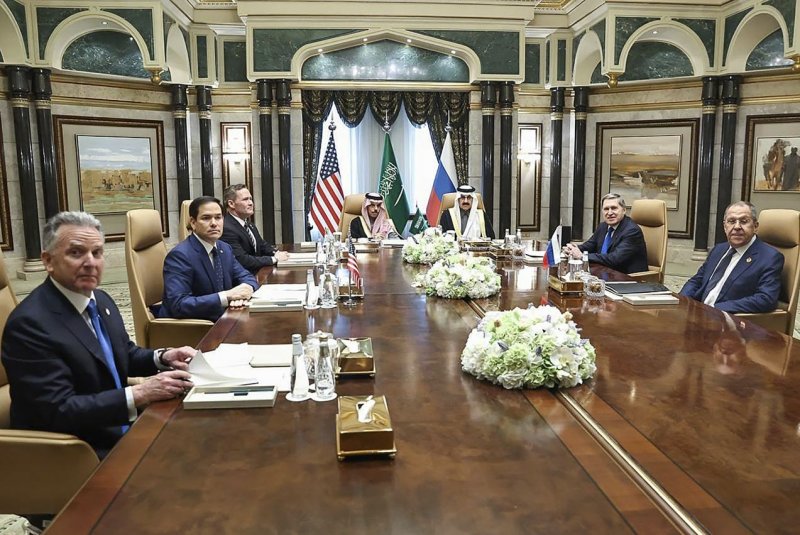
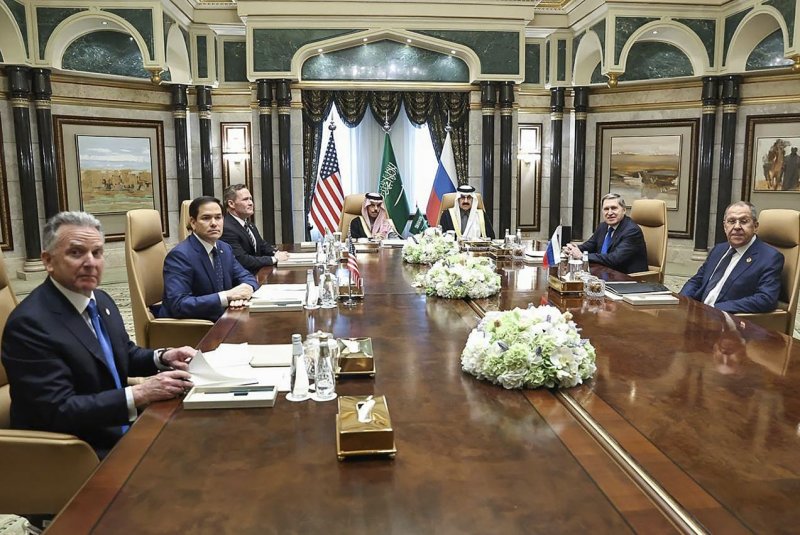
🚨 Tensions Escalate: Israel Issues Evacuation Warnings for Yemeni Ports After Ceasefire Deal Excludes It

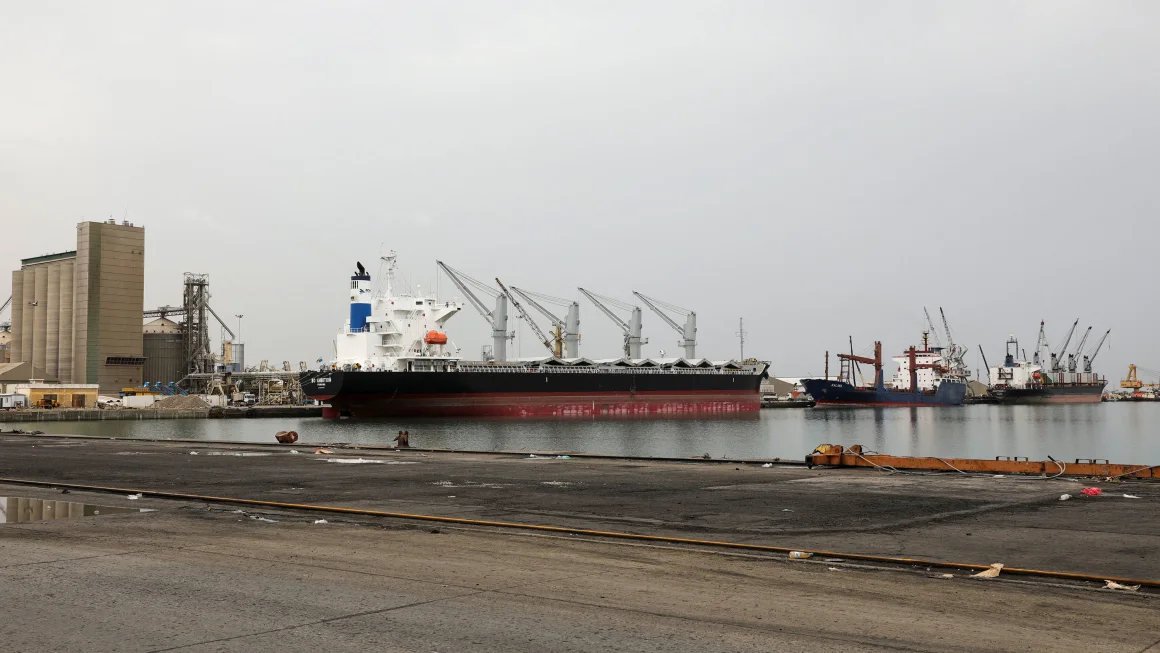
In a sharp escalation of Middle East tensions, the Israeli military has issued urgent evacuation warnings for three key ports in Yemen — Ras Isa, Hodeidah, and Salif — late Sunday night. The move follows Israel’s vow to act independently in defending itself after being excluded from a recent ceasefire agreement between the United States and Yemen’s Houthi rebels.

The warnings were broadcast via social media by IDF Arabic-language spokesperson Avichay Adraee, signaling potential Israeli airstrikes in Yemen in the coming hours.

🚀 Missile Attack Sparks Response

The evacuation notice comes just 48 hours after Israel intercepted a missile fired from Yemen — the first such attack since former U.S. President Donald Trump announced the US-Houthi ceasefire deal last week. The missile attack has been widely interpreted as a Houthi act of defiance and solidarity with Gaza, as the group continues to express support for Palestinians amid the ongoing Israel-Gaza conflict.

Despite the ceasefire, the Houthis declared they would not cease attacks against Israel, stating that their actions are in support of the Palestinian cause.

🛡️ Israel: “We Will Defend Ourselves Alone”

Reacting strongly to being left out of the agreement, Israeli Defense Minister Israel Katz made a bold statement last week:

“Israel must be able to defend itself by itself against any threat and any enemy. This has been true in the face of many past challenges, and it will remain true in the future.”

This is the second evacuation alert issued by the IDF within a week. Last Tuesday, Israel warned civilians to leave Sana’a International Airport, Yemen’s main airport, before launching airstrikes that reportedly disabled the airport’s functionality.

⚠️ Regional Instability on the Rise

The situation raises fresh concerns over the fragility of ceasefires in the Middle East, as well as the potential for a broader regional conflict. While the US-Houthi ceasefire was intended to de-escalate violence in Yemen, Israel’s exclusion from the deal and the Houthis’ continued aggression signal that peace in the region remains elusive.

International observers are watching closely as Israel weighs its next steps. With tensions high and military movements underway, the risk of a new front opening in the conflict is growing by the day.

📰 Stay tuned to RemedyTalks.com for continuous updates on the Israel-Yemen conflict, ceasefire developments, and real-time coverage of Middle East security issues.

Posted on Leave a comment

Putin Proposes Direct Talks with Ukraine Amid Ceasefire Demands

Putin Proposes Direct Talks with Ukraine Amid Ceasefire Demands

Russian President Vladimir Putin has proposed resuming direct peace talks with Ukraine, suggesting a meeting in Istanbul on May 15 without preconditions. This initiative comes as Ukraine and its Western allies demand a 30-day unconditional ceasefire, threatening further sanctions if Russia does not comply.(Reuters, AP News)

Putin claims that previous negotiations were abandoned by Kyiv in 2022 under Western influence, despite a joint draft agreement being developed. He emphasizes Russia’s readiness for serious discussions to address the root causes of the conflict and establish long-term peace. However, he criticizes Ukrainian authorities and their Western supporters for prioritizing political ambitions over peace, accusing Kyiv of rejecting multiple Russian ceasefire proposals.

Ukrainian President Volodymyr Zelenskyy has expressed hope for a full ceasefire starting May 12 and is prepared to meet Putin in Turkey on May 15. This follows U.S. President Donald Trump’s encouragement for Ukraine to accept Russia’s proposal for direct talks, bypassing prior demands for a pre-talks ceasefire. European leaders, including those from France, Germany, the UK, and Poland, support the ceasefire proposal and warn of increased sanctions on Russia if rejected.

Despite diplomatic efforts, Russia resumed drone attacks on Ukraine after a brief self-declared pause, leading to mutual accusations of ceasefire violations. Turkish President Recep Tayyip Erdoğan has expressed full support for hosting the negotiations, calling the situation a historic turning point.

The international community remains cautious, with skepticism about Russia’s commitment to peace due to its history of broken ceasefires and ongoing hostilities. The proposed talks in Istanbul could mark a significant move toward peace if both sides agree to come to the table.

Posted on Leave a comment

Trump’s AI Pope Image: Satire, Shock, and the Power of Digital Provocation

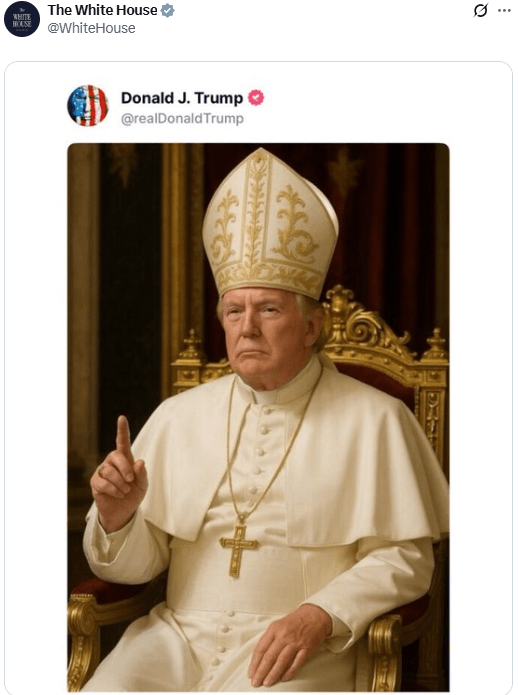
In a move that has sparked both amusement and outrage, U.S. President Donald Trump shared an AI-generated image of himself dressed as the Pope on his Truth Social platform. The image, depicting Trump in full papal regalia, comes shortly after the death of Pope Francis and just days before the Vatican’s conclave to elect a new pontiff.(Business Recorder, tnj.com)

The AI Image: A Digital Provocation

The AI-generated image portrays President Trump in traditional papal attire—white robes, a gold crucifix pendant, and the miter hat—with his right index finger pointed toward the sky. This visual was shared on Truth Social following Trump’s jest to reporters that he would like to be the next Pope, stating, “I’d like to be pope, that would be my number one choice” .(Dawn, Business Recorder)

While some viewed the image as a humorous take, others criticized it as insensitive, given its timing shortly after Pope Francis’s death.

Reactions: Humor Meets Controversy

The image elicited a spectrum of reactions:(tnj.com)

  • Supporters’ Perspective: Some of Trump’s supporters found the image amusing, interpreting it as a satirical jab at political correctness and the establishment.(tnj.com)
  • Critics’ Viewpoint: Many religious leaders and commentators condemned the image as disrespectful. The Network Journal reported that religious groups accused Trump of mocking the sanctity of the papacy, labeling the image as “tone-deaf” and “inappropriate” .(tnj.com)

Senator Lindsey Graham added to the discourse by humorously suggesting that the conclave should “keep an open mind” about considering Trump as the next Pope .(New York Post)

The Intersection of AI, Politics, and Religion

This incident underscores the growing influence of AI-generated content in political discourse. The use of AI to create satirical images blurs the lines between humor and offense, especially when intersecting with sensitive topics like religion.(Business Recorder)

The controversy also highlights the challenges of navigating digital expression in an era where AI tools can produce highly realistic images, raising questions about authenticity, intent, and impact.

Conclusion: A Reflection on Digital Expression

President Trump’s AI-generated papal image serves as a case study in the complexities of digital expression in contemporary politics. While intended as satire, the image’s reception reveals deep divides in public perception and the potent influence of AI in shaping political narratives.

As technology continues to evolve, society must grapple with the ethical considerations of AI-generated content, especially when it intersects with deeply held beliefs and institutions.