Posted on Leave a comment

UVA Health CEO Craig Kent steps down after internal probe

Introduction

In an unexpected turn of events, the esteemed CEO of UVA Health, Craig Kent, has recently announced his resignation. This decision follows an intensive internal investigation that has sent ripples across the healthcare system. Craig Kent, who was at the helm of UVA Health, leaves behind a legacy marked by leadership and dedication, yet his departure signals a pivotal shift for the institution.

Background of Craig Kent

Before delving into the specifics of the investigation and Kent’s resignation, it is important to reflect on his contribution to the healthcare sector.

Tenure and Achievements

– Tenure at UVA Health: Craig Kent assumed leadership of the University of Virginia Health system with a vision to broaden its research capabilities and improve patient care.
– Innovations and Improvements: Under his watch, UVA Health witnessed the integration of cutting-edge technology and a commitment to healthcare excellence.
– Research Contributions: Kent was instrumental in spearheading various medical research projects, enhancing UVA Health’s reputation as a leading research institution.

The Internal Investigation

The crux of this resignation revolves around an internal probe, the specifics of which remain under wraps. However, it is crucial to understand the general landscape of such investigations.

Why Do Internal Investigations Occur?

Internal investigations in any organization, especially within a healthcare system, can arise due to various factors:

Ensuring Ethical Standards: To confirm adherence to ethical guidelines and rectify any deviations.
– Compliance with Regulations: Healthcare institutions must meet rigorous compliance standards, and deviations can trigger investigations.
– Protection of Interests: Protecting the interests of patients, employees, and stakeholders is paramount.

The Impact of Such Investigations

Operational Disruptions: Investigations can lead to temporary disruptions in daily operations as the focus shifts to introspection.
– Reputational Impact: The reputation of an institution can be at stake, making the scrutiny both intense and essential.
– Leadership Changes: As observed, these investigations can result in significant leadership shifts, as evidenced by Craig Kent’s resignation.

Reaction and Response

The reaction to Kent’s resignation has been mixed, spanning employees, stakeholders, and the broader healthcare community.

University of Virginia’s Response

The University of Virginia is taking proactive measures to ensure stability during this transition phase:

  • Interim Leadership: An interim CEO is expected to be appointed soon to steer the institution forward.
  • Commitment to Transparency: UVA has emphasized transparency and integrity throughout this process.

Employee and Stakeholder Perspectives

– Sense of Uncertainty: Employees may feel uncertain about the future leadership and direction of the healthcare system.
– Reassurance: Stakeholders are being assured that UVA Health will continue striving toward excellence during this transitional period.

Implications for UVA Health

The ripple effects of this leadership change are significant, with both immediate and long-term implications.

Short-Term Implications

Leadership Void: A leadership void, even temporarily, could impact decision-making and the pace of ongoing projects.
– Operational Challenges: Handling operational challenges with an interim leader may require additional efforts to maintain momentum.

Long-Term Implications

– Strategic Redirection: The strategic direction of UVA Health may evolve as new leaders introduce their vision and goals.
Opportunities for Growth: This transition could open avenues for fresh ideas and innovative strategies to shape the institution’s future.

Moving Forward

As with any transition, challenges lie ahead for UVA Health, yet the path forward is equally filled with opportunities for rejuvenation and growth.

Goals for the Future

Strengthening Trust: Rebuilding and strengthening trust among stakeholders, employees, and patients will be critical.
Focus on Innovation: Continued investment in research and technological advancements should remain a priority.
Enhancing Patient Care: Ensuring the highest standards of patient care remains paramount to UVA Health’s mission.

Role of New Leadership

The institution’s new leadership will play a pivotal role in charting a successful future path:

  • Vision Alignment: Aligning their vision with the core values and mission of the health system.
  • Stakeholder Engagement: Actively engaging with stakeholders to foster collaboration and support.
  • Navigating Challenges: Skillfully navigating challenges while steering the institution toward sustained excellence.

Conclusion

Craig Kent’s resignation from UVA Health marks a milestone in the institution’s history. Although the reasons behind the internal investigation remain under a veil of confidentiality, the path ahead for UVA Health involves embracing change, fostering innovation, and recommitting to its foundational principles of academic and healthcare excellence.

In this time of transition, the focus remains steadfast on ensuring sustained growth and continuity of care, embodying the resilience and dedication that UVA Health has always stood for. As new leadership emerges, the institution is poised to take significant strides toward an enriched and inspiring future for its community and beyond.
Posted on Leave a comment

Understanding the Chronic Health Impact of COVID Vaccines: New Insights

The COVID-19 pandemic has led to an unprecedented global vaccination effort, aiming to protect billions worldwide from the clutches of the virus. While vaccines have undoubtedly saved countless lives, they’re not entirely free from potential side effects. Recent studies have delved into the long-term health impacts faced by a minority after receiving COVID-19 vaccination. This article provides a comprehensive look into these impacts, sheds light on potential causes and offers a perspective on their implications for public health.

Understanding Long-Term Health Concerns

While the majority of vaccine recipients experience mild or no side effects, there is a growing interest in understanding why a small percentage develop chronic health issues post-vaccination. The term vaccine-associated long COVID is emerging in medical literature to describe these prolonged side effects.

  • Persistent Fatigue
  • Muscle Weakness
  • Brain Fog
  • Respiratory Issues

These symptoms are often reported weeks or even months following vaccination, mirroring some experiences of long COVID, a condition characterized by prolonged coronavirus symptoms.

The Role of the Immune System

The immune response is a crucial factor in understanding the long-term effects of COVID-19 vaccines. Vaccination prompts the immune system to recognize and combat the virus without exposing the body to the disease itself. However, in some instances, the immune system’s response may lead to prolonged symptoms.

Autoimmune Responses

One hypothesis is that the vaccine induces an autoimmune response in certain individuals. Autoimmune diseases occur when the immune system mistakenly attacks healthy cells. Some researchers suggest that this could explain chronic symptoms post-vaccination.

Immune System Dysregulation

Another possibility is immune system dysregulation, where the immune response remains activated longer than necessary. This could lead to long-lasting symptoms similar to autoimmune diseases or prolonged inflammation throughout the body.

COVID-19 Vaccines and Inflammation

Inflammation is the body’s natural response to external threats. Vaccines are designed to mimic these threats and prime the immune system for future encounters with the virus. However, some people seem to experience excessive inflammatory responses following vaccination.

  • The role of cytokines, proteins that signal the immune system to do its job, has been widely studied. Excessive cytokine release could lead to a cytokine storm, where inflammation becomes harmful.
  • Another aspect is the influence of an individual’s genetic makeup, which might predispose them to significant inflammatory reactions post-vaccination.

While these occurrences are rare, understanding the intricacies of inflammation in response to vaccination is vital for ensuring comprehensive care.

Genetic and Environmental Factors

The genetic predisposition to adverse effects from vaccines is another important area of study:

  • Genetic Variants: Some people may carry genetic markers that affect how their body processes and responds to vaccine components, leading to abnormal side effects.
  • Underlying Health Conditions: People with pre-existing conditions might also experience exacerbated responses, as their baseline health status interferes with the “normal” vaccine response.

Environmental factors such as exposure to pollutants and lifestyle choices may further alter an individual’s reaction to a vaccine, adding complexity to the deciphering of adverse effects.

The Importance of Continued Research

While the instances of chronic health issues post-vaccination are minimal, they are significant enough to warrant ongoing study. Understanding these effects will not only aid in improving vaccine formulations but also in tailoring vaccination advice to specific populations.

Vaccine Development and Monitoring

Accelerated vaccine development should be accompanied by robust post-distribution surveillance systems to promptly identify and manage unexpected outcomes.

  • Continuous monitoring by health organizations ensures real-time data collection and analysis of vaccine safety.
  • Vaccine Adjustments and Personalization: Refinements in vaccine formulation considering genetic and environmental factors could increase vaccine safety for those at risk.

Concluding Thoughts

Global vaccination efforts remain crucial in managing the COVID-19 pandemic. However, understanding the comprehensive health effects of these vaccines is necessary to ensure that they are as safe as possible for everyone. Although chronic health issues post-vaccination are rare, identifying and addressing them is imperative for maintaining public trust in vaccine programs.

By continually studying, innovating, and communicating findings regarding vaccine safety and efficacy, health authorities can ensure optimized vaccine protocols. This way, public health initiatives can proceed with better guidance and support for those who might be impacted in unforeseen ways by these preventative measures.

Don’t forget that, ultimately, the benefits of COVID-19 vaccines far outweigh their risks. Yearly updates and ongoing research will only improve the safety profile further, reassuring the public of their critical role in safeguarding global health.

Posted on Leave a comment

CDC study finds vaccination reduces long COVID risk in kids

The murmur of concern around long COVID in children is not unfamiliar to parents and healthcare professionals alike. Emerging from the shadows of the pandemic, long COVID presents a puzzling mix of lingering symptoms that persist well beyond the initial infection period. Fortunately, recent findings from a study conducted by the Centers for Disease Control and Prevention (CDC) offer a beacon of hope, showing that vaccination significantly reduces the risk of long COVID in kids. Let’s delve into the details of this enlightening study and understand the implications for our younger generation.

Understanding Long COVID in Children

Long COVID, also dubbed as post-acute sequelae of SARS-CoV-2 infection (PASC), is a condition wherein individuals experience symptoms such as fatigue, headache, difficulty concentrating, and a variety of others that persist beyond the typical recovery period. While adults have largely been the focus of research on long COVID, its impact on children is gaining increasing attention.

In children, long COVID symptoms can vary but often include:

  • Fatigue
  • Difficulty in concentrating or brain fog
  • Persistent cough
  • Joint or muscle pain

These symptoms can interfere with daily activities and the physical and emotional development of children, making it imperative to understand how we can mitigate their risk.

Insights from the CDC Study

The CDC focuses on providing insights into the real-world effectiveness of COVID-19 vaccination among children aged 5 to 17. According to their comprehensive study, children who are vaccinated show a notable 57% to 73% lower risk of developing long COVID symptoms when compared to their unvaccinated peers.

Key Findings of the Study

  • The study included a diverse population of children across various regions.
  • Vaccinated kids were significantly less likely to report symptoms lasting longer than 28 days post-COVID infection.
  • The protective effect of the vaccine appears consistent across various demographics and healthcare settings.

Implications for Parents and Healthcare Providers

For parents, the findings of this CDC study provide a compelling argument for vaccinating their children against COVID-19. The reduced risk of long-term symptoms is not only a relief for the child’s physical health but also supports better mental health and cognitive development by reducing disruptions to schooling and social activities.

Healthcare providers can leverage this data to better inform and support vaccination efforts, guiding conversations with concerned parents about the benefits of immunizing their children against COVID-19.

How Vaccination Protects Against Long COVID

The mechanisms through which vaccines reduce the risk of long COVID symptoms are still undergoing research, but some hypotheses have emerged:

  • Immune Response: Vaccines prime the immune system, enhancing the body’s ability to fight the virus effectively, potentially leading to quicker viral clearance and reduced infection severity.
  • Reduction in Initial Viral Load: Lower initial viral loads due to vaccination may correlate with milder symptoms and less long-term impact.
  • Prevention of Severe Disease: By preventing severe disease, vaccines reduce the overall inflammatory response that can contribute to persistent symptoms.

The Road Ahead: Encouraging Vaccination in Younger Populations

As public health campaigns continue to emphasize the importance of COVID-19 vaccination, studies like the one from the CDC are instrumental in reinforcing the message. Here are some strategies to encourage vaccination among children:

Enhancing Access and Outreach

  • Community Centers: Setting up vaccination sites within communities ensures easier access.
  • School-based Vaccination: Collaborating with schools to facilitate vaccination clinics can increase uptake.

Building Trust Through Education

  • Clear Communication: Providing transparent and accessible information about the benefits and safety of vaccines to parents and caregivers.
  • Engagement with Pediatricians: Pediatricians play a crucial role in educating families, as they are trusted resources for child health information.

Addressing Vaccine Hesitancy

It is essential to address vaccine hesitancy through targeted information campaigns that debunk myths and offer scientific evidence backing vaccine efficacy and safety. Incorporating testimonials from parents who have chosen vaccination and witnessed positive outcomes can also be influential.

Conclusion

The reduction of long COVID risk in children through vaccination is a pivotal finding amid the evolving landscape of the pandemic. The CDC study not only highlights the protective benefits of vaccination but also underscores the continued need for public health efforts to prioritize children’s health. As we move forward, enhancing vaccination rates among children holds promise for a healthier, more resilient younger generation, capable of thriving beyond the pandemic era.

Informed by the CDC findings, it’s crucial to remain proactive in our vaccination strategies, ensuring that all children have the opportunity to live healthy, full lives without the shadow of long COVID.

Posted on Leave a comment

Exploring UK Biobank, The World’s Leading Health Database

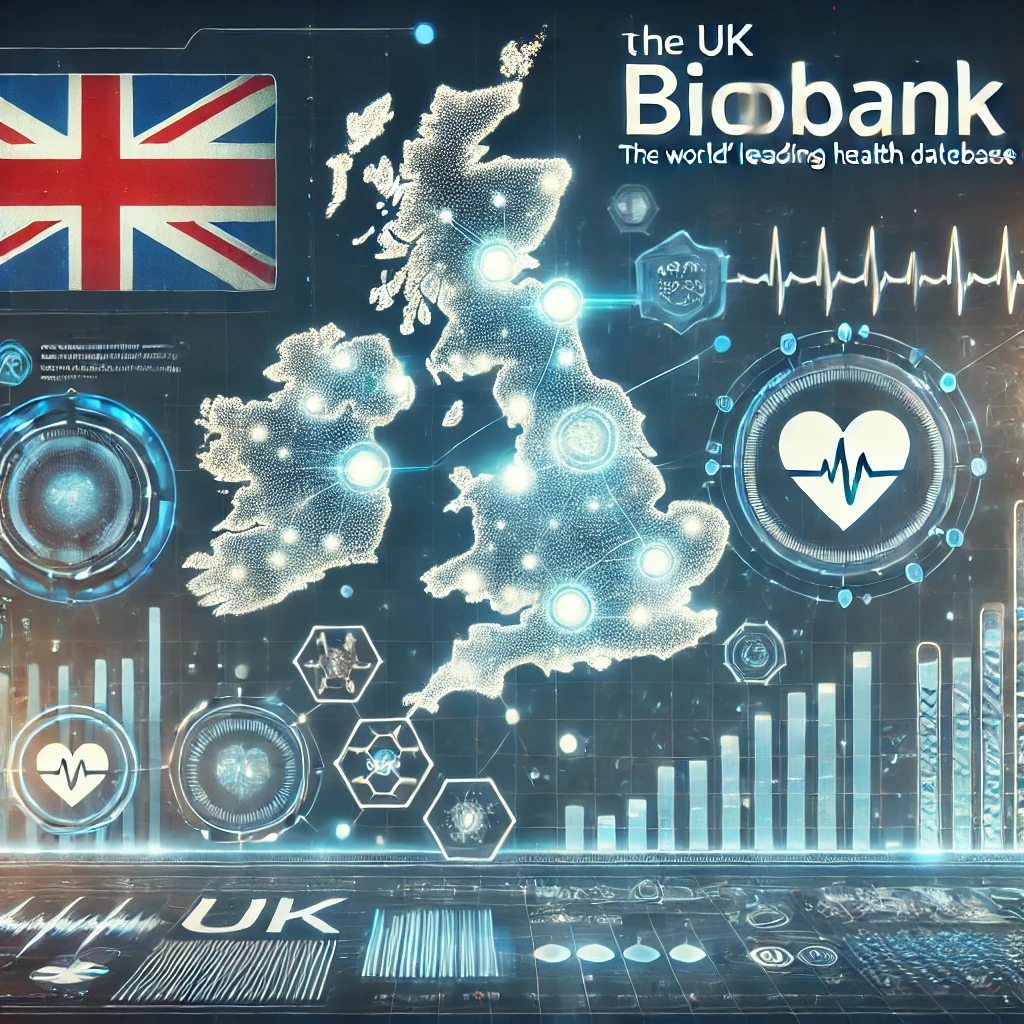
A futuristic digital illustration representing the UK Biobank, featuring a UK map interconnected with glowing health data points. The image includes scientific elements like DNA strands, heart rate monitors, and test tubes, symbolizing medical research and data analytics.

In the ever-evolving landscape of medical research, the UK Biobank stands as a beacon of innovation and an invaluable resource for scientists worldwide. As the world’s most comprehensive health database, the UK Biobank is instrumental in driving breakthroughs in understanding the multifaceted factors impacting human health.

What is UK Biobank?

The UK Biobank is a large-scale biomedical database and research resource containing in-depth genetic and health information from half a million UK participants. Established to enhance our understanding of the genetic, environmental, and lifestyle interactions influencing health and disease, it provides a crucial platform for scientific exploration and innovation.

The Genesis of UK Biobank

Launched in 2006, the UK Biobank was developed through a collaborative effort led by several UK-based institutions. Its cornerstone was built upon the aspiration to create a resource for future generations of health research, facilitating large-scale studies that deepen our understanding of a myriad of diseases.

Key Objectives

  • To provide high-resolution data on the genetic, environmental, and lifestyle factors affecting health.
  • To enable researchers to establish correlations between genetic markers and complex diseases.
  • To support the development of preventative, diagnostic, and therapeutic measures against common and rare health conditions.

Comprehensive Data Collection

What makes the UK Biobank _extraordinary_ is the breadth and depth of its data collection efforts. The recruitment of participants involved gathering a wide array of information, making the database robust and encompassing.

Participant Demographics

  • A sample size of 500,000 volunteers between 40 and 69 years of age at recruitment.
  • Diverse representation across genders, ethnicities, and regions within the UK.

Data Types

Each participant has contributed a substantial amount of data, organized into various categories:

  • Genetic Data: This includes extensive genotyping information, providing insights into genetic predispositions and variations.
  • Health and Lifestyle Data: Participants provided comprehensive details about their health histories, lifestyle choices, and daily habits.
  • Imaging Data: Advanced medical imaging techniques were employed to capture detailed internal images at given time points.
  • Blood and Urine Samples: Biological samples were collected, offering an invaluable resource for biochemical and molecular analyses.

Ethical Considerations and Confidentiality

Handling data of this magnitude emphasizes the importance of ethical standards and confidentiality. The UK Biobank upholds rigorous ethical guidelines, ensuring participant anonymity and data protection.

  • Informed Consent: Participants provided explicit consent for the use of their data in long-term research endeavors.
  • Data Security: Advanced security protocols are in place to safeguard against unauthorized access and breaches.

Impact on Global Health Research

The UK Biobank has revolutionized the field of health research, facilitating numerous studies that have paved the way for significant medical advancements.

Advancements in Disease Research

  • Heart Disease: Identification of new genetic markers associated with cardiovascular conditions, informing preventative strategies and treatments.
  • Cancer: Contributions to understanding cancer genomics, aiding in the development of targeted therapies.
  • Diabetes: Insights into the environmental and hereditary factors influencing diabetes incidence and progression.

Technological Innovations

The UK Biobank serves not only as a repository of data but also as a testament to the power of technological innovations in research:

  • Artificial Intelligence: AI technologies are being integrated to analyze complex data sets, identify patterns, and make predictions.
  • Machine Learning: Data is leveraged using machine learning techniques to uncover novel insights and drive precision medicine.

The Future of UK Biobank

As we look to the future, the UK Biobank is poised to continue its trajectory of impact and innovation. Ongoing projects aim to enhance data accessibility, integrate new types of data, and expand participant follow-ups. Collaborative efforts with international researchers further underscore its global significance.

Expanding Research Horizons

  • Continued development of analytical tools to unlock the potential of complex datasets.
  • Diversifying study cohorts to enhance the applicability of findings across different populations.

Given its unparalleled scope and impact, the UK Biobank is more than just a database; it’s a game-changer in the panorama of health research. As it opens doors to cutting-edge insights and therapies, it holds the promise of substantial improvements in public health, advancing our collective quest for better healthcare solutions.

Posted on Leave a comment

Rise in Polio Cases in Pakistan Sparks Urgent Vaccination Drive

Amid an alarming increase in polio cases, Pakistan has ramped up its vaccination efforts in a bid to eliminate this crippling disease. The rise in polio cases threatens to undermine global efforts to eradicate the virus once and for all. As such, it is paramount to understand what is fueling this resurgence and what actions are being implemented to counteract it.

The Resurgence of Polio in Pakistan

Despite significant efforts over recent years, polio has unfortunately been making a worrying comeback in regions across Pakistan. The surge in cases has been particularly noticeable in areas deemed challenging to reach due to terrain or social factors. This resurgence is gravely concerning given the disease’s potential to cause severe health problems, especially in children.

Key Factors Contributing to the Increase

  • Remote Geographical Areas: Many polio cases have been reported from rural and hard-to-reach areas where healthcare access is limited.
  • Sociopolitical Challenges: Regions affected by conflict and instability often become inaccessible to healthcare workers.
  • Vaccine Hesitancy: Cultural beliefs and misinformation contribute to resistance against vaccination efforts, hindering program efficacy.

Understanding these factors is crucial for addressing the root causes of the polio resurgence and targeting vaccination campaigns more effectively.

The Urgency of a Coordinated Vaccination Drive

The rapid increase in polio cases has prompted an urgent response from healthcare bodies both domestically and internationally. The cornerstone of this response is a robust, ground-level vaccination campaign aimed at immunizing every child in affected areas.

Components of the Vaccination Drive

  • Nationwide Immunization Days: Dedicated days set aside to focus on intensive vaccination efforts are critical to reaching a wide audience quickly.
  • Mobile Health Units: Teams of healthcare workers are deployed to hard-to-reach areas to ensure comprehensive coverage.
  • Community Engagement: Raising awareness through local leaders helps combat misinformation and encourages participation.

This proactive approach is essential to eradicating polio from Pakistan and achieving global health milestones.

Global Support and Collaboration

The fight against polio in Pakistan is not an isolated endeavor; it is a collaborative effort involving multiple global stakeholders. Organizations such as the World Health Organization (WHO) and UNICEF have been instrumental in providing resources and support.

International Contributions

  • Funding and Resources: International bodies have supplied critical funding and medical supplies to aid vaccination efforts.
  • Strategic Guidance: Expert advice on implementing effective vaccination strategies has been invaluable.
  • Training and Development: Training healthcare workers ensures that they are equipped with the latest techniques and knowledge.

This collaboration highlights the necessity of a unified global front to address public health challenges such as polio.

The Road Ahead: Challenges and Opportunities

While the current increase in polio cases is concerning, it also presents an opportunity to evaluate and enhance existing health infrastructure. Addressing challenges head-on and seizing opportunities for improvement could set a precedent for tackling similar future health crises.

Ongoing Challenges

  • Logistical Difficulties: Organizing and executing large-scale vaccination campaigns can be resource-intensive and complex.
  • Continued Misinformation: Efforts to combat misinformation must be sustained to change perceptions and increase vaccine acceptance.
  • Ensuring Long-Term Immunity: Continued surveillance and immunization efforts are necessary to maintain polio-free statuses in regions.

Potential Opportunities

  • Health Infrastructure Improvement: Investments made as part of the campaign can strengthen overall healthcare systems.
  • Community Engagement Best Practices: Success stories in overcoming vaccine hesitancy can serve as models for future initiatives.
  • Global Health Solidarity: The collaborative fight against polio can strengthen partnerships for addressing future global health issues.

The rise in polio cases in Pakistan serves as a stark reminder of the work needed to achieve global health goals. Through coordinated efforts, both at home and abroad, there is hope that these challenges will be met and overcome, paving the way for a polio-free future.

Posted on 2 Comments

“The Connection Between Anxiety and Gut Health: What You Need to Know”

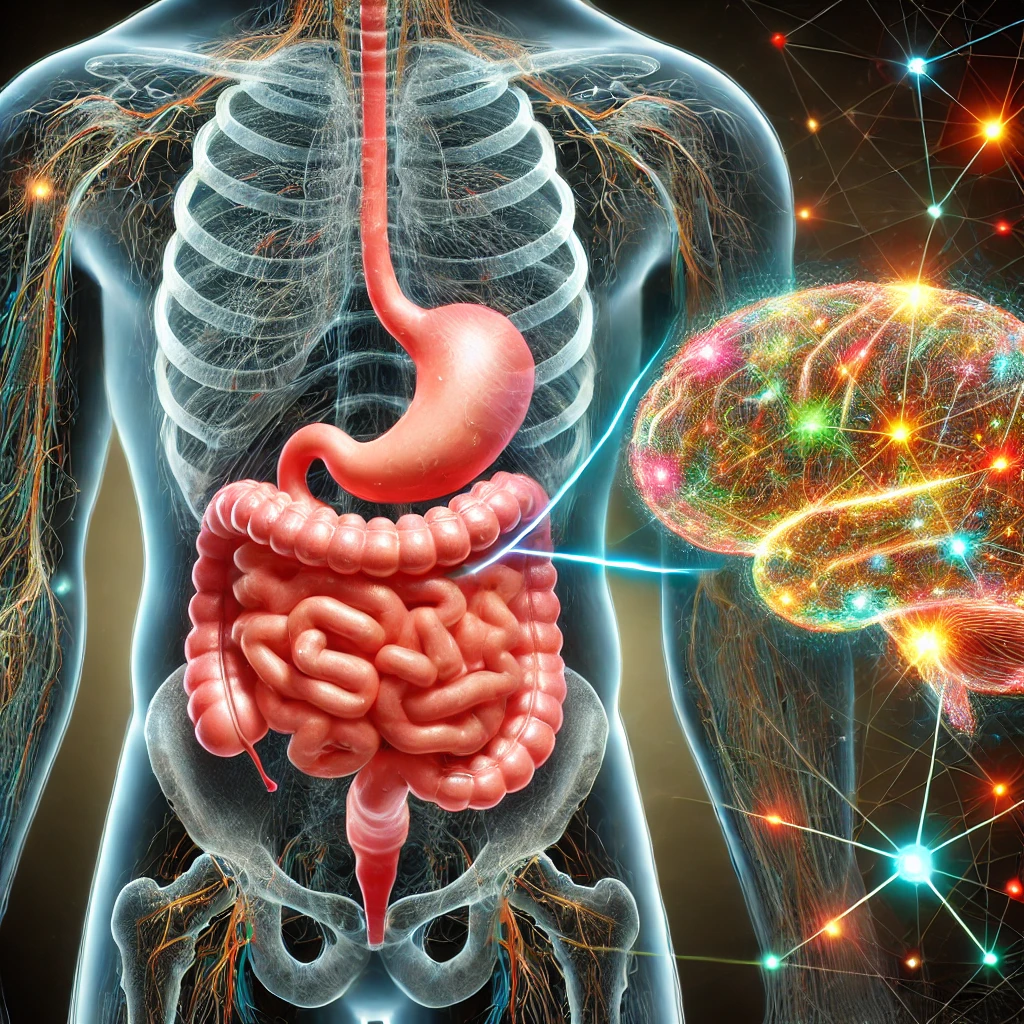
Gut-brain axis illustration showing vagus nerve

In recent years, researchers have discovered an intriguing connection between the gut and the brain, commonly known as the gut-brain axis. This relationship has illuminated the impact of our digestive system on mental health, especially anxiety. If you have ever experienced “butterflies” in your stomach prior to a significant presentation or encountered gastrointestinal discomfort during stressful periods, you have already perceived the gut-brain link in operation. What is the nature of this interaction, and how might comprehending it enhance both gut health and mental well-being? Let us commence.

The Gut-Brain Axis: A Two-Way Communication System

The gut-brain axis is a sophisticated communication network that connects the central nervous system (brain and spinal cord) with the enteric nervous system (the neural system of the gastrointestinal tract). The vagus nerve, an extensive cranial nerve, mediates communication between the gut and the brain.

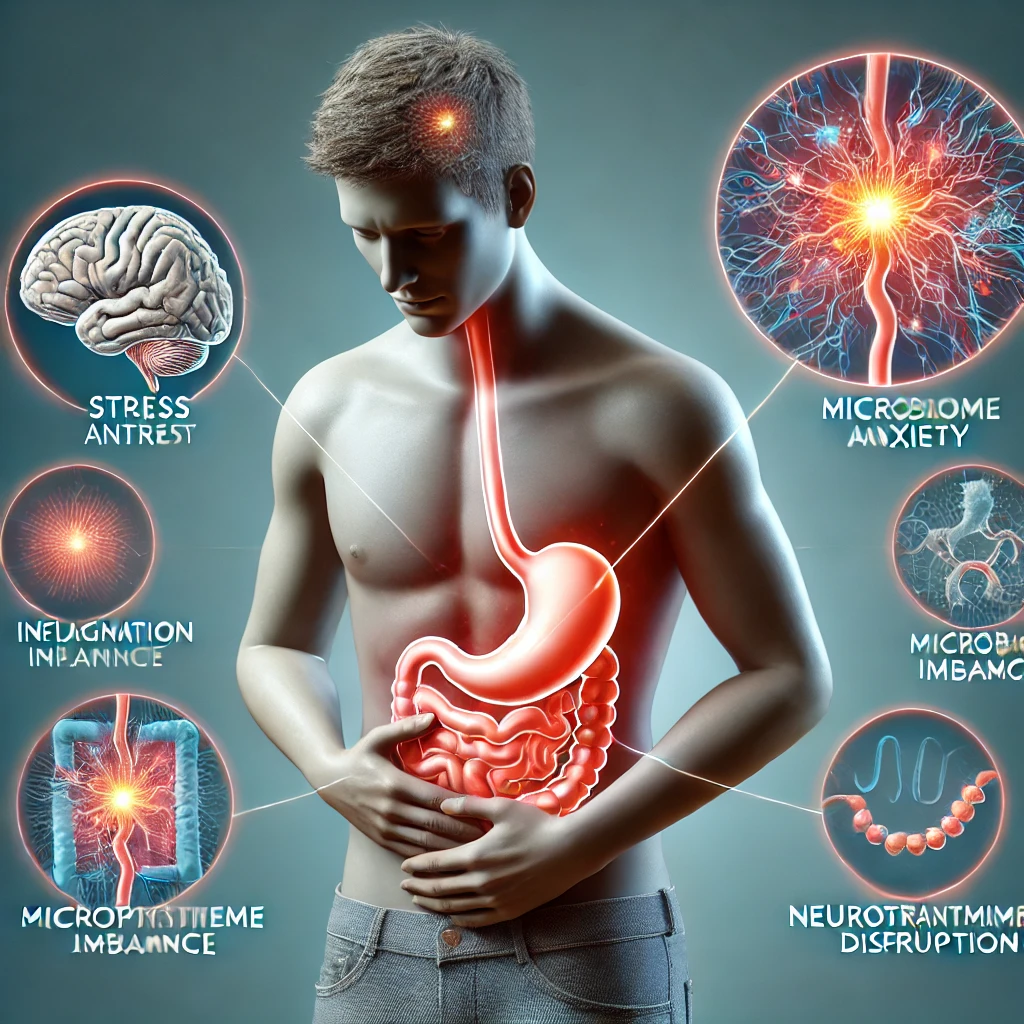
Stress and anxiety impacting gut health illustration.
Chronic stress can disrupt gut microbiome balance and neurotransmitter function.

Studies indicate that the gut and brain maintain continuous connection, significantly impacting one another. For instance, your gut microbiome—the billions of bacteria, viruses, and fungi residing in your digestive tract—plays a vital part in this interaction. These microorganisms synthesize neurotransmitters such as serotonin, frequently referred to as the “feel-good” hormone. Remarkably, almost 90% of serotonin is synthesized in the gastrointestinal tract rather than the brain. This underscores the profound connection between mental health and digestion.

How Anxiety Affects Gut Health

Anxiety and stress can severely disrupt your gastrointestinal health. During periods of stress, the body stimulates the HPA axis (hypothalamic-pituitary-adrenal axis), resulting in the secretion of stress hormones such as cortisol. Although this response is beneficial in brief intervals, prolonged stress may result in:

Dysbiosis: An imbalance in the gut microbiome characterized by a predominance of harmful bacteria over healthy ones.

Chronic stress can induce gut inflammation, associated with illnesses such as irritable bowel syndrome (IBS) and other digestive issues.

Leaky gut: Enhanced intestinal permeability permits toxins to infiltrate the bloodstream, potentially inciting systemic inflammation and mental problems.

These alterations may result in symptoms such as bloating, cramping, diarrhea, or constipation—collectively termed gastrointestinal distress. For those with anxiety, these symptoms can establish a detrimental cycle, as gastrointestinal problems can intensify feelings of stress and anxiety.

The Impact of Digestive Disorders on Mental Health

Research from Harvard Medical School indicates that persons with digestive diseases, especially IBS (Irritable Bowel Syndrome), are more prone to anxiety and panic attacks. Food sensitivities and chronic inflammation can exacerbate these problems, impacting both physical and emotional health.

Natural Ways to Improve Gut Health for Anxiety Relief

Improving gut health can significantly reduce anxiety and promote emotional well-being. Here’s how:

Incorporate Probiotics and Prebiotics:

Probiotics for anxiety: Fermented foods like yogurt, kefir, sauerkraut, and kimchi support healthy gut bacteria.

Prebiotic foods: Bananas, garlic, onions, and asparagus nourish beneficial bacteria.

Follow a Gut-Friendly Diet:

The optimal diet for enhancing gut health and alleviating anxiety comprises:

  • Foods abundant in fiber (whole grains, legumes, fruits, vegetables)
  • Omega-3 fatty acids (found in salmon, flaxseeds, and walnuts) for mitigating inflammation
  • Foods that promote gut healing (bone broth, ginger, turmeric) for the restoration of leaky gut
  • Restricting processed meals, sugars, and artificial sweeteners to avert dysbiosis

Reduce Stress to Support the Gut-Brain Axis:

  • Meditation and deep breathing stimulate the vagus nerve, soothing the nervous system.
  • Yoga and physical activity enhance digestion and reduce cortisol levels.
  • Sufficient sleep aids in the regulation of gut microbiota and the stress response.

Address Food Sensitivities:

Recognize and remove inflammatory foods such as gluten, dairy, and processed sweets that could provoke gut inflammation and anxiety.

Conclusion

The gut-brain connection significantly influences mental health, impacting both anxiety symptoms and digestive processes. By implementing gut-friendly practices—such as ingesting probiotics, regulating chronic stress, and sustaining a balanced diet—you can enhance both gastrointestinal health and emotional wellness. Current study underscores the efficacy of gut health supplements in alleviating anxiety and the role of personalized nutrition in enhancing mental clarity.

Valuing your intuition equates to valuing your intellect. Initiate minor modifications today to attain enduring psychological well-being.

FAQs About Anxiety and Gut Health

1. Can probiotics help reduce anxiety and depression?

Research indicates that specific probiotic strains may enhance mood by equilibrating the gut microbiome and decreasing inflammation. Probiotics ought to be incorporated into a comprehensive strategy for mental wellness.

2. What are the signs of poor gut health?

Typical indicators encompass bloating, flatulence, diarrhea, constipation, food intolerances, and persistent weariness. Suboptimal gut health may also present as dermatological problems, emotional fluctuations, and anxiety.

3. How does gut inflammation contribute to mental health disorders?

Intestinal inflammation can generate inflammatory markers that influence the brain, potentially altering neurotransmitter synthesis and resulting in anxiety or sadness.

4. What’s the best diet for improving gut health and reducing anxiety?

An optimal diet comprises abundant fibre, fermented foods, and omega-3 fatty acids. Refraining from processed meals, sugar, and artificial sweeteners may also be beneficial.

5. How does the vagus nerve influence the gut-brain connection?

The vagus nerve serves as the principal conduit for communication between the gastrointestinal system and the brain. It aids in the regulation of digestion, mood, and the stress response. Activating the vagus nerve via deep breathing or meditation can enhance gut-brain connection.

For further reading, check out these high-authority resources:

Posted on 2 Comments

“The Heart-Brain Connection: How Cardiovascular Health Impacts Cognitive Function and Mental Clarity”

A futuristic depiction of the heart-brain connection with a glowing brain linked to a pulsating heart through illuminated pathways.

Introduction

Within the realm of contemporary medicine, the symptoms of heart disease and the health of the circulatory system have become more relevant issues. Among the most remarkable relationships in the field of medicine is the connection that exists between the health of the heart and the function of the brain. Despite the fact that we have traditionally considered these to be two distinct systems, it is now widely acknowledged that the management of blood pressure and the prevention of heart disease are both essential components in the process of preserving cognitive health and avoiding memory loss.

1. Understanding the Heart-Brain Connection

Because of the intricate network of blood arteries, nerves, and biochemical impulses that connects the heart and the brain, the two organs are connected. The heart is responsible for pumping oxygen-rich blood to the brain, which, in order for the brain to operate properly, is required. Any disruption in this process, such as decreased blood flow as a result of clogged arteries or high blood pressure, can have a severe impact on the health of the brain.

When it comes to this link, the vascular system is an extremely important factor. By maintaining healthy blood vessels, one may ensure that oxygen and nutrients are delivered to the brain in an effective manner while also removing waste materials. There is a possibility that the brain will not receive the resources it requires when cardiovascular health is deteriorating, which can eventually lead to cognitive problems.

Maintaining a healthy cardiovascular system can dramatically lower the risk of having a stroke, dementia, and other cognitive diseases, as stated by the American Heart Association (AHA). The significance of taking care of your heart in order to safeguard your brain is brought into focus by this. (American Heart Association).

2. How Heart Health Affects Cognitive Function

Research has established a connection between cardiovascular illnesses (CVDs) and an increased likelihood of cognitive decline and dementia. Among the most important mechanisms are:

Reduced Blood Flow to the Brain: As a result of blocked or restricted arteries, there is a reduction in the amount of oxygen that is delivered to the brain, which can lead to damage to the brain cells.

Inflammation: A chronic inflammation that is caused by heart disease can be a contributing factor in the development of neurodegenerative diseases and cognitive impairment.

oxidative stress: An imbalance between free radicals and antioxidants in the body can cause damage to brain cells, which can result in issues with memory and focus. This type of stress is known as oxidative stress.

Stroke and Mini-Strokes: Strokes happen when blood supply to the brain is disrupted, and they can cause rapid cognitive impairment. Mini-strokes, also known as transient ischemic attacks (TIAs), on the other hand, raise the risk of dementia. (National Institutes of Health).

3. Signs of Poor Cardiovascular Health and Its Impact on the Brain

Becoming aware of the symptoms that indicate poor cardiovascular health is the initial step in the process of safeguarding your brain. The following are examples of common symptoms:

  • Hypertension, also known as high blood pressure
  • Having high levels of cholesterol
  • During physical activity, experiencing a shortness of breath
  • a discomfort or soreness in the chest
  • Exhaustion and lightheadedness

If these problems are not treated, they might result in a decrease in the amount of blood that flows to the brain, which can cause symptoms such as:

  • A issue with memory
  • Difficulty focussing the mind
  • Fog in the brain
  • Potentially elevated risk of dementia

If you encounter any of these symptoms, it is imperative that you seek the advice of a qualified medical practitioner in order to undergo a comprehensive evaluation. (Mayo Clinic).

 A heart and brain connected by an energy stream, symbolizing the relationship between cardiovascular health and cognitive function.

4. How to Protect Both Your Heart and Brain

The good news is that many of the same tactics that protect your heart also improve your brain. This is particularly an advantage. A few methods that are supported by scientific research are as follows:

Dietary Changes:

  • Omega-3 Fatty Acids: Omega-3s, which may be found in fatty fish such as salmon, are good to the brain because they help to reduce inflammation and hence promote the health of the heart.
  • Foods High in Antioxidants: Berries, leafy greens, and nuts are all excellent sources of antioxidants, which are antioxidants that protect blood vessels and brain cells.
  • Whole grains and fiber are health benefits that are beneficial to both the heart and the brain since they help reduce cholesterol and enhance blood flow.

Exercise

  • aerobic exercise: Cardiovascular health can be improved with aerobic exercise, which includes activities such as walking, swimming, and cycling. This type of exercise also increases blood flow to the brain.
  • Strength Training: Building muscle through strength training can assist in the regulation of blood pressure and the reduction of the risk of developing heart disease.
  • Yoga and Tai Chi: Both yoga and tai chi are techniques that combine physical activity with the reduction of stress, which is beneficial to the health of both the heart and the brain.

Lifestyle Tips:

  • Quit Smoking: You should give up smoking since it causes damage to your blood vessels and raises the risk of cardiovascular disease and cognitive decline.
  • Limit Alcohol: Reduce your alcohol intake because drinking too much alcohol can be harmful to both your heart and your brain.
  • Maintain a Healthy Weight: Obesity is a risk factor for both cardiovascular disease and dementia, so being overweight or obese should be avoided at all costs.

Regular Checkups:

  • Ensure that you periodically check your blood sugar, cholesterol, and blood pressure concentrations.
  • When circulatory problems are detected at an early stage, it is possible to prevent long-term harm to the brain.

5. The Role of Sleep and Stress in Heart-Brain Health

The ability to get enough quality sleep and effectively manage stress related to heart disease are both essential for preserving both cardiovascular and cognitive health. The research conducted at the Sleep Medicine Center at Stanford University reveals:

  • Connections between sleep apnea and coronary heart disease
  • The impact of stress on the health of the heart
  • How to lessen the likelihood of developing heart disease
  • Sleep’s influence on the body’s blood pressure
  • Techniques for managing stress that are beneficial to the heart

6. Emerging Research on the Heart-Brain Connection

Recent advancements in scientific research have provided fresh perspectives on things like:

  • The most recent treatments for heart disease
  • Unparalleled advancements in cardiovascular research
  • Medications that are new for blood pressure
  • The most advanced monitoring of heart health
  • Assessments of cognitive health that are innovative

Conclusion

The connection between the heart and brain serves as a significant reminder of the interrelatedness of our bodily systems. Enhancing your cardiovascular health not only protects your heart but also preserves your brain and mental acuity. Implementing a heart-healthy diet, reducing stress, and maintaining physical activity can significantly enhance your overall well-being.

It is never too early or too late to prioritize the health of your heart and brain. Seek guidance from your healthcare practitioner for tailored recommendations and initiate your journey towards a healthier, more astute future.

FAQs

1. How does high blood pressure affect the brain?

Problems with blood vessels in the brain can be caused by high blood pressure. This can lower blood flow and raise the chance of stroke, memory loss, and dementia.

2. Can improving heart health reverse cognitive decline?

Some cognitive decline may be permanent, but improving heart health can slow it down and make the brain work better generally.

3. What are the best foods for heart and brain health?

Both organs benefit from foods that are high in fiber (like whole grains), vitamins (like berries), and omega-3s (like salmon).

4. How much exercise is needed to protect the heart and brain?

Aim to do strength training twice a week and mild aerobic exercise for at least 150 minutes each week.

5. Is stress really that harmful to the heart and brain?

In fact, long-term stress can cause high blood pressure, inflammation, and memory loss. Dealing with stress is important for general health.

Refrences

  • American Heart Association: Heart-Brain Connection
  • National Institute on Aging: Cognitive Health
  • Harvard Health: The Heart-Brain Link
  • Mayo Clinic: Cardiovascular Health

    Take Charge of Your Heart and Brain Health Today!
    Your heart and brain work together to support your overall well-being. By making simple lifestyle changes—eating a heart-healthy diet, staying active, managing stress, and prioritizing sleep—you can protect both your cardiovascular and cognitive health.
    Start today:
    ✅ Eat nutritious foods that support brain and heart function
    ✅ Engage in regular physical activity
    ✅ Manage stress through mindfulness and relaxation techniques
    ✅ Get quality sleep and maintain a healthy routine
    ✅ Schedule regular health checkups and monitor key risk factors
    Stay informed, stay proactive, and take charge of your longevity! Share this article with your loved ones and help spread awareness about the crucial heart-brain connection.

Posted on Leave a comment

“The Gut-Brain Connection: How Your Microbiome Influences Mental and Physical Health”

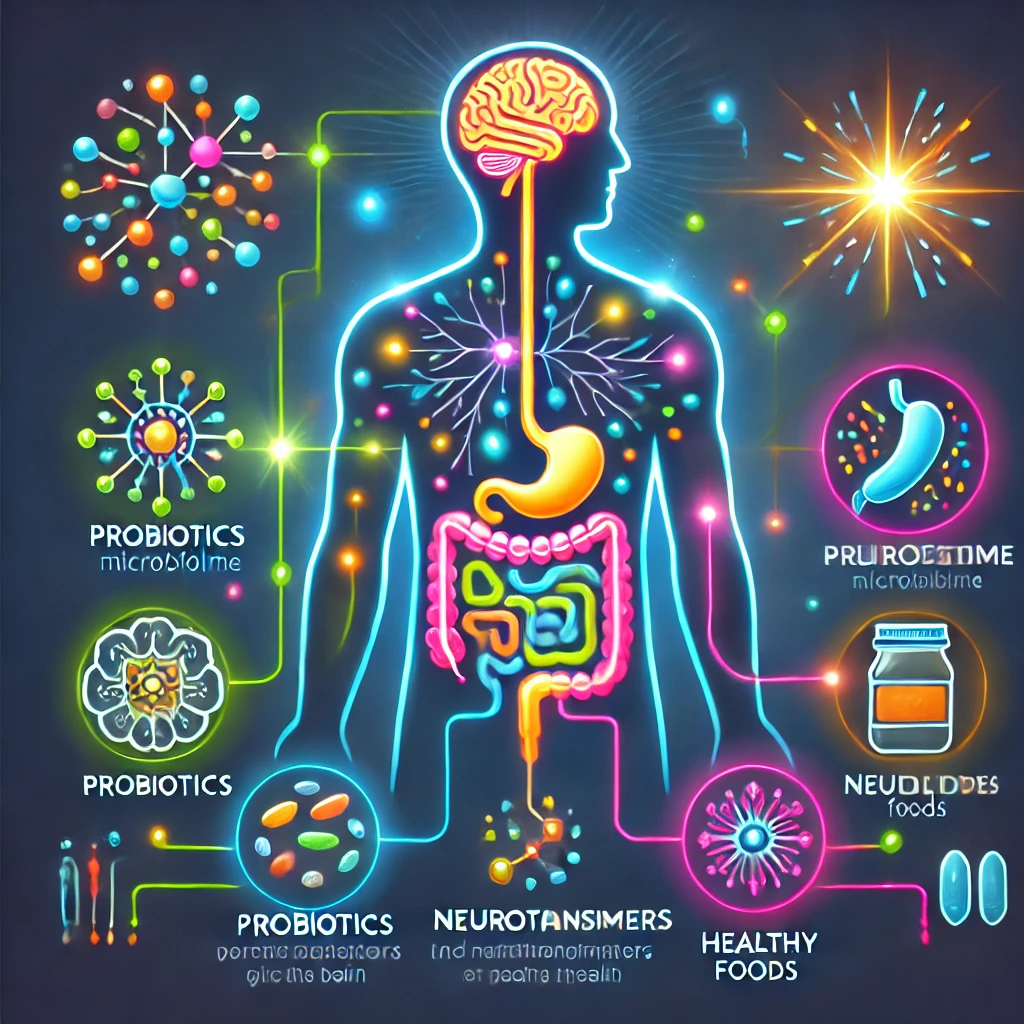
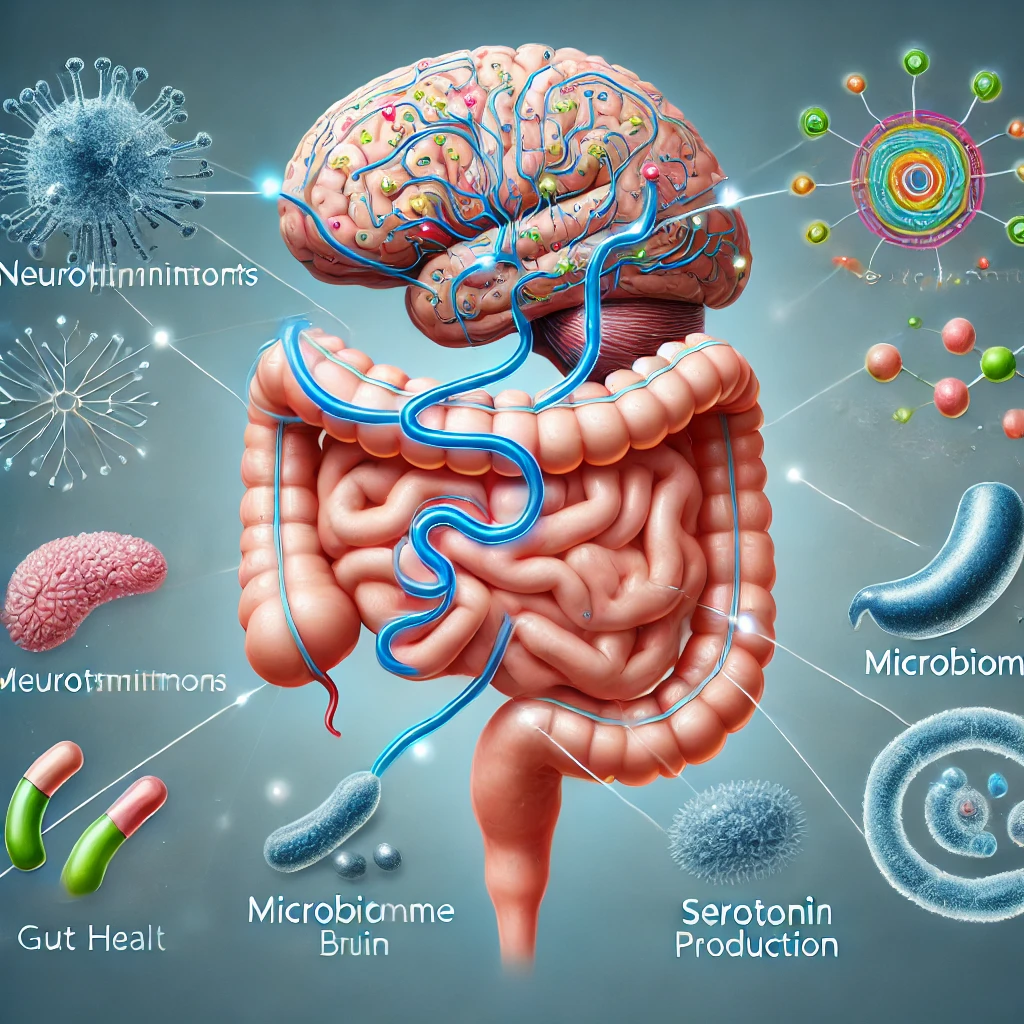
A detailed digital illustration of the human gut microbiome, showing neural pathways connecting the gut to the brain, highlighting the gut-brain axis.

Introduction

What is gut health, and why does it matter? This question has become increasingly important in our knowledge of total wellness. The gut-brain link, a complex communication network within our bodies, has become one of the most exciting areas of medical research. Scientists have discovered that the trillions of bacteria that live in our digestive system—known as the gut microbiome—play an important role in our mental and physical health. Harvard Health: The Gut-Brain Connection

Scientists have discovered that the gut microbiome—the billions of bacteria, fungi, and viruses that live in your digestive system—has a significant impact on both mental and physical health. The gut-brain axis regulates mood, cognitive function, digestion, and immunity. In this post, we’ll look at how the gut microbiome effects the brain, how gut health affects mental health, and how to promote a healthy gut-brain relationship.

What is the Gut-Brain Axis?

The gut-brain axis is a bidirectional communication network that connects the central nervous system (CNS) to the enteric nervous system (ENS), which regulates the digestive tract. This relationship is made possible by the vagus nerve, hormones, and immune system pathways. The gut microbiome is critical to this communication because it produces neurotransmitters, metabolites, and other signaling molecules that affect brain function and mood. National Institutes of Health: The Microbiome and Mental Health

Research has demonstrated that the gut microbiota can influence mood, cognition, and even mental health problems such as anxiety and depression. Conversely, the brain can influence gut health via stress and emotional responses, resulting in a feedback loop that affects overall health. Mayo Clinic: Probiotics and Gut Health

How the Gut Microbiome Influences Mental Health

Neurotransmitter Production

The gut microbiome produces many of the same neurotransmitters present in the brain, such as serotonin, dopamine, and GABA. In fact, the gut produces nearly 90% of serotonin, a major mood regulator. An imbalance in gut bacteria can impair the production of these neurotransmitters, potentially resulting in mood problems. This explains why the microbiome and mental health are so closely linked.

Inflammation and Mental Health

Chronic inflammation is linked to mental health disorders such as sadness and anxiety. The gut microbiota regulates the immune system. When dangerous bacteria dominate the stomach, it can cause systemic inflammation, which can impair brain function.

Stress Response

The gut microbiome influences the body’s response to stress by modulating the hypothalamic-pituitary-adrenal (HPA) axis, which controls the release of stress hormones like cortisol. A healthy gut can help regulate stress responses, while an imbalanced microbiome may exacerbate stress and anxiety.

Stress and Cortisol Levels:

Stress hormone production is increased, and mental health difficulties are worsened when the gut flora is altered.

The Gut Microbiome and Physical Health

Immune System Function

The majority of our immune system—about 70%—is located in the digestive tract, according to NIH study. When it comes to immunological cell training, the microbiota is pivotal.

Inflammation

Intestinal microbes have an important role in controlling systemic inflammation. Chronic inflammation and other health problems can result from microbiome disruptions.

Weight Management

Energy homeostasis and metabolism are affected by the gut microbiome. People who are overweight tend to have less diverse gut flora than those who maintain a healthy weight, according to research. Appetite and fat accumulation can be influenced by certain bacteria in the gut.

Chronic Disease Prevention

An imbalanced microbiome has been linked to chronic conditions like type 2 diabetescardiovascular disease, and even cancer. By promoting a healthy gut, you can reduce your risk of these diseases. This highlights the importance of understanding microbiome and chronic diseases.

How to Improve Gut Health Naturally

Eat a Gut-Healthy Diet

Here are some of the top foods that support healthy gut-brain function:

  • Live cultures (such as kombucha, kefir, and yogurt)
  • Fruits and vegetables high in fiber
  • Grain products
  • Healthy protein sources
  • Consumption of meals high in omega-3,
  • Bone broth
  • Green tea
  • Fresh vegetable juices

Reduce Stress Levels

  • Practice deep breathing, yoga, and meditation.
  • Engage in mindful meditation while spending time in nature.

Improve Sleep Hygiene

  • Aim for 7-9 hours of sleep per night to support gut and brain function.
  • Maintain a consistent sleep schedule and avoid blue light before bedtime.

Exercise Regularly

  • Engaging in physical activity has dual benefits for gut microbiota diversity and cognitive health.
  • Regular moderate exercise, such as brisk walking, cycling, and strength training, has positive effects on both physical and mental health.

Take Probiotics and Supplements

  • For optimal gut health, think about using high-quality probiotic supplements.
  • Magnesium and vitamin D work together to decrease inflammation and control neurotransmitters.
  • Supplements for Gut Health: Digestive Enzymes, Omega-3 Fatty Acids, Probiotics, and Prebiotics Can Help Keep Your Microbiome in Check.

Conclusion

The gut-brain connection is a powerful and complex system that significantly influences mental and physical well-being. By prioritizing gut health through diet, stress management, and lifestyle changes, you can enhance brain function, mood, immunity, and overall health. The emerging research continues to reveal new insights, making it clear that a healthy gut leads to a healthier mind and body.

Frequently Asked Questions (FAQs)

1. Can improving gut health reduce anxiety and depression?

There is some evidence that a balanced microbiome in the gut can alleviate symptoms of anxiety and depression by increasing serotonin production.

2. How does stress affect gut health?

Irritable bowel syndrome (IBS), bloating, and other gastrointestinal problems can develop as a result of chronic stress’s effects on the gut flora, which in turn raise inflammation.

3. What foods improve gut-brain health?

Yogurt, kefir, garlic, onions, foods rich in probiotics and prebiotics, foods rich in polyphenols, and foods rich in omega-3 fatty acids all contribute to a healthy gut and brain.

4. How long does it take to improve gut health?

With consistent dietary and lifestyle changes, improvements can be seen within a few weeks to a few months.

5. Are probiotic supplements necessary?

Probiotic pills can be helpful, particularly for people with gut imbalances or after using antibiotics, although dietary sources are best.

Invest in your gut health today for a happier mind and a healthier body! 🚀

Posted on Leave a comment

“The Importance of Gut Health: How Your Digestive System Impacts Overall Wellness”

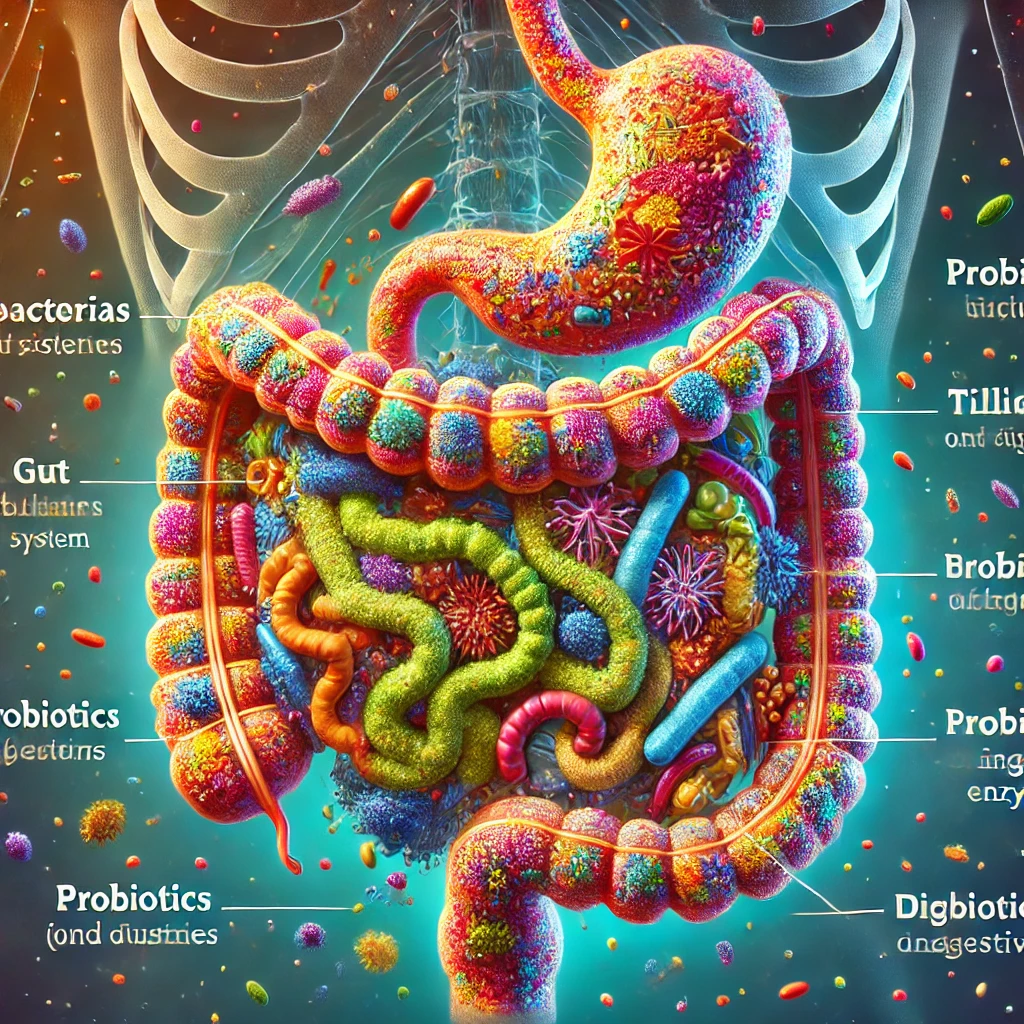
"Detailed digital illustration of the human gut microbiome, showing beneficial bacteria, probiotics, gut lining, and digestive enzymes."

What is gut health?

Gut refers to entire digestive system and gut health is described as the balance functioning of the digestive system. The physical structure of the gut from mouth to colon is intact and functioning properly. It is digesting and absorbing nutrients well with regular and healthy bowl movements. Microbiome balance is present in the gut. Gut microbiome plays a crucial role in aiding digestion. these microbiomes help in production of essential nutrients and compounds.

The gut directly influences the following connected systems:

  • Immune system (70-80% of immune cells are in the gut)
  • Mental health through the gut-brain axis
  • Hormone regulation
  • Inflammation levels throughout the body
  • Energy production and metabolism

Understanding the Gut Microbiome

The gut microbiome refers to the trillions of microorganisms that live in the digestive system. It is estimated to be 100 trillion microorganisms with 1000 different species of bacteria. It not only contains the bacteria but also contains the fungi, viruses, and other microorganisms. it is unique in each person just like fingerprint. A healthy microbiome has high biodiversity.

Key Functions:

1. Digestion and Nutrient Processing

What is the gut microbiome and why is it important? Gut microbiomes are involved in breaking down of complex carbohydrates and helps on absorption of minerals. They produce essential vitamins like B12 and vitamin K. It metabolizes proteins and creates short-chain fatty acids. Learn more from Harvard Health.

2. Protective Functions

Gut microbiome trains the immune system to fight off against the pathogenic bacteria. It maintains the gut wall integrity by forming a barrier against harmful bacteria. Read more from NIH.

3. Communication Role

Gut microbiome produces neurotransmitters that involves in communication with the brain. It influences hormone production which affects appetite and satiety and have a significant impact on mood and behavior of the individual.

4. Gut Health and Immune System Regulation

The gut is home to around 70% of the immune system, where helpful bacteria assist in distinguishing between hazardous invaders and safe compounds.

5. Gut Health and Weight Loss Connection

Your metabolism and weight are greatly affected by the bacteria that live in your gut. Research published in science has shown that different combinations of bacteria can have an impact on:

  • The number of calories you get from food
  • The storage and distribution of fat
  • Regulating blood sugar
  • The levels of cholesterol
  • The amount of energy used

Studies have demonstrated that people who have a more diversified gut microbiota are more likely to have a healthy weight and a better metabolic profile than those whose gut microbiomes are less diverse.

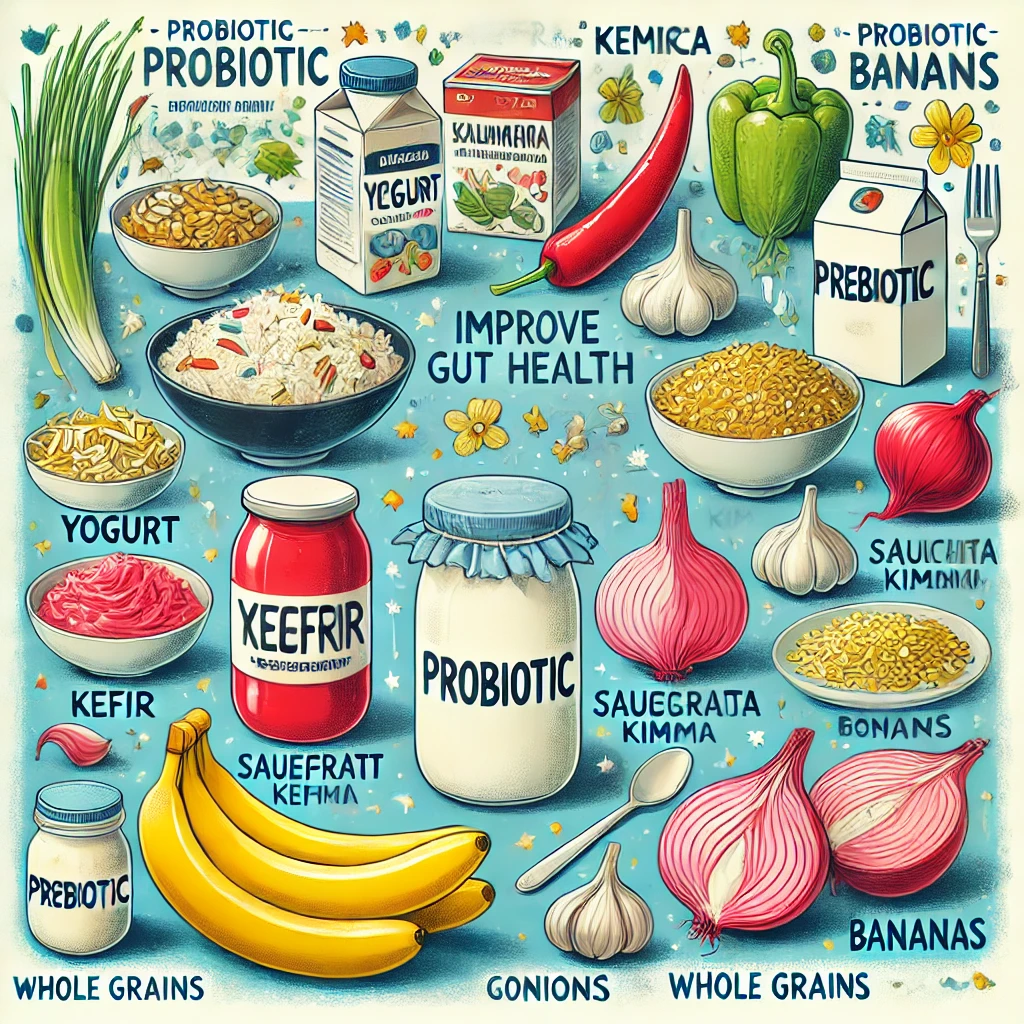
"An infographic displaying probiotic and prebiotic foods for gut health, including yogurt, kefir, sauerkraut, kimchi, garlic, onions, bananas, and whole grains."

The Gut-Brain Connection

The “gut-brain axis,” which refers to the close relationship between the gut and the brain, is one of the most interesting discoveries made in recent years. According to research published in the Journal of Clinical Medicine, your stomach produces more than 90% of the serotonin in your body. Serotonin is a neurotransmitter that is important for regulating mood and maintaining emotional well-being.
The enteric nervous system, which is sometimes called the “second brain,” is a neuronal network that is located in your digestive system. This system interacts with your brain through the vagus nerve, which affects:

  • Emotions and moods
  • Responses to stress
  • Patterns of sleep
  • The ability to think
  • Levels of anxiety

Signs of Poor Gut Health

It is important to be able to identify the symptoms of poor gut health in order to preserve overall wellness. Some such markers are:

  • Discomfort in the digestive system (such as bloating, gas, constipation, or diarrhea)
  • Weight fluctuations that cannot be explained
  • Long-term exhaustion
  • Skin issues (acne, eczema)
  • Food intolerances
  • Infections that happen often
  • Mood problems
  • Problems with sleep

The Future of Gut Health

New linkages between gut health and several elements of human health are being discovered by ongoing research. Researchers are investigating:

  • Nutrition that is tailored to the microbiota profiles of each person
  • New treatment methods for different illnesses
  • The microbiome’s impact on aging and lifespan
  • The relationship between intestinal health and chronic disorders
  • New probiotic and prebiotic therapies

How to improve gut health naturally

Maintaining a balanced gut microbiome is crucial for long-term health. Here are some practical ways for repairing an unhealthy gut and maintaining good gut health and wellness.

1. Eat a Diverse, Fiber-Rich Diet

Eat whole grains, fruits, vegetables, nuts, and seeds, which include prebiotic fiber that nourishes helpful bacteria. Learn about fiber from the Mayo Clinic.

Include fermented foods in your diet, such as yogurt, kefir, sauerkraut, kimchi, and miso, which are rich in probiotics and promote a healthy gut.

2. Stay Hydrated

Drinking enough water helps with digestion, the absorption of nutrients, and the mucosal lining of the intestines. More on hydration from CDC.

3. Manage Stress Effectively

Meditation, deep breathing, yoga, and regular exercise are all practices that can help control stress hormones that affect gut health. Read more on stress and digestion from Johns Hopkins.

4. Use Antibiotics Only When Necessary

Antibiotics can kill off good bacteria if you take them too often, so only take them when your doctor tells you to and think about taking probiotics afterward. More on antibiotic use from the CDC.

Conclusion

A healthy gut is essential for overall wellness, since it affects digestion, immunity, metabolism, and even mental health. You may improve your gut microbiome and general health by making intentional choices about your lifestyle, such as eating a balanced diet, reducing stress, and maintaining a regular sleep schedule. If you focus on your gut health and wellness today, you may experience long-term benefits, such as a lower risk of chronic diseases and a higher quality of life.

Frequently Asked Questions (FAQs)

1. What are the best foods for gut health?

Foods for a healthy gut include yogurt, kefir, sauerkraut, kimchi, garlic, onions, bananas, and whole grains, all rich in probiotics and prebiotics.

2. How long does it take to improve gut health?

Depending on diet and lifestyle changes, noticeable improvements can occur within a few weeks to a few months.

3. Can gut health improve mental health?

Yes, the gut-brain connection plays a role in mental health. An imbalanced microbiome can contribute to mood disorders, anxiety, and depression.

4. What are the best probiotics for gut health?

Lactobacillus and Bifidobacterium strains are among the most beneficial probiotics for gut health.

5. How does gut health affect your immune system?

A healthy gut supports immune function by regulating inflammation and preventing harmful bacteria from taking over.

Investing in gut health and wellness today can have profound benefits for your future well-being!

Posted on 2 Comments

“Longevity and Wellness: How Innovations Are Extending Healthy Living”

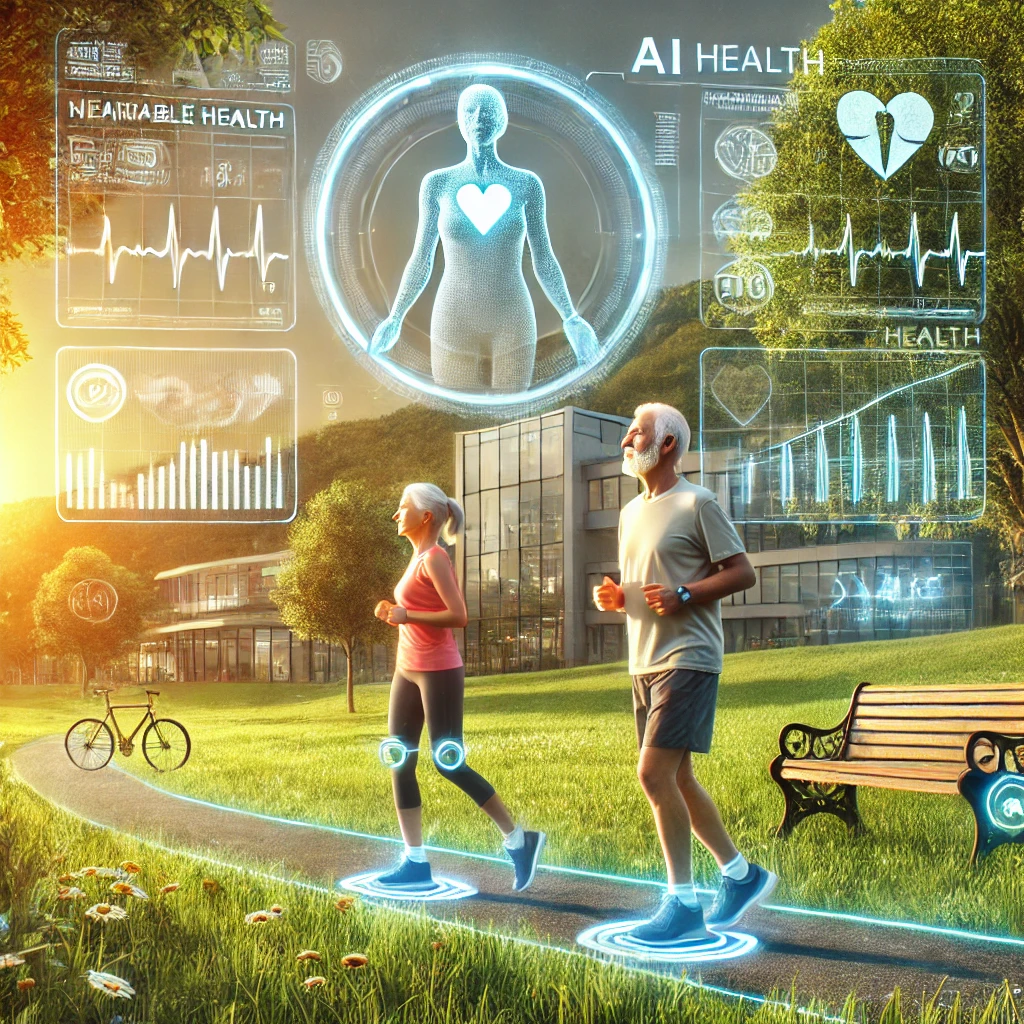
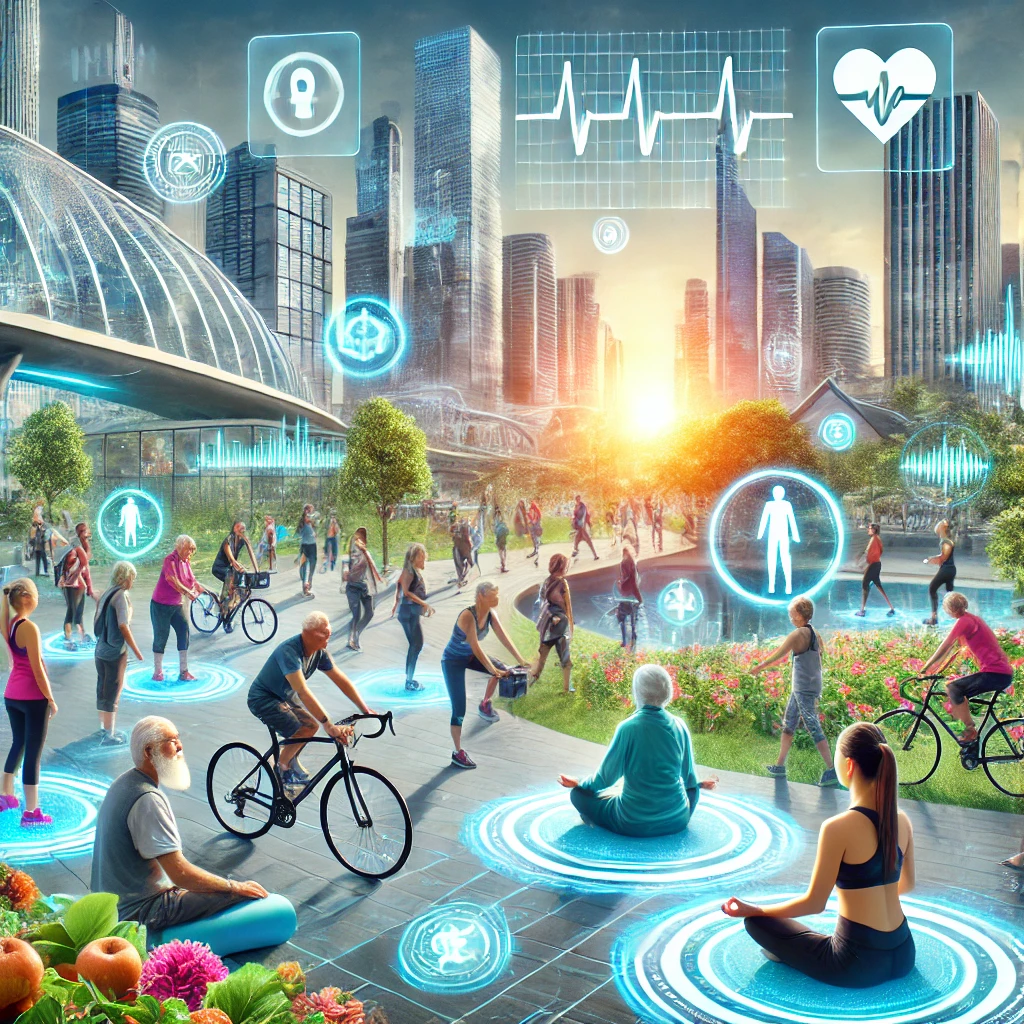
A futuristic vision of longevity and wellness, showcasing people of different ages engaging in healthy activities like yoga, jogging, and meditation in a high-tech park. Wearable health devices track their vitals, while a cutting-edge medical research center in the background symbolizes advancements in longevity science."

Introduction

In recent years, the pursuit of healthy living for the prolonged period of time has transcended traditional healthcare approaches. People are using different strategies that integrates the personalized nutrition, advancements in medical science and technology-driven wellness solutions. These approaches are not only focused only prolonging the life but also enhancing the quality of health span. Longevity research breakthroughs, Anti-aging medical advancements, healthy aging lifestyle innovations and healthy aging technologies have played a crucial role in this aspect. Innovations such as regenerative therapies, personalized nutrition plans, and AI-powered health diagnostics are the key aspects in achieving longevity and wellness. It is evident that the convergence of science and technology are making a way for a future where longevity and wellness are attainable goals for a broader population.

1. Advances in Medical Science

Advances in medical science is very instrumental in improving the wellness of individuals they play a key role in extending both lifespan and health span of the individuals.

Precision medicine

It helps in tailoring the treatment of individuals on the basis of their genetic profile, this has revolutionized the approach of managing chronic diseases and age-related conditions. Target therapies were used in the oncology, and it has significantly improved the survival rate.

Senolytics

These are the drugs that eliminate senescent cells which is very helpful in delaying age-associated disorders.

Stem cell therapies

The stem cell therapies provide the regenerative treatments for degenerative diseases like Parkinson’s and osteoarthritis.

Artificial intelligence (AI)

Artificial intelligence (AI) and big data analytics are using all the data making some predictions about disease outbreaks which helps in the following which ultimately provides a healthy living.

  • ✅ Early disease detection
  • ✅ Personalized treatment planning
  • ✅ Predicting health risks using big data

2. The Role of Nutrition and Diet

Nutrition played a pivotal role in the wellbeing and overall health of the individuals. Research are constantly done on the role of diet and nutrition in the aging, disease prevention and longevity.

  • Nutrigenomics it is a study of how genes interact with the nutrients and extending healthy lifespan of the individuals. It allows people to optimize their diet based on their genetic makeup.
  • Mediterranean diet this diet pattern consists of healthy fats, lean proteins and antioxidants which decreases the risk of cardiovascular disorders and neurodegenerative diseases.
  • Blue Zones diet it is basically the eating pattern or habits of world longest living population, emphasizes whole foods, plant-based nutrition, and moderate calorie intake, promoting longevity.

3.  Technological Innovations in Wellness

Technological innovations help in proactive monitoring if health that enables in early detection of disease or any peculiar change in normal pattern of health monitors

  • Wearable Health Tech and Real-Time Monitoring they constantly measures the heart rate, oxygen levels and sleep patterns that allow users to measure their health in real time.
  • AI-Powered Health Diagnostics helps in the diagnosis of the diseases such as cancer and neurological disorders with high accuracy, leading to earlier and effective treatments.
  • Virtual and Augmented Reality (VR/AR) in Wellness this technology is used in mental health therapy, pain management, and fitness training.
"A futuristic vision of longevity and wellness, showcasing people of different ages engaging in healthy activities like yoga, jogging, and meditation in a high-tech park. Wearable health devices track their vitals, while a cutting-edge medical research center in the background symbolizes advancements in longevity science."
“Embracing the future of longevity and wellness—where innovation, technology, and healthy living come together to extend healthspan and improve quality of life.

4. Mental and Emotional Well-being

Mental and emotional wellbeing are the very important component of healthy and long life without these it is near impossible to live a healthy and happy life. Alot of research is done that shows the interplay of the psychological resilience, stress management, and social connections and its vital role in slowing the aging process and preventing age-related diseases. Innovations in different aspects of health helped people to improve their mental and emotional wellbeing.

The Science of Mindfulness and Stress Management

Mindfulness is the basic human ability to be fully present, aware of where we are and what we’re doing, and not overly reactive or overwhelmed by what’s going on around us. It helps in reducing the stress and makes people feel at ease thus reducing the levels of cortisol eventually. Chronic stress has a role in increasing inflammation which shortens telomerase, these are protective caps of DNA that determine cellular span.

The Impact of Social Connections on Longevity

Studies from Blue Zones (these are regions with the highest concentrations of centenarians) these studies show the importance of close-knit communities and sense of purpose in the people helps in promoting longevity. while on the other side of the coin loneliness was associated to the increased risk of cardiovascular diseases.

Cognitive Training and Neuroplasticity

The ability of the brain to adapt and form new neural connections is called neuroplasticity and brain retains this ability throughout the life. If you involve yourself in lifelong learning, problem-solving activities, and brain training exercises your brain keeps on improving and you can delay the cognitive decline of your brain. Brain-computer interfaces and virtual reality-based cognitive training can help a lot in this process.

5. Regenerative and Emerging Therapies

In past few years, we have seen unprecedented advances in the field of regenerative medicine it has achieved the new heights that nobody was thinking of and now it is offering new hope for extending not only lifespan, but also HealthSpan that is more important. These therapies are mainly focused on repairing damaged tissues, slowing biological aging, and reversing age-related diseases. these emerging therapies are revolutionizing our approach to aging and age-related diseases they are helping us to work on the mechanisms of cellular aging.

Stem Cell Therapy: The Cornerstone of Regeneration

Stem cells have the unique ability to regenerate and form new cells from the previous cells. Research on mesenchymal stem cells (MSCs) has shown amazing results in treating degenerative conditions like Parkinson’s disease, osteoarthritis, and cardiovascular disorders. Recent developments include:

  • Mesenchymal stem cells (MSCs) for treating inflammatory conditions
  • Neural stem cells for neurodegenerative diseases
  • Induced pluripotent stem cells (iPSCs) for personalized medicine
  • Tissue-specific stem cells for organ regeneration

Longevity Drugs: Metformin and Rapamycin

These drugs are tested and proven to play an important role in the anti aging potential. Metformin and Rapamycin do their job by improving insulin sensitivity and by promoting autophagy respectively.

6. The Future of Longevity and Ethical Considerations

Today we are standing on the brink of the revolutionary advances in longevity science, it is important to look not just the scientific possibilities, but also the ethical problems these developments bring. One of the most important ethical concerns is the potential for longevity technologies to exacerbate existing social inequalities. This manifests in several ways:

  • Economic disparities in access to life-extending treatments
  • Geographic variations in availability of advanced healthcare
  • Different levels of technological literacy affecting treatment utilization
  • Cultural and social barriers to healthcare access

Furthermore, it leads to many other problems which raise many Questions in the society For example:

  • How the Shifts in family dynamics and inheritance patterns can affected?
  • what will be Changes in career trajectories and retirement concepts?
  • how it will Impact on social security and pension systems?
  • what will be Educational and professional opportunities for younger generations?
  • Healthcare system capacity and adaptation needs?
  • What will be Housing and infrastructure requirements?
  • What will be Healthcare economics and insurance models?
Moving Forward Responsibly

The path forward requires a balance between the scientific progress with ethical considerations:

  • Fostering public dialogue and understanding
  • Promoting inclusive research and development
  • Ensuring equitable access to treatments
  • Developing sustainable implementation models
  • Creating adaptive regulatory frameworks

Conclusion

The pursuit of longevity and wellness is not just about living a long life but also about living a healthy life a disease-free life making sure that the years of life spent in good health. Thanks to advancements in medical science, we can slow down the aging process, we can prevent diseases, and we are able to enhance overall quality of life.

As longevity research continues people are able to take proactive steps today by adopting a holistic approach—adopting healthy habits, leveraging new medical innovations, and staying informed about emerging therapies. The future of aging is no longer just about adding years to life, but about adding life to years.

Start today by:
Prioritizing nutrition
Staying active
Managing stress and sleep
Leveraging technology
Exploring emerging therapies