
Posted on Leave a comment

The Historic Election of Pope Leo XIV: A New Era for the Catholic Church

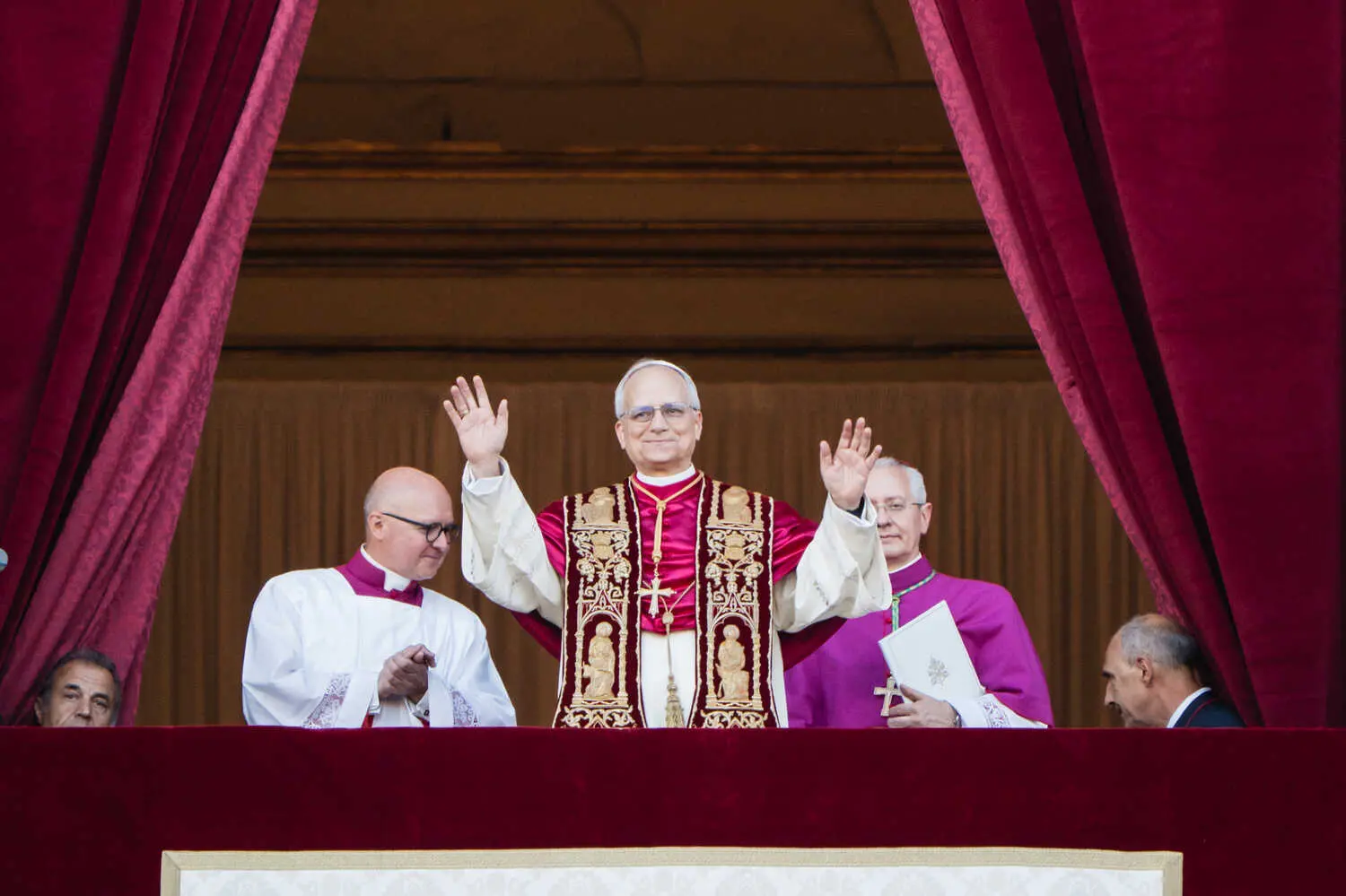
The Catholic Church has entered a new era with the election of Pope Leo XIV, marking a historic moment as the first American to ascend to the papacy. Born Robert Francis Prevost in Chicago, Pope Leo XIV brings a unique blend of American and Latin American perspectives to the Vatican, promising to continue the legacy of his predecessor, Pope Francis, while charting his own path for the future of the Church.

A Historic Moment

The election of Pope Leo XIV is a landmark event, not only because he is the first American pope but also because of his deep connections to Latin America. Having spent significant time as a missionary in Peru, Pope Leo XIV is seen as a bridge between the Americas, embodying a spirit of unity and inclusivity. His election has been met with widespread celebration and anticipation for the changes he may bring to the Church.

Continuing the Legacy of Pope Francis

Pope Leo XIV has expressed admiration for his predecessor, Pope Francis, and has indicated a desire to continue many of the reforms initiated during Francis’s papacy. This includes a focus on social justice, environmental stewardship, and outreach to marginalized communities. Pope Leo XIV’s commitment to these values suggests a continuation of the progressive path set by Pope Francis, with a renewed emphasis on building bridges and fostering dialogue within the Church and beyond.

Addressing Contemporary Challenges

As the new leader of the Catholic Church, Pope Leo XIV faces a range of contemporary challenges, from addressing the clergy sexual abuse crisis to navigating the Church’s role in a rapidly changing world. His background in both the United States and Latin America, along with his experience in missionary work, positions him well to tackle these issues with a global perspective.

A Vision for the Future

Pope Leo XIV’s vision for the future of the Catholic Church is one of unity, compassion, and engagement with the modern world. He has spoken about the importance of being a “missionary church” that is open to all, emphasizing the values of charity, dialogue, and love. His leadership is expected to focus on strengthening the Church’s mission while adapting to the needs and realities of the 21st century.

Conclusion

The election of Pope Leo XIV represents a significant moment in the history of the Catholic Church. As the first American pope, he brings a fresh perspective and a commitment to continuing the progressive reforms of his predecessor. With a focus on social justice, environmental care, and global unity, Pope Leo XIV is poised to lead the Church into a new era of hope and renewal.

As the world watches, the Catholic Church embarks on this new chapter with anticipation and optimism, guided by the leadership of Pope Leo XIV.

Posted on Leave a comment

Trump’s AI Pope Image: Satire, Shock, and the Power of Digital Provocation

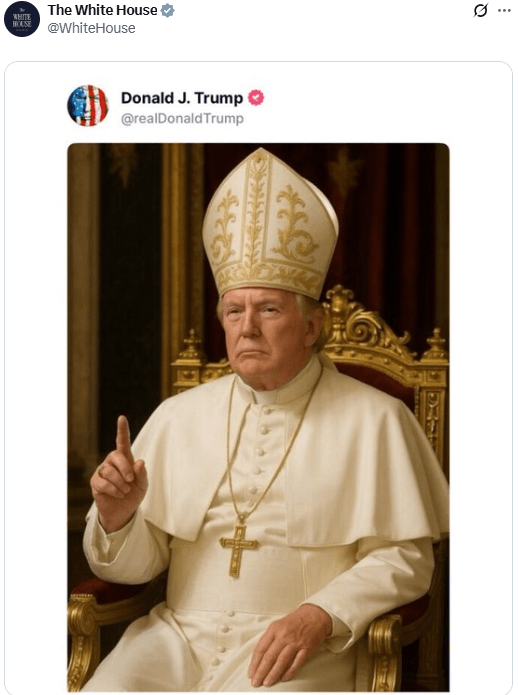
In a move that has sparked both amusement and outrage, U.S. President Donald Trump shared an AI-generated image of himself dressed as the Pope on his Truth Social platform. The image, depicting Trump in full papal regalia, comes shortly after the death of Pope Francis and just days before the Vatican’s conclave to elect a new pontiff.(Business Recorder, tnj.com)

The AI Image: A Digital Provocation

The AI-generated image portrays President Trump in traditional papal attire—white robes, a gold crucifix pendant, and the miter hat—with his right index finger pointed toward the sky. This visual was shared on Truth Social following Trump’s jest to reporters that he would like to be the next Pope, stating, “I’d like to be pope, that would be my number one choice” .(Dawn, Business Recorder)

While some viewed the image as a humorous take, others criticized it as insensitive, given its timing shortly after Pope Francis’s death.

Reactions: Humor Meets Controversy

The image elicited a spectrum of reactions:(tnj.com)

  • Supporters’ Perspective: Some of Trump’s supporters found the image amusing, interpreting it as a satirical jab at political correctness and the establishment.(tnj.com)
  • Critics’ Viewpoint: Many religious leaders and commentators condemned the image as disrespectful. The Network Journal reported that religious groups accused Trump of mocking the sanctity of the papacy, labeling the image as “tone-deaf” and “inappropriate” .(tnj.com)

Senator Lindsey Graham added to the discourse by humorously suggesting that the conclave should “keep an open mind” about considering Trump as the next Pope .(New York Post)

The Intersection of AI, Politics, and Religion

This incident underscores the growing influence of AI-generated content in political discourse. The use of AI to create satirical images blurs the lines between humor and offense, especially when intersecting with sensitive topics like religion.(Business Recorder)

The controversy also highlights the challenges of navigating digital expression in an era where AI tools can produce highly realistic images, raising questions about authenticity, intent, and impact.

Conclusion: A Reflection on Digital Expression

President Trump’s AI-generated papal image serves as a case study in the complexities of digital expression in contemporary politics. While intended as satire, the image’s reception reveals deep divides in public perception and the potent influence of AI in shaping political narratives.

As technology continues to evolve, society must grapple with the ethical considerations of AI-generated content, especially when it intersects with deeply held beliefs and institutions.