Posted on Leave a comment

How U.S. Student Visa Ban Is Hurting the American Economy, Healthcare & Global Reputation


U.S. halts J, M, F visas under Trump—impacting international students, healthcare, and $44B in economic contributions. What does this mean for America?


Introduction: A Silent But Destructive Policy Shift

In a sweeping policy change, U.S. consulates worldwide have been instructed to pause all visa interviews for international students, including J, M, and F visa applicants. This move, made under the Trump administration, is already triggering economic disruption, threatening healthcare staffing, and damaging America’s global reputation as a hub for education and innovation.


📉 The Economic Fallout: $44 Billion at Risk

In the 2023–2024 academic year, international students in the U.S. contributed over $44 billion to the national economy. This includes spending on tuition, housing, travel, and living expenses. International student enrollment supports over 400,000 jobs across various sectors—from education and housing to food and retail.

With the student visa freeze, universities are bracing for a significant drop in enrollment. Many institutions, especially public universities, rely on foreign tuition to fund research, faculty salaries, and student resources. A decline in these numbers could lead to layoffs, program cuts, and diminished academic output.


🎓 Trump vs. Harvard: A Political Power Play

President Donald Trump’s growing hostility toward elite institutions like Harvard University has added fuel to the fire. His administration has criticized Harvard’s large foreign student population—more than 25% of the total student body—and attempted to investigate the school’s admissions policies.

Although a federal judge blocked the administration’s attempt to bar foreign students from attending Harvard, the message is clear: foreigners are being sidelined in favor of domestic political narratives.

This strategy may appease Trump’s voter base, which views Ivy League schools as elitist and exclusionary, but it risks pushing away global talent that helps these institutions thrive.


🏥 A Looming Healthcare Crisis

Foreign Medical Graduates (FMGs) play a vital role in the U.S. healthcare system, particularly in residency programs across underserved areas. Each year, thousands of FMGs are placed in U.S. hospitals, filling crucial gaps in staffing, especially in primary care and rural medicine.

With visa issuance paused, many of these doctors will not be able to start their training, leaving thousands of medical residency slots unfilled. This could cripple healthcare systems already strained from pandemic aftershocks.

It’s a healthcare time bomb—experienced physicians ready to serve, but stuck due to politics.


🌍 A Blow to America’s Global Academic Standing

For decades, the United States has been the global leader in higher education and scientific research. Top students, scientists, and innovators from around the world came to the U.S. not just for degrees but to contribute to groundbreaking research and innovation.

The new visa restrictions now send the opposite message: “You’re not welcome.”

As a result, countries like Canada, the UK, Germany, and Australia are stepping in. They’re offering friendlier immigration policies, scholarships, and research opportunities—poaching the very talent the U.S. used to attract.

This policy risks a brain drain that weakens America’s position in global technology, medicine, and innovation.


🧠 Meritocracy Undermined: The Bigger Picture

Beyond economics and healthcare, the visa freeze threatens America’s core identity as a meritocratic society. When immigration becomes politicized, and visa access depends more on ideology than achievement, the U.S. loses its competitive edge.

Research institutions rely on collaboration, diversity, and international input. Cutting off access to global talent is not just unfair to aspiring students—it’s self-sabotage.


🇺🇸 From Global Leader to Fortress America

What’s especially concerning is the ideological shift. Under Trump’s policies, America is moving from a beacon of intellectual freedom to an isolationist fortress. These decisions aren’t driven by security concerns, but by political ideology aimed at pleasing a narrow domestic base.

This transformation is happening fast—and its consequences may be irreversible if action isn’t taken.


🔚 Conclusion: Who Loses the Most?

In the short term, it’s the international students and medical graduates whose futures are on hold.

In the long term, it’s America that stands to lose the most—economically, culturally, and scientifically.

If the U.S. wants to remain a global leader in innovation, education, and healthcare, it must reverse these restrictive visa policies and return to a path of inclusion and opportunity.


📎 Suggested External References:


Posted on Leave a comment

US Still Pakistan’s No. 1 Export Market — But Can We Keep It That Way?

Introduction: A Tense but Pivotal Trade Relationship

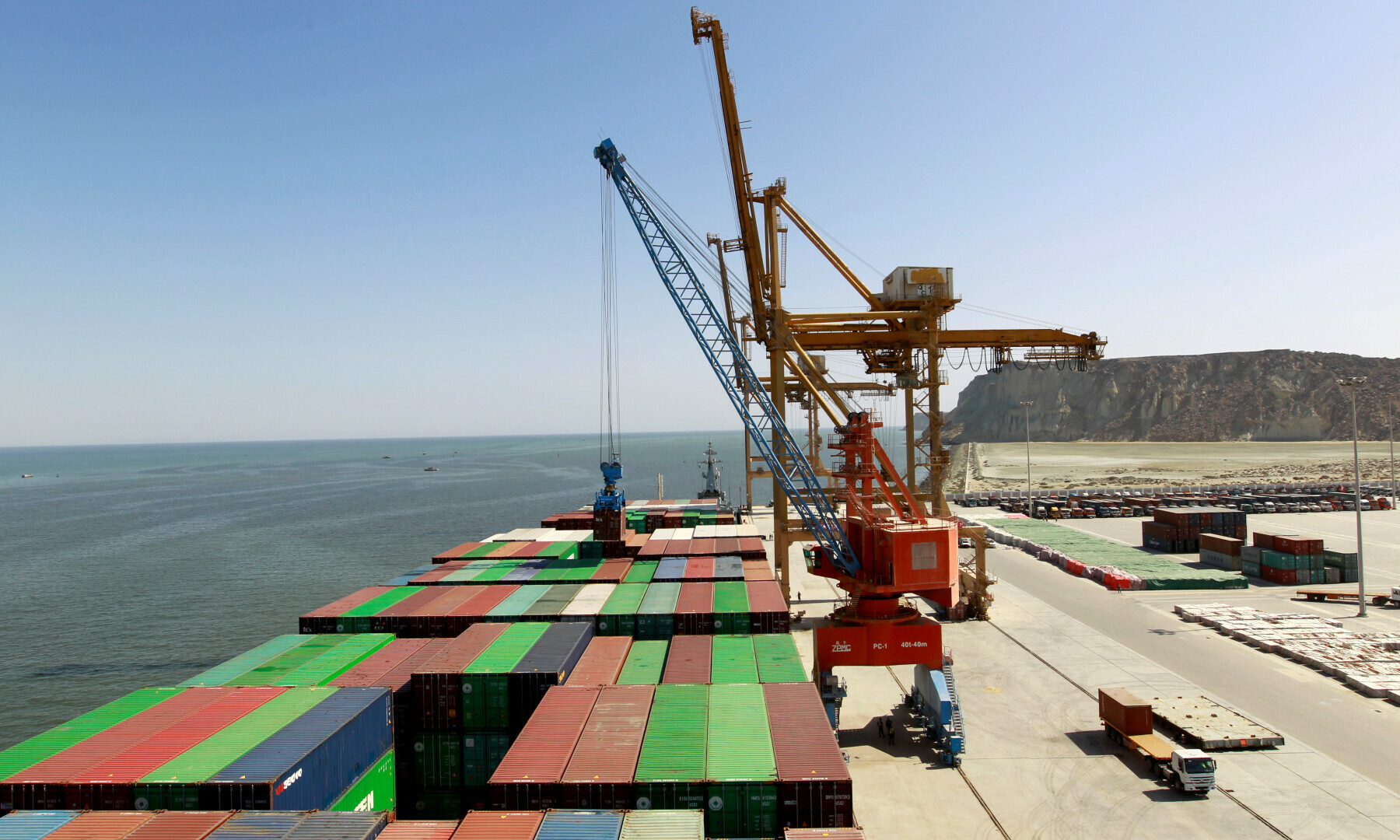
Despite rising trade tensions and new US tariffs, America remains Pakistan’s top export destination. In 2024, Pakistan exported $5.4 billion worth of goods to the US, generating a trade surplus of $3.33 billion. But with former President Donald Trump’s return to the global trade stage and his administration’s sweeping reciprocal tariffs on over 60 countries — including Pakistan — the economic equation is changing fast. As a new policy committee forms in Pakistan to chart a response, there’s a clear need to rethink how the country positions itself in an increasingly protectionist trade landscape.

The Tariff Tightrope: High Stakes for Exporters

With a 29% tariff now looming over Pakistani exports to the US, businesses are caught in a bind. Exporters like Interloop CEO Musadaq Zulqarnain warn that while large players may weather the storm due to their deep supply chain relationships, smaller exporters could face severe losses. The profit margins for many have already dropped from 15–20% to around 5–10%. The additional burden of tariffs could make Pakistani goods uncompetitive, especially in price-sensitive markets.

The fear is real: if Bangladesh successfully negotiates tariff relief and Pakistan doesn’t, orders could shift east overnight. The race to absorb costs and retain market share will favor those who can scale, automate, or innovate quickly.

India’s Edge: Negotiating from a Position of Strength

In contrast, India has been given multiple mentions in the US trade fact sheet, underscoring its economic weight and leverage. With a population of 1.3 billion and an active negotiation stance, India may win more favorable tariff terms.

This puts Pakistan in a vulnerable spot. If New Delhi succeeds in securing lower duties, the competitive gap between Indian and Pakistani exports could widen significantly. While Pakistan has longstanding ties with American buyers, especially in the textile sector, reliance on these historical relationships won’t be enough in a fast-changing trade environment.

Inflation in the US: A Hidden Opportunity?

Yet, even amid challenges, there could be a silver lining. With US inflation rising and household budgets tightening, demand for low-priced goods — Pakistan’s specialty — may increase. Mr. Zulqarnain notes that when American consumers cut back, they often downgrade their spending on items like clothing.

For instance, those who once bought branded socks may now prefer cheaper, unbranded alternatives. And those already buying unbranded may stretch their use even further. This shift in consumer behavior could create a window for Pakistan’s budget-friendly exports to gain traction, at least temporarily.

Reimagining the Export Mix: From Cotton to Man-Made Fiber

According to Pakistan Business Council CEO Ehsan Malik, long-term growth will depend on adapting to evolving demand. The global apparel market is shifting toward man-made fiber products, yet Pakistan continues to focus heavily on cotton-based exports.

To remain competitive, the country must retool its export profile. This includes investing in technology, training labor in synthetic textiles, and learning from countries like Sri Lanka and the Philippines. However, security issues and a lack of foreign expert engagement present major barriers to progress.

US Imports: A Tactical Shift That May Not Pay Off

One idea under consideration is increasing imports from the US to offset tariffs and open space for trade negotiations. But the economics don’t quite add up.

Pakistan already imports $772 million worth of cotton from the US, and that too duty-free. With US cotton costing 10–12 cents more per pound than Brazilian alternatives, a shift toward American cotton could raise input costs substantially.

Beyond cotton, there are few American imports that could realistically substitute for cheaper alternatives from China. Soybeans present one opportunity — they carry a 3% duty and could be used for goodwill gestures — but broader import shifts aren’t financially sustainable.

Policy Dilemma: Limited Leverage, High Risks

While the government has formed a policy committee to respond to the trade challenge, its room for maneuver is narrow. Pakistan lacks the geopolitical leverage to retaliate with reciprocal tariffs against the US. Nor can it afford to escalate tensions with one of its few major markets.

The only pragmatic option is to present a credible case to the US that Pakistan’s export-driven economy offers long-term value — and that tariff relief would serve both sides by stabilizing supply chains and maintaining affordability in the US market.

A Narrow Path Forward: Competitiveness Through Strategy

The unfortunate truth is that Pakistan’s fate may hinge more on its competitors’ actions than its own. If India and Bangladesh secure better terms, Pakistan could suffer collateral damage.

However, it’s not all doom and gloom. The recent electricity rate cuts for industrial sectors could lower production costs and rejuvenate large-scale manufacturing. Coupled with rising demand for low-cost goods in an inflation-hit US economy, Pakistan might just find a temporary uplift.

Still, for sustainable growth, Pakistan must act. That means:

  • Reassessing its export composition
  • Investing in synthetic textiles
  • Strengthening labor skills
  • Diversifying export markets
  • Proactively engaging in trade diplomacy

Conclusion: Can Pakistan Hold On to Its Top Export Market?

Pakistan remains deeply reliant on the US as an export market. But global trade is being reshaped, and passive strategies won’t cut it. In a world of reciprocal tariffs and strategic alliances, Pakistan must become proactive, nimble, and forward-thinking.

As discussed in our post on “The Geopolitics of Textile Trade,” sustaining market share in the US will take more than competitive pricing — it will require vision, reform, and courage.

Suggested Internal Link: As discussed in our post on “The Geopolitics of Textile Trade”

Posted on Leave a comment

 “Trump’s New Iran Sanctions Revealed: The Hidden Missile Threat That Could Change Everything”

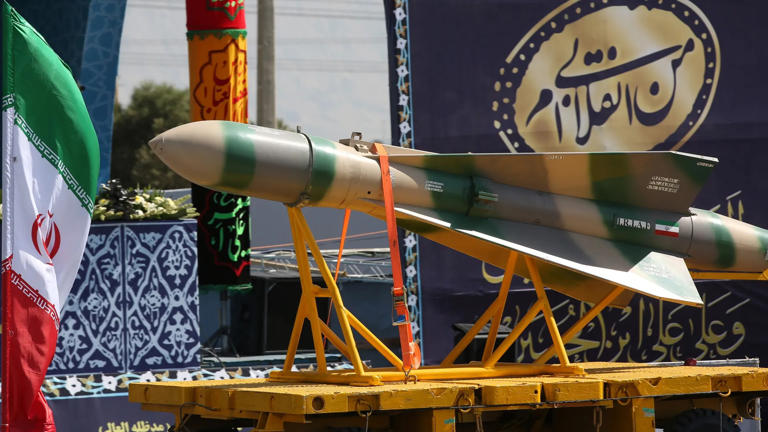
On May 14, 2025, the U.S. Treasury Department announced new sanctions targeting Iran’s ballistic missile program. These sanctions affect six individuals and twelve entities, primarily based in Iran and China, accused of aiding Iran’s efforts to domestically produce components for its missile program, including critical materials like carbon fiber used in manufacturing intercontinental ballistic missiles. (Reuters)

This move is part of President Donald Trump’s renewed “maximum pressure” campaign against Iran, which was reinstated in February 2025. The campaign aims to curb Iran’s missile development and oil exports amid broader geopolitical tensions. (Reuters, Reuters)

In addition to the missile-related sanctions, the U.S. has also sanctioned over 20 companies involved in exporting Iranian oil to China. These companies, including several based in Hong Kong, are accused of facilitating the shipment of Iranian crude oil worth billions to China, with proceeds allegedly supporting Iran’s ballistic missile programs and regional terrorist groups. (Reuters, Financial Times)

The sanctions come amid ongoing nuclear negotiations between the U.S. and Iran. Recent talks in Muscat, Oman, have shown cautious optimism, but major disagreements persist, particularly over Iran’s insistence on its right to domestically enrich uranium. (WSJ)

Iran has criticized the new sanctions as incompatible with negotiation efforts. Iran’s Foreign Minister Abbas Araqchi warned that reimposing United Nations sanctions on Tehran using the “snapback mechanism” could lead to irreversible tensions and end European involvement in the 2015 nuclear deal. (Reuters, Reuters)

The U.S. maintains that these sanctions are necessary to prevent Iran from developing intercontinental ballistic missiles and to ensure regional stability. Treasury Secretary Scott Bessent stated, “The Iranian regime’s relentless and irresponsible pursuit of advanced ballistic missile capabilities represents an unacceptable threat to the United States and the stability of the region.” (U.S. Department of the Treasury)

As the situation develops, the international community continues to monitor the unfolding events and their implications for regional and global security.

Posted on Leave a comment

Trump Lifts U.S. Sanctions on Syria in Major Middle East Policy Shift (The Times of India)

In a landmark announcement during his Middle East tour, President Donald Trump declared the lifting of all U.S. sanctions on Syria, signaling a significant shift in American foreign policy. The move aims to support Syria’s reconstruction efforts under its new leadership and reshape U.S. engagement in the region.(The Guardian, Reuters)

🗺️ Background: Syria’s New Leadership

The decision comes in the wake of the ousting of long-time Syrian President Bashar al-Assad in December 2024. Assad was replaced by Ahmed al-Sharaa, formerly known as Abu Mohammed al-Golani, a former al-Qaida insurgent leader who once had a $10 million U.S. bounty and was imprisoned by U.S. forces. Al-Sharaa led the rebel group Hayat Tahrir al-Sham (HTS) in a successful offensive that overthrew the Assad family’s 54-year rule in Syria. Encouraged by Saudi and Turkish leaders, Trump agreed to meet al-Sharaa and announced the lifting of longstanding U.S. sanctions on Syria, expressing hope for regional stabilization. (Wikipedia, AP News)

💬 Trump’s Statement

Speaking at an investment forum in Riyadh, President Trump stated:(Reuters)

“I will be ordering the cessation of sanctions against Syria in order to give them a chance at greatness. It’s their time to shine. We’re taking them all off. Good luck Syria, show us something very special.” (Reuters)

He emphasized that the move aims to give the new Syrian government an opportunity to stabilize and maintain peace. (Axios)

🤝 Regional and International Reactions

The lifting of sanctions has been welcomed by several international actors. Saudi Arabia and Turkey, in particular, have been instrumental in encouraging the U.S. to engage with Syria’s new leadership. The United Nations and the Syrian government have also expressed approval of the move. (Axios, The Guardian)

However, some analysts caution that the new Syrian leadership’s past affiliations may pose challenges. Al-Sharaa’s history as a former al-Qaida insurgent leader raises concerns about the direction of Syria’s future governance. (AP News)

💼 Economic Implications

The sanctions had severely impacted Syria’s economy, hindering access to international markets and financial systems. Their removal is expected to facilitate foreign investment and aid, crucial for rebuilding the war-torn nation. During his visit, President Trump also secured a $600 billion investment package from Saudi Arabia to the U.S., including a $142 billion arms deal—the largest defense agreement in U.S. history. (Axios, Reuters)

🔄 Shift in U.S. Foreign Policy

President Trump’s decision reflects a broader reorientation of U.S. foreign policy in the Middle East. He emphasized a move away from interventionist strategies towards economic cooperation and support for regional stability. Trump also extended an offer to Iran for negotiations over its nuclear program, suggesting the potential easing of economic sanctions in exchange for curtailing nuclear development. (Politico)

Posted on Leave a comment

Trump’s $400M Qatari Jet Gift: A National Security Nightmare or Political Power Play?

In a move that has ignited a firestorm of controversy, former President Donald Trump has accepted a $400 million luxury Boeing 747-8 jet from the Qatari royal family. Intended to serve as a temporary Air Force One replacement and later as a centerpiece in his presidential library, the gift has raised serious concerns among lawmakers, national security experts, and the public.(Time, Business Insider)

The Gift That Sparked Outrage

The aircraft, originally built by Boeing for Qatar in 2012, boasts opulent features designed by Cabinet Alberto Pinto, including luxurious lounges, bedrooms, and artwork by Alexander Calder. While Trump emphasizes the cost-saving nature of the “free” jet, experts warn that retrofitting the plane to meet U.S. presidential transport standards would require extensive modifications, including secure communications and electronic warfare defenses, potentially costing hundreds of millions of dollars .(Wikipedia, Business Insider

Legal and Ethical Concerns

Senate Minority Leader Chuck Schumer has delayed the confirmation of Trump’s Justice Department nominees, citing concerns over the jet gift’s legality under the Constitution’s emoluments clause, which prohibits federal officials from accepting gifts from foreign governments without congressional approval . Schumer demands transparency regarding potential deals between Qatar and Trump-affiliated interests, including real estate projects in the Middle East.(New York Post)

Attorney General Pam Bondi has deemed the gift legally permissible, asserting that the jet is a donation to the U.S. Department of Defense, not to Trump personally. However, critics argue that the optics of accepting such a lavish gift from a foreign government, especially one previously accused by Trump of funding terrorism, are problematic .(New York Post)

National Security Implications

Security experts express alarm over the potential risks associated with using a foreign-built aircraft as Air Force One. Concerns include the possibility of embedded surveillance equipment, sabotage, or tracking devices that could compromise national security. Retrofitting the jet to meet stringent U.S. security standards would be a complex and costly endeavor, further complicating the situation .(The Daily Beast, Business Insider)

Political Ramifications

Democrats are leveraging the controversy to galvanize voters, portraying the jet gift as emblematic of corruption and foreign influence in Trump’s administration. High-profile Democrats, including Sen. Ed Markey and Rep. Ritchie Torres, have characterized the deal as a major conflict of interest and a form of foreign bribery. Rep. Jamie Raskin plans to introduce a resolution requiring Trump to seek congressional approval under the emoluments clause .(Time)

Even some Republicans, such as Sens. Ted Cruz and Shelley Moore Capito, have expressed concern over the implications of the gift. However, other GOP members dismiss the controversy as political theater, emphasizing the need to replace the aging Air Force One fleet.(Time)

Trump’s Defense

In an interview with Fox News’ Sean Hannity, Trump defended his decision, expressing dissatisfaction with the existing 40-year-old Air Force One and emphasizing that the Qatari jet is a gift to the U.S. Department of Defense, not to him personally. He framed the gesture as a reward for America’s longstanding defense support to Qatar .(The Daily Beast)

Conclusion

The acceptance of a $400 million luxury jet from Qatar by former President Trump has sparked a multifaceted debate encompassing legal, ethical, and national security concerns. As the situation unfolds, it underscores the complexities of foreign relations, the importance of transparency in government dealings, and the challenges of maintaining ethical standards in the highest offices.(Time)

Posted on Leave a comment

TRUMP AND MBS SEAL MULTIPLE DEFENSE AND DIPLOMATIC DEALS IN RIYADH


Trump and Saudi Crown Prince Sign Series of Strategic Agreements in Riyadh

Date: May 13, 2025
By: RemedyTalks News Desk

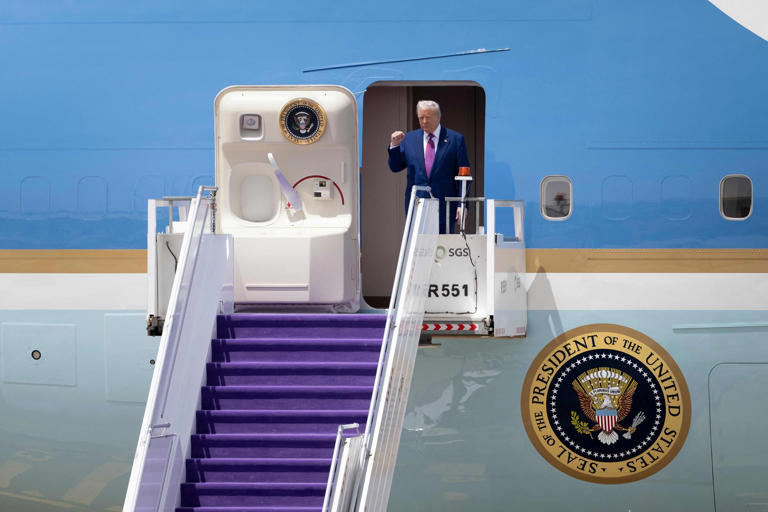
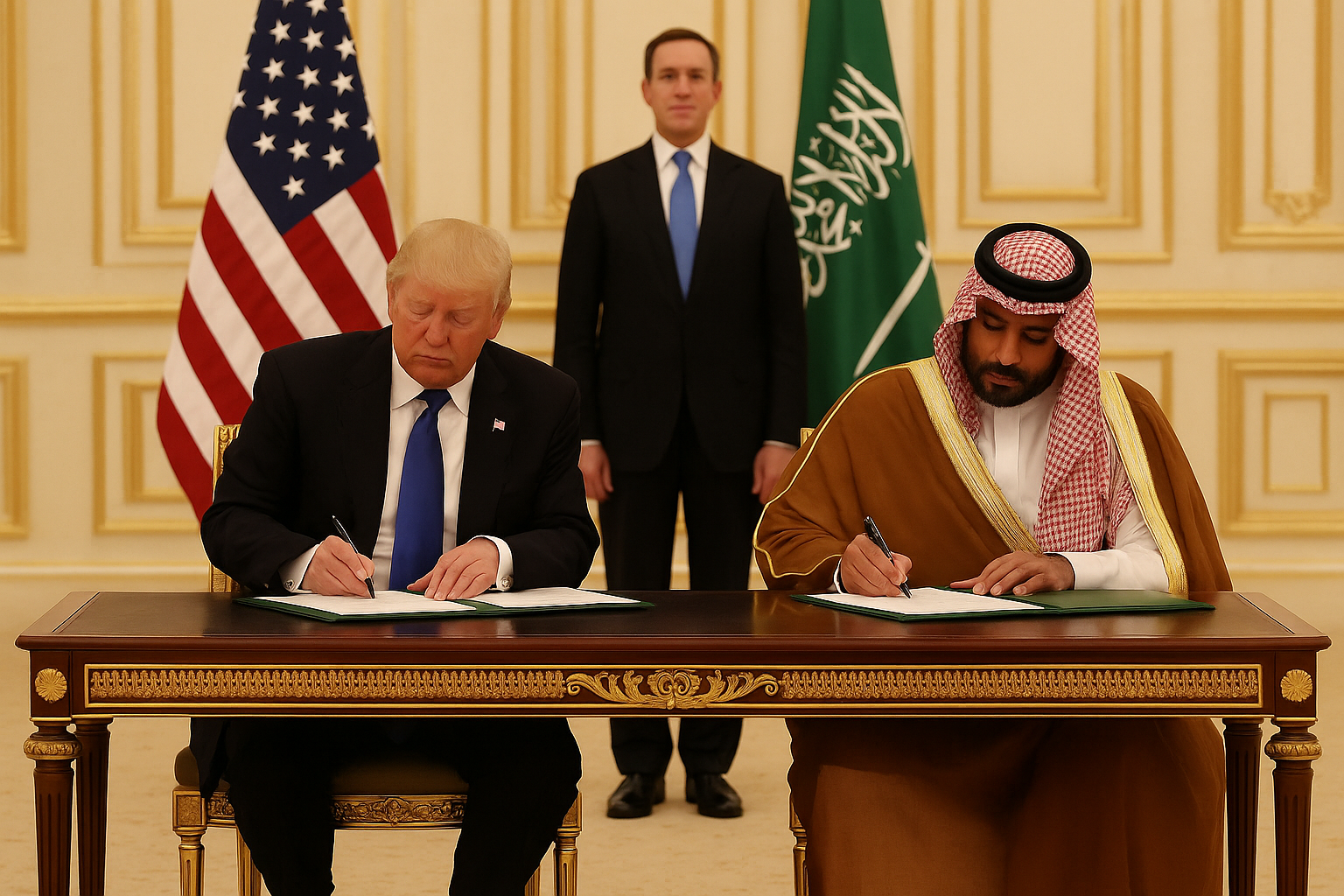
In a symbolic and highly strategic move, former U.S. President Donald Trump and Saudi Crown Prince Mohammed bin Salman (MBS) signed a series of bilateral agreements on Tuesday, reaffirming the close partnership between Washington and Riyadh.

The ceremony took place in a gilded ballroom at the Royal Court in Riyadh, where leaders signed memoranda of understanding, letters of intent, and other executive agreements spanning defense, health, law enforcement, and customs cooperation.


🔐 Major Defense & Security Partnerships Announced

A significant portion of the deals centered on strengthening military collaboration, a core component of U.S.–Saudi relations. Key defense agreements included:

  • Modernization of Saudi Armed Forces
    Plans to upgrade and develop Saudi Arabia’s defense capabilities for future combat readiness.
  • Support for the Saudi National Guard
    Agreements focused on ammunition training, system maintenance, spare parts, and educational support for both land and air divisions.
  • Health Capabilities for Military Personnel
    A new initiative to develop medical infrastructure and services tailored to the needs of the Saudi military.

These initiatives align with Saudi Arabia’s push to become more self-reliant in defense while maintaining robust ties with the United States.


🧬 Expanding Cooperation Beyond Military Ties

The agreements extended well beyond military cooperation, highlighting a multi-dimensional strategic relationship. Other signed accords include:

  • Medical Research Partnership
    A joint effort between the two nations to explore infectious disease research, with long-term goals of joint pandemic response systems.
  • Judicial Cooperation
    The two countries agreed on frameworks for information-sharing and legal coordination, a step toward streamlined cross-border investigations.
  • FBI–Saudi Interior Ministry Partnership
    A new agreement between the Federal Bureau of Investigation (FBI) and the Saudi Ministry of Interior to enhance joint security operations and counter-terrorism efforts.
  • Customs Authority Collaboration
    Streamlined trade and logistics protocols were agreed upon to promote faster, more secure movement of goods between both countries.

🌍 Geopolitical Significance

These agreements signal deepening U.S.–Saudi cooperation at a time of growing uncertainty in the Middle East. With Crown Prince MBS positioning himself as a strategic partner to the U.S., the deals also serve to elevate his leadership on the global stage.

For Trump, the visit strengthens his legacy as a foreign policy dealmaker and may fuel speculation about his future political ambitions.


🧠 Conclusion

The Riyadh summit illustrates how diplomatic diplomacy and economic strategy are intersecting in 2025. The wide-ranging agreements go beyond defense — they underscore a growing U.S.–Saudi alliance rooted in security, science, and statecraft.


Posted on Leave a comment

Trump’s AI Pope Image: Satire, Shock, and the Power of Digital Provocation

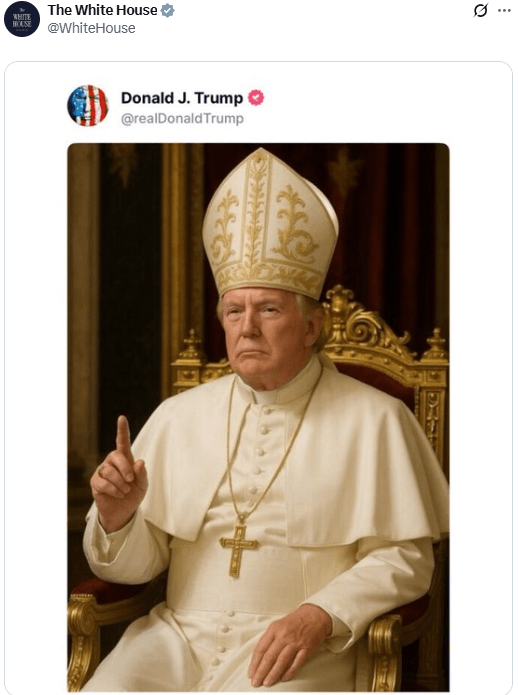
In a move that has sparked both amusement and outrage, U.S. President Donald Trump shared an AI-generated image of himself dressed as the Pope on his Truth Social platform. The image, depicting Trump in full papal regalia, comes shortly after the death of Pope Francis and just days before the Vatican’s conclave to elect a new pontiff.(Business Recorder, tnj.com)

The AI Image: A Digital Provocation

The AI-generated image portrays President Trump in traditional papal attire—white robes, a gold crucifix pendant, and the miter hat—with his right index finger pointed toward the sky. This visual was shared on Truth Social following Trump’s jest to reporters that he would like to be the next Pope, stating, “I’d like to be pope, that would be my number one choice” .(Dawn, Business Recorder)

While some viewed the image as a humorous take, others criticized it as insensitive, given its timing shortly after Pope Francis’s death.

Reactions: Humor Meets Controversy

The image elicited a spectrum of reactions:(tnj.com)

  • Supporters’ Perspective: Some of Trump’s supporters found the image amusing, interpreting it as a satirical jab at political correctness and the establishment.(tnj.com)
  • Critics’ Viewpoint: Many religious leaders and commentators condemned the image as disrespectful. The Network Journal reported that religious groups accused Trump of mocking the sanctity of the papacy, labeling the image as “tone-deaf” and “inappropriate” .(tnj.com)

Senator Lindsey Graham added to the discourse by humorously suggesting that the conclave should “keep an open mind” about considering Trump as the next Pope .(New York Post)

The Intersection of AI, Politics, and Religion

This incident underscores the growing influence of AI-generated content in political discourse. The use of AI to create satirical images blurs the lines between humor and offense, especially when intersecting with sensitive topics like religion.(Business Recorder)

The controversy also highlights the challenges of navigating digital expression in an era where AI tools can produce highly realistic images, raising questions about authenticity, intent, and impact.

Conclusion: A Reflection on Digital Expression

President Trump’s AI-generated papal image serves as a case study in the complexities of digital expression in contemporary politics. While intended as satire, the image’s reception reveals deep divides in public perception and the potent influence of AI in shaping political narratives.

As technology continues to evolve, society must grapple with the ethical considerations of AI-generated content, especially when it intersects with deeply held beliefs and institutions.