Posted on Leave a comment

Can Intermittent Fasting Help Manage Diabetes? What Science Says

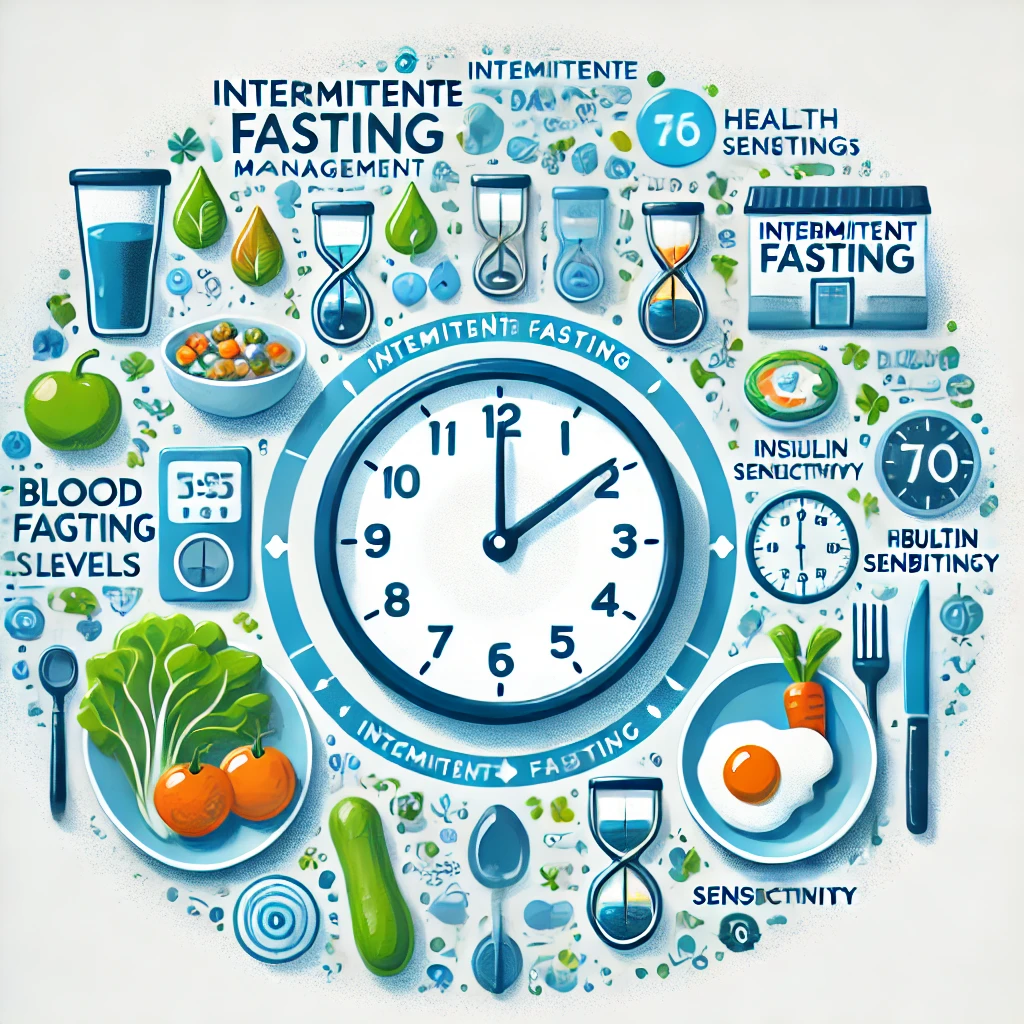
An infographic illustrating the connection between intermittent fasting and diabetes management, featuring a clock, fasting schedule, diabetic-friendly foods, and health benefits icons

Introduction

Intermittent fasting (IF) has gained popularity for its potential health benefits, including weight loss and improved metabolic health. But can it help manage diabetes? This question has intrigued researchers and healthcare professionals alike. Given the growing prevalence of diabetes worldwide, finding effective management strategies is crucial. This article explores how intermittent fasting affects blood sugar levels, insulin sensitivity, and overall diabetes management, backed by scientific research.

What Is Intermittent Fasting?

Intermittent fasting (IF) is an eating pattern that cycles between periods of eating and fasting. Unlike traditional diets, IF focuses on when to eat rather than what to eat. Popular IF methods include:

  • 16:8 Method: Fasting for 16 hours and eating within an 8-hour window.
  • 5:2 Diet: Eating normally for five days and significantly reducing calorie intake on two non-consecutive days.
  • Alternate-Day Fasting: Fasting every other day.
  • 24-Hour Fasting: Fasting for an entire day once or twice a week.

How Intermittent Fasting Affects Blood Sugar Levels

Research suggests that IF can help regulate blood sugar levels by:

  • Reducing Insulin Resistance: IF can improve insulin sensitivity, making it easier for cells to absorb glucose, thereby lowering blood sugar levels.
  • Stabilizing Glucose Fluctuations: Extended fasting periods may reduce blood sugar spikes, particularly after meals.
  • Encouraging Fat Utilization: The body shifts to burning fat for energy during fasting, which may benefit individuals with type 2 diabetes.

Scientific Studies on IF and Diabetes

Several studies support the potential benefits of intermittent fasting for diabetes management:

  1. **A 2018 study in the journal **Cell Metabolism found that time-restricted eating improved insulin sensitivity and reduced blood pressure in overweight individuals.
  2. **A 2019 study in **The New England Journal of Medicine highlighted IF’s metabolic benefits, including improved glucose regulation and reduced inflammation.
  3. **A 2020 study in **Diabetes Care suggested that IF may help some individuals reduce their dependency on diabetes medication.

Benefits of Intermittent Fasting for Diabetics

1. Improved Insulin Sensitivity

IF can help reduce insulin resistance, a key factor in type 2 diabetes management.

2. Better Weight Control

Many people with diabetes struggle with weight management. IF can promote weight loss by reducing calorie intake and increasing fat burning.

3. Lower Blood Sugar Levels

Periodic fasting may help maintain stable glucose levels and prevent dangerous spikes.

4. Reduced Risk of Heart Disease

People with diabetes are at higher risk of cardiovascular diseases. IF has been linked to lower cholesterol and blood pressure levels.

Risks and Considerations for Diabetics

While IF has potential benefits, it is not suitable for everyone. Here are some key considerations:

  • Risk of Hypoglycemia: Extended fasting may cause dangerously low blood sugar levels, especially for those on insulin or certain medications.
  • Nutrient Deficiencies: Skipping meals can lead to inadequate nutrient intake if not carefully planned.
  • Not Suitable for Type 1 Diabetes: People with type 1 diabetes should avoid IF due to the risk of severe blood sugar fluctuations.

Who Should Avoid Intermittent Fasting?

  • Individuals with type 1 diabetes
  • Pregnant or breastfeeding women
  • Those with a history of eating disorders
  • People taking medications that require food intake

How to Safely Practice Intermittent Fasting with Diabetes

If you have diabetes and want to try IF, follow these guidelines:

  • Consult Your Doctor: Always speak with a healthcare professional before making dietary changes.
  • Monitor Blood Sugar Levels: Regularly check glucose levels to avoid complications.
  • Choose Nutrient-Dense Foods: Prioritize high-fiber, protein-rich meals to prevent blood sugar spikes.
  • Stay Hydrated: Drink plenty of water to prevent dehydration.
  • Adjust Medications If Necessary: Work with your doctor to modify medication dosages if needed.

FAQs

1. Is intermittent fasting safe for diabetics?

IF can be safe for some individuals with diabetes but should always be done under medical supervision.

2. How long should a diabetic fast?

The safest fasting duration varies, but shorter fasting periods (such as 12-14 hours) are generally safer than extended fasts.

3. Does intermittent fasting help with type 2 diabetes?

Research indicates that IF may improve insulin sensitivity and blood sugar control in individuals with type 2 diabetes.

4. Can intermittent fasting replace diabetes medication?

While IF may reduce the need for medication, it should never be used as a replacement without a doctor’s approval.

5. What should diabetics eat during eating windows?

Focus on whole foods, lean proteins, healthy fats, and fiber-rich carbohydrates to maintain stable blood sugar levels.

Conclusion

Intermittent fasting shows promising potential for managing diabetes, particularly type 2 diabetes. However, it is not a one-size-fits-all solution. If you have diabetes and are considering IF, consult your healthcare provider to determine whether it is safe and suitable for you. By following a well-structured plan and closely monitoring your blood sugar levels, you can explore the benefits of intermittent fasting while minimizing potential risks.

Have you tried intermittent fasting for diabetes management? Share your experience in the comments below!
Posted on Leave a comment

Top 10 Superfoods to Lower Blood Sugar Naturally

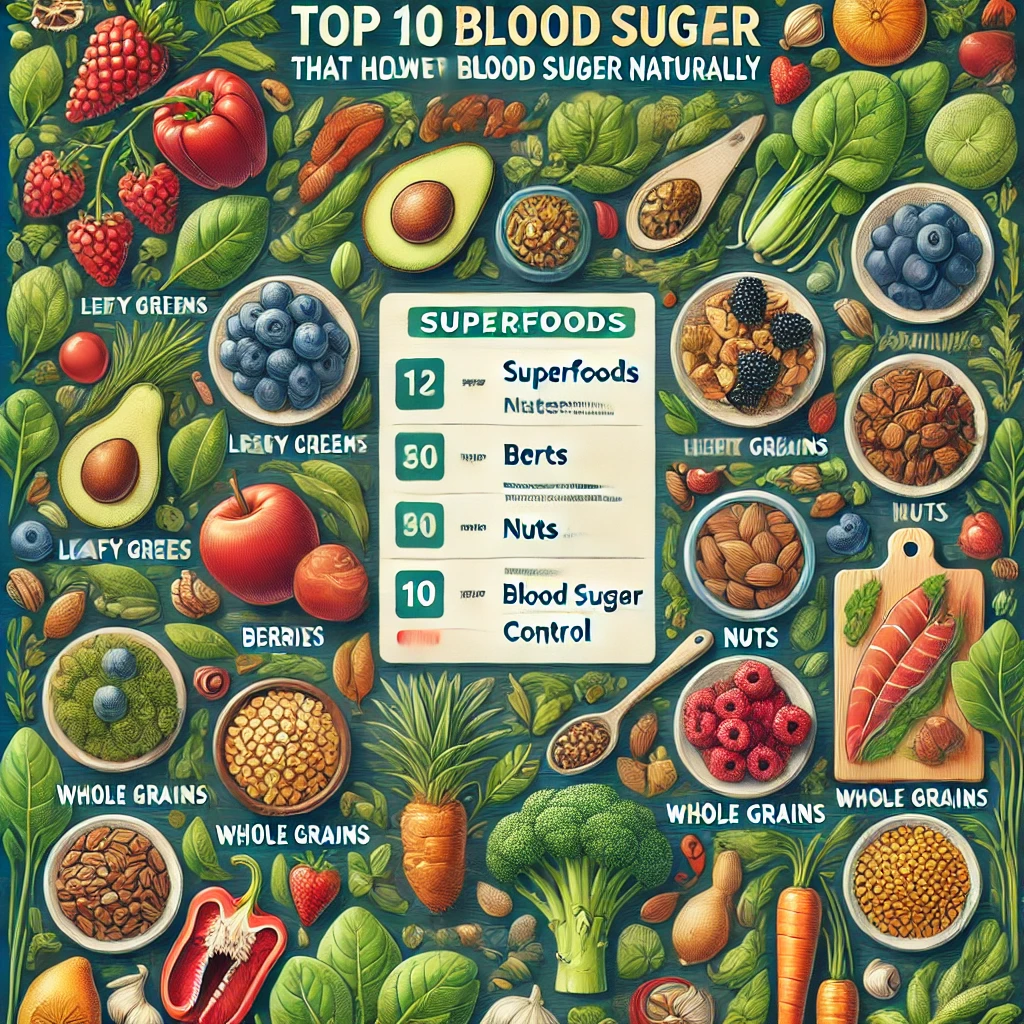
"An infographic displaying the top 10 superfoods that help lower blood sugar naturally, including leafy greens, berries, nuts, whole grains, and legumes, with brief descriptions of their benefits."

Introduction

Managing blood sugar levels is crucial for individuals with diabetes and those looking to maintain overall health. While medications and lifestyle changes play a vital role, incorporating the right foods into your diet can naturally help regulate blood sugar levels. In this guide, we’ll explore the top 10 superfoods that effectively lower blood sugar and promote overall well-being.

1. Leafy Greens

Leafy greens like spinach, kale, and Swiss chard are packed with fiber, antioxidants, and essential vitamins that help regulate blood sugar levels.

  • High in magnesium, which improves insulin sensitivity
  • Low in carbohydrates, reducing blood sugar spikes
  • Contains polyphenols that help combat inflammation

How to Consume:

  • Add to smoothies, salads, or stir-fries
  • Steam and season with olive oil and garlic

2. Berries

Berries, such as blueberries, strawberries, and raspberries, are rich in antioxidants and fiber, making them an excellent choice for blood sugar management.

  • Slow down digestion and sugar absorption
  • Reduce inflammation and improve insulin sensitivity
  • Low glycemic index (GI), preventing sugar spikes

How to Consume:

  • Add to yogurt, oatmeal, or smoothies
  • Enjoy as a healthy snack or dessert alternative

3. Cinnamon

Cinnamon is a powerful spice with blood sugar-lowering properties that can enhance insulin function.

  • Contains bioactive compounds that mimic insulin
  • Lowers fasting blood sugar levels
  • Improves glucose metabolism

How to Consume:

  • Sprinkle over oatmeal, coffee, or tea
  • Use in baking or smoothies

4. Chia Seeds

Chia seeds are loaded with fiber, omega-3 fatty acids, and protein, helping to stabilize blood glucose levels.

  • Slows down digestion, preventing sugar spikes
  • Promotes fullness, aiding in weight management
  • Rich in antioxidants that fight inflammation

How to Consume:

  • Mix into yogurt, smoothies, or oatmeal
  • Make a chia pudding with almond milk

5. Avocados

Avocados are a low-carb, high-fiber superfood that helps maintain stable blood sugar levels.

  • Packed with healthy monounsaturated fats
  • Improves insulin sensitivity
  • Provides essential vitamins and minerals

How to Consume:

  • Spread on whole-grain toast
  • Add to salads or blend into smoothies

6. Nuts and Seeds

Almonds, walnuts, flaxseeds, and sunflower seeds are excellent sources of healthy fats, fiber, and protein that help regulate blood sugar.

  • Slow sugar absorption into the bloodstream
  • Reduce hunger and cravings
  • Provide essential micronutrients like magnesium and zinc

How to Consume:

  • Snack on a handful of nuts
  • Sprinkle seeds over salads or yogurt

7. Legumes

Beans, lentils, and chickpeas are rich in fiber and protein, making them ideal for stabilizing blood sugar levels.

  • Slow carbohydrate digestion and absorption
  • Promote gut health and lower cholesterol
  • Keep you full for longer periods

How to Consume:

  • Add to soups, salads, or stews
  • Make a hummus dip

8. Garlic

Garlic has been shown to have a positive impact on blood sugar and cholesterol levels.

  • Enhances insulin sensitivity
  • Reduces fasting blood sugar levels
  • Supports heart health and reduces inflammation

How to Consume:

  • Use in cooking for added flavor
  • Consume raw in salads or dressings

9. Turmeric

Turmeric, particularly its active compound curcumin, has powerful anti-inflammatory and blood sugar-regulating properties.

  • Boosts insulin function
  • Reduces inflammation linked to diabetes
  • Enhances liver health and metabolism

How to Consume:

  • Add to soups, curries, or smoothies
  • Mix with warm milk (golden milk)

10. Whole Grains

Whole grains like quinoa, brown rice, and oats are packed with fiber, vitamins, and minerals, helping to regulate blood sugar.

  • Slow digestion and prevent sugar spikes
  • Provide sustained energy release
  • Rich in antioxidants that support overall health

How to Consume:

  • Substitute white rice with quinoa or brown rice
  • Eat oatmeal for breakfast

Conclusion

Incorporating these superfoods into your diet can help lower blood sugar naturally and improve overall health. Along with a balanced diet, regular physical activity and proper hydration play a key role in diabetes management. Start making small changes today and experience the benefits of natural blood sugar control!

📩 Subscribe to our newsletter for more health tips and recipes!

FAQs

1. What are the best foods to lower blood sugar naturally?

Leafy greens, berries, cinnamon, chia seeds, and legumes are excellent choices to help regulate blood sugar levels.

2. How quickly can diet changes affect blood sugar levels?

Small changes can show effects within a few weeks, but consistency in healthy eating is key for long-term benefits.

3. Can eating nuts and seeds help with diabetes management?

Yes, nuts and seeds provide fiber, healthy fats, and protein, which help stabilize blood sugar levels.

4. Are artificial sweeteners better than natural sweeteners for blood sugar control?

Natural sweeteners like stevia and monk fruit are better options compared to artificial sweeteners, which may affect insulin response.

5. What drinks help lower blood sugar levels?

Green tea, turmeric milk, cinnamon tea, and infused water with lemon or apple cider vinegar can aid in blood sugar regulation.

6. Should I avoid all carbohydrates to lower blood sugar?

No, opt for complex carbohydrates like whole grains and fiber-rich foods rather than refined carbs to maintain stable blood sugar levels.

7. How does turmeric help with diabetes?

Curcumin in turmeric improves insulin sensitivity and reduces inflammation, benefiting diabetes management.

By making smart dietary choices, you can take control of your blood sugar levels naturally. Start incorporating these superfoods into your meals and enjoy a healthier lifestyle!

Posted on Leave a comment

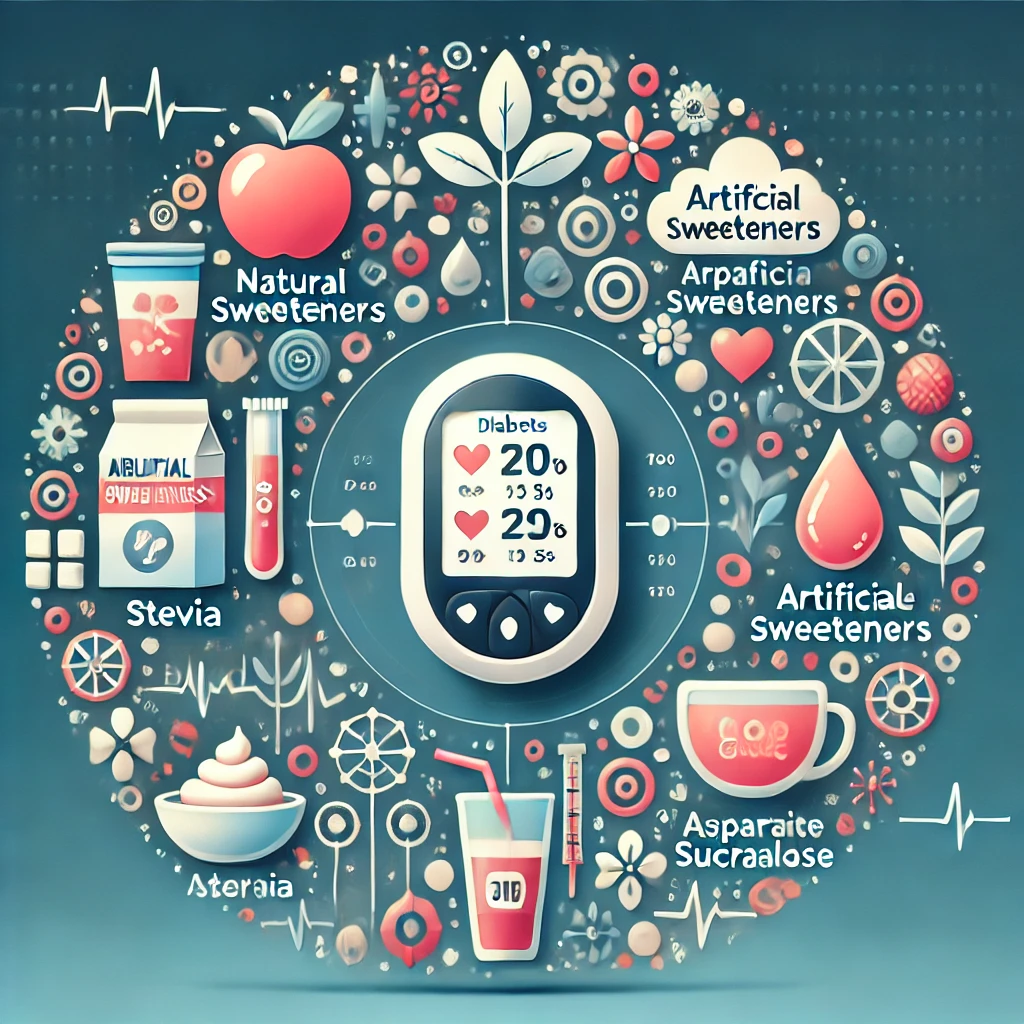
Artificial Sweeteners and Diabetes: Are Sugar Substitutes Safe?

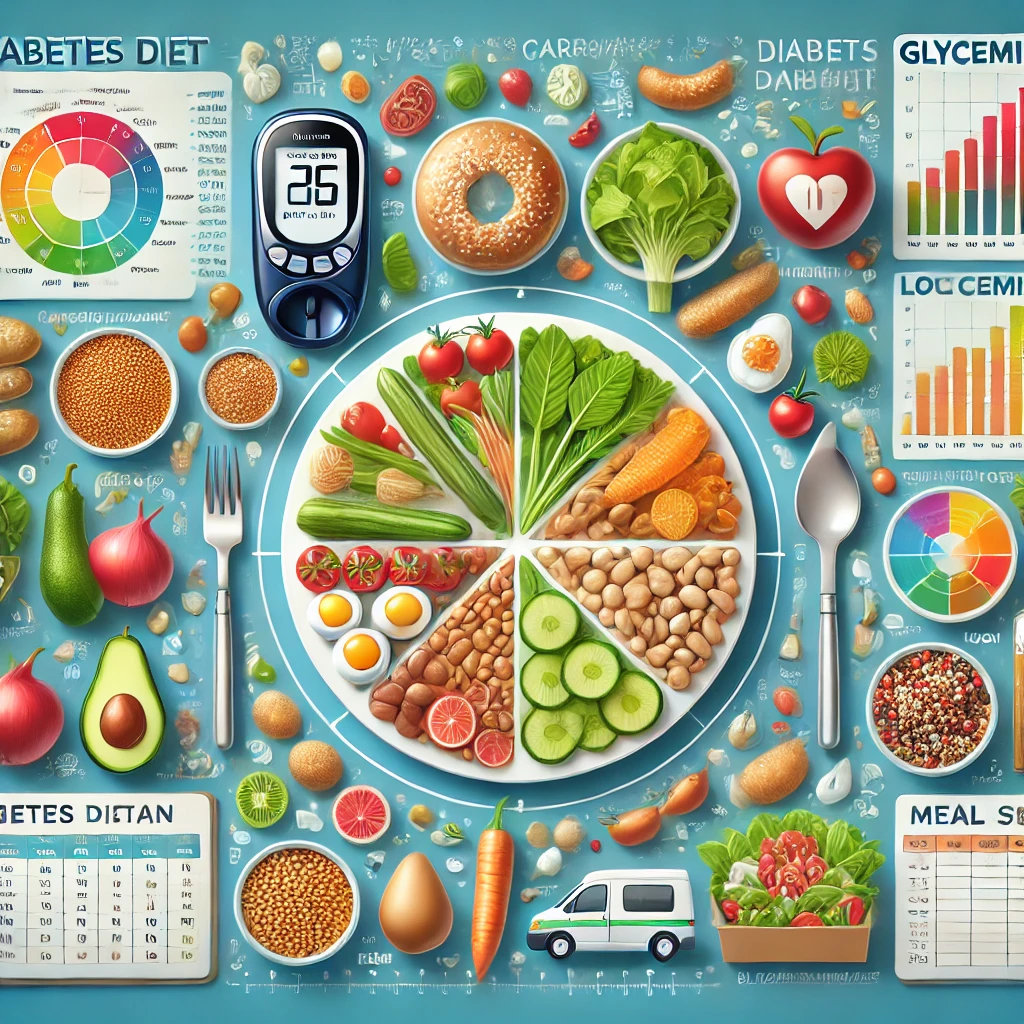
An infographic displaying a diabetes diet plan for managing carbohydrates, featuring a balanced plate with whole grains, vegetables, and legumes, along with a glycemic index chart, glucose meter, and meal planning calendar.

Introduction

Managing diabetes involves careful attention to diet, especially sugar intake. Many people turn to artificial sweeteners as an alternative to regular sugar. But are these sugar substitutes safe for diabetics? Do they affect blood sugar levels or insulin sensitivity?

In this article, we will explore the impact of artificial sweeteners on diabetes, their potential risks, and the best alternatives for managing blood sugar levels effectively.

Understanding Artificial Sweeteners

Artificial sweeteners are sugar substitutes that provide a sweet taste without the calories of regular sugar. They are commonly used in sugar-free beverages, desserts, and processed foods.

Types of Artificial Sweeteners Approved for Use

The U.S. Food and Drug Administration (FDA) has approved the following artificial sweeteners:

  • Aspartame (Equal, NutraSweet)
  • Saccharin (Sweet’N Low)
  • Sucralose (Splenda)
  • Acesulfame potassium (Sunett, Sweet One)
  • Neotame (Newtame)
  • Advantame

These sweeteners are much sweeter than sugar and require only small amounts to sweeten foods and drinks.

Do Artificial Sweeteners Affect Blood Sugar Levels?

Unlike regular sugar, artificial sweeteners contain little to no calories and do not directly raise blood sugar levels. However, some studies suggest that long-term use could impact insulin sensitivity and gut health.

Impact of Artificial Sweeteners on Blood Sugar

SweetenerEffect on Blood Sugar
AspartameNo direct impact, but controversial for metabolic health
SucraloseMay cause insulin spikes in some individuals
SaccharinMinimal effect, but may disrupt gut microbiota
Acesulfame KNo major blood sugar impact
SteviaNatural alternative, considered safe

While these sweeteners do not cause an immediate spike in blood sugar, research is ongoing regarding their long-term metabolic effects.

Best Sugar Alternatives for Diabetes Management

For those managing diabetes, natural and low-glycemic alternatives may be a better option. Here are some of the best choices:

1. Stevia

  • 100% natural and derived from the stevia plant
  • Zero calories and does not raise blood sugar levels
  • Considered one of the safest sweeteners for diabetics

2. Monk Fruit Sweetener

  • Natural, zero-calorie sweetener
  • Contains antioxidants that may help reduce blood sugar spikes
  • Sweeter than sugar, so only small amounts are needed

3. Erythritol

  • Sugar alcohol with a low glycemic impact
  • Does not cause insulin spikes
  • Found naturally in some fruits

4. Xylitol

  • Another sugar alcohol, but has some impact on blood sugar
  • Beneficial for oral health, reducing the risk of cavities

These alternatives offer safe ways to enjoy sweetness while managing blood sugar levels effectively.

Potential Health Risks of Artificial Sweeteners

While artificial sweeteners are FDA-approved, some studies suggest potential risks for long-term use, particularly in diabetics.

1. Insulin Sensitivity Issues

Some studies indicate that artificial sweeteners may reduce insulin sensitivity, making it harder for the body to process glucose effectively.

2. Gut Health Disruptions

Artificial sweeteners may alter gut microbiota, which can affect metabolism and increase the risk of insulin resistance.

3. Increased Sugar Cravings

Although artificial sweeteners satisfy sweet cravings, they may increase cravings for sugary foods, leading to poor dietary choices.

Natural vs. Artificial Sweeteners: Which Is Better?

When it comes to diabetes management, choosing the right sweetener is crucial. Here’s a comparison:

TypeExamplesEffect on Blood SugarSafety
Artificial SweetenersAspartame, Sucralose, SaccharinNo immediate impact, but may affect insulin sensitivitySome health concerns
Natural SweetenersStevia, Monk FruitNo impact on blood sugar, natural antioxidantsGenerally safe
Sugar AlcoholsErythritol, XylitolLow glycemic index, minimal impactCan cause digestive issues in large amounts

For most diabetics, natural sweeteners like stevia and monk fruit are the best options for long-term health.

FAQs

1. Are artificial sweeteners completely safe for diabetics?

Most artificial sweeteners are FDA-approved, but some research suggests they may impact metabolism and gut health over time. Natural alternatives may be a better choice.

2. Do artificial sweeteners help with weight loss?

Since they have fewer calories than sugar, they can help reduce overall calorie intake, but they may also increase sugar cravings, leading to overeating.

3. What is the safest sweetener for diabetes?

Stevia and monk fruit sweeteners are the safest choices as they are natural and have no impact on blood sugar.

4. Can artificial sweeteners raise insulin levels?

Some studies suggest that sweeteners like sucralose may trigger insulin spikes, even without raising blood sugar.

5. How do I transition from sugar to artificial sweeteners?

Start by gradually reducing sugar intake and replacing it with stevia, monk fruit, or erythritol. Check food labels for hidden artificial sweeteners.

Conclusion

Artificial sweeteners provide a sugar-free alternative for diabetes management, but they may not be the best long-term solution for everyone. Natural sweeteners like stevia and monk fruit offer a safer, healthier way to satisfy sweet cravings without impacting blood sugar levels.

If you’re managing diabetes, consider speaking to a healthcare professional before making significant changes to your diet.

📩 Subscribe to our newsletter for more diabetes management tips and healthy eating guides!

Posted on Leave a comment

Diabetes Diet Plan: How to Manage Carbs for Better Blood Sugar

An infographic displaying a diabetes diet plan for managing carbohydrates, featuring a balanced plate with whole grains, vegetables, and legumes, along with a glycemic index chart, glucose meter, and meal planning calendar.

Introduction

Managing diabetes requires a well-balanced diet, with a special focus on carbohydrate intake. Carbs directly affect blood sugar levels, making them a crucial component of diabetes meal planning. Understanding how to count carbs, choose the right foods, and maintain a healthy diet can significantly improve blood sugar control and overall well-being.

In this guide, we will explore the essentials of diabetes meal planning, including a 7-day diabetic meal plan, the best carbohydrate sources, and practical meal prep tips to help you maintain stable blood sugar levels.

Understanding Carbohydrates and Blood Sugar

Carbohydrates are the body’s main source of energy. However, for individuals with diabetes, not all carbs are created equal. Understanding the glycemic index (GI) and carbohydrate counting can help in making better food choices.

Glycemic Index and Diabetes Management

The glycemic index ranks foods based on how quickly they raise blood sugar levels.

  • Low-GI foods (best choices): Whole grains, legumes, non-starchy vegetables, nuts, and seeds.
  • Medium-GI foods: Brown rice, whole wheat bread, and certain fruits.
  • High-GI foods (foods to limit): White bread, processed cereals, and sugary snacks.

Carbohydrate Counting for Diabetes

Carb counting involves tracking the number of grams of carbohydrates you consume in each meal. Here’s a general guide:

  • Women: 45-60g of carbs per meal
  • Men: 60-75g of carbs per meal
  • Snacks: 15-30g of carbs

Using apps or food labels can help accurately measure carb intake.

Weekly Meal Plan for Diabetes

A structured diabetes diet plan helps maintain stable blood sugar levels. Below is a 7-day diabetic meal plan with balanced meals and snacks:

Monday

  • Breakfast: Scrambled eggs with spinach and whole grain toast
  • Lunch: Grilled salmon with quinoa and steamed broccoli
  • Dinner: Chicken stir-fry with brown rice and mixed vegetables
  • Snack: Greek yogurt with berries

Tuesday

  • Breakfast: Oatmeal topped with nuts and chia seeds
  • Lunch: Lentil soup with a side of whole grain crackers
  • Dinner: Grilled turkey breast with roasted sweet potatoes
  • Snack: Cottage cheese with sliced avocado

Wednesday

  • Breakfast: Whole wheat pancakes with almond butter
  • Lunch: Tuna salad with leafy greens and a vinaigrette dressing
  • Dinner: Baked cod with a quinoa and asparagus side dish
  • Snack: A handful of almonds and walnuts

Thursday

  • Breakfast: Scrambled tofu with bell peppers and whole wheat toast
  • Lunch: Chickpea and vegetable stir-fry with brown rice
  • Dinner: Lean beef with roasted Brussels sprouts and quinoa
  • Snack: Hummus with carrot and cucumber sticks

Friday

  • Breakfast: Greek yogurt with flaxseeds and mixed berries
  • Lunch: Grilled shrimp with a spinach and quinoa salad
  • Dinner: Baked chicken with steamed kale and wild rice
  • Snack: Apple slices with peanut butter

Saturday

  • Breakfast: Scrambled eggs with avocado and whole grain toast
  • Lunch: Turkey and spinach wrap with a side of mixed greens
  • Dinner: Stir-fried tofu with broccoli and brown rice
  • Snack: A handful of pumpkin seeds

Sunday

  • Breakfast: Smoothie with unsweetened almond milk, banana, and chia seeds
  • Lunch: Baked salmon with roasted cauliflower and quinoa
  • Dinner: Grilled chicken with sautéed green beans and whole wheat pasta
  • Snack: Dark chocolate and almonds

Meal Prep Tips for a Diabetes-Friendly Diet

Planning ahead can make sticking to a diabetes nutrition plan easier. Here are some useful tips:

  • Plan meals in advance to ensure a balanced diet.
  • Batch cook healthy meals and freeze portions for convenience.
  • Use portion control to avoid overeating carbs.
  • Snack smart by choosing nuts, seeds, and low-GI fruits.

FAQs

1. What is the best diet plan for diabetes?

A low-GI, high-fiber diet with lean proteins, healthy fats, and controlled carbohydrates is the best choice for diabetes management.

2. Can diabetics eat rice and bread?

Yes, but opt for brown rice, quinoa, and whole grain bread, which have a lower glycemic index than white rice or white bread.

3. How many carbs should a diabetic eat daily?

Most people with diabetes should consume about 45-60g of carbs per meal, but this may vary based on individual needs and activity levels.

4. What are some diabetes-friendly snacks?

Healthy snack options include Greek yogurt, almonds, hummus with vegetables, and cottage cheese with berries.

5. Is fruit okay for diabetics?

Yes, but focus on low-GI fruits like berries, apples, and oranges while limiting high-sugar fruits like bananas and pineapples.

Conclusion

Following a well-structured diabetes meal plan can make a significant difference in blood sugar management. By understanding carbohydrate counting, glycemic index, and balanced meal prep, you can take control of your diabetes effectively.

Start incorporating these diabetes-friendly recipes into your routine and consult a dietitian for personalized nutrition advice.

📩 Subscribe to our newsletter for more diabetes-friendly meal ideas and health tips!

Posted on Leave a comment

Diabetes Diet Plan: How to Manage Carbs for Better Blood Sugar

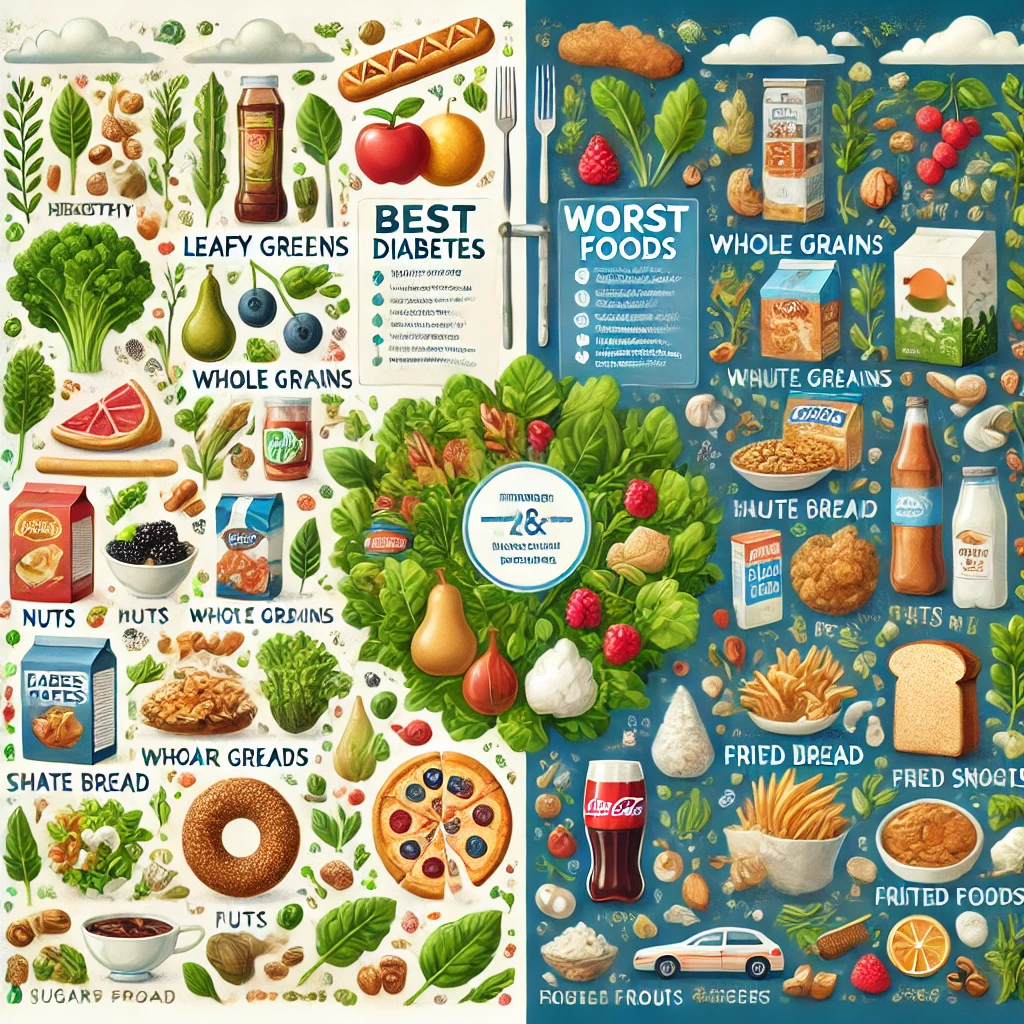
An infographic illustrating the best and worst foods for diabetes management, showing diabetes-friendly foods like leafy greens, whole grains, nuts, and lean proteins on one side, and unhealthy foods like sugary drinks, fried foods, and processed snacks on the other.

Introduction

Managing diabetes effectively starts with understanding the role of carbohydrates in blood sugar control. Carbs have a significant impact on glucose levels, making it essential for diabetics to monitor their intake carefully. But how can you balance carbs in your diet without feeling deprived?

In this guide, we will explore the best strategies for carbohydrate counting for diabetes, the glycemic index and diabetes management, and the impact of carbs on blood glucose levels. Whether you’re newly diagnosed or looking for better ways to manage diabetes, this article will provide actionable insights to help you make informed dietary choices.

Understanding Carbohydrates and Blood Sugar

Carbohydrates are the body’s primary source of energy, but they also have the most significant impact on blood sugar levels. There are three main types of carbohydrates:

  • Sugars – Found in fruits, dairy, and processed foods.
  • Starches – Present in grains, legumes, and starchy vegetables.
  • Fiber – Found in whole grains, vegetables, and fruits, and it helps slow digestion.

Since different types of carbs affect blood sugar levels differently, managing carb intake is key to maintaining stable glucose levels.

Carbohydrate Counting for Diabetes

Carbohydrate counting (carb counting) is a technique used to track daily carb intake and adjust meals accordingly. This method is especially useful for those taking insulin.

How to Count Carbs

  1. Determine your daily carb allowance – Work with a healthcare provider to decide how many grams of carbs you should consume per meal.
  2. Read food labels – Check serving sizes and total carbohydrates on packaging.
  3. Use carb counting apps – Apps like MyFitnessPal and Carb Manager can help track intake.
  4. Monitor blood sugar levels – Adjust carb intake based on your glucose readings.

Carb intake recommendations for diabetics generally range between 45–60 grams per meal, depending on individual needs.

Glycemic Index and Diabetes Management

The glycemic index (GI) measures how quickly a carbohydrate-containing food raises blood sugar levels. Foods are ranked as:

  • Low GI (55 or less) – Examples: lentils, quinoa, non-starchy vegetables.
  • Medium GI (56–69) – Examples: brown rice, whole wheat bread, sweet potatoes.
  • High GI (70 or above) – Examples: white bread, soda, candy.

To stabilize blood sugar, prioritize low-GI foods and pair carbs with protein and healthy fats to slow glucose absorption.

Managing Carbs in a Diabetic Diet

To successfully manage carbs, follow these diabetes meal planning strategies:

1. Choose Diabetes-Friendly Carbohydrate Sources

  • Whole grains: Brown rice, quinoa, oats
  • Non-starchy vegetables: Broccoli, spinach, bell peppers
  • Legumes: Lentils, chickpeas, black beans
  • Dairy: Greek yogurt, cottage cheese

2. Avoid Processed and Refined Carbs

  • White bread and pasta
  • Sugary cereals
  • Soft drinks and fruit juices
  • Baked goods like cookies and pastries

3. Pair Carbs with Protein and Fiber

Combining protein, fiber, and healthy fats with carbs helps slow digestion and prevent blood sugar spikes. For example:

  • Oatmeal with nuts and seeds
  • Whole grain toast with avocado and eggs
  • Brown rice with grilled salmon and vegetables

Impact of Carbs on Blood Glucose Levels

Different carbs impact blood sugar in various ways. Understanding these effects can help in balancing macronutrients for diabetes effectively.

  • Fast-digesting carbs (e.g., white bread, candy) cause rapid blood sugar spikes.
  • Slow-digesting carbs (e.g., whole grains, legumes) provide a steady glucose release.
  • Fiber-rich carbs (e.g., leafy greens, nuts) help maintain stable blood sugar levels.

Diabetes Meal Planning Strategies

A well-planned diet helps in maintaining stable blood sugar levels. Here’s a sample diabetes-friendly meal plan:

Breakfast:

  • Scrambled eggs with spinach and whole grain toast
  • Greek yogurt with nuts and berries

Lunch:

  • Grilled chicken salad with mixed greens and quinoa
  • Lentil soup with whole grain crackers

Dinner:

  • Baked salmon with roasted vegetables and brown rice
  • Stir-fried tofu with broccoli and cauliflower rice

Snacks:

  • Almonds and string cheese
  • Hummus with cucumber slices

FAQs

1. How many carbs should a diabetic eat per meal?

Most diabetics should aim for 45–60 grams of carbs per meal, but individual needs vary. Consult a healthcare provider for personalized advice.

2. Are all carbs bad for diabetes?

No! Whole carbs like vegetables, legumes, and whole grains are beneficial. Avoid processed carbs and added sugars.

3. What’s the best way to monitor carb intake?

Use food labels, apps, and meal planning tools to track daily carbohydrate intake.

4. Can a low-carb diet help manage diabetes?

Yes! A low-carb diet for blood sugar control can help reduce insulin resistance and maintain stable glucose levels.

5. Should I completely avoid high-GI foods?

Not necessarily. If you eat high-GI foods, pair them with protein or fiber to minimize their impact on blood sugar.

Conclusion

Effectively managing carbs in a diabetic diet is key to maintaining healthy blood sugar levels. By focusing on low-GI foods, fiber-rich carbs, and balanced meals, you can achieve better glucose control and improve overall health.

If you’re looking for personalized meal planning tips, consult a registered dietitian or healthcare provider.

📩 Subscribe to our newsletter for more expert-backed diabetes tips and healthy meal ideas!

Posted on Leave a comment

Best and Worst Foods for Diabetes: A Complete Food List

An infographic illustrating the best and worst foods for diabetes management, showing diabetes-friendly foods like leafy greens, whole grains, nuts, and lean proteins on one side, and unhealthy foods like sugary drinks, fried foods, and processed snacks on the other.

Introduction

Managing diabetes effectively starts with the right diet. The foods you eat play a crucial role in controlling blood sugar levels, reducing complications, and improving overall health. But which foods should you prioritize, and which should you avoid?

In this guide, we will explore the best and worst foods for diabetes, providing you with a comprehensive food list to help you make healthier choices. Whether you’re newly diagnosed or looking to fine-tune your diet, this article will serve as a valuable resource.

Best Foods for Diabetes Management

A well-balanced diabetes diet plan includes nutrient-dense foods that help stabilize blood sugar levels, improve insulin sensitivity, and promote overall health. Here are the best food choices for diabetics:

1. Non-Starchy Vegetables

Non-starchy vegetables are low in carbohydrates and rich in fiber, vitamins, and minerals, making them excellent for blood sugar control.

Examples:

  • Leafy greens (spinach, kale, lettuce)
  • Broccoli
  • Cauliflower
  • Bell peppers
  • Cucumbers
  • Zucchini

Why They’re Good: They have a low glycemic index (GI) and help maintain stable blood sugar levels.

2. High-Fiber Foods

Fiber slows down sugar absorption, preventing blood sugar spikes. Aim for at least 25–30 grams of fiber per day.

Examples:

  • Beans and lentils
  • Chia seeds and flaxseeds
  • Quinoa
  • Whole oats
  • Berries (blueberries, raspberries, strawberries)

Why They’re Good: Fiber-rich foods support better blood sugar control and improve digestion.

3. Lean Proteins

Proteins help stabilize blood sugar by slowing down digestion and preventing sugar spikes.

Examples:

  • Chicken breast
  • Turkey
  • Fish (salmon, tuna, sardines)
  • Eggs
  • Tofu and tempeh
  • Greek yogurt

Why They’re Good: Lean proteins help with muscle maintenance and reduce cravings for unhealthy snacks.

4. Healthy Fats

Healthy fats improve insulin function and reduce inflammation, which is beneficial for people with diabetes.

Examples:

  • Avocados
  • Nuts (almonds, walnuts, cashews)
  • Olive oil
  • Fatty fish
  • Seeds (pumpkin, sunflower, flaxseeds)

Why They’re Good: They support heart health and help maintain stable blood sugar levels.

Worst Foods for Diabetics

Some foods can spike blood sugar levels and lead to insulin resistance. Avoid or limit these foods to maintain better diabetes control.

1. Sugary Beverages

🚫 Examples:

  • Regular soda
  • Fruit juices
  • Sweetened coffee drinks
  • Energy drinks

Why They’re Bad: They contain high amounts of sugar, leading to rapid blood sugar spikes.

2. Refined Carbohydrates

🚫 Examples:

  • White bread
  • White rice
  • Pasta
  • Pastries and cakes

Why They’re Bad: These foods have a high glycemic index, causing quick spikes and crashes in blood sugar levels.

3. Processed and Fried Foods

🚫 Examples:

  • French fries
  • Fried chicken
  • Potato chips
  • Fast food burgers

Why They’re Bad: They are high in unhealthy fats and refined carbs, leading to weight gain and insulin resistance.

Glycemic Index Foods for Diabetics

The glycemic index (GI) ranks foods based on how they affect blood sugar levels.

  • Low GI (Best for diabetics): Vegetables, whole grains, nuts, beans
  • Medium GI: Brown rice, sweet potatoes, whole wheat bread
  • High GI (Avoid): White bread, processed cereals, candy

Tip: Stick to low-GI foods for better blood sugar control!

Carbohydrate Counting for Diabetes

Carbohydrates have the biggest impact on blood sugar. Carb counting helps you manage your intake effectively.

  • General guideline:
    • 45–60g of carbs per meal
    • 15–20g of carbs per snack
  • Examples of carb counts:
    • 1 slice of whole-grain bread = 15g carbs
    • ½ cup cooked quinoa = 20g carbs
    • 1 small apple = 15g carbs

Tip: Pair carbs with protein and fiber to prevent sugar spikes!

FAQs

What Is the Best Food for Lowering Blood Sugar?

Leafy greens, high-fiber foods, lean proteins, and healthy fats help stabilize blood sugar levels.

Can Diabetics Eat Rice?

Yes, but choose brown rice or quinoa over white rice and eat in moderation.

What Snacks Are Good for Diabetics?

Healthy snack options include nuts, Greek yogurt, hummus with veggies, and boiled eggs.

How Much Sugar Can a Diabetic Eat?

Diabetics should limit added sugars to no more than 25g per day (around 6 teaspoons).

Are Artificial Sweeteners Safe for Diabetics?

Some artificial sweeteners like stevia and erythritol are safe but avoid excessive use of others like aspartame.

Conclusion

Making the right food choices is essential for effective diabetes management. By incorporating diabetes-friendly foods and avoiding those that raise blood sugar levels, you can improve your overall health and reduce complications.

📩 Subscribe to our newsletter for more expert health tips and recipes!

References:

  1. American Diabetes Association: www.diabetes.org
  2. Harvard T.H. Chan School of Public Health: www.hsph.harvard.edu
  3. Mayo Clinic: www.mayoclinic.org
Posted on Leave a comment

Blood Sugar Monitoring: How Often Should You Check Your Levels?

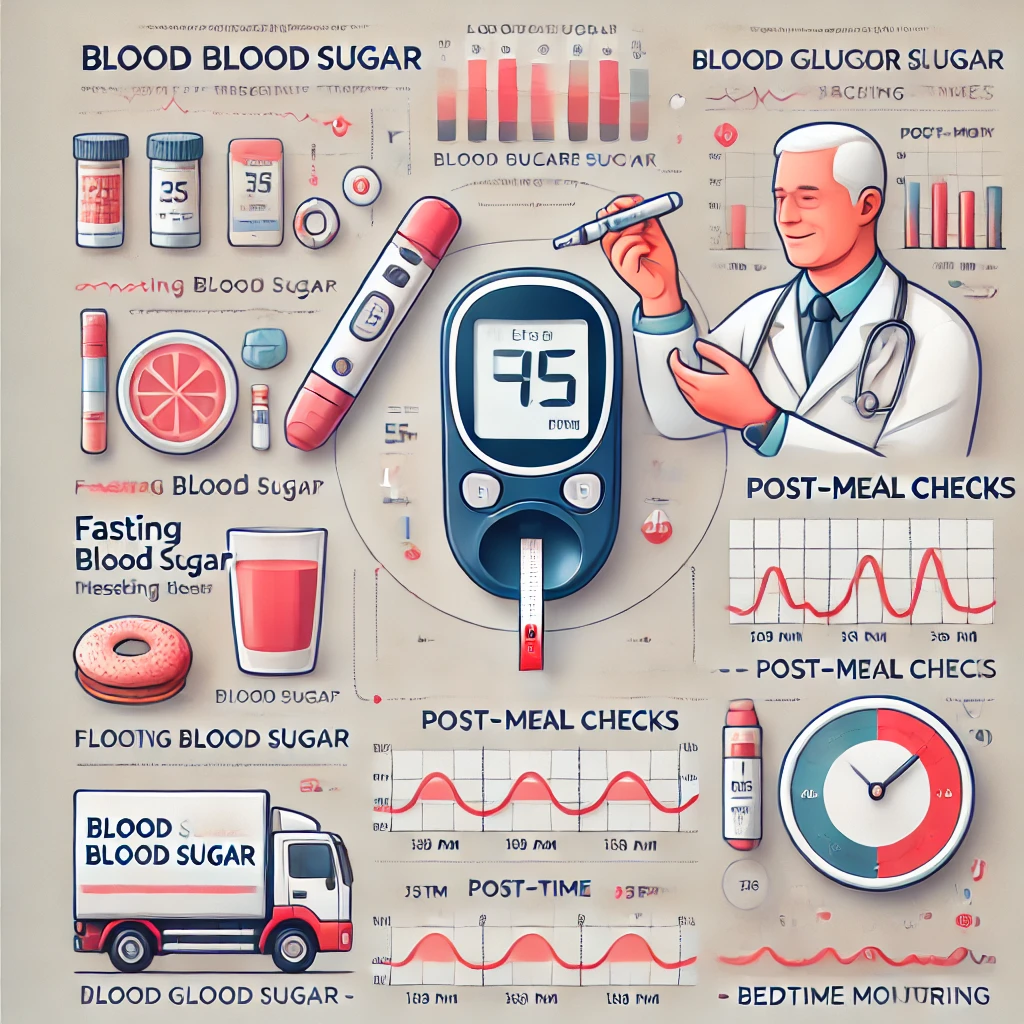
Infographic illustrating blood sugar monitoring frequency for diabetics.

Introduction

Blood sugar monitoring is a crucial aspect of diabetes management, helping individuals maintain stable glucose levels and avoid complications. But how often should you check your blood sugar? The answer depends on several factors, including your type of diabetes, treatment plan, and overall health goals.

In this guide, we’ll explore blood sugar monitoring frequency, recommended testing schedules, and expert guidelines to help you make informed decisions about your health.

Why Is Blood Sugar Monitoring Important?

Regular blood sugar monitoring allows individuals with diabetes to:

  • Track how food, physical activity, and medications affect blood glucose levels.
  • Detect high or low blood sugar early to prevent complications.
  • Adjust their diabetes management plan as needed.
  • Maintain better control over their condition and prevent long-term health risks.

Without consistent monitoring, managing diabetes effectively becomes challenging, increasing the risk of complications such as nerve damage, kidney disease, and heart problems.

How Often to Check Blood Glucose Levels

The frequency of blood sugar checks varies based on the type of diabetes and treatment plan. Below are general recommendations based on expert guidelines.

1. Type 1 Diabetes

Individuals with Type 1 diabetes typically need to check their blood sugar multiple times a day to maintain tight control over their glucose levels.

Recommended Blood Sugar Testing Times:

  • Before meals and snacks
  • Before and after exercise
  • Before bedtime
  • Occasionally during the night (especially if experiencing hypoglycemia)
  • When feeling unwell or stressed

Total daily checks: 4–10 times per day, depending on insulin therapy and lifestyle factors.

2. Type 2 Diabetes (On Insulin Therapy)

People with Type 2 diabetes who use insulin (especially multiple daily injections) should monitor their blood sugar regularly to adjust their insulin doses.

Recommended Frequency:

  • Before meals
  • At bedtime
  • Occasionally two hours after meals
  • Before and after exercise
  • When experiencing symptoms of high or low blood sugar

Total daily checks: 2–4 times per day, but may vary based on the individual’s insulin regimen.

3. Type 2 Diabetes (Not on Insulin)

For individuals with Type 2 diabetes who manage their condition with oral medications or lifestyle changes, blood sugar monitoring may be less frequent.

Testing Schedule:

  • A few times per week or as recommended by a healthcare provider
  • Before and after significant lifestyle changes (e.g., new diet or exercise routine)
  • During periods of illness or increased stress

Total daily checks: Varies; some individuals may only need to check once daily or several times per week.

4. Gestational Diabetes

Pregnant women with gestational diabetes need to monitor their blood sugar closely to protect both their health and their baby’s well-being.

Optimal Times to Test Blood Sugar:

  • Fasting (first thing in the morning)
  • Before meals
  • One or two hours after meals
  • Before bedtime

Total daily checks: 4–7 times per day, depending on healthcare provider recommendations.

Blood Glucose Monitoring Guidelines

The American Diabetes Association (ADA) and other leading health organizations provide guidelines for blood sugar targets and monitoring frequency.

Blood Sugar Targets (General Guidelines)

Time of CheckTarget Range (mg/dL)
Fasting (morning)80–130 mg/dL
Before meals80–130 mg/dL
Two hours after mealsLess than 180 mg/dL
Bedtime100–140 mg/dL

Note: Target ranges may vary based on individual health conditions and doctor recommendations.

Factors Affecting Blood Sugar Testing Frequency

Certain situations may require more frequent monitoring, such as:

  • Newly diagnosed diabetes – Frequent testing helps establish patterns and manage fluctuations.
  • Changes in medication – Adjusting insulin or oral medications may require more frequent checks.
  • Physical activity changes – Exercise affects blood sugar levels, sometimes requiring additional monitoring.
  • Illness or infection – Being sick can cause unpredictable blood sugar changes.
  • Pregnancy – Blood sugar needs close monitoring during pregnancy, especially for those with gestational diabetes.

When to Contact Your Doctor

Seek medical guidance if you experience:

  • Consistently high blood sugar levels above your target range
  • Frequent episodes of low blood sugar (hypoglycemia)
  • Unexplained fluctuations in blood sugar despite maintaining your routine
  • Symptoms of diabetes complications, such as vision changes or slow wound healing

Your healthcare provider can help adjust your diabetes management plan to better control your glucose levels.

FAQs

How Many Times a Day Should a Diabetic Check Their Blood Sugar?

It depends on the type of diabetes and treatment plan. Type 1 diabetics may need 4–10 tests daily, while Type 2 diabetics on insulin should check 2–4 times per day. Those managing diabetes with diet and medication may require fewer tests.

What Are the Best Times to Check Blood Sugar Levels?

  • Before meals – Helps determine fasting glucose levels.
  • After meals – Shows how food affects blood sugar.
  • Before and after exercise – Ensures safe blood sugar levels.
  • Before bedtime – Prevents nighttime hypoglycemia.

Should I Check My Blood Sugar If I Feel Fine?

Yes, even if you feel fine, monitoring helps detect hidden fluctuations and ensures stable glucose levels.

Can Checking Blood Sugar Too Often Be Harmful?

While frequent monitoring helps control diabetes, excessive testing without changes to management strategies can cause unnecessary stress. Follow doctor recommendations for an optimal balance.

Conclusion

Understanding how often to check blood sugar is key to effective diabetes management. By following blood glucose monitoring guidelines, adjusting for lifestyle factors, and working with your doctor, you can achieve better control and prevent complications.

📩 Stay informed! Subscribe to our newsletter for more diabetes management tips and health updates.

Posted on Leave a comment

How to Manage Diabetes Effectively: A Beginner’s Guide

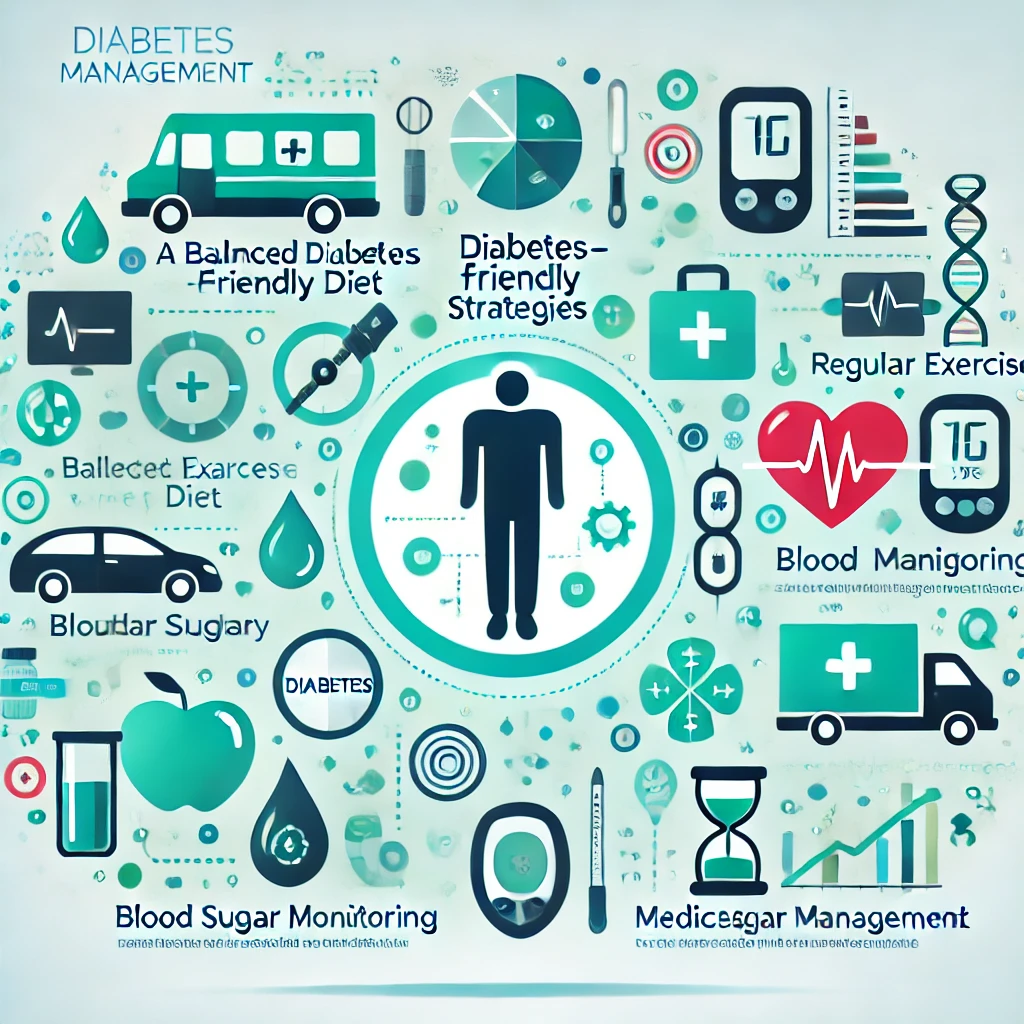
An informative infographic showcasing essential diabetes management strategies, including a healthy diet, exercise, blood sugar monitoring, medication management, and lifestyle changes.

Introduction

Diabetes is a lifelong condition that requires careful management to maintain good health and prevent complications. Whether you have been recently diagnosed or are looking for ways to improve your diabetes control, understanding the fundamentals of diabetes management for beginners is essential.

This guide will provide you with practical strategies, expert recommendations, and actionable steps to help you lead a healthier life while keeping your blood sugar levels in check.

Understanding Diabetes Management

Diabetes management involves a combination of lifestyle changes, medications, and monitoring blood sugar levels. The goal is to maintain stable glucose levels and reduce the risk of complications such as heart disease, nerve damage, and kidney issues.

Effective Diabetes Control Strategies

The following strategies are key to managing diabetes successfully:

  • Healthy eating habits
  • Regular physical activity
  • Consistent blood sugar monitoring
  • Taking prescribed medications
  • Reducing stress and improving sleep
  • Staying informed and proactive about your health

Diabetes-Friendly Diet Plans

A balanced diet plays a crucial role in diabetes management. Here are some dietary tips to help keep your blood sugar stable:

1. Focus on Whole Foods

  • Eat plenty of vegetables, whole grains, and lean proteins.
  • Avoid processed foods and refined carbohydrates.

2. Choose Low-Glycemic Foods

  • Opt for foods that do not cause rapid spikes in blood sugar, such as legumes, nuts, and non-starchy vegetables.

3. Watch Portion Sizes

  • Use the plate method: Half your plate should be vegetables, one-quarter protein, and one-quarter healthy carbohydrates.

4. Stay Hydrated

  • Drink plenty of water to aid digestion and maintain stable blood sugar levels.

5. Reduce Added Sugars

  • Cut back on sugary drinks, sweets, and high-carb snacks.

Exercise Recommendations for Diabetics

Regular physical activity helps improve insulin sensitivity and keeps blood sugar levels in check.

Best Types of Exercises for Diabetes:

  • Aerobic Exercises (brisk walking, swimming, cycling) – at least 150 minutes per week
  • Strength Training (weightlifting, resistance exercises) – twice a week
  • Flexibility and Balance Training (yoga, stretching) – to improve mobility and prevent falls

Tips for Safe Exercise:

  • Monitor blood sugar levels before and after exercise.
  • Stay hydrated and carry a healthy snack in case of low blood sugar.
  • Wear proper footwear to prevent foot injuries.

Monitoring Blood Glucose at Home

Keeping track of your blood sugar is essential for effective diabetes management.

How to Monitor Blood Sugar Levels:

  • Use a glucometer to check your blood sugar at different times of the day.
  • Keep a log of readings to identify patterns.
  • Discuss your numbers with your doctor for better treatment adjustments.

Target Blood Sugar Levels:

  • Before meals: 80-130 mg/dL
  • Two hours after meals: Less than 180 mg/dL

Diabetes Medication Management

Medications may be necessary for managing diabetes effectively. There are different types of diabetes medications, including:

  • Oral medications (Metformin, Sulfonylureas, DPP-4 inhibitors)
  • Insulin therapy (for Type 1 diabetes and some cases of Type 2 diabetes)
  • Newer treatments (GLP-1 receptor agonists, SGLT2 inhibitors)

Tips for Managing Medications:

  • Take medications as prescribed.
  • Set reminders to avoid missing doses.
  • Watch for side effects and consult your doctor if needed.

Preventing Diabetes Complications

Long-term diabetes complications can be prevented with proper care and early intervention.

Key Prevention Strategies:

  • Maintain healthy blood sugar levels.
  • Monitor blood pressure and cholesterol.
  • Schedule regular doctor check-ups.
  • Take care of your feet and eyes to prevent complications.
  • Manage stress and get enough sleep.

Lifestyle Changes for Diabetes Management

Small daily habits can make a big difference in controlling diabetes.

  • Quit smoking to lower the risk of complications.
  • Reduce alcohol intake to prevent blood sugar fluctuations.
  • Prioritize mental health to prevent stress-induced blood sugar spikes.

FAQs

1. What is the best way to control blood sugar naturally?

Maintaining a balanced diet, exercising regularly, managing stress, and staying hydrated are key natural ways to control blood sugar.

2. How often should I check my blood sugar?

It depends on your treatment plan, but most people with diabetes should check at least once or twice daily or as advised by their doctor.

3. Can diabetes be reversed?

While Type 1 diabetes cannot be reversed, some cases of Type 2 diabetes can be put into remission with lifestyle changes and weight loss.

4. What are the signs of poorly managed diabetes?

Symptoms such as frequent thirst, excessive urination, fatigue, blurry vision, and slow-healing wounds indicate poor diabetes control.

5. How important is sleep for diabetes management?

Poor sleep can lead to higher blood sugar levels and insulin resistance. Aim for 7-9 hours of quality sleep each night.

Conclusion

Managing diabetes effectively requires a combination of healthy eating, regular exercise, proper medication use, and monitoring blood sugar levels. With the right approach, people with diabetes can lead a fulfilling and healthy life.

If you found this guide helpful, consider subscribing to our newsletter for more health tips and diabetes management strategies!

Posted on 2 Comments

Diabetes Diagnosis: What Tests Do You Need and What They Mean

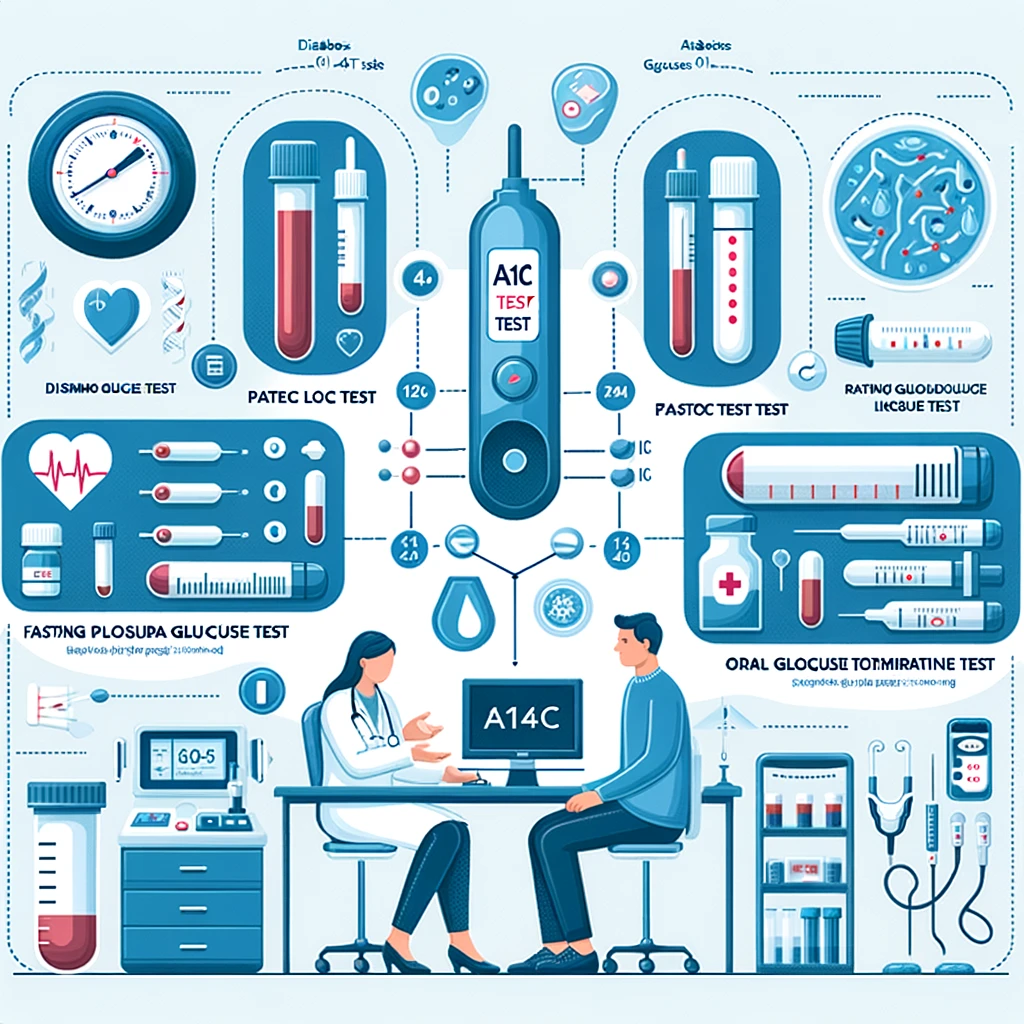
Infographic illustrating different diabetes diagnostic tests, including A1C test, fasting plasma glucose test, oral glucose tolerance test, and random plasma glucose test, with medical equipment and a doctor explaining results to a patient.

Introduction

Diabetes is a global health concern, affecting millions of people worldwide. Early detection through proper diabetes diagnostic tests is crucial for effective management and prevention of complications. But how is diabetes diagnosed? What tests do doctors use to confirm the condition?

In this guide, we will explore the key tests used to diagnose diabetes, what they measure, and how to interpret the results. Whether you’re at risk of diabetes or simply looking to understand the diagnostic process, this article provides the insights you need.

Common Blood Tests for Diabetes Diagnosis

Doctors use several blood tests for diabetes diagnosis, each measuring different aspects of blood sugar control. Here are the most commonly used tests:

1. A1C Test for Diabetes (Glycated Hemoglobin Test)

The A1C test measures your average blood sugar levels over the past 2–3 months by analyzing the percentage of hemoglobin that is glycated (coated with sugar).

A1C Levels in Diabetes Diagnosis:

  • Normal: Below 5.7%
  • Prediabetes: 5.7% – 6.4%
  • Diabetes: 6.5% or higher

Why it’s important: This test helps diagnose both Type 1 and Type 2 diabetes and is also used to monitor blood sugar control in people already diagnosed.

2. Fasting Plasma Glucose (FPG) Test

The Fasting Plasma Glucose test measures blood sugar levels after an overnight fast of at least 8 hours. It is one of the most common tests used for initial screening.

Interpreting Diabetes Test Results:

  • Normal: Less than 100 mg/dL
  • Prediabetes: 100 – 125 mg/dL
  • Diabetes: 126 mg/dL or higher (confirmed by a second test)

Why it’s important: The FPG test provides a clear indication of how your body manages blood sugar when fasting, making it useful for diagnosing diabetes.

3. Oral Glucose Tolerance Test (OGTT)

The Oral Glucose Tolerance Test (OGTT) evaluates how your body processes sugar over time. After fasting overnight, you consume a sugary drink, and blood sugar levels are tested at intervals over two hours.

Results:

  • Normal: Less than 140 mg/dL
  • Prediabetes: 140 – 199 mg/dL
  • Diabetes: 200 mg/dL or higher

Why it’s important: The OGTT is particularly effective for diagnosing gestational diabetes (diabetes during pregnancy) and detecting prediabetes.

4. Random Plasma Glucose (RPG) Test

Unlike the FPG test, the Random Plasma Glucose test does not require fasting. Instead, it measures blood sugar levels at any random time of the day.

Diabetes Diagnosis Criteria:

  • A reading of 200 mg/dL or higher, along with symptoms of diabetes (such as excessive thirst, frequent urination, and fatigue), indicates diabetes.

Why it’s important: This test is often used in urgent situations when symptoms suggest diabetes and immediate diagnosis is necessary.

Prediabetes Diagnostic Criteria

Prediabetes is a condition where blood sugar levels are higher than normal but not high enough to be classified as diabetes. Early detection is crucial to prevent the progression to Type 2 diabetes.

Diabetes Screening Guidelines for Prediabetes:

  • A1C Test: 5.7% – 6.4%
  • Fasting Plasma Glucose Test: 100 – 125 mg/dL
  • Oral Glucose Tolerance Test: 140 – 199 mg/dL

If you have prediabetes, lifestyle changes such as diet, exercise, and weight management can help prevent full-blown diabetes.

How to Prepare for Diabetes Testing

To ensure accurate results, follow these guidelines before your test:

  • For fasting tests (FPG, OGTT): Do not eat or drink anything (except water) for 8–12 hours before the test.
  • For A1C test: No special preparation is required.
  • For OGTT: Be prepared to stay at the testing center for up to 2 hours after consuming the glucose drink.

What Happens After a Diabetes Diagnosis?

If your test results confirm diabetes, your doctor may recommend:

  • Lifestyle modifications (healthy eating, physical activity, weight management)
  • Regular blood sugar monitoring
  • Medications or insulin therapy (depending on the type and severity of diabetes)
  • Follow-up tests to monitor long-term blood sugar control

FAQs

What Is the Most Accurate Test for Diabetes?

The A1C test and Fasting Plasma Glucose test are considered the most reliable for diagnosing diabetes. The OGTT is particularly useful for detecting gestational diabetes.

Can Diabetes Be Diagnosed with Just One Test?

A single abnormal test result is not enough for a definitive diagnosis. Doctors usually require at least two abnormal test results on different days to confirm diabetes.

How Often Should I Get Tested for Diabetes?

  • If you have risk factors (obesity, family history, high blood pressure), you should be tested at least once a year.
  • If you are over 45, experts recommend routine screening every 3 years.
  • If diagnosed with prediabetes, you should be tested annually.

Can I Lower My Blood Sugar Levels Naturally?

Yes! Eating a low-carb diet, increasing physical activity, reducing stress, and maintaining a healthy weight can significantly improve blood sugar control.

Conclusion

Early diagnosis of diabetes is critical for effective treatment and prevention of complications. Understanding the different diabetes diagnostic tests, what they measure, and how to interpret the results can help you take proactive steps toward your health.

If you suspect you have diabetes or are at risk, consult a healthcare provider and get tested today!

📩 Subscribe to our newsletter for more health insights and updates!

References

  1. American Diabetes Association (ADA)Standards of Medical Care in Diabetes
  2. Centers for Disease Control and Prevention (CDC)Diabetes Basics
  3. World Health Organization (WHO)Diabetes Fact Sheet
  4. National Institute of Diabetes and Digestive and Kidney Diseases (NIDDK)Diabetes Tests & Diagnosis
  5. Mayo ClinicDiabetes Diagnosis and Treatment
Posted on 3 Comments

10 Early Signs of Diabetes: Symptoms You Shouldn’t Ignore

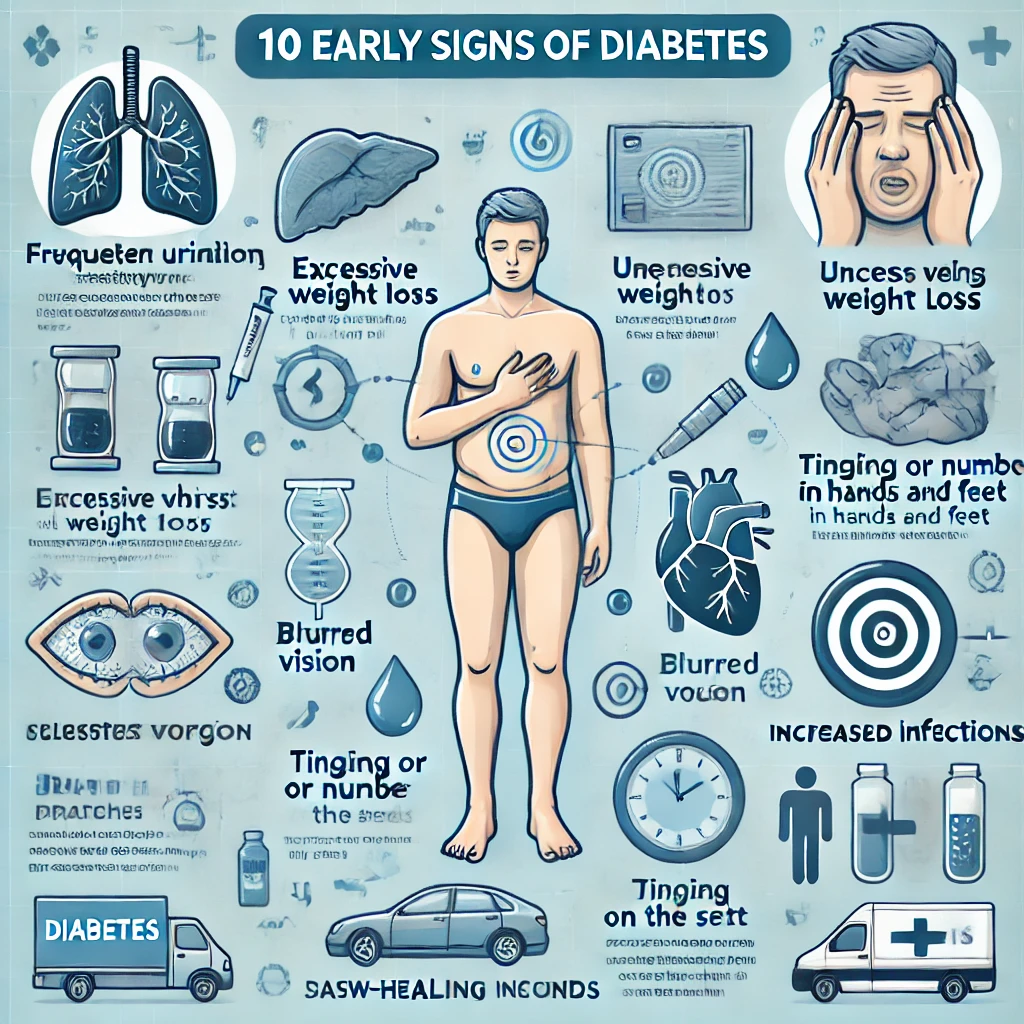
"Infographic illustrating 10 early signs of diabetes with icons and medical-themed visuals."

Introduction

Diabetes is a silent but serious health condition that affects millions of people worldwide. Many individuals may have diabetes without realizing it, as early symptoms can be subtle or mistaken for other issues. Detecting the early signs of diabetes is crucial for preventing complications and managing the condition effectively. But what are the first signs of diabetes? How can you recognize diabetes onset symptoms before it progresses?

In this guide, we’ll explore the 10 most common early diabetes symptoms, helping you recognize them early and seek medical attention when needed.

1. Frequent Urination (Polyuria)

One of the most common early diabetes symptoms is excessive urination. If you notice that you’re using the bathroom more often, especially at night, it may be due to high blood sugar levels forcing your kidneys to work harder to remove excess glucose from the blood.

Why it happens: When blood sugar levels rise, the kidneys try to flush out the excess sugar through urine, leading to increased urination.

What to do: If you experience frequent urination along with other symptoms, consult a doctor for a blood sugar test.

2. Excessive Thirst (Polydipsia)

Frequent urination can lead to dehydration, causing unusual thirst. If you find yourself drinking more water than usual but still feeling thirsty, it could be an early warning sign of diabetes.

Why it happens: As the body loses more fluids through urination, it signals the brain to drink more water.

What to do: Pay attention to persistent thirst and increased fluid intake. If this continues for a few weeks, seek medical advice.

3. Unexplained Weight Loss

Losing weight without trying can be alarming and is often associated with diabetes, especially Type 1 diabetes.

Why it happens: When the body lacks insulin to convert sugar into energy, it starts breaking down fat and muscle instead, leading to rapid weight loss.

What to do: If you experience sudden, unexplained weight loss, it’s crucial to get your blood sugar checked.

4. Constant Fatigue and Weakness

Feeling tired all the time despite getting enough sleep? This could be a result of high blood sugar levels preventing glucose from entering your cells to provide energy.

Why it happens: When your body doesn’t use glucose properly, energy levels drop, leading to persistent fatigue.

What to do: Monitor your energy levels and consult a healthcare provider if fatigue persists.

5. Blurred Vision

Sudden changes in vision or blurry eyesight can be an early symptom of diabetes. High blood sugar levels can cause swelling in the eye’s lens, affecting focus.

Why it happens: Elevated blood sugar changes fluid levels in the eye, leading to vision fluctuations.

What to do: If you notice blurred vision that comes and goes, it’s best to schedule an eye exam and get your blood sugar tested.

6. Slow Healing Wounds

If cuts, bruises, or infections take longer to heal than usual, it could be a warning sign of diabetes.

Why it happens: High blood sugar impairs blood circulation and affects the body’s ability to repair tissues.

What to do: Keep an eye on wounds that don’t heal and consult a doctor if healing seems unusually slow.

7. Tingling or Numbness in Hands and Feet

Tingling, numbness, or a burning sensation in the hands or feet can indicate nerve damage caused by prolonged high blood sugar levels.

Why it happens: Diabetes can damage nerves (diabetic neuropathy), leading to these sensations.

What to do: If you notice persistent numbness or tingling, consult a doctor as soon as possible.

8. Increased Hunger (Polyphagia)

Feeling constantly hungry even after eating could be a sign that your body isn’t processing glucose properly.

Why it happens: The body’s inability to use glucose for energy makes you feel hungrier.

What to do: If you’re experiencing excessive hunger along with other diabetes symptoms, see a doctor.

9. Recurring Infections

Frequent infections, such as urinary tract infections, skin infections, or gum infections, can indicate diabetes.

Why it happens: High blood sugar weakens the immune system, making infections more common.

What to do: Pay attention to persistent infections and discuss them with a healthcare provider.

10. Dark Patches on Skin (Acanthosis Nigricans)

Dark, velvety patches on the skin, particularly around the neck, armpits, or groin, could indicate insulin resistance, a precursor to diabetes.

Why it happens: Insulin resistance can cause skin cells to multiply rapidly, leading to darkened areas.

What to do: If you notice dark patches, get tested for diabetes and consult a dermatologist.

Recognizing Diabetes Symptoms Early

The sooner diabetes is detected, the better it can be managed. If you notice any of the above symptoms, it’s essential to undergo a blood sugar test to determine if you have prediabetes or diabetes.

How to Prevent Diabetes

  • Maintain a healthy weight
  • Eat a balanced, low-sugar diet
  • Stay physically active
  • Monitor blood sugar levels regularly
  • Get regular health check-ups

FAQs

What Are the First Signs of Diabetes?

The first signs of diabetes include excessive thirst, frequent urination, unexplained weight loss, fatigue, and blurred vision.

Can Early Diabetes Symptoms Be Reversed?

If caught early, Type 2 diabetes can often be managed or even reversed with lifestyle changes such as diet and exercise.

What Happens If Diabetes Goes Undiagnosed?

If left untreated, diabetes can lead to serious complications such as nerve damage, kidney disease, and cardiovascular issues.

Should I Get Tested for Diabetes?

If you have any of the diabetes early warning signs, especially if you have risk factors like obesity or a family history, you should get tested.

Conclusion

Recognizing early symptoms of diabetes is key to preventing complications. If you’re experiencing any of these warning signs, don’t ignore them—seek medical attention and get tested. The earlier you catch diabetes, the better your chances of managing it effectively.

💬 Have you experienced any of these symptoms? Share your thoughts in the comments!

📩 Subscribe to our newsletter for more health tips and updates.

References

  1. American Diabetes Association. (2025). “Understanding Diabetes Symptoms.” Retrieved from www.diabetes.org
  2. Centers for Disease Control and Prevention (CDC). (2025). “Diabetes Basics.” Retrieved from www.cdc.gov/diabetes
  3. World Health Organization (WHO). (2025). “Diabetes Facts and Figures.” Retrieved from www.who.int
  4. Mayo Clinic. (2025). “Diabetes Symptoms & Causes.” Retrieved from www.mayoclinic.org
  5. National Institute of Diabetes and Digestive and Kidney Diseases (NIDDK). (2025). “Early Signs of Diabetes.” Retrieved from www.niddk.nih.gov