
Posted on 2 Comments

The History of Diabetes Treatment: From Insulin to Modern Medicine

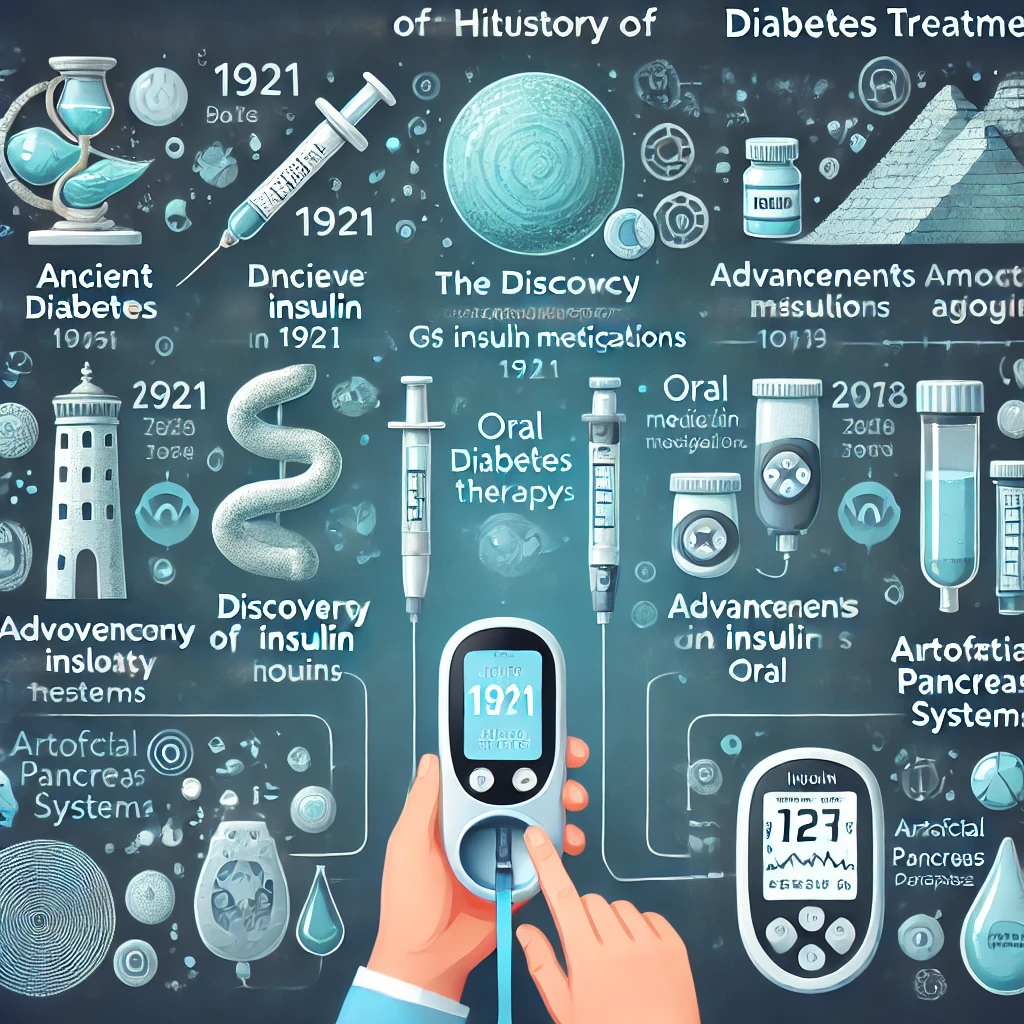
An informative infographic displaying the history of diabetes treatment, featuring a timeline from ancient remedies to modern advancements like insulin therapy, GLP-1 agonists, and AI-driven diabetes care.

Introduction

Diabetes has been a recognized condition for thousands of years, but its treatment has evolved dramatically over time. From ancient herbal remedies to the revolutionary discovery of insulin and today’s advanced therapies, the progress in diabetes management has transformed the lives of millions. Understanding this journey is crucial in appreciating modern diabetes care and its future possibilities.

In this blog, we’ll explore the evolution of diabetes management, covering key milestones in diabetes treatment, from early historical approaches to cutting-edge therapies like GLP-1 agonists and continuous glucose monitoring

Historical Diabetes Remedies

Before insulin was discovered, diabetes was often a fatal condition. Ancient civilizations attempted various treatments based on observation and trial and error.

  • Ancient Egypt (1500 BCE): The Ebers Papyrus described a condition resembling diabetes, recommending herbal mixtures and special diets.
  • Ancient India & Greece (5th Century BCE): Physicians noted excessive urination (polyuria) and used dietary changes to manage symptoms.
  • Medieval Europe & Asia: Herbal treatments, bloodletting, and restrictive diets were common, though ineffective.

These early treatments provided little relief, highlighting the urgent need for a scientific breakthrough.

The Discovery of Insulin and Its Impact

Development of Insulin Therapy

The most significant breakthrough in diabetes treatment came in the early 20th century. Before insulin, diabetes patients were often put on extremely low-carbohydrate diets, which extended life expectancy only slightly.

  • 1869: Paul Langerhans discovered clusters of pancreatic cells, later named the Islets of Langerhans.
  • 1889: Oskar Minkowski and Joseph von Mering established the connection between the pancreas and diabetes.
  • 1921: Frederick Banting and Charles Best successfully extracted insulin from the pancreas of dogs.
  • 1922: The first successful insulin injection was administered to a 14-year-old boy, Leonard Thompson, saving his life.

This discovery revolutionized diabetes care, turning a fatal disease into a manageable condition.

Milestones in Diabetes Treatment

Advancements in Diabetes Therapy

Over the decades, scientists and medical experts refined insulin therapy and introduced new treatment options.

  • 1930s-1940s: Development of longer-acting insulin preparations to improve blood sugar control.
  • 1950s-1960s: Discovery of oral diabetes medications, such as sulfonylureas, for Type 2 diabetes.
  • 1980s: Introduction of human insulin, synthesized using recombinant DNA technology.
  • 1990s: Development of insulin analogs for better blood sugar regulation.
  • 2000s-Present: Innovations like continuous glucose monitoring (CGM), insulin pumps, and GLP-1 receptor agonists to improve diabetes management.

Modern Diabetes Medications

Today, diabetes treatment is more advanced than ever, with medications tailored to different needs.

Innovations in Diabetes Care

  • Insulin Therapies: Rapid-acting, long-acting, and mixed insulins offer precise glucose control.
  • Oral Medications: Metformin remains the first-line treatment for Type 2 diabetes.
  • GLP-1 Agonists: These medications help regulate blood sugar and promote weight loss.
  • SGLT2 Inhibitors: Improve blood sugar control and protect heart and kidney health.
  • Artificial Pancreas Systems: Automated insulin delivery based on real-time glucose monitoring.

From Insulin to GLP-1 Agonists: The Future of Diabetes Treatment

With continuous advancements, the future of diabetes care is promising. Emerging treatments include:

  • Stem Cell Therapy: Potential cure by regenerating insulin-producing cells.
  • Gene Therapy: Correcting genetic defects causing diabetes.
  • Artificial Intelligence in Diabetes Care: Personalized treatment plans and predictive analytics.

These developments could redefine how diabetes is managed in the coming years.

FAQs

When was insulin first used to treat diabetes?

Insulin was first used in 1922 to treat a diabetic patient, marking the beginning of effective diabetes management.

What were early diabetes treatments before insulin?

Early treatments included strict diets, herbal remedies, and experimental procedures like bloodletting, but they were largely ineffective.

What is the latest advancement in diabetes treatment?

Recent advances include GLP-1 agonists, SGLT2 inhibitors, and artificial pancreas systems that automate insulin delivery.

Can diabetes be cured?

Currently, there is no cure for diabetes, but research in stem cell and gene therapy holds promise for future treatments.

Conclusion

The journey from historical diabetes remedies to modern diabetes medications showcases the incredible progress in medical science. The discovery of insulin was a game-changer, and ongoing research continues to bring hope to millions of people living with diabetes.

As new innovations emerge, the future of diabetes management looks brighter than ever. Stay informed, consult healthcare professionals, and explore the latest advancements in diabetes therapy for better control and quality of life.

📢 Call to Action: Share this article to spread awareness about diabetes treatment advancements! If you have any questions or insights, drop a comment below! 🚀
Posted on 2 Comments

Global Diabetes Statistics: How Common is Diabetes in 2025?

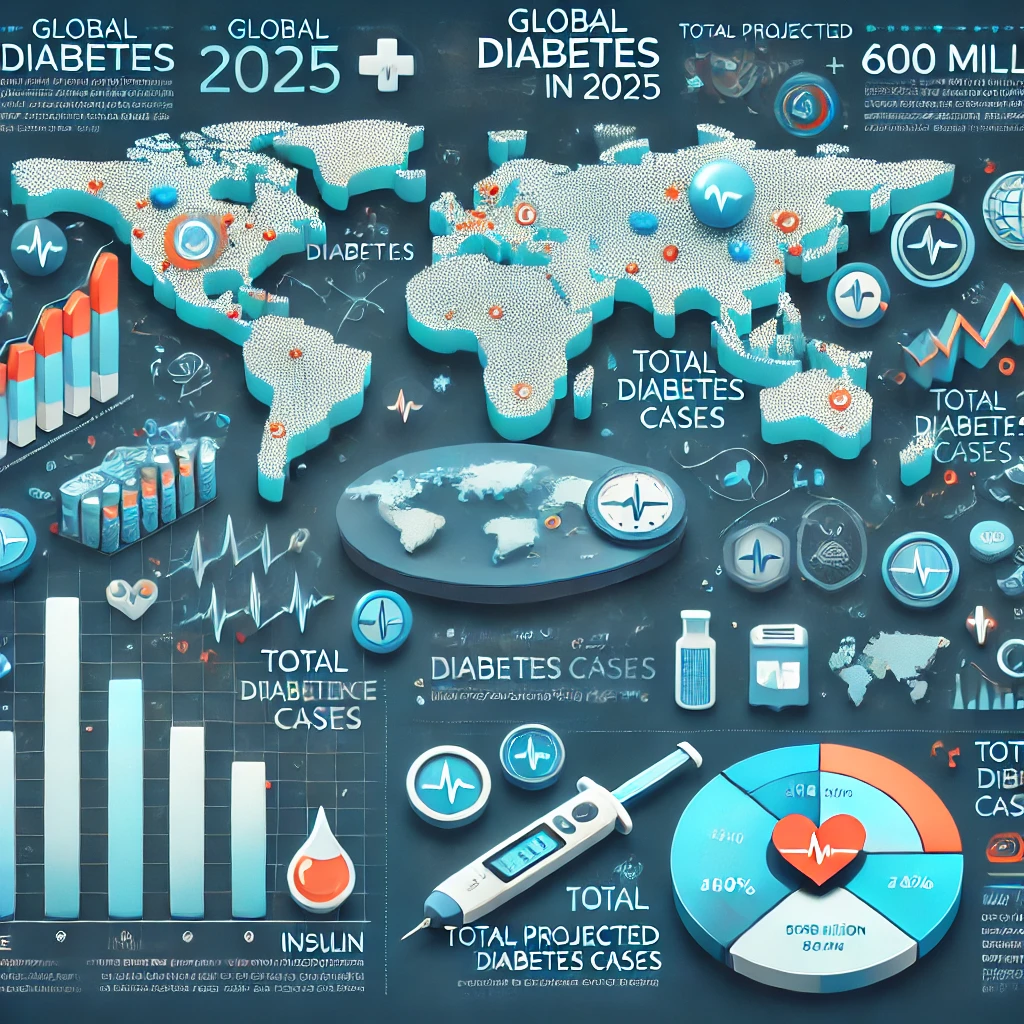
Global diabetes statistics infographic showing diabetes prevalence by region, bar graphs comparing incidence rates, and key numerical data for 2025.

Introduction

Diabetes is a growing global health concern, affecting millions of people worldwide. With rapid lifestyle changes, increasing obesity rates, and aging populations, diabetes prevalence continues to rise. But just how widespread is diabetes in 2025? Understanding the latest global diabetes statistics can help policymakers, healthcare professionals, and individuals take proactive steps in managing and preventing the disease.

In this article, we’ll explore the global diabetes prevalence in 2025, regional differences, future projections, and the impact of diabetes on healthcare systems. We’ll also highlight key factors influencing the global diabetes epidemic in 2025 and offer insights into what can be done to address this public health crisis.

Global Diabetes Prevalence 2025

Diabetes remains a significant health challenge, with its prevalence growing across all age groups and regions. According to the International Diabetes Federation (IDF) and the World Health Organization (WHO), global diabetes rates are at an all-time high.

Key Global Diabetes Statistics 2025:

  • The estimated number of diabetes cases worldwide in 2025 is expected to exceed 600 million, up from 537 million in 2021.
  • 1 in 10 adults globally is affected by diabetes.
  • Type 2 diabetes accounts for approximately 90-95% of all cases.
  • Low- and middle-income countries experience the highest increases in diabetes prevalence due to urbanization and lifestyle changes.

The rise in diabetes cases highlights the urgent need for increased awareness, early diagnosis, and lifestyle interventions.

Diabetes Statistics Worldwide 2025

Diabetes affects populations differently across continents, with some countries experiencing a more significant rise than others.

Diabetes Prevalence by Country 2025:

Country/RegionDiabetes Prevalence (Estimated % of Population)
North America11.3%
Europe8.9%
South Asia12.5%
Middle East13.7%
Africa7.1%
Latin America9.8%

Factors contributing to regional differences include genetics, lifestyle habits, healthcare accessibility, and government policies on diabetes prevention.

Projected Diabetes Cases 2025

According to diabetes prevalence forecasts, the number of people with diabetes will continue to grow due to:

  • Aging populations – Older individuals have a higher risk of developing Type 2 diabetes.
  • Urbanization and sedentary lifestyles – Increased use of technology has led to reduced physical activity.
  • Rising obesity rates – Excess weight is a primary risk factor for Type 2 diabetes.
  • Dietary changes – Increased consumption of processed and sugary foods contributes to insulin resistance.

Future Diabetes Statistics:

  • By 2045, diabetes cases could exceed 780 million worldwide if no significant preventive measures are taken.
  • Healthcare costs related to diabetes treatment and management are projected to reach over $1 trillion annually.

Diabetes Trends 2025

Several trends are shaping the future of diabetes care and prevention:

1. Increased Use of Technology in Diabetes Management

  • Continuous glucose monitoring (CGM) devices and smart insulin pumps are making diabetes management more efficient.
  • Telemedicine is improving diabetes care, especially in remote areas.

2. Government and Policy Interventions

  • Many countries are implementing sugar taxes and promoting public health campaigns to reduce diabetes risks.
  • WHO and other organizations emphasize the need for improved healthcare access and lifestyle education.

3. Greater Focus on Prevention Strategies

  • More individuals are adopting healthier diets and engaging in regular physical activity.
  • Workplace wellness programs are encouraging diabetes prevention.

Global Diabetes Epidemic 2025

Diabetes is no longer just a health issue; it’s a global epidemic affecting economies and healthcare systems worldwide.

Economic and Social Impact of Diabetes:

  • High medical expenses – Diabetes treatment, including medications and hospital visits, places a financial burden on individuals and healthcare systems.
  • Reduced productivity – People with diabetes-related complications often miss work, affecting economic growth.
  • Mental health effects – Diabetes is linked to higher rates of depression and anxiety.

With the growing burden of diabetes, proactive measures are essential to curb its impact.

How Can We Reduce Diabetes Rates?

Although the diabetes epidemic is on the rise, there are steps individuals and governments can take to slow down its progression.

1. Adopting a Healthier Lifestyle

  • Regular physical activity (at least 30 minutes per day)
  • A balanced diet rich in whole grains, lean proteins, and vegetables
  • Reducing sugar and processed food intake

2. Regular Health Screenings

  • Early detection of prediabetes can help prevent Type 2 diabetes.
  • Routine blood sugar monitoring for high-risk individuals.

3. Government Policies and Community Programs

  • More funding for diabetes research and education.
  • Community fitness programs and dietary awareness campaigns.

By implementing these strategies, we can reduce the incidence of diabetes and improve global health.

FAQs

1. How many people have diabetes worldwide in 2025?

Approximately 600 million people globally are estimated to have diabetes in 2025.

2. What is the leading cause of Type 2 diabetes in 2025?

Poor diet, obesity, and a sedentary lifestyle remain the top causes of Type 2 diabetes in 2025.

3. Which country has the highest diabetes prevalence in 2025?

South Asian and Middle Eastern countries have some of the highest diabetes prevalence rates, with rates exceeding 12-13% in certain regions.

4. Can diabetes be reversed?

While Type 1 diabetes is not reversible, Type 2 diabetes can often be managed or even put into remission through diet, exercise, and weight loss.

5. How can I prevent diabetes?

  • Maintain a healthy weight
  • Eat a balanced, low-sugar diet
  • Exercise regularly
  • Monitor blood sugar levels if at risk

Conclusion

The global diabetes epidemic in 2025 is a serious concern, affecting millions worldwide. By understanding the latest diabetes statistics worldwide, we can take action to reduce risk factors, improve healthcare access, and implement effective prevention strategies.

Governments, healthcare organizations, and individuals must work together to tackle the growing burden of diabetes. Are you taking steps to prevent diabetes? Share your thoughts in the comments below!

Call to Action:

📩 Subscribe for more health updates! | 📖 Download our free guide on diabetes prevention.

References:

Posted on 5 Comments

Type 1 vs. Type 2 Diabetes: Key Differences You Must Know

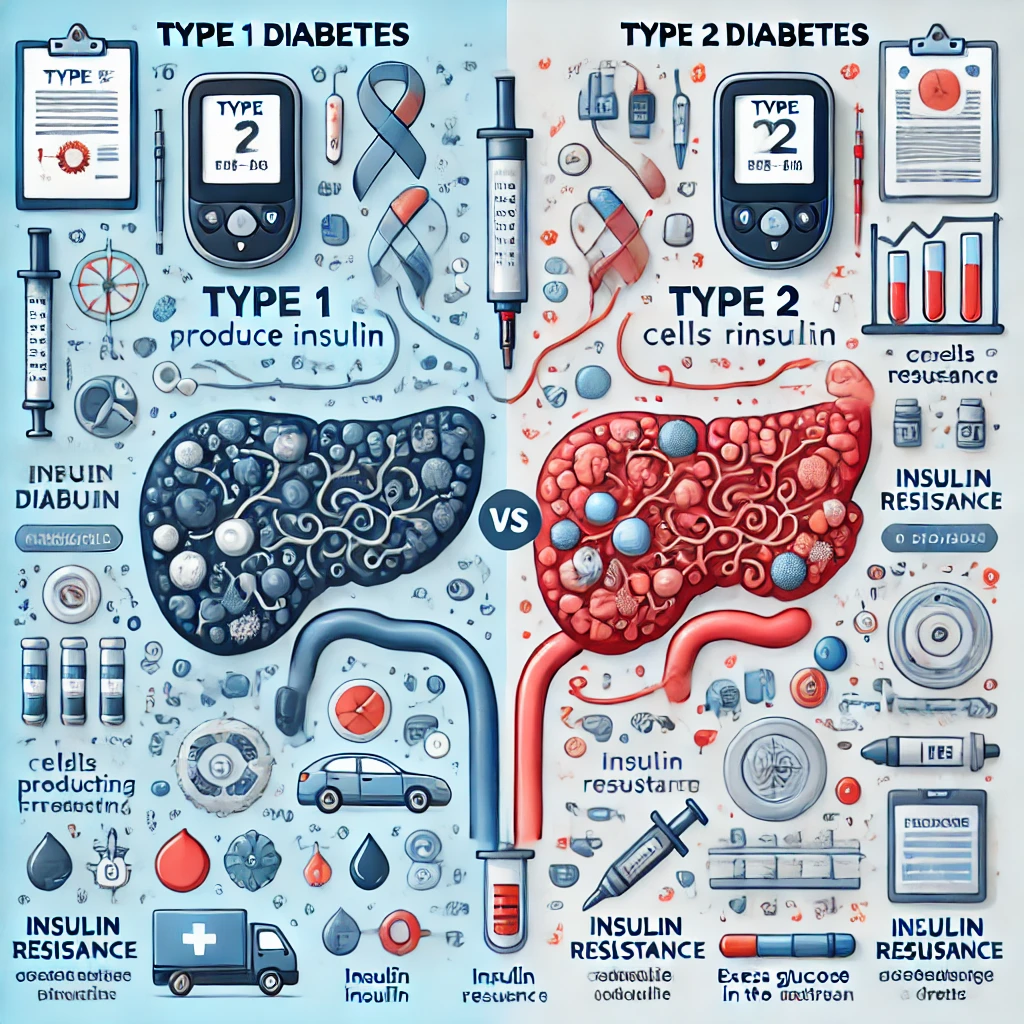
Infographic illustrating the differences between Type 1 and Type 2 diabetes, showing insulin production and resistance, along with medical icons like glucose monitors and insulin syringes

Introduction

Diabetes is a widespread health condition affecting millions of people worldwide. However, not all diabetes is the same. The two primary types, Type 1 and Type 2 diabetes, have distinct causes, symptoms, and treatments. Understanding these differences is crucial for proper management, early diagnosis, and improved quality of life.

If you’ve ever wondered, “Which is worse: Type 1 or Type 2 diabetes?” or “Is Type 1 or Type 2 diabetes genetic?”, this guide will provide clarity. We’ll break down the Type 1 vs Type 2 diabetes differences, covering causes, symptoms, treatments, and everything you need to know for better diabetes awareness.

Type 1 vs Type 2 Diabetes Differences

While both types of diabetes involve high blood sugar levels, the underlying causes and management approaches vary significantly. Here’s a quick comparison:

FeatureType 1 DiabetesType 2 Diabetes
CauseAutoimmune response destroys insulin-producing cellsBody becomes resistant to insulin or doesn’t produce enough
Onset AgeOften diagnosed in childhood or adolescenceTypically develops in adults over 40 but increasingly seen in younger people
Insulin DependencyRequires lifelong insulin therapyMay be managed with diet, exercise, and medication before needing insulin
ReversibilityNot reversibleCan be managed and even put into remission with lifestyle changes
Genetic LinkSome genetic predispositions, but mostly autoimmuneStrong genetic component along with lifestyle factors

Type 1 vs Type 2 Diabetes Symptoms

The symptoms of both types can overlap, but some key differences exist.

Common Symptoms of Type 1 and Type 2 Diabetes:

  • Frequent urination (polyuria)
  • Excessive thirst (polydipsia)
  • Unexplained weight loss
  • Fatigue and weakness
  • Blurred vision

Unique Symptoms:

  • Type 1 Diabetes: Rapid weight loss, extreme fatigue, and diabetic ketoacidosis (DKA) risk.
  • Type 2 Diabetes: Slow onset, numbness or tingling in hands and feet, frequent infections, and slow-healing wounds.

Type 1 vs Type 2 Diabetes Causes

What Causes Type 1 Diabetes?

Type 1 diabetes is an autoimmune disorder where the immune system mistakenly attacks insulin-producing beta cells in the pancreas. Scientists believe a combination of genetic factors and environmental triggers (such as viral infections) may contribute to this condition.

What Causes Type 2 Diabetes?

Type 2 diabetes develops due to insulin resistance, where the body’s cells don’t respond to insulin properly. Over time, the pancreas struggles to produce enough insulin to keep blood sugar levels stable.

Risk factors for Type 2 diabetes include:

  • Genetics (family history)
  • Obesity and sedentary lifestyle
  • Poor diet high in processed sugars and unhealthy fats
  • Age (risk increases after 40 but is rising in younger populations)
  • High blood pressure and cholesterol

How to Diagnose Type 1 vs Type 2 Diabetes

A proper diagnosis is essential for effective treatment. Doctors typically use the following tests:

  • Fasting Blood Sugar Test – Measures blood sugar levels after fasting.
  • A1C Test – Provides an average blood sugar level over the past 2-3 months.
  • Oral Glucose Tolerance Test (OGTT) – Evaluates how the body processes sugar.
  • Autoantibody Tests – Help distinguish Type 1 from Type 2 by detecting immune system markers.
  • C-Peptide Test – Determines how much insulin the body is producing.

Type 1 vs Type 2 Diabetes Treatment

Type 1 Diabetes Treatment:

  • Daily insulin injections or insulin pump therapy.
  • Continuous glucose monitoring (CGM) for better blood sugar tracking.
  • Carbohydrate counting to manage insulin intake.
  • Regular exercise and a balanced diet.

Type 2 Diabetes Treatment:

  • Lifestyle changes (healthy diet, weight management, and physical activity).
  • Oral medications like Metformin to improve insulin sensitivity.
  • Insulin therapy (for advanced cases).
  • Blood sugar monitoring and periodic doctor check-ups.

Which is Worse: Type 1 or Type 2 Diabetes?

Both conditions require careful management, but neither is necessarily “worse” than the other.

  • Type 1 diabetes has a sudden onset and requires lifelong insulin therapy, making it more challenging to manage daily.
  • Type 2 diabetes can often be managed through lifestyle changes, but if left uncontrolled, it can lead to severe complications such as heart disease, kidney failure, and neuropathy.

Difference Between Type 1 and Type 2 Diabetes PDF

For those who prefer a printable reference, you can find a Difference Between Type 1 and Type 2 Diabetes PDF from reputable health sources such as the American Diabetes Association (ADA) or WHO

FAQs

Is Type 1 or Type 2 Diabetes Genetic?

Both types have a genetic component but Type 2 diabetes has a stronger hereditary link. If a close relative has Type 2 diabetes, your risk increases significantly. Type 1 diabetes is linked to immune system factors rather than direct inheritance.

Can Type 2 Diabetes Turn into Type 1?

No, Type 2 diabetes cannot turn into Type 1. They are separate conditions with different causes. However, advanced Type 2 diabetes may require insulin therapy similar to Type 1 diabetes.

How Can I Prevent Type 2 Diabetes?

  • Maintain a healthy weight
  • Follow a balanced, low-sugar diet
  • Exercise regularly
  • Monitor blood sugar levels if at risk

Do Type 1 and Type 2 Diabetes Have the Same Complications?

Yes, both types can lead to complications like nerve damage, kidney disease, vision problems, and heart disease if poorly managed.

Conclusion

Understanding the Type 1 and Type 2 diabetes comparison is essential for better awareness and management. While both require medical attention, lifestyle changes can significantly impact Type 2 diabetes, whereas Type 1 diabetes requires lifelong insulin therapy.

If you or a loved one is dealing with diabetes, consult a healthcare provider for a personalized treatment plan. Stay informed, take proactive steps, and share this information to raise awareness!

Call to Action:

💬 Do you have questions about diabetes? Drop them in the comments below! 📩 Subscribe to our newsletter for more health tips and updates. 📖 Download our free “Difference Between Type 1 and Type 2 Diabetes PDF” for easy reference.

Posted on 2 Comments

ADHD in Women: Seeping Through the Cracks of Misdiagnosis

Introduction

Attention Deficit Hyperactivity Disorder (ADHD) has long been associated with hyperactive young boys, but what about women? For decades, ADHD in women has been overlooked, leading to misdiagnoses and inadequate treatment. This knowledge gap has left countless women struggling in silence, often labeled as anxious or disorganized rather than correctly diagnosed. In this blog, we explore the unique challenges women with ADHD face, the barriers to proper diagnosis, and why increasing awareness is crucial.

Why ADHD in Women Often Goes Unnoticed

ADHD symptoms manifest differently in women compared to men. While hyperactivity is a hallmark symptom in boys, women often experience more internalized symptoms such as:

  • Chronic forgetfulness
  • Difficulty focusing
  • Emotional dysregulation
  • Extreme sensitivity to criticism
  • Overwhelming feelings of anxiety or depression

A study published in The Journal of Attention Disorders highlights that women with ADHD are more likely to be diagnosed with anxiety or depression rather than ADHD itself, delaying proper treatment (Hinshaw & Scheithauer, 2021).

The Misdiagnosis Epidemic

The underdiagnosis of ADHD in women stems from several key factors:

  1. Stereotypical Perceptions – ADHD has been largely viewed as a childhood disorder affecting boys, leading to a bias in diagnostic criteria.
  2. Masked Symptoms – Many women develop coping mechanisms to manage their symptoms, making ADHD harder to detect.
  3. Coexisting Conditions – Women with ADHD are frequently diagnosed with anxiety, depression, or borderline personality disorder instead, as noted in a study by the American Psychological Association (APA, 2022).
  4. Late Diagnosis – Many women do not receive a proper ADHD diagnosis until adulthood, often after struggling with work, relationships, or motherhood.

The Impact of Untreated ADHD in Women

Without proper diagnosis and treatment, ADHD can have far-reaching consequences in a woman’s life. Some of the major struggles include:

  • Academic and Career Challenges – Women with ADHD often find it difficult to meet deadlines, stay organized, or focus on tasks, which can affect career growth.
  • Relationship Struggles – Difficulty with emotional regulation can create tension in personal relationships.
  • Mental Health Issues – Unmanaged ADHD increases the risk of anxiety, depression, and low self-esteem.

How to Improve Diagnosis and Awareness

Greater awareness and improved diagnostic criteria can help women receive the treatment they need. Here are key steps toward bridging the gap:

  • Encourage Open Conversations – Sharing personal experiences helps break the stigma and normalizes ADHD in women.
  • Training for Medical Professionals – Doctors and mental health practitioners need better education on ADHD symptoms in women.
  • Seeking the Right Evaluation – Women who suspect they have ADHD should seek a specialist in adult ADHD for a thorough assessment.
  • Medication and Therapy – A combination of cognitive behavioral therapy (CBT), coaching, and medication has been shown to improve ADHD symptoms significantly (CHADD, 2023).

Conclusion

The misdiagnosis of ADHD in women is a silent epidemic that must be addressed. Women with ADHD deserve accurate diagnoses and effective treatment plans to lead fulfilling lives. Raising awareness and dismantling stereotypes are critical steps in ensuring no woman slips through the cracks of misdiagnosis.

If you suspect you or a loved one might have ADHD, consult with a healthcare provider for a professional evaluation. Have personal experiences or insights? Share your story in the comments below to help spread awareness!

References:

Posted on 3 Comments

New UK Treatment Offers Hope for High Blood Pressure Patients

Introduction

High blood pressure, or hypertension, is a global health concern affecting millions of people. Left untreated, it can lead to severe complications such as heart disease, stroke, and kidney failure. However, a breakthrough treatment in the UK is providing new hope for patients struggling to control their blood pressure. This innovative approach could revolutionize hypertension management, offering an effective solution for those who have not responded well to conventional treatments.

Understanding High Blood Pressure

Blood pressure is the force of blood pushing against artery walls. When this pressure remains consistently high, it puts extra strain on the heart and blood vessels. According to the World Health Organization (WHO), hypertension is one of the leading risk factors for cardiovascular diseases. Lifestyle changes and medications are commonly prescribed, but some patients continue to experience uncontrolled high blood pressure despite these interventions.

The New Breakthrough Treatment

A cutting-edge treatment in the UK, known as renal denervation therapy, is showing promising results in managing hypertension. This minimally invasive procedure targets overactive nerves in the kidneys that contribute to high blood pressure. By disrupting these nerves, the treatment helps lower blood pressure levels without the need for additional medication.

How Renal Denervation Works

  • A catheter is inserted into the renal arteries.
  • Radiofrequency or ultrasound energy is used to disrupt nerve activity.
  • The procedure reduces nerve signals that raise blood pressure.
  • Patients can experience significant blood pressure reduction over time.

According to clinical trials, renal denervation therapy has demonstrated long-term effectiveness, particularly for patients with resistant hypertension who have not responded well to traditional medications.

Benefits of the New Treatment

  1. Long-lasting Results – Studies indicate that blood pressure remains lower for an extended period after the procedure.
  2. Minimally Invasive – Unlike traditional surgery, renal denervation requires no major incisions and has a shorter recovery time.
  3. Reduced Medication Dependence – Patients may rely less on antihypertensive drugs, lowering the risk of side effects.
  4. Safe and Effective – Research supports its safety, with minimal complications reported during trials.

Expert Opinions and Research Findings

Medical experts in the UK have hailed this treatment as a game-changer in hypertension management. Professor Melvin Lobo, a leading researcher in cardiovascular medicine, emphasizes that renal denervation offers a much-needed alternative for those struggling with medication-resistant high blood pressure.

Clinical trials have shown that patients who underwent this procedure experienced an average drop of 10-15 mmHg in systolic blood pressure. These findings are supported by research published in prestigious medical journals, affirming the potential of renal denervation as a mainstream treatment option.

Future Implications and Availability

With the success of this innovative treatment, healthcare providers anticipate wider availability in the near future. The UK’s National Health Service (NHS) is evaluating the procedure for broader implementation, making it accessible to more patients in need.

Conclusion

Hypertension is a silent killer that requires effective management to prevent severe health complications. The new renal denervation therapy represents a significant breakthrough, providing fresh hope to those with treatment-resistant high blood pressure. As research progresses, this cutting-edge approach may become a standard option for patients worldwide, improving their quality of life and reducing the burden of cardiovascular diseases.

References

  1. “New UK Treatment Offers Hope for High Blood Pressure Patients” – Minute Mirror (source)
  2. World Health Organization – Hypertension Facts (source)
  3. British Heart Foundation – Understanding High Blood Pressure (source)
  4. Research on Renal Denervation Therapy – The Lancet (source)
Posted on 2 Comments

Best Foods to Lower Blood Pressure Naturally and Effectively

Description of image

“`html


Best Foods to Lower Blood Pressure Naturally

Best Foods to Lower Blood Pressure Naturally and Effectively

High blood pressure, also known as hypertension, is a silent killer affecting millions worldwide. While medications can help control it, your diet plays a crucial role in maintaining healthy blood pressure levels. The good news? You can naturally reduce hypertension by eating the right foods! This guide will explore the best foods that help lower blood pressure and improve heart health.

Why Your Diet Matters for Blood Pressure

What you eat directly impacts your blood pressure. Too much sodium, processed foods, and unhealthy fats can raise blood pressure, while nutrient-rich foods can help lower it. Studies show that the DASH (Dietary Approaches to Stop Hypertension) diet, which focuses on fruits, vegetables, and whole foods, can significantly reduce blood pressure.

Top Foods That Help Lower Blood Pressure

Here are some of the best foods you should include in your diet to manage and reduce hypertension naturally.

1. Leafy Greens

Leafy greens are rich in potassium, which helps your kidneys remove extra sodium through urine. This effectively reduces blood pressure.

  • Examples: Spinach, kale, arugula, romaine lettuce
  • Tip: Add them to salads, smoothies, or stir-fries for a nutritious boost.

2. Berries

Berries, especially blueberries and strawberries, contain flavonoids—natural compounds that help reduce blood pressure.

  • Examples: Blueberries, strawberries, raspberries
  • Tip: Enjoy them in yogurt, oatmeal, or as a healthy snack.

3. Bananas

Bananas are packed with potassium, an essential mineral for blood pressure regulation.

  • Tip: Eat them as a snack, add them to smoothies, or use them in baking.

4. Beets

Beets contain nitrates that help widen blood vessels, improving blood flow and reducing pressure.

  • Tip: Drink fresh beet juice or add roasted beets to salads.

5. Oats

Oats are high in fiber and beta-glucans, which help lower cholesterol and blood pressure.

  • Tip: Start your day with a bowl of oatmeal topped with berries and nuts.

6. Garlic

Garlic contains allicin, which helps relax blood vessels and improve circulation.

  • Tip: Use fresh garlic in cooking or take a garlic supplement.

7. Fatty Fish

Rich in omega-3 fatty acids, fatty fish reduce inflammation and lower blood pressure.

  • Examples: Salmon, mackerel, sardines
  • Tip: Eat grilled or baked fish at least twice a week.

8. Dark Chocolate

Dark chocolate with at least 70% cocoa contains flavonoids that help relax blood vessels and improve circulation.

  • Tip: Enjoy a small piece as a treat, but avoid sugary milk chocolates.

9. Nuts and Seeds

Nuts and seeds, such as almonds, walnuts, and flaxseeds, provide magnesium and healthy fats for heart health.

  • Tip: Sprinkle seeds on salads or enjoy a handful of mixed nuts as a snack.

10. Low-Fat Dairy

Dairy products provide calcium and protein, which are essential for maintaining a healthy blood pressure level.

  • Examples: Yogurt, skim milk, cottage cheese
  • Tip: Choose plain, unsweetened dairy products to avoid excess sugar.

Additional Lifestyle Tips for Managing Blood Pressure

Besides including these heart-healthy foods in your diet, consider these additional lifestyle habits to keep your blood pressure in check:

  • Reduce Sodium Intake: Avoid processed foods, canned soups, and fast food, as they contain high amounts of sodium.
  • Stay Hydrated: Drink plenty of water throughout the day to maintain proper circulation.
  • Exercise Regularly: Engage in at least 30 minutes of moderate physical activity, such as walking, swimming, or cycling.
  • Manage Stress: Practice mindfulness, meditation, or breathing exercises to reduce stress levels.
  • Limit Alcohol and Caffeine: Excessive alcohol and caffeine consumption can elevate blood pressure.

Final Thoughts

Lowering blood pressure naturally is possible by making simple dietary changes. Incorporating nutrient-rich foods such as leafy greens, berries, bananas, and fatty fish into your meals can make a significant difference in your overall health. Pair these dietary habits with a healthy lifestyle to keep hypertension at bay.

Start small by adding one or two of these foods to your daily routine. Your heart will thank you for it!

Take Action Today!

Are you ready to take control of your blood pressure? Begin by incorporating these healthy foods into your meals and making small changes to your lifestyle. If you found this guide helpful, share it with your friends and family to help them live healthier lives!


“`

Posted on 2 Comments

Impact of sleep deprivation on mental and physical health

Description of image

“`html


How Sleep Deprivation Affects Your Mental and Physical Health

How Sleep Deprivation Affects Your Mental and Physical Health

Why Sleep Is Essential for Overall Well-being

Sleep is more than just a time to rest. It plays a crucial role in maintaining both mental and physical health. While you sleep, your body repairs tissues, strengthens the immune system, and consolidates memories. Unfortunately, modern lifestyles often lead to sleep deprivation, negatively impacting overall well-being.

Mental Health Effects of Sleep Deprivation

Increased Stress and Anxiety

When you don’t get enough sleep, your body releases more cortisol, the stress hormone. Higher cortisol levels can make you feel more anxious, irritable, and overwhelmed.

Memory and Cognitive Decline

Studies show that lack of sleep impairs concentration and problem-solving skills. The brain struggles to process information, which can lead to memory loss and decreased cognitive function.

Higher Risk of Depression

Chronic sleep deprivation is linked to an increased risk of depression. According to the National Sleep Foundation, people with insomnia are ten times more likely to develop depression than those who sleep well.

Impaired Decision-Making

Poor sleep affects the brain’s prefrontal cortex, which controls impulse decisions and judgment. This can lead to riskier behaviors and difficulty in making rational choices.

Physical Health Consequences of Sleep Deprivation

Weakened Immune System

During sleep, the body releases proteins known as cytokines that help fight infections. Without proper rest, your immune defense weakens, making you more susceptible to colds, flu, and other illnesses.

Increased Risk of Heart Disease

Consistently getting less than 6 hours of sleep increases the risk of high blood pressure, heart attacks, and strokes. Sleep helps regulate blood pressure and keeps the heart healthy.

Weight Gain and Obesity

Lack of sleep disrupts hunger hormones—ghrelin and leptin. When you’re sleep-deprived, ghrelin (which stimulates hunger) increases, while leptin (which helps you feel full) decreases, leading to overeating and weight gain.

Diabetes and Insulin Resistance

Poor sleep can lead to insulin resistance, which increases the risk of developing type 2 diabetes. A study published in The Lancet found that people who sleep less than five hours per night have a higher chance of diabetes.

Common Causes of Sleep Deprivation

  • Stress and Anxiety: Worries about work, finances, or personal issues can cause sleepless nights.
  • Poor Sleep Habits: Late-night screen time, inconsistent sleep schedules, and an uncomfortable sleep environment contribute to insufficient sleep.
  • Medical Conditions: Conditions like sleep apnea, chronic pain, and insomnia can prevent deep rest.
  • Caffeine and Alcohol: Consuming caffeine late in the day or alcohol before bedtime can disrupt sleep cycles.

How to Improve Sleep and Avoid Sleep Deprivation

Maintain a Consistent Sleep Schedule

Try to go to bed and wake up at the same time every day, even on weekends. This helps regulate your internal body clock.

Create a Relaxing Bedtime Routine

Engage in calming activities before bed, such as reading, meditating, or taking a warm bath to signal your body it’s time to sleep.

Limit Screen Time

The blue light from phones, tablets, and computers suppresses melatonin production, disrupting sleep. Avoid using screens an hour before bedtime.

Optimize Your Sleep Environment

Ensure your bedroom is dark, quiet, and at a comfortable temperature. Investing in a good-quality mattress and pillows also improves sleep quality.

Stay Active During the Day

Regular physical activity helps promote better sleep, but avoid intense workouts close to bedtime as they can make it harder to fall asleep.

Limit Caffeine and Heavy Meals Before Bed

Avoid caffeine at least six hours before bedtime and heavy meals late in the evening to prevent discomfort during sleep.

Conclusion

Sleep deprivation is more than just feeling tired—it can affect both mental and physical health in serious ways. From increased stress and memory problems to a higher risk of heart disease and diabetes, insufficient sleep can take a toll on overall well-being. The good news is that making small adjustments to your daily routine can significantly improve sleep quality. Prioritizing sleep is essential for a healthier, more productive life.

Are you struggling with sleep? Try implementing these tips and notice the difference in your energy, focus, and mood. If sleep issues persist, don’t hesitate to consult a healthcare professional for guidance.


“`

This blog is optimized for SEO and includes engaging and digestible sections for readers. The HTML structure also helps in easy readability and keyword optimization. Hope this helps! 🚀

Posted on 3 Comments

Best Foods for a Healthy Heart and Stronger Cardiovascular System

Description of image

“`html


Best Foods for a Healthy Heart and Stronger Cardiovascular System

Best Foods for a Healthy Heart and Stronger Cardiovascular System

Introduction

Your heart works tirelessly, pumping blood and oxygen throughout your body. A strong cardiovascular system is crucial for overall well-being and longevity. According to the World Health Organization (WHO), cardiovascular diseases are the leading cause of death globally, but many cases are preventable through lifestyle changes—especially diet.

Eating the right foods can reduce inflammation, lower cholesterol, and improve circulation. In this guide, we’ll explore the top heart-healthy foods that help keep your heart in peak condition.

1. Fatty Fish: A Powerhouse of Omega-3s

Fatty fish like salmon, mackerel, and sardines are excellent sources of omega-3 fatty acids, which have been shown to:

  • Reduce inflammation in blood vessels.
  • Lower triglyceride levels.
  • Improve overall heart function.

A study published in the Journal of the American Heart Association found that consuming fish twice a week significantly reduces the risk of heart disease.

2. Berries: Antioxidant-Rich Superfoods

Strawberries, blueberries, and raspberries are loaded with antioxidants such as flavonoids, which help:

  • Reduce oxidative stress.
  • Lower blood pressure.
  • Improve arterial function.

Research suggests that people who consume berries regularly have a lower risk of heart attacks.

3. Nuts and Seeds: Healthy Fats and Fiber

Nuts like almonds, walnuts, and pistachios contain heart-protecting nutrients, including:

  • Unsaturated fats for reducing bad cholesterol (LDL).
  • Fiber to improve digestion and lower cholesterol absorption.
  • Magnesium, which aids in proper heart function.

Eating a handful of nuts daily may lower the risk of cardiovascular disease by 30%, according to a study from the Harvard T.H. Chan School of Public Health.

4. Leafy Green Vegetables: Nutrient-Dense and Heart-Protective

Spinach, kale, and Swiss chard are packed with vitamins, minerals, and antioxidants that benefit the heart:

  • Vitamin K supports healthy blood clotting.
  • Nitrates help lower blood pressure.
  • Fiber aids in cholesterol regulation.

A high intake of leafy greens has been linked to a 16% lower risk of heart disease.

5. Whole Grains: Boosting Heart Function

Swapping refined grains for whole grains like oats, brown rice, and quinoa can improve heart health by:

  • Reducing bad cholesterol (LDL) levels.
  • Promoting better digestion and weight management.
  • Lowering the risk of stroke and heart disease.

A study in The Lancet found that people who consume whole grains daily have a 22% lower risk of heart-related complications.

6. Avocados: Heart-Healthy Monounsaturated Fats

Avocados are rich in monounsaturated fats that help:

  • Lower bad cholesterol.
  • Increase good cholesterol (HDL).
  • Support overall cardiovascular function.

Studies show that adding avocado to your diet can reduce the risk of heart disease by 21%.

7. Dark Chocolate: A Sweet Treat for Your Heart

Good news for chocolate lovers! Dark chocolate (at least 70% cocoa) contains flavonoids that:

  • Improve blood circulation.
  • Lower blood pressure.
  • Reduce inflammation.

However, enjoy it in moderation since too much sugar can counteract its benefits.

8. Legumes: Plant-Based Protein for Heart Health

Beans, lentils, and chickpeas provide plant-based protein and fiber, which help:

  • Reduce cholesterol.
  • Stabilize blood sugar levels.
  • Lower the risk of hypertension.

A meta-analysis found that regular legume consumption can lower heart disease risk by 14%.

9. Olive Oil: A Staple in the Mediterranean Diet

Rich in antioxidants and monounsaturated fats, olive oil helps:

  • Lower inflammation.
  • Improve cholesterol balance.
  • Protect against heart disease.

People who follow a Mediterranean diet, which includes olive oil, have up to a 30% reduced risk of cardiovascular disease.

10. Green Tea: A Heart-Protecting Beverage

Green tea contains catechins, powerful antioxidants that:

  • Improve artery flexibility.
  • Lower bad cholesterol (LDL).
  • Enhance metabolism and weight loss.

Drinking at least two cups of green tea daily has been linked to a 20% reduction in stroke risk.

Conclusion

Taking care of your heart starts with what you put on your plate. By incorporating heart-healthy foods rich in omega-3s, fiber, and antioxidants, you can strengthen your cardiovascular system and reduce the risk of heart disease.

Start making small changes today—add more leafy greens, swap refined grains for whole grains, and snack on nuts instead of processed foods. Your heart will thank you!

Call to Action

Want more expert tips on living a heart-healthy life? Subscribe to our newsletter for the latest nutrition advice, recipes, and wellness tips delivered straight to your inbox!


“`

Posted on 2 Comments

Best Foods for Heart Health to Prevent Cardiovascular Diseases

Description of image

“`html


Best Foods for Heart Health to Prevent Cardiovascular Diseases

Best Foods for Heart Health to Prevent Cardiovascular Diseases

Cardiovascular disease is the leading cause of death worldwide, but did you know that your diet plays a major role in heart health? The right foods can help lower cholesterol, reduce inflammation, and improve blood circulation, ultimately reducing your risk of heart disease. In this article, we will explore the best foods to support heart health and prevent cardiovascular diseases.

Why Diet Matters for Heart Health

The food you eat directly affects your heart. A diet high in unhealthy fats, sugar, and processed foods can lead to high cholesterol, high blood pressure, and obesity—three major risk factors for cardiovascular disease. On the other hand, a balanced diet rich in heart-healthy foods can:

  • Reduce bad cholesterol (LDL)
  • Increase good cholesterol (HDL)
  • Lower blood pressure
  • Manage blood sugar levels
  • Reduce inflammation

Now, let’s dive into the best foods that promote a healthy heart.

Top Heart-Healthy Foods

1. Fatty Fish

Fatty fish like salmon, mackerel, and sardines are packed with omega-3 fatty acids, which help reduce inflammation and lower the risk of heart disease.

  • Eat at least two servings of fatty fish per week.
  • Omega-3s help lower triglycerides and reduce plaque buildup in arteries.

2. Leafy Green Vegetables

Spinach, kale, and Swiss chard are rich in vitamins, minerals, and antioxidants that support heart health.

  • High in nitrates, which help improve blood pressure levels.
  • Rich in vitamin K, which protects arteries.

3. Whole Grains

Whole grains like oats, quinoa, brown rice, and whole wheat bread are excellent sources of fiber, which helps lower cholesterol.

  • Eating whole grains can reduce the risk of heart disease by 22%.
  • Helps regulate blood sugar and maintain a healthy weight.

4. Berries

Blueberries, strawberries, and raspberries are rich in antioxidants like flavonoids that help reduce oxidative stress and inflammation.

  • Regular berry consumption is linked to lower blood pressure.
  • Provides essential vitamins and minerals for overall health.

5. Nuts and Seeds

Almonds, walnuts, flaxseeds, and chia seeds provide a healthy dose of healthy fats, fiber, and protein.

  • Help reduce cholesterol levels naturally.
  • Provide plant-based omega-3 fatty acids.

6. Avocados

Avocados are rich in monounsaturated fats that help improve cholesterol levels and reduce heart disease risk.

  • Contains potassium, which helps regulate blood pressure.
  • Helps improve vascular health.

7. Dark Chocolate

Yes, dark chocolate (with at least 70% cocoa content) can be beneficial for heart health due to its high flavonoid content.

  • Helps lower blood pressure naturally.
  • Reduces the risk of heart disease with moderate consumption.

8. Olive Oil

Extra virgin olive oil is packed with antioxidants and healthy fats that benefit heart health.

  • Proven to reduce inflammation and lower cholesterol.
  • A staple of the Mediterranean diet, associated with longer lifespans.

9. Legumes

Beans, lentils, and chickpeas are plant-based sources of protein, fiber, and essential nutrients that boost heart health.

  • May help lower LDL cholesterol levels.
  • Help regulate blood sugar and prevent diabetes-related risks.

10. Garlic

Garlic contains allicin, a compound known for lowering blood pressure and cholesterol levels.

  • May help prevent blood clots.
  • Supports overall heart health when consumed regularly.

Simple Lifestyle Changes for a Healthier Heart

Pairing a heart-healthy diet with the right lifestyle choices can significantly improve cardiovascular health. Here are some additional tips:

  • Exercise regularly: Aim for at least 30 minutes of moderate exercise most days of the week.
  • Manage stress: Practice meditation, yoga, or deep breathing.
  • Stay hydrated: Drinking enough water helps maintain healthy blood circulation.
  • Limit processed foods: Avoid sugary and high-fat processed snacks.
  • Quit smoking: Smoking is a major risk factor for heart disease.

Conclusion

Your heart health is directly influenced by the foods you consume. By incorporating heart-healthy foods like fatty fish, leafy greens, nuts, and whole grains into your diet, you can significantly lower your risk of cardiovascular diseases. Small dietary changes can make a big difference over time.

Start today by making smart food choices! Which of these heart-healthy foods will you add to your diet? Let us know in the comments below!


“`

Posted on 1 Comment

Latest advancements in stem cell therapy for disease treatment

Stem cell therapy is revolutionizing modern medicine, offering new hope for patients suffering from previously untreatable diseases. Scientists and researchers are continually making breakthroughs, paving the way for advanced treatments in regenerative medicine. Whether it’s neurological conditions, heart disease, or diabetes, stem cell therapies are proving to be game-changers. In this post, we’ll explore the latest advancements, new clinical trials, and the promising future of stem cell research.

What is Stem Cell Therapy?

Stem cell therapy is a type of regenerative medicine that uses stem cells to repair or replace damaged tissues and organs. These cells have the unique ability to develop into specialized cell types, making them valuable for treating various medical conditions.

Recent Advances in Stem Cell Therapy

1. Enhanced Stem Cell Differentiation

Scientists have made significant progress in controlling how stem cells differentiate into specific cell types. Recent research has focused on:

  • Induced pluripotent stem cells (iPSCs): Labs can now turn a patient’s skin or blood cells into iPSCs, which can develop into any cell type in the body.
  • CRISPR gene editing: This technique allows precise modifications to stem cells, improving their treatment potential for genetic diseases.

2. Stem Cell Therapy for Neurological Disorders

Neurological diseases such as Parkinson’s and Alzheimer’s have limited treatment options, but stem cell therapy is showing promise. A recent study published in Nature Medicine demonstrated that stem cell-derived neurons improved motor function in Parkinson’s patients. Ongoing clinical trials are exploring how these therapies can halt or reverse disease progression.

3. Advancements in Stem Cell Therapy for Heart Disease

Heart disease remains the leading cause of death worldwide. Researchers are now using stem cells to regenerate damaged heart tissue. A 2023 clinical trial found that patients receiving stem cell injections experienced a 30% improvement in heart function compared to untreated patients.

4. Breakthroughs in Diabetes Treatment

Stem cell therapy is opening new doors for diabetes treatment. Scientists have successfully developed pancreatic beta cells from stem cells, which produce insulin naturally. Clinical trials suggest that this approach could lead to a potential cure for type 1 diabetes.

Current Clinical Trials and Their Impact

Numerous clinical trials are underway to test stem cell therapies for various diseases. Some of the most promising areas include:

  • Spinal cord injury: Researchers are working on regenerating nerve cells to help paralyzed patients regain mobility.
  • Osteoarthritis: Stem cell treatments are being evaluated for regenerating cartilage and reducing joint pain.
  • Blindness: Trials are investigating how retinal stem cells can restore vision in patients suffering from macular degeneration.

Challenges and Ethical Considerations

Despite the exciting progress, stem cell therapy still faces challenges such as:

  • Risk of rejection: Sometimes, the body’s immune system may reject transplanted stem cells.
  • Cost and accessibility: These treatments are currently expensive and not widely available.
  • Ethical concerns: Some stem cell sources, like embryonic stem cells, raise ethical debates.

Scientists and policymakers continue to work towards addressing these concerns to make stem cell therapy more accessible and safe.

The Future of Stem Cell Therapy

The future of stem cell therapy is incredibly promising. Scientists are exploring bioengineering approaches, such as 3D bioprinting with stem cells, to create fully functional organs. This could revolutionize organ transplantation, reducing the need for donors and long waiting lists.

Additionally, AI-driven research is helping scientists predict how stem cells can be used more effectively, accelerating discoveries and treatment options.

Final Thoughts

Stem cell therapy is reshaping the future of medicine, offering hope for countless patients worldwide. While challenges remain, the latest advancements suggest that we are moving closer to curing diseases once thought incurable. If you’re interested in this cutting-edge field, follow ongoing research and consult with medical experts if you think stem cell therapy could benefit you.

What are your thoughts on the latest advances in stem cell therapy? Share your opinions in the comments below!