Posted on Leave a comment

Pakistan Downs 12 Indian Drones Amid Escalating Tensions: DG ISPR Briefing

The press briefing of DG ISPR a need of time to address misconceptions

Title: Pakistan Downs 12 Indian Drones Amid Escalating Tensions: DG ISPR Briefing(Pakistan Today)

In a significant escalation of hostilities between India and Pakistan, the Pakistani military has reported the downing of 12 Indian drones that violated its airspace across multiple cities. This development follows a series of missile strikes and drone incursions by India, which Pakistan has condemned as acts of aggression.(Pakistan Today)


Key Highlights from DG ISPR’s Press Briefing

Drone Incursions and Neutralization

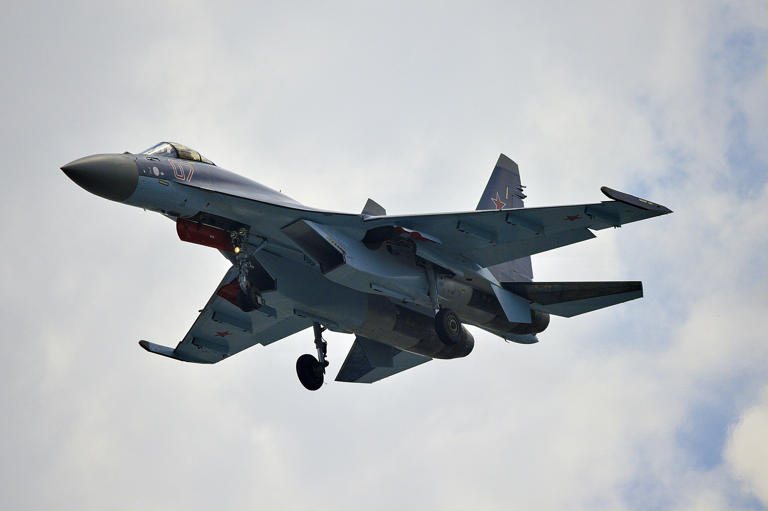
Lieutenant General Ahmed Sharif Chaudhry, Director General of Inter-Services Public Relations (DG ISPR), stated that on the night of May 7-8, Indian drones infiltrated Pakistani airspace, targeting several cities including Lahore, Gujranwala, Rawalpindi, Attock, Bahawalpur, and Karachi. The Pakistani armed forces, remaining vigilant, successfully intercepted and neutralized 12 of these drones. (Dunya News, ARY NEWS)

Casualties and Damage

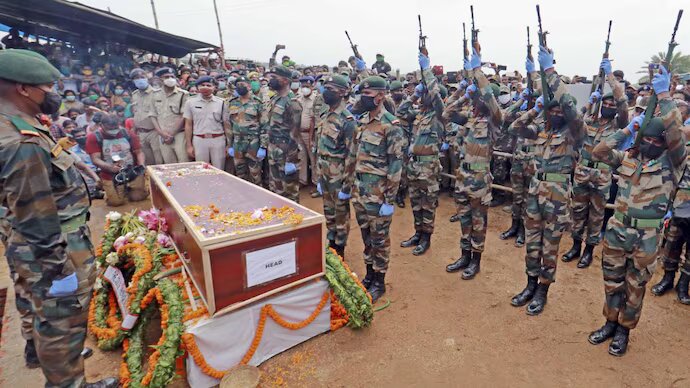
The drone attacks resulted in the martyrdom of one civilian in Miano, Sindh, and injuries to four Pakistan Army personnel near Lahore. Additionally, minor damages were reported to military installations. (The Express Tribune, Dunya News)

Missile Strikes on Civilian Areas

Prior to the drone incidents, India launched missile attacks on six locations within Pakistan, including Kotli, Muzaffarabad, Ahmedpur Sharqia Bagh, and Muridke. These strikes resulted in the deaths of 26 Pakistani civilians and injuries to 46 others. The DG ISPR condemned these actions as cowardly and a blatant violation of international law. (ARY NEWS, ARY NEWS)


Pakistan’s Response and International Reactions

Military Readiness

The Pakistani military remains on high alert, with air defense systems fully operational to counter any further aggression. DG ISPR emphasized that any future violations of Pakistan’s airspace would be met with a swift and decisive response.(The Express Tribune, ARY NEWS)

Diplomatic Measures

Pakistan has informed the United Nations Security Council (UNSC) about the Indian strikes and asserted its right to respond in self-defense. The international community, including the UN, China, Russia, and Western countries, has expressed concern over the escalating tensions and urged both nations to exercise restraint. (ARY NEWS, The Guardian)


Impact on Civil Aviation and Public Safety

Flight Suspensions

In light of the security situation, the Pakistan Airports Authority (PAA) suspended flight operations at major airports, including Karachi, Lahore, Islamabad, Faisalabad, and Sialkot. All incoming flights were diverted, and scheduled flights canceled until further notice.

Public Alertness

Residents in affected areas, particularly in Lahore, reported hearing multiple explosions, leading to panic and fear among the populace. Authorities have urged citizens to remain vigilant and report any suspicious activities.


Conclusion

The recent developments mark a significant deterioration in India-Pakistan relations, with both nations engaging in military actions that have resulted in civilian casualties and heightened regional tensions. The international community’s call for de-escalation underscores the urgency of diplomatic engagement to prevent further conflict.(The Guardian)

As the situation unfolds, the need for open communication channels and adherence to international norms becomes paramount to ensure peace and stability in the region.

Posted on Leave a comment

Ukraine Makes History: Naval Drone Downs Russian Fighter Jet in World-First Military Feat

Introduction

In a groundbreaking development in modern warfare, Ukraine has achieved a historic milestone by using a naval drone to shoot down a Russian Su-30 fighter jet over the Black Sea. This unprecedented event marks the first time a combat aircraft has been destroyed by a maritime drone, showcasing Ukraine’s innovative use of drone technology in its ongoing conflict with Russia.(The Wall Street Journal, New York Post)

The Historic Strike: What Happened?

On May 2, 2025, Ukraine’s military intelligence agency (HUR) reported that a Magura V5 naval drone successfully targeted and destroyed a Russian Su-30 fighter jet near the port city of Novorossiysk. The drone, equipped with an R-73 air-to-air missile, engaged the aircraft, leading to its destruction over the Black Sea. The crew of the Su-30 reportedly survived, being rescued by civilian sailors. (Wikipedia, New York Post)

This operation signifies a significant advancement in Ukraine’s military capabilities, demonstrating the effective integration of unmanned systems in combat scenarios.(Business Insider)

The Technology Behind the Strike: Magura V5 Naval Drone

The Magura V5 is a Ukrainian-developed unmanned surface vehicle (USV) designed for various maritime operations, including reconnaissance and combat missions. In this historic strike, the drone was armed with an R-73 infrared-guided missile, typically used in air-to-air combat. The successful adaptation of this missile for use on a naval drone underscores Ukraine’s innovative approach to modern warfare.(Wikipedia, The Wall Street Journal)

Implications for Modern Warfare

This event marks a significant shift in military tactics, highlighting the increasing role of unmanned systems in combat operations. Key implications include:

  • Cost-Effectiveness: Deploying drones is significantly less expensive than traditional manned missions, allowing for more frequent and flexible operations.
  • Risk Reduction: Unmanned systems eliminate the risk to human pilots, making high-risk missions more feasible.
  • Strategic Advantage: The ability to target and destroy high-value enemy assets with drones can shift the balance in asymmetric warfare scenarios.(Wikipedia)

Ukraine’s Evolving Drone Warfare Strategy

Ukraine has increasingly relied on drone technology to counteract Russia’s military advantages. The successful use of the Magura V5 naval drone to down a fighter jet is part of a broader strategy that includes:(Wikipedia)

  • Naval Drones: Utilizing USVs for reconnaissance and combat missions in the Black Sea.
  • Aerial Drones: Deploying UAVs for surveillance and targeted strikes on enemy positions.
  • Innovation in Armament: Adapting existing missile technology for use on unmanned platforms.

These strategies have allowed Ukraine to effectively challenge Russian forces, despite disparities in traditional military assets.

Global Reactions and Future Outlook

The international community has taken note of Ukraine’s innovative use of drone technology. While Russia has not officially commented on the incident, the successful strike has likely prompted a reassessment of air defense strategies.

Looking forward, Ukraine’s continued development and deployment of unmanned systems may serve as a model for modern military tactics, emphasizing flexibility, innovation, and cost-effectiveness.

Conclusion

Ukraine’s successful use of a naval drone to down a Russian fighter jet represents a significant milestone in military history. This event not only showcases the potential of unmanned systems in combat but also underscores the importance of innovation in modern warfare. As conflicts evolve, the integration of drone technology will likely become increasingly central to military strategy worldwide.(Business Insider)

Posted on Leave a comment

Pakistan’s Stance: No Compromise on Sovereignty Amid Rising Regional Tensions

Introduction

In a period marked by escalating regional tensions, Pakistan’s Chief of Army Staff (COAS), General Asim Munir, has firmly stated that any violation of Pakistan’s sovereignty will be met with a decisive response. This declaration comes in the wake of heightened hostilities following a deadly attack in Indian-administered Kashmir, which India attributes to Pakistan—a claim Islamabad vehemently denies. As diplomatic relations between the two nuclear-armed neighbors deteriorate, General Munir’s statements underscore Pakistan’s unwavering commitment to its national integrity.(The Express Tribune)

COAS General Asim Munir’s Firm Message

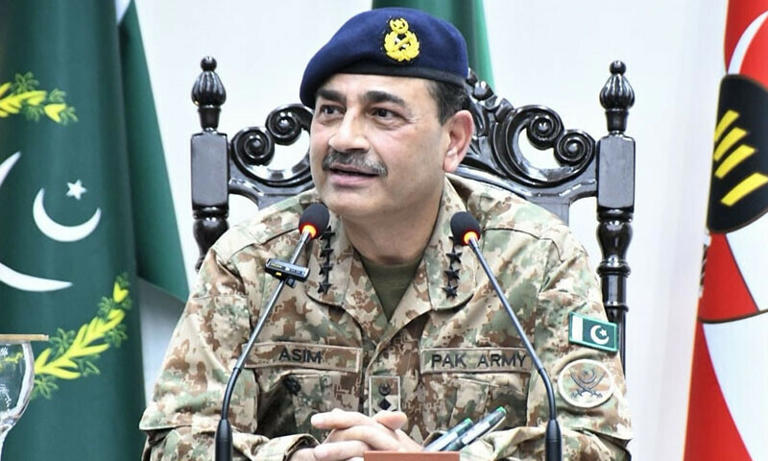
Addressing participants of the 15th National Workshop Balochistan at the General Headquarters (GHQ) in Rawalpindi, General Munir emphasized that Pakistan seeks peace but will not tolerate any infringement on its sovereignty. He stated, “Pakistan seeks peace in the region and beyond, however, if Pakistan’s sovereignty and territorial integrity are violated, Pakistan will respond with full force to preserve its national prestige and the wellbeing of its people.” (The News)

This strong stance reflects Pakistan’s broader security policy, especially concerning the volatile situation in Balochistan, where foreign-sponsored terrorism remains a significant threat. General Munir highlighted the government’s ongoing efforts to improve the socioeconomic conditions in the province, aiming to counteract the narratives of those seeking to destabilize the region. (The Express Tribune, GNN – Pakistan’s Largest News Portal)

Escalating Tensions with India

The recent attack in Pahalgam, Indian-administered Kashmir, which resulted in the deaths of 26 individuals, has further strained India-Pakistan relations. India accuses Pakistan of harboring the perpetrators, while Pakistan denies any involvement and has offered to cooperate in an international investigation. In response to the allegations, Pakistan has placed its military on high alert, citing intelligence reports suggesting potential Indian aggression. (AP News)

Diplomatic ties have suffered, with both countries expelling each other’s diplomats and suspending airspace. Additionally, India has unilaterally suspended a crucial water-sharing treaty, affecting the flow of the Chenab River into Pakistan. These actions have heightened fears of a broader conflict between the two nations.(AP News)

International Mediation Efforts

Amid the rising tensions, Iran’s Foreign Minister Abbas Araghchi visited Pakistan to mediate between Islamabad and New Delhi. He held separate meetings with Pakistani President Asif Ali Zardari and Prime Minister Shehbaz Sharif, who expressed gratitude for Iran’s peace efforts. Araghchi is scheduled to visit India next as part of the mediation process. (AP News)

The United Nations has also called for restraint. UN Secretary-General Antonio Guterres emphasized, “Make no mistake: A military solution is no solution. Now is the time for maximum restraint and stepping back from the brink.” He reiterated the UN’s readiness to support initiatives promoting de-escalation and diplomacy. (AP News)

Pakistan’s Military Preparedness

In a demonstration of its military capabilities, Pakistan recently test-fired short- and medium-range missiles. The military stated that the Fatah surface-to-surface missile, with a range of 120 kilometers, was launched from an undisclosed location. These tests are part of Pakistan’s routine military exercises but also serve as a signal of readiness amid the current tensions. (AP News)

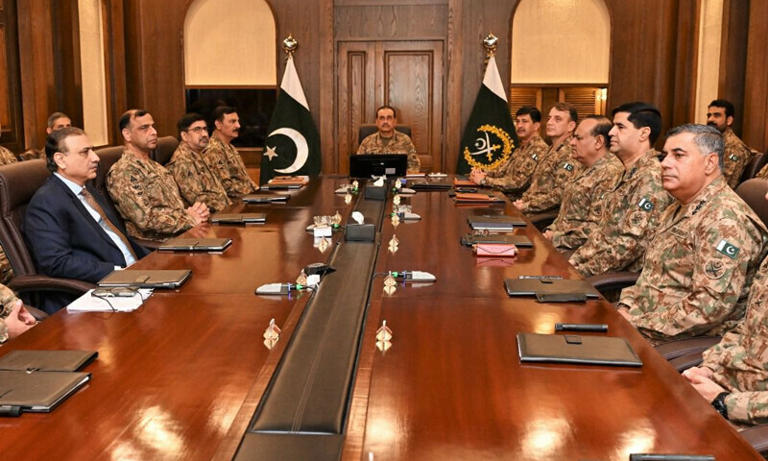
General Munir has reiterated that Pakistan’s armed forces are fully prepared to defend the nation’s sovereignty. He warned that any military misadventure by India would be met with a swift and resolute response, emphasizing the military’s commitment to national defense. (Daily Times, Dawn)

The Broader Context

The Kashmir region has long been a flashpoint between India and Pakistan, with both countries claiming it in full but controlling parts of it. The recent events have reignited fears of a potential military conflict, which could have devastating consequences given the nuclear capabilities of both nations. The international community continues to urge both sides to engage in dialogue and avoid actions that could escalate the situation further.

Conclusion

General Asim Munir’s unequivocal message underscores Pakistan’s stance on national sovereignty amid escalating regional tensions. While Pakistan expresses a desire for peace, it remains prepared to defend its territorial integrity against any threats. The situation calls for measured diplomacy and restraint from all parties involved to prevent further escalation and ensure regional stability.(Daily Times)

Posted on Leave a comment

India-Pakistan Tensions Escalate After Pahalgam Attack: A Perilous Hour for South Asia

The already fragile relationship between India and Pakistan is once again on the edge following a deadly terrorist attack in Pahalgam, Kashmir. As tensions rise, both nations are exchanging sharp accusations, and the international community watches with concern. With the region’s history of conflict and the ever-present shadow of nuclear weapons, this is a perilous hour for South Asia.


India-Pakistan Tensions Escalate After Pahalgam Attack: A Perilous Hour for South Asia

The already fragile relationship between India and Pakistan is once again on the edge following a deadly terrorist attack in Pahalgam, Kashmir. As tensions rise, both nations are exchanging sharp accusations, and the international community watches with concern. With the region’s history of conflict and the ever-present shadow of nuclear weapons, this is a perilous hour for South Asia.

⚠️ What Happened in Pahalgam?

Earlier this week, a tragic terrorist attack occurred in Pahalgam, located in the Indian-administered region of Kashmir. Several Indian soldiers lost their lives. In response, Indian officials quickly blamed Pakistan-based militant groups, reigniting a familiar — but dangerous — cycle of blame and threats.

The Indian government, facing mounting public pressure, has hinted at a potential military response. This comes at a politically sensitive time, as India heads into general elections and national security becomes a key voter issue.


🇮🇳 India’s Tough Talk: Real Threat or Political Posturing?

The Modi-led government has made it clear that silence will not be their response. Past incidents, such as the 2016 Uri attack and the 2019 Pulwama-Balakot escalation, show that India is willing to take bold military steps under similar circumstances.

What makes this moment especially tense:

  • Public outcry demanding swift action.
  • Elections approaching, increasing pressure on political leaders.
  • Past precedents of airstrikes and cross-border operations.
  • National media pushing for aggressive retaliation.

At the same time, strategic minds in New Delhi are aware of the risks. India doesn’t want to trigger a full-blown war, but it also cannot afford to appear weak.


🇵🇰 Pakistan’s Response: Firm Denial, Military Preparedness

Pakistan has strongly denied any involvement in the attack, calling India’s allegations “baseless” and “politically motivated.” Officials in Islamabad suggest that India is using this incident to stoke nationalism ahead of elections.

Notably, Pakistan’s military has also issued statements, warning that any aggression will be met with force. This is significant. In Pakistan, the military plays a central role in matters of foreign policy and national security.

Pakistan’s position:

  • Denial of state links to the attack.
  • Calls for de-escalation and diplomatic resolution.
  • Readiness to respond if provoked.

🧨 Why This Moment Feels Different

Tensions between India and Pakistan are nothing new. But this time, several factors make the situation more dangerous:

1. No Backdoor Diplomacy

Unlike previous crises, there are no clear signs of backchannel talks between the two nations. In past standoffs, secret communication often helped ease tensions. That option seems missing now.

2. Election Pressure

Both governments are facing domestic political challenges. India is preparing for elections. Pakistan’s political landscape is also volatile, with civil-military tensions and economic instability.

3. Media Hype and Public Sentiment

The media in both countries is fueling public outrage, leaving little room for nuance or diplomacy. In such a charged environment, leaders may feel pushed into action they might otherwise avoid.

4. Nuclear Overhang

Let’s not forget — both countries are nuclear-armed. Any miscalculation or unintended escalation could have catastrophic consequences.


🌍 Global Reaction: Calls for Restraint, Little Action

The international community has reacted with concern. Both Washington and Beijing have issued formal statements urging restraint, while the United Nations has called for dialogue. However, there has been no real push for mediation.

Why the global response feels muted:

  • The US is preoccupied with its own domestic and global priorities.
  • China maintains strong relationships with both India and Pakistan, making it cautious.
  • The UN has historically had limited influence in resolving Indo-Pak crises.

In short, while the world is watching, it is not intervening — at least not yet.


✅ What Can Be Done to De-escalate?

History shows us that while military action may offer short-term political gains, it almost always leads to long-term instability. There are peaceful options available — if both sides are willing to use them.

Pathways to Peace:

  • Resume diplomatic channels, even unofficial ones.
  • Confidence-building measures like reopening trade or cultural ties.
  • Track II diplomacy involving academics, retired officials, and civil society.
  • Public responsibility — media and influencers should avoid inflammatory rhetoric.

🧭 Final Thoughts: Will Cooler Heads Prevail?

This is, without exaggeration, one of the most dangerous moments in recent India-Pakistan relations. The stakes are high, the emotions are raw, and the political climate is tense.

But war is not the only path. Dialogue, diplomacy, and restraint are still possible — and far more beneficial to the millions who would suffer the most in a conflict.

In this perilous hour, the region doesn’t need more missiles or military moves. It needs leadership, maturity, and the courage to choose peace over provocation.


Liked this article?
Share it with others and follow us for updates on South Asian geopolitics, crisis analysis, and global diplomacy.


Posted on Leave a comment

Trump’s AI Pope Image: Satire, Shock, and the Power of Digital Provocation

In a move that has sparked both amusement and outrage, U.S. President Donald Trump shared an AI-generated image of himself dressed as the Pope on his Truth Social platform. The image, depicting Trump in full papal regalia, comes shortly after the death of Pope Francis and just days before the Vatican’s conclave to elect a new pontiff.(Business Recorder, tnj.com)

The AI Image: A Digital Provocation

The AI-generated image portrays President Trump in traditional papal attire—white robes, a gold crucifix pendant, and the miter hat—with his right index finger pointed toward the sky. This visual was shared on Truth Social following Trump’s jest to reporters that he would like to be the next Pope, stating, “I’d like to be pope, that would be my number one choice” .(Dawn, Business Recorder)

While some viewed the image as a humorous take, others criticized it as insensitive, given its timing shortly after Pope Francis’s death.

Reactions: Humor Meets Controversy

The image elicited a spectrum of reactions:(tnj.com)

  • Supporters’ Perspective: Some of Trump’s supporters found the image amusing, interpreting it as a satirical jab at political correctness and the establishment.(tnj.com)
  • Critics’ Viewpoint: Many religious leaders and commentators condemned the image as disrespectful. The Network Journal reported that religious groups accused Trump of mocking the sanctity of the papacy, labeling the image as “tone-deaf” and “inappropriate” .(tnj.com)

Senator Lindsey Graham added to the discourse by humorously suggesting that the conclave should “keep an open mind” about considering Trump as the next Pope .(New York Post)

The Intersection of AI, Politics, and Religion

This incident underscores the growing influence of AI-generated content in political discourse. The use of AI to create satirical images blurs the lines between humor and offense, especially when intersecting with sensitive topics like religion.(Business Recorder)

The controversy also highlights the challenges of navigating digital expression in an era where AI tools can produce highly realistic images, raising questions about authenticity, intent, and impact.

Conclusion: A Reflection on Digital Expression

President Trump’s AI-generated papal image serves as a case study in the complexities of digital expression in contemporary politics. While intended as satire, the image’s reception reveals deep divides in public perception and the potent influence of AI in shaping political narratives.

As technology continues to evolve, society must grapple with the ethical considerations of AI-generated content, especially when it intersects with deeply held beliefs and institutions.

Posted on Leave a comment

India and Pakistan: On the Brink of Conflict Over Kashmir

Introduction

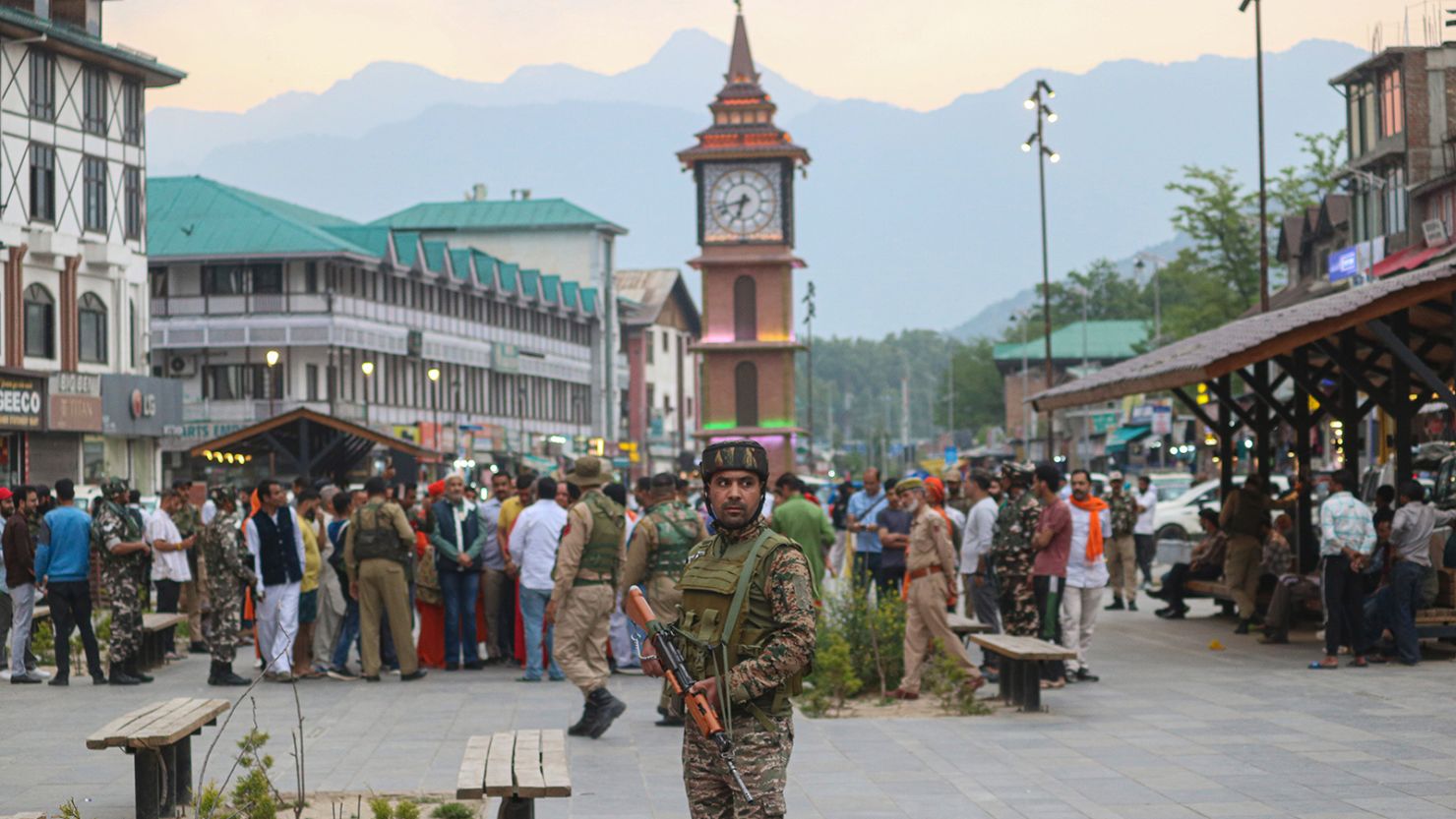
In April 2025, a deadly attack in Pahalgam, Indian-administered Kashmir, claimed the lives of 26 individuals, predominantly Hindu tourists. This incident has significantly heightened tensions between India and Pakistan, both nuclear-armed nations with a long history of conflict over the Kashmir region. The attack has not only led to a humanitarian crisis but also brought the two countries to the brink of war.

The Pahalgam Attack: A Tragic Event

On April 22, 2025, five armed militants opened fire on a group of tourists in the Baisaran Valley near Pahalgam, resulting in 26 fatalities and 20 injuries. The majority of the victims were Hindus, and the attackers reportedly singled out men, inquiring about their religion before opening fire. The Resistance Front, a militant group linked to the Pakistan-based Lashkar-e-Taiba, initially claimed responsibility for the attack but later retracted the statement. The incident has been described as the deadliest attack on civilians in India since the 2008 Mumbai attacks.

Immediate Repercussions

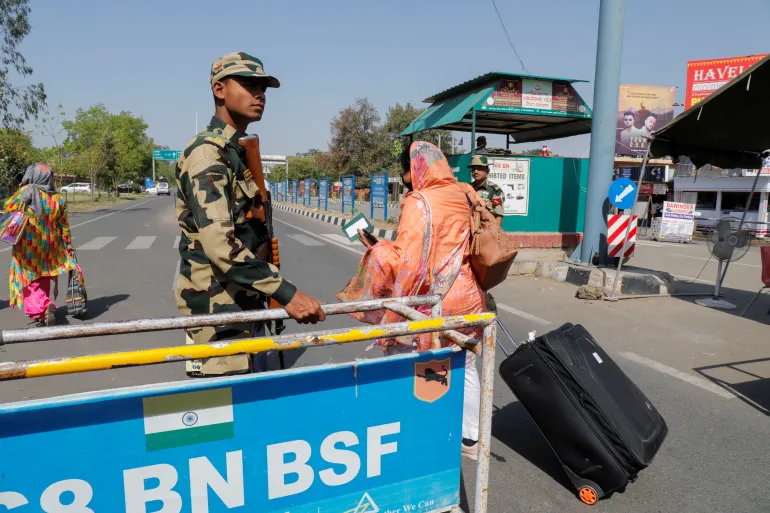
In the aftermath of the attack, India accused Pakistan of supporting cross-border terrorism and suspended the Indus Waters Treaty, a crucial water-sharing agreement between the two countries. India also expelled Pakistani diplomats, closed borders, and halted trade. Pakistan denied any involvement and retaliated by suspending the Simla Agreement, restricting trade, and closing airspace to Indian airlines. Both nations have engaged in cross-border skirmishes along the Line of Control, further escalating tensions.

Pakistan’s Diplomatic Efforts

Seeking to de-escalate the situation, Pakistan’s Prime Minister Shehbaz Sharif met with ambassadors from Saudi Arabia, Kuwait, and the UAE to request their support in defusing tensions with India. Pakistan emphasized its commitment to regional peace and called on Gulf allies to pressure India towards de-escalation. However, India has maintained its stance, demanding justice for the victims and holding Pakistan accountable.

Legal Challenges and International Concerns

Pakistan is preparing to legally challenge India’s suspension of the Indus Waters Treaty, arguing that it violates international agreements. The move has raised concerns about the potential for a broader conflict, with both countries being nuclear-armed. International bodies, including the United Nations, have called for maximum restraint and urged both nations to engage in dialogue to prevent further escalation.

Impact on Civilians

The renewed hostilities have had a profound impact on civilians living along the Line of Control in Kashmir. In Indian-administered areas, residents are living in fear, with limited access to shelters and emergency services. In Pakistani-administered regions, authorities have allocated emergency funds, closed religious seminaries for safety concerns, and placed emergency services on high alert. Humanitarian organizations are mobilizing resources to assist displaced families and provide aid to those affected by the escalating conflict.

Conclusion

The recent events in Kashmir have brought India and Pakistan to the brink of a potential conflict, with severe implications for regional stability and global security. It is imperative for both nations to engage in constructive dialogue, prioritize diplomacy, and work collaboratively to address the underlying issues fueling this longstanding dispute. The international community must also play a proactive role in facilitating peaceful resolutions and preventing further escalation.

Image Source: Al Jazeer

Posted on Leave a comment

Escalating Tensions Between India and Pakistan: A Looming Crisis in Kashmir

Introduction

In recent weeks, the already fragile relationship between India and Pakistan has deteriorated significantly, following a deadly attack in the Pahalgam region of Indian-administered Kashmir. The incident, which resulted in the deaths of 26 tourists, has reignited longstanding hostilities and raised concerns about the potential for a broader conflict between the two nuclear-armed neighbors.

The Pahalgam Attack and Immediate Aftermath

On April 22, 2025, a group of militants launched a brutal assault in the Pahalgam area, targeting a group of tourists. The attack left 26 people dead, most of whom were Hindu pilgrims, and several others injured. Indian authorities quickly attributed the attack to Pakistan-based militant groups, a claim that Islamabad has vehemently denied.

In response to the attack, India imposed an immediate ban on the import of goods originating from or transiting through Pakistan. This move, aimed at pressuring Pakistan, further strained economic ties that had already been weakened in recent years.

Diplomatic Fallout and Regional Repercussions

The diplomatic fallout was swift and severe. Both countries expelled each other’s diplomats, closed airspace to each other’s airlines, and suspended key treaties, including a vital water-sharing agreement. Pakistan, in turn, halted border trade and warned that any disruption of river flows regulated by the longstanding treaty would be considered an act of war.

Amid these escalating tensions, Pakistan reached out to its Gulf allies, including Saudi Arabia, Kuwait, and the UAE, seeking their support in defusing the situation. Pakistani Prime Minister Shehbaz Sharif emphasized his country’s commitment to regional peace and called on these nations to pressure India towards de-escalation.

Impact on Civilians in Kashmir

The renewed hostilities have had a profound impact on civilians living along the Line of Control (LoC) in Kashmir. In Indian-administered areas, residents are living in fear, with limited access to shelters and emergency services. In Pakistani-administered regions, authorities have allocated emergency funds, closed religious seminaries for safety concerns, and placed emergency services on high alert.

Humanitarian organizations, such as the Pakistan Red Crescent, are mobilizing resources to assist displaced families, preparing tents and aid for those affected by the escalating conflict.

International Concerns and Calls for Restraint

The international community has expressed deep concern over the escalating tensions. India has requested the International Monetary Fund (IMF) to review its loan programs to Pakistan, citing security concerns. Meanwhile, global powers, including the United States, have urged both sides to exercise restraint and emphasized the importance of cooperation in addressing terrorism.

Conclusion

The recent events in Kashmir have brought India and Pakistan to the brink of a potential conflict, with severe implications for regional stability and global security. It is imperative for both nations to engage in constructive dialogue, prioritize diplomacy, and work collaboratively to address the underlying issues fueling this longstanding dispute. The international community must also play a proactive role in facilitating peaceful resolutions and preventing further escalation.

Posted on Leave a comment

Weight Loss Drugs: The Science, Safety, and Breakthroughs

With increasing obesity rates and related health risks, weight loss medications have become important complements to lifestyle changes. Although lifestyle modifications are crucial for obesity management, these drugs can assist patients in achieving lasting weight loss results.

The Need for Pharmacotherapy in Obesity

Over 1 billion people worldwide live with obesity, according to the World Obesity Federation, which significantly increases the risk of serious health issues like type 2 diabetes, heart disease, and certain cancers. While changing habits is important, sustaining weight loss can be difficult, making weight loss drugs a helpful option.

How Do Weight Loss Drugs Work?

  • LIPASE INHIBITORS: Orlistat (Alli, Xenical) helps reduce fat absorption in the body by blocking certain enzymes in the digestive system. It can lower fat absorption by about 30%..
  • APPETITE SUPPRESSANTS: Phentermine, often combined with Topiramate (Qsymia), is an appetite-suppressing stimulant used for weight loss, though it carries some risks.
  • GLP-1 RECEPTOR AGONISTS: Initially created for diabetes treatment, GLP-1 agonists have become transformative in the field of obesity medication.
    • Liraglutide (Saxenda)
    • Semaglutide (Wegovy)
  • DUAL AGONISTS: Tirzepatide is a medication that helps treat both type 2 diabetes and obesity. In the SURMOUNT-1 trial, patients lost an average of 20.9% of their body weight over 72 weeks. This result is better than any previous weight loss medications.

Key Weight Loss Drugs Approved by the FDA

Drug Name (Brand)Active IngredientAvg. Weight LossCommon Side Effects
WegovySemaglutide15-20% of body weightNausea, diarrhea, constipation
ZepboundTirzepatide20-25% of body weightNausea, vomiting, acid reflux
SaxendaLiraglutide5-10% of body weightHeadache, dizziness, pancreatitis risk
ContraveNaltrexone/bupropion5-10% of body weightInsomnia, dry mouth, increased blood pressure
Orlistat (Xenical, Alli)Orlistat5-7% of body weightOily stools, gas, diarrhea

Nonetheless, weight loss tends to level off after approximately a year, and many individuals may regain weight if they discontinue the medication.

Who Qualifies for Weight Loss Drugs?

According to the FDA and NIH, these medications are recommended for:

  • Adults with a BMI ≥30 (obesity).
  • Adults with a BMI ≥27 + weight-related conditions (diabetes, hypertension).
  • Patients who have not succeeded with diet and exercise alone.

They are not recommended for:

  • Individuals looking for “instant solutions” without making lifestyle adjustments.
  • Those with a history of pancreatitis, thyroid cancer, or certain mental health conditions.

Potential Side Effects & Risks

While effective, these drugs can cause:

  1.  Common side effects:
    • Nausea
    • Vomiting
    • Diarrhea
    • Constipation
  2.  Serious (but rare) risks:
    • Pancreatitis (linked to GLP-1 drugs)
    • Gallbladder disease
    • Thyroid tumors (seen in animal studies, but human risk is unclear)

The Cost & Accessibility Challenge

  • Wegovy and Zepbound cost between $1,000 and $1,500 a month if you don’t have insurance.
  • Many insurance companies do not cover weight loss medications unless a doctor says they are necessary.
  • Shortages have occurred due to high demand.
  • Alternative options include:
    • Compound pharmacies (cheaper versions, but safety concerns exist).
    • Older, cheaper drugs (like phentermine, but with more side effects).

The Future of Obesity Pharmacotherapy

Research into combination therapies, such as GLP-1 plus Amylin analogues, is advancing quickly and reshaping the field of weight loss medications. The aim extends beyond mere weight loss to include maintaining metabolic health, decreasing inflammation, and enhancing overall quality of life.

Conclusion

Although they are not a “cure-all,” drugs such as Semaglutide and Tirzepatide are transforming the approach to obesity treatment. Success requires:
✅ Using medication along with diet and exercise.
✅ Long-term commitment (many regain weight if they stop).
✅ Medical supervision to manage side effects.

For the suitable individual, these medications provide a potent resource—but they represent merely one aspect of a lasting weight loss journey.

Disclaimer: This article is for educational purposes only. Always consult a healthcare professional before starting any medication.

Posted on Leave a comment

Telemedicine and Digital Health: Revolutionizing the Future of Healthcare

The healthcare sector is undergoing a transformation due to the rapid adoption of telemedicine and digital health technologies. These innovations enhance accessibility, efficiency, and patient-centered care. For instance, from online consultations to wearable devices, they remove barriers to care and empower individuals in managing their health. Furthermore, this article explores the growth, benefits, challenges, and potential impact of these technologies on 21st-century healthcare.

The Evolution of Telemedicine

Telemedicine uses telecommunications technology to provide remote healthcare services, including video consultations, phone calls, and messaging with professionals. Its popularity has increased, especially during the COVID-19 pandemic, as it enables care with minimal physical interaction.

Digital health encompasses various technologies such as mobile health apps, wearables, electronic health records (EHRs), and AI-driven tools. Moreover, these innovations aim to improve healthcare delivery, enhance patient outcomes and additionally, streamline administrative tasks.

These services are proving particularly useful in areas with limited healthcare infrastructure or long wait times for in-person appointments.

AI and Digital Therapeutics in Healthcare

AI is revolutionizing healthcare, especially in diagnostics and treatment planning. Institutions like Houston Methodist and Rice University are at the forefront of integrating AI to enhance patient outcomes and improve operations. Furthermore, AI tools now analyze medical imaging, predict disease progression, and provide personalized treatment recommendations.

Digital therapeutics are transforming mental health care. For instance, the UK’s NICE recently endorsed Sleepio, a digital CBT app for insomnia, as an effective alternative to sleeping pills. Moreover, this trend towards AI-powered self-care is enhancing access to mental health resources and reducing reliance on medication.

The Rise of Telemedicine and Digital Health

The adoption of telemedicine and digital health has accelerated in recent years, fueled by several factors:

  • The COVID-19 Pandemic:
    The pandemic underscored the need for remote healthcare, with telehealth use increasing 38 times from pre-pandemic levels, as patients and providers opted for virtual care to ensure continuity.
  • Advancements in Technology:
    Better internet access, more people using smartphones, and advancements in AI have made digital health tools easier to access and more effective..
  • Growing Demand for Personalized Care:
    Patients are more frequently looking for accessible, on-demand healthcare options that align with their lifestyles.
  • Policy Changes:
    Governments and regulators have improved telehealth coverage and reimbursement, facilitating virtual care access for providers.

Benefits of Telemedicine and Digital Health

  • Improved Access to Care:
    Telemedicine helps patients in remote areas get access to specialists and healthcare services. The World Health Organization (WHO) highlights its importance in improving healthcare access in places with fewer resources.
  • Convenience and Flexibility:
    Patients can consult healthcare providers from home, reducing travel and time off work, which is especially helpful for those with mobility issues or chronic conditions.
  • Cost-Effectiveness:
    Telemedicine can reduce healthcare costs by cutting down on hospital visits and making administration simpler. A study in the Journal of Medical Internet Research shows that telehealth services save money for both patients and providers.
  • Enhanced Patient Engagement:
    Digital health tools, like wearable devices and mobile apps, help patients monitor their health and make better decisions. For example, apps like Headspace and Woebot offer mental health support, while wearables track activity and vital signs.
  • Proactive and Preventive Care:
    AI tools can analyze patient data to identify health risks and suggest preventive measures, shifting from reactive to proactive care to improve outcomes and reduce costs.

Challenges and Limitations

Despite their many benefits, telemedicine and digital health face several challenges:

  • Digital Divide:
    Not everyone can use the internet or devices for digital health tools, which can increase health gaps, particularly for older adults and low-income groups.
  • Privacy and Security Concerns:
    Digital health tools raise concerns about data privacy and security. Compliance with regulations like HIPAA and GDPR is essential for protecting patient information.
  • Regulatory and Reimbursement Issues:
    Even though telehealth policies have expanded, reimbursement rates and rules still vary between regions. This inconsistency can make it harder for people to adopt telehealth widely.
  • Quality of Care:
    Some healthcare providers and patients doubt the quality of virtual care compared to in-person visits, highlighting the need for telemedicine to meet the same standards as traditional care.
  • Technological Limitations:
    Not all medical conditions can be managed well through telemedicine. For example, some physical exams and diagnostic tests still need in-person visits.

The Future of Telemedicine and Digital Health

The future of telemedicine and digital health is bright, with several trends poised to shape the industry:

  • Integration of AI and Machine Learning:
    AI tools can improve diagnostics, personalize treatments, and predict health outcomes. For instance, they analyze medical images to detect diseases like cancer early.
  • Expansion of Wearable Technology:
    Wearable devices like smartwatches and fitness trackers offer real-time monitoring of vital signs and early health issue detection.
  • Hybrid Care Models:
    The future of healthcare will likely combine in-person and virtual care, giving patients choices based on their needs.
  • Focus on Mental Health:
    Digital health tools are vital in tackling the global mental health crisis. Services like BetterHelp and Talkspace enhance therapy accessibility, while apps like Woebot offer AI-driven support.
  • Global Collaboration:
    Telemedicine allows healthcare providers to work together across borders. This helps them share knowledge and improves access to specialized care.
  • Direct-to-Consumer Healthcare Platforms Pharmaceutical companies are adopting digital health through platforms like PfizerForAll, which connects patients to telehealth providers, facilitates medication deliveries, and aids in scheduling vaccinations and diagnostic tests, enabling at-home health management.

Conclusion

Telemedicine and digital health are transforming healthcare significantly. Moreover, they are increasing access, boosting patient engagement, and lowering costs. However, while these technologies hold the promise of a more equitable and efficient system, challenges such as the digital divide, privacy issues, and regulatory barriers must be addressed. Ultimately, overcoming these obstacles is essential to unlocking their full potential and ensuring that everyone can benefit from advancements in healthcare.

Telemedicine and digital health are crucial for the future of healthcare. Embracing these innovations can create a more accessible, efficient, and responsive system for patients worldwide.

Posted on Leave a comment

Mental Health Apps and Online Therapy: Revolutionizing Access to Care

In recent times, there has been a significant rise in mental health awareness, resulting in a growing need for accessible and affordable psychological support. Technology has become essential in contemporary healthcare, with mental health apps and online therapy platforms emerging as effective solutions to meet this increasing demand for convenient and cost-effective mental health assistance. These developments are dismantling obstacles to care, providing individuals with innovative methods to take charge of their mental wellness, and transforming the landscape of mental health services.

The Growing Need for Mental Health Support

Mental health issues are increasing around the world. The World Health Organization (WHO) reports that nearly 1 in 8 individuals globally struggle with a mental health condition. Factors like the COVID-19 pandemic, economic uncertainty, and social isolation have worsened feelings of stress, anxiety, and depression. Many people face barriers to accessing mental health care, including high costs, long wait times, and societal stigma. This is where mental health apps and online therapy play a crucial role. By utilizing technology, these resources offer essential support to those who may not otherwise receive it.

What Are Mental Health Apps and Online Therapy?

Mental health applications are digital tools available on smartphones or the web that assist users in managing their mental well-being. They include a variety of features such as:

  • Mood tracking: Users can record their feelings and recognize trends over time.
  • Guided meditation and mindfulness: Apps like Calm and Headspace offer techniques for relaxation and stress management.
  • Cognitive Behavioral Therapy (CBT) exercises: Platforms such as Woebot and Sanvello utilize CBT methods to help users shift negative thought patterns.
  • Crisis support: Some applications link users to hotlines or resources for emergency help.
  • Peer support: Services like 7 Cups provide anonymous chat rooms for users to discuss their experiences.

 In contrast, online therapy consists of virtual sessions with certified therapists via video calls, phone conversations, or messaging. Platforms such as BetterHelp, Talkspace, and Amwell have enhanced accessibility to therapy by removing the necessity for in-person appointments.

Benefits of Mental Health Apps and Online Therapy

  • Accessibility: Online therapy and applications are accessible around the clock, allowing individuals to seek assistance whenever it suits them. These resources are especially advantageous for those in rural or underserved regions where mental health services might be scarce.
  • Affordability: Numerous apps provide free or inexpensive alternatives, and online therapy tends to be more budget-friendly compared to conventional face-to-face sessions.
  • Anonymity and Reduced Stigma: Digital platforms offer a degree of privacy that can motivate individuals to seek assistance without the worry of being judged.
  • Personalization: Apps use algorithms and user data to tailor recommendations and interventions to individual needs.
  • Convenience: Users can access support from the comfort of their homes, eliminating the need for travel or time off work.

Challenges and Limitations

While mental health apps and online therapy offer many advantages, they are not without challenges:

  • Quality and Regulation: The mental health app market is largely unregulated, raising concerns about quality and effectiveness. Users should look for apps developed with expert guidance and backed by scientific evidence.
  • Privacy Concerns: Sharing sensitive mental health information online can pose privacy risks. It’s crucial to use platforms that comply with data protection laws like HIPAA or GDPR.
  • Limited Human Interaction: Apps can be helpful, but they can’t replace the deep connection and personalized support from a licensed therapist.
  • Not Suitable for Severe Conditions: Digital tools are most effective for addressing mild to moderate mental health concerns. Those experiencing severe issues may need to seek in-person treatment.

The Future of Digital Mental Health

AI and machine learning are enhancing mental health apps, with chatbots providing immediate support and wearables tracking health data for better wellness. Additionally, as regulations surrounding telehealth progress, online therapy is expected to gain greater acceptance and become more integrated into conventional healthcare systems.

Tips for Choosing the Right Mental Health App or Online Therapy Platform

  • Research the Credentials: Make sure the app or platform is created by reputable organizations and has the backing of mental health experts.
  • Read Reviews: Seek user input to assess the app’s effectiveness and user-friendliness.
  • Check for Privacy Policies: Make sure the platform prioritizes data security and confidentiality.
  • Consider Your Needs: Select a tool that corresponds with your particular mental health objectives, whether you’re seeking to manage stress, alleviate anxiety, or engage in therapy.
  • Consult a Professional: If you’re unsure where to start, consult a healthcare provider for recommendations.

Conclusion

Mental health apps and online therapy have significantly changed how people pursue psychological support. Digital healthcare platforms are essential for providing mental wellness support to those without access to traditional therapy. It is important for users to choose trustworthy platforms and to seek professional assistance when required. The integration of technology and mental health services is enhancing the accessibility and affordability of psychological support.