Posted on Leave a comment

Exploring UK Biobank, The World’s Leading Health Database

A futuristic digital illustration representing the UK Biobank, featuring a UK map interconnected with glowing health data points. The image includes scientific elements like DNA strands, heart rate monitors, and test tubes, symbolizing medical research and data analytics.

In the ever-evolving landscape of medical research, the UK Biobank stands as a beacon of innovation and an invaluable resource for scientists worldwide. As the world’s most comprehensive health database, the UK Biobank is instrumental in driving breakthroughs in understanding the multifaceted factors impacting human health.

What is UK Biobank?

The UK Biobank is a large-scale biomedical database and research resource containing in-depth genetic and health information from half a million UK participants. Established to enhance our understanding of the genetic, environmental, and lifestyle interactions influencing health and disease, it provides a crucial platform for scientific exploration and innovation.

The Genesis of UK Biobank

Launched in 2006, the UK Biobank was developed through a collaborative effort led by several UK-based institutions. Its cornerstone was built upon the aspiration to create a resource for future generations of health research, facilitating large-scale studies that deepen our understanding of a myriad of diseases.

Key Objectives

  • To provide high-resolution data on the genetic, environmental, and lifestyle factors affecting health.
  • To enable researchers to establish correlations between genetic markers and complex diseases.
  • To support the development of preventative, diagnostic, and therapeutic measures against common and rare health conditions.

Comprehensive Data Collection

What makes the UK Biobank _extraordinary_ is the breadth and depth of its data collection efforts. The recruitment of participants involved gathering a wide array of information, making the database robust and encompassing.

Participant Demographics

  • A sample size of 500,000 volunteers between 40 and 69 years of age at recruitment.
  • Diverse representation across genders, ethnicities, and regions within the UK.

Data Types

Each participant has contributed a substantial amount of data, organized into various categories:

  • Genetic Data: This includes extensive genotyping information, providing insights into genetic predispositions and variations.
  • Health and Lifestyle Data: Participants provided comprehensive details about their health histories, lifestyle choices, and daily habits.
  • Imaging Data: Advanced medical imaging techniques were employed to capture detailed internal images at given time points.
  • Blood and Urine Samples: Biological samples were collected, offering an invaluable resource for biochemical and molecular analyses.

Ethical Considerations and Confidentiality

Handling data of this magnitude emphasizes the importance of ethical standards and confidentiality. The UK Biobank upholds rigorous ethical guidelines, ensuring participant anonymity and data protection.

  • Informed Consent: Participants provided explicit consent for the use of their data in long-term research endeavors.
  • Data Security: Advanced security protocols are in place to safeguard against unauthorized access and breaches.

Impact on Global Health Research

The UK Biobank has revolutionized the field of health research, facilitating numerous studies that have paved the way for significant medical advancements.

Advancements in Disease Research

  • Heart Disease: Identification of new genetic markers associated with cardiovascular conditions, informing preventative strategies and treatments.
  • Cancer: Contributions to understanding cancer genomics, aiding in the development of targeted therapies.
  • Diabetes: Insights into the environmental and hereditary factors influencing diabetes incidence and progression.

Technological Innovations

The UK Biobank serves not only as a repository of data but also as a testament to the power of technological innovations in research:

  • Artificial Intelligence: AI technologies are being integrated to analyze complex data sets, identify patterns, and make predictions.
  • Machine Learning: Data is leveraged using machine learning techniques to uncover novel insights and drive precision medicine.

The Future of UK Biobank

As we look to the future, the UK Biobank is poised to continue its trajectory of impact and innovation. Ongoing projects aim to enhance data accessibility, integrate new types of data, and expand participant follow-ups. Collaborative efforts with international researchers further underscore its global significance.

Expanding Research Horizons

  • Continued development of analytical tools to unlock the potential of complex datasets.
  • Diversifying study cohorts to enhance the applicability of findings across different populations.

Given its unparalleled scope and impact, the UK Biobank is more than just a database; it’s a game-changer in the panorama of health research. As it opens doors to cutting-edge insights and therapies, it holds the promise of substantial improvements in public health, advancing our collective quest for better healthcare solutions.
Posted on Leave a comment

Rise in Polio Cases in Pakistan Sparks Urgent Vaccination Drive

Amid an alarming increase in polio cases, Pakistan has ramped up its vaccination efforts in a bid to eliminate this crippling disease. The rise in polio cases threatens to undermine global efforts to eradicate the virus once and for all. As such, it is paramount to understand what is fueling this resurgence and what actions are being implemented to counteract it.

The Resurgence of Polio in Pakistan

Despite significant efforts over recent years, polio has unfortunately been making a worrying comeback in regions across Pakistan. The surge in cases has been particularly noticeable in areas deemed challenging to reach due to terrain or social factors. This resurgence is gravely concerning given the disease’s potential to cause severe health problems, especially in children.

Key Factors Contributing to the Increase

  • Remote Geographical Areas: Many polio cases have been reported from rural and hard-to-reach areas where healthcare access is limited.
  • Sociopolitical Challenges: Regions affected by conflict and instability often become inaccessible to healthcare workers.
  • Vaccine Hesitancy: Cultural beliefs and misinformation contribute to resistance against vaccination efforts, hindering program efficacy.

Understanding these factors is crucial for addressing the root causes of the polio resurgence and targeting vaccination campaigns more effectively.

The Urgency of a Coordinated Vaccination Drive

The rapid increase in polio cases has prompted an urgent response from healthcare bodies both domestically and internationally. The cornerstone of this response is a robust, ground-level vaccination campaign aimed at immunizing every child in affected areas.

Components of the Vaccination Drive

  • Nationwide Immunization Days: Dedicated days set aside to focus on intensive vaccination efforts are critical to reaching a wide audience quickly.
  • Mobile Health Units: Teams of healthcare workers are deployed to hard-to-reach areas to ensure comprehensive coverage.
  • Community Engagement: Raising awareness through local leaders helps combat misinformation and encourages participation.

This proactive approach is essential to eradicating polio from Pakistan and achieving global health milestones.

Global Support and Collaboration

The fight against polio in Pakistan is not an isolated endeavor; it is a collaborative effort involving multiple global stakeholders. Organizations such as the World Health Organization (WHO) and UNICEF have been instrumental in providing resources and support.

International Contributions

  • Funding and Resources: International bodies have supplied critical funding and medical supplies to aid vaccination efforts.
  • Strategic Guidance: Expert advice on implementing effective vaccination strategies has been invaluable.
  • Training and Development: Training healthcare workers ensures that they are equipped with the latest techniques and knowledge.

This collaboration highlights the necessity of a unified global front to address public health challenges such as polio.

The Road Ahead: Challenges and Opportunities

While the current increase in polio cases is concerning, it also presents an opportunity to evaluate and enhance existing health infrastructure. Addressing challenges head-on and seizing opportunities for improvement could set a precedent for tackling similar future health crises.

Ongoing Challenges

  • Logistical Difficulties: Organizing and executing large-scale vaccination campaigns can be resource-intensive and complex.
  • Continued Misinformation: Efforts to combat misinformation must be sustained to change perceptions and increase vaccine acceptance.
  • Ensuring Long-Term Immunity: Continued surveillance and immunization efforts are necessary to maintain polio-free statuses in regions.

Potential Opportunities

  • Health Infrastructure Improvement: Investments made as part of the campaign can strengthen overall healthcare systems.
  • Community Engagement Best Practices: Success stories in overcoming vaccine hesitancy can serve as models for future initiatives.
  • Global Health Solidarity: The collaborative fight against polio can strengthen partnerships for addressing future global health issues.

The rise in polio cases in Pakistan serves as a stark reminder of the work needed to achieve global health goals. Through coordinated efforts, both at home and abroad, there is hope that these challenges will be met and overcome, paving the way for a polio-free future.

Posted on Leave a comment

“The Importance of Gut Health: How Your Digestive System Impacts Overall Wellness”

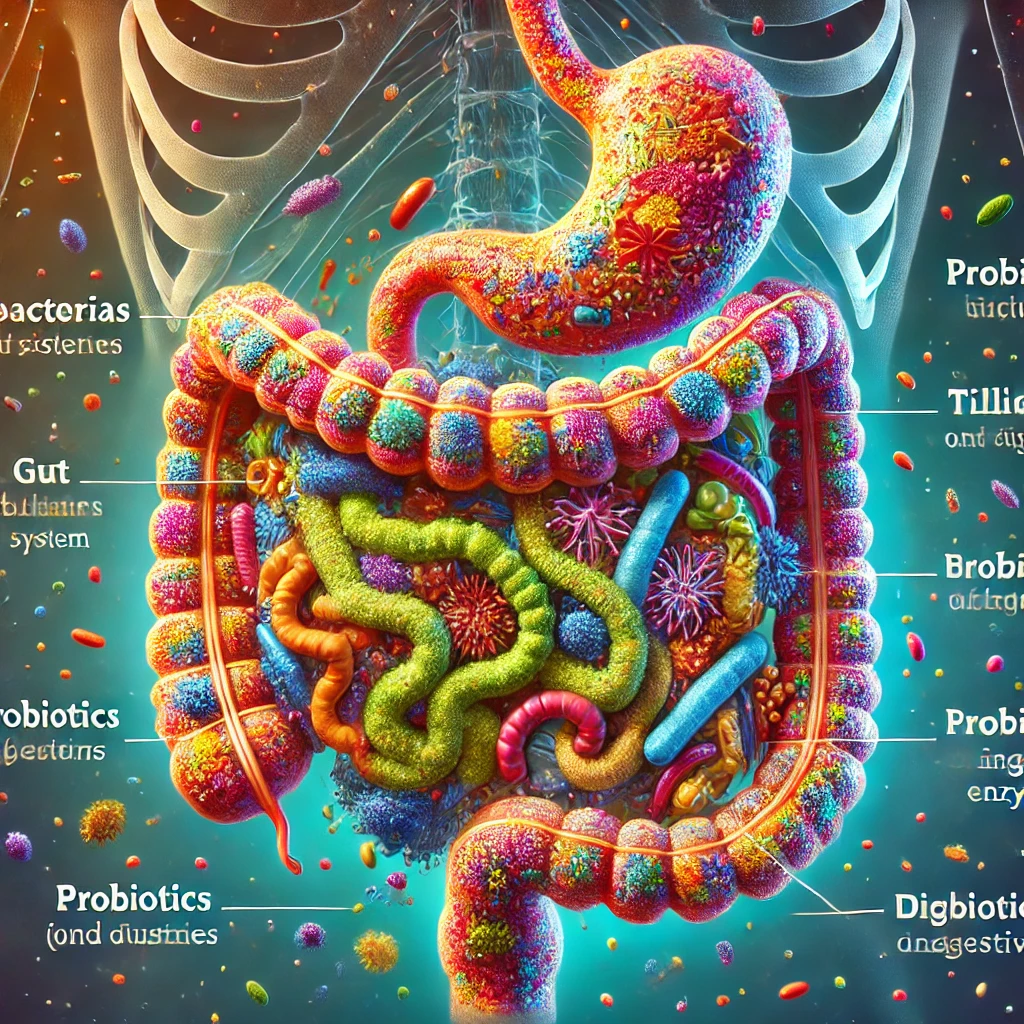
"Detailed digital illustration of the human gut microbiome, showing beneficial bacteria, probiotics, gut lining, and digestive enzymes."

What is gut health?

Gut refers to entire digestive system and gut health is described as the balance functioning of the digestive system. The physical structure of the gut from mouth to colon is intact and functioning properly. It is digesting and absorbing nutrients well with regular and healthy bowl movements. Microbiome balance is present in the gut. Gut microbiome plays a crucial role in aiding digestion. these microbiomes help in production of essential nutrients and compounds.

The gut directly influences the following connected systems:

  • Immune system (70-80% of immune cells are in the gut)
  • Mental health through the gut-brain axis
  • Hormone regulation
  • Inflammation levels throughout the body
  • Energy production and metabolism

Understanding the Gut Microbiome

The gut microbiome refers to the trillions of microorganisms that live in the digestive system. It is estimated to be 100 trillion microorganisms with 1000 different species of bacteria. It not only contains the bacteria but also contains the fungi, viruses, and other microorganisms. it is unique in each person just like fingerprint. A healthy microbiome has high biodiversity.

Key Functions:

1. Digestion and Nutrient Processing

What is the gut microbiome and why is it important? Gut microbiomes are involved in breaking down of complex carbohydrates and helps on absorption of minerals. They produce essential vitamins like B12 and vitamin K. It metabolizes proteins and creates short-chain fatty acids. Learn more from Harvard Health.

2. Protective Functions

Gut microbiome trains the immune system to fight off against the pathogenic bacteria. It maintains the gut wall integrity by forming a barrier against harmful bacteria. Read more from NIH.

3. Communication Role

Gut microbiome produces neurotransmitters that involves in communication with the brain. It influences hormone production which affects appetite and satiety and have a significant impact on mood and behavior of the individual.

4. Gut Health and Immune System Regulation

The gut is home to around 70% of the immune system, where helpful bacteria assist in distinguishing between hazardous invaders and safe compounds.

5. Gut Health and Weight Loss Connection

Your metabolism and weight are greatly affected by the bacteria that live in your gut. Research published in science has shown that different combinations of bacteria can have an impact on:

  • The number of calories you get from food
  • The storage and distribution of fat
  • Regulating blood sugar
  • The levels of cholesterol
  • The amount of energy used

Studies have demonstrated that people who have a more diversified gut microbiota are more likely to have a healthy weight and a better metabolic profile than those whose gut microbiomes are less diverse.

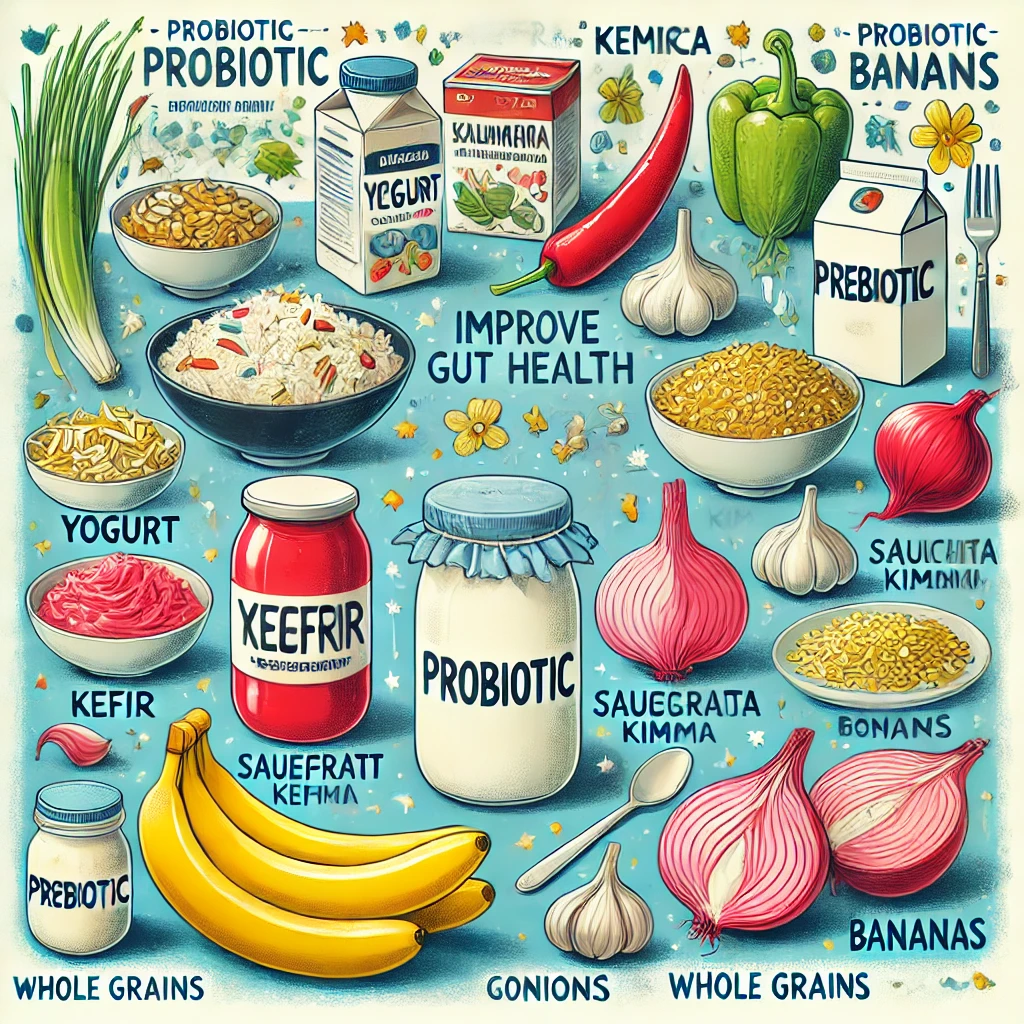
"An infographic displaying probiotic and prebiotic foods for gut health, including yogurt, kefir, sauerkraut, kimchi, garlic, onions, bananas, and whole grains."

The Gut-Brain Connection

The “gut-brain axis,” which refers to the close relationship between the gut and the brain, is one of the most interesting discoveries made in recent years. According to research published in the Journal of Clinical Medicine, your stomach produces more than 90% of the serotonin in your body. Serotonin is a neurotransmitter that is important for regulating mood and maintaining emotional well-being.
The enteric nervous system, which is sometimes called the “second brain,” is a neuronal network that is located in your digestive system. This system interacts with your brain through the vagus nerve, which affects:

  • Emotions and moods
  • Responses to stress
  • Patterns of sleep
  • The ability to think
  • Levels of anxiety

Signs of Poor Gut Health

It is important to be able to identify the symptoms of poor gut health in order to preserve overall wellness. Some such markers are:

  • Discomfort in the digestive system (such as bloating, gas, constipation, or diarrhea)
  • Weight fluctuations that cannot be explained
  • Long-term exhaustion
  • Skin issues (acne, eczema)
  • Food intolerances
  • Infections that happen often
  • Mood problems
  • Problems with sleep

The Future of Gut Health

New linkages between gut health and several elements of human health are being discovered by ongoing research. Researchers are investigating:

  • Nutrition that is tailored to the microbiota profiles of each person
  • New treatment methods for different illnesses
  • The microbiome’s impact on aging and lifespan
  • The relationship between intestinal health and chronic disorders
  • New probiotic and prebiotic therapies

How to improve gut health naturally

Maintaining a balanced gut microbiome is crucial for long-term health. Here are some practical ways for repairing an unhealthy gut and maintaining good gut health and wellness.

1. Eat a Diverse, Fiber-Rich Diet

Eat whole grains, fruits, vegetables, nuts, and seeds, which include prebiotic fiber that nourishes helpful bacteria. Learn about fiber from the Mayo Clinic.

Include fermented foods in your diet, such as yogurt, kefir, sauerkraut, kimchi, and miso, which are rich in probiotics and promote a healthy gut.

2. Stay Hydrated

Drinking enough water helps with digestion, the absorption of nutrients, and the mucosal lining of the intestines. More on hydration from CDC.

3. Manage Stress Effectively

Meditation, deep breathing, yoga, and regular exercise are all practices that can help control stress hormones that affect gut health. Read more on stress and digestion from Johns Hopkins.

4. Use Antibiotics Only When Necessary

Antibiotics can kill off good bacteria if you take them too often, so only take them when your doctor tells you to and think about taking probiotics afterward. More on antibiotic use from the CDC.

Conclusion

A healthy gut is essential for overall wellness, since it affects digestion, immunity, metabolism, and even mental health. You may improve your gut microbiome and general health by making intentional choices about your lifestyle, such as eating a balanced diet, reducing stress, and maintaining a regular sleep schedule. If you focus on your gut health and wellness today, you may experience long-term benefits, such as a lower risk of chronic diseases and a higher quality of life.

Frequently Asked Questions (FAQs)

1. What are the best foods for gut health?

Foods for a healthy gut include yogurt, kefir, sauerkraut, kimchi, garlic, onions, bananas, and whole grains, all rich in probiotics and prebiotics.

2. How long does it take to improve gut health?

Depending on diet and lifestyle changes, noticeable improvements can occur within a few weeks to a few months.

3. Can gut health improve mental health?

Yes, the gut-brain connection plays a role in mental health. An imbalanced microbiome can contribute to mood disorders, anxiety, and depression.

4. What are the best probiotics for gut health?

Lactobacillus and Bifidobacterium strains are among the most beneficial probiotics for gut health.

5. How does gut health affect your immune system?

A healthy gut supports immune function by regulating inflammation and preventing harmful bacteria from taking over.

Investing in gut health and wellness today can have profound benefits for your future well-being!

Posted on 2 Comments

“Longevity and Wellness: How Innovations Are Extending Healthy Living”

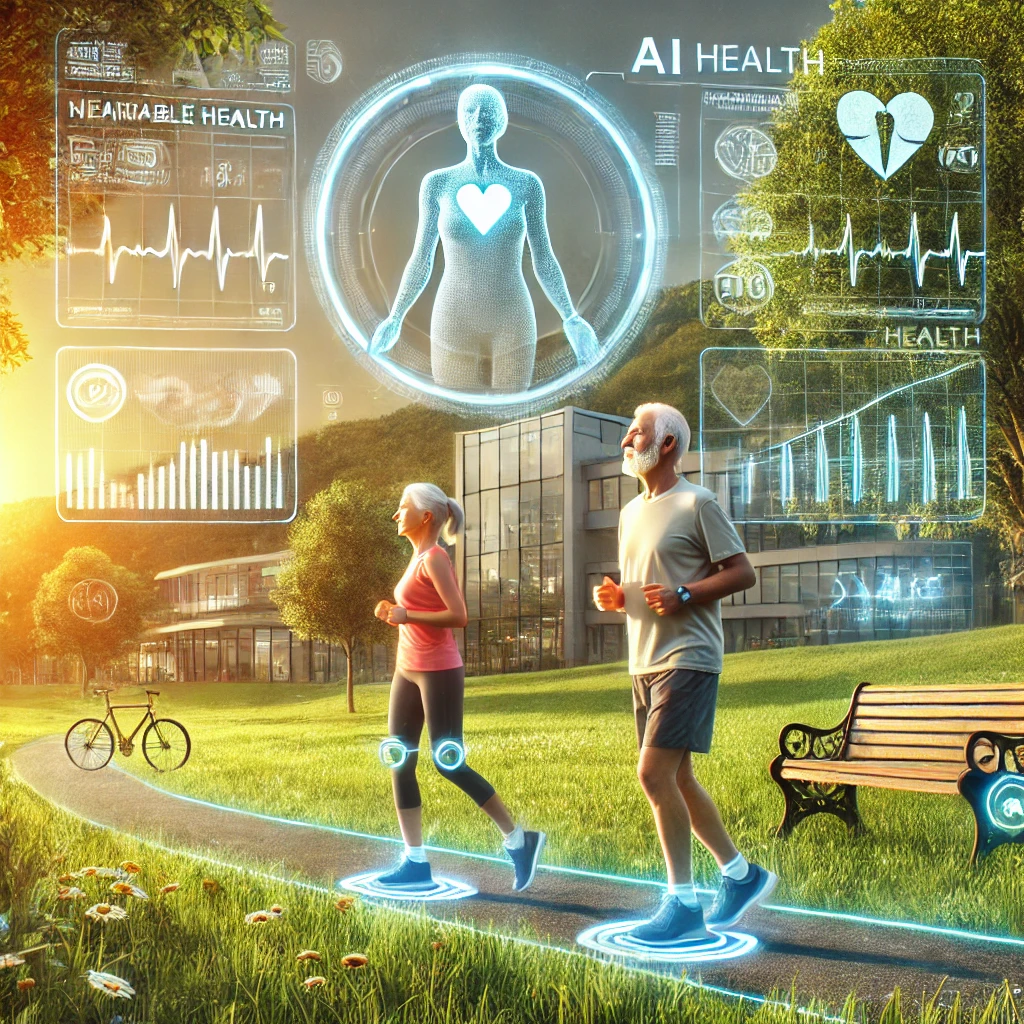
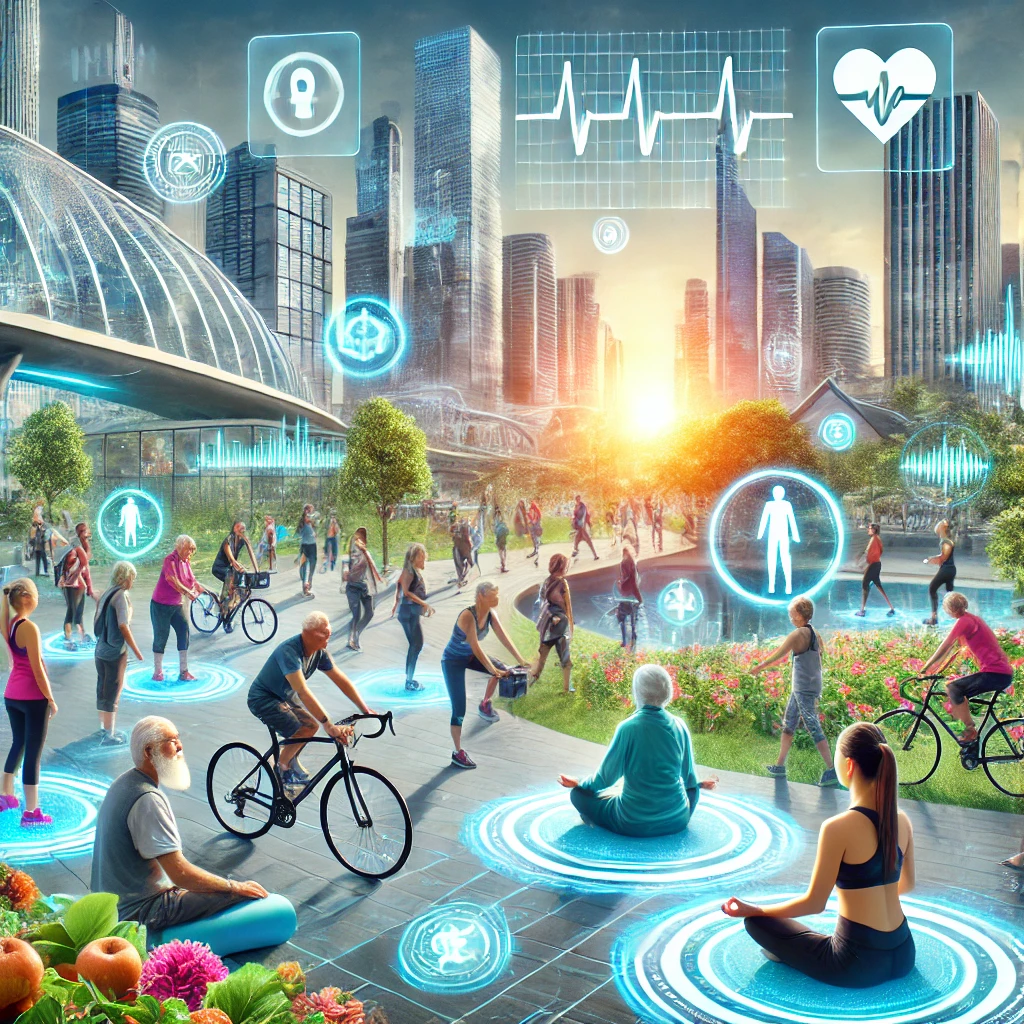
A futuristic vision of longevity and wellness, showcasing people of different ages engaging in healthy activities like yoga, jogging, and meditation in a high-tech park. Wearable health devices track their vitals, while a cutting-edge medical research center in the background symbolizes advancements in longevity science."

Introduction

In recent years, the pursuit of healthy living for the prolonged period of time has transcended traditional healthcare approaches. People are using different strategies that integrates the personalized nutrition, advancements in medical science and technology-driven wellness solutions. These approaches are not only focused only prolonging the life but also enhancing the quality of health span. Longevity research breakthroughs, Anti-aging medical advancements, healthy aging lifestyle innovations and healthy aging technologies have played a crucial role in this aspect. Innovations such as regenerative therapies, personalized nutrition plans, and AI-powered health diagnostics are the key aspects in achieving longevity and wellness. It is evident that the convergence of science and technology are making a way for a future where longevity and wellness are attainable goals for a broader population.

1. Advances in Medical Science

Advances in medical science is very instrumental in improving the wellness of individuals they play a key role in extending both lifespan and health span of the individuals.

Precision medicine

It helps in tailoring the treatment of individuals on the basis of their genetic profile, this has revolutionized the approach of managing chronic diseases and age-related conditions. Target therapies were used in the oncology, and it has significantly improved the survival rate.

Senolytics

These are the drugs that eliminate senescent cells which is very helpful in delaying age-associated disorders.

Stem cell therapies

The stem cell therapies provide the regenerative treatments for degenerative diseases like Parkinson’s and osteoarthritis.

Artificial intelligence (AI)

Artificial intelligence (AI) and big data analytics are using all the data making some predictions about disease outbreaks which helps in the following which ultimately provides a healthy living.

  • ✅ Early disease detection
  • ✅ Personalized treatment planning
  • ✅ Predicting health risks using big data

2. The Role of Nutrition and Diet

Nutrition played a pivotal role in the wellbeing and overall health of the individuals. Research are constantly done on the role of diet and nutrition in the aging, disease prevention and longevity.

  • Nutrigenomics it is a study of how genes interact with the nutrients and extending healthy lifespan of the individuals. It allows people to optimize their diet based on their genetic makeup.
  • Mediterranean diet this diet pattern consists of healthy fats, lean proteins and antioxidants which decreases the risk of cardiovascular disorders and neurodegenerative diseases.
  • Blue Zones diet it is basically the eating pattern or habits of world longest living population, emphasizes whole foods, plant-based nutrition, and moderate calorie intake, promoting longevity.

3.  Technological Innovations in Wellness

Technological innovations help in proactive monitoring if health that enables in early detection of disease or any peculiar change in normal pattern of health monitors

  • Wearable Health Tech and Real-Time Monitoring they constantly measures the heart rate, oxygen levels and sleep patterns that allow users to measure their health in real time.
  • AI-Powered Health Diagnostics helps in the diagnosis of the diseases such as cancer and neurological disorders with high accuracy, leading to earlier and effective treatments.
  • Virtual and Augmented Reality (VR/AR) in Wellness this technology is used in mental health therapy, pain management, and fitness training.
"A futuristic vision of longevity and wellness, showcasing people of different ages engaging in healthy activities like yoga, jogging, and meditation in a high-tech park. Wearable health devices track their vitals, while a cutting-edge medical research center in the background symbolizes advancements in longevity science."
“Embracing the future of longevity and wellness—where innovation, technology, and healthy living come together to extend healthspan and improve quality of life.

4. Mental and Emotional Well-being

Mental and emotional wellbeing are the very important component of healthy and long life without these it is near impossible to live a healthy and happy life. Alot of research is done that shows the interplay of the psychological resilience, stress management, and social connections and its vital role in slowing the aging process and preventing age-related diseases. Innovations in different aspects of health helped people to improve their mental and emotional wellbeing.

The Science of Mindfulness and Stress Management

Mindfulness is the basic human ability to be fully present, aware of where we are and what we’re doing, and not overly reactive or overwhelmed by what’s going on around us. It helps in reducing the stress and makes people feel at ease thus reducing the levels of cortisol eventually. Chronic stress has a role in increasing inflammation which shortens telomerase, these are protective caps of DNA that determine cellular span.

The Impact of Social Connections on Longevity

Studies from Blue Zones (these are regions with the highest concentrations of centenarians) these studies show the importance of close-knit communities and sense of purpose in the people helps in promoting longevity. while on the other side of the coin loneliness was associated to the increased risk of cardiovascular diseases.

Cognitive Training and Neuroplasticity

The ability of the brain to adapt and form new neural connections is called neuroplasticity and brain retains this ability throughout the life. If you involve yourself in lifelong learning, problem-solving activities, and brain training exercises your brain keeps on improving and you can delay the cognitive decline of your brain. Brain-computer interfaces and virtual reality-based cognitive training can help a lot in this process.

5. Regenerative and Emerging Therapies

In past few years, we have seen unprecedented advances in the field of regenerative medicine it has achieved the new heights that nobody was thinking of and now it is offering new hope for extending not only lifespan, but also HealthSpan that is more important. These therapies are mainly focused on repairing damaged tissues, slowing biological aging, and reversing age-related diseases. these emerging therapies are revolutionizing our approach to aging and age-related diseases they are helping us to work on the mechanisms of cellular aging.

Stem Cell Therapy: The Cornerstone of Regeneration

Stem cells have the unique ability to regenerate and form new cells from the previous cells. Research on mesenchymal stem cells (MSCs) has shown amazing results in treating degenerative conditions like Parkinson’s disease, osteoarthritis, and cardiovascular disorders. Recent developments include:

  • Mesenchymal stem cells (MSCs) for treating inflammatory conditions
  • Neural stem cells for neurodegenerative diseases
  • Induced pluripotent stem cells (iPSCs) for personalized medicine
  • Tissue-specific stem cells for organ regeneration

Longevity Drugs: Metformin and Rapamycin

These drugs are tested and proven to play an important role in the anti aging potential. Metformin and Rapamycin do their job by improving insulin sensitivity and by promoting autophagy respectively.

6. The Future of Longevity and Ethical Considerations

Today we are standing on the brink of the revolutionary advances in longevity science, it is important to look not just the scientific possibilities, but also the ethical problems these developments bring. One of the most important ethical concerns is the potential for longevity technologies to exacerbate existing social inequalities. This manifests in several ways:

  • Economic disparities in access to life-extending treatments
  • Geographic variations in availability of advanced healthcare
  • Different levels of technological literacy affecting treatment utilization
  • Cultural and social barriers to healthcare access

Furthermore, it leads to many other problems which raise many Questions in the society For example:

  • How the Shifts in family dynamics and inheritance patterns can affected?
  • what will be Changes in career trajectories and retirement concepts?
  • how it will Impact on social security and pension systems?
  • what will be Educational and professional opportunities for younger generations?
  • Healthcare system capacity and adaptation needs?
  • What will be Housing and infrastructure requirements?
  • What will be Healthcare economics and insurance models?
Moving Forward Responsibly

The path forward requires a balance between the scientific progress with ethical considerations:

  • Fostering public dialogue and understanding
  • Promoting inclusive research and development
  • Ensuring equitable access to treatments
  • Developing sustainable implementation models
  • Creating adaptive regulatory frameworks

Conclusion

The pursuit of longevity and wellness is not just about living a long life but also about living a healthy life a disease-free life making sure that the years of life spent in good health. Thanks to advancements in medical science, we can slow down the aging process, we can prevent diseases, and we are able to enhance overall quality of life.

As longevity research continues people are able to take proactive steps today by adopting a holistic approach—adopting healthy habits, leveraging new medical innovations, and staying informed about emerging therapies. The future of aging is no longer just about adding years to life, but about adding life to years.

Start today by:
Prioritizing nutrition
Staying active
Managing stress and sleep
Leveraging technology
Exploring emerging therapies

Posted on 1 Comment

প্রাকৃতিকভাবে মানসিক স্বাস্থ্য উন্নত করার উপায়: সহজ এবং কার্যকর কৌশল

"A person practicing mindfulness meditation outdoors, surrounded by nature, promoting mental wellness through relaxation and stress relief."

পরিচিতি

মানসিক স্বাস্থ্য আমাদের সামগ্রিক সুস্থতার একটি গুরুত্বপূর্ণ অংশ, যা আমাদের চিন্তা, আবেগ ও আচরণকে প্রভাবিত করে। মানসিক স্বাস্থ্যকে অগ্রাধিকার দেওয়া আজকের ব্যস্ত জীবনে অত্যন্ত গুরুত্বপূর্ণ। কিছু প্রাকৃতিক উপায়ে মানসিক সুস্থতা উন্নত করা সম্ভব, যা প্রচলিত ওষুধের বিকল্প হতে পারে। এখানে কিছু কার্যকর উপায় রয়েছে যা আপনাকে মানসিক সুস্থতা বজায় রাখতে সাহায্য করবে।

১. সঠিক খাদ্য গ্রহণ করুন

সঠিক খাদ্য গ্রহণ মস্তিষ্কের কার্যকারিতা বৃদ্ধি করে। নিম্নলিখিত খাবারগুলো সাহায্য করতে পারে:

  • ওমেগা-৩ ফ্যাটি অ্যাসিড: মাছ, আখরোট এবং তিসির বীজে পাওয়া যায়।
  • অ্যান্টিঅক্সিডেন্ট সমৃদ্ধ খাবার: শাকসবজি ও বাদাম মস্তিষ্কের ক্লান্তি কমাতে সাহায্য করে।
  • প্রোবায়োটিকস: দই, কিমচি অন্ত্রের স্বাস্থ্য উন্নত করে।

২. শারীরিক অনুশীলন করুন

নিয়মিত ব্যায়াম মানসিক স্বাস্থ্যের জন্য উপকারী।

  • প্রকৃতির মাঝে হাঁটাহাঁটি করুন।
  • যোগব্যায়াম করুন।
  • উচ্চ-তীব্রতার ব্যায়াম করুন।
"A person practicing mindfulness meditation outdoors, surrounded by nature, promoting mental wellness through relaxation and stress relief."
“Practicing mindfulness in nature is a powerful way to reduce stress, boost mental health, and improve overall well-being naturally.”

৩. ভালো ঘুম নিশ্চিত করুন

  • প্রতিদিন নির্দিষ্ট সময়ে ঘুমানোর অভ্যাস করুন।
  • শোবার আগে স্ক্রিন থেকে দূরে থাকুন।

৪. ধ্যান ও মননশীলতা চর্চা করুন

  • ধ্যান অ্যাপ ব্যবহার করুন।
  • শ্বাস নেওয়ার অনুশীলন করুন।

৫. সামাজিক সম্পর্ক বজায় রাখুন

  • পরিবারের সঙ্গে সময় কাটান।

৬. প্রকৃতির সাথে সময় কাটান

  • বাগান করুন বা পার্কে হাঁটুন।

৭. স্ক্রিন টাইম কমান

  • দৈনিক স্ক্রিন ব্যবহারের সময় নির্ধারণ করুন।

৮. আরাম করার কৌশল শিখুন

  • হার্বাল চা পান করুন।

৯. ক্ষতিকর অভ্যাস ত্যাগ করুন

  • ধূমপান ও অ্যালকোহল এড়িয়ে চলুন।

১০. ইতিবাচক চিন্তা করুন

১১. প্রয়োজনে বিশেষজ্ঞের সাহায্য নিন

উপসংহার

প্রাকৃতিক উপায়ে মানসিক স্বাস্থ্য বজায় রাখা সম্ভব এবং এটি আমাদের সুস্থ জীবনের জন্য অত্যন্ত গুরুত্বপূর্ণ।

Posted on 3 Comments

انٹرمیٹنٹ فاسٹنگ کی حقیقت: فوائد اور نقصانات

تعارف

انٹرمیٹنٹ فاسٹنگ (وقفے وقفے سے روزہ رکھنے) کی ڈائٹ حالیہ برسوں میں بے حد مقبول ہوئی ہے کیونکہ یہ وزن میں نمایاں کمی پیدا کر سکتی ہے۔ یہ ایک ایسا طریقہ ہے جس میں کھانے اور فاسٹنگ کے درمیان وقفے دیے جاتے ہیں۔ اگرچہ انٹرمیٹنٹ فاسٹنگ کی مقبولیت میں تیزی سے اضافہ ہوا ہے، لیکن اب تک چند ہی مطالعات نے اس کے صحت پر اثرات کی وضاحت کی ہے۔ مختصر مدت (8-12 ہفتوں) میں، اس طریقے سے 3-8٪ وزن میں کمی ممکن ہے اور یہ میٹابولک صحت کو بھی بہتر بنا سکتا ہے۔ اس بلاگ میں، ہم انٹرمیٹنٹ فاسٹنگ، اس کے فوائد، نقصانات، اور کن لوگوں کو اسے آزمانا چاہیے، پر تفصیل سے روشنی ڈالیں گے۔

انٹرمیٹنٹ فاسٹنگ کیا ہے؟

یہ کھانے کا ایک ایسا طریقہ ہے جس میں مخصوص وقفے سے کھانے اور روزے کا اہتمام کیا جاتا ہے۔ روایتی غذا کے برعکس، اس میں یہ طے کیا جاتا ہے کہ کب کھایا جائے، نہ کہ کیا کھایا جائے۔ انٹرمیٹنٹ فاسٹنگ کے تین مشہور طریقے درج ذیل ہیں:

  1. 16:8 طریقہ – 16 گھنٹے فاسٹنگ اور 8 گھنٹے کے اندر کھانے کی اجازت (مثلاً، دوپہر 12 بجے سے رات 8 بجے تک کھانے کا وقت)۔
  2. 5:2 ڈائٹ – ہفتے میں 5 دن معمول کے مطابق کھانا اور 2 دن کیلوریز کو 500-600 تک محدود رکھنا۔
  3. الٹرنیٹ ڈے فاسٹنگ – ایک دن مکمل روزہ (بہت کم یا نہ ہونے کے برابر کیلوریز) اور اگلے دن معمول کا کھانا۔

انسان صدیوں سے مذہبی اور روحانی وجوہات کی بنا پر روزہ رکھتے آئے ہیں، لیکن آج کل انٹرمیٹنٹ فاسٹنگ کو صحت بہتر بنانے کے ایک مؤثر طریقہ کے طور پر بھی دیکھا جا رہا ہے۔

انٹرمیٹنٹ فاسٹنگ کے فوائد

  1. وزن میں کمی
    یہ طریقہ کم کیلوریز لینے اور میٹابولزم کو تیز کرنے کے باعث چربی جلانے میں مدد دیتا ہے۔ تحقیقی مطالعات کے مطابق، 3 سے 24 ہفتوں میں 3-8٪ وزن کم ہو سکتا ہے۔
  2. انسولین حساسیت میں بہتری
    فاسٹنگ خون میں شوگر کی سطح کم کر کے انسولین کی حساسیت کو بڑھاتی ہے، جس سے ٹائپ 2 ذیابیطس کا خطرہ کم ہو سکتا ہے۔
  3. سیلولر مرمت اور آٹوفیجی
    فاسٹنگ کے دوران جسم میں آٹوفیجی کا عمل شروع ہوتا ہے، جس میں پرانے اور خراب خلیے خود بخود مرمت ہوتے ہیں، جو صحت کے لیے فائدہ مند ہے۔
  4. دل کی صحت میں بہتری
    یہ طریقہ بلڈ پریشر، کولیسٹرول اور جسم میں سوزش کو کم کرنے میں مدد کرتا ہے، جو دل کی بیماریوں کے خطرے کو کم کر سکتا ہے۔
  5. دماغی صحت میں بہتری
    فاسٹنگ سے دماغی صحت کو بہتر بنانے والے پروٹین (BDNF – Brain-Derived Neurotrophic Factor) کی پیداوار میں اضافہ ہوتا ہے، جو یادداشت اور سیکھنے کی صلاحیت کو بڑھاتا ہے۔
  6. لمبی عمر
    تحقیقی مطالعات سے معلوم ہوا ہے کہ انٹرمیٹنٹ فاسٹنگ آکسیڈیٹیو اسٹریس کو کم کر کے بڑھاپے کی رفتار کو سست کر سکتا ہے، جس سے عمر لمبی ہو سکتی ہے۔

انٹرمیٹنٹ فاسٹنگ کے خطرات اور نقصانات

  1. بھوک اور تھکن
    فاسٹنگ کے دوران ابتدائی دنوں میں بھوک، توانائی کی کمی، چڑچڑاپن اور توجہ مرکوز کرنے میں دشواری ہو سکتی ہے۔
  2. غذائی کمی (نیوٹریشن کی کمی)
    کھانے کا وقت محدود ہونے کے باعث بعض اوقات جسم کو ضروری غذائی اجزاء، وٹامنز اور منرلز نہیں مل پاتے۔
  3. غلط کھانے کی عادات
    کچھ لوگوں کے لیے انٹرمیٹنٹ فاسٹنگ غیر صحت مند کھانے کی عادات یا کھانے کی بیماریوں (eating disorders) کو بڑھا سکتا ہے۔
  4. ہر کسی کے لیے مناسب نہیں
    یہ طریقہ حاملہ خواتین اور کچھ مخصوص طبی حالتوں (جیسے ذیابیطس یا گردے کی بیماری) میں مبتلا افراد کے لیے مناسب نہیں ہے، خاص طور پر اگر وہ ڈاکٹر کی نگرانی کے بغیر کریں۔
  5. سماجی زندگی پر اثر
    فاسٹنگ کی وجہ سے آپ دوستوں اور فیملی کے ساتھ کھانے میں شامل نہ ہو سکیں، جس سے سماجی زندگی متاثر ہو سکتی ہے۔

کون لوگ انٹرمیٹنٹ فاسٹنگ آزما سکتے ہیں؟

یہ طریقہ درج ذیل افراد کے لیے مفید ہو سکتا ہے:
✔ وہ افراد جو وزن کم کرنا چاہتے ہیں۔
✔ انسولین کی مزاحمت یا پری ڈائیبیٹیز کے شکار افراد۔

لیکن یہ درج ذیل افراد کے لیے مناسب نہیں:
❌ حاملہ یا دودھ پلانے والی خواتین۔
❌ کھانے کی بیماریوں (Eating Disorders) کی تاریخ رکھنے والے افراد۔
❌ جو لوگ مستقل طبی مسائل جیسے ذیابیطس یا گردے کی بیماری میں مبتلا ہیں، بغیر ڈاکٹر کی نگرانی کے۔

انٹرمیٹنٹ فاسٹنگ شروع کرنے کے لیے اہم نکات

آہستہ شروع کریں – اچانک لمبے روزے نہ رکھیں، بلکہ آہستہ آہستہ فاسٹنگ کے دورانیے میں اضافہ کریں۔
ہائیڈریٹ رہیں – پانی، بغیر چینی کی چائے یا بلیک کافی پیئیں تاکہ جسم ڈی ہائیڈریٹ نہ ہو۔
غذائیت سے بھرپور کھانے کھائیں – پروسیسڈ فوڈز سے پرہیز کریں اور متوازن غذا لیں۔
اپنے جسم کی سنیں – اگر چکر آ رہے ہوں، تھکن ہو یا کوئی اور مسئلہ ہو، تو فوراً فاسٹنگ روک دیں۔

نتیجہ

انٹرمیٹنٹ فاسٹنگ صحت کے بہت سے فوائد فراہم کرتا ہے، جیسے وزن میں کمی، دل اور دماغی صحت میں بہتری، اور انسولین کی حساسیت میں اضافہ۔ لیکن اس کے ساتھ کچھ خطرات بھی جڑے ہوئے ہیں، جیسے بھوک، غذائی کمی، اور سماجی زندگی پر اثرات۔ اگر آپ انٹرمیٹنٹ فاسٹنگ شروع کرنا چاہتے ہیں تو پہلے کسی ماہر ڈاکٹر یا نیوٹریشنسٹ سے مشورہ ضرور کریں۔

🔹 کیا آپ نے انٹرمیٹنٹ فاسٹنگ آزمایا ہے؟ نیچے کمنٹس میں اپنا تجربہ شیئر کریں!

اکثر پوچھے جانے والے سوالات (FAQs)

کیا انٹرمیٹنٹ فاسٹنگ خواتین کے لیے محفوظ ہے؟
✔ کچھ خواتین کے لیے یہ فائدہ مند ہے، لیکن کچھ کو ہارمونی عدم توازن یا ماہواری میں بے قاعدگی کا سامنا ہو سکتا ہے، اس لیے ڈاکٹر سے مشورہ ضروری ہے۔

کیا فاسٹنگ کے دوران چائے یا کافی پی سکتے ہیں؟
✔ ہاں، بلیک کافی اور بغیر چینی کی چائے فاسٹنگ کے دوران پینے سے بھوک کم کرنے میں مدد مل سکتی ہے۔

نتائج نظر آنے میں کتنا وقت لگتا ہے؟
✔ ہر شخص کے لیے مختلف ہو سکتا ہے، لیکن زیادہ تر لوگ 2-4 ہفتوں میں فرق محسوس کرتے ہیں۔

فاسٹنگ کے بعد کیا کھانا چاہیے؟
✔ متوازن اور غذائیت سے بھرپور کھانے کھائیں اور پروسیسڈ فوڈ سے گریز کریں۔

Posted on 3 Comments

La vérité sur le jeûne intermittent : avantages et risques

Introduction

Le jeûne intermittent est devenu très populaire ces dernières années, car il peut entraîner une perte de poids significative. Ce mode d’alimentation alterne des périodes de jeûne et des périodes d’alimentation. Malgré son succès croissant, peu d’études ont analysé en détail ses bienfaits pour la santé humaine. Le jeûne intermittent permet une perte de poids modérée (environ 3 à 8 % du poids initial) sur des périodes courtes (8 à 12 semaines) et améliore la santé métabolique. Dans ce blog, nous explorerons en profondeur le jeûne intermittent, ses avantages, ses risques et pour qui il peut être bénéfique.

Qu’est-ce que le jeûne intermittent ?

Le jeûne intermittent est un mode d’alimentation basé sur l’alternance entre des périodes de jeûne et de repas. Contrairement aux régimes classiques qui se concentrent sur quoi manger, il met l’accent sur quand manger. Il existe trois méthodes populaires de jeûne intermittent :

  1. Méthode 16:8 : Jeûner pendant 16 heures et manger pendant une fenêtre de 8 heures (par exemple, entre 12h et 20h).
  2. Régime 5:2 : Manger normalement pendant 5 jours et réduire son apport calorique à 500-600 calories pendant 2 jours non consécutifs.
  3. Jeûne un jour sur deux : Alterner entre des jours de jeûne (consommation très réduite de calories) et des jours d’alimentation normale.

Le jeûne est pratiqué depuis des siècles pour des raisons religieuses et spirituelles, mais il attire aujourd’hui l’attention en tant qu’outil puissant pour améliorer la santé et le bien-être.

Les bienfaits du jeûne intermittent

  1. Perte de poids
    En réduisant l’apport calorique et en stimulant le métabolisme via l’augmentation du taux de noradrénaline, le jeûne intermittent favorise la combustion des graisses. Il peut entraîner une réduction de 3 à 8 % du poids corporel en 3 à 24 semaines.
  2. Amélioration de la sensibilité à l’insuline
    Le jeûne intermittent réduit la glycémie, ce qui améliore la sensibilité à l’insuline et diminue ainsi le risque de diabète de type 2.
  3. Réparation cellulaire et autophagie
    Pendant le jeûne, le corps active un processus appelé autophagie, qui élimine les composants cellulaires endommagés et favorise la régénération cellulaire.
  4. Santé cardiaque
    Le jeûne intermittent contribue à réduire la pression artérielle, le taux de cholestérol et l’inflammation, ce qui diminue les risques de maladies cardiovasculaires.
  5. Santé cérébrale
    Le jeûne augmente la production de BDNF (facteur neurotrophique dérivé du cerveau), une protéine essentielle au bon fonctionnement cognitif, ce qui favorise la santé cérébrale.
  6. Longévité
    Le jeûne intermittent réduit le stress oxydatif et ralentit le vieillissement. Des études animales ont montré qu’il peut prolonger la durée de vie.

Risques et effets secondaires du jeûne intermittent

  1. Faim et fatigue
    Le jeûne peut provoquer de la faim, de la fatigue, une baisse d’énergie, de l’irritabilité et des difficultés de concentration, en particulier au début.
  2. Carences nutritionnelles
    Avec une fenêtre alimentaire réduite, il peut être difficile d’obtenir tous les nutriments essentiels.
  3. Troubles du comportement alimentaire
    Chez certaines personnes, le jeûne intermittent peut entraîner des habitudes alimentaires malsaines ou aggraver des troubles existants.
  4. Inadapté à certaines personnes
    Le jeûne intermittent n’est pas recommandé aux femmes enceintes, aux personnes souffrant de certaines maladies ou aux individus ayant un métabolisme fragile.
  5. Impact sur la vie sociale
    Refuser des invitations à des repas en raison du jeûne peut avoir un effet négatif sur la vie sociale.

Qui devrait essayer le jeûne intermittent ?

Le jeûne intermittent peut être bénéfique pour :
✔️ Les adultes en bonne santé souhaitant perdre du poids ou améliorer leur santé métabolique.
✔️ Les personnes présentant une résistance à l’insuline ou un prédiabète.

Cependant, il n’est pas recommandé pour :
❌ Les femmes enceintes ou allaitantes.
❌ Les personnes ayant des antécédents de troubles alimentaires.
❌ Les personnes atteintes de maladies chroniques (diabète, insuffisance rénale) sans suivi médical.

Conseils pour bien débuter le jeûne intermittent

✔️ Commencez progressivement : Ne tentez pas un jeûne strict dès le premier jour. Augmentez la durée progressivement.
✔️ Hydratez-vous bien : Buvez beaucoup d’eau, des tisanes ou du café noir pour éviter la déshydratation.
✔️ Privilégiez les aliments riches en nutriments : Consommez des aliments sains et évitez les aliments ultra-transformés.
✔️ Écoutez votre corps : Arrêtez le jeûne si vous ressentez des étourdissements, une fatigue intense ou d’autres effets négatifs.

Conclusion

Le jeûne intermittent présente de nombreux avantages pour la santé, notamment une perte de poids, une amélioration de la sensibilité à l’insuline et un renforcement des fonctions cérébrales et cardiaques. Cependant, il comporte aussi des risques, tels que la faim, les carences nutritionnelles et un impact sur la vie sociale. Avant de commencer, il est conseillé de consulter un professionnel de santé pour s’assurer qu’il convient à votre situation.

Avez-vous déjà essayé le jeûne intermittent ? Partagez votre expérience dans les commentaires !

FAQ

🔹 Le jeûne intermittent est-il sans danger pour les femmes ?
Il peut être bénéfique, mais chez certaines femmes, il peut entraîner des déséquilibres hormonaux ou des cycles menstruels irréguliers. Consultez un médecin avant de commencer.

🔹 Puis-je boire du café ou du thé pendant le jeûne ?
Oui, le café noir et le thé non sucré peuvent aider à réduire les fringales.

🔹 Combien de temps faut-il pour voir des résultats ?
Les résultats varient d’une personne à l’autre, mais beaucoup constatent des changements en 2 à 4 semaines.

🔹 Que dois-je manger pendant ma fenêtre alimentaire ?
Privilégiez des aliments riches en nutriments et évitez les aliments ultra-transformés.

Posted on 1 Comment

ইন্টারমিটেন্ট ফাস্টিং সম্পর্কে সত্য: উপকারিতা ও ঝুঁকি

ভূমিকা

সাম্প্রতিক বছরগুলিতে ইন্টারমিটেন্ট ফাস্টিং ডায়েট বেশ জনপ্রিয় হয়ে উঠেছে, কারণ এটি ক্লিনিক্যালি গুরুত্বপূর্ণ ওজন হ্রাস করতে পারে। এই ডায়েটের মূল ধারণা হলো নির্দিষ্ট সময়ের জন্য উপবাস রাখা এবং নির্দিষ্ট সময়ের মধ্যে খাবার খাওয়া। যদিও ইন্টারমিটেন্ট ফাস্টিং ব্যাপক জনপ্রিয়তা পেয়েছে, তবে মানুষের জন্য এর স্বাস্থ্য উপকারিতা সম্পর্কে খুব কম গবেষণা পাওয়া যায়।

ইন্টারমিটেন্ট ফাস্টিং স্বল্প সময়ে (৮-১২ সপ্তাহে) হালকা থেকে মাঝারি পরিমাণে ওজন হ্রাস করতে পারে (৩-৮% ওজন কমাতে পারে)। এটি বিপাকীয় স্বাস্থ্যকেও উন্নত করতে পারে। এই ব্লগে, আমরা ইন্টারমিটেন্ট ফাস্টিং কীভাবে কাজ করে, এর উপকারিতা ও ঝুঁকি, এবং কারা এটি চেষ্টা করতে পারেন সে সম্পর্কে বিশদভাবে আলোচনা করব।

ইন্টারমিটেন্ট ফাস্টিং কী?

ইন্টারমিটেন্ট ফাস্টিং হলো একটি খাওয়ার পদ্ধতি যেখানে নির্দিষ্ট সময়ের জন্য উপবাস পালন করা হয় এবং নির্দিষ্ট সময়ের মধ্যে খাওয়া হয়। এটি মূলত কখন খেতে হবে তার উপর গুরুত্ব দেয়, কী খেতে হবে তার উপর নয়। ইন্টারমিটেন্ট ফাস্টিংয়ের তিনটি জনপ্রিয় পদ্ধতি হলো:

  1. 16:8 পদ্ধতি: ১৬ ঘণ্টা উপবাস পালন করা এবং ৮ ঘণ্টার মধ্যে খাবার গ্রহণ করা (যেমন, দুপুর ১২টা থেকে রাত ৮টার মধ্যে খাওয়া)।
  2. 5:2 ডায়েট: সপ্তাহে ৫ দিন সাধারণ খাবার খাওয়া এবং ২ দিন ক্যালোরি সীমিত করা (৫০০-৬০০ ক্যালোরি)।
  3. অল্টারনেট-ডে ফাস্টিং: এক দিন উপবাস পালন করা (প্রায় কোনো ক্যালোরি না নেওয়া) এবং পরের দিন স্বাভাবিকভাবে খাওয়া।

মানুষ যুগ যুগ ধরে ধর্মীয় ও আধ্যাত্মিক কারণে উপবাস পালন করে আসছে। তবে এখন এটি স্বাস্থ্য ও সুস্থতার জন্য কার্যকর একটি পদ্ধতি হিসেবে জনপ্রিয়তা পাচ্ছে।

ইন্টারমিটেন্ট ফাস্টিংয়ের উপকারিতা

১. ওজন হ্রাস

ইন্টারমিটেন্ট ফাস্টিং ক্যালোরি গ্রহণ কমিয়ে ওজন কমাতে সহায়তা করে এবং নরএপিনেফ্রিন হরমোনের স্তর বৃদ্ধি করে বিপাকক্রিয়া ত্বরান্বিত করে। গবেষণায় দেখা গেছে, এটি ৩-২৪ সপ্তাহে ৩-৮% পর্যন্ত ওজন কমাতে পারে।

২. ইনসুলিন সংবেদনশীলতা বৃদ্ধি

ফাস্টিং রক্তে গ্লুকোজের পরিমাণ কমায় এবং ইনসুলিন সংবেদনশীলতা বাড়ায়, যা টাইপ ২ ডায়াবেটিসের ঝুঁকি হ্রাস করতে পারে।

৩. কোষ মেরামত ও অটোফ্যাজি

উপবাসের সময় শরীরে অটোফ্যাজি নামে একটি প্রক্রিয়া শুরু হয়, যা কোষের ক্ষতিগ্রস্ত অংশ মেরামত করে এবং কোষের পুনর্গঠনকে উৎসাহিত করে।

৪. হৃদরোগের ঝুঁকি কমানো

ইন্টারমিটেন্ট ফাস্টিং রক্তচাপ, কোলেস্টেরল এবং প্রদাহের মাত্রা কমাতে সাহায্য করে, যা হৃদরোগ প্রতিরোধে গুরুত্বপূর্ণ ভূমিকা রাখে।

৫. মস্তিষ্কের কার্যকারিতা বৃদ্ধি

ফাস্টিং BDNF (Brain-Derived Neurotrophic Factor) নামক একটি প্রোটিনের উৎপাদন বাড়ায়, যা মস্তিষ্কের কার্যকারিতা উন্নত করে এবং আলঝেইমার ও পারকিনসন রোগ প্রতিরোধে সহায়তা করে।

৬. দীর্ঘায়ু বৃদ্ধি

গবেষণায় দেখা গেছে, উপবাস অক্সিডেটিভ স্ট্রেস কমায়, বার্ধক্য বিলম্বিত করে এবং জীবনকাল বাড়াতে সাহায্য করতে পারে (বিশেষ করে প্রাণীদের ওপর গবেষণায় প্রমাণিত)।

ইন্টারমিটেন্ট ফাস্টিংয়ের ঝুঁকি ও পার্শ্বপ্রতিক্রিয়া

১. ক্ষুধা ও ক্লান্তি

ফাস্টিংয়ের প্রথম দিকে অনেকেই ক্ষুধা, ক্লান্তি, শক্তি কমে যাওয়া, বিরক্তি এবং মনোযোগ কমে যাওয়ার মতো সমস্যা অনুভব করেন।

২. পুষ্টির ঘাটতি

সীমিত সময়ে খাওয়ার কারণে শরীর প্রয়োজনীয় পুষ্টি ও খনিজ পেতে ব্যর্থ হতে পারে, যা স্বাস্থ্যের উপর নেতিবাচক প্রভাব ফেলতে পারে।

৩. অনিয়মিত খাদ্যাভ্যাস

কিছু মানুষের জন্য ইন্টারমিটেন্ট ফাস্টিং খাওয়ার ব্যাধি (eating disorder) তৈরি করতে পারে বা বিদ্যমান সমস্যাকে বাড়িয়ে তুলতে পারে।

৪. সবার জন্য উপযুক্ত নয়

গর্ভবতী বা স্তন্যদানকারী মায়েরা, কিছু বিশেষ স্বাস্থ্য সমস্যা রয়েছে এমন ব্যক্তিরা (যেমন ডায়াবেটিস বা কিডনি রোগ) চিকিৎসকের পরামর্শ ছাড়া ইন্টারমিটেন্ট ফাস্টিং করা উচিত নয়।

৫. সামাজিক জীবনে প্রভাব

বন্ধুদের সাথে ডিনারে যাওয়ার সময় যদি ফাস্টিং চলতে থাকে, তাহলে এটি সামাজিক জীবনে নেতিবাচক প্রভাব ফেলতে পারে।

কারা ইন্টারমিটেন্ট ফাস্টিং চেষ্টা করতে পারেন?

ইন্টারমিটেন্ট ফাস্টিং উপকারী হতে পারে:

  • স্বাস্থ্যকর প্রাপ্তবয়স্কদের জন্য, যারা ওজন কমাতে চান বা বিপাকীয় স্বাস্থ্য উন্নত করতে চান।
  • ইনসুলিন প্রতিরোধ বা প্রিডায়াবেটিস আছে এমন ব্যক্তিদের জন্য।

ইন্টারমিটেন্ট ফাস্টিং উপযুক্ত নয়:

  • গর্ভবতী বা স্তন্যদানকারী মায়েদের জন্য।
  • খাদ্যাভ্যাস সংক্রান্ত সমস্যায় ভুগছেন এমন ব্যক্তিদের জন্য।
  • দীর্ঘমেয়াদী রোগ (যেমন ডায়াবেটিস, কিডনি রোগ) থাকলে চিকিৎসকের পরামর্শ ছাড়া এটি করা উচিত নয়।

ইন্টারমিটেন্ট ফাস্টিং শুরু করার পরামর্শ

  1. ধীরে শুরু করুন: প্রথম দিনেই দীর্ঘ সময়ের জন্য ফাস্টিং করার চেষ্টা করবেন না, বরং ধাপে ধাপে সময় বাড়ান।
  2. হাইড্রেটেড থাকুন: প্রচুর পানি পান করুন, পাশাপাশি হারবাল চা ও ব্ল্যাক কফি খেতে পারেন।
  3. পুষ্টিকর খাবার খান: প্রক্রিয়াজাত খাবার এড়িয়ে চলুন এবং পুষ্টিসমৃদ্ধ খাবার খান।
  4. শরীরের সংকেত শুনুন: যদি মাথা ঘোরা, ক্লান্তি বা অন্য কোনো নেতিবাচক লক্ষণ দেখা দেয়, তবে ফাস্টিং বন্ধ করুন।

উপসংহার

ইন্টারমিটেন্ট ফাস্টিং ওজন হ্রাস, ইনসুলিন সংবেদনশীলতা বৃদ্ধি, হৃদরোগ ও মস্তিষ্কের স্বাস্থ্যের উন্নতি এবং দীর্ঘায়ু বাড়াতে সহায়ক হতে পারে। তবে এটি সবার জন্য উপযুক্ত নয় এবং এতে কিছু ঝুঁকিও রয়েছে।

আপনি যদি ইন্টারমিটেন্ট ফাস্টিং চেষ্টা করতে চান, তবে আগে চিকিৎসকের পরামর্শ নিন। আপনি কি কখনো ইন্টারমিটেন্ট ফাস্টিং করেছেন? আপনার অভিজ্ঞতা কমেন্টে শেয়ার করুন!

প্রায়শই জিজ্ঞাসিত প্রশ্ন (FAQs)

1. ইন্টারমিটেন্ট ফাস্টিং কি মহিলাদের জন্য নিরাপদ?
হ্যাঁ, তবে কিছু মহিলার ক্ষেত্রে এটি হরমোনের ভারসাম্যহীনতা বা মাসিক অনিয়ম সৃষ্টি করতে পারে। চিকিৎসকের পরামর্শ নেওয়া ভালো।

2. ফাস্টিং চলাকালীন কফি বা চা খেতে পারি?
হ্যাঁ, ব্ল্যাক কফি ও আনসুইটেনড চা ক্ষুধা কমাতে সহায়ক হতে পারে।

3. ইন্টারমিটেন্ট ফাস্টিং করলে কতদিনের মধ্যে ফল পাওয়া যায়?
প্রতি ব্যক্তি ভিন্ন, তবে সাধারণত ২-৪ সপ্তাহের মধ্যে পরিবর্তন দেখা যায়।

4. খাওয়ার সময় কী ধরনের খাবার খাওয়া উচিত?
পুষ্টিকর খাবার খান এবং প্রক্রিয়াজাত খাবার এড়িয়ে চলুন।

Posted on Leave a comment

“इंटरमिटेंट फास्टिंग का सच: फायदे और जोखिम”

परिचय

पिछले कुछ वर्षों में, इंटरमिटेंट फास्टिंग डाइट बहुत लोकप्रिय हुई है क्योंकि यह महत्वपूर्ण वजन घटाने में मदद कर सकती है। यह डाइट उपवास और खाने की अवधि को संतुलित रूप से व्यवस्थित करती है। हालांकि, इंटरमिटेंट फास्टिंग के स्वास्थ्य लाभों पर अब तक बहुत कम शोध किए गए हैं।

इंटरमिटेंट फास्टिंग से 8-12 सप्ताह में हल्के से मध्यम स्तर तक वजन कम (लगभग 3-8%) किया जा सकता है। यह मेटाबॉलिक हेल्थ को भी सुधारने में मदद करता है। इस ब्लॉग में, हम इंटरमिटेंट फास्टिंग की गहराई से जानकारी, इसके फायदे, नुकसान और इसे कौन आज़मा सकता है, इस पर चर्चा करेंगे।

इंटरमिटेंट फास्टिंग क्या है?

इंटरमिटेंट फास्टिंग एक खान-पान का पैटर्न है जिसमें उपवास और खाने की अवधि शामिल होती है। यह इस बात पर केंद्रित होता है कि कब खाना चाहिए, न कि क्या खाना चाहिए। इसके कुछ लोकप्रिय तरीके निम्नलिखित हैं:

  1. 16:8 विधि – 16 घंटे उपवास और 8 घंटे खाने की अवधि (उदाहरण: दोपहर 12 बजे से रात 8 बजे तक खाना)।
  2. 5:2 डाइट – सप्ताह में 5 दिन सामान्य आहार और 2 दिन 500-600 कैलोरी का सीमित सेवन।
  3. बारी-बारी से उपवास – एक दिन उपवास (बहुत कम या बिना कैलोरी वाला) और अगला दिन सामान्य आहार।

लोग सदियों से धार्मिक और आध्यात्मिक कारणों से उपवास कर रहे हैं, लेकिन आजकल इसे स्वास्थ्य और फिटनेस को बेहतर बनाने के लिए एक प्रभावी तरीका माना जा रहा है।

इंटरमिटेंट फास्टिंग के फायदे

  1. वजन घटाने में मदद
    कैलोरी की मात्रा कम करने और नॉरएपिनेफ्रिन स्तर बढ़ाने से यह मेटाबॉलिज्म को तेज करता है, जिससे फैट बर्निंग बढ़ती है।
  2. इंसुलिन संवेदनशीलता में सुधार
    उपवास से ब्लड शुगर का स्तर कम होता है, जिससे इंसुलिन संवेदनशीलता बढ़ती है और टाइप 2 डायबिटीज का खतरा कम होता है।
  3. कोशिकीय मरम्मत और ऑटोफैगी (Autophagy)
    उपवास के दौरान शरीर में एक प्रक्रिया शुरू होती है जिसे ऑटोफैगी कहा जाता है, जो क्षतिग्रस्त कोशिकाओं को हटाने और मरम्मत में मदद करती है।
  4. हृदय स्वास्थ्य में सुधार
    इंटरमिटेंट फास्टिंग ब्लड प्रेशर, कोलेस्ट्रॉल और सूजन को कम करने में मदद करता है, जिससे हृदय स्वास्थ्य में सुधार होता है।
  5. मस्तिष्क स्वास्थ्य को बढ़ावा
    फास्टिंग से ब्रेन-डिराइव्ड न्यूरोट्रोफिक फैक्टर (BDNF) नामक प्रोटीन का उत्पादन बढ़ता है, जो मानसिक स्वास्थ्य और याददाश्त को बेहतर बनाता है।
  6. जीवनकाल बढ़ा सकता है
    उपवास ऑक्सीडेटिव तनाव को कम करता है और उम्र बढ़ाने की प्रक्रिया को धीमा करता है, जिससे जीवनकाल लंबा हो सकता है।

इंटरमिटेंट फास्टिंग के जोखिम और दुष्प्रभाव

  1. भूख और थकान
    उपवास के शुरुआती चरणों में थकान, ऊर्जा की कमी, चिड़चिड़ापन और ध्यान केंद्रित करने में कठिनाई हो सकती है।
  2. पोषक तत्वों की कमी
    सीमित खाने की अवधि के कारण शरीर को आवश्यक विटामिन और मिनरल्स की पर्याप्त मात्रा नहीं मिल सकती।
  3. अनुचित खान-पान की आदतें
    कुछ लोगों में इंटरमिटेंट फास्टिंग से अस्वस्थ खान-पान की आदतें विकसित हो सकती हैं या यह पहले से मौजूद ईटिंग डिसऑर्डर को बढ़ा सकता है।
  4. हर किसी के लिए उपयुक्त नहीं
    गर्भवती महिलाओं और कुछ स्वास्थ्य समस्याओं वाले लोगों को बिना डॉक्टरी सलाह के यह डाइट नहीं अपनानी चाहिए।
  5. सामाजिक जीवन पर प्रभाव
    उपवास के कारण दोस्तों और परिवार के साथ खाने-पीने के कार्यक्रमों में भाग न लेने से सामाजिक जीवन पर नकारात्मक प्रभाव पड़ सकता है।

इंटरमिटेंट फास्टिंग किन लोगों के लिए उपयुक्त है?

✅ स्वस्थ वयस्क जो वजन घटाना चाहते हैं या अपनी मेटाबॉलिक हेल्थ में सुधार करना चाहते हैं।
✅ इंसुलिन प्रतिरोध या प्रीडायबिटीज वाले लोग।

🚫 लेकिन यह निम्नलिखित लोगों के लिए अनुशंसित नहीं है:
❌ गर्भवती या स्तनपान कराने वाली महिलाएं।
❌ ईटिंग डिसऑर्डर वाले लोग।
❌ पुरानी बीमारियों (जैसे डायबिटीज, किडनी रोग) से पीड़ित लोग, बिना डॉक्टर की निगरानी के।

इंटरमिटेंट फास्टिंग शुरू करने के लिए टिप्स

धीरे-धीरे शुरू करें – पहले छोटी अवधि के उपवास से शुरुआत करें और फिर धीरे-धीरे समय बढ़ाएं।
हाइड्रेटेड रहें – पर्याप्त मात्रा में पानी पिएं, हर्बल टी और ब्लैक कॉफी भी फायदेमंद हो सकती है।
पौष्टिक भोजन करें – खाने की अवधि में पोषक तत्वों से भरपूर आहार लें और प्रोसेस्ड फूड से बचें।
अपने शरीर की सुनें – यदि कमजोरी, चक्कर या थकान महसूस हो तो उपवास बंद कर दें।

निष्कर्ष

इंटरमिटेंट फास्टिंग के कई स्वास्थ्य लाभ हैं, लेकिन इसके साथ कुछ जोखिम भी जुड़े हुए हैं जैसे भूख, पोषक तत्वों की कमी और अनुचित खान-पान की आदतें।

अगर आप इंटरमिटेंट फास्टिंग शुरू करने की सोच रहे हैं, तो पहले डॉक्टर से सलाह जरूर लें। क्या आपने इंटरमिटेंट फास्टिंग आजमाई है? नीचे कमेंट में अपना अनुभव साझा करें!

अक्सर पूछे जाने वाले प्रश्न (FAQs)

क्या महिलाओं के लिए इंटरमिटेंट फास्टिंग सुरक्षित है?
✅ हां, लेकिन कुछ महिलाओं में इससे हार्मोनल असंतुलन या मासिक धर्म में अनियमितता हो सकती है। डॉक्टर से सलाह लेना बेहतर होगा।

क्या उपवास के दौरान कॉफी या चाय पी सकते हैं?
✅ हां, बिना चीनी वाली ब्लैक कॉफी और ग्रीन टी पी सकते हैं, यह भूख कम करने में मदद कर सकती है।

इंटरमिटेंट फास्टिंग के परिणाम कितने समय में दिखने लगते हैं?
✅ यह व्यक्ति पर निर्भर करता है, लेकिन आमतौर पर 2-4 सप्ताह में कुछ परिणाम दिखने लगते हैं।

खाने की अवधि में क्या खाना चाहिए?
✅ पोषक तत्वों से भरपूर भोजन करें और प्रोसेस्ड फूड से बचें।

Posted on 1 Comment

“انسولین تھراپی کو سمجھنا: ذیابیطس کے انتظام کے لیے ابتدائی رہنمائی”

تعریف


جب آپ کو یہ خبر ملتی ہے کہ آپ کو ذیابیطس کی تشخیص ہوئی ہے اور آپ کو انسولین تھراپی شروع کرنے کی ضرورت ہے تو اپنی حالت کو منظم کرنا ایک پیچیدہ کام محسوس ہو سکتا ہے۔ انسولین تھراپی ایک مؤثر آلہ ہے جو آپ کو اپنے خون کی شوگر کی سطحوں کو مؤثر طریقے سے منظم کرنے میں مدد کر سکتی ہے اور آپ کو مجموعی طور پر ایک متوازن زندگی گزارنے میں مدد دیتی ہے۔ یہ جاننا کہ انسولین کس طرح کام کرتی ہے اور اسے مؤثر طریقے سے کیسے استعمال کیا جائے، آپ کی زندگی میں ایک بڑا فرق ڈال سکتا ہے، چاہے وہ ذیابیطس کی کوئی بھی قسم ہو، جیسے ٹائپ 1، ٹائپ 2 یا حمل کے دوران ذیابیطس۔

انسولین وہ ضروری ہارمون ہے جو خون کی شوگر کی سطحوں کو کنٹرول کرتا ہے۔ ذیابیطس کے مریضوں کا جسم یا تو انسولین کی ناکافی مقدار پیدا کرتا ہے یا اسے مؤثر طریقے سے استعمال کرنے سے قاصر ہوتا ہے۔ انسولین کا علاج آپ کے جسم کو اس کی ضرورت کے مطابق انسولین فراہم کر کے مناسب خون کی شوگر کی سطح کو برقرار رکھنے میں مدد کرتا ہے۔

اس ابتدائی رہنما میں، ہم آپ کو انسولین تھراپی، انسولین کی مقدار، انسولین کی ایڈجسٹمنٹ اور اس کے استعمال کے بارے میں تمام ضروری معلومات فراہم کریں گے۔ ہم آپ کو وہ قیمتی معلومات فراہم کریں گے جو آپ کو اپنی ذیابیطس کی دیکھ بھال پر قابو پانے کے لیے جاننی ضروری ہیں، یہ رہنما آپ کو اپنے ذیابیطس کے انتظام پر قابو پانے کے لیے علم سے بااختیار بنائے گا۔ تو شروع کرتے ہیں!

انسولین کیا ہے؟


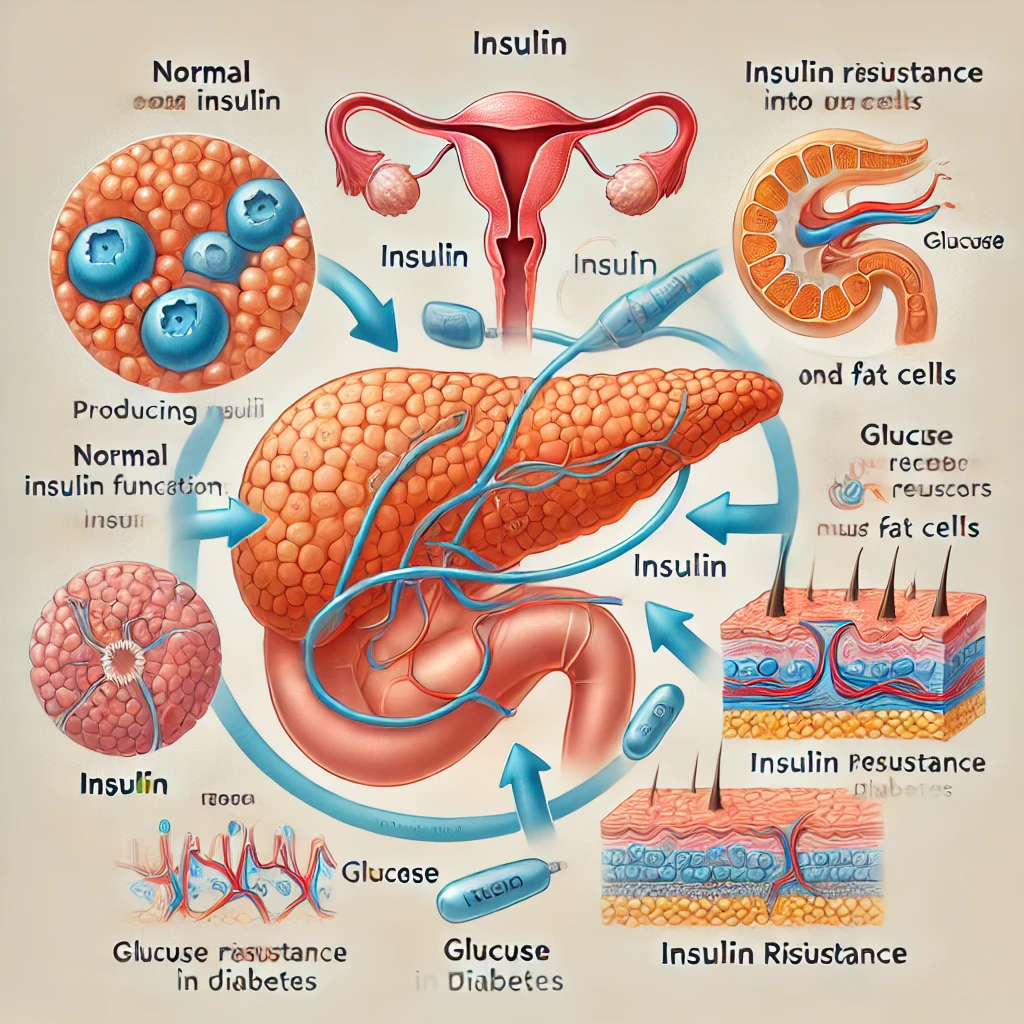
انسولین ایک ہارمون ہے جو پینکریاس (لبلبے) کے ذریعہ پیدا ہوتا ہے۔ یہ خون کی شوگر کی سطح کو باقاعدہ کرنے میں ضروری ہے۔ انسولین کو ایک “چابی” سمجھیں جو آپ کے خلیات کو کھولنے کے لیے استعمال ہوتی ہے، تاکہ گلوکوز اندر جا سکے اور ایندھن کے طور پر استعمال ہو سکے۔ انسولین کی غیر موجودگی میں خون کی شوگر خلیات میں داخل نہیں ہو پاتی، جس کی وجہ سے خون میں گلوکوز کی سطحیں بہت زیادہ ہو جاتی ہیں۔

انسولین کس طرح کام کرتی ہے؟


جب آپ کچھ کھاتے ہیں تو آپ کے کھانے سے کاربوہائیڈریٹس گلوکوز میں ٹوٹ جاتے ہیں اور خون میں شامل ہو جاتے ہیں۔ یہ گلوکوز پینکریاس کو سگنل بھیجتا ہے کہ وہ انسولین جاری کرے تاکہ یہ گلوکوز خلیات میں داخل ہو سکے۔ یہ گلوکوز خلیات کے ذریعے استعمال ہوتا ہے یا مستقبل کے لیے ذخیرہ کیا جاتا ہے۔ انسولین جگر کو اضافی گلوکوز کو گلیکوجن کی شکل میں ذخیرہ کرنے کے لیے بھی سگنل بھیجتی ہے، تاکہ خون کی شوگر کی سطحوں کو زیادہ نہ بڑھنے دیا جا سکے۔

جب انسولین ناکافی یا غیر مؤثر ہو تو کیا ہوتا ہے؟


ٹائپ 1 ذیابیطس میں جسم انسولین کی کافی مقدار پیدا نہیں کرتا جبکہ ٹائپ 2 ذیابیطس میں جسم انسولین کے خلاف مزاحمت کرتا ہے۔ جب جسم میں انسولین نہیں ہوتی یا جسم اسے مؤثر طریقے سے استعمال نہیں کر پاتا تو گلوکوز خون میں جمع ہو جاتا ہے جس سے ہائپرگلیسیمیا ہوتا ہے۔ وقت گزرنے کے ساتھ یہ ہائپرگلیسیمیا سنگین پیچیدگیاں پیدا کر سکتا ہے، جیسے اعصابی نقصان، گردے کی بیماریاں، اور قلبی مسائل۔

انسولین کی اقسام


انسولین کی مختلف اقسام کی مختلف آغاز، عروج اور دورانیہ کی مدت ہوتی ہے، جو خون کی شوگر کی سطحوں کو پورے دن میں قابو کرنے میں لچک فراہم کرتی ہے۔ یہاں انسولین کی اہم اقسام کی تفصیل دی گئی ہے:

  • رپڈ ایکٹنگ انسولین
    آغاز: 10-20 منٹ
    عروج: 1-3 گھنٹے
    دورانیہ: 3-5 گھنٹے
    مثالیں: انسولین لِسپرو (ہومیلاگ)، انسولین اسپارٹ (نوولوگ)، انسولین گلیوسین (ایپیڈرا)
    استعمال: کھانے سے پہلے یا بعد میں خون کی شوگر میں اضافے کو کنٹرول کرنے کے لیے۔
  • شورٹ ایکٹنگ انسولین (ریگولر انسولین)
    آغاز: 30 منٹ
    عروج: 2-4 گھنٹے
    دورانیہ: 6-8 گھنٹے
    مثالیں: ہیومولن آر، نوولن آر
    استعمال: عام طور پر کھانے سے 30 منٹ پہلے خون کی شوگر کو کھانے اور سنیکس کے دوران منظم کرنے کے لیے۔
  • انٹرمیڈیٹ ایکٹنگ انسولین (این پی ایچ انسولین)
    آغاز: 1-2 گھنٹے
    عروج: 4-12 گھنٹے
    دورانیہ: 12-18 گھنٹے
    مثالیں: ہیومولن این، نوولن این
    استعمال: تقریباً آدھے دن یا رات بھر کے لیے پس منظر انسولین فراہم کرتی ہے۔
  • لانگ ایکٹنگ انسولین
    آغاز: 1-2 گھنٹے
    عروج: کم سے کم یا کوئی عروج نہیں
    دورانیہ: 24 گھنٹے یا اس سے زیادہ
    مثالیں: انسولین گلارگین (لانٹس، باسگلر، ٹوجیو)، انسولین ڈیٹیمیر (لیویمیر)، انسولین ڈیگلوڈیک (ٹریسیبا)
    استعمال: دن اور رات بھر میں انسولین کی ایک مستقل سطح فراہم کرتی ہے، جو جسم کی بیسل انسولین پیداوار کی نقل کرتی ہے۔

انسولین تھراپی کو مؤثر طریقے سے منظم کرنے کے لیے نکات


انسولین تھراپی کو مؤثر طریقے سے منظم کرنا ذیابیطس کو کنٹرول کرنے اور صحت مند طرز زندگی کو برقرار رکھنے کے لیے کلیدی ہے۔ آپ کو صحیح راستے پر رہنے میں مدد کے لیے کچھ عملی نکات یہ ہیں:

  • اپنے ڈاکٹر کے منصوبے پر عمل کریں
  • خون کی شوگر کو باقاعدگی سے مانیٹر کریں
  • انجیکشن کے مقامات تبدیل کریں
  • متوازن غذا کھائیں
  • ہائپوگلیسیمیا کے لیے تیار رہیں
  • انسولین کو صحیح طریقے سے ذخیرہ کریں
  • ایک سپورٹ سسٹم بنائیں

انسولین تھراپی کے بارے میں کچھ مشہور غلط فہمیاں

  • انسولین کا مطلب ہے کہ میری ذیابیطس خراب ہو گئی ہے: اگر آپ کو انسولین کی ضرورت ہے تو اس کا مطلب یہ نہیں کہ آپ کی ذیابیطس کسی بدترین مرحلے میں ہے، یہ ٹائپ 1 ذیابیطس کا آغاز ہو سکتا ہے۔
  • انسولین وزن بڑھاتی ہے: ہاں، لوگ عام طور پر انسولین تھراپی کے آغاز میں وزن بڑھاتے ہیں، لیکن یہ اس وجہ سے ہو سکتا ہے کہ ان کا جسم انسولین کو بہتر طریقے سے استعمال کر رہا ہے۔
  • انسولین کے انجیکشن دردناک ہوتے ہیں: ٹیکنالوجی کی ترقی کی وجہ سے نئے انجیکشن پہلے کی نسبت بہت کم دردناک ہیں۔
  • انسولین عادت بناتی ہے: یہ ایک قدرتی ہارمون ہے جو پینکریاس سے پیدا ہوتا ہے اور صرف اس صورت میں درکار ہوتا ہے جب جسم اسے مؤثر طریقے سے پیدا نہیں کر پا رہا۔

نتیجہ


انسولین تھراپی ذیابیطس کے انتظام میں اہم کردار ادا کرتی ہے، یہ خون کی شوگر کی سطحوں کو کنٹرول کرنے اور پیچیدگیوں کو روکنے کا ایک طریقہ فراہم کرتی ہے۔ چاہے آپ کو ٹائپ 1 یا ٹائپ 2 ذیابیطس ہو، انسولین کے کام کرنے کا طریقہ سمجھنا آپ کے لیے فائدہ مند ہے۔

عام سوالات (FAQs)

  • کیا مجھے ہمیشہ کے لیے انسولین کی ضرورت ہوگی؟
    جی ہاں، ٹائپ 1 ذیابیطس میں لیکن ٹائپ 2 ذیابیطس میں آپ کو ایک مختصر عرصے کے لیے یا ہمیشہ کے لیے ضرورت ہو سکتی ہے، جو بیماری کی حالت پر منحصر ہے۔
  • کیا میں انسولین کو روک سکتا ہوں اگر میری خون کی شوگر بہتر ہو؟
    اس کے لیے آپ کو صحت کی دیکھ بھال کرنے والے کے مشورے کی ضرورت ہوگی، آپ خود سے یہ نہیں کر سکتے۔
  • انسولین تھراپی کے کیا سائیڈ افیکٹس ہو سکتے ہیں؟
    انسولین تھراپی کی وجہ سے ہائپوگلیسیمیا، وزن کا بڑھنا، انجیکشن کے مقامات پر ردعمل اور الرجی ہو سکتی ہیں، لیکن یہ مناسب دیکھ بھال اور طبی رہنمائی سے قابل انتظام ہیں۔
  • کیا انسولین تھراپی صرف ٹائپ 1 ذیابیطس کے لیے ہے؟
    نہیں، انسولین تھراپی ٹائپ 2 ذیابیطس میں بھی استعمال کی جاتی ہے، خاص طور پر جب دوسرے علاج خون کی شوگر کو کنٹرول کرنے کے لیے کافی نہیں ہوتے۔