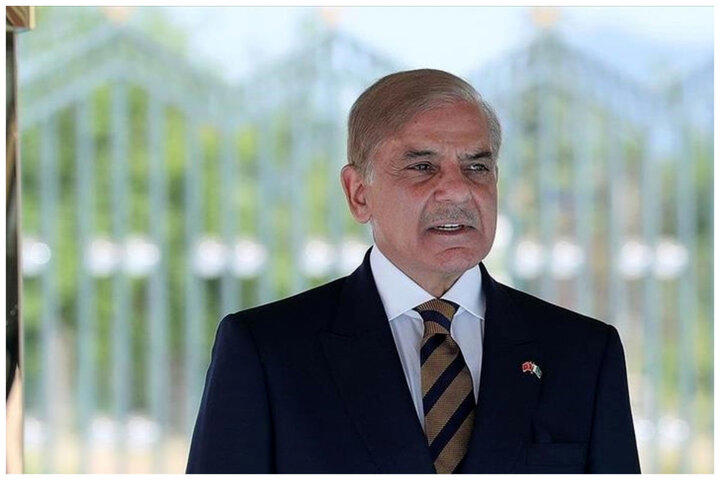
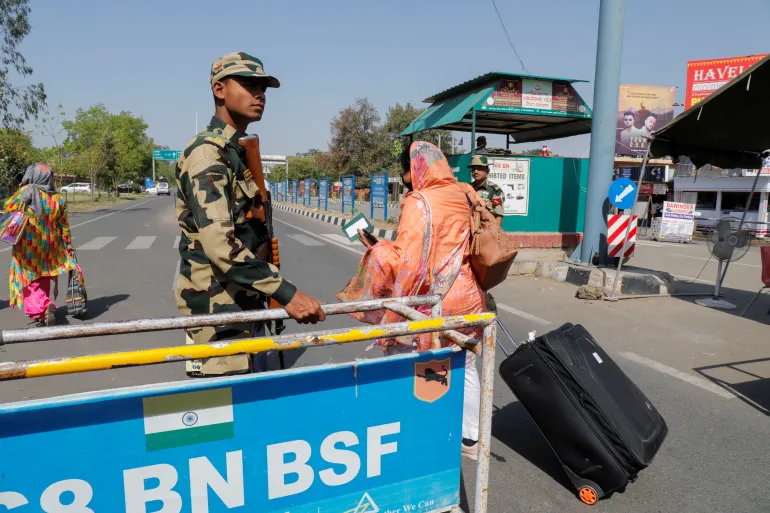
In the wake of escalating hostilities between Pakistan and India, Prime Minister Shehbaz Sharif has taken decisive steps to consult with political leaders across the spectrum, aiming to forge a unified national response. This move comes after a series of Indian missile and drone strikes targeting Pakistani civilian and military sites, including the Noor Khan Airbase .(The News International)
A Unified Front Against Aggression
During high-level meetings, PM Sharif briefed leaders from major political parties on the nature of India’s unprovoked attacks and Pakistan’s measured yet robust military response. He emphasized the professionalism and restraint exhibited by the Pakistani armed forces, highlighting their commitment to defending national sovereignty without escalating the conflict unnecessarily.(The Express Tribune)
Leaders from various parties, including the Pakistan People’s Party (PPP), expressed solidarity with the government’s stance. PPP Chairman Bilawal Bhutto Zardari commended the Prime Minister’s leadership and the military’s disciplined response, stating that the nation stands united in the face of external threats .(The Express Tribune)
Operation Bunyān al-Marsūs: A Strategic Response
In retaliation to India’s aggression, Pakistan launched “Operation Bunyān al-Marsūs,” targeting key Indian military installations used to orchestrate attacks on Pakistani territory. PM Sharif assured political leaders that the operation was executed with precision, aiming to neutralize threats while minimizing collateral damage .(Daily Qudrat English, Daily Qudrat English)
Despite the provocations, Pakistan initially exercised restraint, even proposing a neutral investigation into the Pahalgam incident, which India declined. This approach underscores Pakistan’s preference for diplomatic solutions over military confrontation.(Daily Qudrat English)
International Mediation and Ceasefire Efforts
The international community, including the United States, Saudi Arabia, and Turkey, played a pivotal role in mediating a ceasefire between the two nations. However, the situation remains fragile, with reports of continued cross-border shelling and drone activity threatening to derail peace efforts .(AP News, The Guardian)
PM Sharif’s consultations with political leaders are part of a broader strategy to present a cohesive national front, reinforcing Pakistan’s commitment to peace while remaining prepared to defend its sovereignty.
Conclusion
Prime Minister Shehbaz Sharif’s engagement with political leaders during this critical juncture reflects a commitment to national unity and a strategic approach to external aggression. By fostering consensus and emphasizing diplomatic channels, Pakistan aims to navigate the complexities of regional tensions responsibly.
As the situation evolves, the government’s emphasis on unity and measured responses will be crucial in maintaining stability and safeguarding national interests.
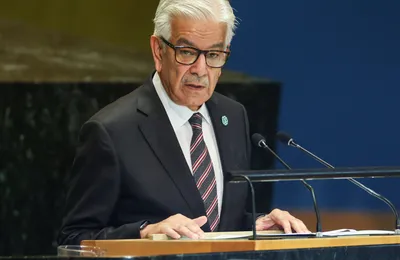
Amid escalating military tensions between Pakistan and India, Pakistan’s Defense Minister Khawaja Asif has stated that the nuclear option is “not on the cards right now.” However, he cautioned that if the situation deteriorates further, the consequences could extend beyond the region, potentially affecting global observers. (Ilke News Agency)
Context of Rising Tensions
The recent surge in hostilities was triggered by a deadly attack on Indian tourists in Kashmir in April 2025, which India attributed to Pakistan-based militants. In response, India launched “Operation Sindoor,” targeting alleged terrorist infrastructures within Pakistan. Pakistan retaliated with “Operation Bunyan-ul-Marsoos,” leading to a series of missile and drone exchanges between the two nations. Despite a U.S.-brokered ceasefire announced on May 10, 2025, reports of continued violations from both sides have emerged, casting doubt on the ceasefire’s effectiveness. (The Times, The Guardian)
Pakistan’s Nuclear Doctrine
Pakistan maintains a policy of “full spectrum deterrence,” which does not adhere to a “no first use” stance. This doctrine allows for the potential use of nuclear weapons in response to significant conventional threats. However, Asif’s recent statements indicate that, as of now, there are no plans to convene the National Command Authority, the body responsible for decisions regarding Pakistan’s nuclear arsenal. (Wikipedia, @mathrubhumi)
International Concerns
The international community has expressed deep concern over the escalating conflict between the two nuclear-armed neighbors. Countries including the United States, United Kingdom, Saudi Arabia, and China have urged both nations to exercise restraint and engage in dialogue to prevent further escalation. The potential for a nuclear confrontation has heightened global anxiety, emphasizing the need for immediate de-escalation and sustained diplomatic efforts.
Conclusion
While Pakistan’s Defense Minister has ruled out the immediate use of nuclear weapons, the situation remains volatile. The ongoing military exchanges and mutual accusations underscore the fragility of the current ceasefire. Continued international mediation and a commitment to diplomatic solutions are essential to prevent further deterioration of regional stability. (Ilke News Agency
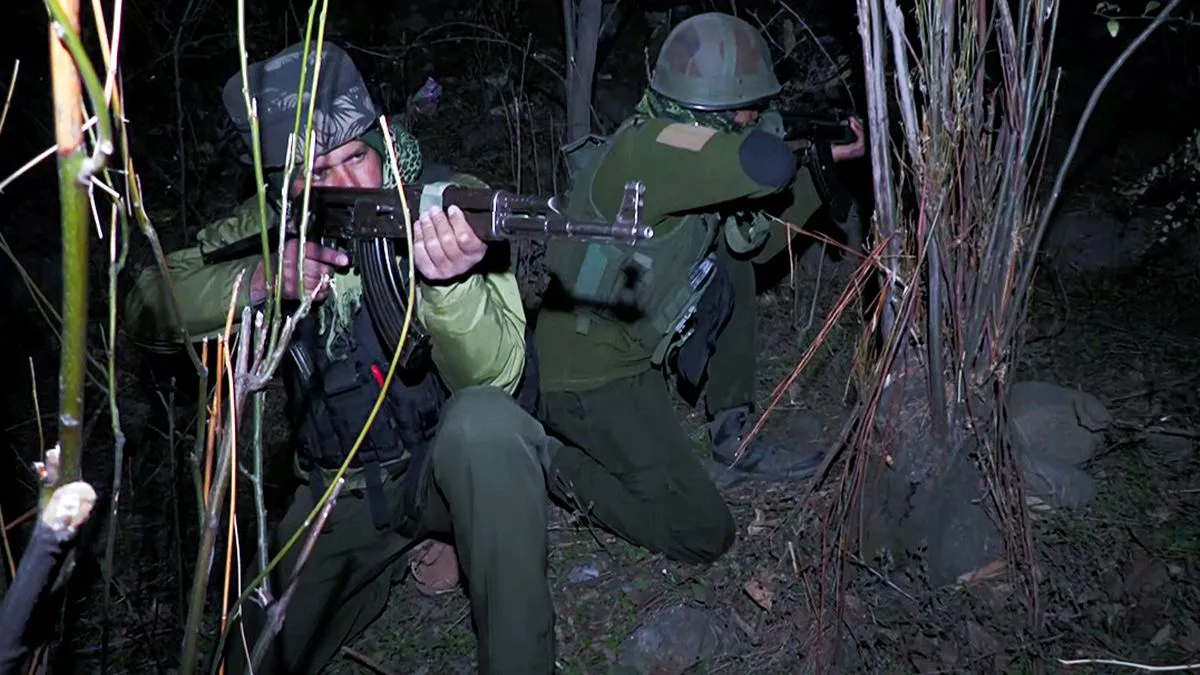
In a significant escalation of hostilities, Pakistan has resumed heavy shelling in the Poonch sector of Jammu and Kashmir, intensifying border tensions between the two nuclear-armed neighbors.
Renewed Ceasefire Violations
The latest round of shelling marks a continuation of ceasefire violations along the Line of Control (LoC), particularly affecting the Poonch and Uri sectors. The Indian Army has responded proportionately to these provocations. (Rediff)
Civilian Impact and Evacuations
The intensified shelling has led to significant civilian distress. Reports indicate that at least 15 civilians, including children, have been killed, and 43 others injured in Poonch district. The attacks have damaged homes, vehicles, and public infrastructure, prompting evacuations from vulnerable areas. (India Today, Wikipedia, The Economic Times)
Broader Regional Escalation
This resurgence of hostilities follows India’s launch of “Operation Sindoor,” targeting terrorist infrastructure in Pakistan and Pakistan-administered Kashmir. In retaliation, Pakistan has engaged in cross-border shelling, drone incursions, and alleged attacks on civilian areas. (Wikipedia)
International Concerns and Calls for Restraint
The escalating conflict has drawn international concern. U.S. Vice President JD Vance has expressed hope for a resolution, while the European Union has called for restraint. Despite diplomatic efforts, the situation remains volatile, with both nations accusing each other of aggression.(The Times)
Conclusion
The resumption of heavy shelling in the Poonch sector underscores the fragile nature of peace along the India-Pakistan border. As civilian casualties mount and infrastructure suffers, the need for diplomatic engagement and de-escalation becomes increasingly urgent.
In a significant escalation of hostilities, Pakistan’s military has reported the downing of 77 Indian drones over a two-day period, marking a notable intensification in the ongoing conflict between the two nuclear-armed neighbors.
Unprecedented Drone Activity
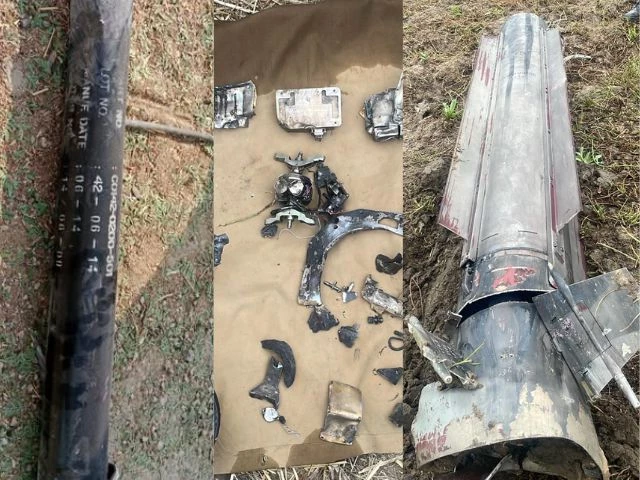
According to Pakistani security sources, the drones, identified as Israeli-made Harop loitering munitions, were intercepted between May 6 and May 8, with 29 drones shot down by the evening of May 8 and an additional 48 neutralized overnight into May 9 . These drones were reportedly targeting both civilian and military sites across various regions, including Vehari, Pakpattan, and Okara .(The Express Tribune, Daily Times)
Rising Civilian Casualties
The intensified drone activity has coincided with increased artillery exchanges along the Line of Control (LoC), leading to civilian casualties on both sides. Reports indicate that at least five civilians have been killed and seven others injured in Pakistan-administered Kashmir due to unprovoked Indian shelling on residential areas .(The Express Tribune)
Broader Context of Escalation
The recent surge in hostilities follows India’s launch of “Operation Sindoor,” a series of missile strikes targeting alleged terrorist infrastructure in Pakistan and Pakistan-administered Kashmir. India stated that these strikes were in retaliation for a deadly attack on Indian tourists in Pahalgam on April 22, which New Delhi attributes to Pakistan-based militant groups .(AP News)
In response, Pakistan has engaged in cross-border shelling and drone incursions, further exacerbating tensions. Both nations have accused each other of targeting civilian areas, leading to mass evacuations, school closures, and the suspension of major events, including the Indian Premier League .(AP News)
International Concerns and Calls for Restraint
The escalating conflict has drawn international concern. U.S. Vice President JD Vance has expressed hope for a resolution, while the European Union has called for restraint . Despite diplomatic efforts, the situation remains volatile, with both nations accusing each other of aggression.(The Express Tribune)
Conclusion
The downing of 77 Indian drones by Pakistan’s military underscores the fragile nature of peace along the India-Pakistan border. As civilian casualties mount and infrastructure suffers, the need for diplomatic engagement and de-escalation becomes increasingly urgent.
For the millions residing in the border regions, the hope is for a swift resolution to the hostilities, allowing for a return to normalcy and the resumption of daily life without the looming threat of conflict.
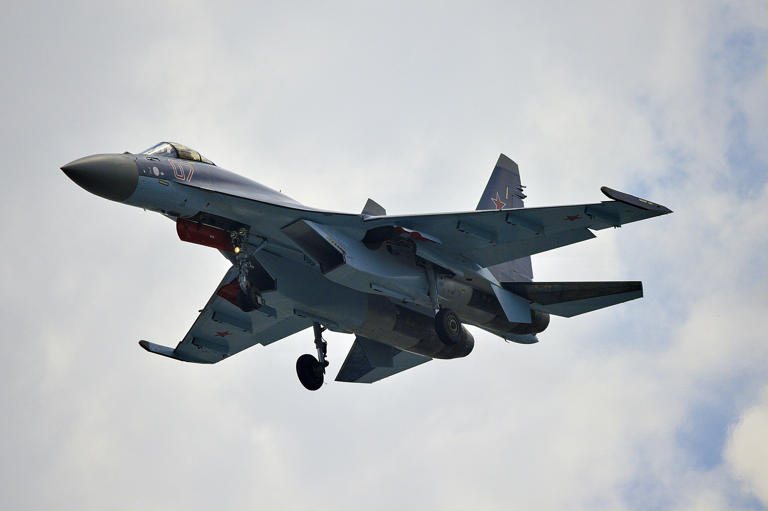
In a significant development in South Asian military affairs, Pakistan has confirmed the deployment of Chinese-made J-10C fighter jets in response to recent Indian military actions. This marks a notable moment in the region’s defense dynamics, highlighting the evolving alliances and military capabilities of both nations.(Daily Times)
Background: Escalating Tensions Between India and Pakistan
The longstanding rivalry between India and Pakistan has seen numerous flashpoints, with Kashmir often at the center. Recent events have intensified this tension, leading to military engagements that have drawn international attention.
The J-10C: A New Player in Pakistan’s Air Defense
The Chengdu J-10C is a fourth-generation, multirole fighter aircraft developed by China. Equipped with advanced avionics, radar systems, and capable of carrying a variety of missiles, the J-10C enhances Pakistan’s aerial combat capabilities.(Wikipedia)
Deployment in Recent Conflict
According to statements from Pakistani officials, the J-10C jets were utilized to counter Indian air incursions. Reports suggest that these aircraft were instrumental in intercepting and neutralizing multiple Indian fighter jets, including the French-made Rafale. While India has not officially confirmed these losses, the incident underscores the J-10C’s operational effectiveness.(Army Recognition, Business Insider, Reuters)
Implications for Regional Security
The use of the J-10C by Pakistan signifies a deepening military collaboration between Islamabad and Beijing. This partnership not only alters the strategic balance in South Asia but also introduces advanced Chinese military technology into active conflict zones, providing real-world performance data.
International Reactions and Concerns
The international community has expressed concern over the escalating military engagements between the two nuclear-armed neighbors. The introduction of advanced fighter jets into the conflict raises the stakes and potential for broader regional instability.
Conclusion
Pakistan’s confirmation of deploying Chinese J-10C fighter jets in its recent military engagements with India marks a pivotal moment in South Asian defense dynamics. As both nations continue to modernize their military capabilities, the international community watches closely, hoping for de-escalation and a return to diplomatic resolutions.
Note: This blog post is based on publicly available information and aims to provide an overview of recent developments in the India-Pakistan conflict concerning the deployment of Chinese-made J-10C fighter jets by Pakistan.
As Pakistan faces an education emergency and rising tensions with India, school closures, digital gaps, and conflict zones disrupt learning. Explore how contingency planning and digital education can protect the future.
Introduction
Pakistan is navigating a dual crisis: a persistent education emergency caused by recurring natural disasters and political instability, and a sharp rise in tensions along the India-Pakistan border. As schools close due to floods, smog, and now cross-border military action, the future of millions of children hangs in the balance. The current India-Pakistan conflict, marked by airspace closures, suspended flights, and ground military activity, adds a new layer of uncertainty to an already fragile education system.
This blog explores how emergencies and conflict affect education in Pakistan, what strategic actions are needed, and how the government and society can respond proactively.
The State of Emergency in Pakistan’s Education System
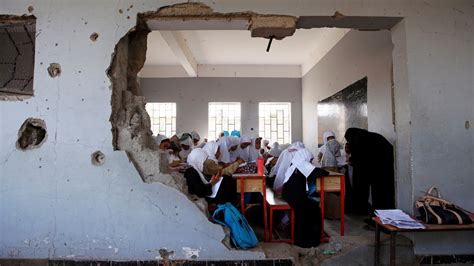
Even before the latest India-Pakistan military tensions, Pakistan had declared an education emergency due to poor literacy rates, outdated infrastructure, and a large population of out-of-school children. Floods in 2022 destroyed over 30,000 schools nationwide, leaving millions without access to learning environments.
Now, border clashes and escalating geopolitical conflict have led to new closures in sensitive zones like Punjab and Kashmir. The India Civil Aviation Authority recently closed 24 airports across its northern belt—including Amritsar and Srinagar—due to security threats. These events mirror the growing education disruptions in Pakistan, especially near the Line of Control (LoC).
How Conflict Disrupts Education
The impact of war and military conflict on schooling is both immediate and long-term. In areas close to the India-Pakistan border, many schools have either closed or are being used as emergency shelters. Students in conflict zones face interrupted studies, trauma, and forced displacement, while teachers are unable to safely conduct classes.
These disruptions have intensified the digital divide in Pakistan. Most students in rural areas lack internet access, computers, or even mobile devices that can support online learning. While urban private schools may switch to online classes, millions in public education have no such options.
COVID-19 Lessons Ignored
During the COVID-19 school closures, Pakistan failed to implement a nationwide digital learning strategy. This failure is repeating now amid war threats and natural disasters. With many schools closed again—either due to smog, floods, or fear of shelling—students are once again missing out on vital learning time.
The absence of a contingency plan for emergencies in schools is glaring. Schools and education boards across Pakistan operate in silos, with no centralized mechanism to shift to remote learning or hybrid models when crises hit.
The Psychological Toll on Students
Besides academic loss, the mental health effects of emergencies cannot be overlooked. Whether it’s fear of bombings near the border, anxiety from displacement, or trauma from environmental disasters, students are under constant stress. Without counseling or support systems, these issues often go unaddressed.
In the current climate of India-Pakistan military conflict, many children report feeling unsafe at school or unable to concentrate due to fear of violence. If not managed properly, this will lead to a generation affected not only academically, but emotionally and socially.
What Can Be Done? Strategic Contingency Planning
To address this multi-pronged crisis, Pakistan must develop a long-term education contingency plan with the following components:
1. Disaster-Resilient Infrastructure
Reconstruct schools using flood-proof and earthquake-resistant materials, especially in disaster-prone and border regions.
2. Nationwide Digital Learning Platforms
Develop public digital portals, like a “Pakistan Learning Hub,” that offer curriculum-aligned videos, quizzes, and notes in multiple languages—available online and offline.
3. Emergency School Closure Policy
Create a standardized policy for when schools should close and how students will continue learning during emergencies. This must apply to all provinces and regions, including AJK and Gilgit-Baltistan.
4. Teacher Training
Train teachers in digital tools and emergency classroom management. Encourage them to use platforms like Google Classroom, WhatsApp, and TV-based learning during crises.
5. Mental Health Support
Every district should have mobile mental health teams for trauma-affected students, especially in border areas and flood-hit zones.
Government Action: Too Little or Just in Time?
The federal government’s recent declaration of an education emergency is a step in the right direction, but it lacks funding, policy detail, and execution frameworks. Meanwhile, the rising India-Pakistan tensions are creating further uncertainty in policymaking, with national focus shifting from development to defense.
It is crucial that education is not sidelined in times of war. Even during armed conflict, education is a human right. The global community must pressure both India and Pakistan to respect humanitarian zones, including schools and hospitals.
Global Lessons & Support
Countries like Syria, Ukraine, and Sudan have shown how digital platforms and community schooling can continue during wars. Pakistan must learn from such examples and seek international funding for education in emergencies, especially from organizations like UNICEF, Education Cannot Wait, and UNESCO.
Conclusion: Preparing for the Unpredictable
Whether it’s floods, pandemics, or India-Pakistan cross-border hostilities, education in Pakistan is constantly at risk. We cannot predict the next emergency, but we can prepare for it.
To safeguard the next generation, Pakistan must adopt a resilient, inclusive, and tech-enabled education model that works even in conflict zones and natural disasters. A strategic, fully funded contingency plan is no longer optional—it is a necessity.
Amid growing conflict with Pakistan, India halts flight operations and closes 24 airports, including Amritsar and Srinagar. Major airlines cancel over 300 flights.
In a dramatic turn of events escalating regional tensions, India has suspended flight operations at 24 airports across its northern and western regions, following rising military conflict with Pakistan. This move comes after reports of cross-border airspace violations and the capture of a pilot — though these claims remain unverified by both sides.
According to a late-night update by India’s Civil Aviation Ministry, key domestic airports — including Amritsar, Srinagar, and others near the Pakistan border — are temporarily shut as a “precautionary measure.” The suspension will reportedly remain in effect until Saturday, severely disrupting both domestic and international air travel.
Flight Cancellations and Diversions: Airlines Respond
India’s largest domestic airline, IndiGo, has cancelled 165 flights, while Air India and Air India Express have reportedly cancelled a similar number. Two international Air India flights from Amritsar, near the Pakistan border, were diverted to New Delhi due to sudden airspace restrictions.
Passengers were informed through urgent advisories, with airlines requesting travelers to check for updates before heading to airports. This widespread disruption affects thousands of passengers and comes during a time of already heightened travel demand.
In response to Indian media narratives, Pakistan’s Foreign Office issued a firm rebuttal, labelling the accusations of cross-border attacks on Indian military bases as “baseless and irresponsible.” The FO emphasized Pakistan’s commitment to peace but reiterated its right to respond to any aggression.
As reported by The Washington Post, the international community has urged both nations to exercise restraint and avoid escalation that could destabilize the region.
In April 2025, a deadly attack in Pahalgam, Indian-administered Kashmir, claimed the lives of 26 individuals, predominantly Hindu tourists. This incident has significantly heightened tensions between India and Pakistan, both nuclear-armed nations with a long history of conflict over the Kashmir region. The attack has not only led to a humanitarian crisis but also brought the two countries to the brink of war.
The Pahalgam Attack: A Tragic Event
On April 22, 2025, five armed militants opened fire on a group of tourists in the Baisaran Valley near Pahalgam, resulting in 26 fatalities and 20 injuries. The majority of the victims were Hindus, and the attackers reportedly singled out men, inquiring about their religion before opening fire. The Resistance Front, a militant group linked to the Pakistan-based Lashkar-e-Taiba, initially claimed responsibility for the attack but later retracted the statement. The incident has been described as the deadliest attack on civilians in India since the 2008 Mumbai attacks.
Immediate Repercussions
In the aftermath of the attack, India accused Pakistan of supporting cross-border terrorism and suspended the Indus Waters Treaty, a crucial water-sharing agreement between the two countries. India also expelled Pakistani diplomats, closed borders, and halted trade. Pakistan denied any involvement and retaliated by suspending the Simla Agreement, restricting trade, and closing airspace to Indian airlines. Both nations have engaged in cross-border skirmishes along the Line of Control, further escalating tensions.
Pakistan’s Diplomatic Efforts
Seeking to de-escalate the situation, Pakistan’s Prime Minister Shehbaz Sharif met with ambassadors from Saudi Arabia, Kuwait, and the UAE to request their support in defusing tensions with India. Pakistan emphasized its commitment to regional peace and called on Gulf allies to pressure India towards de-escalation. However, India has maintained its stance, demanding justice for the victims and holding Pakistan accountable.
Legal Challenges and International Concerns
Pakistan is preparing to legally challenge India’s suspension of the Indus Waters Treaty, arguing that it violates international agreements. The move has raised concerns about the potential for a broader conflict, with both countries being nuclear-armed. International bodies, including the United Nations, have called for maximum restraint and urged both nations to engage in dialogue to prevent further escalation.
Impact on Civilians
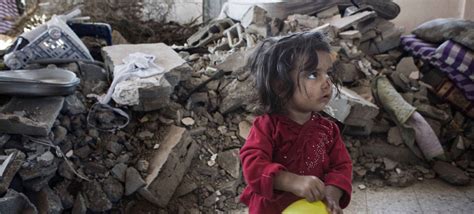
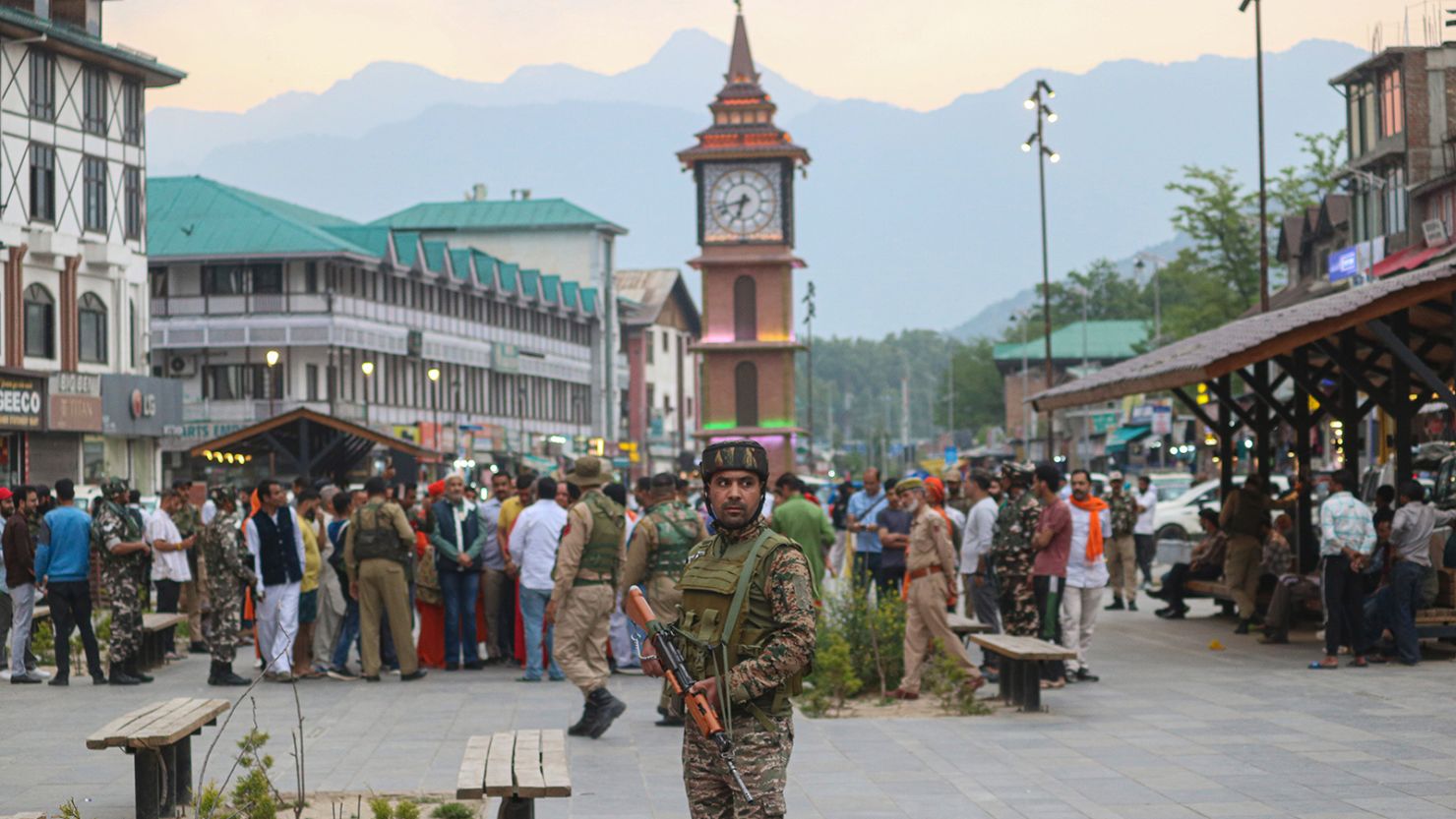
The renewed hostilities have had a profound impact on civilians living along the Line of Control in Kashmir. In Indian-administered areas, residents are living in fear, with limited access to shelters and emergency services. In Pakistani-administered regions, authorities have allocated emergency funds, closed religious seminaries for safety concerns, and placed emergency services on high alert. Humanitarian organizations are mobilizing resources to assist displaced families and provide aid to those affected by the escalating conflict.
Conclusion
The recent events in Kashmir have brought India and Pakistan to the brink of a potential conflict, with severe implications for regional stability and global security. It is imperative for both nations to engage in constructive dialogue, prioritize diplomacy, and work collaboratively to address the underlying issues fueling this longstanding dispute. The international community must also play a proactive role in facilitating peaceful resolutions and preventing further escalation.