Posted on Leave a comment

“New Govt, New Rules: Bangladesh’s Bold $21M Snub to India Signals Policy Shift”

In a significant development reflecting the growing strain in India-Bangladesh relations, Bangladesh has canceled a $21 million defense contract with India’s state-owned Garden Reach Shipbuilders and Engineers Ltd (GRSE). (The Express Tribune)

Background of the Defense Deal

The contract, signed in July 2024, involved the construction of an 800-tonne advanced ocean-going tug for the Bangladesh Navy. This deal was part of India’s $500 million line of credit extended to Bangladesh for defense purchases. (The Times of India, Hindustan Times)

Reasons Behind the Cancellation

While Bangladesh has not officially stated the reasons for the cancellation, several factors suggest a deterioration in bilateral relations:

  • Trade Restrictions: India recently imposed restrictions on imports of Bangladeshi garments, limiting them to specific ports, affecting exports worth approximately $700 million annually. (ARY NEWS)
  • Withdrawal of Transshipment Facilities: India withdrew the transshipment facility previously extended to Bangladesh, which allowed Bangladeshi goods to reach third countries via Indian territory. (The Express Tribune)
  • Political Changes in Bangladesh: The ousting of Prime Minister Sheikh Hasina in August 2024 has led to a shift in Bangladesh’s foreign policy, with the interim government taking a more assertive stance on national sovereignty. (@EconomicTimes)

Impact on GRSE

GRSE confirmed the cancellation in a regulatory disclosure, stating that the financial impact would be negligible, as the order represented just 0.8% of its ₹22,680.75 crore ($2.7 billion) order book as of March 31, 2025. (The Express Tribune)

Broader Implications

The cancellation underscores the fragility of defense and trade relations between India and Bangladesh. Analysts view this move as a possible retaliation for India’s recent trade restrictions and the withdrawal of transshipment facilities. (@EconomicTimes, The Express Tribune)

This development may prompt Bangladesh to seek alternative defense partners, potentially altering the strategic balance in the region.

Conclusion

The cancellation of the $21 million defense deal by Bangladesh signals a significant shift in its diplomatic and defense posture vis-à-vis India. As both nations navigate this period of tension, the future of their bilateral relations will depend on diplomatic engagements and mutual concessions.
Posted on Leave a comment

“Water Wars Begin? India’s Indus Treaty Suspension Puts 240 Million Lives at Risk”

India’s recent decision to suspend the Indus Waters Treaty (IWT) has ignited significant international concern, with Pakistan warning the United Nations that this move threatens the survival of over 240 million people and violates international law.

Background: The Indus Waters Treaty

The IWT, signed in 1960 and brokered by the World Bank, governs the distribution of water from the Indus River system between India and Pakistan. Under the treaty, India controls the eastern rivers (Beas, Ravi, and Sutlej), while Pakistan has rights over the western rivers (Indus, Chenab, and Jhelum). The treaty has been a cornerstone of water-sharing between the two nations for decades.(The Guardian, Wikipedia, Arab News)

Escalation Following the Pahalgam Attack

On April 22, 2025, a deadly attack in Indian-administered Kashmir resulted in the deaths of 26 individuals, primarily Hindu tourists. India attributed the attack to Pakistan-backed militants, a claim Islamabad denies. In response, India suspended the IWT, citing national security concerns. Prime Minister Narendra Modi declared that Pakistan would no longer receive water from rivers over which India holds rights, emphasizing that Pakistan would face severe consequences for supporting terrorism .(Reuters, Wikipedia)

Pakistan’s Appeal to the United Nations

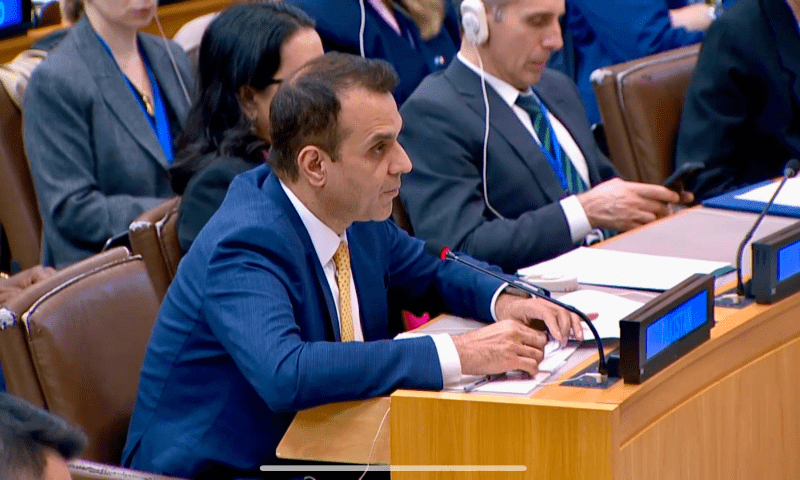
At a UN meeting on May 23, 2025, Pakistan’s Deputy Permanent Representative, Ambassador Usman Jadoon, condemned India’s unilateral suspension of the IWT. He described the move as a “dangerous escalation” and a “grave violation of international law,” including human rights and treaty laws. Ambassador Jadoon highlighted that India’s actions threaten the livelihoods of over 240 million Pakistanis who depend on the Indus River system .(Arab News, Dawn)

Legal and Humanitarian Implications

Pakistan emphasized that India’s suspension of the IWT contravenes international humanitarian law, which prohibits the use of water resources as a weapon in conflicts. Ambassador Jadoon urged the UN Security Council to monitor the situation closely and take preemptive action to prevent a humanitarian catastrophe. He also criticized statements from Indian leadership suggesting intentions to “starve the people of Pakistan,” describing such rhetoric as dangerous and perverse .(Arab News)

Global Reactions and Regional Stability

The international community has expressed concern over the potential for increased tensions between the nuclear-armed neighbors. Analysts warn that the suspension of the IWT could destabilize the region and set a precedent for the weaponization of water resources. The World Bank, which facilitated the original treaty, has yet to comment on the suspension.(Reuters, en.bd-pratidin.com)

Impact on Pakistan’s Agriculture and Economy

Pakistan’s agriculture sector heavily relies on the Indus River system, which supports 80% of the country’s agricultural activities. Any disruption in water flow could have devastating effects on food security and the economy. Farmers in Pakistan have expressed fears that India’s actions could lead to droughts or floods, further exacerbating the country’s challenges .(Reuters, The Guardian)

Conclusion

India’s suspension of the Indus Waters Treaty marks a significant escalation in Indo-Pakistani relations, with far-reaching implications for regional stability and humanitarian concerns. Pakistan’s appeal to the United Nations underscores the urgency of addressing this issue through diplomatic channels to prevent a potential crisis affecting millions.(Arab News)

Posted on Leave a comment

“100 Killed, No Proof: Was Operation Sindoor Just a Propaganda Victory?”

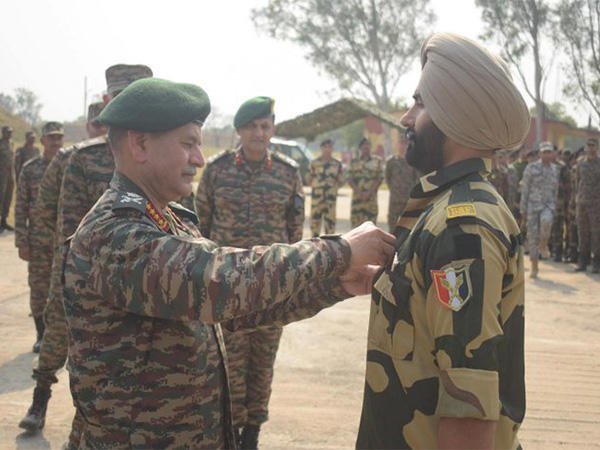
On May 15, 2025, Chief of Army Staff General Upendra Dwivedi honored Constable Harvinder Singh of the Border Security Force (BSF) Jammu with a Commendation Disc for his exceptional diligence during the preparation phase of Operation Sindoor. (SAMBA TIMES)

Operation Sindoor, launched on May 7, 2025, was a decisive military response to the April 22 Pahalgam terror attack, which claimed 26 lives. The operation targeted terrorist infrastructure across Pakistan and Pakistan-occupied Jammu and Kashmir, resulting in the elimination of over 100 terrorists affiliated with groups like Jaish-e-Mohammed, Lashkar-e-Taiba, and Hizbul Mujahideen. (Northeast Live, SAMBA TIMES)

During his visit to forward locations in Baramulla on May 16, General Dwivedi also awarded a Commendation Disc to Head Constable (General Duty) Rantana Ram of the 185 Battalion BSF for his gallant action during the operation. He commended the joint efforts of the Army and BSF personnel for their valor and vigilant actions in dominating the Line of Control (LoC) during Operation Sindoor. (SAMBA TIMES, Northeast Live)

These commendations underscore the critical role of BSF personnel in India’s defense strategy and highlight the successful coordination between the Indian Army and BSF in counter-terrorism operations.(SAMBA TIMES).

Posted on Leave a comment

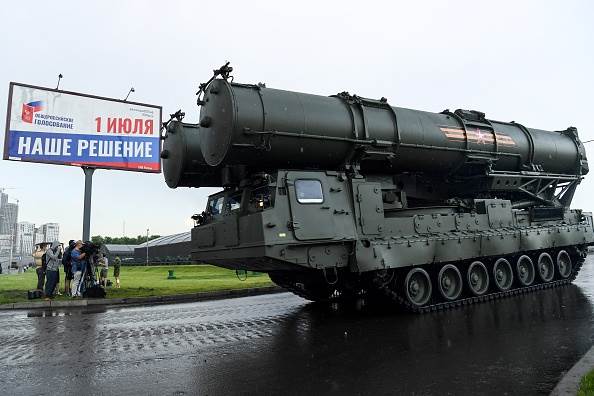
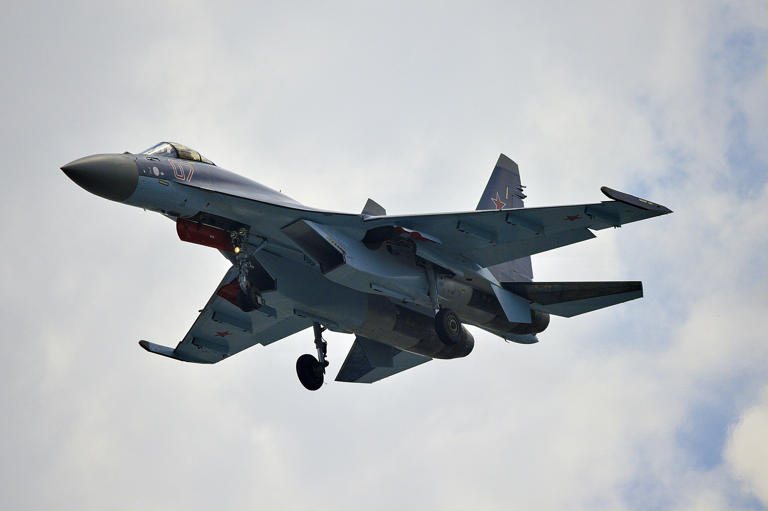
Pakistan destroyed India’s S-400 air defense system?

The claim that Pakistan destroyed India’s S-400 air defense system during the recent escalation between the two countries has been widely circulated in Pakistani media and some international outlets. However, the Indian government has officially refuted these reports, labeling them as misinformation.(@EconomicTimes)

According to Pakistani sources, including the state-run Associated Press of Pakistan (APP), the Pakistan Air Force (PAF) conducted an airstrike targeting the S-400 system at India’s Adampur Air Base using hypersonic missiles launched from JF-17 Thunder jets. These reports suggest that the strike was part of “Operation Bunyan-un-Marsoos” and marked a significant event in the conflict, potentially altering the regional military balance. (Daily Times, Arab News)

In contrast, the Indian government’s Press Information Bureau (PIB) has categorically denied these claims. In a statement released on May 10, 2025, the PIB’s Fact Check unit stated that reports of the destruction of the S-400 system are baseless and urged the public to refrain from spreading unverified information. The Ministry of External Affairs (MEA) also dismissed the allegations, describing them as part of a broader misinformation campaign. (The Times of India, @EconomicTimes, The Times of India)

Independent verification of the incident remains challenging due to the ongoing conflict and restricted access to the affected areas. As such, while Pakistani sources report the successful targeting of the S-400 system, Indian authorities maintain that no such event occurred.(AP News)

In the absence of conclusive evidence, the claim remains contested, highlighting the complexities of information dissemination during times of conflict.

Posted on Leave a comment

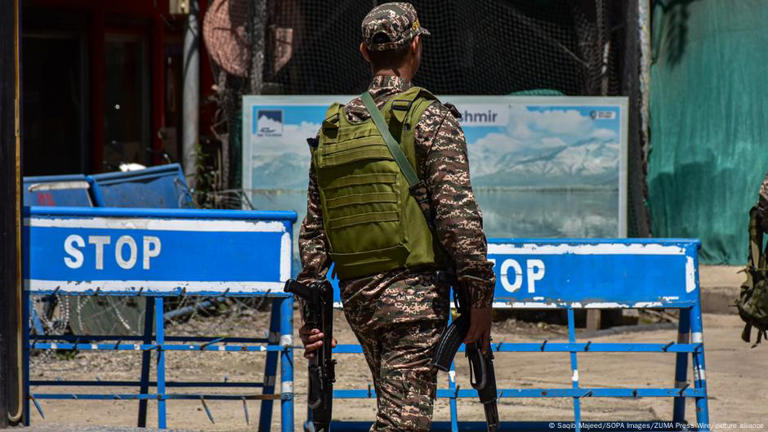
Kashmir crisis sparks press crackdown in India

The recent escalation of tensions between India and Pakistan over the Kashmir conflict has been accompanied by a significant crackdown on press freedom in India, particularly in the Jammu and Kashmir region. This development has raised concerns among international human rights organizations and press freedom advocates.

Journalists Targeted Under Anti-Terror Laws

Several journalists in Kashmir have been arrested under stringent laws such as the Unlawful Activities (Prevention) Act (UAPA) and the Public Safety Act (PSA), often without formal charges or trials.(Wikipedia)

  • Irfan Mehraj: A journalist and researcher associated with the Jammu Kashmir Coalition of Civil Society (JKCCS), Mehraj was arrested in March 2023 by the National Investigation Agency (NIA) on allegations of involvement in “terror funding.” His arrest has been widely criticized by international human rights organizations, including Amnesty International and the United Nations Special Rapporteur on Human Rights Defenders, who have called for his immediate release. (Wikipedia)
  • Asif Sultan: An award-winning journalist known for his reporting on civil unrest in Kashmir, Sultan was arrested in August 2018 under the UAPA for allegedly supporting militant activities. Despite being granted bail in April 2022, he was re-arrested under the PSA and remained in detention until May 2024. His prolonged detention has been condemned by international press freedom organizations. (Wikipedia)

Banning of Political and Religious Organizations

In March 2025, the Indian Ministry of Home Affairs declared the Jammu & Kashmir Ittihadul Muslimeen (JKIM) and the Awami Action Committee as “unlawful associations” under the UAPA. The government accused these organizations of inciting unrest and supporting secessionist activities, leading to their immediate ban for a period of five years. (Wikipedia)

Use of the Public Safety Act (PSA)

The PSA, a law that allows for administrative detention without trial for up to two years, continues to be used extensively in Jammu and Kashmir. Critics argue that the PSA is employed to suppress dissent and silence journalists and activists. The Supreme Court of India has previously expressed concerns about the misuse of the PSA, highlighting its potential to undermine democratic principles. (Wikipedia)

International and Domestic Reactions

The crackdown on press freedom in Kashmir has drawn criticism from various quarters:

  • International Human Rights Organizations: Groups like Amnesty International and the Committee to Protect Journalists have condemned the arrests of journalists and the suppression of free speech in Kashmir.
  • United Nations: UN experts have raised concerns over the legitimacy of the arrests and the broader implications for human rights in the region.(Wikipedia)
  • Domestic Political Leaders: Mehbooba Mufti, former Chief Minister of Jammu and Kashmir, criticized the arrests, stating that journalists are being targeted for simply doing their jobs.

Conclusion

The ongoing conflict in Kashmir has not only escalated military tensions between India and Pakistan but has also led to a significant erosion of press freedom in the region. The use of stringent laws to detain journalists and ban organizations raises serious concerns about the state of democracy and human rights in Jammu and Kashmir. International and domestic voices continue to call for the protection of press freedom and the release of those unjustly detained.

Posted on Leave a comment

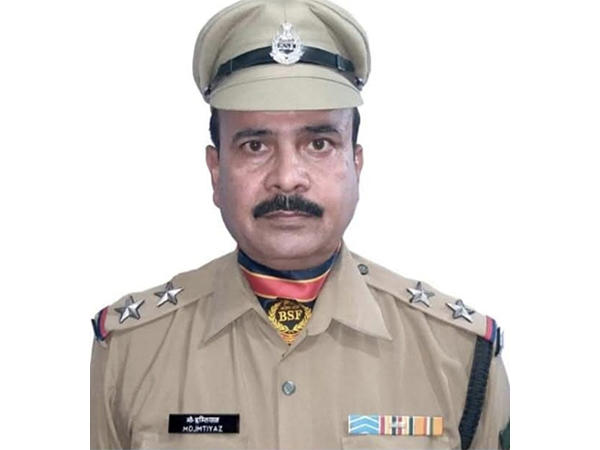
BSF Sub-Inspector Md Imteyaz Killed in Cross-Border Firing in Jammu

On May 10, 2025, Sub-Inspector Md Imteyaz of the Border Security Force (BSF) was killed during cross-border firing by Pakistani forces in the RS Pura sector of Jammu. Seven other BSF personnel were injured in the incident. Imteyaz was leading his unit from the front when the firing occurred. (Hindustan Times, www.ndtv.com, mint)

The BSF paid tribute to Imteyaz, stating, “We salute the supreme sacrifice made by BSF braveheart Sub-Inspector Md Imteyaz in service of the nation on May 10, 2025, during cross-border firing along the International Boundary in RS Pura area, District Jammu.” A wreath-laying ceremony with full honors was scheduled at the BSF’s Jammu frontier headquarters in Paloura on May 11. (www.ndtv.com, OrissaPOST)

The incident occurred just hours after India and Pakistan agreed to a ceasefire, effective from 5 PM IST on May 10. However, the ceasefire was violated shortly after its implementation, leading to multiple casualties among Indian security forces, including Imteyaz. (mint)

India’s Foreign Secretary Vikram Misri condemned the violations, stating that the Indian Armed Forces have been instructed to respond strongly to any further breaches along the border. (The Economic Times)

The loss of Sub-Inspector Md Imteyaz underscores the fragile nature of the ceasefire and the ongoing tensions along the India-Pakistan border.

Posted on Leave a comment

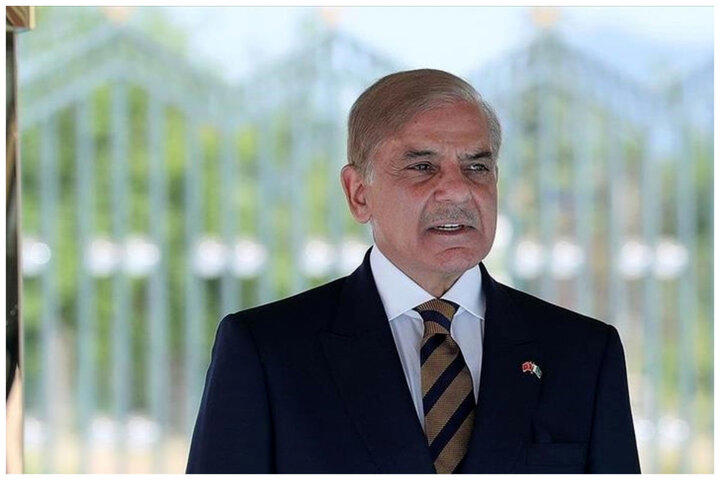
PM Shehbaz Sharif Unites Political Leaders Amid Escalating Tensions with India

In the wake of escalating hostilities between Pakistan and India, Prime Minister Shehbaz Sharif has taken decisive steps to consult with political leaders across the spectrum, aiming to forge a unified national response. This move comes after a series of Indian missile and drone strikes targeting Pakistani civilian and military sites, including the Noor Khan Airbase .(The News International)

A Unified Front Against Aggression

During high-level meetings, PM Sharif briefed leaders from major political parties on the nature of India’s unprovoked attacks and Pakistan’s measured yet robust military response. He emphasized the professionalism and restraint exhibited by the Pakistani armed forces, highlighting their commitment to defending national sovereignty without escalating the conflict unnecessarily.(The Express Tribune)

Leaders from various parties, including the Pakistan People’s Party (PPP), expressed solidarity with the government’s stance. PPP Chairman Bilawal Bhutto Zardari commended the Prime Minister’s leadership and the military’s disciplined response, stating that the nation stands united in the face of external threats .(The Express Tribune)

Operation Bunyān al-Marsūs: A Strategic Response

In retaliation to India’s aggression, Pakistan launched “Operation Bunyān al-Marsūs,” targeting key Indian military installations used to orchestrate attacks on Pakistani territory. PM Sharif assured political leaders that the operation was executed with precision, aiming to neutralize threats while minimizing collateral damage .(Daily Qudrat English, Daily Qudrat English)

Despite the provocations, Pakistan initially exercised restraint, even proposing a neutral investigation into the Pahalgam incident, which India declined. This approach underscores Pakistan’s preference for diplomatic solutions over military confrontation.(Daily Qudrat English)

International Mediation and Ceasefire Efforts

The international community, including the United States, Saudi Arabia, and Turkey, played a pivotal role in mediating a ceasefire between the two nations. However, the situation remains fragile, with reports of continued cross-border shelling and drone activity threatening to derail peace efforts .(AP News, The Guardian)

PM Sharif’s consultations with political leaders are part of a broader strategy to present a cohesive national front, reinforcing Pakistan’s commitment to peace while remaining prepared to defend its sovereignty.

Conclusion

Prime Minister Shehbaz Sharif’s engagement with political leaders during this critical juncture reflects a commitment to national unity and a strategic approach to external aggression. By fostering consensus and emphasizing diplomatic channels, Pakistan aims to navigate the complexities of regional tensions responsibly.

As the situation evolves, the government’s emphasis on unity and measured responses will be crucial in maintaining stability and safeguarding national interests.

Posted on Leave a comment

Pakistan Resumes Heavy Shelling in Poonch Sector, Escalating Border Tensions

In a significant escalation of hostilities, Pakistan has resumed heavy shelling in the Poonch sector of Jammu and Kashmir, intensifying border tensions between the two nuclear-armed neighbors.

Renewed Ceasefire Violations

The latest round of shelling marks a continuation of ceasefire violations along the Line of Control (LoC), particularly affecting the Poonch and Uri sectors. The Indian Army has responded proportionately to these provocations. (Rediff)

Civilian Impact and Evacuations

The intensified shelling has led to significant civilian distress. Reports indicate that at least 15 civilians, including children, have been killed, and 43 others injured in Poonch district. The attacks have damaged homes, vehicles, and public infrastructure, prompting evacuations from vulnerable areas. (India Today, Wikipedia, The Economic Times)

Broader Regional Escalation

This resurgence of hostilities follows India’s launch of “Operation Sindoor,” targeting terrorist infrastructure in Pakistan and Pakistan-administered Kashmir. In retaliation, Pakistan has engaged in cross-border shelling, drone incursions, and alleged attacks on civilian areas. (Wikipedia)

International Concerns and Calls for Restraint

The escalating conflict has drawn international concern. U.S. Vice President JD Vance has expressed hope for a resolution, while the European Union has called for restraint. Despite diplomatic efforts, the situation remains volatile, with both nations accusing each other of aggression.(The Times)

Conclusion

The resumption of heavy shelling in the Poonch sector underscores the fragile nature of peace along the India-Pakistan border. As civilian casualties mount and infrastructure suffers, the need for diplomatic engagement and de-escalation becomes increasingly urgent.

Posted on Leave a comment

J-10C in Action: Pakistan’s Use of Chinese Fighter Jets Amid Rising Tensions with India

In a significant development in South Asian military affairs, Pakistan has confirmed the deployment of Chinese-made J-10C fighter jets in response to recent Indian military actions. This marks a notable moment in the region’s defense dynamics, highlighting the evolving alliances and military capabilities of both nations.(Daily Times)

Background: Escalating Tensions Between India and Pakistan

The longstanding rivalry between India and Pakistan has seen numerous flashpoints, with Kashmir often at the center. Recent events have intensified this tension, leading to military engagements that have drawn international attention.

The J-10C: A New Player in Pakistan’s Air Defense

The Chengdu J-10C is a fourth-generation, multirole fighter aircraft developed by China. Equipped with advanced avionics, radar systems, and capable of carrying a variety of missiles, the J-10C enhances Pakistan’s aerial combat capabilities.(Wikipedia)

Deployment in Recent Conflict

According to statements from Pakistani officials, the J-10C jets were utilized to counter Indian air incursions. Reports suggest that these aircraft were instrumental in intercepting and neutralizing multiple Indian fighter jets, including the French-made Rafale. While India has not officially confirmed these losses, the incident underscores the J-10C’s operational effectiveness.(Army Recognition, Business Insider, Reuters)

Implications for Regional Security

The use of the J-10C by Pakistan signifies a deepening military collaboration between Islamabad and Beijing. This partnership not only alters the strategic balance in South Asia but also introduces advanced Chinese military technology into active conflict zones, providing real-world performance data.

International Reactions and Concerns

The international community has expressed concern over the escalating military engagements between the two nuclear-armed neighbors. The introduction of advanced fighter jets into the conflict raises the stakes and potential for broader regional instability.

Conclusion

Pakistan’s confirmation of deploying Chinese J-10C fighter jets in its recent military engagements with India marks a pivotal moment in South Asian defense dynamics. As both nations continue to modernize their military capabilities, the international community watches closely, hoping for de-escalation and a return to diplomatic resolutions.

Note: This blog post is based on publicly available information and aims to provide an overview of recent developments in the India-Pakistan conflict concerning the deployment of Chinese-made J-10C fighter jets by Pakistan.

Posted on Leave a comment

India Issues Stern Warning to Pakistan Amid Escalating Tensions

Japan, Germany, Mauritius seek more Indian talent: EAM S Jaishankar ...

India Issues Stern Warning to Pakistan Amid Escalating Tensions

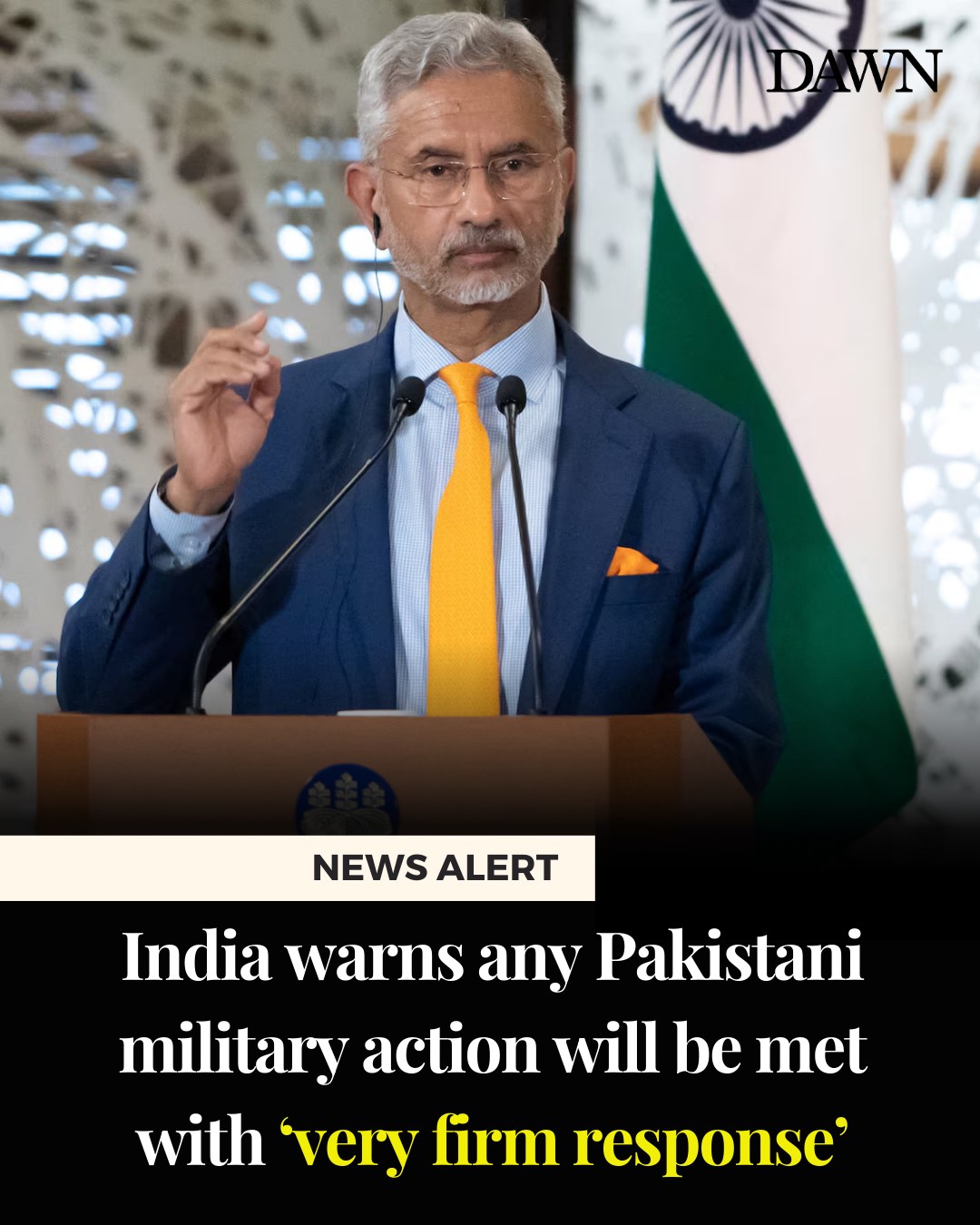
In a significant escalation of regional tensions, Indian Foreign Minister S. Jaishankar has issued a stern warning to Pakistan, asserting that any military aggression will be met with a “very, very firm response.” This declaration follows India’s recent missile strikes on multiple locations within Pakistan, targeting what it describes as terrorist infrastructure.(The Guardian)

Background of the Escalation

On May 6, 2025, India launched “Operation Sindoor,” a series of missile strikes aimed at nine sites in Pakistan and Pakistan-administered Kashmir. These strikes were in retaliation for a deadly terrorist attack on April 22 in Pahalgam, Indian-administered Kashmir, which resulted in the deaths of 26 Hindu tourists. India attributed the attack to Pakistan-based militant groups Jaish-e-Mohammed and Lashkar-e-Taiba.(New York Post, Reuters)

India maintains that the strikes were “targeted and measured,” focusing solely on terrorist camps and avoiding civilian areas. However, Pakistan has contested this claim, reporting that the strikes resulted in at least 31 civilian deaths and 46 injuries, including the destruction of mosques in Bahawalpur and Kotli .(The Guardian)

Pakistan’s Response

In the wake of the strikes, Pakistan has condemned India’s actions as an “act of war.” The Pakistani military claims to have shot down five Indian aircraft and a drone, though India disputes these assertions. Prime Minister Shehbaz Sharif has authorized “corresponding action,” indicating a potential for further military engagement .(The Guardian, Reuters, The Guardian)

Cross-border shelling has intensified along the Line of Control (LoC), leading to additional civilian casualties on both sides. The situation remains volatile, with both nations on high alert.(Reuters)

International Reactions

The international community has expressed deep concern over the escalating conflict between the two nuclear-armed neighbors. The United Nations has called for immediate de-escalation, emphasizing the need for restraint to prevent a larger conflict. U.S. President Donald Trump described the situation as a “shame” and urged both countries to avoid further escalation, offering to mediate if necessary .(The Guardian, Time)

Iranian Foreign Minister Abbas Araghchi is scheduled to meet with Jaishankar in New Delhi, following visits to both countries, in an effort to mediate and reduce tensions .(Malay Mail)

Current Status

As of now, both India and Pakistan have fortified their military positions along the border, with increased troop deployments and heightened surveillance. Airspace restrictions have been implemented, and several international flights have been canceled due to safety concerns. The situation remains tense, with the potential for further escalation if diplomatic efforts fail to yield results.