Posted on Leave a comment

“New Govt, New Rules: Bangladesh’s Bold $21M Snub to India Signals Policy Shift”

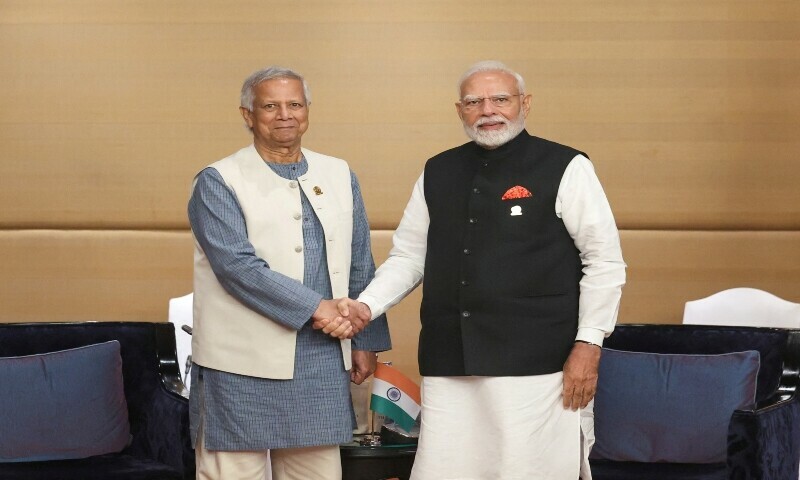
In a significant development reflecting the growing strain in India-Bangladesh relations, Bangladesh has canceled a $21 million defense contract with India’s state-owned Garden Reach Shipbuilders and Engineers Ltd (GRSE). (The Express Tribune)

Background of the Defense Deal

The contract, signed in July 2024, involved the construction of an 800-tonne advanced ocean-going tug for the Bangladesh Navy. This deal was part of India’s $500 million line of credit extended to Bangladesh for defense purchases. (The Times of India, Hindustan Times)

Reasons Behind the Cancellation

While Bangladesh has not officially stated the reasons for the cancellation, several factors suggest a deterioration in bilateral relations:

  • Trade Restrictions: India recently imposed restrictions on imports of Bangladeshi garments, limiting them to specific ports, affecting exports worth approximately $700 million annually. (ARY NEWS)
  • Withdrawal of Transshipment Facilities: India withdrew the transshipment facility previously extended to Bangladesh, which allowed Bangladeshi goods to reach third countries via Indian territory. (The Express Tribune)
  • Political Changes in Bangladesh: The ousting of Prime Minister Sheikh Hasina in August 2024 has led to a shift in Bangladesh’s foreign policy, with the interim government taking a more assertive stance on national sovereignty. (@EconomicTimes)

Impact on GRSE

GRSE confirmed the cancellation in a regulatory disclosure, stating that the financial impact would be negligible, as the order represented just 0.8% of its ₹22,680.75 crore ($2.7 billion) order book as of March 31, 2025. (The Express Tribune)

Broader Implications

The cancellation underscores the fragility of defense and trade relations between India and Bangladesh. Analysts view this move as a possible retaliation for India’s recent trade restrictions and the withdrawal of transshipment facilities. (@EconomicTimes, The Express Tribune)

This development may prompt Bangladesh to seek alternative defense partners, potentially altering the strategic balance in the region.

Conclusion

The cancellation of the $21 million defense deal by Bangladesh signals a significant shift in its diplomatic and defense posture vis-à-vis India. As both nations navigate this period of tension, the future of their bilateral relations will depend on diplomatic engagements and mutual concessions.
Posted on Leave a comment

“Water Wars Begin? India’s Indus Treaty Suspension Puts 240 Million Lives at Risk”

India’s recent decision to suspend the Indus Waters Treaty (IWT) has ignited significant international concern, with Pakistan warning the United Nations that this move threatens the survival of over 240 million people and violates international law.

Background: The Indus Waters Treaty

The IWT, signed in 1960 and brokered by the World Bank, governs the distribution of water from the Indus River system between India and Pakistan. Under the treaty, India controls the eastern rivers (Beas, Ravi, and Sutlej), while Pakistan has rights over the western rivers (Indus, Chenab, and Jhelum). The treaty has been a cornerstone of water-sharing between the two nations for decades.(The Guardian, Wikipedia, Arab News)

Escalation Following the Pahalgam Attack

On April 22, 2025, a deadly attack in Indian-administered Kashmir resulted in the deaths of 26 individuals, primarily Hindu tourists. India attributed the attack to Pakistan-backed militants, a claim Islamabad denies. In response, India suspended the IWT, citing national security concerns. Prime Minister Narendra Modi declared that Pakistan would no longer receive water from rivers over which India holds rights, emphasizing that Pakistan would face severe consequences for supporting terrorism .(Reuters, Wikipedia)

Pakistan’s Appeal to the United Nations

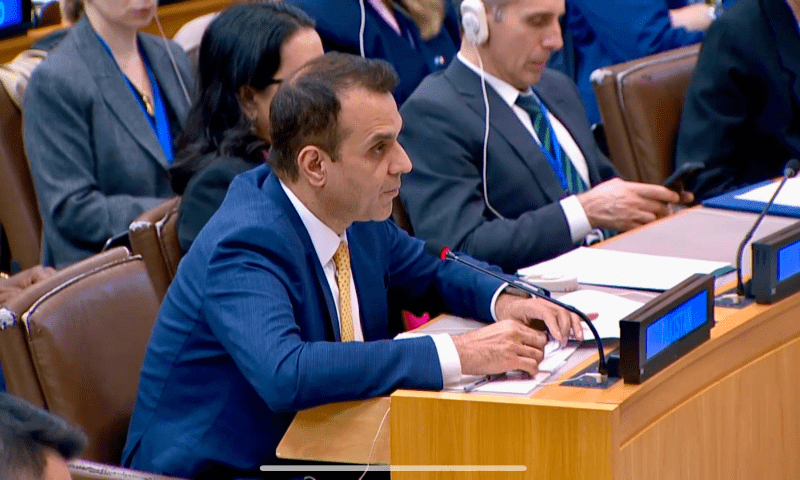
At a UN meeting on May 23, 2025, Pakistan’s Deputy Permanent Representative, Ambassador Usman Jadoon, condemned India’s unilateral suspension of the IWT. He described the move as a “dangerous escalation” and a “grave violation of international law,” including human rights and treaty laws. Ambassador Jadoon highlighted that India’s actions threaten the livelihoods of over 240 million Pakistanis who depend on the Indus River system .(Arab News, Dawn)

Legal and Humanitarian Implications

Pakistan emphasized that India’s suspension of the IWT contravenes international humanitarian law, which prohibits the use of water resources as a weapon in conflicts. Ambassador Jadoon urged the UN Security Council to monitor the situation closely and take preemptive action to prevent a humanitarian catastrophe. He also criticized statements from Indian leadership suggesting intentions to “starve the people of Pakistan,” describing such rhetoric as dangerous and perverse .(Arab News)

Global Reactions and Regional Stability

The international community has expressed concern over the potential for increased tensions between the nuclear-armed neighbors. Analysts warn that the suspension of the IWT could destabilize the region and set a precedent for the weaponization of water resources. The World Bank, which facilitated the original treaty, has yet to comment on the suspension.(Reuters, en.bd-pratidin.com)

Impact on Pakistan’s Agriculture and Economy

Pakistan’s agriculture sector heavily relies on the Indus River system, which supports 80% of the country’s agricultural activities. Any disruption in water flow could have devastating effects on food security and the economy. Farmers in Pakistan have expressed fears that India’s actions could lead to droughts or floods, further exacerbating the country’s challenges .(Reuters, The Guardian)

Conclusion

India’s suspension of the Indus Waters Treaty marks a significant escalation in Indo-Pakistani relations, with far-reaching implications for regional stability and humanitarian concerns. Pakistan’s appeal to the United Nations underscores the urgency of addressing this issue through diplomatic channels to prevent a potential crisis affecting millions.(Arab News)

Posted on Leave a comment

“DGISPR’s Mic Drop Moment: How Pakistan Called Out Rahul Gandhi’s ‘Fake Alert’ Theory”

In May 2025, a political controversy erupted in India following statements by Congress leader Rahul Gandhi regarding Operation Sindoor, a military operation targeting terrorist camps in Pakistan. Gandhi alleged that the Indian government had informed Pakistan in advance about the strikes, a claim based on a video clip of External Affairs Minister S. Jaishankar. The Indian government and Pakistan’s military have both refuted this assertion, leading to a heated political debate.

Rahul Gandhi’s Allegations

Rahul Gandhi criticized the Indian government’s handling of Operation Sindoor, asserting that prior notification to Pakistan compromised the mission’s success and endangered Indian forces. He labeled the alleged advance warning as a “crime” and questioned who authorized such a move. Gandhi’s claims were based on a video clip where Minister Jaishankar purportedly mentioned informing Pakistan at the start of the operation. He further questioned the number of Indian aircraft lost due to this alleged disclosure.(The Times of India, The Financial Express)

Government’s Rebuttal

The Indian Ministry of External Affairs (MEA) dismissed Gandhi’s claims as a “misrepresentation of facts.” The MEA clarified that Pakistan was informed only after the initial strikes had been carried out, emphasizing that no prior warning was given to maintain operational security. The government maintained that the operation targeted terrorist infrastructure and that communication with Pakistan occurred post-strike to prevent escalation.(@EconomicTimes, The Times of India, The Financial Express)

Pakistan’s Response

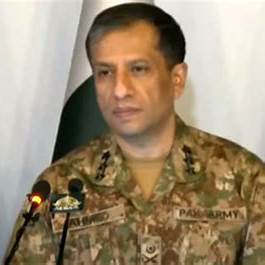
Pakistan’s Director General of Inter-Services Public Relations (DGISPR) also refuted Gandhi’s claims, describing them as a “comical narrative.” The DGISPR stated that no advance notice was received from India regarding the strikes and dismissed the notion of relying on Indian sources for intelligence.(@EconomicTimes)

Political Fallout

The controversy has intensified political tensions within India. The ruling Bharatiya Janata Party (BJP) accused Gandhi of echoing Pakistan’s narrative and undermining national security. BJP leaders criticized Gandhi’s statements, suggesting they could be used by adversaries to question India’s military decisions.

Conclusion

The debate over Operation Sindoor underscores the complexities of military operations and the importance of accurate communication. While the Indian government and Pakistan’s military deny any prior notification, the controversy highlights the need for transparency and accountability in matters of national security.

Posted on Leave a comment

 “Digital Patriotism or Digital Censorship? India’s War on Pakistani Flags”

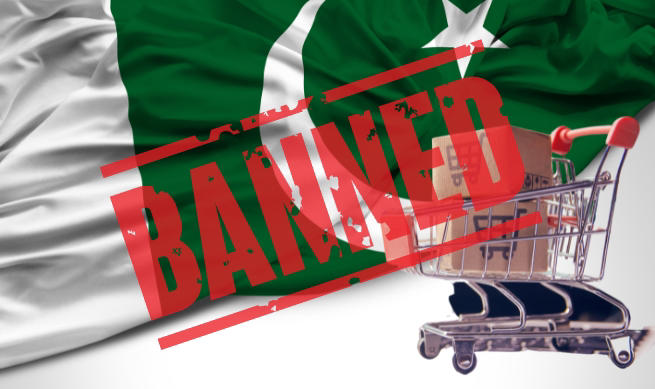
In a decisive move reflecting heightened national sentiment, the Indian government has issued formal notices to major e-commerce platforms, including Amazon India, Flipkart, Ubuy India, Etsy, The Flag Company, and The Flag Corporation, demanding the immediate removal of Pakistani flags and related merchandise from their platforms. This action, spearheaded by the Central Consumer Protection Authority (CCPA), underscores the government’s commitment to upholding national sensitivities and legal compliance in the digital marketplace.(@EconomicTimes, The Times of India)

Background: Operation Sindoor and National Sentiment

The crackdown follows the launch of “Operation Sindoor,” India’s retaliatory military operation targeting terror camps in Pakistan and Pakistan-occupied Kashmir. The operation was initiated in response to the April 22 Pahalgam terror attack, which claimed the lives of 26 civilians. In the wake of these events, national sentiment has surged, prompting authorities to scrutinize and regulate content perceived as insensitive or contrary to national interests.(Free Press Journal, NewsX World)

Government’s Stance and Directives

Union Minister of Consumer Affairs, Pralhad Joshi, took to social media to announce the issuance of notices, stating, “Such insensitivity will not be tolerated.” The CCPA has directed the aforementioned e-commerce platforms to:(Free Press Journal, Hindustan Times)

  • Immediately remove listings of Pakistani flags and related merchandise.(Business Standard)
  • Ensure strict adherence to Indian laws and regulations concerning the sale of national symbols.(Free Press Journal)

The government emphasized that the sale of such items not only violates national sentiment but also poses potential risks to national unity and security.(Business Standard)

E-Commerce Platforms’ Response

In response to the notices, Amazon India clarified that it operates as an online marketplace where independent third-party sellers offer products. The company stated that it relies on these sellers to comply with Indian laws and that non-compliant listings are removed upon notification from relevant authorities. Similarly, other platforms are expected to take corrective measures to align with the government’s directives.(Profit by Pakistan Today, Storyboard18)

Role of Trade Bodies and Public Sentiment

The Confederation of All India Traders (CAIT) played a pivotal role in bringing this issue to the government’s attention. In a formal letter to Union Ministers, CAIT highlighted concerns over the availability of Pakistani flags and related merchandise on Indian e-commerce platforms, describing it as a “grave matter that risks undermining national unity.” The traders’ body urged the government to impose an immediate ban on the sale of such items, reflecting the broader public sentiment against the promotion of foreign national symbols during times of heightened geopolitical tensions.(The Times of India, @EconomicTimes)

Implications for E-Commerce and National Policy

This development signals a broader shift in India’s approach to regulating digital marketplaces, especially concerning content that intersects with national identity and security. E-commerce platforms are now under increased scrutiny to ensure that their listings do not contravene national laws or sentiments. The incident also underscores the importance of proactive content monitoring and compliance mechanisms within these platforms to prevent similar issues in the future.(NewsX World)

Conclusion

The Indian government’s action against the online sale of Pakistani flags serves as a stark reminder of the delicate balance between commerce and national sentiment. As digital marketplaces continue to expand, the onus is on e-commerce platforms to navigate this landscape responsibly, ensuring that their operations align with the legal and cultural frameworks of the regions they serve. This incident not only highlights the need for stringent compliance measures but also reflects the broader national mood in times of geopolitical strain.

Posted on Leave a comment

“100 Killed, No Proof: Was Operation Sindoor Just a Propaganda Victory?”

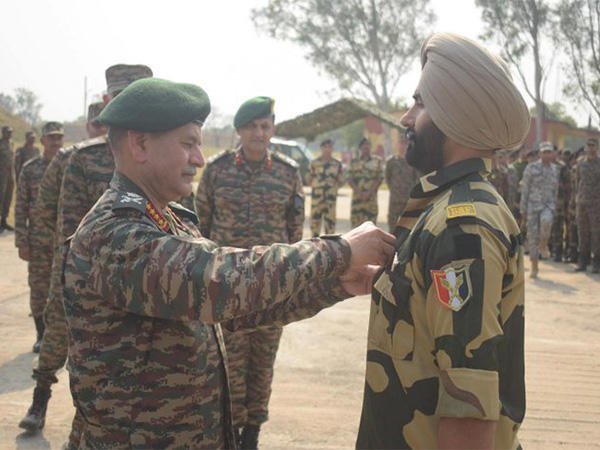
On May 15, 2025, Chief of Army Staff General Upendra Dwivedi honored Constable Harvinder Singh of the Border Security Force (BSF) Jammu with a Commendation Disc for his exceptional diligence during the preparation phase of Operation Sindoor. (SAMBA TIMES)

Operation Sindoor, launched on May 7, 2025, was a decisive military response to the April 22 Pahalgam terror attack, which claimed 26 lives. The operation targeted terrorist infrastructure across Pakistan and Pakistan-occupied Jammu and Kashmir, resulting in the elimination of over 100 terrorists affiliated with groups like Jaish-e-Mohammed, Lashkar-e-Taiba, and Hizbul Mujahideen. (Northeast Live, SAMBA TIMES)

During his visit to forward locations in Baramulla on May 16, General Dwivedi also awarded a Commendation Disc to Head Constable (General Duty) Rantana Ram of the 185 Battalion BSF for his gallant action during the operation. He commended the joint efforts of the Army and BSF personnel for their valor and vigilant actions in dominating the Line of Control (LoC) during Operation Sindoor. (SAMBA TIMES, Northeast Live)

These commendations underscore the critical role of BSF personnel in India’s defense strategy and highlight the successful coordination between the Indian Army and BSF in counter-terrorism operations.(SAMBA TIMES).

Posted on Leave a comment

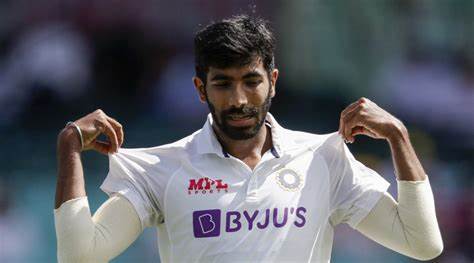
Jasprit Bumrah: R Ashwin Backs Fast Bowler as India’s Next Test Captain Amid Leadership Transition

The Indian cricket team stands at a pivotal juncture following the unexpected retirements of stalwarts Rohit Sharma and Virat Kohli from Test cricket. This sudden leadership vacuum has ignited discussions about the future captaincy of the Test side. Veteran off-spinner Ravichandran Ashwin has voiced his support for ace pacer Jasprit Bumrah to assume the mantle of Test captaincy, emphasizing Bumrah’s experience and leadership qualities.(NewsX World, The Times of India)

🏏 Ashwin Endorses Bumrah for Test Captaincy

In the wake of Rohit and Kohli’s retirements, Ashwin highlighted the pressing need for a seasoned leader to guide the team through this transitional phase. Speaking on his YouTube show ‘Ash Ki Baat’, Ashwin remarked:(NewsBytes, ESPN.com)

“The team that will tour England will be a completely new team, a transformed team where Bumrah will probably be the senior-most player. He is obviously one of the captaincy options; I think he deserves the captaincy, but the selectors will take a decision based on his physical capacity.” (ESPN.com)

Ashwin acknowledged the challenges ahead, noting that the simultaneous retirements of two key players have left a significant leadership void. He emphasized that Bumrah’s experience and calm demeanor make him a suitable candidate to lead the team, especially during the upcoming England tour.(ESPN.com, New Kerala)

🤕 Fitness Concerns Surrounding Bumrah

While Bumrah’s credentials are impressive, concerns about his fitness have been raised. The fast bowler has faced injury setbacks in recent times, including back issues that sidelined him from key series and tournaments. Ashwin pointed out that the selectors would need to consider Bumrah’s physical capacity when making their decision.

Former cricketer Sanjay Manjrekar also weighed in on the debate, expressing surprise that Bumrah isn’t the frontrunner for the captaincy. He stated:(India Today)

“I am shocked that we are looking at any other option other than Bumrah as Test captain! Worried about his injuries? Then choose your vice-captain carefully.” (India Today)

🌟 Shubman Gill: The Emerging Contender

Amid the discussions, young batting sensation Shubman Gill has emerged as a strong contender for the Test captaincy. Reports suggest that the selectors are considering Gill for the role, with Rishabh Pant as a potential vice-captain. However, some experts argue that Gill’s limited experience in English conditions and leadership roles might be a concern. (Indiatimes)

Ashwin acknowledged the potential in Gill but emphasized the importance of experience, especially in challenging overseas tours. He remarked that the team would miss the composure of Rohit and the energy of Kohli, underscoring the need for a leader who can navigate the team through such transitions. (ESPN.com)

🏆 Bumrah’s Leadership Credentials

Jasprit Bumrah’s rise in Indian cricket has been meteoric. Known for his lethal bowling and strategic acumen, Bumrah has previously led the Indian team in the absence of senior players. His calm demeanor under pressure and ability to inspire teammates have been lauded by peers and experts alike.(The Australian)

Bumrah’s leadership qualities were evident during the Border-Gavaskar Trophy against Australia, where he captained the side in Rohit’s absence. His performance and decision-making during that period received widespread appreciation. (NDTVSports.com)

🔮 The Road Ahead

As India prepares for the upcoming Test series in England, the decision regarding the next Test captain becomes crucial. The selectors face the challenge of balancing experience, leadership qualities, and fitness considerations. While Bumrah’s credentials make him a strong candidate, his injury history cannot be overlooked. On the other hand, promoting a young leader like Gill could be a strategic move for the future but comes with its own set of risks.(Indiatimes, ESPN.com)

The Board of Control for Cricket in India (BCCI) is expected to announce the new Test captain ahead of the England tour. Fans and experts alike await this decision, which will shape the future trajectory of Indian Test cricket.(New Kerala)

Posted on Leave a comment

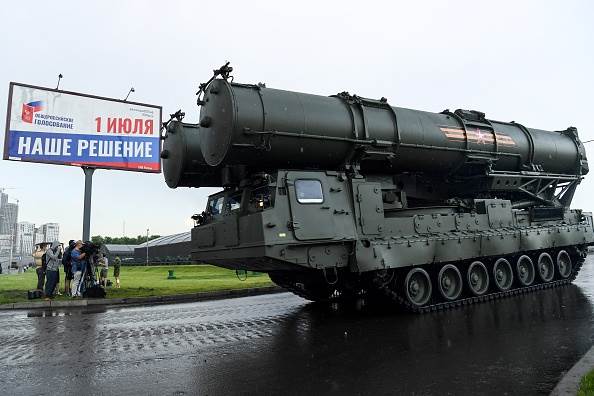
Pakistan destroyed India’s S-400 air defense system?

The claim that Pakistan destroyed India’s S-400 air defense system during the recent escalation between the two countries has been widely circulated in Pakistani media and some international outlets. However, the Indian government has officially refuted these reports, labeling them as misinformation.(@EconomicTimes)

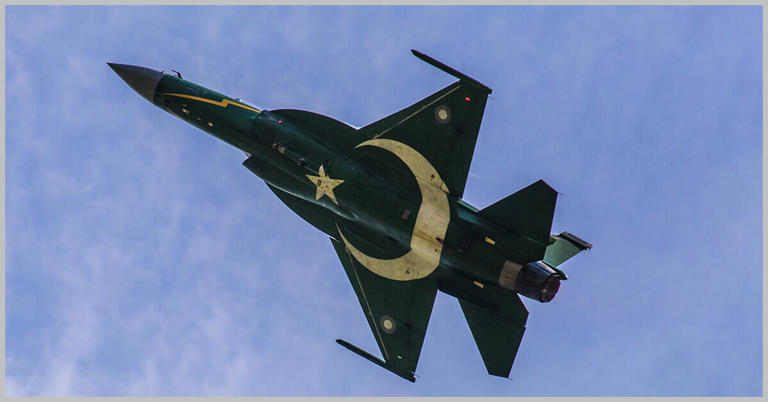
According to Pakistani sources, including the state-run Associated Press of Pakistan (APP), the Pakistan Air Force (PAF) conducted an airstrike targeting the S-400 system at India’s Adampur Air Base using hypersonic missiles launched from JF-17 Thunder jets. These reports suggest that the strike was part of “Operation Bunyan-un-Marsoos” and marked a significant event in the conflict, potentially altering the regional military balance. (Daily Times, Arab News)

In contrast, the Indian government’s Press Information Bureau (PIB) has categorically denied these claims. In a statement released on May 10, 2025, the PIB’s Fact Check unit stated that reports of the destruction of the S-400 system are baseless and urged the public to refrain from spreading unverified information. The Ministry of External Affairs (MEA) also dismissed the allegations, describing them as part of a broader misinformation campaign. (The Times of India, @EconomicTimes, The Times of India)

Independent verification of the incident remains challenging due to the ongoing conflict and restricted access to the affected areas. As such, while Pakistani sources report the successful targeting of the S-400 system, Indian authorities maintain that no such event occurred.(AP News)

In the absence of conclusive evidence, the claim remains contested, highlighting the complexities of information dissemination during times of conflict.

Posted on Leave a comment

Peace with Dignity: A Turning Point in South Asia

In a world already burdened with global conflicts and uncertainty, the recent India-Pakistan ceasefire has brought a much-needed pause to escalating military tensions. The standoff, marked by missile strikes and high-alert defence postures, had the region bracing for another crisis. But thanks to a timely US-mediated truce, the situation has cooled — at least for now.

This development, described as “Peace with Dignity,” isn’t just another truce. It signals the possibility of real peace talks in South Asia, a region long plagued by hostility, nationalism, and unresolved disputes.

The Build-Up: India Pakistan Border Tensions

Over the past several weeks, India Pakistan border tensions reached a dangerous peak. Indian forces reportedly launched missile strikes on non-military targets within Pakistan. In retaliation, the Pakistan Air Force response was swift and strategic — hitting military sites across the border with precision.

These actions had analysts deeply worried about another full-scale war between the two nuclear-armed nations.

Military Showdown: J-10C vs Rafale

One of the most notable moments during this escalation was the performance comparison of J-10C vs Rafale fighter jets. The Pakistan Air Force response featured the Chinese-supplied J-10C, a cost-effective and technologically capable aircraft. Surprisingly, it matched up well against India’s more expensive French-made Rafale jets, proving that strategic use of airpower matters more than just budget.

This added a new layer of analysis in global defense discussions, with many rethinking how cost-efficient air dominance can impact warfare.

Diplomatic Breakthrough: US-Mediated Truce

At the peak of rising tension, global powers stepped in. The US-mediated truce, initiated by President Donald Trump with support from Secretary of State Marco Rubio, helped calm the situation. Through back-channel diplomacy and direct talks with both Prime Ministers, the U.S. helped orchestrate an agreement for an immediate ceasefire.

Key points of the truce include:

  • Full and immediate ceasefire
  • Dialogue between India and Pakistan at a neutral location
  • A mutual agreement to avoid further escalation

This development renewed hope in international diplomacy and the ability of powerful mediators to prevent conflict.

Why This Ceasefire Is Different

What sets this India-Pakistan ceasefire apart is its tone and timing. Unlike previous shaky truces, this one opens the door to actual negotiations. Both sides have agreed to engage in peace talks in South Asia to address key issues — including Kashmir, terrorism, water disputes, and border management.

This may be the first meaningful attempt at establishing long-term peace, and possibly normalizing relations between the two arch-rivals.

The Media’s Role and Global Support

Balanced reporting and pressure from the international community — including China, the UK, and the UN — helped steer the conversation away from war and toward dialogue. Responsible media coverage played a vital role in calming panic and encouraging both sides to de-escalate.

Can This Truce Withstand the Test of Time?

Challenges remain. For this ceasefire to evolve into permanent peace:

  • Political leadership must resist populist war rhetoric
  • Future incidents (especially in Kashmir) must be handled through diplomacy
  • Both nations must avoid military posturing in the media

The threat of renewed violence or provocation lingers. However, if both sides stay committed to progress, they can avoid reigniting India Pakistan border tensions.

For the People: What This Means

For millions of people on both sides of the border — especially in Kashmir and border regions — this truce offers more than political victory. It means:

  • Relief from daily fear
  • Continued access to education, healthcare, and markets
  • A chance at cross-border connectivity in the future

Avoiding war means preserving lives, families, and futures. And that’s where the true value of this India-Pakistan ceasefire lies

A New Hope: Peace with Dignity

Peace with Dignity is not just a symbolic phrase — it’s a real opportunity. If sustained, this ceasefire could mark a long-awaited shift from military confrontation to constructive diplomacy.

For long-term peace to become reality, regional leaders must stay committed, media must be responsible, and international allies must support honest dialogue.

The nuclear threat in South Asia is real. But so is the hope for peace — if we nurture it.

Posted on Leave a comment

Pakistan’s air defence can stop hypersonic weapons, says PAF official

A senior official from the Pakistan Air Force (PAF) has asserted that Pakistan’s air defense systems are fully capable of intercepting hypersonic weapons, marking a significant development in the region’s defense capabilities.

PAF’s Claim on Hypersonic Defense

During a press briefing held alongside the Director General of Inter-Services Public Relations (ISPR), Air Vice Marshal Aurangzeb Ahmed stated that Pakistan’s air defense infrastructure is equipped to counter high-speed threats, including hypersonic missiles. He emphasized the rapid response capabilities of the PAF, highlighting an incident on the night between May 6 and 7, where Indian aircraft attempted to breach Pakistani airspace. According to Ahmed, the PAF responded within two minutes of detection, engaging the threat for over an hour and successfully downing an Indian fighter jet. (Daily Times)

Deployment of Hypersonic Missiles

In a related development, Pakistan has claimed the successful deployment of Chinese-supplied CM-400AKG hypersonic missiles. Footage released by Pakistani authorities shows a JF-17 “Thunder” multirole fighter, co-produced by Pakistan Aeronautical Complex and China’s Chengdu Aircraft Corporation, armed with two CM-400AKG missiles. These missiles were reportedly used to target and destroy India’s S-400 “Triumf” air defense system stationed at the Adampur Air Force Station in Punjab. (Defence Security Asia)

The CM-400AKG is known for its high-speed, high-precision capabilities, designed to penetrate advanced air defense systems. The successful use of such missiles indicates a significant enhancement in Pakistan’s offensive capabilities.(Defence Security Asia)

Strategic Implications

The assertion of hypersonic interception capabilities, coupled with the deployment of hypersonic missiles, suggests a shift in the strategic balance in South Asia. Pakistan’s advancements in missile technology, including the integration of hypersonic weapons into its arsenal, reflect a broader effort to modernize its military capabilities.

These developments are particularly significant given the historical tensions between India and Pakistan, both nuclear-armed nations. The introduction of hypersonic technology into the region’s military dynamics could potentially alter the strategic calculus, emphasizing the need for continued dialogue and confidence-building measures to maintain regional stability.

It’s important to note that while Pakistan has made these claims, independent verification from neutral sources is essential to confirm the capabilities and effectiveness of the systems mentioned.

Posted on Leave a comment

BSF Sub-Inspector Md Imteyaz Killed in Cross-Border Firing in Jammu

On May 10, 2025, Sub-Inspector Md Imteyaz of the Border Security Force (BSF) was killed during cross-border firing by Pakistani forces in the RS Pura sector of Jammu. Seven other BSF personnel were injured in the incident. Imteyaz was leading his unit from the front when the firing occurred. (Hindustan Times, www.ndtv.com, mint)

The BSF paid tribute to Imteyaz, stating, “We salute the supreme sacrifice made by BSF braveheart Sub-Inspector Md Imteyaz in service of the nation on May 10, 2025, during cross-border firing along the International Boundary in RS Pura area, District Jammu.” A wreath-laying ceremony with full honors was scheduled at the BSF’s Jammu frontier headquarters in Paloura on May 11. (www.ndtv.com, OrissaPOST)

The incident occurred just hours after India and Pakistan agreed to a ceasefire, effective from 5 PM IST on May 10. However, the ceasefire was violated shortly after its implementation, leading to multiple casualties among Indian security forces, including Imteyaz. (mint)

India’s Foreign Secretary Vikram Misri condemned the violations, stating that the Indian Armed Forces have been instructed to respond strongly to any further breaches along the border. (The Economic Times)

The loss of Sub-Inspector Md Imteyaz underscores the fragile nature of the ceasefire and the ongoing tensions along the India-Pakistan border.