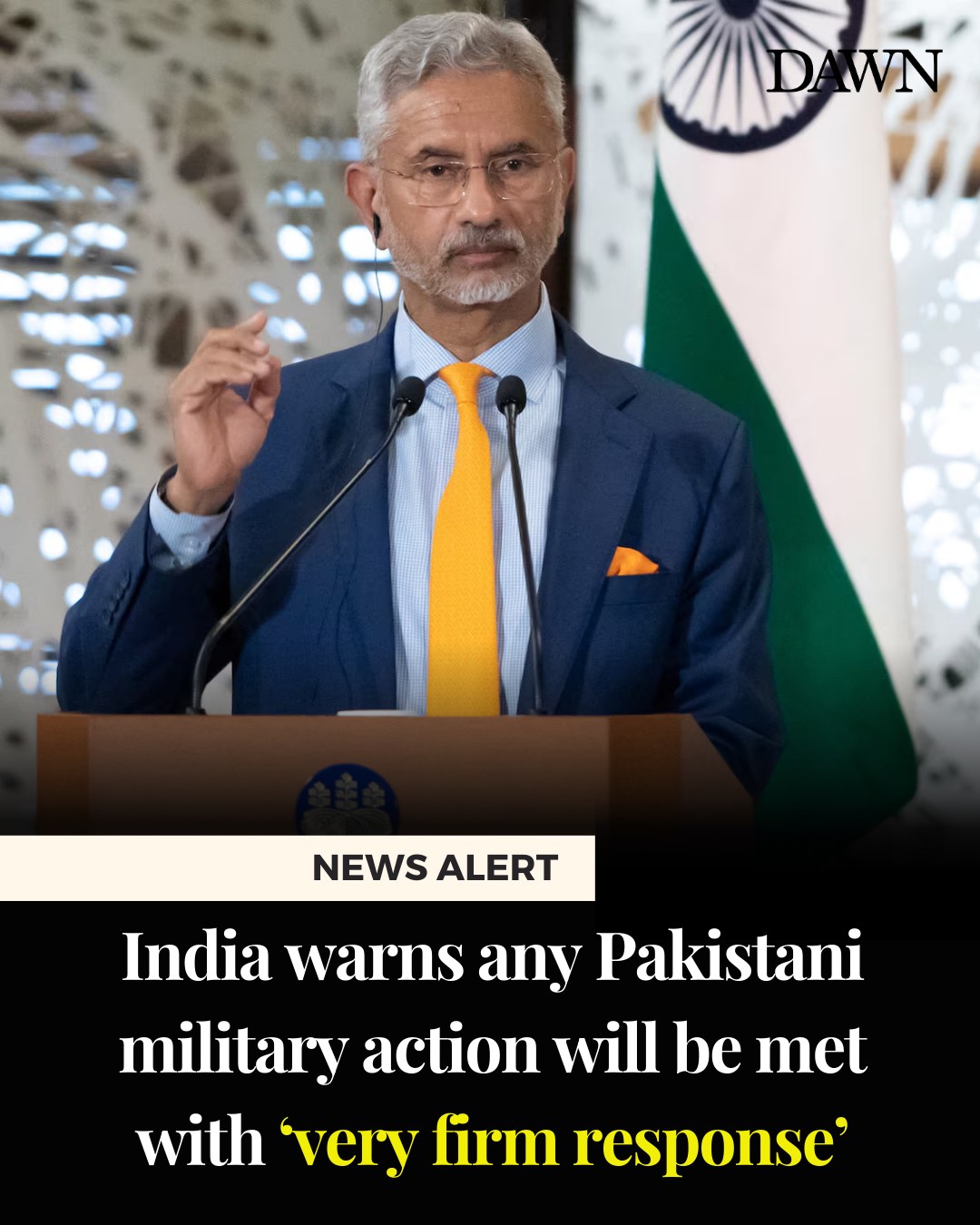
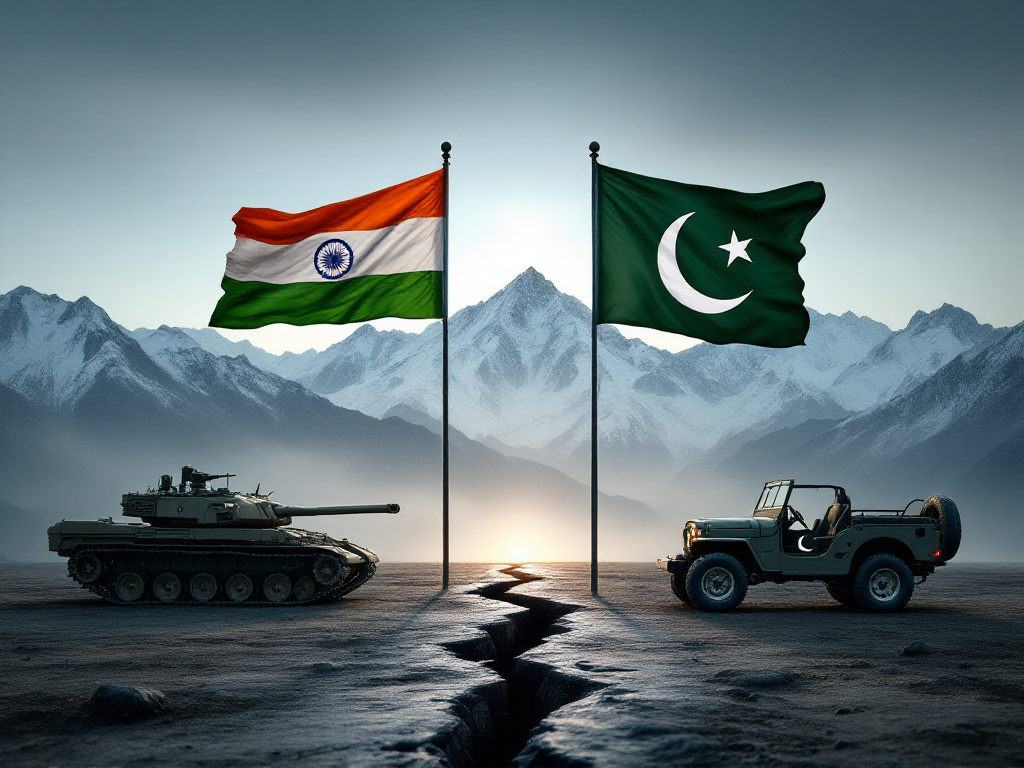
In a world already burdened with global conflicts and uncertainty, the recent India-Pakistan ceasefire has brought a much-needed pause to escalating military tensions. The standoff, marked by missile strikes and high-alert defence postures, had the region bracing for another crisis. But thanks to a timely US-mediated truce, the situation has cooled — at least for now.
This development, described as “Peace with Dignity,” isn’t just another truce. It signals the possibility of real peace talks in South Asia, a region long plagued by hostility, nationalism, and unresolved disputes.
The Build-Up: India Pakistan Border Tensions
Over the past several weeks, India Pakistan border tensions reached a dangerous peak. Indian forces reportedly launched missile strikes on non-military targets within Pakistan. In retaliation, the Pakistan Air Force response was swift and strategic — hitting military sites across the border with precision.
These actions had analysts deeply worried about another full-scale war between the two nuclear-armed nations.
Military Showdown: J-10C vs Rafale
One of the most notable moments during this escalation was the performance comparison of J-10C vs Rafale fighter jets. The Pakistan Air Force response featured the Chinese-supplied J-10C, a cost-effective and technologically capable aircraft. Surprisingly, it matched up well against India’s more expensive French-made Rafale jets, proving that strategic use of airpower matters more than just budget.
This added a new layer of analysis in global defense discussions, with many rethinking how cost-efficient air dominance can impact warfare.
Diplomatic Breakthrough: US-Mediated Truce
At the peak of rising tension, global powers stepped in. The US-mediated truce, initiated by President Donald Trump with support from Secretary of State Marco Rubio, helped calm the situation. Through back-channel diplomacy and direct talks with both Prime Ministers, the U.S. helped orchestrate an agreement for an immediate ceasefire.
Key points of the truce include:
- Full and immediate ceasefire
- Dialogue between India and Pakistan at a neutral location
- A mutual agreement to avoid further escalation
This development renewed hope in international diplomacy and the ability of powerful mediators to prevent conflict.
Why This Ceasefire Is Different
What sets this India-Pakistan ceasefire apart is its tone and timing. Unlike previous shaky truces, this one opens the door to actual negotiations. Both sides have agreed to engage in peace talks in South Asia to address key issues — including Kashmir, terrorism, water disputes, and border management.
This may be the first meaningful attempt at establishing long-term peace, and possibly normalizing relations between the two arch-rivals.
The Media’s Role and Global Support
Balanced reporting and pressure from the international community — including China, the UK, and the UN — helped steer the conversation away from war and toward dialogue. Responsible media coverage played a vital role in calming panic and encouraging both sides to de-escalate.
Can This Truce Withstand the Test of Time?
Challenges remain. For this ceasefire to evolve into permanent peace:
- Political leadership must resist populist war rhetoric
- Future incidents (especially in Kashmir) must be handled through diplomacy
- Both nations must avoid military posturing in the media
The threat of renewed violence or provocation lingers. However, if both sides stay committed to progress, they can avoid reigniting India Pakistan border tensions.
For the People: What This Means
For millions of people on both sides of the border — especially in Kashmir and border regions — this truce offers more than political victory. It means:
- Relief from daily fear
- Continued access to education, healthcare, and markets
- A chance at cross-border connectivity in the future
Avoiding war means preserving lives, families, and futures. And that’s where the true value of this India-Pakistan ceasefire lies
A New Hope: Peace with Dignity
Peace with Dignity is not just a symbolic phrase — it’s a real opportunity. If sustained, this ceasefire could mark a long-awaited shift from military confrontation to constructive diplomacy.
For long-term peace to become reality, regional leaders must stay committed, media must be responsible, and international allies must support honest dialogue.
The nuclear threat in South Asia is real. But so is the hope for peace — if we nurture it.