
Posted on 1 Comment

An International Perspective on the Understanding what is anxiety and Management of Anxiety

Introduction

Fear is an alarm response to current or impending danger (actual or perceived), while anxiety is a future-focused mood state linked to preparing for potential, upcoming bad occurrences. This perspective compares the animal predatory imminence continuum to human fear and anxiety. In other words, fear relates to an animal’s state during predator contact or impending contact, while anxiety relates to an animal’s state during a possible predatory attack.

According to the definitions of anxiety and fear, Lang categorized the symptoms of fear and anxiety into three responses: verbal-subjective, overt motor acts, and somato-visceral activity. Within this system, the symptoms of anxiety include worry (verbal-subjective), avoidance (overt motor acts), and muscle tension (somato-visceral activity), while the symptoms of fear include thoughts of impending danger (verbal-subjective), escape (overt motor), and a strong autonomic surge that causes physical symptoms like sweating, shaking, palpitations, and nausea (somato-visceral).

Anxiety disorder prevalence was gathered from 87 studies conducted in 44 different countries. Prevalence estimates for the previous year ranged from 2.4% to 29.8%, while current prevalence estimates ranged from 0.9% to 28.3%. The largest percentage of variability was explained by substantive characteristics, such as gender, age, culture, conflict and economic status, and urbanicity. An extra 13% of the variation between studies was explained by methodological factors (prevalence period, number of illnesses, and diagnostic tool) in the final multivariate model. After accounting for methodological variations, the current prevalence of anxiety disorders worldwide was 7.3% (4.8–10.9%), with the range being 5.3% (3.5–8.1%) in African cultures and 10.4% (7.0–15.5%) in Euro/Anglo cultures.

Global Prevalence of Anxiety Disorders and Regional variation

Geographical differences in the point prevalence of anxiety disorders ranged from 2.1% (1.8–2.5%) in East Asia to 6.1% (5.1–7.4%) in North Africa/Middle East, a threefold difference. Latin America, high-income areas, and areas with a recent history of conflict have higher rates of anxiety. Estimates were highly questionable, especially for regions for which no data were available. To determine if geographical disparities in the prevalence of anxiety disorders are significant or the result of methodological or cultural differences, more study is needed.

Although there was a 36% increase in the crude number of cases, this was explained by shifting age patterns and population growth. In 1990, the estimated point prevalence of anxiety disorders was 3.8% (3.6–4.1%), and in 2010, it was 4.0% (3.7–4.2%). In 1990 (4.2–4.7%) and 2010, the prevalence of MDD remained constant at 4.4% (4.1–4.7%). But according to eight out of the eleven GHQ trials, psychological discomfort significantly increased over time.

Influence of culture on anxiety

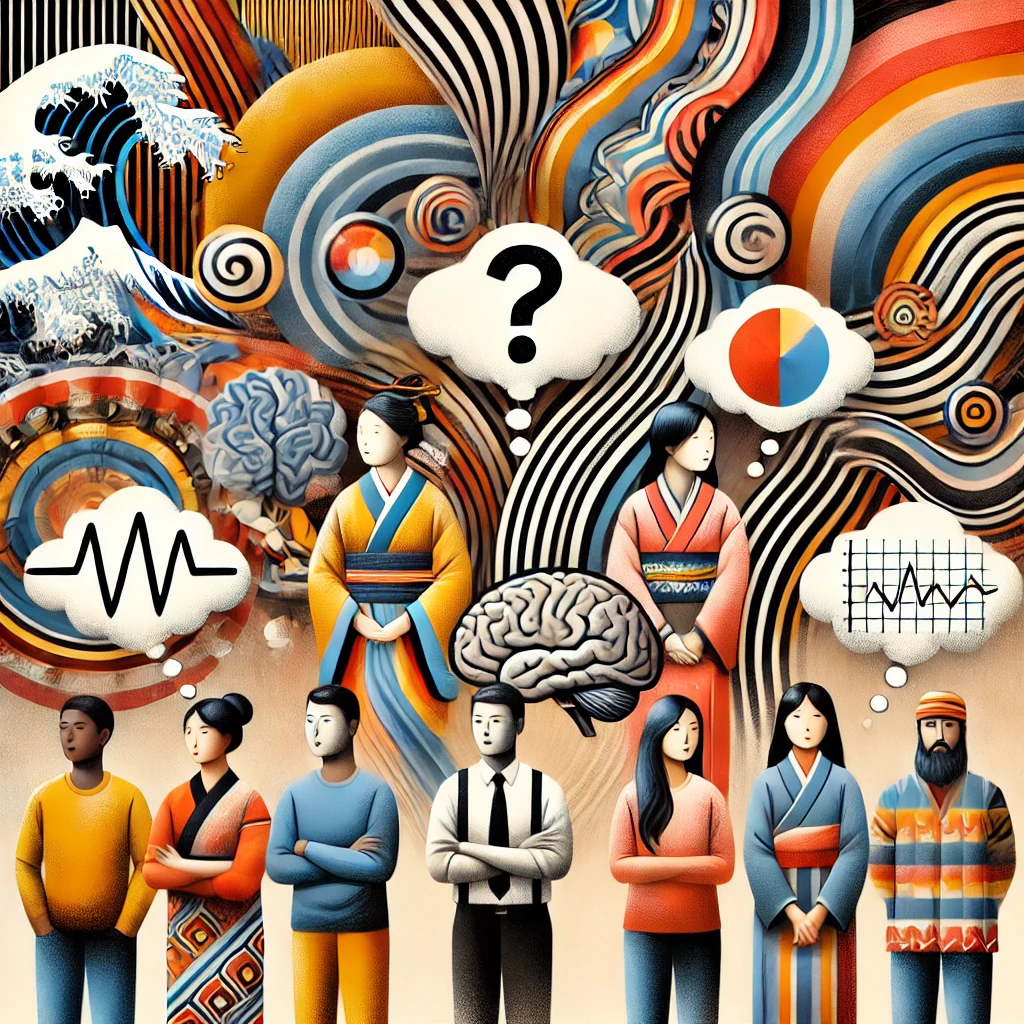
The experience and expression of emotions are influenced by a person’s cultural background. After reviewing the recent literature on cross-cultural aspects of anxiety disorders, we identified some culturally related ethnopsychology/ethnophysiology factors (the culture’s conceptualizations of how the mind and body function) and contextual factors that influence anxiety disorders. While contextual factors are linked to the social norms and rules that may contribute to anxiety, such as self-construals and individualism vs. collectivism, we will discuss “khyâl cap” (“wind attacks”), taijin kyofusho, and ataques de nervios, three well-known examples of culturally specific expressions of anxiety disorders that have all been included in the DSM-5 list of cultural concepts of distress.

Due to linguistic, evaluation, political, geographic, and sociodemographic variations, it is challenging to directly compare prevalence rates between cultures. Comparing several cultural groups within the same multicultural nation may yield a more accurate estimate of the differences in prevalence rates between them. one such study evaluated the prevalence rates of anxiety disorders within a large representative sample of the US population, oversampling Hispanic Americans (N = 3,615), Asian Americans (N = 1,628), and African Americans (N = 4,598) [4]. The findings demonstrated that compared to all other racial groups, Asian Americans consistently endorsed symptoms of all four main anxiety disorders—social anxiety disorder, panic disorder, generalized anxiety disorder, and post-traumatic stress disorder—less frequently. Compared to African Americans (8.6%, 4.9%, 3.8%, respectively), Hispanic Americans (8.2%, 5.8%, 4.1%, respectively), and Asian Americans (5.3%, 2.4%, 2.1%, respectively), White Americans (N = 6,870) consistently supported symptoms of social anxiety disorder (12.6%), generalized anxiety disorder (8.6%), and panic disorder (5.1%). Compared to the White American subgroup (6.5%), Hispanic Americans (5.6%), and Asian Americans (1.6%), African Americans were more likely to meet the criteria for post-traumatic stress disorder (PTSD) (8.6%).
Cultural Perceptions of anxiety and Stigma with it

A meaningful and statistical relationship between these variables was hypothesized, and Asians and Westerners would differ in this relationship. The study included 287 British Asian, western European, and Pakistani individuals. Method: Participants completed the Orientations to Seeking Professional Help (Fischer and Turner 1970), Mental Distress Explanatory Model Questionnaire (Eisenbruch 1990), and demographic data sheet. Results: Similar positive opinions toward obtaining professional treatment for psychological distress were found in British Asians, Westerners, and Pakistanis. The three groups’ mental anguish causation attributions differed significantly. Culture did not predict a positive attitude to seeking professional help, but causal views of mental suffering did for British Asian and Pakistani populations. Western attitudes to requesting aid were not predicted by beliefs. Conclusion: Culturally influenced mental distress causation beliefs influence Asians’ attitudes toward obtaining professional care for psychological issues. The implications for research and better health services for the British Asian minority community are highlighted.

There is a huge difference between the help seeking behaviors of the different communities. The decision of whether or not an individual will seek professional assistance or rely on traditional healing practices is influenced by cultural norms. For instance, due to cultural beliefs and a lack of trust in established healthcare institutions, some Latino populations may seek the advice of folk healers rather than professional medical professionals.

Impact of Acculturation

Acculturation is defined as the process by which a person accepts, learns, and adapts to a new cultural setting as a result of being immersed in a different culture or when someone is introduced to another culture. The phrase “culture change” is used in workplaces and public policymaking to highlight how cultural capital affects both individual and collective behavior. The reconstruction of a society’s cultural concept has been referred to as “repositioning of culture”. It emphasizes how social and cultural capital influence decision-making and how they combine with other elements, such as information accessibility or the financial incentives people face to influence their behavior.

The first psychological theory of acculturation was proposed in W.I. Thomas and Florian Znaniecki‘s 1918 study, The Polish Peasant in Europe and America found that Polish immigrants in Chicago showed three types of acculturation that match three personality types: the Bohemian type adopted the host culture and gave up their own culture, the Philistine type failed to adopt the host culture but kept their own culture, and the creative type was able to adapt to the host culture while keeping their own culture.

Getting used to a new society can be stressful for immigrants and refugees, which can make their anxiety symptoms worse. Language barriers, discrimination, and losing social support are some of the things that make this worry worse. It can vary with different generations depending on how much they adopt new culture and how much they hold on to traditional values, first-generation immigrants may feel different amounts of anxiety than later generations. This can also apply to the new workplace when they change their working environment, they experience different symptoms of anxiety or stress that is associated with the unable to adapt with the new culture a process explained as marginalization (sidelined in new culture) in the literature.

Contributing Factors to Anxiety

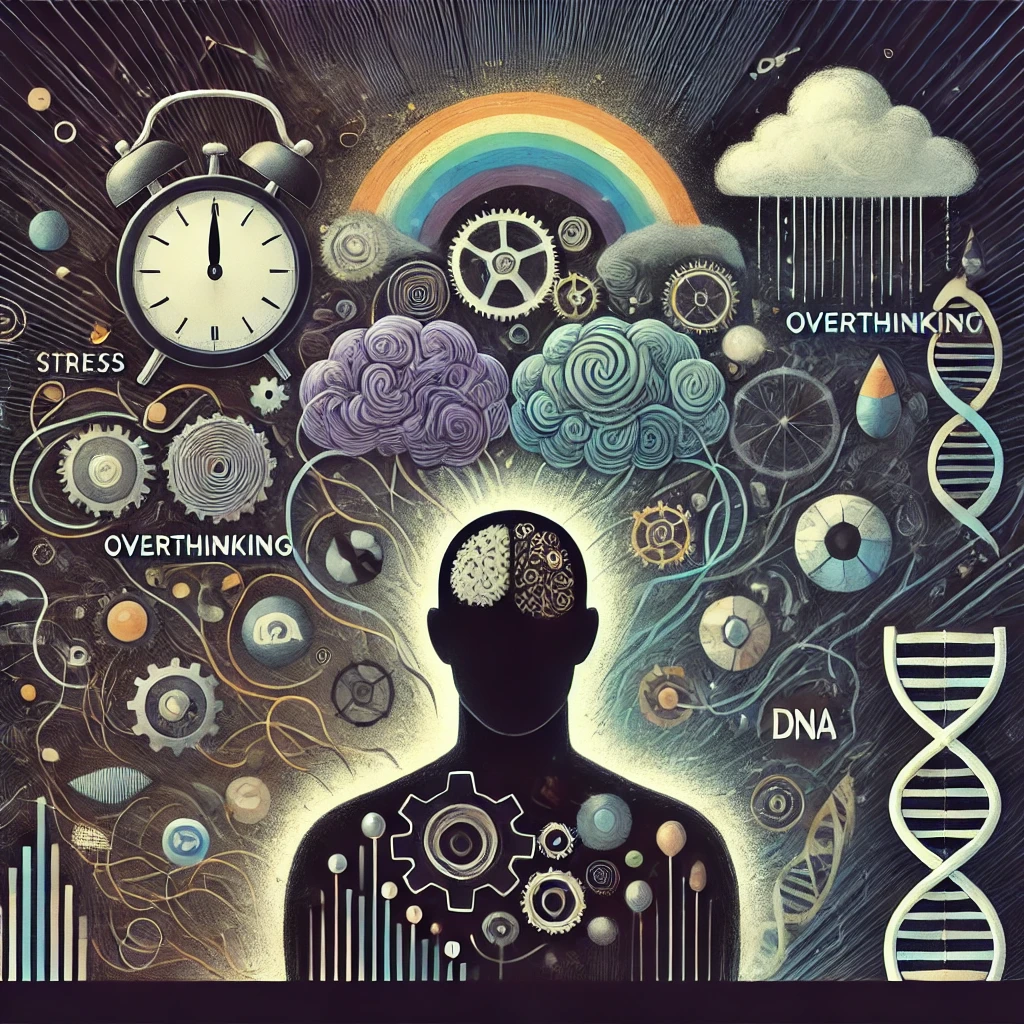
There are a lot of biological, psychological, environmental, and lifestyle factors that can lead to anxiety conditions. To manage and avoid problems well, you need to know about these factors that affect them. Here’s a thorough look at the things that can cause anxiety.
1.Biofactors

Genetic: A genetic susceptibility to anxiety is often found in families.
Research Source: According to Smoller et al. (2009) in Nature Reviews

Neurotransmitter Imbalances: Neuroscience, genetic differences in neurotransmitter pathways are associated to anxiety disorders. Increased anxiety can result from dysregulation of neurotransmitters such as serotonin, dopamine, and GABA.
Example: Low GABA levels enhance brain excitability, a hallmark of anxiety.

2.Psychological Factors

Negative Thought Patterns: People who have low self-esteem, perfectionism, and persistently negative thoughts are more likely to experience anxiety.
Catastrophizing is one cognitive distortion that makes anxiety symptoms worse.

Trauma and Adverse Experiences: Anxiety is more likely to develop in those who have experienced trauma, particularly as children.
Citation for Research: The effect of Adverse Childhood Experiences (ACEs) on mental health outcomes was covered by Felitti et al. (1998).

3.Environmental Factors

Stressful Life Events: Anxiety can be triggered by situations like losing one’s job, being divorced, or losing a loved one.

Social and Economic Stressors: Unemployment, social inequality, and financial instability all play a big role. (The Lancet Psychiatry)

4.Lifestyle Factors

Absence of Physical Activity: Since exercise is known to lower stress and elevate mood, sedentary behavior might make anxiety worse.
For instance, endorphins, which are released during aerobic activities like swimming or running, can help reduce anxiety.

Poor Diet: Processed foods and sugar-rich diets can have an impact on mood and brain function. (Nutritional Neuroscience)

Chronic sleep deprivation impairs emotional control and makes people more susceptible to worry.
For instance, the body’s stress reaction is heightened when restorative sleep is not possible.

5.Cultural and Social Influences

Cultural Norms and Expectations: Anxiety can result from social pressure to fit in or achieve.
For instance, social anxiety may arise in collectivist cultures as a result of the dread of disappointing family members.

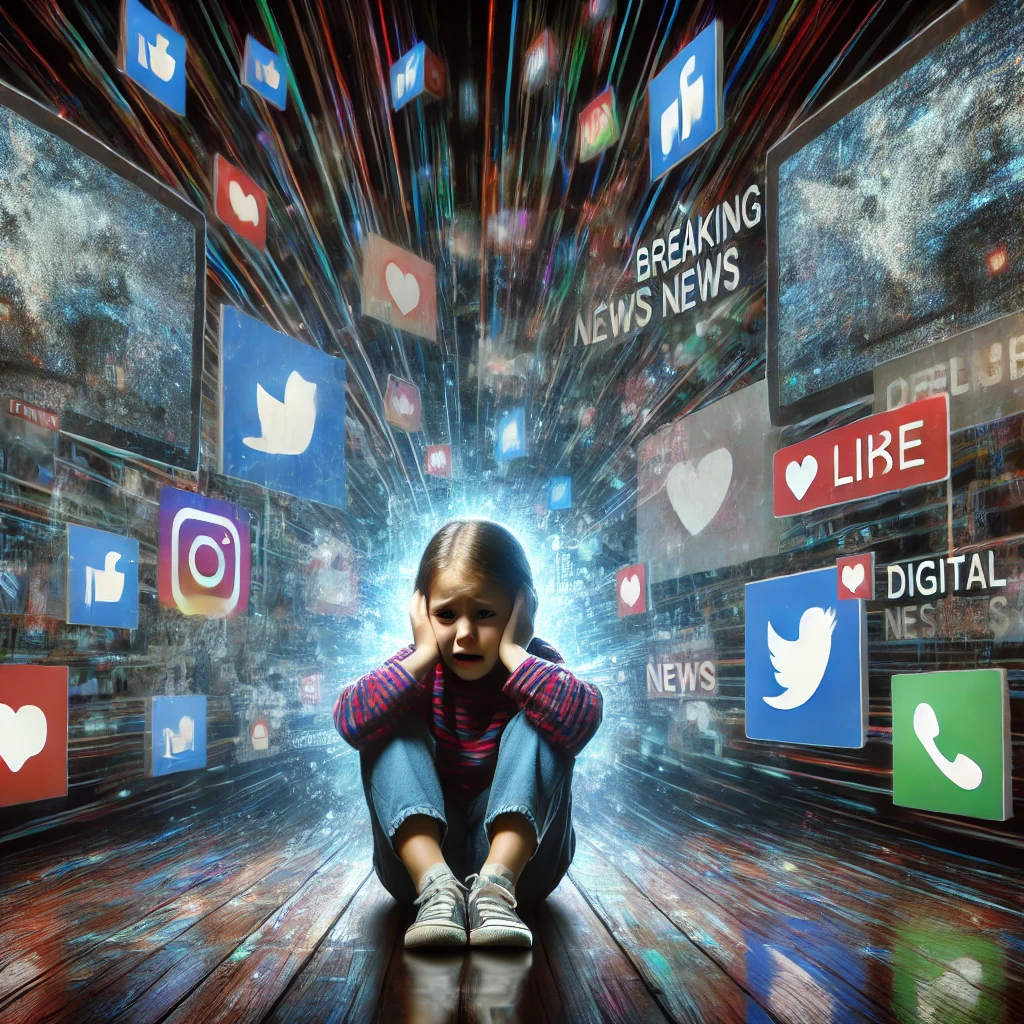
Digital Overload: Stress and anxiety levels might rise as a result of the continuous barrage of information and social comparisons on digital platforms. (JMIR)

6.Physical Health Conditions

Chronic Illnesses: Because of ongoing health problems, conditions including diabetes, heart disease, and asthma are frequently linked to increased anxiety levels.

Substance Abuse: Reliance on drugs, alcohol, or caffeine can exacerbate or cause anxiety symptoms.(Journal of Anxiety Disorders)

7.Environmental Toxins and Climate Factors

Pollution and Toxins: Neurotoxic chemicals and air pollution can alter brain function, raising the risk of anxiety.
Climate Change Anxiety: Chronic concern is exacerbated by growing awareness of environmental crises around the world, especially among younger generations. (American Psychologist)

Targeted prevention and treatment efforts are made possible by an understanding of the complex elements that contribute to anxiety. Understanding how biology, environment, and lifestyle interact is crucial to creating comprehensive strategies for successfully managing anxiety.

Treatment of Anxiety

1.Pharmacological Treatment

The main factor influencing the choice of a specific medicine class or combination that is appropriate for treating anxiety is the patient’s level of bravery. In the behavioral modification and treatment, the level of anxiety experienced by the patient, the knowledge of the doctors, and the behavioral therapist. Other factors include comorbid diseases and the way the patient reacts to treatment.

First-Line Drugs

(i). Selective Serotonin Reuptake Inhibitors (SSRIs) : When SSRIs are insufficient, the patient should switch to clomipramine; augmentation can be achieved with low-dose antipsychotics (aripiprazole, risperidone) and low-dose anticonvulsants (pregabalin, lamotrigine). These medications increase the amount of serotonin in the synapses by blocking the reuptake of serotonin (5HT) by presynaptic neurons. When SSRIs are insufficient, the patient should switch to clomipramine; low-dose antipsychotics (risperidone, aripiprazole) and low-dose anticonvulsants (pregabalin, lamotrigine) might be used for augmentation.

(ii). Serotonin-Norepinephrine Reuptake Inhibitors (SNRIs): They work by preventing the presynaptic neuron from reabsorbing serotonin and norepinephrine, which raises their concentration at the junction. In patients with panic disorder, the anxiolytic effects of this class of medications may manifest in 2-4 weeks.

Second-Line Drugs

(iii). Tricyclic Antidepressants (TCAs): They work by blocking the transporters of serotonin and norepinephrine, which stops them from being reabsorbed and raises their concentration at the synapse. This increases neurotransmission. Effectiveness: Tricyclic antidepressants work well for agoraphobia and panic disorder. When treating OCD, clomipramine is the medication of choice when SSRIs or SNRIs didn’t work.

(iv). Benzodiazepines (BDZ): They work by attaching to and turning on the GABAA receptor, which causes GABA to attach to its receptor, the chloride ion channel opening, and the chloride ion entrance that results in cellular inhibition. Their effects can be observed within 1-2 minutes of ingestion because they have a far shorter onset than all other kinds of antianxiety medications.

Third-Line Drugs

v). Monoamine Oxidase Inhibitors (MAOIs): Effective in treating social anxiety disorders and panic disorder

(vi). Reversible Inhibitors of Monoamine Oxidase (RIMA): Moclobemide
is helpful in treating social anxiety disorder.

(vii). Atypical Antipsychotics (Second-generation antipsychotic): Quetiapine, Olanzapine, Risperidone,
Aripiprazole. Quetiapine is helpful in treating GAD at the dose of 50 to 300mg/day, panic disorder, and OCD, while risperidone is given at a dose of 0.5-2mg/day.

(viii). Azapirones: The buspirone work activates the 5-HT1A-serotonergic receptor or blocks the D2-dopaminergic receptor.

(ix). Anticonvulsants: OCD, panic disorder, Patients taking these drugs may be relieved of anxiety symptoms within 24hours.

(x). Antihistamines: Treatment of GAD.

Medicinal Plants Available to us Used in the Treatment of Anxiety

(i). Valeriana Officinalis (Valerian Extract): Previously used to treat anxiety, this plant had negative side effects such as headaches and GIT disturbances.

(ii). Lavandula angustifolia (Lavender Oil): This oil has been used to treat GAD with equivalent efficacy to lorazepam.

(iii). Hypericum Perforatum (St John’s Warts): This plant’s extract was once used to cure anxiety, but it didn’t work; side effects include weight gain, impotence, and suicide.

(iv). Passiflora Incarnata (Passionflower): It treats anxiety with similar effectiveness to BDZ; side effects include drowsiness, sleepiness, can raise the blood pressure.

(v). Galphimia Glauca (Extract): Another helpful phytomedicine for GAD is this extract, which has been shown to be just as successful in treating the condition as lorazepam in a randomized controlled clinical trial.

(vi). Piper Methysticum (KAVA): Originally used to cure anxiety, this herb was eventually removed because of its hepatotoxic sedative properties.

Non-Pharmacological Treatment: Strategies to beat anxiety: How to calm anxiety

1.Electroconvulsive Therapy: This entails placing a tiny electrode while using stereotactic MRI monitoring. Brief electrical shocks will induce neuronal firing and be used to treat mood disorders, panic attacks, and agoraphobia.

2.Vagal Nerve Stimulation: In order to treat panic disorder and agoraphobia, this entails stimulating fear control regions like the amygdala, hippocampus, insula, and frontal cortex via afferent vagal nerves to produce an inhibitory neurotransmitter.

3.Surgery: This is true for social phobia and resistant GAD. These consist of limbic leucotomy, anterior capsulotomy, subcaudate tractotomy, and anterior cingulotomy.

4. Cognitive Behavioral Therapy (CBT): CBT is generally a very important part of treating anxiety; in the case of panic disorder, it is more crucial than medication. The cognitive behavioral therapy (CBT) component used to treat panic disorder consists of coping mechanisms, exposure to the panic-inducing environment, altering negative thinking, and psychoeducation. CBT can be done once a week for a few hours for up to 12 to 16 weeks, however daily one-hour sessions were more successful.

Modes of CBT

  • Interpersonal Therapy (IPT)
  • Dialectical Behavioral Therapy (DBT)
  • Coping Cat (CC)
  • e-Therapist (ET)
  • Biblio-Therapy
  • Face-To-Face CBT

Treatment Reference: Anxiety Disorders: Recent Global Approach to Neuro-pathogenesis, Drug Treatment, Cognitive Behavioral Therapy, and Their Implications
Posted on 2 Comments

Managing Anxiety in the Digital Age: Practical Tips for a Healthier Mind 

Introduction

The present era of human history is characterized by the widespread use of digital technology and internet in almost all aspects of life, and this is called as the digital age or information age. Since the advent of digital age there is a change in the practices of humans that leads to the progressively worsened mental conditions since the 1990’s, with the number of disability-adjusted life years attributed to mental illness estimated to have risen by 37% between 1990 and 2013.

The millennial generation saw a dynamic shift in the modes of communications and way of sharing information. They have seen the evolution of social media from the early days of Friendster and Myspace to the present modern day social media comprising of Instagram, Twitter, Snapchat, and TikTok, this generation saw dynamic landscape of digital communication tools. this generation is the first generation to be affected by social media. Alot of studies have been done to understand the impact of specific social media behaviors on social anxiety. Excessive time spent on platforms, cyberbullying experiences, and the pressure to maintain a favorable online image have been identified as potential stressors.

What is digital induced anxiety?

It is a feeling of stress, worry and uneasiness that is caused by the excessive unhealthy interaction with the digital devices or social media platforms. this is very much prevalent these days due to the excessive usage of the social media platforms and constant connectivity.

 Don Grant, PhD, who is also president of APA’s Division 46 (Society for Media Psychology and Technology) most of the teens and adults with whom he has worked are experiencing a stress that is directly related to the news they have learned about through social media or some other platforms online. Someone has read about an animal on the verge of extinction or the latest update on the melting polar ice caps, he may not even recognize it but that have affected their mood and its bothering them.

Though there is no formally recognized disorder or any diagnostic criteria, but psychologists are seeing patients suffering from news related stress and seeking guidance on how to help them. Recent research studying news seeking and emotional responses has found that more exposure to the latest headlines—whether through traditional news outlets or highlighted on social media—can undercut mental health. Another study, conducted by Matthew Price, PhD, of the University of Vermont in Burlington followed 61 young adults for 30 days found an association between the amount of exposure to news on social media and more depression and PTSD symptoms.

What are the digital-Induced Anxiety Symptoms

Common anxiety signs and symptoms include:

  • Feeling worried, agitated, or tense
  • Having a sensation of imminent danger, terror, or disaster
  • Have an elevated heart rate.
  • Rapid breathing (hyperventilation).
  • Sweating
  • Trembling
  • Feeling weak or exhausted
  • Trouble concentrating or thinking about anything other than the current stress.
  • Having difficulty sleeping
  • Having gastrointestinal (GI) difficulties
  • Having trouble suppressing worry.
  • Having the tendency to avoid things that cause worry.

When to seek help

When to visit your physician:

  • You believe that your excessive worry is getting in the way of your relationships, career, and other aspects of your life.
  • You find your fear, worry, or anxiety distressing and challenging to manage.
  • You struggle with substance abuse, depression, or other mental health issues in addition to anxiety.
  • You believe that a physical health issue may be connected to your anxiety.
  • If you are experiencing suicide thoughts or actions, get emergency care right now.

Your concerns might not be resolved on their own, and they may get worse over time if you don’t seek help. See your doctor or a mental health provider before your anxiety gets worse. It’s easier to treat if you get help early.

What are Strategies for Managing Digital Consumption:

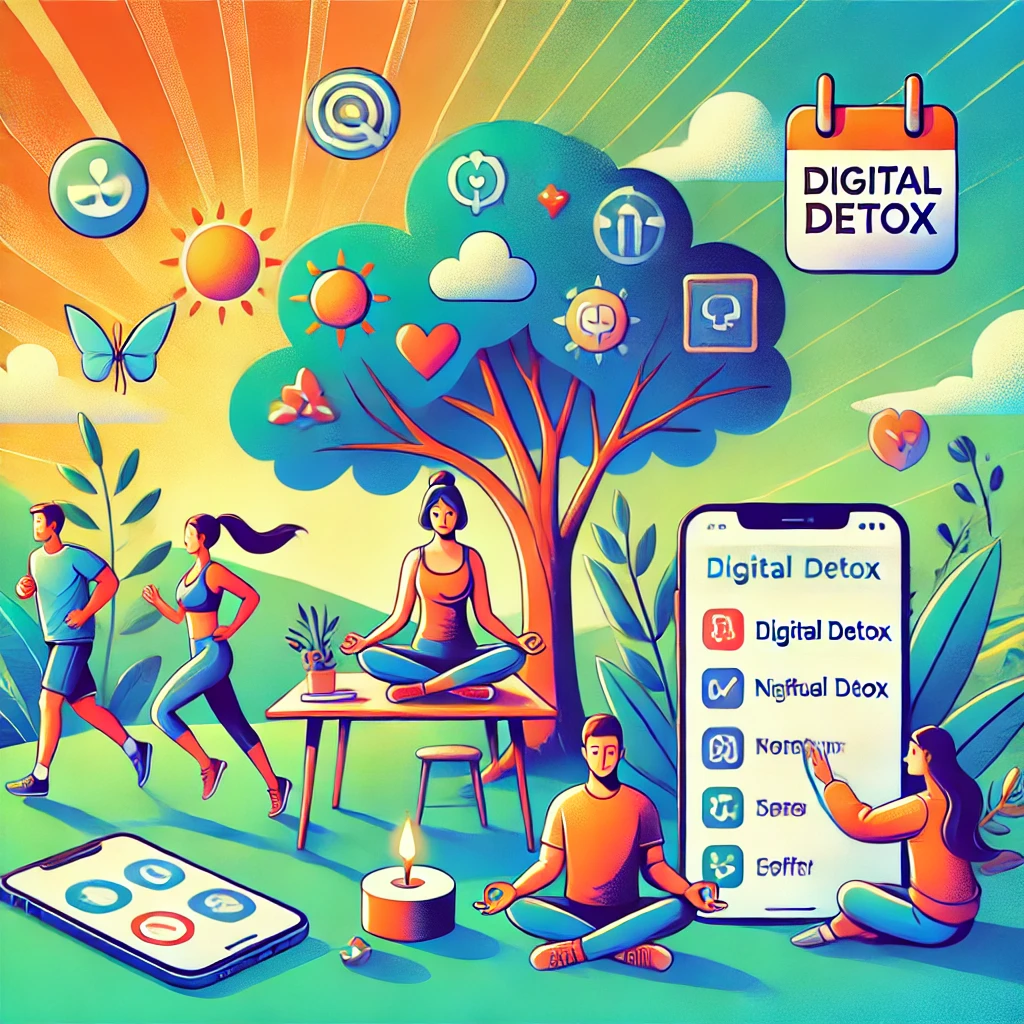
Indeed, a 2013 survey by APA’s Center for Organizational Excellence have some findings regarding the digital anxiety. The Stress in America survey found 65% of Americans somewhat or strongly agree that periodically “unplugging” or taking a “digital detox” is important for mental health. Yet only 28% actually do so.

Here are seven strategies to help you use technology in healthy ways:

Do not use phones behind the wheel.
Every year, thousands of people are killed due to inattentive driving. Turn off your phone’s notifications and keep it out of reach while driving.

Defend your sleep
Researchers believe this is due in part to the fact that phones and other technological devices generate “blue light,” which suppresses the production of the sleep-related hormone melatonin.

Turn off alerts!
Most of us configure our phones to beep or buzz whenever a new email, text, or social media notification arrives. According to the Stress in America poll, only 19% of Americans turn off social media app notifications. However, continual notifications can have a negative impact on well-being.

Managing expectations
Tell them if you won’t check email or text messages at work or on vacation. Tell your mom you’ll answer messages at night. Make sure your boss agrees before you leave for the weekend. If you have angry family and coworkers, disconnecting won’t help.

Use social media wisely
Many people have felt like their lives are less glamorous or exciting than their friends’ social media lifestyles. Social media may cause depression, according to some research. But you can improve your social media relationship.

Be present
Digital technologies and social media make staying in touch easy, but they also distract you from real-life relationships. And face-to-face encounters are vital for emotional well-being. In the Stress in America poll, 44% of those who check email, texts, and social media frequently or constantly feel detached from their families, even when together. Try to unplug with friends and family. Silence and hide your phone at dinner and family activities to avoid temptation.

Rest and recharge.
Relaxing, reflecting, and even creating require quiet time to think. If you use your phone every free moment, you’re missing out on recharge time. Set aside time daily to disconnect. Though challenging at first, you’ll eventually grab for your phone less and enjoy those quiet moments.

Engage in social interaction
Don’t allow worries to keep you from activities or loved ones.

Adhere to your treatment regimen

As prescribed, take your meds. Attend therapy sessions and finish any homework your therapist assigns you. Particularly when it comes to taking your prescription, consistency can make a significant difference.
Employ relaxation and stress-reduction strategies.
Examples of relaxation methods that can reduce anxiety include yoga, meditation, and visualization exercises.
Keep a journal
By monitoring your daily life, you and your mental health provider can determine what stresses you out and what tends to make you feel better.

Conclusion

In this day and age, properly managing anxiety demands adopting a well-rounded strategy when it comes to the utilization of technology. In spite of the fact that digital platforms provide a multitude of advantages, excessive engagement can result in increased levels of stress and anxiety. Steps that are vital to the maintenance of mental well-being include the implementation of conscious digital consumption, the establishment of clear boundaries, and the allocation of priority to offline activities. In addition, digital therapies, such as cognitive-behavioral therapy that is delivered online, have demonstrated remarkable potential in the treatment of anxiety symptoms. Individuals are able to take use of the benefits that technology has to offer while simultaneously protecting their mental health if they adopt a proactive and well-informed strategy.

Posted on 3 Comments

The Impact of Digital Content on Childhood Anxiety its signs, causes and solutions: What Parents Need to Know 

“It’s not how long we’re using screens that really matters; it’s how we’re using them and what’s happening in our brains in response,” says Rich, director of the Center on Media and Child Health at Boston Children’s Hospital, associate professor of paediatrics at HMS, and associate professor of social and behavioural sciences at the Harvard T.H. Chan School of Public Health. 

During the Covid pandemic most of the people were doing work from home, Daycares were closed, all physical activities were stopped and all schools shifted to online classes. At that time, we saw a rising trend in the increased screen time not only in the children but also in the adults which was associated to increased level of anxiety. But even after the Covid we have seen the rising trends in the excessive use of mobile phone in the children. 

Children in the developing age, their brain is constantly building new neural connections while pruning away the less used one and social media has a strong impact on that. The children need to have a diverse menu of online and offline experience to let their brains wander and grow properly.  

The American Academy of Pediatrics’ (AAP) gives the guidelines for the children for children screen time: American Academy of Pediatrics 

Infants Under 18 Months: Parents should avoid screen time, except for video chatting. At this the physical interaction helps most in brain development. 

 Children Aged 18 to 24 Months: If you are introducing digital media make sure to keep a check on children and provide them with the quality content. Co viewing helps in their comprehension and Learning. 

Children Aged 2 to 5 Years: The parents should limit the screen time to one hour per day of quality content and co viewing is encouraged to help children understand what they are viewing. 

Children Aged 6 Years and Older: There should be a constant limit to screen time to make sure that it is not interfering with sleep, physical activity, and other healthy behaviours. Focus should be on the quality content and balance with the other activities. 

Signs of anxiety in children related to use of social media:

Sleep disturbances: They have a disturbance with their sleep pattern and timings. Children over six years of age need up to 12 hours of sleep over a 24-hour period, but the excessive use of social media is disturbing it. 

Low energy: Due to lack of sleep they are unable to focus on anything and it leads to low energy during the day and a dampened mood

Social media makes them emotional: If your child is becoming irritable, anxious or irritable over the small things you need to check it might be because of social media. 

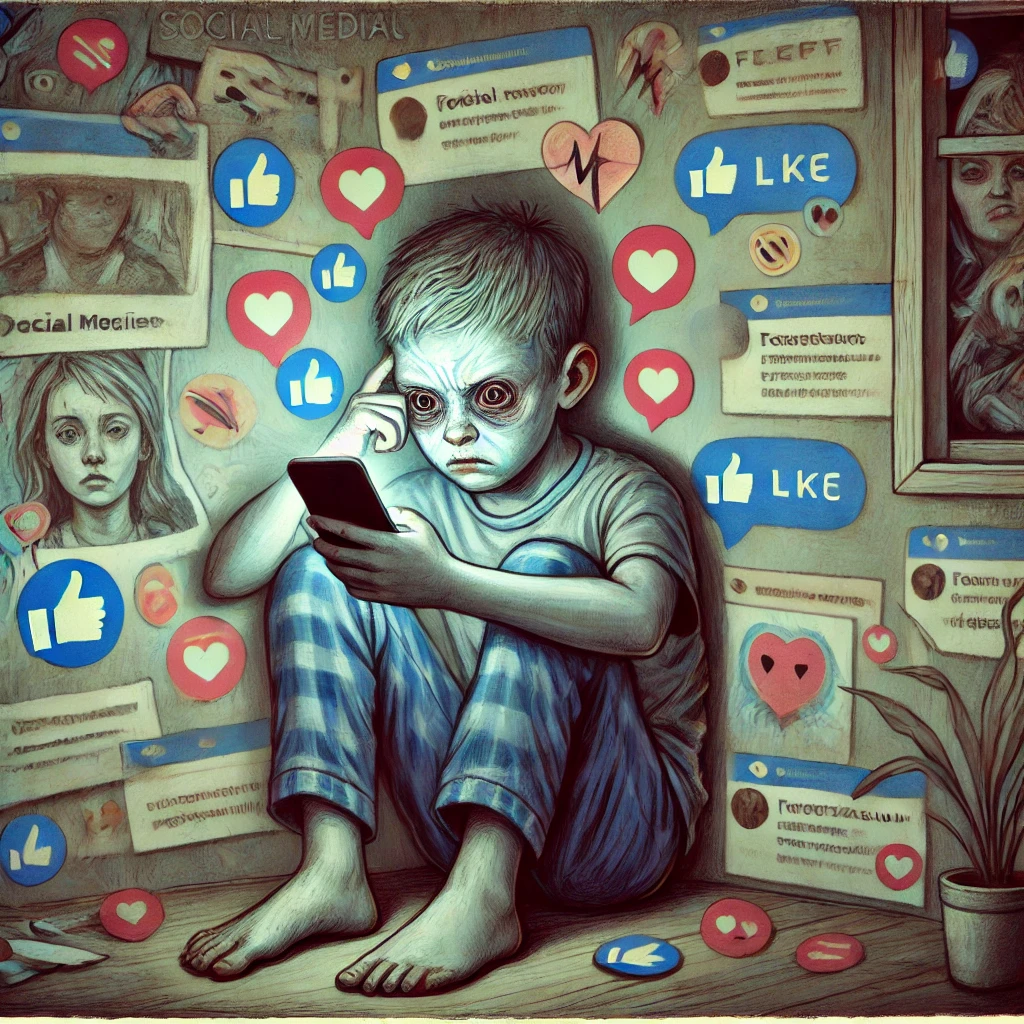
They want to be alone: If parents notice that their children are retreating to their rooms more than usual and spending more time in their room? it might be because of digital media they are using in their rooms. 

They refuse to share passwords: Parents should be concerned if their children refuse to share their social media passwords. According to research by the Children’s Commissioner’s Office, 45 percent of the children aged 08 to 17 have seen content that was inappropriate or made them worried or upset. 

Reduced attention span: Tiktok brain is the real phenomena by the excessive usage of short videos platform children are unable to focus on anything for a longer period. This is seen in the children who use these platforms have significantly decreased attention span. 

Declining school performance: Increase in screen time leads to decrease in the attention span and inability to focus on anything so there is a significant decline in the school performance of the children who use social media excessively.   

Strategies for parents:

It is clear that Screen time must cut down, but the question is how we can cut it down and about what you might do instead


  • Play board games. If you feel like it, change the rules (which may make them more accessible for younger children). You can even make up your own board game
  • Bake! There’s nothing like making sweets to make everyone happy. 
  • Paint and draw
  • Build things — from blocks, cardboard, anything 
  • Read books with actual pages. Graphic novels and comic books count. 
  • Play instruments. Virtual lessons — and free online tutorials — are available.
  • Encouraging sports and playing with them their favorite sports. 

Conclusion: 

There is increased amount of anxiety and restlessness in children due to excessive use of digital media that is not an issue that parents can deny or turn a blind eye to it as if they don’t take necessary steps now it will lead to some serious health conditions with hazardous effects. So, it is advisable to cut down the social media usage by adopting the appropriate alternative measures.

Posted on 4 Comments

Smog and the Lungs: Breathing Through the Haze

Introduction

Atmospheric pollution suspended in humid air is known as smog. Exposure to these harmful substances is a significant modifiable risk factor contributing to various hazardous health conditions. Substances present in smog that negatively impact public health include particulate matter (PM) of various sizes—PM2.5, PM2.5–10, PM10—along with sulfur dioxide, nitrogen dioxide, ozone, carbon monoxide, and lead. Special attention is given to the smaller dust particles (PM2.5 and PM10) because they can penetrate the lower respiratory tract, leading to serious respiratory health issues. This article will discuss the effects of smog pollutants on the development and exacerbation of respiratory diseases such as asthma, chronic obstructive pulmonary disease (COPD), respiratory infections, and lung cancer.

Mechanism of damage    

“How Smog Affects the Respiratory and Cardiovascular Systems: The Impact of PM1 Dust Particles”

Smog, a harmful air pollutant, affects multiple organs and systems in the body, with the respiratory and cardiovascular systems being the most vulnerable. Exposure to smog can lead to severe health complications, as it contains various particulate matter (PM) sizes, including dangerous fine particles like PM1, which are smaller than one micrometer. These particles are so tiny that they can easily bypass the blood-air barrier, entering the bloodstream and causing direct tissue damage. While larger dust particles (PM10) are typically blocked in the upper respiratory tract, smaller particles such as PM1 can penetrate deeper into the lungs, reaching the lower respiratory tract. PM1 particles can even pass from the lung alveoli into the microcirculation, further increasing the risk of systemic health problems, including respiratory diseases and cardiovascular conditions.

Historical Stats 

“Impact of Air Pollution on Life Expectancy and Mortality

Based on 2005 data, exposure to particulate matter (PM2.5) shortens the average lifespan of EU citizens by approximately 8 months, collectively depriving them of 3.6 million years of life each year. Globally, PM2.5 exposure is ranked as the fifth leading risk factor for death. Nitrogen dioxide (NO2) is the second most significant health risk, followed by ozone, which is responsible for approximately 21,000 deaths annually in the EU. Similar findings were reported in Poland in 2012, with annual deaths attributed to PM2.5, nitrogen dioxide, and ozone exposure estimated at 44,600, 1,600, and 1,100, respectively. Studies have shown that for every 10 µg/m³ increase in fine particulate matter (PM2.5), there is a corresponding 4% increase in all-cause mortality, a 6% rise in cardiopulmonary mortality, and an 8% increase in lung cancer deaths.

Worsened Symptoms of different respiratory diseases due to smog are given below: 

Acute Respiratory Irritation 

  •  Coughing 
  • throat irritation 
  •  a feeling of tightness in the chest 
  • Increased Coughing 
  • shortness of breath
  • Wheezing 
  • Sore Throat 
  • Nasal and Sinus Congestion 
  • Chest Tightness or Pain

Asthma  

  • Increased frequency and severity of asthma attacks 
  • More intense wheezing, coughing, and shortness of breath 
  • Persistent chest tightness 
  • Reduced effectiveness of inhaled medications, making it harder to manage symptoms 

Chronic Obstructive Pulmonary Disease (COPD) Exacerbation 

  • More frequent COPD exacerbations, often requiring medication adjustment or hospitalization 
  • Worsening shortness of breath, especially when doing physical activities 
  • Chronic cough with increased phlegm, possibly discolored or thicker than usual 
  • Greater fatigue due to the effort required to breathe 
  • Intensified Coughing and Mucus Production 
  • Increased Chest Tightness and Discomfort 
  • Worsening Wheezing 
  • Fatigue and Reduced Physical Stamina 
  • Headache, Dizziness, and Mental Fog 
  • Increased Risk of Respiratory Infections 

Bronchitis and Emphysema 

  • Increased Coughing 
  • More Mucus Production
  • Worsened Shortness of Breath 
  • Chest Tightness 
  • Increased Risk of Respiratory Infections
  • Fatigue 
  • Decreased Exercise Tolerance 
  • Worsened Wheezing 
  • Increased Chest Discomfort 

Strategies to Reduce Respiratory Diseases Due to Smog

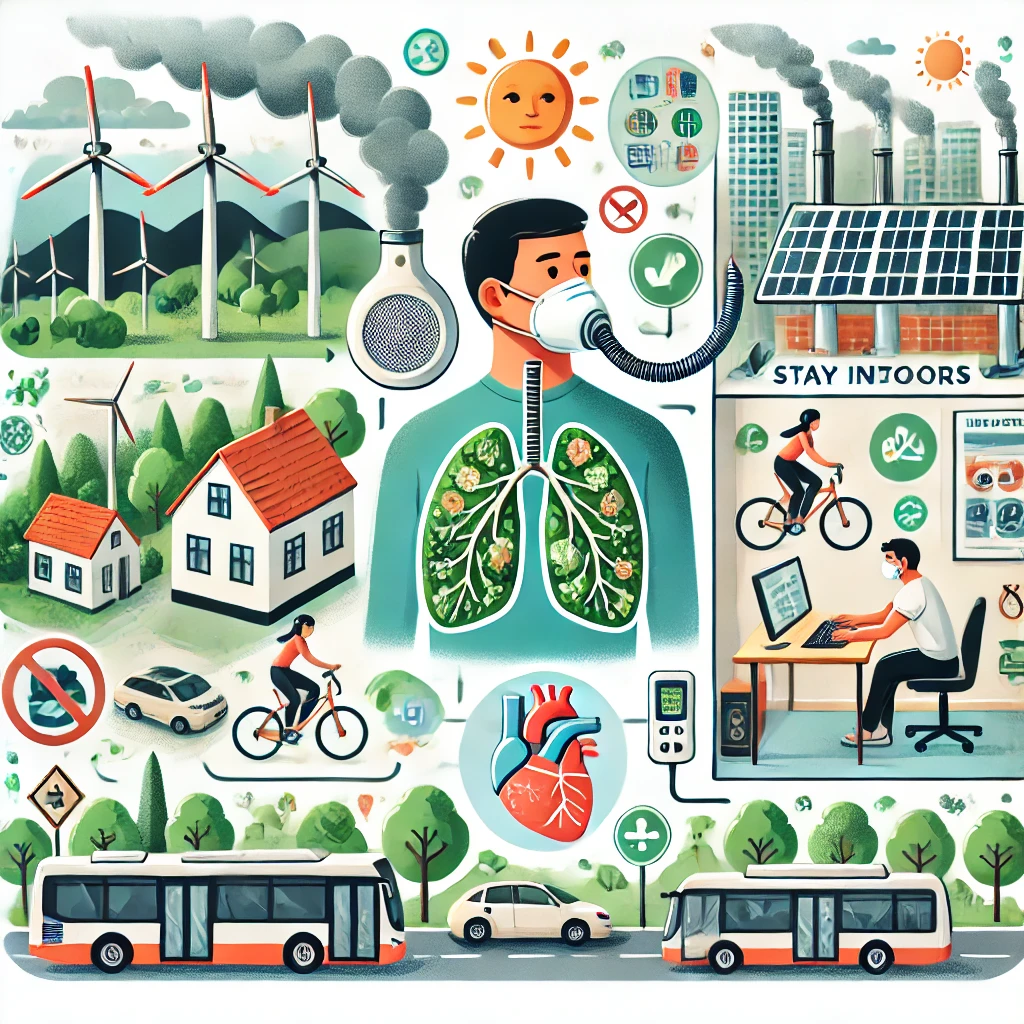
Stay Indoors

  • On high-smog days, stay indoors to reduce exposure to harmful pollutants.
  • Use air conditioning or air purifiers with HEPA filters to improve indoor air quality. 

Limit Physical Exertion

  • Avoid outdoor activities during times of high pollution.
  • Physical exertion increases the demand for oxygen and worsens symptoms of breathlessness.

Use Medications as Directed

  • People with bronchitis or emphysema should continue to use prescribed medications, including inhalers, nebulizers, or steroids, to help manage symptoms
  • Consult with a healthcare provider about adjusting medications during high-pollution periods

Wear Protective Masks

When going outside is necessary, wear an N95 mask or another form of filtration mask to reduce inhalation of harmful particles.

Monitor Air Quality

Check local air quality indices (such as the AQI) to stay informed about pollution levels. If levels are high, take extra precautions to limit outdoor activities.

Stay Hydrated

 Drink plenty of fluids to help thin mucus, making it easier to clear from the airways

Government Actions for Cleaner Air

  • Enforce air quality standards to limit PM2.5, NO2, and ozone levels.
  • Promote renewable energy and create more green spaces to reduce smog.

Eco-Friendly Transportation

  • Encourage the use of electric vehicles (EVs) and public transport to reduce emissions
  • Support carpooling and ridesharing to cut down on vehicle pollution.

Air Quality Monitoring & Awareness

  • Implement real-time air quality monitoring and raise awareness about smog risks.
  • Educate the public on using indoor air purifiers to reduce exposure.

Protective Measures for Individuals

  • Stay indoors during high pollution periods, especially for those with asthma or COPD.
  • Use N95 masks and HEPA air purifiers to filter harmful pollutants.

Healthcare Interventions

  • Focus on early diagnosis and management of respiratory diseases like asthma and COPD.
  • Promote vaccinations for flu and pneumonia to reduce complications from smog exposure.

Research & Technological Solutions

  • Fund research into the health effects of air pollution and develop pollution control technologies.
  • Invest in advanced air filtration to improve indoor air quality.

When to Seek Medical Attention 

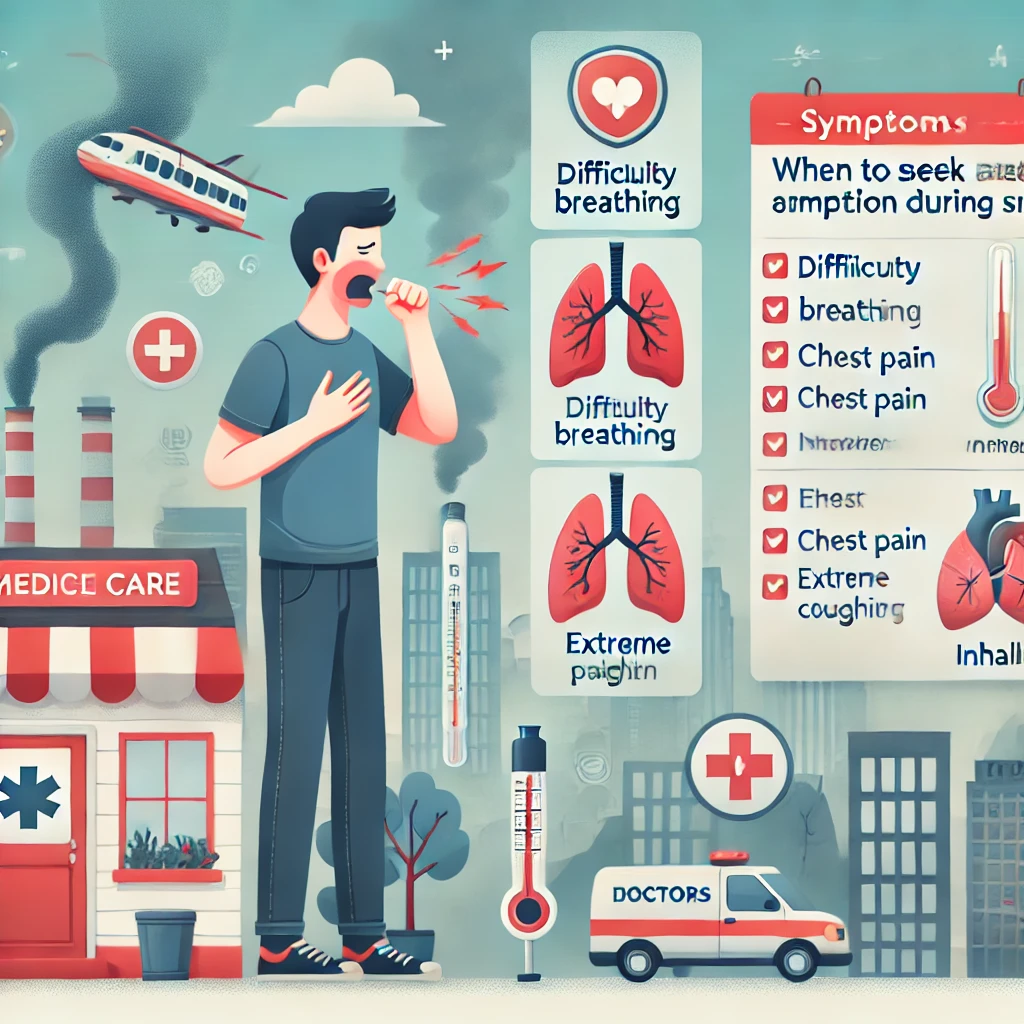
If the following symptoms occur, it’s essential to seek immediate medical attention: 

  • Severe shortness of breath or difficulty breathing that doesn’t improve with medication or rest 
  • Persistent chest pain or a feeling of tightness in the chest 
  • Bluish or gray discoloration of lips or nails, indicating low oxygen levels 
  • Worsening cough or changes in mucus color or consistency 
  • Confusion, dizziness, or fainting, which may indicate inadequate oxygen supply to the brain