Posted on 6 Comments

” Mental Health Myths Debunked: Facts Backed by Science You Need to Know”

Introduction

There is a widespread misconception about the mental health that creates a barrier that stop people from understanding, treatment and seeking help worldwide. These myths frequently lead to a lack of knowledge about the realities of mental health issues, deter people from getting assistance, and reinforce stigma. By making up for these misconceptions we may be able to destroy the stereotypes that are damaging the society and make a world that is more accepting, healthier and enable people to seek help for mental health problems with empathy.

Myth: Mental Health Problems Are Rare

Mental Health: Not an Infrequent Occurrence, But a Common Reality

There is a widespread misconception that mental health problems are uncommon and only impact a tiny percentage of people. But the reality presents a completely different picture. A fairly large population is victim of mental and neurological problems and are more common than most believe it is, with one in four individuals in world experience it at some points in their lives, according to World Health Organization (WHO).

In some parts of the world, such as in UK, according to research one in six adults can face some kind of mental health problems such as anxiety, stress or depression, once a week. And these figures clearly shows that how common it is.

It is important to understand that how quickly and it is spreading and how frequently it is present in the society around us only then we will be able develop the empathy, lessen stigma and encourage people to talk about this more frequently. By acknowledging that mental health issues are affecting lives in every walk of life we can change the thinking from responsibility of a one person to shared responsibility.

The first step in developing a better and more caring world for the people suffering from the mental health disorders as a common concern rather than an uncommon exception is to acknowledge the prevalence and frequency of mental health issues that are present in our society.

Myth: People with Mental Illness Are Aggressive and unpredictable

False media representations is the leading source of this stigma that associates the mental health problems to the violence. Headlines wrongly associating the violent activites to the mental health issues is reinforcing this stigma. But reality is otherwise in which these incidents are rare rather than the rule.

Studies repeatedly reveal that most mentally ill people are not violent. The U.S. Department of Health and Human Services reports that just 3-5% of violent acts are committed by the people with mental health illness and these stats are far lower than people perception. Substance abuse, trauma and socioeconomic stresses are the contributor to the mental health violence. Mental illness rarely causes violence alone.

Myth: Mental Health Issues Show Weakness

The root cause of this stigma that mental health issues show weakness is the social stigma or culture beliefs that consider emotional difficulties equal to the weakness. And this is further supported by the historical perception that discounted mental health illness is the human short comings. This misconception discourages many people from seeking help out of concern of mockery or critics. But contrary to that mental health issues are illness not personal shortcomings.

For every mental health illness (For example anxiety or depression) there are genetic, biochemical or environmental variables. Just like the other diseases they also have some pathology that requires the particular treatment. Asking for help isn’t sign of weakness it is actually an act of bravery, determination and self-awareness. But mental health disorders require the courage and perseverance to manage with juggling personal and professional obligation.

Myth: Children Don’t Experience Mental Health Problems

Alot of people do not realize the complications and influence of children surroundings on their mental health. And they consider it just a bad phase in their life rather than possible signs of bigger problems. Parents may not discuss about this in the fear of being judged by others.

It is a widespread misperception that mental health problems are only present in adults and that kids are too young to think about these things. In reality they are equally vulnerable to the mental health issues and ignoring the signs and symptoms of mental health issues in children leads to the untreated problems, delayed diagnosis, and long-term effects.

According to World Health Organization (WHO) 14% of children and adolescents around the globe are affected by the mental health disorders. These include attention-deficit/hyperactivity disorder (ADHD), depression, anxiety disorders, and more. (UNICCEF)

Children’s mental health problems are as frequent as these problems are present in adults, but they present differently in children making it difficult to diagnose . Trauma, family strife, bullying, and academic pressure are some of key factors that impact the children mental health badly. Hormonal fluctuations, brain development, and genetics can all predispose kids to mental health problems and the risk is raised by environmental factors such exposure to violence, unstable family situations, and poverty.

Myth: Therapy Is Only for People with Severe Mental Illness

A common misconception is that therapy is only for persons experiencing serious mental health issues or crises. But therapy is a flexible instrument that can help everyone, no matter how bad their problems are. It can help people to overcome a variety of daily stressful activities and foster better relationships.

Not everyone responds to the therapy in the same manner in some cases therapy isnt helpful. Those having problems with the stress, life changes, marital problems, or personal development objectives may find it beneficial.
Improving communication abilities, managing bereavement, and obtaining clarity of mind when making important life decisions are some of common motivations for the people for asking help.
There is a spectrum of mental health, and treatment can help people at every stage of the disease, from managing complicated disorders to helping moderate anxiety. Therapy can serve as a preventive approach, addressing difficulties before they become more serious, much like routine doctor’s visits help maintain physical health.

Myth: Medication Is the Only Treatment for Mental Health Issues

A widespread misperception about mental health care is that medicine is the only option for treating mental illnesses. There is no doubt that the medication plays a significant role in managing mental health issues, but it is not the only method. People use different approach, including therapy, lifestyle changes, and support networks to successfully address individual needs.

Media shows medication as the only way of treating mental health issues downgrading the other methods. Many people seek immediate relief, and medication can sometimes provide speedier symptom control than the steady progression of therapy or lifestyle modifications. In many locations, therapy and alternative treatments are less accessible than medication, supporting the belief that medication is the only option.

The most effective method of treatment of anxiety and depression found by the researchers are combination of medication and psychotherapy. According to a study published in The Journal of the American Medical Association (JAMA), patients with severe depressive disorder benefit more from both medication and cognitive behavioral therapy. Therapy, lifestyle improvements, and support systems can help maintain mental health and reduce pharmaceutical need in the long run. Learning to manage triggers, develop resilience, and cultivate healthy habits offers people power over their mental health journey.

Myth: People with Mental Health Conditions Can’t Hold Jobs

Individuals with mental health disorders can be as productive as their colleagues without them, according to the National Alliance on Mental Illness (NAMI), with the right support. According to a World Health Organization (WHO) study, people with mental health conditions who obtain some kind of support or workplace accommodation are very highly going to stay in their jobs and perform well.

Lack of knowledge and misconceptions regarding the mental health illnesses contribute to this notion specifically its association with instability and unreliability. Coworkers don’t know how these problems are addressed and likelihood of success with their support. These people face job discrimination due to the historical stereotypes.

A person’s talent is not limited due to any mental health condition. Many people with variety of mental health conditions have done great in different fields. After dealing with these mental health conditions a person usually gain a variety problem solving skills, empathy and creativity that can be very helpful at work. Many persons with these disorders can control their symptoms and function efficiently in their workplace with appropriate treatment and lifestyle changes. Flexible workplace rules, such as remote work or mental wellness days, contribute to employees’ success.

Myth: If you have a mental illness, you cannot recover

One of the most depressing and inaccurate clichés about mental health is that persons suffering from mental illnesses can never recover. This misunderstanding not only contributes to stigma but also discourages people from getting help, encouraging emotions of hopelessness. While in truth, mental illness is treatable and can be cured just like any other disease. They are very much misinterpreted that these disorders can’t be treated, and they are permanent.

Many people learn to manage the symptoms of their illness along with doing their work efficintly and mantainig their relationships. Recovery is a journey, not a destination. It comprises gradual improvement, with setbacks as a normal part of the process.

Conclusion

By understanding what mental health is and we will be able to overcome these myths with scientifically proven facts and maybe can create a society which is more informed. Mental health issues are not a sign that a person is weak neither they are uncurable nor uncommon. People can effectively manage their work along with their mental health with a little support and necessary resources.

It is time to abandon the myths and accept the fact mental health is as important as physical health. Together, we can make a world where we can help each other, asking for help is easier, support is available, and no one suffers alone. In short, we can work on making a world better place to live. Let us continue the conversation, communicate the truth, and lobby for increased mental health awareness for everyone.

Posted on 3 Comments

“Understanding Depression: Symptoms, Causes, and Effective Ways to Overcome It”

Introduction

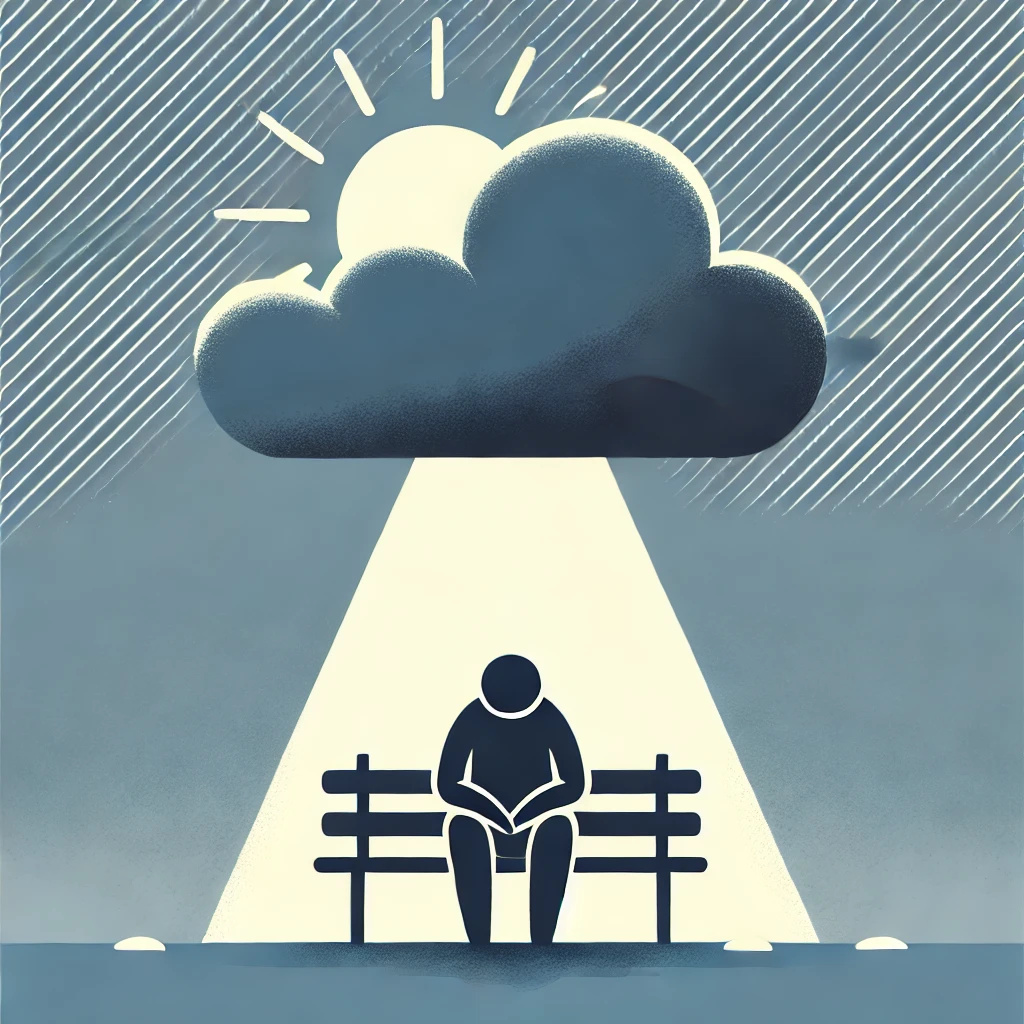
According to American Psychiatric Association Major depressive disorder (MDD), another name for depression, is a prevalent and dangerous mood condition that has a detrimental impact on a person’s feelings, thoughts, and behavior. Persistent melancholy, a decline in interest in once-enjoyed activities, and a variety of emotional and physical issues are its hallmarks. The degree of depression varies and affects a person’s capacity to function in day-to-day life.

Sadness is a part of normal human emotions that arises as a result of some specific event such as failure, loss or disappointment. it is a temporary lower mood that lasts for a short period of time not affecting the normal functioning of life and subsides as the person adapts or find a solution. while contrary to that if symptoms last for at least two weeks without any triggering event and interfere with sleep, relationship, appetite and other normal daily activities it is termed as a clinical depression.

Prevalence and Global Impact

According to WHO depression is a common mental disorder. Globally an estimated of 5% of suffer from depression. An estimated 3.8% of people suffer from depression, which includes 5.7% of individuals over 60 and 5% of adults (4% of males and 6% of women). Depression affects over 280 million people worldwide (1). Women are almost 50% more likely than men to experience depression. Depression affects almost 10 percent of pregnant women and women who have recently given birth worldwide (2). Every year, almost 700,000 people lose their lives to suicide. The fourth most common cause of mortality for people aged 15 to 29 is suicide.

More than 75% of people in low- and middle-income countries do not obtain treatment for mental problems, despite the fact that there are proven, efficient treatments for them (3). Lack of funding for mental health services, a shortage of qualified medical professionals, and the stigma attached to mental illnesses are all obstacles to providing good care.

The Blog’s Objective

The purpose of this blog is to Inform the Public About Depression by providing a comprehensive understanding of depression, including its signs, causes, and various manifestations, the site seeks to refute myths and increase awareness. It aims to equip readers with the knowledge they need to recognize and treat depression in others or in themselves.

And To Inform Readers on Depression The blog seeks to dispel common myths and increase awareness by providing a thorough understanding of depression, including its symptoms, causes, and various manifestations. Giving readers the knowledge they need to recognize and treat depression in others or oneself is its goal.

Symptoms of depression

Even though depression can happen just once in a person’s lifetime, most people have several episodes. Symptoms of these episodes last for the majority of the day, almost every day, and can include

  • Feelings of sadness, tearfulness, emptiness or hopelessness
  • Angry outbursts, irritability or frustration, even over small matters
  • Loss of interest or pleasure in most or all normal activities, such as sex, hobbies or sports
  • Sleep disturbances, including insomnia or sleeping too much
  • Tiredness and lack of energy, so even small tasks take extra effort
  • Reduced appetite and weight loss or increased cravings for food and weight gain
  • Anxiety, agitation or restlessness
  • Slowed thinking, speaking or body movements
  • Feelings of worthlessness or guilt, fixating on past failures or self-blame
  • Trouble thinking, concentrating, making decisions and remembering things
  • Frequent or recurrent thoughts of death, suicidal thoughts, suicide attempts or suicide
  • Unexplained physical problems, such as back pain or headaches

The symptoms of depression are typically severe enough for many people to have visible difficulties with daily activities, including relationships with others, work, school, and social activities. Some people may be usually dissatisfied or unpleasant without truly understanding why.

Depression symptoms in children and teens

Although there may be some variations, the typical signs and symptoms of depression in kids and teens are comparable to those in adults.

Sadness, irritability, clinginess, concern, aches and pains, refusal to attend school, or underweight are some of the symptoms of depression in younger children.
Teens may experience symptoms such as depression, irritability, anger, feelings of worthlessness and negativity, poor academic performance or attendance, feeling misinterpreted and overly sensitive, abusing drugs or alcohol recreationally, overeating or sleeping, self-harm, losing interest in everyday activities, and avoiding social situations.

Depression symptoms in older adults

Depression should never be treated lightly because it is not a typical aspect of aging. Sadly, older persons who suffer from depression frequently go undetected and untreated, and they may be unwilling to ask for assistance. In older persons, the symptoms of depression may be varied or less evident, including:

Personality changes or memory issues
Aches or pains in the body
Fatigue, appetite loss, difficulty sleeping, or lack of desire in sex that is not brought on by a sickness or drug
Instead of going out to interact or try new things, people frequently prefer to stay at home.
Suicidal thoughts or emotions, particularly in elderly males

When to see a doctor

As soon as possible, schedule a visit with your physician or mental health specialist if you are experiencing depression. Speak with a friend or loved one, a medical professional, a religious leader, or another person you trust if you are hesitant to get therapy.

Causes and risk factors of depression

 Depression is one of the most common mental disorders in the United States. Depression may be influenced by biological, psychological, environmental, and genetic variables, according to research.

Among the risk factors for depression are:

  • Depression in one’s family or personally
  • Significantly detrimental life changes, stress, or trauma

Although depression can strike at any age, it usually first manifests in adulthood. Although children may exhibit more anger or anxiety than sorrow, depression in children and adolescents is now acknowledged to exist. High levels of anxiety in childhood are often the precursor to many chronic mood and anxiety disorders in adults.

Depression can co-occur with other significant medical conditions such diabetes, cancer, heart disease, chronic pain, and Parkinson’s disease, particularly in midlife or later in life. Research indicates that persons who suffer from  depression and other medical illnesses often have more severe symptoms of both conditions, and these conditions are frequently worse when depression is present.

How is depression treated?

Even the most severe symptoms of depression are treatable. Treatment is more successful the earlier it starts. psychotherapymedication, or a combination of the two are typically used to treat depression.

When a person does not improve after taking at least two antidepressant drugs, they may have treatment-resistant depression. Brain stimulation therapy  can be something to look into if psychotherapy and medicine are ineffective at reducing depressed symptoms or if there is an urgent need for quick symptom alleviation.

Psychotherapies

People with depression can benefit from various forms of psychotherapy, commonly known as talk therapy or counseling, which can teach them new ways of thinking and acting as well as help them break bad patterns that make them feel depressed. Cognitive-behavioral therapy (CBT) and interpersonal therapy (IPT) are evidence-based methods for treating depression.

In certain situations, consumers can now obtain mental health care more easily and conveniently because to the rise of telehealth, which provides an alternative to in-person therapy. Virtual mental health care could be a simpler choice for those who were previously reluctant to seek mental health treatment.

Medications

Depression is frequently treated with antidepressants. They function by altering the way the brain makes or uses specific molecules related to stress or mood. Before you find an antidepressant that helps your symptoms and has tolerable side effects, you might need to try a few different ones. Usually, a drug that has previously helped you or a close relative will be taken into consideration first.

Antidepressants typically take 4–8 weeks to start working, and before mood improves, issues with hunger, sleep, and concentration frequently get better. Before determining whether a drug is good for you, it is crucial to allow it time to start working. Learn more about mental health medications

Taking an antidepressant in addition to another medicine that might help it work better, like an antipsychotic or anticonvulsant, is another option for treating depression that is resistant to treatment. To determine the function of these more recent drugs in standard practice, more investigation is required.

Do not discontinue taking an antidepressant without first consulting a healthcare professional. Antidepressant users can experience a relapse of their depression symptoms after they stop taking the drugs on their own because they feel better. When you and your doctor determine it is appropriate to stop taking a drug, which is often after 9 to 12 months, the doctor will assist you in reducing your dosage gradually and securely. Withdrawal symptoms may occur if a medicine is stopped abruptly.

Brain stimulation therapies

Brain stimulation therapy can be something to consider if psychotherapy and medicine are unable to alleviate depressive symptoms. Many forms of brain stimulation therapy are currently available, some of which the FDA has approved for the treatment of depression. For mental illnesses like depression, additional brain stimulation treatments are still in the experimental stage of research.

Despite being less common than psychotherapy and medicine, brain stimulation therapies can be quite helpful in treating mental illnesses in patients who do not respond to other forms of treatment. For the majority of mental diseases, these therapies are employed only after psychotherapy and medication have been attempted, and they are typically used in conjunction with existing treatments.

Electricity is used in brain stimulation therapy to either activate or inhibit the brain. Either electrodes inserted on the scalp or electrodes implanted in the brain provide the electricity directly or indirectly. Applying magnetic fields to the head is another way to induce the electricity.

The following are the brain stimulation treatments that have the most evidence:

  • ECT, or electroconvulsive treatment
  • Transcranial magnetic stimulation that is repeated (rTMS)
  • Stimulation of the vagus nerve (VNS)
  • Therapy for magnetic seizures (MST)
  • DBS, or deep brain stimulation


The two most popular brain stimulation treatments are rTMS and ECT, with ECT having been used for the longest. The other treatments are more recent and are still regarded as experimental in certain situations. For the treatment of particular mental illnesses, other brain stimulation techniques might also be promising.

The FDA has approved ECT, rTMS, and VNS to treat severe depression that is resistant to treatment. They can be useful for patients who have not responded to traditional forms of treatment, for those for whom drugs are unsafe, and in extreme situations requiring quick action, as when a patient is hungry, suicidal, or catatonic.

To treat depression and other mental illnesses, more forms of brain stimulation therapy are being researched. Before receiving brain stimulation therapy, discuss the possible advantages and disadvantages with your healthcare professional. To know more about brain stimulation therapies.

Which natural products can treat depression

No natural products for the treatment of depression have received FDA approval. Some people treat depression using natural products like vitamin D and the herbal dietary supplement St. John’s wort, despite the fact that research is still ongoing and results are conflicting. But there may be dangers associated with these products. Natural goods and dietary supplements, for example, may reduce the efficiency of certain pharmaceuticals or interact with them in ways that are harmful or even fatal.

Consult a healthcare professional before using vitamin D, St. John’s wort, or any other natural products or dietary supplements. The safety and efficacy of these and other natural products need to be thoroughly investigated.

One popular treatment option for those with seasonal affective disorder (SAD) is daily morning light therapy Except for those who have particular eye conditions or are taking medications that make them more sensitive to sunlight, light therapy devices are safe and significantly brighter than standard indoor lighting. Evaluation, therapy, and follow-up by a health care professional are highly suggested, as is the case with any depression interventions. Light therapy’s effectiveness for treating non-seasonal depression is still being investigated.

Posted on 2 Comments

Managing Anxiety in the Digital Age: Practical Tips for a Healthier Mind 

Introduction

The present era of human history is characterized by the widespread use of digital technology and internet in almost all aspects of life, and this is called as the digital age or information age. Since the advent of digital age there is a change in the practices of humans that leads to the progressively worsened mental conditions since the 1990’s, with the number of disability-adjusted life years attributed to mental illness estimated to have risen by 37% between 1990 and 2013.

The millennial generation saw a dynamic shift in the modes of communications and way of sharing information. They have seen the evolution of social media from the early days of Friendster and Myspace to the present modern day social media comprising of Instagram, Twitter, Snapchat, and TikTok, this generation saw dynamic landscape of digital communication tools. this generation is the first generation to be affected by social media. Alot of studies have been done to understand the impact of specific social media behaviors on social anxiety. Excessive time spent on platforms, cyberbullying experiences, and the pressure to maintain a favorable online image have been identified as potential stressors.

What is digital induced anxiety?

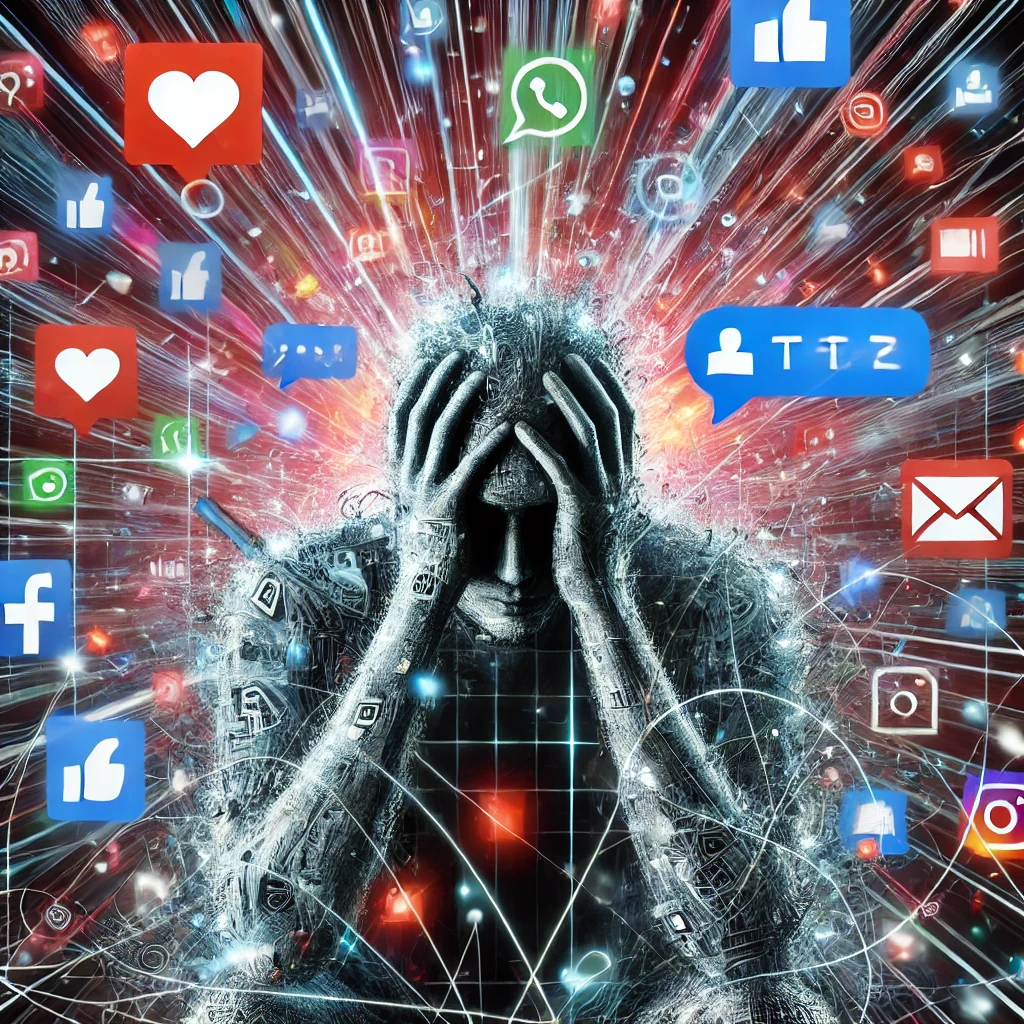
It is a feeling of stress, worry and uneasiness that is caused by the excessive unhealthy interaction with the digital devices or social media platforms. this is very much prevalent these days due to the excessive usage of the social media platforms and constant connectivity.

 Don Grant, PhD, who is also president of APA’s Division 46 (Society for Media Psychology and Technology) most of the teens and adults with whom he has worked are experiencing a stress that is directly related to the news they have learned about through social media or some other platforms online. Someone has read about an animal on the verge of extinction or the latest update on the melting polar ice caps, he may not even recognize it but that have affected their mood and its bothering them.

Though there is no formally recognized disorder or any diagnostic criteria, but psychologists are seeing patients suffering from news related stress and seeking guidance on how to help them. Recent research studying news seeking and emotional responses has found that more exposure to the latest headlines—whether through traditional news outlets or highlighted on social media—can undercut mental health. Another study, conducted by Matthew Price, PhD, of the University of Vermont in Burlington followed 61 young adults for 30 days found an association between the amount of exposure to news on social media and more depression and PTSD symptoms.

What are the digital-Induced Anxiety Symptoms

Common anxiety signs and symptoms include:

  • Feeling worried, agitated, or tense
  • Having a sensation of imminent danger, terror, or disaster
  • Have an elevated heart rate.
  • Rapid breathing (hyperventilation).
  • Sweating
  • Trembling
  • Feeling weak or exhausted
  • Trouble concentrating or thinking about anything other than the current stress.
  • Having difficulty sleeping
  • Having gastrointestinal (GI) difficulties
  • Having trouble suppressing worry.
  • Having the tendency to avoid things that cause worry.

When to seek help

When to visit your physician:

  • You believe that your excessive worry is getting in the way of your relationships, career, and other aspects of your life.
  • You find your fear, worry, or anxiety distressing and challenging to manage.
  • You struggle with substance abuse, depression, or other mental health issues in addition to anxiety.
  • You believe that a physical health issue may be connected to your anxiety.
  • If you are experiencing suicide thoughts or actions, get emergency care right now.

Your concerns might not be resolved on their own, and they may get worse over time if you don’t seek help. See your doctor or a mental health provider before your anxiety gets worse. It’s easier to treat if you get help early.

What are Strategies for Managing Digital Consumption:

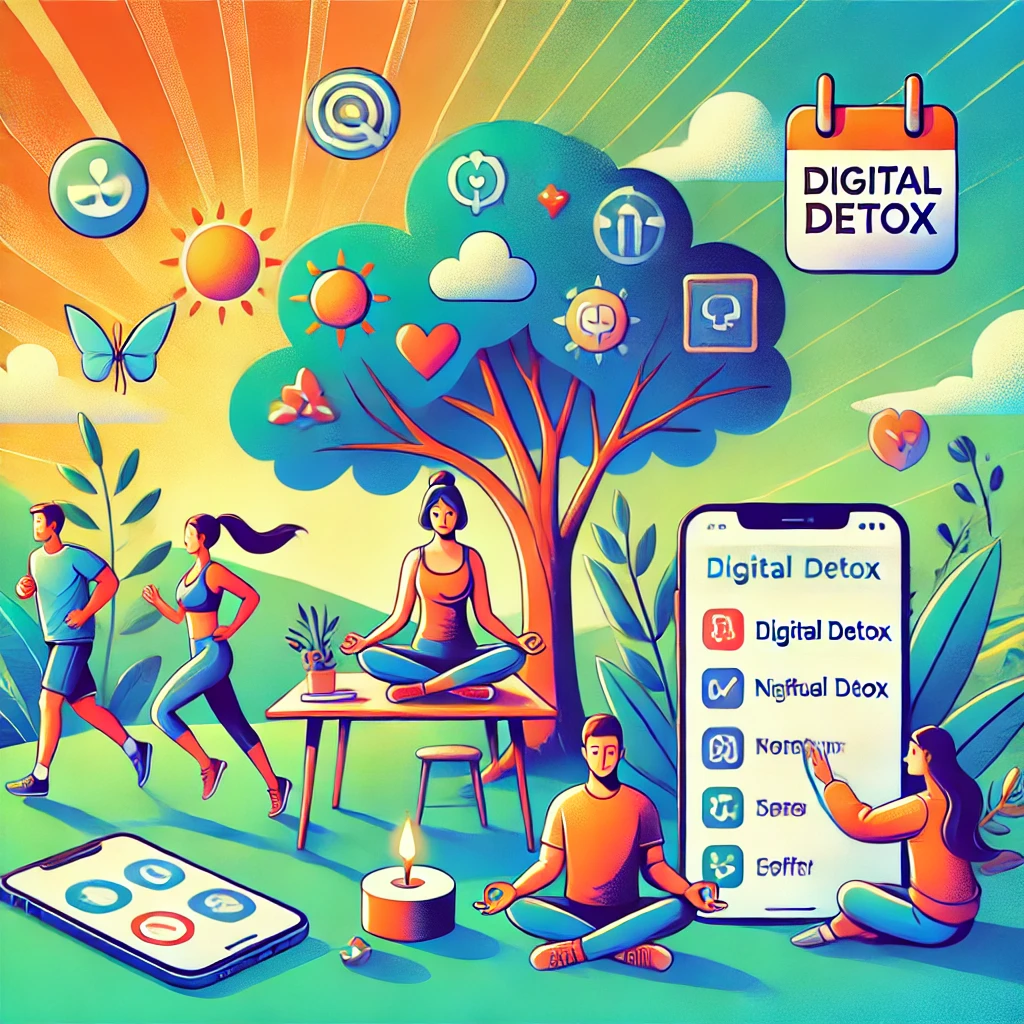
Indeed, a 2013 survey by APA’s Center for Organizational Excellence have some findings regarding the digital anxiety. The Stress in America survey found 65% of Americans somewhat or strongly agree that periodically “unplugging” or taking a “digital detox” is important for mental health. Yet only 28% actually do so.

Here are seven strategies to help you use technology in healthy ways:

Do not use phones behind the wheel.
Every year, thousands of people are killed due to inattentive driving. Turn off your phone’s notifications and keep it out of reach while driving.

Defend your sleep
Researchers believe this is due in part to the fact that phones and other technological devices generate “blue light,” which suppresses the production of the sleep-related hormone melatonin.

Turn off alerts!
Most of us configure our phones to beep or buzz whenever a new email, text, or social media notification arrives. According to the Stress in America poll, only 19% of Americans turn off social media app notifications. However, continual notifications can have a negative impact on well-being.

Managing expectations
Tell them if you won’t check email or text messages at work or on vacation. Tell your mom you’ll answer messages at night. Make sure your boss agrees before you leave for the weekend. If you have angry family and coworkers, disconnecting won’t help.

Use social media wisely
Many people have felt like their lives are less glamorous or exciting than their friends’ social media lifestyles. Social media may cause depression, according to some research. But you can improve your social media relationship.

Be present
Digital technologies and social media make staying in touch easy, but they also distract you from real-life relationships. And face-to-face encounters are vital for emotional well-being. In the Stress in America poll, 44% of those who check email, texts, and social media frequently or constantly feel detached from their families, even when together. Try to unplug with friends and family. Silence and hide your phone at dinner and family activities to avoid temptation.

Rest and recharge.
Relaxing, reflecting, and even creating require quiet time to think. If you use your phone every free moment, you’re missing out on recharge time. Set aside time daily to disconnect. Though challenging at first, you’ll eventually grab for your phone less and enjoy those quiet moments.

Engage in social interaction
Don’t allow worries to keep you from activities or loved ones.

Adhere to your treatment regimen

As prescribed, take your meds. Attend therapy sessions and finish any homework your therapist assigns you. Particularly when it comes to taking your prescription, consistency can make a significant difference.
Employ relaxation and stress-reduction strategies.
Examples of relaxation methods that can reduce anxiety include yoga, meditation, and visualization exercises.
Keep a journal
By monitoring your daily life, you and your mental health provider can determine what stresses you out and what tends to make you feel better.

Conclusion

In this day and age, properly managing anxiety demands adopting a well-rounded strategy when it comes to the utilization of technology. In spite of the fact that digital platforms provide a multitude of advantages, excessive engagement can result in increased levels of stress and anxiety. Steps that are vital to the maintenance of mental well-being include the implementation of conscious digital consumption, the establishment of clear boundaries, and the allocation of priority to offline activities. In addition, digital therapies, such as cognitive-behavioral therapy that is delivered online, have demonstrated remarkable potential in the treatment of anxiety symptoms. Individuals are able to take use of the benefits that technology has to offer while simultaneously protecting their mental health if they adopt a proactive and well-informed strategy.