আজকের দ্রুতগতির দুনিয়ায়, ব্যস্ত কাজের ধারাবাহিক দাবির কারণে চাপ অনুভব করা খুবই সহজ। আপনার পরিবার আপনার কাছ থেকে মনোযোগ চায় এবং আপনার বেজে ওঠা নোটিফিকেশনগুলি আপনাকে সোশ্যাল মিডিয়ার দাবির সাথে তাল মিলিয়ে চলতে চাপিত করে। এই পৃথিবীতে শান্তি এবং স্নিগ্ধতার একটি মুহূর্ত খুঁজে পাওয়া যেন অসম্ভব কাজ মনে হয়। আপনি যদি কখনো ভাবেন, “আমি কীভাবে আমার দৈনন্দিন জীবনে আরও শান্ত এবং মনোযোগী থাকতে পারি?”—তাহলে আপনি একা নন।
এর উত্তর হলো মাইন্ডফুলনেস, এটি একটি শক্তিশালী কৌশল যা আপনাকে বিশৃঙ্খলার মাঝেও বর্তমান মুহূর্তে থাকতে সাহায্য করে। মাইন্ডফুল হওয়া মানে বর্তমান মুহূর্তে মনোযোগ দেয়া, ভালোবাসা এবং কৌতূহল নিয়ে, পুরোপুরি আপনার মন পরিষ্কার করা বা ঘণ্টার পর ঘণ্টা ধ্যানে বসে থাকা নয়।
এই ব্লগে, আমরা মাইন্ডফুলনেস কী, এর বৈজ্ঞানিকভাবে প্রমাণিত উপকারিতা, এবং সহজ কিছু অভ্যাস যা আপনি আজই শুরু করতে পারেন যাতে চাপ কমানো যায় এবং আপনার মঙ্গল সাধন হয়, তা জানব।
মাইন্ডফুলনেস কী?
আপনি কি আপনার মন পরিষ্কার করতে চান, বা একটি বিভ্রান্তিকর পৃথিবীতে বসবাস করার পরিবর্তে, আপনার চারপাশে যা ঘটছে তাতে মনোযোগ দিতে চান? এখানে মাইন্ডফুলনেসের একটি সঠিক সংজ্ঞা দেওয়া হলো।
“মাইন্ডফুলনেস হলো মানুষের মৌলিক ক্ষমতা যা তাকে পুরোপুরি বর্তমান মুহূর্তে থাকতে সাহায্য করে, যেখানে আমরা আছি এবং কী করছি তা সম্পর্কে সচেতন থাকতে পারে, এবং আমাদের চারপাশে যা ঘটছে তাতে অত্যধিক প্রতিক্রিয়া বা অস্বস্তিতে না পড়তে পারে।”
স্বীকৃতি মাইন্ডফুলনেসের আরেকটি দিক, যা আমাদের চিন্তা এবং অনুভূতির প্রতি মনোযোগ দেওয়া, কিন্তু তাদের উপর কোনো মূল্যায়ন না করা। উদাহরণস্বরূপ, আমরা এটা ভাবি না যে কোনো নির্দিষ্ট সময়ে চিন্তা বা অনুভব করার “ভাল” বা “খারাপ” কোনো পথ আছে। যখন আমরা মাইন্ডফুলনেসে জড়িত হই, তখন আমরা অতীতকে পুনরায় চলাতে বা ভবিষ্যত দেখতে থেমে যাই এবং তার বদলে এখনই কী অনুভব করছি তার উপর মনোযোগ কেন্দ্রিত করি।
মাইন্ডফুল হওয়ার ক্ষমতা এমন কিছু যা সবাই জন্মগতভাবে পায়; আপনাকে শুধু এটি অ্যাক্সেস করার উপায় শিখতে হবে।
মাইন্ডফুলনেসের পেছনের বিজ্ঞান
মাইন্ডফুলনেস একটি গুরুত্বপূর্ণ অভ্যাস, যা মানসিক এবং শারীরিক স্বাস্থ্যের জন্য প্রমাণিত উপকারিতা সরবরাহ করে। অনেক গবেষণা হয়েছে যা দেখায় যে মাইন্ডফুলনেস আপনার মস্তিষ্ককে সাহায্য করে, চাপ কমাতে সাহায্য করে এবং এমনকি আপনার সামগ্রিক মঙ্গল উন্নত করতে সাহায্য করে।
মাইন্ডফুলনেস কীভাবে মস্তিষ্ককে পরিবর্তন করে
হার্ভার্ড মেডিকেল স্কুলের মাইন্ডফুলনেস এবং মস্তিষ্কের পরিবর্তন সংক্রান্ত একটি গবেষণায়, মস্তিষ্কের ইমেজিং প্রযুক্তি ব্যবহার করে দেখা গেছে যে মাইন্ডফুলনেস ধ্যান আপনার মস্তিষ্কের গঠনকে শারীরিকভাবে পরিবর্তন করতে পারে। এটি দেখায় যে মাইন্ডফুলনেস ধ্যান ধীরে ধীরে গ্রে ম্যাটারের পরিমাণ বাড়াতে পারে, যা স্মৃতি, শিখন এবং আবেগীয় নিয়ন্ত্রণের সাথে সম্পর্কিত। একই সাথে, মাইন্ডফুলনেস অনুশীলন নিয়মিতভাবে অ্যামিগডালা (যা “যুদ্ধ বা পালানো” প্রতিক্রিয়ার জন্য দায়ী) এর কার্যকলাপ কমিয়ে দেয়, যার ফলে চাপ এবং উদ্বেগের মাত্রা কমে যায়।
মাইন্ডফুলনেস চাপ এবং উদ্বেগ কমায়
JAMA-র একটি গবেষণা, যা মাইন্ডফুলনেস এবং চাপ কমানোর উপর ভিত্তি করে, দেখায় যে মাইন্ডফুলনেস কর্টিসোল স্তর কমিয়ে দেয়, যা একটি হরমোন যা চাপের সাথে সম্পর্কিত। এই গবেষণায় দেখানো হয়েছে যে মাইন্ডফুলনেস এবং ধ্যান উদ্বেগ, অবসাদ এবং ব্যথার মাত্রা কমাতে সাহায্য করতে পারে।
মনোযোগ এবং উৎপাদনশীলতা উন্নত করে
ক্যালিফোর্নিয়া বিশ্ববিদ্যালয়, সান্তা বারবারার একটি গবেষণায় দেখানো হয়েছে যে যারা মাইন্ডফুলনেসের মাধ্যমে তাদের মস্তিষ্ক প্রশিক্ষণ দেয়, তারা বর্তমান মুহূর্তে থাকতে পারে, যা তাদের মনোযোগ এবং উৎপাদনশীলতা বৃদ্ধি করে। মাইন্ডফুলনেস উন্নত মনোযোগের মাত্রা এবং কগনিটিভ কাজের উপর উন্নত কর্মক্ষমতা প্রদর্শন করে। মাইন্ডফুলনেস মস্তিষ্কের ব্যাঘাত দূর করার ক্ষমতা শক্তিশালী করে।
শারীরিক স্বাস্থ্য উপকারিতা
মাইন্ডফুলনেস শুধু মনের জন্যই নয়, আপনার শরীরের জন্যও উপকারী। গবেষণা দেখায় যে মাইন্ডফুলনেস:
রক্তচাপ কমাতে সাহায্য করে।
ঘুমের মান উন্নত করে।
রোগ প্রতিরোধ ক্ষমতা বাড়িয়ে তোলে।
শুরু করার জন্য সহজ মাইন্ডফুলনেস অভ্যাস
শ্বাস প্রশ্বাসের ব্যায়াম:
বক্স শ্বাস প্রশ্বাস (৪ সেকেন্ড শ্বাস নিবেন, ৪ সেকেন্ড ধরে রাখবেন, ৪ সেকেন্ড বের করবেন, পুনরাবৃত্তি করবেন)।
৫-৫-৫ শ্বাস প্রশ্বাস (৫ সেকেন্ড শ্বাস নিবেন, ৫ সেকেন্ড শ্বাস বের করবেন, ৫ মিনিট পুনরাবৃত্তি করবেন)।
বডি স্ক্যান মেডিটেশন:
পৃথিবীতে শুয়ে বা আরামদায়কভাবে বসে চোখ বন্ধ করুন এবং কিছু গভীর শ্বাস নিন। তারপর আপনার শরীরের প্রতিটি অংশে মনোযোগ দিন, পায়ের আঙ্গুল থেকে শুরু করে মাথা পর্যন্ত। কোনো অনুভূতি থাকলে তা লক্ষ্য করুন, তবে এগুলো পরিবর্তন করার চেষ্টা করবেন না। প্রতিটি অংশে ১-২ মিনিট সময় কাটান।
মাইন্ডফুল হাঁটা:
একটি শান্ত স্থান নির্বাচন করুন হাঁটার জন্য, এটি ভেতরে বা বাইরে যেকোনো স্থানে হতে পারে। তারপর ধীরে ধীরে হাঁটুন এবং আপনার পা মাটিতে স্পর্শ করার অনুভূতিতে মনোযোগ দিন। আপনার শ্বাস এবং শরীরের গতি লক্ষ্য করুন। যদি আপনার মন ভিন্নদিকে চলে যায়, তাহলে আপনার মনোযোগ আবার হাঁটার কাজের দিকে ফিরিয়ে আনুন।
দৈনন্দিন জীবনে মাইন্ডফুলনেস কীভাবে অন্তর্ভুক্ত করবেন
মাইন্ডফুল খাওয়া: এটি আপনার খাবারের স্বাদ, গঠন এবং গন্ধে মনোযোগ দিয়ে করা যেতে পারে। খাওয়ার সময় মোবাইল ফোন ব্যবহার করবেন না বা টিভি দেখবেন না।
মাইন্ডফুল কাজ: কাজ করতে করতে নিয়মিত বিরতি নিন, শ্বাস নিন এবং আপনার কাজের উপর মনোযোগ পুনরায় ফিরিয়ে আনুন। একক কাজ করুন, একাধিক কাজের পরিবর্তে।
মাইন্ডফুল যোগাযোগ: আপনি যে ব্যক্তির সাথে কথা বলছেন তাকে সক্রিয়ভাবে শুনুন এবং ব্যাখ্যা করার চেষ্টা করবেন না। কথোপকথনের সময় পুরোপুরি উপস্থিত থাকুন।
মাইন্ডফুলনেস বজায় রাখতে সাহায্য করার জন্য টুলস এবং অ্যাপস
হেডস্পেস: নবীনদের জন্য গাইডেড ধ্যান।
কাল্ম: ঘুমের কাহিনী এবং শিথিলকরণ কৌশল।
ইনসাইট টাইমার: বিনামূল্যে ধ্যান এবং মাইন্ডফুলনেস অনুশীলন।
যেহেতু পৃথিবী প্রায়শই অত্যন্ত চাপপূর্ণ, মাইন্ডফুলনেস আপনার মনকে শান্ত করার এবং নিজের প্রতি পরিষ্কারতা দেওয়ার একটি শক্তিশালী উপায় প্রদান করে। মাইন্ডফুলনেস অনুশীলন করে, আপনি আপনার মনকে বর্তমান মুহূর্তে থাকতে প্রশিক্ষিত করতে পারেন, চাপ কমাতে এবং আপনার সার্বিক মঙ্গল উন্নত করতে পারেন।
মনে রাখবেন, মাইন্ডফুলনেস পরিপূর্ণতা সম্পর্কে নয়—এটি অগ্রগতির বিষয়ে। প্রতিদিন কয়েক মিনিটও পার্থক্য তৈরি করতে পারে। ছোট শুরু করুন, নিজের প্রতি ধৈর্য ধরুন এবং আপনি যেসব শান্তির মুহূর্ত তৈরি করবেন তা উদযাপন করুন। তাহলে কেন আমরা এটি এখনই বর্তমান মুহূর্তে অনুশীলন করতে পারি না? একটি গভীর শ্বাস নিন, চোখ বন্ধ করুন, এবং নিজেকে উপস্থিতির উপহার দিন। আপনি এটি প্রাপ্য।
In today’s fast-paced world, it is very easy to feel overwhelmed by the constant demands of hectic work. Your family demands attention from you and your buzzing notifications put a pressure in you to keep up with the social media demands. It feels like an impossible task to find a moment of peace and calm in this world. If you’ve ever wondered, “How can I feel calmer and more focused in my daily life?”—you’re not alone.
The answer is mindfulness, it’s a very powerful technique that helps you stay present in the moment even in the midst of chaos. Being mindful is about paying attention to the present moment with love and curiosity, not about clearing your mind entirely or spending hours in meditation.
In this blog, we’ll explore what mindfulness is, the science-backed benefits it offers, and simple practices you can start today to reduce stress and improve your well-being.
What mindfulness is
Do you want to clear your mind or focus on things going around you instead of living in a delusional world. Here’s the mindful definition of mindfulness.
“Mindfulness is the basic human ability to be fully present, aware of where we are and what we’re doing, and not overly reactive or overwhelmed by what’s going on around us.”
Acceptance is another aspect of mindfulness, which is paying attention to our thoughts and feelings without passing judgment on them. For example, we do not think that there is a “good” or “wrong” way to think or feel at any particular time. When we engage in mindfulness, we stop replaying the past or seeing the future and instead focus on what we are feeling right now.
The ability to be mindful is something that all people are born with; you simply need to learn how to access it.
The Science Behind Mindfulness
Mindfulness is an important practice with proven benefits for mental and physical health. Alot of research has done that shows mindfulness helps your brain, reduce stress, and even improve overall wellbeing.
1. How Mindfulness Changes the Brain
Harvard Medical School Study on Mindfulness and Brain Changes using brain imaging technology has shown that mindfulness meditation can physically change the structure of your brain. This shows that mindfulness can increase the grey matter, which is linked to memory, learning, and emotional regulation while there was reduced amygdala activity responsible for the “fight or flight” response, shrinks with regular mindfulness practice, leading to lower stress and anxiety levels.
2. Mindfulness Reduces Stress and Anxiety
JAMA Study on Mindfulness and Stress Reduction shows that mindfulness lowers cortisol levels, the hormone that is associated with stress. This study shows that mindfulness and mediation can reduce the anxiety, depression, and pain levels.
3. Improves Focus and Productivity
Research from the University of California, Santa Barbara shows that people who train their brain with mindfulness stay present, which enhance their focus and productivity. Mindfulness shows improved attention span and better performance on cognitive tasks. Mindfulness strengthens the brains’ ability to filter out distractions.
4. Physical Health Benefits
Mindfulness is not only good for mind but also good for your body. Research shows that mindfulness can:
Lower blood pressure.
Improve sleep quality.
Boost immune function.
Simple Mindfulness Practices for Beginners
Breathing Exercises:
Box breathing (inhale for 4 seconds, hold for 4 seconds, exhale for 4 seconds, repeat).
5-5-5 breathing (inhale for 5 seconds, exhale for 5 seconds, repeat for 5 minutes).
Body Scan Meditation:
Lie down or sit comfortably than close your eyes and take a few deep breaths slowly give attention to each part of your body from toes to head notice any sensations without changing them. Spend 1-2 minutes on each part of body.
Mindful Walking:
Choose a quiet place to walk, either indoors or outdoors then walk slowly and focus on the sensation of your feet touching the ground. Pay attention to your breath and the movement of your body. If your mind wanders, gently bring your focus back to the act of walking.
How to Incorporate Mindfulness into Daily Life
Mindful Eating: This can be done by paying attention to your food its taste, texture, and smell of your food. Do not use mobile phones while eating or watch TV.
Mindful Work: Instead doing work constantly take short breaks to breath and refocus on your work. Do single tasking instead of multi-tasking.
Mindful Communication: Actively listen to the person you are talking to and don’t try to interpret and be fully present during the conversation.
Tools and Apps to Help You Stay Mindful
Headspace: Guided meditations for beginners.
Calm: Sleep stories and relaxation techniques.
Insight Timer: Free meditations and mindfulness exercises.
Journaling Apps: Reflect on your mindfulness journey.
Conclusion: Your Journey to a Calmer Life
In the world that is very much over whelming very often, mindfulness offers a powerful way to calm your mind and give clarity to yourself. By practicing mindfulness, you can train your mind to stay present in the moment, reduce stress, and improve your overall wellbeing.
Remember, mindfulness isn’t about perfection—it’s about progress. Even a few minutes a day can make a difference. Start small, be patient with yourself, and celebrate the moments of peace you create along the way. So why not we can practice it now in the present moment. Take a deep breath, close your eyes, and give yourself the gift of presence. You deserve it.
FAQ’S
Q: Will mindfulness help my anxiety?
Mindfulness helps reduce anxiety by relaxing, decreasing overthinking, and regulating emotions. It breaks the worry cycle by teaching you to be present. Deep breathing, body scans, and focused strolling reduce anxiety. Consistent practice and mindfulness-therapy can boost efficacy.
Q: If mindfulness helps to fall asleep?
Meditation can help you fall asleep by soothing the mind and reducing stress. Mindful breathing, body scans, and progressive muscular relaxation help you fall asleep. Focusing on the present minimizes racing thoughts and worry, which can prevent sleep. Practice improves sleep quality over time.
Q: Can mindfulness be helpful with ADHD, OCD and addiction?
Mindfulness can treat ADHD, OCD, and addiction. So how:
ADHD: Mindfulness boosts focus, self-control, and emotional awareness. Over time, it reduces impulsivity and improves focus.
OCD: Mindfulness helps reduce obsessive thoughts by witnessing them without judgment. Exposure and Response Prevention therapies benefit from it.
Addiction Mindfulness helps people recognize cravings and triggers and act rationally. Stress, a relapse trigger, is reduced.
Mindfulness works best with specialized treatment.
Diabetes is a global health concern; it is one of the most prevalent diseases among all age groups. According to WHO the number of people living with diabetes rose from 200 million in 1990 to 830 million in 2022 and these numbers are increasing rapidly. It is a chronic condition which if not carefully managed can cause complications. Natural lifestyle changes are significantly helpful in management of diabetes This blog helps you to explore practical tips to manage diabetes effectively without solely relying on medication.
Understanding Diabetes
Diabetes is a chronic health condition that is caused by inadequate production of insulin or inability of the body to utilize the insulin effectively. Type 1 diabetes is an autoimmune condition in which the body doesn’t produce insulin, while Type 2 diabetes is caused by resistance of the body to insulin. Natural management has a very important role in reducing the dependency on medication and prevent complications.
Regular Physical Activity
Regular physical activity is considered as one of the most effective ways of controlling blood sugar levels naturally. Regular exercise helps muscles to use insulin effectively which reduces insulin resistance. Exercise reduces blood sugar levels and helps maintaining a healthy weight which is crucial in management of diabetes and reducing the risk of complications. Strength training and Aerobic exercises like walking, jogging, swimming, cycling, and dancing are recommended. Physical Activity and Diabetes.
Dietary Changes for Diabetes Management
Diet plays a very important role in management of the diabetes. Eating right food helps you stabilize your blood sugar levels, improve insulin sensitivity, and it also reduces the risk of complications. Diet with low glycemic index is often recommended. Eating unprocessed, nutrient-dense foods like vegetables, fruits, whole grains, lean proteins, and healthy fats are very helpful. By making changes like eating whole foods, controlling portions, and avoiding unhealthy choices, you can control your blood sugar levels. You can take help healthcare providers or dietitian in this respect.
Stress Management role in diabetes
Stress is often overlooked in management of the diabetes. It has a direct effect on the blood sugar levels. Whether it’s physical, emotional, or psychological, stress triggers the release of hormones like cortisol and adrenaline, which increases blood sugar levels and long-term stress causes insulin resistance. Effective stress management techniques like Mindfulness and Meditation, Regular Physical Activity, Healthy Sleep Habits, Time Management, Social Support and Cognitive-behavioral therapy (CBT) is particularly effective for managing stress and anxiety. Diabetes and Mental Health.
Adequate Sleep
Sleep is an important aspect of human health, and its importance is magnified for individuals with diabetes. Poor sleep impacts blood sugar levels and can leads to a higher blood sugar level. It disrupts the hormonal balance like cortisol and growth hormone. Sleep deprivation leads to poor life style choices like cravings for unhealthy food and reduce motivation to workout. So a person should prioritize a good sleep hygiene which can help improve blood sugar control, enhance insulin sensitivity, and reduce the risk of complications.
Building a Support System
Managing diabetes is challenging as its a chronic disease that requires a lifetime control so they needs a constant support from their surroundings to stay consistent in management of their disease. Any kind of support can make a world of difference whether it’s family, friends, healthcare providers, or support groups, having a network of people who understand. Remember, you need not to face diabetes alone—reach out, connect, and let your support system help you thrive.
Natural Supplements and Herbs
Natural supplements like berberine, cinnamon, and fenugreek are helpful in management of diabetes by improving blood sugar control and insulin sensitivity. Alpha-lipoic acid and magnesium support nerve health and glucose metabolism. You should not start them on their own and always consult your doctor before starting a new one as it may interact with your medicines. Supplements should complement, not replace, prescribed treatments and lifestyle changes. Use them wisely for a holistic approach to diabetes management.
Hydration and Its Role in Diabetes
Staying hydrated is a simple yet a very powerful way that helps regulate blood sugar, so drink plenty of water. By drinking a lot of water, you can regulate blood sugar levels, protect your kidneys, and reduce the risk of complications. So, make sure that you are drinking enough water daily.
Monitoring and Tracking Progress
Regular blood sugar checks are essential for monitoring progress. Record the blood sugar levels and monitor progress according to WHO criterions.
Conclusion
A holistic approach that involves both natural lifestyle changes and the supervision of medical specialists is required in order to properly treat diabetes. This approach is necessary in order to achieve the desired results. It is possible to greatly improve blood sugar control and lower the risk of problems by using a number of methods, including managing stress, getting sufficient amounts of sleep, and drinking sufficient amounts of water. Other strategies include engaging in regular physical activity and maintaining a balanced diet. Developing a solid support network and considering the use of natural supplements, while under the supervision of a medical professional, can further improve diabetes management. Keep in mind that even minor adjustments made on a regular basis might result in major gains to your health. Before making any significant adjustments to your routine, you should always discuss the matter with your healthcare professional. It is possible to properly manage diabetes while also leading a life that is healthier and more rewarding if you take these preventative measures.
FAQ’S
Can diabetes be managed without medication?
Yes, diabetes can be managed through natural lifestyle changes, regular exercise, stress management, and adequate sleep. But this does need a regular consultation from a healthcare provider to change management plan accordingly.
What are the best exercises for managing diabetes?
Aerobic exercises (e.g., walking, swimming, cycling) and strength training are very effective in management of diabetes. Aim should be at least 150 minutes of moderate-intensity exercise per week.
How does stress affect blood sugar levels?
Stress triggers the release of hormones like cortisol and adrenaline, which increases blood sugar levels and long-term stress causes insulin resistance.
If diabetes without medicine can treated?
Yes, Type 2 diabetes can sometimes be managed without medication through lifestyle changes like diet, exercise, and weight management, but Type 1 diabetes always requires insulin. Always ask for help from a health care provider.
There is a widespread misconception about the mental health that creates a barrier that stop people from understanding, treatment and seeking help worldwide. These myths frequently lead to a lack of knowledge about the realities of mental health issues, deter people from getting assistance, and reinforce stigma. By making up for these misconceptions we may be able to destroy the stereotypes that are damaging the society and make a world that is more accepting, healthier and enable people to seek help for mental health problems with empathy.
Myth: Mental Health Problems Are Rare
Mental Health: Not an Infrequent Occurrence, But a Common Reality
There is a widespread misconception that mental health problems are uncommon and only impact a tiny percentage of people. But the reality presents a completely different picture. A fairly large population is victim of mental and neurological problems and are more common than most believe it is, with one in four individuals in world experience it at some points in their lives, according to World Health Organization (WHO).
In some parts of the world, such as in UK, according to research one in six adults can face some kind of mental health problems such as anxiety, stress or depression, once a week. And these figures clearly shows that how common it is.
It is important to understand that how quickly and it is spreading and how frequently it is present in the society around us only then we will be able develop the empathy, lessen stigma and encourage people to talk about this more frequently. By acknowledging that mental health issues are affecting lives in every walk of life we can change the thinking from responsibility of a one person to shared responsibility.
The first step in developing a better and more caring world for the people suffering from the mental health disorders as a common concern rather than an uncommon exception is to acknowledge the prevalence and frequency of mental health issues that are present in our society.
Myth: People with Mental Illness Are Aggressive and unpredictable
False media representations is the leading source of this stigma that associates the mental health problems to the violence. Headlines wrongly associating the violent activites to the mental health issues is reinforcing this stigma. But reality is otherwise in which these incidents are rare rather than the rule.
Studies repeatedly reveal that most mentally ill people are not violent. The U.S. Department of Health and Human Services reports that just 3-5% of violent acts are committed by the people with mental health illness and these stats are far lower than people perception. Substance abuse, trauma and socioeconomic stresses are the contributor to the mental health violence. Mental illness rarely causes violence alone.
Myth: Mental Health Issues Show Weakness
The root cause of this stigma that mental health issues show weakness is the social stigma or culture beliefs that consider emotional difficulties equal to the weakness. And this is further supported by the historical perception that discounted mental health illness is the human short comings. This misconception discourages many people from seeking help out of concern of mockery or critics. But contrary to that mental health issues are illness not personal shortcomings.
For every mental health illness (For example anxiety or depression) there are genetic, biochemical or environmental variables. Just like the other diseases they also have some pathology that requires the particular treatment. Asking for help isn’t sign of weakness it is actually an act of bravery, determination and self-awareness. But mental health disorders require the courage and perseverance to manage with juggling personal and professional obligation.
Myth: Children Don’t Experience Mental Health Problems
Alot of people do not realize the complications and influence of children surroundings on their mental health. And they consider it just a bad phase in their life rather than possible signs of bigger problems. Parents may not discuss about this in the fear of being judged by others.
It is a widespread misperception that mental health problems are only present in adults and that kids are too young to think about these things. In reality they are equally vulnerable to the mental health issues and ignoring the signs and symptoms of mental health issues in children leads to the untreated problems, delayed diagnosis, and long-term effects.
According to World Health Organization (WHO) 14% of children and adolescents around the globe are affected by the mental health disorders. These include attention-deficit/hyperactivity disorder (ADHD), depression, anxiety disorders, and more. (UNICCEF)
Children’s mental health problems are as frequent as these problems are present in adults, but they present differently in children making it difficult to diagnose . Trauma, family strife, bullying, and academic pressure are some of key factors that impact the children mental health badly. Hormonal fluctuations, brain development, and genetics can all predispose kids to mental health problems and the risk is raised by environmental factors such exposure to violence, unstable family situations, and poverty.
Myth: Therapy Is Only for People with Severe Mental Illness
A common misconception is that therapy is only for persons experiencing serious mental health issues or crises. But therapy is a flexible instrument that can help everyone, no matter how bad their problems are. It can help people to overcome a variety of daily stressful activities and foster better relationships.
Not everyone responds to the therapy in the same manner in some cases therapy isnt helpful. Those having problems with the stress, life changes, marital problems, or personal development objectives may find it beneficial. Improving communication abilities, managing bereavement, and obtaining clarity of mind when making important life decisions are some of common motivations for the people for asking help. There is a spectrum of mental health, and treatment can help people at every stage of the disease, from managing complicated disorders to helping moderate anxiety. Therapy can serve as a preventive approach, addressing difficulties before they become more serious, much like routine doctor’s visits help maintain physical health.
Myth: Medication Is the Only Treatment for Mental Health Issues
A widespread misperception about mental health care is that medicine is the only option for treating mental illnesses. There is no doubt that the medication plays a significant role in managing mental health issues, but it is not the only method. People use different approach, including therapy, lifestyle changes, and support networks to successfully address individual needs.
Media shows medication as the only way of treating mental health issues downgrading the other methods. Many people seek immediate relief, and medication can sometimes provide speedier symptom control than the steady progression of therapy or lifestyle modifications. In many locations, therapy and alternative treatments are less accessible than medication, supporting the belief that medication is the only option.
The most effective method of treatment of anxiety and depression found by the researchers are combination of medication and psychotherapy. According to a study published in The Journal of the American Medical Association (JAMA), patients with severe depressive disorder benefit more from both medication and cognitive behavioral therapy. Therapy, lifestyle improvements, and support systems can help maintain mental health and reduce pharmaceutical need in the long run. Learning to manage triggers, develop resilience, and cultivate healthy habits offers people power over their mental health journey.
Myth: People with Mental Health Conditions Can’t Hold Jobs
Individuals with mental health disorders can be as productive as their colleagues without them, according to the National Alliance on Mental Illness (NAMI), with the right support. According to a World Health Organization (WHO) study, people with mental health conditions who obtain some kind of support or workplace accommodation are very highly going to stay in their jobs and perform well.
Lack of knowledge and misconceptions regarding the mental health illnesses contribute to this notion specifically its association with instability and unreliability. Coworkers don’t know how these problems are addressed and likelihood of success with their support. These people face job discrimination due to the historical stereotypes.
A person’s talent is not limited due to any mental health condition. Many people with variety of mental health conditions have done great in different fields. After dealing with these mental health conditions a person usually gain a variety problem solving skills, empathy and creativity that can be very helpful at work. Many persons with these disorders can control their symptoms and function efficiently in their workplace with appropriate treatment and lifestyle changes. Flexible workplace rules, such as remote work or mental wellness days, contribute to employees’ success.
Myth: If you have a mental illness, you cannot recover
One of the most depressing and inaccurate clichés about mental health is that persons suffering from mental illnesses can never recover. This misunderstanding not only contributes to stigma but also discourages people from getting help, encouraging emotions of hopelessness. While in truth, mental illness is treatable and can be cured just like any other disease. They are very much misinterpreted that these disorders can’t be treated, and they are permanent.
Many people learn to manage the symptoms of their illness along with doing their work efficintly and mantainig their relationships. Recovery is a journey, not a destination. It comprises gradual improvement, with setbacks as a normal part of the process.
Conclusion
By understanding what mental health is and we will be able to overcome these myths with scientifically proven facts and maybe can create a society which is more informed. Mental health issues are not a sign that a person is weak neither they are uncurable nor uncommon. People can effectively manage their work along with their mental health with a little support and necessary resources.
It is time to abandon the myths and accept the fact mental health is as important as physical health. Together, we can make a world where we can help each other, asking for help is easier, support is available, and no one suffers alone. In short, we can work on making a world better place to live. Let us continue the conversation, communicate the truth, and lobby for increased mental health awareness for everyone.
Modern life moves so quickly that there are moments when you hardly have time to pause and relax. It can make consistently getting a decent night’s sleep feel unattainable.
However, sleep is just as vital to health as food and exercise. Getting enough sleep enhances your happiness, health, and cognitive function.
Sleep is physically essential for cardiovascular health since it lowers the risk of heart disease, stroke, and hypertension. By balancing hormones, it also controls appetite and metabolism, preventing weight gain. Additionally, sleep helps the immune system by generating proteins called cytokines, which improve the body’s defenses against inflammation and infections. (NIH News in Health)
Making sleep a priority is a proactive way to enhance general health. People can improve their physical resilience, emotional stability, and cognitive function by implementing appropriate sleep habits, which will ultimately lead to a higher quality of life.
This blog’s goal is to draw attention to how important sleep is for preserving both physical and mental well-being. This blog seeks to inform readers about the importance of getting enough sleep by examining the science underlying sleep, its effects on wellbeing, and the negative effects of sleep deprivation. It also offers doable methods for enhancing sleep patterns, enabling people to take concrete measures for improved health and a more balanced way of living.
How much sleep a person needs?
As you age, your sleep requirements vary. Experts advise teens should receive eight to ten hours per night, while school-age youngsters should get at least nine. The majority of adults require seven hours or more of sleep every night.
There are a lot of misconceptions around sleep. One is that as people age, they require less sleep. This is untrue. The amount is still the same for older folks. But as you age, the quality of your sleep may deteriorate. Additionally, older persons are more likely to take sleep-impairing drugs.
Sleep Science
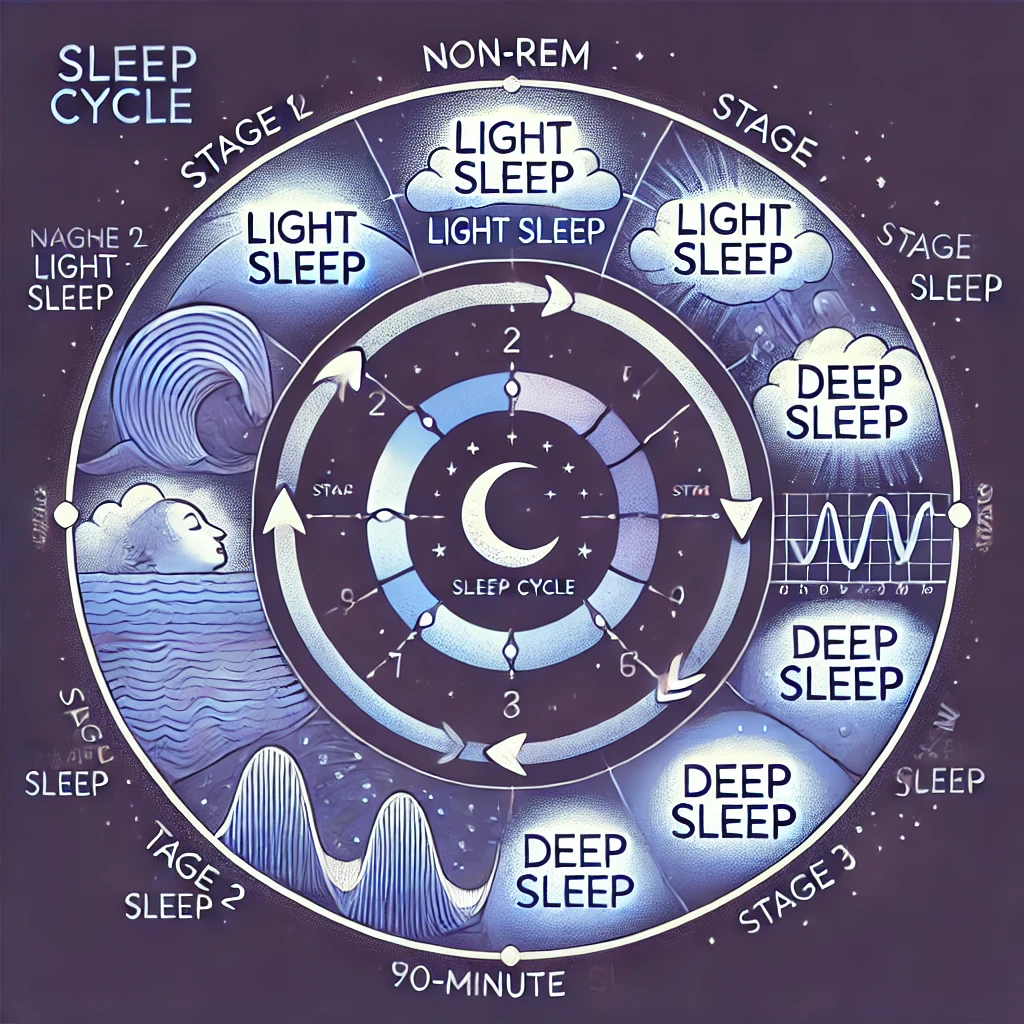
The circadian rhythm, which is the body’s internal clock, controls the various stages of sleep.Sleep is not consistent. Rather, your overall sleep is comprised of multiple cycles of the sleep cycle, which consists of four distinct stages, throughout the night. A person experiences four to six sleep cycles in a normal night.
Sleep Stages
Rapid eye movement (REM) sleep and non-rapid eye movement (NREM) sleep are the two primary categories of sleep. Every kind includes distinct phases that alternate over the night.
NREM Sleep:
Stage 1: This phase, which lasts for a few minutes, is the change from wakefulness to sleep. Muscles start to relax during this period of light sleep, and respiration, eye movements, and heartbeat all slow down. Stage 2: A brief interval of light slumber followed by deeper sleep. Muscles relax even more and breathing and heartbeat slow down even more. Body temperature decreases and eye movements cease. Short electrical activity bursts cause the brain’s activity to slow down. Stage 3: Also referred to as slow-wave sleep or deep sleep, this stage is essential for feeling rejuvenated. Muscles are completely relaxed, and respiration and heart rate drop to their lowest points. During this phase, awakening is challenging.
REM Sleep:
occurs roughly ninety minutes after going to sleep. Behind closed eyelids, the eyes move quickly, and brain activity resembles that of waking. REM sleep is when most dreams occur. In order to stop dreaming, muscles are momentarily paralyzed. Each of these phases lasts roughly 90 to 110 minutes and repeats cyclically throughout the night. While deep sleep diminishes as the night go on, REM sleep durations increase.
What is Circadian Rhythms
The body’s internal 24-hour clock, known as the circadian rhythm, controls the sleep-wake cycle and affects our feelings of alertness and drowsiness. The brain’s suprachiasmatic nucleus (SCN), which reacts to environmental cues including light and dark, is principally in charge of it.
Light Exposure: The SCN tells the brain to produce less melatonin, a hormone that encourages sleep, when exposed to light, particularly natural sunshine. This results in heightened alertness. On the other hand, darkness causes the SCN to increase melatonin levels, which results in drowsiness. Daily Fluctuations: Circadian rhythms adapt physiological processes to the outside world by causing changes in body temperature, hormone release, and other physiological activities throughout the day. Sleep disorders and adverse health effects can result from circadian rhythm disruptions brought on by shift work, time zone changes, or exposure to artificial light at night.
Impact of Sleep on Mental Health
Sleep deprivation causes more than simply fatigue. According to an American Psychological Association study that summarized more than 50 years of research on sleep deprivation and mood, it can impair our emotional functioning, reduce good emotions, and increase our risk for anxiety symptoms.
In our largely sleep-deprived society, quantifying the effects of sleep loss on emotion is critical for promoting psychological health,” said study lead author Cara Palmer, PhD, of Montana State University. “This study represents the most comprehensive synthesis of experimental sleep and emotion research to date, and provides strong evidence that periods of extended wakefulness, shortened sleep duration, and nighttime awakenings adversely influence human emotional functioning.”
Sleep is essential for maintaining emotional stability. Lack of sleep can make it harder to handle stress and everyday demands by increasing anger and emotional instability. Sleep deprivation has been shown to increase anxiety and reduce pleasant moods.
Mental Abilities
For cognitive functions like learning, memory consolidation, and attention, getting enough sleep is essential. Sleep deprivation affects these processes, making it harder to focus, make decisions, and solve problems. Lack of sleep negatively impacts cognitive function, affecting tasks requiring attentiveness and fast thinking, according to studies.
Mental Illnesses Due to Sleep deprivation
Numerous mental health conditions are directly associated with persistent sleep disturbances:
Depression: There is increase in the symptoms of major depressive symptoms in individuals with the lack of proper sleep. Sleep deprivation is also associated with the higher risk of the depression. COLUMBIA PSYCHIATRY
Anxiety: Sleep deprivation makes us less happy, more anxious. Anxiety symptoms are more likely to be heightened in people who are sleep deprived. AMERICAN PSYCHOLOGICAL ASSOCIATION
Bipolar Disorder: Bipolar disorder sufferers who experience sleep deprivation may experience manic episodes, suggesting a close connection between mood stability and sleep habits.
Suicidal Ideation: It is seen that the sleep deprivation can lead to increase in the suicidal thoughts and behavior. By focusing on the sleep issues one can mitigate this risk and improve the overall health outcomes.
What Factors Affect Sleep Quality?
Irregular Sleep Schedules: Sleep can be enhanced by establishing a regular bedtime and wake-up schedule. People going to bed at different times can disturb the circadian rhythm and that disturbs the sleep quality.
Dietary Habits: Consuming excessive amounts of alcohol or coffee might make it difficult to fall or stay asleep
Physical Activity: Physical activity is essential for the healthy life and a good sleep but doing externes exercise near the sleeping time can leads to arousal and disturb the sleep.
Light Exposure: Melatonin, a hormone that controls sleep-wake cycles, can be suppressed by exposure to light, especially blue light from electronics. In a 2016 study, researchers examined how light pollution—which includes light from streetlights, billboards, buildings, automobiles, and more—affects the quality of sleep. They discovered that even a small amount of light, such that from nocturnal lights outside, can interfere with sleep and raise the risk of illness.
Room Temperature: What room temperature is the best for the sleeping is the question often asked. For the best sleeping conditions, experts advise keeping the bedroom temperature between 60- and 68-degrees Fahrenheit.
Snoring: Although some snoring is natural, excessive snoring can have an impact on the sleeper or their partner. One possible cause of this kind of snoring is obstructive sleep apnea (OSA).
Medications: Certain prescription medications, like diuretics, can cause users to wake up in the middle of the night by increasing the desire to use the restroom. Whether prescribed by a physician or purchased over the counter (OTC), sleep aids can have adverse consequences, including daytime sleepiness.
Sleep Disorders: Sleep quality is directly impacted by disorders like restless legs syndrome, sleep apnea, and insomnia. To restore good sleep patterns, it is imperative to seek medical diagnosis and proper treatment for these problems.
Strategies for Improving Sleep Quality
1.Keep the constant sleep schedule: Try to go to sleep and wake up at about the same times every day — even on weekends. This reinforces your body’s sleep cycle (your internal clock), which can make it easier for you to fall asleep and wake up every day.
2. Create a Restful Sleep Environment: You can create a restful sleep environment by reducing the amount of exposure to the blue light before you go to bed, using the earplugs for reducing the ambient noise. Keep your bedroom at or below 65°F (18.3°C) to encourage restful sleep.
3.Don’t drink any liquids before the Bed: Drinking large amounts of water and other liquids leads to excessive urination which can have a negative effect on the sleep quality and daytime energy.
4. Supplements for the good sleep: A number of supplements could aid with your relaxation and sleep, such as: Nitrate of magnesium, zinc, resveratrol, and omega-3 These supplements can be helpful when used in conjunction with other tactics, even though they are not a panacea for sleep problems. To evaluate these supplements’ impact on your sleep and ensure you do not have a bad reaction, try them one at a time.
5.Melatonin supplements: One important sleep hormone that signals to your brain when it is time to unwind and go to sleep is melatonin. Supplementing with melatonin, a very common sleep medication, may help you go to sleep more quickly.
6. Reduce daytime naps: Short power naps have their uses, but prolonged or erratic naps during the day can interfere with your ability to sleep at night. Sleeping during the day might throw off your internal clock, making it difficult for you to fall asleep at night.
7. Exercise regularly: Your general health and quality of sleep can be enhanced by as little as 30 minutes of aerobic exercise each day. Given that exposure to natural light helps regulate your sleep cycle, exercising outside may enhance the advantages even further.
8. Manage stress before going to bed: It can keep you up at night to think about your concerns. To lessen the likelihood that your anxieties will keep you up:
To help you get your problems out of your thoughts,
write them down before bed
Write down your to-do list as well if it causes you tension. Set your priorities for tomorrow and the remainder of the week, then make an effort to unwind.
According to research, a weighted blanket may offer advantages akin to those of deep pressure treatment for treating anxiety and sleeplessness.
To help you relax, try meditation before bed.
9.Limit large meals before the bed: Limit your large meals before the bed as it can affect your sleep and it may also cause symptoms of acid reflux, which can keep you awake.
10. Rule out sleeping disorders: You might also experience insomnia, which can be caused by factors such as stress and underlying medical conditions. If you’ve always had trouble sleeping, it might be a good idea to consult a healthcare professional.
According to American Psychiatric Association Major depressive disorder (MDD), another name for depression, is a prevalent and dangerous mood condition that has a detrimental impact on a person’s feelings, thoughts, and behavior. Persistent melancholy, a decline in interest in once-enjoyed activities, and a variety of emotional and physical issues are its hallmarks. The degree of depression varies and affects a person’s capacity to function in day-to-day life.
Sadness is a part of normal human emotions that arises as a result of some specific event such as failure, loss or disappointment. it is a temporary lower mood that lasts for a short period of time not affecting the normal functioning of life and subsides as the person adapts or find a solution. while contrary to that if symptoms last for at least two weeks without any triggering event and interfere with sleep, relationship, appetite and other normal daily activities it is termed as a clinical depression.
Prevalence and Global Impact
According to WHO depression is a common mental disorder. Globally an estimated of 5% of suffer from depression. An estimated 3.8% of people suffer from depression, which includes 5.7% of individuals over 60 and 5% of adults (4% of males and 6% of women). Depression affects over 280 million people worldwide (1). Women are almost 50% more likely than men to experience depression. Depression affects almost 10 percent of pregnant women and women who have recently given birth worldwide (2). Every year, almost 700,000 people lose their lives to suicide. The fourth most common cause of mortality for people aged 15 to 29 is suicide.
More than 75% of people in low- and middle-income countries do not obtain treatment for mental problems, despite the fact that there are proven, efficient treatments for them (3). Lack of funding for mental health services, a shortage of qualified medical professionals, and the stigma attached to mental illnesses are all obstacles to providing good care.
The Blog’s Objective
The purpose of this blog is to Inform the Public About Depression by providing a comprehensive understanding of depression, including its signs, causes, and various manifestations, the site seeks to refute myths and increase awareness. It aims to equip readers with the knowledge they need to recognize and treat depression in others or in themselves.
And To Inform Readers on Depression The blog seeks to dispel common myths and increase awareness by providing a thorough understanding of depression, including its symptoms, causes, and various manifestations. Giving readers the knowledge they need to recognize and treat depression in others or oneself is its goal.
Symptoms of depression
Even though depression can happen just once in a person’s lifetime, most people have several episodes. Symptoms of these episodes last for the majority of the day, almost every day, and can include
Feelings of sadness, tearfulness, emptiness or hopelessness
Angry outbursts, irritability or frustration, even over small matters
Loss of interest or pleasure in most or all normal activities, such as sex, hobbies or sports
Sleep disturbances, including insomnia or sleeping too much
Tiredness and lack of energy, so even small tasks take extra effort
Reduced appetite and weight loss or increased cravings for food and weight gain
Anxiety, agitation or restlessness
Slowed thinking, speaking or body movements
Feelings of worthlessness or guilt, fixating on past failures or self-blame
Trouble thinking, concentrating, making decisions and remembering things
Frequent or recurrent thoughts of death, suicidal thoughts, suicide attempts or suicide
Unexplained physical problems, such as back pain or headaches
The symptoms of depression are typically severe enough for many people to have visible difficulties with daily activities, including relationships with others, work, school, and social activities. Some people may be usually dissatisfied or unpleasant without truly understanding why.
Depression symptoms in children and teens
Although there may be some variations, the typical signs and symptoms of depression in kids and teens are comparable to those in adults.
Sadness, irritability, clinginess, concern, aches and pains, refusal to attend school, or underweight are some of the symptoms of depression in younger children. Teens may experience symptoms such as depression, irritability, anger, feelings of worthlessness and negativity, poor academic performance or attendance, feeling misinterpreted and overly sensitive, abusing drugs or alcohol recreationally, overeating or sleeping, self-harm, losing interest in everyday activities, and avoiding social situations.
Depression symptoms in older adults
Depression should never be treated lightly because it is not a typical aspect of aging. Sadly, older persons who suffer from depression frequently go undetected and untreated, and they may be unwilling to ask for assistance. In older persons, the symptoms of depression may be varied or less evident, including:
Personality changes or memory issues Aches or pains in the body Fatigue, appetite loss, difficulty sleeping, or lack of desire in sex that is not brought on by a sickness or drug Instead of going out to interact or try new things, people frequently prefer to stay at home. Suicidal thoughts or emotions, particularly in elderly males
When to see a doctor
As soon as possible, schedule a visit with your physician or mental health specialist if you are experiencing depression. Speak with a friend or loved one, a medical professional, a religious leader, or another person you trust if you are hesitant to get therapy.
Significantly detrimental life changes, stress, or trauma
Although depression can strike at any age, it usually first manifests in adulthood. Although children may exhibit more anger or anxiety than sorrow, depression in children and adolescents is now acknowledged to exist. High levels of anxiety in childhood are often the precursor to many chronic mood and anxiety disorders in adults.
Depression can co-occur with other significant medical conditions such diabetes, cancer, heart disease, chronic pain, and Parkinson’s disease, particularly in midlife or later in life. Research indicates that persons who suffer from depression and other medical illnesses often have more severe symptoms of both conditions, and these conditions are frequently worse when depression is present.
How is depression treated?
Even the most severe symptoms of depression are treatable. Treatment is more successful the earlier it starts. psychotherapy, medication, or a combination of the two are typically used to treat depression.
When a person does not improve after taking at least two antidepressant drugs, they may have treatment-resistant depression. Brain stimulation therapy can be something to look into if psychotherapy and medicine are ineffective at reducing depressed symptoms or if there is an urgent need for quick symptom alleviation.
Psychotherapies
People with depression can benefit from various forms of psychotherapy, commonly known as talk therapy or counseling, which can teach them new ways of thinking and acting as well as help them break bad patterns that make them feel depressed. Cognitive-behavioral therapy (CBT) and interpersonal therapy (IPT) are evidence-based methods for treating depression.
In certain situations, consumers can now obtain mental health care more easily and conveniently because to the rise of telehealth, which provides an alternative to in-person therapy. Virtual mental health care could be a simpler choice for those who were previously reluctant to seek mental health treatment.
Medications
Depression is frequently treated with antidepressants. They function by altering the way the brain makes or uses specific molecules related to stress or mood. Before you find an antidepressant that helps your symptoms and has tolerable side effects, you might need to try a few different ones. Usually, a drug that has previously helped you or a close relative will be taken into consideration first.
Antidepressants typically take 4–8 weeks to start working, and before mood improves, issues with hunger, sleep, and concentration frequently get better. Before determining whether a drug is good for you, it is crucial to allow it time to start working. Learn more about mental health medications.
Taking an antidepressant in addition to another medicine that might help it work better, like an antipsychotic or anticonvulsant, is another option for treating depression that is resistant to treatment. To determine the function of these more recent drugs in standard practice, more investigation is required.
Do not discontinue taking an antidepressant without first consulting a healthcare professional. Antidepressant users can experience a relapse of their depression symptoms after they stop taking the drugs on their own because they feel better. When you and your doctor determine it is appropriate to stop taking a drug, which is often after 9 to 12 months, the doctor will assist you in reducing your dosage gradually and securely. Withdrawal symptoms may occur if a medicine is stopped abruptly.
Brain stimulation therapies
Brain stimulation therapy can be something to consider if psychotherapy and medicine are unable to alleviate depressive symptoms. Many forms of brain stimulation therapy are currently available, some of which the FDA has approved for the treatment of depression. For mental illnesses like depression, additional brain stimulation treatments are still in the experimental stage of research.
Despite being less common than psychotherapy and medicine, brain stimulation therapies can be quite helpful in treating mental illnesses in patients who do not respond to other forms of treatment. For the majority of mental diseases, these therapies are employed only after psychotherapy and medication have been attempted, and they are typically used in conjunction with existing treatments.
Electricity is used in brain stimulation therapy to either activate or inhibit the brain. Either electrodes inserted on the scalp or electrodes implanted in the brain provide the electricity directly or indirectly. Applying magnetic fields to the head is another way to induce the electricity.
The following are the brain stimulation treatments that have the most evidence:
ECT, or electroconvulsive treatment
Transcranial magnetic stimulation that is repeated (rTMS)
Stimulation of the vagus nerve (VNS)
Therapy for magnetic seizures (MST)
DBS, or deep brain stimulation
The two most popular brain stimulation treatments are rTMS and ECT, with ECT having been used for the longest. The other treatments are more recent and are still regarded as experimental in certain situations. For the treatment of particular mental illnesses, other brain stimulation techniques might also be promising.
The FDA has approved ECT, rTMS, and VNS to treat severe depression that is resistant to treatment. They can be useful for patients who have not responded to traditional forms of treatment, for those for whom drugs are unsafe, and in extreme situations requiring quick action, as when a patient is hungry, suicidal, or catatonic.
To treat depression and other mental illnesses, more forms of brain stimulation therapy are being researched. Before receiving brain stimulation therapy, discuss the possible advantages and disadvantages with your healthcare professional. To know more about brain stimulation therapies.
Which natural products can treat depression
No natural products for the treatment of depression have received FDA approval. Some people treat depression using natural products like vitamin D and the herbal dietary supplement St. John’s wort, despite the fact that research is still ongoing and results are conflicting. But there may be dangers associated with these products. Natural goods and dietary supplements, for example, may reduce the efficiency of certain pharmaceuticals or interact with them in ways that are harmful or even fatal.
Consult a healthcare professional before using vitamin D, St. John’s wort, or any other natural products or dietary supplements. The safety and efficacy of these and other natural products need to be thoroughly investigated.
One popular treatment option for those with seasonal affective disorder (SAD) is daily morning light therapy Except for those who have particular eye conditions or are taking medications that make them more sensitive to sunlight, light therapy devices are safe and significantly brighter than standard indoor lighting. Evaluation, therapy, and follow-up by a health care professional are highly suggested, as is the case with any depression interventions. Light therapy’s effectiveness for treating non-seasonal depression is still being investigated.
Fear is an alarm response to current or impending danger (actual or perceived), while anxiety is a future-focused mood state linked to preparing for potential, upcoming bad occurrences. This perspective compares the animal predatory imminence continuum to human fear and anxiety. In other words, fear relates to an animal’s state during predator contact or impending contact, while anxiety relates to an animal’s state during a possible predatory attack.
According to the definitions of anxiety and fear, Lang categorized the symptoms of fear and anxiety into three responses: verbal-subjective, overt motor acts, and somato-visceral activity. Within this system, the symptoms of anxiety include worry (verbal-subjective), avoidance (overt motor acts), and muscle tension (somato-visceral activity), while the symptoms of fear include thoughts of impending danger (verbal-subjective), escape (overt motor), and a strong autonomic surge that causes physical symptoms like sweating, shaking, palpitations, and nausea (somato-visceral).
Anxiety disorder prevalence was gathered from 87 studies conducted in 44 different countries. Prevalence estimates for the previous year ranged from 2.4% to 29.8%, while current prevalence estimates ranged from 0.9% to 28.3%. The largest percentage of variability was explained by substantive characteristics, such as gender, age, culture, conflict and economic status, and urbanicity. An extra 13% of the variation between studies was explained by methodological factors (prevalence period, number of illnesses, and diagnostic tool) in the final multivariate model. After accounting for methodological variations, the current prevalence of anxiety disorders worldwide was 7.3% (4.8–10.9%), with the range being 5.3% (3.5–8.1%) in African cultures and 10.4% (7.0–15.5%) in Euro/Anglo cultures.
Global Prevalence of Anxiety Disorders and Regional variation
Geographical differences in the point prevalence of anxiety disorders ranged from 2.1% (1.8–2.5%) in East Asia to 6.1% (5.1–7.4%) in North Africa/Middle East, a threefold difference. Latin America, high-income areas, and areas with a recent history of conflict have higher rates of anxiety. Estimates were highly questionable, especially for regions for which no data were available. To determine if geographical disparities in the prevalence of anxiety disorders are significant or the result of methodological or cultural differences, more study is needed.
Although there was a 36% increase in the crude number of cases, this was explained by shifting age patterns and population growth. In 1990, the estimated point prevalence of anxiety disorders was 3.8% (3.6–4.1%), and in 2010, it was 4.0% (3.7–4.2%). In 1990 (4.2–4.7%) and 2010, the prevalence of MDD remained constant at 4.4% (4.1–4.7%). But according to eight out of the eleven GHQ trials, psychological discomfort significantly increased over time.
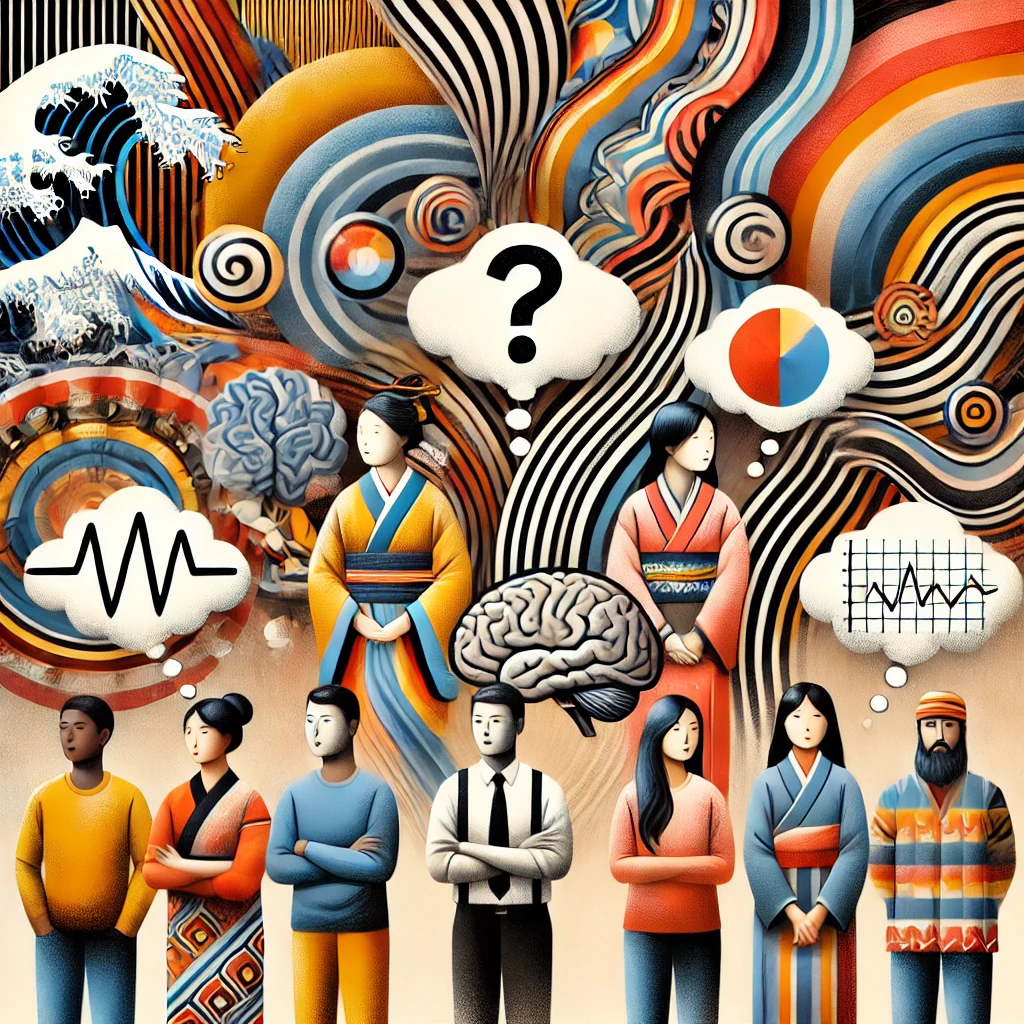
Influence of culture on anxiety
The experience and expression of emotions are influenced by a person’s cultural background. After reviewing the recent literature on cross-cultural aspects of anxiety disorders, we identified some culturally related ethnopsychology/ethnophysiology factors (the culture’s conceptualizations of how the mind and body function) and contextual factors that influence anxiety disorders. While contextual factors are linked to the social norms and rules that may contribute to anxiety, such as self-construals and individualism vs. collectivism, we will discuss “khyâl cap” (“wind attacks”), taijin kyofusho, and ataques de nervios, three well-known examples of culturally specific expressions of anxiety disorders that have all been included in the DSM-5 list of cultural concepts of distress.
Due to linguistic, evaluation, political, geographic, and sociodemographic variations, it is challenging to directly compare prevalence rates between cultures. Comparing several cultural groups within the same multicultural nation may yield a more accurate estimate of the differences in prevalence rates between them. one such study evaluated the prevalence rates of anxiety disorders within a large representative sample of the US population, oversampling Hispanic Americans (N = 3,615), Asian Americans (N = 1,628), and African Americans (N = 4,598) [4]. The findings demonstrated that compared to all other racial groups, Asian Americans consistently endorsed symptoms of all four main anxiety disorders—social anxiety disorder, panic disorder, generalized anxiety disorder, and post-traumatic stress disorder—less frequently. Compared to African Americans (8.6%, 4.9%, 3.8%, respectively), Hispanic Americans (8.2%, 5.8%, 4.1%, respectively), and Asian Americans (5.3%, 2.4%, 2.1%, respectively), White Americans (N = 6,870) consistently supported symptoms of social anxiety disorder (12.6%), generalized anxiety disorder (8.6%), and panic disorder (5.1%). Compared to the White American subgroup (6.5%), Hispanic Americans (5.6%), and Asian Americans (1.6%), African Americans were more likely to meet the criteria for post-traumatic stress disorder (PTSD) (8.6%).
Cultural Perceptions of anxiety and Stigma with it
A meaningful and statistical relationship between these variables was hypothesized, and Asians and Westerners would differ in this relationship. The study included 287 British Asian, western European, and Pakistani individuals. Method: Participants completed the Orientations to Seeking Professional Help (Fischer and Turner 1970), Mental Distress Explanatory Model Questionnaire (Eisenbruch 1990), and demographic data sheet. Results: Similar positive opinions toward obtaining professional treatment for psychological distress were found in British Asians, Westerners, and Pakistanis. The three groups’ mental anguish causation attributions differed significantly. Culture did not predict a positive attitude to seeking professional help, but causal views of mental suffering did for British Asian and Pakistani populations. Western attitudes to requesting aid were not predicted by beliefs. Conclusion: Culturally influenced mental distress causation beliefs influence Asians’ attitudes toward obtaining professional care for psychological issues. The implications for research and better health services for the British Asian minority community are highlighted.
There is a huge difference between the help seeking behaviors of the different communities. The decision of whether or not an individual will seek professional assistance or rely on traditional healing practices is influenced by cultural norms. For instance, due to cultural beliefs and a lack of trust in established healthcare institutions, some Latino populations may seek the advice of folk healers rather than professional medical professionals.
Impact of Acculturation
Acculturation is defined as the process by which a person accepts, learns, and adapts to a new cultural setting as a result of being immersed in a different culture or when someone is introduced to another culture. The phrase “culture change” is used in workplaces and public policymaking to highlight how cultural capital affects both individual and collective behavior. The reconstruction of a society’s cultural concept has been referred to as “repositioning of culture”. It emphasizes how social and cultural capital influence decision-making and how they combine with other elements, such as information accessibility or the financial incentives people face to influence their behavior.
The first psychological theory of acculturation was proposed in W.I. Thomas and Florian Znaniecki‘s 1918 study, The Polish Peasant in Europe and America found that Polish immigrants in Chicago showed three types of acculturation that match three personality types: the Bohemian type adopted the host culture and gave up their own culture, the Philistine type failed to adopt the host culture but kept their own culture, and the creative type was able to adapt to the host culture while keeping their own culture.
Getting used to a new society can be stressful for immigrants and refugees, which can make their anxiety symptoms worse. Language barriers, discrimination, and losing social support are some of the things that make this worry worse. It can vary with different generations depending on how much they adopt new culture and how much they hold on to traditional values, first-generation immigrants may feel different amounts of anxiety than later generations. This can also apply to the new workplace when they change their working environment, they experience different symptoms of anxiety or stress that is associated with the unable to adapt with the new culture a process explained as marginalization (sidelined in new culture) in the literature.
Contributing Factors to Anxiety
There are a lot of biological, psychological, environmental, and lifestyle factors that can lead to anxiety conditions. To manage and avoid problems well, you need to know about these factors that affect them. Here’s a thorough look at the things that can cause anxiety.
1.Biofactors
Genetic: A genetic susceptibility to anxiety is often found in families. Research Source: According to Smoller et al. (2009) in Nature Reviews
Neurotransmitter Imbalances: Neuroscience, genetic differences in neurotransmitter pathways are associated to anxiety disorders. Increased anxiety can result from dysregulation of neurotransmitters such as serotonin, dopamine, and GABA. Example: Low GABA levels enhance brain excitability, a hallmark of anxiety.
2.Psychological Factors
Negative Thought Patterns: People who have low self-esteem, perfectionism, and persistently negative thoughts are more likely to experience anxiety. Catastrophizing is one cognitive distortion that makes anxiety symptoms worse.
Trauma and Adverse Experiences: Anxiety is more likely to develop in those who have experienced trauma, particularly as children. Citation for Research: The effect of Adverse Childhood Experiences (ACEs) on mental health outcomes was covered by Felitti et al. (1998).
3.Environmental Factors
Stressful Life Events: Anxiety can be triggered by situations like losing one’s job, being divorced, or losing a loved one.
Social and Economic Stressors: Unemployment, social inequality, and financial instability all play a big role. (The Lancet Psychiatry)
4.Lifestyle Factors
Absence of Physical Activity: Since exercise is known to lower stress and elevate mood, sedentary behavior might make anxiety worse. For instance, endorphins, which are released during aerobic activities like swimming or running, can help reduce anxiety.
Poor Diet: Processed foods and sugar-rich diets can have an impact on mood and brain function. (Nutritional Neuroscience)
Chronic sleep deprivation impairs emotional control and makes people more susceptible to worry. For instance, the body’s stress reaction is heightened when restorative sleep is not possible.
5.Cultural and Social Influences
Cultural Norms and Expectations: Anxiety can result from social pressure to fit in or achieve. For instance, social anxiety may arise in collectivist cultures as a result of the dread of disappointing family members.
Digital Overload: Stress and anxiety levels might rise as a result of the continuous barrage of information and social comparisons on digital platforms. (JMIR)
6.Physical Health Conditions
Chronic Illnesses: Because of ongoing health problems, conditions including diabetes, heart disease, and asthma are frequently linked to increased anxiety levels.
Substance Abuse: Reliance on drugs, alcohol, or caffeine can exacerbate or cause anxiety symptoms.(Journal of Anxiety Disorders)
7.Environmental Toxins and Climate Factors
Pollution and Toxins: Neurotoxic chemicals and air pollution can alter brain function, raising the risk of anxiety. Climate Change Anxiety: Chronic concern is exacerbated by growing awareness of environmental crises around the world, especially among younger generations. (American Psychologist)
Targeted prevention and treatment efforts are made possible by an understanding of the complex elements that contribute to anxiety. Understanding how biology, environment, and lifestyle interact is crucial to creating comprehensive strategies for successfully managing anxiety.
Treatment of Anxiety
1.Pharmacological Treatment
The main factor influencing the choice of a specific medicine class or combination that is appropriate for treating anxiety is the patient’s level of bravery. In the behavioral modification and treatment, the level of anxiety experienced by the patient, the knowledge of the doctors, and the behavioral therapist. Other factors include comorbid diseases and the way the patient reacts to treatment.
First-Line Drugs
(i). Selective Serotonin Reuptake Inhibitors (SSRIs) : When SSRIs are insufficient, the patient should switch to clomipramine; augmentation can be achieved with low-dose antipsychotics (aripiprazole, risperidone) and low-dose anticonvulsants (pregabalin, lamotrigine). These medications increase the amount of serotonin in the synapses by blocking the reuptake of serotonin (5HT) by presynaptic neurons. When SSRIs are insufficient, the patient should switch to clomipramine; low-dose antipsychotics (risperidone, aripiprazole) and low-dose anticonvulsants (pregabalin, lamotrigine) might be used for augmentation.
(ii). Serotonin-Norepinephrine Reuptake Inhibitors (SNRIs): They work by preventing the presynaptic neuron from reabsorbing serotonin and norepinephrine, which raises their concentration at the junction. In patients with panic disorder, the anxiolytic effects of this class of medications may manifest in 2-4 weeks.
Second-Line Drugs
(iii). Tricyclic Antidepressants (TCAs): They work by blocking the transporters of serotonin and norepinephrine, which stops them from being reabsorbed and raises their concentration at the synapse. This increases neurotransmission. Effectiveness: Tricyclic antidepressants work well for agoraphobia and panic disorder. When treating OCD, clomipramine is the medication of choice when SSRIs or SNRIs didn’t work.
(iv). Benzodiazepines (BDZ): They work by attaching to and turning on the GABAA receptor, which causes GABA to attach to its receptor, the chloride ion channel opening, and the chloride ion entrance that results in cellular inhibition. Their effects can be observed within 1-2 minutes of ingestion because they have a far shorter onset than all other kinds of antianxiety medications.
Third-Line Drugs
v). Monoamine Oxidase Inhibitors (MAOIs): Effective in treating social anxiety disorders and panic disorder
(vi). Reversible Inhibitors of Monoamine Oxidase (RIMA): Moclobemide is helpful in treating social anxiety disorder.
(vii). Atypical Antipsychotics (Second-generation antipsychotic): Quetiapine, Olanzapine, Risperidone, Aripiprazole. Quetiapine is helpful in treating GAD at the dose of 50 to 300mg/day, panic disorder, and OCD, while risperidone is given at a dose of 0.5-2mg/day.
(viii). Azapirones: The buspirone work activates the 5-HT1A-serotonergic receptor or blocks the D2-dopaminergic receptor.
(ix). Anticonvulsants: OCD, panic disorder, Patients taking these drugs may be relieved of anxiety symptoms within 24hours.
(x). Antihistamines: Treatment of GAD.
Medicinal Plants Available to us Used in the Treatment of Anxiety
(i). Valeriana Officinalis (Valerian Extract): Previously used to treat anxiety, this plant had negative side effects such as headaches and GIT disturbances.
(ii). Lavandula angustifolia (Lavender Oil): This oil has been used to treat GAD with equivalent efficacy to lorazepam.
(iii). Hypericum Perforatum (St John’s Warts): This plant’s extract was once used to cure anxiety, but it didn’t work; side effects include weight gain, impotence, and suicide.
(iv). Passiflora Incarnata (Passionflower): It treats anxiety with similar effectiveness to BDZ; side effects include drowsiness, sleepiness, can raise the blood pressure.
(v). Galphimia Glauca (Extract): Another helpful phytomedicine for GAD is this extract, which has been shown to be just as successful in treating the condition as lorazepam in a randomized controlled clinical trial.
(vi). Piper Methysticum (KAVA): Originally used to cure anxiety, this herb was eventually removed because of its hepatotoxic sedative properties.
Non-Pharmacological Treatment: Strategies to beat anxiety: How to calm anxiety
1.Electroconvulsive Therapy: This entails placing a tiny electrode while using stereotactic MRI monitoring. Brief electrical shocks will induce neuronal firing and be used to treat mood disorders, panic attacks, and agoraphobia.
2.Vagal Nerve Stimulation: In order to treat panic disorder and agoraphobia, this entails stimulating fear control regions like the amygdala, hippocampus, insula, and frontal cortex via afferent vagal nerves to produce an inhibitory neurotransmitter.
3.Surgery: This is true for social phobia and resistant GAD. These consist of limbic leucotomy, anterior capsulotomy, subcaudate tractotomy, and anterior cingulotomy.
4. Cognitive Behavioral Therapy (CBT): CBT is generally a very important part of treating anxiety; in the case of panic disorder, it is more crucial than medication. The cognitive behavioral therapy (CBT) component used to treat panic disorder consists of coping mechanisms, exposure to the panic-inducing environment, altering negative thinking, and psychoeducation. CBT can be done once a week for a few hours for up to 12 to 16 weeks, however daily one-hour sessions were more successful.
The present era of human history is characterized by the widespread use of digital technology and internet in almost all aspects of life, and this is called as the digital age or information age. Since the advent of digital age there is a change in the practices of humans that leads to the progressively worsened mental conditions since the 1990’s, with the number of disability-adjusted life years attributed to mental illness estimated to have risen by 37% between 1990 and 2013.
The millennial generation saw a dynamic shift in the modes of communications and way of sharing information. They have seen the evolution of social media from the early days of Friendster and Myspace to the present modern day social media comprising of Instagram, Twitter, Snapchat, and TikTok, this generation saw dynamic landscape of digital communication tools. this generation is the first generation to be affected by social media. Alot of studies have been done to understand the impact of specific social media behaviors on social anxiety. Excessive time spent on platforms, cyberbullying experiences, and the pressure to maintain a favorable online image have been identified as potential stressors.
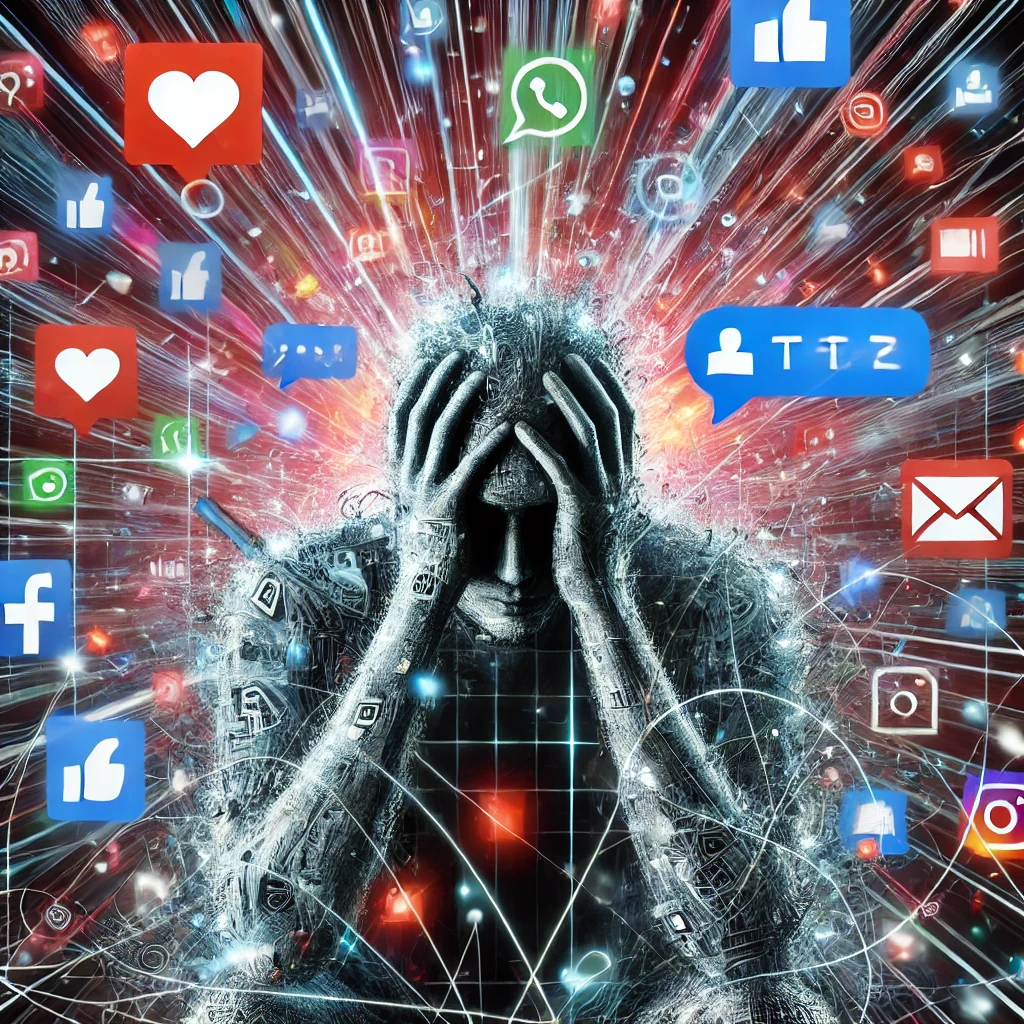
What is digital induced anxiety?
It is a feeling of stress, worry and uneasiness that is caused by the excessive unhealthy interaction with the digital devices or social media platforms. this is very much prevalent these days due to the excessive usage of the social media platforms and constant connectivity.
Don Grant, PhD, who is also president of APA’s Division 46 (Society for Media Psychology and Technology) most of the teens and adults with whom he has worked are experiencing a stress that is directly related to the news they have learned about through social media or some other platforms online. Someone has read about an animal on the verge of extinction or the latest update on the melting polar ice caps, he may not even recognize it but that have affected their mood and its bothering them.
Though there is no formally recognized disorder or any diagnostic criteria, but psychologists are seeing patients suffering from news related stress and seeking guidance on how to help them. Recent research studying news seeking and emotional responses has found that more exposure to the latest headlines—whether through traditional news outlets or highlighted on social media—can undercut mental health. Another study, conducted by Matthew Price, PhD, of the University of Vermont in Burlington followed 61 young adults for 30 days found an association between the amount of exposure to news on social media and more depression and PTSD symptoms.
What are the digital-Induced Anxiety Symptoms
Common anxiety signs and symptoms include:
Feeling worried, agitated, or tense
Having a sensation of imminent danger, terror, or disaster
Have an elevated heart rate.
Rapid breathing (hyperventilation).
Sweating
Trembling
Feeling weak or exhausted
Trouble concentrating or thinking about anything other than the current stress.
Having difficulty sleeping
Having gastrointestinal (GI) difficulties
Having trouble suppressing worry.
Having the tendency to avoid things that cause worry.
When to seek help
When to visit your physician:
You believe that your excessive worry is getting in the way of your relationships, career, and other aspects of your life.
You find your fear, worry, or anxiety distressing and challenging to manage.
You struggle with substance abuse, depression, or other mental health issues in addition to anxiety.
You believe that a physical health issue may be connected to your anxiety.
If you are experiencing suicide thoughts or actions, get emergency care right now.
Your concerns might not be resolved on their own, and they may get worse over time if you don’t seek help. See your doctor or a mental health provider before your anxiety gets worse. It’s easier to treat if you get help early.
What are Strategies for Managing Digital Consumption:
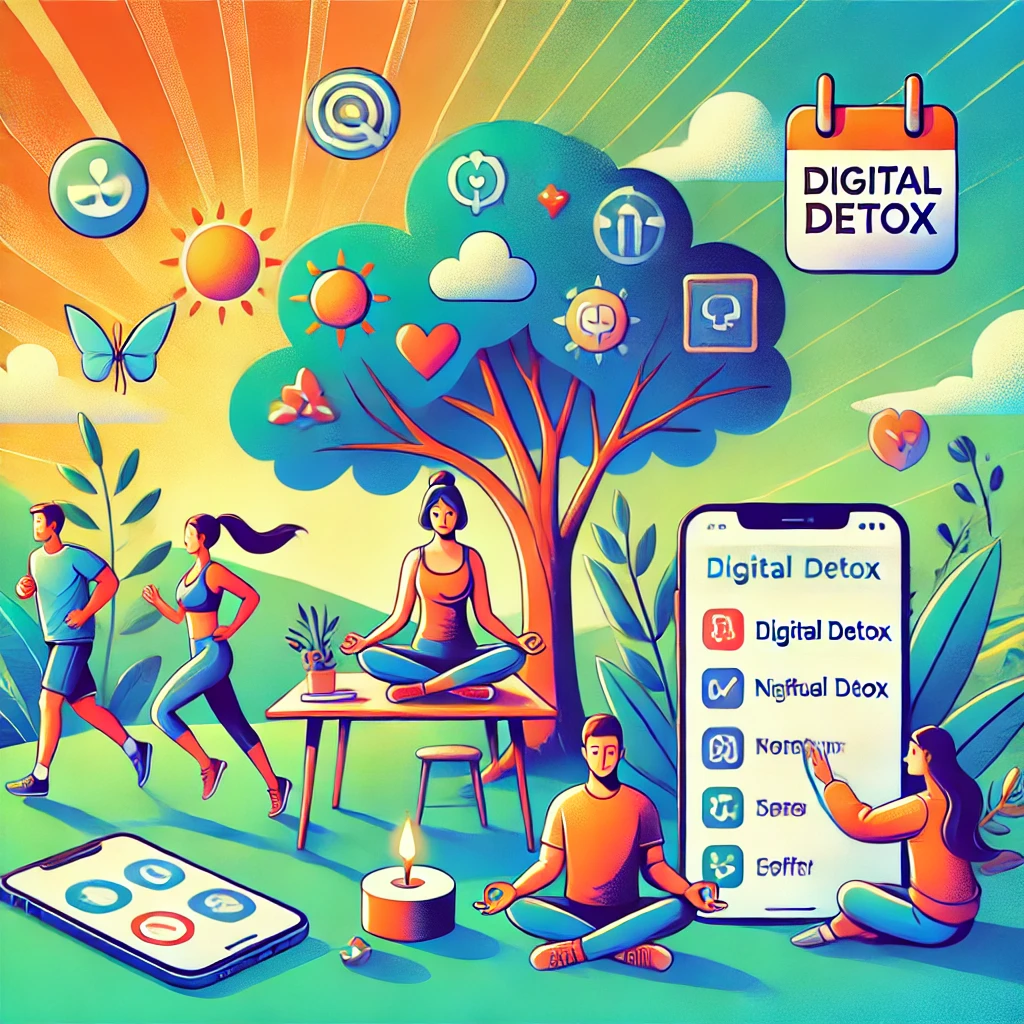
Indeed, a 2013 survey by APA’s Center for Organizational Excellence have some findings regarding the digital anxiety. The Stress in America survey found 65% of Americans somewhat or strongly agree that periodically “unplugging” or taking a “digital detox” is important for mental health. Yet only 28% actually do so.
Here are seven strategies to help you use technology in healthy ways:
Do not use phones behind the wheel. Every year, thousands of people are killed due to inattentive driving. Turn off your phone’s notifications and keep it out of reach while driving.
Defend your sleep Researchers believe this is due in part to the fact that phones and other technological devices generate “blue light,” which suppresses the production of the sleep-related hormone melatonin.
Turn off alerts! Most of us configure our phones to beep or buzz whenever a new email, text, or social media notification arrives. According to the Stress in America poll, only 19% of Americans turn off social media app notifications. However, continual notifications can have a negative impact on well-being.
Managing expectations Tell them if you won’t check email or text messages at work or on vacation. Tell your mom you’ll answer messages at night. Make sure your boss agrees before you leave for the weekend. If you have angry family and coworkers, disconnecting won’t help.
Use social media wisely Many people have felt like their lives are less glamorous or exciting than their friends’ social media lifestyles. Social media may cause depression, according to some research. But you can improve your social media relationship.
Be present Digital technologies and social media make staying in touch easy, but they also distract you from real-life relationships. And face-to-face encounters are vital for emotional well-being. In the Stress in America poll, 44% of those who check email, texts, and social media frequently or constantly feel detached from their families, even when together. Try to unplug with friends and family. Silence and hide your phone at dinner and family activities to avoid temptation.
Rest and recharge. Relaxing, reflecting, and even creating require quiet time to think. If you use your phone every free moment, you’re missing out on recharge time. Set aside time daily to disconnect. Though challenging at first, you’ll eventually grab for your phone less and enjoy those quiet moments.
Engage in social interaction Don’t allow worries to keep you from activities or loved ones.
Adhere to your treatment regimen
As prescribed, take your meds. Attend therapy sessions and finish any homework your therapist assigns you. Particularly when it comes to taking your prescription, consistency can make a significant difference. Employ relaxation and stress-reduction strategies. Examples of relaxation methods that can reduce anxiety include yoga, meditation, and visualization exercises. Keep a journal By monitoring your daily life, you and your mental health provider can determine what stresses you out and what tends to make you feel better.
Conclusion
In this day and age, properly managing anxiety demands adopting a well-rounded strategy when it comes to the utilization of technology. In spite of the fact that digital platforms provide a multitude of advantages, excessive engagement can result in increased levels of stress and anxiety. Steps that are vital to the maintenance of mental well-being include the implementation of conscious digital consumption, the establishment of clear boundaries, and the allocation of priority to offline activities. In addition, digital therapies, such as cognitive-behavioral therapy that is delivered online, have demonstrated remarkable potential in the treatment of anxiety symptoms. Individuals are able to take use of the benefits that technology has to offer while simultaneously protecting their mental health if they adopt a proactive and well-informed strategy.
“It’s not how long we’re using screens that really matters; it’s how we’re using them and what’s happening in our brains in response,” says Rich, director of the Center on Media and Child Health at Boston Children’s Hospital, associate professor of paediatrics at HMS, and associate professor of social and behavioural sciences at the Harvard T.H. Chan School of Public Health.
During the Covid pandemic most of the people were doing work from home, Daycares were closed, all physical activities were stopped and all schools shifted to online classes. At that time, we saw a rising trend in the increased screen time not only in the children but also in the adults which was associated to increased level of anxiety. But even after the Covid we have seen the rising trends in the excessive use of mobile phone in the children.
Children in the developing age, their brain is constantly building new neural connections while pruning away the less used one and social media has a strong impact on that. The children need to have a diverse menu of online and offline experience to let their brains wander and grow properly.
The American Academy of Pediatrics’ (AAP) gives the guidelines for the children for children screen time: American Academy of Pediatrics
Infants Under 18 Months: Parents should avoid screen time, except for video chatting. At this the physical interaction helps most in brain development.
Children Aged 18 to 24 Months: If you are introducing digital media make sure to keep a check on children and provide them with the quality content. Co viewing helps in their comprehension and Learning.
Children Aged 2 to 5 Years: The parents should limit the screen time to one hour per day of quality content and co viewing is encouraged to help children understand what they are viewing.
Children Aged 6 Years and Older: There should be a constant limit to screen time to make sure that it is not interfering with sleep, physical activity, and other healthy behaviours. Focus should be on the quality content and balance with the other activities.
Signs of anxiety in children related to use of social media:
Sleep disturbances: They have a disturbance with their sleep pattern and timings. Children over six years of age need up to 12 hours of sleep over a 24-hour period, but the excessive use of social media is disturbing it.
Low energy: Due to lack of sleep they are unable to focus on anything and it leads to low energy during the day and a dampened mood.
Social media makes them emotional: If your child is becoming irritable, anxious or irritable over the small things you need to check it might be because of social media.
They want to be alone: If parents notice that their children are retreating to their rooms more than usual and spending more time in their room? it might be because of digital media they are using in their rooms.
They refuse to share passwords: Parents should be concerned if their children refuse to share their social media passwords. According to research by the Children’s Commissioner’s Office, 45 percent of the children aged 08 to 17 have seen content that was inappropriate or made them worried or upset.
Reduced attention span: Tiktok brain is the real phenomena by the excessive usage of short videos platform children are unable to focus on anything for a longer period. This is seen in the children who use these platforms have significantly decreased attention span.
Declining school performance: Increase in screen time leads to decrease in the attention span and inability to focus on anything so there is a significant decline in the school performance of the children who use social media excessively.
Strategies for parents:
It is clear that Screen time must cut down, but the question is how we can cut it down and about what you might do instead.
Play board games. If you feel like it, change the rules (which may make them more accessible for younger children). You can even make up your own board game
Bake! There’s nothing like making sweets to make everyone happy.
Paint and draw
Build things — from blocks, cardboard, anything
Read books with actual pages. Graphic novels and comic books count.
Play instruments. Virtual lessons — and free online tutorials — are available.
Encouraging sports and playing with them their favorite sports.
Conclusion:
There is increased amount of anxiety and restlessness in children due to excessive use of digital media that is not an issue that parents can deny or turn a blind eye to it as if they don’t take necessary steps now it will lead to some serious health conditions with hazardous effects. So, it is advisable to cut down the social media usage by adopting the appropriate alternative measures.