Posted on 2 Comments

Best Foods for Heart Health and How to Include Them

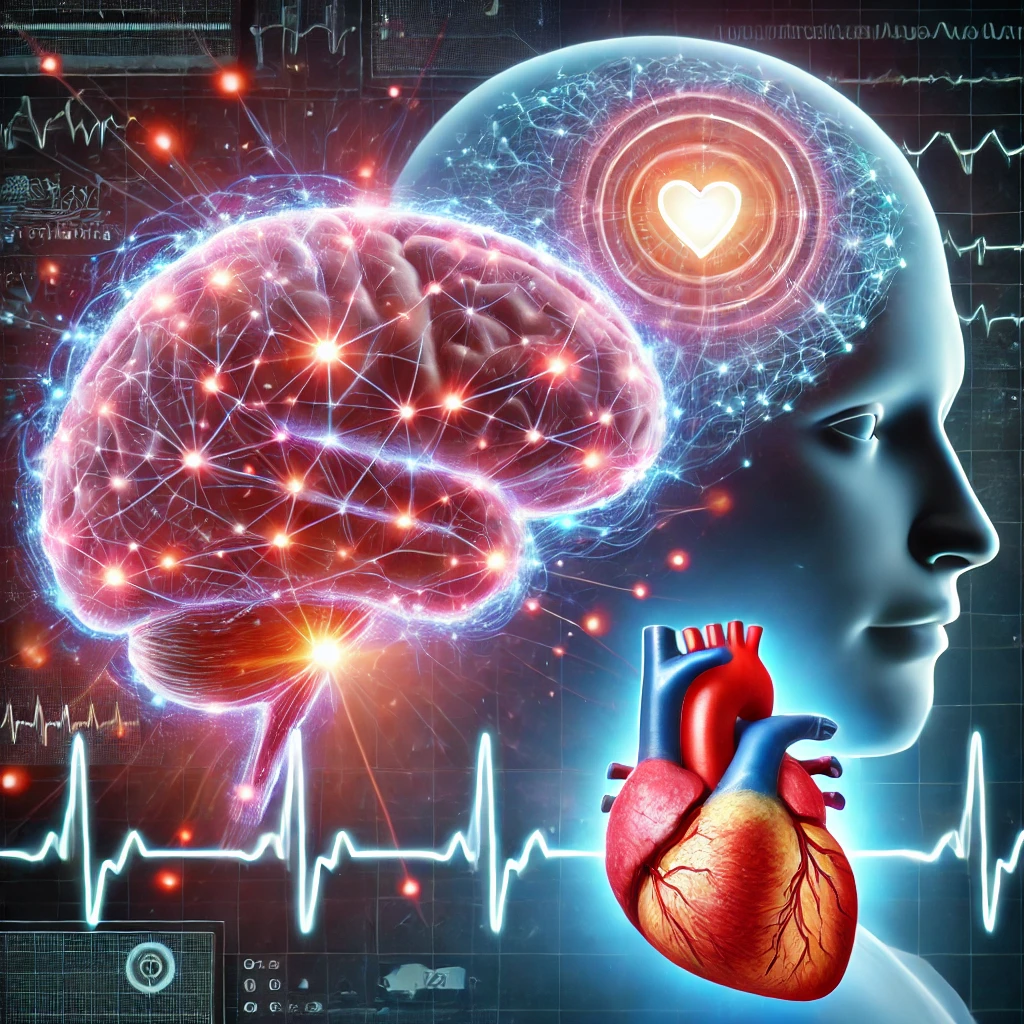
Description of image

Introduction

Keeping your heart healthy is essential for a long and active life. A poor diet is one of the biggest risk factors for heart disease, but by making smart food choices, you can lower your risk and improve your overall well-being. In this guide, we’ll explore the best heart-healthy foods and simple ways to incorporate them into your diet.

Why a Heart-Healthy Diet Matters

Heart disease is the leading cause of death globally. According to the CDC, nearly 697,000 people in the U.S. die from heart disease every year. However, a nutrient-rich diet can significantly reduce the risk by lowering cholesterol, improving blood pressure, and reducing inflammation.

Top Heart-Healthy Foods

1. Fatty Fish

Fish like salmon, mackerel, and sardines are packed with omega-3 fatty acids, which help lower blood pressure and reduce inflammation.

How to include:

  • Grill or bake salmon with herbs for a delicious dinner.
  • Add canned tuna to your salad or sandwich.
  • Make a simple fish taco with grilled fish and fresh veggies.

2. Nuts and Seeds

Almonds, walnuts, chia seeds, and flaxseeds provide healthy fats, fiber, and antioxidants that support cardiovascular health.

How to include:

  • Snack on a handful of unsalted almonds or walnuts.
  • Sprinkle chia or flaxseeds in smoothies or oatmeal.
  • Use almond butter as a spread for whole-grain toast.

3. Leafy Green Vegetables

Spinach, kale, and Swiss chard are loaded with vitamins, minerals, and nitrates that boost heart health by lowering blood pressure.

How to include:

  • Add spinach to your morning omelet.
  • Make a green smoothie with kale, banana, and yogurt.
  • Use Swiss chard in stir-fries or salads.

4. Whole Grains

Foods like brown rice, quinoa, and oats are rich in fiber, which helps lower cholesterol and improve heart health.

How to include:

  • Swap white rice for brown rice or quinoa.
  • Start your day with a bowl of oatmeal.
  • Choose whole-grain bread and pasta whenever possible.

5. Berries

Strawberries, blueberries, and raspberries are full of antioxidants that help reduce heart disease risk and lower blood pressure.

How to include:

  • Add fresh berries to yogurt or cereal.
  • Blend them into a smoothie.
  • Use them as a natural sweetener in oatmeal.

6. Avocados

Avocados contain healthy monounsaturated fats that help lower bad cholesterol and improve heart health.

How to include:

  • Spread mashed avocado on toast.
  • Add avocado slices to salads and sandwiches.
  • Use it as a base for a healthy guacamole.

7. Beans and Legumes

Beans, lentils, and chickpeas are high in fiber and protein, making them excellent for heart health.

How to include:

  • Make a lentil soup or stew.
  • Add chickpeas to salads or make hummus.
  • Substitute meat with black beans in tacos or burgers.

8. Dark Chocolate

Dark chocolate with at least 70% cocoa contains flavonoids that help lower blood pressure and improve circulation.

How to include:

  • Enjoy a small piece of dark chocolate as a treat.
  • Add cocoa powder to smoothies or oatmeal.
  • Use dark chocolate chips in baked goods.

9. Olive Oil

Extra virgin olive oil is packed with antioxidants and healthy monounsaturated fats that protect your heart.

How to include:

  • Use olive oil for cooking instead of butter.
  • Drizzle over salads and vegetables.
  • Dip whole-grain bread in olive oil instead of butter.

10. Garlic

Garlic contains allicin, a compound that helps reduce blood pressure and cholesterol levels.

How to include:

  • Add fresh garlic to soups and stir-fries.
  • Use garlic in salad dressings and marinades.
  • Roast whole garlic cloves for a rich, savory flavor.

Final Thoughts

Eating for heart health doesn’t have to be complicated. By including these nutrient-rich foods in your diet, you can reduce your risk of heart disease, lower cholesterol, and maintain a healthy lifestyle. Start small by swapping processed foods for whole, natural ingredients, and make gradual changes that support your heart.

Take Action Today

Now that you know the best foods for heart health, it’s time to make a change! Try adding one of these foods to your meals this week and share your favorite heart-healthy recipes in the comments below.
Posted on 18 Comments

Best Foods for Heart Health and Their Incredible Benefits

Description of image

Your heart works tirelessly to keep you alive, so keeping it in top shape is essential. The right diet can improve cardiovascular health, reduce the risk of heart disease, and keep blood pressure and cholesterol levels in check. If you’re wondering which foods are best for heart health, you’re in the right place! This guide explores the most beneficial foods that support a strong and healthy heart.

Why Diet Matters for Heart Health

A healthy heart starts with the right nutrition. Consuming heart-friendly foods can:

  • Lower bad cholesterol (LDL) and increase good cholesterol (HDL)
  • Reduce blood pressure and improve circulation
  • Prevent inflammation that leads to cardiovascular diseases
  • Support overall well-being and longevity

Top Heart-Healthy Foods You Should Include in Your Diet

1. Fatty Fish: Omega-3 Powerhouse

Fatty fish like salmon, mackerel, sardines, and tuna are excellent sources of omega-3 fatty acids, which help reduce inflammation and lower the risk of heart disease.

  • Helps lower triglycerides
  • Reduces artery-clogging plaque
  • Prevents irregular heartbeats

Tip: Aim for at least two servings of fatty fish per week.

2. Berries: Antioxidant-Rich Superfoods

Berries, including strawberries, blueberries, raspberries, and blackberries, are packed with antioxidants and fiber, which improve heart function and reduce oxidative stress.

  • Decrease blood pressure
  • Reduce bad cholesterol levels
  • Protect against free radical damage

3. Nuts: A Heart-Protective Snack

Almonds, walnuts, and pistachios contain healthy fats, magnesium, and fiber, making them some of the best nuts for heart health.

  • Lower cholesterol
  • Reduce inflammation
  • Improve blood vessel function

Tip: A small handful of nuts daily can significantly improve heart health.

4. Leafy Greens: A Nutrient Goldmine

Spinach, kale, and collard greens are rich in vitamins, minerals, and nitrates, which promote heart health.

  • Reduce blood pressure
  • Improve arterial function
  • Lower risk of heart disease

5. Whole Grains: Keep Cholesterol in Check

Oats, brown rice, quinoa, and whole wheat bread are high in fiber, which helps manage cholesterol and maintain steady blood sugar levels.

  • Help reduce LDL cholesterol
  • Promote better digestion
  • Support overall heart health

6. Avocados: Healthy Fat Source

Avocados are rich in monounsaturated fats and potassium, essential for maintaining a healthy heart.

  • Lower bad cholesterol
  • Regulate blood pressure
  • Provide essential nutrients for heart function

7. Dark Chocolate: A Sweet Heart-Healthy Treat

Dark chocolate with at least 70% cocoa contains flavonoids, which improve blood circulation and lower blood pressure.

  • Boosts heart health
  • Reduces artery stiffness
  • Improves overall vascular function

8. Legumes: Protein-Rich and Heart-Friendly

Beans, lentils, and chickpeas are packed with fiber and plant-based protein, making them a great heart-healthy choice.

  • Lower risk of heart disease
  • Improve insulin sensitivity
  • Reduce LDL cholesterol

9. Olive Oil: The Heart’s Best Friend

Extra virgin olive oil is loaded with antioxidants and anti-inflammatory properties that benefit the heart.

  • Helps reduce blood pressure
  • Lowers bad cholesterol
  • Improves arterial health

Tip: Use it as a salad dressing or drizzle over cooked vegetables.

10. Tomatoes: A Nutritional Powerhouse

Tomatoes contain lycopene, an antioxidant known for its heart-protective benefits.

  • Reduces inflammation
  • Lowers blood pressure
  • Prevents plaque buildup in arteries

Simple Tips for a Heart-Healthy Diet

Incorporating heart-healthy foods into your diet doesn’t have to be complicated. Follow these simple tips:

  • Eat more fiber: Include whole grains, legumes, and vegetables in daily meals.
  • Choose healthy fats: Opt for nuts, avocados, and olive oil over saturated and trans fats.
  • Limit processed foods: Cut down on sugary snacks and high-sodium processed meals.
  • Stay hydrated: Drink plenty of water to support heart function.

Final Thoughts

Making smart food choices is one of the best ways to maintain a strong and healthy heart. By incorporating these heart-friendly foods into your diet, you can boost your cardiovascular health and reduce the risk of heart disease.

Start today! Add more of these nutritious foods into your meals and take a step towards a healthier heart. Your body will thank you for it!

Have questions or favorite heart-healthy recipes? Share them in the comments below!

Posted on 2 Comments

Latest Advances in Artificial Intelligence for Medical Diagnosis and Treatment

Introduction

Artificial Intelligence (AI) is transforming the healthcare industry in ways we never thought possible. From detecting diseases at an early stage to personalizing treatment plans, AI-powered solutions are significantly improving patient outcomes. Healthcare professionals are leveraging machine learning, deep learning, and natural language processing (NLP) to diagnose diseases more accurately and efficiently.

In this article, we’ll explore the latest AI breakthroughs in medical diagnosis and treatment, backed by expert insights and real-world applications.

How AI Enhances Medical Diagnosis

Faster and More Accurate Disease Detection

Traditionally, diagnosing diseases like cancer, heart disease, or neurological disorders required extensive testing and human interpretation. AI is now enhancing this process by:

  • Analyzing medical images: AI-driven image recognition tools can detect abnormalities in X-rays, MRIs, and CT scans faster than human radiologists.
  • Processing vast amounts of data: AI algorithms can scan thousands of patient records to identify patterns indicating disease progression.
  • Reducing human error: By minimizing diagnostic errors, AI helps doctors make more informed decisions.

Breakthroughs in AI-Powered Diagnosis

Recent studies highlight the effectiveness of AI in medical diagnosis:

  • A 2023 study published in The Lancet found that an AI-powered breast cancer detection model had an accuracy rate of 95%, surpassing traditional mammograms.
  • Google Health’s DeepMind AI system can diagnose eye diseases with the same accuracy as top ophthalmologists.
  • IBM Watson Health uses AI to analyze patient history and provide oncologists with personalized cancer treatment recommendations.

AI in Personalized Treatment and Drug Discovery

Tailoring Treatments for Individual Patients

Every patient is unique, and AI is helping doctors create treatment plans based on genetic data, lifestyle, and medical history. Personalized medicine, also known as precision medicine, allows for:

  • Better medication prescriptions: AI helps doctors predict how a patient will respond to specific drugs, reducing adverse reactions.
  • Optimized dosage recommendations: AI-powered models assist in determining the best dosage based on real-time patient data.

Accelerating Drug Discovery

Developing new drugs is a time-consuming and expensive process, but AI is revolutionizing this field by:

  • Identifying promising drug compounds in a fraction of the time.
  • Predicting how drugs will interact with human biology to reduce clinical trial failures.
  • Enabling pharmaceutical companies to bring life-saving medications to market faster.

AI-Powered Robotics and Virtual Assistants in Healthcare

Robotic Surgeries

AI-powered robotic surgical systems, such as the Da Vinci robot, assist surgeons in performing complex procedures with high precision. Benefits include:

  • Minimally invasive surgery options.
  • Reduced recovery time for patients.
  • Lower risk of complications.

AI Chatbots and Virtual Assistants

AI-driven virtual assistants are providing support by:

  • Helping patients book appointments and answer medical queries.
  • Monitoring chronic conditions and reminding patients to take medication.
  • Assisting healthcare providers by automating administrative tasks.

Challenges and Ethical Considerations

Data Privacy and Security

With the increasing use of AI in healthcare, ensuring patient data privacy is critical. AI systems must comply with regulations like HIPAA and GDPR to safeguard sensitive patient information.

Bias in AI Algorithms

AI models are trained using historical healthcare data, which can introduce biases. Ensuring diverse and representative datasets is crucial for eliminating disparities in AI-driven diagnosis and treatment.

Future of AI in Medical Healthcare

The future of AI in healthcare looks promising. With advancements in deep learning, genomics, and robotics, AI will continue to revolutionize patient care. Potential developments include:

  • AI-assisted early disease prediction models using wearables and IoT devices.
  • More sophisticated robotic-assisted surgeries.
  • Fully AI-powered diagnostic tools integrated with telemedicine.

Conclusion

AI is not just a technological advancement in medicine—it’s a game-changer. With improved diagnosis accuracy, personalized treatments, and enhanced healthcare accessibility, AI is paving the way for a healthier future. However, addressing challenges such as data privacy and algorithmic bias remains essential for AI to reach its full potential.

Are you excited about the future of AI in healthcare? Stay updated with the latest innovations by subscribing to our newsletter and exploring more technology insights on our blog!


Posted on 2 Comments

“The Heart-Brain Connection: How Cardiovascular Health Impacts Cognitive Function and Mental Clarity”

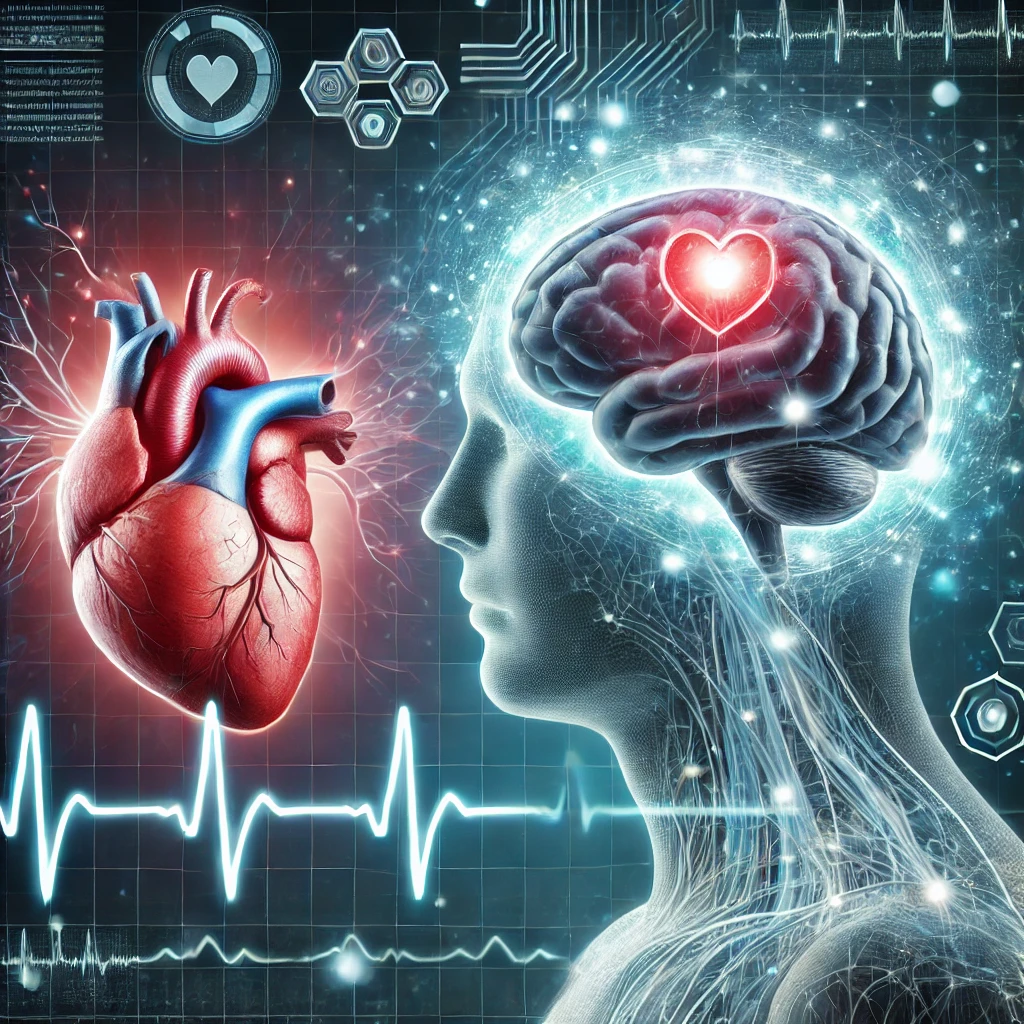
A futuristic depiction of the heart-brain connection with a glowing brain linked to a pulsating heart through illuminated pathways.

Introduction

Within the realm of contemporary medicine, the symptoms of heart disease and the health of the circulatory system have become more relevant issues. Among the most remarkable relationships in the field of medicine is the connection that exists between the health of the heart and the function of the brain. Despite the fact that we have traditionally considered these to be two distinct systems, it is now widely acknowledged that the management of blood pressure and the prevention of heart disease are both essential components in the process of preserving cognitive health and avoiding memory loss.

1. Understanding the Heart-Brain Connection

Because of the intricate network of blood arteries, nerves, and biochemical impulses that connects the heart and the brain, the two organs are connected. The heart is responsible for pumping oxygen-rich blood to the brain, which, in order for the brain to operate properly, is required. Any disruption in this process, such as decreased blood flow as a result of clogged arteries or high blood pressure, can have a severe impact on the health of the brain.

When it comes to this link, the vascular system is an extremely important factor. By maintaining healthy blood vessels, one may ensure that oxygen and nutrients are delivered to the brain in an effective manner while also removing waste materials. There is a possibility that the brain will not receive the resources it requires when cardiovascular health is deteriorating, which can eventually lead to cognitive problems.

Maintaining a healthy cardiovascular system can dramatically lower the risk of having a stroke, dementia, and other cognitive diseases, as stated by the American Heart Association (AHA). The significance of taking care of your heart in order to safeguard your brain is brought into focus by this. (American Heart Association).

2. How Heart Health Affects Cognitive Function

Research has established a connection between cardiovascular illnesses (CVDs) and an increased likelihood of cognitive decline and dementia. Among the most important mechanisms are:

Reduced Blood Flow to the Brain: As a result of blocked or restricted arteries, there is a reduction in the amount of oxygen that is delivered to the brain, which can lead to damage to the brain cells.

Inflammation: A chronic inflammation that is caused by heart disease can be a contributing factor in the development of neurodegenerative diseases and cognitive impairment.

oxidative stress: An imbalance between free radicals and antioxidants in the body can cause damage to brain cells, which can result in issues with memory and focus. This type of stress is known as oxidative stress.

Stroke and Mini-Strokes: Strokes happen when blood supply to the brain is disrupted, and they can cause rapid cognitive impairment. Mini-strokes, also known as transient ischemic attacks (TIAs), on the other hand, raise the risk of dementia. (National Institutes of Health).

3. Signs of Poor Cardiovascular Health and Its Impact on the Brain

Becoming aware of the symptoms that indicate poor cardiovascular health is the initial step in the process of safeguarding your brain. The following are examples of common symptoms:

  • Hypertension, also known as high blood pressure
  • Having high levels of cholesterol
  • During physical activity, experiencing a shortness of breath
  • a discomfort or soreness in the chest
  • Exhaustion and lightheadedness

If these problems are not treated, they might result in a decrease in the amount of blood that flows to the brain, which can cause symptoms such as:

  • A issue with memory
  • Difficulty focussing the mind
  • Fog in the brain
  • Potentially elevated risk of dementia

If you encounter any of these symptoms, it is imperative that you seek the advice of a qualified medical practitioner in order to undergo a comprehensive evaluation. (Mayo Clinic).

 A heart and brain connected by an energy stream, symbolizing the relationship between cardiovascular health and cognitive function.

4. How to Protect Both Your Heart and Brain

The good news is that many of the same tactics that protect your heart also improve your brain. This is particularly an advantage. A few methods that are supported by scientific research are as follows:

Dietary Changes:

  • Omega-3 Fatty Acids: Omega-3s, which may be found in fatty fish such as salmon, are good to the brain because they help to reduce inflammation and hence promote the health of the heart.
  • Foods High in Antioxidants: Berries, leafy greens, and nuts are all excellent sources of antioxidants, which are antioxidants that protect blood vessels and brain cells.
  • Whole grains and fiber are health benefits that are beneficial to both the heart and the brain since they help reduce cholesterol and enhance blood flow.

Exercise

  • aerobic exercise: Cardiovascular health can be improved with aerobic exercise, which includes activities such as walking, swimming, and cycling. This type of exercise also increases blood flow to the brain.
  • Strength Training: Building muscle through strength training can assist in the regulation of blood pressure and the reduction of the risk of developing heart disease.
  • Yoga and Tai Chi: Both yoga and tai chi are techniques that combine physical activity with the reduction of stress, which is beneficial to the health of both the heart and the brain.

Lifestyle Tips:

  • Quit Smoking: You should give up smoking since it causes damage to your blood vessels and raises the risk of cardiovascular disease and cognitive decline.
  • Limit Alcohol: Reduce your alcohol intake because drinking too much alcohol can be harmful to both your heart and your brain.
  • Maintain a Healthy Weight: Obesity is a risk factor for both cardiovascular disease and dementia, so being overweight or obese should be avoided at all costs.

Regular Checkups:

  • Ensure that you periodically check your blood sugar, cholesterol, and blood pressure concentrations.
  • When circulatory problems are detected at an early stage, it is possible to prevent long-term harm to the brain.

5. The Role of Sleep and Stress in Heart-Brain Health

The ability to get enough quality sleep and effectively manage stress related to heart disease are both essential for preserving both cardiovascular and cognitive health. The research conducted at the Sleep Medicine Center at Stanford University reveals:

  • Connections between sleep apnea and coronary heart disease
  • The impact of stress on the health of the heart
  • How to lessen the likelihood of developing heart disease
  • Sleep’s influence on the body’s blood pressure
  • Techniques for managing stress that are beneficial to the heart

6. Emerging Research on the Heart-Brain Connection

Recent advancements in scientific research have provided fresh perspectives on things like:

  • The most recent treatments for heart disease
  • Unparalleled advancements in cardiovascular research
  • Medications that are new for blood pressure
  • The most advanced monitoring of heart health
  • Assessments of cognitive health that are innovative

Conclusion

The connection between the heart and brain serves as a significant reminder of the interrelatedness of our bodily systems. Enhancing your cardiovascular health not only protects your heart but also preserves your brain and mental acuity. Implementing a heart-healthy diet, reducing stress, and maintaining physical activity can significantly enhance your overall well-being.

It is never too early or too late to prioritize the health of your heart and brain. Seek guidance from your healthcare practitioner for tailored recommendations and initiate your journey towards a healthier, more astute future.

FAQs

1. How does high blood pressure affect the brain?

Problems with blood vessels in the brain can be caused by high blood pressure. This can lower blood flow and raise the chance of stroke, memory loss, and dementia.

2. Can improving heart health reverse cognitive decline?

Some cognitive decline may be permanent, but improving heart health can slow it down and make the brain work better generally.

3. What are the best foods for heart and brain health?

Both organs benefit from foods that are high in fiber (like whole grains), vitamins (like berries), and omega-3s (like salmon).

4. How much exercise is needed to protect the heart and brain?

Aim to do strength training twice a week and mild aerobic exercise for at least 150 minutes each week.

5. Is stress really that harmful to the heart and brain?

In fact, long-term stress can cause high blood pressure, inflammation, and memory loss. Dealing with stress is important for general health.

Refrences

  • American Heart Association: Heart-Brain Connection
  • National Institute on Aging: Cognitive Health
  • Harvard Health: The Heart-Brain Link
  • Mayo Clinic: Cardiovascular Health

    Take Charge of Your Heart and Brain Health Today!
    Your heart and brain work together to support your overall well-being. By making simple lifestyle changes—eating a heart-healthy diet, staying active, managing stress, and prioritizing sleep—you can protect both your cardiovascular and cognitive health.
    Start today:
    ✅ Eat nutritious foods that support brain and heart function
    ✅ Engage in regular physical activity
    ✅ Manage stress through mindfulness and relaxation techniques
    ✅ Get quality sleep and maintain a healthy routine
    ✅ Schedule regular health checkups and monitor key risk factors
    Stay informed, stay proactive, and take charge of your longevity! Share this article with your loved ones and help spread awareness about the crucial heart-brain connection.

Posted on Leave a comment

“The Gut-Brain Connection: How Your Microbiome Influences Mental and Physical Health”

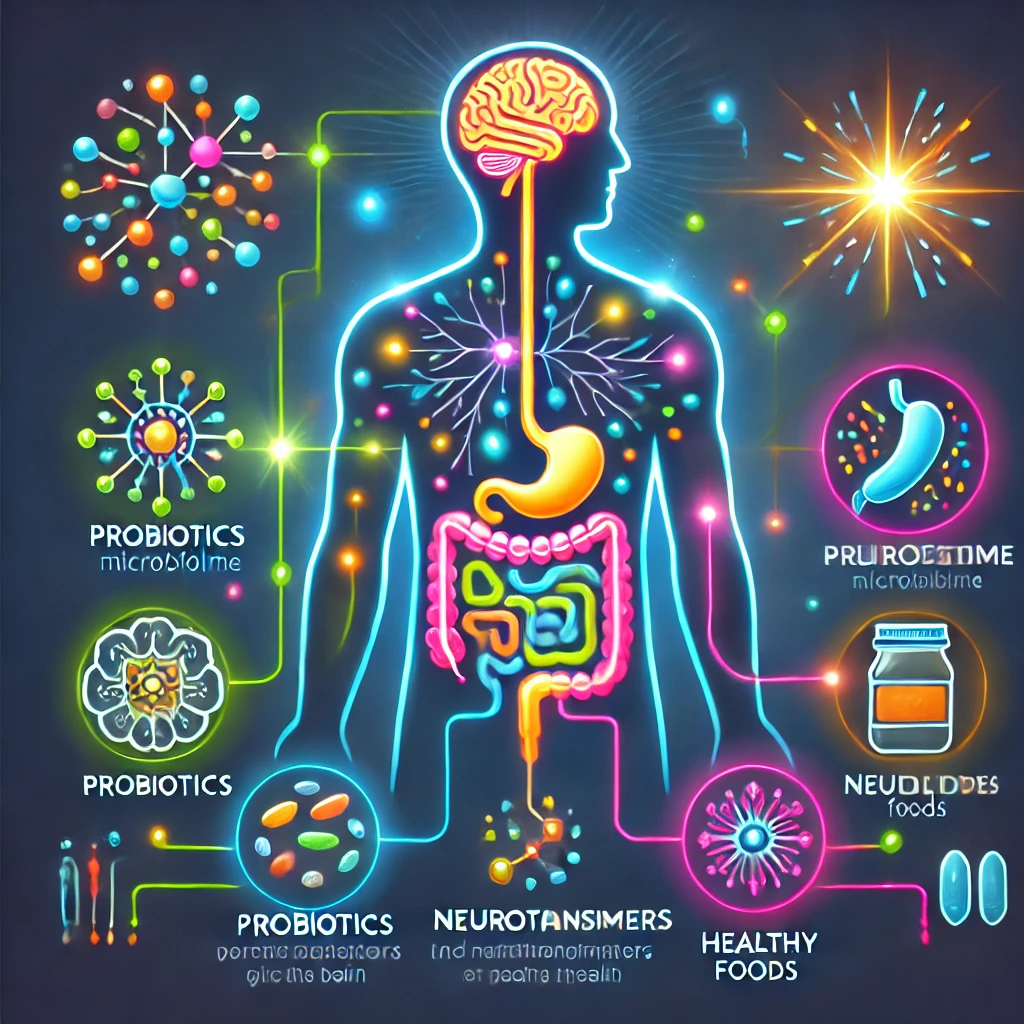
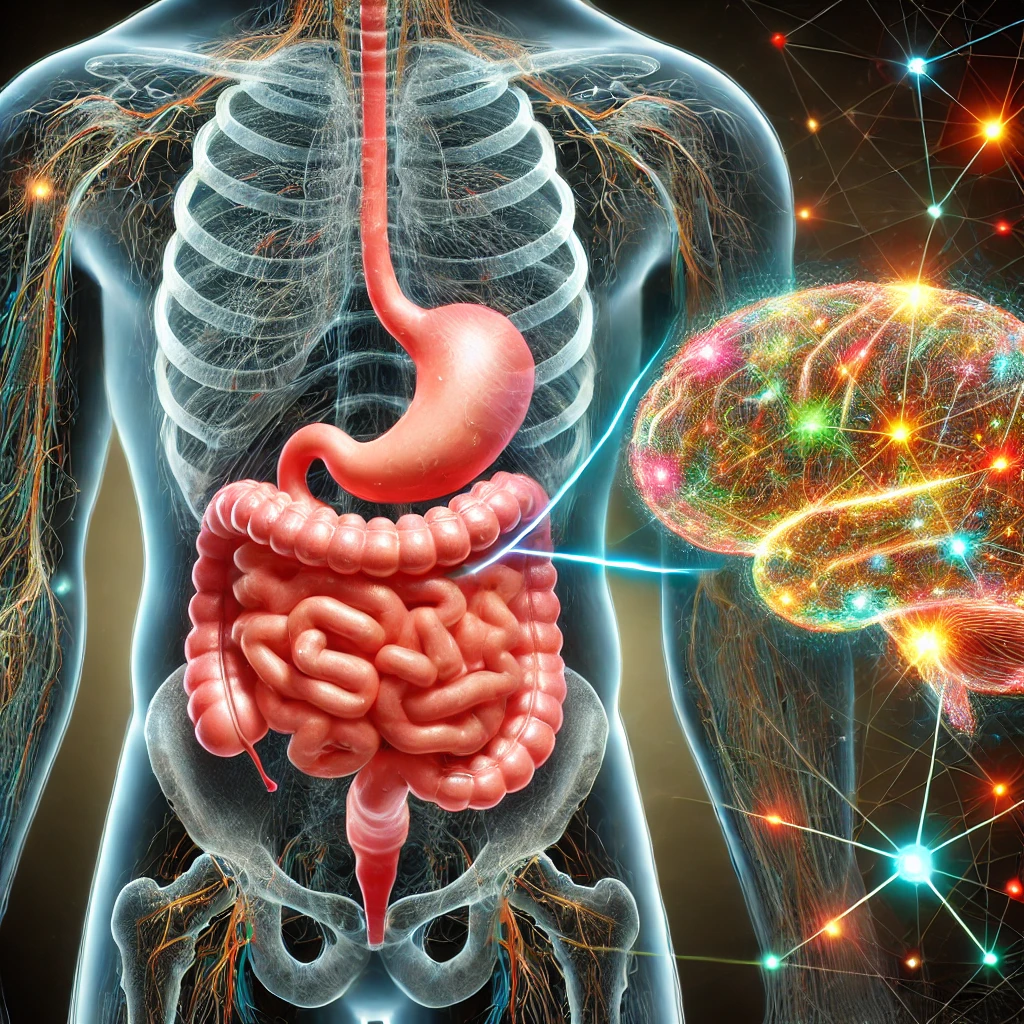
A detailed digital illustration of the human gut microbiome, showing neural pathways connecting the gut to the brain, highlighting the gut-brain axis.

Introduction

What is gut health, and why does it matter? This question has become increasingly important in our knowledge of total wellness. The gut-brain link, a complex communication network within our bodies, has become one of the most exciting areas of medical research. Scientists have discovered that the trillions of bacteria that live in our digestive system—known as the gut microbiome—play an important role in our mental and physical health. Harvard Health: The Gut-Brain Connection

Scientists have discovered that the gut microbiome—the billions of bacteria, fungi, and viruses that live in your digestive system—has a significant impact on both mental and physical health. The gut-brain axis regulates mood, cognitive function, digestion, and immunity. In this post, we’ll look at how the gut microbiome effects the brain, how gut health affects mental health, and how to promote a healthy gut-brain relationship.

What is the Gut-Brain Axis?

The gut-brain axis is a bidirectional communication network that connects the central nervous system (CNS) to the enteric nervous system (ENS), which regulates the digestive tract. This relationship is made possible by the vagus nerve, hormones, and immune system pathways. The gut microbiome is critical to this communication because it produces neurotransmitters, metabolites, and other signaling molecules that affect brain function and mood. National Institutes of Health: The Microbiome and Mental Health

Research has demonstrated that the gut microbiota can influence mood, cognition, and even mental health problems such as anxiety and depression. Conversely, the brain can influence gut health via stress and emotional responses, resulting in a feedback loop that affects overall health. Mayo Clinic: Probiotics and Gut Health

How the Gut Microbiome Influences Mental Health

Neurotransmitter Production

The gut microbiome produces many of the same neurotransmitters present in the brain, such as serotonin, dopamine, and GABA. In fact, the gut produces nearly 90% of serotonin, a major mood regulator. An imbalance in gut bacteria can impair the production of these neurotransmitters, potentially resulting in mood problems. This explains why the microbiome and mental health are so closely linked.

Inflammation and Mental Health

Chronic inflammation is linked to mental health disorders such as sadness and anxiety. The gut microbiota regulates the immune system. When dangerous bacteria dominate the stomach, it can cause systemic inflammation, which can impair brain function.

Stress Response

The gut microbiome influences the body’s response to stress by modulating the hypothalamic-pituitary-adrenal (HPA) axis, which controls the release of stress hormones like cortisol. A healthy gut can help regulate stress responses, while an imbalanced microbiome may exacerbate stress and anxiety.

Stress and Cortisol Levels:

Stress hormone production is increased, and mental health difficulties are worsened when the gut flora is altered.

The Gut Microbiome and Physical Health

Immune System Function

The majority of our immune system—about 70%—is located in the digestive tract, according to NIH study. When it comes to immunological cell training, the microbiota is pivotal.

Inflammation

Intestinal microbes have an important role in controlling systemic inflammation. Chronic inflammation and other health problems can result from microbiome disruptions.

Weight Management

Energy homeostasis and metabolism are affected by the gut microbiome. People who are overweight tend to have less diverse gut flora than those who maintain a healthy weight, according to research. Appetite and fat accumulation can be influenced by certain bacteria in the gut.

Chronic Disease Prevention

An imbalanced microbiome has been linked to chronic conditions like type 2 diabetescardiovascular disease, and even cancer. By promoting a healthy gut, you can reduce your risk of these diseases. This highlights the importance of understanding microbiome and chronic diseases.

How to Improve Gut Health Naturally

Eat a Gut-Healthy Diet

Here are some of the top foods that support healthy gut-brain function:

  • Live cultures (such as kombucha, kefir, and yogurt)
  • Fruits and vegetables high in fiber
  • Grain products
  • Healthy protein sources
  • Consumption of meals high in omega-3,
  • Bone broth
  • Green tea
  • Fresh vegetable juices

Reduce Stress Levels

  • Practice deep breathing, yoga, and meditation.
  • Engage in mindful meditation while spending time in nature.

Improve Sleep Hygiene

  • Aim for 7-9 hours of sleep per night to support gut and brain function.
  • Maintain a consistent sleep schedule and avoid blue light before bedtime.

Exercise Regularly

  • Engaging in physical activity has dual benefits for gut microbiota diversity and cognitive health.
  • Regular moderate exercise, such as brisk walking, cycling, and strength training, has positive effects on both physical and mental health.

Take Probiotics and Supplements

  • For optimal gut health, think about using high-quality probiotic supplements.
  • Magnesium and vitamin D work together to decrease inflammation and control neurotransmitters.
  • Supplements for Gut Health: Digestive Enzymes, Omega-3 Fatty Acids, Probiotics, and Prebiotics Can Help Keep Your Microbiome in Check.

Conclusion

The gut-brain connection is a powerful and complex system that significantly influences mental and physical well-being. By prioritizing gut health through diet, stress management, and lifestyle changes, you can enhance brain function, mood, immunity, and overall health. The emerging research continues to reveal new insights, making it clear that a healthy gut leads to a healthier mind and body.

Frequently Asked Questions (FAQs)

1. Can improving gut health reduce anxiety and depression?

There is some evidence that a balanced microbiome in the gut can alleviate symptoms of anxiety and depression by increasing serotonin production.

2. How does stress affect gut health?

Irritable bowel syndrome (IBS), bloating, and other gastrointestinal problems can develop as a result of chronic stress’s effects on the gut flora, which in turn raise inflammation.

3. What foods improve gut-brain health?

Yogurt, kefir, garlic, onions, foods rich in probiotics and prebiotics, foods rich in polyphenols, and foods rich in omega-3 fatty acids all contribute to a healthy gut and brain.

4. How long does it take to improve gut health?

With consistent dietary and lifestyle changes, improvements can be seen within a few weeks to a few months.

5. Are probiotic supplements necessary?

Probiotic pills can be helpful, particularly for people with gut imbalances or after using antibiotics, although dietary sources are best.

Invest in your gut health today for a happier mind and a healthier body! 🚀

Posted on Leave a comment

“The Importance of Gut Health: How Your Digestive System Impacts Overall Wellness”

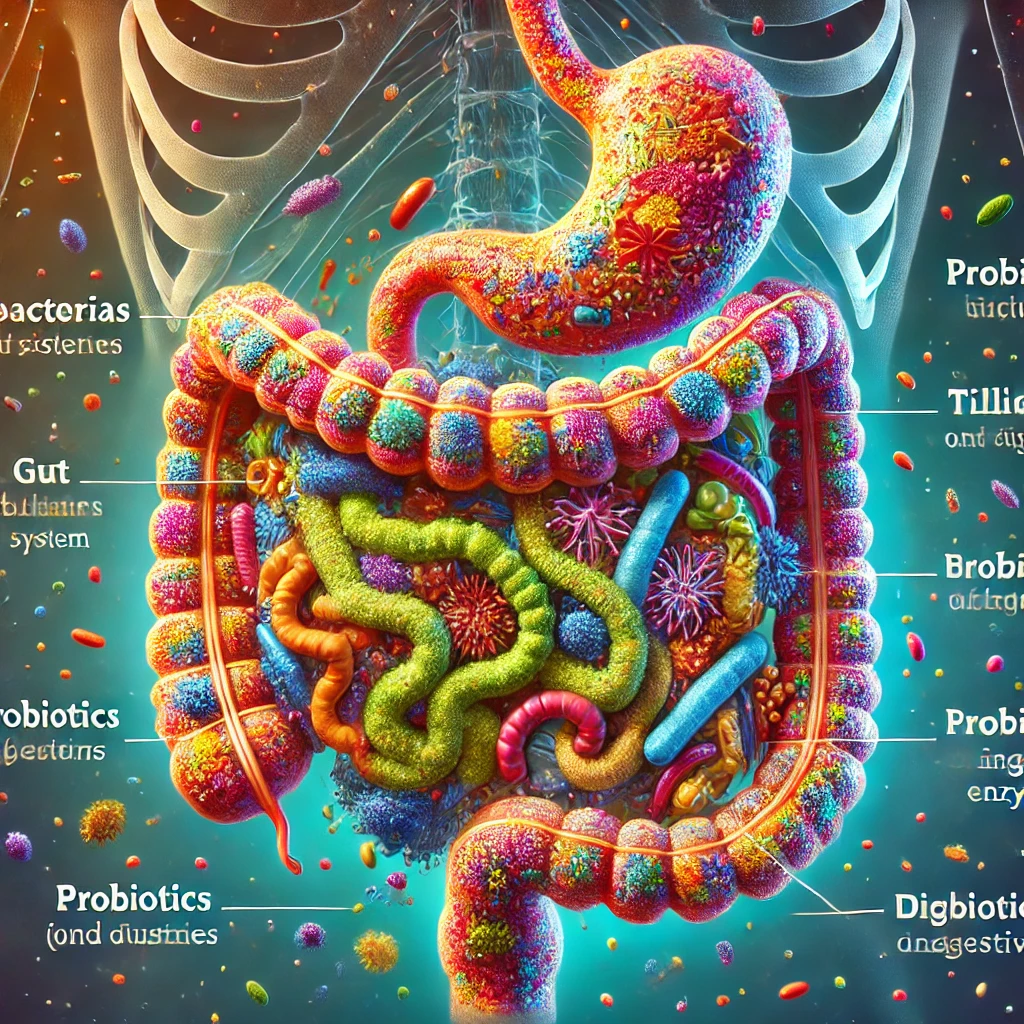
"Detailed digital illustration of the human gut microbiome, showing beneficial bacteria, probiotics, gut lining, and digestive enzymes."

What is gut health?

Gut refers to entire digestive system and gut health is described as the balance functioning of the digestive system. The physical structure of the gut from mouth to colon is intact and functioning properly. It is digesting and absorbing nutrients well with regular and healthy bowl movements. Microbiome balance is present in the gut. Gut microbiome plays a crucial role in aiding digestion. these microbiomes help in production of essential nutrients and compounds.

The gut directly influences the following connected systems:

  • Immune system (70-80% of immune cells are in the gut)
  • Mental health through the gut-brain axis
  • Hormone regulation
  • Inflammation levels throughout the body
  • Energy production and metabolism

Understanding the Gut Microbiome

The gut microbiome refers to the trillions of microorganisms that live in the digestive system. It is estimated to be 100 trillion microorganisms with 1000 different species of bacteria. It not only contains the bacteria but also contains the fungi, viruses, and other microorganisms. it is unique in each person just like fingerprint. A healthy microbiome has high biodiversity.

Key Functions:

1. Digestion and Nutrient Processing

What is the gut microbiome and why is it important? Gut microbiomes are involved in breaking down of complex carbohydrates and helps on absorption of minerals. They produce essential vitamins like B12 and vitamin K. It metabolizes proteins and creates short-chain fatty acids. Learn more from Harvard Health.

2. Protective Functions

Gut microbiome trains the immune system to fight off against the pathogenic bacteria. It maintains the gut wall integrity by forming a barrier against harmful bacteria. Read more from NIH.

3. Communication Role

Gut microbiome produces neurotransmitters that involves in communication with the brain. It influences hormone production which affects appetite and satiety and have a significant impact on mood and behavior of the individual.

4. Gut Health and Immune System Regulation

The gut is home to around 70% of the immune system, where helpful bacteria assist in distinguishing between hazardous invaders and safe compounds.

5. Gut Health and Weight Loss Connection

Your metabolism and weight are greatly affected by the bacteria that live in your gut. Research published in science has shown that different combinations of bacteria can have an impact on:

  • The number of calories you get from food
  • The storage and distribution of fat
  • Regulating blood sugar
  • The levels of cholesterol
  • The amount of energy used

Studies have demonstrated that people who have a more diversified gut microbiota are more likely to have a healthy weight and a better metabolic profile than those whose gut microbiomes are less diverse.

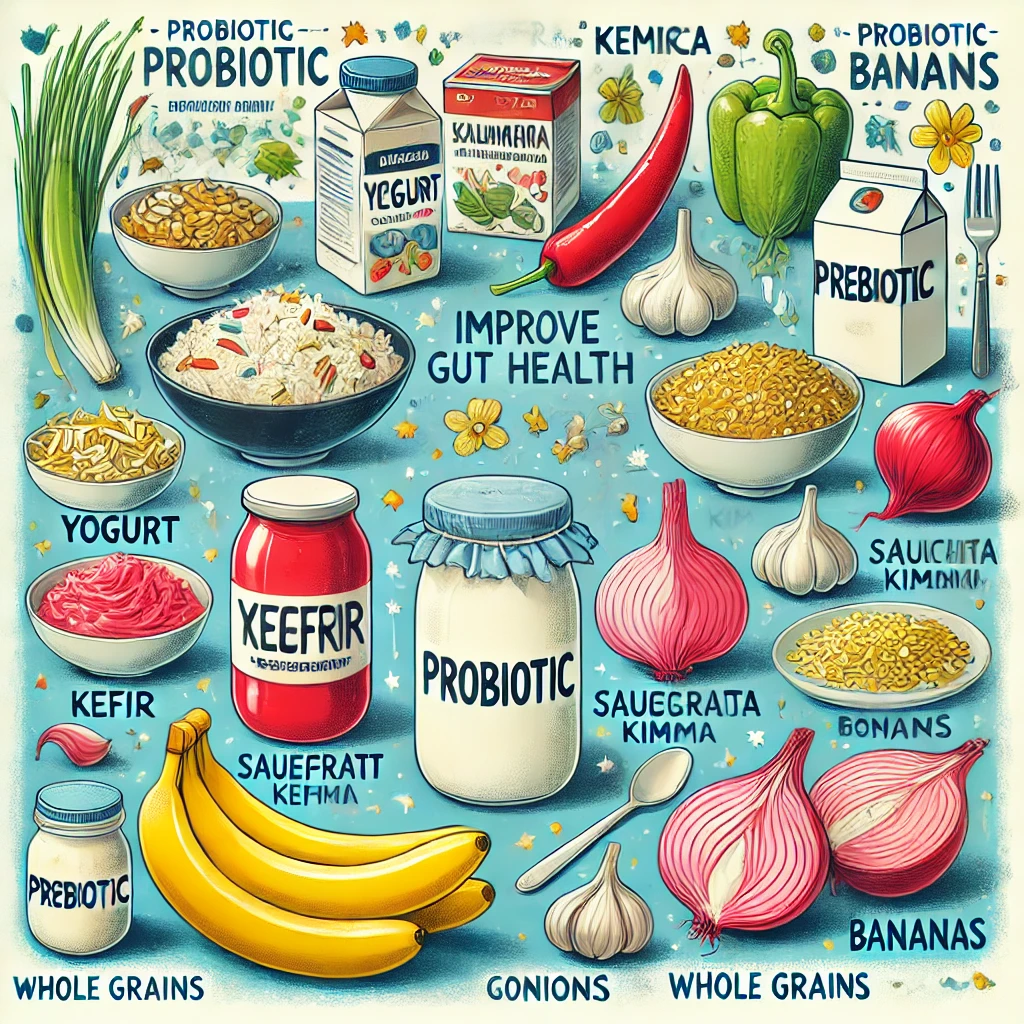
"An infographic displaying probiotic and prebiotic foods for gut health, including yogurt, kefir, sauerkraut, kimchi, garlic, onions, bananas, and whole grains."

The Gut-Brain Connection

The “gut-brain axis,” which refers to the close relationship between the gut and the brain, is one of the most interesting discoveries made in recent years. According to research published in the Journal of Clinical Medicine, your stomach produces more than 90% of the serotonin in your body. Serotonin is a neurotransmitter that is important for regulating mood and maintaining emotional well-being.
The enteric nervous system, which is sometimes called the “second brain,” is a neuronal network that is located in your digestive system. This system interacts with your brain through the vagus nerve, which affects:

  • Emotions and moods
  • Responses to stress
  • Patterns of sleep
  • The ability to think
  • Levels of anxiety

Signs of Poor Gut Health

It is important to be able to identify the symptoms of poor gut health in order to preserve overall wellness. Some such markers are:

  • Discomfort in the digestive system (such as bloating, gas, constipation, or diarrhea)
  • Weight fluctuations that cannot be explained
  • Long-term exhaustion
  • Skin issues (acne, eczema)
  • Food intolerances
  • Infections that happen often
  • Mood problems
  • Problems with sleep

The Future of Gut Health

New linkages between gut health and several elements of human health are being discovered by ongoing research. Researchers are investigating:

  • Nutrition that is tailored to the microbiota profiles of each person
  • New treatment methods for different illnesses
  • The microbiome’s impact on aging and lifespan
  • The relationship between intestinal health and chronic disorders
  • New probiotic and prebiotic therapies

How to improve gut health naturally

Maintaining a balanced gut microbiome is crucial for long-term health. Here are some practical ways for repairing an unhealthy gut and maintaining good gut health and wellness.

1. Eat a Diverse, Fiber-Rich Diet

Eat whole grains, fruits, vegetables, nuts, and seeds, which include prebiotic fiber that nourishes helpful bacteria. Learn about fiber from the Mayo Clinic.

Include fermented foods in your diet, such as yogurt, kefir, sauerkraut, kimchi, and miso, which are rich in probiotics and promote a healthy gut.

2. Stay Hydrated

Drinking enough water helps with digestion, the absorption of nutrients, and the mucosal lining of the intestines. More on hydration from CDC.

3. Manage Stress Effectively

Meditation, deep breathing, yoga, and regular exercise are all practices that can help control stress hormones that affect gut health. Read more on stress and digestion from Johns Hopkins.

4. Use Antibiotics Only When Necessary

Antibiotics can kill off good bacteria if you take them too often, so only take them when your doctor tells you to and think about taking probiotics afterward. More on antibiotic use from the CDC.

Conclusion

A healthy gut is essential for overall wellness, since it affects digestion, immunity, metabolism, and even mental health. You may improve your gut microbiome and general health by making intentional choices about your lifestyle, such as eating a balanced diet, reducing stress, and maintaining a regular sleep schedule. If you focus on your gut health and wellness today, you may experience long-term benefits, such as a lower risk of chronic diseases and a higher quality of life.

Frequently Asked Questions (FAQs)

1. What are the best foods for gut health?

Foods for a healthy gut include yogurt, kefir, sauerkraut, kimchi, garlic, onions, bananas, and whole grains, all rich in probiotics and prebiotics.

2. How long does it take to improve gut health?

Depending on diet and lifestyle changes, noticeable improvements can occur within a few weeks to a few months.

3. Can gut health improve mental health?

Yes, the gut-brain connection plays a role in mental health. An imbalanced microbiome can contribute to mood disorders, anxiety, and depression.

4. What are the best probiotics for gut health?

Lactobacillus and Bifidobacterium strains are among the most beneficial probiotics for gut health.

5. How does gut health affect your immune system?

A healthy gut supports immune function by regulating inflammation and preventing harmful bacteria from taking over.

Investing in gut health and wellness today can have profound benefits for your future well-being!

Posted on 2 Comments

“Longevity and Wellness: How Innovations Are Extending Healthy Living”

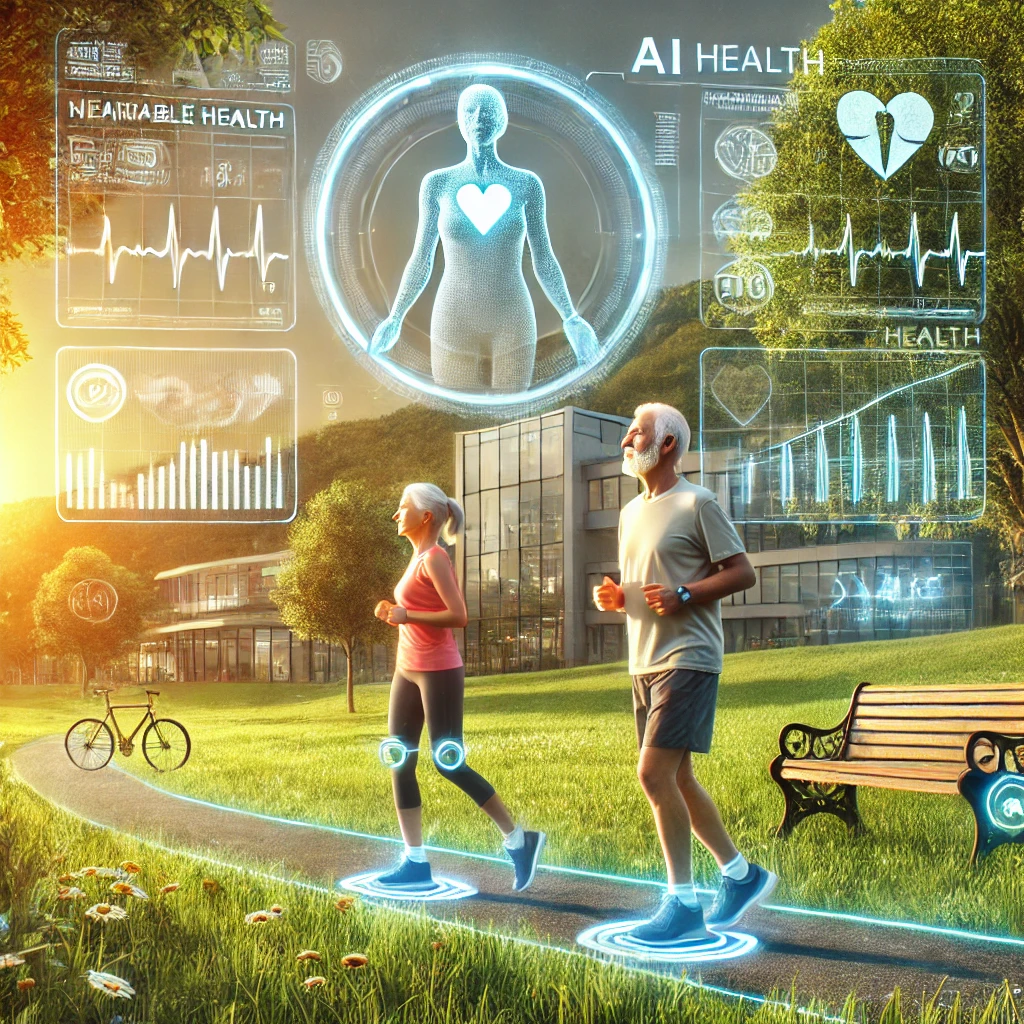
A futuristic vision of longevity and wellness, showcasing people of different ages engaging in healthy activities like yoga, jogging, and meditation in a high-tech park. Wearable health devices track their vitals, while a cutting-edge medical research center in the background symbolizes advancements in longevity science."

Introduction

In recent years, the pursuit of healthy living for the prolonged period of time has transcended traditional healthcare approaches. People are using different strategies that integrates the personalized nutrition, advancements in medical science and technology-driven wellness solutions. These approaches are not only focused only prolonging the life but also enhancing the quality of health span. Longevity research breakthroughs, Anti-aging medical advancements, healthy aging lifestyle innovations and healthy aging technologies have played a crucial role in this aspect. Innovations such as regenerative therapies, personalized nutrition plans, and AI-powered health diagnostics are the key aspects in achieving longevity and wellness. It is evident that the convergence of science and technology are making a way for a future where longevity and wellness are attainable goals for a broader population.

1. Advances in Medical Science

Advances in medical science is very instrumental in improving the wellness of individuals they play a key role in extending both lifespan and health span of the individuals.

Precision medicine

It helps in tailoring the treatment of individuals on the basis of their genetic profile, this has revolutionized the approach of managing chronic diseases and age-related conditions. Target therapies were used in the oncology, and it has significantly improved the survival rate.

Senolytics

These are the drugs that eliminate senescent cells which is very helpful in delaying age-associated disorders.

Stem cell therapies

The stem cell therapies provide the regenerative treatments for degenerative diseases like Parkinson’s and osteoarthritis.

Artificial intelligence (AI)

Artificial intelligence (AI) and big data analytics are using all the data making some predictions about disease outbreaks which helps in the following which ultimately provides a healthy living.

  • ✅ Early disease detection
  • ✅ Personalized treatment planning
  • ✅ Predicting health risks using big data

2. The Role of Nutrition and Diet

Nutrition played a pivotal role in the wellbeing and overall health of the individuals. Research are constantly done on the role of diet and nutrition in the aging, disease prevention and longevity.

  • Nutrigenomics it is a study of how genes interact with the nutrients and extending healthy lifespan of the individuals. It allows people to optimize their diet based on their genetic makeup.
  • Mediterranean diet this diet pattern consists of healthy fats, lean proteins and antioxidants which decreases the risk of cardiovascular disorders and neurodegenerative diseases.
  • Blue Zones diet it is basically the eating pattern or habits of world longest living population, emphasizes whole foods, plant-based nutrition, and moderate calorie intake, promoting longevity.

3.  Technological Innovations in Wellness

Technological innovations help in proactive monitoring if health that enables in early detection of disease or any peculiar change in normal pattern of health monitors

  • Wearable Health Tech and Real-Time Monitoring they constantly measures the heart rate, oxygen levels and sleep patterns that allow users to measure their health in real time.
  • AI-Powered Health Diagnostics helps in the diagnosis of the diseases such as cancer and neurological disorders with high accuracy, leading to earlier and effective treatments.
  • Virtual and Augmented Reality (VR/AR) in Wellness this technology is used in mental health therapy, pain management, and fitness training.
"A futuristic vision of longevity and wellness, showcasing people of different ages engaging in healthy activities like yoga, jogging, and meditation in a high-tech park. Wearable health devices track their vitals, while a cutting-edge medical research center in the background symbolizes advancements in longevity science."
“Embracing the future of longevity and wellness—where innovation, technology, and healthy living come together to extend healthspan and improve quality of life.

4. Mental and Emotional Well-being

Mental and emotional wellbeing are the very important component of healthy and long life without these it is near impossible to live a healthy and happy life. Alot of research is done that shows the interplay of the psychological resilience, stress management, and social connections and its vital role in slowing the aging process and preventing age-related diseases. Innovations in different aspects of health helped people to improve their mental and emotional wellbeing.

The Science of Mindfulness and Stress Management

Mindfulness is the basic human ability to be fully present, aware of where we are and what we’re doing, and not overly reactive or overwhelmed by what’s going on around us. It helps in reducing the stress and makes people feel at ease thus reducing the levels of cortisol eventually. Chronic stress has a role in increasing inflammation which shortens telomerase, these are protective caps of DNA that determine cellular span.

The Impact of Social Connections on Longevity

Studies from Blue Zones (these are regions with the highest concentrations of centenarians) these studies show the importance of close-knit communities and sense of purpose in the people helps in promoting longevity. while on the other side of the coin loneliness was associated to the increased risk of cardiovascular diseases.

Cognitive Training and Neuroplasticity

The ability of the brain to adapt and form new neural connections is called neuroplasticity and brain retains this ability throughout the life. If you involve yourself in lifelong learning, problem-solving activities, and brain training exercises your brain keeps on improving and you can delay the cognitive decline of your brain. Brain-computer interfaces and virtual reality-based cognitive training can help a lot in this process.

5. Regenerative and Emerging Therapies

In past few years, we have seen unprecedented advances in the field of regenerative medicine it has achieved the new heights that nobody was thinking of and now it is offering new hope for extending not only lifespan, but also HealthSpan that is more important. These therapies are mainly focused on repairing damaged tissues, slowing biological aging, and reversing age-related diseases. these emerging therapies are revolutionizing our approach to aging and age-related diseases they are helping us to work on the mechanisms of cellular aging.

Stem Cell Therapy: The Cornerstone of Regeneration

Stem cells have the unique ability to regenerate and form new cells from the previous cells. Research on mesenchymal stem cells (MSCs) has shown amazing results in treating degenerative conditions like Parkinson’s disease, osteoarthritis, and cardiovascular disorders. Recent developments include:

  • Mesenchymal stem cells (MSCs) for treating inflammatory conditions
  • Neural stem cells for neurodegenerative diseases
  • Induced pluripotent stem cells (iPSCs) for personalized medicine
  • Tissue-specific stem cells for organ regeneration

Longevity Drugs: Metformin and Rapamycin

These drugs are tested and proven to play an important role in the anti aging potential. Metformin and Rapamycin do their job by improving insulin sensitivity and by promoting autophagy respectively.

6. The Future of Longevity and Ethical Considerations

Today we are standing on the brink of the revolutionary advances in longevity science, it is important to look not just the scientific possibilities, but also the ethical problems these developments bring. One of the most important ethical concerns is the potential for longevity technologies to exacerbate existing social inequalities. This manifests in several ways:

  • Economic disparities in access to life-extending treatments
  • Geographic variations in availability of advanced healthcare
  • Different levels of technological literacy affecting treatment utilization
  • Cultural and social barriers to healthcare access

Furthermore, it leads to many other problems which raise many Questions in the society For example:

  • How the Shifts in family dynamics and inheritance patterns can affected?
  • what will be Changes in career trajectories and retirement concepts?
  • how it will Impact on social security and pension systems?
  • what will be Educational and professional opportunities for younger generations?
  • Healthcare system capacity and adaptation needs?
  • What will be Housing and infrastructure requirements?
  • What will be Healthcare economics and insurance models?
Moving Forward Responsibly

The path forward requires a balance between the scientific progress with ethical considerations:

  • Fostering public dialogue and understanding
  • Promoting inclusive research and development
  • Ensuring equitable access to treatments
  • Developing sustainable implementation models
  • Creating adaptive regulatory frameworks

Conclusion

The pursuit of longevity and wellness is not just about living a long life but also about living a healthy life a disease-free life making sure that the years of life spent in good health. Thanks to advancements in medical science, we can slow down the aging process, we can prevent diseases, and we are able to enhance overall quality of life.

As longevity research continues people are able to take proactive steps today by adopting a holistic approach—adopting healthy habits, leveraging new medical innovations, and staying informed about emerging therapies. The future of aging is no longer just about adding years to life, but about adding life to years.

Start today by:
Prioritizing nutrition
Staying active
Managing stress and sleep
Leveraging technology
Exploring emerging therapies

Posted on 4 Comments

HOW TO IMPROVE MENTAL HEALTH NATURALLY: SIMPLE AND EFFECTIVE STRATEGIES

"A person practicing mindfulness meditation outdoors, surrounded by nature, promoting mental wellness through relaxation and stress relief."

INTRODUCTION

Mental health plays a crucial role in determining our overall wellness, influencing our thoughts, emotions, and behaviors. In our rapidly evolving society, prioritizing mental health is essential for achieving a balanced life to improve mental health naturally. Issues like stress, anxiety, and depression are on the rise, yet there are effective natural methods to enhance mental well-being beyond conventional medications. By incorporating simple, sustainable adjustments to your daily routine, you can support your mental health and strengthen your resilience. Below are some effective strategies to kick off your journey toward improved mental wellness.

1. Eat Your Way to a Healthier Mind

The link between diet and mental well-being is clear and it is one of natural mental health strategies. According to research from Harvard Health Publishing, a nutrient-dense diet plays a crucial role in maintaining brain health. Incorporating the following foods into your diet can enhance mood and cognitive function:

  • Omega-3 fatty acids: Found in fish, flaxseeds, and walnuts, these fats reduce symptoms of depression and anxiety.
  • Antioxidant-rich foods: Leafy greens, berries, and nuts help combat oxidative stress, which is linked to mental fatigue.
  • Probiotics: Foods like yogurt, kimchi, and kombucha improve gut health, influencing mood positively.
  • Keeping hydrated while reducing sugar and caffeine consumption can help balance mood fluctuations and enhance concentration.

2. Move Your Body, Lift Your Mood

Engaging in regular exercise is a powerful natural method to boost mental well-being and reduce stress naturally. When we participate in physical activities, our bodies release endorphins, which are known as the “feel-good” hormones. These chemicals play a significant role in alleviating stress and uplifting our mood and improve mood naturally without medications. The Mental Health Foundation highlights that even engaging in moderate amounts of exercise can lead to significant improvements in mental health.
● Walking in nature: Combines the benefits of physical activity with the therapeutic effects of greenery.
● Yoga and stretching: Promotes relaxation, flexibility, and mindfulness.
● High-intensity exercises: Boost energy and combat feelings of sluggishness.
Consistency matters—just 30 minutes a day can transform your mental state.

3. Prioritize Quality Sleep

Restorative sleep is essential for both mental and physical well-being. Insufficient quality sleep can worsen symptoms of anxiety and depression. Here are some natural ways to enhance your sleep:
● Maintain a consistent sleep schedule, even on weekends.
● Avoid screens for at least an hour before bedtime to reduce blue light exposure.
● Create a calming bedtime ritual, like drinking herbal tea or practicing meditation.

4. Practice Mindfulness and Meditation

Mindfulness is the practice of staying fully engaged in the present moment without forming judgments about it and it improve mental health naturally. This approach helps to alleviate stress and improves mental clarity. To get started:
● Try guided meditation apps for structured sessions.
● Engage in deep breathing exercises to calm your mind.
● Maintain a gratitude journal, listing three things you’re thankful for daily.
Mindfulness can be practiced anytime, whether during a walk, while eating, or through focused breathing.

5. Strengthen Social Connections

Social bonds play a crucial role in supporting our emotional health. According to the National Institute of Mental Health (NIMH), nurturing positive relationships is vital for addressing feelings of loneliness and preventing isolation.

● Spend quality time with family and friends.
● Join local groups or volunteer for causes you care about to build new connections.
● Reach out to loved ones regularly—sometimes a simple conversation can make a big difference.

6. Immerse Yourself in Nature

Research referenced by Psychology Today indicates that spending time in nature can significantly soothe the mind and helps improve mental health naturally. Activities like:
● Walking in parks or hiking in forests.
● Gardening or sitting in a sunlit area.
● Listening to natural sounds like waves or birdsong.
can reduce stress, improve mood, and enhance cognitive function.

7. Balance Screen Time

Overuse of digital devices may contribute to mental exhaustion, anxiety, and a sense of loneliness. Additionally, social media can adversely affect mental well-being. Establishing limits on technology use can help alleviate stress and enhance concentration. To create a healthier digital lifestyle:
● Set limits on daily screen time.
● Schedule device-free moments, especially during meals and before bed.
● Replace screen time with offline hobbies like reading, painting, or cooking.

8. Explore Relaxation Techniques

Relaxation isn’t just a luxury—it’s a necessity for mental health. Here are some natural methods to unwind:
● Aromatherapy: Essential oils like lavender and chamomile can reduce anxiety.
● Herbal teas: Chamomile, green tea, and peppermint are known for their calming effects.
● Progressive muscle relaxation: A technique where you tense and relax each muscle group in your body.
These practices can ease stress and promote a sense of calm.

9. Avoid Harmful Habits

Some behaviors, such as smoking, drinking too much alcohol, or frequently indulging in unhealthy foods, can negatively impact mental well-being. It’s important to substitute these habits with healthier options.
● opt for regular physical activity instead of smoking.
● Choose herbal teas over alcohol for relaxation.
● Snack on nuts or fruit instead of processed food.

10. Practice Gratitude and Positive Thinking

Nurturing a sense of gratitude can change the way your brain processes experiences, leading to a greater focus on the positive aspects of life. Studies highlighted by WebMD indicate that maintaining a gratitude journal or engaging in daily affirmations can enhance your mood and lower stress levels.

11. Seek Professional Help When Needed

Although natural approaches can work well, it’s crucial to acknowledge when seeking professional assistance is necessary. Engaging with therapists, counselors, or support groups can offer valuable strategies and support for coping with mental health issues.

Conclusion

Enhancing your mental health through natural methods involves making intentional decisions that promote your overall well-being. By nourishing both your body and mind, cultivating meaningful relationships, and reducing screen time, you can strengthen your mental resilience. Always remember that your mental health is crucial, and prioritizing it is one of the best investments you can make in your life.


Posted on 2 Comments

10 Natural Ways to Improve Your Immune System

A variety of fresh fruits, vegetables, nuts, and seeds displayed on a wooden table, rich in vitamins and antioxidants to boost immune system naturally."

INTRODUCTION

The immune system serves as the body’s natural barrier against infections, viruses, and diseases. While contemporary medicine provides various options for bolstering immune health, boosting immune system naturally using natural strategies can greatly strengthen your defenses. Here are ten evidence-based methods or natural immune system boosters to naturally enhance your immune system and maintain your overall resilience.

1. Eat a Balanced, Nutrient-Rich Diet

A balanced diet plays a crucial role in maintaining a robust immune system it is part of lifestyle tips for better immunity. Emphasize the consumption of whole, unprocessed foods rich in essential vitamins and minerals:
● Vitamin C: Found in citrus fruits, bell peppers, and broccoli, it enhances white blood cell production.
● Vitamin D: Fatty fish, fortified foods, and sunlight exposure help regulate immune function.
● Zinc: Nuts, seeds, and legumes support immune cell development.
● Antioxidants: Berries, spinach, and nuts combat oxidative stress and inflammation.

2. Stay Hydrated

Staying properly hydrated is essential for the body’s detoxification processes, helping to effectively eliminate toxins and promoting the production of lymph, which transports immune cells and one of easy ways to boost your immune system naturally. Strive to drink at least eight glasses of water each day, and consider incorporating hydrating foods such as cucumbers, watermelon, and herbal teas into your diet.

3. Prioritize Sleep

Sleep and immunity are closely connected. While you sleep, your body undergoes repair and regeneration, producing cytokines, which are proteins that help combat infections. If you consistently lack sleep, your immune system can become compromised. To support your immune health, strive for 7-9 hours of restful sleep each night by sticking to a regular sleep schedule and establishing a soothing bedtime routine.

4. Exercise Regularly

Engaging in moderate physical activities like walking, yoga, or biking can enhance blood flow and strengthen the immune system. Regular exercise aids in clearing out bacteria from the lungs and respiratory passages, thereby lowering the chances of getting sick. That said, it’s important to refrain from excessive exercise, as high-intensity workouts without adequate rest can weaken the immune response.

5. Manage Stress

Long-term stress can have detrimental effects on the immune system by raising levels of stress hormones such as cortisol, which may weaken immune responses. Engaging in activities like mindfulness, meditation, and deep breathing techniques can be effective strategies for stress management.

6. Incorporate Probiotics and Fermented Foods

A healthy digestive system is essential for a robust immune system. Probiotics, which are present in foods like yogurt, kefir, sauerkraut, and kimchi, help nurture the growth of beneficial bacteria in the gut. Additionally, prebiotic foods such as garlic, onions, and bananas contribute to gut health by providing nourishment for these bacteria. These foods are also rich in antioxidants and anti-inflammatory compounds.

7. Get Enough Vitamin D

Vitamin D is essential for a healthy immune system. Insufficient levels can lead to a higher risk of infections. Aim to get 10-15 minutes of sun exposure each day or think about taking vitamin D supplements after discussing it with a healthcare provider, in case sunlight is limited.

8. Limit Sugar and Processed Foods

Consuming too much sugar can weaken the immune system by impairing the effectiveness of white blood cells against infections. Many processed foods are low in vital nutrients and may lead to increased inflammation in the body. Instead, consider using natural sweeteners such as honey or fruits, and prioritize whole foods that are rich in nutrients.

9. Practice Good Hygiene

Practicing straightforward habits such as frequent handwashing, cleaning surfaces regularly, and steering clear of those who are ill can help prevent infections and lessen the strain on your immune system.

10. Stay Socially Connected

Building strong social ties and maintaining an optimistic outlook can help support immune function by minimizing stress and enhancing mental wellness. Participating in activities with friends, family, or community groups can offer emotional support that contributes to overall health.

Conclusion

Boosting your immune system naturally calls for a comprehensive approach that includes nutritious eating, regular exercise, effective stress management, and sufficient rest. By integrating these 10 evidence-based strategies into your daily life, you can fortify your body’s defenses and improve your overall health. Keep in mind that consistency is essential—making small, manageable changes can result in considerable long-term improvements. While natural methods are beneficial, it’s important to seek advice from a healthcare professional if you have underlying health issues or need tailored recommendations.

Posted on 4 Comments

“Understanding Insulin Therapy: A Beginner’s Guide to Diabetes Management”

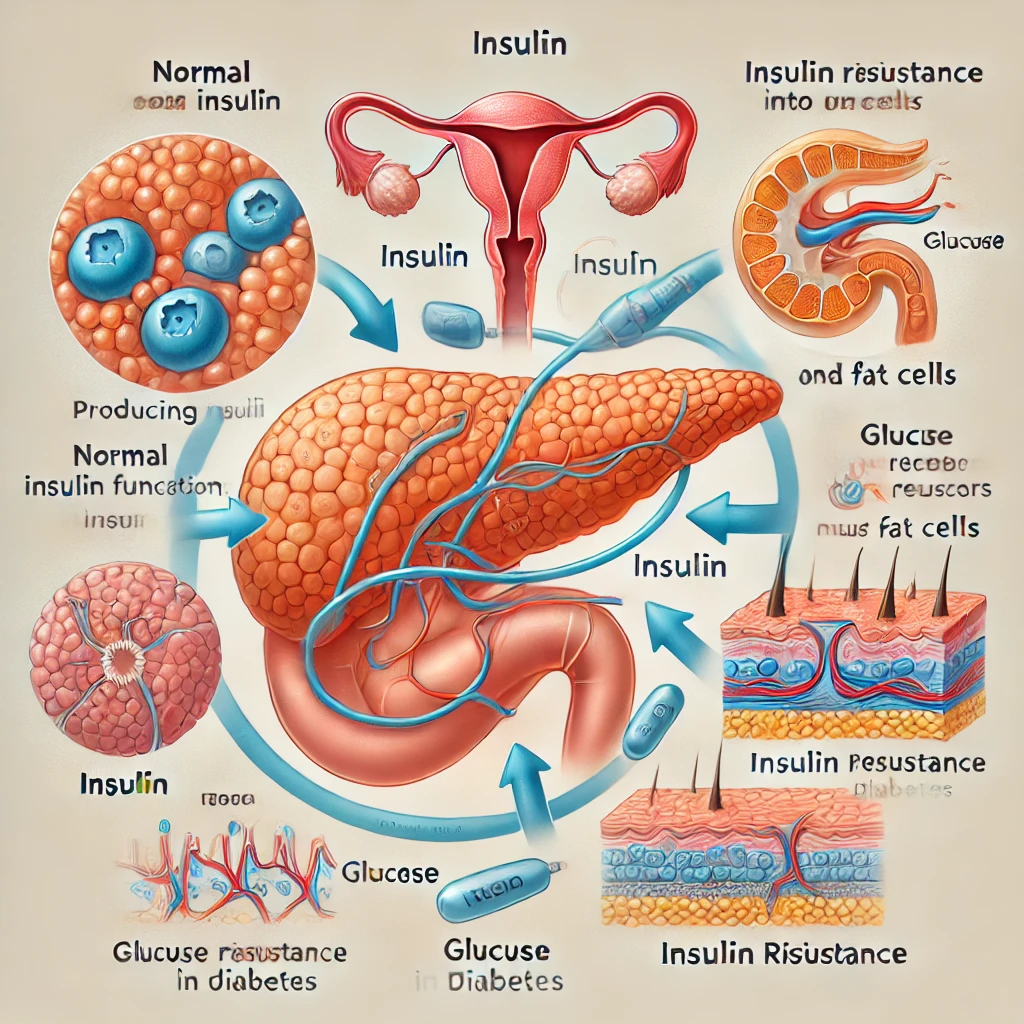
"Illustration of how insulin works in the body for diabetes management."

Introduction

When you first hear the news that you are diagnosed with the diabetes and told that you have to start insulin therapy, managing your condition can seem overwhelming. Insulin therapy is an effective tool that can help you manage your blood sugar levels in an effective way and helps you live a more balanced life overall. Knowing how insulin works and how to use it efficiently can make a big difference, regardless of type of diabetes either Type 1, Type 2, or gestational diabetes.

Insulin is the essential hormone for controlling blood sugar levels. The body of diabetics either produces insufficient amounts of insulin or is unable to use it effectively. Treatment with insulin can help your body to maintain adequate blood sugar levels by supplementing or replacing the insulin it requires.

In this beginner’s guide, we will tell you everything you need to know about insulin therapy, insulin dosage, insulin adjustment and how it is given. we will provide you with valuable information you need to know to take control of your diabetes care, this guide will empower you with the knowledge to take charge of your diabetes management. Let’s get started!

What is insulin?

Insulin is a hormone produced by the pancreas. It is vital in regulating blood sugar levels. Imagine insulin as the “key” which is used to open your cells, letting the glucose to go inside and be used as fuel. In the absence of the insulin the blood sugar doesn’t enter the cells leading to high levels of glucose in the blood.

How Insulin Works

when you eat something, the carbohydrate from your food is broken down into glucose and enters the blood stream. This glucose sends signals to pancreas to release insulin to help this insulin move into the cells. This glucose is either used by the cells or stored for the later use. Insulin also signals liver to store extra glucose in the form of glycogen for future use and this prevents blood sugar levels from rising too high.

What Happens When Insulin is Insufficient or Ineffective?

In people with type 1 the body doesn’t produce enough insulin while in type 2 diabetes the body becomes resistant to the insulin. Without insulin in the body or when body isn’t able to use it properly the glucose buildup in the blood leading to hyperglycemia. Over the time this hyperglycemia can cause serious complications, such as nerve damage, kidney disease, and cardiovascular problems.

Types of insulin

Different types of insulin have different onset, peak and duration period, this allows flexibility in controlling blood sugar levels throughout the day. Here’s a breakdown of the main types of insulin:

Rapid-Acting Insulin

  • Onset: 10–20 minutes
  • Peak: 1–3 hours
  • Duration: 3–5 hours
  • Examples: Insulin lispro (Humalog), Insulin aspart (NovoLog), Insulin glulisine (Apidra)
  • Use: Taken just before or after meals to control blood sugar spikes caused by eating.

Short-Acting Insulin (Regular Insulin)

  • Onset: 30 minutes
  • Peak: 2–4 hours
  • Duration: 6–8 hours
  • Examples: Humulin R, Novolin R
  • Use: Typically taken 30 minutes before meals to manage blood sugar during meals and snacks.

Intermediate-Acting Insulin (NPH Insulin)

  • Onset: 1–2 hours
  • Peak: 4–12 hours
  • Duration: 12–18 hours
  • Examples: Humulin N, Novolin N
  • Use: Provides background insulin coverage for about half a day or overnight.

Long-Acting Insulin

  • Onset: 1–2 hours
  • Peak: Minimal or no peak
  • Duration: Up to 24 hours or more
  • Examples: Insulin glargine (Lantus, Basaglar, Toujeo), Insulin detemir (Levemir), Insulin degludec (Tresiba)
  • Use: Provides a steady level of insulin throughout the day and night, mimicking the body’s basal insulin production.

Ultra-Long-Acting Insulin

  • Onset: 1–2 hours
  • Peak: Minimal or no peak
  • Duration: Up to 42 hours
  • Examples: Insulin degludec (Tresiba)
  • Use: Offers extended coverage for those who need consistent insulin levels over a longer period.

 Pre-Mixed Insulin

  • Onset: Varies (combination of rapid/short-acting and intermediate-acting insulin)
  • Peak: Varies
  • Duration: Varies
  • Examples: Humulin 70/30, Novolog Mix 70/30
  • Use: Combines two types of insulin to provide both mealtime and background coverage, often for convenience.

Tips for Managing Insulin Therapy

Managing insulin therapy effectively is key to controlling diabetes and maintaining a healthy lifestyle. Here are some practical tips to help you stay on track:

  •  Follow Your Doctor’s Plan
  •  Monitor Blood Sugar Regularly
  • Rotate Injection Sites
  • Eat a Balanced Diet
  • Be Prepared for Hypoglycemia
  • Store Insulin Properly
  •  Build a Support System

Lifestyle Tips for Effective Insulin Therapy

Managing diabetes does not require only the insulin injections it requires thoughtful changes in the lifestyle to make sure that blood sugar levels are in control and person is healthy avoiding the harmful effects of the hyperglycemia. Here are some practical tips to help you make the most of your insulin therapy:

  •  Follow a Balanced Diet
  • Stay Physically Active
  • Monitor Blood Sugar Levels regularly
  • Manage Stress
  • Prioritize Sleep
  • Stay Hydrated
  • Be Prepared for Emergencies i.e Carry Snacks, Educate Loved Ones etc
  •  Stay Consistent with Insulin

Myths and Facts About Insulin Therapy

  • Insulin Means My Diabetes is Worse: If you are in need of insulin it doesnt mean that your diabetes at some worse satge it might be the beggining of type 1 diabetes. Both Type 1 and Type 2 diabetes may require insulin at different stages.
  •  Insulin Causes Weight Gain: Yes, people usually gain weight at the start of the insulin therapy it might because their body is better utilizing the insulin. If you are taking care of your diet and doing exercise regularly this is managed effectively.
  • Insulin Injections Are Painful: With the advancement in technology the new injections are extremely less painful than people are expecting them to be so.
  • Insulin is Addictive: It is a natural hormone produced by the pancreas and required only when body is not producing it in the quantity required by the body to regulate blood sugar levels effectively.
  • Insulin is Only for Type 1 Diabetes: Insulin therapy is required by all people with diabetes type 1 but only by the. Some stages of type 2 diabetes also require the insulin therapy especially as the condition progresses.
  • Natural Remedies Can Replace Insulin: lifestyle changes help in the regulation of insulin therapy, but they are not only enough replacing the insulin.

Conclusion

Insulin therapy plays an important role i management of diabetes, offering a way to regulate blood sugar levels and prevent complications. Whether you have Type 1 or Type 2 diabetes, understanding how insulin works is beneficial for you.

From debunking common myths to adopting lifestyle changes like a balanced diet, regular exercise, and stress management, effective insulin therapy is about more than just injections. You always need to debunk the common myths and understand the real facts behind.

Remember, you’re not alone on this journey. With the right knowledge, support, and guidance you can successfully manage diabetes and live a healthy, fulfilling life. If you have questions or concerns about insulin therapy, don’t hesitate to reach out to your doctor or diabetes educator.

Take the first step today—embrace insulin therapy as a powerful ally in your diabetes management journey!

Frequently Asked Questions (FAQs)

Will I need insulin forever?

Yes, in case of type 1 diabetes but in case of type two diabetes you may need it for a shorter period of time or either forever depending upon the condition of the disease.

Can I stop insulin if my blood sugar improves?

For that you need the guidance from the health care you cannot stop this on your own.

What are the side effects of insulin therapy?

Insulin therapy can cause side effects like hypoglycemia, weight gain, injection site reactions, and allergic responses, but these are manageable with proper care and medical guidance.

Is insulin therapy only for Type 1 diabetes?

No, insulin therapy is also used for Type 2 diabetes, especially when other treatments aren’t enough to control blood sugar.