
Posted on 3 Comments

“The Truth About Intermittent Fasting: Benefits and Risks”

Introduction

Intermittent fasting diets is very popular in these few years, as they can produce clinically significant weight loss. These diets can be defined as periods of fasting alternating with periods of eating. Despite the recent surge in the popularity of intermittent fasting, only a few studies have explained the health benefits of these diets in humans. Intermittent fasting produce mild to moderate weight loss (3–8% loss from baseline) over short durations (8–12 weeks). This can also improve the metabolic health. In this blog we will dig deep into the intermittent fasting, its benefits, risks, and who should consider trying it.

What is Intermittent Fasting?

Intermittent is a eating pattern in which there are alternating periods of fasting and eating. Unlike the traditional patterns on what to eat it focuses on when to eat. There are03 popular techniques of the intermittent fasting that includes:

  • 16:8 Method: Fasting for 16 hours and eating within an 8-hour window (e.g., eating between 12 PM and 8 PM).
  • 5:2 Diet: Eating normally for 5 days and restricting calorie intake to 500–600 calories on 2 non-consecutive days.
  • Alternate-Day Fasting: Alternating between fasting days (consuming little to no calories) and regular eating days.

People are fasting since centuries to fulfill their religious duties and for spiritual reasons but now a days it is gaining attention as a potent tool to improve the health and wellbeing.

Benefits of Intermittent Fasting

1. Weight Loss

By reduction in the calorie intake and boost it gives to the metabolism by increasing the norepinephrine levels it promotes fate burning. As explained earlier it can lead to a 3–8% reduction in body weight over 3–24 weeks.

2. Improved Insulin Sensitivity

Fasting reduces the blood sugar level thus leading to the improve in the insulin sensitivity reducing the risk of type 2 diabetes.

3.Cellular Repair and Autophagy

When a person fasts there is mechanism in the body called autophagy that starts in the body that removes damaged components and promotes cellular repair.

5. Heart Health

Intermittent fasting helps in lowering the blood pressure, cholesterol levels, and inflammation. These all are the risk factors for the heart health, so it improves the heart health.

6. Brain Health:

Fasting increases the production of brain-derived neurotrophic factor (BDNF), a protein that supports cognitive health so in this way it helps improve brain health.

7. Longevity:

Fasting reduces the oxidative stress and delays aging and an Animal study has proved it. So, IF extends the life span.

 Risks and Side Effects of Intermittent Fasting

1. Hunger and Fatigue:

Fasting can lead to hunger, fatigue, low energy levels, irritability, and difficulty concentrating. These effects are prevalent especially during the early periods of fasting.

2. Nutrient Deficiencies

In the narrow window of time to eat it might be difficult to eat according to the requirements of the body and may not get enough nutrients and minerals especially.

3. Disordered Eating:

For some people intermittent fasting may leads to the unhealthy eating habits or it might exxagerate their eating disorders.

4. Not Suitable for Everyone:

Intermittent fasting is not suitable for everyone especially the pregnant women and people with certain medical conditions to avoid doing it without medical supervision.

5. Impact on Social Life:

If you are invited by some of your friends on a dinner and you deny them because you are fasting so intermittent fasting might impact your social life and that too in a negative way.

 Who Should Try Intermittent Fasting?

Intermittent fasting may be beneficial for:

  • Healthy adults looking to lose weight or improve metabolic health.
  • Individuals with insulin resistance or prediabetes.

However, it’s not recommended for:

  • Pregnant or breastfeeding women.
  • People with a history of eating disorders.
  • Those with chronic medical conditions (e.g., diabetes, kidney disease) without medical supervision.

Tips for Getting Started with Intermittent Fasting

If you’re planning to start intermittent fasting, here are some quick tips to get started to minimize the risk of side effects:

  • Start Slowly: Don’t try to reach your ideal wait within a day or just few days. Start with shorter periods of fasting and then increase it with the time
  • Stay Hydrated: Drink plenty of water and keep yourself hydrated during these periods of time. Herbal tea and black coffee can also do the job during these periods.
  • Eat Nutrient-Dense Foods: Focus on the food that is rich in nutrients and avoid unprocessed foods during eating windows.
  • Listen to Your Body: Stop fasting if you experience dizziness, fatigue, or other negative side effects.

 Conclusion

Intermittent fasting has many potential benefits. However, there are few risks associated with intermittent fasting, such as hunger, nutrient deficiencies, and the potential for disordered eating. Before starting IF, consult a healthcare provider to ensure it’s safe for you. Have you tried intermittent fasting? Share your experience in the comments below!

FAQs

Is intermittent fasting safe for women?

Many women are benefitted from the intermittent fasting, but it may cause hormonal imbalances or irregular menstrual cycles in some women. It’s best to consult a healthcare provider.

Can I drink coffee or tea during fasting?

Yes, black coffee and unsweetened tea are beneficial in reducing the cravings.

How long does it take to see results from intermittent fasting?

The results vary from person to person, but many people start seeing the results within 2-4 weeks.

What should I eat during my eating window?

Focus on the food that is rich in nutrients and avoid unprocessed foods during eating windows.
Posted on 1 Comment

“Peptic Ulcer Disease Diet: Foods to Eat and Avoid”

Introduction

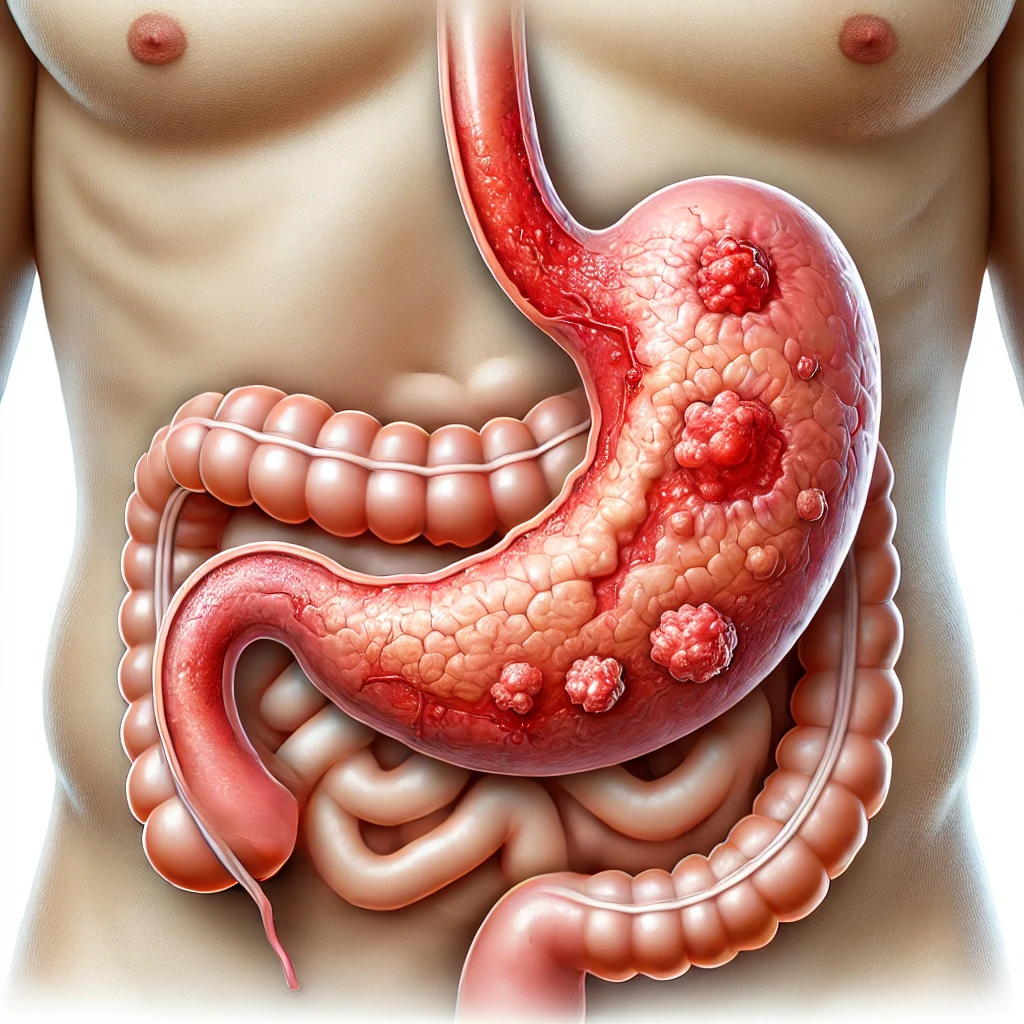
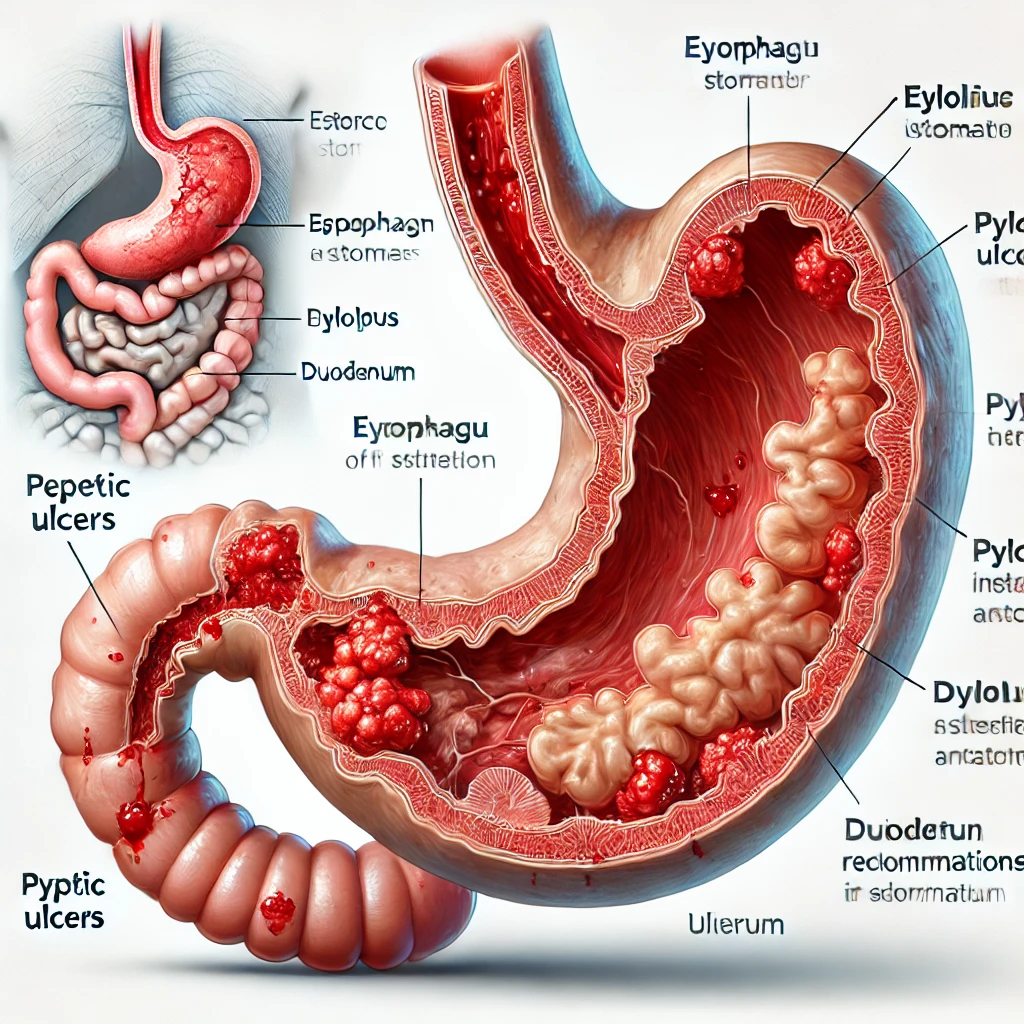
Peptic Ulcer Disease (PUD) is characterized by formation of ulcers that occur in any portion of GIT. Peptic Ulcer Disease is caused by the action of gastric secretions and impaired mucosal defenses. It is characterized by the painful sores in the stomach lining or small intestine. Medicines no doubt helps in healing of peptic ulcers but the food you eat plays a crucial role in healing or worsening of the symptoms of the peptic ulcers. So, it is essential to understand what’s on your plate. If you’re trying to soothe irritation, promote healing, or prevent future flare-ups, making the right dietary choices is always important.
Locations:

  • Duodenum = first portion of duodenum (most common)
  • Stomach= lesser curvature within the antrum (most common)
  • Gastroesophageal junction
  • Within or adjacent to an ileal Meckel diverticulum.

Foods to Eat:

1. High-Fiber Foods

High fiber diet increases the digestion and relieves constipation which decreases the pressure on the stomach this leads to decrease in irritation in stomach the high fiber diet includes Whole grains, fruits, and vegetables.

2. Probiotics:

Probiotics help the gut friendly bacteria to grow that overall improves the health of the gut and helps the gut combat Helicobacter Pylori (H. Pylori) which is a very common cause of Peptic Ulcers. Probiotics that are ulcer-friendly foods include Yogurt, kefir, and fermented foods

3. Lean Proteins:

Lean proteins are easy to digest, and it provides essential nutrients that help in repair and healing of the stomach lining. Lean proteins that are ulcer-friendly foods include Chicken, fish, and plant-based proteins.

4. Healthy Fats:

Healthy fats help in decreasing the inflammation of the stomach lining and they provide energy that is sustained energy without causing reflux if stomach content in esophagus. Peptic Ulcer Disease Diet that has healthy fats include Avocados, nuts, and olive oil.

5. Healing Foods:

Different healing foods work differently and helps in the Peptic ulcer disease. Honey is an antibacterial that fight against the H. pylori and promote wound healing some are rich in glutamine that helps the repair of the stomach lining. Some (e.g Banana) are rich in antioxidants that neutralize stomach acid and provides protection to the stomach repairing while Aleo Vera soothes the inflammation and promotes the healing of digestive tract.

6. Non-Citrus Fruits:

They are low in acid and gentle on the stomach, providing essential vitamins and minerals without causing irritation. Peptic Ulcer Disease Diet includes the non-citrus foods are Melons.

Foods to Avoid:

1. Acidic Foods:

These foods increase the production of acids in stomach that irritates the ulcers which leads to burning sensation inside the stomach. Examples: Citrus fruits (oranges, lemons, grapefruits), tomatoes, and vinegar-based products.

2. Spicy Foods:

Spicy foods increase the inflammation of the stomach lining that makes it difficult to heal for the ulcer further direct contact of spices leads to irritation and extreme burning sensations. Examples: Chili peppers, hot sauces, and heavily spiced dishes.

3. Caffeinated Drinks:

Caffeine stimulates the acid production in the stomach which aggravates ulcers and increase the pain. examples: Coffee, tea, energy drinks, and sodas.

4. Carbonated Beverages:

These drinks consist of bubbles and when these bubbles enter the stomach, they expand which increase pressure and cause bloating and discomfort. Examples: Soda, sparkling water, and fizzy drinks.

5. Fried and Fatty Foods:

High fat foods are difficult to digest so they stay in the stomach for the longer duration of period which increase acid production and leads to irritation. Examples: French fries, fried chicken, pizza, and processed snacks.

6. Refined Carbohydrates:

Refined carbohydrates cause sugar spikes which leads to inflammation and slowdowns the healing process Examples: White bread, pastries, and sugary snacks.

Conclusion:

More than 10% percent of population face the problem of peptic ulcer disease at some stage of their lives. Managing this disease is not difficult with your little attention towards what you are eating. By giving more importance to the healing foods and avoiding the trigger foods you can control the symptoms and recover in a short duration of time.

Small changes in your daily routine can make a big difference. Always seek guidance from the doctor in case of any unusual symptoms. Consult a dietitian for the guidance on food. Take care of your stomach, and it will take care of you!

FAQ’s

Can I drink milk with a peptic ulcer?

Yes, you can as it soothes the stomach mucosa but if you drink milk in large quantities then it will increase the acid production in the stomach which is not good for you PUD.

 Is it okay to eat spicy food if I have a peptic ulcer?

No, it is not okay as they increase the inflammation of the stomach lining that makes it difficult to heal for the ulcer further direct contact of spices leads to irritation and extreme burning sensations.

 What foods help heal peptic ulcers?

Foods that promotes the healing are High-fiber foods, Probiotics, Lean proteins and Healing foods

 Can stress cause peptic ulcers?

While stress doesn’t directly cause ulcers, it can worsen symptoms and delay healing.

Are there any foods I should completely avoid with a peptic ulcer?

Yes, avoid Acidic foods, Caffeinated drinks, Alcohol and carbonated beverages, Fried and fatty foods.

Remedy Talks. (n.d.). Régime alimentaire pour la maladie ulcéreuse peptique: Ce qu’il faut manger et éviter [Diet for peptic ulcer disease: What to eat and avoid]. Retrieved from https://remedytalks.com/regime-alimentaire-pour-la-maladie-ulcereuse-peptique-ce-quil-faut-manger-et-eviter/

Remedy Talks. (n.d.). পেপটিক আলসার রোগের ডায়েট: কী খাবেন এবং কী এড়িয়ে চলবেন [Diet for peptic ulcer disease: What to eat and avoid]. Retrieved from https://remedytalks.com/%e0%a6%aa%e0%a7%87%e0%a6%aa%e0%a6%9f%e0%a6%bf%e0%a6%95-%e0%a6%86%e0%a6%b2%e0%a6%b8%e0%a6%be%e0%a6%b0-%e0%a6%b0%e0%a7%8b%e0%a6%97%e0%a7%87%e0%a6%b0-%e0%a6%a1%e0%a6%be%e0%a6%af%e0%a6%bc%e0%a7%87/

Remedy Talks. (n.d.). پیپٹک السر کی بیماری کا غذا: کیا کھائیں اور کیا نہ کھائیں [Diet for peptic ulcer disease: What to eat and avoid]. Retrieved from https://remedytalks.com/%d9%be%db%8c%d9%be%d9%b9%da%a9-%d8%a7%d9%84%d8%b3%d8%b1-%da%a9%db%8c-%d8%a8%db%8c%d9%85%d8%a7%d8%b1%db%8c-%da%a9%d8%a7-%d8%ba%d8%b0%d8%a7-%da%a9%db%8c%d8%a7-%da%a9%da%be%d8%a7%d8%a6%db%8c%da%ba/

Remedy Talks. (n.d.). पेप्टिक अल्सर रोग आहार: क्या खाएं और क्या न खाएं [Diet for peptic ulcer disease: What to eat and avoid]. Retrieved from https://remedytalks.com/%e0%a4%aa%e0%a5%87%e0%a4%aa%e0%a5%8d%e0%a4%9f%e0%a4%bf%e0%a4%95-%e0%a4%85%e0%a4%b2%e0%a5%8d%e0%a4%b8%e0%a4%b0-%e0%a4%b0%e0%a5%8b%e0%a4%97-%e0%a4%86%e0%a4%b9%e0%a4%be%e0%a4%b0-%e0%a4%95%e0%a5%8d/

Posted on 1 Comment

“Gastroesophageal reflux disease (GERD): Understanding the Causes, Symptoms, and Effective Management Strategies”

Introduction

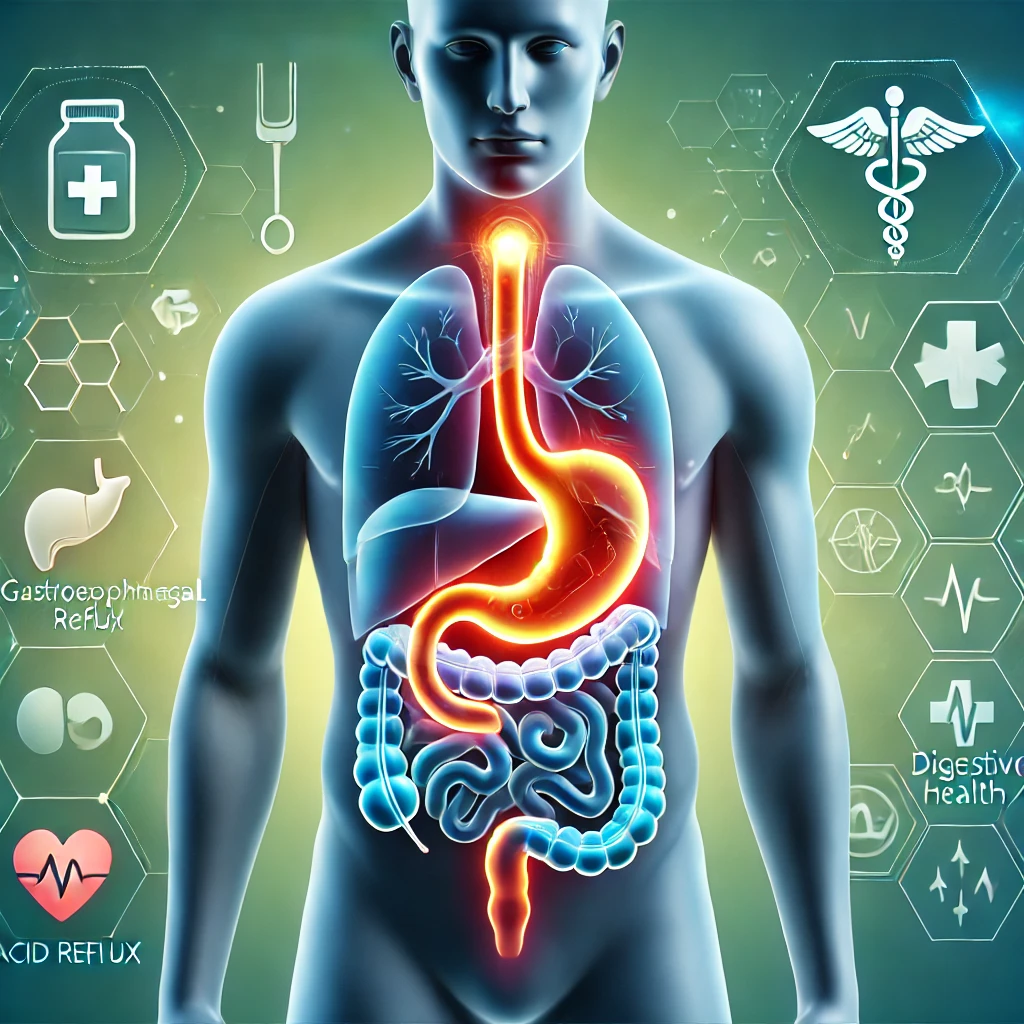
It is also known as “reflux esophagitis”. It refers to reflux of gastric contents into the lower esophagus, resulting in esophageal irritation and inflammation. GERD is a common condition, that affects approximately 20% of the U.S. population on a regular basis. It is one of the most common gastrointestinal disorders that produces symptoms and for which people visit physicians on regular basis so understanding this can helps you from becoming this disease a serious problem. As if left untreated it can lead to serious complications like esophagitis (inflammation of the esophagus), esophageal strictures (narrowing of the esophagus), Barrett’s esophagus (a precancerous condition), and even esophageal cancer. According to the American College of Gastroenterology, effective treatment of GERD not only alleviates symptoms but also reduces the risk of long-term damage to the esophagus.

What is GERD?

A chronic condition where stomach acid flows back into the esophagus. It is often confused with the Occasional acid reflux which is a common condition where stomach acid flows back into the esophagus, causing temporary discomfort like heartburn or regurgitation it is often triggered by certain foods, overeating, or lying down after a meal. In comparison to that GERD is a chronic condition where acid reflux occurs two or more times per week, leading to persistent symptoms and complications like esophagitis or Barrett’s esophagus.

Lower esophageal sphincter (LES) plays a very crucial role in preventing acid reflux back into the esophagus. It normally relaxes when food from esophagus comes and close as soon as food is in stomach. But in Gerd either there is Pathological transient relaxation of lower esophageal sphincter (LES) or the lower esophageal sphincter becomes incompetent that it is unable to tighten enough to stop the food going back into esophagus.

Symptoms of GERD

Common symptoms:

  • Heartburn and regurgitation are the major symptoms.
  • Heartburn (burning sensation in the chest) is provoked by bending, straining, or lying down.
  • “Water brash” – salivation due to reflex salivary gland stimulation as acid enters the gullet.
  • Regurgitation (sour or bitter taste in the mouth).
  • Difficulty swallowing (dysphagia).

Extra-esophageal:

  • Hoarseness or sore throat.
  • Chest pain (can mimic heart-related pain).
  • Laryngitis
  • dental erosions
  • Recurrent chest infection
  • Chronic cough

Laryngopharyngeal Reflux (LPR) is a type of acid reflux in which stomach acid flows in backward direction into the throat, voice box (larynx), or even the nasal passages in which it doesn’t show any classic symptoms, but it usually affects the upper airways making it difficult to diagnose.

Causes and Risk Factors of GERD

  • Weakness or dysfunction of the LES.
  • Lifestyle factors:
  • Obesity.
  • Smoking.
  • Alcohol consumption.
  • Poor diet (spicy, fatty, or acidic foods).

Medical conditions causing GERD:

  • Hiatal hernia.
  • Pregnancy.
  • Delayed stomach emptying (gastroparesis).

Complications of Untreated GERD

  • Esophagitis (inflammation of the esophagus).
  • Esophageal strictures (narrowing of the esophagus).
  • Barrett’s esophagus (precancerous changes in the esophageal lining).
  • Increased risk of esophageal cancer.
  • Iron deficiency anemia – (blood loss from long-standing esophagitis)

Diagnosis of GERD

Medical history and symptom evaluation are the corner stones in diagnosis the GERD and most of the cases are diagnosed just with effective history taking and examination of a patient.

Diagnostic tests:

if we say these tests are not for the diagnosis of the GERD but for the confirmation the GERD then it is not wrong because most of the patients are diagnosed with the good history taking and evaluation. Following tests are used in diagnosis and confirmation of GERD

  • Endoscopy.
  • Esophageal pH monitoring.
  • Barium swallow.
  • Esophageal manometry

Reflux Testing:

Wireless pH testing allows your doctor to evaluate your reflux activity over a 48-hour period while you continue your normal activities. To perform wireless pH testing.

The two methods are:

  • Wireless pH Testing
  • 24-Hour pH Impedance

Treatment Options

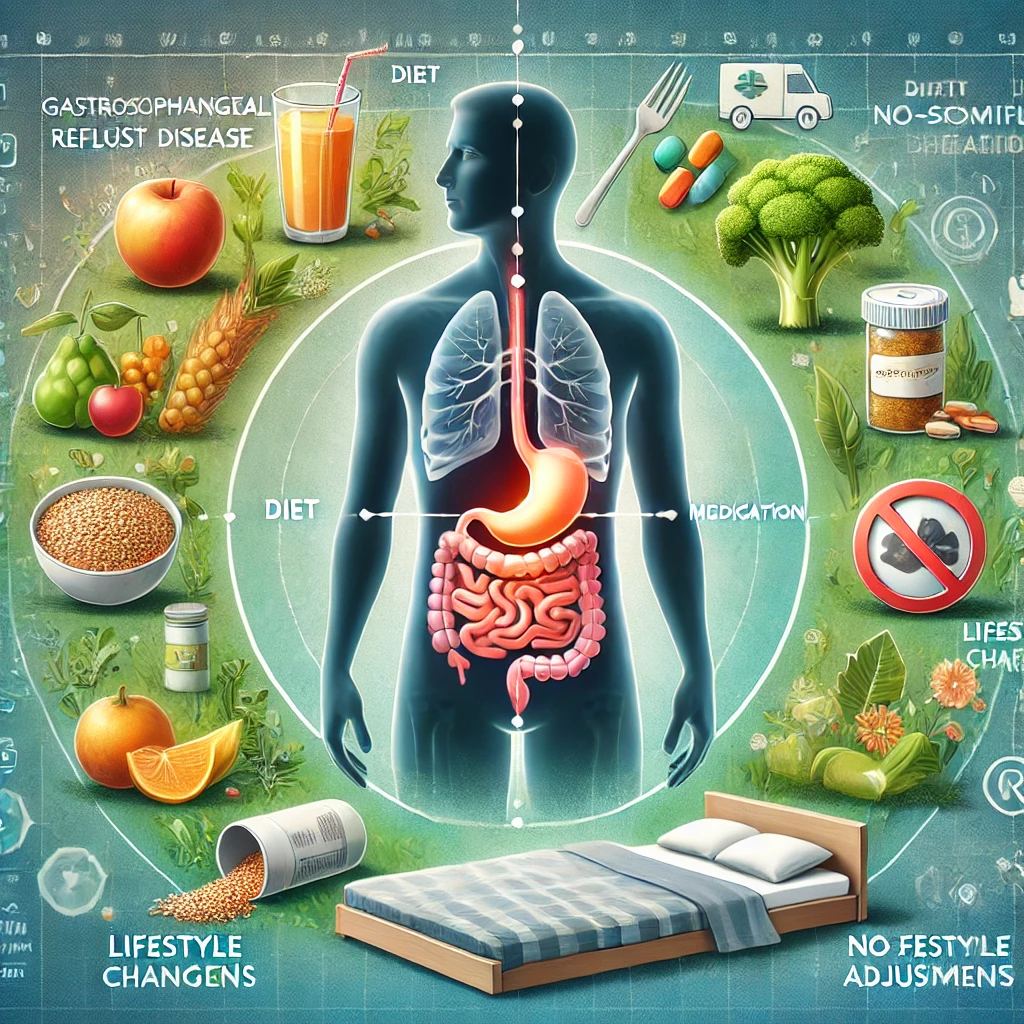
Lifestyle Modifications:

By changing your lifestyle one can prevent and manage its GERD very effectively here are few lifestyle changes for management of GERD

  • Dietary changes i.e avoid trigger foods, eat small portion of foods instead of large portions
  • Weight loss is important if you are Obese as larger fat on your stomach puts extra pressure on it
  • Elevate the head of the bed.
  • Avoid lying down after eating.
  • Avoid eating few hours before going to bed

Medications:

  • Antacids (for quick relief).
  • H2 blockers (e.g., ranitidine, famotidine). These block the action of histamine on parietal cells & decrease acid secretion. These drugs relive only the symptoms, without healing esophagitis.
  • Proton pump inhibitors (PPIs) (e.g., omeprazole, esomeprazole). PPIs are the treatment of choice. PPIs reduced gastric acid production by inhibiting H+/K+ ATPase. PPIs relieve both the symptoms and esophagitis. Side effects = headache, diarrhea, increased risk of Clostridium difficile infection

Surgical Treatment:

Indications of surgery:
  • Failure of medical therapy
  • Unwilling to take long-term PPIs
  • Severe regurgitation
  • Barrett’s esophagus
Surgical Options:
  • Fundoplication (wrapping the top of the stomach around the LES).
  • LINX device (magnetic ring to strengthen the LES).

When to See a doctor

  • Persistent or worsening symptoms.
  • Difficulty swallowing or pain while swallowing.
  • Unexplained weight loss.
  • Chest pain that could indicate a heart condition.

FAQs

Can Gerd cause back pain?

Yes, GERD can cause back pain in some cases. The pain is often described as a burning or discomfort that radiates from the chest to the upper back, typically between the shoulder blades.

Can Gerd be cured?

GERD cannot be completely cured in most cases, but it can be effectively managed with lifestyle changes, medications, and, in some cases, surgery. While symptoms can often be controlled, long-term management is typically required to prevent complications and maintain quality of life.

Can Gerd cause SOB, Nausea or CHEST PAIN?

Yes, GERD can cause shortness of breath (SOB)nausea, and chest pain

How GERD AFFECTS QUALITY OF LIFE?

GERD significantly impacts quality of life by causing chronic discomfort, sleep disturbances, dietary restrictions, and emotional stress, often affecting daily activities and productivity. Effective management through lifestyle changes, medications, or surgery can help alleviate symptoms and improve overall well-being.

GERD VS IBS?

GERD primarily affects the esophagus, causing heartburn and regurgitation due to acid reflux, while IBS impacts the colon, leading to abdominal pain, bloating, and altered bowel habits. Both conditions can be triggered by stress or diet but require different diagnostic approaches and treatments.

GERD VS PEPTIC ULCER?

GERD involves acid reflux affecting the esophagus, causing heartburn and regurgitation, while peptic ulcers are sores in the stomach or duodenum, leading to localized stomach pain and nausea. GERD is often due to a weak LES, whereas peptic ulcers are commonly caused by H. pylori infection or NSAID use.

https://youtu.be/f28wm-DubrM

Posted on 5 Comments

“Understanding Mindfulness: Discover Simple Mindfulness Practices to Reduce Stress and Find Calm in a Busy World”

Mindfulness

Introduction

In today’s fast-paced world, it is very easy to feel overwhelmed by the constant demands of hectic work. Your family demands attention from you and your buzzing notifications put a pressure in you to keep up with the social media demands. It feels like an impossible task to find a moment of peace and calm in this world. If you’ve ever wondered, “How can I feel calmer and more focused in my daily life?”—you’re not alone.

The answer is mindfulness, it’s a very powerful technique that helps you stay present in the moment even in the midst of chaos. Being mindful is about paying attention to the present moment with love and curiosity, not about clearing your mind entirely or spending hours in meditation.

In this blog, we’ll explore what mindfulness is, the science-backed benefits it offers, and simple practices you can start today to reduce stress and improve your well-being. 

What mindfulness is

Do you want to clear your mind or focus on things going around you instead of living in a delusional world. Here’s the mindful definition of mindfulness.

“Mindfulness is the basic human ability to be fully present, aware of where we are and what we’re doing, and not overly reactive or overwhelmed by what’s going on around us.”

Acceptance is another aspect of mindfulness, which is paying attention to our thoughts and feelings without passing judgment on them. For example, we do not think that there is a “good” or “wrong” way to think or feel at any particular time. When we engage in mindfulness, we stop replaying the past or seeing the future and instead focus on what we are feeling right now.

The ability to be mindful is something that all people are born with; you simply need to learn how to access it.

The Science Behind Mindfulness

Mindfulness is an important practice with proven benefits for mental and physical health. Alot of research has done that shows mindfulness helps your brain, reduce stress, and even improve overall wellbeing.

1. How Mindfulness Changes the Brain

Harvard Medical School Study on Mindfulness and Brain Changes using brain imaging technology has shown that mindfulness meditation can physically change the structure of your brain. This shows that mindfulness can increase the grey matter, which is linked to memory, learning, and emotional regulation while there was reduced amygdala activity responsible for the “fight or flight” response, shrinks with regular mindfulness practice, leading to lower stress and anxiety levels.

2. Mindfulness Reduces Stress and Anxiety

JAMA Study on Mindfulness and Stress Reduction shows that mindfulness lowers cortisol levels, the hormone that is associated with stress. This study shows that mindfulness and mediation can reduce the anxiety, depression, and pain levels.

3. Improves Focus and Productivity

Research from the University of California, Santa Barbara shows that people who train their brain with mindfulness stay present, which enhance their focus and productivity. Mindfulness shows improved attention span and better performance on cognitive tasks. Mindfulness strengthens the brains’ ability to filter out distractions.

4. Physical Health Benefits

Mindfulness is not only good for mind but also good for your body. Research shows that mindfulness can:

  • Lower blood pressure.
  • Improve sleep quality.
  • Boost immune function.

Simple Mindfulness Practices for Beginners

Breathing Exercises:

  • Box breathing (inhale for 4 seconds, hold for 4 seconds, exhale for 4 seconds, repeat).
  • 5-5-5 breathing (inhale for 5 seconds, exhale for 5 seconds, repeat for 5 minutes).

Body Scan Meditation:

Lie down or sit comfortably than close your eyes and take a few deep breaths slowly give attention to each part of your body from toes to head notice any sensations without changing them. Spend 1-2 minutes on each part of body.

Mindful Walking:

Choose a quiet place to walk, either indoors or outdoors then walk slowly and focus on the sensation of your feet touching the ground. Pay attention to your breath and the movement of your body. If your mind wanders, gently bring your focus back to the act of walking.

How to Incorporate Mindfulness into Daily Life

Mindful Eating: This can be done by paying attention to your food its taste, texture, and smell of your food. Do not use mobile phones while eating or watch TV.

Mindful Work: Instead doing work constantly take short breaks to breath and refocus on your work. Do single tasking instead of multi-tasking.

Mindful Communication: Actively listen to the person you are talking to and don’t try to interpret and be fully present during the conversation.

Tools and Apps to Help You Stay Mindful

  • Headspace: Guided meditations for beginners.
  • Calm: Sleep stories and relaxation techniques.
  • Insight Timer: Free meditations and mindfulness exercises.
  • Journaling Apps: Reflect on your mindfulness journey.

Conclusion: Your Journey to a Calmer Life

In the world that is very much over whelming very often, mindfulness offers a powerful way to calm your mind and give clarity to yourself. By practicing mindfulness, you can train your mind to stay present in the moment, reduce stress, and improve your overall wellbeing.

Remember, mindfulness isn’t about perfection—it’s about progress. Even a few minutes a day can make a difference. Start small, be patient with yourself, and celebrate the moments of peace you create along the way. So why not we can practice it now in the present moment. Take a deep breath, close your eyes, and give yourself the gift of presence. You deserve it.

FAQ’S

Q: Will mindfulness help my anxiety? 

Mindfulness helps reduce anxiety by relaxing, decreasing overthinking, and regulating emotions. It breaks the worry cycle by teaching you to be present. Deep breathing, body scans, and focused strolling reduce anxiety. Consistent practice and mindfulness-therapy can boost efficacy.

Q: If mindfulness helps to fall asleep?

Meditation can help you fall asleep by soothing the mind and reducing stress. Mindful breathing, body scans, and progressive muscular relaxation help you fall asleep. Focusing on the present minimizes racing thoughts and worry, which can prevent sleep. Practice improves sleep quality over time.

Q: Can mindfulness be helpful with ADHD, OCD and addiction? 

Mindfulness can treat ADHD, OCD, and addiction. So how:

  • ADHD: Mindfulness boosts focus, self-control, and emotional awareness. Over time, it reduces impulsivity and improves focus.
  • OCD: Mindfulness helps reduce obsessive thoughts by witnessing them without judgment. Exposure and Response Prevention therapies benefit from it.
  • Addiction Mindfulness helps people recognize cravings and triggers and act rationally. Stress, a relapse trigger, is reduced.

Mindfulness works best with specialized treatment.

leer este artículo en español

Marfah. (2025c, January 12). “Entendiendo la Atención Plena: Descubre Prácticas Simples de Atención Plena para Reducir el Estrés y Encontrar la Calma en un Mundo Ocupado” Remedy Talks. https://remedytalks.com/entendiendo-la-atencion-plena-descubre-practicas-simples-de-atencion-plena-para-reducir-el-estres-y-encontrar-la-calma-en-un-mundo-ocupado/

اس مضمون کو اردو میں پڑھنے کے لیے

Marfah. (2025e, January 13). “مائنڈفولنس کو سمجھنا: دباؤ کم کرنے اور ایک مصروف دنیا میں سکون پانے کے لیے سادہ مائنڈفولنس کے طریقوں کو دریافت کریں” Remedy Talks. https://remedytalks.com/%d9%85%d8%a7%d8%a6%d9%86%da%88%d9%81%d9%88%d9%84%d9%86%d8%b3-%da%a9%d9%88-%d8%b3%d9%85%d8%ac%da%be%d9%86%d8%a7-%d8%af%d8%a8%d8%a7%d8%a4-%da%a9%d9%85-%da%a9%d8%b1%d9%86%db%92-%d8%a7%d9%88%d8%b1/

इस लेख को हिंदी में पढ़ने के लिए

Marfah. (2025f, January 13). माइंडफुलनेस को समझना: तनाव कम करने और व्यस्त दुनिया में शांति पाने के लिए सरल माइंडफुलनेस प्रथाओं की खोज करें।. Remedy Talks. https://remedytalks.com/%e0%a4%ae%e0%a4%be%e0%a4%87%e0%a4%82%e0%a4%a1%e0%a4%ab%e0%a5%81%e0%a4%b2%e0%a4%a8%e0%a5%87%e0%a4%b8-%e0%a4%95%e0%a5%8b-%e0%a4%b8%e0%a4%ae%e0%a4%9d%e0%a4%a8%e0%a4%be-%e0%a4%a4%e0%a4%a8%e0%a4%be/

এই নিবন্ধটি বাংলায় পড়তে

Marfah. (2025g, January 13). মাইন্ডফুলনেসকে বোঝা: চাপ কমাতে এবং একটি ব্যস্ত দুনিয়ায় শান্তি খুঁজে পেতে সহজ মাইন্ডফুলনেস অভ্যাস আবিষ্কার করুন।. Remedy Talks. https://remedytalks.com/%e0%a6%ae%e0%a6%be%e0%a6%87%e0%a6%a8%e0%a7%8d%e0%a6%a1%e0%a6%ab%e0%a7%81%e0%a6%b2%e0%a6%a8%e0%a7%87%e0%a6%b8%e0%a6%95%e0%a7%87-%e0%a6%ac%e0%a7%8b%e0%a6%9d%e0%a6%be-%e0%a6%9a%e0%a6%be%e0%a6%aa/

n.a. (n.d.). فهم اليقظة الذهنية: اكتشف ممارسات بسيطة. Remedy Talkshttps://remedytalks.com/%d9%81%d9%87%d9%85-%d8%a7%d9%84%d9%8a%d9%82%d8%b8%d8%a9-%d8%a7%d9%84%d8%b0%d9%87%d9%86%d9%8a%d8%a9-%d8%a7%d9%83%d8%aa%d8%b4%d9%81-%d9%85%d9%85%d8%a7%d8%b1%d8%b3%d8%a7%d8%aa-%d8%a8%d8%b3%d9%8a%d8%b7/

Posted on 9 Comments

10 Effective Ways to Manage Diabetes Naturally: Tips for a Healthier Lifestyle

Introduction

 Diabetes is a global health concern; it is one of the most prevalent diseases among all age groups. According to WHO the number of people living with diabetes rose from 200 million in 1990 to 830 million in 2022 and these numbers are increasing rapidly. It is a chronic condition which if not carefully managed can cause complications. Natural lifestyle changes are significantly helpful in management of diabetes This blog helps you to explore practical tips to manage diabetes effectively without solely relying on medication.

Understanding Diabetes

Diabetes is a chronic health condition that is caused by inadequate production of insulin or inability of the body to utilize the insulin effectively. Type 1 diabetes is an autoimmune condition in which the body doesn’t produce insulin, while Type 2 diabetes is caused by resistance of the body to insulin. Natural management has a very important role in reducing the dependency on medication and prevent complications.

Regular Physical Activity

Regular physical activity is considered as one of the most effective ways of controlling blood sugar levels naturally. Regular exercise helps muscles to use insulin effectively which reduces insulin resistance. Exercise reduces blood sugar levels and helps maintaining a healthy weight which is crucial in management of diabetes and reducing the risk of complications. Strength training and Aerobic exercises like walking, jogging, swimming, cycling, and dancing are recommended. Physical Activity and Diabetes.

Dietary Changes for Diabetes Management

Diet plays a very important role in management of the diabetes. Eating right food helps you stabilize your blood sugar levels, improve insulin sensitivity, and it also reduces the risk of complications. Diet with low glycemic index is often recommended. Eating unprocessed, nutrient-dense foods like vegetables, fruits, whole grains, lean proteins, and healthy fats are very helpful. By making changes like eating whole foods, controlling portions, and avoiding unhealthy choices, you can control your blood sugar levels. You can take help healthcare providers or dietitian in this respect.

Stress Management role in diabetes

Stress is often overlooked in management of the diabetes. It has a direct effect on the blood sugar levels. Whether it’s physical, emotional, or psychological, stress triggers the release of hormones like cortisol and adrenaline, which increases blood sugar levels and long-term stress causes insulin resistance. Effective stress management techniques like Mindfulness and Meditation, Regular Physical Activity, Healthy Sleep Habits, Time Management, Social Support and Cognitive-behavioral therapy (CBT) is particularly effective for managing stress and anxiety.  Diabetes and Mental Health.

Adequate Sleep

Sleep is an important aspect of human health, and its importance is magnified for individuals with diabetes. Poor sleep impacts blood sugar levels and can leads to a higher blood sugar level. It disrupts the hormonal balance like cortisol and growth hormone. Sleep deprivation leads to poor life style choices like cravings for unhealthy food and reduce motivation to workout. So a person should prioritize a good sleep hygiene which can help improve blood sugar control, enhance insulin sensitivity, and reduce the risk of complications.

Building a Support System

Managing diabetes is challenging as its a chronic disease that requires a lifetime control so they needs a constant support from their surroundings to stay consistent in management of their disease. Any kind of support can make a world of difference whether it’s family, friends, healthcare providers, or support groups, having a network of people who understand. Remember, you need not to face diabetes alone—reach out, connect, and let your support system help you thrive.

Natural Supplements and Herbs

Natural supplements like berberinecinnamon, and fenugreek are helpful in management of diabetes by improving blood sugar control and insulin sensitivity. Alpha-lipoic acid and magnesium support nerve health and glucose metabolism. You should not start them on their own and always consult your doctor before starting a new one as it may interact with your medicines. Supplements should complement, not replace, prescribed treatments and lifestyle changes. Use them wisely for a holistic approach to diabetes management.

Hydration and Its Role in Diabetes

Staying hydrated is a simple yet a very powerful way that helps regulate blood sugar, so drink plenty of water. By drinking a lot of water, you can regulate blood sugar levels, protect your kidneys, and reduce the risk of complications. So, make sure that you are drinking enough water daily.

Monitoring and Tracking Progress

Regular blood sugar checks are essential for monitoring progress. Record the blood sugar levels and monitor progress according to WHO criterions.

Conclusion

A holistic approach that involves both natural lifestyle changes and the supervision of medical specialists is required in order to properly treat diabetes. This approach is necessary in order to achieve the desired results. It is possible to greatly improve blood sugar control and lower the risk of problems by using a number of methods, including managing stress, getting sufficient amounts of sleep, and drinking sufficient amounts of water. Other strategies include engaging in regular physical activity and maintaining a balanced diet. Developing a solid support network and considering the use of natural supplements, while under the supervision of a medical professional, can further improve diabetes management. Keep in mind that even minor adjustments made on a regular basis might result in major gains to your health. Before making any significant adjustments to your routine, you should always discuss the matter with your healthcare professional. It is possible to properly manage diabetes while also leading a life that is healthier and more rewarding if you take these preventative measures.

FAQ’S

Can diabetes be managed without medication?

Yes, diabetes can be managed through natural lifestyle changes, regular exercise, stress management, and adequate sleep. But this does need a regular consultation from a  healthcare provider to change management plan accordingly.

What are the best exercises for managing diabetes?

Aerobic exercises (e.g., walking, swimming, cycling) and strength training are very effective in management of diabetes. Aim should be at least 150 minutes of moderate-intensity exercise per week.

How does stress affect blood sugar levels?

Stress triggers the release of hormones like cortisol and adrenaline, which increases blood sugar levels and long-term stress causes insulin resistance.

If diabetes without medicine can treated?

Yes, Type 2 diabetes can sometimes be managed without medication through lifestyle changes like diet, exercise, and weight management, but Type 1 diabetes always requires insulin. Always ask for help from a health care provider.

ن.a. (n.d.). ذیابیطس کو قدرتی طور پر کنٹرول کرنے کے 10 طریقے. Remedy Talkshttps://remedytalks.com/%d8%b0%db%8c%d8%a7%d8%a8%db%8c%d8%b7%d8%b3-%da%a9%d9%88-%d9%82%d8%af%d8%b1%d8%aa%db%8c-%d8%b7%d9%88%d8%b1-%d9%be%d8%b1-%da%a9%d9%86%d9%b9%d8%b1%d9%88%d9%84-%da%a9%d8%b1%d9%86%db%92-%da%a9%db%92-10/

Remedy Talks. (n.d.). ডায়াবেটিসকে প্রাকৃতিকভাবে নিয়ন্ত্রণ করার উপায় [Natural ways to control diabetes]. Retrieved from https://remedytalks.com/%e0%a6%a1%e0%a6%be%e0%a6%af%e0%a6%bc%e0%a6%be%e0%a6%ac%e0%a7%87%e0%a6%9f%e0%a6%bf%e0%a6%b8%e0%a6%95%e0%a7%87-%e0%a6%aa%e0%a7%8d%e0%a6%b0%e0%a6%be%e0%a6%95%e0%a7%83%e0%a6%a4%e0%a6%bf%e0%a6%95%e0%a6%ad/

Remedy Talks. (n.d.). 10 طرق فعالة لإدارة مرض السكري بشكل طبيعي [10 effective ways to manage diabetes naturally]. Retrieved from https://remedytalks.com/10-%d8%b7%d8%b1%d9%82-%d9%81%d8%b9%d8%a7%d9%84%d8%a9-%d9%84%d8%a5%d8%af%d8%a7%d8%b1%d8%a9-%d9%85%d8%b1%d8%b6-%d8%a7%d9%84%d8%b3%d9%83%d8%b1%d9%8a-%d8%a8%d8%b4%d9%83%d9%84-%d8%b7%d8%a8%d9%8a%d8%b9/

Remedy Talks. (n.d.). मधुमेह को प्राकृतिक रूप से नियंत्रित करने के तरीके [Natural ways to control diabetes]. Retrieved from https://remedytalks.com/%e0%a4%ae%e0%a4%a7%e0%a5%81%e0%a4%ae%e0%a5%87%e0%a4%b9-%e0%a4%95%e0%a5%8b-%e0%a4%aa%e0%a5%8d%e0%a4%b0%e0%a4%be%e0%a4%95%e0%a5%83%e0%a4%a4%e0%a4%bf%e0%a4%95-%e0%a4%b0%e0%a5%82%e0%a4%aa-%e0%a4%b8/