Understanding the Gap: Geography Isn’t Enough
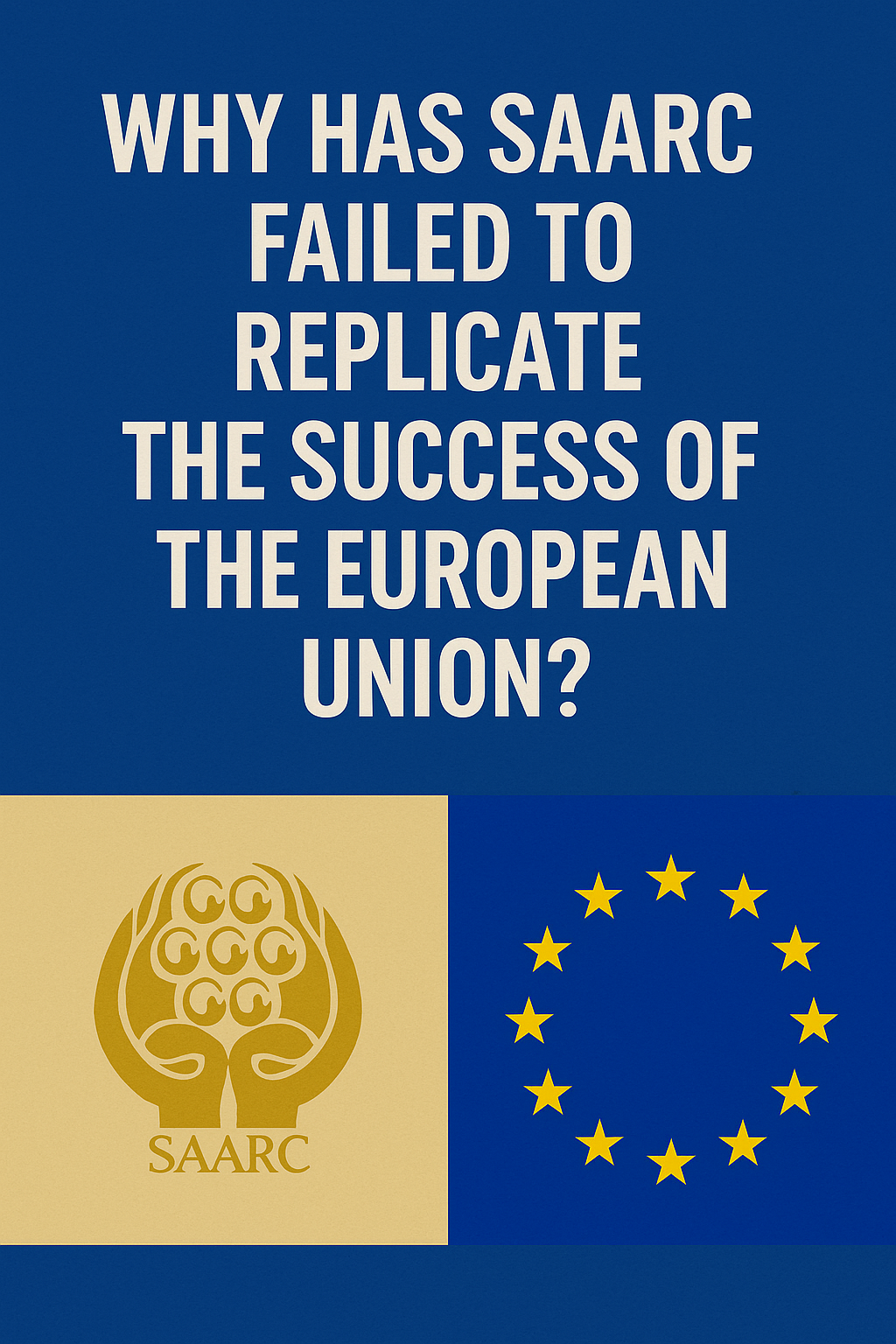
At first glance, the South Asian Association for Regional Cooperation (SAARC) seems poised for success. With eight member countries—Afghanistan, Bangladesh, Bhutan, India, Maldives, Nepal, Pakistan, and Sri Lanka—sharing deep-rooted cultural ties, historical connections, and geographical proximity, many expected SAARC to evolve into a powerful regional bloc, similar to the European Union (EU).
However, decades after its inception in 1985, SAARC remains largely ineffective, while the EU stands as a globally admired model of economic, political, and social cooperation.
So, why has SAARC been unable to replicate the EU’s success? Let’s dive into the key reasons and uncover the roadblocks.
1. Political Tensions, Especially Between India and Pakistan
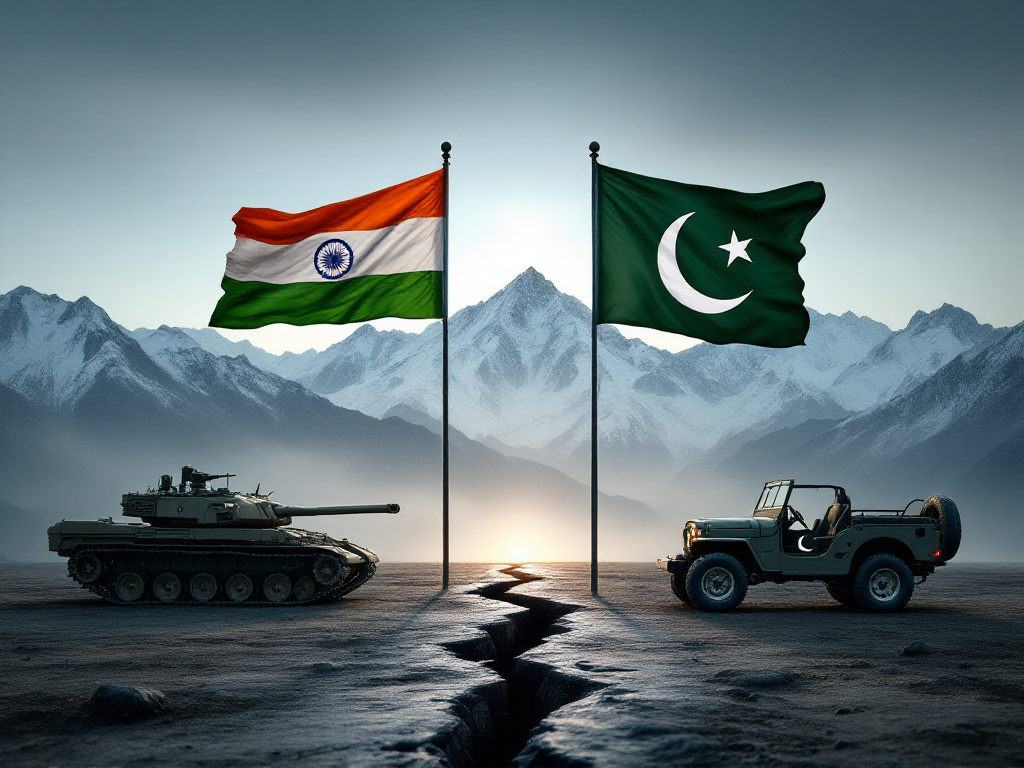
The most significant factor holding back SAARC is deep-rooted political conflicts, particularly the India-Pakistan rivalry. The Kashmir dispute, cross-border terrorism, and military conflicts have overshadowed regional cooperation. Unlike the EU, where countries moved past historical animosities after World War II, SAARC continues to be paralyzed by distrust and blame games.
While the EU promotes open dialogue and consensus, SAARC summits are often delayed or boycotted due to bilateral tensions. This instability has left the organization more symbolic than functional.
2. Lack of a Supranational Body Like the EU Commission
One of the EU’s greatest strengths is its centralized institutions, especially the European Commission, which makes binding decisions and enforces policies. The European Parliament also allows member states to have direct input in decision-making.
In contrast, SAARC operates on strict consensus. Even one country’s objection can stall proposals. This “all or nothing” model leads to policy paralysis. There’s no executive authority or independent body that can drive integration forward or hold member states accountable.
3. Economic Imbalances and Asymmetry in Influence
Another reason for SAARC’s struggles is the economic imbalance among member states. India, the largest and most powerful economy, dominates the region, which breeds mistrust among smaller countries like Nepal, Bhutan, and the Maldives.
In the EU, large economies like Germany and France have played a unifying role, offering support to weaker economies and promoting regional growth. In South Asia, however, India’s neighbors often fear economic dependency and political dominance, which prevents genuine cooperation.
4. Trade Within SAARC Is Minimal
Unlike the EU, where intra-regional trade accounts for over 60% of total trade, SAARC’s internal trade is a mere 5%. Despite the creation of the South Asian Free Trade Area (SAFTA) in 2006, tariffs, bureaucratic red tape, poor logistics, and security concerns hinder trade.
Meanwhile, most SAARC nations trade more with countries outside the region—like China, the USA, and the Middle East—than with their neighbors. This lack of economic interdependence weakens the incentive to cooperate politically.
5. Weak Institutional Framework
The EU was built on a series of legally binding treaties and a solid institutional structure. From the Schengen Agreement to the Eurozone, the EU created common platforms that made cooperation more meaningful and beneficial.
SAARC, on the other hand, lacks legal teeth. It has signed numerous agreements, but implementation remains poor. Without strong institutions, even the best policies become ineffective.
6. Limited People-to-People Interaction
Another pillar of the EU’s success is the freedom of movement. EU citizens can travel, live, work, and study across borders without visas. This has strengthened cultural understanding, economic ties, and a shared identity.
In contrast, SAARC countries have restrictive visa regimes, limited transportation connectivity, and frequent border shutdowns. The average South Asian finds it easier to visit Dubai or London than a neighboring country.
Without greater people-to-people interaction, regional identity and trust cannot flourish.
7. Security-First Mindset Over Development Goals
In the EU, economic and social development are central to regional unity. But in South Asia, security concerns—especially around terrorism, insurgency, and cross-border conflicts—often dominate regional discussions.
Instead of focusing on education, healthcare, climate change, and poverty reduction, SAARC summits frequently collapse into security debates. This focus detracts from long-term regional development.
8. China’s Growing Influence in South Asia
China is not a member of SAARC, but its strategic and economic presence in the region has grown rapidly. Through initiatives like the Belt and Road Initiative (BRI), China has built deep ties with Pakistan, Sri Lanka, Nepal, and the Maldives.
This has created divided loyalties within SAARC, as some members lean towards China while others, like India, remain wary. The result? SAARC struggles to present a unified regional front, further delaying progress.
The Way Forward: Is There Still Hope for SAARC?
Despite its many setbacks, SAARC is not a lost cause. Here are some realistic steps that could help revive the organization:
- Focus on non-political cooperation areas like climate change, disaster relief, public health, and education.
- Promote digital connectivity, youth exchanges, and regional startups to build trust among the new generation.
- Encourage bilateral resolution of political disputes outside SAARC forums to avoid holding the entire bloc hostage.
- Reform SAARC’s charter to allow majority decisions or a two-tier model for willing countries to integrate faster.
- Leverage the success of sub-regional initiatives like BBIN (Bangladesh-Bhutan-India-Nepal) as models for integration.
Final Thoughts
SAARC had the potential to become South Asia’s version of the EU. But politics, mistrust, and weak institutions have kept it from becoming a force for regional unity. Geography and culture alone aren’t enough—shared vision, strong leadership, and institutional commitment are the real drivers of successful regional integration.
If SAARC wants to matter in the 21st century, it must evolve beyond its current structure, resolve internal conflicts, and put the needs of the region’s 2 billion people ahead of national rivalries.
Call to Action
🌐 If you’re passionate about global affairs and regional development, subscribe to RemedyTalks for more thought-provoking insights and explainers. Let’s build awareness that leads to action!