Posted on Leave a comment

Here’s a complete, step-by-step blog-style guideline to help you prepare for the upcoming Punjab Public Service Commission (PPSC) exam for the post of Sub‑Divisional Enforcement Officer (SDEO) under Punjab Enforcement & Regulatory Authority (PERA). If you’re aiming to clear this test, follow these sections carefully and tailor them to your situation in Lahore / Punjab, Pakistan.


1. Understand the Job & Recruitment Context

Before jumping into study mode, it’s important to know what you’re applying for and how the selection process works.

What is SDEO (under PERA)?

  • The SDEO (BS-16) is a regulatory enforcement role within PERA tasked with ensuring compliance with laws and regulations in Punjab.
  • The role is being recruited via the PPSC, so you’ll face the PPSC’s test pattern + PERA’s specific syllabus.
  • Being aware of the job duties helps you align your preparation (for example legal/ regulatory understanding, institutional knowledge, general awareness).

Recruitment & Application Process

  • Keep an eye on the PPSC advertisement (e.g., “Ad No. 33” recently mentioned) for SDEO PERA jobs.
  • Ensure you meet eligibility (education, age, domicile, local quota etc) – check the official advertisement.
  • Download the official syllabus / test day instructions from PERA’s careers page. (pera.punjab.gov.pk)
  • Note test fee, last date, online application steps.
  • After application, test date will be announced; you’ll need to appear in the written exam (and possibly descriptive, interview, etc).

2. Know the Syllabus & Test Pattern

A good preparation plan starts with what you need to cover and how the exam is structured.

Official Syllabus Highlights

According to an uploaded syllabus: (pera.punjab.gov.pk)

  • Legal & General Understanding
    • The Punjab Enforcement & Regulation Act 2024
    • Provisions of Code of Criminal Procedure, 1898 (CrPC) — e.g., Chapters VIII, X, XIII, XIV, XXII.
    • The Constitution of Pakistan, 1973 (Part II, Part VII).
  • General Knowledge & Current Affairs
    • Geography of Punjab; soil/vegetation; agriculture; natural resources. (pera.punjab.gov.pk)
    • Important places, personalities, history (pre- and post-partition) in Punjab.
  • Cultural & Governance History of Punjab
    • Muslim rule, Sikh & Colonial period influence, local government history. (pera.punjab.gov.pk)
  • Basic Maths & Everyday Science
  • English Language Comprehension (synonyms, antonyms, sentence correction etc)
  • Knowledge of ICTs
    • Use of mobile apps, AI platforms, MS Office, digital govt platforms (e.g., domicile management, e-pay). (pera.punjab.gov.pk)

Test-Pattern (based on recent guidance)

  • Many reports show for SDEO PERA 2025: 100 MCQs, no negative marking (though check official ad) (alizajobs.com)
  • Some video/guidance indicate negatives and descriptive papers too: e.g., Paper-I (GK MCQs), Paper-II (English Essay), Paper-III (Law & PERA acts) with possible negative marking (-0.25 for wrong). (YouTube)
  • Key thresholds: candidates must pass each paper (often 40% per paper) and aggregate (often 50%) to qualify. (YouTube)

Bottom line: Check the official advertisement when released. Use the syllabus above to guide your preparation but confirm pattern (papers, time, marks, negative/positive) once the formal notice is out.


3. Preparation Strategy – Step by Step

Here’s how to plan your study time and resources.

Phase 1 – Planning & Resources (Week 1)

  • Get a copy of the official syllabus (save PDF) and highlight each topic.
  • Obtain reliable books / study guides. For PPSC exams, publishers such as Dogar Brothers offer relevant guides. (Dogar Brothers)
  • Collect past papers / sample MCQs for PERA SDEO to familiarize yourself. (TestPoint PK)
  • Create a study timetable: allocate hours daily for each subject.
  • Set SMART goals (e.g., “Finish Constitution topic in 3 days”, “Solve 50 MCQs on ICT by end of week”).

Phase 2 – Foundation & Coverage (Weeks 2-6)

  • Legal & Regulatory Topics: Read the PERA Act 2024, relevant chapters of CrPC, Constitution. Make summary notes.
  • General Knowledge / Punjab: Use a good geography/history book of Punjab. Make maps, timelines.
  • Basic Maths & Everyday Science: Review grade-10/11 level maths & science. Focus on key formulas and concepts.
  • English Comprehension: Practice grammar (synonyms, antonyms, sentence completion). Solve MCQs.
  • ICT Knowledge: Learn about MS Word/Excel/PowerPoint; important gov’t digital apps (e-domicile, e-pay etc); basic AI apps & uses.
  • Each week, include revision blocks (e.g., Sundays) and MCQ practice.

Phase 3 – Practice & Mock Tests (Weeks 7-9)

  • Start doing timed mock exams (100 MCQs) under test-conditions.
  • Use past papers for MCQs and essay practice (if there’s a descriptive paper).
  • Review mistakes: maintain an error log of MCQs you got wrong and understand why.
  • For essay/ descriptive: practice writing essays (e.g., “Role of enforcement agencies in Punjab”, “Digital governance in Punjab”). Focus on structure (introduction, body, conclusion).
  • Improve speed & accuracy: MCQs often require quick reasoning, elimination of wrong options.

Phase 4 – Final Revision & Test Readiness (Last 1-2 Weeks)

  • Revise summary sheets of legal/regulatory topics, GK & ICT.
  • Solve 2-3 full mocks per week.
  • Focus on weak areas (from error log).
  • Ensure you know test day instructions: reporting time, documents, what to bring, what’s prohibited. (See test day instructions PDF) (pera.punjab.gov.pk)
  • Sleep well and maintain health: good diet, exercise, relaxation to keep mind fresh.

4. Tips & Tricks for Success

  • Time-management in exam: For 100 MCQs in 90 minutes (if that’s the pattern) you have less than 1 minute per question — practice under time pressure.
  • Elimination technique: For MCQs, eliminate obviously wrong options first.
  • Keep up with current affairs: Daily news reading (especially Punjab affairs) helps in GK & current affairs section.
  • Map reading & geography: For Punjab geography, brush up on physical features, soil, crops, natural resources.
  • Legal topics – summary style: Don’t try to memorise everything word-by-word. Make concise notes of key points like powers, procedures, important articles/sections.
  • ICT & Apps: Be aware of digital governance initiatives in Punjab (e.g., e-domicile, e-pay) — that can come up.
  • Essay writing: Plan your essay before writing: define structure, key points, use headings if allowed. Keep language clear, avoid long irrelevant stories.
  • Mock exam review: After each mock, spend more time reviewing wrong answers than just solving new ones.
  • Health & mindset: Take short breaks, get enough sleep, avoid last-minute cramming. On test day, reach early, avoid stress.

5. What to do on Test Day

  • Bring required documents (roll-no slip, CNIC and photocopy, required stationery).
  • Arrive early at the test centre to avoid last-minute rush.
  • Read instructions carefully before starting the paper.
  • In MCQ paper: if negative marking applies, be cautious with guessing. If no negative marking, attempt all.
  • Time-check: Don’t spend too long on one question; mark and move on, return later if time allows.
  • Review your answers if time permits.
  • After paper, stay calm. Waiting for results involves interview/psych test (if applicable).
  • Be prepared for further stages (interview, psychological test) if you qualify.

6. Post-Exam: Interview & Follow-Up

  • If you pass written paper, you may be called for psychological assessment or interview (depending on ad). (YouTube)
  • For interview: be ready to answer questions about the job of SDEO, your motivation, current affairs, knowledge of PERA act/regulations.
  • Dress professionally, carry extra copies of your documents and resume.
  • After interview, keep checking PPSC website or PERA portal for result updates.

7. Additional Resources & Books

  • Use recommended guidebooks from reliable publishers (e.g., Dogar Brothers). (Dogar Brothers)
  • Download past MCQ papers and sample papers from sites like TestPoint. (TestPoint PK)
  • YouTube lectures can help for difficult topics (law, ICT, essay writing).
  • Join study-groups or discussion forums (online/gather in person) to share MCQs, notes.

8. Sample Study Timeline (12 weeks)

WeekFocus
1Syllabus review, resource gathering, timetable setup
2Legal/regulatory topics – PERA Act, CrPC overview
3Constitution of Pakistan, rights & procedures
4Punjab geography & history, culture & governance
5Basic maths & everyday science, practice MCQs
6English comprehension, ICT knowledge (MS Office, apps)
7Mock test #1 (MCQs), review errors
8Essay writing practice, advanced legal topics
9Mock test #2 + timed MCQ drills
10Revision of weak areas, current affairs update
11Mock test #3 + final full-length mock under test conditions
12Final revision, mental prep, test-day readiness

9. Common Mistakes to Avoid

  • Ignoring the official syllabus and studying irrelevant topics.
  • Relying only on memorisation without practising MCQs or timed mocks.
  • Neglecting weak spots (e.g., ICT, essay writing) because they seem “easy”.
  • Starting preparation too late. With competitive jobs, early & consistent work is key.
  • Overlooking test-day instructions (reporting time, prohibited items).
  • Ignoring health/mindset — burnout or stress can hamper performance.

10. Final Words of Motivation

Preparing for a competitive job like SDEO under PERA via PPSC is challenging but absolutely achievable with the right strategy, consistency and mindset. Believe in your preparation, stay disciplined, keep revising, and use the time effectively. Every hour you invest now increases your chances of success significantly.
Posted on Leave a comment

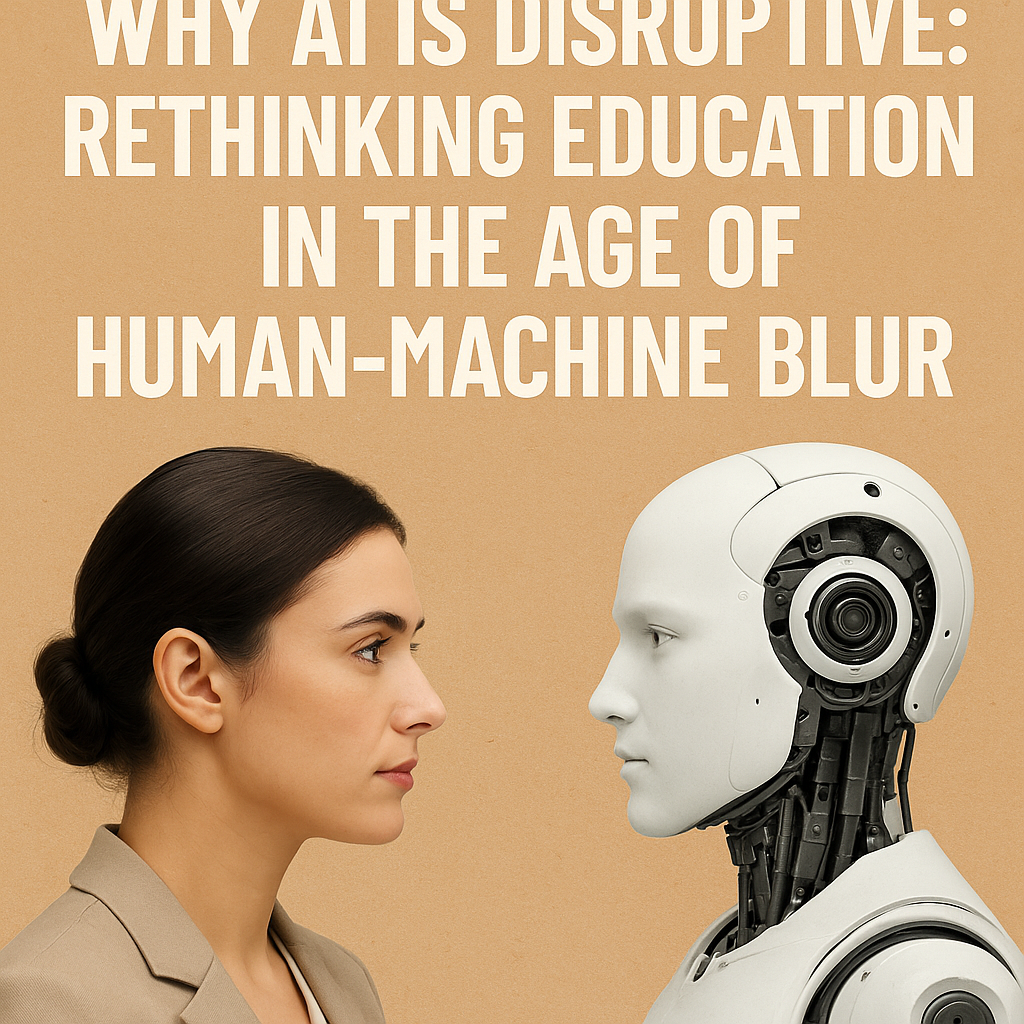
Why AI is Disruptive: Rethinking Education in the Age of Human-Machine Blur

Introduction: The AI Moment Has Arrived

Artificial Intelligence isn’t just a new tool; it’s a force that is reshaping how we think, work, and learn. As philosopher Tobias Rees insightfully puts it, AI is not disruptive because it will outsmart us—it’s disruptive because it dissolves a boundary we once thought was unshakable: the distinction between human and machine. This realization is sending shockwaves through institutions, especially education, where the foundations of knowledge, assessment, and learning are being questioned. We are now in an AI moment—a turning point where urgent questions must be asked and honest answers must follow.

The False Comfort of “Catching Cheaters”

In academia, the response to AI has largely been reactive. Educators scramble to detect AI-generated content in assignments, while developers create tools to outsmart those detectors. This cat-and-mouse game obscures a deeper issue: a system more focused on control than on learning. Are we assessing students to help them grow or just to catch them failing? This obsession with detection technology reveals our reluctance to rethink assessment altogether.

Instead of doubling down on surveillance, this is the time to revisit our purpose. Why do we assess? What do we define as intelligence? Is writing a good essay an indicator of deep thinking, or simply the ability to follow format and logic?

What is Knowledge For? Revisiting Old Questions

AI’s growing presence challenges us to confront foundational questions that have long been sidelined:

  • What is the purpose of knowledge?
  • Why do we create, seek, and share knowledge?
  • Who defines its value?

In many higher education systems, including in Pakistan, these questions are buried under a neoliberal vision. Here, education is equated with “human capital development,” and a student is valued primarily for employability. The success of faculty is often measured by publication count rather than contribution or impact. AI now threatens this mechanistic model because machines can produce “publishable” content faster, cheaper, and possibly more persuasively.

The Neoliberal Model of Education is Being Tested

Pakistan’s HEC Vision 2025 embodies a global trend: treating education as a tool for economic growth. This framework promotes a narrow view of students as future workers and of teachers as content producers. In this system, knowledge is commodified, universities become knowledge factories, and success is measured in data points—grades, publications, employability stats.

But AI disrupts this entire model. If machines can produce data-driven content more efficiently, where does that leave the human in education? If our students are reduced to job-seeking machines and AI outperforms them at those jobs, what’s the point of schooling at all?

A New Educational Paradigm: Humans as Ecosystems

Scholars like Blackie and Luckett offer an alternative vision. They argue that AI’s rise invites us to broaden our understanding of human intelligence. So far, education has prized analytical, linear thinking because it serves the global economy. But this ignores equally essential human faculties: intuition, emotion, imagination.

In this paradigm shift, we must view “humans not as machines, but as ecosystems.” This reframing embraces complexity, relationships, and wholeness. It recognizes that our brains are not detached processors but parts of embodied, context-aware individuals. Knowledge isn’t a static entity to be consumed but something lived and situated in culture, space, and time.

The Myth of Universal Knowledge

AI models are often trained on vast datasets from dominant cultures, reinforcing the myth of universal knowledge. But the idea that one type of reasoning or knowledge is universally valid is both flawed and dangerous. In the age of AI, we need to return to situated knowledge—the idea that every person brings unique perspectives rooted in their context.

This shift also demands that we transcend rigid disciplinary boundaries. Real-world problems aren’t chemistry or sociology problems; they’re human problems. Cross-disciplinary collaboration fosters richer, more adaptable learning environments, better suited to a world in flux.

The Purpose of Education in a Post-AI World

The AI moment should not be co-opted by EdTech companies looking to sell new monitoring tools under the same neoliberal banner. Instead, it should force us to ask: what kind of world are we educating students for?

If education is only about producing efficient workers, AI will inevitably outperform us. But if education is about cultivating humanity—critical thinking, ethical reasoning, empathy, and creativity—then we remain irreplaceable.

This isn’t just about resisting automation. It’s about reclaiming the soul of education.

Conclusion: A Call to Reflect, Not Just React

We are living through a pivotal moment in the history of learning. The arrival of generative AI should not trigger panic or blind adoption but thoughtful reflection. What we do next matters.

We must resist the urge to fall back on outdated systems of control and ranking. Instead, we need to embrace education as a transformative space where knowledge is co-created, not merely delivered. It’s time to view students not as potential cheaters or future workers, but as thinking, feeling, meaning-making humans.

As discussed in our post on “The Future of Learning in the Age of Automation,” the only way forward is to humanize education even more as machines become more capable. Because when the line between human and machine blurs, our humanity becomes the most precious thing we can teach.


Posted on Leave a comment

Bridging Divides: How Pakistan Can Ensure Equitable Resource Distribution by 2025


Learn how Pakistan can achieve national unity through equitable resource distribution among its ethnic regions and address historical injustices by 2025.


Why Equitable Resource Distribution in Pakistan Matters

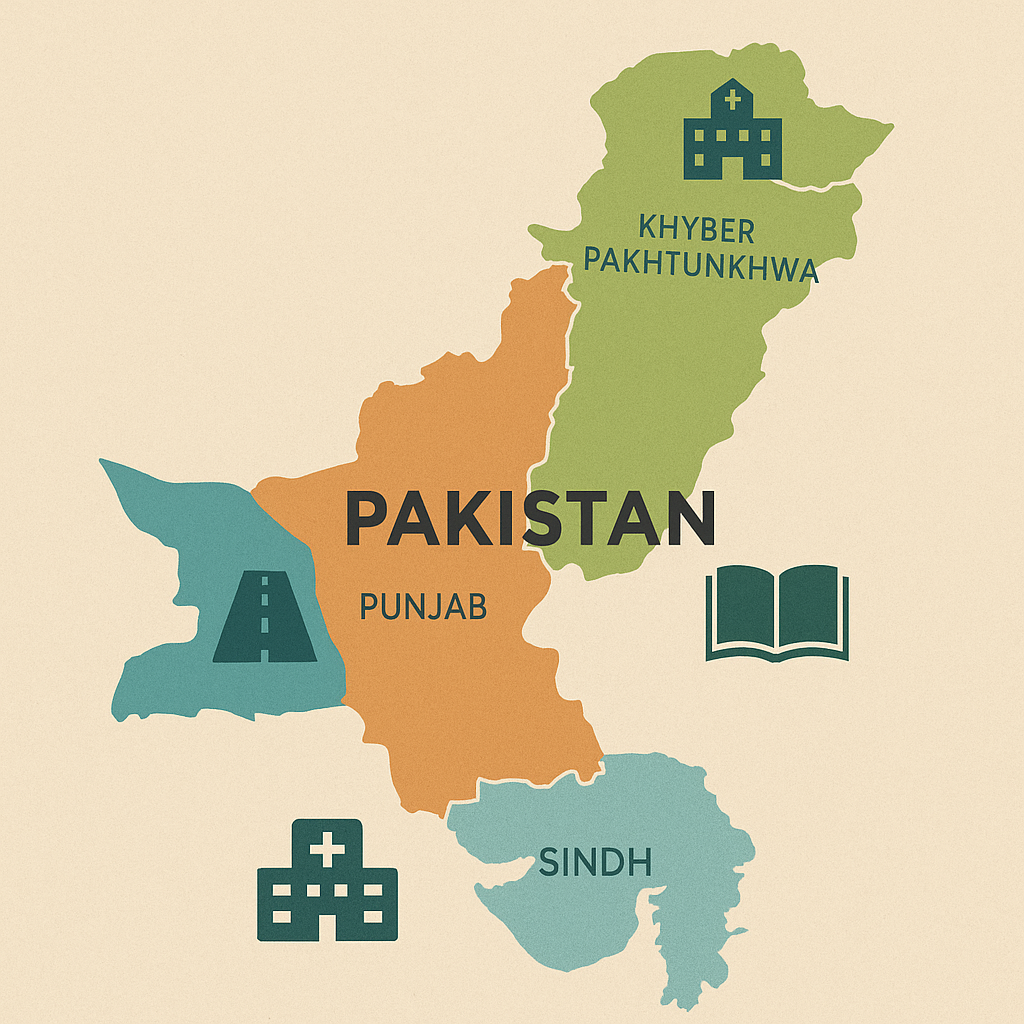
Pakistan is a country of diverse ethnic, linguistic, and cultural identities spread across its provinces. Yet, this richness has long been overshadowed by regional disparities and historical grievances. The uneven distribution of resources has led to underdevelopment in several regions, particularly Balochistan, Gilgit-Baltistan, southern Punjab, and parts of Sindh and Khyber Pakhtunkhwa.

To promote national unity and long-term stability, Pakistan must prioritize equitable resource distribution as a national development strategy. This involves moving beyond population-based formulas and addressing the structural inequalities that have held back entire regions for decades.


Causes of Regional Inequality in Pakistan

Several key factors contribute to regional inequality in Pakistan:

  • Over-centralized planning and weak provincial autonomy
  • Political favoritism in federal fund allocations
  • Neglect of remote and low-population areas like Balochistan and GB
  • Underrepresentation of minority ethnic groups in policymaking
  • Unequal access to education, healthcare, and infrastructure

These challenges not only create socio-economic gaps but also fuel discontent and alienation. Without corrective measures, Pakistan risks deepening internal divides.


Reforms for Equitable Development in Pakistan

1. Reform the NFC Award Formula

The National Finance Commission (NFC) Award currently favors population as the primary metric. This must be revised to include other indicators like:

  • Poverty rate
  • Development needs
  • Literacy and health indicators
  • Geographic size and remoteness

This shift will ensure that underdeveloped regions get a fairer share of federal resources and are not punished for having smaller populations.

2. Strengthen Local Governments

Empowering local government bodies is critical for addressing grassroots development. Provincial governments must:

  • Conduct regular local body elections
  • Allocate sufficient funds to municipal governments
  • Reduce bureaucratic delays in project approvals

When local leaders are given real authority and resources, development becomes more targeted, transparent, and inclusive.

3. Create a National Development Equity Commission

Pakistan needs a federal commission to monitor equity in public spending and development. This independent body can:

  • Track regional development indicators
  • Advise on equitable fund allocation
  • Publish annual reports on development disparities
  • Engage civil society in oversight

Such a body would increase transparency and ensure that development is needs-based, not politically motivated.

4. Prioritize Underserved Regions for Infrastructure Investment

Remote and disadvantaged areas must be first in line for public infrastructure projects, including:

  • Roads and transportation
  • Schools and vocational centers
  • Hospitals and basic health units
  • Clean water and sanitation projects
  • Internet and mobile connectivity

This kind of targeted investment can close long-standing gaps and open up economic opportunities for marginalized communities.

5. Ensure Ethnic and Regional Representation in Institutions

National inclusion begins with representation. The federal government must:

  • Ensure fair quotas for underrepresented provinces in civil services
  • Promote regional languages and cultures in national media
  • Establish universities and think tanks in remote provinces
  • Appoint diverse voices to key national policy positions

A diverse and inclusive state machinery increases legitimacy and trust.


The Role of Data and Technology in Resource Allocation

Equity must be data-driven. Tools like:

  • GIS mapping
  • District-level development indices
  • Real-time monitoring dashboards
  • AI-based budget tracking

…can help policymakers visualize regional disparities and allocate resources accordingly.

A digital governance model with open data portals can also allow citizens to track public spending, promoting transparency and accountability.


Overcoming Political Resistance and Building National Consensus

Equity threatens entrenched interests. Those benefiting from the current system may resist reform. To move forward, Pakistan needs:

  • Political will at the federal and provincial level
  • Media advocacy to raise awareness of regional inequality
  • Civil society pressure to ensure follow-through on policy reforms
  • Cross-party consensus to keep reforms out of partisan conflict

Equity should not be a favor — it must be treated as a constitutional obligation and development priority.


Shared Prosperity Is National Prosperity

Equitable development is more than a policy — it’s a nation-building strategy. When all provinces receive a fair share of development, the entire country benefits. Reduced resentment, greater stability, and higher productivity follow.

For Pakistan to rise as a modern state, it must ensure that no region or community is left behind. Addressing historical grievances through fair and transparent policies is not just moral — it is essential to long-term peace and economic growth.


Conclusion

As Pakistan moves forward in the 21st century, the focus must shift from political favoritism and reactive governance to justice-based policy. The goal is not to weaken strong regions but to uplift weaker ones.

By reforming the NFC Award, strengthening local governments, investing in underserved regions, and using technology and data, Pakistan can finally begin to heal its historical wounds.

Equitable resource distribution is not a cost — it’s an investment in national unity and future prosperity.


Posted on Leave a comment

How Public Opinion and the Press Shape Pakistan’s Foreign Policy

Whether it’s outrage over a drone strike, admiration for a new foreign alliance, or emotional support for a cause abroad, public sentiment matters. And so does the media’s framing of that sentiment. Together, these forces play a growing role in shaping how Pakistan engages with the world.

Foreign policy decisions are often seen as elite-level strategies, crafted behind closed doors by diplomats, generals, and career bureaucrats. But in countries like Pakistan, foreign relations don’t exist in isolation. They’re shaped, pressured, and sometimes redirected by the people—and the press that informs them.

So, how exactly do public opinion and press influence foreign policy in Pakistan? And what does that say about the evolving relationship between democracy, diplomacy, and information?


The Public Voice in Foreign Affairs

It’s easy to think that the average citizen has little to do with international negotiations. After all, what influence could a protester in Lahore have over trade talks with Beijing or border policy with India?

But in reality, public opinion in Pakistan has repeatedly proven to be a quiet force with loud consequences.

Issues like Kashmir, Palestine, the U.S.-Pakistan relationship, and regional ties with Iran or Afghanistan have historically been more than just diplomatic concerns—they’re social touchpoints. They appear in classrooms, mosques, dinner table conversations, and trending hashtags. These aren’t just foreign policy issues; they’re national identity markers.

When the public feels strongly, governments are forced to respond. Often, public pressure leads to symbolic gestures—strong statements in the UN, state-sponsored solidarity events, or diplomatic warnings. Sometimes, it goes further, influencing real policy shifts, halting cooperation, or pushing back against allies.


Kashmir, Palestine, and the Pulse of the People

Two of the clearest examples of this are Pakistan’s policies on Kashmir and Palestine. Both issues have deeply emotional roots in Pakistani society. The media plays them heavily. Political parties reference them constantly. And the public responds—loudly.

When violence escalates in Kashmir or Gaza, social media floods with prayers, anger, and calls for government action. It’s not uncommon to see protests outside embassies, public rallies, or viral campaigns demanding diplomatic retaliation or humanitarian assistance.

These movements don’t just express national solidarity—they compel the government to take action, even when those actions risk international backlash. Public emotion becomes political pressure, and policy is shaped accordingly.


The Role of the Press: Informer, Influencer, Amplifier

In a democratic setting—or even a semi-democratic one like Pakistan—the press becomes the middleman between the state and the public. It doesn’t just report policy; it frames it, questions it, and sometimes reshapes it.

Pakistani media, particularly television news and Urdu-language papers, hold immense power in how the public understands foreign events. How the media frames China’s investment, India’s military moves, or U.S. diplomatic statements directly shapes public opinion—and, by extension, government action.

At times, the press functions as an ally to the state, reinforcing narratives and defending policy decisions. Other times, especially during scandals or crises, it becomes a source of accountability, spotlighting diplomatic failures or missteps.

But it’s not always neutral. Political bias, editorial pressure, and censorship do influence coverage. Sensitive topics—especially those involving powerful allies like China or Saudi Arabia—are often handled with caution. Even so, the media’s overall impact remains undeniable.


Social Media: The New Age Foreign Policy Forum

While mainstream media still holds sway, social media has become a rising force in shaping foreign policy discourse. Twitter storms, viral TikTok videos, and Facebook posts now set the tone for national debates.

Hashtags like #BoycottFrance, #StandWithKashmir, or #FreePalestine have trended across Pakistan, mobilizing thousands—sometimes millions—within hours. These online campaigns often spill into real-world pressure, influencing how politicians frame their statements and what steps ministries take next.

Social media has also amplified diaspora voices. Pakistanis abroad often weigh in on policy with force and visibility, making the state more conscious of how its decisions play not just domestically but globally.


When Policy and Public Pressure Clash

However, public sentiment isn’t always aligned with strategic goals. In fact, one of the biggest challenges in modern diplomacy is managing the gap between what’s popular and what’s practical.

Take U.S.-Pakistan relations. While there’s long-standing public suspicion of American motives, Pakistan continues to cooperate with Washington due to economic, military, and regional security reasons. Balancing this cooperation with public distrust is a diplomatic tightrope—and the press only sharpens that tension.

Similarly, Pakistan’s closeness with China is often celebrated in the media, but criticisms of Chinese labor conditions, local displacements under CPEC, or environmental concerns are muted. Here, press narratives limit public discourse, creating a different kind of policy challenge—one where lack of criticism leads to unchecked decision-making.


Press Freedom and the Foreign Policy Debate

A free press is vital to a well-informed public, and a well-informed public is vital to thoughtful policy. But Pakistan’s press, despite being lively and competitive, still faces barriers when it comes to covering foreign policy honestly.

Military influence, political pressure, and self-censorship mean that not all foreign issues are debated with equal openness. Criticism of certain allies, or of the military’s behind-the-scenes role in diplomacy, often hits a wall.

Despite this, many journalists continue to push boundaries. Investigative reports, sharp op-eds, and alternative media voices are expanding the space for meaningful dialogue. And as the press grows more sophisticated, so does the public it serves.


Conclusion: Democracy’s Foreign Policy Toolkit

Foreign policy in Pakistan is no longer shaped solely in government offices. It’s forged in TV studios, protest rallies, online forums, and newsroom debates. It’s influenced by the passions of the people, and filtered through the power of the press.

While the process is messy, emotional, and sometimes reactive, it’s also proof that foreign relations are not above democracy. They are part of it. And in countries like Pakistan, that democratic influence is only growing.

As the world becomes more connected, and as the Pakistani public becomes more informed, we can expect a more engaged—and more demanding—citizenry. The challenge for policymakers will be to listen to that voice without being overwhelmed by it.

And the responsibility for the press? To make sure that voice is based not just on emotion—but on truth, depth, and perspective.


Written by:
Remedy Talks Editorial Team
Real Issues. Real Conversations. Real Impact.


Posted on Leave a comment

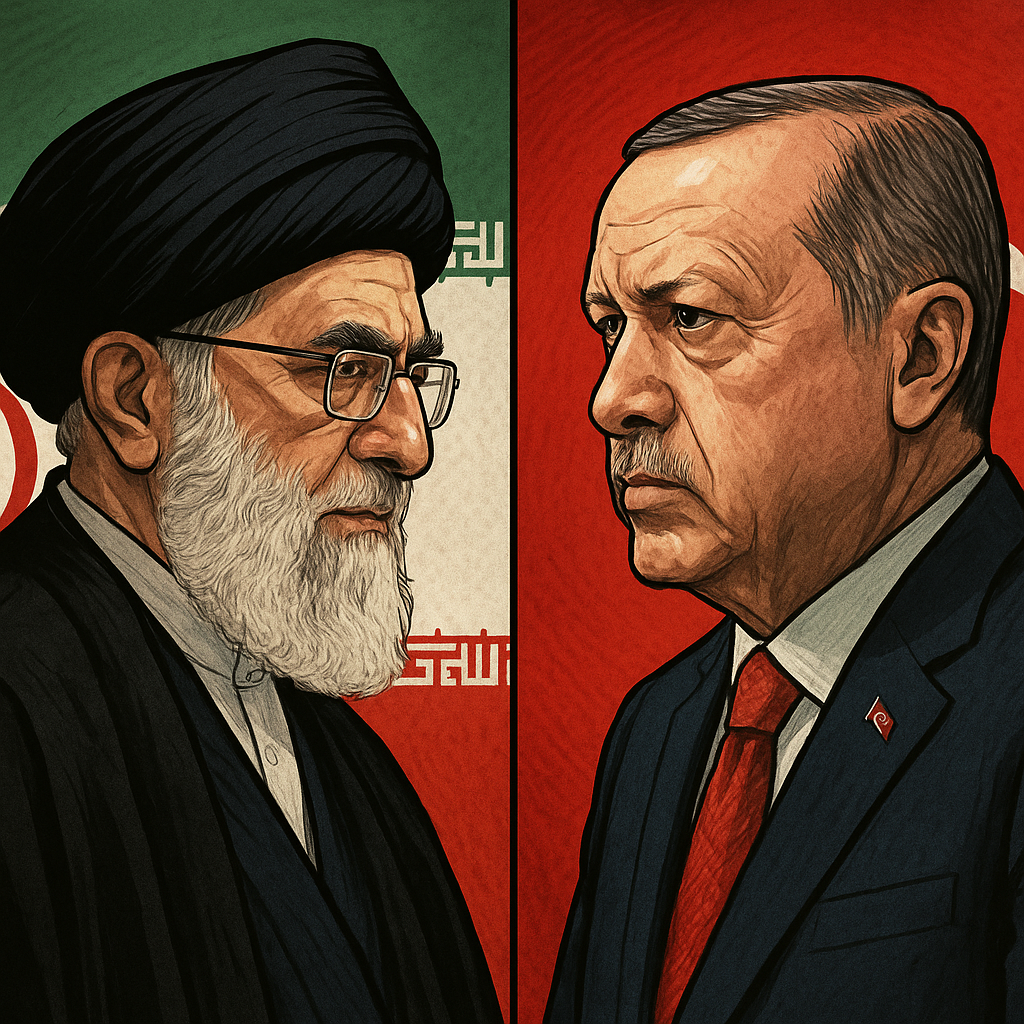
Comparing the Leadership Structures of Iran and Turkey — And How They Shape National Policy


In the Middle East, two nations stand out for their political influence, distinct governance models, and bold foreign policies: Iran and Turkey. Both countries are regional powerhouses, rich in history, culture, and geopolitical importance. Yet their leadership structures couldn’t be more different, and those differences have a direct impact on how policies are made — from the economy and education to diplomacy and national security.

So how do these two systems function? And what can we learn by comparing their approaches to leadership and decision-making?


Iran: A Theocracy with Layers of Power

Iran’s political system is unique in the modern world — it combines republican elements (like elected officials) with deeply entrenched religious authority.

At the top of the hierarchy is the Supreme Leader, currently Ayatollah Ali Khamenei. He holds ultimate authority over all branches of government, the military, judiciary, media, and even foreign policy. Beneath him are:

  • The President, elected by the people every four years
  • The Guardian Council, which vets candidates and can veto laws
  • The Parliament (Majlis), which passes legislation
  • And the Assembly of Experts, which technically oversees the Supreme Leader — though in practice, this oversight is limited

What does this mean for policy? In Iran, no major decision bypasses religious oversight. Even if the elected president wants to pursue reforms — say, economic liberalization or improved Western relations — those efforts can be blocked or undone by unelected clerics.

This centralized, theocratic system ensures ideological consistency, but it also leads to friction between reformist and conservative factions. As a result, policies are often cautious, reactive, and shaped more by internal political balance than public demand.


Turkey: A Presidential Republic with Expanding Executive Power

Turkey, by contrast, is a secular republic — but one that has evolved dramatically in recent years under the leadership of President Recep Tayyip Erdoğan.

Historically, Turkey operated under a parliamentary system, with a prime minister serving as head of government. That changed in 2017, when a national referendum approved a shift to a presidential system. Now, the president is both head of state and government, with broad control over the cabinet, appointments, and the national budget.

Key players include:

  • The President, directly elected and extremely powerful
  • The Grand National Assembly, which passes laws but has limited power over the executive
  • The Judiciary, which is technically independent but often criticized for lacking autonomy under Erdoğan’s rule

This system has enabled fast and centralized decision-making, especially in areas like infrastructure development, military action, and regional diplomacy. But it’s also drawn criticism for weakening democratic checks and balances, silencing dissent, and shrinking media freedom.

Unlike Iran’s clerical dominance, Turkey’s leadership is driven by political ideology, nationalism, and increasingly personalist rule.


Policy in Practice: Where Structure Meets Strategy

To understand how these different systems affect real-world decisions, consider three key areas:


1. Foreign Policy

Iran’s foreign policy is heavily influenced by its religious identity and strategic priorities. The Supreme Leader sets the tone — often one of resistance to Western influence, strong ties with non-Western allies (like Russia and China), and support for regional proxies like Hezbollah.

Turkey, on the other hand, adopts a more pragmatic, transactional approach. Erdoğan’s policies often shift to suit short-term goals: negotiating with Russia and NATO simultaneously, balancing relations with the EU, and acting assertively in Syria and Libya.

In short: Iran’s foreign policy is doctrinal; Turkey’s is strategic.


2. Economic Strategy

Iran’s economy is heavily sanctioned, and its leaders often rely on self-sufficiency rhetoric. Policy shifts are slow, partly due to religious constraints and internal political tug-of-war.

Turkey faces no such religious oversight. It has adopted bold economic experiments, from rapid infrastructure expansion to unorthodox monetary policies (like Erdoğan’s preference for low interest rates despite high inflation). While these policies are risky, they also reflect the agility and dominance of the executive branch.

Iran’s policies are shaped by ideology and isolation. Turkey’s are shaped by ambition and central control.


3. Public Freedoms and Governance

In Iran, press freedom and civil liberties are restricted, particularly when it comes to criticizing religious authority. Elections are held, but candidates are pre-screened by religious bodies.

In Turkey, the space for opposition has shrunk, especially after the 2016 coup attempt. Erdoğan’s government has jailed journalists, purged civil servants, and used emergency powers to consolidate control. While technically a democracy, Turkey increasingly resembles a managed or illiberal democracy.

Both countries struggle with dissent — but for different reasons and under different banners.


Two Models, One Region

Both Iran and Turkey use centralized leadership to navigate regional instability and internal pressure. But while Iran’s system is built on religious legitimacy, Turkey’s power structure has evolved toward strongman politics under an executive presidency.

The impact on policy is clear:

  • Iran moves cautiously, with deep ideological roots guiding every step
  • Turkey moves fast, often reshaping policies to fit short-term goals or Erdoğan’s vision

Neither model is without flaws. But both demonstrate how leadership structure directly influences how a country governs, reforms, and engages with the world.


Final Thoughts

In an age of global crises — from economic shocks to regional conflict — leadership matters. And how leaders rise, rule, and respond is shaped not just by their personalities, but by the systems that empower them.

Whether it’s Iran’s religious hierarchy or Turkey’s presidential concentration of power, understanding these structures is key to understanding why these nations act the way they do — and where they might be heading next.


Author:
Remedy Talks Editorial Team
Analyzing global leadership, one structure at a time.


Posted on Leave a comment

What the IMF and WTO Can’t Fix: The Struggle Against Inequality in Developing Countries


International financial institutions like the International Monetary Fund (IMF) and the World Trade Organization (WTO) are often presented as global safety nets—designed to stabilize economies, promote trade, and reduce poverty. But for many developing countries, these institutions feel more like tightropes than safety nets. They come with conditions, restrictions, and expectations that often make it harder—not easier—to overcome deep-rooted economic inequality.

So what are the real limitations of the IMF and WTO, and why do they struggle to address economic disparities in the Global South?


The Myth of Neutrality

On paper, the IMF and WTO are neutral global organizations. But in practice, their policies often reflect the interests of powerful, wealthy nations. For example, voting power at the IMF is based on financial contributions. That means the United States and European countries hold disproportionate influence over lending decisions.

This imbalance isn’t just technical—it’s political. When crisis hits a low-income country, the loans that follow often come with harsh conditions. Governments are told to cut spending, open up markets, and privatize state assets. These might sound like modern economic prescriptions, but for struggling nations, they often mean:

  • Fewer public services
  • Job losses
  • Cuts in healthcare and education
  • Increased reliance on foreign imports

That’s not a recipe for long-term development—it’s a cycle of dependency.


One Formula, Many Failures

The IMF’s famous “structural adjustment programs” were introduced with the aim of stabilizing economies and encouraging growth. But instead of creating opportunity, they often undermined local industries and widened the gap between rich and poor.

Countries like Tanzania, Bolivia, and Nigeria followed IMF prescriptions to the letter. What they got in return was economic contraction, rising unemployment, and increased poverty. Meanwhile, essential services like water, electricity, and public transportation were handed over to private companies that prioritized profits over people.

It raises a troubling question: Whose development are these institutions really serving?


Trade Rules That Don’t Play Fair

The WTO is supposed to be a global referee, ensuring that countries play by the same trade rules. But in reality, the playing field is anything but level.

Developed nations continue to heavily subsidize their own agriculture and industries, while pressuring developing countries to remove tariffs and open markets. This puts local farmers and small businesses in the Global South at a crushing disadvantage. They simply can’t compete with the prices of imported goods dumped into their markets by wealthier nations.

And when developing countries try to protect their industries, they face accusations of protectionism—even though richer nations do the same under different names.


Ignoring the Human Factor

One of the biggest blind spots in the IMF and WTO’s approach is the near-exclusive focus on macroeconomic indicators. They track GDP growth, inflation, and trade volume—but rarely account for real human outcomes.

How many children dropped out of school due to budget cuts?
How many people lost access to healthcare after privatization?
How did income inequality shift after a country opened its markets?

These are questions that rarely make it into policy discussions, yet they define the lived experience of millions in developing nations.


Crisis Response: Too Little, Too Late

During the COVID-19 pandemic, the weaknesses of these institutions were exposed even further. While the IMF announced emergency lending facilities, many low-income countries found themselves burdened with even more debt. The WTO, meanwhile, failed to ensure equitable vaccine distribution as rich countries secured most of the global supply.

These failures aren’t just technical—they’re moral. When the world’s poorest are left behind during a global emergency, the promise of “international cooperation” starts to sound hollow.


The Challenge of Reform

To their credit, both the IMF and WTO have acknowledged the need for change. The IMF has recently spoken about “inclusive growth,” and the WTO has launched initiatives to support small economies and reduce trade barriers for least developed countries.

But talk is cheap. Real reform means shifting power, listening to voices from the Global South, and letting go of outdated economic dogma. It means understanding that development isn’t just about open markets and budget surpluses—it’s about people.


Moving Toward a Fairer Global Economy

What would a fairer system look like?

  • Debt cancellation for countries trapped in endless repayment cycles
  • Flexible policy options, rather than rigid austerity mandates
  • Trade rules that protect local industries, especially in agriculture and manufacturing
  • Decision-making power shared equally, not concentrated in the hands of the wealthy
  • Programs aligned with real human development, not just economic metrics

None of this is radical. It’s simply what justice and dignity demand.


Final Thoughts

The IMF and WTO were built with a vision of global cooperation. But unless that cooperation becomes genuinely inclusive, these institutions will continue to fail the people who need them most.

Economic inequality isn’t just a technical problem—it’s a human one. And solving it requires more than financial tools. It requires empathy, accountability, and a new way of thinking about development—one that puts people before profits, and justice before convenience.


Author:
Remedy Talks Editorial Team
Helping you make sense of global economics, one issue at a time.


Posted on Leave a comment

Why Has SAARC Failed to Replicate the Success of the European Union?


Understanding the Gap: Geography Isn’t Enough

At first glance, the South Asian Association for Regional Cooperation (SAARC) seems poised for success. With eight member countries—Afghanistan, Bangladesh, Bhutan, India, Maldives, Nepal, Pakistan, and Sri Lanka—sharing deep-rooted cultural ties, historical connections, and geographical proximity, many expected SAARC to evolve into a powerful regional bloc, similar to the European Union (EU).

However, decades after its inception in 1985, SAARC remains largely ineffective, while the EU stands as a globally admired model of economic, political, and social cooperation.

So, why has SAARC been unable to replicate the EU’s success? Let’s dive into the key reasons and uncover the roadblocks.


1. Political Tensions, Especially Between India and Pakistan

The most significant factor holding back SAARC is deep-rooted political conflicts, particularly the India-Pakistan rivalry. The Kashmir dispute, cross-border terrorism, and military conflicts have overshadowed regional cooperation. Unlike the EU, where countries moved past historical animosities after World War II, SAARC continues to be paralyzed by distrust and blame games.

While the EU promotes open dialogue and consensus, SAARC summits are often delayed or boycotted due to bilateral tensions. This instability has left the organization more symbolic than functional.


2. Lack of a Supranational Body Like the EU Commission

One of the EU’s greatest strengths is its centralized institutions, especially the European Commission, which makes binding decisions and enforces policies. The European Parliament also allows member states to have direct input in decision-making.

In contrast, SAARC operates on strict consensus. Even one country’s objection can stall proposals. This “all or nothing” model leads to policy paralysis. There’s no executive authority or independent body that can drive integration forward or hold member states accountable.


3. Economic Imbalances and Asymmetry in Influence

Another reason for SAARC’s struggles is the economic imbalance among member states. India, the largest and most powerful economy, dominates the region, which breeds mistrust among smaller countries like Nepal, Bhutan, and the Maldives.

In the EU, large economies like Germany and France have played a unifying role, offering support to weaker economies and promoting regional growth. In South Asia, however, India’s neighbors often fear economic dependency and political dominance, which prevents genuine cooperation.


4. Trade Within SAARC Is Minimal

Unlike the EU, where intra-regional trade accounts for over 60% of total trade, SAARC’s internal trade is a mere 5%. Despite the creation of the South Asian Free Trade Area (SAFTA) in 2006, tariffs, bureaucratic red tape, poor logistics, and security concerns hinder trade.

Meanwhile, most SAARC nations trade more with countries outside the region—like China, the USA, and the Middle East—than with their neighbors. This lack of economic interdependence weakens the incentive to cooperate politically.


5. Weak Institutional Framework

The EU was built on a series of legally binding treaties and a solid institutional structure. From the Schengen Agreement to the Eurozone, the EU created common platforms that made cooperation more meaningful and beneficial.

SAARC, on the other hand, lacks legal teeth. It has signed numerous agreements, but implementation remains poor. Without strong institutions, even the best policies become ineffective.


6. Limited People-to-People Interaction

Another pillar of the EU’s success is the freedom of movement. EU citizens can travel, live, work, and study across borders without visas. This has strengthened cultural understanding, economic ties, and a shared identity.

In contrast, SAARC countries have restrictive visa regimes, limited transportation connectivity, and frequent border shutdowns. The average South Asian finds it easier to visit Dubai or London than a neighboring country.

Without greater people-to-people interaction, regional identity and trust cannot flourish.


7. Security-First Mindset Over Development Goals

In the EU, economic and social development are central to regional unity. But in South Asia, security concerns—especially around terrorism, insurgency, and cross-border conflicts—often dominate regional discussions.

Instead of focusing on education, healthcare, climate change, and poverty reduction, SAARC summits frequently collapse into security debates. This focus detracts from long-term regional development.


8. China’s Growing Influence in South Asia

China is not a member of SAARC, but its strategic and economic presence in the region has grown rapidly. Through initiatives like the Belt and Road Initiative (BRI), China has built deep ties with Pakistan, Sri Lanka, Nepal, and the Maldives.

This has created divided loyalties within SAARC, as some members lean towards China while others, like India, remain wary. The result? SAARC struggles to present a unified regional front, further delaying progress.


The Way Forward: Is There Still Hope for SAARC?

Despite its many setbacks, SAARC is not a lost cause. Here are some realistic steps that could help revive the organization:

  • Focus on non-political cooperation areas like climate change, disaster relief, public health, and education.
  • Promote digital connectivity, youth exchanges, and regional startups to build trust among the new generation.
  • Encourage bilateral resolution of political disputes outside SAARC forums to avoid holding the entire bloc hostage.
  • Reform SAARC’s charter to allow majority decisions or a two-tier model for willing countries to integrate faster.
  • Leverage the success of sub-regional initiatives like BBIN (Bangladesh-Bhutan-India-Nepal) as models for integration.

Final Thoughts

SAARC had the potential to become South Asia’s version of the EU. But politics, mistrust, and weak institutions have kept it from becoming a force for regional unity. Geography and culture alone aren’t enough—shared vision, strong leadership, and institutional commitment are the real drivers of successful regional integration.

If SAARC wants to matter in the 21st century, it must evolve beyond its current structure, resolve internal conflicts, and put the needs of the region’s 2 billion people ahead of national rivalries.


Call to Action

🌐 If you’re passionate about global affairs and regional development, subscribe to RemedyTalks for more thought-provoking insights and explainers. Let’s build awareness that leads to action!


Posted on Leave a comment

Climate Change and Gender Inequality: Why Women Bear the Bigger Burden


Introduction

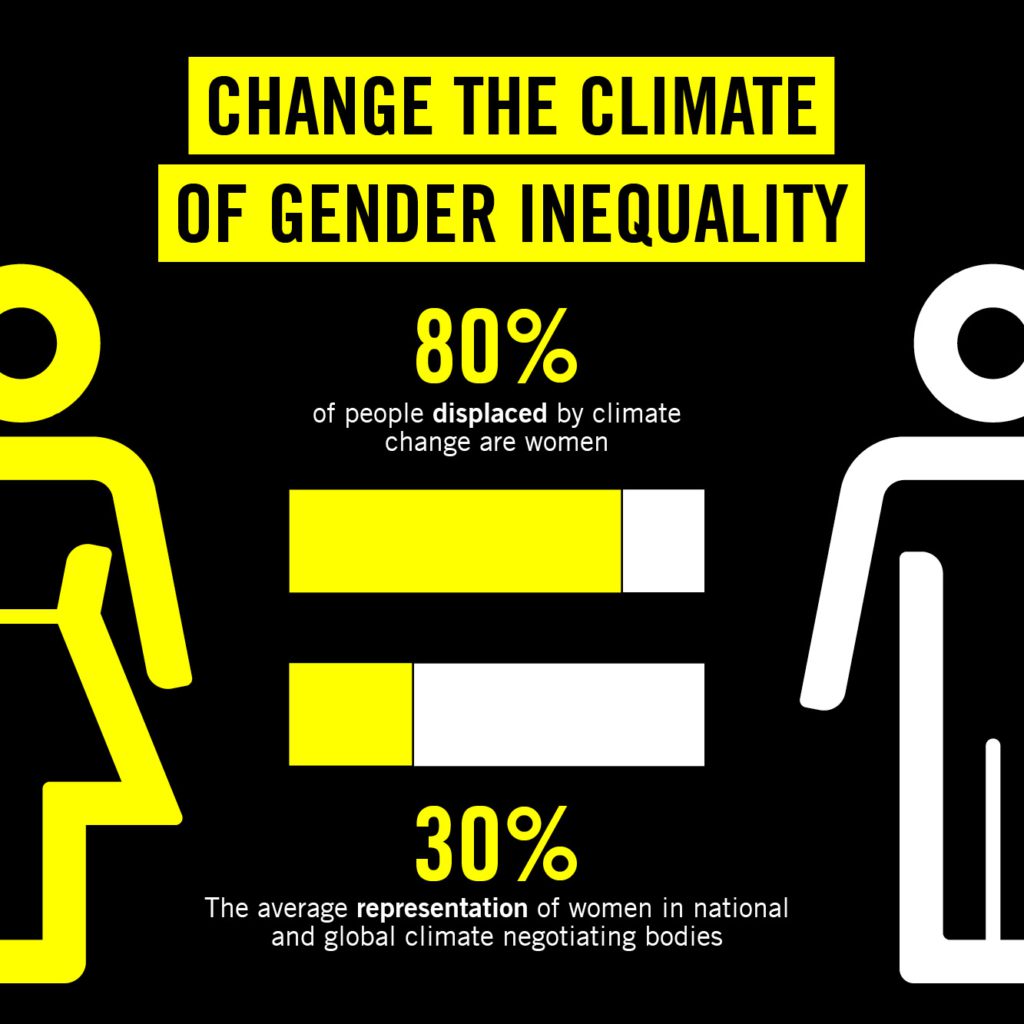
As the effects of climate change become more severe, one harsh truth stands out: climate change is not gender neutral. Around the world, women and girls—especially in developing countries—face the harshest consequences of rising temperatures, natural disasters, and resource scarcity. The intersection of gender inequality and environmental degradation is not just a social issue—it’s a crisis we must address for any real progress.

This blog breaks down how climate change disproportionately affects women, why this happens, and how empowering women can be a powerful solution. If we want meaningful climate justice, gender equity must be at its core.


How Climate Change Deepens Gender Inequality

1. Women Are the Backbone of Rural Agriculture, Yet the Most Vulnerable

In many countries across Africa, Asia, and Latin America, women make up over 60% of the agricultural workforce. Yet they often lack land rights, financial credit, and access to modern tools. When climate disasters like droughts or floods hit, these women lose more than crops—they lose their primary source of income, food, and security.

Keyword integration: climate change effects on women, agriculture and gender inequality, women and food security.


2. Increased Health Risks for Women and Girls

As temperatures rise and clean water becomes scarce, women and girls are at greater risk of disease. They’re more likely to suffer from waterborne illnesses, malnutrition, and reproductive health complications, especially in areas without strong healthcare systems.

Pregnant women, for example, face higher risks from heatwaves and poor sanitation, making climate change a public health issue—particularly for female populations.

Keyword integration: climate change and women’s health, environmental health risks, women vulnerable to climate crisis.


3. Greater Burden of Unpaid Care Work

In the aftermath of climate disasters, women and girls are the ones caring for the sick, elderly, or displaced. They walk farther to fetch water, miss school to support families, and sacrifice jobs to take care of others. These responsibilities, often unpaid and unrecognized, deepen the gender gap.

Keyword integration: unpaid care work, gendered impacts of climate change, women and domestic burden.


4. Barriers to Women’s Participation in Climate Policy

Despite being most affected, women are often excluded from climate decision-making at all levels—local, national, and international. From UN climate summits to local disaster committees, women’s voices are missing, meaning their unique experiences and solutions aren’t heard.

Keyword integration: gender and climate policy, inclusive climate action, empowering women for climate resilience.


Why Empowering Women is a Climate Solution

Women are not just victims of the climate crisis—they are key to solving it. Research shows that when women lead and participate in climate action, communities are more resilient and sustainable.

1. Local Leadership and Environmental Stewardship

In rural communities, women manage natural resources like water, crops, and forests. When trained and empowered, they lead conservation efforts, manage risks, and adapt traditional knowledge to modern challenges.

Example: In Kenya, women’s groups are restoring degraded land through sustainable farming techniques—boosting food production and fighting desertification.

Keyword integration: women climate leaders, local climate action, environmental sustainability.


2. Education and Climate Literacy for Girls

Educating girls is one of the most effective ways to combat climate change. Studies show that investing in girls’ education leads to smaller family sizes, better disaster preparedness, and stronger economic outcomes—all of which reduce climate pressure.

Keyword integration: climate education for girls, girls in STEM, climate literacy.


3. Financial Inclusion and Economic Empowerment

Access to green financing, microloans, and entrepreneurial opportunities allows women to invest in climate-resilient farming, eco-friendly businesses, and clean energy. This not only improves livelihoods but also builds community resilience.

Keyword integration: green economy, women and climate finance, gender-inclusive economy.


What Needs to Change: Gender-Responsive Climate Policies

To create real change, climate strategies must recognize and respond to gender inequalities. This includes:

  • Collecting gender-disaggregated data to understand impact
  • Ensuring women’s participation in policymaking
  • Investing in women’s education and health
  • Funding women-led climate initiatives

Keyword integration: gender-responsive climate policy, sustainable development, inclusive climate strategy.


Real Stories: Women Leading Climate Justice

A recent photo series by CNN, titled As Equals, highlights the voices of women from around the world who are leading in the face of climate adversity—from Bangladesh to Brazil. Their activism, resilience, and leadership challenge the notion that climate victims are powerless. Instead, they show that gender equality and climate justice go hand-in-hand.

Keyword integration: women climate activists, climate justice stories, grassroots climate movements.


Final Thoughts

Climate change and gender inequality are two crises that feed into each other. Solving one without addressing the other is like fighting a wildfire with a garden hose.

At RemedyTalks.com, we believe climate action must be inclusive, sustainable, and just. This means putting women and girls at the center of policy, education, innovation, and leadership. Because when women thrive, so does the planet.


Posted on 1 Comment

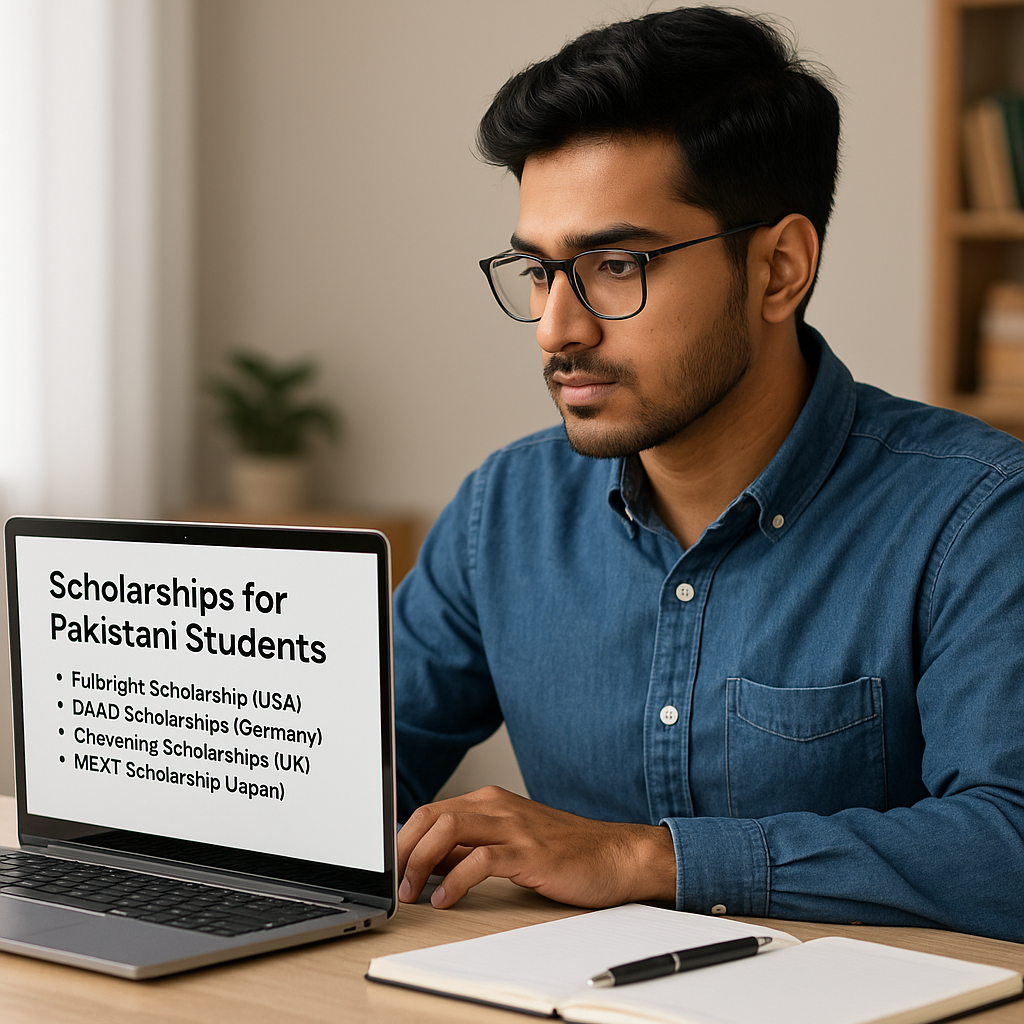
The Ultimate Guide to Scholarships for Pakistani Students: How to Apply, Requirements, Deadlines, and Benefits

If you’re a Pakistani student with dreams of studying abroad or pursuing higher education without financial strain, fully funded scholarships can open doors that once seemed impossible. With options available in the USA, UK, Europe, Japan, Saudi Arabia, and Australia, there are countless opportunities out there—but the key lies in knowing how and when to apply.

In this blog, we’ll break down:

  • Step-by-step application process
  • Annual requirements
  • Scholarship deadlines
  • Benefits offered
  • Estimated processing time
  • Official application emails and portals

Step-by-Step: How to Apply for International Scholarships

  1. Research the Right Scholarship
    • Visit official websites or university websites.
    • Filter by your country (Pakistan), desired level (BS, MS, PhD), and field of interest.
  2. Check Eligibility Requirements
    • Academic qualifications (CGPA, degrees, English proficiency)
    • Financial need or merit-based criteria
    • Specific experience or nationality restrictions
  3. Prepare Required Documents
    • Academic transcripts & certificates
    • Statement of Purpose or Motivation Letter
    • Letters of Recommendation
    • English language proficiency (IELTS/TOEFL)
    • Passport and ID documents
    • Updated CV/Resume
  4. Create an Online Profile
    • Register on the scholarship or university portal.
    • Fill in your personal and academic details carefully.
  5. Upload and Submit Documents
    • Always double-check formats (PDFs, Word docs, etc.)
    • Submit before deadlines. Late applications are not entertained.
  6. Track Application Status
    • Keep a record of your login details and application reference number.
  7. Wait for Interview/Decision Notification
    • Some programs conduct online or embassy interviews.
    • Final results may take from 1 month to 6 months.

Common Requirements Across All Scholarships

  • Academic performance: Minimum 3.0 GPA (varies by program)
  • IELTS/TOEFL: IELTS 6.5+, TOEFL 90+ for most top-tier programs
  • Letters of recommendation: 2-3 from academic or professional references
  • Statement of Purpose or Research Proposal (especially for MS/PhD)
  • Valid passport and identification
  • Sometimes proof of extracurriculars or community service

Deadlines & Processing Times (2025-2026 Cycle)

ScholarshipLevelDeadlineProcessing Time
Fulbright (USA)MS/PhDOct 1, 20256-8 months
Chevening (UK)MSNov 20256-9 months
DAAD (Germany)MS/PhDVaries3-6 months
MEXT (Japan)BS/MS/PhDVaries by embassy4-6 months
Erasmus MundusMSVaries by program5-8 months
King Abdulaziz Univ. (KSA)BS/MS/PhDJune & Oct 20252-4 months
Australia AwardsMS/PhDMay-June 20254-6 months

Official Scholarship Emails & Portals for Pakistani Students

ScholarshipOfficial PortalContact Email
Fulbright (USA)usefp.org[email protected]
Chevening (UK)chevening.org/pakistan[email protected]
DAAD (Germany)daad.org.pk[email protected]
Erasmus Munduseacea.ec.europa.eu(Apply via program pages)
MEXT (Japan)pk.emb-japan.go.jp[email protected]
King Abdulaziz Univ.kau.edu.sa[email protected]
Australia Awardsaustraliaawards.gov.au[email protected]

Benefits of Fully Funded Scholarships

  • Full tuition fee coverage
  • Monthly living stipend
  • Round-trip airfare
  • Health insurance
  • Research or thesis grants (for MS/PhD)
  • Cultural exchange programs
  • Free language training (Japan, Germany)
  • Free accommodation or housing allowance

Tips for a Strong Application

  • Apply to multiple programs; don’t rely on just one
  • Tailor your SOP to each scholarship’s focus (e.g., leadership, research, development)
  • Keep deadlines on a calendar and start applications early
  • Keep backups of every document you submit
  • Practice interview questions if shortlisted

Final Words

Scholarships are not just for the top 1%. With dedication, clear goals, and early preparation, you can study abroad for free. Keep checking official sources, prepare thoroughly, and believe in your potential.

Have questions? Comment below or contact our team at RemedyTalks.com for guidance!