Posted on Leave a comment

“War not India’s choice,” says Doval while speaking with Chinese FM as he condemns the Pahalgam terror attack, urges for calm

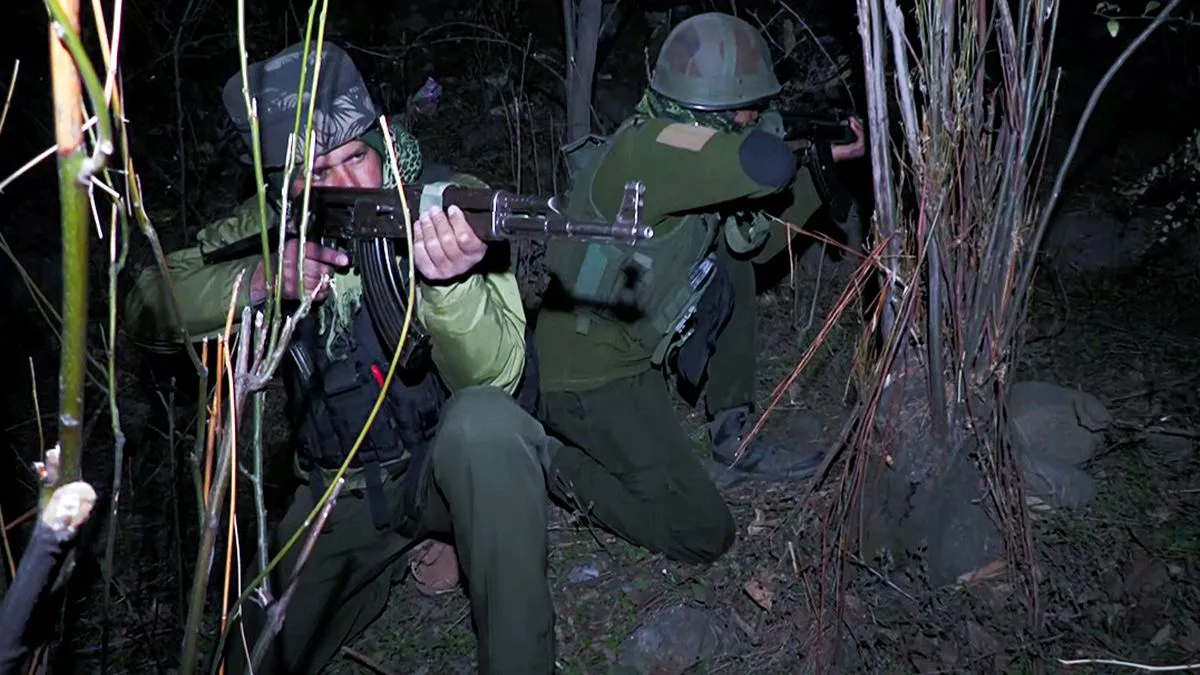
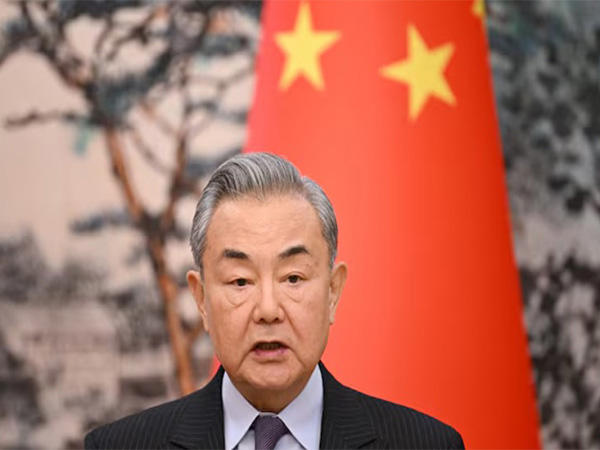
In a recent high-level diplomatic exchange, India’s National Security Advisor Ajit Doval conveyed to Chinese Foreign Minister Wang Yi that “war is not India’s choice,” emphasizing India’s commitment to peace amid escalating tensions with Pakistan following the Pahalgam terrorist attack.(The Economic Times)

During their conversation, Doval underscored that the Pahalgam attack, which resulted in significant casualties among Indian personnel, necessitated counter-terrorism actions. However, he reiterated that India does not seek war and that such a path is not in the interest of any party. Doval expressed hope for the restoration of regional peace and stability through a mutual commitment to a ceasefire. (The Economic Times, India Today)

Chinese Foreign Minister Wang Yi condemned the Pahalgam terrorist attack and opposed all forms of terrorism. He acknowledged the complexities of the current international situation and stressed that peace and stability in Asia are hard-won and should be cherished. Wang Yi appreciated India’s stance against war and urged both India and Pakistan to remain calm, exercise restraint, and resolve differences through dialogue and consultation. (India Today, The Times of India)

This diplomatic engagement follows a recent ceasefire agreement between India and Pakistan, which was reached after a series of cross-border hostilities. Despite the agreement, violations were reported shortly thereafter, highlighting the fragile nature of the truce.

The international community, including the G7 nations and the European Union, has condemned the Pahalgam attack and called for de-escalation between India and Pakistan. These developments underscore the importance of sustained diplomatic efforts to maintain peace and stability in the region. (DD News)
Posted on Leave a comment

Kashmir crisis sparks press crackdown in India

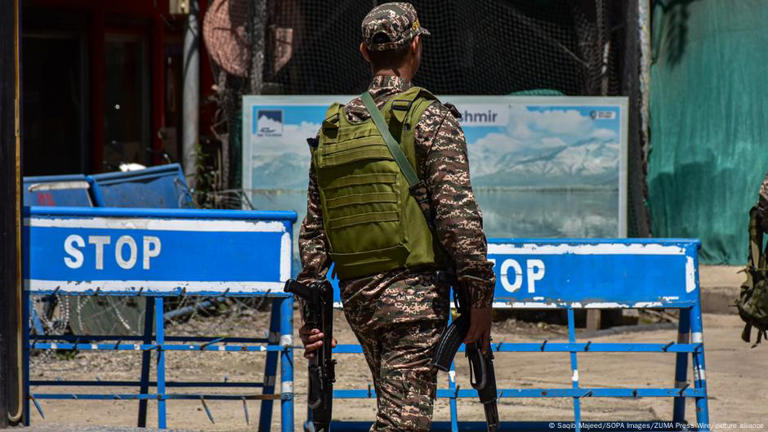
The recent escalation of tensions between India and Pakistan over the Kashmir conflict has been accompanied by a significant crackdown on press freedom in India, particularly in the Jammu and Kashmir region. This development has raised concerns among international human rights organizations and press freedom advocates.

Journalists Targeted Under Anti-Terror Laws

Several journalists in Kashmir have been arrested under stringent laws such as the Unlawful Activities (Prevention) Act (UAPA) and the Public Safety Act (PSA), often without formal charges or trials.(Wikipedia)

  • Irfan Mehraj: A journalist and researcher associated with the Jammu Kashmir Coalition of Civil Society (JKCCS), Mehraj was arrested in March 2023 by the National Investigation Agency (NIA) on allegations of involvement in “terror funding.” His arrest has been widely criticized by international human rights organizations, including Amnesty International and the United Nations Special Rapporteur on Human Rights Defenders, who have called for his immediate release. (Wikipedia)
  • Asif Sultan: An award-winning journalist known for his reporting on civil unrest in Kashmir, Sultan was arrested in August 2018 under the UAPA for allegedly supporting militant activities. Despite being granted bail in April 2022, he was re-arrested under the PSA and remained in detention until May 2024. His prolonged detention has been condemned by international press freedom organizations. (Wikipedia)

Banning of Political and Religious Organizations

In March 2025, the Indian Ministry of Home Affairs declared the Jammu & Kashmir Ittihadul Muslimeen (JKIM) and the Awami Action Committee as “unlawful associations” under the UAPA. The government accused these organizations of inciting unrest and supporting secessionist activities, leading to their immediate ban for a period of five years. (Wikipedia)

Use of the Public Safety Act (PSA)

The PSA, a law that allows for administrative detention without trial for up to two years, continues to be used extensively in Jammu and Kashmir. Critics argue that the PSA is employed to suppress dissent and silence journalists and activists. The Supreme Court of India has previously expressed concerns about the misuse of the PSA, highlighting its potential to undermine democratic principles. (Wikipedia)

International and Domestic Reactions

The crackdown on press freedom in Kashmir has drawn criticism from various quarters:

  • International Human Rights Organizations: Groups like Amnesty International and the Committee to Protect Journalists have condemned the arrests of journalists and the suppression of free speech in Kashmir.
  • United Nations: UN experts have raised concerns over the legitimacy of the arrests and the broader implications for human rights in the region.(Wikipedia)
  • Domestic Political Leaders: Mehbooba Mufti, former Chief Minister of Jammu and Kashmir, criticized the arrests, stating that journalists are being targeted for simply doing their jobs.

Conclusion

The ongoing conflict in Kashmir has not only escalated military tensions between India and Pakistan but has also led to a significant erosion of press freedom in the region. The use of stringent laws to detain journalists and ban organizations raises serious concerns about the state of democracy and human rights in Jammu and Kashmir. International and domestic voices continue to call for the protection of press freedom and the release of those unjustly detained.

Posted on Leave a comment

Pakistan’s air defence can stop hypersonic weapons, says PAF official

A senior official from the Pakistan Air Force (PAF) has asserted that Pakistan’s air defense systems are fully capable of intercepting hypersonic weapons, marking a significant development in the region’s defense capabilities.

PAF’s Claim on Hypersonic Defense

During a press briefing held alongside the Director General of Inter-Services Public Relations (ISPR), Air Vice Marshal Aurangzeb Ahmed stated that Pakistan’s air defense infrastructure is equipped to counter high-speed threats, including hypersonic missiles. He emphasized the rapid response capabilities of the PAF, highlighting an incident on the night between May 6 and 7, where Indian aircraft attempted to breach Pakistani airspace. According to Ahmed, the PAF responded within two minutes of detection, engaging the threat for over an hour and successfully downing an Indian fighter jet. (Daily Times)

Deployment of Hypersonic Missiles

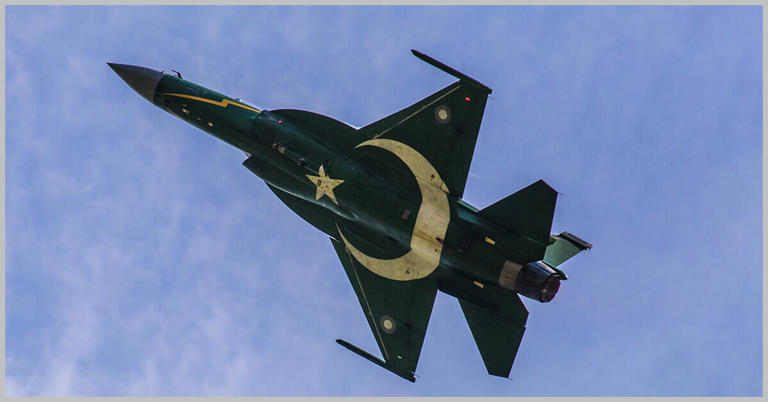
In a related development, Pakistan has claimed the successful deployment of Chinese-supplied CM-400AKG hypersonic missiles. Footage released by Pakistani authorities shows a JF-17 “Thunder” multirole fighter, co-produced by Pakistan Aeronautical Complex and China’s Chengdu Aircraft Corporation, armed with two CM-400AKG missiles. These missiles were reportedly used to target and destroy India’s S-400 “Triumf” air defense system stationed at the Adampur Air Force Station in Punjab. (Defence Security Asia)

The CM-400AKG is known for its high-speed, high-precision capabilities, designed to penetrate advanced air defense systems. The successful use of such missiles indicates a significant enhancement in Pakistan’s offensive capabilities.(Defence Security Asia)

Strategic Implications

The assertion of hypersonic interception capabilities, coupled with the deployment of hypersonic missiles, suggests a shift in the strategic balance in South Asia. Pakistan’s advancements in missile technology, including the integration of hypersonic weapons into its arsenal, reflect a broader effort to modernize its military capabilities.

These developments are particularly significant given the historical tensions between India and Pakistan, both nuclear-armed nations. The introduction of hypersonic technology into the region’s military dynamics could potentially alter the strategic calculus, emphasizing the need for continued dialogue and confidence-building measures to maintain regional stability.

It’s important to note that while Pakistan has made these claims, independent verification from neutral sources is essential to confirm the capabilities and effectiveness of the systems mentioned.

Posted on Leave a comment

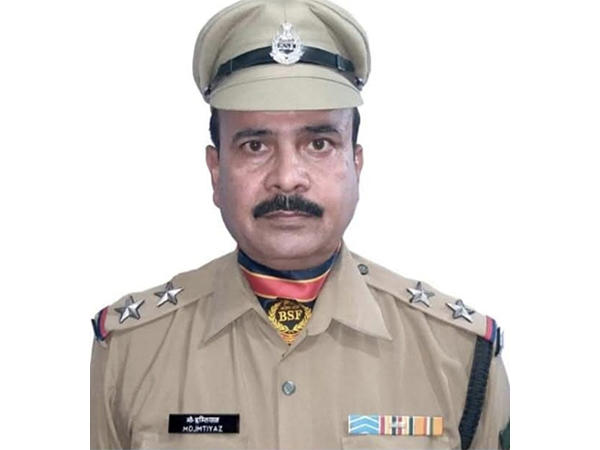
BSF Sub-Inspector Md Imteyaz Killed in Cross-Border Firing in Jammu

On May 10, 2025, Sub-Inspector Md Imteyaz of the Border Security Force (BSF) was killed during cross-border firing by Pakistani forces in the RS Pura sector of Jammu. Seven other BSF personnel were injured in the incident. Imteyaz was leading his unit from the front when the firing occurred. (Hindustan Times, www.ndtv.com, mint)

The BSF paid tribute to Imteyaz, stating, “We salute the supreme sacrifice made by BSF braveheart Sub-Inspector Md Imteyaz in service of the nation on May 10, 2025, during cross-border firing along the International Boundary in RS Pura area, District Jammu.” A wreath-laying ceremony with full honors was scheduled at the BSF’s Jammu frontier headquarters in Paloura on May 11. (www.ndtv.com, OrissaPOST)

The incident occurred just hours after India and Pakistan agreed to a ceasefire, effective from 5 PM IST on May 10. However, the ceasefire was violated shortly after its implementation, leading to multiple casualties among Indian security forces, including Imteyaz. (mint)

India’s Foreign Secretary Vikram Misri condemned the violations, stating that the Indian Armed Forces have been instructed to respond strongly to any further breaches along the border. (The Economic Times)

The loss of Sub-Inspector Md Imteyaz underscores the fragile nature of the ceasefire and the ongoing tensions along the India-Pakistan border.

Posted on Leave a comment

5.3-Magnitude Earthquake Jolts Islamabad and Khyber Pakhtunkhwa: No Major Damage Reported

In the early hours of Saturday, May 10, 2025, residents across Islamabad and various cities in Khyber Pakhtunkhwa (KP) experienced tremors from a 5.3-magnitude earthquake. The seismic event, originating from the Hindu Kush region of Afghanistan, was felt in areas including Peshawar, Mardan, Swat, Nowshera, and North Waziristan. (Geo News, Aaj English TV)

Key Details of the Earthquake

  • Magnitude: 5.3 on the Richter scale
  • Time of Occurrence: 10:08 AM Pakistan Standard Time
  • Epicenter: Hindu Kush region, Afghanistan
  • Depth: Approximately 230 kilometers
  • Affected Areas: Islamabad, Attock, Peshawar, Mardan, Swat, Nowshera, Swabi, North Waziristan, and surrounding regions (Aaj English TV, The News International)

The Pakistan Meteorological Department (PMD) confirmed the earthquake’s parameters, noting its significant depth, which likely contributed to the widespread but relatively mild surface shaking. (The News International)

Public Reaction and Safety Measures

The tremors prompted residents to evacuate buildings and seek open spaces, a common safety response during seismic events. Despite the suddenness of the quake, there were no immediate reports of casualties or significant property damage. Emergency services remained on alert, and authorities advised the public to stay vigilant and report any structural damages.

Seismic Activity in the Region

Pakistan’s geographical positioning along the convergence of the Indian and Eurasian tectonic plates makes it susceptible to frequent seismic activity. The Hindu Kush region, in particular, is known for its deep-focus earthquakes, which, while often felt over large areas, tend to cause less surface damage due to their depth.

This recent quake follows a series of moderate seismic events in the region, underscoring the importance of earthquake preparedness and public awareness.

Conclusion

The 5.3-magnitude earthquake that shook Islamabad and parts of Khyber Pakhtunkhwa serves as a reminder of the region’s seismic vulnerability. While no major damage or casualties have been reported, the event highlights the need for continued public education on earthquake safety measures and the importance of building infrastructure resilient to seismic activity.(UrduPoint)

Residents are encouraged to stay informed through official channels and to participate in community preparedness initiatives to mitigate risks associated with future seismic events.

Posted on Leave a comment

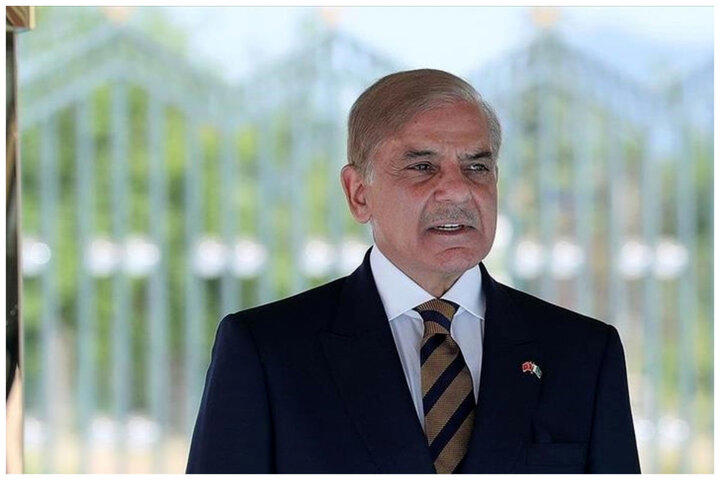
PM Shehbaz Sharif Unites Political Leaders Amid Escalating Tensions with India

In the wake of escalating hostilities between Pakistan and India, Prime Minister Shehbaz Sharif has taken decisive steps to consult with political leaders across the spectrum, aiming to forge a unified national response. This move comes after a series of Indian missile and drone strikes targeting Pakistani civilian and military sites, including the Noor Khan Airbase .(The News International)

A Unified Front Against Aggression

During high-level meetings, PM Sharif briefed leaders from major political parties on the nature of India’s unprovoked attacks and Pakistan’s measured yet robust military response. He emphasized the professionalism and restraint exhibited by the Pakistani armed forces, highlighting their commitment to defending national sovereignty without escalating the conflict unnecessarily.(The Express Tribune)

Leaders from various parties, including the Pakistan People’s Party (PPP), expressed solidarity with the government’s stance. PPP Chairman Bilawal Bhutto Zardari commended the Prime Minister’s leadership and the military’s disciplined response, stating that the nation stands united in the face of external threats .(The Express Tribune)

Operation Bunyān al-Marsūs: A Strategic Response

In retaliation to India’s aggression, Pakistan launched “Operation Bunyān al-Marsūs,” targeting key Indian military installations used to orchestrate attacks on Pakistani territory. PM Sharif assured political leaders that the operation was executed with precision, aiming to neutralize threats while minimizing collateral damage .(Daily Qudrat English, Daily Qudrat English)

Despite the provocations, Pakistan initially exercised restraint, even proposing a neutral investigation into the Pahalgam incident, which India declined. This approach underscores Pakistan’s preference for diplomatic solutions over military confrontation.(Daily Qudrat English)

International Mediation and Ceasefire Efforts

The international community, including the United States, Saudi Arabia, and Turkey, played a pivotal role in mediating a ceasefire between the two nations. However, the situation remains fragile, with reports of continued cross-border shelling and drone activity threatening to derail peace efforts .(AP News, The Guardian)

PM Sharif’s consultations with political leaders are part of a broader strategy to present a cohesive national front, reinforcing Pakistan’s commitment to peace while remaining prepared to defend its sovereignty.

Conclusion

Prime Minister Shehbaz Sharif’s engagement with political leaders during this critical juncture reflects a commitment to national unity and a strategic approach to external aggression. By fostering consensus and emphasizing diplomatic channels, Pakistan aims to navigate the complexities of regional tensions responsibly.

As the situation evolves, the government’s emphasis on unity and measured responses will be crucial in maintaining stability and safeguarding national interests.

Posted on Leave a comment

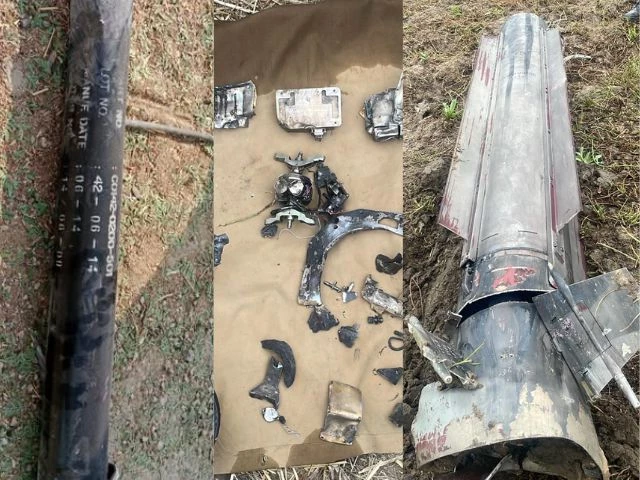
Pakistan’s Drone Incursion: Deployment of Turkish-Made Asisguard Songar Drones Raises Alarms

In a significant escalation of cross-border tensions, Pakistan reportedly deployed between 300 to 400 Turkish-made Asisguard Songar drones across 36 locations along India’s western frontier during the nights of May 7 and 8, 2025. This large-scale aerial incursion targeted Indian military installations and critical infrastructure, marking a notable shift in the use of unmanned aerial vehicles (UAVs) in regional conflicts.(Times of Oman)

Scope and Intent of the Drone Operations

Colonel Sofiya Qureshi of the Indian Army detailed the extent of the incursion, stating that the drones were launched from Leh to Sir Creek, aiming to infiltrate Indian airspace and gather intelligence on military assets. The Indian Armed Forces responded by neutralizing many of these drones using both kinetic and non-kinetic methods. Preliminary forensic analyses suggest that the downed UAVs are Turkish-manufactured Asisguard Songar models .(@mathrubhumi, The Hans India)

The operation’s scale and coordination indicate a deliberate attempt to test India’s air defense systems and collect sensitive information. The use of such a significant number of drones simultaneously underscores the evolving nature of modern warfare, where UAVs play a pivotal role in surveillance and combat operations.(The Times of India)

Asisguard Songar Drones: Capabilities and Features

The Asisguard Songar is Turkey’s first indigenously developed armed drone system, introduced to the Turkish Armed Forces in 2020. Key features of the Songar drone include:(@mathrubhumi, The Indian Express)

  • Armament: Equipped with a stabilized 5.56 mm NATO standard assault rifle, capable of precision engagement.(@mathrubhumi)
  • Payload Options: Can be fitted with 40 mm grenade launchers, 81 mm mortar grippers, and mini-missile systems.(@mathrubhumi)
  • Operational Range: Effective within a 3 to 5 km radius, with a flight altitude of up to 2,800 meters.(Firstpost)
  • Flight Duration: Approximately 35 minutes without payload.(The Indian Express)
  • Navigation Systems: Utilizes both GPS and GLONASS for accurate positioning.
  • Control Modes: Supports both autonomous and manual flight operations.(The Indian Express)

These capabilities make the Songar a versatile tool for reconnaissance and targeted strikes, enhancing the tactical options available to military forces.

International Implications and Concerns

The deployment of Turkish-made drones by Pakistan raises questions about the proliferation of advanced military technology and its impact on regional stability. The use of UAVs in such a coordinated manner signifies a shift towards more technologically driven confrontations, potentially lowering the threshold for conflict initiation.(The Economic Times)

Moreover, the incident highlights the need for international regulations governing the export and use of armed drones. As UAV technology becomes more accessible, the risk of its misuse in escalating conflicts increases, necessitating a global dialogue on responsible deployment.

Conclusion

Pakistan’s extensive use of Turkish-made Asisguard Songar drones in its recent incursion into Indian airspace represents a significant development in the use of unmanned systems in regional conflicts. This event underscores the evolving dynamics of modern warfare and the pressing need for international frameworks to manage the proliferation and use of advanced military technologies.

As nations navigate the complexities introduced by such technologies, collaborative efforts to establish norms and agreements will be crucial in maintaining regional and global security.

Posted on Leave a comment

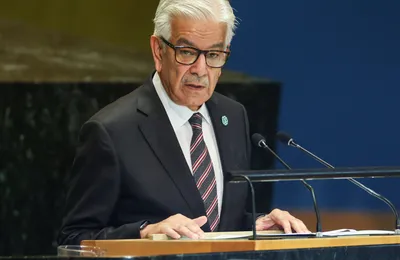
Pakistan’s Defense Minister Signals Readiness Amid Escalating Tensions with India

In the wake of escalating hostilities between Pakistan and India, Defense Minister Khawaja Asif has declared that Pakistan is prepared to escalate its response if tensions with India continue to rise. This statement comes amid a series of military confrontations and diplomatic exchanges that have heightened concerns over the stability of the region.

Background: Rising Tensions in Kashmir

The current escalation traces back to a deadly attack on Indian tourists in Kashmir in April 2025, which India attributed to Pakistan-based militants. In retaliation, India launched “Operation Sindoor,” targeting what it described as terrorist infrastructure within Pakistan. Pakistan, however, reported civilian casualties and condemned the strikes as acts of aggression. The ensuing days saw both nations engaging in missile and drone attacks, leading to significant casualties and displacement along the border regions.(The Times, The Guardian, The Times)

Defense Minister’s Statement

Amid these developments, Defense Minister Khawaja Asif emphasized Pakistan’s readiness to respond to any further provocations. While he did not specify the nature of the “next level” response, his remarks suggest a willingness to escalate military actions if necessary. This stance reflects Pakistan’s broader strategy of maintaining a posture of deterrence while signaling its commitment to defending national sovereignty.(The Guardian)

International Mediation and Ceasefire Efforts

In response to the escalating conflict, international actors, including the United States, United Kingdom, Saudi Arabia, and China, have intervened to mediate a ceasefire between the two nuclear-armed neighbors. On May 10, 2025, both India and Pakistan agreed to an immediate ceasefire, announced by U.S. President Donald Trump. Despite this agreement, reports of continued drone strikes and artillery exchanges have emerged, indicating the fragility of the ceasefire and the deep-seated mistrust between the two nations.(The Guardian)

Nuclear Concerns and Strategic Posturing

The specter of nuclear conflict looms large over the India-Pakistan standoff. While India adheres to a no-first-use nuclear policy, Pakistan has not committed to such a stance, raising concerns about potential escalation. Defense Minister Asif’s assertion that no meeting of the National Command Authority—the body overseeing Pakistan’s nuclear arsenal—is currently scheduled, may be an attempt to allay fears of imminent nuclear engagement. However, the situation remains tense, with both sides maintaining high alert levels.(WSJ, Reuters)

Conclusion

The recent statements by Pakistan’s Defense Minister underscore the precarious nature of the current India-Pakistan relationship. While international mediation has achieved a temporary ceasefire, the underlying issues fueling the conflict remain unresolved. The potential for further escalation persists, necessitating sustained diplomatic efforts and confidence-building measures to prevent a descent into full-scale war.

Posted on Leave a comment

Pakistan’s Defense Minister Rules Out Immediate Nuclear Option Amid Escalating Tensions with India

Amid escalating military tensions between Pakistan and India, Pakistan’s Defense Minister Khawaja Asif has stated that the nuclear option is “not on the cards right now.” However, he cautioned that if the situation deteriorates further, the consequences could extend beyond the region, potentially affecting global observers. (Ilke News Agency)

Context of Rising Tensions

The recent surge in hostilities was triggered by a deadly attack on Indian tourists in Kashmir in April 2025, which India attributed to Pakistan-based militants. In response, India launched “Operation Sindoor,” targeting alleged terrorist infrastructures within Pakistan. Pakistan retaliated with “Operation Bunyan-ul-Marsoos,” leading to a series of missile and drone exchanges between the two nations. Despite a U.S.-brokered ceasefire announced on May 10, 2025, reports of continued violations from both sides have emerged, casting doubt on the ceasefire’s effectiveness. (The Times, The Guardian)

Pakistan’s Nuclear Doctrine

Pakistan maintains a policy of “full spectrum deterrence,” which does not adhere to a “no first use” stance. This doctrine allows for the potential use of nuclear weapons in response to significant conventional threats. However, Asif’s recent statements indicate that, as of now, there are no plans to convene the National Command Authority, the body responsible for decisions regarding Pakistan’s nuclear arsenal. (Wikipedia, @mathrubhumi)

International Concerns

The international community has expressed deep concern over the escalating conflict between the two nuclear-armed neighbors. Countries including the United States, United Kingdom, Saudi Arabia, and China have urged both nations to exercise restraint and engage in dialogue to prevent further escalation. The potential for a nuclear confrontation has heightened global anxiety, emphasizing the need for immediate de-escalation and sustained diplomatic efforts.

Conclusion

While Pakistan’s Defense Minister has ruled out the immediate use of nuclear weapons, the situation remains volatile. The ongoing military exchanges and mutual accusations underscore the fragility of the current ceasefire. Continued international mediation and a commitment to diplomatic solutions are essential to prevent further deterioration of regional stability. (Ilke News Agency

Posted on Leave a comment

Pakistan Resumes Heavy Shelling in Poonch Sector, Escalating Border Tensions

In a significant escalation of hostilities, Pakistan has resumed heavy shelling in the Poonch sector of Jammu and Kashmir, intensifying border tensions between the two nuclear-armed neighbors.

Renewed Ceasefire Violations

The latest round of shelling marks a continuation of ceasefire violations along the Line of Control (LoC), particularly affecting the Poonch and Uri sectors. The Indian Army has responded proportionately to these provocations. (Rediff)

Civilian Impact and Evacuations

The intensified shelling has led to significant civilian distress. Reports indicate that at least 15 civilians, including children, have been killed, and 43 others injured in Poonch district. The attacks have damaged homes, vehicles, and public infrastructure, prompting evacuations from vulnerable areas. (India Today, Wikipedia, The Economic Times)

Broader Regional Escalation

This resurgence of hostilities follows India’s launch of “Operation Sindoor,” targeting terrorist infrastructure in Pakistan and Pakistan-administered Kashmir. In retaliation, Pakistan has engaged in cross-border shelling, drone incursions, and alleged attacks on civilian areas. (Wikipedia)

International Concerns and Calls for Restraint

The escalating conflict has drawn international concern. U.S. Vice President JD Vance has expressed hope for a resolution, while the European Union has called for restraint. Despite diplomatic efforts, the situation remains volatile, with both nations accusing each other of aggression.(The Times)

Conclusion

The resumption of heavy shelling in the Poonch sector underscores the fragile nature of peace along the India-Pakistan border. As civilian casualties mount and infrastructure suffers, the need for diplomatic engagement and de-escalation becomes increasingly urgent.