Posted on Leave a comment

What to Know About the P.K.K. and Its Fight Against Turkey

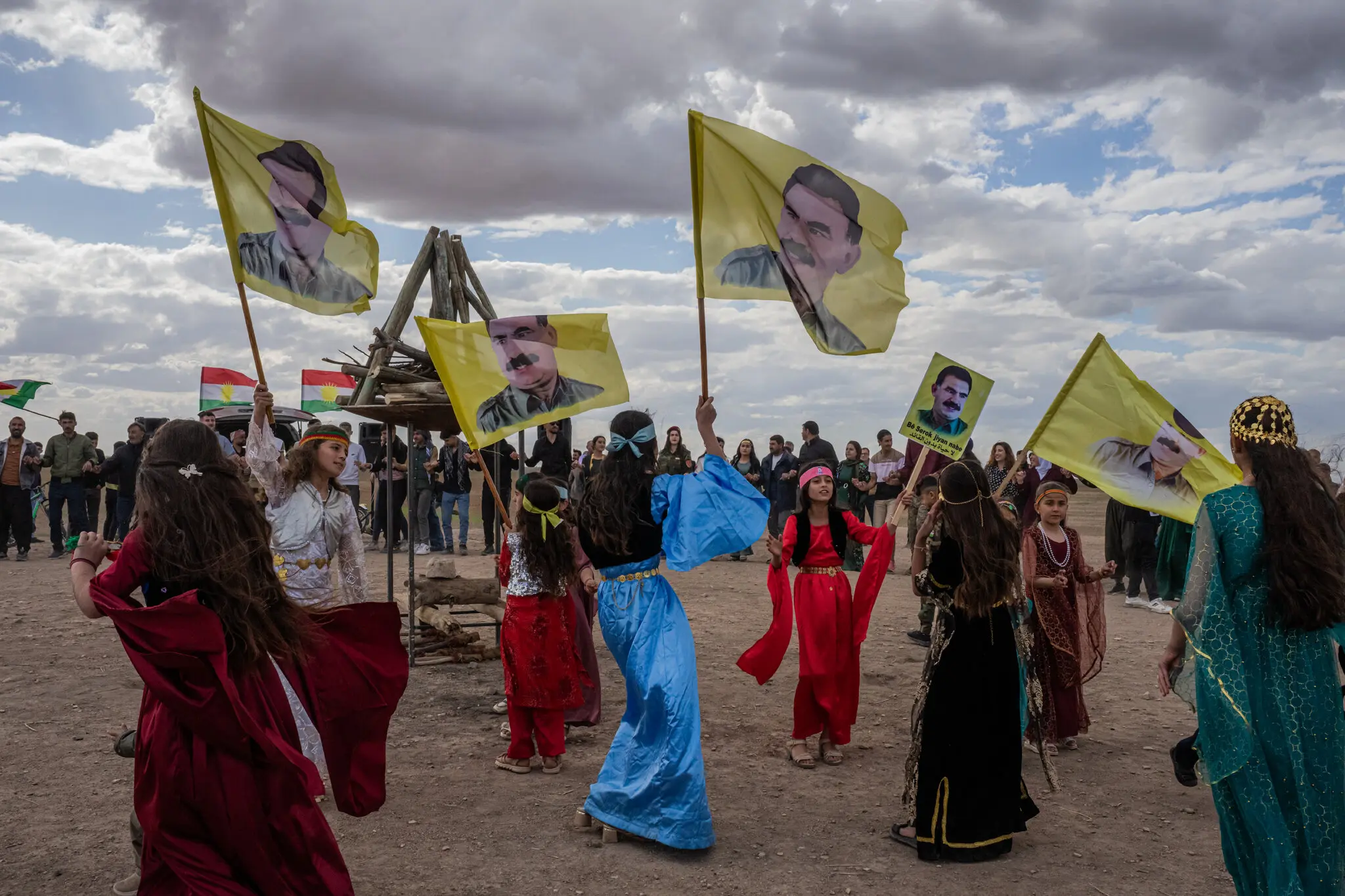
The Kurdistan Workers’ Party (PKK) has officially announced its disbandment, marking the end of a 40-year armed insurgency against the Turkish state—a conflict that has resulted in over 40,000 deaths since its inception in 1984 .(The Times)

Reasons Behind the Disbandment

The decision follows a call from the PKK’s imprisoned leader, Abdullah Öcalan, who, despite being incarcerated since 1999, continues to wield significant influence within the Kurdish movement . In February 2025, Öcalan urged the PKK to lay down arms and pursue democratic avenues for achieving Kurdish rights. Subsequently, the PKK declared a unilateral ceasefire on March 1, 2025, and formalized its dissolution during a congress held in northern Iraq in early May .(AP News, AP News)

Several factors contributed to this historic move:

  • Military Pressure: Sustained Turkish military operations have significantly weakened the PKK’s operational capabilities .(The Times)
  • Geopolitical Shifts: The withdrawal of U.S. forces from northern Syria and Turkey’s diplomatic engagements have altered the regional dynamics, reducing external support for the PKK .(ElHuffPost)
  • Internal Reassessment: Recognizing the changing landscape, the PKK concluded that its objectives could be better pursued through political and democratic means rather than armed struggle .(El País)

Turkish Government’s Response

Turkish President Recep Tayyip Erdoğan welcomed the PKK’s decision, describing it as a pivotal step toward ensuring national security and regional stability. He emphasized the need for the disarmament process to be comprehensive, extending to PKK-affiliated groups in Syria, Iraq, and Europe . The Turkish government plans to oversee the disarmament process, including the collection of weapons in designated areas and the reintegration of former fighters without serious offenses .(rudaw.net, The Washington Post, El País)

Implications for the Kurdish Community

The PKK’s disbandment opens avenues for enhanced political participation and cultural recognition for Kurds in Turkey. However, challenges remain, particularly concerning the legal status of Kurdish political parties and the broader integration of Kurdish citizens into Turkish political life .(BBC)

Families of former PKK members express cautious optimism, hoping for the safe return of their loved ones and a peaceful future . The disbandment also has potential ramifications for regional dynamics, particularly in relation to Kurdish groups in neighboring countries.(Reuters)

While the PKK’s dissolution marks a significant milestone, the path to lasting peace and reconciliation will require sustained efforts from all stakeholders to address underlying issues and foster inclusive governance.

Posted on Leave a comment

Pakistan destroyed India’s S-400 air defense system?

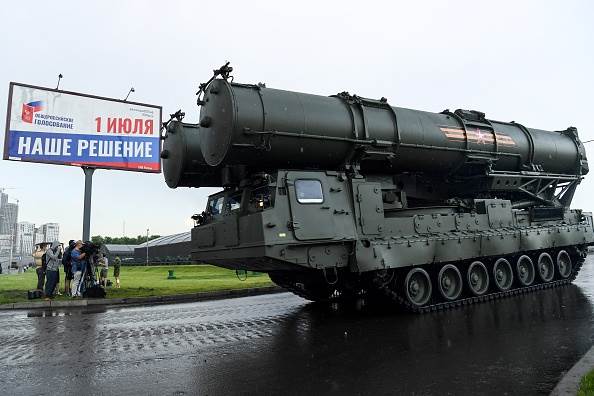
The claim that Pakistan destroyed India’s S-400 air defense system during the recent escalation between the two countries has been widely circulated in Pakistani media and some international outlets. However, the Indian government has officially refuted these reports, labeling them as misinformation.(@EconomicTimes)

According to Pakistani sources, including the state-run Associated Press of Pakistan (APP), the Pakistan Air Force (PAF) conducted an airstrike targeting the S-400 system at India’s Adampur Air Base using hypersonic missiles launched from JF-17 Thunder jets. These reports suggest that the strike was part of “Operation Bunyan-un-Marsoos” and marked a significant event in the conflict, potentially altering the regional military balance. (Daily Times, Arab News)

In contrast, the Indian government’s Press Information Bureau (PIB) has categorically denied these claims. In a statement released on May 10, 2025, the PIB’s Fact Check unit stated that reports of the destruction of the S-400 system are baseless and urged the public to refrain from spreading unverified information. The Ministry of External Affairs (MEA) also dismissed the allegations, describing them as part of a broader misinformation campaign. (The Times of India, @EconomicTimes, The Times of India)

Independent verification of the incident remains challenging due to the ongoing conflict and restricted access to the affected areas. As such, while Pakistani sources report the successful targeting of the S-400 system, Indian authorities maintain that no such event occurred.(AP News)

In the absence of conclusive evidence, the claim remains contested, highlighting the complexities of information dissemination during times of conflict.

Posted on Leave a comment

How Pakistan Built the Bomb: A Story of Resolve, Sacrifice, and Survival

Explore how Pakistan quietly built its nuclear weapons program against global resistance. Learn how political pressure, military ambition, and national pride helped shape South Asia’s nuclear future.


Introduction

Few countries have faced the kind of security challenges Pakistan did after the 1971 war. Surrounded by regional threats and politically isolated, Pakistan made a choice that would define its future: to develop a nuclear deterrent at any cost. This is the story of how a poor, developing nation secretly built one of the most powerful arsenals in the world—despite sanctions, technology bans, and massive international opposition.


The Turning Point: 1971 and the Loss of East Pakistan

The fall of Dhaka in 1971 was not just a military loss—it was a psychological shock for Pakistan. The country lost half its population, suffered deep national humiliation, and saw the limits of its conventional military power. In that moment of crisis, Pakistan’s leadership realized that survival in a hostile neighborhood would require more than soldiers and tanks.

With India already far ahead economically and militarily, and its nuclear ambitions becoming public, Pakistan feared being cornered. In early 1972, a high-level meeting was held to launch the country’s nuclear weapons program. The decision was made quietly, but its impact would echo for decades.


A Vow to Never Be Vulnerable Again

The leadership vowed to develop a nuclear deterrent—whatever it took. The phrase “we will eat grass but build the bomb” captured the national mood. Resources were limited, but the motivation was powerful: never again should Pakistan be forced to surrender or be humiliated in war.

This was the beginning of a decades-long scientific, military, and political mission. Unlike large nations with open programs, Pakistan’s nuclear development had to be done in total secrecy, away from the eyes of the world and even many of its own citizens.


Building in the Shadows: Science, Secrecy, and Sacrifice

Throughout the 1970s and 1980s, Pakistan quietly worked on uranium enrichment and warhead design. Scientists worked in labs with limited tools and aging equipment. Engineers had to smuggle or re-engineer parts that Western nations refused to sell. Intelligence agencies built covert networks to acquire critical components from overseas.

Despite multiple leadership changes—from Zulfikar Ali Bhutto to General Zia-ul-Haq, and later to elected governments—the nuclear effort never slowed. It became a national mission, passed from one administration to the next like sacred trust.

Ordinary Pakistanis often didn’t know about the program, but behind closed doors, labs and facilities were operating around the clock. Scientists lived under strict control and high pressure, often cut off from their families for long periods.


Facing the World: The 1998 Nuclear Tests

In May 1998, India tested its nuclear weapons in a show of strength. The pressure on Pakistan to respond was overwhelming. Politicians, military officials, and the public demanded action.

Less than three weeks later, Pakistan carried out five underground nuclear tests in the mountains of Chagai, Balochistan. The explosions turned the hills white and announced to the world: Pakistan was now a nuclear power.

These tests changed everything. They confirmed Pakistan’s place in the global strategic landscape and cemented its deterrence strategy. The world reacted with sanctions and criticism, but inside Pakistan, it was a moment of triumph.


Strategic Balance in South Asia

Since then, nuclear weapons have shaped the military balance between Pakistan and India. Despite multiple border crises and terror incidents, both countries have avoided full-scale war. The presence of nuclear weapons has added a layer of caution to South Asia’s dangerous rivalries.

Pakistan’s doctrine is built on deterrence, not aggression. It has developed delivery systems—missiles, aircraft, and more—to ensure that any attack would result in unacceptable consequences.


The Costs and Responsibilities of the Bomb

Building nuclear weapons didn’t come free. Billions were spent on research, facilities, and maintenance. Sanctions hurt Pakistan’s economy. And the program raised tough questions about civil-military control, transparency, and international trust.

There were also darker chapters, such as unauthorized technology transfers to other countries in the early 2000s. These incidents shook Pakistan’s international credibility but also led to tighter controls and stronger oversight structures.


Legacy and Lessons

Pakistan’s nuclear journey is about more than bombs and missiles. It’s about a nation’s resolve to defend itself in a world that often left it isolated. It’s about scientists and soldiers working in silence, often without recognition. And it’s about political leaders making difficult choices in the name of national survival.

Today, Pakistan continues to modernize and secure its strategic assets, not just as a show of strength, but as a matter of national identity and survival.


Final Thoughts

Pakistan’s path to becoming a nuclear power is a story of grit, sacrifice, and strategic determination. It is a powerful example of how a country with limited resources, under constant threat, managed to achieve one of the most complex scientific and military feats in the modern world.

Understanding this journey is essential for anyone who wants to grasp the security dynamics of South Asia—and the importance of diplomacy, stability, and deterrence in a nuclear-armed region.


Enjoyed this article? For more insights on regional security, geopolitics, and untold historical stories, follow us on RemedyTalks.com.

#PakistanNuclearHistory #ChagaiTests #SouthAsiaSecurity #NuclearDeterrence #StrategicDefense #RemedyTalks

Posted on Leave a comment

AI and the Changing Character of Warfare: How Technology Is Reshaping Modern Conflict

Introduction: A New Chapter in Military Evolution

The face of war is changing—from traditional battlegrounds to digital frontiers. In today’s rapidly evolving landscape, artificial intelligence (AI) in warfare is emerging as a transformative force. Nations are integrating smart technologies into defense strategies, reshaping not just how wars are fought, but how they’re perceived, managed, and even deterred.

As discussed in The Express Tribune’s editorial, AI is no longer limited to science fiction. It is now a critical tool in national security, triggering debates on ethics, legality, and the future of warfare.

From Drones to Decision-Making: What AI Brings to the Battlefield

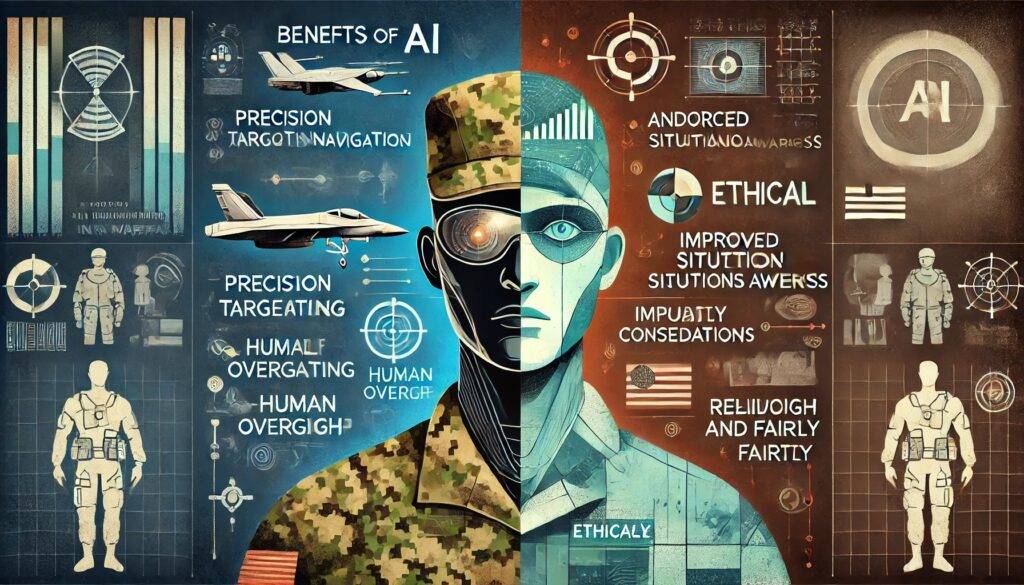
AI is being applied across the military spectrum—from logistics and surveillance to autonomous combat and cyberwarfare. Lethal Autonomous Weapon Systems (LAWS), in particular, have captured global attention. These systems can identify, track, and engage targets without direct human input, raising both strategic possibilities and ethical red flags.

Unlike traditional weapons, LAWS are driven by algorithms. Their ability to make split-second decisions can be a tactical advantage—but what happens when a machine makes the wrong call? Who is responsible?

The use of AI in targeting and operational planning is revolutionizing combat but also complicating accountability, making it harder to attribute decisions to a human chain of command.

The Global AI Arms Race: Who’s Leading?

The integration of AI in military systems isn’t confined to one nation. It’s a global race—with powerful countries investing billions to dominate this new frontier.

1. United States

The U.S. leads in AI military development. Programs like the Autonomous Multi-Domain Adaptive Swarm of Systems are creating autonomous drone swarms that communicate in real-time, overwhelm enemy defenses, and operate across land, air, and sea.

2. China

China’s New Generation Artificial Intelligence Development Plan aims to make it the world leader in AI by 2030. With heavy investment in AI-based surveillance and predictive warfare models, China is rapidly expanding its digital military footprint.

3. India

India’s defense sector has also embraced AI. The launch of 75 AI-based military platforms during the ‘AI in Defence’ symposium shows the country’s determination to integrate AI into military technology and decision-making.

These developments reflect one clear truth: AI in warfare is not a future trend—it’s today’s reality.

Ethical Dilemmas in AI Warfare

As we hand over more decisions to machines, ethical concerns are escalating.

A controversial example is the “Habsora” (Gospel) system used by the Israeli Defense Forces, which employs AI algorithms to prioritize airstrike targets. Critics argue such systems risk high civilian casualties and violate international humanitarian law if not carefully monitored.

With machines analyzing vast data sets to predict enemy movement or civilian patterns, the line between military targets and collateral damage becomes increasingly blurred. Who draws the moral boundaries in a machine-led war?

Can We Regulate AI in War?

Despite the risks, there is no unified international agreement on regulating lethal autonomous weapons. The lack of consensus makes AI warfare a legal and diplomatic minefield.

Organizations like the United Nations and Campaign to Stop Killer Robots have been calling for regulation, but geopolitical tensions continue to stall progress.

Establishing a global framework for AI ethics in warfare is more important than ever. Without it, the unchecked rise of autonomous weapons could escalate conflicts faster than humans can control them.

AI as a Force Multiplier: Not a Replacement for Soldiers

Despite concerns, AI doesn’t necessarily eliminate the human role in war—it augments it. When used responsibly, AI can reduce human error, speed up intelligence analysis, and help save lives by predicting threats in advance.

But this only works when there’s clear human oversight. Military experts agree that critical decisions—like launching a strike—must remain in human hands.

Blending AI with human judgment is key to ensuring ethical and effective military operations. The future of warfare should focus on human-machine collaboration, not full automation.

The Future of Conflict: Faster, Smarter, Riskier

The introduction of AI-driven warfare systems makes modern conflict faster and less predictable. Wars might no longer begin with troops crossing borders, but with an algorithm triggering cyberattacks or drone swarms.

AI enables preemptive strikes, real-time battlefield analysis, and autonomous retaliation, making the decision window incredibly small. While this may deter aggression through superior tech, it also increases the risk of unintended escalation.

That’s why the future of warfare needs thoughtful design, not just powerful code.

Conclusion: Choosing the Right Path in AI-Driven Warfare

Artificial Intelligence is rewriting the rules of modern conflict. From autonomous drones to predictive military strategies, AI in warfare is here to stay. But with this advancement comes a greater responsibility: to ensure technology is used ethically, legally, and with a clear moral compass.

If nations continue down this path without regulations, we risk creating a battlefield where human life is decided by lines of code.

It’s time for global leaders, defense experts, and ethicists to come together and shape the future of war—before war shapes the future of humanity.

Posted on Leave a comment

The Way Forward: A Call for Sustainable Peace in South Asia

Introduction: A Fragile But Vital Opportunity

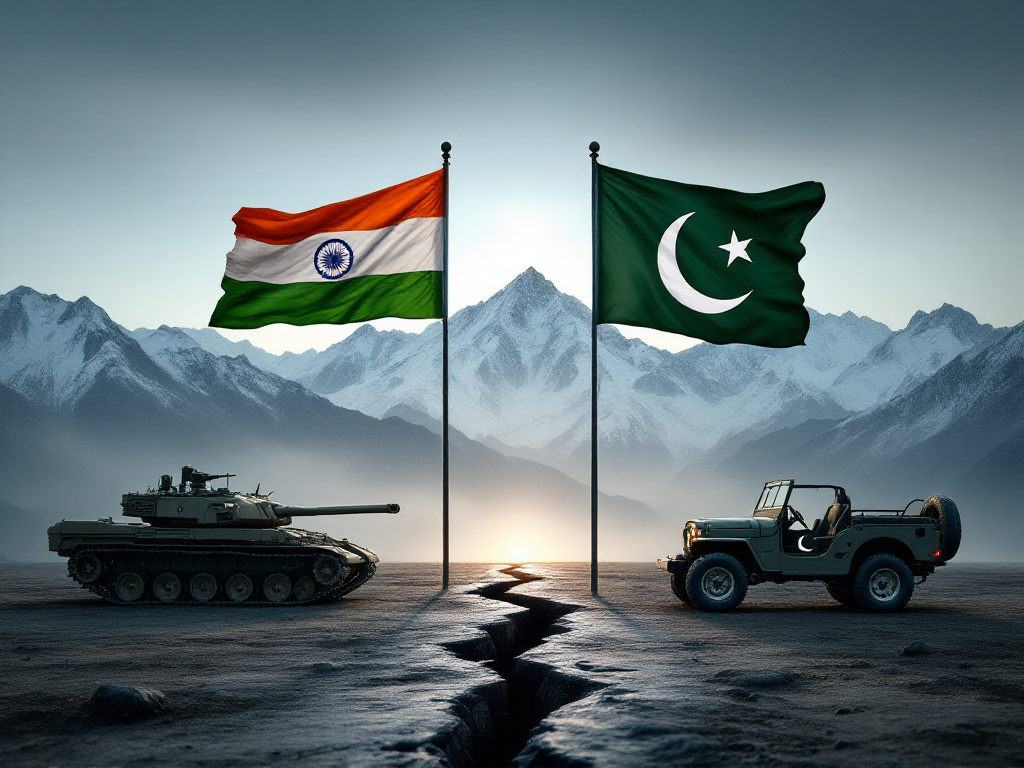
South Asia has once again arrived at a critical juncture. Following renewed tensions between India and Pakistan, a U.S.-brokered ceasefire agreement has brought temporary calm. But if history is any guide, such truces—while welcome—rarely last without a broader, more inclusive peace framework. The real test lies ahead: Can this be the moment both nations choose dialogue over confrontation?

At the heart of this challenge lies Kashmir, a decades-old dispute that continues to fuel hostility between two nuclear powers. As highlighted in this blog a way forward a long-term solution must go beyond short-term ceasefires and address the roots of regional instability.

Why This Ceasefire Matters

The May 2025 ceasefire comes after a sharp escalation of military hostilities, once again putting the lives of millions at risk. What makes this truce different is the renewed international pressure, particularly from the United States, urging both sides to return to diplomatic channels.

This agreement is not merely a pause in conflict; it is a strategic opening—an opportunity to initiate serious discussions about peace and regional cooperation. For South Asia, peace isn’t a luxury. It’s a necessity.

The Kashmir Dispute: The Heart of the Matter

The Historical Wound

No discussion on South Asian peace is complete without acknowledging the Kashmir dispute—a deeply rooted conflict since the 1947 partition. While numerous attempts at resolution have been made, the situation deteriorated significantly after India revoked Jammu and Kashmir’s semi-autonomous status in August 2019.

This unilateral move by the BJP-led Indian government was seen by Pakistan—and many neutral observers—as a direct attack on the region’s already fragile identity and autonomy.

A Path Forward

The editorial argues that Pakistan remains willing to engage in peaceful dialogue. However, India’s current posture is described as inflexible. Sustainable peace demands that both sides come to the table with equal urgency and open minds.

One potential solution could involve revisiting the Musharraf-Manmohan framework from the early 2000s—a roadmap that emphasized self-governance, demilitarization, and joint supervision. While not perfect, it could serve as a starting point for renewed negotiations.

The Role of Global Powers

Mediation and Moral Pressure

The role of global actors—especially the United States—has proven critical in de-escalating the latest round of tensions. But the question remains: How far will they go?

While no external power can impose a resolution, they can certainly influence the tone and urgency of the dialogue. For example, sustained diplomatic engagement by the U.S., China, or the UN could encourage a more flexible stance from India—something Pakistan has long advocated for.

Out-of-the-Box Solutions

The editorial rightly emphasizes that peace will not come from recycled rhetoric. Instead, what’s needed are “out-of-the-box” solutions that are acceptable to Pakistan, India, and—most importantly—the people of Kashmir. These solutions must include economic development, demilitarization, and political representation.

The Cost of Inaction

Humanitarian Toll

Without a permanent solution, the people of Kashmir will continue to suffer the consequences—curfews, media blackouts, economic marginalization, and human rights abuses. Peace isn’t just about governments; it’s about people.

Economic and Strategic Impact

Continued hostility between Pakistan and India also threatens regional trade, energy projects, and foreign investment. Instead of reaping the benefits of economic cooperation, both countries spend billions on defense—a tragic misuse of resources in regions where poverty and healthcare challenges persist.

The Need for Political Will

Sustainable peace requires more than diplomacy—it requires courage. Political leaders in both countries must demonstrate the maturity and will to move beyond jingoism and prioritize long-term stability over short-term political gain.

Elections come and go, but the impact of conflict lingers for generations. It’s time for statesmanship, not showmanship.

Conclusion: A Regional Imperative

The way forward is not easy, but it is possible. The current ceasefire, while fragile, offers a rare opportunity to redefine South Asia’s trajectory. Both Pakistan and India must recognize that dialogue is not a sign of weakness—it is the cornerstone of civilized governance.

As this blog poignantly argues, any meaningful peace must address Kashmir, engage all stakeholders, and seek innovative, inclusive solutions. The road to peace is not paved with weapons or threats—it’s built on empathy, vision, and negotiation.

Final Thoughts: A Remedy Rooted in Reason

At RemedyTalks, we believe that lasting change begins with honest conversations. The people of South Asia deserve a future free from the shadow of war. Now is the time for leaders on both sides to rise above nationalism and embrace the shared dream of peace and prosperity.

📢 Share Your Voice

  • What’s your take on the current situation?
  • Do you believe a long-term peace deal is possible in our lifetime?
  • Let us know your thoughts in the comments or tag us on social media.
Posted on Leave a comment

⚽ BREAKING: English FA Bans Transgender Women from Playing in Women’s Football Starting June 1

📰 Overview

The English Football Association (FA) has officially announced a ban on transgender women participating in women’s football, effective June 1, 2025. This sweeping policy change will affect all levels of the sport — from professional teams to grassroots leagues — and follows a landmark UK Supreme Court ruling redefining the legal definition of “woman” under British law.

⚖️ Legal Backdrop: Supreme Court Ruling on Gender

This controversial decision arrives just weeks after the UK Supreme Court ruled that the terms “woman” and “sex” in the Equality Act 2010 refer exclusively to biological sex. The April 16 ruling has sparked fierce debate across the UK, influencing policies in areas such as public restrooms, hospital wards, and now, sports participation rights.

The case, brought by activist group For Women Scotland, successfully challenged the Scottish government’s previous stance that transgender women with gender recognition certificates could be legally classified as women under the Act.

⚽ The FA’s Statement and New Policy

In a formal announcement, the FA acknowledged the emotional weight of its decision:

“We understand that this will be difficult for people who simply want to play the game they love in the gender by which they identify.”

The FA added that it is contacting registered transgender women currently playing to inform them of the changes and explore alternative ways to remain involved in football.

Previously, the FA allowed trans women to compete if they maintained testosterone levels below 5.0 nmol/L for at least 12 months. That policy was based on inclusivity principles, UEFA/FIFA guidelines, and expert legal counsel. However, with the legal landscape now changed, the FA stated:

“If there was a material change in law, science, or the operation of the policy in grassroots football then we would review it and change it if necessary.”

🧍 Who Will Be Affected?

Approximately 20 transgender women, primarily playing at amateur levels, are expected to be directly impacted by the new policy. The FA emphasized that the decision applies to all tiers of women’s football, from elite to community leagues.

Scotland has already adopted a similar ban, and it’s anticipated that other UK football bodies may follow.

🏳️‍🌈 Reaction from LGBTQ+ Community

LGBTQ+ advocacy organizations have strongly condemned the decision. A Stonewall spokesperson criticized the FA for making what they called a “hasty and disappointing” move:

“Trans women young and old who love football will be deeply distressed. Trans people remain protected under the law and need to be treated with dignity and respect.”

Activists argue the FA acted prematurely, implementing policy before legal implications of the court ruling were fully understood or legislated. Many also cited the FA’s past support of campaigns like Rainbow Laces, which aimed to promote inclusivity in sport.

🌐 Broader Implications for Sport and Law

This decision is likely to set a precedent across sports in the UK, affecting how transgender inclusion is handled not just in football, but in rugby, athletics, swimming, and beyond. It also raises important legal and ethical questions about how gender identity intersects with competitive fairness in sport.

The FA has stated it will continue working with those affected to keep them engaged in football in non-playing roles.

📢 For more updates on sports, law, and social policy in the UK, stay connected with RemedyTalks.com.

Posted on Leave a comment

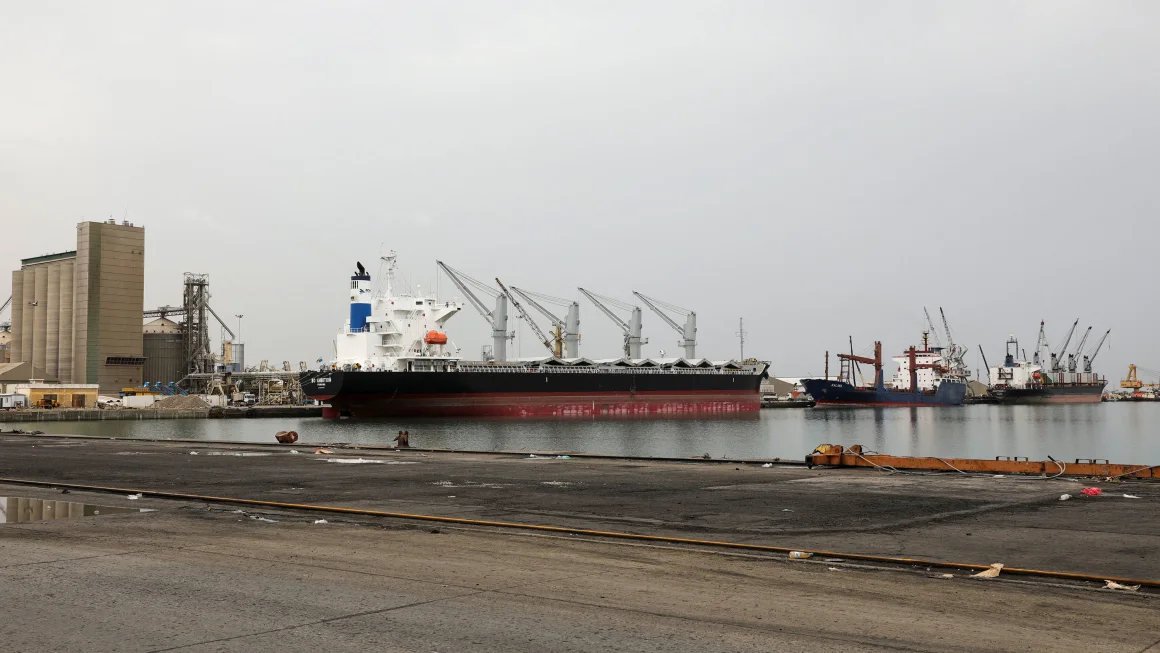
🚨 Tensions Escalate: Israel Issues Evacuation Warnings for Yemeni Ports After Ceasefire Deal Excludes It

In a sharp escalation of Middle East tensions, the Israeli military has issued urgent evacuation warnings for three key ports in Yemen — Ras Isa, Hodeidah, and Salif — late Sunday night. The move follows Israel’s vow to act independently in defending itself after being excluded from a recent ceasefire agreement between the United States and Yemen’s Houthi rebels.

The warnings were broadcast via social media by IDF Arabic-language spokesperson Avichay Adraee, signaling potential Israeli airstrikes in Yemen in the coming hours.

🚀 Missile Attack Sparks Response

The evacuation notice comes just 48 hours after Israel intercepted a missile fired from Yemen — the first such attack since former U.S. President Donald Trump announced the US-Houthi ceasefire deal last week. The missile attack has been widely interpreted as a Houthi act of defiance and solidarity with Gaza, as the group continues to express support for Palestinians amid the ongoing Israel-Gaza conflict.

Despite the ceasefire, the Houthis declared they would not cease attacks against Israel, stating that their actions are in support of the Palestinian cause.

🛡️ Israel: “We Will Defend Ourselves Alone”

Reacting strongly to being left out of the agreement, Israeli Defense Minister Israel Katz made a bold statement last week:

“Israel must be able to defend itself by itself against any threat and any enemy. This has been true in the face of many past challenges, and it will remain true in the future.”

This is the second evacuation alert issued by the IDF within a week. Last Tuesday, Israel warned civilians to leave Sana’a International Airport, Yemen’s main airport, before launching airstrikes that reportedly disabled the airport’s functionality.

⚠️ Regional Instability on the Rise

The situation raises fresh concerns over the fragility of ceasefires in the Middle East, as well as the potential for a broader regional conflict. While the US-Houthi ceasefire was intended to de-escalate violence in Yemen, Israel’s exclusion from the deal and the Houthis’ continued aggression signal that peace in the region remains elusive.

International observers are watching closely as Israel weighs its next steps. With tensions high and military movements underway, the risk of a new front opening in the conflict is growing by the day.

📰 Stay tuned to RemedyTalks.com for continuous updates on the Israel-Yemen conflict, ceasefire developments, and real-time coverage of Middle East security issues.

Posted on Leave a comment

Putin Proposes Direct Talks with Ukraine Amid Ceasefire Demands

Putin Proposes Direct Talks with Ukraine Amid Ceasefire Demands

Russian President Vladimir Putin has proposed resuming direct peace talks with Ukraine, suggesting a meeting in Istanbul on May 15 without preconditions. This initiative comes as Ukraine and its Western allies demand a 30-day unconditional ceasefire, threatening further sanctions if Russia does not comply.(Reuters, AP News)

Putin claims that previous negotiations were abandoned by Kyiv in 2022 under Western influence, despite a joint draft agreement being developed. He emphasizes Russia’s readiness for serious discussions to address the root causes of the conflict and establish long-term peace. However, he criticizes Ukrainian authorities and their Western supporters for prioritizing political ambitions over peace, accusing Kyiv of rejecting multiple Russian ceasefire proposals.

Ukrainian President Volodymyr Zelenskyy has expressed hope for a full ceasefire starting May 12 and is prepared to meet Putin in Turkey on May 15. This follows U.S. President Donald Trump’s encouragement for Ukraine to accept Russia’s proposal for direct talks, bypassing prior demands for a pre-talks ceasefire. European leaders, including those from France, Germany, the UK, and Poland, support the ceasefire proposal and warn of increased sanctions on Russia if rejected.

Despite diplomatic efforts, Russia resumed drone attacks on Ukraine after a brief self-declared pause, leading to mutual accusations of ceasefire violations. Turkish President Recep Tayyip Erdoğan has expressed full support for hosting the negotiations, calling the situation a historic turning point.

The international community remains cautious, with skepticism about Russia’s commitment to peace due to its history of broken ceasefires and ongoing hostilities. The proposed talks in Istanbul could mark a significant move toward peace if both sides agree to come to the table.

Posted on Leave a comment

Hamas to Release American Hostage Edan Alexander Amid Ceasefire Progress

In a significant development in the ongoing Gaza conflict, Hamas has announced the imminent release of Edan Alexander, the last known living American hostage held in Gaza. The decision comes as part of early steps toward a potential ceasefire agreement that could bring critical humanitarian relief to the region.

Khalil Al-Hayya, head of Hamas’ negotiating team, confirmed that positive communication had taken place with the U.S. administration over the past few days. He stated that the group is “ready to immediately start intensive negotiations” aimed at ending the conflict, exchanging prisoners, and establishing a neutral, professional body to govern the Gaza Strip.

“The movement affirms its readiness to… make serious efforts to reach a final agreement to stop the war,” Al-Hayya said.

According to sources close to the negotiations, Steve Witkoff, former Middle East envoy under the Trump administration, is expected to arrive in Tel Aviv Monday morning ahead of Alexander’s release. The release is being framed as a gesture of goodwill, even as Israeli military activity in Gaza appears poised to escalate.

Key Points:

  • Edan Alexander: The only confirmed living American hostage in Gaza
  • Ceasefire talks underway with potential for a broader peace deal
  • Israel may intensify operations, raising the urgency of negotiations
  • Humanitarian aid expected to enter Gaza as part of the early ceasefire steps

Sources close to the Israeli government told RemedyTalks.com that Prime Minister Benjamin Netanyahu acknowledged the likelihood of Alexander’s release during a closed session of the Foreign Affairs and Defense Committee Sunday evening.

The story was initially reported by Axios and is quickly gaining international attention.

🕊️ This is a developing story. Stay with remedytalks.com for timely and verified updates.

Posted on Leave a comment

Peace with Dignity: A Turning Point in South Asia

In a world already burdened with global conflicts and uncertainty, the recent India-Pakistan ceasefire has brought a much-needed pause to escalating military tensions. The standoff, marked by missile strikes and high-alert defence postures, had the region bracing for another crisis. But thanks to a timely US-mediated truce, the situation has cooled — at least for now.

This development, described as “Peace with Dignity,” isn’t just another truce. It signals the possibility of real peace talks in South Asia, a region long plagued by hostility, nationalism, and unresolved disputes.

The Build-Up: India Pakistan Border Tensions

Over the past several weeks, India Pakistan border tensions reached a dangerous peak. Indian forces reportedly launched missile strikes on non-military targets within Pakistan. In retaliation, the Pakistan Air Force response was swift and strategic — hitting military sites across the border with precision.

These actions had analysts deeply worried about another full-scale war between the two nuclear-armed nations.

Military Showdown: J-10C vs Rafale

One of the most notable moments during this escalation was the performance comparison of J-10C vs Rafale fighter jets. The Pakistan Air Force response featured the Chinese-supplied J-10C, a cost-effective and technologically capable aircraft. Surprisingly, it matched up well against India’s more expensive French-made Rafale jets, proving that strategic use of airpower matters more than just budget.

This added a new layer of analysis in global defense discussions, with many rethinking how cost-efficient air dominance can impact warfare.

Diplomatic Breakthrough: US-Mediated Truce

At the peak of rising tension, global powers stepped in. The US-mediated truce, initiated by President Donald Trump with support from Secretary of State Marco Rubio, helped calm the situation. Through back-channel diplomacy and direct talks with both Prime Ministers, the U.S. helped orchestrate an agreement for an immediate ceasefire.

Key points of the truce include:

  • Full and immediate ceasefire
  • Dialogue between India and Pakistan at a neutral location
  • A mutual agreement to avoid further escalation

This development renewed hope in international diplomacy and the ability of powerful mediators to prevent conflict.

Why This Ceasefire Is Different

What sets this India-Pakistan ceasefire apart is its tone and timing. Unlike previous shaky truces, this one opens the door to actual negotiations. Both sides have agreed to engage in peace talks in South Asia to address key issues — including Kashmir, terrorism, water disputes, and border management.

This may be the first meaningful attempt at establishing long-term peace, and possibly normalizing relations between the two arch-rivals.

The Media’s Role and Global Support

Balanced reporting and pressure from the international community — including China, the UK, and the UN — helped steer the conversation away from war and toward dialogue. Responsible media coverage played a vital role in calming panic and encouraging both sides to de-escalate.

Can This Truce Withstand the Test of Time?

Challenges remain. For this ceasefire to evolve into permanent peace:

  • Political leadership must resist populist war rhetoric
  • Future incidents (especially in Kashmir) must be handled through diplomacy
  • Both nations must avoid military posturing in the media

The threat of renewed violence or provocation lingers. However, if both sides stay committed to progress, they can avoid reigniting India Pakistan border tensions.

For the People: What This Means

For millions of people on both sides of the border — especially in Kashmir and border regions — this truce offers more than political victory. It means:

  • Relief from daily fear
  • Continued access to education, healthcare, and markets
  • A chance at cross-border connectivity in the future

Avoiding war means preserving lives, families, and futures. And that’s where the true value of this India-Pakistan ceasefire lies

A New Hope: Peace with Dignity

Peace with Dignity is not just a symbolic phrase — it’s a real opportunity. If sustained, this ceasefire could mark a long-awaited shift from military confrontation to constructive diplomacy.

For long-term peace to become reality, regional leaders must stay committed, media must be responsible, and international allies must support honest dialogue.

The nuclear threat in South Asia is real. But so is the hope for peace — if we nurture it.