Posted on 2 Comments

“Comprendre la thérapie à l’insuline : Un guide pour débutants de la gestion du diabète”

Introduction


Lorsque vous apprenez pour la première fois que vous êtes diagnostiqué diabétique et qu’on vous dit que vous devez commencer une thérapie à l’insuline, la gestion de votre condition peut sembler accablante. La thérapie à l’insuline est un outil efficace qui peut vous aider à gérer vos niveaux de sucre dans le sang de manière efficace et vous aide à mener une vie plus équilibrée dans l’ensemble. Savoir comment l’insuline fonctionne et comment l’utiliser efficacement peut faire une grande différence, peu importe le type de diabète, qu’il soit de type 1, de type 2 ou gestationnel.

L’insuline est l’hormone essentielle pour contrôler les niveaux de sucre dans le sang. Le corps des diabétiques produit soit une quantité insuffisante d’insuline, soit est incapable de l’utiliser efficacement. Le traitement par insuline peut aider votre corps à maintenir des niveaux adéquats de sucre dans le sang en complétant ou en remplaçant l’insuline nécessaire.

Dans ce guide pour débutants, nous vous dirons tout ce que vous devez savoir sur la thérapie à l’insuline, le dosage de l’insuline, l’ajustement de l’insuline et la manière dont elle est administrée. Nous vous fournirons des informations précieuses pour prendre le contrôle de votre prise en charge du diabète. Ce guide vous donnera les connaissances nécessaires pour gérer efficacement votre diabète. Commençons !

Qu’est-ce que l’insuline ?


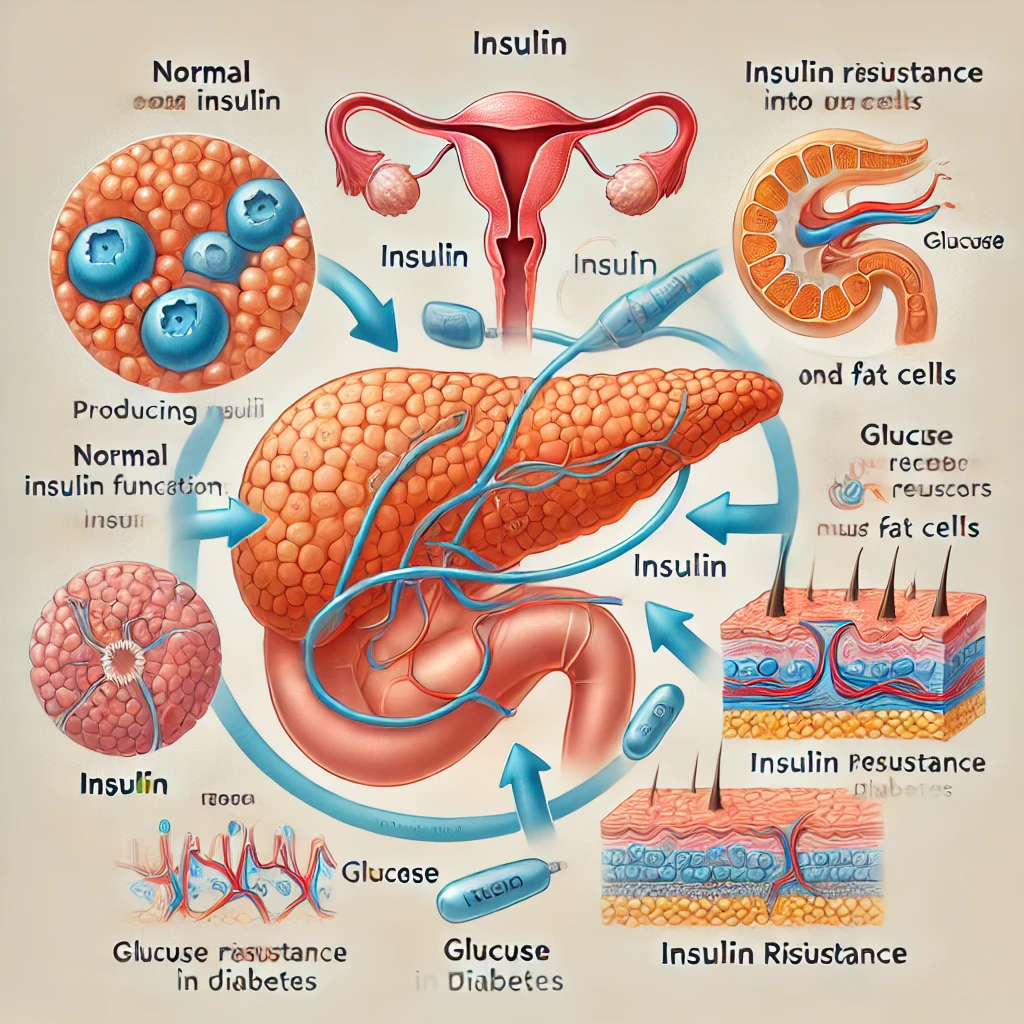
L’insuline est une hormone produite par le pancréas. Elle est vitale pour réguler les niveaux de sucre dans le sang. Imaginez l’insuline comme la “clé” utilisée pour ouvrir vos cellules, permettant au glucose d’y entrer et d’être utilisé comme carburant. En l’absence d’insuline, le sucre dans le sang ne pénètre pas dans les cellules, entraînant des niveaux élevés de glucose dans le sang.

Comment fonctionne l’insuline


Lorsque vous mangez quelque chose, les glucides de votre nourriture sont décomposés en glucose et pénètrent dans le sang. Ce glucose envoie des signaux au pancréas pour libérer de l’insuline afin d’aider ce glucose à pénétrer dans les cellules. Ce glucose est soit utilisé par les cellules, soit stocké pour un usage ultérieur. L’insuline signale également au foie de stocker l’excès de glucose sous forme de glycogène pour un usage futur, ce qui empêche les niveaux de sucre dans le sang de devenir trop élevés.

Que se passe-t-il lorsque l’insuline est insuffisante ou inefficace ?

Chez les personnes atteintes de diabète de type 1, le corps ne produit pas suffisamment d’insuline, tandis que dans le diabète de type 2, le corps devient résistant à l’insuline. Sans insuline dans le corps ou lorsque le corps ne peut pas l’utiliser correctement, le glucose s’accumule dans le sang, entraînant une hyperglycémie. Au fil du temps, cette hyperglycémie peut provoquer des complications graves, telles que des lésions nerveuses, des maladies rénales et des problèmes cardiovasculaires.

Types d’insuline

Les différents types d’insuline ont des périodes d’apparition, de pic et de durée différentes, ce qui permet une certaine flexibilité dans le contrôle des niveaux de sucre dans le sang tout au long de la journée. Voici un aperçu des principaux types d’insuline :

Insuline à action rapide

  • Apparition : 10 à 20 minutes
  • Pic : 1 à 3 heures
  • Durée : 3 à 5 heures
  • Exemples : Insuline lispro (Humalog), Insuline aspart (NovoLog), Insuline glulisine (Apidra)
  • Utilisation : Prise juste avant ou après les repas pour contrôler les pics de sucre dans le sang causés par l’alimentation.

Insuline à action rapide (Insuline régulière)

  • Apparition : 30 minutes
  • Pic : 2 à 4 heures
  • Durée : 6 à 8 heures
  • Exemples : Humulin R, Novolin R
  • Utilisation : Prise généralement 30 minutes avant les repas pour gérer la glycémie pendant les repas et les collations.

Insuline à action intermédiaire (Insuline NPH)

  • Apparition : 1 à 2 heures
  • Pic : 4 à 12 heures
  • Durée : 12 à 18 heures
  • Exemples : Humulin N, Novolin N
  • Utilisation : Fournit une couverture de fond pendant environ la moitié de la journée ou toute la nuit.

Insuline à action prolongée

  • Apparition : 1 à 2 heures
  • Pic : Minimal ou aucun pic
  • Durée : Jusqu’à 24 heures ou plus
  • Exemples : Insuline glargine (Lantus, Basaglar, Toujeo), Insuline detemir (Levemir), Insuline degludec (Tresiba)
  • Utilisation : Fournit un niveau constant d’insuline toute la journée et la nuit, imitant la production d’insuline basale du corps.

Insuline ultra-longue action

  • Apparition : 1 à 2 heures
  • Pic : Minimal ou aucun pic
  • Durée : Jusqu’à 42 heures
  • Exemples : Insuline degludec (Tresiba)
  • Utilisation : Offre une couverture prolongée pour ceux qui ont besoin de niveaux d’insuline constants pendant une période plus longue.

Insuline prémélangée

  • Apparition : Variable (combinaison d’insuline à action rapide/rapide et d’insuline à action intermédiaire)
  • Pic : Variable
  • Durée : Variable
  • Exemples : Humulin 70/30, Novolog Mix 70/30
  • Utilisation : Combine deux types d’insuline pour fournir à la fois une couverture pendant les repas et de fond, souvent pour plus de commodité.

Conseils pour gérer la thérapie à l’insuline

Gérer la thérapie à l’insuline de manière efficace est essentiel pour contrôler le diabète et maintenir un mode de vie sain. Voici quelques conseils pratiques pour vous aider à rester sur la bonne voie :

  • Suivez le plan de votre médecin
  • Surveillez régulièrement votre glycémie
  • Faites pivoter les sites d’injection
  • Mangez une alimentation équilibrée
  • Préparez-vous à l’hypoglycémie
  • Stockez l’insuline correctement
  • Construisez un système de soutien

Conseils de mode de vie pour une thérapie à l’insuline efficace
Gérer le diabète ne nécessite pas seulement des injections d’insuline, cela nécessite des changements réfléchis dans le mode de vie pour s’assurer que les niveaux de sucre dans le sang sont sous contrôle et que la personne reste en bonne santé en évitant les effets nuisibles de l’hyperglycémie. Voici quelques conseils pratiques pour vous aider à tirer le meilleur parti de votre thérapie à l’insuline :

  • Suivez un régime équilibré
  • Restez physiquement actif
  • Surveillez régulièrement vos niveaux de sucre dans le sang
  • Gérez le stress
  • Priorisez le sommeil
  • Restez hydraté
  • Soyez préparé pour les urgences (c’est-à-dire emportez des en-cas, éduquez vos proches, etc.)
  • Restez constant avec l’insuline

Mythes et faits sur la thérapie à l’insuline

L’insuline signifie que mon diabète est plus grave : Si vous avez besoin d’insuline, cela ne signifie pas que votre diabète est à un stade plus grave, cela peut être le début du diabète de type 1. Le diabète de type 1 et de type 2 peuvent nécessiter de l’insuline à différents stades.
L’insuline cause une prise de poids : Oui, les gens prennent généralement du poids au début de la thérapie à l’insuline, cela peut être parce que leur corps utilise mieux l’insuline. Si vous prenez soin de votre alimentation et faites de l’exercice régulièrement, cela peut être géré efficacement.
Les injections d’insuline sont douloureuses : Avec les progrès de la technologie, les nouvelles injections sont beaucoup moins douloureuses que ce à quoi les gens s’attendent.
L’insuline est addictive : C’est une hormone naturelle produite par le pancréas et nécessaire uniquement lorsque le corps ne la produit pas en quantité suffisante pour réguler efficacement les niveaux de sucre dans le sang.
L’insuline est uniquement pour le diabète de type 1 : La thérapie à l’insuline est nécessaire pour toutes les personnes atteintes de diabète de type 1, mais aussi à certains stades du diabète de type 2, surtout à mesure que la condition progresse.
Les remèdes naturels peuvent remplacer l’insuline : Les changements de mode de vie aident à la régulation de la thérapie à l’insuline, mais ils ne suffisent pas à remplacer l’insuline.

Conclusion

La thérapie à l’insuline joue un rôle important dans la gestion du diabète, offrant un moyen de réguler les niveaux de sucre dans le sang et de prévenir les complications. Que vous ayez le diabète de type 1 ou de type 2, comprendre comment l’insuline fonctionne est bénéfique pour vous.

Démystifier les mythes courants et adopter des changements de mode de vie comme une alimentation équilibrée, l’exercice régulier et la gestion du stress, la thérapie à l’insuline consiste à plus que de simples injections. Vous devez toujours démystifier les mythes courants et comprendre les vrais faits derrière.

Rappelez-vous, vous n’êtes pas seul dans ce voyage. Avec les bonnes connaissances, le soutien et les conseils, vous pouvez gérer efficacement votre diabète et vivre une vie saine et épanouie. Si vous avez des questions ou des préoccupations concernant la thérapie à l’insuline, n’hésitez pas à contacter votre médecin ou votre éducateur en diabète.

Faites le premier pas aujourd’hui – adoptez la thérapie à l’insuline comme un allié puissant dans votre gestion du diabète !

Questions fréquemment posées (FAQ)


Aurais-je besoin d’insuline pour toujours ?
Oui, en cas de diabète de type 1, mais en cas de diabète de type 2, vous pourriez en avoir besoin pendant une période plus courte ou, dans certains cas, à vie, selon l’état de la maladie.

Puis-je arrêter l’insuline si ma glycémie s’améliore ?
Pour cela, vous devez obtenir l’avis d’un professionnel de la santé, vous ne pouvez pas arrêter cela de manière autonome.

Quels sont les effets secondaires de la thérapie à l’insuline ?
La thérapie à l’insuline peut provoquer des effets secondaires tels que l’hypoglycémie, la prise de poids, des réactions au site d’injection et des réponses allergiques, mais ces effets sont gérables avec des soins appropriés et des conseils médicaux.

La thérapie à l’insuline est-elle uniquement pour le diabète de type 1 ?
Non, la thérapie à l’insuline est également utilisée pour le diabète de type 2, surtout lorsque les autres traitements ne suffisent pas à contrôler la glycémie.
Posted on Leave a comment

इंसुलिन थेरेपी को समझना: मधुमेह प्रबंधन के लिए एक शुरुआती मार्गदर्शिका

परिचय

जब आपको पहली बार यह खबर मिलती है कि आपको डायबिटीज है और आपको इंसुलिन थेरेपी शुरू करने की सलाह दी जाती है, तो इस स्थिति को प्रबंधित करना चुनौतीपूर्ण लग सकता है। इंसुलिन थेरेपी एक प्रभावी उपकरण है जो आपके ब्लड शुगर लेवल को नियंत्रित करने में मदद करता है और आपको एक संतुलित जीवन जीने में सहायता करता है। इंसुलिन कैसे काम करता है और इसे कैसे प्रभावी ढंग से उपयोग किया जाए, यह जानना आपके लिए बहुत फायदेमंद हो सकता है, चाहे आपको टाइप 1, टाइप 2 या गर्भकालीन डायबिटीज ही क्यों न हो।

इंसुलिन ब्लड शुगर लेवल को नियंत्रित करने के लिए एक आवश्यक हार्मोन है। डायबिटीज वाले लोगों के शरीर में या तो पर्याप्त मात्रा में इंसुलिन नहीं बनता है या फिर शरीर इसे प्रभावी ढंग से उपयोग नहीं कर पाता है। इंसुलिन थेरेपी आपके शरीर को आवश्यक इंसुलिन की पूर्ति करके ब्लड शुगर लेवल को संतुलित रखने में मदद करती है।

इस शुरुआती गाइड में, हम आपको इंसुलिन थेरेपी, इंसुलिन की खुराक, इंसुलिन समायोजन और इसे कैसे दिया जाता है, इसके बारे में सभी जानकारी देंगे। यह गाइड आपको डायबिटीज केयर को समझने और नियंत्रित करने के लिए आवश्यक ज्ञान प्रदान करेगी। चलिए शुरू करते हैं!

इंसुलिन क्या है?

इंसुलिन अग्न्याशय (पैंक्रियास) द्वारा उत्पादित एक हार्मोन है। यह ब्लड शुगर लेवल को नियंत्रित करने में महत्वपूर्ण भूमिका निभाता है। इंसुलिन को एक “चाबी” के रूप में समझें जो आपकी कोशिकाओं को खोलती है और ग्लूकोज को कोशिकाओं में प्रवेश करने देती है ताकि यह ऊर्जा के रूप में उपयोग हो सके। इंसुलिन के बिना, ग्लूकोज कोशिकाओं में प्रवेश नहीं कर पाता है, जिससे ब्लड में ग्लूकोज का स्तर बढ़ जाता है।

इंसुलिन कैसे काम करता है?

जब आप कुछ खाते हैं, तो आपके भोजन में मौजूद कार्बोहाइड्रेट ग्लूकोज में टूट जाता है और रक्तप्रवाह में प्रवेश करता है। यह ग्लूकोज अग्न्याशय को इंसुलिन रिलीज करने का संकेत देता है, जो ग्लूकोज को कोशिकाओं में ले जाने में मदद करता है। यह ग्लूकोज या तो कोशिकाओं द्वारा उपयोग किया जाता है या भविष्य के उपयोग के लिए संग्रहीत किया जाता है। इंसुलिन यकृत (लिवर) को अतिरिक्त ग्लूकोज को ग्लाइकोजन के रूप में संग्रहीत करने का भी संकेत देता है, जो ब्लड शुगर लेवल को बहुत अधिक बढ़ने से रोकता है।

जब इंसुलिन अपर्याप्त या अप्रभावी होता है तो क्या होता है?

टाइप 1 डायबिटीज वाले लोगों के शरीर में पर्याप्त इंसुलिन नहीं बनता है, जबकि टाइप 2 डायबिटीज वाले लोगों का शरीर इंसुलिन के प्रति प्रतिरोधी हो जाता है। इंसुलिन के बिना या जब शरीर इसे ठीक से उपयोग नहीं कर पाता है, तो ग्लूकोज रक्त में जमा हो जाता है, जिससे हाइपरग्लाइसीमिया (उच्च रक्त शर्करा) होता है। समय के साथ, यह हाइपरग्लाइसीमिया गंभीर जटिलताएं पैदा कर सकता है, जैसे कि तंत्रिका क्षति, गुर्दे की बीमारी और हृदय संबंधी समस्याएं।

इंसुलिन के प्रकार


विभिन्न प्रकार के इंसुलिन की शुरुआत, चरम और अवधि अलग-अलग होती है, जो पूरे दिन ब्लड शुगर लेवल को नियंत्रित करने में लचीलापन प्रदान करती है। यहां मुख्य प्रकार के इंसुलिन का विवरण दिया गया है:

रैपिड-एक्टिंग इंसुलिन

    • शुरुआत: 10–20 मिनट
    • चरम: 1–3 घंटे
    • अवधि: 3–5 घंटे
    • उदाहरण: इंसुलिन लिस्प्रो (ह्यूमालॉग), इंसुलिन एस्पार्ट (नोवोलॉग), इंसुलिन ग्लुलिसिन (एपिड्रा)
    • उपयोग: भोजन के तुरंत पहले या बाद में लिया जाता है ताकि भोजन के कारण होने वाले ब्लड शुगर स्पाइक्स को नियंत्रित किया जा सके।

    शॉर्ट-एक्टिंग इंसुलिन (रेगुलर इंसुलिन)

      • शुरुआत: 30 मिनट
      • चरम: 2–4 घंटे
      • अवधि: 6–8 घंटे
      • उदाहरण: ह्यूमुलिन आर, नोवोलिन आर
      • उपयोग: आमतौर पर भोजन से 30 मिनट पहले लिया जाता है ताकि भोजन और स्नैक्स के दौरान ब्लड शुगर को नियंत्रित किया जा सके।

      इंटरमीडिएट-एक्टिंग इंसुलिन (एनपीएच इंसुलिन)

        • शुरुआत: 1–2 घंटे
        • चरम: 4–12 घंटे
        • अवधि: 12–18 घंटे
        • उदाहरण: ह्यूमुलिन एन, नोवोलिन एन
        • उपयोग: लगभग आधे दिन या रात भर के लिए बैकग्राउंड इंसुलिन कवरेज प्रदान करता है।

        लॉन्ग-एक्टिंग इंसुलिन

        • शुरुआत: 1–2 घंटे
        • चरम: न्यूनतम या कोई चरम नहीं
        • अवधि: 24 घंटे या अधिक
        • उदाहरण: इंसुलिन ग्लार्जिन (लैंटस, बसाग्लार, टौजियो), इंसुलिन डेटेमिर (लेवेमिर), इंसुलिन डेग्लूडेक (ट्रेसीबा)
        • उपयोग: दिन और रात भर शरीर की बेसल इंसुलिन आवश्यकताओं को पूरा करता है।
        insulin-therapy-guide.jpg

        अल्ट्रा-लॉन्ग-एक्टिंग इंसुलिन

        • चरम: न्यूनतम या कोई चरम नहीं
        • शुरुआत: 1–2 घंटे
        • अवधि: 42 घंटे तक
        • उदाहरण: इंसुलिन डेग्लूडेक (ट्रेसीबा)
        • उपयोग: लंबे समय तक स्थिर इंसुलिन लेवल प्रदान करता है।

        प्री-मिक्स्ड इंसुलिन

        • शुरुआत: भिन्न (रैपिड/शॉर्ट-एक्टिंग और इंटरमीडिएट-एक्टिंग इंसुलिन का मिश्रण)
        • चरम: भिन्न
        • अवधि: भिन्न
        • उदाहरण: ह्यूमुलिन 70/30, नोवोलॉग मिक्स 70/30
        • उपयोग: भोजन और बैकग्राउंड कवरेज दोनों प्रदान करता है।

        इंसुलिन थेरेपी प्रबंधन के लिए टिप्स

        1. डॉक्टर की योजना का पालन करें।
        2. नियमित रूप से ब्लड शुगर की जांच करें।
        3. इंजेक्शन साइट्स को घुमाएं।
        4. संतुलित आहार लें।
        5. हाइपोग्लाइसीमिया के लिए तैयार रहें।
        6. इंसुलिन को सही तरीके से स्टोर करें।
        7. एक सपोर्ट सिस्टम बनाएं।

        निष्कर्ष


        इंसुलिन थेरेपी डायबिटीज प्रबंधन में एक महत्वपूर्ण भूमिका निभाती है। सही ज्ञान, समर्थन और मार्गदर्शन के साथ, आप डायबिटीज को सफलतापूर्वक प्रबंधित कर सकते हैं और एक स्वस्थ, संतुलित जीवन जी सकते हैं।

        अक्सर पूछे जाने वाले प्रश्न (FAQs)

        1.क्या मुझे हमेशा इंसुलिन लेना पड़ेगा?

          • टाइप 1 डायबिटीज में हां, लेकिन टाइप 2 डायबिटीज में यह स्थिति पर निर्भर करता है।

          2.क्या मैं इंसुलिन बंद कर सकता हूं अगर मेरा ब्लड शुगर सुधर जाए?

            • इसके लिए डॉक्टर की सलाह आवश्यक है।

            3. इंसुलिन थेरेपी के साइड इफेक्ट्स क्या हैं?

              • हाइपोग्लाइसीमिया, वजन बढ़ना, इंजेक्शन साइट प्रतिक्रियाएं आदि हो सकते हैं, लेकिन ये प्रबंधनीय हैं।

              4. क्या इंसुलिन थेरेपी केवल टाइप 1 डायबिटीज के लिए है?

                • नहीं, टाइप 2 डायबिटीज में भी इसकी आवश्यकता हो सकती है।

                5. प्राकृतिक उपचार इंसुलिन की जगह ले सकते हैं?

                  • नहीं, प्राकृतिक उपचार इंसुलिन थेरेपी का विकल्प नहीं हैं।
                  Posted on 4 Comments

                  HOW TO IMPROVE MENTAL HEALTH NATURALLY: SIMPLE AND EFFECTIVE STRATEGIES

                  "A person practicing mindfulness meditation outdoors, surrounded by nature, promoting mental wellness through relaxation and stress relief."

                  INTRODUCTION

                  Mental health plays a crucial role in determining our overall wellness, influencing our thoughts, emotions, and behaviors. In our rapidly evolving society, prioritizing mental health is essential for achieving a balanced life to improve mental health naturally. Issues like stress, anxiety, and depression are on the rise, yet there are effective natural methods to enhance mental well-being beyond conventional medications. By incorporating simple, sustainable adjustments to your daily routine, you can support your mental health and strengthen your resilience. Below are some effective strategies to kick off your journey toward improved mental wellness.

                  1. Eat Your Way to a Healthier Mind

                  The link between diet and mental well-being is clear and it is one of natural mental health strategies. According to research from Harvard Health Publishing, a nutrient-dense diet plays a crucial role in maintaining brain health. Incorporating the following foods into your diet can enhance mood and cognitive function:

                  • Omega-3 fatty acids: Found in fish, flaxseeds, and walnuts, these fats reduce symptoms of depression and anxiety.
                  • Antioxidant-rich foods: Leafy greens, berries, and nuts help combat oxidative stress, which is linked to mental fatigue.
                  • Probiotics: Foods like yogurt, kimchi, and kombucha improve gut health, influencing mood positively.
                  • Keeping hydrated while reducing sugar and caffeine consumption can help balance mood fluctuations and enhance concentration.

                  2. Move Your Body, Lift Your Mood

                  Engaging in regular exercise is a powerful natural method to boost mental well-being and reduce stress naturally. When we participate in physical activities, our bodies release endorphins, which are known as the “feel-good” hormones. These chemicals play a significant role in alleviating stress and uplifting our mood and improve mood naturally without medications. The Mental Health Foundation highlights that even engaging in moderate amounts of exercise can lead to significant improvements in mental health.
                  ● Walking in nature: Combines the benefits of physical activity with the therapeutic effects of greenery.
                  ● Yoga and stretching: Promotes relaxation, flexibility, and mindfulness.
                  ● High-intensity exercises: Boost energy and combat feelings of sluggishness.
                  Consistency matters—just 30 minutes a day can transform your mental state.

                  3. Prioritize Quality Sleep

                  Restorative sleep is essential for both mental and physical well-being. Insufficient quality sleep can worsen symptoms of anxiety and depression. Here are some natural ways to enhance your sleep:
                  ● Maintain a consistent sleep schedule, even on weekends.
                  ● Avoid screens for at least an hour before bedtime to reduce blue light exposure.
                  ● Create a calming bedtime ritual, like drinking herbal tea or practicing meditation.

                  4. Practice Mindfulness and Meditation

                  Mindfulness is the practice of staying fully engaged in the present moment without forming judgments about it and it improve mental health naturally. This approach helps to alleviate stress and improves mental clarity. To get started:
                  ● Try guided meditation apps for structured sessions.
                  ● Engage in deep breathing exercises to calm your mind.
                  ● Maintain a gratitude journal, listing three things you’re thankful for daily.
                  Mindfulness can be practiced anytime, whether during a walk, while eating, or through focused breathing.

                  5. Strengthen Social Connections

                  Social bonds play a crucial role in supporting our emotional health. According to the National Institute of Mental Health (NIMH), nurturing positive relationships is vital for addressing feelings of loneliness and preventing isolation.

                  ● Spend quality time with family and friends.
                  ● Join local groups or volunteer for causes you care about to build new connections.
                  ● Reach out to loved ones regularly—sometimes a simple conversation can make a big difference.

                  6. Immerse Yourself in Nature

                  Research referenced by Psychology Today indicates that spending time in nature can significantly soothe the mind and helps improve mental health naturally. Activities like:
                  ● Walking in parks or hiking in forests.
                  ● Gardening or sitting in a sunlit area.
                  ● Listening to natural sounds like waves or birdsong.
                  can reduce stress, improve mood, and enhance cognitive function.

                  7. Balance Screen Time

                  Overuse of digital devices may contribute to mental exhaustion, anxiety, and a sense of loneliness. Additionally, social media can adversely affect mental well-being. Establishing limits on technology use can help alleviate stress and enhance concentration. To create a healthier digital lifestyle:
                  ● Set limits on daily screen time.
                  ● Schedule device-free moments, especially during meals and before bed.
                  ● Replace screen time with offline hobbies like reading, painting, or cooking.

                  8. Explore Relaxation Techniques

                  Relaxation isn’t just a luxury—it’s a necessity for mental health. Here are some natural methods to unwind:
                  ● Aromatherapy: Essential oils like lavender and chamomile can reduce anxiety.
                  ● Herbal teas: Chamomile, green tea, and peppermint are known for their calming effects.
                  ● Progressive muscle relaxation: A technique where you tense and relax each muscle group in your body.
                  These practices can ease stress and promote a sense of calm.

                  9. Avoid Harmful Habits

                  Some behaviors, such as smoking, drinking too much alcohol, or frequently indulging in unhealthy foods, can negatively impact mental well-being. It’s important to substitute these habits with healthier options.
                  ● opt for regular physical activity instead of smoking.
                  ● Choose herbal teas over alcohol for relaxation.
                  ● Snack on nuts or fruit instead of processed food.

                  10. Practice Gratitude and Positive Thinking

                  Nurturing a sense of gratitude can change the way your brain processes experiences, leading to a greater focus on the positive aspects of life. Studies highlighted by WebMD indicate that maintaining a gratitude journal or engaging in daily affirmations can enhance your mood and lower stress levels.

                  11. Seek Professional Help When Needed

                  Although natural approaches can work well, it’s crucial to acknowledge when seeking professional assistance is necessary. Engaging with therapists, counselors, or support groups can offer valuable strategies and support for coping with mental health issues.

                  Conclusion

                  Enhancing your mental health through natural methods involves making intentional decisions that promote your overall well-being. By nourishing both your body and mind, cultivating meaningful relationships, and reducing screen time, you can strengthen your mental resilience. Always remember that your mental health is crucial, and prioritizing it is one of the best investments you can make in your life.


                  Posted on 2 Comments

                  10 Natural Ways to Improve Your Immune System

                  A variety of fresh fruits, vegetables, nuts, and seeds displayed on a wooden table, rich in vitamins and antioxidants to boost immune system naturally."

                  INTRODUCTION

                  The immune system serves as the body’s natural barrier against infections, viruses, and diseases. While contemporary medicine provides various options for bolstering immune health, boosting immune system naturally using natural strategies can greatly strengthen your defenses. Here are ten evidence-based methods or natural immune system boosters to naturally enhance your immune system and maintain your overall resilience.

                  1. Eat a Balanced, Nutrient-Rich Diet

                  A balanced diet plays a crucial role in maintaining a robust immune system it is part of lifestyle tips for better immunity. Emphasize the consumption of whole, unprocessed foods rich in essential vitamins and minerals:
                  ● Vitamin C: Found in citrus fruits, bell peppers, and broccoli, it enhances white blood cell production.
                  ● Vitamin D: Fatty fish, fortified foods, and sunlight exposure help regulate immune function.
                  ● Zinc: Nuts, seeds, and legumes support immune cell development.
                  ● Antioxidants: Berries, spinach, and nuts combat oxidative stress and inflammation.

                  2. Stay Hydrated

                  Staying properly hydrated is essential for the body’s detoxification processes, helping to effectively eliminate toxins and promoting the production of lymph, which transports immune cells and one of easy ways to boost your immune system naturally. Strive to drink at least eight glasses of water each day, and consider incorporating hydrating foods such as cucumbers, watermelon, and herbal teas into your diet.

                  3. Prioritize Sleep

                  Sleep and immunity are closely connected. While you sleep, your body undergoes repair and regeneration, producing cytokines, which are proteins that help combat infections. If you consistently lack sleep, your immune system can become compromised. To support your immune health, strive for 7-9 hours of restful sleep each night by sticking to a regular sleep schedule and establishing a soothing bedtime routine.

                  4. Exercise Regularly

                  Engaging in moderate physical activities like walking, yoga, or biking can enhance blood flow and strengthen the immune system. Regular exercise aids in clearing out bacteria from the lungs and respiratory passages, thereby lowering the chances of getting sick. That said, it’s important to refrain from excessive exercise, as high-intensity workouts without adequate rest can weaken the immune response.

                  5. Manage Stress

                  Long-term stress can have detrimental effects on the immune system by raising levels of stress hormones such as cortisol, which may weaken immune responses. Engaging in activities like mindfulness, meditation, and deep breathing techniques can be effective strategies for stress management.

                  6. Incorporate Probiotics and Fermented Foods

                  A healthy digestive system is essential for a robust immune system. Probiotics, which are present in foods like yogurt, kefir, sauerkraut, and kimchi, help nurture the growth of beneficial bacteria in the gut. Additionally, prebiotic foods such as garlic, onions, and bananas contribute to gut health by providing nourishment for these bacteria. These foods are also rich in antioxidants and anti-inflammatory compounds.

                  7. Get Enough Vitamin D

                  Vitamin D is essential for a healthy immune system. Insufficient levels can lead to a higher risk of infections. Aim to get 10-15 minutes of sun exposure each day or think about taking vitamin D supplements after discussing it with a healthcare provider, in case sunlight is limited.

                  8. Limit Sugar and Processed Foods

                  Consuming too much sugar can weaken the immune system by impairing the effectiveness of white blood cells against infections. Many processed foods are low in vital nutrients and may lead to increased inflammation in the body. Instead, consider using natural sweeteners such as honey or fruits, and prioritize whole foods that are rich in nutrients.

                  9. Practice Good Hygiene

                  Practicing straightforward habits such as frequent handwashing, cleaning surfaces regularly, and steering clear of those who are ill can help prevent infections and lessen the strain on your immune system.

                  10. Stay Socially Connected

                  Building strong social ties and maintaining an optimistic outlook can help support immune function by minimizing stress and enhancing mental wellness. Participating in activities with friends, family, or community groups can offer emotional support that contributes to overall health.

                  Conclusion

                  Boosting your immune system naturally calls for a comprehensive approach that includes nutritious eating, regular exercise, effective stress management, and sufficient rest. By integrating these 10 evidence-based strategies into your daily life, you can fortify your body’s defenses and improve your overall health. Keep in mind that consistency is essential—making small, manageable changes can result in considerable long-term improvements. While natural methods are beneficial, it’s important to seek advice from a healthcare professional if you have underlying health issues or need tailored recommendations.

                  Posted on 4 Comments

                  “Understanding Insulin Therapy: A Beginner’s Guide to Diabetes Management”

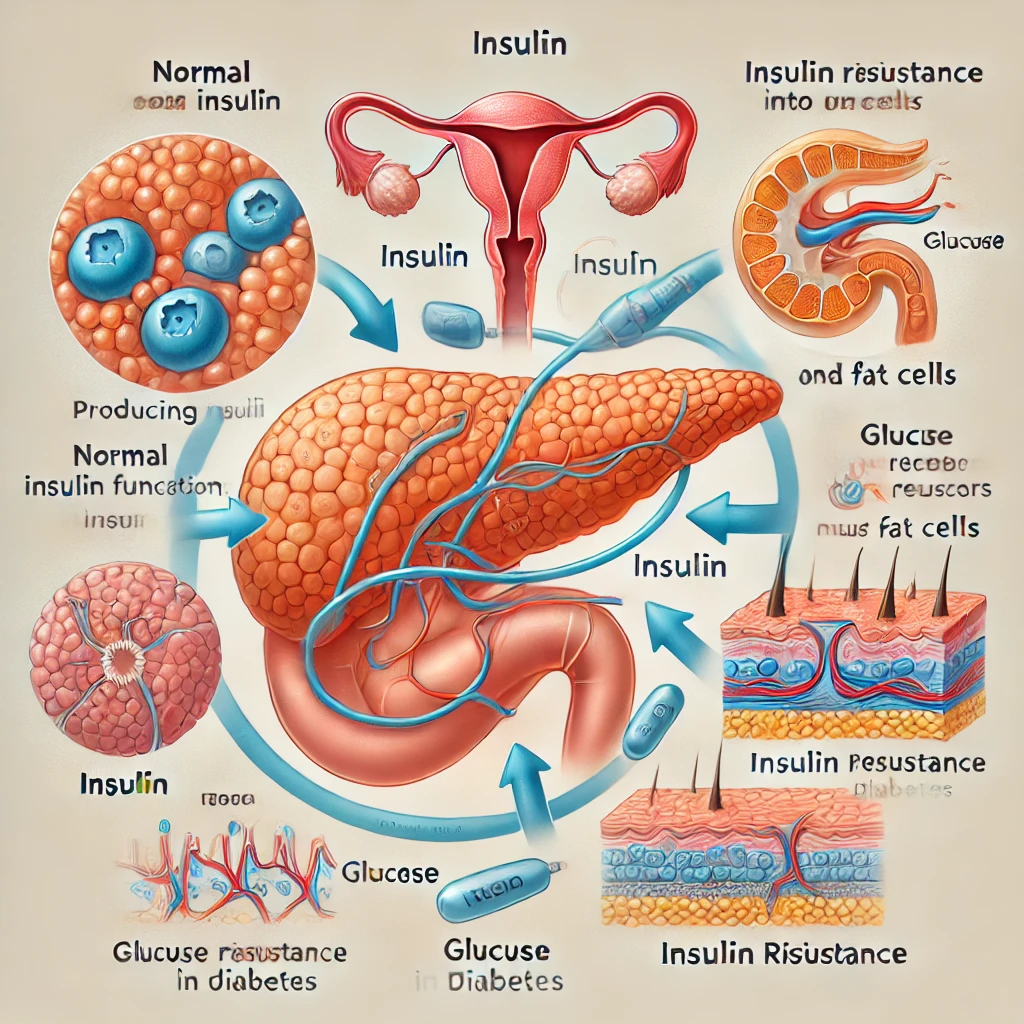
                  "Illustration of how insulin works in the body for diabetes management."

                  Introduction

                  When you first hear the news that you are diagnosed with the diabetes and told that you have to start insulin therapy, managing your condition can seem overwhelming. Insulin therapy is an effective tool that can help you manage your blood sugar levels in an effective way and helps you live a more balanced life overall. Knowing how insulin works and how to use it efficiently can make a big difference, regardless of type of diabetes either Type 1, Type 2, or gestational diabetes.

                  Insulin is the essential hormone for controlling blood sugar levels. The body of diabetics either produces insufficient amounts of insulin or is unable to use it effectively. Treatment with insulin can help your body to maintain adequate blood sugar levels by supplementing or replacing the insulin it requires.

                  In this beginner’s guide, we will tell you everything you need to know about insulin therapy, insulin dosage, insulin adjustment and how it is given. we will provide you with valuable information you need to know to take control of your diabetes care, this guide will empower you with the knowledge to take charge of your diabetes management. Let’s get started!

                  What is insulin?

                  Insulin is a hormone produced by the pancreas. It is vital in regulating blood sugar levels. Imagine insulin as the “key” which is used to open your cells, letting the glucose to go inside and be used as fuel. In the absence of the insulin the blood sugar doesn’t enter the cells leading to high levels of glucose in the blood.

                  How Insulin Works

                  when you eat something, the carbohydrate from your food is broken down into glucose and enters the blood stream. This glucose sends signals to pancreas to release insulin to help this insulin move into the cells. This glucose is either used by the cells or stored for the later use. Insulin also signals liver to store extra glucose in the form of glycogen for future use and this prevents blood sugar levels from rising too high.

                  What Happens When Insulin is Insufficient or Ineffective?

                  In people with type 1 the body doesn’t produce enough insulin while in type 2 diabetes the body becomes resistant to the insulin. Without insulin in the body or when body isn’t able to use it properly the glucose buildup in the blood leading to hyperglycemia. Over the time this hyperglycemia can cause serious complications, such as nerve damage, kidney disease, and cardiovascular problems.

                  Types of insulin

                  Different types of insulin have different onset, peak and duration period, this allows flexibility in controlling blood sugar levels throughout the day. Here’s a breakdown of the main types of insulin:

                  Rapid-Acting Insulin

                  • Onset: 10–20 minutes
                  • Peak: 1–3 hours
                  • Duration: 3–5 hours
                  • Examples: Insulin lispro (Humalog), Insulin aspart (NovoLog), Insulin glulisine (Apidra)
                  • Use: Taken just before or after meals to control blood sugar spikes caused by eating.

                  Short-Acting Insulin (Regular Insulin)

                  • Onset: 30 minutes
                  • Peak: 2–4 hours
                  • Duration: 6–8 hours
                  • Examples: Humulin R, Novolin R
                  • Use: Typically taken 30 minutes before meals to manage blood sugar during meals and snacks.

                  Intermediate-Acting Insulin (NPH Insulin)

                  • Onset: 1–2 hours
                  • Peak: 4–12 hours
                  • Duration: 12–18 hours
                  • Examples: Humulin N, Novolin N
                  • Use: Provides background insulin coverage for about half a day or overnight.

                  Long-Acting Insulin

                  • Onset: 1–2 hours
                  • Peak: Minimal or no peak
                  • Duration: Up to 24 hours or more
                  • Examples: Insulin glargine (Lantus, Basaglar, Toujeo), Insulin detemir (Levemir), Insulin degludec (Tresiba)
                  • Use: Provides a steady level of insulin throughout the day and night, mimicking the body’s basal insulin production.

                  Ultra-Long-Acting Insulin

                  • Onset: 1–2 hours
                  • Peak: Minimal or no peak
                  • Duration: Up to 42 hours
                  • Examples: Insulin degludec (Tresiba)
                  • Use: Offers extended coverage for those who need consistent insulin levels over a longer period.

                   Pre-Mixed Insulin

                  • Onset: Varies (combination of rapid/short-acting and intermediate-acting insulin)
                  • Peak: Varies
                  • Duration: Varies
                  • Examples: Humulin 70/30, Novolog Mix 70/30
                  • Use: Combines two types of insulin to provide both mealtime and background coverage, often for convenience.

                  Tips for Managing Insulin Therapy

                  Managing insulin therapy effectively is key to controlling diabetes and maintaining a healthy lifestyle. Here are some practical tips to help you stay on track:

                  •  Follow Your Doctor’s Plan
                  •  Monitor Blood Sugar Regularly
                  • Rotate Injection Sites
                  • Eat a Balanced Diet
                  • Be Prepared for Hypoglycemia
                  • Store Insulin Properly
                  •  Build a Support System

                  Lifestyle Tips for Effective Insulin Therapy

                  Managing diabetes does not require only the insulin injections it requires thoughtful changes in the lifestyle to make sure that blood sugar levels are in control and person is healthy avoiding the harmful effects of the hyperglycemia. Here are some practical tips to help you make the most of your insulin therapy:

                  •  Follow a Balanced Diet
                  • Stay Physically Active
                  • Monitor Blood Sugar Levels regularly
                  • Manage Stress
                  • Prioritize Sleep
                  • Stay Hydrated
                  • Be Prepared for Emergencies i.e Carry Snacks, Educate Loved Ones etc
                  •  Stay Consistent with Insulin

                  Myths and Facts About Insulin Therapy

                  • Insulin Means My Diabetes is Worse: If you are in need of insulin it doesnt mean that your diabetes at some worse satge it might be the beggining of type 1 diabetes. Both Type 1 and Type 2 diabetes may require insulin at different stages.
                  •  Insulin Causes Weight Gain: Yes, people usually gain weight at the start of the insulin therapy it might because their body is better utilizing the insulin. If you are taking care of your diet and doing exercise regularly this is managed effectively.
                  • Insulin Injections Are Painful: With the advancement in technology the new injections are extremely less painful than people are expecting them to be so.
                  • Insulin is Addictive: It is a natural hormone produced by the pancreas and required only when body is not producing it in the quantity required by the body to regulate blood sugar levels effectively.
                  • Insulin is Only for Type 1 Diabetes: Insulin therapy is required by all people with diabetes type 1 but only by the. Some stages of type 2 diabetes also require the insulin therapy especially as the condition progresses.
                  • Natural Remedies Can Replace Insulin: lifestyle changes help in the regulation of insulin therapy, but they are not only enough replacing the insulin.

                  Conclusion

                  Insulin therapy plays an important role i management of diabetes, offering a way to regulate blood sugar levels and prevent complications. Whether you have Type 1 or Type 2 diabetes, understanding how insulin works is beneficial for you.

                  From debunking common myths to adopting lifestyle changes like a balanced diet, regular exercise, and stress management, effective insulin therapy is about more than just injections. You always need to debunk the common myths and understand the real facts behind.

                  Remember, you’re not alone on this journey. With the right knowledge, support, and guidance you can successfully manage diabetes and live a healthy, fulfilling life. If you have questions or concerns about insulin therapy, don’t hesitate to reach out to your doctor or diabetes educator.

                  Take the first step today—embrace insulin therapy as a powerful ally in your diabetes management journey!

                  Frequently Asked Questions (FAQs)

                  Will I need insulin forever?

                  Yes, in case of type 1 diabetes but in case of type two diabetes you may need it for a shorter period of time or either forever depending upon the condition of the disease.

                  Can I stop insulin if my blood sugar improves?

                  For that you need the guidance from the health care you cannot stop this on your own.

                  What are the side effects of insulin therapy?

                  Insulin therapy can cause side effects like hypoglycemia, weight gain, injection site reactions, and allergic responses, but these are manageable with proper care and medical guidance.

                  Is insulin therapy only for Type 1 diabetes?

                  No, insulin therapy is also used for Type 2 diabetes, especially when other treatments aren’t enough to control blood sugar.

                  Posted on 3 Comments

                  “The Truth About Intermittent Fasting: Benefits and Risks”

                  Introduction

                  Intermittent fasting diets is very popular in these few years, as they can produce clinically significant weight loss. These diets can be defined as periods of fasting alternating with periods of eating. Despite the recent surge in the popularity of intermittent fasting, only a few studies have explained the health benefits of these diets in humans. Intermittent fasting produce mild to moderate weight loss (3–8% loss from baseline) over short durations (8–12 weeks). This can also improve the metabolic health. In this blog we will dig deep into the intermittent fasting, its benefits, risks, and who should consider trying it.

                  What is Intermittent Fasting?

                  Intermittent is a eating pattern in which there are alternating periods of fasting and eating. Unlike the traditional patterns on what to eat it focuses on when to eat. There are03 popular techniques of the intermittent fasting that includes:

                  • 16:8 Method: Fasting for 16 hours and eating within an 8-hour window (e.g., eating between 12 PM and 8 PM).
                  • 5:2 Diet: Eating normally for 5 days and restricting calorie intake to 500–600 calories on 2 non-consecutive days.
                  • Alternate-Day Fasting: Alternating between fasting days (consuming little to no calories) and regular eating days.

                  People are fasting since centuries to fulfill their religious duties and for spiritual reasons but now a days it is gaining attention as a potent tool to improve the health and wellbeing.

                  Benefits of Intermittent Fasting

                  1. Weight Loss

                  By reduction in the calorie intake and boost it gives to the metabolism by increasing the norepinephrine levels it promotes fate burning. As explained earlier it can lead to a 3–8% reduction in body weight over 3–24 weeks.

                  2. Improved Insulin Sensitivity

                  Fasting reduces the blood sugar level thus leading to the improve in the insulin sensitivity reducing the risk of type 2 diabetes.

                  3.Cellular Repair and Autophagy

                  When a person fasts there is mechanism in the body called autophagy that starts in the body that removes damaged components and promotes cellular repair.

                  5. Heart Health

                  Intermittent fasting helps in lowering the blood pressure, cholesterol levels, and inflammation. These all are the risk factors for the heart health, so it improves the heart health.

                  6. Brain Health:

                  Fasting increases the production of brain-derived neurotrophic factor (BDNF), a protein that supports cognitive health so in this way it helps improve brain health.

                  7. Longevity:

                  Fasting reduces the oxidative stress and delays aging and an Animal study has proved it. So, IF extends the life span.

                   Risks and Side Effects of Intermittent Fasting

                  1. Hunger and Fatigue:

                  Fasting can lead to hunger, fatigue, low energy levels, irritability, and difficulty concentrating. These effects are prevalent especially during the early periods of fasting.

                  2. Nutrient Deficiencies

                  In the narrow window of time to eat it might be difficult to eat according to the requirements of the body and may not get enough nutrients and minerals especially.

                  3. Disordered Eating:

                  For some people intermittent fasting may leads to the unhealthy eating habits or it might exxagerate their eating disorders.

                  4. Not Suitable for Everyone:

                  Intermittent fasting is not suitable for everyone especially the pregnant women and people with certain medical conditions to avoid doing it without medical supervision.

                  5. Impact on Social Life:

                  If you are invited by some of your friends on a dinner and you deny them because you are fasting so intermittent fasting might impact your social life and that too in a negative way.

                   Who Should Try Intermittent Fasting?

                  Intermittent fasting may be beneficial for:

                  • Healthy adults looking to lose weight or improve metabolic health.
                  • Individuals with insulin resistance or prediabetes.

                  However, it’s not recommended for:

                  • Pregnant or breastfeeding women.
                  • People with a history of eating disorders.
                  • Those with chronic medical conditions (e.g., diabetes, kidney disease) without medical supervision.

                  Tips for Getting Started with Intermittent Fasting

                  If you’re planning to start intermittent fasting, here are some quick tips to get started to minimize the risk of side effects:

                  • Start Slowly: Don’t try to reach your ideal wait within a day or just few days. Start with shorter periods of fasting and then increase it with the time
                  • Stay Hydrated: Drink plenty of water and keep yourself hydrated during these periods of time. Herbal tea and black coffee can also do the job during these periods.
                  • Eat Nutrient-Dense Foods: Focus on the food that is rich in nutrients and avoid unprocessed foods during eating windows.
                  • Listen to Your Body: Stop fasting if you experience dizziness, fatigue, or other negative side effects.

                   Conclusion

                  Intermittent fasting has many potential benefits. However, there are few risks associated with intermittent fasting, such as hunger, nutrient deficiencies, and the potential for disordered eating. Before starting IF, consult a healthcare provider to ensure it’s safe for you. Have you tried intermittent fasting? Share your experience in the comments below!

                  FAQs

                  Is intermittent fasting safe for women?

                  Many women are benefitted from the intermittent fasting, but it may cause hormonal imbalances or irregular menstrual cycles in some women. It’s best to consult a healthcare provider.

                  Can I drink coffee or tea during fasting?

                  Yes, black coffee and unsweetened tea are beneficial in reducing the cravings.

                  How long does it take to see results from intermittent fasting?

                  The results vary from person to person, but many people start seeing the results within 2-4 weeks.

                  What should I eat during my eating window?

                  Focus on the food that is rich in nutrients and avoid unprocessed foods during eating windows.

                  Posted on 2 Comments

                  গ্যাস্ট্রোইসোফেজিয়াল রিফ্লাক্স ডিজিজ (GERD): কারণ, লক্ষণ এবং কার্যকর ব্যবস্থাপনা কৌশল বোঝা


                  ভূমিকা

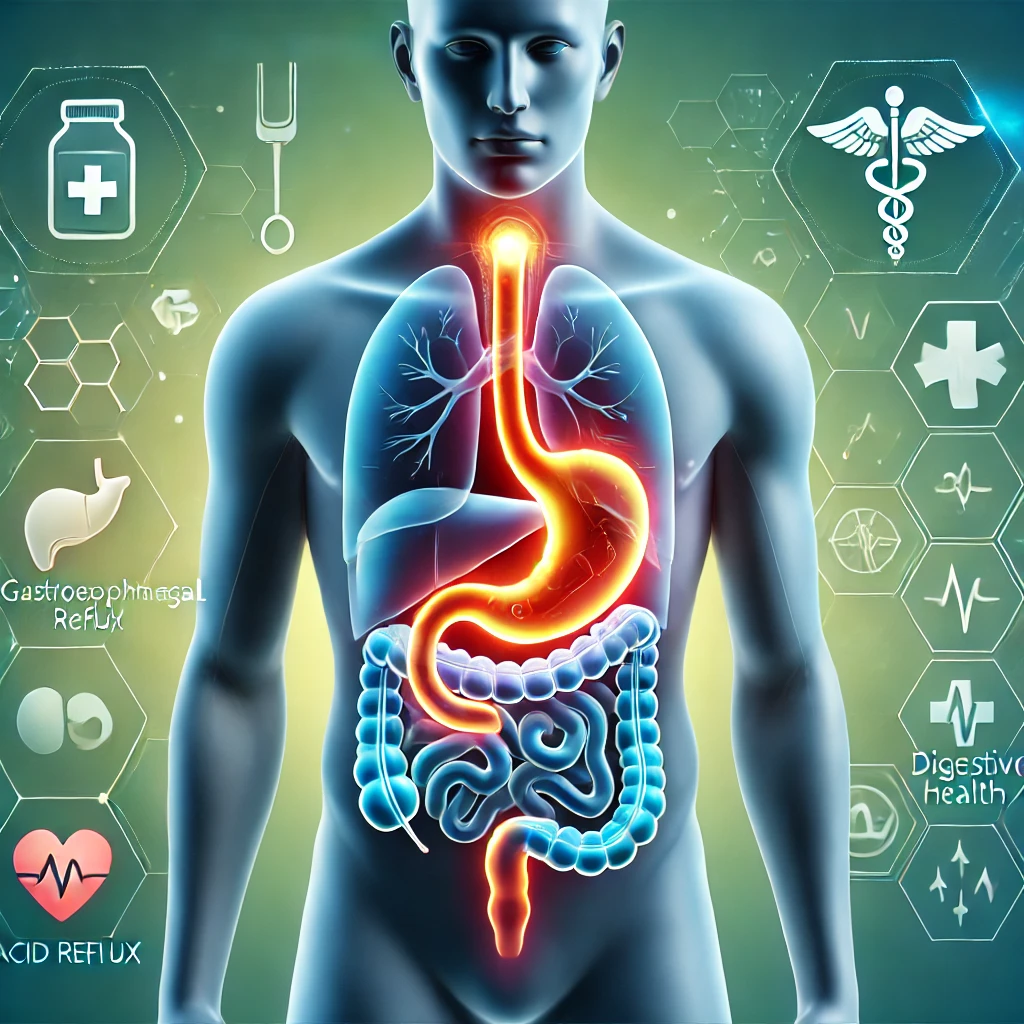
                  এটিকে “রিফ্লাক্স ইসোফাজাইটিস” নামেও পরিচিত। এটি পাকস্থলীর উপাদান নিম্ন ইসোফেগাসে ফিরে আসার কারণে ইসোফেগাসে জ্বালা এবং প্রদাহ সৃষ্টি করে। GERD একটি সাধারণ অবস্থা, যা নিয়মিতভাবে মার্কিন যুক্তরাষ্ট্রের প্রায় 20% জনসংখ্যাকে প্রভাবিত করে। এটি সবচেয়ে সাধারণ গ্যাস্ট্রোইনটেস্টাইনাল ডিসঅর্ডারগুলির মধ্যে একটি যা লক্ষণ সৃষ্টি করে এবং যার কারণে মানুষ নিয়মিতভাবে চিকিৎসকের কাছে যায়। এটি বোঝা আপনাকে এই রোগকে একটি গুরুতর সমস্যা হওয়া থেকে রক্ষা করতে সাহায্য করতে পারে। কারণ যদি এটি চিকিৎসা না করা হয়, তবে এটি ইসোফাজাইটিস (ইসোফেগাসের প্রদাহ), ইসোফেজিয়াল স্ট্রিকচার (ইসোফেগাসের সংকীর্ণতা), ব্যারেটের ইসোফেগাস (একটি প্রিক্যান্সারাস অবস্থা) এবং এমনকি ইসোফেজিয়াল ক্যান্সারের মতো গুরুতর জটিলতা সৃষ্টি করতে পারে। আমেরিকান কলেজ অফ গ্যাস্ট্রোএন্টেরোলজি অনুসারে, GERD-এর কার্যকর চিকিৎসা কেবল লক্ষণগুলি উপশম করে না বরং ইসোফেগাসের দীর্ঘমেয়াদী ক্ষতির ঝুঁকিও হ্রাস করে।

                  GERD কী?


                  এটি একটি দীর্ঘস্থায়ী অবস্থা যেখানে পাকস্থলীর অ্যাসিড ইসোফেগাসে ফিরে আসে। এটি মাঝে মাঝে হওয়া অ্যাসিড রিফ্লাক্সের সাথে প্রায়ই বিভ্রান্ত হয়, যা একটি সাধারণ অবস্থা যেখানে পাকস্থলীর অ্যাসিড ইসোফেগাসে ফিরে আসে এবং অস্থায়ী অস্বস্তি যেমন হার্টবার্ন বা রিগারজিটেশন সৃষ্টি করে। এটি সাধারণত নির্দিষ্ট খাবার, অতিরিক্ত খাওয়া বা খাবারের পরে শুয়ে পড়ার কারণে ট্রিগার হয়। এর তুলনায় GERD একটি দীর্ঘস্থায়ী অবস্থা যেখানে অ্যাসিড রিফ্লাক্স সপ্তাহে দুই বা তার বেশি বার ঘটে, যা ইসোফাজাইটিস বা ব্যারেটের ইসোফেগাসের মতো স্থায়ী লক্ষণ এবং জটিলতা সৃষ্টি করে।

                  নিম্ন ইসোফেজিয়াল স্ফিঙ্কটার (LES) অ্যাসিড রিফ্লাক্স প্রতিরোধে একটি অত্যন্ত গুরুত্বপূর্ণ ভূমিকা পালন করে। এটি সাধারণত ইসোফেগাস থেকে খাবার আসলে শিথিল হয় এবং পাকস্থলীতে খাবার পৌঁছানোর সাথে সাথে বন্ধ হয়ে যায়। কিন্তু GERD-এ হয় LES প্যাথলজিক্যালি শিথিল হয়ে যায় অথবা LES এতটাই অক্ষম হয়ে যায় যে এটি ইসোফেগাসে খাবার ফিরে যাওয়া বন্ধ করতে যথেষ্ট শক্ত হয় না।

                  GERD-এর লক্ষণ

                  সাধারণ লক্ষণ:
                  হার্টবার্ন এবং রিগারজিটেশন প্রধান লক্ষণ।
                  হার্টবার্ন (বুকের মধ্যে জ্বালাপোড়া) বাঁকানো, চাপ দেওয়া বা শুয়ে পড়ার কারণে উদ্দীপিত হয়।
                  “ওয়াটার ব্রাশ” – অ্যাসিড গলায় প্রবেশ করলে রিফ্লেক্স স্যালিভারি গ্ল্যান্ড স্টিমুলেশনের কারণে লালা বৃদ্ধি।
                  রিগারজিটেশন (মুখে টক বা তিক্ত স্বাদ)।
                  গিলতে অসুবিধা (ডিসফ্যাজিয়া)।

                  অতিরিক্ত লক্ষণ:
                  গলা ব্যথা বা গলা ভেঙে যাওয়া।
                  বুক ব্যথা (হৃদয় সম্পর্কিত ব্যথার মতো হতে পারে)।
                  ল্যারিনজাইটিস
                  দাঁতের ক্ষয়
                  পুনরাবৃত্ত বুকের সংক্রমণ
                  দীর্ঘস্থায়ী কাশি

                  ল্যারিঙ্গোফ্যারিঞ্জিয়াল রিফ্লাক্স (LPR) হল এক ধরনের অ্যাসিড রিফ্লাক্স যেখানে পাকস্থলীর অ্যাসিড গলা, ভয়েস বক্স (ল্যারিন্ক্স) বা এমনকি নাকের প্যাসেজে পিছনের দিকে প্রবাহিত হয়। এটি সাধারণত কোনও ক্লাসিক লক্ষণ দেখায় না, তবে এটি সাধারণত উপরের শ্বাসনালীকে প্রভাবিত করে, যা নির্ণয় করা কঠিন করে তোলে।

                  GERD-এর কারণ এবং ঝুঁকির কারণ

                  LES-এর দুর্বলতা বা অকার্যকারিতা।
                  জীবনযাত্রার কারণ:
                  স্থূলতা
                  ধূমপান
                  অ্যালকোহল সেবন
                  খারাপ খাদ্যাভ্যাস (মসলাযুক্ত, চর্বিযুক্ত বা অ্যাসিডিক খাবার)।

                  চিকিৎসা অবস্থা যা GERD সৃষ্টি করে:
                  হাইটাল হার্নিয়া
                  গর্ভাবস্থা
                  পাকস্থলীর খালি হতে দেরি (গ্যাস্ট্রোপেরেসিস)।

                  অচিকিৎসিত GERD-এর জটিলতা


                  ইসোফাজাইটিস (ইসোফেগাসের প্রদাহ)।
                  ইসোফেজিয়াল স্ট্রিকচার (ইসোফেগাসের সংকীর্ণতা)।
                  ব্যারেটের ইসোফেগাস (ইসোফেগাসের আস্তরণে প্রিক্যান্সারাস পরিবর্তন)।
                  ইসোফেজিয়াল ক্যান্সারের ঝুঁকি বৃদ্ধি।
                  আয়রন ঘাটতি অ্যানিমিয়া – (দীর্ঘস্থায়ী ইসোফাজাইটিস থেকে রক্তক্ষরণ)।

                  GERD-এর নির্ণয়

                  চিকিৎসা ইতিহাস এবং লক্ষণ মূল্যায়ন GERD নির্ণয়ের মূল ভিত্তি এবং বেশিরভাগ ক্ষেত্রে রোগীর কার্যকর ইতিহাস নেওয়া এবং পরীক্ষার মাধ্যমে নির্ণয় করা হয়।

                  ডায়াগনস্টিক টেস্ট:
                  যদি আমরা বলি যে এই টেস্টগুলি GERD নির্ণয়ের জন্য নয় বরং GERD নিশ্চিত করার জন্য, তবে এটি ভুল হবে না কারণ বেশিরভাগ রোগী ভাল ইতিহাস নেওয়া এবং মূল্যায়নের মাধ্যমে নির্ণয় করা হয়। নিম্নলিখিত টেস্টগুলি GERD নির্ণয় এবং নিশ্চিতকরণে ব্যবহৃত হয়:
                  এন্ডোস্কোপি
                  ইসোফেজিয়াল pH মনিটরিং
                  বেরিয়াম সোয়ালো
                  ইসোফেজিয়াল ম্যানোমেট্রি

                  রিফ্লাক্স টেস্টিং:
                  ওয়্যারলেস pH টেস্টিং আপনার ডাক্তারকে 48 ঘন্টা সময়কালে আপনার রিফ্লাক্স কার্যকলাপ মূল্যায়ন করতে দেয় যখন আপনি আপনার স্বাভাবিক ক্রিয়াকলাপ চালিয়ে যান। ওয়্যারলেস pH টেস্টিং করার জন্য দুটি পদ্ধতি রয়েছে:
                  ওয়্যারলেস pH টেস্টিং
                  24-ঘন্টা pH ইম্পিডেন্স

                  চিকিৎসা বিকল্প


                  জীবনযাত্রার পরিবর্তন:
                  জীবনযাত্রার পরিবর্তনের মাধ্যমে একজন GERD প্রতিরোধ এবং পরিচালনা করতে পারে। এখানে GERD পরিচালনার জন্য কিছু জীবনযাত্রার পরিবর্তন দেওয়া হল:
                  খাদ্যাভ্যাস পরিবর্তন, যেমন ট্রিগার খাবার এড়ানো, বড় অংশের পরিবর্তে ছোট অংশ খাওয়া।
                  স্থূলতা থাকলে ওজন কমানো গুরুত্বপূর্ণ কারণ পেটের অতিরিক্ত চর্বি পেটে অতিরিক্ত চাপ সৃষ্টি করে।
                  বিছানার মাথা উঁচু করা।
                  খাওয়ার পরে শুয়ে না পড়া।
                  ঘুমানোর কয়েক ঘন্টা আগে খাওয়া এড়ানো।

                  ওষুধ:
                  অ্যান্টাসিড (দ্রুত উপশমের জন্য)।
                  H2 ব্লকার (যেমন রানিটিডিন, ফ্যামোটিডিন)। এইগুলি প্যারিয়েটাল কোষে হিস্টামিনের ক্রিয়া ব্লক করে এবং অ্যাসিড স্রাব কমায়। এই ওষুধগুলি কেবল লক্ষণগুলি উপশম করে, ইসোফাজাইটিস নিরাময় করে না।
                  প্রোটন পাম্প ইনহিবিটর (PPIs) (যেমন ওমেপ্রাজল, ইসোমেপ্রাজল)। PPIs হল চিকিৎসার প্রথম পছন্দ। PPIs H+/K+ ATPase ব্লক করে গ্যাস্ট্রিক অ্যাসিড উৎপাদন কমায়। PPIs লক্ষণ এবং ইসোফাজাইটিস উভয়ই উপশম করে। পার্শ্বপ্রতিক্রিয়া = মাথাব্যথা, ডায়রিয়া, ক্লোস্ট্রিডিয়াম ডিফিসিল সংক্রমণের ঝুঁকি বৃদ্ধি।

                  সার্জিক্যাল চিকিৎসা:


                  সার্জারির সূচনা:
                  চিকিৎসা চিকিৎসা ব্যর্থতা
                  দীর্ঘমেয়াদী PPIs গ্রহণে অনিচ্ছা
                  গুরুতর রিগারজিটেশন
                  ব্যারেটের ইসোফেগাস

                  সার্জিক্যাল বিকল্প:
                  ফান্ডোপ্লিকেশন (পাকস্থলীর শীর্ষ অংশ LES-এর চারপাশে মোড়ানো)।
                  LINX ডিভাইস (LES শক্তিশালী করার জন্য চৌম্বকীয় রিং)।

                  কখন ডাক্তার দেখাবেন
                  স্থায়ী বা খারাপ হওয়া লক্ষণ।
                  গিলতে অসুবিধা বা গিলতে ব্যথা।
                  অব্যক্ত ওজন হ্রাস।
                  বুক ব্যথা যা হৃদয়ের অবস্থা নির্দেশ করতে পারে।

                  প্রশ্নোত্তর


                  GERD কি পিঠে ব্যথা সৃষ্টি করতে পারে?

                  হ্যাঁ, GERD কিছু ক্ষেত্রে পিঠে ব্যথা সৃষ্টি করতে পারে। ব্যথাটি প্রায়শই বুক থেকে উপরের পিঠে, সাধারণত কাঁধের ব্লেডের মধ্যে জ্বালাপোড়া বা অস্বস্তি হিসাবে বর্ণনা করা হয়।

                  GERD কি নিরাময় করা যায়?
                  GERD বেশিরভাগ ক্ষেত্রে সম্পূর্ণ নিরাময় করা যায় না, তবে জীবনযাত্রার পরিবর্তন, ওষুধ এবং কিছু ক্ষেত্রে সার্জারির মাধ্যমে এটি কার্যকরভাবে পরিচালনা করা যেতে পারে। যদিও লক্ষণগুলি প্রায়শই নিয়ন্ত্রণ করা যায়, জটিলতা প্রতিরোধ এবং জীবনমান বজায় রাখার জন্য সাধারণত দীর্ঘমেয়াদী পরিচালনার প্রয়োজন হয়।

                  GERD কি শ্বাসকষ্ট, বমি বমি ভাব বা বুক ব্যথা সৃষ্টি করতে পারে?
                  হ্যাঁ, GERD শ্বাসকষ্ট, বমি বমি ভাব এবং বুক ব্যথা সৃষ্টি করতে পারে।

                  GERD কিভাবে জীবনমান প্রভাবিত করে?
                  GERD ক্রনিক অস্বস্তি, ঘুমের ব্যাঘাত, খাদ্যতালিকাগত বিধিনিষেধ এবং মানসিক চাপ সৃষ্টি করে জীবনমানকে উল্লেখযোগ্যভাবে প্রভাবিত করে, যা প্রায়শই দৈনন্দিন ক্রিয়াকলাপ এবং উৎপাদনশীলতাকে প্রভাবিত করে। জীবনযাত্রার পরিবর্তন, ওষুধ বা সার্জারির মাধ্যমে কার্যকর পরিচালনা লক্ষণগুলি উপশম করতে এবং সামগ্রিক সুস্থতা উন্নত করতে সাহায্য করতে পারে।

                  GERD বনাম IBS?
                  GERD প্রাথমিকভাবে ইসোফেগাসকে প্রভাবিত করে, অ্যাসিড রিফ্লাক্সের কারণে হার্টবার্ন এবং রিগারজিটেশন সৃষ্টি করে, যখন IBS কোলনকে প্রভাবিত করে, পেটে ব্যথা, ফোলাভাব এবং মলত্যাগের অভ্যাস পরিবর্তন করে। উভয় অবস্থাই চাপ বা খাদ্য দ্বারা ট্রিগার হতে পারে তবে তাদের জন্য বিভিন্ন ডায়াগনস্টিক পদ্ধতি এবং চিকিৎসার প্রয়োজন।

                  GERD বনাম পেপটিক আলসার?
                  GERD ইসোফেগাসকে প্রভাবিত করে, অ্যাসিড রিফ্লাক্সের কারণে হার্টবার্ন এবং রিগারজিটেশন সৃষ্টি করে, যখন পেপটিক আলসার পাকস্থলী বা ডুওডেনামে ঘা সৃষ্টি করে, যা স্থানীয় পেটে ব্যথা এবং বমি বমি ভাব সৃষ্টি করে। GERD সাধারণত একটি দুর্বল LES-এর কারণে হয়, যেখানে পেপটিক আলসার সাধারণত H. pylori সংক্রমণ বা NSAID ব্যবহারের কারণে হয়।

                  https://youtu.be/f28wm-DubrM
                  Posted on Leave a comment

                  गैस्ट्रोएसोफेजियल रिफ्लक्स डिजीज (GERD): कारण, लक्षण और प्रभावी प्रबंधन रणनीतियों को समझना

                  परिचय


                  इसे “रिफ्लक्स एसोफैगाइटिस” के रूप में भी जाना जाता है। यह पेट की सामग्री के निचले अन्नप्रणाली (एसोफैगस) में वापस आने को संदर्भित करता है, जिससे अन्नप्रणाली में जलन और सूजन होती है। जीईआरडी (GERD) एक सामान्य स्थिति है, जो नियमित रूप से लगभग 20% अमेरिकी आबादी को प्रभावित करती है। यह सबसे आम गैस्ट्रोइंटेस्टाइनल विकारों में से एक है जो लक्षण पैदा करता है और जिसके कारण लोग नियमित रूप से चिकित्सकों के पास जाते हैं। इसलिए, इसे समझना आपको इस बीमारी को गंभीर समस्या बनने से रोकने में मदद कर सकता है। यदि इसका इलाज न किया जाए, तो यह गंभीर जटिलताएं पैदा कर सकता है, जैसे एसोफैगाइटिस (अन्नप्रणाली की सूजन), एसोफेजियल स्ट्रिक्चर (अन्नप्रणाली का संकुचन), बैरेट्स एसोफैगस (एक प्रीकैंसरस स्थिति), और यहां तक कि एसोफेजियल कैंसर भी। अमेरिकन कॉलेज ऑफ गैस्ट्रोएंटरोलॉजी के अनुसार, जीईआरडी का प्रभावी उपचार न केवल लक्षणों को कम करता है बल्कि अन्नप्रणाली को दीर्घकालिक नुकसान के जोखिम को भी कम करता है।

                  जीईआरडी क्या है?

                  यह एक पुरानी स्थिति है जिसमें पेट का एसिड अन्नप्रणाली में वापस आ जाता है। इसे अक्सर सामयिक एसिड रिफ्लक्स के साथ भ्रमित किया जाता है, जो एक सामान्य स्थिति है जहां पेट का एसिड अन्नप्रणाली में वापस आता है, जिससे अस्थायी असुविधा जैसे सीने में जलन या उल्टी जैसा महसूस होता है। यह अक्सर कुछ खाद्य पदार्थों, अधिक खाने या भोजन के बाद लेटने से ट्रिगर होता है। इसकी तुलना में, जीईआरडी एक पुरानी स्थिति है जहां एसिड रिफ्लक्स सप्ताह में दो या अधिक बार होता है, जिससे लगातार लक्षण और जटिलताएं जैसे एसोफैगाइटिस या बैरेट्स एसोफैगस हो सकते हैं।

                  निचला एसोफेजियल स्फिंक्टर (LES) एसिड रिफ्लक्स को अन्नप्रणाली में वापस जाने से रोकने में बहुत महत्वपूर्ण भूमिका निभाता है। यह आमतौर पर तब आराम करता है जब अन्नप्रणाली से भोजन आता है और जैसे ही भोजन पेट में पहुंचता है, यह बंद हो जाता है। लेकिन जीईआरडी में या तो निचले एसोफेजियल स्फिंक्टर (LES) का रोग संबंधी अस्थायी आराम होता है या निचला एसोफेजियल स्फिंक्टर इतना अक्षम हो जाता है कि वह भोजन को अन्नप्रणाली में वापस जाने से रोकने के लिए पर्याप्त रूप से कस नहीं पाता है।

                  जीईआरडी के लक्षण


                  सामान्य लक्षण:

                  • सीने में जलन और उल्टी जैसा महसूस होना मुख्य लक्षण हैं।
                  • सीने में जलन (छाती में जलन का एहसास) झुकने, तनाव या लेटने से उत्तेजित होती है।
                  • “वॉटर ब्रश” – एसिड के अन्नप्रणाली में प्रवेश करने पर लार ग्रंथि की प्रतिक्रिया के कारण लार का अधिक स्राव।
                  • उल्टी जैसा महसूस होना (मुंह में खट्टा या कड़वा स्वाद)।
                  • निगलने में कठिनाई (डिस्फेजिया)।

                  अतिरिक्त-अन्नप्रणालीय लक्षण:

                  • गला बैठना या गले में खराश।
                  • सीने में दर्द (दिल से संबंधित दर्द की नकल कर सकता है)।
                  • लैरिंजाइटिस।
                  • दांतों का क्षरण।
                  • बार-बार छाती में संक्रमण।
                  • पुरानी खांसी।

                  लैरिंगोफेरिंजियल रिफ्लक्स (LPR) एक प्रकार का एसिड रिफ्लक्स है जिसमें पेट का एसिड गले, वॉयस बॉक्स (लैरिंक्स), या यहां तक कि नाक के मार्ग में वापस आता है। इसमें कोई क्लासिक लक्षण नहीं दिखाई देते हैं, लेकिन यह आमतौर पर ऊपरी वायुमार्ग को प्रभावित करता है, जिससे इसका निदान करना मुश्किल हो जाता है।

                  जीईआरडी के कारण और जोखिम कारक

                  • निचले एसोफेजियल स्फिंक्टर (LES) की कमजोरी या खराबी।
                  • जीवनशैली कारक:
                    • मोटापा।
                    • धूम्रपान।
                    • शराब का सेवन।
                    • अस्वास्थ्यकर आहार (मसालेदार, वसायुक्त या अम्लीय खाद्य पदार्थ)।
                  • चिकित्सीय स्थितियां:
                    • हायटल हर्निया।
                    • गर्भावस्था।
                    • पेट का खाली होने में देरी (गैस्ट्रोपेरिसिस)।

                  अनुपचारित जीईआरडी की जटिलताएं

                  • एसोफैगाइटिस (अन्नप्रणाली की सूजन)।
                  • एसोफेजियल स्ट्रिक्चर (अन्नप्रणाली का संकुचन)।
                  • बैरेट्स एसोफैगस (अन्नप्रणाली की परत में प्रीकैंसरस परिवर्तन)।
                  • एसोफेजियल कैंसर का खतरा बढ़ना।
                  • आयरन की कमी से एनीमिया (लंबे समय तक एसोफैगाइटिस से रक्तस्राव)।

                  जीईआरडी का निदान

                  • चिकित्सा इतिहास और लक्षण मूल्यांकन जीईआरडी के निदान में मुख्य आधार हैं, और अधिकांश मामलों का निदान प्रभावी इतिहास लेने और रोगी की जांच के साथ किया जाता है।
                  • नैदानिक परीक्षण:
                    • एंडोस्कोपी।
                    • एसोफेजियल पीएच मॉनिटरिंग।
                    • बेरियम स्वैलो।
                    • एसोफेजियल मैनोमेट्री।
                  • रिफ्लक्स टेस्टिंग:
                    • वायरलेस पीएच टेस्टिंग।
                    • 24-घंटे पीएच इम्पीडेंस।

                  उपचार विकल्प

                  • जीवनशैली में बदलाव:
                    • आहार में बदलाव (ट्रिगर खाद्य पदार्थों से बचें, छोटे हिस्से में भोजन करें)।
                    • वजन घटाना (मोटापे के मामले में)।
                    • बिस्तर के सिर को ऊंचा करें।
                    • खाने के बाद लेटने से बचें।
                    • सोने से कुछ घंटे पहले खाने से बचें।
                  • दवाएं:
                    • एंटासिड्स (त्वरित राहत के लिए)।
                    • एच2 ब्लॉकर्स (जैसे रैनिटिडाइन, फैमोटिडाइन)।
                    • प्रोटॉन पंप इनहिबिटर्स (PPIs) (जैसे ओमेप्राज़ोल, एसोमेप्राज़ोल)।
                  • सर्जिकल उपचार:
                    • फंडोप्लिकेशन (पेट के ऊपरी हिस्से को LES के चारों ओर लपेटना)।
                    • LINX डिवाइस (LES को मजबूत करने के लिए चुंबकीय रिंग)।

                  डॉक्टर से कब संपर्क करें

                  • लगातार या बिगड़ते लक्षण।
                  • निगलने में कठिनाई या दर्द।
                  • बिना कारण वजन घटना।
                  • सीने में दर्द जो हृदय संबंधी स्थिति का संकेत हो सकता है।

                  अक्सर पूछे जाने वाले प्रश्न

                  • क्या जीईआरडी से पीठ दर्द हो सकता है?
                    हां, जीईआरडी कुछ मामलों में पीठ दर्द का कारण बन सकता है। दर्द को अक्सर छाती से ऊपरी पीठ तक फैलने वाली जलन या बेचैनी के रूप में वर्णित किया जाता है।
                  • क्या जीईआरडी को ठीक किया जा सकता है?
                    जीईआरडी को अधिकांश मामलों में पूरी तरह से ठीक नहीं किया जा सकता है, लेकिन इसे जीवनशैली में बदलाव, दवाओं और कुछ मामलों में सर्जरी के साथ प्रभावी ढंग से प्रबंधित किया जा सकता है।
                  • क्या जीईआरडी से सांस लेने में तकलीफ, मतली या सीने में दर्द हो सकता है?
                    हां, जीईआरडी से सांस लेने में तकलीफ, मतली और सीने में दर्द हो सकता है।
                  • जीईआरडी जीवन की गुणवत्ता को कैसे प्रभावित करता है?
                    जीईआरडी जीवन की गुणवत्ता को महत्वपूर्ण रूप से प्रभावित करता है, जिससे पुरानी बेचैनी, नींद में खलल, आहार संबंधी प्रतिबंध और भावनात्मक तनाव होता है।
                  • जीईआरडी बनाम आईबीएस?
                    जीईआरडी मुख्य रूप से अन्नप्रणाली को प्रभावित करता है, जबकि आईबीएस कोलोन को प्रभावित करता है।
                  • जीईआरडी बनाम पेप्टिक अल्सर?
                    जीईआरडी अन्नप्रणाली को प्रभावित करता है, जबकि पेप्टिक अल्सर पेट या डुओडेनम में घाव होते हैं।
                  https://youtu.be/f28wm-DubrM
                  Posted on 3 Comments

                  Régime alimentaire pour la maladie ulcéreuse peptique : ce qu’il faut manger et éviter

                  Introduction

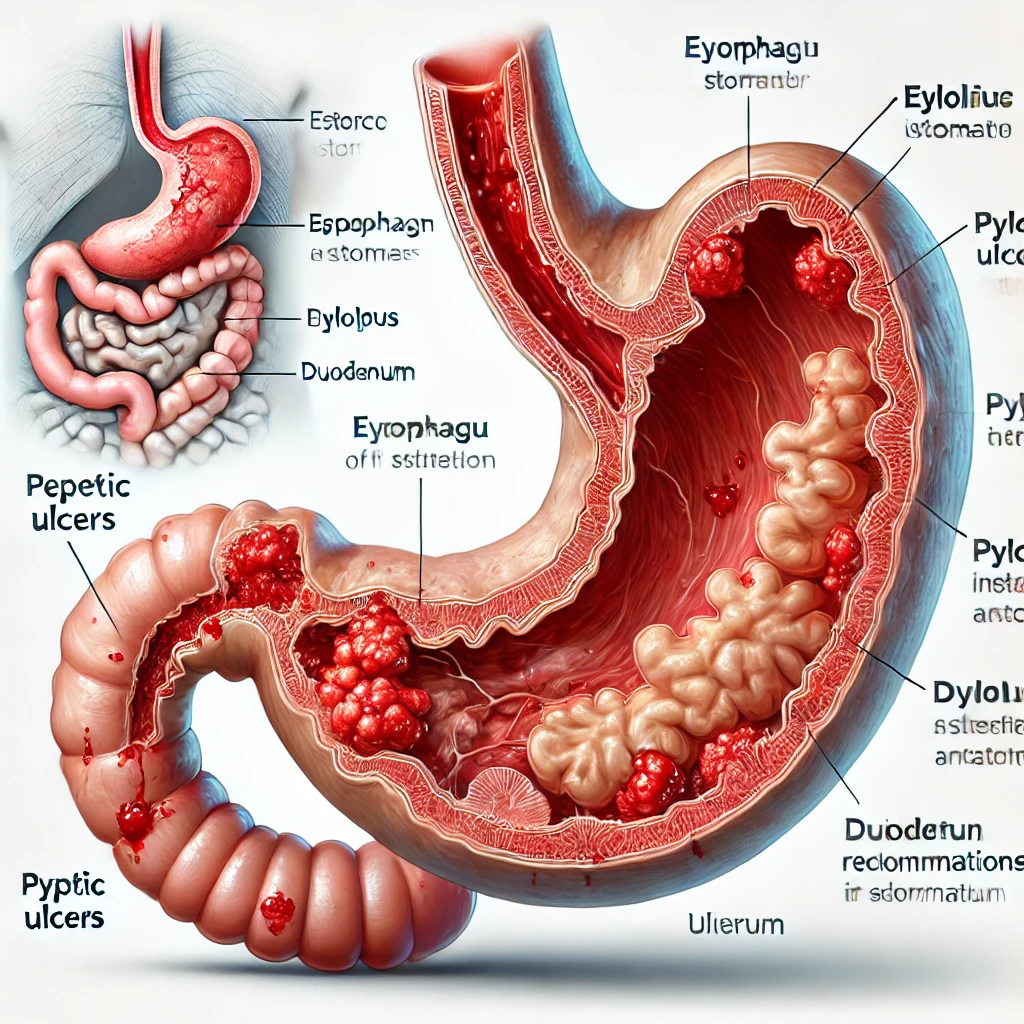
                  La maladie de l’ulcère peptique (PUD) se caractérise par la formation d’ulcères qui se produisent dans n’importe quelle partie du tractus gastro-intestinal (GIT). Elle est causée par l’action des sécrétions gastriques et une altération des défenses de la muqueuse. Elle se manifeste par des plaies douloureuses dans la paroi de l’estomac ou de l’intestin grêle. Les médicaments aident sans aucun doute à guérir les ulcères peptiques, mais les aliments que vous consommez jouent un rôle crucial dans l’amélioration ou l’aggravation des symptômes des ulcères peptiques. Il est donc essentiel de comprendre ce que vous mettez dans votre assiette. Que vous cherchiez à apaiser l’irritation, à favoriser la guérison ou à prévenir de futures poussées, faire les bons choix alimentaires est toujours important.

                  Localisations :

                  • Duodénum = première partie du duodénum (la plus courante)
                  • Estomac = petite courbure dans l’antre (la plus courante)
                  • Jonction gastro-œsophagienne
                  • À l’intérieur ou à proximité d’un diverticule de Meckel iléal.

                  Aliments à consommer :

                  1. Aliments riches en fibres :
                    Un régime riche en fibres améliore la digestion et soulage la constipation, ce qui réduit la pression sur l’estomac et diminue l’irritation gastrique. Les aliments riches en fibres comprennent les céréales complètes, les fruits et les légumes.
                  2. Probiotiques :
                    Les probiotiques aident à développer les bactéries intestinales bénéfiques, ce qui améliore la santé globale de l’intestin et aide à combattre Helicobacter Pylori (H. Pylori), une cause très fréquente des ulcères peptiques. Les aliments riches en probiotiques comprennent le yaourt, le kéfir et les aliments fermentés.
                  3. Protéines maigres :
                    Les protéines maigres sont faciles à digérer et fournissent des nutriments essentiels qui aident à réparer et à guérir la paroi de l’estomac. Les aliments riches en protéines maigres comprennent le poulet, le poisson et les protéines végétales.
                  4. Graisses saines :
                    Les graisses saines aident à réduire l’inflammation de la paroi de l’estomac et fournissent une énergie durable sans provoquer de reflux du contenu gastrique dans l’œsophage. Les aliments riches en graisses saines comprennent les avocats, les noix et l’huile d’olive.
                  5. Aliments cicatrisants :
                    Différents aliments cicatrisants agissent de différentes manières et aident à lutter contre la maladie de l’ulcère peptique. Le miel est un antibactérien qui combat H. pylori et favorise la cicatrisation. Certains aliments sont riches en glutamine, ce qui aide à réparer la paroi de l’estomac. D’autres (par exemple, la banane) sont riches en antioxydants qui neutralisent l’acide gastrique et protègent l’estomac pendant la réparation, tandis que l’aloe vera apaise l’inflammation et favorise la guérison du tube digestif.
                  6. Fruits non acides :
                    Ils sont pauvres en acide et doux pour l’estomac, fournissant des vitamines et des minéraux essentiels sans provoquer d’irritation. Les fruits non acides recommandés dans le régime pour la maladie de l’ulcère peptique comprennent les melons.

                  Aliments à éviter :

                  1. Aliments acides :
                    Ces aliments augmentent la production d’acide dans l’estomac, ce qui irrite les ulcères et provoque une sensation de brûlure. Exemples : agrumes (oranges, citrons, pamplemousses), tomates et produits à base de vinaigre.
                  2. Aliments épicés :
                    Les aliments épicés augmentent l’inflammation de la paroi de l’estomac, ce qui rend la guérison des ulcères plus difficile. Le contact direct des épices provoque également une irritation et une sensation de brûlure intense. Exemples : piments, sauces piquantes et plats très épicés.
                  3. Boissons caféinées :
                    La caféine stimule la production d’acide dans l’estomac, ce qui aggrave les ulcères et augmente la douleur. Exemples : café, thé, boissons énergisantes et sodas.
                  4. Boissons gazeuses :
                    Ces boissons contiennent des bulles qui, une fois dans l’estomac, se dilatent, augmentant la pression et provoquant des ballonnements et de l’inconfort. Exemples : sodas, eau pétillante et boissons gazeuses.
                  5. Aliments frits et gras :
                    Les aliments riches en graisses sont difficiles à digérer et restent plus longtemps dans l’estomac, ce qui augmente la production d’acide et provoque une irritation. Exemples : frites, poulet frit, pizza et snacks transformés.
                  6. Glucides raffinés :
                    Les glucides raffinés provoquent des pics de sucre, ce qui entraîne une inflammation et ralentit le processus de guérison. Exemples : pain blanc, pâtisseries et snacks sucrés.

                  Conclusion :


                  Plus de 10 % de la population est confrontée à la maladie de l’ulcère peptique à un moment donné de sa vie. Gérer cette maladie n’est pas difficile si vous faites attention à ce que vous mangez. En privilégiant les aliments cicatrisants et en évitant les aliments déclencheurs, vous pouvez contrôler les symptômes et récupérer rapidement.

                  De petits changements dans votre routine quotidienne peuvent faire une grande différence. Consultez toujours un médecin en cas de symptômes inhabituels. Consultez un diététicien pour obtenir des conseils sur l’alimentation. Prenez soin de votre estomac, et il prendra soin de vous !

                  FAQ :

                  1. Puis-je boire du lait si j’ai un ulcère peptique ?
                    Oui, vous pouvez en boire car il apaise la muqueuse gastrique, mais si vous en consommez en grande quantité, cela augmentera la production d’acide dans l’estomac, ce qui n’est pas bon pour votre ulcère.
                  2. Est-il acceptable de manger des aliments épicés si j’ai un ulcère peptique ?
                    Non, ce n’est pas recommandé car ils augmentent l’inflammation de la paroi de l’estomac, ce qui rend la guérison de l’ulcère plus difficile. Le contact direct des épices provoque également une irritation et une sensation de brûlure intense.
                  3. Quels aliments aident à guérir les ulcères peptiques ?
                    Les aliments qui favorisent la guérison sont les aliments riches en fibres, les probiotiques, les protéines maigres et les aliments cicatrisants.
                  4. Le stress peut-il causer des ulcères peptiques ?
                    Bien que le stress ne cause pas directement des ulcères, il peut aggraver les symptômes et retarder la guérison.
                  5. Y a-t-il des aliments que je dois complètement éviter avec un ulcère peptique ?
                    Oui, évitez les aliments acides, les boissons caféinées, l’alcool, les boissons gazeuses, les aliments frits et gras.

                  Remedy Talks. (n.d.). পেপটিক আলসার রোগের ডায়েট: কী খাবেন এবং কী এড়িয়ে চলবেন [Diet for peptic ulcer disease: What to eat and avoid]. Retrieved from https://remedytalks.com/%e0%a6%aa%e0%a7%87%e0%a6%aa%e0%a6%9f%e0%a6%bf%e0%a6%95-%e0%a6%86%e0%a6%b2%e0%a6%b8%e0%a6%be%e0%a6%b0-%e0%a6%b0%e0%a7%8b%e0%a6%97%e0%a7%87%e0%a6%b0-%e0%a6%a1%e0%a6%be%e0%a6%af%e0%a6%bc%e0%a7%87/

                  Remedy Talks. (n.d.). پیپٹک السر کی بیماری کا غذا: کیا کھائیں اور کیا نہ کھائیں [Diet for peptic ulcer disease: What to eat and avoid]. Retrieved from https://remedytalks.com/%d9%be%db%8c%d9%be%d9%b9%da%a9-%d8%a7%d9%84%d8%b3%d8%b1-%da%a9%db%8c-%d8%a8%db%8c%d9%85%d8%a7%d8%b1%db%8c-%da%a9%d8%a7-%d8%ba%d8%b0%d8%a7-%da%a9%db%8c%d8%a7-%da%a9%da%be%d8%a7%d8%a6%db%8c%da%ba/

                  Remedy Talks. (n.d.). पेप्टिक अल्सर रोग आहार: क्या खाएं और क्या न खाएं [Diet for peptic ulcer disease: What to eat and avoid]. Retrieved from https://remedytalks.com/%e0%a4%aa%e0%a5%87%e0%a4%aa%e0%a5%8d%e0%a4%9f%e0%a4%bf%e0%a4%95-%e0%a4%85%e0%a4%b2%e0%a5%8d%e0%a4%b8%e0%a4%b0-%e0%a4%b0%e0%a5%8b%e0%a4%97-%e0%a4%86%e0%a4%b9%e0%a4%be%e0%a4%b0-%e0%a4%95%e0%a5%8d/

                  Remedy Talks. (n.d.). Peptic ulcer disease diet: Foods to eat and avoid. Retrieved from https://remedytalks.com/peptic-ulcer-disease-diet-foods-to-eat-and-avoid/

                  Posted on Leave a comment

                  پیپٹک السر کی بیماری کا غذا: کیا کھائیں اور کیا نہ کھائیں

                  تعارف


                  پیپٹک السر کی بیماری (PUD) گیسٹروائنٹسٹنل ٹریکٹ (GIT) کے کسی بھی حصے میں السر بننے کی خصوصیت رکھتی ہے۔ یہ گیسٹرک رطوبتوں اور خراب ہونے والے میوکوسل دفاعی نظام کی کارروائی کی وجہ سے ہوتا ہے۔ اس میں معدے کی پرت یا چھوٹی آنت میں دردناک زخم بن جاتے ہیں۔ دوائیں بلاشبہ پیپٹک السر کو ٹھیک کرنے میں مدد دیتی ہیں، لیکن آپ جو کھانا کھاتے ہیں، وہ السر کی علامات کو بڑھانے یا کم کرنے میں اہم کردار ادا کرتا ہے۔ اس لیے، یہ سمجھنا ضروری ہے کہ آپ کی پلیٹ میں کیا ہے۔ چاہے آپ جلن کو کم کرنا چاہتے ہوں، زخم بھرنے کو تیز کرنا چاہتے ہوں، یا مستقبل میں ہونے والی پریشانیوں سے بچنا چاہتے ہوں، صحیح غذا کا انتخاب ہمیشہ اہم ہوتا ہے۔

                  مقامات:

                  • ڈوڈینم (ڈوڈینم کا پہلا حصہ، سب سے عام)
                  • معدہ = اینٹرم کے اندر چھوٹا خم (سب سے عام)
                  • گیسٹروایسوفیجل جنکشن
                  • ایلیئل میکیل ڈائیورٹیکولم کے اندر یا اس کے آس پاس۔

                  کھانے کے قابل کھانے

                  1. ہائی فائبر والی غذائیں:
                    ہائی فائبر والی غذائیں ہاضمے کو بہتر کرتی ہیں اور قبض کو کم کرتی ہیں، جس سے معدے پر دباؤ کم ہوتا ہے اور معدے میں جلن کم ہوتی ہے۔ ہائی فائبر والی غذاؤں میں سارا اناج، پھل اور سبزیاں شامل ہیں۔
                  2. پروبائیوٹکس:
                    پروبائیوٹکس آنت کے دوستانہ بیکٹیریا کو بڑھانے میں مدد دیتے ہیں، جو آنت کی صحت کو بہتر کرتے ہیں اور ہیلیکوبیکٹر پائلوری (H. Pylori) کے خلاف لڑنے میں مدد دیتے ہیں، جو پیپٹک السر کی ایک عام وجہ ہے۔ پروبائیوٹکس والی غذاؤں میں دہی، کیفر اور خمیر شدہ غذائیں شامل ہیں۔
                  3. لین پروٹین:
                    لین پروٹین ہضم کرنا آسان ہوتا ہے اور یہ ضروری غذائی اجزاء فراہم کرتا ہے جو معدے کی پرت کی مرمت اور علاج میں مدد دیتے ہیں۔ لین پروٹین والی غذاؤں میں چکن، مچھلی اور پلانٹ بیسڈ پروٹین شامل ہیں۔
                  4. صحت مند چکنائیاں:
                    صحت مند چکنائیاں معدے کی پرت کی سوزش کو کم کرتی ہیں اور مستحکم توانائی فراہم کرتی ہیں، جس سے ایسوفیگس میں معدے کے مواد کا ریفلوکس نہیں ہوتا۔ پیپٹک السر ڈائٹ میں صحت مند چکنائیوں والی غذاؤں میں ایوکاڈو، گری دار میوے اور زیتون کا تیل شامل ہیں۔
                  5. زخم بھرنے والی غذائیں:
                    مختلف زخم بھرنے والی غذائیں مختلف طریقوں سے کام کرتی ہیں اور پیپٹک السر کی بیماری میں مدد دیتی ہیں۔ شہد ایک اینٹی بیکٹیریل ہے جو H. pylori کے خلاف لڑتا ہے اور زخم بھرنے کو تیز کرتا ہے۔ کچھ غذائیں گلوٹامائن سے بھرپور ہوتی ہیں جو معدے کی پرت کی مرمت میں مدد دیتی ہیں۔ کچھ (جیسے کیلے) اینٹی آکسیڈنٹس سے بھرپور ہوتے ہیں جو معدے کے تیزاب کو غیر موثر کرتے ہیں اور معدے کی حفاظت فراہم کرتے ہیں، جبکہ ایلوویرا سوزش کو کم کرتا ہے اور نظام ہاضمہ کے علاج کو تیز کرتا ہے۔
                  6. نون-سٹرس پھل:
                    یہ کم تیزاب والے ہوتے ہیں اور معدے کے لیے نرم ہوتے ہیں، جو ضروری وٹامنز اور معدنیات فراہم کرتے ہیں بغیر جلن پیدا کیے۔ پیپٹک السر ڈائٹ میں نون-سٹرس پھلوں میں تربوز شامل ہیں۔

                  جن کھانوں سے پرہیز کریں

                  1. تیزاب والی غذائیں:
                    یہ غذائیں معدے میں تیزاب کی پیداوار بڑھاتی ہیں، جو السر کو پریشان کرتی ہیں اور معدے میں جلن پیدا کرتی ہیں۔ مثال: سٹرس پھل (مالٹا، لیموں، گریپ فروٹ)، ٹماٹر اور سرکہ والی مصنوعات۔
                  2. مسالہ دار کھانے:
                    مسالہ دار کھانے معدے کی پرت کی سوزش کو بڑھاتے ہیں، جو السر کے علاج کو مشکل بنا دیتے ہیں۔ مسالوں کے براہ راست رابطے سے جلن اور شدید جلن کا احساس ہوتا ہے۔ مثال: مرچ، گرم چٹنی اور زیادہ مسالہ دار کھانے۔
                  3. کیفین والے مشروبات:
                    کیفین معدے میں تیزاب کی پیداوار کو بڑھاتا ہے، جو السر کو بڑھاتا ہے اور درد کو بڑھاتا ہے۔ مثال: کافی، چائے، انرجی ڈرنکس اور سوڈا۔
                  4. کاربونیٹڈ مشروبات:
                    یہ مشروبات بلبلوں والے ہوتے ہیں، اور جب یہ بلبلے معدے میں جاتے ہیں، تو پھیلتے ہیں، جس سے دباؤ بڑھتا ہے اور پیٹ پھولنے اور بے چینی ہوتی ہے۔ مثال: سوڈا، سپارکلنگ واٹر اور فزی ڈرنکس۔
                  5. تلے ہوئے اور چکنائی والے کھانے:
                    زیادہ چکنائی والے کھانے ہضم کرنا مشکل ہوتے ہیں، اس لیے یہ معدے میں زیادہ دیر تک رہتے ہیں، جس سے تیزاب کی پیداوار بڑھتی ہے اور جلن ہوتی ہے۔ مثال: فرنچ فرائز، تلے ہوئے چکن، پیزا اور پروسیسڈ اسنیکس۔
                  6. ریفائنڈ کاربوہائیڈریٹس:
                    ریفائنڈ کاربوہائیڈریٹس شوگر کی سطح بڑھاتے ہیں، جو سوزش پیدا کرتے ہیں اور علاج کے عمل کو سست کر دیتے ہیں۔ مثال: سفید روٹی، پیسٹری اور میٹھے اسنیکس۔

                  اختتام


                  دنیا کی 10% سے زیادہ آبادی اپنی زندگی کے کسی نہ کسی مرحلے پر پیپٹک السر کی بیماری کا سامنا کرتی ہے۔ اس بیماری کو منظم کرنا مشکل نہیں ہے، بشرطیکہ آپ اپنی غذا پر توجہ دیں۔ زخم بھرنے والی غذاؤں کو ترجیح دے کر اور ٹرگر کھانوں سے بچ کر آپ علامات کو کنٹرول کر سکتے ہیں اور کم وقت میں صحت یاب ہو سکتے ہیں۔

                  آپ کی روزمرہ کی روٹین میں چھوٹی تبدیلیاں بڑا فرق لا سکتی ہیں۔ کسی بھی غیر معمولی علامت کی صورت میں ہمیشہ ڈاکٹر سے مشورہ کریں۔ غذا سے متعلق رہنمائی کے لیے ایک غذائی ماہر سے مشورہ کریں۔ اپنے معدے کا خیال رکھیں، اور یہ آپ کا خیال رکھے گا!

                  اکثر پوچھے گئے سوالات (FAQ):

                  1. کیا میں پیپٹک السر کے ساتھ دودھ پی سکتا ہوں؟
                    ہاں، آپ پی سکتے ہیں کیونکہ یہ معدے کے میوکوسا کو پرسکون کرتا ہے، لیکن اگر آپ زیادہ مقدار میں دودھ پیتے ہیں، تو یہ معدے میں تیزاب کی پیداوار بڑھائے گا، جو آپ کے لیے اچھا نہیں ہے۔
                  2. کیا پیپٹک السر ہونے پر مسالہ دار کھانا کھانا ٹھیک ہے؟
                    نہیں، یہ ٹھیک نہیں ہے کیونکہ یہ معدے کی پرت کی سوزش کو بڑھاتے ہیں، جو السر کے علاج کو مشکل بنا دیتے ہیں۔ مسالوں کے براہ راست رابطے سے جلن اور شدید جلن کا احساس ہوتا ہے۔
                  3. کون سی غذائیں پیپٹک السر کو ٹھیک کرنے میں مدد دیتی ہیں؟
                    ہائی فائبر والی غذائیں، پروبائیوٹکس، لیں پروٹین اور زخم بھرنے والی غذائیں مدد دیتی ہیں۔
                  4. کیا تناؤ پیپٹک السر کا سبب بن سکتا ہے؟
                    اگرچہ تناؤ براہ راست السر کا سبب نہیں بنتا، لیکن یہ علامات کو بڑھا سکتا ہے اور علاج کو سست کر سکتا ہے۔
                  5. کیا پیپٹک السر کے ساتھ کچھ کھانوں سے مکمل پرہیز کرنا چاہیے؟
                    ہاں، تیزاب والی غذائیں، کیفین والے مشروبات، الکحل اور کاربونیٹڈ مشروبات، تلے ہوئے اور چکنائی والے کھانوں سے پرہیز کریں۔

                  Remedy Talks. (n.d.). Régime alimentaire pour la maladie ulcéreuse peptique: Ce qu’il faut manger et éviter [Diet for peptic ulcer disease: What to eat and avoid]. Retrieved from https://remedytalks.com/regime-alimentaire-pour-la-maladie-ulcereuse-peptique-ce-quil-faut-manger-et-eviter/

                  Remedy Talks. (n.d.). পেপটিক আলসার রোগের ডায়েট: কী খাবেন এবং কী এড়িয়ে চলবেন [Diet for peptic ulcer disease: What to eat and avoid]. Retrieved from https://remedytalks.com/%e0%a6%aa%e0%a7%87%e0%a6%aa%e0%a6%9f%e0%a6%bf%e0%a6%95-%e0%a6%86%e0%a6%b2%e0%a6%b8%e0%a6%be%e0%a6%b0-%e0%a6%b0%e0%a7%8b%e0%a6%97%e0%a7%87%e0%a6%b0-%e0%a6%a1%e0%a6%be%e0%a6%af%e0%a6%bc%e0%a7%87/

                  Remedy Talks. (n.d.). पेप्टिक अल्सर रोग आहार: क्या खाएं और क्या न खाएं [Diet for peptic ulcer disease: What to eat and avoid]. Retrieved from https://remedytalks.com/%e0%a4%aa%e0%a5%87%e0%a4%aa%e0%a5%8d%e0%a4%9f%e0%a4%bf%e0%a4%95-%e0%a4%85%e0%a4%b2%e0%a5%8d%e0%a4%b8%e0%a4%b0-%e0%a4%b0%e0%a5%8b%e0%a4%97-%e0%a4%86%e0%a4%b9%e0%a4%be%e0%a4%b0-%e0%a4%95%e0%a5%8d/

                  Remedy Talks. (n.d.). Peptic ulcer disease diet: Foods to eat and avoid. Retrieved from https://remedytalks.com/peptic-ulcer-disease-diet-foods-to-eat-and-avoid/