Posted on Leave a comment

Indus Waters Treaty Crisis: Legal Risks and Regional Fallout


India’s suspension of the Indus Waters Treaty raises legal red flags and regional concerns. Explore its implications under international law and treaty obligations.


Indus Waters Treaty Crisis: Legal Risks and Regional Fallout

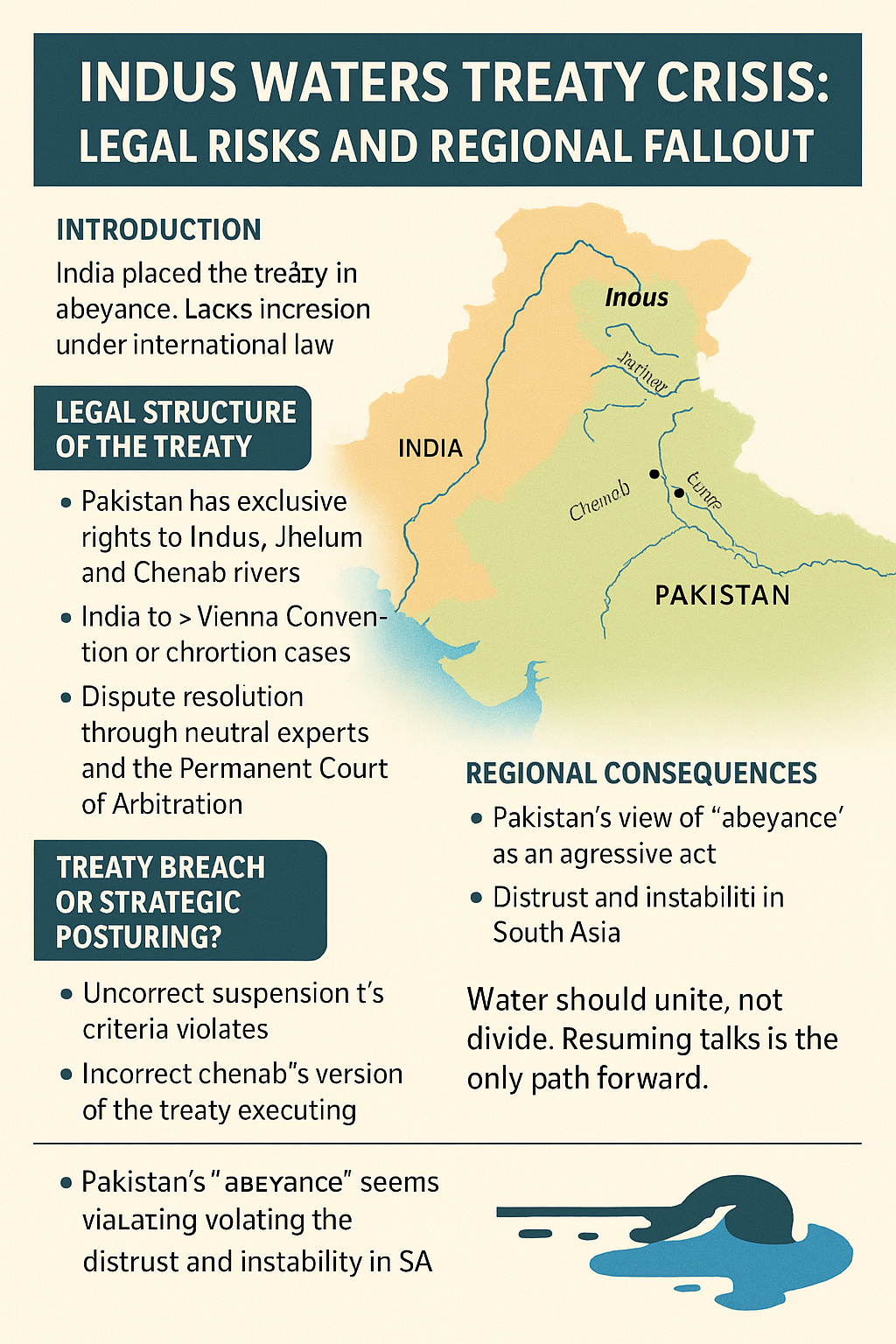
For over six decades, the Indus Waters Treaty (IWT) has served as a rare example of cooperation between India and Pakistan in a highly strained bilateral relationship. Signed in 1960 and brokered by the World Bank, it distributed control of six rivers: the eastern three (Ravi, Sutlej, and Beas) to India and the western three (Indus, Jhelum, and Chenab) to Pakistan.

But recent developments have cast a long shadow over this landmark water-sharing agreement. In a drastic move, India has placed the treaty “in abeyance”—a diplomatic phrase that has no clear legal standing under international law.


⚖️ The Legal Structure of the Indus Waters Treaty

Under the IWT:

  • India has exclusive rights over the eastern rivers.
  • Pakistan has unrestricted use of the western rivers, except for limited uses by India (e.g., agriculture, hydropower without storage).
  • The treaty outlines specific rules for dispute resolution, including neutral experts and the Permanent Court of Arbitration.

Suspending a treaty is a legally weighty act. According to the Vienna Convention on the Law of Treaties (VCLT)—the global framework for managing treaties—such suspension is only valid under specific conditions: breach by one party, impossibility of performance, or fundamental change of circumstances.

India’s recent declaration does not meet any of these conditions, making the suspension legally questionable under international law.


🚫 Treaty Breach or Strategic Posturing?

The current standoff follows escalating tensions and border-related clashes between the two nations. By suspending the IWT, India has unilaterally acted outside the treaty’s legal boundaries. According to Article III(2) of the IWT, India must not interfere with the unrestricted flow of the western rivers.

Allegations that India diverted or restricted the Chenab’s water flow could amount to a violation of treaty obligations, constituting an internationally wrongful act that demands remedy or compensation.

Such action not only weakens the legal fabric of the IWT but also sets a dangerous precedent for other transboundary water agreements worldwide.


🧑‍⚖️ What International Law Says

Under international law:

  • Unilateral suspension of a bilateral treaty—especially one like the IWT with well-established mechanisms—is not permitted without formal dispute procedures.
  • The Vienna Convention (1969) governs such treaties and emphasizes resolving conflicts through peaceful means before suspensions or withdrawals.

If India believes the treaty has been materially breached by Pakistan, it should invoke the dispute resolution provisions within the IWT—not act unilaterally.

This action by India could be challenged in the International Court of Justice or be raised at forums such as the UN General Assembly or International Law Commission.


🌍 Regional Consequences: More Than Just Legal Drama

This is not just a legal matter—it’s a geopolitical flashpoint.

Pakistan sees the Indus as its lifeline. Its agriculture, industry, and food security are intricately tied to the rivers controlled under this treaty. Any disruption, especially of the Chenab or Jhelum, could spark major economic and political unrest.

India’s move, even if temporary or symbolic, fuels distrust and instability in a region already burdened by unresolved disputes and competing nationalisms. It also raises fears of “water weaponization”—where access to water becomes a tool of coercion or retaliation.


💬 Missed Opportunity for Diplomacy

What’s even more troubling is that no formal dispute process was initiated before this suspension. The IWT allows for:

  • A neutral expert to resolve technical differences
  • The Permanent Court of Arbitration for legal disputes
  • World Bank facilitation if bilateral efforts fail

By bypassing these steps, India has not only weakened the treaty’s framework but also delegitimized international mechanisms that have long preserved peace over this crucial shared resource.


🛑 A Dangerous Precedent for Water Wars?

The Indo-Pak water conflict is not isolated. Globally, over 260 rivers are shared across national borders, and many nations rely on international agreements to manage access. If large countries can suspend such treaties without legal backing, it undermines decades of diplomacy and environmental cooperation.

Countries like Egypt (Nile), Turkey (Tigris-Euphrates), and China (Brahmaputra) may start taking cues from this bold maneuver—setting off a chain reaction of treaty breakdowns.


✅ Conclusion: Law Over Power

The Indus Waters Treaty has been hailed as a model for cooperation even in the worst of times. If it fails now due to political maneuvering, it will be a failure of law, diplomacy, and foresight.

Pakistan must push for legal redress through international platforms and engage allies diplomatically to exert pressure for treaty reinstatement. India, on the other hand, should recognize the long-term damage to its regional and global credibility if it continues down this path.

💧 In the 21st century, water should be a bridge, not a battleground. It’s time for both nations to return to the negotiation table—not the brink of conflict.


📚 References & Further Reading


Posted on Leave a comment

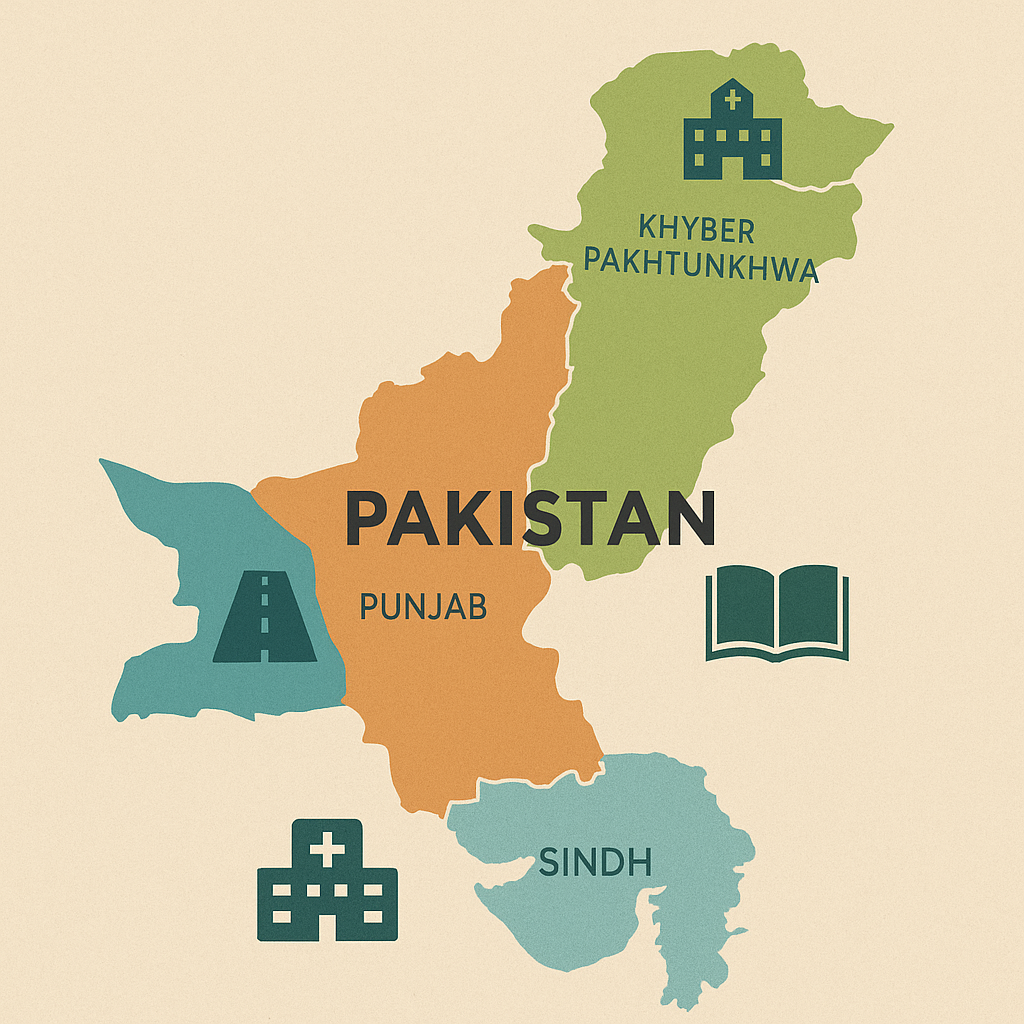
Bridging Divides: How Pakistan Can Ensure Equitable Resource Distribution by 2025


Learn how Pakistan can achieve national unity through equitable resource distribution among its ethnic regions and address historical injustices by 2025.


Why Equitable Resource Distribution in Pakistan Matters

Pakistan is a country of diverse ethnic, linguistic, and cultural identities spread across its provinces. Yet, this richness has long been overshadowed by regional disparities and historical grievances. The uneven distribution of resources has led to underdevelopment in several regions, particularly Balochistan, Gilgit-Baltistan, southern Punjab, and parts of Sindh and Khyber Pakhtunkhwa.

To promote national unity and long-term stability, Pakistan must prioritize equitable resource distribution as a national development strategy. This involves moving beyond population-based formulas and addressing the structural inequalities that have held back entire regions for decades.


Causes of Regional Inequality in Pakistan

Several key factors contribute to regional inequality in Pakistan:

  • Over-centralized planning and weak provincial autonomy
  • Political favoritism in federal fund allocations
  • Neglect of remote and low-population areas like Balochistan and GB
  • Underrepresentation of minority ethnic groups in policymaking
  • Unequal access to education, healthcare, and infrastructure

These challenges not only create socio-economic gaps but also fuel discontent and alienation. Without corrective measures, Pakistan risks deepening internal divides.


Reforms for Equitable Development in Pakistan

1. Reform the NFC Award Formula

The National Finance Commission (NFC) Award currently favors population as the primary metric. This must be revised to include other indicators like:

  • Poverty rate
  • Development needs
  • Literacy and health indicators
  • Geographic size and remoteness

This shift will ensure that underdeveloped regions get a fairer share of federal resources and are not punished for having smaller populations.

2. Strengthen Local Governments

Empowering local government bodies is critical for addressing grassroots development. Provincial governments must:

  • Conduct regular local body elections
  • Allocate sufficient funds to municipal governments
  • Reduce bureaucratic delays in project approvals

When local leaders are given real authority and resources, development becomes more targeted, transparent, and inclusive.

3. Create a National Development Equity Commission

Pakistan needs a federal commission to monitor equity in public spending and development. This independent body can:

  • Track regional development indicators
  • Advise on equitable fund allocation
  • Publish annual reports on development disparities
  • Engage civil society in oversight

Such a body would increase transparency and ensure that development is needs-based, not politically motivated.

4. Prioritize Underserved Regions for Infrastructure Investment

Remote and disadvantaged areas must be first in line for public infrastructure projects, including:

  • Roads and transportation
  • Schools and vocational centers
  • Hospitals and basic health units
  • Clean water and sanitation projects
  • Internet and mobile connectivity

This kind of targeted investment can close long-standing gaps and open up economic opportunities for marginalized communities.

5. Ensure Ethnic and Regional Representation in Institutions

National inclusion begins with representation. The federal government must:

  • Ensure fair quotas for underrepresented provinces in civil services
  • Promote regional languages and cultures in national media
  • Establish universities and think tanks in remote provinces
  • Appoint diverse voices to key national policy positions

A diverse and inclusive state machinery increases legitimacy and trust.


The Role of Data and Technology in Resource Allocation

Equity must be data-driven. Tools like:

  • GIS mapping
  • District-level development indices
  • Real-time monitoring dashboards
  • AI-based budget tracking

…can help policymakers visualize regional disparities and allocate resources accordingly.

A digital governance model with open data portals can also allow citizens to track public spending, promoting transparency and accountability.


Overcoming Political Resistance and Building National Consensus

Equity threatens entrenched interests. Those benefiting from the current system may resist reform. To move forward, Pakistan needs:

  • Political will at the federal and provincial level
  • Media advocacy to raise awareness of regional inequality
  • Civil society pressure to ensure follow-through on policy reforms
  • Cross-party consensus to keep reforms out of partisan conflict

Equity should not be a favor — it must be treated as a constitutional obligation and development priority.


Shared Prosperity Is National Prosperity

Equitable development is more than a policy — it’s a nation-building strategy. When all provinces receive a fair share of development, the entire country benefits. Reduced resentment, greater stability, and higher productivity follow.

For Pakistan to rise as a modern state, it must ensure that no region or community is left behind. Addressing historical grievances through fair and transparent policies is not just moral — it is essential to long-term peace and economic growth.


Conclusion

As Pakistan moves forward in the 21st century, the focus must shift from political favoritism and reactive governance to justice-based policy. The goal is not to weaken strong regions but to uplift weaker ones.

By reforming the NFC Award, strengthening local governments, investing in underserved regions, and using technology and data, Pakistan can finally begin to heal its historical wounds.

Equitable resource distribution is not a cost — it’s an investment in national unity and future prosperity.


Posted on Leave a comment

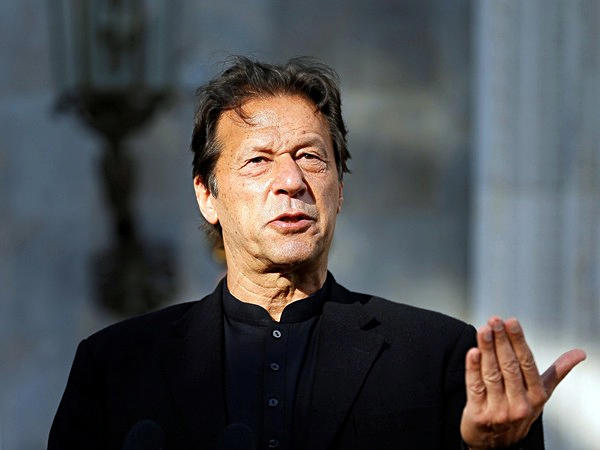
“Justice Delayed or Justice Denied? The Suspicious Adjournment of Imran Khan’s Cases”

On May 15, 2025, the Lahore High Court (LHC) postponed the bail hearings of former Prime Minister Imran Khan in eight cases related to the May 9, 2023, riots. The court has rescheduled the proceedings for May 27, 2025.(Jarida Today)

Background of the Cases

The bail petitions pertain to incidents during the May 9 protests, including attacks on Jinnah House, Askari Tower, and other properties. Khan’s legal team contends that he has been wrongfully implicated in these cases, asserting that the charges are politically motivated and lack substantial evidence.(The Nation)

Court Proceedings and Adjournment

During the hearing, the prosecution informed the bench, led by Justice Syed Shahbaz Ali Rizvi, that an anti-terrorism court had recently authorized photogrammetric and polygraph tests of Khan in Adiala Jail. They requested a postponement of the bail proceedings to accommodate these tests.(Dawn)

Khan’s counsel, Barrister Salman Safdar, opposed the delay, arguing that such tests were unnecessary at this stage and that the prosecution’s request was a tactic to prolong Khan’s detention. Despite these objections, the court adjourned the hearing, seeking further arguments from both sides on May 27.(Dawn)

Implications and Next Steps

The adjournment extends Khan’s legal battles, with his legal team preparing to present additional arguments in the upcoming hearing. The outcome will be pivotal in determining Khan’s legal standing concerning the May 9 cases.(Dunya News)

Posted on Leave a comment

“Nuclear Brinkmanship Exposed: The Untold Story Behind Trump’s Ceasefire Deal”

In May 2025, South Asia witnessed a rapid escalation of tensions between India and Pakistan, culminating in a brief but intense military confrontation. The conflict, rooted in longstanding disputes and recent provocations, has sparked divergent narratives from both nations, each claiming moral and strategic superiority.

Genesis of the Conflict: The Pahalgam Attack

The immediate trigger for the confrontation was a terrorist attack on April 22 in Pahalgam, Indian-administered Kashmir, resulting in the deaths of 26 civilians, predominantly Hindu tourists. India attributed the attack to Pakistan-based militant groups, specifically Lashkar-e-Taiba, alleging state sponsorship from Islamabad. Pakistan, however, denied any involvement, labeling the accusations as baseless. (Wikipedia, The Guardian)

India’s Response: Operation Sindoor

In retaliation, India launched “Operation Sindoor” on May 7, targeting what it described as terrorist infrastructure within Pakistan. The operation involved missile strikes aimed at dismantling militant camps, with India asserting that no Pakistani military facilities were targeted. (www.ndtv.com, Wikipedia)

Prime Minister Narendra Modi, in a national address, emphasized India’s resolve against terrorism, stating that the country would not tolerate “nuclear blackmail” and that any future dialogue with Pakistan would focus solely on terrorism and Pakistan-occupied Kashmir. (Indiatimes)

Pakistan’s Counter-Narrative: Operation Bunyan-e-Marsous

Pakistan responded with its own military operation, “Operation Bunyan-e-Marsous,” claiming to have successfully repelled Indian aggression. According to Pakistani sources, their forces conducted precision strikes on Indian air bases and executed significant cyberattacks, which they described as the largest in history. Pakistan’s leadership portrayed this as a decisive victory, asserting that India was forced to seek a ceasefire. (Daily Times)

Deputy Prime Minister and Foreign Minister Ishaq Dar led a diplomatic offensive to present Pakistan’s case internationally. However, Dar faced criticism for citing a fabricated article purportedly from a UK newspaper praising the Pakistani Air Force, which was later debunked by local media and fact-checkers. (Daily Times, www.ndtv.com)

Ceasefire and International Mediation

Amid escalating hostilities, a ceasefire was brokered on May 10, reportedly facilitated by U.S. President Donald Trump. While both nations agreed to halt military actions, the underlying tensions remained unresolved. Analysts suggest that the ceasefire was more a pause than a resolution, with both sides preparing for potential future confrontations. (Financial Times, www.ndtv.com)

Dueling Narratives and the Battle for Perception

The conflict has underscored the importance of narrative in modern warfare. India emphasized its stance against terrorism and portrayed its actions as measured responses to provocations. Conversely, Pakistan framed its response as a defense of sovereignty and a demonstration of military prowess.

Media outlets and political leaders in both countries have reinforced these narratives, aiming to shape domestic and international perceptions. The dissemination of unverified or fabricated information, such as the debunked UK newspaper article, highlights the challenges in discerning truth amid propaganda.

Conclusion: A Fragile Peace and Ongoing Tensions

The May 2025 conflict between India and Pakistan serves as a stark reminder of the volatility in South Asia. While open hostilities have ceased, the underlying issues—territorial disputes, accusations of state-sponsored terrorism, and competing national narratives—persist. The international community’s role in mediating and encouraging dialogue remains crucial to preventing future escalations.(The Guardian)

Posted on Leave a comment

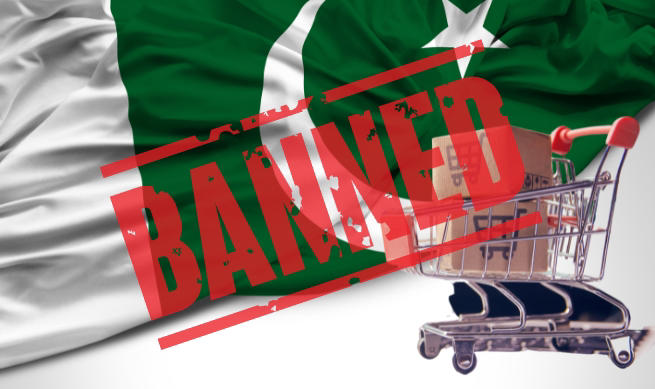
 “Digital Patriotism or Digital Censorship? India’s War on Pakistani Flags”

In a decisive move reflecting heightened national sentiment, the Indian government has issued formal notices to major e-commerce platforms, including Amazon India, Flipkart, Ubuy India, Etsy, The Flag Company, and The Flag Corporation, demanding the immediate removal of Pakistani flags and related merchandise from their platforms. This action, spearheaded by the Central Consumer Protection Authority (CCPA), underscores the government’s commitment to upholding national sensitivities and legal compliance in the digital marketplace.(@EconomicTimes, The Times of India)

Background: Operation Sindoor and National Sentiment

The crackdown follows the launch of “Operation Sindoor,” India’s retaliatory military operation targeting terror camps in Pakistan and Pakistan-occupied Kashmir. The operation was initiated in response to the April 22 Pahalgam terror attack, which claimed the lives of 26 civilians. In the wake of these events, national sentiment has surged, prompting authorities to scrutinize and regulate content perceived as insensitive or contrary to national interests.(Free Press Journal, NewsX World)

Government’s Stance and Directives

Union Minister of Consumer Affairs, Pralhad Joshi, took to social media to announce the issuance of notices, stating, “Such insensitivity will not be tolerated.” The CCPA has directed the aforementioned e-commerce platforms to:(Free Press Journal, Hindustan Times)

  • Immediately remove listings of Pakistani flags and related merchandise.(Business Standard)
  • Ensure strict adherence to Indian laws and regulations concerning the sale of national symbols.(Free Press Journal)

The government emphasized that the sale of such items not only violates national sentiment but also poses potential risks to national unity and security.(Business Standard)

E-Commerce Platforms’ Response

In response to the notices, Amazon India clarified that it operates as an online marketplace where independent third-party sellers offer products. The company stated that it relies on these sellers to comply with Indian laws and that non-compliant listings are removed upon notification from relevant authorities. Similarly, other platforms are expected to take corrective measures to align with the government’s directives.(Profit by Pakistan Today, Storyboard18)

Role of Trade Bodies and Public Sentiment

The Confederation of All India Traders (CAIT) played a pivotal role in bringing this issue to the government’s attention. In a formal letter to Union Ministers, CAIT highlighted concerns over the availability of Pakistani flags and related merchandise on Indian e-commerce platforms, describing it as a “grave matter that risks undermining national unity.” The traders’ body urged the government to impose an immediate ban on the sale of such items, reflecting the broader public sentiment against the promotion of foreign national symbols during times of heightened geopolitical tensions.(The Times of India, @EconomicTimes)

Implications for E-Commerce and National Policy

This development signals a broader shift in India’s approach to regulating digital marketplaces, especially concerning content that intersects with national identity and security. E-commerce platforms are now under increased scrutiny to ensure that their listings do not contravene national laws or sentiments. The incident also underscores the importance of proactive content monitoring and compliance mechanisms within these platforms to prevent similar issues in the future.(NewsX World)

Conclusion

The Indian government’s action against the online sale of Pakistani flags serves as a stark reminder of the delicate balance between commerce and national sentiment. As digital marketplaces continue to expand, the onus is on e-commerce platforms to navigate this landscape responsibly, ensuring that their operations align with the legal and cultural frameworks of the regions they serve. This incident not only highlights the need for stringent compliance measures but also reflects the broader national mood in times of geopolitical strain.

Posted on Leave a comment

“The Shrine, the Jet, and the War Cry: Inside Pakistan’s Bold Message to India”

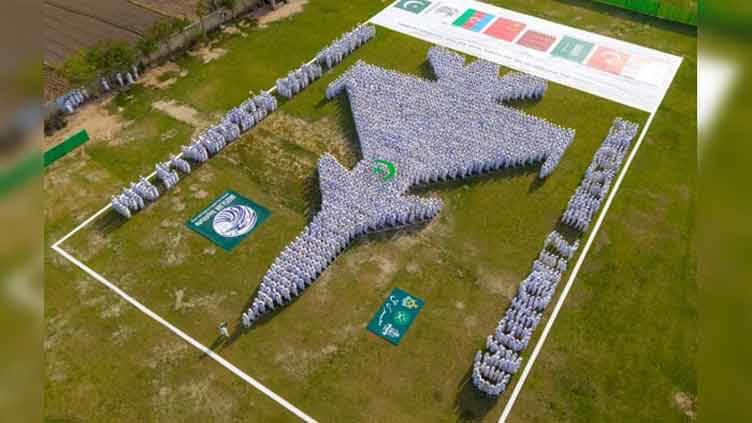
In a remarkable display of unity and patriotism, residents of Jhang, Punjab, formed a human model of the Chinese-made J-10C fighter jet to honor the Pakistan Air Force’s (PAF) recent success in countering Indian aggression. The event, held at the Shrine of Hazrat Sultan Bahoo in Shorkot and organized by the MUSLIM Institute, drew thousands of participants and quickly went viral on social media, symbolizing national pride and resilience. (Daily Times, The News International)

A Symbolic Tribute to PAF’s Valor

The human formation replicated the silhouette of the advanced J-10C fighter jet, which played a pivotal role in the recent military confrontation with India. Participants chanted patriotic slogans and expressed gratitude towards the armed forces, showcasing unity and pride across the region. (Daily Times, HT Syndication)

Context: The Recent India-Pakistan Conflict

The tribute follows the events of May 6 and 7, when India launched missile strikes at five locations in Pakistan, claiming to target “terrorist infrastructure.” In response, the PAF downed five Indian aircraft, including three of the latest French-made Rafale fighter jets, along with three combat drones. This swift and precise action drew widespread praise from defense analysts and the general public alike. (Daily Times)

National and International Support

The human jet formation also served as a gesture of appreciation towards friendly nations such as China, Turkey, and Azerbaijan for their support during the conflict. It underscored the strong defense partnerships Pakistan maintains globally and highlighted the public’s admiration for the PAF’s technological edge and readiness. (Daily Times)

Cultural Expressions of Patriotism

Adding to the celebrations, the Inter-Services Public Relations (ISPR) released a patriotic song titled “Yalghaar,” capturing the nation’s emotions. The song celebrates the success of “Operation Bunyan-un-Marsoos” launched by the Pakistan Army, highlighting the bravery and coordination of the country’s armed forces. The stirring lyrics and visuals have resonated with audiences across Pakistan. (Daily Times)

Conclusion

The human formation of the J-10C jet in Jhang stands as a powerful testament to Pakistan’s national unity and the public’s unwavering support for its armed forces. It not only honors the PAF’s recent achievements but also reinforces the nation’s resilience and commitment to sovereignty.(Online Indus)

Posted on Leave a comment

🛑 Breaking News: National Assembly Passes Resolution to Extend CSS Age Limit and Attempts


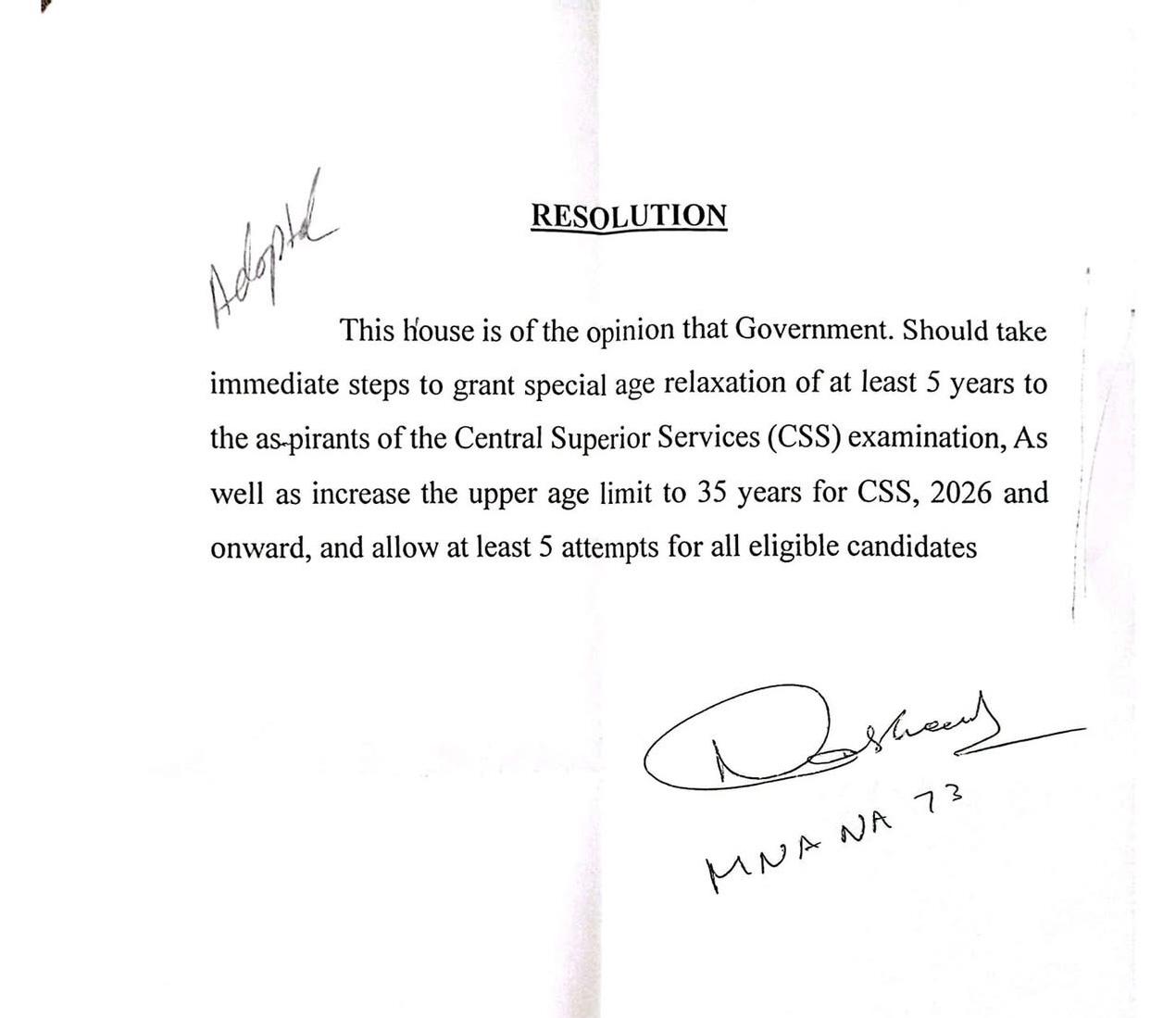
In a significant development that could reshape the future of Pakistan’s civil services, the National Assembly has officially passed a resolution calling for major reforms in the Central Superior Services (CSS) examination criteria.

✅ Key Highlights of the Resolution:

  • The upper age limit for CSS applicants will now be extended to 35 years, effective from the CSS 2026 exam onward.
  • Candidates will be allowed up to 5 attempts at the CSS examination—an increase from the current limit.
  • The resolution has been adopted and signed by National Assembly members, signalling strong parliamentary backing.

This move is seen as a response to the growing demand from students and civil service aspirants across Pakistan, who have long argued that the current age and attempt limits are too restrictive—especially for those from remote or underserved regions.

A Victory for Aspirants Nationwide

The resolution emphasizes the need for equal opportunities in civil service recruitment and acknowledges the diverse socio-economic challenges faced by candidates. If implemented, these reforms will offer greater flexibility and access to thousands of young professionals seeking to serve the nation.

What Happens Next?

While the resolution has been adopted, it now awaits formal implementation by the Establishment Division and Federal Public Service Commission (FPSC). If enacted into policy, it will apply to CSS 2026 and beyond.


📌 Stay updated with Remedy Talks for the latest on CSS reforms, public policy shifts, and education news in Pakistan.
📰 Because when policy changes, lives change.


Posted on Leave a comment

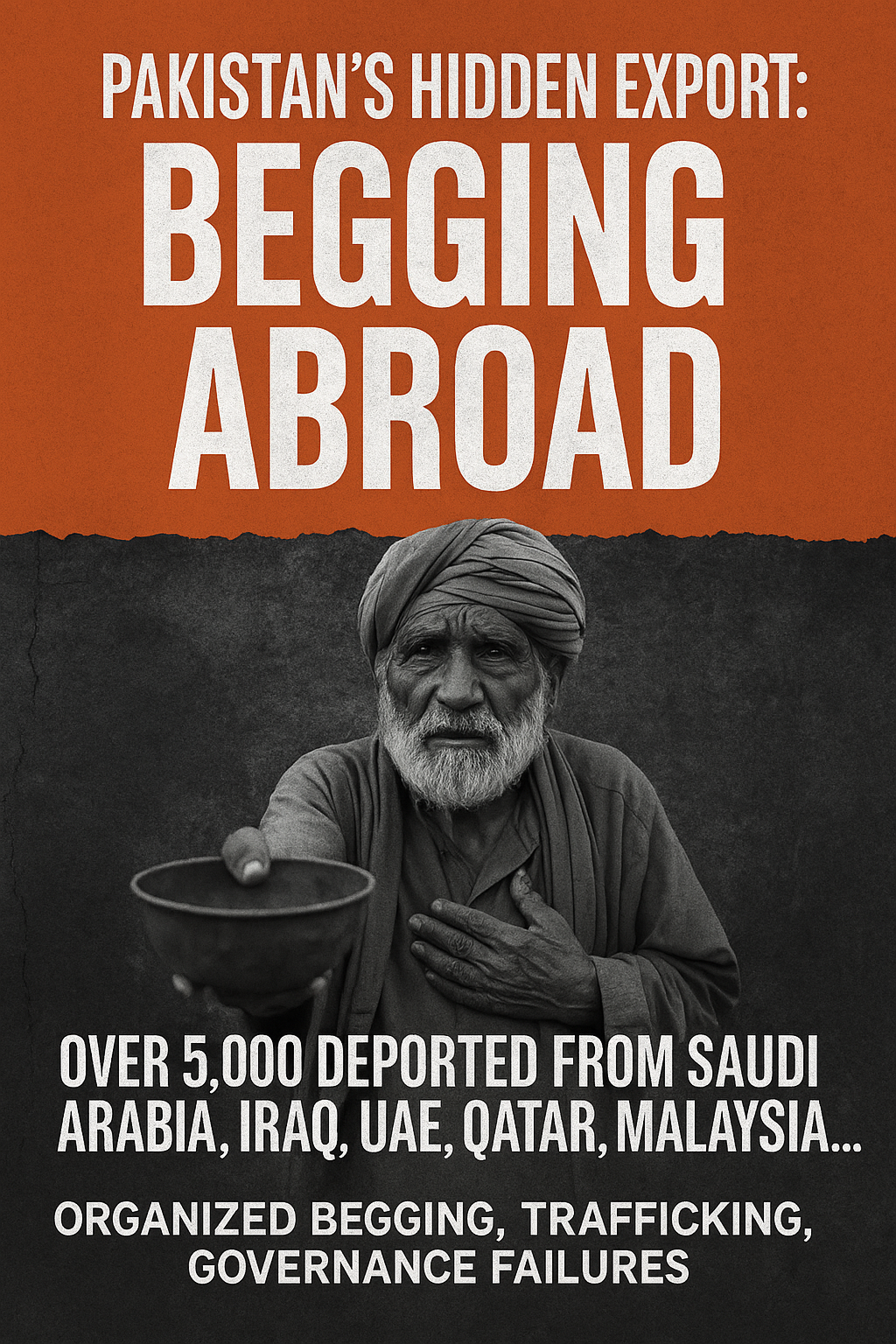
Pakistan’s Hidden Export: The Shameful Economy of Begging Abroad


By Remedy Talks Editorial Team
When poverty becomes a business model and shame is shipped overseas.


There’s no easy way to say it: Pakistan is now exporting beggars.
Over 5,000 Pakistani nationals have been deported from countries like Saudi Arabia, Iraq, the UAE, Qatar, and Malaysia in just the past 16 months. The revelation came straight from the country’s interior minister—publicly admitted in parliament. What should’ve sparked national outrage has instead been met with silence.

This isn’t just another headline. It’s a damning reflection of how deep poverty, human trafficking, and state neglect have intertwined to form an industry of exploitation—and it’s turning Pakistan into a global embarrassment.


Beyond Poverty: The Rise of the Begging Mafia

Let’s be clear: not every deported person was a desperate soul looking for food or shelter. Many were part of organized begging rings—a full-fledged, cross-border racket that sends individuals abroad under false pretenses, only to exploit them on foreign streets.

And it’s not a small operation either. Reports estimate that this “industry” within Pakistan pulls in billions of rupees annually, operating in broad daylight with the help of trafficking agents, fake visa handlers, and local enablers.

The sad truth? Begging is no longer just a symptom of poverty; it has become a profitable economy—one that thrives on the backs of society’s most vulnerable.


Deportation Stats: The Shame in Numbers

According to official data:

  • 52% of those deported for begging hail from Sindh,
  • followed by Punjab and Khyber Pakhtunkhwa.
  • Thousands are now on the Exit Control List (ECL), banned from traveling abroad.

But let’s not kid ourselves. Adding names to a no-fly list doesn’t address the core issue. That’s like bandaging a bullet wound while ignoring the gunfire.


Who’s Really at Fault?

The begging crisis in Pakistan isn’t just about those holding out their hands—it’s about the systems failing them:

  • Governance breakdown has allowed trafficking rings to operate without fear.
  • Weak employment policies offer no alternatives to those pushed to the margins.
  • Lack of vocational education and rehabilitation programs means there’s no way back for many once they’re on the streets.
  • Charity culture, while noble, is often unregulated—fueling exploitation by rewarding beggars without questioning who’s behind them.

So when foreign governments crack down and publicly shame us by deporting thousands, we have to ask:
Where is our shame at home?


The International Fallout

The diplomatic implications are serious. Countries that once offered Pakistanis employment opportunities are now tightening visa restrictions. This doesn’t just hurt those involved in begging networks—it punishes hardworking migrants, laborers, and professionals who now face suspicion, stigma, and rejection at every border.

Imagine losing the moral and legal standing to defend your citizens abroad—because the world has started associating your passport not with talent or trade, but with organized begging.


The Way Out: Fixing the Root, Not Just the Rot

If the state can track down and detain thousands of undocumented Afghans, it can certainly dismantle domestic trafficking and begging mafias. The question isn’t “how”—it’s whether there’s political will to go beyond surface-level solutions.

Real steps must include:

  • Cracking down on human trafficking networks that facilitate illegal travel for begging.
  • Rehabilitating beggars through job training, microfinance, and skill development, particularly in high-risk regions like Karachi, interior Sindh, and south Punjab.
  • Launching widespread awareness campaigns to expose the exploitation behind “charitable” street begging.
  • Strengthening child protection units to stop the recruitment of children into these criminal operations.
  • Punishing ringleaders with real legal consequences, not just public shaming.

And perhaps most importantly—educating the public. Your loose change might feel like compassion, but it could be fueling an underground economy of abuse.


A National Wake-Up Call

This is not just a story of deportation—it’s a warning sign.
When a nation becomes known for sending its poor to beg abroad, when children are trafficked for sympathy, and when poverty is weaponized as profit—we have lost more than just our international dignity. We’ve lost our moral compass.

There is no quick fix. But ignoring it will only make it worse. Pakistan must recognize that this isn’t just about optics or reputation—it’s about reclaiming human dignity, at home and abroad.


Final Word:
You can’t solve begging with a blacklist.
You can only solve it by giving people a life where they don’t have to beg to survive.


Posted on Leave a comment

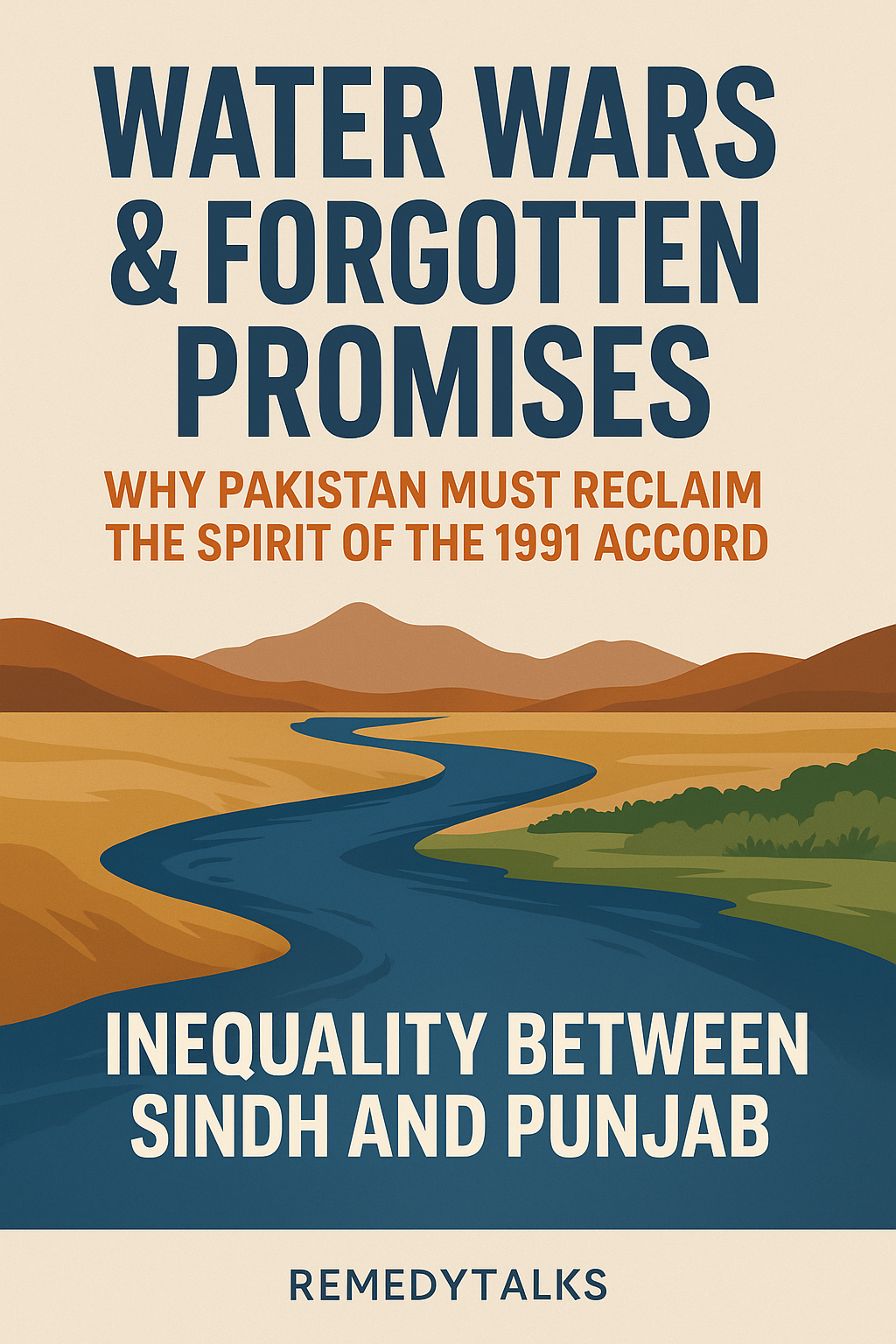
Water Wars & Forgotten Promises: Why Pakistan Must Reclaim the Spirit of the 1991 Accord


By Remedy Talks Editorial Team

Water is not just a natural resource in Pakistan—it’s a lifeline. It flows through our farmlands, fuels our economy, and sustains over 240 million lives. Yet, the country’s most essential asset has repeatedly become a source of division rather than unity. The recent debate over the proposed Cholistan canal project once again highlighted the deep-rooted tensions between Sindh and Punjab, forcing the Council of Common Interests (CCI) to intervene.

But this isn’t just about one project. It’s about a pattern of broken agreements, ignored policies, and inequitable practices that have put Pakistan’s water future at risk.


A Crisis That Was Already Written

More than three decades ago, Pakistan’s provinces agreed to a formula to divide river water fairly. Known as the Water Apportionment Accord of 1991, it was supposed to prevent exactly the kind of conflicts we’re seeing today. But that promise was never fully kept.

Instead, what emerged in 2003 was the three-tier formula—an arrangement never legally approved but frequently used by the Indus River System Authority (IRSA). This formula has led to Sindh receiving less water than its rightful share, violating not just the 1991 Accord but also the National Water Policy of 2018.

What’s most troubling? These decisions were made without the consent of all stakeholders, defying the core principle of participatory and consultative water planning set out in the policy itself.


The Disappearing Rights of the Lower Riparian

In water law, the concept of “lower riparian rights” is simple: downstream regions have a legitimate claim to water flow. But in Pakistan, that principle has been quietly eroded.

Sindh’s concerns about upstream diversions—such as the Cholistan project—are not unfounded. History supports them. From the 1945 Sindh-Punjab agreement to the 1991 Accord, the right of the lower riparian has always been acknowledged. Yet today, it is being overridden by administrative shortcuts and unapproved formulas.

The National Water Policy (2018) clearly reaffirms this right. Clause 5.2 states that lower riparian rights must be “scrupulously respected.” But respect means nothing without action.


When Water Disappears Before the Farm

The crisis doesn’t end with unjust sharing. Even the water that is diverted often fails to reach the end-user: the farmer. According to the National Water Policy, out of 104 million acre feet (MAF) of annual canal water, only 58.3 MAF actually reaches the farm gate. The remaining 46.7 MAF is lost—mostly due to seepage from unlined canals.

This is not just inefficiency; it’s an economic disaster.

With growing climate stress, rising demand, and urban expansion, Pakistan cannot afford to waste half of its irrigation water. The policy recommends a nationwide “crash programme” to line water courses and reduce losses by at least a third by 2030.

That goal remains far from reality.


Sea Intrusion: The Silent Killer of Sindh’s Coast

One of the most devastating and overlooked consequences of upstream water diversion is sea intrusion. When less freshwater reaches the Indus Delta, seawater pushes inland, poisoning land and freshwater aquifers.

Clause 8.1.5 of the water policy acknowledges this growing threat. It notes that over 2 million acres of land have already been lost in Thatta, Badin, and Sujawal—devastating local agriculture and displacing communities.

What was once fertile coastline is now a salinated wasteland. Without urgent intervention, this trend could destroy Pakistan’s coastal agriculture and fisheries, pushing thousands into climate-driven poverty.


Environmental Flows Aren’t Optional

Another key but often ignored aspect of water governance is environmental flow—the amount of water that must be left in rivers to maintain their ecology and health. Clause 6.1 of the National Water Policy emphasizes this, stating that environmental flows are essential to conserve river ecosystems, delta morphology, and fisheries.

Yet, in practice, these flows are often sacrificed for irrigation and storage. In doing so, we’re trading short-term gain for long-term collapse.


A Policy That Could Change Everything—If Followed

The National Water Policy of 2018 isn’t just a bureaucratic document. It’s a blueprint for fair and sustainable water management. It includes:

  • Fair distribution based on the 1991 Accord
  • Clear targets for efficiency and conservation
  • Commitments to protect lower riparian rights
  • Goals for improved irrigation methods (“more crop per drop“)
  • Strategic responses to environmental threats

But good policy means nothing without implementation. Unless all provinces—and the federal government—commit to following it in both letter and spirit, Pakistan’s water crises will only deepen.


Why This Matters to Every Pakistani

Water is more than an interprovincial issue. It’s a national survival issue. From the wheat fields of Punjab to the rice paddies of Sindh, from the fishing boats in Sujawal to the tube wells of Balochistan—every region depends on the fair and efficient use of water.

If we continue to politicize water, delay reforms, and ignore environmental limits, we won’t just face droughts and protests. We’ll face food insecurity, economic instability, and mass displacement.

The Council of Common Interests has taken a positive step by emphasizing consensus. But that consensus must be rooted in respecting existing accords, listening to all provinces, and putting long-term sustainability above short-term politics.


Final Thoughts: A Shared Future, A Shared Responsibility

Water doesn’t belong to one province, one government, or one generation. It belongs to all of us—and it belongs to the future.

The National Water Policy already gives us a map. The 1991 Accord already gives us a fair baseline. What’s needed now is political will, transparent governance, and a commitment to collective good.

Pakistan’s future depends on water. And water depends on justice.


Posted on Leave a comment

“Imran Khan Ready for Dialogue – But Is Pakistan’s Establishment Listening? KP CM Drops Political Bombshell”

Khyber Pakhtunkhwa Chief Minister Ali Amin Gandapur announced that Pakistan Tehreek-e-Insaf (PTI) founder Imran Khan is prepared to engage in political dialogue for the betterment of Pakistan. Speaking to reporters in Peshawar, Gandapur emphasized the importance of prioritizing national interests over personal egos, stating, “Those turning this into an issue of ego are damaging Pakistan. We must rise above personal interests and think in the national interest” .Facebook+9The Express Tribune+9ThePrint+9Shafaqna Pakistan+3The Express Tribune+3The Tribune+3

Gandapur also addressed ongoing legal efforts for Khan’s release, noting that petitions are underway. He mentioned that, as the chief executive of a province, he has a court order allowing him to meet Khan weekly, which is crucial for consultation, especially with the provincial budget approaching .Free Press Journal+3The Express Tribune+3The Express Tribune+3

Furthermore, Gandapur highlighted that Khan is willing to forgive and engage in dialogue with the government, emphasizing that the ongoing political instability and economic crisis are harming the country .The Week

This development marks a significant shift in PTI’s approach, indicating a willingness to engage in constructive dialogue to address the nation’s challenges.