Posted on 2 Comments

“Comprendre la thérapie à l’insuline : Un guide pour débutants de la gestion du diabète”

Introduction


Lorsque vous apprenez pour la première fois que vous êtes diagnostiqué diabétique et qu’on vous dit que vous devez commencer une thérapie à l’insuline, la gestion de votre condition peut sembler accablante. La thérapie à l’insuline est un outil efficace qui peut vous aider à gérer vos niveaux de sucre dans le sang de manière efficace et vous aide à mener une vie plus équilibrée dans l’ensemble. Savoir comment l’insuline fonctionne et comment l’utiliser efficacement peut faire une grande différence, peu importe le type de diabète, qu’il soit de type 1, de type 2 ou gestationnel.

L’insuline est l’hormone essentielle pour contrôler les niveaux de sucre dans le sang. Le corps des diabétiques produit soit une quantité insuffisante d’insuline, soit est incapable de l’utiliser efficacement. Le traitement par insuline peut aider votre corps à maintenir des niveaux adéquats de sucre dans le sang en complétant ou en remplaçant l’insuline nécessaire.

Dans ce guide pour débutants, nous vous dirons tout ce que vous devez savoir sur la thérapie à l’insuline, le dosage de l’insuline, l’ajustement de l’insuline et la manière dont elle est administrée. Nous vous fournirons des informations précieuses pour prendre le contrôle de votre prise en charge du diabète. Ce guide vous donnera les connaissances nécessaires pour gérer efficacement votre diabète. Commençons !

Qu’est-ce que l’insuline ?


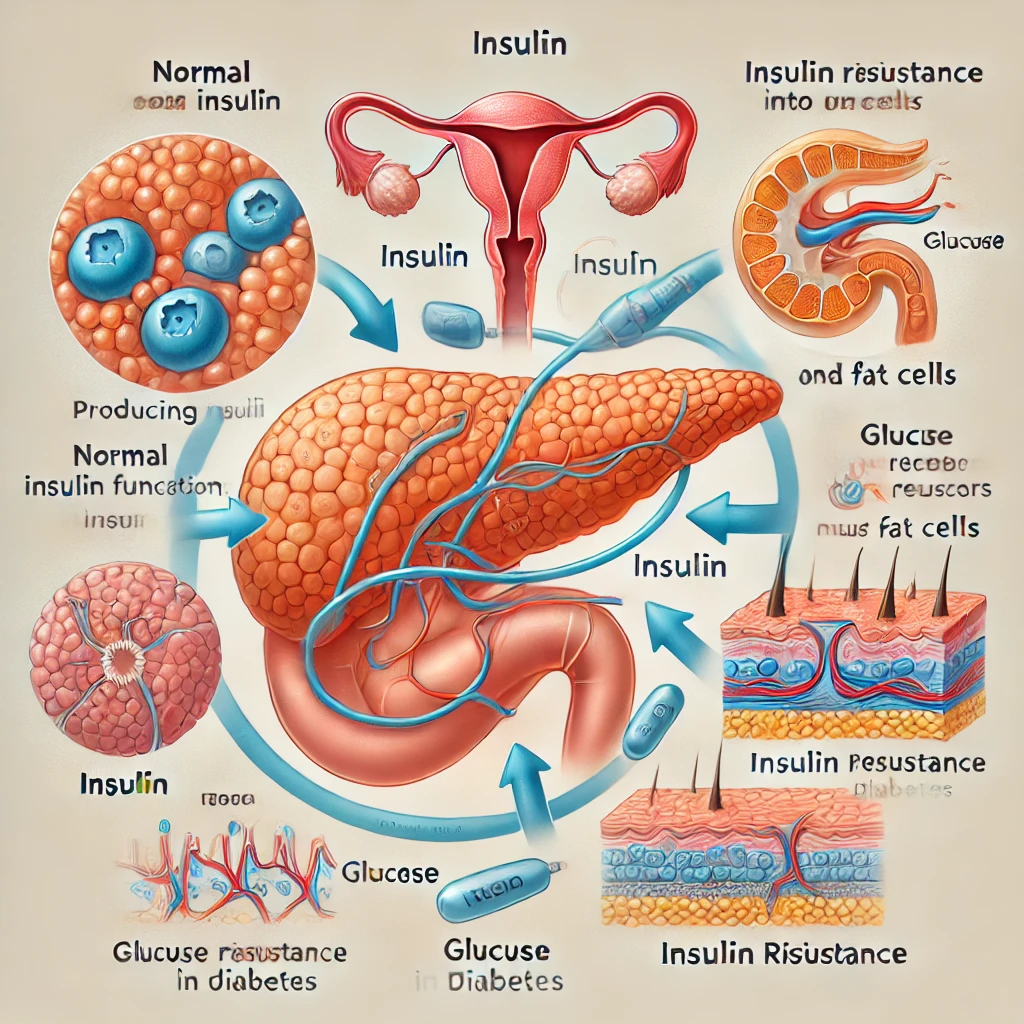
L’insuline est une hormone produite par le pancréas. Elle est vitale pour réguler les niveaux de sucre dans le sang. Imaginez l’insuline comme la “clé” utilisée pour ouvrir vos cellules, permettant au glucose d’y entrer et d’être utilisé comme carburant. En l’absence d’insuline, le sucre dans le sang ne pénètre pas dans les cellules, entraînant des niveaux élevés de glucose dans le sang.

Comment fonctionne l’insuline


Lorsque vous mangez quelque chose, les glucides de votre nourriture sont décomposés en glucose et pénètrent dans le sang. Ce glucose envoie des signaux au pancréas pour libérer de l’insuline afin d’aider ce glucose à pénétrer dans les cellules. Ce glucose est soit utilisé par les cellules, soit stocké pour un usage ultérieur. L’insuline signale également au foie de stocker l’excès de glucose sous forme de glycogène pour un usage futur, ce qui empêche les niveaux de sucre dans le sang de devenir trop élevés.

Que se passe-t-il lorsque l’insuline est insuffisante ou inefficace ?

Chez les personnes atteintes de diabète de type 1, le corps ne produit pas suffisamment d’insuline, tandis que dans le diabète de type 2, le corps devient résistant à l’insuline. Sans insuline dans le corps ou lorsque le corps ne peut pas l’utiliser correctement, le glucose s’accumule dans le sang, entraînant une hyperglycémie. Au fil du temps, cette hyperglycémie peut provoquer des complications graves, telles que des lésions nerveuses, des maladies rénales et des problèmes cardiovasculaires.

Types d’insuline

Les différents types d’insuline ont des périodes d’apparition, de pic et de durée différentes, ce qui permet une certaine flexibilité dans le contrôle des niveaux de sucre dans le sang tout au long de la journée. Voici un aperçu des principaux types d’insuline :

Insuline à action rapide

  • Apparition : 10 à 20 minutes
  • Pic : 1 à 3 heures
  • Durée : 3 à 5 heures
  • Exemples : Insuline lispro (Humalog), Insuline aspart (NovoLog), Insuline glulisine (Apidra)
  • Utilisation : Prise juste avant ou après les repas pour contrôler les pics de sucre dans le sang causés par l’alimentation.

Insuline à action rapide (Insuline régulière)

  • Apparition : 30 minutes
  • Pic : 2 à 4 heures
  • Durée : 6 à 8 heures
  • Exemples : Humulin R, Novolin R
  • Utilisation : Prise généralement 30 minutes avant les repas pour gérer la glycémie pendant les repas et les collations.

Insuline à action intermédiaire (Insuline NPH)

  • Apparition : 1 à 2 heures
  • Pic : 4 à 12 heures
  • Durée : 12 à 18 heures
  • Exemples : Humulin N, Novolin N
  • Utilisation : Fournit une couverture de fond pendant environ la moitié de la journée ou toute la nuit.

Insuline à action prolongée

  • Apparition : 1 à 2 heures
  • Pic : Minimal ou aucun pic
  • Durée : Jusqu’à 24 heures ou plus
  • Exemples : Insuline glargine (Lantus, Basaglar, Toujeo), Insuline detemir (Levemir), Insuline degludec (Tresiba)
  • Utilisation : Fournit un niveau constant d’insuline toute la journée et la nuit, imitant la production d’insuline basale du corps.

Insuline ultra-longue action

  • Apparition : 1 à 2 heures
  • Pic : Minimal ou aucun pic
  • Durée : Jusqu’à 42 heures
  • Exemples : Insuline degludec (Tresiba)
  • Utilisation : Offre une couverture prolongée pour ceux qui ont besoin de niveaux d’insuline constants pendant une période plus longue.

Insuline prémélangée

  • Apparition : Variable (combinaison d’insuline à action rapide/rapide et d’insuline à action intermédiaire)
  • Pic : Variable
  • Durée : Variable
  • Exemples : Humulin 70/30, Novolog Mix 70/30
  • Utilisation : Combine deux types d’insuline pour fournir à la fois une couverture pendant les repas et de fond, souvent pour plus de commodité.

Conseils pour gérer la thérapie à l’insuline

Gérer la thérapie à l’insuline de manière efficace est essentiel pour contrôler le diabète et maintenir un mode de vie sain. Voici quelques conseils pratiques pour vous aider à rester sur la bonne voie :

  • Suivez le plan de votre médecin
  • Surveillez régulièrement votre glycémie
  • Faites pivoter les sites d’injection
  • Mangez une alimentation équilibrée
  • Préparez-vous à l’hypoglycémie
  • Stockez l’insuline correctement
  • Construisez un système de soutien

Conseils de mode de vie pour une thérapie à l’insuline efficace
Gérer le diabète ne nécessite pas seulement des injections d’insuline, cela nécessite des changements réfléchis dans le mode de vie pour s’assurer que les niveaux de sucre dans le sang sont sous contrôle et que la personne reste en bonne santé en évitant les effets nuisibles de l’hyperglycémie. Voici quelques conseils pratiques pour vous aider à tirer le meilleur parti de votre thérapie à l’insuline :

  • Suivez un régime équilibré
  • Restez physiquement actif
  • Surveillez régulièrement vos niveaux de sucre dans le sang
  • Gérez le stress
  • Priorisez le sommeil
  • Restez hydraté
  • Soyez préparé pour les urgences (c’est-à-dire emportez des en-cas, éduquez vos proches, etc.)
  • Restez constant avec l’insuline

Mythes et faits sur la thérapie à l’insuline

L’insuline signifie que mon diabète est plus grave : Si vous avez besoin d’insuline, cela ne signifie pas que votre diabète est à un stade plus grave, cela peut être le début du diabète de type 1. Le diabète de type 1 et de type 2 peuvent nécessiter de l’insuline à différents stades.
L’insuline cause une prise de poids : Oui, les gens prennent généralement du poids au début de la thérapie à l’insuline, cela peut être parce que leur corps utilise mieux l’insuline. Si vous prenez soin de votre alimentation et faites de l’exercice régulièrement, cela peut être géré efficacement.
Les injections d’insuline sont douloureuses : Avec les progrès de la technologie, les nouvelles injections sont beaucoup moins douloureuses que ce à quoi les gens s’attendent.
L’insuline est addictive : C’est une hormone naturelle produite par le pancréas et nécessaire uniquement lorsque le corps ne la produit pas en quantité suffisante pour réguler efficacement les niveaux de sucre dans le sang.
L’insuline est uniquement pour le diabète de type 1 : La thérapie à l’insuline est nécessaire pour toutes les personnes atteintes de diabète de type 1, mais aussi à certains stades du diabète de type 2, surtout à mesure que la condition progresse.
Les remèdes naturels peuvent remplacer l’insuline : Les changements de mode de vie aident à la régulation de la thérapie à l’insuline, mais ils ne suffisent pas à remplacer l’insuline.

Conclusion

La thérapie à l’insuline joue un rôle important dans la gestion du diabète, offrant un moyen de réguler les niveaux de sucre dans le sang et de prévenir les complications. Que vous ayez le diabète de type 1 ou de type 2, comprendre comment l’insuline fonctionne est bénéfique pour vous.

Démystifier les mythes courants et adopter des changements de mode de vie comme une alimentation équilibrée, l’exercice régulier et la gestion du stress, la thérapie à l’insuline consiste à plus que de simples injections. Vous devez toujours démystifier les mythes courants et comprendre les vrais faits derrière.

Rappelez-vous, vous n’êtes pas seul dans ce voyage. Avec les bonnes connaissances, le soutien et les conseils, vous pouvez gérer efficacement votre diabète et vivre une vie saine et épanouie. Si vous avez des questions ou des préoccupations concernant la thérapie à l’insuline, n’hésitez pas à contacter votre médecin ou votre éducateur en diabète.

Faites le premier pas aujourd’hui – adoptez la thérapie à l’insuline comme un allié puissant dans votre gestion du diabète !

Questions fréquemment posées (FAQ)


Aurais-je besoin d’insuline pour toujours ?
Oui, en cas de diabète de type 1, mais en cas de diabète de type 2, vous pourriez en avoir besoin pendant une période plus courte ou, dans certains cas, à vie, selon l’état de la maladie.

Puis-je arrêter l’insuline si ma glycémie s’améliore ?
Pour cela, vous devez obtenir l’avis d’un professionnel de la santé, vous ne pouvez pas arrêter cela de manière autonome.

Quels sont les effets secondaires de la thérapie à l’insuline ?
La thérapie à l’insuline peut provoquer des effets secondaires tels que l’hypoglycémie, la prise de poids, des réactions au site d’injection et des réponses allergiques, mais ces effets sont gérables avec des soins appropriés et des conseils médicaux.

La thérapie à l’insuline est-elle uniquement pour le diabète de type 1 ?
Non, la thérapie à l’insuline est également utilisée pour le diabète de type 2, surtout lorsque les autres traitements ne suffisent pas à contrôler la glycémie.

Posted on Leave a comment

इंसुलिन थेरेपी को समझना: मधुमेह प्रबंधन के लिए एक शुरुआती मार्गदर्शिका

परिचय

जब आपको पहली बार यह खबर मिलती है कि आपको डायबिटीज है और आपको इंसुलिन थेरेपी शुरू करने की सलाह दी जाती है, तो इस स्थिति को प्रबंधित करना चुनौतीपूर्ण लग सकता है। इंसुलिन थेरेपी एक प्रभावी उपकरण है जो आपके ब्लड शुगर लेवल को नियंत्रित करने में मदद करता है और आपको एक संतुलित जीवन जीने में सहायता करता है। इंसुलिन कैसे काम करता है और इसे कैसे प्रभावी ढंग से उपयोग किया जाए, यह जानना आपके लिए बहुत फायदेमंद हो सकता है, चाहे आपको टाइप 1, टाइप 2 या गर्भकालीन डायबिटीज ही क्यों न हो।

इंसुलिन ब्लड शुगर लेवल को नियंत्रित करने के लिए एक आवश्यक हार्मोन है। डायबिटीज वाले लोगों के शरीर में या तो पर्याप्त मात्रा में इंसुलिन नहीं बनता है या फिर शरीर इसे प्रभावी ढंग से उपयोग नहीं कर पाता है। इंसुलिन थेरेपी आपके शरीर को आवश्यक इंसुलिन की पूर्ति करके ब्लड शुगर लेवल को संतुलित रखने में मदद करती है।

इस शुरुआती गाइड में, हम आपको इंसुलिन थेरेपी, इंसुलिन की खुराक, इंसुलिन समायोजन और इसे कैसे दिया जाता है, इसके बारे में सभी जानकारी देंगे। यह गाइड आपको डायबिटीज केयर को समझने और नियंत्रित करने के लिए आवश्यक ज्ञान प्रदान करेगी। चलिए शुरू करते हैं!

इंसुलिन क्या है?

इंसुलिन अग्न्याशय (पैंक्रियास) द्वारा उत्पादित एक हार्मोन है। यह ब्लड शुगर लेवल को नियंत्रित करने में महत्वपूर्ण भूमिका निभाता है। इंसुलिन को एक “चाबी” के रूप में समझें जो आपकी कोशिकाओं को खोलती है और ग्लूकोज को कोशिकाओं में प्रवेश करने देती है ताकि यह ऊर्जा के रूप में उपयोग हो सके। इंसुलिन के बिना, ग्लूकोज कोशिकाओं में प्रवेश नहीं कर पाता है, जिससे ब्लड में ग्लूकोज का स्तर बढ़ जाता है।

इंसुलिन कैसे काम करता है?

जब आप कुछ खाते हैं, तो आपके भोजन में मौजूद कार्बोहाइड्रेट ग्लूकोज में टूट जाता है और रक्तप्रवाह में प्रवेश करता है। यह ग्लूकोज अग्न्याशय को इंसुलिन रिलीज करने का संकेत देता है, जो ग्लूकोज को कोशिकाओं में ले जाने में मदद करता है। यह ग्लूकोज या तो कोशिकाओं द्वारा उपयोग किया जाता है या भविष्य के उपयोग के लिए संग्रहीत किया जाता है। इंसुलिन यकृत (लिवर) को अतिरिक्त ग्लूकोज को ग्लाइकोजन के रूप में संग्रहीत करने का भी संकेत देता है, जो ब्लड शुगर लेवल को बहुत अधिक बढ़ने से रोकता है।

जब इंसुलिन अपर्याप्त या अप्रभावी होता है तो क्या होता है?

टाइप 1 डायबिटीज वाले लोगों के शरीर में पर्याप्त इंसुलिन नहीं बनता है, जबकि टाइप 2 डायबिटीज वाले लोगों का शरीर इंसुलिन के प्रति प्रतिरोधी हो जाता है। इंसुलिन के बिना या जब शरीर इसे ठीक से उपयोग नहीं कर पाता है, तो ग्लूकोज रक्त में जमा हो जाता है, जिससे हाइपरग्लाइसीमिया (उच्च रक्त शर्करा) होता है। समय के साथ, यह हाइपरग्लाइसीमिया गंभीर जटिलताएं पैदा कर सकता है, जैसे कि तंत्रिका क्षति, गुर्दे की बीमारी और हृदय संबंधी समस्याएं।

इंसुलिन के प्रकार


विभिन्न प्रकार के इंसुलिन की शुरुआत, चरम और अवधि अलग-अलग होती है, जो पूरे दिन ब्लड शुगर लेवल को नियंत्रित करने में लचीलापन प्रदान करती है। यहां मुख्य प्रकार के इंसुलिन का विवरण दिया गया है:

रैपिड-एक्टिंग इंसुलिन

    • शुरुआत: 10–20 मिनट
    • चरम: 1–3 घंटे
    • अवधि: 3–5 घंटे
    • उदाहरण: इंसुलिन लिस्प्रो (ह्यूमालॉग), इंसुलिन एस्पार्ट (नोवोलॉग), इंसुलिन ग्लुलिसिन (एपिड्रा)
    • उपयोग: भोजन के तुरंत पहले या बाद में लिया जाता है ताकि भोजन के कारण होने वाले ब्लड शुगर स्पाइक्स को नियंत्रित किया जा सके।

    शॉर्ट-एक्टिंग इंसुलिन (रेगुलर इंसुलिन)

      • शुरुआत: 30 मिनट
      • चरम: 2–4 घंटे
      • अवधि: 6–8 घंटे
      • उदाहरण: ह्यूमुलिन आर, नोवोलिन आर
      • उपयोग: आमतौर पर भोजन से 30 मिनट पहले लिया जाता है ताकि भोजन और स्नैक्स के दौरान ब्लड शुगर को नियंत्रित किया जा सके।

      इंटरमीडिएट-एक्टिंग इंसुलिन (एनपीएच इंसुलिन)

        • शुरुआत: 1–2 घंटे
        • चरम: 4–12 घंटे
        • अवधि: 12–18 घंटे
        • उदाहरण: ह्यूमुलिन एन, नोवोलिन एन
        • उपयोग: लगभग आधे दिन या रात भर के लिए बैकग्राउंड इंसुलिन कवरेज प्रदान करता है।

        लॉन्ग-एक्टिंग इंसुलिन

        • शुरुआत: 1–2 घंटे
        • चरम: न्यूनतम या कोई चरम नहीं
        • अवधि: 24 घंटे या अधिक
        • उदाहरण: इंसुलिन ग्लार्जिन (लैंटस, बसाग्लार, टौजियो), इंसुलिन डेटेमिर (लेवेमिर), इंसुलिन डेग्लूडेक (ट्रेसीबा)
        • उपयोग: दिन और रात भर शरीर की बेसल इंसुलिन आवश्यकताओं को पूरा करता है।
        insulin-therapy-guide.jpg

        अल्ट्रा-लॉन्ग-एक्टिंग इंसुलिन

        • चरम: न्यूनतम या कोई चरम नहीं
        • शुरुआत: 1–2 घंटे
        • अवधि: 42 घंटे तक
        • उदाहरण: इंसुलिन डेग्लूडेक (ट्रेसीबा)
        • उपयोग: लंबे समय तक स्थिर इंसुलिन लेवल प्रदान करता है।

        प्री-मिक्स्ड इंसुलिन

        • शुरुआत: भिन्न (रैपिड/शॉर्ट-एक्टिंग और इंटरमीडिएट-एक्टिंग इंसुलिन का मिश्रण)
        • चरम: भिन्न
        • अवधि: भिन्न
        • उदाहरण: ह्यूमुलिन 70/30, नोवोलॉग मिक्स 70/30
        • उपयोग: भोजन और बैकग्राउंड कवरेज दोनों प्रदान करता है।

        इंसुलिन थेरेपी प्रबंधन के लिए टिप्स

        1. डॉक्टर की योजना का पालन करें।
        2. नियमित रूप से ब्लड शुगर की जांच करें।
        3. इंजेक्शन साइट्स को घुमाएं।
        4. संतुलित आहार लें।
        5. हाइपोग्लाइसीमिया के लिए तैयार रहें।
        6. इंसुलिन को सही तरीके से स्टोर करें।
        7. एक सपोर्ट सिस्टम बनाएं।

        निष्कर्ष


        इंसुलिन थेरेपी डायबिटीज प्रबंधन में एक महत्वपूर्ण भूमिका निभाती है। सही ज्ञान, समर्थन और मार्गदर्शन के साथ, आप डायबिटीज को सफलतापूर्वक प्रबंधित कर सकते हैं और एक स्वस्थ, संतुलित जीवन जी सकते हैं।

        अक्सर पूछे जाने वाले प्रश्न (FAQs)

        1.क्या मुझे हमेशा इंसुलिन लेना पड़ेगा?

          • टाइप 1 डायबिटीज में हां, लेकिन टाइप 2 डायबिटीज में यह स्थिति पर निर्भर करता है।

          2.क्या मैं इंसुलिन बंद कर सकता हूं अगर मेरा ब्लड शुगर सुधर जाए?

            • इसके लिए डॉक्टर की सलाह आवश्यक है।

            3. इंसुलिन थेरेपी के साइड इफेक्ट्स क्या हैं?

              • हाइपोग्लाइसीमिया, वजन बढ़ना, इंजेक्शन साइट प्रतिक्रियाएं आदि हो सकते हैं, लेकिन ये प्रबंधनीय हैं।

              4. क्या इंसुलिन थेरेपी केवल टाइप 1 डायबिटीज के लिए है?

                • नहीं, टाइप 2 डायबिटीज में भी इसकी आवश्यकता हो सकती है।

                5. प्राकृतिक उपचार इंसुलिन की जगह ले सकते हैं?

                  • नहीं, प्राकृतिक उपचार इंसुलिन थेरेपी का विकल्प नहीं हैं।
                  Posted on 4 Comments

                  “Understanding Insulin Therapy: A Beginner’s Guide to Diabetes Management”

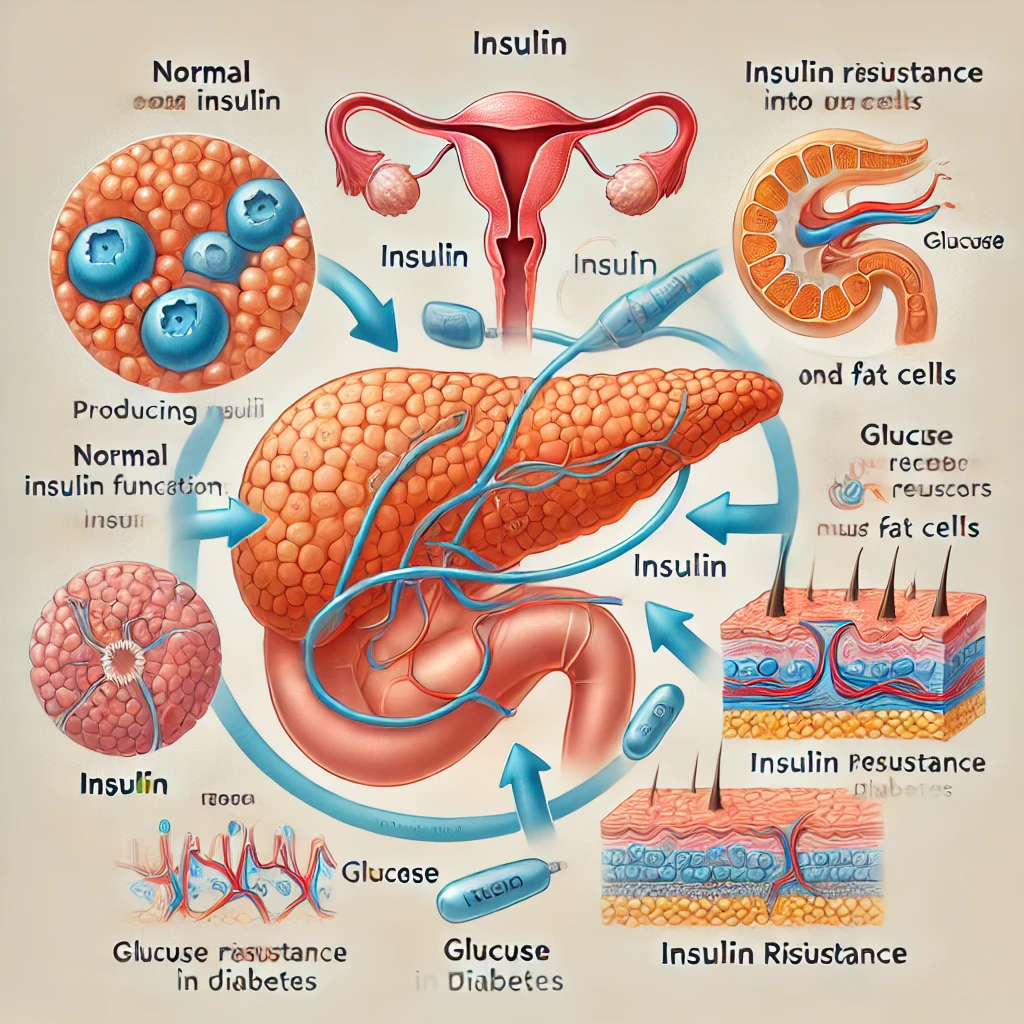
                  "Illustration of how insulin works in the body for diabetes management."

                  Introduction

                  When you first hear the news that you are diagnosed with the diabetes and told that you have to start insulin therapy, managing your condition can seem overwhelming. Insulin therapy is an effective tool that can help you manage your blood sugar levels in an effective way and helps you live a more balanced life overall. Knowing how insulin works and how to use it efficiently can make a big difference, regardless of type of diabetes either Type 1, Type 2, or gestational diabetes.

                  Insulin is the essential hormone for controlling blood sugar levels. The body of diabetics either produces insufficient amounts of insulin or is unable to use it effectively. Treatment with insulin can help your body to maintain adequate blood sugar levels by supplementing or replacing the insulin it requires.

                  In this beginner’s guide, we will tell you everything you need to know about insulin therapy, insulin dosage, insulin adjustment and how it is given. we will provide you with valuable information you need to know to take control of your diabetes care, this guide will empower you with the knowledge to take charge of your diabetes management. Let’s get started!

                  What is insulin?

                  Insulin is a hormone produced by the pancreas. It is vital in regulating blood sugar levels. Imagine insulin as the “key” which is used to open your cells, letting the glucose to go inside and be used as fuel. In the absence of the insulin the blood sugar doesn’t enter the cells leading to high levels of glucose in the blood.

                  How Insulin Works

                  when you eat something, the carbohydrate from your food is broken down into glucose and enters the blood stream. This glucose sends signals to pancreas to release insulin to help this insulin move into the cells. This glucose is either used by the cells or stored for the later use. Insulin also signals liver to store extra glucose in the form of glycogen for future use and this prevents blood sugar levels from rising too high.

                  What Happens When Insulin is Insufficient or Ineffective?

                  In people with type 1 the body doesn’t produce enough insulin while in type 2 diabetes the body becomes resistant to the insulin. Without insulin in the body or when body isn’t able to use it properly the glucose buildup in the blood leading to hyperglycemia. Over the time this hyperglycemia can cause serious complications, such as nerve damage, kidney disease, and cardiovascular problems.

                  Types of insulin

                  Different types of insulin have different onset, peak and duration period, this allows flexibility in controlling blood sugar levels throughout the day. Here’s a breakdown of the main types of insulin:

                  Rapid-Acting Insulin

                  • Onset: 10–20 minutes
                  • Peak: 1–3 hours
                  • Duration: 3–5 hours
                  • Examples: Insulin lispro (Humalog), Insulin aspart (NovoLog), Insulin glulisine (Apidra)
                  • Use: Taken just before or after meals to control blood sugar spikes caused by eating.

                  Short-Acting Insulin (Regular Insulin)

                  • Onset: 30 minutes
                  • Peak: 2–4 hours
                  • Duration: 6–8 hours
                  • Examples: Humulin R, Novolin R
                  • Use: Typically taken 30 minutes before meals to manage blood sugar during meals and snacks.

                  Intermediate-Acting Insulin (NPH Insulin)

                  • Onset: 1–2 hours
                  • Peak: 4–12 hours
                  • Duration: 12–18 hours
                  • Examples: Humulin N, Novolin N
                  • Use: Provides background insulin coverage for about half a day or overnight.

                  Long-Acting Insulin

                  • Onset: 1–2 hours
                  • Peak: Minimal or no peak
                  • Duration: Up to 24 hours or more
                  • Examples: Insulin glargine (Lantus, Basaglar, Toujeo), Insulin detemir (Levemir), Insulin degludec (Tresiba)
                  • Use: Provides a steady level of insulin throughout the day and night, mimicking the body’s basal insulin production.

                  Ultra-Long-Acting Insulin

                  • Onset: 1–2 hours
                  • Peak: Minimal or no peak
                  • Duration: Up to 42 hours
                  • Examples: Insulin degludec (Tresiba)
                  • Use: Offers extended coverage for those who need consistent insulin levels over a longer period.

                   Pre-Mixed Insulin

                  • Onset: Varies (combination of rapid/short-acting and intermediate-acting insulin)
                  • Peak: Varies
                  • Duration: Varies
                  • Examples: Humulin 70/30, Novolog Mix 70/30
                  • Use: Combines two types of insulin to provide both mealtime and background coverage, often for convenience.

                  Tips for Managing Insulin Therapy

                  Managing insulin therapy effectively is key to controlling diabetes and maintaining a healthy lifestyle. Here are some practical tips to help you stay on track:

                  •  Follow Your Doctor’s Plan
                  •  Monitor Blood Sugar Regularly
                  • Rotate Injection Sites
                  • Eat a Balanced Diet
                  • Be Prepared for Hypoglycemia
                  • Store Insulin Properly
                  •  Build a Support System

                  Lifestyle Tips for Effective Insulin Therapy

                  Managing diabetes does not require only the insulin injections it requires thoughtful changes in the lifestyle to make sure that blood sugar levels are in control and person is healthy avoiding the harmful effects of the hyperglycemia. Here are some practical tips to help you make the most of your insulin therapy:

                  •  Follow a Balanced Diet
                  • Stay Physically Active
                  • Monitor Blood Sugar Levels regularly
                  • Manage Stress
                  • Prioritize Sleep
                  • Stay Hydrated
                  • Be Prepared for Emergencies i.e Carry Snacks, Educate Loved Ones etc
                  •  Stay Consistent with Insulin

                  Myths and Facts About Insulin Therapy

                  • Insulin Means My Diabetes is Worse: If you are in need of insulin it doesnt mean that your diabetes at some worse satge it might be the beggining of type 1 diabetes. Both Type 1 and Type 2 diabetes may require insulin at different stages.
                  •  Insulin Causes Weight Gain: Yes, people usually gain weight at the start of the insulin therapy it might because their body is better utilizing the insulin. If you are taking care of your diet and doing exercise regularly this is managed effectively.
                  • Insulin Injections Are Painful: With the advancement in technology the new injections are extremely less painful than people are expecting them to be so.
                  • Insulin is Addictive: It is a natural hormone produced by the pancreas and required only when body is not producing it in the quantity required by the body to regulate blood sugar levels effectively.
                  • Insulin is Only for Type 1 Diabetes: Insulin therapy is required by all people with diabetes type 1 but only by the. Some stages of type 2 diabetes also require the insulin therapy especially as the condition progresses.
                  • Natural Remedies Can Replace Insulin: lifestyle changes help in the regulation of insulin therapy, but they are not only enough replacing the insulin.

                  Conclusion

                  Insulin therapy plays an important role i management of diabetes, offering a way to regulate blood sugar levels and prevent complications. Whether you have Type 1 or Type 2 diabetes, understanding how insulin works is beneficial for you.

                  From debunking common myths to adopting lifestyle changes like a balanced diet, regular exercise, and stress management, effective insulin therapy is about more than just injections. You always need to debunk the common myths and understand the real facts behind.

                  Remember, you’re not alone on this journey. With the right knowledge, support, and guidance you can successfully manage diabetes and live a healthy, fulfilling life. If you have questions or concerns about insulin therapy, don’t hesitate to reach out to your doctor or diabetes educator.

                  Take the first step today—embrace insulin therapy as a powerful ally in your diabetes management journey!

                  Frequently Asked Questions (FAQs)

                  Will I need insulin forever?

                  Yes, in case of type 1 diabetes but in case of type two diabetes you may need it for a shorter period of time or either forever depending upon the condition of the disease.

                  Can I stop insulin if my blood sugar improves?

                  For that you need the guidance from the health care you cannot stop this on your own.

                  What are the side effects of insulin therapy?

                  Insulin therapy can cause side effects like hypoglycemia, weight gain, injection site reactions, and allergic responses, but these are manageable with proper care and medical guidance.

                  Is insulin therapy only for Type 1 diabetes?

                  No, insulin therapy is also used for Type 2 diabetes, especially when other treatments aren’t enough to control blood sugar.

                  Posted on 3 Comments

                  Régime alimentaire pour la maladie ulcéreuse peptique : ce qu’il faut manger et éviter

                  Introduction

                  La maladie de l’ulcère peptique (PUD) se caractérise par la formation d’ulcères qui se produisent dans n’importe quelle partie du tractus gastro-intestinal (GIT). Elle est causée par l’action des sécrétions gastriques et une altération des défenses de la muqueuse. Elle se manifeste par des plaies douloureuses dans la paroi de l’estomac ou de l’intestin grêle. Les médicaments aident sans aucun doute à guérir les ulcères peptiques, mais les aliments que vous consommez jouent un rôle crucial dans l’amélioration ou l’aggravation des symptômes des ulcères peptiques. Il est donc essentiel de comprendre ce que vous mettez dans votre assiette. Que vous cherchiez à apaiser l’irritation, à favoriser la guérison ou à prévenir de futures poussées, faire les bons choix alimentaires est toujours important.

                  Localisations :

                  • Duodénum = première partie du duodénum (la plus courante)
                  • Estomac = petite courbure dans l’antre (la plus courante)
                  • Jonction gastro-œsophagienne
                  • À l’intérieur ou à proximité d’un diverticule de Meckel iléal.

                  Aliments à consommer :

                  1. Aliments riches en fibres :
                    Un régime riche en fibres améliore la digestion et soulage la constipation, ce qui réduit la pression sur l’estomac et diminue l’irritation gastrique. Les aliments riches en fibres comprennent les céréales complètes, les fruits et les légumes.
                  2. Probiotiques :
                    Les probiotiques aident à développer les bactéries intestinales bénéfiques, ce qui améliore la santé globale de l’intestin et aide à combattre Helicobacter Pylori (H. Pylori), une cause très fréquente des ulcères peptiques. Les aliments riches en probiotiques comprennent le yaourt, le kéfir et les aliments fermentés.
                  3. Protéines maigres :
                    Les protéines maigres sont faciles à digérer et fournissent des nutriments essentiels qui aident à réparer et à guérir la paroi de l’estomac. Les aliments riches en protéines maigres comprennent le poulet, le poisson et les protéines végétales.
                  4. Graisses saines :
                    Les graisses saines aident à réduire l’inflammation de la paroi de l’estomac et fournissent une énergie durable sans provoquer de reflux du contenu gastrique dans l’œsophage. Les aliments riches en graisses saines comprennent les avocats, les noix et l’huile d’olive.
                  5. Aliments cicatrisants :
                    Différents aliments cicatrisants agissent de différentes manières et aident à lutter contre la maladie de l’ulcère peptique. Le miel est un antibactérien qui combat H. pylori et favorise la cicatrisation. Certains aliments sont riches en glutamine, ce qui aide à réparer la paroi de l’estomac. D’autres (par exemple, la banane) sont riches en antioxydants qui neutralisent l’acide gastrique et protègent l’estomac pendant la réparation, tandis que l’aloe vera apaise l’inflammation et favorise la guérison du tube digestif.
                  6. Fruits non acides :
                    Ils sont pauvres en acide et doux pour l’estomac, fournissant des vitamines et des minéraux essentiels sans provoquer d’irritation. Les fruits non acides recommandés dans le régime pour la maladie de l’ulcère peptique comprennent les melons.

                  Aliments à éviter :

                  1. Aliments acides :
                    Ces aliments augmentent la production d’acide dans l’estomac, ce qui irrite les ulcères et provoque une sensation de brûlure. Exemples : agrumes (oranges, citrons, pamplemousses), tomates et produits à base de vinaigre.
                  2. Aliments épicés :
                    Les aliments épicés augmentent l’inflammation de la paroi de l’estomac, ce qui rend la guérison des ulcères plus difficile. Le contact direct des épices provoque également une irritation et une sensation de brûlure intense. Exemples : piments, sauces piquantes et plats très épicés.
                  3. Boissons caféinées :
                    La caféine stimule la production d’acide dans l’estomac, ce qui aggrave les ulcères et augmente la douleur. Exemples : café, thé, boissons énergisantes et sodas.
                  4. Boissons gazeuses :
                    Ces boissons contiennent des bulles qui, une fois dans l’estomac, se dilatent, augmentant la pression et provoquant des ballonnements et de l’inconfort. Exemples : sodas, eau pétillante et boissons gazeuses.
                  5. Aliments frits et gras :
                    Les aliments riches en graisses sont difficiles à digérer et restent plus longtemps dans l’estomac, ce qui augmente la production d’acide et provoque une irritation. Exemples : frites, poulet frit, pizza et snacks transformés.
                  6. Glucides raffinés :
                    Les glucides raffinés provoquent des pics de sucre, ce qui entraîne une inflammation et ralentit le processus de guérison. Exemples : pain blanc, pâtisseries et snacks sucrés.

                  Conclusion :


                  Plus de 10 % de la population est confrontée à la maladie de l’ulcère peptique à un moment donné de sa vie. Gérer cette maladie n’est pas difficile si vous faites attention à ce que vous mangez. En privilégiant les aliments cicatrisants et en évitant les aliments déclencheurs, vous pouvez contrôler les symptômes et récupérer rapidement.

                  De petits changements dans votre routine quotidienne peuvent faire une grande différence. Consultez toujours un médecin en cas de symptômes inhabituels. Consultez un diététicien pour obtenir des conseils sur l’alimentation. Prenez soin de votre estomac, et il prendra soin de vous !

                  FAQ :

                  1. Puis-je boire du lait si j’ai un ulcère peptique ?
                    Oui, vous pouvez en boire car il apaise la muqueuse gastrique, mais si vous en consommez en grande quantité, cela augmentera la production d’acide dans l’estomac, ce qui n’est pas bon pour votre ulcère.
                  2. Est-il acceptable de manger des aliments épicés si j’ai un ulcère peptique ?
                    Non, ce n’est pas recommandé car ils augmentent l’inflammation de la paroi de l’estomac, ce qui rend la guérison de l’ulcère plus difficile. Le contact direct des épices provoque également une irritation et une sensation de brûlure intense.
                  3. Quels aliments aident à guérir les ulcères peptiques ?
                    Les aliments qui favorisent la guérison sont les aliments riches en fibres, les probiotiques, les protéines maigres et les aliments cicatrisants.
                  4. Le stress peut-il causer des ulcères peptiques ?
                    Bien que le stress ne cause pas directement des ulcères, il peut aggraver les symptômes et retarder la guérison.
                  5. Y a-t-il des aliments que je dois complètement éviter avec un ulcère peptique ?
                    Oui, évitez les aliments acides, les boissons caféinées, l’alcool, les boissons gazeuses, les aliments frits et gras.

                  Remedy Talks. (n.d.). পেপটিক আলসার রোগের ডায়েট: কী খাবেন এবং কী এড়িয়ে চলবেন [Diet for peptic ulcer disease: What to eat and avoid]. Retrieved from https://remedytalks.com/%e0%a6%aa%e0%a7%87%e0%a6%aa%e0%a6%9f%e0%a6%bf%e0%a6%95-%e0%a6%86%e0%a6%b2%e0%a6%b8%e0%a6%be%e0%a6%b0-%e0%a6%b0%e0%a7%8b%e0%a6%97%e0%a7%87%e0%a6%b0-%e0%a6%a1%e0%a6%be%e0%a6%af%e0%a6%bc%e0%a7%87/

                  Remedy Talks. (n.d.). پیپٹک السر کی بیماری کا غذا: کیا کھائیں اور کیا نہ کھائیں [Diet for peptic ulcer disease: What to eat and avoid]. Retrieved from https://remedytalks.com/%d9%be%db%8c%d9%be%d9%b9%da%a9-%d8%a7%d9%84%d8%b3%d8%b1-%da%a9%db%8c-%d8%a8%db%8c%d9%85%d8%a7%d8%b1%db%8c-%da%a9%d8%a7-%d8%ba%d8%b0%d8%a7-%da%a9%db%8c%d8%a7-%da%a9%da%be%d8%a7%d8%a6%db%8c%da%ba/

                  Remedy Talks. (n.d.). पेप्टिक अल्सर रोग आहार: क्या खाएं और क्या न खाएं [Diet for peptic ulcer disease: What to eat and avoid]. Retrieved from https://remedytalks.com/%e0%a4%aa%e0%a5%87%e0%a4%aa%e0%a5%8d%e0%a4%9f%e0%a4%bf%e0%a4%95-%e0%a4%85%e0%a4%b2%e0%a5%8d%e0%a4%b8%e0%a4%b0-%e0%a4%b0%e0%a5%8b%e0%a4%97-%e0%a4%86%e0%a4%b9%e0%a4%be%e0%a4%b0-%e0%a4%95%e0%a5%8d/

                  Remedy Talks. (n.d.). Peptic ulcer disease diet: Foods to eat and avoid. Retrieved from https://remedytalks.com/peptic-ulcer-disease-diet-foods-to-eat-and-avoid/

                  Posted on Leave a comment

                  मधुमेह को प्राकृतिक रूप से नियंत्रित करने के 10 प्रभावी तरीके: स्वस्थ जीवनशैली के लिए सुझाव

                  परिचय

                  मधुमेह एक वैश्विक स्वास्थ्य चिंता है; यह सभी आयु समूहों में सबसे अधिक प्रचलित बीमारियों में से एक है। विश्व स्वास्थ्य संगठन (WHO) के अनुसार, मधुमेह से पीड़ित लोगों की संख्या 1990 में 200 मिलियन से बढ़कर 2022 में 830 मिलियन हो गई है, और यह संख्या तेजी से बढ़ रही है। यह एक पुरानी स्थिति है, जिसे यदि सावधानी से प्रबंधित नहीं किया गया तो यह जटिलताएं पैदा कर सकती है। प्राकृतिक जीवनशैली में बदलाव मधुमेह के प्रबंधन में काफी मददगार होते हैं। यह ब्लॉग आपको दवाओं पर पूरी तरह निर्भर हुए बिना मधुमेह को प्रभावी ढंग से प्रबंधित करने के व्यावहारिक सुझावों को जानने में मदद करता है।

                  मधुमेह को समझना

                  मधुमेह एक पुरानी स्वास्थ्य स्थिति है, जो इंसुलिन के अपर्याप्त उत्पादन या शरीर द्वारा इंसुलिन का प्रभावी ढंग से उपयोग न कर पाने के कारण होती है। टाइप 1 मधुमेह एक ऑटोइम्यून स्थिति है, जिसमें शरीर इंसुलिन का उत्पादन नहीं करता है, जबकि टाइप 2 मधुमेह शरीर में इंसुलिन प्रतिरोध के कारण होता है। प्राकृतिक प्रबंधन दवाओं पर निर्भरता कम करने और जटिलताओं को रोकने में बहुत महत्वपूर्ण भूमिका निभाता है।

                  नियमित शारीरिक गतिविधि

                  नियमित शारीरिक गतिविधि को रक्त शर्करा के स्तर को प्राकृतिक रूप से नियंत्रित करने के सबसे प्रभावी तरीकों में से एक माना जाता है। नियमित व्यायाम मांसपेशियों को इंसुलिन का प्रभावी ढंग से उपयोग करने में मदद करता है, जिससे इंसुलिन प्रतिरोध कम होता है। व्यायाम रक्त शर्करा के स्तर को कम करता है और स्वस्थ वजन बनाए रखने में मदद करता है, जो मधुमेह के प्रबंधन और जटिलताओं के जोखिम को कम करने के लिए महत्वपूर्ण है। शक्ति प्रशिक्षण और एरोबिक व्यायाम जैसे चलना, दौड़ना, तैरना, साइकिल चलाना और नृत्य करना अनुशंसित हैं।

                  मधुमेह प्रबंधन के लिए आहार संबंधी बदलाव

                  आहार मधुमेह के प्रबंधन में बहुत महत्वपूर्ण भूमिका निभाता है। सही भोजन करने से आप अपने रक्त शर्करा के स्तर को स्थिर कर सकते हैं, इंसुलिन संवेदनशीलता में सुधार कर सकते हैं, और जटिलताओं के जोखिम को भी कम कर सकते हैं। कम ग्लाइसेमिक इंडेक्स वाले आहार की अक्सर सलाह दी जाती है। असंसाधित, पोषक तत्वों से भरपूर खाद्य पदार्थ जैसे सब्जियां, फल, साबुत अनाज, लीन प्रोटीन और स्वस्थ वसा बहुत मददगार होते हैं। पूरे खाद्य पदार्थ खाने, हिस्से को नियंत्रित करने और अस्वस्थ विकल्पों से बचने जैसे बदलाव करके आप अपने रक्त शर्करा के स्तर को नियंत्रित कर सकते हैं। इस संबंध में आप स्वास्थ्य सेवा प्रदाताओं या आहार विशेषज्ञ की मदद ले सकते हैं।

                  मधुमेह में तनाव प्रबंधन की भूमिका

                  मधुमेह के प्रबंधन में तनाव को अक्सर नजरअंदाज कर दिया जाता है। यह रक्त शर्करा के स्तर पर सीधा प्रभाव डालता है। चाहे वह शारीरिक, भावनात्मक या मनोवैज्ञानिक तनाव हो, यह कोर्टिसोल और एड्रेनालाईन जैसे हार्मोन के रिलीज को ट्रिगर करता है, जो रक्त शर्करा के स्तर को बढ़ाता है और लंबे समय तक तनाव इंसुलिन प्रतिरोध का कारण बनता है। माइंडफुलनेस और ध्याननियमित शारीरिक गतिविधिस्वस्थ नींद की आदतेंसमय प्रबंधनसामाजिक समर्थन और संज्ञानात्मक-व्यवहार थेरेपी (CBT) जैसी प्रभावी तनाव प्रबंधन तकनीकें तनाव और चिंता को प्रबंधित करने में विशेष रूप से प्रभावी हैं।

                  पर्याप्त नींद

                  नींद मानव स्वास्थ्य का एक महत्वपूर्ण पहलू है, और मधुमेह से पीड़ित व्यक्तियों के लिए इसका महत्व और भी अधिक है। खराब नींद रक्त शर्करा के स्तर को प्रभावित करती है और इससे रक्त शर्करा का स्तर अधिक हो सकता है। यह कोर्टिसोल और वृद्धि हार्मोन जैसे हार्मोनल संतुलन को बिगाड़ता है। नींद की कमी अस्वस्थ भोजन की लालसा और व्यायाम करने की प्रेरणा कम करने जैसे खराब जीवनशैली विकल्पों का कारण बनती है। इसलिए, एक व्यक्ति को अच्छी नींद की आदतों को प्राथमिकता देनी चाहिए, जो रक्त शर्करा नियंत्रण में सुधार, इंसुलिन संवेदनशीलता को बढ़ाने और जटिलताओं के जोखिम को कम करने में मदद कर सकती है।

                  एक समर्थन प्रणाली का निर्माण

                  मधुमेह का प्रबंधन चुनौतीपूर्ण है क्योंकि यह एक पुरानी बीमारी है जिसके लिए जीवनभर नियंत्रण की आवश्यकता होती है। इसलिए, इस बीमारी के प्रबंधन में लगातार बने रहने के लिए उन्हें अपने आसपास के लोगों से निरंतर समर्थन की आवश्यकता होती है। किसी भी प्रकार का समर्थन दुनिया का फर्क ला सकता है, चाहे वह परिवार, दोस्त, स्वास्थ्य सेवा प्रदाता या समर्थन समूह हो, ऐसे लोगों का नेटवर्क होना जो आपकी स्थिति को समझते हैं। याद रखें, आपको मधुमेह का सामना अकेले नहीं करना है—बाहर निकलें, जुड़ें और अपने समर्थन प्रणाली को आपको सफल होने में मदद करने दें।

                  प्राकृतिक पूरक और जड़ी-बूटियाँ

                  बर्बेरिनदालचीनी, और मेथी जैसे प्राकृतिक पूरक रक्त शर्करा नियंत्रण और इंसुलिन संवेदनशीलता में सुधार करके मधुमेह के प्रबंधन में मददगार होते हैं। अल्फा-लिपोइक एसिड और मैग्नीशियम तंत्रिका स्वास्थ्य और ग्लूकोज चयापचय का समर्थन करते हैं। आपको उन्हें अपने दम पर शुरू नहीं करना चाहिए और किसी नए पूरक को शुरू करने से पहले हमेशा अपने डॉक्टर से परामर्श करना चाहिए क्योंकि यह आपकी दवाओं के साथ प्रतिक्रिया कर सकता है। पूरक पदार्थ निर्धारित उपचार और जीवनशैली में बदलाव का पूरक होना चाहिए, न कि उन्हें प्रतिस्थापित करना। मधुमेह प्रबंधन के लिए एक समग्र दृष्टिकोण के लिए उन्हें समझदारी से उपयोग करें।

                  हाइड्रेशन और मधुमेह में इसकी भूमिका

                  हाइड्रेटेड रहना एक सरल लेकिन बहुत शक्तिशाली तरीका है जो रक्त शर्करा को नियंत्रित करने में मदद करता है, इसलिए खूब पानी पिएं। बहुत सारा पानी पीने से आप रक्त शर्करा के स्तर को नियंत्रित कर सकते हैं, अपने गुर्दे की रक्षा कर सकते हैं और जटिलताओं के जोखिम को कम कर सकते हैं। इसलिए, सुनिश्चित करें कि आप प्रतिदिन पर्याप्त पानी पी रहे हैं।

                  प्रगति की निगरानी और ट्रैकिंग

                  प्रगति की निगरानी के लिए नियमित रक्त शर्करा जांच आवश्यक है। रक्त शर्करा के स्तर को रिकॉर्ड करें और WHO मानदंडों के अनुसार प्रगति की निगरानी करें।

                  निष्कर्ष

                  मधुमेह का प्रभावी ढंग से इलाज करने के लिए एक समग्र दृष्टिकोण की आवश्यकता होती है, जिसमें प्राकृतिक जीवनशैली में बदलाव और चिकित्सा विशेषज्ञों की देखरेख दोनों शामिल हों। नियमित शारीरिक गतिविधि और संतुलित आहार बनाए रखने के साथ-साथ तनाव प्रबंधन, पर्याप्त नींद और पर्याप्त पानी पीने जैसे तरीकों से रक्त शर्करा नियंत्रण में काफी सुधार किया जा सकता है और जटिलताओं के जोखिम को कम किया जा सकता है। एक मजबूत समर्थन प्रणाली का निर्माण और चिकित्सकीय देखरेख में प्राकृतिक पूरक पर विचार करना मधुमेह प्रबंधन को और बेहतर बना सकता है। याद रखें कि नियमित रूप से किए गए छोटे बदलाव भी आपके स्वास्थ्य में बड़े सुधार ला सकते हैं। अपनी दिनचर्या में कोई भी महत्वपूर्ण बदलाव करने से पहले हमेशा अपने स्वास्थ्य सेवा प्रदाता से परामर्श करें। इन निवारक उपायों को अपनाकर आप मधुमेह को प्रभावी ढंग से प्रबंधित कर सकते हैं और एक स्वस्थ और अधिक संतोषजनक जीवन जी सकते हैं।

                  अक्सर पूछे जाने वाले प्रश्न (FAQ)

                  1. क्या मधुमेह को दवा के बिना प्रबंधित किया जा सकता है?
                  हां, मधुमेह को प्राकृतिक जीवनशैली में बदलाव, नियमित व्यायाम, तनाव प्रबंधन और पर्याप्त नींद के माध्यम से प्रबंधित किया जा सकता है। लेकिन इसके लिए प्रबंधन योजना को तदनुसार बदलने के लिए स्वास्थ्य सेवा प्रदाता से नियमित परामर्श की आवश्यकता होती है।

                  2. मधुमेह के प्रबंधन के लिए सबसे अच्छे व्यायाम कौन से हैं?
                  एरोबिक व्यायाम (जैसे चलना, तैरना, साइकिल चलाना) और शक्ति प्रशिक्षण मधुमेह के प्रबंधन में बहुत प्रभावी हैं। प्रति सप्ताह कम से कम 150 मिनट मध्यम-तीव्रता वाले व्यायाम का लक्ष्य रखें।

                  3. तनाव रक्त शर्करा के स्तर को कैसे प्रभावित करता है?
                  तनाव कोर्टिसोल और एड्रेनालाईन जैसे हार्मोन के रिलीज को ट्रिगर करता है, जो रक्त शर्करा के स्तर को बढ़ाता है और लंबे समय तक तनाव इंसुलिन प्रतिरोध का कारण बनता है।

                  4. क्या मधुमेह का इलाज दवा के बिना किया जा सकता है?
                  हां, टाइप 2 मधुमेह को कभी-कभी आहार, व्यायाम और वजन प्रबंधन जैसे जीवनशैली परिवर्तनों के माध्यम से दवा के बिना प्रबंधित किया जा सकता है, लेकिन टाइप 1 मधुमेह के लिए हमेशा इंसुलिन की आवश्यकता होती है। हमेशा स्वास्थ्य सेवा प्रदाता से मदद लें।

                  ن.a. (n.d.). ذیابیطس کو قدرتی طور پر کنٹرول کرنے کے 10 طریقے. Remedy Talkshttps://remedytalks.com/%d8%b0%db%8c%d8%a7%d8%a8%db%8c%d8%b7%d8%b3-%da%a9%d9%88-%d9%82%d8%af%d8%b1%d8%aa%db%8c-%d8%b7%d9%88%d8%b1-%d9%be%d8%b1-%da%a9%d9%86%d9%b9%d8%b1%d9%88%d9%84-%da%a9%d8%b1%d9%86%db%92-%da%a9%db%92-10/

                  n.a. (n.d.). 10 effective ways to manage diabetes naturally: Tips for a healthier lifestyle. Remedy Talkshttps://remedytalks.com/10-effective-ways-to-manage-diabetes-naturally-tips-for-a-healthier-lifestyle/

                  Remedy Talks. (n.d.). ডায়াবেটিসকে প্রাকৃতিকভাবে নিয়ন্ত্রণ করার উপায় [Natural ways to control diabetes]. Retrieved from https://remedytalks.com/%e0%a6%a1%e0%a6%be%e0%a6%af%e0%a6%bc%e0%a6%be%e0%a6%ac%e0%a7%87%e0%a6%9f%e0%a6%bf%e0%a6%b8%e0%a6%95%e0%a7%87-%e0%a6%aa%e0%a7%8d%e0%a6%b0%e0%a6%be%e0%a6%95%e0%a7%83%e0%a6%a4%e0%a6%bf%e0%a6%95%e0%a6%ad/

                  Remedy Talks. (n.d.). 10 طرق فعالة لإدارة مرض السكري بشكل طبيعي [10 effective ways to manage diabetes naturally]. Retrieved from https://remedytalks.com/10-%d8%b7%d8%b1%d9%82-%d9%81%d8%b9%d8%a7%d9%84%d8%a9-%d9%84%d8%a5%d8%af%d8%a7%d8%b1%d8%a9-%d9%85%d8%b1%d8%b6-%d8%a7%d9%84%d8%b3%d9%83%d8%b1%d9%8a-%d8%a8%d8%b4%d9%83%d9%84-%d8%b7%d8%a8%d9%8a%d8%b9/

                  Posted on Leave a comment

                  ہیومن میٹا نیومو وائرس (ایچ ایم پی وی) کیا ہے ؟ علامات ، وجوہات اور علاج “

                  تعارف

                  ہیومن میٹا نیومو وائرس (ایچ ایم پی وی) ایک عام پیتھوجین ہے جو بالائی اور نچلے دونوں سانس کی نالی کے انفیکشن کا سبب بن سکتا ہے ، خاص طور پر بچوں ، بزرگ بالغوں اور امیونوکمپروائزڈ میزبانوں میں ۔ 2001 میں ، نیدرلینڈز میں محققین نے سب سے پہلے الیکٹران مائکروسکوپی اور بے ترتیب ریورس ٹرانسکرپشن-پولی میریز چین ری ایکشن (آر ٹی-پی سی آر) تکنیک کا استعمال کرتے ہوئے سانس کی بیماری میں مبتلا 28 بچوں کے ذخیرہ شدہ ناسوفرینجیل نمونوں سے ایچ ایم پی وی کی شناخت کی ۔ اس کے پھیلاؤ کے باوجود لوگوں نے ایچ ایم پی وی کے بارے میں کبھی نہیں سنا ہے ، جو علامات پیدا ہونے پر انہیں غیر تیار چھوڑ دیتا ہے ۔

                  خیال کیا جاتا ہے کہ ایچ ایم پی وی متاثرہ افراد یا اشیاء کے ساتھ براہ راست یا قریبی رابطے کے ذریعے پھیلتا ہے ۔ (fomites). ایچ ایم پی وی کی علامات دوسرے سانس کے وائرس سے ملتی جلتی نظر آتی ہیں ، اس لیے اسے آسانی سے نظر انداز کر دیا جاتا ہے ۔ ایچ ایم پی وی میں موسمی تغیر ہوتا ہے: یہ سردیوں کے آخر سے موسم بہار کے اوائل تک معتدل آب و ہوا میں گردش کرتا ہے ؛ موسم بہار کے آخر اور گرمیوں میں اشنکٹبندیی علاقوں میں ۔ ایچ ایم پی وی کے لیے کوئی مخصوص اینٹی وائرل علاج یا اس کے لیے کوئی ویکسین نہیں ہے لہذا اس کی وجوہات کی علامات کو سمجھنے اور اس کا انتظام کرنے کے طریقے سے آپ کو اپنے خاندان اور پیاروں کی حفاظت کرنے میں مدد ملتی ہے ۔

                  ایچ ایم پی وی نے عالمی سطح پر سانس کی وبا میں اپنے کردار کی وجہ سے پوری دنیا میں توجہ حاصل کی ہے ۔ مثال کے طور پر ، چین نے سردیوں اور موسم بہار کے مہینوں کے دوران ایچ ایم پی وی کے معاملات میں اضافے کا تجربہ کیا ہے ، جس سے صحت کی دیکھ بھال کے نظام پر مزید دباؤ بڑھتا ہے جو پہلے ہی موسمی فلو اور کووڈ-19 سے لڑ رہے ہیں ۔

                  ہیومن میٹا نیومو وائرس (ایچ ایم پی وی) کیا ہے ؟

                  ہیومن میٹا نیومو وائرس (ایچ ایم پی وی) ایک سانس لینے والا وائرس ہے جس کا تعلق نیومو وائریڈی خاندان سے ہے اور یہ اوپری اور نچلے سانس کے راستوں میں انفیکشن کا سبب بنتا ہے ۔ میٹا نیومو وائرس ڈھکے ہوئے ، غیر منقسم ، منفی احساس ، سنگل اسٹرینڈڈ آر این اے وائرس ہوتے ہیں ۔ ایچ ایم پی وی دنیا بھر میں سانس کے انفیکشن کے ایک بڑے حصے کے لیے ذمہ دار ہے ۔ انفلوئنزا اور آر ایس وی کے مقابلے میں ، ایچ ایم پی وی بعد کے مہینوں میں عروج پر پہنچ جاتا ہے اور سانس کے دیگر وائرسوں کی طرح موسمی تقسیم ظاہر کرتا ہے ۔ دیگر سانس کے وائرس سمیت ، ایچ ایم پی وی بنیادی طور پر چھوٹے بچوں اور نوزائیدہ بچوں ، بوڑھوں ، اور ان لوگوں کو متاثر کرتا ہے جو بنیادی دائمی بیماریوں میں مبتلا ہیں جن میں ایمفیسیما ، دمہ ، یا کمزور مدافعتی نظام شامل ہیں ۔

                  ایچ ایم پی وی کی علامات

                  ایچ ایم پی وی کی علامات تقریبا دوسرے سانس کے وائرس جیسے فلو یا ریسپریٹری سنکیٹیئل وائرس سے ملتی جلتی ہیں ۔ (RSV). ان علامات کی شدت مریض کی عمر اور صحت پر منحصر ہوتی ہے ۔ عام علامات میں شامل ہیں:

                  • کھانسی کا بخار
                  • ناک میں جکڑن
                  • گلے میں درد ، سانس لینے میں دشواری ، سر درد

                  اعلی خطرہ والے گروپوں میں (e.g. ، شیر خوار ، بوڑھے ، یا امیونوکمپروائزڈ افراد) HMPV زیادہ سنگین پیچیدگیوں کا باعث بن سکتا ہے ، بشمول:

                  • برونکائٹس نمونیا
                  • دمہ یا پھیپھڑوں کی دائمی بیماری کا خراب ہونا ۔
                  • سانس کی تکلیف

                  علامات کا دورانیہ

                  زیادہ تر علامات صحت مند افراد میں حل کرنے کے لئے 7-14 دن لگتے ہیں. کھانسی اور تھکاوٹ کئی ہفتوں تک برقرار رہ سکتی ہے ، خاص طور پر شدید صورتوں میں ۔

                  ایچ ایم پی وی کی وجوہات اور منتقلی

                  ایچ ایم پی وی ایک سانس لینے والا وائرس ہے جو آسانی سے ایک شخص سے دوسرے شخص میں پھیل سکتا ہے ۔ ٹرانسمیشن کے طریقے کو سمجھنے سے اس کے پھیلاؤ کو روکنے میں مدد مل سکتی ہے ۔ اس پر تفصیلی نظر یہ ہے:

                  ایچ ایم پی وی کی وجہ کیا ہے ؟

                  ایچ ایم پی وی ہیومن میٹا نیومو وائرس کی وجہ سے ہوتا ہے ، جو نیومو وائریڈی خاندان کا ایک رکن ہے اور اس کا تعلق آر ایس وی سے ہے ۔ یہ وائرس بنیادی طور پر سانس کی نالی کو متاثر کرتا ہے ، جس کی وجہ سے اوپری اور نچلی ہوا کی نالیوں میں انفیکشن ہوتا ہے ۔

                  ایچ ایم پی وی کیسے منتقل ہوتا ہے ؟

                  ایچ ایم پی وی کی ترسیل کے اہم طریقے یہ ہیں

                  • کسی متاثرہ شخص کے سانس کی بوندوں سے جب وہ کھانسی کرتا ہے ، چھینکتا ہے یا بات کرتا ہے ۔ یہ بوندیں قریب کھڑا شخص سانس میں لیتا ہے ، جس سے انفیکشن ہوتا ہے ۔
                  • متاثرہ شخص سے براہ راست رابطہ ۔
                  • بالواسطہ رابطہ: وائرس سے آلودہ سطحوں یا اشیاء کو چھونا ۔
                  • قریبی قربت: متاثرہ شخص کے ساتھ قریبی رابطے میں رہنا

                  ایچ ایم پی وی کی انکیوبیشن مدت

                  وائرس کی نمائش اور علامات کے آغاز کے درمیان وقت عام طور پر 3-6 دن ہے. انکیوبیشن کی مدت کے دوران ، کوئی علامات نہیں ہوتی ہیں ، لیکن وائرس جسم میں پھیل رہا ہے ۔

                  ایچ ایم پی وی کی تشخیص

                  ایچ ایم پی وی کی تشخیص دیگر سانس کے وائرس جیسے ریسپریٹری سنکیٹیئل وائرس (آر ایس وی) انفلوئنزا ، اور کووڈ-19 کے ساتھ مماثلت کی وجہ سے مشکل ہے ۔ تشخیص کے لیے ایچ ایم پی وی کی تصدیق کے لیے لیبارٹری ٹیسٹنگ کی ضرورت ہوتی ہے

                  پولی میریز چین ری ایکشن (پی سی آر) ٹیسٹ: یہ انتہائی حساس ہے اور اس کی درستگی کی وجہ سے ایچ ایم پی وی کی تشخیص میں اسے گولڈ اسٹینڈرڈ سمجھا جاتا ہے ۔

                  ب ۔ اینٹیجن ٹیسٹنگ: یہ ناک یا گلے کے سواب سے لیے گئے سانس کے نمونوں میں وائرل پروٹین (اینٹیجن) کا پتہ لگاتا ہے ۔ یہ پی سی آر سے تیز لیکن کم حساس ہے ۔

                  ج ۔ وائرل کلچر: وقت کی ضرورت کی وجہ سے اسے معمول کی تشخیص کے لیے شاذ و نادر ہی استعمال کیا جاتا ہے ۔ (several days to weeks).

                  ایچ ایم پی وی کا علاج

                  علاج معاون دیکھ بھال پر مشتمل ہوتا ہے کیونکہ ایچ ایم پی وی کے خلاف کوئی لائسنس یافتہ اینٹی وائرل نہیں ہیں ۔ دو ممکنہ علاج جن کی تحقیقات کی گئی ہیں

                  • Ribavirin
                  •  Immunoglobulin

                  ایچ ایم پی وی کا انتظام بنیادی طور پر علامات کو دور کرنے اور پیچیدگیوں کو روکنے کے لیے معاون دیکھ بھال پر مرکوز ہے ، خاص طور پر زیادہ خطرے والے افراد میں ۔

                  ایچ ایم پی وی کے لیے معاون نگہداشت

                  • آرام کی ہائیڈریشن
                  • بخار اور درد کا انتظام
                  • کھانسی کا انتظام آکسیجن تھراپی

                  زیادہ خطرے والے افراد کو ایچ ایم پی وی سے متعلق پیچیدگیوں کے انتظام کے لیے ہسپتال میں داخل ہونے کی ضرورت پڑ سکتی ہے ۔

                  ایچ ایم پی وی کی روک تھام

                  چونکہ ہیومن میٹا نیومو وائرس (ایچ ایم پی وی) کے لیے کوئی مخصوص ویکسین یا اینٹی وائرل علاج نہیں ہے اس لیے انفیکشن کے خطرے کو کم کرنے کا سب سے مؤثر طریقہ انفیکشن کی روک تھام ہے ۔ روک تھام کے عملی نکات درج ذیل ہیں ۔

                  • ہاتھوں کی حفظان صحت (frequent handwashing)
                  • متاثرہ افراد کے ساتھ قریبی رابطے سے گریز کریں
                  • بھیڑ والی جگہوں پر ماسک پہننا
                  • اکثر چھونے والی سطحوں کو جراثیم کش کرنا ۔
                  • کوئنفیکشن کو روکنے کے لیے دیگر سانس کے وائرسوں کے لیے ویکسینیشن
                  • ہائی رسک گروپ کے لیے خصوصی احتیاطی تدابیر

                  نتیجہ

                  • ایچ ایم پی وی سانس کی بیماری کی ایک اہم وجہ ہے ، خاص طور پر زیادہ خطرے والے گروپوں میں ۔
                  • اچھی حفظان صحت کے ذریعے روک تھام اور بیمار افراد کے ساتھ قریبی رابطے سے گریز کرنا بہت ضروری ہے ۔
                  • معاون دیکھ بھال علاج کی بنیادی بنیاد ہے ، کیونکہ ایچ ایم پی وی کے لیے کوئی مخصوص اینٹی وائرل یا ویکسین نہیں ہے ۔
                  • سانس کے وائرس کے موسم کے دوران باخبر رہیں اور اپنی اور دوسروں کی حفاظت کے لیے فعال اقدامات کریں ۔

                  TO read this article in English

                  Fahad, M. (2025a, January 3). “What is Human Metapneumovirus (HMPV)? Symptoms, Causes, and Treatment” – Remedy Talks. https://remedytalks.com/what-is-human-metapneumovirus-hmpv-symptoms-causes-and-treatment/

                  इस लेख को हिंदी में पढ़ने के लिए लिंक पर क्लिक करें

                  Fahad, M. (2025b, January 3). मानव मेटाप्यूमोवायरस (एचएमपीवी) क्या है? लक्षण, कारण और उपचार – Remedy Talks. https://remedytalks.com/%e0%a4%ae%e0%a4%be%e0%a4%a8%e0%a4%b5-%e0%a4%ae%e0%a5%87%e0%a4%9f%e0%a4%be%e0%a4%aa%e0%a5%8d%e0%a4%af%e0%a5%82%e0%a4%ae%e0%a5%8b%e0%a4%b5%e0%a4%be%e0%a4%af%e0%a4%b0%e0%a4%b8-%e0%a4%8f%e0%a4%9a/

                  এই নিবন্ধটি বাংলায় পড়তে

                  Marfah. (2025, January 3). হিউম্যান মেটাপনিমোভাইরাস (এইচএমপিভি) কী? লক্ষণ, কারণ এবং চিকিৎসা “ – Remedy Talkshttps://remedytalks.com/%e0%a6%b9%e0%a6%bf%e0%a6%89%e0%a6%ae%e0%a7%8d%e0%a6%af%e0%a6%be%e0%a6%a8-%e0%a6%ae%e0%a7%87%e0%a6%9f%e0%a6%be%e0%a6%aa%e0%a6%a8%e0%a6%bf%e0%a6%ae%e0%a7%8b%e0%a6%ad%e0%a6%be%e0%a6%87%e0%a6%b0%e0%a6%be/

                  Posted on 1 Comment

                  হিউম্যান মেটাপনিমোভাইরাস (এইচএমপিভি) কী? লক্ষণ, কারণ এবং চিকিৎসা “

                  ভূমিকা.

                  হিউম্যান মেটাপুনোমোভাইরাস (এইচএমপিভি) একটি সাধারণ প্যাথোজেন যা উপরের এবং নীচের শ্বাসযন্ত্রের সংক্রমণ উভয়ই ঘটাতে পারে, বিশেষ করে শিশু, বয়স্ক প্রাপ্তবয়স্ক এবং ইমিউনোকম্প্রোমাইজড হোস্টের মধ্যে। 2001 সালে, নেদারল্যান্ডসের গবেষকরা ইলেক্ট্রন মাইক্রোস্কোপি এবং র্যান্ডম রিভার্স ট্রান্সক্রিপশন-পলিমারেজ চেইন রিঅ্যাকশন (আরটি-পিসিআর) কৌশল ব্যবহার করে শ্বাসযন্ত্রের অসুস্থতায় আক্রান্ত 28 টি শিশুর সঞ্চিত নাসোফারিঞ্জিয়াল নমুনা থেকে এইচএমপিভি প্রথম সনাক্ত করেন। এর প্রাদুর্ভাব সত্ত্বেও লোকেরা এইচ. এম. পি. ভি-র কথা কখনও শোনেনি, যা লক্ষণগুলি দেখা দিলে তাদের অপ্রস্তুত করে দেয়।

                  এইচ. এম. পি. ভি সংক্রমিত ব্যক্তি বা বস্তুর সাথে সরাসরি বা ঘনিষ্ঠ যোগাযোগের মাধ্যমে ছড়িয়ে পড়ে বলে মনে করা হয়। (fomites). এইচ. এম. পি. ভি-র লক্ষণগুলি অন্যান্য শ্বাসযন্ত্রের ভাইরাসের মতো দেখায়, তাই এটি সহজেই অবহেলিত হয়। এইচ. এম. পি. ভি-র একটি মৌসুমী বৈচিত্র্য রয়েছেঃ এটি শীতের শেষের দিকে থেকে নাতিশীতোষ্ণ জলবায়ুতে বসন্তের প্রথম দিকে প্রবাহিত হয়; গ্রীষ্মমন্ডলীয় অঞ্চলে বসন্তের শেষের দিকে এবং গ্রীষ্মকালে। এইচ. এম. পি. ভি-র জন্য কোনও নির্দিষ্ট অ্যান্টিভাইরাল চিকিৎসা বা এর জন্য কোনও টিকা নেই তাই এর কারণগুলির লক্ষণগুলি বোঝা এবং কীভাবে এটি পরিচালনা করা যায় তা আপনাকে আপনার পরিবার এবং প্রিয়জনদের রক্ষা করতে সহায়তা করে।

                  বিশ্বব্যাপী শ্বাসযন্ত্রের প্রাদুর্ভাবে এর ভূমিকার কারণে এইচএমপিভি সমগ্র বিশ্বের দৃষ্টি আকর্ষণ করেছে। উদাহরণস্বরূপ, চীন শীত এবং বসন্তের মাসগুলিতে এইচএমপিভি ক্ষেত্রে বৃদ্ধি পেয়েছে, যা ইতিমধ্যে মৌসুমী ফ্লু এবং কোভিড-19-এর বিরুদ্ধে লড়াই করা স্বাস্থ্যসেবা ব্যবস্থার উপর আরও চাপ যোগ করে।

                  হিউম্যান মেটাপনিমোভাইরাস (এইচএমপিভি) কি?

                  হিউম্যান মেটাপুনোমোভাইরাস (এইচ. এম. পি. ভি) হল নিউমোভাইরিডি পরিবারের অন্তর্গত একটি শ্বাসযন্ত্রের ভাইরাস এবং এটি উপরের এবং নীচের শ্বাসযন্ত্রের ট্র্যাক্টে সংক্রমণ ঘটায় বলে জানা যায়। মেটাপুনোমোভাইরাসগুলি আবৃত, অ-বিভাজিত, নেতিবাচক-জ্ঞান, একক-আটকে থাকা আর. এন. এ ভাইরাস। এইচ. এম. পি. ভি বিশ্বব্যাপী শ্বাসযন্ত্রের সংক্রমণের একটি বড় অংশের জন্য দায়ী। ইনফ্লুয়েঞ্জা এবং আরএসভির তুলনায়, এইচএমপিভি পরবর্তী মাসগুলিতে শীর্ষে থাকে এবং অন্যান্য শ্বাসযন্ত্রের ভাইরাসের মতো মৌসুমী বিতরণ প্রদর্শন করে। অন্যান্য শ্বাসযন্ত্রের ভাইরাস সহ, এইচএমপিভি প্রাথমিকভাবে ছোট শিশু এবং নবজাতক, বয়স্ক এবং এমফিসেমা, হাঁপানি বা আপোস করা ইমিউন সিস্টেম সহ অন্তর্নিহিত দীর্ঘস্থায়ী অসুস্থতায় আক্রান্ত ব্যক্তিদের প্রভাবিত করে।

                  এইচএমপিভির লক্ষণ

                  এইচ. এম. পি. ভি-র লক্ষণগুলি ফ্লু বা রেসপিরেটরি সিনসাইটিয়াল ভাইরাসের মতো অন্যান্য শ্বাসযন্ত্রের ভাইরাসের মতোই। (RSV). এই লক্ষণগুলির তীব্রতা রোগীর বয়স এবং স্বাস্থ্যের উপর নির্ভর করে। সাধারণ লক্ষণগুলির মধ্যে রয়েছেঃ

                  • কাশি জ্বর।
                  • অনুনাসিক সংকোচন
                  • গলাব্যথা শ্বাসকষ্ট ক্লান্তি মাথাব্যথা

                  উচ্চ ঝুঁকিপূর্ণ গোষ্ঠীগুলিতে (e.g., শিশু, বয়স্ক, বা ইমিউনোকম্প্রোমাইজড ব্যক্তিরা) এইচএমপিভি আরও গুরুতর জটিলতার কারণ হতে পারে, যার মধ্যে রয়েছেঃ

                  • ব্রঙ্কাইটিস নিউমোনিয়া
                  • হাঁপানি বা দীর্ঘস্থায়ী ফুসফুসের রোগের অবনতি।
                  • শ্বাসকষ্টজনিত সমস্যা

                  লক্ষণগুলির সময়কালঃ

                  বেশিরভাগ লক্ষণগুলি সুস্থ ব্যক্তিদের মধ্যে সমাধান করতে 7-14 দিন সময় নেয়। কাশি এবং ক্লান্তি কয়েক সপ্তাহ ধরে থাকতে পারে, বিশেষ করে গুরুতর ক্ষেত্রে।

                  এইচএমপিভির কারণ ও সংক্রমণ

                  এইচ. এম. পি. ভি হল একটি শ্বাসযন্ত্রের ভাইরাস যা সহজেই এক ব্যক্তির থেকে অন্য ব্যক্তির মধ্যে ছড়িয়ে পড়তে পারে। সংক্রমণের পদ্ধতি বোঝা এর বিস্তার বন্ধ করতে সাহায্য করতে পারে। এখানে এর বিশদ বিবরণ দেওয়া হলঃ

                  এইচ. এম. পি. ভি-র কারণ কী?

                  এইচ. এম. পি. ভি হিউম্যান মেটাপনিমোভাইরাস দ্বারা সৃষ্ট হয়, যা নিউমোভাইরিডি পরিবারের সদস্য এবং আর. এস. ভি-র সাথে সম্পর্কিত। এই ভাইরাস প্রাথমিকভাবে শ্বাসযন্ত্রকে প্রভাবিত করে, যার ফলে উপরের এবং নীচের শ্বাসনালীতে সংক্রমণ হয়।

                  এইচ. এম. পি. ভি কীভাবে সংক্রমিত হয়?

                  এইচ. এম. পি. ভি-র সংক্রমণের প্রধান পদ্ধতিগুলি এখানে দেওয়া হল।

                  • কাশি, হাঁচি বা কথা বলার সময় সংক্রামিত ব্যক্তির শ্বাসযন্ত্রের ফোঁটা দ্বারা। এই ফোঁটাগুলি কাছাকাছি দাঁড়িয়ে থাকা ব্যক্তির দ্বারা শ্বাস-প্রশ্বাস নেওয়া হয়, যার ফলে সংক্রমণ হয়।
                  • সংক্রমিত ব্যক্তির সঙ্গে সরাসরি যোগাযোগ।
                  • পরোক্ষ যোগাযোগঃ ভাইরাস দ্বারা দূষিত পৃষ্ঠ বা বস্তু স্পর্শ করা।
                  • নিকটবর্তীতাঃ সংক্রমিত ব্যক্তির সঙ্গে ঘনিষ্ঠ যোগাযোগে থাকা

                  এইচ. এম. পি. ভি-র ইনকিউবেশন সময়কাল

                  ভাইরাস এক্সপোজার এবং লক্ষণগুলির সূচনার মধ্যে সময় সাধারণত 3-6 দিন। ইনকিউবেশন পিরিয়ডের সময়, কোনও লক্ষণ দেখা যায় না, তবে ভাইরাস শরীরে ছড়িয়ে পড়ছে।

                  এইচ. এম. পি. ভি রোগ নির্ণয়

                  রেসপিরেটরি সিন্সিটিয়াল ভাইরাস (আরএসভি) ইনফ্লুয়েঞ্জা এবং কোভিড-19-এর মতো অন্যান্য শ্বাসযন্ত্রের ভাইরাসগুলির সাথে সাদৃশ্যের কারণে এইচএমপিভি নির্ণয় করা চ্যালেঞ্জিং। এইচ. এম. পি. ভি নিশ্চিত করার জন্য রোগ নির্ণয়ের জন্য পরীক্ষামূলক পরীক্ষার প্রয়োজন হয়।

                  a. পলিমারেজ চেইন রিঅ্যাকশন (PCR) টেস্টঃ এটি অত্যন্ত সংবেদনশীল এবং সঠিকতার কারণে এইচএমপিভি নির্ণয়ের ক্ষেত্রে এটি একটি স্বর্ণমান হিসাবে বিবেচিত হয়।

                  খ. অ্যান্টিজেন পরীক্ষাঃ এটি নাক বা গলার সোয়াব থেকে নেওয়া শ্বাসযন্ত্রের নমুনায় ভাইরাল প্রোটিন (অ্যান্টিজেন) সনাক্ত করে। এটি পি. সি. আর-এর চেয়ে দ্রুত কিন্তু কম সংবেদনশীল।

                  গ. ভাইরাল কালচারঃ প্রয়োজনীয় সময়ের কারণে নিয়মিত রোগ নির্ণয়ের জন্য এটি খুব কমই ব্যবহৃত হয়। (several days to weeks).

                  এইচএমপিভি-র চিকিৎসা

                  এইচ. এম. পি. ভি-র বিরুদ্ধে কোনও লাইসেন্সপ্রাপ্ত অ্যান্টিভাইরাল না থাকায় চিকিৎসার মধ্যে রয়েছে সহায়ক যত্ন। দুটি সম্ভাব্য চিকিৎসা যা তদন্ত করা হয়েছে

                  •  Ribavirin
                  •  Immunoglobulin

                  এইচ. এম. পি. ভি-র ব্যবস্থাপনা মূলত উপসর্গগুলি উপশম করতে এবং জটিলতা প্রতিরোধ করতে সহায়ক যত্নের উপর দৃষ্টি নিবদ্ধ করে, বিশেষ করে উচ্চ-ঝুঁকিপূর্ণ ব্যক্তিদের ক্ষেত্রে।

                  এইচ. এম. পি. ভি-র সহায়ক যত্ন

                  • বিশ্রাম হাইড্রেশন
                  • জ্বর ও ব্যথা নিয়ন্ত্রণ
                  • কাশি ব্যবস্থাপনা অক্সিজেন থেরাপি

                  উচ্চ ঝুঁকিপূর্ণ ব্যক্তিদের এইচ. এম. পি. ভি সম্পর্কিত জটিলতা পরিচালনার জন্য হাসপাতালে ভর্তির প্রয়োজন হতে পারে।

                  এইচএমপিভি প্রতিরোধ

                  যেহেতু হিউম্যান মেটাপুনোমোভাইরাস (এইচ. এম. পি. ভি)-এর জন্য কোনও নির্দিষ্ট টিকা বা অ্যান্টিভাইরাল চিকিৎসা নেই, তাই সংক্রমণের ঝুঁকি হ্রাস করার সবচেয়ে কার্যকর উপায় হল সংক্রমণ প্রতিরোধ। ব্যবহারিক প্রতিরোধের টিপসগুলি নিম্নরূপঃ

                  • হাতের পরিচ্ছন্নতা (frequent handwashing)
                  • সংক্রমিত ব্যক্তিদের সঙ্গে ঘনিষ্ঠ যোগাযোগ এড়িয়ে চলুন
                  • জনাকীর্ণ জায়গায় মাস্ক পরা
                  • ঘন ঘন স্পর্শ করা পৃষ্ঠগুলিকে জীবাণুমুক্ত করা।
                  • সহসংক্রমণ প্রতিরোধে অন্যান্য শ্বাসযন্ত্রের ভাইরাসগুলির জন্য টিকা
                  • উচ্চ ঝুঁকিপূর্ণ গোষ্ঠীগুলির জন্য বিশেষ সতর্কতা

                  উপসংহার

                  • এইচ. এম. পি. ভি শ্বাসযন্ত্রের অসুস্থতার একটি উল্লেখযোগ্য কারণ, বিশেষ করে উচ্চ-ঝুঁকিপূর্ণ গোষ্ঠীগুলিতে।
                  • ভাল স্বাস্থ্যবিধির মাধ্যমে প্রতিরোধ এবং অসুস্থ ব্যক্তিদের সঙ্গে ঘনিষ্ঠ যোগাযোগ এড়ানো অত্যন্ত গুরুত্বপূর্ণ।
                  • সহায়ক যত্ন চিকিৎসার মূল ভিত্তি, কারণ এইচ. এম. পি. ভি-র জন্য কোনও নির্দিষ্ট অ্যান্টিভাইরাল বা টিকা নেই।
                  • শ্বাসযন্ত্রের ভাইরাসের মরসুমে নিজেকে এবং অন্যদের রক্ষা করার জন্য অবহিত থাকুন এবং সক্রিয় পদক্ষেপ নিন।

                  इस लेख को हिंदी में पढ़ने के लिए लिंक पर क्लिक करें

                  Fahad, M. (2025b, January 3). मानव मेटाप्यूमोवायरस (एचएमपीवी) क्या है? लक्षण, कारण और उपचार – Remedy Talks. https://remedytalks.com/%e0%a4%ae%e0%a4%be%e0%a4%a8%e0%a4%b5-%e0%a4%ae%e0%a5%87%e0%a4%9f%e0%a4%be%e0%a4%aa%e0%a5%8d%e0%a4%af%e0%a5%82%e0%a4%ae%e0%a5%8b%e0%a4%b5%e0%a4%be%e0%a4%af%e0%a4%b0%e0%a4%b8-%e0%a4%8f%e0%a4%9a/

                  To read this article in English click on the link

                  Fahad, M. (2025, January 3). “What is Human Metapneumovirus (HMPV)? Symptoms, Causes, and Treatment” – Remedy Talks. https://remedytalks.com/what-is-human-metapneumovirus-hmpv-symptoms-causes-and-treatment/

                  اس مضمون کو اردو میں پڑھنے کے لیے

                  Marfah. (2025a, January 3). ہیومن میٹا نیومو وائرس (ایچ ایم پی وی) کیا ہے ؟ علامات ، وجوہات اور علاج “ – Remedy Talks. https://remedytalks.com/%db%81%db%8c%d9%88%d9%85%d9%86-%d9%85%db%8c%d9%b9%d8%a7-%d9%86%db%8c%d9%88%d9%85%d9%88-%d9%88%d8%a7%d8%a6%d8%b1%d8%b3-%d8%a7%db%8c%da%86-%d8%a7%db%8c%d9%85-%d9%be%db%8c-%d9%88%db%8c-%da%a9%db%8c/

                  Posted on 1 Comment

                  मानव मेटाप्यूमोवायरस (एचएमपीवी) क्या है? लक्षण, कारण और उपचार

                  परिचय

                  ह्यूमन मेटाप्यूमोवायरस (एच. एम. पी. वी.) एक सामान्य रोगजनक है जो ऊपरी और निचले श्वसन पथ संक्रमण दोनों का कारण बन सकता है, विशेष रूप से बच्चों, बुजुर्ग वयस्कों और प्रतिरक्षाविहीन मेजबानों में। 2001 में, नीदरलैंड में शोधकर्ताओं ने पहली बार इलेक्ट्रॉन माइक्रोस्कोपी और रैंडम रिवर्स ट्रांसक्रिप्शन-पॉलीमरेज़ चेन रिएक्शन (आरटी-पीसीआर) तकनीकों का उपयोग करके श्वसन बीमारी वाले 28 बच्चों के संग्रहीत नासोफैरिंजियल नमूनों से एचएमपीवी की पहचान की। इसकी व्यापकता के बावजूद लोगों ने एच. एम. पी. वी. के बारे में कभी नहीं सुना है, जो लक्षण उत्पन्न होने पर उन्हें अप्रस्तुत छोड़ देता है।

                  माना जाता है कि एच. एम. पी. वी. संक्रमित व्यक्तियों या वस्तुओं के साथ सीधे या निकट संपर्क के माध्यम से फैलता है। (fomites). एच. एम. पी. वी. के लक्षण अन्य श्वसन वायरसों के समान दिखते हैं, इसलिए इसे आसानी से नजरअंदाज कर दिया जाता है। एच. एम. पी. वी. में एक मौसमी भिन्नता होती हैः यह सर्दियों के अंत से वसंत ऋतु की शुरुआत में समशीतोष्ण जलवायु में फैलता है; वसंत ऋतु के अंत और उष्णकटिबंधीय क्षेत्रों में गर्मी। एच. एम. पी. वी. के लिए कोई विशिष्ट एंटीवायरल उपचार या इसके लिए कोई टीका नहीं है, इसलिए इसके कारणों के लक्षणों को समझने और इसे कैसे प्रबंधित किया जाए, इससे आपको अपने परिवार और प्रियजनों की रक्षा करने में मदद मिलती है।

                  एच. एम. पी. वी. ने विश्व स्तर पर श्वसन प्रकोपों में अपनी भूमिका के कारण पूरी दुनिया में ध्यान आकर्षित किया है। उदाहरण के लिए, चीन ने सर्दियों और वसंत के महीनों के दौरान एचएमपीवी मामलों में वृद्धि का अनुभव किया है, जो पहले से ही मौसमी फ्लू और कोविड-19 से लड़ने वाली स्वास्थ्य प्रणालियों पर अधिक दबाव डालता है।

                  मानव मेटाप्यूमोवायरस (एचएमपीवी) क्या है?

                  ह्यूमन मेटाप्यूमोवायरस (एच. एम. पी. वी.) एक श्वसन वायरस है जो न्यूमोविरिडे परिवार से संबंधित है और ऊपरी और निचले श्वसन मार्गों में संक्रमण का कारण बनता है। मेटाप्यूमोवायरस आच्छादित, गैर-खंडित, नकारात्मक-भावना, एकल-फंसे आर. एन. ए. वायरस हैं। एच. एम. पी. वी. दुनिया भर में श्वसन संक्रमण के एक बड़े हिस्से के लिए जिम्मेदार है। इन्फ्लूएंजा और आरएसवी की तुलना में, एचएमपीवी बाद के महीनों में चरम पर पहुंच जाता है और अन्य श्वसन वायरस के समान मौसमी वितरण प्रदर्शित करता है। अन्य श्वसन वायरस सहित, एच. एम. पी. वी. मुख्य रूप से छोटे बच्चों और नवजात शिशुओं, बुजुर्गों और वातस्फीति, अस्थमा या कमजोर प्रतिरक्षा प्रणाली सहित अंतर्निहित पुरानी बीमारियों वाले लोगों को प्रभावित करता है।

                  एचएमपीवी के लक्षण

                  एच. एम. पी. वी. के लक्षण लगभग अन्य श्वसन वायरस जैसे फ्लू या रेस्पिरेटरी सिन्सिटियल वायरस के समान होते हैं। (RSV). इन लक्षणों की गंभीरता रोगी की उम्र और स्वास्थ्य पर निर्भर करती है। सामान्य लक्षणों में शामिल हैं –

                  • खाँसी बुखार
                  • नाक का जमाव
                  • गले में दर्द, सांस लेने में तकलीफ
                  • थकान सिरदर्द


                  उच्च जोखिम वाले समूहों (e.g., शिशुओं, बुजुर्गों, या प्रतिरक्षाविहीन व्यक्तियों) में एचएमपीवी अधिक गंभीर जटिलताओं का कारण बन सकता है, जिनमें शामिल हैंः

                  • ब्रोंकाइटिस निमोनिया
                  • अस्थमा या पुरानी फेफड़ों की बीमारी का बिगड़ना।
                  • श्वसन संबंधी परेशानी

                  लक्षणों की अवधिः

                  अधिकांश लक्षणों को स्वस्थ व्यक्तियों में ठीक होने में 7-14 दिन लगते हैं। खांसी और थकान कई हफ्तों तक बनी रह सकती है, विशेष रूप से गंभीर मामलों में।

                  एचएमपीवी के कारण और संचरण

                  एच. एम. पी. वी. एक श्वसन वायरस है जो आसानी से एक व्यक्ति से दूसरे व्यक्ति में फैल सकता है। संचरण के तरीके को समझने से इसके प्रसार को रोकने में मदद मिल सकती है। यहाँ इस पर एक विस्तृत नज़र हैः

                  एच. एम. पी. वी. का कारण क्या है?

                  एच. एम. पी. वी. ह्यूमन मेटाप्यूमोवायरस के कारण होता है, जो न्यूमोविरिडे परिवार का एक सदस्य है और आर. एस. वी. से संबंधित है। यह वायरस मुख्य रूप से श्वसन पथ को प्रभावित करता है, जिससे ऊपरी और निचले वायुमार्ग में संक्रमण होता है।

                  एच. एम. पी. वी. कैसे फैलता है?

                  यहाँ एचएमपीवी के संचरण के मुख्य तरीके दिए गए हैं

                  • एक संक्रमित व्यक्ति के सांस की बूंदों से जब वे खांसते हैं, छींकते हैं या बात करते हैं। इन बूंदों को पास में खड़े व्यक्ति द्वारा साँस में लिया जाता है, जिससे संक्रमण होता है।
                  • संक्रमित व्यक्ति से सीधा संपर्क करें।
                  • अप्रत्यक्ष संपर्कः वायरस से दूषित सतहों या वस्तुओं को छूना।
                  • निकटताः किसी संक्रमित व्यक्ति के निकट संपर्क में रहना

                  एच. एम. पी. वी. की ऊष्मायन अवधि

                  वायरस के संपर्क में आने और लक्षणों की शुरुआत के बीच का समय आमतौर पर 3-6 दिन होता है। ऊष्मायन अवधि के दौरान, कोई लक्षण नहीं होते हैं, लेकिन वायरस शरीर में फैल रहा है।

                  एचएमपीवी का निदान

                  रेस्पिरेटरी सिन्सिटियल वायरस (आरएसवी) इन्फ्लूएंजा और कोविड-19 जैसे अन्य श्वसन वायरसों के साथ इसकी समानता के कारण एचएमपीवी का निदान चुनौतीपूर्ण है। एच. एम. पी. वी. की पुष्टि के लिए निदान के लिए प्रयोगशाला परीक्षण की आवश्यकता होती है।

                  ए. पॉलीमरेज़ चेन रिएक्शन (पीसीआर) टेस्टः यह अत्यधिक संवेदनशील है और इसकी सटीकता के कारण एचएमपीवी के निदान में स्वर्ण मानक माना जाता है।

                  बी. एंटीजन परीक्षणः यह नाक या गले के फाहे से लिए गए श्वसन नमूनों में वायरल प्रोटीन (एंटीजन) का पता लगाता है। यह पी. सी. आर. से तेज लेकिन कम संवेदनशील है।

                  सी. वायरल कल्चरः आवश्यक समय के कारण नियमित निदान के लिए इसका उपयोग शायद ही कभी किया जाता है। (several days to weeks).

                  एचएमपीवी का उपचार

                  उपचार में सहायक देखभाल शामिल है क्योंकि एच. एम. पी. वी. के खिलाफ कोई लाइसेंस प्राप्त एंटीवायरल नहीं हैं। दो संभावित उपचार जिनकी जाँच की गई है

                  •  Ribavirin
                  •  Immunoglobulin

                  एच. एम. पी. वी. का प्रबंधन मुख्य रूप से लक्षणों को दूर करने और जटिलताओं को रोकने के लिए सहायक देखभाल पर केंद्रित है, विशेष रूप से उच्च जोखिम वाले व्यक्तियों में।

                  एचएमपीवी के लिए सहायक देखभाल

                  • आराम से हाइड्रेशन
                  • बुखार और दर्द प्रबंधन
                  • खाँसी प्रबंधन ऑक्सीजन चिकित्सा

                  उच्च जोखिम वाले व्यक्तियों को एच. एम. पी. वी. से संबंधित जटिलताओं के प्रबंधन के लिए अस्पताल में भर्ती होने की आवश्यकता हो सकती है।

                  एचएमपीवी की रोकथाम

                  चूंकि ह्यूमन मेटाप्यूमोवायरस (एच. एम. पी. वी.) के लिए कोई विशिष्ट टीका या एंटीवायरल उपचार नहीं है, इसलिए संक्रमण के जोखिम को कम करने का सबसे प्रभावी तरीका संक्रमण की रोकथाम है। रोकथाम के व्यावहारिक सुझाव निम्नलिखित हैंः

                  • हाथों की सफाई (frequent handwashing)
                  • संक्रमित व्यक्तियों के निकट संपर्क से बचें
                  • भीड़भाड़ वाली जगहों पर मास्क पहनना
                  • बार-बार छुई जाने वाली सतहों को कीटाणुरहित करना।
                  • सहसंक्रमण को रोकने के लिए अन्य श्वसन वायरस के लिए टीकाकरण
                  • उच्च जोखिम वाले समूहों के लिए विशेष सावधानी

                  निष्कर्ष

                  • एच. एम. पी. वी. श्वसन संबंधी बीमारी का एक महत्वपूर्ण कारण है, विशेष रूप से उच्च जोखिम वाले समूहों में।
                  • अच्छी स्वच्छता के माध्यम से रोकथाम और बीमार व्यक्तियों के साथ निकट संपर्क से बचना महत्वपूर्ण है।
                  • सहायक देखभाल उपचार का मुख्य आधार है, क्योंकि एच. एम. पी. वी. के लिए कोई विशिष्ट एंटीवायरल या टीका नहीं है।
                  • श्वसन वायरस के मौसम के दौरान खुद को और दूसरों को बचाने के लिए सूचित रहें और सक्रिय कदम उठाएं।

                  To read this article in English click on the link

                  Fahad, M. (2025, January 3). “What is Human Metapneumovirus (HMPV)? Symptoms, Causes, and Treatment” – Remedy Talks. https://remedytalks.com/what-is-human-metapneumovirus-hmpv-symptoms-causes-and-treatment/

                  এই নিবন্ধটি বাংলায় পড়তে

                  Marfah. (2025, January 3). হিউম্যান মেটাপনিমোভাইরাস (এইচএমপিভি) কী? লক্ষণ, কারণ এবং চিকিৎসা “ – Remedy Talks. https://remedytalks.com/%e0%a6%b9%e0%a6%bf%e0%a6%89%e0%a6%ae%e0%a7%8d%e0%a6%af%e0%a6%be%e0%a6%a8-%e0%a6%ae%e0%a7%87%e0%a6%9f%e0%a6%be%e0%a6%aa%e0%a6%a8%e0%a6%bf%e0%a6%ae%e0%a7%8b%e0%a6%ad%e0%a6%be%e0%a6%87%e0%a6%b0%e0%a6%be/

                  اس مضمون کو اردو میں پڑھنے کے لیے

                  Marfah. (2025a, January 3). ہیومن میٹا نیومو وائرس (ایچ ایم پی وی) کیا ہے ؟ علامات ، وجوہات اور علاج “ – Remedy Talks. https://remedytalks.com/%db%81%db%8c%d9%88%d9%85%d9%86-%d9%85%db%8c%d9%b9%d8%a7-%d9%86%db%8c%d9%88%d9%85%d9%88-%d9%88%d8%a7%d8%a6%d8%b1%d8%b3-%d8%a7%db%8c%da%86-%d8%a7%db%8c%d9%85-%d9%be%db%8c-%d9%88%db%8c-%da%a9%db%8c/

                  Posted on 6 Comments

                  “What is Human Metapneumovirus (HMPV)? Symptoms, Causes, and Treatment”

                  Introduction

                  Human metapneumovirus (hMPV) is a common pathogen that can cause both upper and lower respiratory tract infections, particularly in children, elderly adults, and immunocompromised hosts. In 2001, researchers in the Netherlands first identified HMPV from stored nasopharyngeal samples from 28 children with respiratory illness by using electron microscopy and random reverse transcription-polymerase chain reaction (RT-PCR) techniques. Despite its prevalence people have never heard of HMPV, that leaves them unprepared when the symptoms arise.

                  HMPV is thought to spread through direct or close contact with infected individuals or objects (fomites). The symptoms of HMPV looks similar to the other respiratory viruses, so it is neglected easily. HMPV has a seasonal variation: it circulates in late winter to early spring in temperate climates; late spring and summer in tropical regions. There is no specific antiviral treatment for HMPV or any vaccine for it so understanding its causes symptoms and how to manage it helps you protect your family and loved ones.

                  HMPV has gained attention in the whole world due to its role in respiratory outbreaks globally.  For instance, China has experienced a surge in HMPV cases, during the winter and spring months, that adds more pressure on healthcare systems already fighting seasonal flu and COVID-19. 

                  What is Human Metapneumovirus (HMPV)?

                  Human Metapneumovirus (HMPV) is a respiratory virus belongs to the Pneumoviridae family and is known to cause infections in the upper and lower respiratory tracts. The metapneumoviruses are enveloped, non-segmented, negative-sense, single-stranded RNA viruses. HMPV is responsible for a large portion of respiratory infections worldwide. Compared to influenza and RSV, HMPV tends to peak in later months and exhibits a seasonal distribution akin to that of other respiratory viruses. including other respiratory viruses, HMPV primarily affects young children and newborns, the elderly, and people with underlying chronic illnesses including emphysema, asthma, or compromised immune systems.

                   Symptoms of HMPV

                  The symptoms of HMPV are almost similar to those of other respiratory viruses like the flu or Respiratory Syncytial Virus (RSV). The severity of these symptoms depends on the age and health of the patient. The common symptoms include are

                  • Cough
                  • Fever
                  • Nasal Congestion
                  • Sore Throat
                  • Shortness of Breath
                  • Wheezing
                  • Fatigue
                  • Headache

                  In high-risk groups (e.g., infants, elderly, or immunocompromised individuals), HMPV can lead to more serious complications, including:

                  • Bronchitis
                  • Pneumonia
                  • Worsening of asthma or chronic lung disease.
                  • Respiratory Distress

                  Duration of Symptoms:

                  Most symptoms take 7–14 days to resolve in healthy individuals. Cough and fatigue may persist for several weeks, especially in severe cases.

                  Causes and Transmission of HMPV

                  HMPV is a respiratory virus that can easily spread from one person to another. Understanding the mode of transmission can help to stop its spread. Here is the detailed look into it:

                  What Causes HMPV?

                  HMPV is caused by the Human Metapneumovirus, a member of the Pneumoviridae family and is related to the RSV. This virus primarily affects the respiratory tract, causing upper and lower airways infections.

                  How is HMPV Transmitted?

                  Here are the main modes of transmission of the HMPV

                  • By the Respiratory Droplets of an infected person when they cough, sneezes, or talks. These droplets are inhaled by person standing nearby, leading to the infection.
                  • Direct Contact with an infected person.
                  • Indirect Contact: Touching surfaces or objects contaminated with the virus.
                  • Close Proximity: Being in close contact with an infected person

                  Incubation period of HMPV

                  The time between exposure to the virus and the onset of symptoms is typically 3–6 days. During the incubation period, there are no symptoms, but virus is spreading in the body.

                   Diagnosis of HMPV

                  Diagnosis of HMPV is challenging due to its simmilarity with those of other respiratory viruses such as Respiratory Syncytial Virus (RSV)influenza, and COVID-19. The diagnosis requires labortary testing to confirm HMPV

                  a. Polymerase Chain Reaction (PCR) Test: It is highly sensitive and considered as a Gold standard in diagnosis of HMPV due to its accuracy.

                  b. Antigen Testing: It detects viral proteins (antigens) in respiratory samples taken from nasal or throat swab. It is faster than PCR but less sensitive.

                  c. Viral Culture:  It is rarely used for routine diagnosis due to the time required (several days to weeks).

                  Treatment for HMPV

                  Treatment consists of supportive care as there are no licensed antivirals against HMPV. Two potential treatments that have been investigated 

                  •  Ribavirin
                  •  Immunoglobulin

                  Management of HMPV mainly focuses on supportive care to relieve symptoms and prevent complications, especially in high-risk individuals. 

                  Supportive Care for HMPV

                  • Rest
                  • Hydration
                  • Fever and Pain Management
                  • Cough Management
                  • Oxygen Therapy

                  High risk individuals may require hospitalization for the management of complications related to HMPV.

                  Prevention of HMPV

                  Since there is no specific vaccine or antiviral treatment for Human Metapneumovirus (HMPV), so the most effective way to reduce the risk of infection is prevention of infection.  Practical prevention tips are following:

                  • Hand hygiene (frequent handwashing)
                  • Avoiding close contact with infected individuals
                  • Wearing masks in crowded places
                  • Disinfecting frequently touched surfaces.
                  •  Vaccination for Other Respiratory Viruses to prevent coinfection
                  • Special Precautions for High-Risk Groups

                  Conclusion

                  • HMPV is a significant cause of respiratory illness, particularly in high-risk groups.
                  • Prevention through good hygiene and avoiding close contact with sick individuals is crucial.
                  • Supportive care is the mainstay of treatment, as there is no specific antiviral or vaccine for HMPV.
                  • Stay informed and take proactive steps to protect yourself and others during respiratory virus season.

                  FAQ’s

                  Who is most at risk for HMPV?

                  HMPV causes most severe disease in infants and young children, the elderly, and persons with underlying chronic conditions such as asthma, emphysema, and immune compromise.

                  Is HMPV contagious?

                  Yes, it is contagious. An infected person can spread the virus during the incubation period and while symptoms are present.

                  Is there a vaccine for HMPV?

                  There are currently no licensed vaccines for HMPV, but numerous efforts have been made to develop a safe and effective vaccine.

                  Can HMPV cause severe illness?

                  Yes, HMPV can cause severe respiratory illness, particularly in high-risk groups.

                  इस लेख को हिंदी में पढ़ने के लिए लिंक पर क्लिक करें

                  Fahad, M. (2025b, January 3). मानव मेटाप्यूमोवायरस (एचएमपीवी) क्या है? लक्षण, कारण और उपचार – Remedy Talks. https://remedytalks.com/%e0%a4%ae%e0%a4%be%e0%a4%a8%e0%a4%b5-%e0%a4%ae%e0%a5%87%e0%a4%9f%e0%a4%be%e0%a4%aa%e0%a5%8d%e0%a4%af%e0%a5%82%e0%a4%ae%e0%a5%8b%e0%a4%b5%e0%a4%be%e0%a4%af%e0%a4%b0%e0%a4%b8-%e0%a4%8f%e0%a4%9a/

                  এই নিবন্ধটি বাংলায় পড়তে

                  Marfah. (2025, January 3). হিউম্যান মেটাপনিমোভাইরাস (এইচএমপিভি) কী? লক্ষণ, কারণ এবং চিকিৎসা “ – Remedy Talks. https://remedytalks.com/%e0%a6%b9%e0%a6%bf%e0%a6%89%e0%a6%ae%e0%a7%8d%e0%a6%af%e0%a6%be%e0%a6%a8-%e0%a6%ae%e0%a7%87%e0%a6%9f%e0%a6%be%e0%a6%aa%e0%a6%a8%e0%a6%bf%e0%a6%ae%e0%a7%8b%e0%a6%ad%e0%a6%be%e0%a6%87%e0%a6%b0%e0%a6%be/

                  اس مضمون کو اردو میں پڑھنے کے لیے

                  Marfah. (2025a, January 3). ہیومن میٹا نیومو وائرس (ایچ ایم پی وی) کیا ہے ؟ علامات ، وجوہات اور علاج “ – Remedy Talks. https://remedytalks.com/%db%81%db%8c%d9%88%d9%85%d9%86-%d9%85%db%8c%d9%b9%d8%a7-%d9%86%db%8c%d9%88%d9%85%d9%88-%d9%88%d8%a7%d8%a6%d8%b1%d8%b3-%d8%a7%db%8c%da%86-%d8%a7%db%8c%d9%85-%d9%be%db%8c-%d9%88%db%8c-%da%a9%db%8c/

                  Posted on 7 Comments

                  “How to Diagnose Diabetes: WHO Diabates guidelines “

                  Introduction:

                  Diabetes is a chronic health condition that is caused by inadequate production of insulin or inability of the body to utilize the insulin effectively which primarily turns food into energy. Across the Globe this is one of the most prevalent diseases among all age groups. Early diagnosis benefits and Importance of early medical treatment are the areas where most of the research is done. Benefits for early diagnosis are it allows timely intervention, reducing the risk of severe health issues such as heart disease, kidney failure, and vision loss. Regular checkups should be done for timely diagnosis as symptoms of type 2 diabetes may go unnoticed for years. Effective management through lifestyle changes and medication can significantly reduce the risk of complications. Moreover, early intervention has economic benefits as it reduces the costs treatment of complication of untreated diabetes. In summary early disease detection and timely medical intervention are vital for preventing complications, enhancing quality of life, and reducing healthcare costs.

                  Early Warning Signs of Diabetes:

                  Identifying the early warning signs of the diabetes help in early diagnosis and effective management of the diseases. Following are the signs you should look forward

                  • Increased thirst and dry mouth which is also known as polydipsia is due to high blood sugar levels pulling water from the cells
                  • Frequent Urination (Polyuria) especially during the nighttime is because the kidneys have work to expel excess levels of glucose out of the blood.
                  • Unexplained Weight Loss occurs even after eating normal or more because cells are not getting energy, so they burn fat and muscles for energy.
                  • Extreme Hunger (Polyphagia) happens because of body’s inability to utilize the glucose for energy or store glucose as glycogen.
                  • Fatigue and Weakness persistent tiredness due to low energy levels.
                  • Slow-Healing of Wounds due to impaired blood circulation and high glucose levels.
                  • Frequent Infections happens such as UTIs due to high glucose levels that support bacterial and fungal growth.

                  Who Should Undergo Testing for Diabetes?

                  All individuals with specific risk factors, symptoms, or conditions are recommended to undergo testing for the diabetes. According to World Health Organization (WHO) and the American Diabetes Association (ADA), the following group of people should undergo testing

                  • People with Symptoms of Diabetes
                  • Adults Aged 45 and Older
                  • Individuals with Overweight or Obesity
                  • People with a Family History of Diabetes
                  • Individuals with a Sedentary Lifestyle
                  • Women with a History of Gestational Diabetes or Polycystic Ovary Syndrome (PCOS)
                  • Individuals with Cardiovascular Risk Factors
                  • Individuals with Pre-diabetes
                  • Children and Adolescents
                  • Individuals with Certain Ethnic Backgrounds
                  • People with Other Medical Conditions

                  How to diagnose diabetes:

                  WHO diabetes diagnostic criteria 

                  World health organization has set a specific criterion for accurate diagnosis management of the diabetes which includes diagnostic tests for diabetes:

                  Common Diagnostic Tests:

                  A. Fasting Plasma Glucose (FPG) Test: Fasting is defined as no caloric intake for at least 08 hours prior to the test. And this test measures the blood glucose level after a fast. The diagnostic criteria include

                  • Normal: <100 mg/dL (5.6 mmol/L)
                  • Prediabetes: 100–125 mg/dL (5.6–6.9 mmol/L)
                  • Diabetes: ≥126 mg/dL (7.0 mmol/L)

                  B. Oral Glucose Tolerance Test (OGTT): This test measures the glucose level in the blood before and 2 hours after consuming a glucose rich drink. The diagnostic criterion for this test includes following after 02 hours of consuming glucose rich drink

                  • Normal: <140 mg/dL (7.8 mmol/L)
                  • Prediabetes: 140–199 mg/dL (7.8–11.0 mmol/L)
                  • Diabetes: ≥200 mg/dL (11.1 mmol/L)

                  C. Hemoglobin A1c (HbA1c) Test: This test measures the average blood glucose level of previous 2-3 months. The diagnostic criterion for this test is following:

                  • Normal: <5.7%
                  • Prediabetes: 5.7%–6.4%
                  • Diabetes: ≥6.5%

                  D. Random Plasma Glucose Test: This test measures the blood glucose levels at any time of the day without fasting and the individuals which have symptoms of diabetes along with random plasma glucose of ≥11.1 mmol/L (200 mg/dL) is suggestive of diabetes.

                  Diagnostic Criteria for Gestational Diabetes Mellitus (GDM):

                  Gestational diabetes is a type of diabetes that occurs during pregnancy when the body cannot effectively use insulin, leading to high blood sugar levels. The following plasma glucose values are used to diagnose GDM:

                  • Fasting Plasma Glucose: 5.1–6.9 mmol/L (92–125 mg/dL)
                  • 1-Hour Post-Load Plasma Glucose: ≥10.0 mmol/L (180 mg/dL)
                  • 2-Hour Post-Load Plasma Glucose: 8.5–11.0 mmol/L (153–199 mg/dL)

                  These values are given it the latest WHO’s guidelines on classification of diabetes mellitus. It is important to remember that these values are measured from the venous plasma glucose measurements. Repeated testing on multiple days should be done to diagnose diabetes mellitus as sometimes there is unequivocal hyperglycemia with acute metabolic decompensation.

                  When to Test for diabetes?

                  According to World Health Organization (WHO) and the American Diabetes Association (ADA) All these people with risk factors that are mentioned above should be tested every 03 years. And the people who had blood sugar levels in pre-diabetes range may require annual testing.