Posted on Leave a comment

Trump Lifts U.S. Sanctions on Syria in Major Middle East Policy Shift (The Times of India)

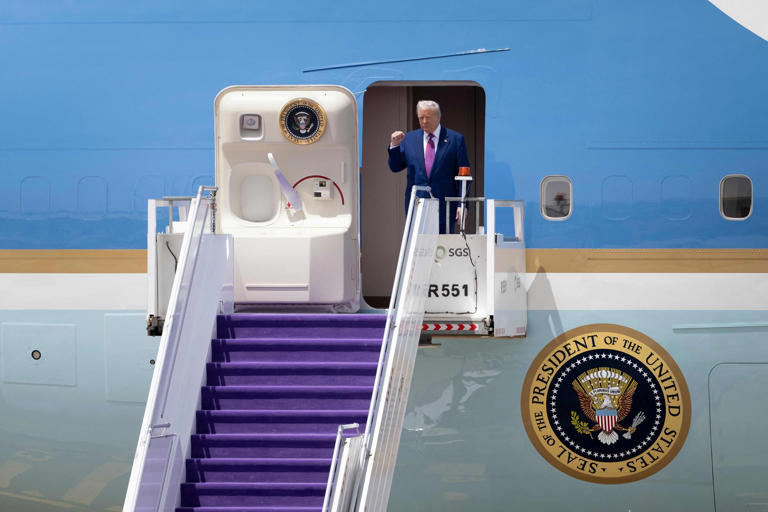
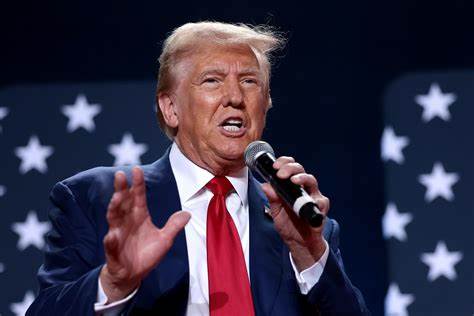
In a landmark announcement during his Middle East tour, President Donald Trump declared the lifting of all U.S. sanctions on Syria, signaling a significant shift in American foreign policy. The move aims to support Syria’s reconstruction efforts under its new leadership and reshape U.S. engagement in the region.(The Guardian, Reuters)

šŸ—ŗļø Background: Syria’s New Leadership

The decision comes in the wake of the ousting of long-time Syrian President Bashar al-Assad in December 2024. Assad was replaced by Ahmed al-Sharaa, formerly known as Abu Mohammed al-Golani, a former al-Qaida insurgent leader who once had a $10 million U.S. bounty and was imprisoned by U.S. forces. Al-Sharaa led the rebel group Hayat Tahrir al-Sham (HTS) in a successful offensive that overthrew the Assad family’s 54-year rule in Syria. Encouraged by Saudi and Turkish leaders, Trump agreed to meet al-Sharaa and announced the lifting of longstanding U.S. sanctions on Syria, expressing hope for regional stabilization. (Wikipedia, AP News)

šŸ’¬ Trump’s Statement

Speaking at an investment forum in Riyadh, President Trump stated:(Reuters)

“I will be ordering the cessation of sanctions against Syria in order to give them a chance at greatness. It’s their time to shine. We’re taking them all off. Good luck Syria, show us something very special.” (Reuters)

He emphasized that the move aims to give the new Syrian government an opportunity to stabilize and maintain peace. (Axios)

šŸ¤ Regional and International Reactions

The lifting of sanctions has been welcomed by several international actors. Saudi Arabia and Turkey, in particular, have been instrumental in encouraging the U.S. to engage with Syria’s new leadership. The United Nations and the Syrian government have also expressed approval of the move. (Axios, The Guardian)

However, some analysts caution that the new Syrian leadership’s past affiliations may pose challenges. Al-Sharaa’s history as a former al-Qaida insurgent leader raises concerns about the direction of Syria’s future governance. (AP News)

šŸ’¼ Economic Implications

The sanctions had severely impacted Syria’s economy, hindering access to international markets and financial systems. Their removal is expected to facilitate foreign investment and aid, crucial for rebuilding the war-torn nation. During his visit, President Trump also secured a $600 billion investment package from Saudi Arabia to the U.S., including a $142 billion arms deal—the largest defense agreement in U.S. history. (Axios, Reuters)

šŸ”„ Shift in U.S. Foreign Policy

President Trump’s decision reflects a broader reorientation of U.S. foreign policy in the Middle East. He emphasized a move away from interventionist strategies towards economic cooperation and support for regional stability. Trump also extended an offer to Iran for negotiations over its nuclear program, suggesting the potential easing of economic sanctions in exchange for curtailing nuclear development. (Politico)
Posted on Leave a comment

Jasprit Bumrah: R Ashwin Backs Fast Bowler as India’s Next Test Captain Amid Leadership Transition

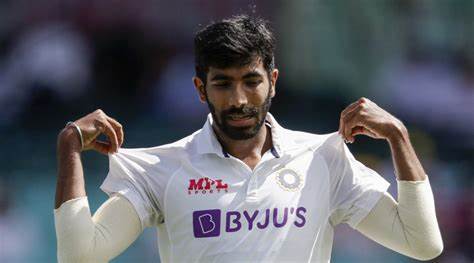
The Indian cricket team stands at a pivotal juncture following the unexpected retirements of stalwarts Rohit Sharma and Virat Kohli from Test cricket. This sudden leadership vacuum has ignited discussions about the future captaincy of the Test side. Veteran off-spinner Ravichandran Ashwin has voiced his support for ace pacer Jasprit Bumrah to assume the mantle of Test captaincy, emphasizing Bumrah’s experience and leadership qualities.(NewsX World, The Times of India)

šŸ Ashwin Endorses Bumrah for Test Captaincy

In the wake of Rohit and Kohli’s retirements, Ashwin highlighted the pressing need for a seasoned leader to guide the team through this transitional phase. Speaking on his YouTube show ‘Ash Ki Baat’, Ashwin remarked:(NewsBytes, ESPN.com)

“The team that will tour England will be a completely new team, a transformed team where Bumrah will probably be the senior-most player. He is obviously one of the captaincy options; I think he deserves the captaincy, but the selectors will take a decision based on his physical capacity.” (ESPN.com)

Ashwin acknowledged the challenges ahead, noting that the simultaneous retirements of two key players have left a significant leadership void. He emphasized that Bumrah’s experience and calm demeanor make him a suitable candidate to lead the team, especially during the upcoming England tour.(ESPN.com, New Kerala)

šŸ¤• Fitness Concerns Surrounding Bumrah

While Bumrah’s credentials are impressive, concerns about his fitness have been raised. The fast bowler has faced injury setbacks in recent times, including back issues that sidelined him from key series and tournaments. Ashwin pointed out that the selectors would need to consider Bumrah’s physical capacity when making their decision.

Former cricketer Sanjay Manjrekar also weighed in on the debate, expressing surprise that Bumrah isn’t the frontrunner for the captaincy. He stated:(India Today)

“I am shocked that we are looking at any other option other than Bumrah as Test captain! Worried about his injuries? Then choose your vice-captain carefully.” (India Today)

🌟 Shubman Gill: The Emerging Contender

Amid the discussions, young batting sensation Shubman Gill has emerged as a strong contender for the Test captaincy. Reports suggest that the selectors are considering Gill for the role, with Rishabh Pant as a potential vice-captain. However, some experts argue that Gill’s limited experience in English conditions and leadership roles might be a concern. (Indiatimes)

Ashwin acknowledged the potential in Gill but emphasized the importance of experience, especially in challenging overseas tours. He remarked that the team would miss the composure of Rohit and the energy of Kohli, underscoring the need for a leader who can navigate the team through such transitions. (ESPN.com)

šŸ† Bumrah’s Leadership Credentials

Jasprit Bumrah’s rise in Indian cricket has been meteoric. Known for his lethal bowling and strategic acumen, Bumrah has previously led the Indian team in the absence of senior players. His calm demeanor under pressure and ability to inspire teammates have been lauded by peers and experts alike.(The Australian)

Bumrah’s leadership qualities were evident during the Border-Gavaskar Trophy against Australia, where he captained the side in Rohit’s absence. His performance and decision-making during that period received widespread appreciation. (NDTVSports.com)

šŸ”® The Road Ahead

As India prepares for the upcoming Test series in England, the decision regarding the next Test captain becomes crucial. The selectors face the challenge of balancing experience, leadership qualities, and fitness considerations. While Bumrah’s credentials make him a strong candidate, his injury history cannot be overlooked. On the other hand, promoting a young leader like Gill could be a strategic move for the future but comes with its own set of risks.(Indiatimes, ESPN.com)

The Board of Control for Cricket in India (BCCI) is expected to announce the new Test captain ahead of the England tour. Fans and experts alike await this decision, which will shape the future trajectory of Indian Test cricket.(New Kerala)

Posted on Leave a comment

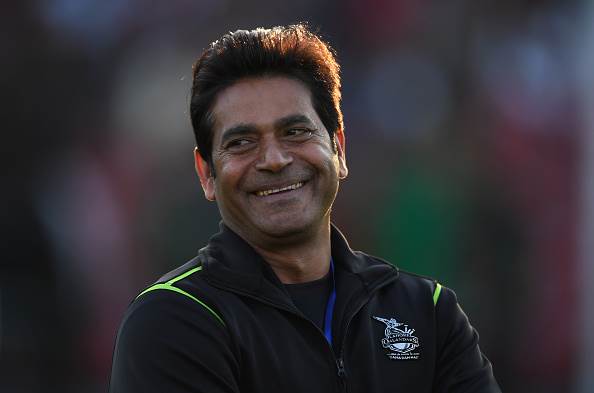
Aqib Javed Appointed as PCB Director of High Performance: A New Era for Pakistan Cricket

The Pakistan Cricket Board (PCB) has appointed former fast bowler and seasoned coach Aqib Javed as the Director of High Performance, marking a significant step in the board’s efforts to enhance the country’s cricketing infrastructure. (Daily Times)

šŸ A Glance at Aqib Javed’s Cricketing Journey

Aqib Javed, a pivotal member of Pakistan’s 1992 World Cup-winning team, represented the nation in 22 Test matches and 163 One Day Internationals between 1988 and 1998. Post-retirement, he transitioned into coaching and cricket administration, bringing a wealth of experience to his new role.(Daily Times, The News International)

šŸŽÆ Responsibilities as Director of High Performance

In his new capacity, Aqib Javed will oversee the development of cricketing talent across all levels, from grassroots initiatives to the national team. His role encompasses:(The News International)

  • Implementing high-performance programs
  • Enhancing coaching standards
  • Monitoring player development and performance metrics
  • Collaborating with domestic and international cricketing bodies(The News International)

This appointment aligns with PCB’s strategic vision to professionalize its cricketing structure and optimize the performance pipeline for future generations. (The News International)

šŸ¤ Synergy with New White-Ball Head Coach Mike Hesson

Alongside Aqib Javed’s appointment, the PCB has named former New Zealand coach Mike Hesson as the head coach for Pakistan’s white-ball teams. Hesson, renowned for leading New Zealand to the 2015 World Cup final, brings international experience that complements Aqib’s deep understanding of Pakistan’s cricketing landscape.(icc, Reuters)

PCB Chairman Mohsin Naqvi expressed optimism about the duo’s collaboration, stating, “Together, their expertise and leadership will play a pivotal role in the development, evolution, and success of our national setup.” (PakPassion.net)

šŸ“ˆ Anticipated Impact on Pakistan Cricket

Aqib Javed’s appointment is expected to:

  • Elevate the standard of domestic cricket
  • Streamline talent identification and nurturing processes
  • Foster a culture of excellence and professionalism
  • Bridge the gap between domestic circuits and the national team

His previous roles, including coaching the UAE national team and serving as the director of cricket operations for Lahore Qalandars, have equipped him with the skills necessary to drive these initiatives effectively. (The News International)

šŸ—“ļø Looking Ahead

As Pakistan prepares for upcoming international fixtures, including a five-match T20I series against Bangladesh, the combined leadership of Aqib Javed and Mike Hesson is poised to usher in a new era of strategic development and competitive performance for Pakistan cricket. (The Express Tribune)

Posted on Leave a comment

PSL 10 Welcomes Global Cricket Stars: David Warner, Kane Williamson, and More Join the League

The Pakistan Super League (PSL) is set to dazzle cricket enthusiasts with its 10th edition, as a host of international cricket stars, including Australia’s David Warner and New Zealand’s Kane Williamson, confirm their participation. This influx of talent promises to elevate the competition and bring a new level of excitement to the league.(myKhel)

🌟 Star-Studded Signings for PSL 10

The recent player draft for PSL 10 has seen franchises securing top-tier international players:

  • David Warner: The Australian opener, known for his explosive batting, has been signed by Karachi Kings for a record-breaking $300,000, making him the most expensive player in PSL history. (The Express Tribune)
  • Kane Williamson: The elegant New Zealand batsman joins Warner at Karachi Kings, adding depth and experience to the team’s lineup. (Dawn)
  • Daryl Mitchell: Another Kiwi talent, Mitchell has been picked by Lahore Qalandars, bringing his all-round capabilities to the squad. (Dawn)

These signings underscore the PSL’s growing appeal and its ability to attract world-class talent.

šŸ’° Financial Support from PCB

To facilitate the inclusion of high-profile players without overburdening franchise budgets, the Pakistan Cricket Board (PCB) has allocated a special fund:(The Express Tribune)

  • A $1 million fund has been established to subsidize player salaries.
  • Each foreign player, including Warner and Williamson, will receive $100,000 from this fund, reducing the financial load on their respective franchises. (myKhel)

This initiative reflects the PCB’s commitment to enhancing the league’s competitiveness and global stature.(myKhel)

šŸ Diverse International Participation

PSL 10 boasts a diverse array of international players across various teams:

  • Karachi Kings: Alongside Warner and Williamson, the team features New Zealand’s Adam Milne and Bangladesh’s Litton Das.(The News International)
  • Lahore Qalandars: The squad includes Daryl Mitchell, England’s Sam Billings, and Sri Lanka’s Kusal Perera.(The News International)
  • Islamabad United: Australian pacers Ben Dwarshuis and Riley Meredith bolster the team’s bowling attack.(Dawn)
  • Multan Sultans: The team has secured Ireland’s Josh Little and West Indies’ Gudakesh Motie.(The News International)
  • Peshawar Zalmi: Australian batsman Max Bryant and West Indies’ Alzarri Joseph add firepower to the lineup.(Dawn)
  • Quetta Gladiators: Australia’s Sean Abbott and Sri Lanka’s Kusal Mendis enhance the team’s versatility.(Dawn)

This international representation enriches the league’s quality and offers fans a chance to witness a blend of cricketing styles.

šŸ”„ Recent Developments and Challenges

Despite the excitement, PSL 10 faces challenges due to regional tensions:

  • The league has been relocated to the United Arab Emirates to ensure player safety amid rising tensions between India and Pakistan. (news)
  • An incident involving an Indian drone at Rawalpindi Cricket Stadium led to the indefinite suspension of the tournament. (AP News)

These developments highlight the complexities of organizing international sporting events in volatile regions.

šŸ“… Looking Ahead

While the exact dates for the resumption of PSL 10 remain uncertain, the league’s commitment to delivering high-quality cricket is unwavering. Fans eagerly await the return of the tournament, anticipating thrilling performances from both local and international stars.

Posted on Leave a comment

Trump’s $400M Qatari Jet Gift: A National Security Nightmare or Political Power Play?

In a move that has ignited a firestorm of controversy, former President Donald Trump has accepted a $400 million luxury Boeing 747-8 jet from the Qatari royal family. Intended to serve as a temporary Air Force One replacement and later as a centerpiece in his presidential library, the gift has raised serious concerns among lawmakers, national security experts, and the public.(Time, Business Insider)

The Gift That Sparked Outrage

The aircraft, originally built by Boeing for Qatar in 2012, boasts opulent features designed by Cabinet Alberto Pinto, including luxurious lounges, bedrooms, and artwork by Alexander Calder. While Trump emphasizes the cost-saving nature of the “free” jet, experts warn that retrofitting the plane to meet U.S. presidential transport standards would require extensive modifications, including secure communications and electronic warfare defenses, potentially costing hundreds of millions of dollars .(Wikipedia, Business Insider

Legal and Ethical Concerns

Senate Minority Leader Chuck Schumer has delayed the confirmation of Trump’s Justice Department nominees, citing concerns over the jet gift’s legality under the Constitution’s emoluments clause, which prohibits federal officials from accepting gifts from foreign governments without congressional approval . Schumer demands transparency regarding potential deals between Qatar and Trump-affiliated interests, including real estate projects in the Middle East.(New York Post)

Attorney General Pam Bondi has deemed the gift legally permissible, asserting that the jet is a donation to the U.S. Department of Defense, not to Trump personally. However, critics argue that the optics of accepting such a lavish gift from a foreign government, especially one previously accused by Trump of funding terrorism, are problematic .(New York Post)

National Security Implications

Security experts express alarm over the potential risks associated with using a foreign-built aircraft as Air Force One. Concerns include the possibility of embedded surveillance equipment, sabotage, or tracking devices that could compromise national security. Retrofitting the jet to meet stringent U.S. security standards would be a complex and costly endeavor, further complicating the situation .(The Daily Beast, Business Insider)

Political Ramifications

Democrats are leveraging the controversy to galvanize voters, portraying the jet gift as emblematic of corruption and foreign influence in Trump’s administration. High-profile Democrats, including Sen. Ed Markey and Rep. Ritchie Torres, have characterized the deal as a major conflict of interest and a form of foreign bribery. Rep. Jamie Raskin plans to introduce a resolution requiring Trump to seek congressional approval under the emoluments clause .(Time)

Even some Republicans, such as Sens. Ted Cruz and Shelley Moore Capito, have expressed concern over the implications of the gift. However, other GOP members dismiss the controversy as political theater, emphasizing the need to replace the aging Air Force One fleet.(Time)

Trump’s Defense

In an interview with Fox News’ Sean Hannity, Trump defended his decision, expressing dissatisfaction with the existing 40-year-old Air Force One and emphasizing that the Qatari jet is a gift to the U.S. Department of Defense, not to him personally. He framed the gesture as a reward for America’s longstanding defense support to Qatar .(The Daily Beast)

Conclusion

The acceptance of a $400 million luxury jet from Qatar by former President Trump has sparked a multifaceted debate encompassing legal, ethical, and national security concerns. As the situation unfolds, it underscores the complexities of foreign relations, the importance of transparency in government dealings, and the challenges of maintaining ethical standards in the highest offices.(Time)

Posted on Leave a comment

Pakistan’s Crackdown on Anti-State Social Media Posts Amidst Rising Tensions

In the wake of escalating tensions between Pakistan and India, Pakistani authorities have intensified efforts to curb anti-state narratives on social media platforms. The Prevention of Electronic Crimes Act (PECA) has become a pivotal tool in this crackdown, leading to multiple arrests and legal actions against individuals accused of disseminating content deemed harmful to national security.

Understanding PECA and Its Implications

The Prevention of Electronic Crimes Act (PECA), enacted in 2016, was designed to address cybercrimes and regulate online content in Pakistan. Under PECA, offenses such as cyberterrorism, hate speech, and defamation are punishable by law. The act empowers authorities to take swift action against individuals who use digital platforms to spread misinformation or content considered detrimental to the state’s interests.

Recent Arrests Highlighting the Crackdown

Several individuals have been arrested under PECA for allegedly posting anti-state content on social media:(Dawn)

  • Muhammad Rehan: A resident of Rawalpindi, Rehan was arrested for allegedly posting propaganda against the state, the Punjab chief minister, and intelligence agencies. The arrest was based on a complaint by a police constable who encountered the content on social media. (Dawn, Dawn)
  • PTI Activist: In a separate incident, a Pakistan Tehreek-e-Insaf (PTI) activist was arrested in Rawalpindi for uploading posts deemed negative and based on misinformation. Authorities emphasized that misuse of freedom of expression to spread propaganda would not be tolerated. (The News International)
  • Shakib Qaimkhani: The Union Council chairman from Hyderabad was arrested for allegedly posting anti-state content on social media. However, he was later acquitted by a local court due to insufficient evidence. (ARY NEWS, Dawn)

Broader Implications and Concerns

The intensified enforcement of PECA has sparked debates about freedom of expression and the balance between national security and individual rights. Critics argue that the broad application of the law may suppress dissent and limit open discourse. On the other hand, supporters contend that in times of heightened national security concerns, stringent measures are necessary to maintain order and unity.(Global Village Space)

The Role of Social Media in National Discourse

Social media platforms have become powerful tools for information dissemination and public discourse. However, the rapid spread of unverified or false information can have serious implications, especially during periods of national tension. The government’s actions under PECA reflect an attempt to control narratives and prevent the spread of content that could exacerbate conflicts or undermine state institutions.

Conclusion

As Pakistan navigates complex geopolitical challenges, the balance between safeguarding national security and upholding democratic freedoms remains delicate. The enforcement of PECA underscores the government’s commitment to maintaining order, but it also raises important questions about the limits of state power and the protection of individual rights in the digital age.

Posted on Leave a comment

TRUMP AND MBS SEAL MULTIPLE DEFENSE AND DIPLOMATIC DEALS IN RIYADH


Trump and Saudi Crown Prince Sign Series of Strategic Agreements in Riyadh

Date: May 13, 2025
By: RemedyTalks News Desk

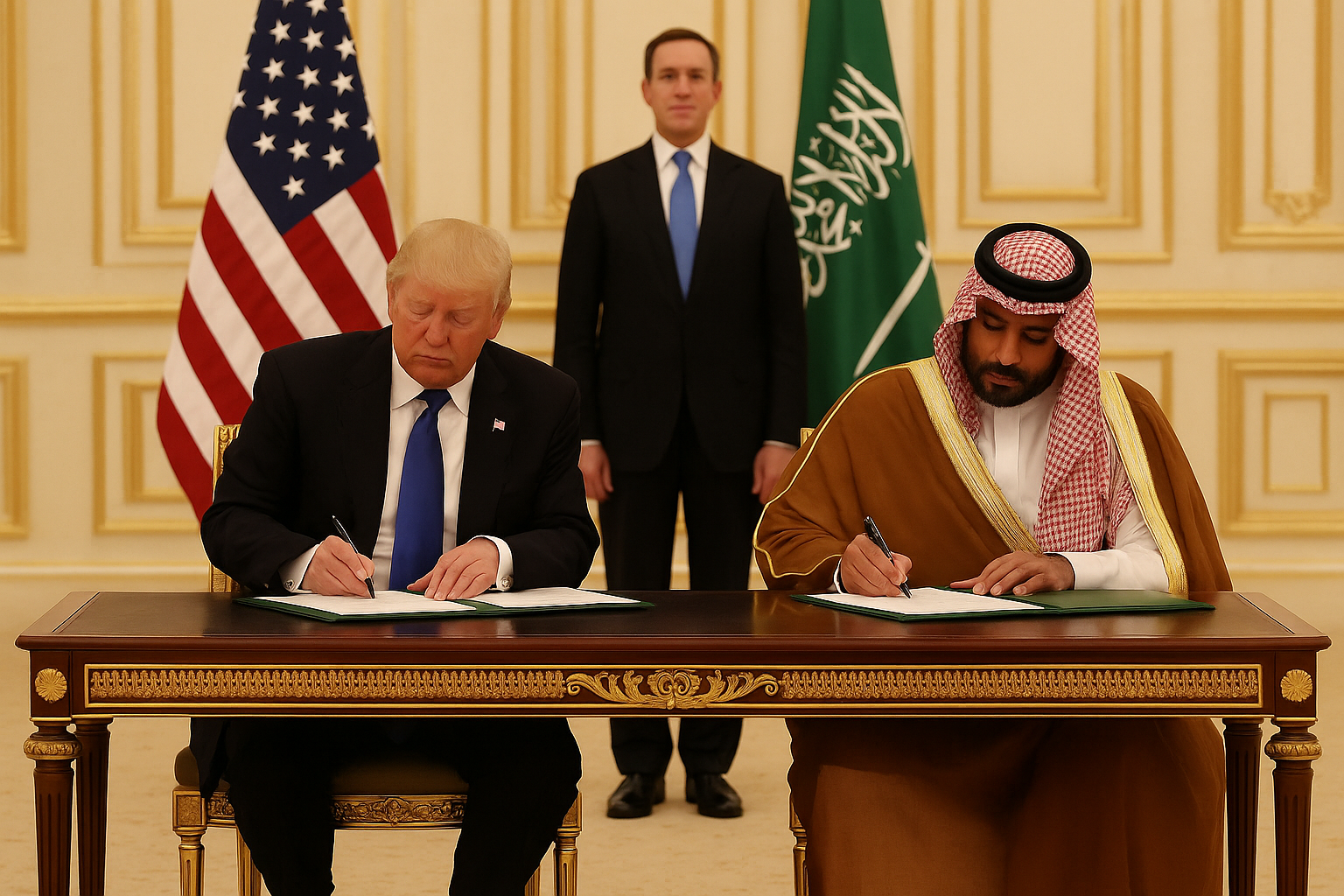
In a symbolic and highly strategic move, former U.S. President Donald Trump and Saudi Crown Prince Mohammed bin Salman (MBS) signed a series of bilateral agreements on Tuesday, reaffirming the close partnership between Washington and Riyadh.

The ceremony took place in a gilded ballroom at the Royal Court in Riyadh, where leaders signed memoranda of understanding, letters of intent, and other executive agreements spanning defense, health, law enforcement, and customs cooperation.


šŸ” Major Defense & Security Partnerships Announced

A significant portion of the deals centered on strengthening military collaboration, a core component of U.S.–Saudi relations. Key defense agreements included:

  • Modernization of Saudi Armed Forces
    Plans to upgrade and develop Saudi Arabia’s defense capabilities for future combat readiness.
  • Support for the Saudi National Guard
    Agreements focused on ammunition training, system maintenance, spare parts, and educational support for both land and air divisions.
  • Health Capabilities for Military Personnel
    A new initiative to develop medical infrastructure and services tailored to the needs of the Saudi military.

These initiatives align with Saudi Arabia’s push to become more self-reliant in defense while maintaining robust ties with the United States.


🧬 Expanding Cooperation Beyond Military Ties

The agreements extended well beyond military cooperation, highlighting a multi-dimensional strategic relationship. Other signed accords include:

  • Medical Research Partnership
    A joint effort between the two nations to explore infectious disease research, with long-term goals of joint pandemic response systems.
  • Judicial Cooperation
    The two countries agreed on frameworks for information-sharing and legal coordination, a step toward streamlined cross-border investigations.
  • FBI–Saudi Interior Ministry Partnership
    A new agreement between the Federal Bureau of Investigation (FBI) and the Saudi Ministry of Interior to enhance joint security operations and counter-terrorism efforts.
  • Customs Authority Collaboration
    Streamlined trade and logistics protocols were agreed upon to promote faster, more secure movement of goods between both countries.

šŸŒ Geopolitical Significance

These agreements signal deepening U.S.–Saudi cooperation at a time of growing uncertainty in the Middle East. With Crown Prince MBS positioning himself as a strategic partner to the U.S., the deals also serve to elevate his leadership on the global stage.

For Trump, the visit strengthens his legacy as a foreign policy dealmaker and may fuel speculation about his future political ambitions.


🧠 Conclusion

The Riyadh summit illustrates how diplomatic diplomacy and economic strategy are intersecting in 2025. The wide-ranging agreements go beyond defense — they underscore a growing U.S.–Saudi alliance rooted in security, science, and statecraft.


Posted on 1 Comment

The Ultimate Guide to Scholarships for Pakistani Students: How to Apply, Requirements, Deadlines, and Benefits

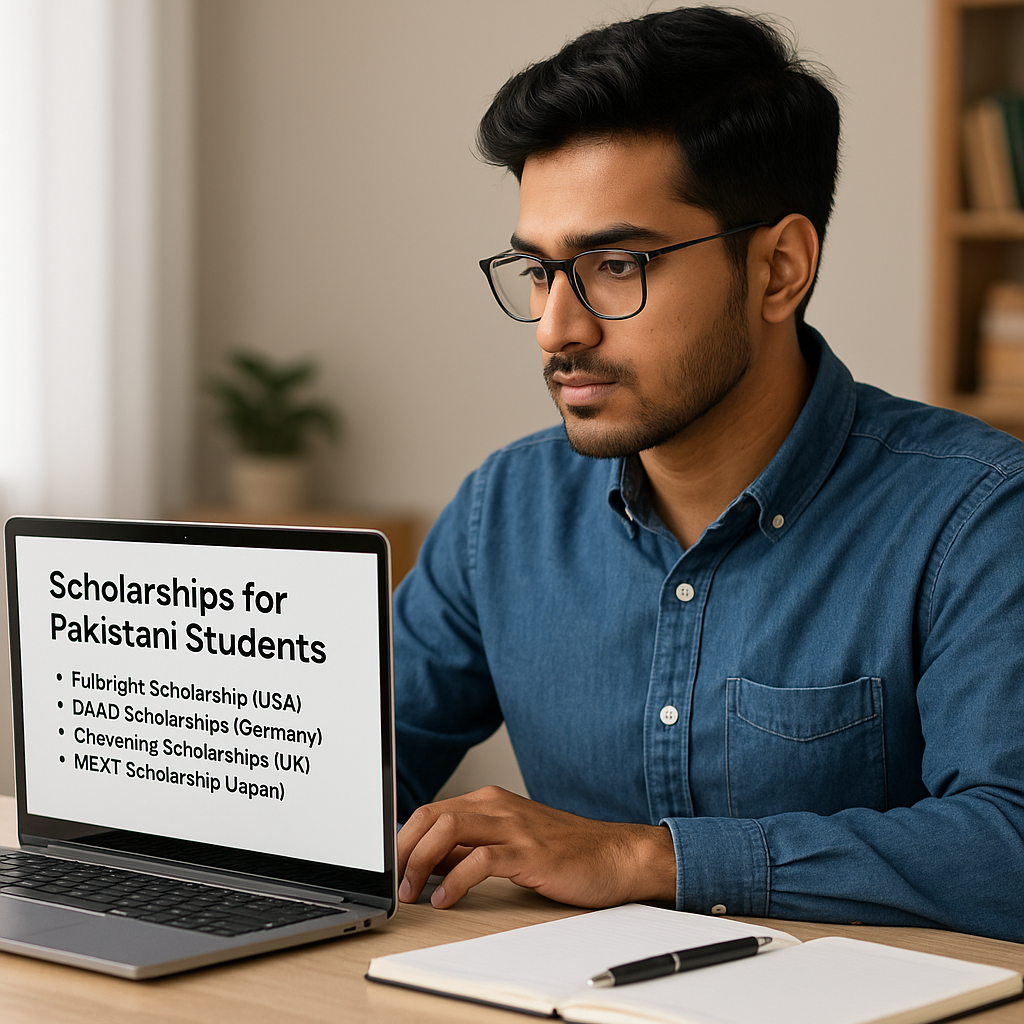
If you’re a Pakistani student with dreams of studying abroad or pursuing higher education without financial strain, fully funded scholarships can open doors that once seemed impossible. With options available in the USA, UK, Europe, Japan, Saudi Arabia, and Australia, there are countless opportunities out there—but the key lies in knowing how and when to apply.

In this blog, we’ll break down:

  • Step-by-step application process
  • Annual requirements
  • Scholarship deadlines
  • Benefits offered
  • Estimated processing time
  • Official application emails and portals

Step-by-Step: How to Apply for International Scholarships

  1. Research the Right Scholarship
    • Visit official websites or university websites.
    • Filter by your country (Pakistan), desired level (BS, MS, PhD), and field of interest.
  2. Check Eligibility Requirements
    • Academic qualifications (CGPA, degrees, English proficiency)
    • Financial need or merit-based criteria
    • Specific experience or nationality restrictions
  3. Prepare Required Documents
    • Academic transcripts & certificates
    • Statement of Purpose or Motivation Letter
    • Letters of Recommendation
    • English language proficiency (IELTS/TOEFL)
    • Passport and ID documents
    • Updated CV/Resume
  4. Create an Online Profile
    • Register on the scholarship or university portal.
    • Fill in your personal and academic details carefully.
  5. Upload and Submit Documents
    • Always double-check formats (PDFs, Word docs, etc.)
    • Submit before deadlines. Late applications are not entertained.
  6. Track Application Status
    • Keep a record of your login details and application reference number.
  7. Wait for Interview/Decision Notification
    • Some programs conduct online or embassy interviews.
    • Final results may take from 1 month to 6 months.

Common Requirements Across All Scholarships

  • Academic performance: Minimum 3.0 GPA (varies by program)
  • IELTS/TOEFL: IELTS 6.5+, TOEFL 90+ for most top-tier programs
  • Letters of recommendation: 2-3 from academic or professional references
  • Statement of Purpose or Research Proposal (especially for MS/PhD)
  • Valid passport and identification
  • Sometimes proof of extracurriculars or community service

Deadlines & Processing Times (2025-2026 Cycle)

ScholarshipLevelDeadlineProcessing Time
Fulbright (USA)MS/PhDOct 1, 20256-8 months
Chevening (UK)MSNov 20256-9 months
DAAD (Germany)MS/PhDVaries3-6 months
MEXT (Japan)BS/MS/PhDVaries by embassy4-6 months
Erasmus MundusMSVaries by program5-8 months
King Abdulaziz Univ. (KSA)BS/MS/PhDJune & Oct 20252-4 months
Australia AwardsMS/PhDMay-June 20254-6 months

Official Scholarship Emails & Portals for Pakistani Students

ScholarshipOfficial PortalContact Email
Fulbright (USA)usefp.org[email protected]
Chevening (UK)chevening.org/pakistan[email protected]
DAAD (Germany)daad.org.pk[email protected]
Erasmus Munduseacea.ec.europa.eu(Apply via program pages)
MEXT (Japan)pk.emb-japan.go.jp[email protected]
King Abdulaziz Univ.kau.edu.sa[email protected]
Australia Awardsaustraliaawards.gov.au[email protected]

Benefits of Fully Funded Scholarships

  • Full tuition fee coverage
  • Monthly living stipend
  • Round-trip airfare
  • Health insurance
  • Research or thesis grants (for MS/PhD)
  • Cultural exchange programs
  • Free language training (Japan, Germany)
  • Free accommodation or housing allowance

Tips for a Strong Application

  • Apply to multiple programs; don’t rely on just one
  • Tailor your SOP to each scholarship’s focus (e.g., leadership, research, development)
  • Keep deadlines on a calendar and start applications early
  • Keep backups of every document you submit
  • Practice interview questions if shortlisted

Final Words

Scholarships are not just for the top 1%. With dedication, clear goals, and early preparation, you can study abroad for free. Keep checking official sources, prepare thoroughly, and believe in your potential.

Have questions? Comment below or contact our team at RemedyTalks.com for guidance!


Posted on Leave a comment

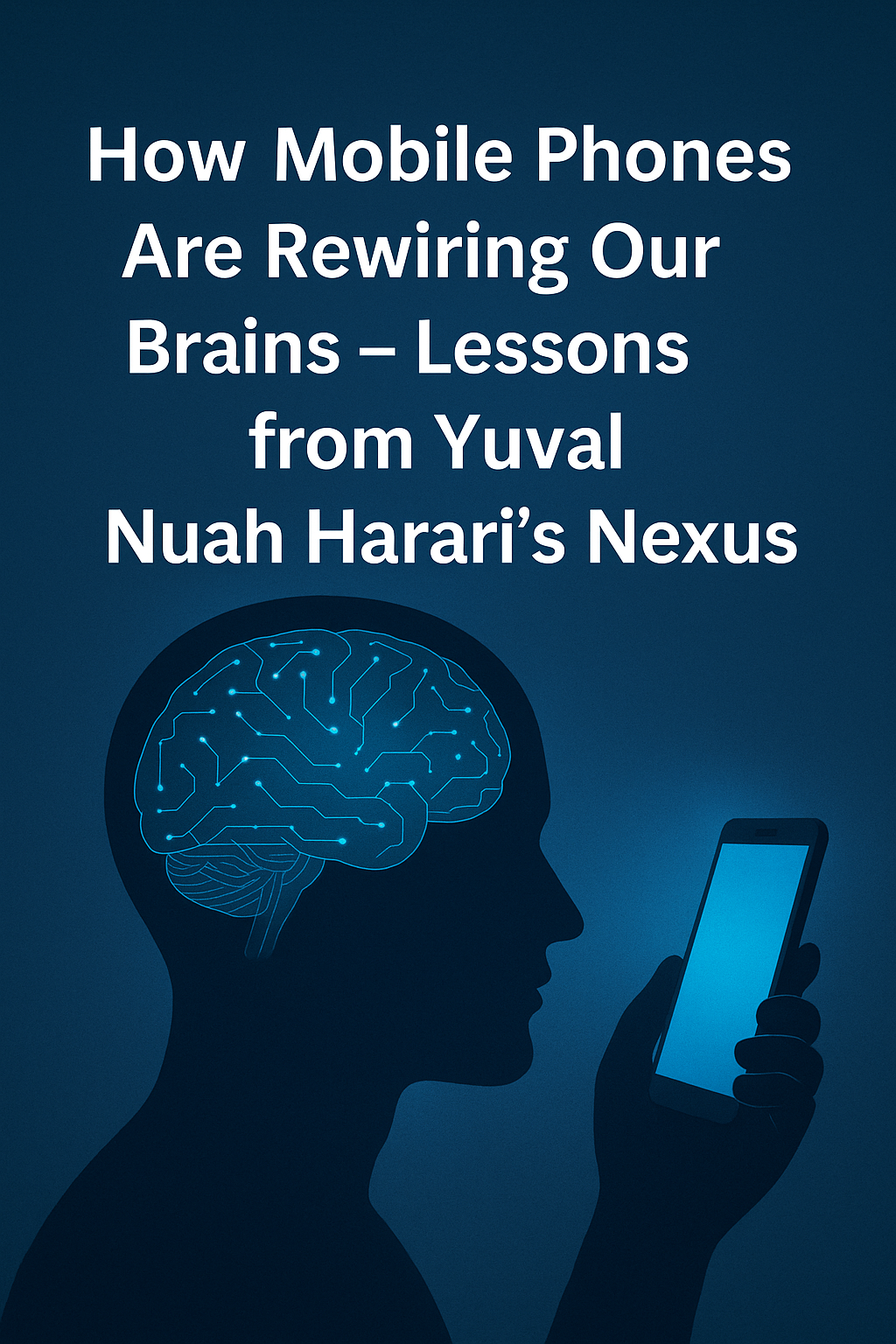
How Mobile Phones Are Rewiring Our Brains – Lessons from Yuval Noah Harari’s Nexus


In today’s world, our smartphones are always within arm’s reach. They wake us up, guide our routes, entertain us, and even listen in on our conversations. But in Nexus: A Brief History of Information Networks from the Stone Age to AI, Yuval Noah Harari presents a powerful warning: our devices may be changing us more than we realize.

Harari’s book isn’t about smartphones alone—but it does address how digital networks are silently shaping human behavior. And in 2025, mobile phone addiction is no longer a fringe concern—it’s a mainstream psychological reality.

The Rise of the Inorganic Network

Harari introduces the idea of the “inorganic network”—a system powered by algorithms, digital infrastructure, and artificial intelligence. Unlike earlier human networks based on speech, storytelling, and shared memory, inorganic networks don’t sleep, forget, or forgive.

Smartphones are our gateway into this network. Harari suggests that our constant connection is conditioning us to think in short bursts, seek instant gratification, and avoid moments of silence—changes that are deeply reshaping our brains and behaviors.

Mobile Phone Addiction: A Silent Epidemic

Studies show that the average person checks their phone almost 100 times a day. This isn’t just about convenience—it’s about compulsion. Harari explains that our brains are being rewired by the very systems we’ve created.

Social media apps, messaging platforms, news alerts, and even step counters use dopamine-triggering mechanisms to keep us hooked. These apps exploit basic human psychology—reward, fear of missing out (FOMO), and social validation—to ensure we keep scrolling.

This constant loop of engagement isn’t just distracting—it’s damaging. It affects sleep, focus, emotional regulation, and even self-worth.

Smartphones and the Attention Economy

Harari draws a bold conclusion in Nexus: your attention is now the world’s most valuable resource. In the digital economy, the more time you spend online, the more profitable you are for tech companies.

Notifications are not just reminders—they’re hooks. Every buzz and banner is a pull into an ecosystem built to monetize your time. The result is a population less able to concentrate, more anxious, and often unaware of how manipulated they are.

Relationships in a Digital Fog

One of the most human costs of smartphone usage is the erosion of real human interaction. Harari emphasizes that our devices may be weakening the very social fabric that makes human cooperation possible.

Think of how often families eat in silence while scrolling. How many friendships are reduced to filtered images and typed updates? Harari warns that this kind of interaction—filtered, curated, distracted—can’t replace face-to-face presence, and we’re only beginning to understand the long-term emotional effects.

Smartphone Usage and the Decline of Trust

In Nexus, Harari explores how the digital ecosystem fuels misinformation, polarization, and paranoia. When people spend more time online than in their communities, the result is often a decline in social trust.

Echo chambers form. Algorithms push extreme views. What begins as a harmless scroll can turn into radicalization or deep insecurity. Our phones, Harari notes, have become both a mirror and a megaphone for the worst parts of the internet—and we’re absorbing it all, often without realizing.

Regaining Control in a Digital Age

Despite the bleak outlook, Harari doesn’t advocate abandoning technology. He insists that awareness and boundaries are the first steps toward a healthier digital life.

Here are a few tips inspired by Nexus:

1. Track Your Usage

Use built-in screen time tools to see how much time you spend on different apps. Awareness creates accountability.

2. Designate No-Phone Zones

Create physical spaces—like bedrooms or dining tables—where phones are not allowed. These areas help your brain recharge.

3. Rebuild Human Connections

Prioritize real-world interactions. Texting is convenient, but nothing replaces a genuine conversation or shared moment.

4. Audit Your Apps

Ask yourself: which apps serve me, and which ones use me? Delete or mute anything that drains more than it gives.

Final Thoughts

Yuval Noah Harari’s Nexus serves as a crucial reminder: we built the digital world, but now it’s reshaping us. Mobile phone addiction isn’t just about screen time—it’s about mental freedom, human connection, and the future of consciousness.

At RemedyTalks.com, we believe that healing isn’t just about medication or diet—it’s also about reclaiming your attention, peace, and presence. As Nexus shows, the future will belong to those who can navigate technology without losing themselves in it.

Posted on Leave a comment

Hypersonic Showdown: How India and Pakistan’s Drone and Missile War is Changing South Asia

Recent escalations between India and Pakistan have intensified, with both nations engaging in drone warfare and missile strikes, raising concerns over regional stability.

Pakistan’s Claim of Downing 77 Indian Drones

The Pakistan Army reported intercepting and destroying 77 Israeli-made Harop drones over a two-day period. These drones were allegedly launched by India targeting civilian and military installations across various locations, including Vehari, Pakpattan, and Okara in Pakistan’s eastern regions. The Director General of Inter-Services Public Relations (ISPR), Lt Gen Ahmed Sharif Chaudhry, confirmed these actions, emphasizing the military’s readiness and the effectiveness of Pakistan’s air defense systems .(Pakistan Today, Daily Times)

India’s Response and Counterclaims

India has accused Pakistan of violating the ceasefire by deploying drones into Indian territory. On May 12, suspected Pakistani drones were detected and engaged by Indian security forces along the International Border in the Samba district of Jammu and Kashmir. Indian forces responded promptly, intercepting and engaging the unmanned aerial vehicles (UAVs) soon after detection .(The Times of India)

Furthermore, between May 7 and 8, Pakistani forces attempted to escalate tensions by targeting Indian Air Force stations, prompting a swift response from India. The Indian government reported that these attacks were neutralized by their air defense systems. In retaliation, Indian forces struck several air defense installations across Pakistan, inflicting significant damage, including the reported destruction of a Chinese-made HQ-9 missile defense system in Lahore .(Time)

Deployment of Hypersonic Missiles

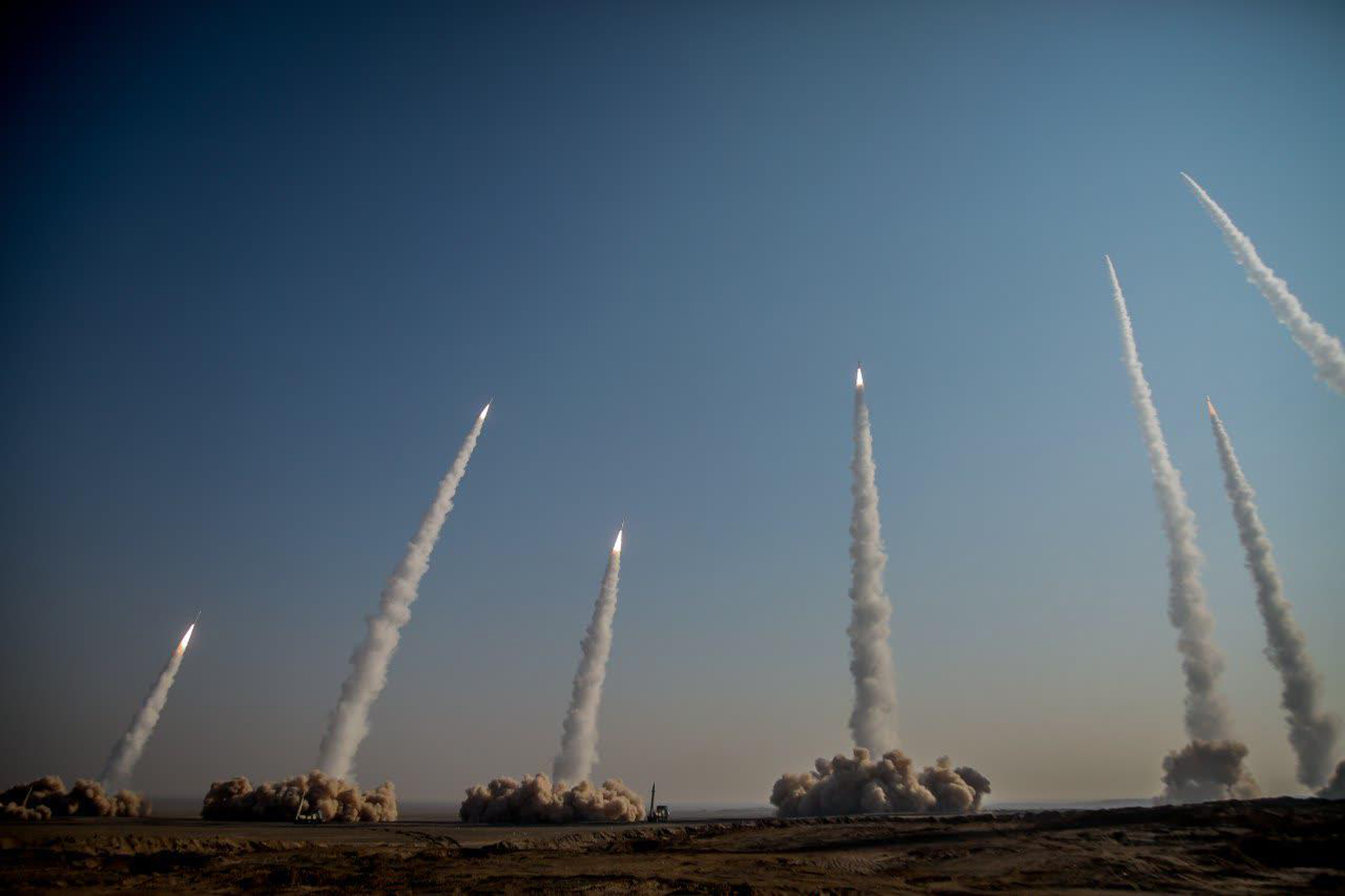
In a significant development, Pakistan has claimed the successful deployment of Chinese-supplied CM-400AKG hypersonic missiles. Footage released by Pakistani authorities shows a JF-17 “Thunder” multirole fighter, co-produced by Pakistan Aeronautical Complex and China’s Chengdu Aircraft Corporation, armed with two CM-400AKG missiles. These missiles were reportedly used to target and destroy India’s S-400 “Triumf” air defense system stationed at the Adampur Air Force Station in Punjab .

The CM-400AKG is known for its high-speed, high-precision capabilities, designed to penetrate advanced air defense systems. The successful use of such missiles indicates a significant enhancement in Pakistan’s offensive capabilities.

Strategic Implications

The assertion of hypersonic interception capabilities, coupled with the deployment of hypersonic missiles, suggests a shift in the strategic balance in South Asia. Pakistan’s advancements in missile technology, including the integration of hypersonic weapons into its arsenal, reflect a broader effort to modernize its military capabilities.

These developments are particularly significant given the historical tensions between India and Pakistan, both nuclear-armed nations. The introduction of hypersonic technology into the region’s military dynamics could potentially alter the strategic calculus, emphasizing the need for continued dialogue and confidence-building measures to maintain regional stability.

It’s important to note that while Pakistan has made these claims, independent verification from neutral sources is essential to confirm the capabilities and effectiveness of the systems mentioned.