Posted on Leave a comment

Why Has SAARC Failed to Replicate the Success of the European Union?


Understanding the Gap: Geography Isn’t Enough

At first glance, the South Asian Association for Regional Cooperation (SAARC) seems poised for success. With eight member countries—Afghanistan, Bangladesh, Bhutan, India, Maldives, Nepal, Pakistan, and Sri Lanka—sharing deep-rooted cultural ties, historical connections, and geographical proximity, many expected SAARC to evolve into a powerful regional bloc, similar to the European Union (EU).

However, decades after its inception in 1985, SAARC remains largely ineffective, while the EU stands as a globally admired model of economic, political, and social cooperation.

So, why has SAARC been unable to replicate the EU’s success? Let’s dive into the key reasons and uncover the roadblocks.


1. Political Tensions, Especially Between India and Pakistan

The most significant factor holding back SAARC is deep-rooted political conflicts, particularly the India-Pakistan rivalry. The Kashmir dispute, cross-border terrorism, and military conflicts have overshadowed regional cooperation. Unlike the EU, where countries moved past historical animosities after World War II, SAARC continues to be paralyzed by distrust and blame games.

While the EU promotes open dialogue and consensus, SAARC summits are often delayed or boycotted due to bilateral tensions. This instability has left the organization more symbolic than functional.


2. Lack of a Supranational Body Like the EU Commission

One of the EU’s greatest strengths is its centralized institutions, especially the European Commission, which makes binding decisions and enforces policies. The European Parliament also allows member states to have direct input in decision-making.

In contrast, SAARC operates on strict consensus. Even one country’s objection can stall proposals. This “all or nothing” model leads to policy paralysis. There’s no executive authority or independent body that can drive integration forward or hold member states accountable.


3. Economic Imbalances and Asymmetry in Influence

Another reason for SAARC’s struggles is the economic imbalance among member states. India, the largest and most powerful economy, dominates the region, which breeds mistrust among smaller countries like Nepal, Bhutan, and the Maldives.

In the EU, large economies like Germany and France have played a unifying role, offering support to weaker economies and promoting regional growth. In South Asia, however, India’s neighbors often fear economic dependency and political dominance, which prevents genuine cooperation.


4. Trade Within SAARC Is Minimal

Unlike the EU, where intra-regional trade accounts for over 60% of total trade, SAARC’s internal trade is a mere 5%. Despite the creation of the South Asian Free Trade Area (SAFTA) in 2006, tariffs, bureaucratic red tape, poor logistics, and security concerns hinder trade.

Meanwhile, most SAARC nations trade more with countries outside the region—like China, the USA, and the Middle East—than with their neighbors. This lack of economic interdependence weakens the incentive to cooperate politically.


5. Weak Institutional Framework

The EU was built on a series of legally binding treaties and a solid institutional structure. From the Schengen Agreement to the Eurozone, the EU created common platforms that made cooperation more meaningful and beneficial.

SAARC, on the other hand, lacks legal teeth. It has signed numerous agreements, but implementation remains poor. Without strong institutions, even the best policies become ineffective.


6. Limited People-to-People Interaction

Another pillar of the EU’s success is the freedom of movement. EU citizens can travel, live, work, and study across borders without visas. This has strengthened cultural understanding, economic ties, and a shared identity.

In contrast, SAARC countries have restrictive visa regimes, limited transportation connectivity, and frequent border shutdowns. The average South Asian finds it easier to visit Dubai or London than a neighboring country.

Without greater people-to-people interaction, regional identity and trust cannot flourish.


7. Security-First Mindset Over Development Goals

In the EU, economic and social development are central to regional unity. But in South Asia, security concerns—especially around terrorism, insurgency, and cross-border conflicts—often dominate regional discussions.

Instead of focusing on education, healthcare, climate change, and poverty reduction, SAARC summits frequently collapse into security debates. This focus detracts from long-term regional development.


8. China’s Growing Influence in South Asia

China is not a member of SAARC, but its strategic and economic presence in the region has grown rapidly. Through initiatives like the Belt and Road Initiative (BRI), China has built deep ties with Pakistan, Sri Lanka, Nepal, and the Maldives.

This has created divided loyalties within SAARC, as some members lean towards China while others, like India, remain wary. The result? SAARC struggles to present a unified regional front, further delaying progress.


The Way Forward: Is There Still Hope for SAARC?

Despite its many setbacks, SAARC is not a lost cause. Here are some realistic steps that could help revive the organization:

  • Focus on non-political cooperation areas like climate change, disaster relief, public health, and education.
  • Promote digital connectivity, youth exchanges, and regional startups to build trust among the new generation.
  • Encourage bilateral resolution of political disputes outside SAARC forums to avoid holding the entire bloc hostage.
  • Reform SAARC’s charter to allow majority decisions or a two-tier model for willing countries to integrate faster.
  • Leverage the success of sub-regional initiatives like BBIN (Bangladesh-Bhutan-India-Nepal) as models for integration.

Final Thoughts

SAARC had the potential to become South Asia’s version of the EU. But politics, mistrust, and weak institutions have kept it from becoming a force for regional unity. Geography and culture alone aren’t enough—shared vision, strong leadership, and institutional commitment are the real drivers of successful regional integration.

If SAARC wants to matter in the 21st century, it must evolve beyond its current structure, resolve internal conflicts, and put the needs of the region’s 2 billion people ahead of national rivalries.


Call to Action

🌐 If you’re passionate about global affairs and regional development, subscribe to RemedyTalks for more thought-provoking insights and explainers. Let’s build awareness that leads to action!

Posted on Leave a comment

 “Trump’s New Iran Sanctions Revealed: The Hidden Missile Threat That Could Change Everything”

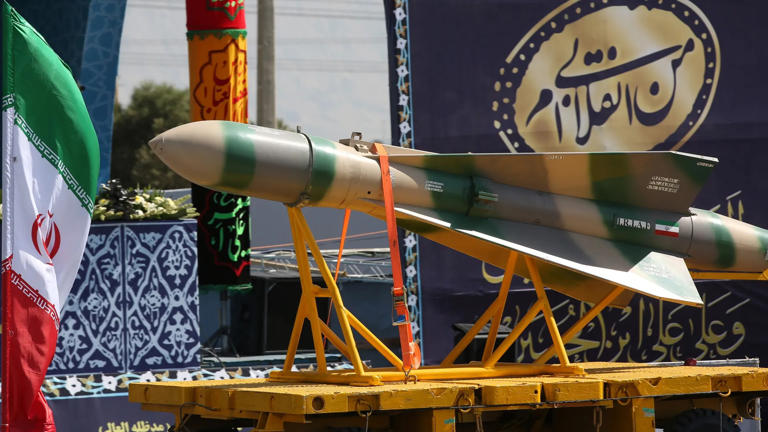
On May 14, 2025, the U.S. Treasury Department announced new sanctions targeting Iran’s ballistic missile program. These sanctions affect six individuals and twelve entities, primarily based in Iran and China, accused of aiding Iran’s efforts to domestically produce components for its missile program, including critical materials like carbon fiber used in manufacturing intercontinental ballistic missiles. (Reuters)

This move is part of President Donald Trump’s renewed “maximum pressure” campaign against Iran, which was reinstated in February 2025. The campaign aims to curb Iran’s missile development and oil exports amid broader geopolitical tensions. (Reuters, Reuters)

In addition to the missile-related sanctions, the U.S. has also sanctioned over 20 companies involved in exporting Iranian oil to China. These companies, including several based in Hong Kong, are accused of facilitating the shipment of Iranian crude oil worth billions to China, with proceeds allegedly supporting Iran’s ballistic missile programs and regional terrorist groups. (Reuters, Financial Times)

The sanctions come amid ongoing nuclear negotiations between the U.S. and Iran. Recent talks in Muscat, Oman, have shown cautious optimism, but major disagreements persist, particularly over Iran’s insistence on its right to domestically enrich uranium. (WSJ)

Iran has criticized the new sanctions as incompatible with negotiation efforts. Iran’s Foreign Minister Abbas Araqchi warned that reimposing United Nations sanctions on Tehran using the “snapback mechanism” could lead to irreversible tensions and end European involvement in the 2015 nuclear deal. (Reuters, Reuters)

The U.S. maintains that these sanctions are necessary to prevent Iran from developing intercontinental ballistic missiles and to ensure regional stability. Treasury Secretary Scott Bessent stated, “The Iranian regime’s relentless and irresponsible pursuit of advanced ballistic missile capabilities represents an unacceptable threat to the United States and the stability of the region.” (U.S. Department of the Treasury)

As the situation develops, the international community continues to monitor the unfolding events and their implications for regional and global security.

Posted on Leave a comment

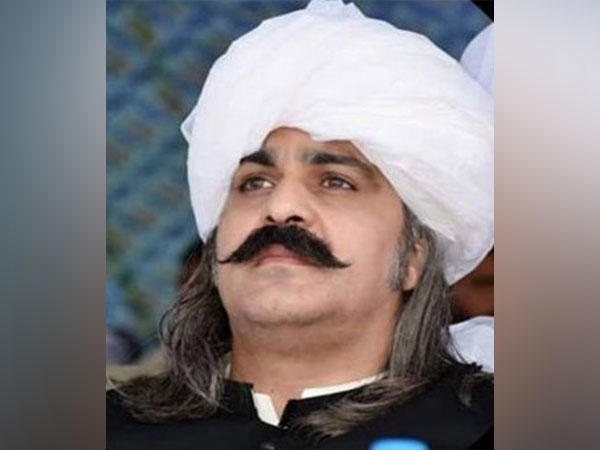
“Imran Khan Ready for Dialogue – But Is Pakistan’s Establishment Listening? KP CM Drops Political Bombshell”

Khyber Pakhtunkhwa Chief Minister Ali Amin Gandapur announced that Pakistan Tehreek-e-Insaf (PTI) founder Imran Khan is prepared to engage in political dialogue for the betterment of Pakistan. Speaking to reporters in Peshawar, Gandapur emphasized the importance of prioritizing national interests over personal egos, stating, “Those turning this into an issue of ego are damaging Pakistan. We must rise above personal interests and think in the national interest” .Facebook+9The Express Tribune+9ThePrint+9Shafaqna Pakistan+3The Express Tribune+3The Tribune+3

Gandapur also addressed ongoing legal efforts for Khan’s release, noting that petitions are underway. He mentioned that, as the chief executive of a province, he has a court order allowing him to meet Khan weekly, which is crucial for consultation, especially with the provincial budget approaching .Free Press Journal+3The Express Tribune+3The Express Tribune+3

Furthermore, Gandapur highlighted that Khan is willing to forgive and engage in dialogue with the government, emphasizing that the ongoing political instability and economic crisis are harming the country .The Week

This development marks a significant shift in PTI’s approach, indicating a willingness to engage in constructive dialogue to address the nation’s challenges.

Posted on Leave a comment

“Afghan MP’s Explosive Endorsement: Why Operation Sindoor Was Pakistan’s Reckoning – And the World Needs to Listen”

Mariam Solaimankhil, a member of Afghanistan’s Parliament in exile, has publicly endorsed India’s Operation Sindoor, characterizing it as a necessary and measured response to terrorism. She asserts that Pakistan has long been a breeding ground for terrorism, with its military and intelligence services, particularly the ISI, supporting extremist groups that have caused significant harm in regions like Kashmir. (News on Air)

In her statements, Solaimankhil emphasized that India’s actions were focused on targeting terrorist camps and military facilities that aid extremist groups. She criticized Pakistan for spreading misinformation and deflecting blame onto other nations, including the United States, while harboring terrorists within its borders. (News on Air, The Tribune)

Solaimankhil also highlighted the internal issues within Pakistan, noting that the country’s support for terrorism has adversely affected its own citizens. She pointed out that regions like Balochistan have suffered from enforced disappearances and human rights violations, leading to declarations of independence by local representatives. (News on Air, The Tribune)

Her remarks align with international perspectives that recognize Operation Sindoor as a decisive military success against terrorism. British political commentator David Vance, for instance, described the operation as “long overdue” and criticized China’s support for Pakistan in this context. (News on Air)

Posted on Leave a comment

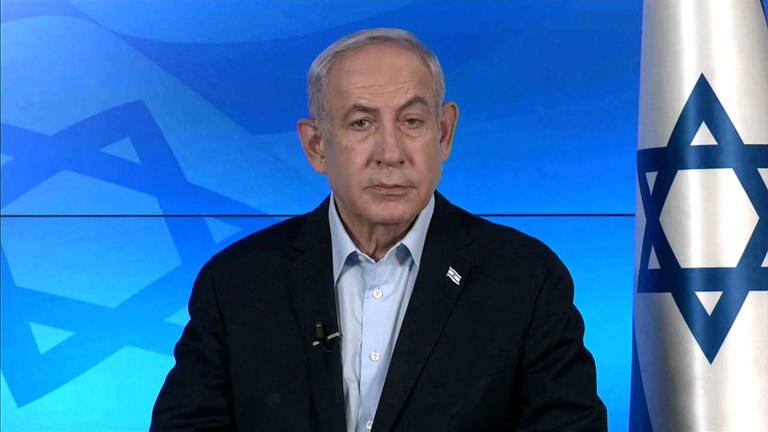
Netanyahu’s Gaza Endgame: The Shocking Strategy That Could Redraw the Middle East – And Why the World Isn’t Ready

Gaza City, Gaza Strip

Israeli Prime Minister Benjamin Netanyahu has declared that the Israeli military will launch a “full force” offensive in Gaza in the coming days. This escalation aims to achieve two primary objectives: the complete defeat of Hamas and the release of all hostages held by the group. (Cadena SER, Fox News)

🇮🇱 Netanyahu’s Stance

In a recent statement, Netanyahu emphasized that there would be “no situation where we stop the war,” even if Hamas offers to release additional hostages. He mentioned that while temporary ceasefires might occur to facilitate hostage releases, the overarching goal remains the total dismantling of Hamas’s capabilities. (Xinhua News)

🕊️ Humanitarian Concerns

The planned offensive has raised significant humanitarian concerns. Recent Israeli airstrikes have resulted in numerous civilian casualties, including women and children. The Gaza Health Ministry reports that 90% of residents face severe water insecurity, and over 1.1 million people lack basic nutrition. (The Guardian, The Times)

🌍 International Reactions

International leaders have expressed alarm over the escalating situation. French President Emmanuel Macron criticized Israel’s actions in Gaza as “shameful,” prompting Netanyahu to accuse Macron of siding with Hamas. (The Times, reuters.com)

🗺️ Post-War Plans

Netanyahu’s government is reportedly exploring options for the “voluntary emigration” of Palestinians from Gaza, seeking countries willing to accept them. A dedicated agency may be established to facilitate this process. (AP News)

As the situation develops, the international community continues to monitor the unfolding events and their implications for regional stability.

Posted on Leave a comment

HISTORIC BREAKING: PKK Ends 41-Year Armed Struggle – What This Means for Turkey & the World

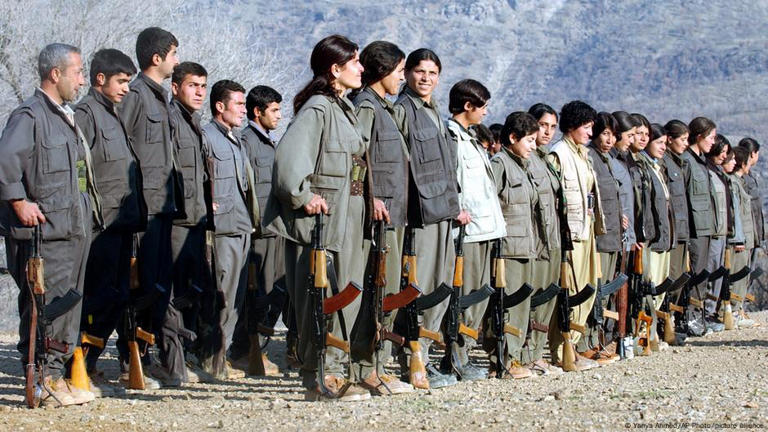
The Kurdistan Workers’ Party (PKK) has officially announced its dissolution and the end of its 41-year armed insurgency against the Turkish state. This historic decision, made during the group’s 12th Congress held in early May 2025, follows a call from its imprisoned leader, Abdullah Öcalan, who urged the organization to lay down arms and pursue peaceful, democratic means to address Kurdish issues. (The Times of India, Wikipedia)

🕊️ Implications for Turkey

1. Potential for Lasting Peace:
The PKK’s disbandment could signal the end of a conflict that has claimed over 40,000 lives since 1984. This development offers an opportunity for reconciliation and the integration of Kurdish communities into Turkey’s political and social fabric. (Reuters)

2. Economic and Regional Stability:
The cessation of hostilities may lead to economic growth, particularly in southeastern Turkey, by attracting investment and reducing military expenditures. Additionally, it could enhance regional stability, especially in areas affected by cross-border tensions involving Kurdish groups. (The Times)

3. Political Dynamics:
President Recep Tayyip Erdoğan has welcomed the PKK’s decision, viewing it as a step toward national unity. However, some analysts suggest that this move might also serve to bolster his political position, potentially aiding efforts to amend the constitution and extend his presidency beyond 2028. (AP News, The Times)

⚠️ Remaining Challenges

1. Disarmament Process:
While the PKK has declared its intent to disband, the logistics of disarmament and reintegration of former fighters remain complex. The Turkish government plans to oversee the surrender of weapons and the reintegration process, but details are still being finalized. (AP News, El País)

2. Regional Kurdish Groups:
The impact of the PKK’s dissolution on affiliated Kurdish groups, particularly in Syria and Iraq, is uncertain. Some factions may choose to continue their activities independently, potentially affecting regional dynamics. (The New Arab)

3. Political Representation:
The future of pro-Kurdish political parties in Turkey, such as the Peoples’ Equality and Democracy Party (DEM), will be crucial in ensuring that Kurdish voices are represented in the political arena. Their ability to operate freely and participate in democratic processes will be a key indicator of progress. (Wikipedia)

🌍 International Reactions

The international community has largely welcomed the PKK’s decision. The United Nations and various governments view it as a positive step toward peace and stability in the region. (The Times of India)

Posted on Leave a comment

Climate Change and Gender Inequality: Why Women Bear the Bigger Burden


Introduction

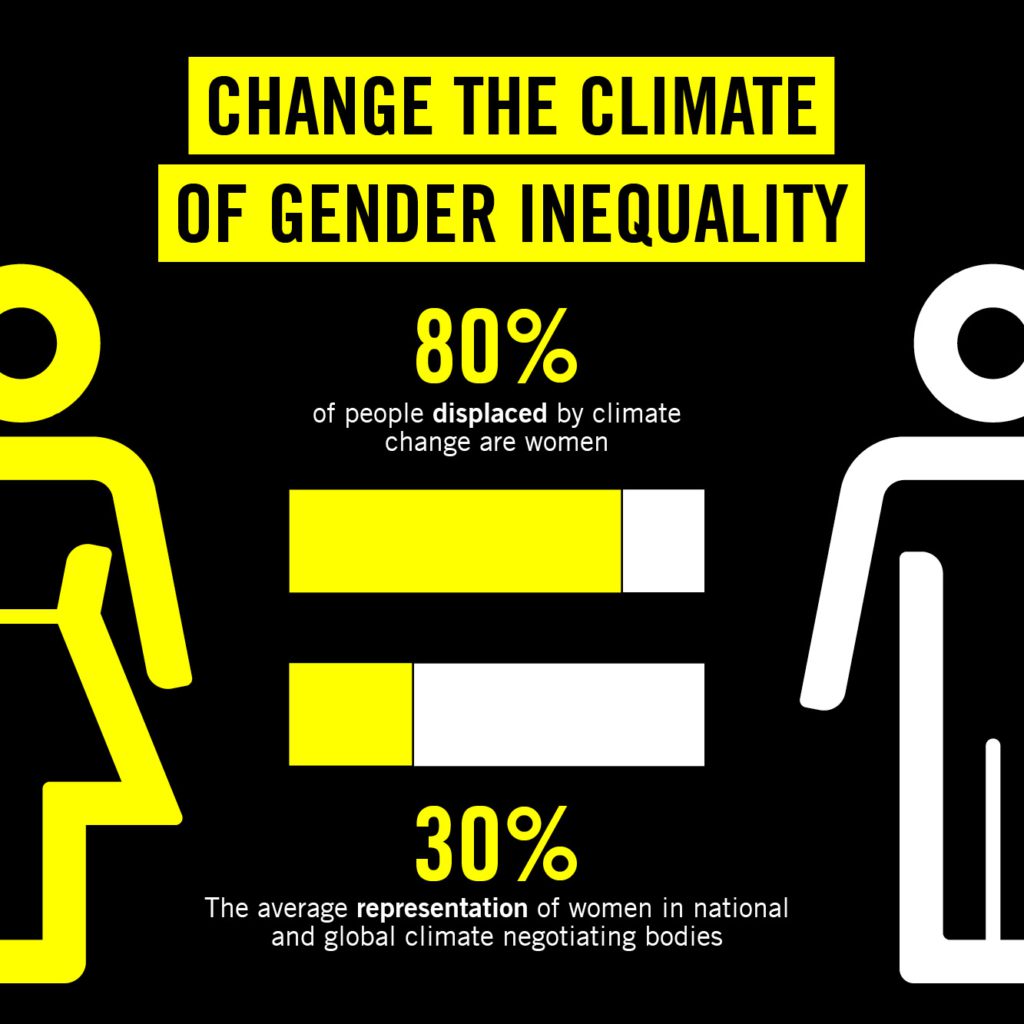
As the effects of climate change become more severe, one harsh truth stands out: climate change is not gender neutral. Around the world, women and girls—especially in developing countries—face the harshest consequences of rising temperatures, natural disasters, and resource scarcity. The intersection of gender inequality and environmental degradation is not just a social issue—it’s a crisis we must address for any real progress.

This blog breaks down how climate change disproportionately affects women, why this happens, and how empowering women can be a powerful solution. If we want meaningful climate justice, gender equity must be at its core.


How Climate Change Deepens Gender Inequality

1. Women Are the Backbone of Rural Agriculture, Yet the Most Vulnerable

In many countries across Africa, Asia, and Latin America, women make up over 60% of the agricultural workforce. Yet they often lack land rights, financial credit, and access to modern tools. When climate disasters like droughts or floods hit, these women lose more than crops—they lose their primary source of income, food, and security.

Keyword integration: climate change effects on women, agriculture and gender inequality, women and food security.


2. Increased Health Risks for Women and Girls

As temperatures rise and clean water becomes scarce, women and girls are at greater risk of disease. They’re more likely to suffer from waterborne illnesses, malnutrition, and reproductive health complications, especially in areas without strong healthcare systems.

Pregnant women, for example, face higher risks from heatwaves and poor sanitation, making climate change a public health issue—particularly for female populations.

Keyword integration: climate change and women’s health, environmental health risks, women vulnerable to climate crisis.


3. Greater Burden of Unpaid Care Work

In the aftermath of climate disasters, women and girls are the ones caring for the sick, elderly, or displaced. They walk farther to fetch water, miss school to support families, and sacrifice jobs to take care of others. These responsibilities, often unpaid and unrecognized, deepen the gender gap.

Keyword integration: unpaid care work, gendered impacts of climate change, women and domestic burden.


4. Barriers to Women’s Participation in Climate Policy

Despite being most affected, women are often excluded from climate decision-making at all levels—local, national, and international. From UN climate summits to local disaster committees, women’s voices are missing, meaning their unique experiences and solutions aren’t heard.

Keyword integration: gender and climate policy, inclusive climate action, empowering women for climate resilience.


Why Empowering Women is a Climate Solution

Women are not just victims of the climate crisis—they are key to solving it. Research shows that when women lead and participate in climate action, communities are more resilient and sustainable.

1. Local Leadership and Environmental Stewardship

In rural communities, women manage natural resources like water, crops, and forests. When trained and empowered, they lead conservation efforts, manage risks, and adapt traditional knowledge to modern challenges.

Example: In Kenya, women’s groups are restoring degraded land through sustainable farming techniques—boosting food production and fighting desertification.

Keyword integration: women climate leaders, local climate action, environmental sustainability.


2. Education and Climate Literacy for Girls

Educating girls is one of the most effective ways to combat climate change. Studies show that investing in girls’ education leads to smaller family sizes, better disaster preparedness, and stronger economic outcomes—all of which reduce climate pressure.

Keyword integration: climate education for girls, girls in STEM, climate literacy.


3. Financial Inclusion and Economic Empowerment

Access to green financing, microloans, and entrepreneurial opportunities allows women to invest in climate-resilient farming, eco-friendly businesses, and clean energy. This not only improves livelihoods but also builds community resilience.

Keyword integration: green economy, women and climate finance, gender-inclusive economy.


What Needs to Change: Gender-Responsive Climate Policies

To create real change, climate strategies must recognize and respond to gender inequalities. This includes:

  • Collecting gender-disaggregated data to understand impact
  • Ensuring women’s participation in policymaking
  • Investing in women’s education and health
  • Funding women-led climate initiatives

Keyword integration: gender-responsive climate policy, sustainable development, inclusive climate strategy.


Real Stories: Women Leading Climate Justice

A recent photo series by CNN, titled As Equals, highlights the voices of women from around the world who are leading in the face of climate adversity—from Bangladesh to Brazil. Their activism, resilience, and leadership challenge the notion that climate victims are powerless. Instead, they show that gender equality and climate justice go hand-in-hand.

Keyword integration: women climate activists, climate justice stories, grassroots climate movements.


Final Thoughts

Climate change and gender inequality are two crises that feed into each other. Solving one without addressing the other is like fighting a wildfire with a garden hose.

At RemedyTalks.com, we believe climate action must be inclusive, sustainable, and just. This means putting women and girls at the center of policy, education, innovation, and leadership. Because when women thrive, so does the planet.


Posted on Leave a comment

“South Africa vs Australia: Clash of Titans in the 2025 WTC Final at Lord’s”

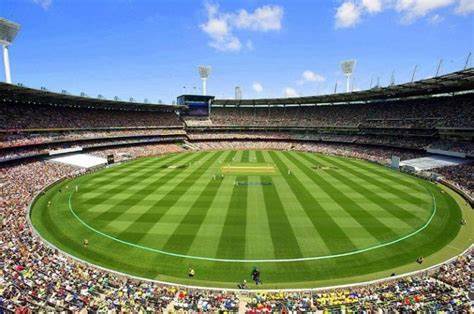
South Africa and Australia have unveiled their squads for the ICC World Test Championship (WTC) Final, set to take place from June 11 to 15, 2025, at Lord’s Cricket Ground in London. This final marks South Africa’s first appearance in a WTC final, while Australia aims to defend their title after winning the previous edition in 2023.(The Times of India, Wikipedia)

South Africa’s Squad

South Africa’s 15-player squad, led by captain Temba Bavuma, features a blend of experienced players and emerging talents. Notably, fast bowler Lungi Ngidi returns to the squad after recovering from a groin injury, bolstering the pace attack alongside Kagiso Rabada, Marco Jansen, and others. (icc)

Full Squad:

  • Temba Bavuma (captain)
  • David Bedingham
  • Corbin Bosch
  • Tony de Zorzi
  • Marco Jansen
  • Keshav Maharaj
  • Aiden Markram
  • Wiaan Mulder
  • Senuran Muthusamy
  • Lungi Ngidi
  • Dane Paterson
  • Kagiso Rabada
  • Ryan Rickelton
  • Tristan Stubbs
  • Kyle Verreynne(Club Cricket SA, cricket.co.za, Reuters)

To ensure optimal preparation, Cricket South Africa has requested that its players participating in the Indian Premier League (IPL) return by May 26, 2025, ahead of the WTC Final. (The Times of India)

Australia’s Squad

Australia’s 15-player squad sees the return of key players: captain Pat Cummins, fast bowler Josh Hazlewood, and all-rounder Cameron Green, who have all recovered from recent injuries. The squad also includes 19-year-old opener Sam Konstas, indicating a focus on both experience and youth. (icc, Reuters)

Full Squad:

  • Pat Cummins (captain)
  • Scott Boland
  • Alex Carey
  • Cameron Green
  • Josh Hazlewood
  • Travis Head
  • Josh Inglis
  • Usman Khawaja
  • Sam Konstas
  • Matthew Kuhnemann
  • Marnus Labuschagne
  • Nathan Lyon
  • Steve Smith
  • Mitchell Starc
  • Beau Webster(news, Wikipedia, news)

Brendan Doggett has been named as a traveling reserve. (Reuters)

The opening batting position remains a topic of discussion, with selectors considering various options to partner Usman Khawaja, including Sam Konstas and Marnus Labuschagne. (news)

🏆 Match Details

This highly anticipated match will determine the world champions of Test cricket, with both teams bringing strong squads to compete for the prestigious title.

Posted on Leave a comment

Election to fill vacant senate seat from Punjab scheduled for may 29

The Election Commission of Pakistan (ECP) has scheduled a by-election for the vacant general Senate seat from Punjab on May 29, 2025, following the passing of Senator Professor Sajid Mir on May 3, 2025. (GNN – Pakistan’s Largest News Portal)

🗳️ Election Schedule

  • Nomination Papers Submission: May 14–15
  • Publication of Candidates’ Names: May 16
  • Scrutiny of Nomination Papers: May 17
  • Appeals Against Acceptance/Rejection: May 20
  • Decision on Appeals: May 22
  • Publication of Revised Candidate List: May 23
  • Withdrawal of Candidature: May 24
  • Polling Date: May 29, from 9:00 AM to 4:00 PM at the Punjab Assembly chambers in Lahore (Daily Times, HUM News, Daily Ausaf)

Nomination papers can be obtained from the Punjab ECP office at 10-Court Street, Lahore, during office hours. (Daily Ausaf)

🕊️ Remembering Senator Professor Sajid Mir

Senator Professor Sajid Mir, who passed away at the age of 86 due to a heart attack, was a prominent religious and political figure. He led the Jamiat Ahle Hadith Pakistan and was affiliated with the Pakistan Muslim League-Nawaz (PML-N). Elected to the Senate five times, his most recent term began in 2021. (Daily Times)

This by-election is crucial for maintaining the representation of Punjab in the Senate and ensuring the continuity of legislative processes.

Posted on Leave a comment

Zelensky Challenges Putin to Face-to-Face Peace Talks in Turkey Amid Global Pressure (New York Post)

As the war between Russia and Ukraine enters its third year, Ukrainian President Volodymyr Zelensky has issued a bold challenge to Russian President Vladimir Putin: meet him in person for peace talks in Turkey this Thursday. This high-stakes diplomatic move comes amid mounting international pressure for a ceasefire and a potential resolution to the ongoing conflict. (New York Post)

Zelensky’s Firm Stance: No Delegates, Only Putin

President Zelensky has made it clear that he will only engage in direct negotiations with President Putin himself, rejecting any talks with lower-level Russian officials. This insistence underscores Zelensky’s belief that only Putin holds the authority to make pivotal decisions about ending the war. Ukrainian officials have even indicated a willingness to amend a 2022 law that prohibits direct talks with Putin, should he agree to attend the summit in person. (The Times)

Zelensky’s challenge is not just a call for dialogue but a test of Russia’s commitment to peace. He emphasized that the success of the negotiations hinges on Putin’s participation, stating that if Putin does not attend, he would urge the U.S. and European leaders to increase sanctions on Russia. (The Guardian, AP News)

Kremlin’s Silence and Strategic Calculations

Despite the proposed meeting, the Kremlin has remained silent about Putin’s attendance, raising questions about Russia’s commitment to negotiations. While Putin initially indicated a willingness to engage in talks, there are indications that Russian officials are preparing for him to decline, viewing such a meeting as mere spectacle. (The Sun, New York Post)

Russian media and Kremlin-linked commentators have expressed skepticism about the proposed talks, suggesting that the initiative is a Western stratagem to prepare for an eventual attack on Russia. Some have even questioned Zelensky’s legitimacy as an interlocutor, considering his presidential term expired under wartime law. (ElHuffPost)

🌍 International Community’s Role and Reactions

The international community has shown significant interest in facilitating these talks. Former U.S. President Donald Trump has expressed willingness to attend the peace negotiations and urged both leaders to end the bloodshed. U.S. Secretary of State Marco Rubio and Special Envoy Steve Witkoff are expected to attend the talks, underlining Washington’s diplomatic push. (New York Post, AP News)

European leaders have also weighed in, with German Chancellor Friedrich Merz calling for an unconditional 30-day ceasefire and warning of intensified EU sanctions if progress is not made. (AP News)

🔍 The Road Ahead: Will Putin Show Up?

As the scheduled date for the talks approaches, the world watches closely to see whether President Putin will accept Zelensky’s challenge and attend the meeting in person. The outcome of this diplomatic gambit could significantly impact the trajectory of the Russia-Ukraine war and the broader geopolitical landscape.

If Putin attends, it could signal a willingness to engage in meaningful negotiations and potentially pave the way for a ceasefire. If he declines, it may reinforce perceptions of Russia’s intransigence and lead to increased international pressure.