Posted on Leave a comment

“Afghan MP’s Explosive Endorsement: Why Operation Sindoor Was Pakistan’s Reckoning – And the World Needs to Listen”

Mariam Solaimankhil, a member of Afghanistan’s Parliament in exile, has publicly endorsed India’s Operation Sindoor, characterizing it as a necessary and measured response to terrorism. She asserts that Pakistan has long been a breeding ground for terrorism, with its military and intelligence services, particularly the ISI, supporting extremist groups that have caused significant harm in regions like Kashmir. (News on Air)

In her statements, Solaimankhil emphasized that India’s actions were focused on targeting terrorist camps and military facilities that aid extremist groups. She criticized Pakistan for spreading misinformation and deflecting blame onto other nations, including the United States, while harboring terrorists within its borders. (News on Air, The Tribune)

Solaimankhil also highlighted the internal issues within Pakistan, noting that the country’s support for terrorism has adversely affected its own citizens. She pointed out that regions like Balochistan have suffered from enforced disappearances and human rights violations, leading to declarations of independence by local representatives. (News on Air, The Tribune)

Her remarks align with international perspectives that recognize Operation Sindoor as a decisive military success against terrorism. British political commentator David Vance, for instance, described the operation as “long overdue” and criticized China’s support for Pakistan in this context. (News on Air)

Posted on Leave a comment

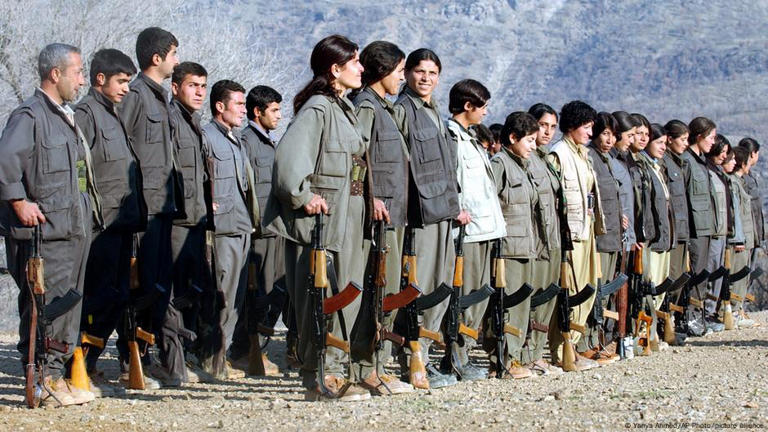
HISTORIC BREAKING: PKK Ends 41-Year Armed Struggle – What This Means for Turkey & the World

The Kurdistan Workers’ Party (PKK) has officially announced its dissolution and the end of its 41-year armed insurgency against the Turkish state. This historic decision, made during the group’s 12th Congress held in early May 2025, follows a call from its imprisoned leader, Abdullah Öcalan, who urged the organization to lay down arms and pursue peaceful, democratic means to address Kurdish issues. (The Times of India, Wikipedia)

🕊️ Implications for Turkey

1. Potential for Lasting Peace:
The PKK’s disbandment could signal the end of a conflict that has claimed over 40,000 lives since 1984. This development offers an opportunity for reconciliation and the integration of Kurdish communities into Turkey’s political and social fabric. (Reuters)

2. Economic and Regional Stability:
The cessation of hostilities may lead to economic growth, particularly in southeastern Turkey, by attracting investment and reducing military expenditures. Additionally, it could enhance regional stability, especially in areas affected by cross-border tensions involving Kurdish groups. (The Times)

3. Political Dynamics:
President Recep Tayyip Erdoğan has welcomed the PKK’s decision, viewing it as a step toward national unity. However, some analysts suggest that this move might also serve to bolster his political position, potentially aiding efforts to amend the constitution and extend his presidency beyond 2028. (AP News, The Times)

⚠️ Remaining Challenges

1. Disarmament Process:
While the PKK has declared its intent to disband, the logistics of disarmament and reintegration of former fighters remain complex. The Turkish government plans to oversee the surrender of weapons and the reintegration process, but details are still being finalized. (AP News, El País)

2. Regional Kurdish Groups:
The impact of the PKK’s dissolution on affiliated Kurdish groups, particularly in Syria and Iraq, is uncertain. Some factions may choose to continue their activities independently, potentially affecting regional dynamics. (The New Arab)

3. Political Representation:
The future of pro-Kurdish political parties in Turkey, such as the Peoples’ Equality and Democracy Party (DEM), will be crucial in ensuring that Kurdish voices are represented in the political arena. Their ability to operate freely and participate in democratic processes will be a key indicator of progress. (Wikipedia)

🌍 International Reactions

The international community has largely welcomed the PKK’s decision. The United Nations and various governments view it as a positive step toward peace and stability in the region. (The Times of India)

Posted on Leave a comment

Zelensky Challenges Putin to Face-to-Face Peace Talks in Turkey Amid Global Pressure (New York Post)

As the war between Russia and Ukraine enters its third year, Ukrainian President Volodymyr Zelensky has issued a bold challenge to Russian President Vladimir Putin: meet him in person for peace talks in Turkey this Thursday. This high-stakes diplomatic move comes amid mounting international pressure for a ceasefire and a potential resolution to the ongoing conflict. (New York Post)

Zelensky’s Firm Stance: No Delegates, Only Putin

President Zelensky has made it clear that he will only engage in direct negotiations with President Putin himself, rejecting any talks with lower-level Russian officials. This insistence underscores Zelensky’s belief that only Putin holds the authority to make pivotal decisions about ending the war. Ukrainian officials have even indicated a willingness to amend a 2022 law that prohibits direct talks with Putin, should he agree to attend the summit in person. (The Times)

Zelensky’s challenge is not just a call for dialogue but a test of Russia’s commitment to peace. He emphasized that the success of the negotiations hinges on Putin’s participation, stating that if Putin does not attend, he would urge the U.S. and European leaders to increase sanctions on Russia. (The Guardian, AP News)

Kremlin’s Silence and Strategic Calculations

Despite the proposed meeting, the Kremlin has remained silent about Putin’s attendance, raising questions about Russia’s commitment to negotiations. While Putin initially indicated a willingness to engage in talks, there are indications that Russian officials are preparing for him to decline, viewing such a meeting as mere spectacle. (The Sun, New York Post)

Russian media and Kremlin-linked commentators have expressed skepticism about the proposed talks, suggesting that the initiative is a Western stratagem to prepare for an eventual attack on Russia. Some have even questioned Zelensky’s legitimacy as an interlocutor, considering his presidential term expired under wartime law. (ElHuffPost)

🌍 International Community’s Role and Reactions

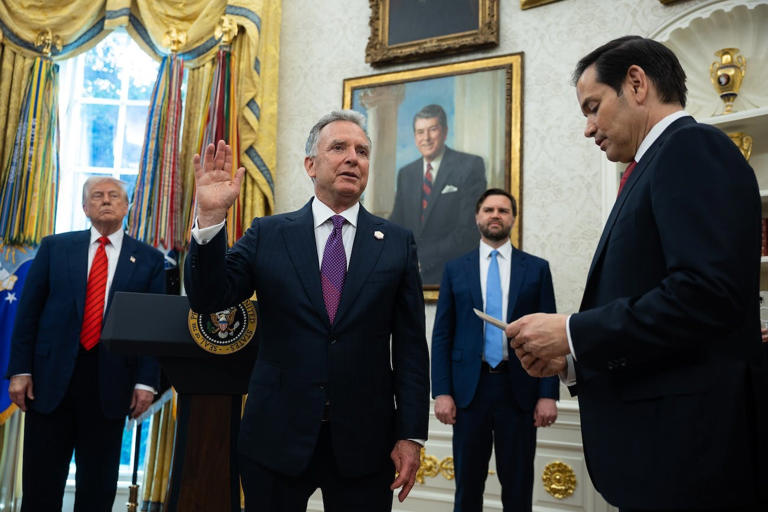
The international community has shown significant interest in facilitating these talks. Former U.S. President Donald Trump has expressed willingness to attend the peace negotiations and urged both leaders to end the bloodshed. U.S. Secretary of State Marco Rubio and Special Envoy Steve Witkoff are expected to attend the talks, underlining Washington’s diplomatic push. (New York Post, AP News)

European leaders have also weighed in, with German Chancellor Friedrich Merz calling for an unconditional 30-day ceasefire and warning of intensified EU sanctions if progress is not made. (AP News)

🔍 The Road Ahead: Will Putin Show Up?

As the scheduled date for the talks approaches, the world watches closely to see whether President Putin will accept Zelensky’s challenge and attend the meeting in person. The outcome of this diplomatic gambit could significantly impact the trajectory of the Russia-Ukraine war and the broader geopolitical landscape.

If Putin attends, it could signal a willingness to engage in meaningful negotiations and potentially pave the way for a ceasefire. If he declines, it may reinforce perceptions of Russia’s intransigence and lead to increased international pressure.

Posted on Leave a comment

TRUMP AND MBS SEAL MULTIPLE DEFENSE AND DIPLOMATIC DEALS IN RIYADH


Trump and Saudi Crown Prince Sign Series of Strategic Agreements in Riyadh

Date: May 13, 2025
By: RemedyTalks News Desk

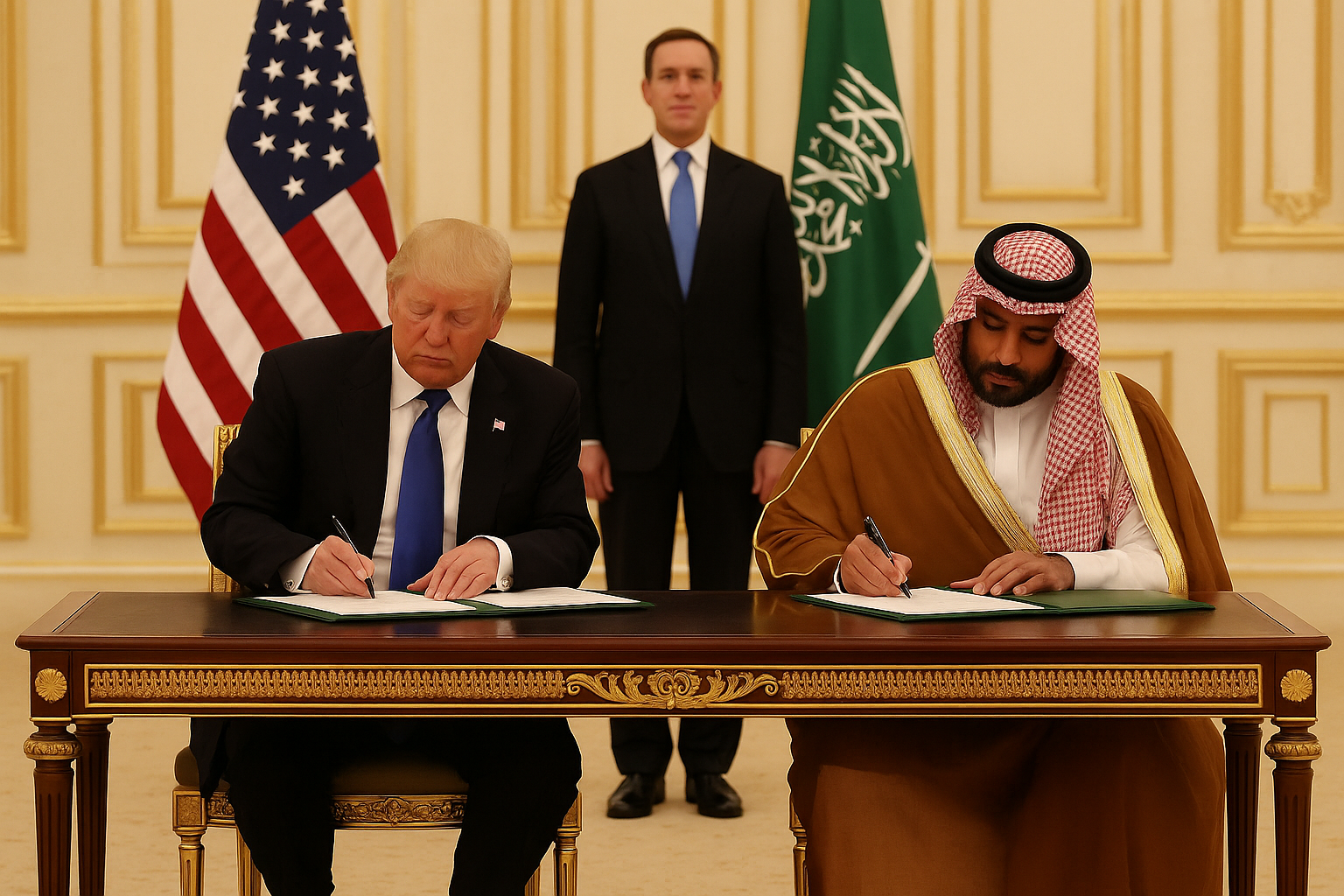
In a symbolic and highly strategic move, former U.S. President Donald Trump and Saudi Crown Prince Mohammed bin Salman (MBS) signed a series of bilateral agreements on Tuesday, reaffirming the close partnership between Washington and Riyadh.

The ceremony took place in a gilded ballroom at the Royal Court in Riyadh, where leaders signed memoranda of understanding, letters of intent, and other executive agreements spanning defense, health, law enforcement, and customs cooperation.


🔐 Major Defense & Security Partnerships Announced

A significant portion of the deals centered on strengthening military collaboration, a core component of U.S.–Saudi relations. Key defense agreements included:

  • Modernization of Saudi Armed Forces
    Plans to upgrade and develop Saudi Arabia’s defense capabilities for future combat readiness.
  • Support for the Saudi National Guard
    Agreements focused on ammunition training, system maintenance, spare parts, and educational support for both land and air divisions.
  • Health Capabilities for Military Personnel
    A new initiative to develop medical infrastructure and services tailored to the needs of the Saudi military.

These initiatives align with Saudi Arabia’s push to become more self-reliant in defense while maintaining robust ties with the United States.


🧬 Expanding Cooperation Beyond Military Ties

The agreements extended well beyond military cooperation, highlighting a multi-dimensional strategic relationship. Other signed accords include:

  • Medical Research Partnership
    A joint effort between the two nations to explore infectious disease research, with long-term goals of joint pandemic response systems.
  • Judicial Cooperation
    The two countries agreed on frameworks for information-sharing and legal coordination, a step toward streamlined cross-border investigations.
  • FBI–Saudi Interior Ministry Partnership
    A new agreement between the Federal Bureau of Investigation (FBI) and the Saudi Ministry of Interior to enhance joint security operations and counter-terrorism efforts.
  • Customs Authority Collaboration
    Streamlined trade and logistics protocols were agreed upon to promote faster, more secure movement of goods between both countries.

🌍 Geopolitical Significance

These agreements signal deepening U.S.–Saudi cooperation at a time of growing uncertainty in the Middle East. With Crown Prince MBS positioning himself as a strategic partner to the U.S., the deals also serve to elevate his leadership on the global stage.

For Trump, the visit strengthens his legacy as a foreign policy dealmaker and may fuel speculation about his future political ambitions.


🧠 Conclusion

The Riyadh summit illustrates how diplomatic diplomacy and economic strategy are intersecting in 2025. The wide-ranging agreements go beyond defense — they underscore a growing U.S.–Saudi alliance rooted in security, science, and statecraft.


Posted on Leave a comment

What to Know About the P.K.K. and Its Fight Against Turkey

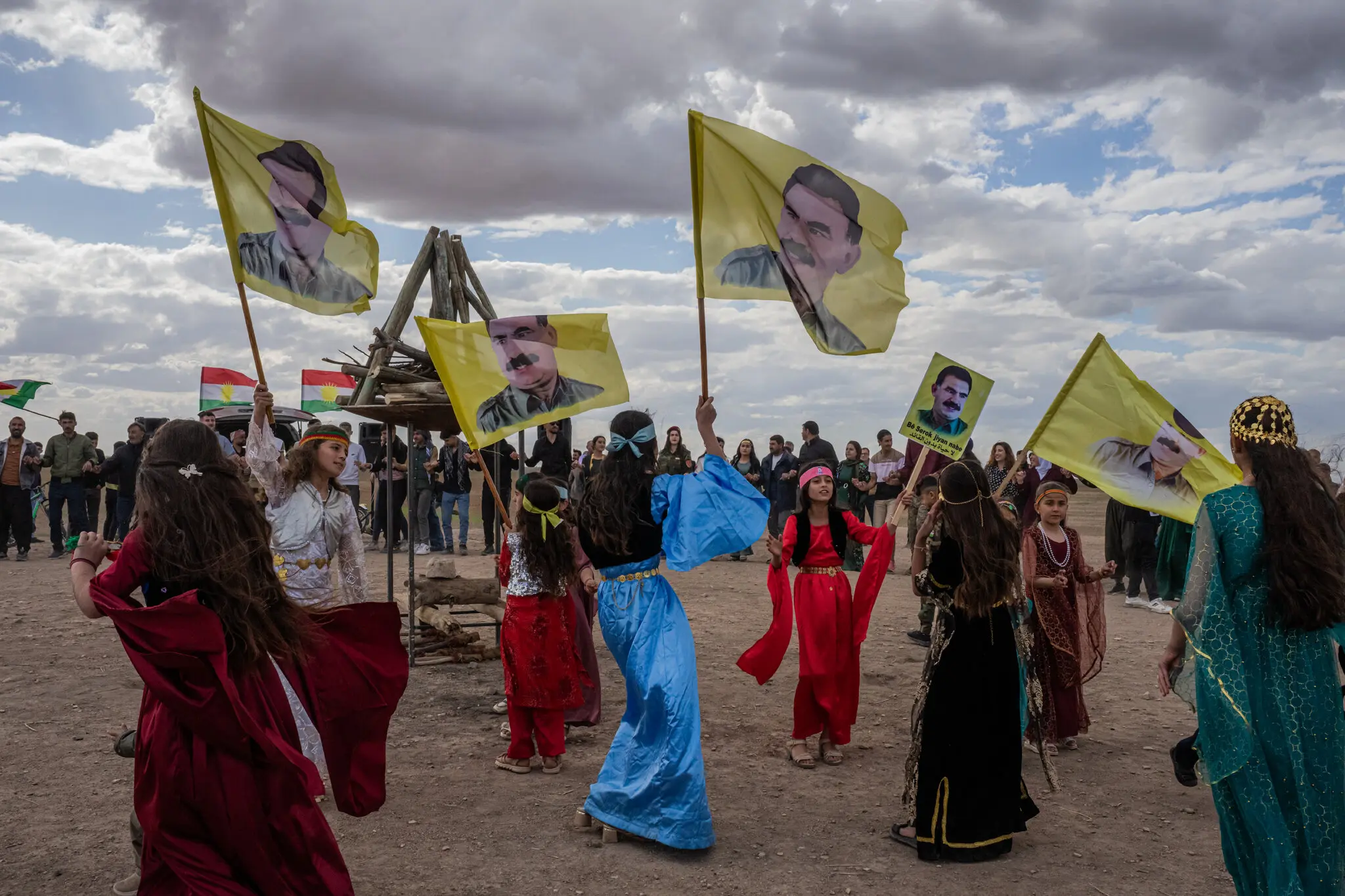
The Kurdistan Workers’ Party (PKK) has officially announced its disbandment, marking the end of a 40-year armed insurgency against the Turkish state—a conflict that has resulted in over 40,000 deaths since its inception in 1984 .(The Times)

Reasons Behind the Disbandment

The decision follows a call from the PKK’s imprisoned leader, Abdullah Öcalan, who, despite being incarcerated since 1999, continues to wield significant influence within the Kurdish movement . In February 2025, Öcalan urged the PKK to lay down arms and pursue democratic avenues for achieving Kurdish rights. Subsequently, the PKK declared a unilateral ceasefire on March 1, 2025, and formalized its dissolution during a congress held in northern Iraq in early May .(AP News, AP News)

Several factors contributed to this historic move:

  • Military Pressure: Sustained Turkish military operations have significantly weakened the PKK’s operational capabilities .(The Times)
  • Geopolitical Shifts: The withdrawal of U.S. forces from northern Syria and Turkey’s diplomatic engagements have altered the regional dynamics, reducing external support for the PKK .(ElHuffPost)
  • Internal Reassessment: Recognizing the changing landscape, the PKK concluded that its objectives could be better pursued through political and democratic means rather than armed struggle .(El País)

Turkish Government’s Response

Turkish President Recep Tayyip Erdoğan welcomed the PKK’s decision, describing it as a pivotal step toward ensuring national security and regional stability. He emphasized the need for the disarmament process to be comprehensive, extending to PKK-affiliated groups in Syria, Iraq, and Europe . The Turkish government plans to oversee the disarmament process, including the collection of weapons in designated areas and the reintegration of former fighters without serious offenses .(rudaw.net, The Washington Post, El País)

Implications for the Kurdish Community

The PKK’s disbandment opens avenues for enhanced political participation and cultural recognition for Kurds in Turkey. However, challenges remain, particularly concerning the legal status of Kurdish political parties and the broader integration of Kurdish citizens into Turkish political life .(BBC)

Families of former PKK members express cautious optimism, hoping for the safe return of their loved ones and a peaceful future . The disbandment also has potential ramifications for regional dynamics, particularly in relation to Kurdish groups in neighboring countries.(Reuters)

While the PKK’s dissolution marks a significant milestone, the path to lasting peace and reconciliation will require sustained efforts from all stakeholders to address underlying issues and foster inclusive governance.

Posted on Leave a comment

AI and the Changing Character of Warfare: How Technology Is Reshaping Modern Conflict

Introduction: A New Chapter in Military Evolution

The face of war is changing—from traditional battlegrounds to digital frontiers. In today’s rapidly evolving landscape, artificial intelligence (AI) in warfare is emerging as a transformative force. Nations are integrating smart technologies into defense strategies, reshaping not just how wars are fought, but how they’re perceived, managed, and even deterred.

As discussed in The Express Tribune’s editorial, AI is no longer limited to science fiction. It is now a critical tool in national security, triggering debates on ethics, legality, and the future of warfare.

From Drones to Decision-Making: What AI Brings to the Battlefield

AI is being applied across the military spectrum—from logistics and surveillance to autonomous combat and cyberwarfare. Lethal Autonomous Weapon Systems (LAWS), in particular, have captured global attention. These systems can identify, track, and engage targets without direct human input, raising both strategic possibilities and ethical red flags.

Unlike traditional weapons, LAWS are driven by algorithms. Their ability to make split-second decisions can be a tactical advantage—but what happens when a machine makes the wrong call? Who is responsible?

The use of AI in targeting and operational planning is revolutionizing combat but also complicating accountability, making it harder to attribute decisions to a human chain of command.

The Global AI Arms Race: Who’s Leading?

The integration of AI in military systems isn’t confined to one nation. It’s a global race—with powerful countries investing billions to dominate this new frontier.

1. United States

The U.S. leads in AI military development. Programs like the Autonomous Multi-Domain Adaptive Swarm of Systems are creating autonomous drone swarms that communicate in real-time, overwhelm enemy defenses, and operate across land, air, and sea.

2. China

China’s New Generation Artificial Intelligence Development Plan aims to make it the world leader in AI by 2030. With heavy investment in AI-based surveillance and predictive warfare models, China is rapidly expanding its digital military footprint.

3. India

India’s defense sector has also embraced AI. The launch of 75 AI-based military platforms during the ‘AI in Defence’ symposium shows the country’s determination to integrate AI into military technology and decision-making.

These developments reflect one clear truth: AI in warfare is not a future trend—it’s today’s reality.

Ethical Dilemmas in AI Warfare

As we hand over more decisions to machines, ethical concerns are escalating.

A controversial example is the “Habsora” (Gospel) system used by the Israeli Defense Forces, which employs AI algorithms to prioritize airstrike targets. Critics argue such systems risk high civilian casualties and violate international humanitarian law if not carefully monitored.

With machines analyzing vast data sets to predict enemy movement or civilian patterns, the line between military targets and collateral damage becomes increasingly blurred. Who draws the moral boundaries in a machine-led war?

Can We Regulate AI in War?

Despite the risks, there is no unified international agreement on regulating lethal autonomous weapons. The lack of consensus makes AI warfare a legal and diplomatic minefield.

Organizations like the United Nations and Campaign to Stop Killer Robots have been calling for regulation, but geopolitical tensions continue to stall progress.

Establishing a global framework for AI ethics in warfare is more important than ever. Without it, the unchecked rise of autonomous weapons could escalate conflicts faster than humans can control them.

AI as a Force Multiplier: Not a Replacement for Soldiers

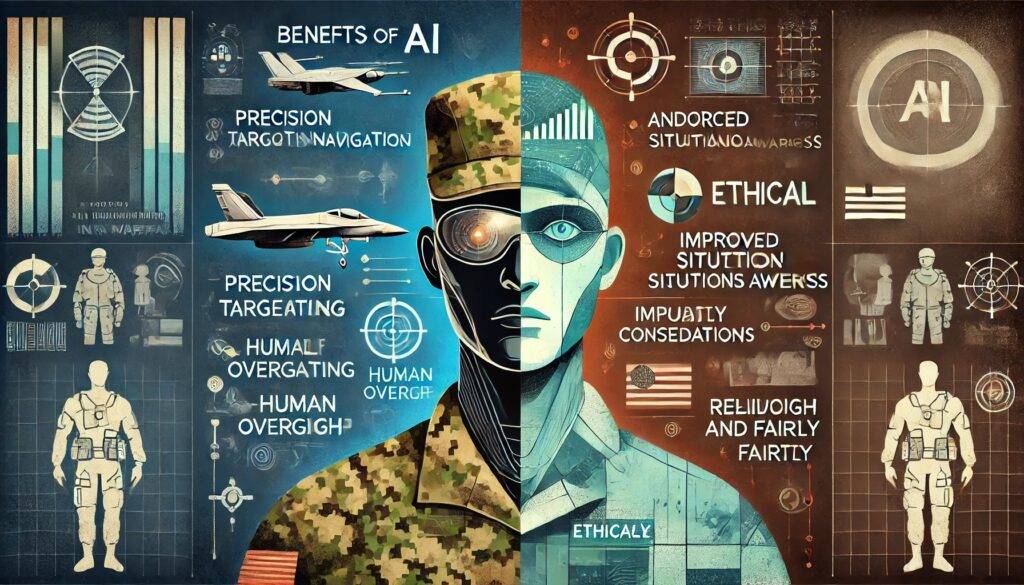
Despite concerns, AI doesn’t necessarily eliminate the human role in war—it augments it. When used responsibly, AI can reduce human error, speed up intelligence analysis, and help save lives by predicting threats in advance.

But this only works when there’s clear human oversight. Military experts agree that critical decisions—like launching a strike—must remain in human hands.

Blending AI with human judgment is key to ensuring ethical and effective military operations. The future of warfare should focus on human-machine collaboration, not full automation.

The Future of Conflict: Faster, Smarter, Riskier

The introduction of AI-driven warfare systems makes modern conflict faster and less predictable. Wars might no longer begin with troops crossing borders, but with an algorithm triggering cyberattacks or drone swarms.

AI enables preemptive strikes, real-time battlefield analysis, and autonomous retaliation, making the decision window incredibly small. While this may deter aggression through superior tech, it also increases the risk of unintended escalation.

That’s why the future of warfare needs thoughtful design, not just powerful code.

Conclusion: Choosing the Right Path in AI-Driven Warfare

Artificial Intelligence is rewriting the rules of modern conflict. From autonomous drones to predictive military strategies, AI in warfare is here to stay. But with this advancement comes a greater responsibility: to ensure technology is used ethically, legally, and with a clear moral compass.

If nations continue down this path without regulations, we risk creating a battlefield where human life is decided by lines of code.

It’s time for global leaders, defense experts, and ethicists to come together and shape the future of war—before war shapes the future of humanity.


Posted on Leave a comment

🚨 Tensions Escalate: Israel Issues Evacuation Warnings for Yemeni Ports After Ceasefire Deal Excludes It

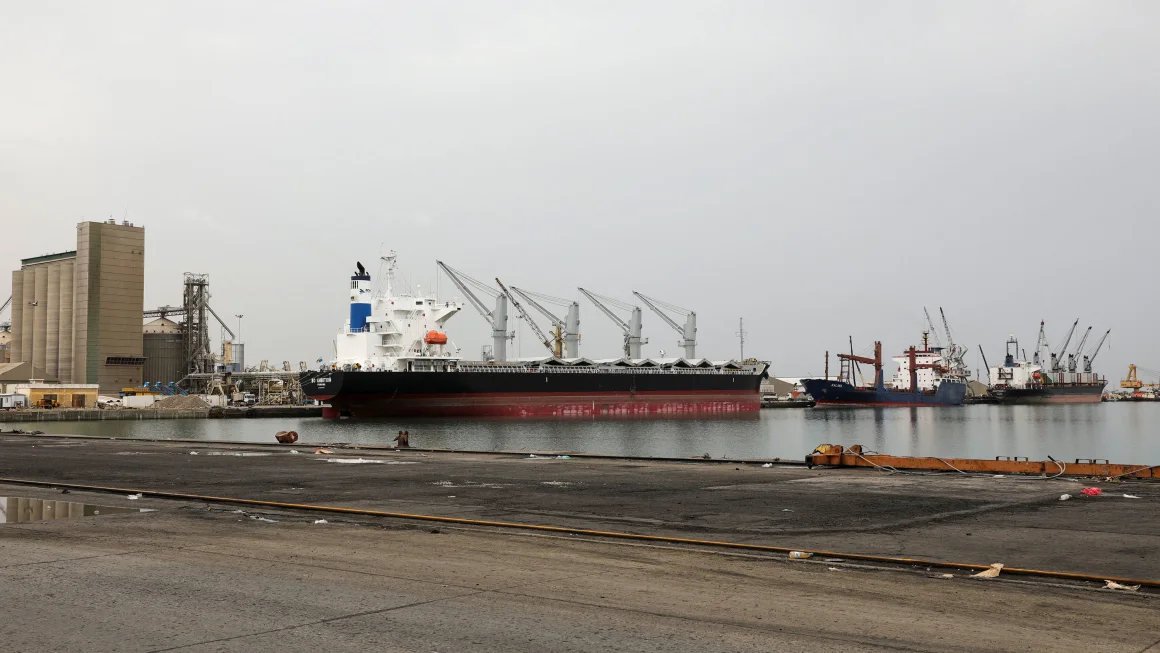
In a sharp escalation of Middle East tensions, the Israeli military has issued urgent evacuation warnings for three key ports in Yemen — Ras Isa, Hodeidah, and Salif — late Sunday night. The move follows Israel’s vow to act independently in defending itself after being excluded from a recent ceasefire agreement between the United States and Yemen’s Houthi rebels.

The warnings were broadcast via social media by IDF Arabic-language spokesperson Avichay Adraee, signaling potential Israeli airstrikes in Yemen in the coming hours.

🚀 Missile Attack Sparks Response

The evacuation notice comes just 48 hours after Israel intercepted a missile fired from Yemen — the first such attack since former U.S. President Donald Trump announced the US-Houthi ceasefire deal last week. The missile attack has been widely interpreted as a Houthi act of defiance and solidarity with Gaza, as the group continues to express support for Palestinians amid the ongoing Israel-Gaza conflict.

Despite the ceasefire, the Houthis declared they would not cease attacks against Israel, stating that their actions are in support of the Palestinian cause.

🛡️ Israel: “We Will Defend Ourselves Alone”

Reacting strongly to being left out of the agreement, Israeli Defense Minister Israel Katz made a bold statement last week:

“Israel must be able to defend itself by itself against any threat and any enemy. This has been true in the face of many past challenges, and it will remain true in the future.”

This is the second evacuation alert issued by the IDF within a week. Last Tuesday, Israel warned civilians to leave Sana’a International Airport, Yemen’s main airport, before launching airstrikes that reportedly disabled the airport’s functionality.

⚠️ Regional Instability on the Rise

The situation raises fresh concerns over the fragility of ceasefires in the Middle East, as well as the potential for a broader regional conflict. While the US-Houthi ceasefire was intended to de-escalate violence in Yemen, Israel’s exclusion from the deal and the Houthis’ continued aggression signal that peace in the region remains elusive.

International observers are watching closely as Israel weighs its next steps. With tensions high and military movements underway, the risk of a new front opening in the conflict is growing by the day.

📰 Stay tuned to RemedyTalks.com for continuous updates on the Israel-Yemen conflict, ceasefire developments, and real-time coverage of Middle East security issues.