Posted on Leave a comment

“Kidnapped or Killed? The Brutal Choice Facing Balochistan’s Journalists”

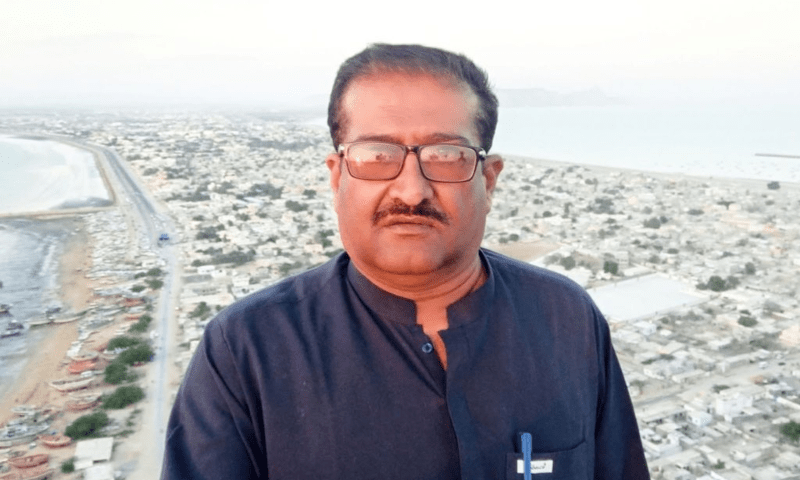
On May 24, 2025, journalist Abdul Latif Baloch was fatally shot in his home in Mashkey, Awaran district, Balochistan, after resisting a kidnapping attempt by unidentified assailants. Baloch, a correspondent for the Quetta-based newspaper Daily Intikhab and a member of the Levies force, had previously suffered the tragic loss of his son, whose body was discovered in Mashkey a few years prior. (Dawn)

The Pakistan Federal Union of Journalists (PFUJ) and the Balochistan Union of Journalists (BUJ) have strongly condemned the killing, describing it as part of a broader pattern of violence aimed at silencing independent voices in the region. PFUJ leaders Khalid Khokhar and Arshad Ansari emphasized the urgent need for authorities to investigate the crime and bring the perpetrators to justice. BUJ officials highlighted the increasing dangers faced by journalists in Balochistan and called for immediate government action to ensure their safety.

This incident underscores the perilous environment for journalists in Balochistan, where threats, kidnappings, and targeted killings have become alarmingly common. The international community and press freedom organizations continue to urge Pakistani authorities to take concrete steps to protect journalists and uphold the principles of free and independent media.

Posted on Leave a comment

“New Govt, New Rules: Bangladesh’s Bold $21M Snub to India Signals Policy Shift”

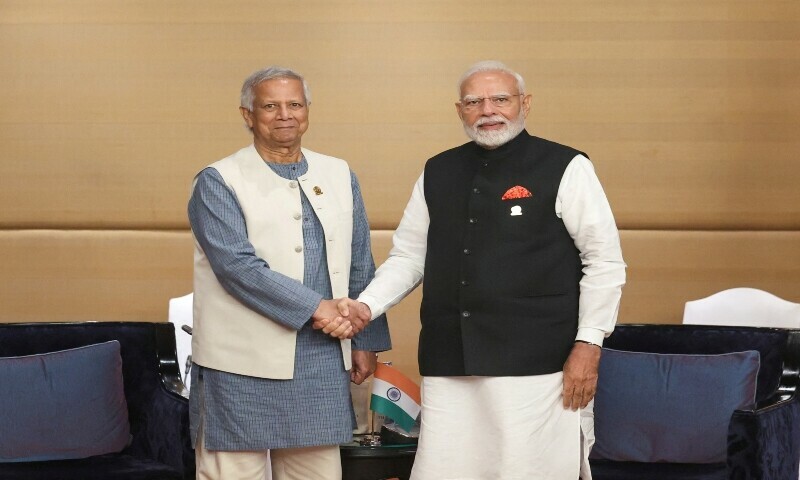
In a significant development reflecting the growing strain in India-Bangladesh relations, Bangladesh has canceled a $21 million defense contract with India’s state-owned Garden Reach Shipbuilders and Engineers Ltd (GRSE). (The Express Tribune)

Background of the Defense Deal

The contract, signed in July 2024, involved the construction of an 800-tonne advanced ocean-going tug for the Bangladesh Navy. This deal was part of India’s $500 million line of credit extended to Bangladesh for defense purchases. (The Times of India, Hindustan Times)

Reasons Behind the Cancellation

While Bangladesh has not officially stated the reasons for the cancellation, several factors suggest a deterioration in bilateral relations:

  • Trade Restrictions: India recently imposed restrictions on imports of Bangladeshi garments, limiting them to specific ports, affecting exports worth approximately $700 million annually. (ARY NEWS)
  • Withdrawal of Transshipment Facilities: India withdrew the transshipment facility previously extended to Bangladesh, which allowed Bangladeshi goods to reach third countries via Indian territory. (The Express Tribune)
  • Political Changes in Bangladesh: The ousting of Prime Minister Sheikh Hasina in August 2024 has led to a shift in Bangladesh’s foreign policy, with the interim government taking a more assertive stance on national sovereignty. (@EconomicTimes)

Impact on GRSE

GRSE confirmed the cancellation in a regulatory disclosure, stating that the financial impact would be negligible, as the order represented just 0.8% of its ₹22,680.75 crore ($2.7 billion) order book as of March 31, 2025. (The Express Tribune)

Broader Implications

The cancellation underscores the fragility of defense and trade relations between India and Bangladesh. Analysts view this move as a possible retaliation for India’s recent trade restrictions and the withdrawal of transshipment facilities. (@EconomicTimes, The Express Tribune)

This development may prompt Bangladesh to seek alternative defense partners, potentially altering the strategic balance in the region.

Conclusion

The cancellation of the $21 million defense deal by Bangladesh signals a significant shift in its diplomatic and defense posture vis-à-vis India. As both nations navigate this period of tension, the future of their bilateral relations will depend on diplomatic engagements and mutual concessions.

Posted on Leave a comment

“Water Wars Begin? India’s Indus Treaty Suspension Puts 240 Million Lives at Risk”

India’s recent decision to suspend the Indus Waters Treaty (IWT) has ignited significant international concern, with Pakistan warning the United Nations that this move threatens the survival of over 240 million people and violates international law.

Background: The Indus Waters Treaty

The IWT, signed in 1960 and brokered by the World Bank, governs the distribution of water from the Indus River system between India and Pakistan. Under the treaty, India controls the eastern rivers (Beas, Ravi, and Sutlej), while Pakistan has rights over the western rivers (Indus, Chenab, and Jhelum). The treaty has been a cornerstone of water-sharing between the two nations for decades.(The Guardian, Wikipedia, Arab News)

Escalation Following the Pahalgam Attack

On April 22, 2025, a deadly attack in Indian-administered Kashmir resulted in the deaths of 26 individuals, primarily Hindu tourists. India attributed the attack to Pakistan-backed militants, a claim Islamabad denies. In response, India suspended the IWT, citing national security concerns. Prime Minister Narendra Modi declared that Pakistan would no longer receive water from rivers over which India holds rights, emphasizing that Pakistan would face severe consequences for supporting terrorism .(Reuters, Wikipedia)

Pakistan’s Appeal to the United Nations

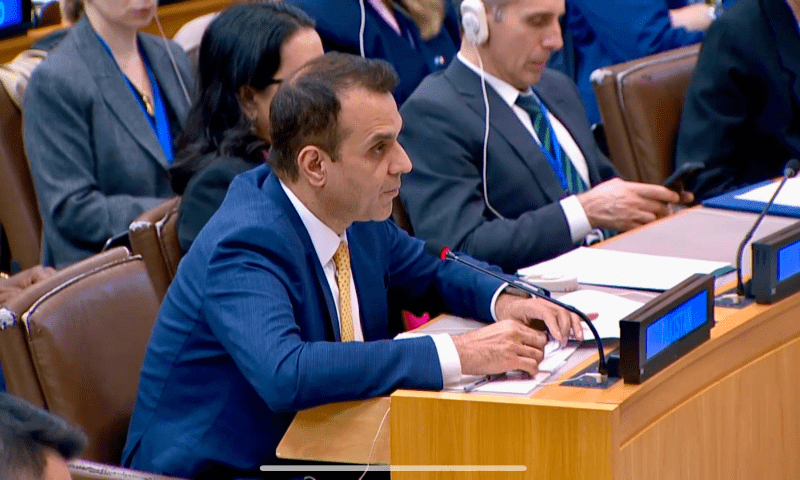
At a UN meeting on May 23, 2025, Pakistan’s Deputy Permanent Representative, Ambassador Usman Jadoon, condemned India’s unilateral suspension of the IWT. He described the move as a “dangerous escalation” and a “grave violation of international law,” including human rights and treaty laws. Ambassador Jadoon highlighted that India’s actions threaten the livelihoods of over 240 million Pakistanis who depend on the Indus River system .(Arab News, Dawn)

Legal and Humanitarian Implications

Pakistan emphasized that India’s suspension of the IWT contravenes international humanitarian law, which prohibits the use of water resources as a weapon in conflicts. Ambassador Jadoon urged the UN Security Council to monitor the situation closely and take preemptive action to prevent a humanitarian catastrophe. He also criticized statements from Indian leadership suggesting intentions to “starve the people of Pakistan,” describing such rhetoric as dangerous and perverse .(Arab News)

Global Reactions and Regional Stability

The international community has expressed concern over the potential for increased tensions between the nuclear-armed neighbors. Analysts warn that the suspension of the IWT could destabilize the region and set a precedent for the weaponization of water resources. The World Bank, which facilitated the original treaty, has yet to comment on the suspension.(Reuters, en.bd-pratidin.com)

Impact on Pakistan’s Agriculture and Economy

Pakistan’s agriculture sector heavily relies on the Indus River system, which supports 80% of the country’s agricultural activities. Any disruption in water flow could have devastating effects on food security and the economy. Farmers in Pakistan have expressed fears that India’s actions could lead to droughts or floods, further exacerbating the country’s challenges .(Reuters, The Guardian)

Conclusion

India’s suspension of the Indus Waters Treaty marks a significant escalation in Indo-Pakistani relations, with far-reaching implications for regional stability and humanitarian concerns. Pakistan’s appeal to the United Nations underscores the urgency of addressing this issue through diplomatic channels to prevent a potential crisis affecting millions.(Arab News)

Posted on Leave a comment

“From Saudi Streets to Jail Cells: Pakistan’s Zero-Tolerance Shock Therapy for Deportees”

In a decisive move to curb illegal migration and protect Pakistan’s international reputation, the federal government has announced stringent measures targeting citizens deported from foreign countries. Effective immediately, deported individuals will face passport cancellation and the registration of First Information Reports (FIRs) against them. This policy shift aims to deter unlawful activities abroad and reinforce the integrity of Pakistan’s travel documentation system.(UrduPoint, Dawn, Daily Times)

🚨 Key Measures Implemented

Interior Minister Mohsin Naqvi, during a high-level meeting in Islamabad on May 24, 2025, outlined the following actions:(Geo News)

  • Passport Cancellation: Deported individuals will have their passports revoked upon return to Pakistan.(Daily Times)
  • FIR Registration: Criminal cases will be filed against deportees to address their involvement in illegal activities abroad.(Facebook)
  • Passport Control List (PCL): Names of deported citizens will be added to the PCL for five years, restricting their ability to obtain new travel documents.(ARY NEWS)
  • Policy Review Committee: A committee led by the Interior Secretary has been established to strengthen passport issuance regulations and prevent misuse.

Minister Naqvi emphasized a zero-tolerance approach, stating that deportees have caused embarrassment to Pakistan on the international stage and will no longer be granted leniency. (Arab News)

📊 The Scale of the Issue

The decision follows alarming statistics regarding the deportation of Pakistani nationals:(Arab News)

  • Saudi Arabia: Over 5,000 Pakistani beggars have been deported in the past 16 months.(Geo News)
  • Other Countries: An additional 369 individuals were apprehended for begging in five other countries during the same period.(Dawn)
  • Europe: In April alone, 106 Pakistanis deported from various European nations arrived in Islamabad.(Geo News)

These figures highlight a troubling trend of Pakistani citizens engaging in unlawful activities abroad, prompting the government to take corrective action.

🌐 International Repercussions

The surge in deportations, particularly for offenses like organized begging, has tarnished Pakistan’s global image. A viral video earlier this year featured a Pakistani woman revealing that her in-laws’ luxurious lifestyle was funded through professional begging, underscoring the extent of the issue. (@EconomicTimes)

By implementing these new measures, the government aims to:

  • Deter Illegal Activities: Discourage citizens from engaging in unlawful conduct abroad.
  • Enhance Accountability: Hold individuals accountable for actions that damage the country’s reputation.
  • Strengthen Documentation Integrity: Ensure the Pakistani passport is not misused for illicit purposes.

🛂 Implications for Citizens

The government’s crackdown serves as a stern warning to those considering illegal migration or involvement in unlawful activities overseas. Citizens are urged to:

  • Adhere to Legal Channels: Pursue overseas opportunities through authorized and legal means.
  • Avoid Exploitative Practices: Refrain from engaging in activities that could lead to deportation and legal consequences.
  • Stay Informed: Keep abreast of government policies regarding international travel and migration.

🔚 Conclusion

Pakistan’s decision to cancel passports and file FIRs against deported citizens marks a significant step in addressing illegal migration and its associated challenges. By enforcing strict measures, the government seeks to uphold national dignity, ensure the responsible use of travel documents, and protect the country’s standing on the global stage.

Posted on Leave a comment

“300 Miscarriages, No Medicine: The Silent Atrocities of Gaza’s Collapsed Healthcare”

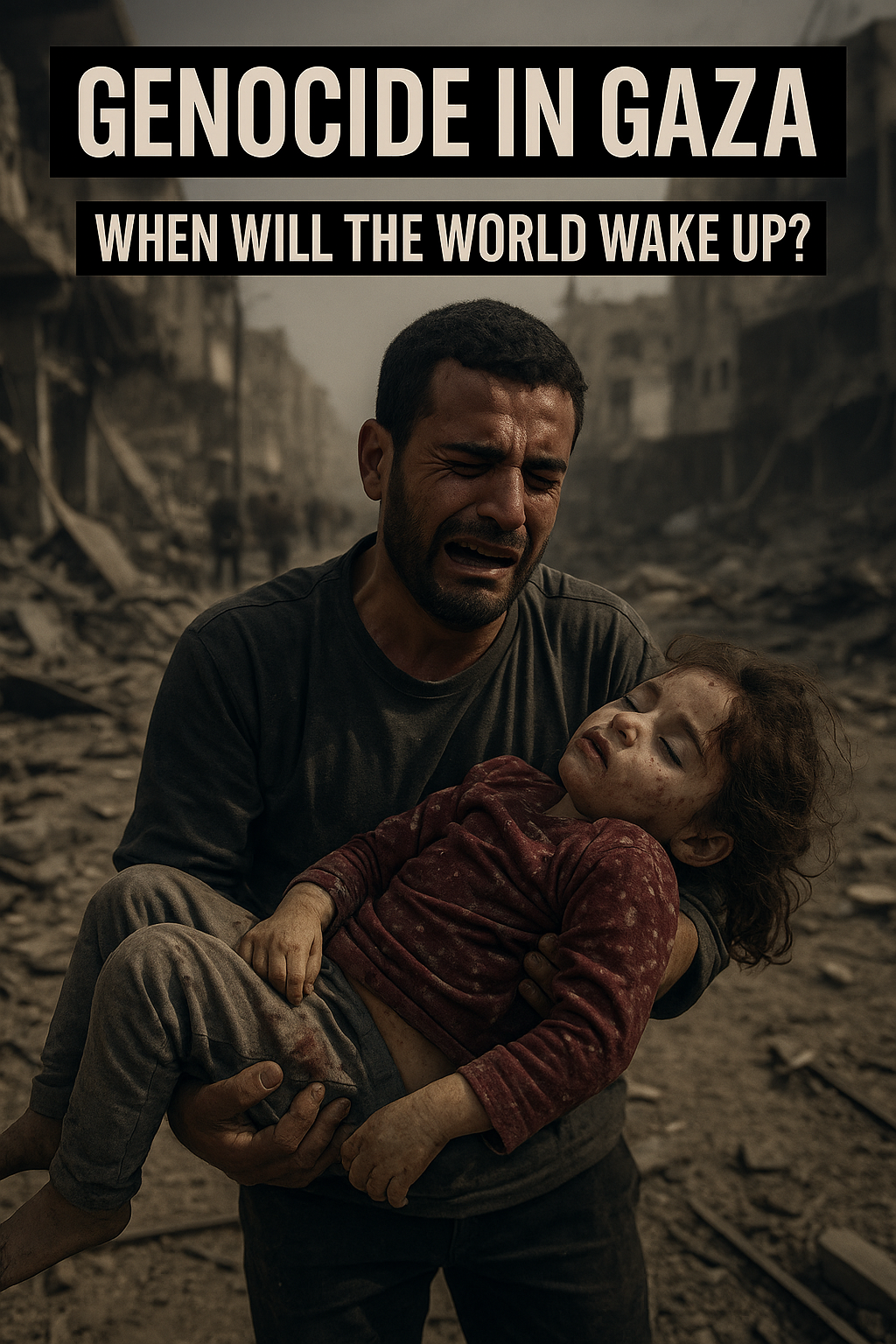
The humanitarian situation in Gaza has reached catastrophic levels as Israel’s military campaign intensifies. With over 53,000 Palestinians reported dead and nearly the entire population displaced, the international community watches with growing concern.

Escalating Conflict: A Grim Toll

Since the onset of hostilities on October 7, 2023, Gaza has been subjected to relentless airstrikes and ground operations by Israeli forces. Recent reports indicate that Israeli jets struck 100 targets in Gaza over the past day alone, further exacerbating the crisis.

The Gaza Civil Defence has reported at least 15 fatalities from Israeli strikes, highlighting the ongoing peril faced by civilians.

🏥 Healthcare System on the Brink

The healthcare infrastructure in Gaza is collapsing under the strain of continuous attacks and resource shortages. Al-Awda Hospital, a critical medical facility, has been targeted multiple times, with its director reporting bombings around the hospital perimeter and attacks on ambulances transporting the wounded.

Health workers and patients find themselves trapped in hospitals, unable to evacuate due to the ongoing bombardments.

🍞 Humanitarian Crisis: Starvation and Displacement

The blockade and destruction have led to severe shortages of food and medical supplies. The World Food Programme reports that over 70,000 children in Gaza are facing acute malnutrition.

Tragically, the Gaza Government Media Office has documented 300 cases of miscarriages among pregnant women due to lack of nutrition and medical care.

🌍 International Response and Appeals

Global leaders and organizations are calling for immediate action to address the crisis:

  • United Nations: The UN has emphasized that “nowhere is safe” in Gaza, urging for humanitarian corridors and ceasefires to allow aid delivery.
  • South Africa: President Cyril Ramaphosa has accused Israel of “war crimes and genocide” in Gaza, calling for international intervention. (
  • United States: Veterans have begun a hunger strike outside the UN headquarters, demanding an end to the violence and increased humanitarian aid to Gaza.

📊 Public Opinion and Political Implications

A recent poll indicates that half of Israelis believe Prime Minister Netanyahu is more interested in maintaining power than ending the Gaza operation.

Internationally, there is growing pressure on governments to reassess their positions and take concrete steps to alleviate the suffering in Gaza.

🔚 Conclusion: A Call for Immediate Action

The situation in Gaza is dire, with thousands dead, countless injured, and a population on the brink of famine. The international community must act swiftly to facilitate ceasefires, ensure the delivery of humanitarian aid, and work towards a sustainable resolution to the conflict.

Posted on Leave a comment

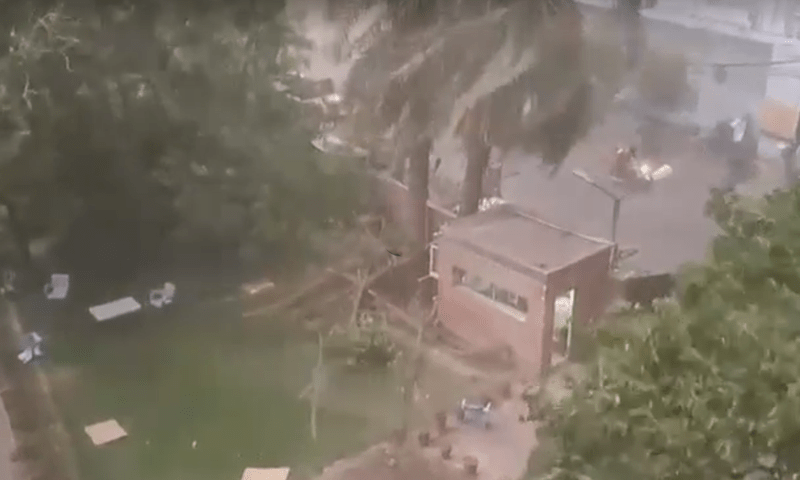
“Nature’s Wrath: Punjab Storm Leaves 8 Dead, 45 Injured – Full Damage Report”

On May 24, 2025, heavy rains and powerful windstorms swept across Punjab, Pakistan, leaving at least eight people dead and 45 injured, according to the Provincial Disaster Management Authority (PDMA). The storms caused widespread damage to infrastructure, disrupted transportation, and led to power outages in several areas.(Dawn)

🌧️ What Happened?

The PDMA reported that the fatalities occurred due to the collapse of dilapidated houses and exposure to unsafe conditions during the storm. The deaths were reported in the following districts:

  • Jhelum: 3 deaths
  • Rawalpindi: 1 death
  • Sheikhupura: 1 death
  • Nankana Sahib: 1 death
  • Sialkot: 1 death
  • Mianwali: 1 death(Dawn)

In Sheikhupura, the roof of a local factory collapsed due to strong winds, killing one worker and seriously injuring five others. Rescue 1122 teams responded promptly, pulling the victims from the rubble and transporting them to the Sheikhupura District Headquarters Hospital.

⚠️ Emergency Measures and Public Advisories

The PDMA had issued alerts urging citizens and provincial authorities to remain on high alert. PDMA Director General Irfan Ali Kathia directed deputy commissioners and rescue agencies across the province to stay vigilant amid reports of wind and rain in various districts. The PDMA’s control room monitored the situation 24/7, coordinating emergency responses.

Citizens were advised to:

  • Stay away from electric poles and hanging wires.
  • Avoid open spaces during bad weather and lightning.
  • Refrain from unnecessary travel and drive slowly.

The public can call the PDMA helpline at 1129 for assistance.

🚧 Transportation Disruptions

Severe weather conditions led to the closure of several motorways to ensure public safety:

  • M2 Motorway: Thokar to Kot Momin
  • M3 Motorway: Faizpur to Darkhana
  • Lahore-Sialkot Motorway

Dark clouds and severe thunderstorms were also reported on:

  • M4 Motorway: Abdul Hakeem to Sher Shah
  • M5 Motorway: Multan to Rahim Yar Khan
  • National highways from Lahore to Chichawatni, Mian Channu, Khanewal, Multan, and Lodhran

Motorway Police spokesperson Syed Imran Ahmed urged the public to exercise caution while driving and avoid speeding.

⚡ Infrastructure and Power Outages

The heavy rains and windstorms caused significant damage to infrastructure:

  • Several mud and dilapidated houses were damaged across the province.
  • Incidents of falling trees and damage to solar panels were reported in Lahore.
  • The Multan Electric Power Company (MEPCO) reported power supply disruptions in South Punjab, with feeders tripping in Multan, Khanewal, Vehari, and Sahiwal.

MEPCO Chief Executive Officer Gul Muhammad Zahid directed operational officers to remain alert, stating that power restoration activities would commence after the storm subsides.

🏥 Relief Efforts and Assistance

Punjab Relief Commissioner Nabeel Javed announced that medical assistance would be provided to the injured individuals. The PDMA also stated that financial assistance would be extended to the affected families.

Water and Sanitation Agency (WASA) Director General Ghufran Ahmed instructed all staff and machinery to remain on full alert, with pumps and personnel ready at all underpasses to address potential flooding.

📞 Stay Informed and Safe

In light of the severe weather conditions, residents are advised to:

  • Stay indoors and avoid unnecessary travel.
  • Keep away from electrical installations and avoid contact with waterlogged areas.
  • Stay updated through official channels and heed advisories from local authorities.
  • In case of emergencies, contact the PDMA helpline at 1129.

Posted on Leave a comment

“DGISPR’s Mic Drop Moment: How Pakistan Called Out Rahul Gandhi’s ‘Fake Alert’ Theory”

In May 2025, a political controversy erupted in India following statements by Congress leader Rahul Gandhi regarding Operation Sindoor, a military operation targeting terrorist camps in Pakistan. Gandhi alleged that the Indian government had informed Pakistan in advance about the strikes, a claim based on a video clip of External Affairs Minister S. Jaishankar. The Indian government and Pakistan’s military have both refuted this assertion, leading to a heated political debate.

Rahul Gandhi’s Allegations

Rahul Gandhi criticized the Indian government’s handling of Operation Sindoor, asserting that prior notification to Pakistan compromised the mission’s success and endangered Indian forces. He labeled the alleged advance warning as a “crime” and questioned who authorized such a move. Gandhi’s claims were based on a video clip where Minister Jaishankar purportedly mentioned informing Pakistan at the start of the operation. He further questioned the number of Indian aircraft lost due to this alleged disclosure.(The Times of India, The Financial Express)

Government’s Rebuttal

The Indian Ministry of External Affairs (MEA) dismissed Gandhi’s claims as a “misrepresentation of facts.” The MEA clarified that Pakistan was informed only after the initial strikes had been carried out, emphasizing that no prior warning was given to maintain operational security. The government maintained that the operation targeted terrorist infrastructure and that communication with Pakistan occurred post-strike to prevent escalation.(@EconomicTimes, The Times of India, The Financial Express)

Pakistan’s Response

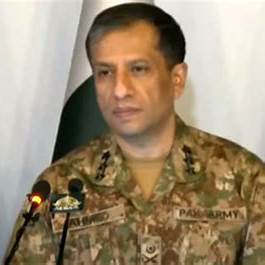
Pakistan’s Director General of Inter-Services Public Relations (DGISPR) also refuted Gandhi’s claims, describing them as a “comical narrative.” The DGISPR stated that no advance notice was received from India regarding the strikes and dismissed the notion of relying on Indian sources for intelligence.(@EconomicTimes)

Political Fallout

The controversy has intensified political tensions within India. The ruling Bharatiya Janata Party (BJP) accused Gandhi of echoing Pakistan’s narrative and undermining national security. BJP leaders criticized Gandhi’s statements, suggesting they could be used by adversaries to question India’s military decisions.

Conclusion

The debate over Operation Sindoor underscores the complexities of military operations and the importance of accurate communication. While the Indian government and Pakistan’s military deny any prior notification, the controversy highlights the need for transparency and accountability in matters of national security.

Posted on Leave a comment

“Blood on the School Bus: Pakistan’s Leaders Rush to Quetta After Deadly Khuzdar Bombing”

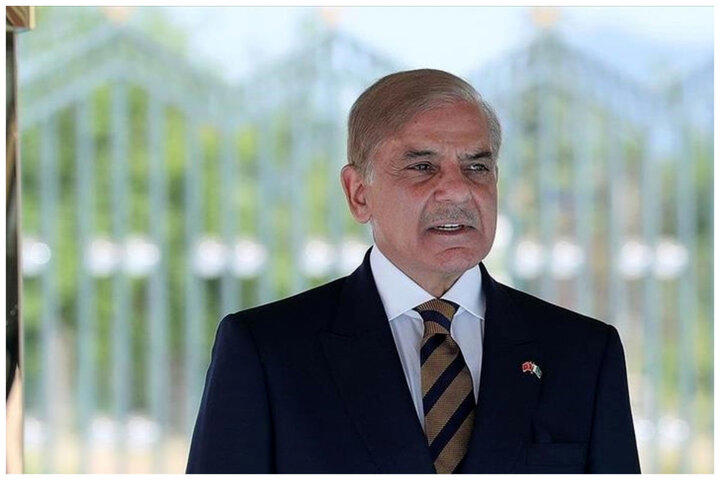
On May 21, 2025, a devastating suicide bombing targeted a school bus in Khuzdar, Balochistan, resulting in the deaths of at least six individuals, including four children, and injuring over 38 others. In response, Prime Minister Shehbaz Sharif and Field Marshal Asim Munir promptly traveled to Quetta to meet with the victims and oversee the situation.(Wikipedia, Aaj English TV)

The Attack: A Tragic Day in Khuzdar

The attack occurred around 7:40 a.m. local time when a vehicle-borne improvised explosive device (IED) struck a school bus transporting students of the Army Public School in Khuzdar. The explosion claimed the lives of four children, the bus driver, and a security guard, while injuring more than 38 others, many of whom remain in critical condition. (Wikipedia, The Guardian)

High-Level Visit: Condolences and Commitment

Prime Minister Shehbaz Sharif, accompanied by Field Marshal Asim Munir, Defense Minister Khawaja Asif, Interior Minister Mohsin Naqvi, and other officials, visited Quetta to express their condolences and meet with the injured children and their families. During the visit, both leaders condemned the attack as a “shameful and despicable act of terrorism” and vowed to bring the perpetrators to justice. (Aaj English TV, The Express Tribune)

Accusations Against India

In the aftermath of the attack, Pakistani authorities accused India of orchestrating the bombing through proxy militant groups. The Pakistani military referred to the attackers as “state-sponsored proxies” of India, alleging that such acts are part of a broader strategy to destabilize Pakistan. (Wikipedia, The Express Tribune)

Prime Minister Sharif echoed these sentiments, stating that the attack on a school bus by terrorists backed by India is clear proof of their hostility toward education in Balochistan. (AP News)

India’s Response

India’s foreign ministry dismissed Pakistan’s allegations as baseless, asserting that such claims are attempts to divert attention from internal issues. (The Guardian)

Broader Implications

This tragic incident underscores the ongoing security challenges in Balochistan, a region plagued by a long-standing insurgency led by separatist groups such as the Balochistan Liberation Army (BLA). While no group has claimed responsibility for the Khuzdar attack, suspicion falls on ethnic Baloch insurgents. (AP News)

The attack also highlights the vulnerability of educational institutions in conflict zones, drawing parallels to the 2014 Peshawar school massacre by the Pakistani Taliban.(AP News)

Government’s Pledge

The Pakistani leadership has pledged to intensify efforts to combat terrorism and ensure the safety of its citizens. Prime Minister Sharif emphasized the nation’s resolve to bring the fight against foreign-sponsored terrorism to its logical and decisive end. (Dunya News, ARY NEWS)

Conclusion

The Khuzdar school bus attack is a stark reminder of the persistent threats facing Pakistan, particularly in regions like Balochistan. As the nation mourns the loss of innocent lives, its leadership’s commitment to eradicating terrorism and ensuring justice for the victims remains steadfast.(Wikipedia

Posted on Leave a comment

“Pakistan’s Economy Breaks $400B Barrier—Growth or Stagnation Ahead?”

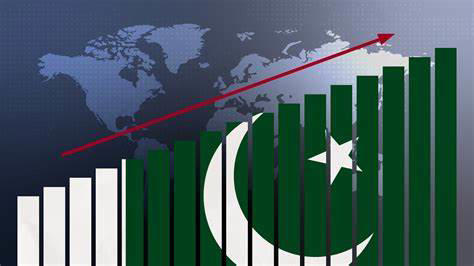
In a significant economic development, Pakistan has officially surpassed the $400 billion mark in Gross Domestic Product (GDP) for the first time. According to provisional estimates by the National Accounts Committee (NAC), the country’s nominal GDP for the fiscal year 2024–25 stands at approximately $410.96 billion, reflecting a 2.68% growth rate compared to the previous year.

Key Economic Indicators

  • GDP Growth: 2.68% in FY 2024–25, below the government’s target of 3.6%.
  • Per Capita Income: Increased by 9.75% to $1,824, up from $1,662 in the previous year.
  • Economic Size: The economy’s size reached Rs114.7 trillion, approximately $410.96 billion, up from Rs105.1 trillion ($371.66 billion) in the previous fiscal year. (Reuters)

Sectoral Performance

  • Agriculture: Grew modestly by 0.56%, constrained by climatic challenges and supply chain bottlenecks.
  • Industry: Expanded by 4.77%, driven by improvements in large-scale manufacturing and construction. (Wikipedia)
  • Services: Registered a 2.91% increase, supported by digital expansion and growth in the financial sector.

Implications of the Milestone

Surpassing the $400 billion GDP mark places Pakistan among the world’s 40 largest economies, signaling a notable progression in its financial trajectory.

However, the growth rate of 2.68% falls short of the government’s target, indicating that while the economy is expanding, it faces challenges that need to be addressed to achieve more robust growth. (The Times of India)

Looking Ahead

To sustain and accelerate economic growth, Pakistan may focus on:

  • Enhancing Agricultural Productivity: Investing in modern farming techniques and infrastructure to boost yields.
  • Industrial Diversification: Encouraging innovation and diversification in the industrial sector to reduce reliance on a few industries.
  • Service Sector Expansion: Leveraging technology to expand digital services and financial inclusion.
  • Policy Reforms: Implementing structural reforms to improve the business environment and attract investment.

Conclusion

Pakistan’s achievement of crossing the $400 billion GDP mark is a significant milestone, reflecting the country’s economic resilience and potential. While challenges remain, strategic investments and policy reforms can pave the way for sustained growth and improved living standards for its citizens.(Reddit)

Posted on Leave a comment

A New Era Begins: Women’s World Cup Expands to 48 Teams for 2031 Tournament

FIFA has officially raised the bar for women’s football. In a landmark decision that signals the sport’s accelerating global growth, the FIFA Council has unanimously approved the expansion of the Women’s World Cup from 32 to 48 teams, beginning with the 2031 edition. The tournament is likely to be hosted by the United States, with the United Kingdom expected to follow for the 2035 cycle—indicating a major shift in both the scale and reach of the women’s game.

The expansion mirrors the structure of the men’s World Cup, which will debut its own 48-team format in 2026. For the women’s competition, this means an increase not just in participation but in opportunity. The number of matches will rise from 64 to 104, and the tournament will be extended by a week to accommodate the larger schedule. With 12 groups of four teams each, the new format sets the stage for greater inclusivity, competitiveness, and commercial impact than ever before.

More Than Numbers: A Structural Leap Forward

While the jump from 32 to 48 teams may appear to be a logistical change, its implications are far deeper. FIFA president Gianni Infantino emphasized that the expansion is “not just about having 16 more teams,” but rather a strategic move to accelerate the development of women’s football across the globe.

In his statement, Infantino highlighted the 2023 Women’s World Cup as a turning point. It was the first edition where teams from every continental confederation won at least one match, and five different confederations were represented in the knockout stages. These milestones illustrate that the global competitiveness of women’s football is real—and growing. The expanded tournament is designed to sustain that momentum.

What this means for emerging football nations is unprecedented access to the sport’s biggest stage. For countries where women’s football is still in its formative years, the prospect of qualifying for a World Cup offers a powerful incentive to invest in training, infrastructure, and grassroots programs. This is development through visibility—because when the world sees you, the world believes in you.

The U.S. Set to Lead the Charge in 2031

With the United States positioned as the likely host of the 2031 Women’s World Cup, the tournament could not be in more capable hands. The U.S. boasts one of the strongest and most established women’s football systems in the world, and its past success—both on the pitch and in organizing major international events—makes it a logical choice for shepherding this expanded format into existence.

Hosting the tournament will also give the U.S. a chance to amplify domestic support for women’s football at a critical time. As the National Women’s Soccer League (NWSL) gains traction, and youth participation continues to rise, a home World Cup could fuel a surge in fan engagement, media coverage, and corporate sponsorship.

Economic and Cultural Impact

The decision to expand the Women’s World Cup carries significant economic and cultural implications. With more matches, more host cities, and more teams traveling, training, and competing, the tournament’s footprint will be substantially larger. That means more jobs, more tourism, and more opportunities for local economies to benefit from the spotlight of global football.

Culturally, the move sends a clear message: women’s football is no longer a peripheral concern. It’s a central part of FIFA’s global strategy, and by giving more nations a stake in the game, the organization is helping normalize women’s sports as a powerful platform for visibility and unity.

Additionally, the increase in matches creates more media inventory—more broadcast hours, more sponsorship slots, and more opportunities for storytelling. Players from lesser-known footballing nations will finally get the chance to showcase their skills on a world stage, potentially shifting perceptions and narratives in the global sports media landscape.

Challenges and Expectations

Of course, the expansion will not be without its challenges. Organizing a 104-match tournament requires significant logistical coordination. Stadiums, training facilities, broadcasting infrastructure, and travel arrangements will need to scale up. Ensuring competitive balance will also be key, especially with more first-time entrants expected in 2031.

Critics may point out that expanding too quickly risks diluting the quality of play. But the 2023 tournament proved that so-called “minnows” are closing the gap with traditional powerhouses. In fact, part of the beauty of global tournaments lies in the unpredictability and emotional arc of underdog stories.

FIFA’s job now is to support new entrants with resources and expertise so that qualification doesn’t just become a symbolic gesture—but a meaningful opportunity to grow.

Looking Ahead to 2035

The expansion also sets a long-term precedent. With the United Kingdom likely to host the 2035 edition, back-to-back tournaments in football-strong nations could serve as a launchpad for continued global enthusiasm. These editions will not only determine champions—they will shape the trajectory of the women’s game for generations.

Both nations bring robust football ecosystems and strong fan bases, offering an ideal environment for record-setting attendance and global viewership. As hosts, they can also push for further equality in prize money, coverage, and institutional support—issues that continue to challenge parity in global sports.

A Moment Worth Celebrating

The decision to expand the Women’s World Cup isn’t just a headline—it’s a milestone. It reflects the growth, maturity, and potential of a sport that has long operated in the shadows of its male counterpart. With 48 teams set to compete in 2031, the women’s game takes a confident step toward parity, inclusion, and global relevance.

More countries. More athletes. More stories. More inspiration.

If the 2023 World Cup was a glimpse of what’s possible, then 2031 promises to be a defining moment not just for women’s football—but for sport, equity, and international unity as a whole.