Posted on Leave a comment

J-10C in Action: Pakistan’s Use of Chinese Fighter Jets Amid Rising Tensions with India

In a significant development in South Asian military affairs, Pakistan has confirmed the deployment of Chinese-made J-10C fighter jets in response to recent Indian military actions. This marks a notable moment in the region’s defense dynamics, highlighting the evolving alliances and military capabilities of both nations.(Daily Times)

Background: Escalating Tensions Between India and Pakistan

The longstanding rivalry between India and Pakistan has seen numerous flashpoints, with Kashmir often at the center. Recent events have intensified this tension, leading to military engagements that have drawn international attention.

The J-10C: A New Player in Pakistan’s Air Defense

The Chengdu J-10C is a fourth-generation, multirole fighter aircraft developed by China. Equipped with advanced avionics, radar systems, and capable of carrying a variety of missiles, the J-10C enhances Pakistan’s aerial combat capabilities.(Wikipedia)

Deployment in Recent Conflict

According to statements from Pakistani officials, the J-10C jets were utilized to counter Indian air incursions. Reports suggest that these aircraft were instrumental in intercepting and neutralizing multiple Indian fighter jets, including the French-made Rafale. While India has not officially confirmed these losses, the incident underscores the J-10C’s operational effectiveness.(Army Recognition, Business Insider, Reuters)

Implications for Regional Security

The use of the J-10C by Pakistan signifies a deepening military collaboration between Islamabad and Beijing. This partnership not only alters the strategic balance in South Asia but also introduces advanced Chinese military technology into active conflict zones, providing real-world performance data.

International Reactions and Concerns

The international community has expressed concern over the escalating military engagements between the two nuclear-armed neighbors. The introduction of advanced fighter jets into the conflict raises the stakes and potential for broader regional instability.

Conclusion

Pakistan’s confirmation of deploying Chinese J-10C fighter jets in its recent military engagements with India marks a pivotal moment in South Asian defense dynamics. As both nations continue to modernize their military capabilities, the international community watches closely, hoping for de-escalation and a return to diplomatic resolutions.

Note: This blog post is based on publicly available information and aims to provide an overview of recent developments in the India-Pakistan conflict concerning the deployment of Chinese-made J-10C fighter jets by Pakistan.

Posted on Leave a comment

The Historic Election of Pope Leo XIV: A New Era for the Catholic Church

The Catholic Church has entered a new era with the election of Pope Leo XIV, marking a historic moment as the first American to ascend to the papacy. Born Robert Francis Prevost in Chicago, Pope Leo XIV brings a unique blend of American and Latin American perspectives to the Vatican, promising to continue the legacy of his predecessor, Pope Francis, while charting his own path for the future of the Church.

A Historic Moment

The election of Pope Leo XIV is a landmark event, not only because he is the first American pope but also because of his deep connections to Latin America. Having spent significant time as a missionary in Peru, Pope Leo XIV is seen as a bridge between the Americas, embodying a spirit of unity and inclusivity. His election has been met with widespread celebration and anticipation for the changes he may bring to the Church.

Continuing the Legacy of Pope Francis

Pope Leo XIV has expressed admiration for his predecessor, Pope Francis, and has indicated a desire to continue many of the reforms initiated during Francis’s papacy. This includes a focus on social justice, environmental stewardship, and outreach to marginalized communities. Pope Leo XIV’s commitment to these values suggests a continuation of the progressive path set by Pope Francis, with a renewed emphasis on building bridges and fostering dialogue within the Church and beyond.

Addressing Contemporary Challenges

As the new leader of the Catholic Church, Pope Leo XIV faces a range of contemporary challenges, from addressing the clergy sexual abuse crisis to navigating the Church’s role in a rapidly changing world. His background in both the United States and Latin America, along with his experience in missionary work, positions him well to tackle these issues with a global perspective.

A Vision for the Future

Pope Leo XIV’s vision for the future of the Catholic Church is one of unity, compassion, and engagement with the modern world. He has spoken about the importance of being a “missionary church” that is open to all, emphasizing the values of charity, dialogue, and love. His leadership is expected to focus on strengthening the Church’s mission while adapting to the needs and realities of the 21st century.

Conclusion

The election of Pope Leo XIV represents a significant moment in the history of the Catholic Church. As the first American pope, he brings a fresh perspective and a commitment to continuing the progressive reforms of his predecessor. With a focus on social justice, environmental care, and global unity, Pope Leo XIV is poised to lead the Church into a new era of hope and renewal.

As the world watches, the Catholic Church embarks on this new chapter with anticipation and optimism, guided by the leadership of Pope Leo XIV.

Posted on Leave a comment

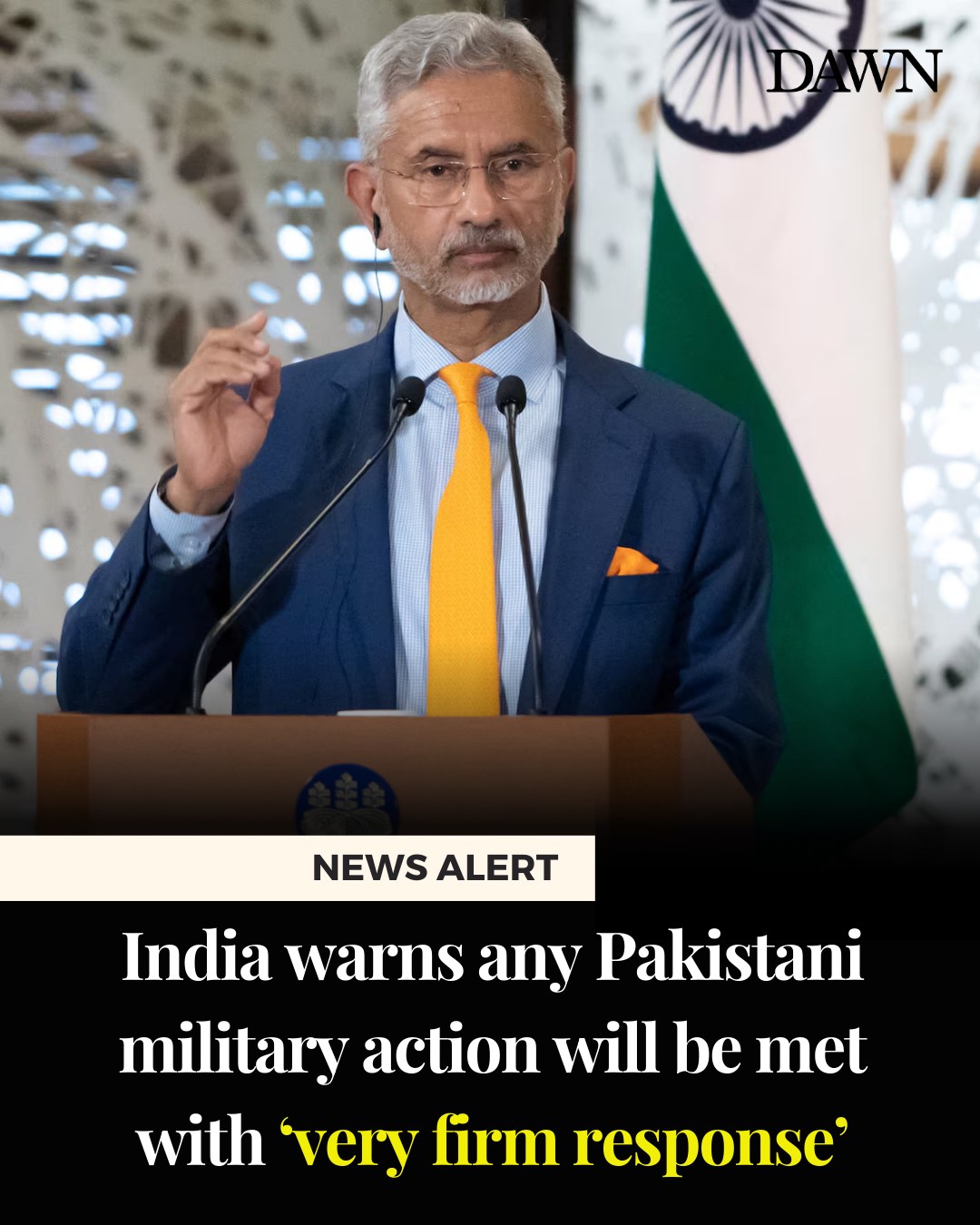
India Issues Stern Warning to Pakistan Amid Escalating Tensions

Japan, Germany, Mauritius seek more Indian talent: EAM S Jaishankar ...

India Issues Stern Warning to Pakistan Amid Escalating Tensions

In a significant escalation of regional tensions, Indian Foreign Minister S. Jaishankar has issued a stern warning to Pakistan, asserting that any military aggression will be met with a “very, very firm response.” This declaration follows India’s recent missile strikes on multiple locations within Pakistan, targeting what it describes as terrorist infrastructure.(The Guardian)

Background of the Escalation

On May 6, 2025, India launched “Operation Sindoor,” a series of missile strikes aimed at nine sites in Pakistan and Pakistan-administered Kashmir. These strikes were in retaliation for a deadly terrorist attack on April 22 in Pahalgam, Indian-administered Kashmir, which resulted in the deaths of 26 Hindu tourists. India attributed the attack to Pakistan-based militant groups Jaish-e-Mohammed and Lashkar-e-Taiba.(New York Post, Reuters)

India maintains that the strikes were “targeted and measured,” focusing solely on terrorist camps and avoiding civilian areas. However, Pakistan has contested this claim, reporting that the strikes resulted in at least 31 civilian deaths and 46 injuries, including the destruction of mosques in Bahawalpur and Kotli .(The Guardian)

Pakistan’s Response

In the wake of the strikes, Pakistan has condemned India’s actions as an “act of war.” The Pakistani military claims to have shot down five Indian aircraft and a drone, though India disputes these assertions. Prime Minister Shehbaz Sharif has authorized “corresponding action,” indicating a potential for further military engagement .(The Guardian, Reuters, The Guardian)

Cross-border shelling has intensified along the Line of Control (LoC), leading to additional civilian casualties on both sides. The situation remains volatile, with both nations on high alert.(Reuters)

International Reactions

The international community has expressed deep concern over the escalating conflict between the two nuclear-armed neighbors. The United Nations has called for immediate de-escalation, emphasizing the need for restraint to prevent a larger conflict. U.S. President Donald Trump described the situation as a “shame” and urged both countries to avoid further escalation, offering to mediate if necessary .(The Guardian, Time)

Iranian Foreign Minister Abbas Araghchi is scheduled to meet with Jaishankar in New Delhi, following visits to both countries, in an effort to mediate and reduce tensions .(Malay Mail)

Current Status

As of now, both India and Pakistan have fortified their military positions along the border, with increased troop deployments and heightened surveillance. Airspace restrictions have been implemented, and several international flights have been canceled due to safety concerns. The situation remains tense, with the potential for further escalation if diplomatic efforts fail to yield results.

Posted on Leave a comment

How Are Indian Drones Entering Pakistan Undetected? The Nation Demands Answers


How Are Indian Drones Entering Pakistan Undetected? The Nation Demands Answers

In recent days, a wave of concern has swept across Pakistan following alleged drone attacks believed to have originated from Indian territory. These incidents have raised serious national security questions: How are Indian drones managing to breach Pakistani airspace? Why isn’t our defense system detecting and intercepting them? The public is demanding transparency, accountability, and immediate answers from the relevant authorities.

This blog explores the rising concerns, technical possibilities, and what the people of Pakistan deserve to know.


🚨 A Wake-Up Call for National Security

When drones can cross international borders and reach major Pakistani cities without being intercepted, it’s not just a security lapse—it’s a national emergency. Citizens from across the country are asking:

  • How are these drones slipping past Pakistan’s air defense radar?
  • Why are critical urban and military zones vulnerable?
  • Where are the official responses and reassurances?

The silence is deafening—and dangerous.


🇵🇰 Public Trust Shaken: What the People Are Saying

From social media threads to television talk shows, the topic of Indian drones in Pakistan is dominating public discourse. Trending hashtags like #DroneAttackPakistan, #WhereIsOurDefense, and #PakAirspaceBreach highlight the rising anxiety among citizens.

Many are questioning:

  • The role and readiness of our air surveillance systems
  • The performance of agencies like PAF, ISPR, and civil aviation
  • Whether modern drone warfare has outpaced our defense preparedness

This is not just about defending borders—it’s about restoring trust.


🤖 How Do Drones Cross Borders Undetected?

To understand how Indian drones may be entering Pakistan, we need to look at how drone technology works and why it’s so difficult to track:

1. Low Altitude Flying

Modern military drones can fly at extremely low altitudes, often below radar range. This allows them to avoid standard detection methods.

2. Small Radar Signature

Unlike fighter jets, drones—especially tactical or kamikaze drones—are often small and constructed with non-metallic parts, reducing their radar visibility.

3. Electronic Jamming and Stealth Tech

Advanced drones can use jamming signals to confuse radar systems or exploit gaps in coverage between radar zones.

4. Nighttime Infiltration

Drones often fly under the cover of darkness, when visibility is limited and response times are slower.


🛡️ Where Is Pakistan’s Air Defense?

Pakistan has a range of air defense tools including:

  • Long-range radar systems
  • Surface-to-air missile batteries
  • Early warning aircraft
  • Civilian and military surveillance coordination

So why did none of these detect or respond to recent drone incursions?

Analysts believe that either:

  • The drones used new or advanced stealth technology, or
  • There are blind spots in our radar coverage, especially in border areas

If true, these are vulnerabilities that need immediate fixing.


🇮🇳 Is India Using Drones as Provocation?

While there is official confirmation from the both sides that these drone intrusions could be part of India’s hybrid warfare strategy—using non-conventional methods to provoke or test Pakistan’s defenses.

This tactic aims to:

  • Trigger panic
  • Collect intelligence
  • Damage infrastructure without boots on the ground

The Indian media has largely cheering, adding to suspicions and anger.


📢 What Pakistanis Expect From Officials

The people are not asking for war—they’re asking for answers. Here’s what Pakistani citizens demand:

✅ 1. Clear Government Statement

No more vague updates. Citizens deserve a transparent and unified response from the Ministry of Defense, ISPR, and the Prime Minister’s Office.

✅ 2. Independent Investigation

A parliamentary or judicial commission should be formed to investigate the incidents and submit findings to the public and culprit should be punish.

✅ 3. Upgrade in Defense Systems

If existing radar and air defense systems are outdated, it’s time to invest in modern anti-drone technology, including:

  • Radar jammers
  • Laser interception systems
  • AI-powered drone detectors

✅ 4. Tougher Border Surveillance

The entire eastern border, especially near urban centers, must be reevaluated for air surveillance blind spots.

✅ 5. Diplomatic Accountability

If India is responsible, the Foreign Office must lodge a strong protest and take the matter to the United Nations or other global forums.


🗣️ Why This Matters to Every Pakistani

Drone attacks aren’t just military issues—they’re civilian issues. A single drone strike on a city hospital, power plant, or school could have devastating consequences.

If our skies aren’t safe, our homes, families, and futures aren’t either.

This isn’t fear-mongering. It’s a real and rising threat. And ignoring it only empowers those who want to test our limits.


📲 What Can You Do as a Citizen?

Until official channels respond, here’s how you can raise awareness and keep the pressure on:

  • Use your voice: Share posts, write blogs, tweet, and raise questions.
  • Tag responsible authorities: Let them know you expect answers.
  • Stay informed: Follow reputable defense analysts and journalists.
  • Demand transparency: Ask your local representatives to push for clarity.


🔚 Final Thoughts: Pakistan Deserves Straight Answers

In today’s world, drone warfare is no longer a future threat—it’s already here. If Indian drones are entering Pakistan without resistance, it’s not just a defense failure—it’s a leadership failure.

The people of Pakistan are not asking for military retaliation or war.

They’re asking for:

  • Truth over vague statements
  • Responsibility over excuses
  • Action over press releases

This is not about demanding aggression—it’s about demanding accountability.

The public has every right to know:

  • What exactly happened?
  • How did these drones go undetected?
  • Who is responsible for this failure?
  • What steps are being taken to make sure it never happens again?

Until clear answers are given, the trust gap will only widen.

The people aren’t looking for counterattacks.
They’re looking for clarity, security, and leadership.


Posted on Leave a comment

Pakistan Downs 12 Indian Drones Amid Escalating Tensions: DG ISPR Briefing

The press briefing of DG ISPR a need of time to address misconceptions

Title: Pakistan Downs 12 Indian Drones Amid Escalating Tensions: DG ISPR Briefing(Pakistan Today)

In a significant escalation of hostilities between India and Pakistan, the Pakistani military has reported the downing of 12 Indian drones that violated its airspace across multiple cities. This development follows a series of missile strikes and drone incursions by India, which Pakistan has condemned as acts of aggression.(Pakistan Today)


Key Highlights from DG ISPR’s Press Briefing

Drone Incursions and Neutralization

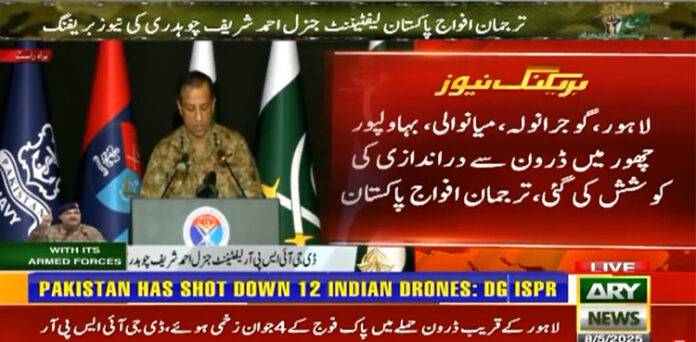
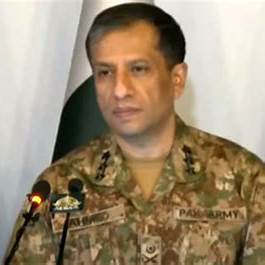
Lieutenant General Ahmed Sharif Chaudhry, Director General of Inter-Services Public Relations (DG ISPR), stated that on the night of May 7-8, Indian drones infiltrated Pakistani airspace, targeting several cities including Lahore, Gujranwala, Rawalpindi, Attock, Bahawalpur, and Karachi. The Pakistani armed forces, remaining vigilant, successfully intercepted and neutralized 12 of these drones. (Dunya News, ARY NEWS)

Casualties and Damage

The drone attacks resulted in the martyrdom of one civilian in Miano, Sindh, and injuries to four Pakistan Army personnel near Lahore. Additionally, minor damages were reported to military installations. (The Express Tribune, Dunya News)

Missile Strikes on Civilian Areas

Prior to the drone incidents, India launched missile attacks on six locations within Pakistan, including Kotli, Muzaffarabad, Ahmedpur Sharqia Bagh, and Muridke. These strikes resulted in the deaths of 26 Pakistani civilians and injuries to 46 others. The DG ISPR condemned these actions as cowardly and a blatant violation of international law. (ARY NEWS, ARY NEWS)


Pakistan’s Response and International Reactions

Military Readiness

The Pakistani military remains on high alert, with air defense systems fully operational to counter any further aggression. DG ISPR emphasized that any future violations of Pakistan’s airspace would be met with a swift and decisive response.(The Express Tribune, ARY NEWS)

Diplomatic Measures

Pakistan has informed the United Nations Security Council (UNSC) about the Indian strikes and asserted its right to respond in self-defense. The international community, including the UN, China, Russia, and Western countries, has expressed concern over the escalating tensions and urged both nations to exercise restraint. (ARY NEWS, The Guardian)


Impact on Civil Aviation and Public Safety

Flight Suspensions

In light of the security situation, the Pakistan Airports Authority (PAA) suspended flight operations at major airports, including Karachi, Lahore, Islamabad, Faisalabad, and Sialkot. All incoming flights were diverted, and scheduled flights canceled until further notice.

Public Alertness

Residents in affected areas, particularly in Lahore, reported hearing multiple explosions, leading to panic and fear among the populace. Authorities have urged citizens to remain vigilant and report any suspicious activities.


Conclusion

The recent developments mark a significant deterioration in India-Pakistan relations, with both nations engaging in military actions that have resulted in civilian casualties and heightened regional tensions. The international community’s call for de-escalation underscores the urgency of diplomatic engagement to prevent further conflict.(The Guardian)

As the situation unfolds, the need for open communication channels and adherence to international norms becomes paramount to ensure peace and stability in the region.


Posted on Leave a comment

Ukraine Makes History: Naval Drone Downs Russian Fighter Jet in World-First Military Feat

Introduction

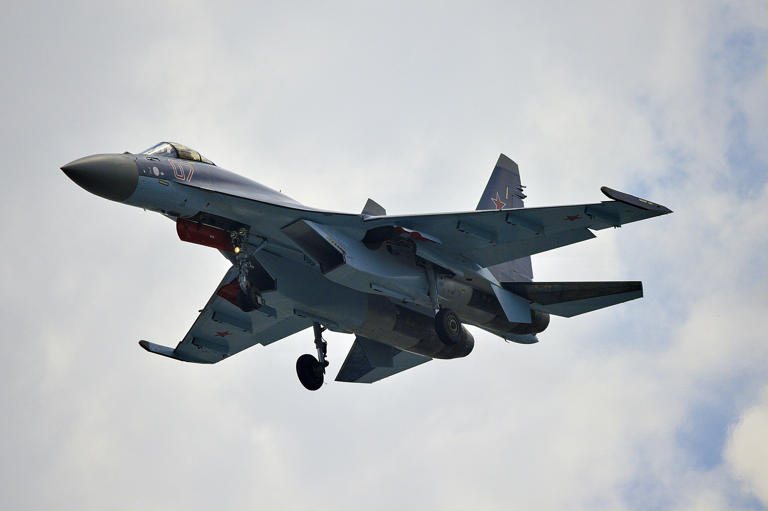
In a groundbreaking development in modern warfare, Ukraine has achieved a historic milestone by using a naval drone to shoot down a Russian Su-30 fighter jet over the Black Sea. This unprecedented event marks the first time a combat aircraft has been destroyed by a maritime drone, showcasing Ukraine’s innovative use of drone technology in its ongoing conflict with Russia.(The Wall Street Journal, New York Post)

The Historic Strike: What Happened?

On May 2, 2025, Ukraine’s military intelligence agency (HUR) reported that a Magura V5 naval drone successfully targeted and destroyed a Russian Su-30 fighter jet near the port city of Novorossiysk. The drone, equipped with an R-73 air-to-air missile, engaged the aircraft, leading to its destruction over the Black Sea. The crew of the Su-30 reportedly survived, being rescued by civilian sailors. (Wikipedia, New York Post)

This operation signifies a significant advancement in Ukraine’s military capabilities, demonstrating the effective integration of unmanned systems in combat scenarios.(Business Insider)

The Technology Behind the Strike: Magura V5 Naval Drone

The Magura V5 is a Ukrainian-developed unmanned surface vehicle (USV) designed for various maritime operations, including reconnaissance and combat missions. In this historic strike, the drone was armed with an R-73 infrared-guided missile, typically used in air-to-air combat. The successful adaptation of this missile for use on a naval drone underscores Ukraine’s innovative approach to modern warfare.(Wikipedia, The Wall Street Journal)

Implications for Modern Warfare

This event marks a significant shift in military tactics, highlighting the increasing role of unmanned systems in combat operations. Key implications include:

  • Cost-Effectiveness: Deploying drones is significantly less expensive than traditional manned missions, allowing for more frequent and flexible operations.
  • Risk Reduction: Unmanned systems eliminate the risk to human pilots, making high-risk missions more feasible.
  • Strategic Advantage: The ability to target and destroy high-value enemy assets with drones can shift the balance in asymmetric warfare scenarios.(Wikipedia)

Ukraine’s Evolving Drone Warfare Strategy

Ukraine has increasingly relied on drone technology to counteract Russia’s military advantages. The successful use of the Magura V5 naval drone to down a fighter jet is part of a broader strategy that includes:(Wikipedia)

  • Naval Drones: Utilizing USVs for reconnaissance and combat missions in the Black Sea.
  • Aerial Drones: Deploying UAVs for surveillance and targeted strikes on enemy positions.
  • Innovation in Armament: Adapting existing missile technology for use on unmanned platforms.

These strategies have allowed Ukraine to effectively challenge Russian forces, despite disparities in traditional military assets.

Global Reactions and Future Outlook

The international community has taken note of Ukraine’s innovative use of drone technology. While Russia has not officially commented on the incident, the successful strike has likely prompted a reassessment of air defense strategies.

Looking forward, Ukraine’s continued development and deployment of unmanned systems may serve as a model for modern military tactics, emphasizing flexibility, innovation, and cost-effectiveness.

Conclusion

Ukraine’s successful use of a naval drone to down a Russian fighter jet represents a significant milestone in military history. This event not only showcases the potential of unmanned systems in combat but also underscores the importance of innovation in modern warfare. As conflicts evolve, the integration of drone technology will likely become increasingly central to military strategy worldwide.(Business Insider)