Posted on Leave a comment

🚨 Tensions Escalate: Israel Issues Evacuation Warnings for Yemeni Ports After Ceasefire Deal Excludes It

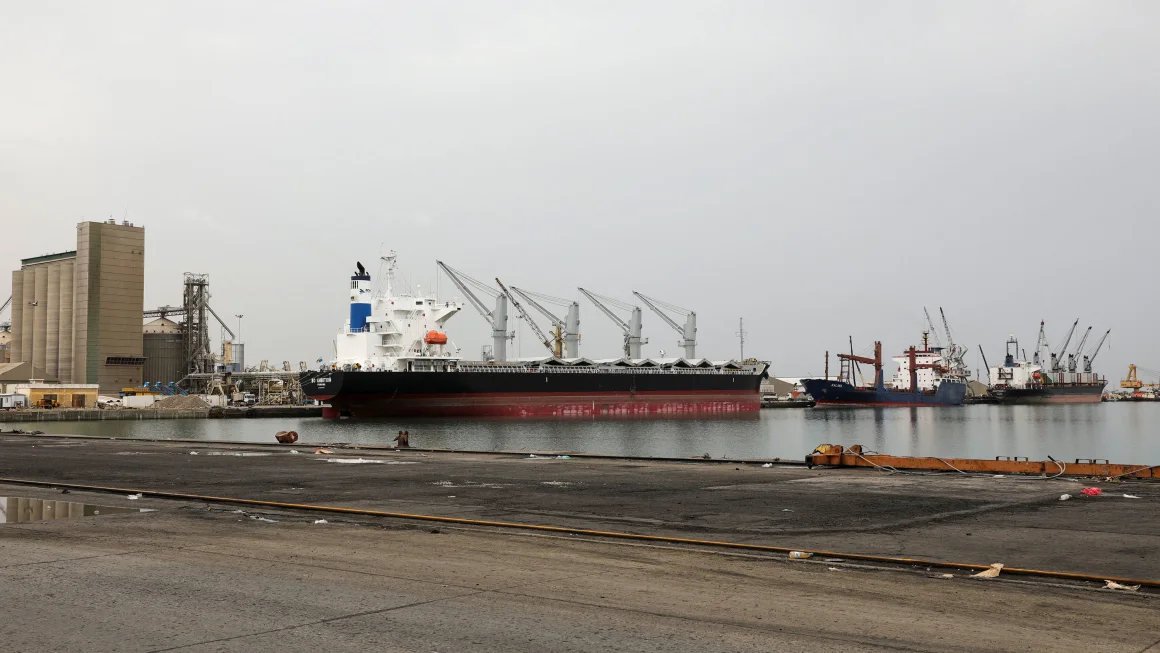
In a sharp escalation of Middle East tensions, the Israeli military has issued urgent evacuation warnings for three key ports in Yemen — Ras Isa, Hodeidah, and Salif — late Sunday night. The move follows Israel’s vow to act independently in defending itself after being excluded from a recent ceasefire agreement between the United States and Yemen’s Houthi rebels.

The warnings were broadcast via social media by IDF Arabic-language spokesperson Avichay Adraee, signaling potential Israeli airstrikes in Yemen in the coming hours.

🚀 Missile Attack Sparks Response

The evacuation notice comes just 48 hours after Israel intercepted a missile fired from Yemen — the first such attack since former U.S. President Donald Trump announced the US-Houthi ceasefire deal last week. The missile attack has been widely interpreted as a Houthi act of defiance and solidarity with Gaza, as the group continues to express support for Palestinians amid the ongoing Israel-Gaza conflict.

Despite the ceasefire, the Houthis declared they would not cease attacks against Israel, stating that their actions are in support of the Palestinian cause.

🛡️ Israel: “We Will Defend Ourselves Alone”

Reacting strongly to being left out of the agreement, Israeli Defense Minister Israel Katz made a bold statement last week:

“Israel must be able to defend itself by itself against any threat and any enemy. This has been true in the face of many past challenges, and it will remain true in the future.”

This is the second evacuation alert issued by the IDF within a week. Last Tuesday, Israel warned civilians to leave Sana’a International Airport, Yemen’s main airport, before launching airstrikes that reportedly disabled the airport’s functionality.

⚠️ Regional Instability on the Rise

The situation raises fresh concerns over the fragility of ceasefires in the Middle East, as well as the potential for a broader regional conflict. While the US-Houthi ceasefire was intended to de-escalate violence in Yemen, Israel’s exclusion from the deal and the Houthis’ continued aggression signal that peace in the region remains elusive.

International observers are watching closely as Israel weighs its next steps. With tensions high and military movements underway, the risk of a new front opening in the conflict is growing by the day.

📰 Stay tuned to RemedyTalks.com for continuous updates on the Israel-Yemen conflict, ceasefire developments, and real-time coverage of Middle East security issues.
Posted on Leave a comment

Putin Proposes Direct Talks with Ukraine Amid Ceasefire Demands

Putin Proposes Direct Talks with Ukraine Amid Ceasefire Demands

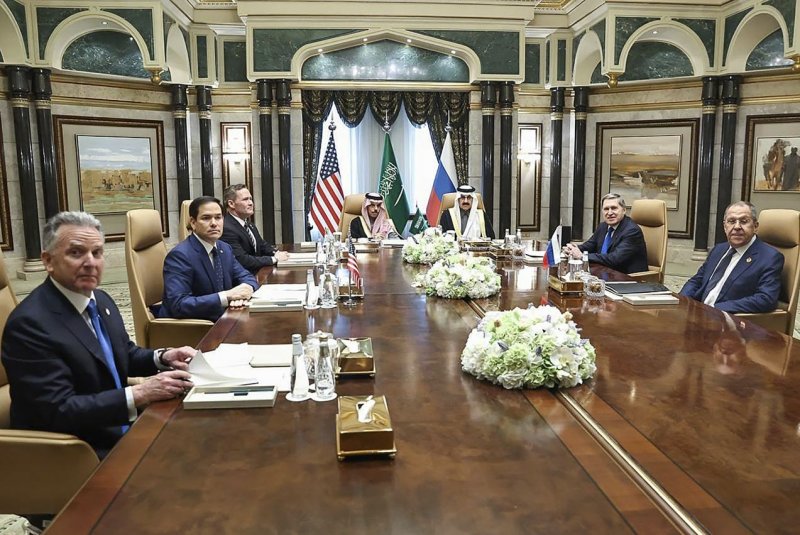
Russian President Vladimir Putin has proposed resuming direct peace talks with Ukraine, suggesting a meeting in Istanbul on May 15 without preconditions. This initiative comes as Ukraine and its Western allies demand a 30-day unconditional ceasefire, threatening further sanctions if Russia does not comply.(Reuters, AP News)

Putin claims that previous negotiations were abandoned by Kyiv in 2022 under Western influence, despite a joint draft agreement being developed. He emphasizes Russia’s readiness for serious discussions to address the root causes of the conflict and establish long-term peace. However, he criticizes Ukrainian authorities and their Western supporters for prioritizing political ambitions over peace, accusing Kyiv of rejecting multiple Russian ceasefire proposals.

Ukrainian President Volodymyr Zelenskyy has expressed hope for a full ceasefire starting May 12 and is prepared to meet Putin in Turkey on May 15. This follows U.S. President Donald Trump’s encouragement for Ukraine to accept Russia’s proposal for direct talks, bypassing prior demands for a pre-talks ceasefire. European leaders, including those from France, Germany, the UK, and Poland, support the ceasefire proposal and warn of increased sanctions on Russia if rejected.

Despite diplomatic efforts, Russia resumed drone attacks on Ukraine after a brief self-declared pause, leading to mutual accusations of ceasefire violations. Turkish President Recep Tayyip Erdoğan has expressed full support for hosting the negotiations, calling the situation a historic turning point.

The international community remains cautious, with skepticism about Russia’s commitment to peace due to its history of broken ceasefires and ongoing hostilities. The proposed talks in Istanbul could mark a significant move toward peace if both sides agree to come to the table.

Posted on Leave a comment

Hamas to Release American Hostage Edan Alexander Amid Ceasefire Progress

In a significant development in the ongoing Gaza conflict, Hamas has announced the imminent release of Edan Alexander, the last known living American hostage held in Gaza. The decision comes as part of early steps toward a potential ceasefire agreement that could bring critical humanitarian relief to the region.

Khalil Al-Hayya, head of Hamas’ negotiating team, confirmed that positive communication had taken place with the U.S. administration over the past few days. He stated that the group is “ready to immediately start intensive negotiations” aimed at ending the conflict, exchanging prisoners, and establishing a neutral, professional body to govern the Gaza Strip.

“The movement affirms its readiness to… make serious efforts to reach a final agreement to stop the war,” Al-Hayya said.

According to sources close to the negotiations, Steve Witkoff, former Middle East envoy under the Trump administration, is expected to arrive in Tel Aviv Monday morning ahead of Alexander’s release. The release is being framed as a gesture of goodwill, even as Israeli military activity in Gaza appears poised to escalate.

Key Points:

  • Edan Alexander: The only confirmed living American hostage in Gaza
  • Ceasefire talks underway with potential for a broader peace deal
  • Israel may intensify operations, raising the urgency of negotiations
  • Humanitarian aid expected to enter Gaza as part of the early ceasefire steps

Sources close to the Israeli government told RemedyTalks.com that Prime Minister Benjamin Netanyahu acknowledged the likelihood of Alexander’s release during a closed session of the Foreign Affairs and Defense Committee Sunday evening.

The story was initially reported by Axios and is quickly gaining international attention.

🕊️ This is a developing story. Stay with remedytalks.com for timely and verified updates.

Posted on Leave a comment

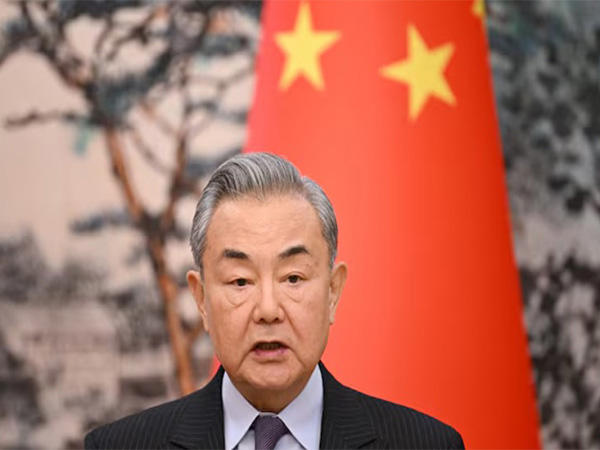
“War not India’s choice,” says Doval while speaking with Chinese FM as he condemns the Pahalgam terror attack, urges for calm

In a recent high-level diplomatic exchange, India’s National Security Advisor Ajit Doval conveyed to Chinese Foreign Minister Wang Yi that “war is not India’s choice,” emphasizing India’s commitment to peace amid escalating tensions with Pakistan following the Pahalgam terrorist attack.(The Economic Times)

During their conversation, Doval underscored that the Pahalgam attack, which resulted in significant casualties among Indian personnel, necessitated counter-terrorism actions. However, he reiterated that India does not seek war and that such a path is not in the interest of any party. Doval expressed hope for the restoration of regional peace and stability through a mutual commitment to a ceasefire. (The Economic Times, India Today)

Chinese Foreign Minister Wang Yi condemned the Pahalgam terrorist attack and opposed all forms of terrorism. He acknowledged the complexities of the current international situation and stressed that peace and stability in Asia are hard-won and should be cherished. Wang Yi appreciated India’s stance against war and urged both India and Pakistan to remain calm, exercise restraint, and resolve differences through dialogue and consultation. (India Today, The Times of India)

This diplomatic engagement follows a recent ceasefire agreement between India and Pakistan, which was reached after a series of cross-border hostilities. Despite the agreement, violations were reported shortly thereafter, highlighting the fragile nature of the truce.

The international community, including the G7 nations and the European Union, has condemned the Pahalgam attack and called for de-escalation between India and Pakistan. These developments underscore the importance of sustained diplomatic efforts to maintain peace and stability in the region. (DD News)

Posted on Leave a comment

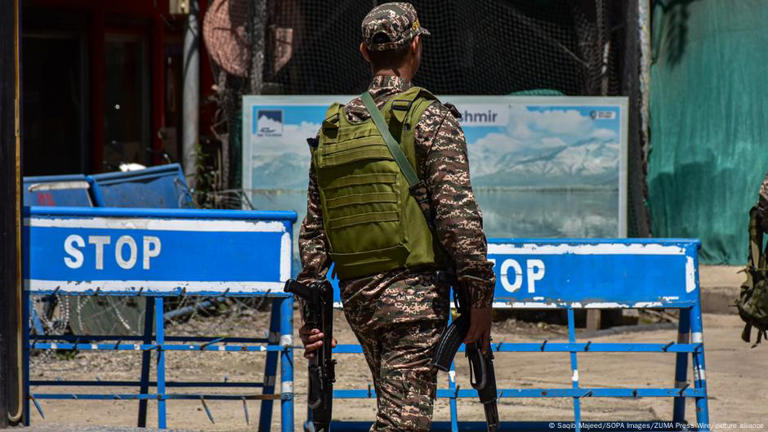
Kashmir crisis sparks press crackdown in India

The recent escalation of tensions between India and Pakistan over the Kashmir conflict has been accompanied by a significant crackdown on press freedom in India, particularly in the Jammu and Kashmir region. This development has raised concerns among international human rights organizations and press freedom advocates.

Journalists Targeted Under Anti-Terror Laws

Several journalists in Kashmir have been arrested under stringent laws such as the Unlawful Activities (Prevention) Act (UAPA) and the Public Safety Act (PSA), often without formal charges or trials.(Wikipedia)

  • Irfan Mehraj: A journalist and researcher associated with the Jammu Kashmir Coalition of Civil Society (JKCCS), Mehraj was arrested in March 2023 by the National Investigation Agency (NIA) on allegations of involvement in “terror funding.” His arrest has been widely criticized by international human rights organizations, including Amnesty International and the United Nations Special Rapporteur on Human Rights Defenders, who have called for his immediate release. (Wikipedia)
  • Asif Sultan: An award-winning journalist known for his reporting on civil unrest in Kashmir, Sultan was arrested in August 2018 under the UAPA for allegedly supporting militant activities. Despite being granted bail in April 2022, he was re-arrested under the PSA and remained in detention until May 2024. His prolonged detention has been condemned by international press freedom organizations. (Wikipedia)

Banning of Political and Religious Organizations

In March 2025, the Indian Ministry of Home Affairs declared the Jammu & Kashmir Ittihadul Muslimeen (JKIM) and the Awami Action Committee as “unlawful associations” under the UAPA. The government accused these organizations of inciting unrest and supporting secessionist activities, leading to their immediate ban for a period of five years. (Wikipedia)

Use of the Public Safety Act (PSA)

The PSA, a law that allows for administrative detention without trial for up to two years, continues to be used extensively in Jammu and Kashmir. Critics argue that the PSA is employed to suppress dissent and silence journalists and activists. The Supreme Court of India has previously expressed concerns about the misuse of the PSA, highlighting its potential to undermine democratic principles. (Wikipedia)

International and Domestic Reactions

The crackdown on press freedom in Kashmir has drawn criticism from various quarters:

  • International Human Rights Organizations: Groups like Amnesty International and the Committee to Protect Journalists have condemned the arrests of journalists and the suppression of free speech in Kashmir.
  • United Nations: UN experts have raised concerns over the legitimacy of the arrests and the broader implications for human rights in the region.(Wikipedia)
  • Domestic Political Leaders: Mehbooba Mufti, former Chief Minister of Jammu and Kashmir, criticized the arrests, stating that journalists are being targeted for simply doing their jobs.

Conclusion

The ongoing conflict in Kashmir has not only escalated military tensions between India and Pakistan but has also led to a significant erosion of press freedom in the region. The use of stringent laws to detain journalists and ban organizations raises serious concerns about the state of democracy and human rights in Jammu and Kashmir. International and domestic voices continue to call for the protection of press freedom and the release of those unjustly detained.

Posted on Leave a comment

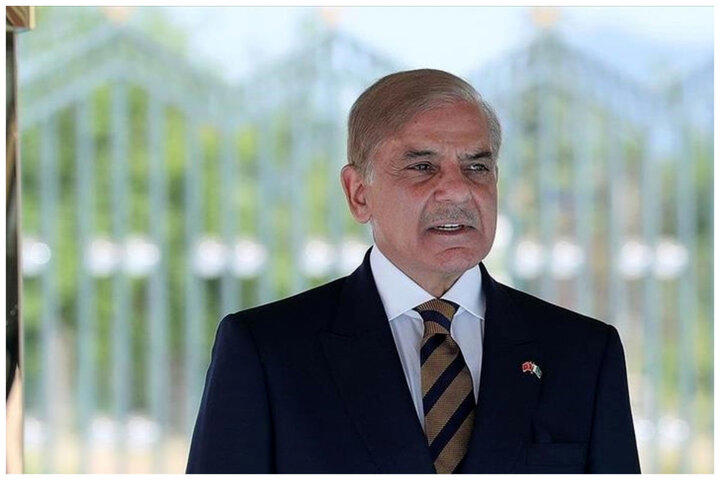
PM Shehbaz Sharif Unites Political Leaders Amid Escalating Tensions with India

In the wake of escalating hostilities between Pakistan and India, Prime Minister Shehbaz Sharif has taken decisive steps to consult with political leaders across the spectrum, aiming to forge a unified national response. This move comes after a series of Indian missile and drone strikes targeting Pakistani civilian and military sites, including the Noor Khan Airbase .(The News International)

A Unified Front Against Aggression

During high-level meetings, PM Sharif briefed leaders from major political parties on the nature of India’s unprovoked attacks and Pakistan’s measured yet robust military response. He emphasized the professionalism and restraint exhibited by the Pakistani armed forces, highlighting their commitment to defending national sovereignty without escalating the conflict unnecessarily.(The Express Tribune)

Leaders from various parties, including the Pakistan People’s Party (PPP), expressed solidarity with the government’s stance. PPP Chairman Bilawal Bhutto Zardari commended the Prime Minister’s leadership and the military’s disciplined response, stating that the nation stands united in the face of external threats .(The Express Tribune)

Operation Bunyān al-Marsōs: A Strategic Response

In retaliation to India’s aggression, Pakistan launched “Operation Bunyān al-MarsĹŤs,” targeting key Indian military installations used to orchestrate attacks on Pakistani territory. PM Sharif assured political leaders that the operation was executed with precision, aiming to neutralize threats while minimizing collateral damage .(Daily Qudrat English, Daily Qudrat English)

Despite the provocations, Pakistan initially exercised restraint, even proposing a neutral investigation into the Pahalgam incident, which India declined. This approach underscores Pakistan’s preference for diplomatic solutions over military confrontation.(Daily Qudrat English)

International Mediation and Ceasefire Efforts

The international community, including the United States, Saudi Arabia, and Turkey, played a pivotal role in mediating a ceasefire between the two nations. However, the situation remains fragile, with reports of continued cross-border shelling and drone activity threatening to derail peace efforts .(AP News, The Guardian)

PM Sharif’s consultations with political leaders are part of a broader strategy to present a cohesive national front, reinforcing Pakistan’s commitment to peace while remaining prepared to defend its sovereignty.

Conclusion

Prime Minister Shehbaz Sharif’s engagement with political leaders during this critical juncture reflects a commitment to national unity and a strategic approach to external aggression. By fostering consensus and emphasizing diplomatic channels, Pakistan aims to navigate the complexities of regional tensions responsibly.

As the situation evolves, the government’s emphasis on unity and measured responses will be crucial in maintaining stability and safeguarding national interests.

Posted on Leave a comment

Pakistan’s Drone Incursion: Deployment of Turkish-Made Asisguard Songar Drones Raises Alarms

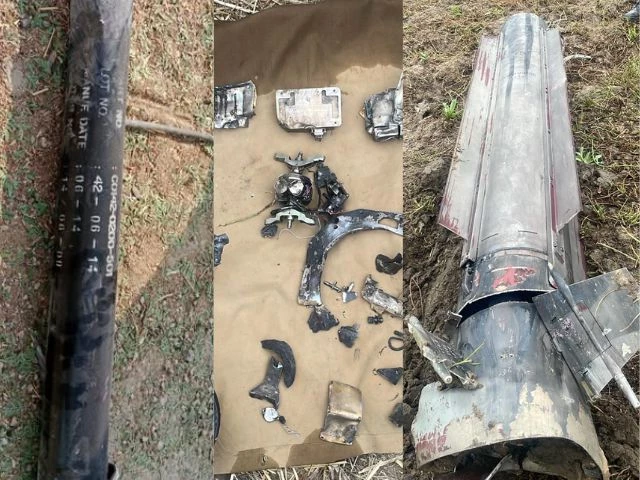
In a significant escalation of cross-border tensions, Pakistan reportedly deployed between 300 to 400 Turkish-made Asisguard Songar drones across 36 locations along India’s western frontier during the nights of May 7 and 8, 2025. This large-scale aerial incursion targeted Indian military installations and critical infrastructure, marking a notable shift in the use of unmanned aerial vehicles (UAVs) in regional conflicts.(Times of Oman)

Scope and Intent of the Drone Operations

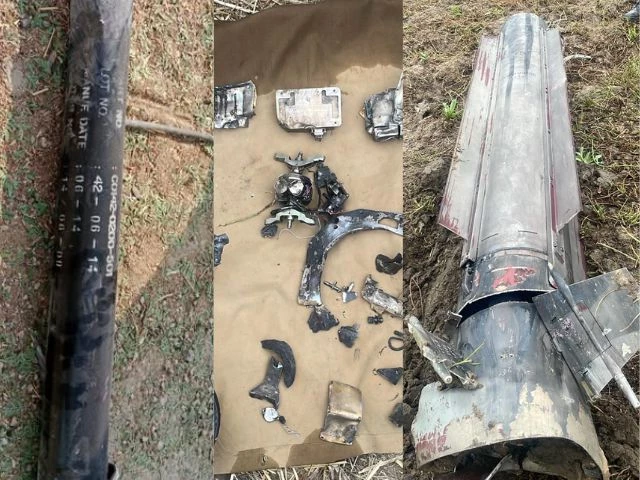
Colonel Sofiya Qureshi of the Indian Army detailed the extent of the incursion, stating that the drones were launched from Leh to Sir Creek, aiming to infiltrate Indian airspace and gather intelligence on military assets. The Indian Armed Forces responded by neutralizing many of these drones using both kinetic and non-kinetic methods. Preliminary forensic analyses suggest that the downed UAVs are Turkish-manufactured Asisguard Songar models .(@mathrubhumi, The Hans India)

The operation’s scale and coordination indicate a deliberate attempt to test India’s air defense systems and collect sensitive information. The use of such a significant number of drones simultaneously underscores the evolving nature of modern warfare, where UAVs play a pivotal role in surveillance and combat operations.(The Times of India)

Asisguard Songar Drones: Capabilities and Features

The Asisguard Songar is Turkey’s first indigenously developed armed drone system, introduced to the Turkish Armed Forces in 2020. Key features of the Songar drone include:(@mathrubhumi, The Indian Express)

  • Armament: Equipped with a stabilized 5.56 mm NATO standard assault rifle, capable of precision engagement.(@mathrubhumi)
  • Payload Options: Can be fitted with 40 mm grenade launchers, 81 mm mortar grippers, and mini-missile systems.(@mathrubhumi)
  • Operational Range: Effective within a 3 to 5 km radius, with a flight altitude of up to 2,800 meters.(Firstpost)
  • Flight Duration: Approximately 35 minutes without payload.(The Indian Express)
  • Navigation Systems: Utilizes both GPS and GLONASS for accurate positioning.
  • Control Modes: Supports both autonomous and manual flight operations.(The Indian Express)

These capabilities make the Songar a versatile tool for reconnaissance and targeted strikes, enhancing the tactical options available to military forces.

International Implications and Concerns

The deployment of Turkish-made drones by Pakistan raises questions about the proliferation of advanced military technology and its impact on regional stability. The use of UAVs in such a coordinated manner signifies a shift towards more technologically driven confrontations, potentially lowering the threshold for conflict initiation.(The Economic Times)

Moreover, the incident highlights the need for international regulations governing the export and use of armed drones. As UAV technology becomes more accessible, the risk of its misuse in escalating conflicts increases, necessitating a global dialogue on responsible deployment.

Conclusion

Pakistan’s extensive use of Turkish-made Asisguard Songar drones in its recent incursion into Indian airspace represents a significant development in the use of unmanned systems in regional conflicts. This event underscores the evolving dynamics of modern warfare and the pressing need for international frameworks to manage the proliferation and use of advanced military technologies.

As nations navigate the complexities introduced by such technologies, collaborative efforts to establish norms and agreements will be crucial in maintaining regional and global security.

Posted on Leave a comment

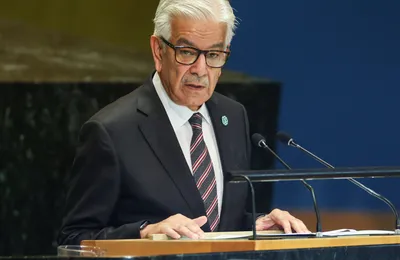
Pakistan’s Defense Minister Rules Out Immediate Nuclear Option Amid Escalating Tensions with India

Amid escalating military tensions between Pakistan and India, Pakistan’s Defense Minister Khawaja Asif has stated that the nuclear option is “not on the cards right now.” However, he cautioned that if the situation deteriorates further, the consequences could extend beyond the region, potentially affecting global observers. (Ilke News Agency)

Context of Rising Tensions

The recent surge in hostilities was triggered by a deadly attack on Indian tourists in Kashmir in April 2025, which India attributed to Pakistan-based militants. In response, India launched “Operation Sindoor,” targeting alleged terrorist infrastructures within Pakistan. Pakistan retaliated with “Operation Bunyan-ul-Marsoos,” leading to a series of missile and drone exchanges between the two nations. Despite a U.S.-brokered ceasefire announced on May 10, 2025, reports of continued violations from both sides have emerged, casting doubt on the ceasefire’s effectiveness. (The Times, The Guardian)

Pakistan’s Nuclear Doctrine

Pakistan maintains a policy of “full spectrum deterrence,” which does not adhere to a “no first use” stance. This doctrine allows for the potential use of nuclear weapons in response to significant conventional threats. However, Asif’s recent statements indicate that, as of now, there are no plans to convene the National Command Authority, the body responsible for decisions regarding Pakistan’s nuclear arsenal. (Wikipedia, @mathrubhumi)

International Concerns

The international community has expressed deep concern over the escalating conflict between the two nuclear-armed neighbors. Countries including the United States, United Kingdom, Saudi Arabia, and China have urged both nations to exercise restraint and engage in dialogue to prevent further escalation. The potential for a nuclear confrontation has heightened global anxiety, emphasizing the need for immediate de-escalation and sustained diplomatic efforts.

Conclusion

While Pakistan’s Defense Minister has ruled out the immediate use of nuclear weapons, the situation remains volatile. The ongoing military exchanges and mutual accusations underscore the fragility of the current ceasefire. Continued international mediation and a commitment to diplomatic solutions are essential to prevent further deterioration of regional stability. (Ilke News Agency

Posted on Leave a comment

Pakistan Downs 77 Indian Drones Amid Escalating Border Tensions

In a significant escalation of hostilities, Pakistan’s military has reported the downing of 77 Indian drones over a two-day period, marking a notable intensification in the ongoing conflict between the two nuclear-armed neighbors.

Unprecedented Drone Activity

According to Pakistani security sources, the drones, identified as Israeli-made Harop loitering munitions, were intercepted between May 6 and May 8, with 29 drones shot down by the evening of May 8 and an additional 48 neutralized overnight into May 9 . These drones were reportedly targeting both civilian and military sites across various regions, including Vehari, Pakpattan, and Okara .(The Express Tribune, Daily Times)

Rising Civilian Casualties

The intensified drone activity has coincided with increased artillery exchanges along the Line of Control (LoC), leading to civilian casualties on both sides. Reports indicate that at least five civilians have been killed and seven others injured in Pakistan-administered Kashmir due to unprovoked Indian shelling on residential areas .(The Express Tribune)

Broader Context of Escalation

The recent surge in hostilities follows India’s launch of “Operation Sindoor,” a series of missile strikes targeting alleged terrorist infrastructure in Pakistan and Pakistan-administered Kashmir. India stated that these strikes were in retaliation for a deadly attack on Indian tourists in Pahalgam on April 22, which New Delhi attributes to Pakistan-based militant groups .(AP News)

In response, Pakistan has engaged in cross-border shelling and drone incursions, further exacerbating tensions. Both nations have accused each other of targeting civilian areas, leading to mass evacuations, school closures, and the suspension of major events, including the Indian Premier League .(AP News)

International Concerns and Calls for Restraint

The escalating conflict has drawn international concern. U.S. Vice President JD Vance has expressed hope for a resolution, while the European Union has called for restraint . Despite diplomatic efforts, the situation remains volatile, with both nations accusing each other of aggression.(The Express Tribune)

Conclusion

The downing of 77 Indian drones by Pakistan’s military underscores the fragile nature of peace along the India-Pakistan border. As civilian casualties mount and infrastructure suffers, the need for diplomatic engagement and de-escalation becomes increasingly urgent.

For the millions residing in the border regions, the hope is for a swift resolution to the hostilities, allowing for a return to normalcy and the resumption of daily life without the looming threat of conflict.

Posted on Leave a comment

UAE Declines to Host Remaining IPL 2025 Matches Due to Prior PSL Commitment

In a significant development affecting the 2025 Indian Premier League (IPL), the United Arab Emirates (UAE) has declined a request from the Board of Control for Cricket in India (BCCI) to host the tournament’s remaining matches. This decision stems from a prior commitment by the Emirates Cricket Board (ECB) to host the concluding fixtures of the Pakistan Super League (PSL) 2025.

Background: Escalating Tensions Disrupt Cricketing Events

The decision comes amid heightened military tensions between India and Pakistan, which have disrupted major cricket tournaments in both countries. The IPL was suspended for a week following security concerns, including a missile and drone attack near a military base close to a match venue in Dharamsala . Simultaneously, the PSL faced similar disruptions, prompting the Pakistan Cricket Board (PCB) to relocate its remaining matches to the UAE .(AP News, The Guardian)

UAE’s Prior Commitment to PSL

The ECB’s decision to decline the IPL hosting request is rooted in its existing agreement with the PCB. The PCB had finalized arrangements to shift the remaining PSL matches, including playoffs and the final, to Dubai on May 8, 2025. This move was necessitated by security concerns in Pakistan, particularly after an alleged drone incident near the Rawalpindi Cricket Stadium .(Cricket Pakistan, AP News)

Upon receiving the BCCI’s request, the ECB informed the Indian board that the venues were already reserved for the PSL, leaving the IPL’s plans in uncertainty .(The News International)

Implications for IPL 2025

With the UAE unavailable, the BCCI is exploring alternative options to resume the IPL. One possibility under consideration is hosting the remaining matches in England or South Africa later in the year. However, this could lead to scheduling conflicts with other international cricket events, such as the Asia Cup and India’s tour of Bangladesh .(Cricket Pakistan, The Times, Geo Super)

The IPL’s suspension has also impacted players and franchises, with many foreign players returning home amid the uncertainty. The BCCI has emphasized that any decision regarding the tournament’s resumption will prioritize the safety and well-being of all stakeholders .(The Times, Geo Super)

Conclusion

The UAE’s refusal to host the remaining IPL 2025 matches underscores the complexities of organizing international sporting events amid geopolitical tensions. As the BCCI evaluates alternative venues and schedules, the future of the current IPL season remains uncertain. Meanwhile, the PCB’s successful relocation of the PSL to the UAE highlights the importance of contingency planning in ensuring the continuity of major sports tournaments.(Facebook, Geo Super, The Stadium Business)

For fans and stakeholders, the hope is for a de-escalation of regional tensions, allowing cricket to resume its role as a unifying force in the subcontinent.