Posted on Leave a comment

Election to fill vacant senate seat from Punjab scheduled for may 29

The Election Commission of Pakistan (ECP) has scheduled a by-election for the vacant general Senate seat from Punjab on May 29, 2025, following the passing of Senator Professor Sajid Mir on May 3, 2025. (GNN – Pakistan’s Largest News Portal)

🗳️ Election Schedule

  • Nomination Papers Submission: May 14–15
  • Publication of Candidates’ Names: May 16
  • Scrutiny of Nomination Papers: May 17
  • Appeals Against Acceptance/Rejection: May 20
  • Decision on Appeals: May 22
  • Publication of Revised Candidate List: May 23
  • Withdrawal of Candidature: May 24
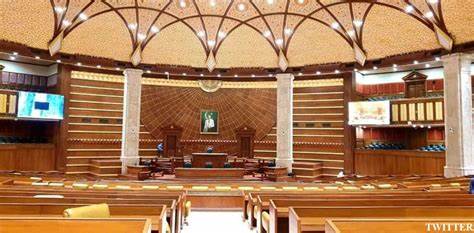
  • Polling Date: May 29, from 9:00 AM to 4:00 PM at the Punjab Assembly chambers in Lahore (Daily Times, HUM News, Daily Ausaf)

Nomination papers can be obtained from the Punjab ECP office at 10-Court Street, Lahore, during office hours. (Daily Ausaf)

🕊️ Remembering Senator Professor Sajid Mir

Senator Professor Sajid Mir, who passed away at the age of 86 due to a heart attack, was a prominent religious and political figure. He led the Jamiat Ahle Hadith Pakistan and was affiliated with the Pakistan Muslim League-Nawaz (PML-N). Elected to the Senate five times, his most recent term began in 2021. (Daily Times)

This by-election is crucial for maintaining the representation of Punjab in the Senate and ensuring the continuity of legislative processes.

Posted on Leave a comment

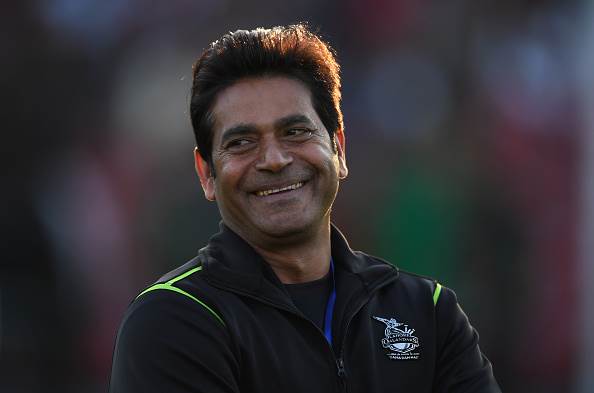
Aqib Javed Appointed as PCB Director of High Performance: A New Era for Pakistan Cricket

The Pakistan Cricket Board (PCB) has appointed former fast bowler and seasoned coach Aqib Javed as the Director of High Performance, marking a significant step in the board’s efforts to enhance the country’s cricketing infrastructure. (Daily Times)

🏏 A Glance at Aqib Javed’s Cricketing Journey

Aqib Javed, a pivotal member of Pakistan’s 1992 World Cup-winning team, represented the nation in 22 Test matches and 163 One Day Internationals between 1988 and 1998. Post-retirement, he transitioned into coaching and cricket administration, bringing a wealth of experience to his new role.(Daily Times, The News International)

🎯 Responsibilities as Director of High Performance

In his new capacity, Aqib Javed will oversee the development of cricketing talent across all levels, from grassroots initiatives to the national team. His role encompasses:(The News International)

  • Implementing high-performance programs
  • Enhancing coaching standards
  • Monitoring player development and performance metrics
  • Collaborating with domestic and international cricketing bodies(The News International)

This appointment aligns with PCB’s strategic vision to professionalize its cricketing structure and optimize the performance pipeline for future generations. (The News International)

🤝 Synergy with New White-Ball Head Coach Mike Hesson

Alongside Aqib Javed’s appointment, the PCB has named former New Zealand coach Mike Hesson as the head coach for Pakistan’s white-ball teams. Hesson, renowned for leading New Zealand to the 2015 World Cup final, brings international experience that complements Aqib’s deep understanding of Pakistan’s cricketing landscape.(icc, Reuters)

PCB Chairman Mohsin Naqvi expressed optimism about the duo’s collaboration, stating, “Together, their expertise and leadership will play a pivotal role in the development, evolution, and success of our national setup.” (PakPassion.net)

📈 Anticipated Impact on Pakistan Cricket

Aqib Javed’s appointment is expected to:

  • Elevate the standard of domestic cricket
  • Streamline talent identification and nurturing processes
  • Foster a culture of excellence and professionalism
  • Bridge the gap between domestic circuits and the national team

His previous roles, including coaching the UAE national team and serving as the director of cricket operations for Lahore Qalandars, have equipped him with the skills necessary to drive these initiatives effectively. (The News International)

🗓️ Looking Ahead

As Pakistan prepares for upcoming international fixtures, including a five-match T20I series against Bangladesh, the combined leadership of Aqib Javed and Mike Hesson is poised to usher in a new era of strategic development and competitive performance for Pakistan cricket. (The Express Tribune)

Posted on Leave a comment

Pakistan’s Crackdown on Anti-State Social Media Posts Amidst Rising Tensions

In the wake of escalating tensions between Pakistan and India, Pakistani authorities have intensified efforts to curb anti-state narratives on social media platforms. The Prevention of Electronic Crimes Act (PECA) has become a pivotal tool in this crackdown, leading to multiple arrests and legal actions against individuals accused of disseminating content deemed harmful to national security.

Understanding PECA and Its Implications

The Prevention of Electronic Crimes Act (PECA), enacted in 2016, was designed to address cybercrimes and regulate online content in Pakistan. Under PECA, offenses such as cyberterrorism, hate speech, and defamation are punishable by law. The act empowers authorities to take swift action against individuals who use digital platforms to spread misinformation or content considered detrimental to the state’s interests.

Recent Arrests Highlighting the Crackdown

Several individuals have been arrested under PECA for allegedly posting anti-state content on social media:(Dawn)

  • Muhammad Rehan: A resident of Rawalpindi, Rehan was arrested for allegedly posting propaganda against the state, the Punjab chief minister, and intelligence agencies. The arrest was based on a complaint by a police constable who encountered the content on social media. (Dawn, Dawn)
  • PTI Activist: In a separate incident, a Pakistan Tehreek-e-Insaf (PTI) activist was arrested in Rawalpindi for uploading posts deemed negative and based on misinformation. Authorities emphasized that misuse of freedom of expression to spread propaganda would not be tolerated. (The News International)
  • Shakib Qaimkhani: The Union Council chairman from Hyderabad was arrested for allegedly posting anti-state content on social media. However, he was later acquitted by a local court due to insufficient evidence. (ARY NEWS, Dawn)

Broader Implications and Concerns

The intensified enforcement of PECA has sparked debates about freedom of expression and the balance between national security and individual rights. Critics argue that the broad application of the law may suppress dissent and limit open discourse. On the other hand, supporters contend that in times of heightened national security concerns, stringent measures are necessary to maintain order and unity.(Global Village Space)

The Role of Social Media in National Discourse

Social media platforms have become powerful tools for information dissemination and public discourse. However, the rapid spread of unverified or false information can have serious implications, especially during periods of national tension. The government’s actions under PECA reflect an attempt to control narratives and prevent the spread of content that could exacerbate conflicts or undermine state institutions.

Conclusion

As Pakistan navigates complex geopolitical challenges, the balance between safeguarding national security and upholding democratic freedoms remains delicate. The enforcement of PECA underscores the government’s commitment to maintaining order, but it also raises important questions about the limits of state power and the protection of individual rights in the digital age.

Posted on Leave a comment

Hypersonic Showdown: How India and Pakistan’s Drone and Missile War is Changing South Asia

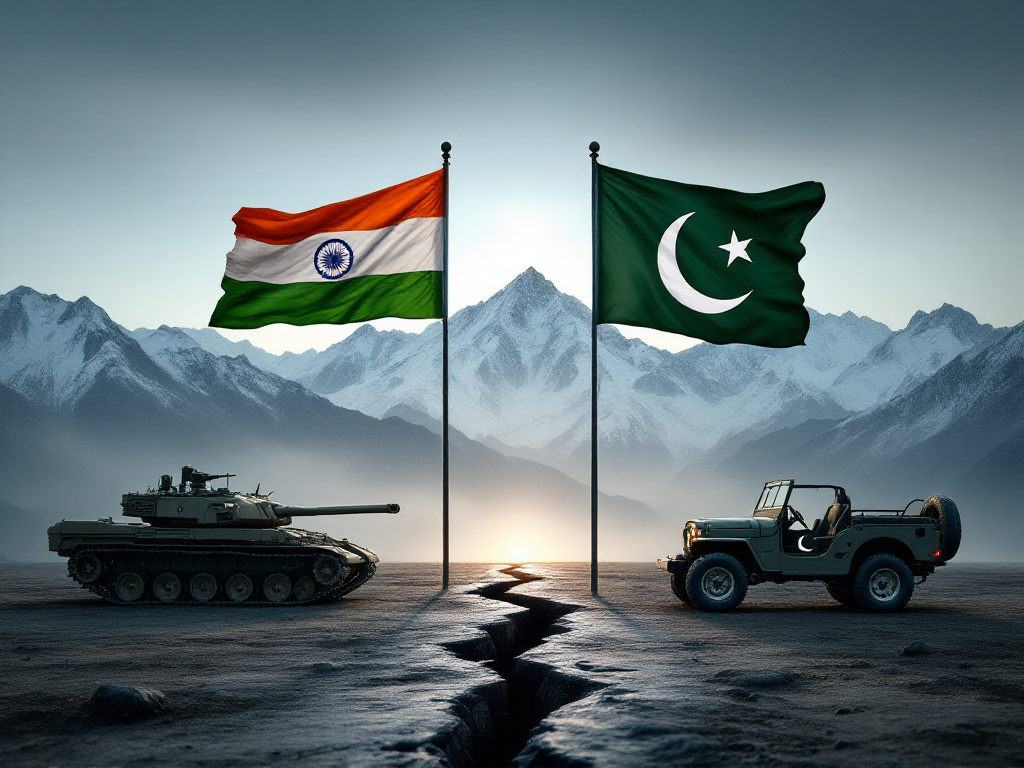
Recent escalations between India and Pakistan have intensified, with both nations engaging in drone warfare and missile strikes, raising concerns over regional stability.

Pakistan’s Claim of Downing 77 Indian Drones

The Pakistan Army reported intercepting and destroying 77 Israeli-made Harop drones over a two-day period. These drones were allegedly launched by India targeting civilian and military installations across various locations, including Vehari, Pakpattan, and Okara in Pakistan’s eastern regions. The Director General of Inter-Services Public Relations (ISPR), Lt Gen Ahmed Sharif Chaudhry, confirmed these actions, emphasizing the military’s readiness and the effectiveness of Pakistan’s air defense systems .(Pakistan Today, Daily Times)

India’s Response and Counterclaims

India has accused Pakistan of violating the ceasefire by deploying drones into Indian territory. On May 12, suspected Pakistani drones were detected and engaged by Indian security forces along the International Border in the Samba district of Jammu and Kashmir. Indian forces responded promptly, intercepting and engaging the unmanned aerial vehicles (UAVs) soon after detection .(The Times of India)

Furthermore, between May 7 and 8, Pakistani forces attempted to escalate tensions by targeting Indian Air Force stations, prompting a swift response from India. The Indian government reported that these attacks were neutralized by their air defense systems. In retaliation, Indian forces struck several air defense installations across Pakistan, inflicting significant damage, including the reported destruction of a Chinese-made HQ-9 missile defense system in Lahore .(Time)

Deployment of Hypersonic Missiles

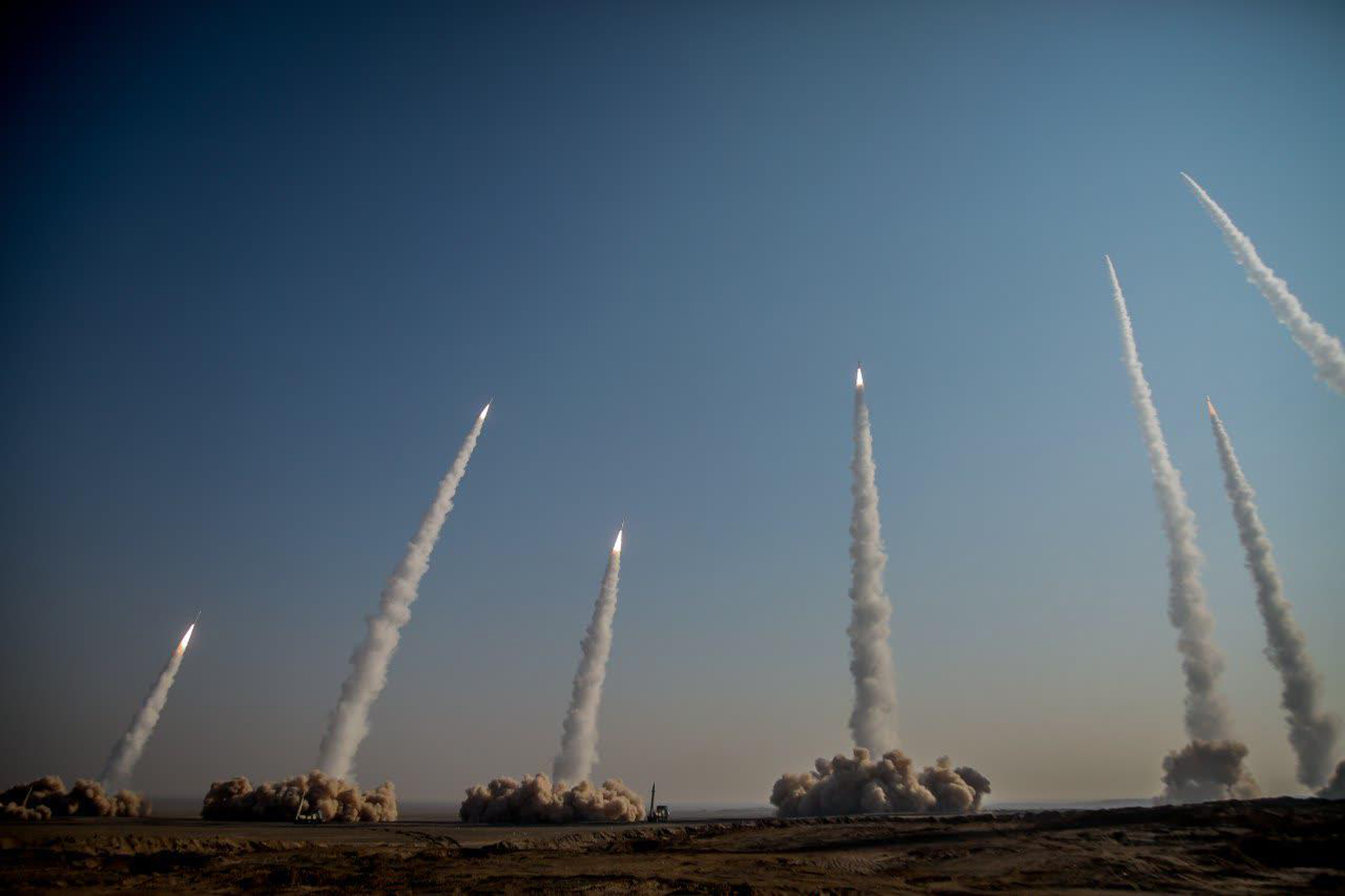
In a significant development, Pakistan has claimed the successful deployment of Chinese-supplied CM-400AKG hypersonic missiles. Footage released by Pakistani authorities shows a JF-17 “Thunder” multirole fighter, co-produced by Pakistan Aeronautical Complex and China’s Chengdu Aircraft Corporation, armed with two CM-400AKG missiles. These missiles were reportedly used to target and destroy India’s S-400 “Triumf” air defense system stationed at the Adampur Air Force Station in Punjab .

The CM-400AKG is known for its high-speed, high-precision capabilities, designed to penetrate advanced air defense systems. The successful use of such missiles indicates a significant enhancement in Pakistan’s offensive capabilities.

Strategic Implications

The assertion of hypersonic interception capabilities, coupled with the deployment of hypersonic missiles, suggests a shift in the strategic balance in South Asia. Pakistan’s advancements in missile technology, including the integration of hypersonic weapons into its arsenal, reflect a broader effort to modernize its military capabilities.

These developments are particularly significant given the historical tensions between India and Pakistan, both nuclear-armed nations. The introduction of hypersonic technology into the region’s military dynamics could potentially alter the strategic calculus, emphasizing the need for continued dialogue and confidence-building measures to maintain regional stability.

It’s important to note that while Pakistan has made these claims, independent verification from neutral sources is essential to confirm the capabilities and effectiveness of the systems mentioned.

Posted on Leave a comment

Pakistan destroyed India’s S-400 air defense system?

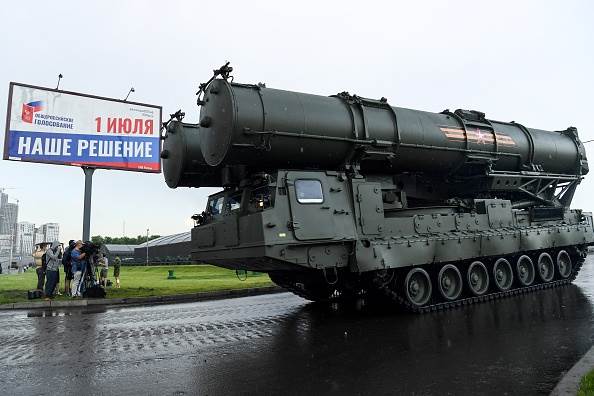
The claim that Pakistan destroyed India’s S-400 air defense system during the recent escalation between the two countries has been widely circulated in Pakistani media and some international outlets. However, the Indian government has officially refuted these reports, labeling them as misinformation.(@EconomicTimes)

According to Pakistani sources, including the state-run Associated Press of Pakistan (APP), the Pakistan Air Force (PAF) conducted an airstrike targeting the S-400 system at India’s Adampur Air Base using hypersonic missiles launched from JF-17 Thunder jets. These reports suggest that the strike was part of “Operation Bunyan-un-Marsoos” and marked a significant event in the conflict, potentially altering the regional military balance. (Daily Times, Arab News)

In contrast, the Indian government’s Press Information Bureau (PIB) has categorically denied these claims. In a statement released on May 10, 2025, the PIB’s Fact Check unit stated that reports of the destruction of the S-400 system are baseless and urged the public to refrain from spreading unverified information. The Ministry of External Affairs (MEA) also dismissed the allegations, describing them as part of a broader misinformation campaign. (The Times of India, @EconomicTimes, The Times of India)

Independent verification of the incident remains challenging due to the ongoing conflict and restricted access to the affected areas. As such, while Pakistani sources report the successful targeting of the S-400 system, Indian authorities maintain that no such event occurred.(AP News)

In the absence of conclusive evidence, the claim remains contested, highlighting the complexities of information dissemination during times of conflict.

Posted on Leave a comment

How Pakistan Built the Bomb: A Story of Resolve, Sacrifice, and Survival

Explore how Pakistan quietly built its nuclear weapons program against global resistance. Learn how political pressure, military ambition, and national pride helped shape South Asia’s nuclear future.


Introduction

Few countries have faced the kind of security challenges Pakistan did after the 1971 war. Surrounded by regional threats and politically isolated, Pakistan made a choice that would define its future: to develop a nuclear deterrent at any cost. This is the story of how a poor, developing nation secretly built one of the most powerful arsenals in the world—despite sanctions, technology bans, and massive international opposition.


The Turning Point: 1971 and the Loss of East Pakistan

The fall of Dhaka in 1971 was not just a military loss—it was a psychological shock for Pakistan. The country lost half its population, suffered deep national humiliation, and saw the limits of its conventional military power. In that moment of crisis, Pakistan’s leadership realized that survival in a hostile neighborhood would require more than soldiers and tanks.

With India already far ahead economically and militarily, and its nuclear ambitions becoming public, Pakistan feared being cornered. In early 1972, a high-level meeting was held to launch the country’s nuclear weapons program. The decision was made quietly, but its impact would echo for decades.


A Vow to Never Be Vulnerable Again

The leadership vowed to develop a nuclear deterrent—whatever it took. The phrase “we will eat grass but build the bomb” captured the national mood. Resources were limited, but the motivation was powerful: never again should Pakistan be forced to surrender or be humiliated in war.

This was the beginning of a decades-long scientific, military, and political mission. Unlike large nations with open programs, Pakistan’s nuclear development had to be done in total secrecy, away from the eyes of the world and even many of its own citizens.


Building in the Shadows: Science, Secrecy, and Sacrifice

Throughout the 1970s and 1980s, Pakistan quietly worked on uranium enrichment and warhead design. Scientists worked in labs with limited tools and aging equipment. Engineers had to smuggle or re-engineer parts that Western nations refused to sell. Intelligence agencies built covert networks to acquire critical components from overseas.

Despite multiple leadership changes—from Zulfikar Ali Bhutto to General Zia-ul-Haq, and later to elected governments—the nuclear effort never slowed. It became a national mission, passed from one administration to the next like sacred trust.

Ordinary Pakistanis often didn’t know about the program, but behind closed doors, labs and facilities were operating around the clock. Scientists lived under strict control and high pressure, often cut off from their families for long periods.


Facing the World: The 1998 Nuclear Tests

In May 1998, India tested its nuclear weapons in a show of strength. The pressure on Pakistan to respond was overwhelming. Politicians, military officials, and the public demanded action.

Less than three weeks later, Pakistan carried out five underground nuclear tests in the mountains of Chagai, Balochistan. The explosions turned the hills white and announced to the world: Pakistan was now a nuclear power.

These tests changed everything. They confirmed Pakistan’s place in the global strategic landscape and cemented its deterrence strategy. The world reacted with sanctions and criticism, but inside Pakistan, it was a moment of triumph.


Strategic Balance in South Asia

Since then, nuclear weapons have shaped the military balance between Pakistan and India. Despite multiple border crises and terror incidents, both countries have avoided full-scale war. The presence of nuclear weapons has added a layer of caution to South Asia’s dangerous rivalries.

Pakistan’s doctrine is built on deterrence, not aggression. It has developed delivery systems—missiles, aircraft, and more—to ensure that any attack would result in unacceptable consequences.


The Costs and Responsibilities of the Bomb

Building nuclear weapons didn’t come free. Billions were spent on research, facilities, and maintenance. Sanctions hurt Pakistan’s economy. And the program raised tough questions about civil-military control, transparency, and international trust.

There were also darker chapters, such as unauthorized technology transfers to other countries in the early 2000s. These incidents shook Pakistan’s international credibility but also led to tighter controls and stronger oversight structures.


Legacy and Lessons

Pakistan’s nuclear journey is about more than bombs and missiles. It’s about a nation’s resolve to defend itself in a world that often left it isolated. It’s about scientists and soldiers working in silence, often without recognition. And it’s about political leaders making difficult choices in the name of national survival.

Today, Pakistan continues to modernize and secure its strategic assets, not just as a show of strength, but as a matter of national identity and survival.


Final Thoughts

Pakistan’s path to becoming a nuclear power is a story of grit, sacrifice, and strategic determination. It is a powerful example of how a country with limited resources, under constant threat, managed to achieve one of the most complex scientific and military feats in the modern world.

Understanding this journey is essential for anyone who wants to grasp the security dynamics of South Asia—and the importance of diplomacy, stability, and deterrence in a nuclear-armed region.


Enjoyed this article? For more insights on regional security, geopolitics, and untold historical stories, follow us on RemedyTalks.com.

#PakistanNuclearHistory #ChagaiTests #SouthAsiaSecurity #NuclearDeterrence #StrategicDefense #RemedyTalks

Posted on Leave a comment

The Way Forward: A Call for Sustainable Peace in South Asia

Introduction: A Fragile But Vital Opportunity

South Asia has once again arrived at a critical juncture. Following renewed tensions between India and Pakistan, a U.S.-brokered ceasefire agreement has brought temporary calm. But if history is any guide, such truces—while welcome—rarely last without a broader, more inclusive peace framework. The real test lies ahead: Can this be the moment both nations choose dialogue over confrontation?

At the heart of this challenge lies Kashmir, a decades-old dispute that continues to fuel hostility between two nuclear powers. As highlighted in this blog a way forward a long-term solution must go beyond short-term ceasefires and address the roots of regional instability.

Why This Ceasefire Matters

The May 2025 ceasefire comes after a sharp escalation of military hostilities, once again putting the lives of millions at risk. What makes this truce different is the renewed international pressure, particularly from the United States, urging both sides to return to diplomatic channels.

This agreement is not merely a pause in conflict; it is a strategic opening—an opportunity to initiate serious discussions about peace and regional cooperation. For South Asia, peace isn’t a luxury. It’s a necessity.

The Kashmir Dispute: The Heart of the Matter

The Historical Wound

No discussion on South Asian peace is complete without acknowledging the Kashmir dispute—a deeply rooted conflict since the 1947 partition. While numerous attempts at resolution have been made, the situation deteriorated significantly after India revoked Jammu and Kashmir’s semi-autonomous status in August 2019.

This unilateral move by the BJP-led Indian government was seen by Pakistan—and many neutral observers—as a direct attack on the region’s already fragile identity and autonomy.

A Path Forward

The editorial argues that Pakistan remains willing to engage in peaceful dialogue. However, India’s current posture is described as inflexible. Sustainable peace demands that both sides come to the table with equal urgency and open minds.

One potential solution could involve revisiting the Musharraf-Manmohan framework from the early 2000s—a roadmap that emphasized self-governance, demilitarization, and joint supervision. While not perfect, it could serve as a starting point for renewed negotiations.

The Role of Global Powers

Mediation and Moral Pressure

The role of global actors—especially the United States—has proven critical in de-escalating the latest round of tensions. But the question remains: How far will they go?

While no external power can impose a resolution, they can certainly influence the tone and urgency of the dialogue. For example, sustained diplomatic engagement by the U.S., China, or the UN could encourage a more flexible stance from India—something Pakistan has long advocated for.

Out-of-the-Box Solutions

The editorial rightly emphasizes that peace will not come from recycled rhetoric. Instead, what’s needed are “out-of-the-box” solutions that are acceptable to Pakistan, India, and—most importantly—the people of Kashmir. These solutions must include economic development, demilitarization, and political representation.

The Cost of Inaction

Humanitarian Toll

Without a permanent solution, the people of Kashmir will continue to suffer the consequences—curfews, media blackouts, economic marginalization, and human rights abuses. Peace isn’t just about governments; it’s about people.

Economic and Strategic Impact

Continued hostility between Pakistan and India also threatens regional trade, energy projects, and foreign investment. Instead of reaping the benefits of economic cooperation, both countries spend billions on defense—a tragic misuse of resources in regions where poverty and healthcare challenges persist.

The Need for Political Will

Sustainable peace requires more than diplomacy—it requires courage. Political leaders in both countries must demonstrate the maturity and will to move beyond jingoism and prioritize long-term stability over short-term political gain.

Elections come and go, but the impact of conflict lingers for generations. It’s time for statesmanship, not showmanship.

Conclusion: A Regional Imperative

The way forward is not easy, but it is possible. The current ceasefire, while fragile, offers a rare opportunity to redefine South Asia’s trajectory. Both Pakistan and India must recognize that dialogue is not a sign of weakness—it is the cornerstone of civilized governance.

As this blog poignantly argues, any meaningful peace must address Kashmir, engage all stakeholders, and seek innovative, inclusive solutions. The road to peace is not paved with weapons or threats—it’s built on empathy, vision, and negotiation.

Final Thoughts: A Remedy Rooted in Reason

At RemedyTalks, we believe that lasting change begins with honest conversations. The people of South Asia deserve a future free from the shadow of war. Now is the time for leaders on both sides to rise above nationalism and embrace the shared dream of peace and prosperity.

📢 Share Your Voice

  • What’s your take on the current situation?
  • Do you believe a long-term peace deal is possible in our lifetime?
  • Let us know your thoughts in the comments or tag us on social media.
Posted on Leave a comment

Peace with Dignity: A Turning Point in South Asia

In a world already burdened with global conflicts and uncertainty, the recent India-Pakistan ceasefire has brought a much-needed pause to escalating military tensions. The standoff, marked by missile strikes and high-alert defence postures, had the region bracing for another crisis. But thanks to a timely US-mediated truce, the situation has cooled — at least for now.

This development, described as “Peace with Dignity,” isn’t just another truce. It signals the possibility of real peace talks in South Asia, a region long plagued by hostility, nationalism, and unresolved disputes.

The Build-Up: India Pakistan Border Tensions

Over the past several weeks, India Pakistan border tensions reached a dangerous peak. Indian forces reportedly launched missile strikes on non-military targets within Pakistan. In retaliation, the Pakistan Air Force response was swift and strategic — hitting military sites across the border with precision.

These actions had analysts deeply worried about another full-scale war between the two nuclear-armed nations.

Military Showdown: J-10C vs Rafale

One of the most notable moments during this escalation was the performance comparison of J-10C vs Rafale fighter jets. The Pakistan Air Force response featured the Chinese-supplied J-10C, a cost-effective and technologically capable aircraft. Surprisingly, it matched up well against India’s more expensive French-made Rafale jets, proving that strategic use of airpower matters more than just budget.

This added a new layer of analysis in global defense discussions, with many rethinking how cost-efficient air dominance can impact warfare.

Diplomatic Breakthrough: US-Mediated Truce

At the peak of rising tension, global powers stepped in. The US-mediated truce, initiated by President Donald Trump with support from Secretary of State Marco Rubio, helped calm the situation. Through back-channel diplomacy and direct talks with both Prime Ministers, the U.S. helped orchestrate an agreement for an immediate ceasefire.

Key points of the truce include:

  • Full and immediate ceasefire
  • Dialogue between India and Pakistan at a neutral location
  • A mutual agreement to avoid further escalation

This development renewed hope in international diplomacy and the ability of powerful mediators to prevent conflict.

Why This Ceasefire Is Different

What sets this India-Pakistan ceasefire apart is its tone and timing. Unlike previous shaky truces, this one opens the door to actual negotiations. Both sides have agreed to engage in peace talks in South Asia to address key issues — including Kashmir, terrorism, water disputes, and border management.

This may be the first meaningful attempt at establishing long-term peace, and possibly normalizing relations between the two arch-rivals.

The Media’s Role and Global Support

Balanced reporting and pressure from the international community — including China, the UK, and the UN — helped steer the conversation away from war and toward dialogue. Responsible media coverage played a vital role in calming panic and encouraging both sides to de-escalate.

Can This Truce Withstand the Test of Time?

Challenges remain. For this ceasefire to evolve into permanent peace:

  • Political leadership must resist populist war rhetoric
  • Future incidents (especially in Kashmir) must be handled through diplomacy
  • Both nations must avoid military posturing in the media

The threat of renewed violence or provocation lingers. However, if both sides stay committed to progress, they can avoid reigniting India Pakistan border tensions.

For the People: What This Means

For millions of people on both sides of the border — especially in Kashmir and border regions — this truce offers more than political victory. It means:

  • Relief from daily fear
  • Continued access to education, healthcare, and markets
  • A chance at cross-border connectivity in the future

Avoiding war means preserving lives, families, and futures. And that’s where the true value of this India-Pakistan ceasefire lies

A New Hope: Peace with Dignity

Peace with Dignity is not just a symbolic phrase — it’s a real opportunity. If sustained, this ceasefire could mark a long-awaited shift from military confrontation to constructive diplomacy.

For long-term peace to become reality, regional leaders must stay committed, media must be responsible, and international allies must support honest dialogue.

The nuclear threat in South Asia is real. But so is the hope for peace — if we nurture it.

Posted on Leave a comment

“War not India’s choice,” says Doval while speaking with Chinese FM as he condemns the Pahalgam terror attack, urges for calm

In a recent high-level diplomatic exchange, India’s National Security Advisor Ajit Doval conveyed to Chinese Foreign Minister Wang Yi that “war is not India’s choice,” emphasizing India’s commitment to peace amid escalating tensions with Pakistan following the Pahalgam terrorist attack.(The Economic Times)

During their conversation, Doval underscored that the Pahalgam attack, which resulted in significant casualties among Indian personnel, necessitated counter-terrorism actions. However, he reiterated that India does not seek war and that such a path is not in the interest of any party. Doval expressed hope for the restoration of regional peace and stability through a mutual commitment to a ceasefire. (The Economic Times, India Today)

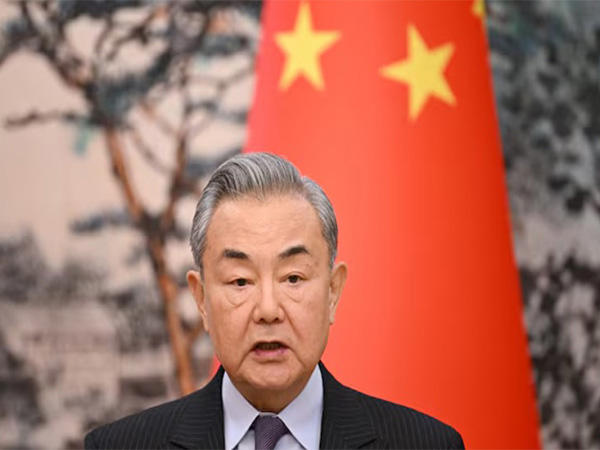
Chinese Foreign Minister Wang Yi condemned the Pahalgam terrorist attack and opposed all forms of terrorism. He acknowledged the complexities of the current international situation and stressed that peace and stability in Asia are hard-won and should be cherished. Wang Yi appreciated India’s stance against war and urged both India and Pakistan to remain calm, exercise restraint, and resolve differences through dialogue and consultation. (India Today, The Times of India)

This diplomatic engagement follows a recent ceasefire agreement between India and Pakistan, which was reached after a series of cross-border hostilities. Despite the agreement, violations were reported shortly thereafter, highlighting the fragile nature of the truce.

The international community, including the G7 nations and the European Union, has condemned the Pahalgam attack and called for de-escalation between India and Pakistan. These developments underscore the importance of sustained diplomatic efforts to maintain peace and stability in the region. (DD News)

Posted on Leave a comment

Kashmir crisis sparks press crackdown in India

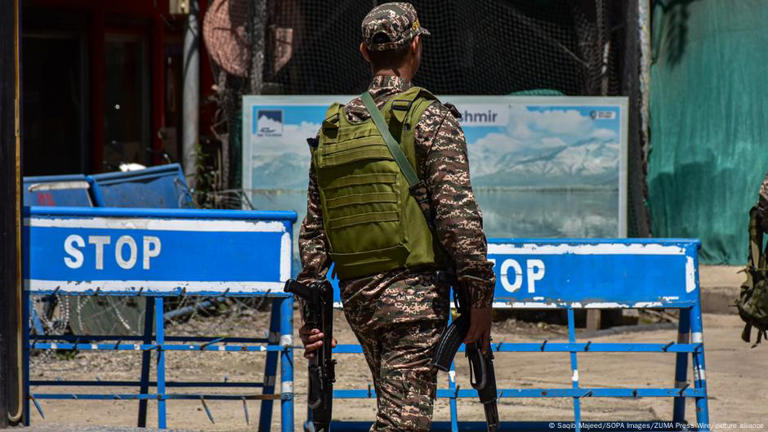
The recent escalation of tensions between India and Pakistan over the Kashmir conflict has been accompanied by a significant crackdown on press freedom in India, particularly in the Jammu and Kashmir region. This development has raised concerns among international human rights organizations and press freedom advocates.

Journalists Targeted Under Anti-Terror Laws

Several journalists in Kashmir have been arrested under stringent laws such as the Unlawful Activities (Prevention) Act (UAPA) and the Public Safety Act (PSA), often without formal charges or trials.(Wikipedia)

  • Irfan Mehraj: A journalist and researcher associated with the Jammu Kashmir Coalition of Civil Society (JKCCS), Mehraj was arrested in March 2023 by the National Investigation Agency (NIA) on allegations of involvement in “terror funding.” His arrest has been widely criticized by international human rights organizations, including Amnesty International and the United Nations Special Rapporteur on Human Rights Defenders, who have called for his immediate release. (Wikipedia)
  • Asif Sultan: An award-winning journalist known for his reporting on civil unrest in Kashmir, Sultan was arrested in August 2018 under the UAPA for allegedly supporting militant activities. Despite being granted bail in April 2022, he was re-arrested under the PSA and remained in detention until May 2024. His prolonged detention has been condemned by international press freedom organizations. (Wikipedia)

Banning of Political and Religious Organizations

In March 2025, the Indian Ministry of Home Affairs declared the Jammu & Kashmir Ittihadul Muslimeen (JKIM) and the Awami Action Committee as “unlawful associations” under the UAPA. The government accused these organizations of inciting unrest and supporting secessionist activities, leading to their immediate ban for a period of five years. (Wikipedia)

Use of the Public Safety Act (PSA)

The PSA, a law that allows for administrative detention without trial for up to two years, continues to be used extensively in Jammu and Kashmir. Critics argue that the PSA is employed to suppress dissent and silence journalists and activists. The Supreme Court of India has previously expressed concerns about the misuse of the PSA, highlighting its potential to undermine democratic principles. (Wikipedia)

International and Domestic Reactions

The crackdown on press freedom in Kashmir has drawn criticism from various quarters:

  • International Human Rights Organizations: Groups like Amnesty International and the Committee to Protect Journalists have condemned the arrests of journalists and the suppression of free speech in Kashmir.
  • United Nations: UN experts have raised concerns over the legitimacy of the arrests and the broader implications for human rights in the region.(Wikipedia)
  • Domestic Political Leaders: Mehbooba Mufti, former Chief Minister of Jammu and Kashmir, criticized the arrests, stating that journalists are being targeted for simply doing their jobs.

Conclusion

The ongoing conflict in Kashmir has not only escalated military tensions between India and Pakistan but has also led to a significant erosion of press freedom in the region. The use of stringent laws to detain journalists and ban organizations raises serious concerns about the state of democracy and human rights in Jammu and Kashmir. International and domestic voices continue to call for the protection of press freedom and the release of those unjustly detained.