Posted on Leave a comment

“Justice Delayed or Justice Denied? The Suspicious Adjournment of Imran Khan’s Cases”

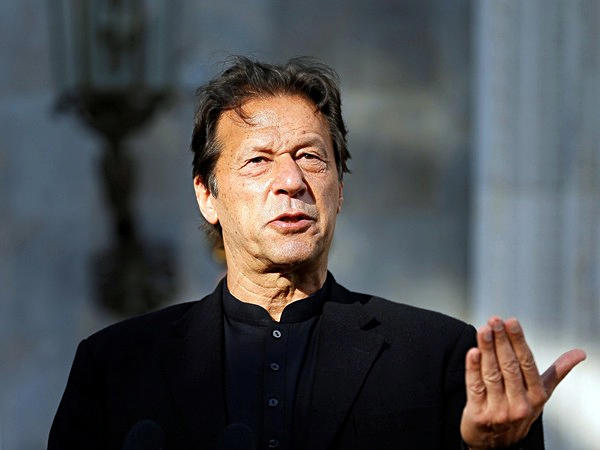
On May 15, 2025, the Lahore High Court (LHC) postponed the bail hearings of former Prime Minister Imran Khan in eight cases related to the May 9, 2023, riots. The court has rescheduled the proceedings for May 27, 2025.(Jarida Today)

Background of the Cases

The bail petitions pertain to incidents during the May 9 protests, including attacks on Jinnah House, Askari Tower, and other properties. Khan’s legal team contends that he has been wrongfully implicated in these cases, asserting that the charges are politically motivated and lack substantial evidence.(The Nation)

Court Proceedings and Adjournment

During the hearing, the prosecution informed the bench, led by Justice Syed Shahbaz Ali Rizvi, that an anti-terrorism court had recently authorized photogrammetric and polygraph tests of Khan in Adiala Jail. They requested a postponement of the bail proceedings to accommodate these tests.(Dawn)

Khan’s counsel, Barrister Salman Safdar, opposed the delay, arguing that such tests were unnecessary at this stage and that the prosecution’s request was a tactic to prolong Khan’s detention. Despite these objections, the court adjourned the hearing, seeking further arguments from both sides on May 27.(Dawn)

Implications and Next Steps

The adjournment extends Khan’s legal battles, with his legal team preparing to present additional arguments in the upcoming hearing. The outcome will be pivotal in determining Khan’s legal standing concerning the May 9 cases.(Dunya News)

Posted on Leave a comment

“Nuclear Brinkmanship Exposed: The Untold Story Behind Trump’s Ceasefire Deal”

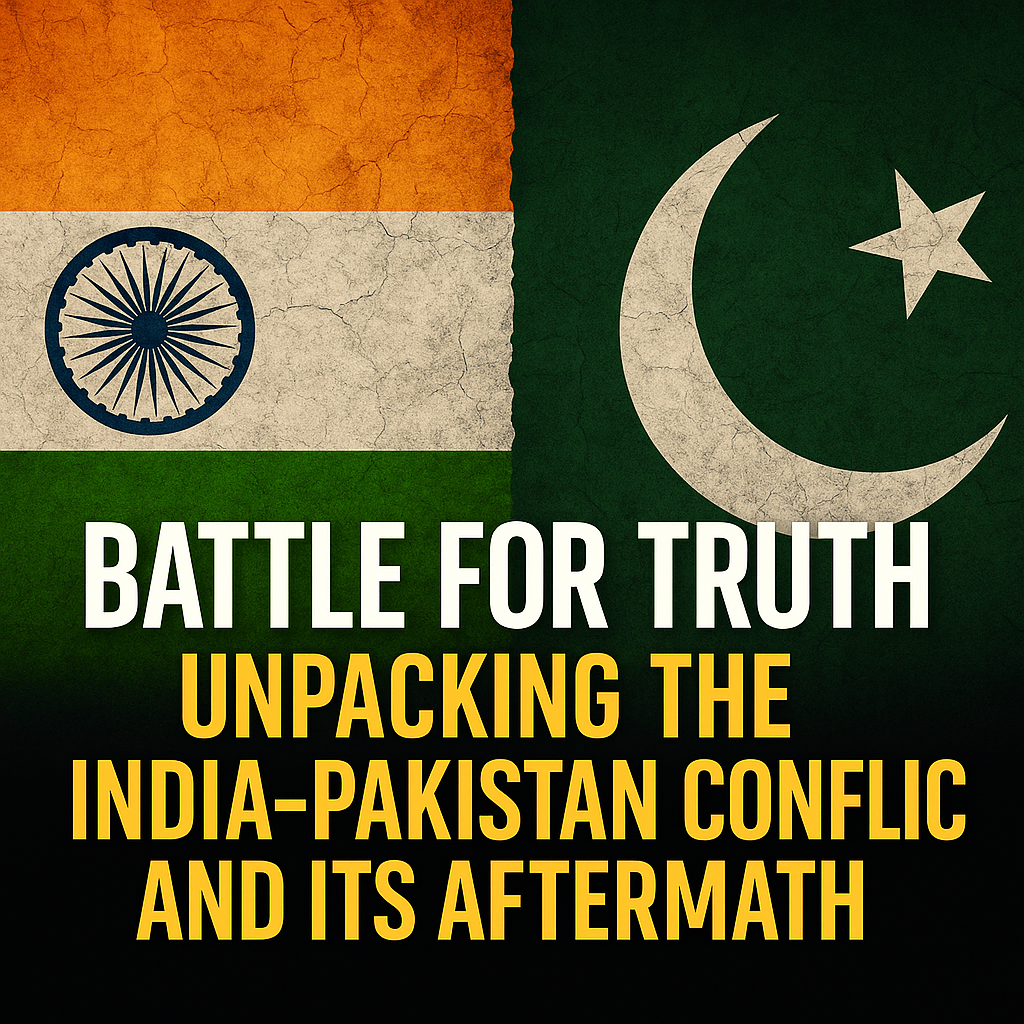
In May 2025, South Asia witnessed a rapid escalation of tensions between India and Pakistan, culminating in a brief but intense military confrontation. The conflict, rooted in longstanding disputes and recent provocations, has sparked divergent narratives from both nations, each claiming moral and strategic superiority.

Genesis of the Conflict: The Pahalgam Attack

The immediate trigger for the confrontation was a terrorist attack on April 22 in Pahalgam, Indian-administered Kashmir, resulting in the deaths of 26 civilians, predominantly Hindu tourists. India attributed the attack to Pakistan-based militant groups, specifically Lashkar-e-Taiba, alleging state sponsorship from Islamabad. Pakistan, however, denied any involvement, labeling the accusations as baseless. (Wikipedia, The Guardian)

India’s Response: Operation Sindoor

In retaliation, India launched “Operation Sindoor” on May 7, targeting what it described as terrorist infrastructure within Pakistan. The operation involved missile strikes aimed at dismantling militant camps, with India asserting that no Pakistani military facilities were targeted. (www.ndtv.com, Wikipedia)

Prime Minister Narendra Modi, in a national address, emphasized India’s resolve against terrorism, stating that the country would not tolerate “nuclear blackmail” and that any future dialogue with Pakistan would focus solely on terrorism and Pakistan-occupied Kashmir. (Indiatimes)

Pakistan’s Counter-Narrative: Operation Bunyan-e-Marsous

Pakistan responded with its own military operation, “Operation Bunyan-e-Marsous,” claiming to have successfully repelled Indian aggression. According to Pakistani sources, their forces conducted precision strikes on Indian air bases and executed significant cyberattacks, which they described as the largest in history. Pakistan’s leadership portrayed this as a decisive victory, asserting that India was forced to seek a ceasefire. (Daily Times)

Deputy Prime Minister and Foreign Minister Ishaq Dar led a diplomatic offensive to present Pakistan’s case internationally. However, Dar faced criticism for citing a fabricated article purportedly from a UK newspaper praising the Pakistani Air Force, which was later debunked by local media and fact-checkers. (Daily Times, www.ndtv.com)

Ceasefire and International Mediation

Amid escalating hostilities, a ceasefire was brokered on May 10, reportedly facilitated by U.S. President Donald Trump. While both nations agreed to halt military actions, the underlying tensions remained unresolved. Analysts suggest that the ceasefire was more a pause than a resolution, with both sides preparing for potential future confrontations. (Financial Times, www.ndtv.com)

Dueling Narratives and the Battle for Perception

The conflict has underscored the importance of narrative in modern warfare. India emphasized its stance against terrorism and portrayed its actions as measured responses to provocations. Conversely, Pakistan framed its response as a defense of sovereignty and a demonstration of military prowess.

Media outlets and political leaders in both countries have reinforced these narratives, aiming to shape domestic and international perceptions. The dissemination of unverified or fabricated information, such as the debunked UK newspaper article, highlights the challenges in discerning truth amid propaganda.

Conclusion: A Fragile Peace and Ongoing Tensions

The May 2025 conflict between India and Pakistan serves as a stark reminder of the volatility in South Asia. While open hostilities have ceased, the underlying issues—territorial disputes, accusations of state-sponsored terrorism, and competing national narratives—persist. The international community’s role in mediating and encouraging dialogue remains crucial to preventing future escalations.(The Guardian)

Posted on Leave a comment

“The ICC’s Unwritten Rule: Pro-War Allowed, Pro-Peace Punished”

The International Cricket Council (ICC) is under scrutiny for alleged inconsistencies in its enforcement of regulations, particularly concerning political expressions by players and officials. The controversy centers around Australian cricketer Usman Khawaja’s reprimand for displaying a peace symbol in support of Gaza, juxtaposed with ICC Chairman Jay Shah’s public endorsement of the Indian armed forces amid regional tensions.(Samaa, Al Jazeera)

Usman Khawaja’s Peace Advocacy and ICC’s Reprimand

In December 2023, Australian opener Usman Khawaja sought to highlight the humanitarian crisis in Gaza by wearing a black armband and later attempting to display a dove symbol with the inscription “01: UDHR” (referencing Article One of the Universal Declaration of Human Rights) on his bat and shoes during the Boxing Day Test against Pakistan. The ICC denied his requests, citing regulations that prohibit political, religious, or racial messages on equipment. (Dawn, Samaa)

Khawaja criticized the ICC’s decision, pointing out perceived inconsistencies by sharing images of other players displaying personal messages without reprimand. He received support from teammates, including captain Pat Cummins, who described Khawaja’s actions as respectful and aligned with universal values. (Samaa)

Jay Shah’s Military Tribute Raises Questions

In contrast, ICC Chairman Jay Shah publicly expressed support for the Indian armed forces amid escalating tensions with Pakistan. His social media tribute calling for unity in honoring military personnel did not attract any censure from the ICC, leading to allegations of selective enforcement of its regulations. (The Times of India)

Criticism from the Cricketing Community

The ICC’s actions have drawn criticism from former players and commentators. West Indies legend Michael Holding accused the ICC of hypocrisy and a lack of moral standing. Australian cricket great Mike Hussey praised Khawaja for standing by his beliefs, emphasizing the importance of authenticity and integrity in sports. (Geo News, SBS Australia)

Calls for Consistency and Transparency

The contrasting responses to Khawaja’s peaceful protest and Shah’s military tribute have sparked a broader conversation about the ICC’s role in regulating political expressions. Critics argue for a more consistent and transparent application of rules to uphold the organization’s credibility and ensure that players can express humanitarian concerns without fear of reprimand.(The Guardian, Samaa)

Conclusion

The ICC’s handling of political expressions by its members has highlighted the challenges of balancing neutrality with freedom of expression. As the cricketing world continues to navigate complex global issues, there is a growing call for the ICC to apply its regulations consistently and transparently, ensuring that all voices are heard and respected within the sport.

Posted on Leave a comment

Israel Intensifies Gaza Offensive Amid Mounting Humanitarian Crisis

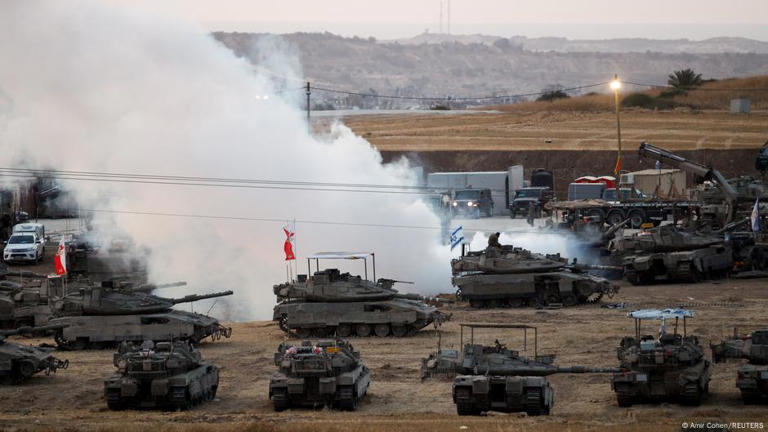
In a significant escalation of the ongoing conflict, Israel has launched a major offensive in the Gaza Strip, resulting in substantial casualties and widespread destruction. The operation, dubbed “Gideon’s Chariots,” aims to dismantle Hamas’s military infrastructure and secure the release of hostages taken during the October 2023 attacks.(The Guardian)

Operation “Gideon’s Chariots”: Objectives and Actions

The Israeli Defense Forces (IDF) have intensified air and ground operations across Gaza, targeting over 150 locations, including areas in northern Gaza such as Beit Lahiya and the Jabalia refugee camp. These strikes have resulted in the deaths of more than 250 Palestinians since Thursday, with many casualties being women and children .(Reuters)

The IDF states that the offensive is part of a broader strategy to:(www.ndtv.com)

The Israeli government has also indicated that if Hamas does not agree to a ceasefire and release the remaining hostages, it may consider reoccupying parts of the Gaza Strip .(BBC)

Humanitarian Crisis Deepens

The intensified military operations have exacerbated an already dire humanitarian situation in Gaza. The territory has been under a complete blockade, preventing the entry of food, water, and medical supplies. Over the past three days, more than 200 Palestinians have been killed, contributing to a death toll exceeding 53,000 since the conflict’s resurgence in March .(AP News)

Humanitarian organizations warn of an impending famine, with half a million people facing starvation. Children are disproportionately affected, with reports of severe malnutrition and lack of access to medical care. The United Nations and various NGOs have called for immediate and unrestricted humanitarian access to the affected areas.(AP News, The Guardian)

International Reactions and Diplomatic Efforts

U.S. President Donald Trump, following a regional tour, acknowledged the severe humanitarian crisis, stating that people in Gaza are “starving” and that the U.S. will address the situation . However, his visit did not include a stop in Israel, and his administration’s efforts to broker a ceasefire have yet to yield tangible results.(The Guardian)

Meanwhile, Israel has expanded its military operations beyond Gaza, conducting airstrikes on Houthi-controlled ports in Yemen, which it claims are used for weapon transfers. These actions have further complicated the regional dynamics and drawn criticism from various international actors .(WSJ)

Conclusion

The escalation of Israel’s military operations in Gaza has led to significant civilian casualties and a worsening humanitarian crisis. While the stated objectives focus on dismantling Hamas and securing the release of hostages, the broader implications raise concerns about long-term regional stability and the well-being of the civilian population. International actors continue to call for immediate humanitarian access and renewed diplomatic efforts to bring an end to the hostilities.(www.ndtv.com)

Posted on Leave a comment

 “Digital Patriotism or Digital Censorship? India’s War on Pakistani Flags”

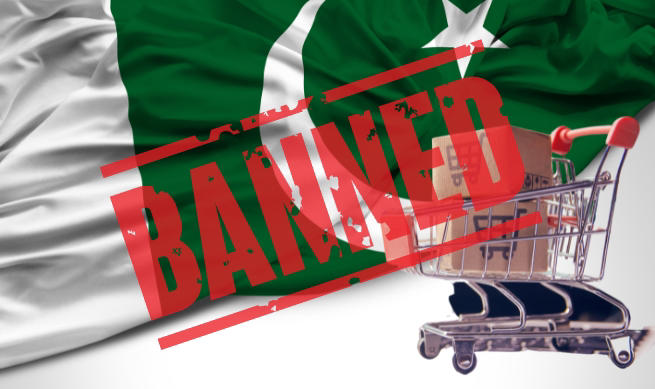
In a decisive move reflecting heightened national sentiment, the Indian government has issued formal notices to major e-commerce platforms, including Amazon India, Flipkart, Ubuy India, Etsy, The Flag Company, and The Flag Corporation, demanding the immediate removal of Pakistani flags and related merchandise from their platforms. This action, spearheaded by the Central Consumer Protection Authority (CCPA), underscores the government’s commitment to upholding national sensitivities and legal compliance in the digital marketplace.(@EconomicTimes, The Times of India)

Background: Operation Sindoor and National Sentiment

The crackdown follows the launch of “Operation Sindoor,” India’s retaliatory military operation targeting terror camps in Pakistan and Pakistan-occupied Kashmir. The operation was initiated in response to the April 22 Pahalgam terror attack, which claimed the lives of 26 civilians. In the wake of these events, national sentiment has surged, prompting authorities to scrutinize and regulate content perceived as insensitive or contrary to national interests.(Free Press Journal, NewsX World)

Government’s Stance and Directives

Union Minister of Consumer Affairs, Pralhad Joshi, took to social media to announce the issuance of notices, stating, “Such insensitivity will not be tolerated.” The CCPA has directed the aforementioned e-commerce platforms to:(Free Press Journal, Hindustan Times)

  • Immediately remove listings of Pakistani flags and related merchandise.(Business Standard)
  • Ensure strict adherence to Indian laws and regulations concerning the sale of national symbols.(Free Press Journal)

The government emphasized that the sale of such items not only violates national sentiment but also poses potential risks to national unity and security.(Business Standard)

E-Commerce Platforms’ Response

In response to the notices, Amazon India clarified that it operates as an online marketplace where independent third-party sellers offer products. The company stated that it relies on these sellers to comply with Indian laws and that non-compliant listings are removed upon notification from relevant authorities. Similarly, other platforms are expected to take corrective measures to align with the government’s directives.(Profit by Pakistan Today, Storyboard18)

Role of Trade Bodies and Public Sentiment

The Confederation of All India Traders (CAIT) played a pivotal role in bringing this issue to the government’s attention. In a formal letter to Union Ministers, CAIT highlighted concerns over the availability of Pakistani flags and related merchandise on Indian e-commerce platforms, describing it as a “grave matter that risks undermining national unity.” The traders’ body urged the government to impose an immediate ban on the sale of such items, reflecting the broader public sentiment against the promotion of foreign national symbols during times of heightened geopolitical tensions.(The Times of India, @EconomicTimes)

Implications for E-Commerce and National Policy

This development signals a broader shift in India’s approach to regulating digital marketplaces, especially concerning content that intersects with national identity and security. E-commerce platforms are now under increased scrutiny to ensure that their listings do not contravene national laws or sentiments. The incident also underscores the importance of proactive content monitoring and compliance mechanisms within these platforms to prevent similar issues in the future.(NewsX World)

Conclusion

The Indian government’s action against the online sale of Pakistani flags serves as a stark reminder of the delicate balance between commerce and national sentiment. As digital marketplaces continue to expand, the onus is on e-commerce platforms to navigate this landscape responsibly, ensuring that their operations align with the legal and cultural frameworks of the regions they serve. This incident not only highlights the need for stringent compliance measures but also reflects the broader national mood in times of geopolitical strain.

Posted on Leave a comment

“The Shrine, the Jet, and the War Cry: Inside Pakistan’s Bold Message to India”

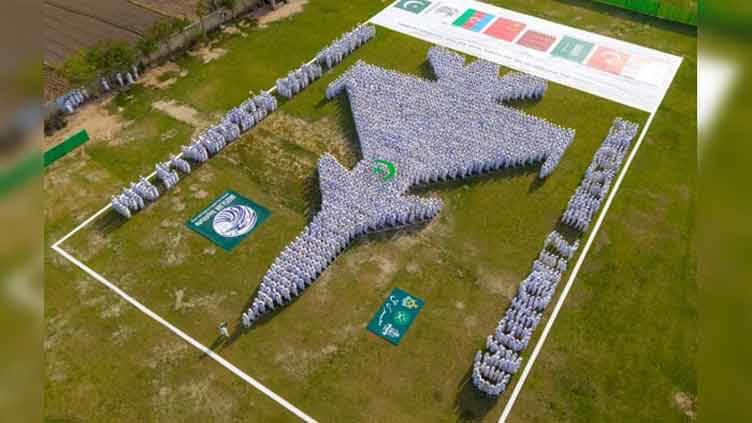
In a remarkable display of unity and patriotism, residents of Jhang, Punjab, formed a human model of the Chinese-made J-10C fighter jet to honor the Pakistan Air Force’s (PAF) recent success in countering Indian aggression. The event, held at the Shrine of Hazrat Sultan Bahoo in Shorkot and organized by the MUSLIM Institute, drew thousands of participants and quickly went viral on social media, symbolizing national pride and resilience. (Daily Times, The News International)

A Symbolic Tribute to PAF’s Valor

The human formation replicated the silhouette of the advanced J-10C fighter jet, which played a pivotal role in the recent military confrontation with India. Participants chanted patriotic slogans and expressed gratitude towards the armed forces, showcasing unity and pride across the region. (Daily Times, HT Syndication)

Context: The Recent India-Pakistan Conflict

The tribute follows the events of May 6 and 7, when India launched missile strikes at five locations in Pakistan, claiming to target “terrorist infrastructure.” In response, the PAF downed five Indian aircraft, including three of the latest French-made Rafale fighter jets, along with three combat drones. This swift and precise action drew widespread praise from defense analysts and the general public alike. (Daily Times)

National and International Support

The human jet formation also served as a gesture of appreciation towards friendly nations such as China, Turkey, and Azerbaijan for their support during the conflict. It underscored the strong defense partnerships Pakistan maintains globally and highlighted the public’s admiration for the PAF’s technological edge and readiness. (Daily Times)

Cultural Expressions of Patriotism

Adding to the celebrations, the Inter-Services Public Relations (ISPR) released a patriotic song titled “Yalghaar,” capturing the nation’s emotions. The song celebrates the success of “Operation Bunyan-un-Marsoos” launched by the Pakistan Army, highlighting the bravery and coordination of the country’s armed forces. The stirring lyrics and visuals have resonated with audiences across Pakistan. (Daily Times)

Conclusion

The human formation of the J-10C jet in Jhang stands as a powerful testament to Pakistan’s national unity and the public’s unwavering support for its armed forces. It not only honors the PAF’s recent achievements but also reinforces the nation’s resilience and commitment to sovereignty.(Online Indus)

Posted on Leave a comment

🛑 Breaking News: National Assembly Passes Resolution to Extend CSS Age Limit and Attempts


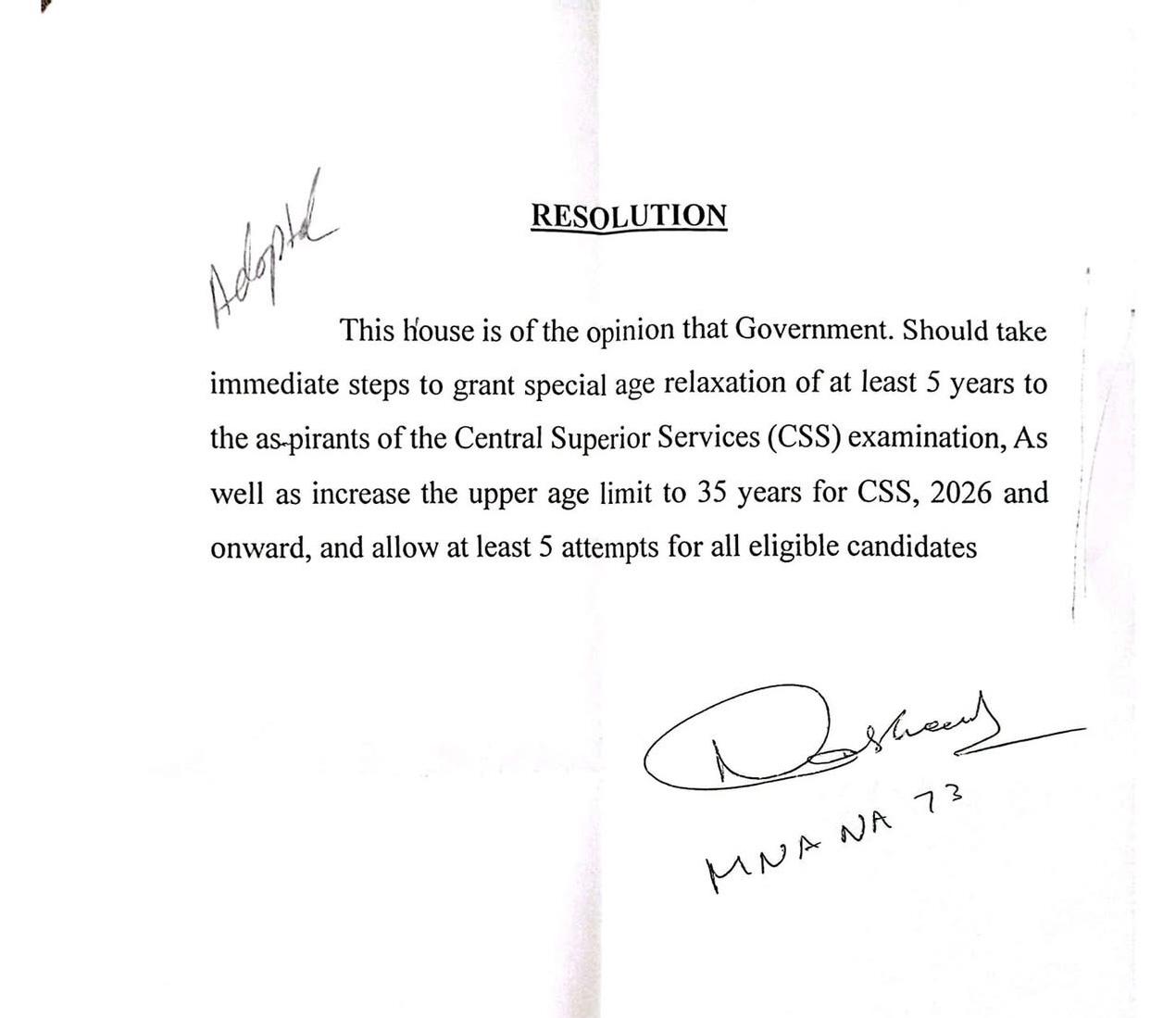
In a significant development that could reshape the future of Pakistan’s civil services, the National Assembly has officially passed a resolution calling for major reforms in the Central Superior Services (CSS) examination criteria.

✅ Key Highlights of the Resolution:

  • The upper age limit for CSS applicants will now be extended to 35 years, effective from the CSS 2026 exam onward.
  • Candidates will be allowed up to 5 attempts at the CSS examination—an increase from the current limit.
  • The resolution has been adopted and signed by National Assembly members, signalling strong parliamentary backing.

This move is seen as a response to the growing demand from students and civil service aspirants across Pakistan, who have long argued that the current age and attempt limits are too restrictive—especially for those from remote or underserved regions.

A Victory for Aspirants Nationwide

The resolution emphasizes the need for equal opportunities in civil service recruitment and acknowledges the diverse socio-economic challenges faced by candidates. If implemented, these reforms will offer greater flexibility and access to thousands of young professionals seeking to serve the nation.

What Happens Next?

While the resolution has been adopted, it now awaits formal implementation by the Establishment Division and Federal Public Service Commission (FPSC). If enacted into policy, it will apply to CSS 2026 and beyond.


📌 Stay updated with Remedy Talks for the latest on CSS reforms, public policy shifts, and education news in Pakistan.
📰 Because when policy changes, lives change.


Posted on Leave a comment

How Public Opinion and the Press Shape Pakistan’s Foreign Policy

Whether it’s outrage over a drone strike, admiration for a new foreign alliance, or emotional support for a cause abroad, public sentiment matters. And so does the media’s framing of that sentiment. Together, these forces play a growing role in shaping how Pakistan engages with the world.

Foreign policy decisions are often seen as elite-level strategies, crafted behind closed doors by diplomats, generals, and career bureaucrats. But in countries like Pakistan, foreign relations don’t exist in isolation. They’re shaped, pressured, and sometimes redirected by the people—and the press that informs them.

So, how exactly do public opinion and press influence foreign policy in Pakistan? And what does that say about the evolving relationship between democracy, diplomacy, and information?


The Public Voice in Foreign Affairs

It’s easy to think that the average citizen has little to do with international negotiations. After all, what influence could a protester in Lahore have over trade talks with Beijing or border policy with India?

But in reality, public opinion in Pakistan has repeatedly proven to be a quiet force with loud consequences.

Issues like Kashmir, Palestine, the U.S.-Pakistan relationship, and regional ties with Iran or Afghanistan have historically been more than just diplomatic concerns—they’re social touchpoints. They appear in classrooms, mosques, dinner table conversations, and trending hashtags. These aren’t just foreign policy issues; they’re national identity markers.

When the public feels strongly, governments are forced to respond. Often, public pressure leads to symbolic gestures—strong statements in the UN, state-sponsored solidarity events, or diplomatic warnings. Sometimes, it goes further, influencing real policy shifts, halting cooperation, or pushing back against allies.


Kashmir, Palestine, and the Pulse of the People

Two of the clearest examples of this are Pakistan’s policies on Kashmir and Palestine. Both issues have deeply emotional roots in Pakistani society. The media plays them heavily. Political parties reference them constantly. And the public responds—loudly.

When violence escalates in Kashmir or Gaza, social media floods with prayers, anger, and calls for government action. It’s not uncommon to see protests outside embassies, public rallies, or viral campaigns demanding diplomatic retaliation or humanitarian assistance.

These movements don’t just express national solidarity—they compel the government to take action, even when those actions risk international backlash. Public emotion becomes political pressure, and policy is shaped accordingly.


The Role of the Press: Informer, Influencer, Amplifier

In a democratic setting—or even a semi-democratic one like Pakistan—the press becomes the middleman between the state and the public. It doesn’t just report policy; it frames it, questions it, and sometimes reshapes it.

Pakistani media, particularly television news and Urdu-language papers, hold immense power in how the public understands foreign events. How the media frames China’s investment, India’s military moves, or U.S. diplomatic statements directly shapes public opinion—and, by extension, government action.

At times, the press functions as an ally to the state, reinforcing narratives and defending policy decisions. Other times, especially during scandals or crises, it becomes a source of accountability, spotlighting diplomatic failures or missteps.

But it’s not always neutral. Political bias, editorial pressure, and censorship do influence coverage. Sensitive topics—especially those involving powerful allies like China or Saudi Arabia—are often handled with caution. Even so, the media’s overall impact remains undeniable.


Social Media: The New Age Foreign Policy Forum

While mainstream media still holds sway, social media has become a rising force in shaping foreign policy discourse. Twitter storms, viral TikTok videos, and Facebook posts now set the tone for national debates.

Hashtags like #BoycottFrance, #StandWithKashmir, or #FreePalestine have trended across Pakistan, mobilizing thousands—sometimes millions—within hours. These online campaigns often spill into real-world pressure, influencing how politicians frame their statements and what steps ministries take next.

Social media has also amplified diaspora voices. Pakistanis abroad often weigh in on policy with force and visibility, making the state more conscious of how its decisions play not just domestically but globally.


When Policy and Public Pressure Clash

However, public sentiment isn’t always aligned with strategic goals. In fact, one of the biggest challenges in modern diplomacy is managing the gap between what’s popular and what’s practical.

Take U.S.-Pakistan relations. While there’s long-standing public suspicion of American motives, Pakistan continues to cooperate with Washington due to economic, military, and regional security reasons. Balancing this cooperation with public distrust is a diplomatic tightrope—and the press only sharpens that tension.

Similarly, Pakistan’s closeness with China is often celebrated in the media, but criticisms of Chinese labor conditions, local displacements under CPEC, or environmental concerns are muted. Here, press narratives limit public discourse, creating a different kind of policy challenge—one where lack of criticism leads to unchecked decision-making.


Press Freedom and the Foreign Policy Debate

A free press is vital to a well-informed public, and a well-informed public is vital to thoughtful policy. But Pakistan’s press, despite being lively and competitive, still faces barriers when it comes to covering foreign policy honestly.

Military influence, political pressure, and self-censorship mean that not all foreign issues are debated with equal openness. Criticism of certain allies, or of the military’s behind-the-scenes role in diplomacy, often hits a wall.

Despite this, many journalists continue to push boundaries. Investigative reports, sharp op-eds, and alternative media voices are expanding the space for meaningful dialogue. And as the press grows more sophisticated, so does the public it serves.


Conclusion: Democracy’s Foreign Policy Toolkit

Foreign policy in Pakistan is no longer shaped solely in government offices. It’s forged in TV studios, protest rallies, online forums, and newsroom debates. It’s influenced by the passions of the people, and filtered through the power of the press.

While the process is messy, emotional, and sometimes reactive, it’s also proof that foreign relations are not above democracy. They are part of it. And in countries like Pakistan, that democratic influence is only growing.

As the world becomes more connected, and as the Pakistani public becomes more informed, we can expect a more engaged—and more demanding—citizenry. The challenge for policymakers will be to listen to that voice without being overwhelmed by it.

And the responsibility for the press? To make sure that voice is based not just on emotion—but on truth, depth, and perspective.


Written by:
Remedy Talks Editorial Team
Real Issues. Real Conversations. Real Impact.


Posted on Leave a comment

Comparing the Leadership Structures of Iran and Turkey — And How They Shape National Policy


In the Middle East, two nations stand out for their political influence, distinct governance models, and bold foreign policies: Iran and Turkey. Both countries are regional powerhouses, rich in history, culture, and geopolitical importance. Yet their leadership structures couldn’t be more different, and those differences have a direct impact on how policies are made — from the economy and education to diplomacy and national security.

So how do these two systems function? And what can we learn by comparing their approaches to leadership and decision-making?


Iran: A Theocracy with Layers of Power

Iran’s political system is unique in the modern world — it combines republican elements (like elected officials) with deeply entrenched religious authority.

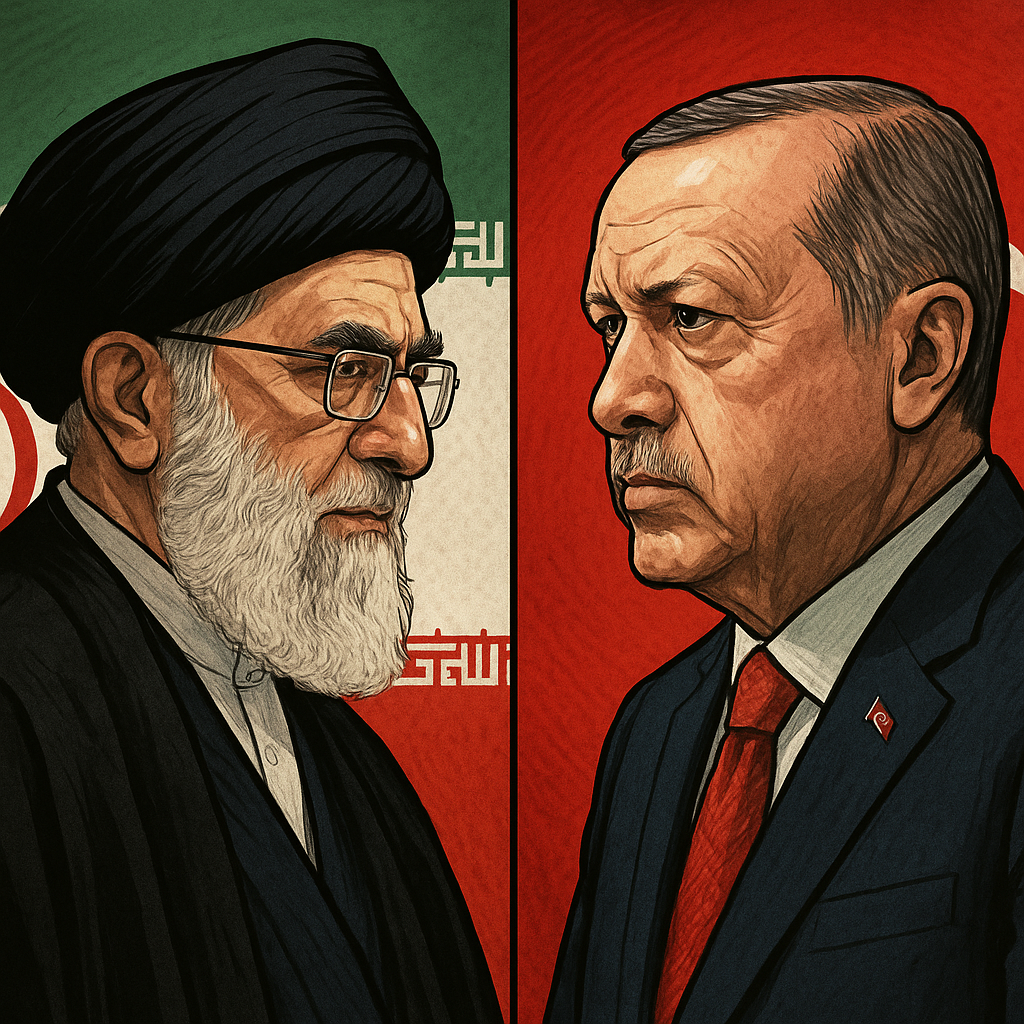
At the top of the hierarchy is the Supreme Leader, currently Ayatollah Ali Khamenei. He holds ultimate authority over all branches of government, the military, judiciary, media, and even foreign policy. Beneath him are:

  • The President, elected by the people every four years
  • The Guardian Council, which vets candidates and can veto laws
  • The Parliament (Majlis), which passes legislation
  • And the Assembly of Experts, which technically oversees the Supreme Leader — though in practice, this oversight is limited

What does this mean for policy? In Iran, no major decision bypasses religious oversight. Even if the elected president wants to pursue reforms — say, economic liberalization or improved Western relations — those efforts can be blocked or undone by unelected clerics.

This centralized, theocratic system ensures ideological consistency, but it also leads to friction between reformist and conservative factions. As a result, policies are often cautious, reactive, and shaped more by internal political balance than public demand.


Turkey: A Presidential Republic with Expanding Executive Power

Turkey, by contrast, is a secular republic — but one that has evolved dramatically in recent years under the leadership of President Recep Tayyip Erdoğan.

Historically, Turkey operated under a parliamentary system, with a prime minister serving as head of government. That changed in 2017, when a national referendum approved a shift to a presidential system. Now, the president is both head of state and government, with broad control over the cabinet, appointments, and the national budget.

Key players include:

  • The President, directly elected and extremely powerful
  • The Grand National Assembly, which passes laws but has limited power over the executive
  • The Judiciary, which is technically independent but often criticized for lacking autonomy under Erdoğan’s rule

This system has enabled fast and centralized decision-making, especially in areas like infrastructure development, military action, and regional diplomacy. But it’s also drawn criticism for weakening democratic checks and balances, silencing dissent, and shrinking media freedom.

Unlike Iran’s clerical dominance, Turkey’s leadership is driven by political ideology, nationalism, and increasingly personalist rule.


Policy in Practice: Where Structure Meets Strategy

To understand how these different systems affect real-world decisions, consider three key areas:


1. Foreign Policy

Iran’s foreign policy is heavily influenced by its religious identity and strategic priorities. The Supreme Leader sets the tone — often one of resistance to Western influence, strong ties with non-Western allies (like Russia and China), and support for regional proxies like Hezbollah.

Turkey, on the other hand, adopts a more pragmatic, transactional approach. Erdoğan’s policies often shift to suit short-term goals: negotiating with Russia and NATO simultaneously, balancing relations with the EU, and acting assertively in Syria and Libya.

In short: Iran’s foreign policy is doctrinal; Turkey’s is strategic.


2. Economic Strategy

Iran’s economy is heavily sanctioned, and its leaders often rely on self-sufficiency rhetoric. Policy shifts are slow, partly due to religious constraints and internal political tug-of-war.

Turkey faces no such religious oversight. It has adopted bold economic experiments, from rapid infrastructure expansion to unorthodox monetary policies (like Erdoğan’s preference for low interest rates despite high inflation). While these policies are risky, they also reflect the agility and dominance of the executive branch.

Iran’s policies are shaped by ideology and isolation. Turkey’s are shaped by ambition and central control.


3. Public Freedoms and Governance

In Iran, press freedom and civil liberties are restricted, particularly when it comes to criticizing religious authority. Elections are held, but candidates are pre-screened by religious bodies.

In Turkey, the space for opposition has shrunk, especially after the 2016 coup attempt. Erdoğan’s government has jailed journalists, purged civil servants, and used emergency powers to consolidate control. While technically a democracy, Turkey increasingly resembles a managed or illiberal democracy.

Both countries struggle with dissent — but for different reasons and under different banners.


Two Models, One Region

Both Iran and Turkey use centralized leadership to navigate regional instability and internal pressure. But while Iran’s system is built on religious legitimacy, Turkey’s power structure has evolved toward strongman politics under an executive presidency.

The impact on policy is clear:

  • Iran moves cautiously, with deep ideological roots guiding every step
  • Turkey moves fast, often reshaping policies to fit short-term goals or Erdoğan’s vision

Neither model is without flaws. But both demonstrate how leadership structure directly influences how a country governs, reforms, and engages with the world.


Final Thoughts

In an age of global crises — from economic shocks to regional conflict — leadership matters. And how leaders rise, rule, and respond is shaped not just by their personalities, but by the systems that empower them.

Whether it’s Iran’s religious hierarchy or Turkey’s presidential concentration of power, understanding these structures is key to understanding why these nations act the way they do — and where they might be heading next.


Author:
Remedy Talks Editorial Team
Analyzing global leadership, one structure at a time.


Posted on Leave a comment

Barcelona’s Youth Revolution: How Hansi Flick Resurrected a Club in Crisis


By Remedy Talks Sports Desk
When financial ruin forced change, Barcelona’s future was built on youth, grit, and a German mastermind.


In football, legends are often born out of desperation.
In 1995, pundits scoffed when Sir Alex Ferguson fielded a team full of kids—only to watch the Class of ’92 dominate English football. Now, nearly three decades later, a similar youth-driven storm is sweeping through Spain, and its epicenter is Camp Nou.

Barcelona, a club once drowning in debt and uncertainty, is now riding a new high. With La Liga and Copa del Rey already in the bag and an electrifying Champions League run, the world is watching as Hansi Flick’s fearless generation tears through football with style, swagger, and surprising maturity.


From Chaos to Chemistry: The Flick Effect

When Hansi Flick, former Bayern Munich and Germany boss, took over a struggling Barcelona side, he inherited more than just low morale—he inherited a fractured dressing room, financial chaos, and a generation of young players who were used to being benched, ignored, or overused.

What Flick brought wasn’t just tactics. He brought belief, balance, and brutal honesty.

Players like Robert Lewandowski, Frenkie de Jong, and Raphinha had lost their spark under Xavi. Flick lit it again—starting with one-on-one conversations, honest role clarity, and above all, trust. The result? Lewandowski is back to scoring regularly, Raphinha is leading from the front, and De Jong is the glue in midfield.


The Rise of the Young Musketeers

While the veterans found their rhythm again, it’s the youngsters who have stolen the show.
Meet the new faces of Barcelona:

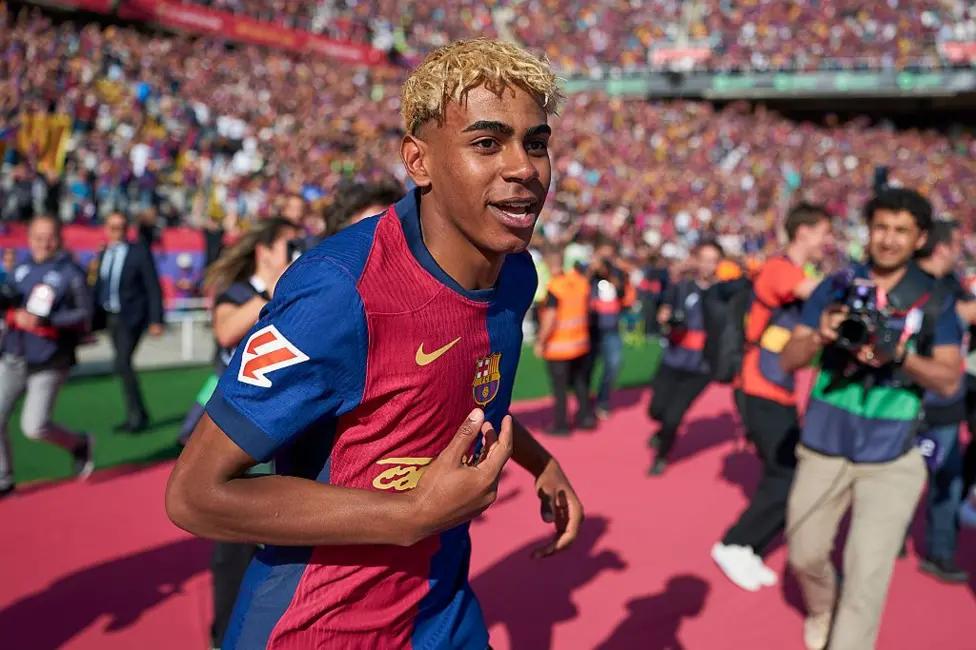
  • Lamine Yamal (17) – A winger with the mind of a veteran and the feet of a magician.
  • Pau Cubarsi (18) – Calm as ice, aggressive as fire. A future defensive rock.
  • Gavi, Alejandro Balde, Marc Casado (all 21) – Already leaders on and off the pitch.
  • Pedri (22) – The midfield heartbeat of this new-look Barcelona.

With an average squad age of just 25, Barcelona are now La Liga’s youngest side—and arguably the most dangerous.

But their rise isn’t accidental. Financial crisis forced Barcelona to abandon big-money signings and look inward. With no room for mega transfers, youth became the club’s lifeline.


Flick’s Winning Philosophy: Discipline, Detail & Unity

Flick didn’t just give minutes to the young guns—he gave them responsibility. He let them pick the dressing room music, demanded punctuality, and treated their feedback as valuable input. Even rest decisions for stars like Yamal were made with the player’s input—creating an atmosphere of mutual respect.

That trust showed on the pitch.
Barcelona now play with fearless attacking intensity, willing to press high and take risks. It’s thrilling—and sometimes reckless—but always entertaining.

Take the 5-4 Champions League thriller against Benfica. It was messy, chaotic, but full of heart. That game didn’t just prove their resilience—it revealed their soul.


Challenges Still Remain

It’s not all smooth sailing.
Barcelona conceded 24 goals in 14 Champions League matches, ultimately falling short of the final. Flick knows his team needs to add more control and defensive consistency to match their explosive offense.

But unlike many managers, Flick doesn’t hide from flaws—he embraces them as part of the process.

And he has no interest in signing a long-term contract. He wants to stay focused, season by season, building something sustainable, not hype-driven.


The Bigger Picture: A Blueprint for Modern Football?

What Barcelona is doing under Flick isn’t just exciting—it’s potentially revolutionary. In a football world obsessed with transfer fees and instant results, Barcelona is proving that youth, trust, and long-term thinking still work.

They aren’t just winning—they’re making people fall in love with the beautiful game again.

With Yamal leading the charge, Pedri dictating play, and Flick pulling the strings, this Barcelona side may just be writing the first chapter of a new golden era.

Too early to compare them to Guardiola’s 2008–2011 dynasty? Perhaps. But one thing is certain: Barcelona are back—and they’ve brought the joy with them.


Final Whistle: Why You Should Care

Whether you’re a die-hard Culer or a neutral fan, this version of Barcelona is worth your time. It’s more than trophies—it’s about passion, progression, and proving that the youth aren’t just the future—they’re the present.

So, if you miss watching football with flair, emotion, and stories that matter—keep your eyes on Camp Nou.

This team isn’t just building wins.
They’re building history.