

Posted on Leave a comment

ہیومن میٹا نیومو وائرس (ایچ ایم پی وی) کیا ہے ؟ علامات ، وجوہات اور علاج “

تعارف

ہیومن میٹا نیومو وائرس (ایچ ایم پی وی) ایک عام پیتھوجین ہے جو بالائی اور نچلے دونوں سانس کی نالی کے انفیکشن کا سبب بن سکتا ہے ، خاص طور پر بچوں ، بزرگ بالغوں اور امیونوکمپروائزڈ میزبانوں میں ۔ 2001 میں ، نیدرلینڈز میں محققین نے سب سے پہلے الیکٹران مائکروسکوپی اور بے ترتیب ریورس ٹرانسکرپشن-پولی میریز چین ری ایکشن (آر ٹی-پی سی آر) تکنیک کا استعمال کرتے ہوئے سانس کی بیماری میں مبتلا 28 بچوں کے ذخیرہ شدہ ناسوفرینجیل نمونوں سے ایچ ایم پی وی کی شناخت کی ۔ اس کے پھیلاؤ کے باوجود لوگوں نے ایچ ایم پی وی کے بارے میں کبھی نہیں سنا ہے ، جو علامات پیدا ہونے پر انہیں غیر تیار چھوڑ دیتا ہے ۔

خیال کیا جاتا ہے کہ ایچ ایم پی وی متاثرہ افراد یا اشیاء کے ساتھ براہ راست یا قریبی رابطے کے ذریعے پھیلتا ہے ۔ (fomites). ایچ ایم پی وی کی علامات دوسرے سانس کے وائرس سے ملتی جلتی نظر آتی ہیں ، اس لیے اسے آسانی سے نظر انداز کر دیا جاتا ہے ۔ ایچ ایم پی وی میں موسمی تغیر ہوتا ہے: یہ سردیوں کے آخر سے موسم بہار کے اوائل تک معتدل آب و ہوا میں گردش کرتا ہے ؛ موسم بہار کے آخر اور گرمیوں میں اشنکٹبندیی علاقوں میں ۔ ایچ ایم پی وی کے لیے کوئی مخصوص اینٹی وائرل علاج یا اس کے لیے کوئی ویکسین نہیں ہے لہذا اس کی وجوہات کی علامات کو سمجھنے اور اس کا انتظام کرنے کے طریقے سے آپ کو اپنے خاندان اور پیاروں کی حفاظت کرنے میں مدد ملتی ہے ۔

ایچ ایم پی وی نے عالمی سطح پر سانس کی وبا میں اپنے کردار کی وجہ سے پوری دنیا میں توجہ حاصل کی ہے ۔ مثال کے طور پر ، چین نے سردیوں اور موسم بہار کے مہینوں کے دوران ایچ ایم پی وی کے معاملات میں اضافے کا تجربہ کیا ہے ، جس سے صحت کی دیکھ بھال کے نظام پر مزید دباؤ بڑھتا ہے جو پہلے ہی موسمی فلو اور کووڈ-19 سے لڑ رہے ہیں ۔

ہیومن میٹا نیومو وائرس (ایچ ایم پی وی) کیا ہے ؟

ہیومن میٹا نیومو وائرس (ایچ ایم پی وی) ایک سانس لینے والا وائرس ہے جس کا تعلق نیومو وائریڈی خاندان سے ہے اور یہ اوپری اور نچلے سانس کے راستوں میں انفیکشن کا سبب بنتا ہے ۔ میٹا نیومو وائرس ڈھکے ہوئے ، غیر منقسم ، منفی احساس ، سنگل اسٹرینڈڈ آر این اے وائرس ہوتے ہیں ۔ ایچ ایم پی وی دنیا بھر میں سانس کے انفیکشن کے ایک بڑے حصے کے لیے ذمہ دار ہے ۔ انفلوئنزا اور آر ایس وی کے مقابلے میں ، ایچ ایم پی وی بعد کے مہینوں میں عروج پر پہنچ جاتا ہے اور سانس کے دیگر وائرسوں کی طرح موسمی تقسیم ظاہر کرتا ہے ۔ دیگر سانس کے وائرس سمیت ، ایچ ایم پی وی بنیادی طور پر چھوٹے بچوں اور نوزائیدہ بچوں ، بوڑھوں ، اور ان لوگوں کو متاثر کرتا ہے جو بنیادی دائمی بیماریوں میں مبتلا ہیں جن میں ایمفیسیما ، دمہ ، یا کمزور مدافعتی نظام شامل ہیں ۔

ایچ ایم پی وی کی علامات

ایچ ایم پی وی کی علامات تقریبا دوسرے سانس کے وائرس جیسے فلو یا ریسپریٹری سنکیٹیئل وائرس سے ملتی جلتی ہیں ۔ (RSV). ان علامات کی شدت مریض کی عمر اور صحت پر منحصر ہوتی ہے ۔ عام علامات میں شامل ہیں:

  • کھانسی کا بخار
  • ناک میں جکڑن
  • گلے میں درد ، سانس لینے میں دشواری ، سر درد

اعلی خطرہ والے گروپوں میں (e.g. ، شیر خوار ، بوڑھے ، یا امیونوکمپروائزڈ افراد) HMPV زیادہ سنگین پیچیدگیوں کا باعث بن سکتا ہے ، بشمول:

  • برونکائٹس نمونیا
  • دمہ یا پھیپھڑوں کی دائمی بیماری کا خراب ہونا ۔
  • سانس کی تکلیف

علامات کا دورانیہ

زیادہ تر علامات صحت مند افراد میں حل کرنے کے لئے 7-14 دن لگتے ہیں. کھانسی اور تھکاوٹ کئی ہفتوں تک برقرار رہ سکتی ہے ، خاص طور پر شدید صورتوں میں ۔

ایچ ایم پی وی کی وجوہات اور منتقلی

ایچ ایم پی وی ایک سانس لینے والا وائرس ہے جو آسانی سے ایک شخص سے دوسرے شخص میں پھیل سکتا ہے ۔ ٹرانسمیشن کے طریقے کو سمجھنے سے اس کے پھیلاؤ کو روکنے میں مدد مل سکتی ہے ۔ اس پر تفصیلی نظر یہ ہے:

ایچ ایم پی وی کی وجہ کیا ہے ؟

ایچ ایم پی وی ہیومن میٹا نیومو وائرس کی وجہ سے ہوتا ہے ، جو نیومو وائریڈی خاندان کا ایک رکن ہے اور اس کا تعلق آر ایس وی سے ہے ۔ یہ وائرس بنیادی طور پر سانس کی نالی کو متاثر کرتا ہے ، جس کی وجہ سے اوپری اور نچلی ہوا کی نالیوں میں انفیکشن ہوتا ہے ۔

ایچ ایم پی وی کیسے منتقل ہوتا ہے ؟

ایچ ایم پی وی کی ترسیل کے اہم طریقے یہ ہیں

  • کسی متاثرہ شخص کے سانس کی بوندوں سے جب وہ کھانسی کرتا ہے ، چھینکتا ہے یا بات کرتا ہے ۔ یہ بوندیں قریب کھڑا شخص سانس میں لیتا ہے ، جس سے انفیکشن ہوتا ہے ۔
  • متاثرہ شخص سے براہ راست رابطہ ۔
  • بالواسطہ رابطہ: وائرس سے آلودہ سطحوں یا اشیاء کو چھونا ۔
  • قریبی قربت: متاثرہ شخص کے ساتھ قریبی رابطے میں رہنا

ایچ ایم پی وی کی انکیوبیشن مدت

وائرس کی نمائش اور علامات کے آغاز کے درمیان وقت عام طور پر 3-6 دن ہے. انکیوبیشن کی مدت کے دوران ، کوئی علامات نہیں ہوتی ہیں ، لیکن وائرس جسم میں پھیل رہا ہے ۔

ایچ ایم پی وی کی تشخیص

ایچ ایم پی وی کی تشخیص دیگر سانس کے وائرس جیسے ریسپریٹری سنکیٹیئل وائرس (آر ایس وی) انفلوئنزا ، اور کووڈ-19 کے ساتھ مماثلت کی وجہ سے مشکل ہے ۔ تشخیص کے لیے ایچ ایم پی وی کی تصدیق کے لیے لیبارٹری ٹیسٹنگ کی ضرورت ہوتی ہے

پولی میریز چین ری ایکشن (پی سی آر) ٹیسٹ: یہ انتہائی حساس ہے اور اس کی درستگی کی وجہ سے ایچ ایم پی وی کی تشخیص میں اسے گولڈ اسٹینڈرڈ سمجھا جاتا ہے ۔

ب ۔ اینٹیجن ٹیسٹنگ: یہ ناک یا گلے کے سواب سے لیے گئے سانس کے نمونوں میں وائرل پروٹین (اینٹیجن) کا پتہ لگاتا ہے ۔ یہ پی سی آر سے تیز لیکن کم حساس ہے ۔

ج ۔ وائرل کلچر: وقت کی ضرورت کی وجہ سے اسے معمول کی تشخیص کے لیے شاذ و نادر ہی استعمال کیا جاتا ہے ۔ (several days to weeks).

ایچ ایم پی وی کا علاج

علاج معاون دیکھ بھال پر مشتمل ہوتا ہے کیونکہ ایچ ایم پی وی کے خلاف کوئی لائسنس یافتہ اینٹی وائرل نہیں ہیں ۔ دو ممکنہ علاج جن کی تحقیقات کی گئی ہیں

  • Ribavirin
  •  Immunoglobulin

ایچ ایم پی وی کا انتظام بنیادی طور پر علامات کو دور کرنے اور پیچیدگیوں کو روکنے کے لیے معاون دیکھ بھال پر مرکوز ہے ، خاص طور پر زیادہ خطرے والے افراد میں ۔

ایچ ایم پی وی کے لیے معاون نگہداشت

  • آرام کی ہائیڈریشن
  • بخار اور درد کا انتظام
  • کھانسی کا انتظام آکسیجن تھراپی

زیادہ خطرے والے افراد کو ایچ ایم پی وی سے متعلق پیچیدگیوں کے انتظام کے لیے ہسپتال میں داخل ہونے کی ضرورت پڑ سکتی ہے ۔

ایچ ایم پی وی کی روک تھام

چونکہ ہیومن میٹا نیومو وائرس (ایچ ایم پی وی) کے لیے کوئی مخصوص ویکسین یا اینٹی وائرل علاج نہیں ہے اس لیے انفیکشن کے خطرے کو کم کرنے کا سب سے مؤثر طریقہ انفیکشن کی روک تھام ہے ۔ روک تھام کے عملی نکات درج ذیل ہیں ۔

  • ہاتھوں کی حفظان صحت (frequent handwashing)
  • متاثرہ افراد کے ساتھ قریبی رابطے سے گریز کریں
  • بھیڑ والی جگہوں پر ماسک پہننا
  • اکثر چھونے والی سطحوں کو جراثیم کش کرنا ۔
  • کوئنفیکشن کو روکنے کے لیے دیگر سانس کے وائرسوں کے لیے ویکسینیشن
  • ہائی رسک گروپ کے لیے خصوصی احتیاطی تدابیر

نتیجہ

  • ایچ ایم پی وی سانس کی بیماری کی ایک اہم وجہ ہے ، خاص طور پر زیادہ خطرے والے گروپوں میں ۔
  • اچھی حفظان صحت کے ذریعے روک تھام اور بیمار افراد کے ساتھ قریبی رابطے سے گریز کرنا بہت ضروری ہے ۔
  • معاون دیکھ بھال علاج کی بنیادی بنیاد ہے ، کیونکہ ایچ ایم پی وی کے لیے کوئی مخصوص اینٹی وائرل یا ویکسین نہیں ہے ۔
  • سانس کے وائرس کے موسم کے دوران باخبر رہیں اور اپنی اور دوسروں کی حفاظت کے لیے فعال اقدامات کریں ۔

TO read this article in English

Fahad, M. (2025a, January 3). “What is Human Metapneumovirus (HMPV)? Symptoms, Causes, and Treatment” – Remedy Talks. https://remedytalks.com/what-is-human-metapneumovirus-hmpv-symptoms-causes-and-treatment/

इस लेख को हिंदी में पढ़ने के लिए लिंक पर क्लिक करें

Fahad, M. (2025b, January 3). मानव मेटाप्यूमोवायरस (एचएमपीवी) क्या है? लक्षण, कारण और उपचार – Remedy Talks. https://remedytalks.com/%e0%a4%ae%e0%a4%be%e0%a4%a8%e0%a4%b5-%e0%a4%ae%e0%a5%87%e0%a4%9f%e0%a4%be%e0%a4%aa%e0%a5%8d%e0%a4%af%e0%a5%82%e0%a4%ae%e0%a5%8b%e0%a4%b5%e0%a4%be%e0%a4%af%e0%a4%b0%e0%a4%b8-%e0%a4%8f%e0%a4%9a/

এই নিবন্ধটি বাংলায় পড়তে

Marfah. (2025, January 3). হিউম্যান মেটাপনিমোভাইরাস (এইচএমপিভি) কী? লক্ষণ, কারণ এবং চিকিৎসা “ – Remedy Talkshttps://remedytalks.com/%e0%a6%b9%e0%a6%bf%e0%a6%89%e0%a6%ae%e0%a7%8d%e0%a6%af%e0%a6%be%e0%a6%a8-%e0%a6%ae%e0%a7%87%e0%a6%9f%e0%a6%be%e0%a6%aa%e0%a6%a8%e0%a6%bf%e0%a6%ae%e0%a7%8b%e0%a6%ad%e0%a6%be%e0%a6%87%e0%a6%b0%e0%a6%be/

Posted on 1 Comment

হিউম্যান মেটাপনিমোভাইরাস (এইচএমপিভি) কী? লক্ষণ, কারণ এবং চিকিৎসা “

ভূমিকা.

হিউম্যান মেটাপুনোমোভাইরাস (এইচএমপিভি) একটি সাধারণ প্যাথোজেন যা উপরের এবং নীচের শ্বাসযন্ত্রের সংক্রমণ উভয়ই ঘটাতে পারে, বিশেষ করে শিশু, বয়স্ক প্রাপ্তবয়স্ক এবং ইমিউনোকম্প্রোমাইজড হোস্টের মধ্যে। 2001 সালে, নেদারল্যান্ডসের গবেষকরা ইলেক্ট্রন মাইক্রোস্কোপি এবং র্যান্ডম রিভার্স ট্রান্সক্রিপশন-পলিমারেজ চেইন রিঅ্যাকশন (আরটি-পিসিআর) কৌশল ব্যবহার করে শ্বাসযন্ত্রের অসুস্থতায় আক্রান্ত 28 টি শিশুর সঞ্চিত নাসোফারিঞ্জিয়াল নমুনা থেকে এইচএমপিভি প্রথম সনাক্ত করেন। এর প্রাদুর্ভাব সত্ত্বেও লোকেরা এইচ. এম. পি. ভি-র কথা কখনও শোনেনি, যা লক্ষণগুলি দেখা দিলে তাদের অপ্রস্তুত করে দেয়।

এইচ. এম. পি. ভি সংক্রমিত ব্যক্তি বা বস্তুর সাথে সরাসরি বা ঘনিষ্ঠ যোগাযোগের মাধ্যমে ছড়িয়ে পড়ে বলে মনে করা হয়। (fomites). এইচ. এম. পি. ভি-র লক্ষণগুলি অন্যান্য শ্বাসযন্ত্রের ভাইরাসের মতো দেখায়, তাই এটি সহজেই অবহেলিত হয়। এইচ. এম. পি. ভি-র একটি মৌসুমী বৈচিত্র্য রয়েছেঃ এটি শীতের শেষের দিকে থেকে নাতিশীতোষ্ণ জলবায়ুতে বসন্তের প্রথম দিকে প্রবাহিত হয়; গ্রীষ্মমন্ডলীয় অঞ্চলে বসন্তের শেষের দিকে এবং গ্রীষ্মকালে। এইচ. এম. পি. ভি-র জন্য কোনও নির্দিষ্ট অ্যান্টিভাইরাল চিকিৎসা বা এর জন্য কোনও টিকা নেই তাই এর কারণগুলির লক্ষণগুলি বোঝা এবং কীভাবে এটি পরিচালনা করা যায় তা আপনাকে আপনার পরিবার এবং প্রিয়জনদের রক্ষা করতে সহায়তা করে।

বিশ্বব্যাপী শ্বাসযন্ত্রের প্রাদুর্ভাবে এর ভূমিকার কারণে এইচএমপিভি সমগ্র বিশ্বের দৃষ্টি আকর্ষণ করেছে। উদাহরণস্বরূপ, চীন শীত এবং বসন্তের মাসগুলিতে এইচএমপিভি ক্ষেত্রে বৃদ্ধি পেয়েছে, যা ইতিমধ্যে মৌসুমী ফ্লু এবং কোভিড-19-এর বিরুদ্ধে লড়াই করা স্বাস্থ্যসেবা ব্যবস্থার উপর আরও চাপ যোগ করে।

হিউম্যান মেটাপনিমোভাইরাস (এইচএমপিভি) কি?

হিউম্যান মেটাপুনোমোভাইরাস (এইচ. এম. পি. ভি) হল নিউমোভাইরিডি পরিবারের অন্তর্গত একটি শ্বাসযন্ত্রের ভাইরাস এবং এটি উপরের এবং নীচের শ্বাসযন্ত্রের ট্র্যাক্টে সংক্রমণ ঘটায় বলে জানা যায়। মেটাপুনোমোভাইরাসগুলি আবৃত, অ-বিভাজিত, নেতিবাচক-জ্ঞান, একক-আটকে থাকা আর. এন. এ ভাইরাস। এইচ. এম. পি. ভি বিশ্বব্যাপী শ্বাসযন্ত্রের সংক্রমণের একটি বড় অংশের জন্য দায়ী। ইনফ্লুয়েঞ্জা এবং আরএসভির তুলনায়, এইচএমপিভি পরবর্তী মাসগুলিতে শীর্ষে থাকে এবং অন্যান্য শ্বাসযন্ত্রের ভাইরাসের মতো মৌসুমী বিতরণ প্রদর্শন করে। অন্যান্য শ্বাসযন্ত্রের ভাইরাস সহ, এইচএমপিভি প্রাথমিকভাবে ছোট শিশু এবং নবজাতক, বয়স্ক এবং এমফিসেমা, হাঁপানি বা আপোস করা ইমিউন সিস্টেম সহ অন্তর্নিহিত দীর্ঘস্থায়ী অসুস্থতায় আক্রান্ত ব্যক্তিদের প্রভাবিত করে।

এইচএমপিভির লক্ষণ

এইচ. এম. পি. ভি-র লক্ষণগুলি ফ্লু বা রেসপিরেটরি সিনসাইটিয়াল ভাইরাসের মতো অন্যান্য শ্বাসযন্ত্রের ভাইরাসের মতোই। (RSV). এই লক্ষণগুলির তীব্রতা রোগীর বয়স এবং স্বাস্থ্যের উপর নির্ভর করে। সাধারণ লক্ষণগুলির মধ্যে রয়েছেঃ

  • কাশি জ্বর।
  • অনুনাসিক সংকোচন
  • গলাব্যথা শ্বাসকষ্ট ক্লান্তি মাথাব্যথা

উচ্চ ঝুঁকিপূর্ণ গোষ্ঠীগুলিতে (e.g., শিশু, বয়স্ক, বা ইমিউনোকম্প্রোমাইজড ব্যক্তিরা) এইচএমপিভি আরও গুরুতর জটিলতার কারণ হতে পারে, যার মধ্যে রয়েছেঃ

  • ব্রঙ্কাইটিস নিউমোনিয়া
  • হাঁপানি বা দীর্ঘস্থায়ী ফুসফুসের রোগের অবনতি।
  • শ্বাসকষ্টজনিত সমস্যা

লক্ষণগুলির সময়কালঃ

বেশিরভাগ লক্ষণগুলি সুস্থ ব্যক্তিদের মধ্যে সমাধান করতে 7-14 দিন সময় নেয়। কাশি এবং ক্লান্তি কয়েক সপ্তাহ ধরে থাকতে পারে, বিশেষ করে গুরুতর ক্ষেত্রে।

এইচএমপিভির কারণ ও সংক্রমণ

এইচ. এম. পি. ভি হল একটি শ্বাসযন্ত্রের ভাইরাস যা সহজেই এক ব্যক্তির থেকে অন্য ব্যক্তির মধ্যে ছড়িয়ে পড়তে পারে। সংক্রমণের পদ্ধতি বোঝা এর বিস্তার বন্ধ করতে সাহায্য করতে পারে। এখানে এর বিশদ বিবরণ দেওয়া হলঃ

এইচ. এম. পি. ভি-র কারণ কী?

এইচ. এম. পি. ভি হিউম্যান মেটাপনিমোভাইরাস দ্বারা সৃষ্ট হয়, যা নিউমোভাইরিডি পরিবারের সদস্য এবং আর. এস. ভি-র সাথে সম্পর্কিত। এই ভাইরাস প্রাথমিকভাবে শ্বাসযন্ত্রকে প্রভাবিত করে, যার ফলে উপরের এবং নীচের শ্বাসনালীতে সংক্রমণ হয়।

এইচ. এম. পি. ভি কীভাবে সংক্রমিত হয়?

এইচ. এম. পি. ভি-র সংক্রমণের প্রধান পদ্ধতিগুলি এখানে দেওয়া হল।

  • কাশি, হাঁচি বা কথা বলার সময় সংক্রামিত ব্যক্তির শ্বাসযন্ত্রের ফোঁটা দ্বারা। এই ফোঁটাগুলি কাছাকাছি দাঁড়িয়ে থাকা ব্যক্তির দ্বারা শ্বাস-প্রশ্বাস নেওয়া হয়, যার ফলে সংক্রমণ হয়।
  • সংক্রমিত ব্যক্তির সঙ্গে সরাসরি যোগাযোগ।
  • পরোক্ষ যোগাযোগঃ ভাইরাস দ্বারা দূষিত পৃষ্ঠ বা বস্তু স্পর্শ করা।
  • নিকটবর্তীতাঃ সংক্রমিত ব্যক্তির সঙ্গে ঘনিষ্ঠ যোগাযোগে থাকা

এইচ. এম. পি. ভি-র ইনকিউবেশন সময়কাল

ভাইরাস এক্সপোজার এবং লক্ষণগুলির সূচনার মধ্যে সময় সাধারণত 3-6 দিন। ইনকিউবেশন পিরিয়ডের সময়, কোনও লক্ষণ দেখা যায় না, তবে ভাইরাস শরীরে ছড়িয়ে পড়ছে।

এইচ. এম. পি. ভি রোগ নির্ণয়

রেসপিরেটরি সিন্সিটিয়াল ভাইরাস (আরএসভি) ইনফ্লুয়েঞ্জা এবং কোভিড-19-এর মতো অন্যান্য শ্বাসযন্ত্রের ভাইরাসগুলির সাথে সাদৃশ্যের কারণে এইচএমপিভি নির্ণয় করা চ্যালেঞ্জিং। এইচ. এম. পি. ভি নিশ্চিত করার জন্য রোগ নির্ণয়ের জন্য পরীক্ষামূলক পরীক্ষার প্রয়োজন হয়।

a. পলিমারেজ চেইন রিঅ্যাকশন (PCR) টেস্টঃ এটি অত্যন্ত সংবেদনশীল এবং সঠিকতার কারণে এইচএমপিভি নির্ণয়ের ক্ষেত্রে এটি একটি স্বর্ণমান হিসাবে বিবেচিত হয়।

খ. অ্যান্টিজেন পরীক্ষাঃ এটি নাক বা গলার সোয়াব থেকে নেওয়া শ্বাসযন্ত্রের নমুনায় ভাইরাল প্রোটিন (অ্যান্টিজেন) সনাক্ত করে। এটি পি. সি. আর-এর চেয়ে দ্রুত কিন্তু কম সংবেদনশীল।

গ. ভাইরাল কালচারঃ প্রয়োজনীয় সময়ের কারণে নিয়মিত রোগ নির্ণয়ের জন্য এটি খুব কমই ব্যবহৃত হয়। (several days to weeks).

এইচএমপিভি-র চিকিৎসা

এইচ. এম. পি. ভি-র বিরুদ্ধে কোনও লাইসেন্সপ্রাপ্ত অ্যান্টিভাইরাল না থাকায় চিকিৎসার মধ্যে রয়েছে সহায়ক যত্ন। দুটি সম্ভাব্য চিকিৎসা যা তদন্ত করা হয়েছে

  •  Ribavirin
  •  Immunoglobulin

এইচ. এম. পি. ভি-র ব্যবস্থাপনা মূলত উপসর্গগুলি উপশম করতে এবং জটিলতা প্রতিরোধ করতে সহায়ক যত্নের উপর দৃষ্টি নিবদ্ধ করে, বিশেষ করে উচ্চ-ঝুঁকিপূর্ণ ব্যক্তিদের ক্ষেত্রে।

এইচ. এম. পি. ভি-র সহায়ক যত্ন

  • বিশ্রাম হাইড্রেশন
  • জ্বর ও ব্যথা নিয়ন্ত্রণ
  • কাশি ব্যবস্থাপনা অক্সিজেন থেরাপি

উচ্চ ঝুঁকিপূর্ণ ব্যক্তিদের এইচ. এম. পি. ভি সম্পর্কিত জটিলতা পরিচালনার জন্য হাসপাতালে ভর্তির প্রয়োজন হতে পারে।

এইচএমপিভি প্রতিরোধ

যেহেতু হিউম্যান মেটাপুনোমোভাইরাস (এইচ. এম. পি. ভি)-এর জন্য কোনও নির্দিষ্ট টিকা বা অ্যান্টিভাইরাল চিকিৎসা নেই, তাই সংক্রমণের ঝুঁকি হ্রাস করার সবচেয়ে কার্যকর উপায় হল সংক্রমণ প্রতিরোধ। ব্যবহারিক প্রতিরোধের টিপসগুলি নিম্নরূপঃ

  • হাতের পরিচ্ছন্নতা (frequent handwashing)
  • সংক্রমিত ব্যক্তিদের সঙ্গে ঘনিষ্ঠ যোগাযোগ এড়িয়ে চলুন
  • জনাকীর্ণ জায়গায় মাস্ক পরা
  • ঘন ঘন স্পর্শ করা পৃষ্ঠগুলিকে জীবাণুমুক্ত করা।
  • সহসংক্রমণ প্রতিরোধে অন্যান্য শ্বাসযন্ত্রের ভাইরাসগুলির জন্য টিকা
  • উচ্চ ঝুঁকিপূর্ণ গোষ্ঠীগুলির জন্য বিশেষ সতর্কতা

উপসংহার

  • এইচ. এম. পি. ভি শ্বাসযন্ত্রের অসুস্থতার একটি উল্লেখযোগ্য কারণ, বিশেষ করে উচ্চ-ঝুঁকিপূর্ণ গোষ্ঠীগুলিতে।
  • ভাল স্বাস্থ্যবিধির মাধ্যমে প্রতিরোধ এবং অসুস্থ ব্যক্তিদের সঙ্গে ঘনিষ্ঠ যোগাযোগ এড়ানো অত্যন্ত গুরুত্বপূর্ণ।
  • সহায়ক যত্ন চিকিৎসার মূল ভিত্তি, কারণ এইচ. এম. পি. ভি-র জন্য কোনও নির্দিষ্ট অ্যান্টিভাইরাল বা টিকা নেই।
  • শ্বাসযন্ত্রের ভাইরাসের মরসুমে নিজেকে এবং অন্যদের রক্ষা করার জন্য অবহিত থাকুন এবং সক্রিয় পদক্ষেপ নিন।

इस लेख को हिंदी में पढ़ने के लिए लिंक पर क्लिक करें

Fahad, M. (2025b, January 3). मानव मेटाप्यूमोवायरस (एचएमपीवी) क्या है? लक्षण, कारण और उपचार – Remedy Talks. https://remedytalks.com/%e0%a4%ae%e0%a4%be%e0%a4%a8%e0%a4%b5-%e0%a4%ae%e0%a5%87%e0%a4%9f%e0%a4%be%e0%a4%aa%e0%a5%8d%e0%a4%af%e0%a5%82%e0%a4%ae%e0%a5%8b%e0%a4%b5%e0%a4%be%e0%a4%af%e0%a4%b0%e0%a4%b8-%e0%a4%8f%e0%a4%9a/

To read this article in English click on the link

Fahad, M. (2025, January 3). “What is Human Metapneumovirus (HMPV)? Symptoms, Causes, and Treatment” – Remedy Talks. https://remedytalks.com/what-is-human-metapneumovirus-hmpv-symptoms-causes-and-treatment/

اس مضمون کو اردو میں پڑھنے کے لیے

Marfah. (2025a, January 3). ہیومن میٹا نیومو وائرس (ایچ ایم پی وی) کیا ہے ؟ علامات ، وجوہات اور علاج “ – Remedy Talks. https://remedytalks.com/%db%81%db%8c%d9%88%d9%85%d9%86-%d9%85%db%8c%d9%b9%d8%a7-%d9%86%db%8c%d9%88%d9%85%d9%88-%d9%88%d8%a7%d8%a6%d8%b1%d8%b3-%d8%a7%db%8c%da%86-%d8%a7%db%8c%d9%85-%d9%be%db%8c-%d9%88%db%8c-%da%a9%db%8c/

Posted on 1 Comment

मानव मेटाप्यूमोवायरस (एचएमपीवी) क्या है? लक्षण, कारण और उपचार

परिचय

ह्यूमन मेटाप्यूमोवायरस (एच. एम. पी. वी.) एक सामान्य रोगजनक है जो ऊपरी और निचले श्वसन पथ संक्रमण दोनों का कारण बन सकता है, विशेष रूप से बच्चों, बुजुर्ग वयस्कों और प्रतिरक्षाविहीन मेजबानों में। 2001 में, नीदरलैंड में शोधकर्ताओं ने पहली बार इलेक्ट्रॉन माइक्रोस्कोपी और रैंडम रिवर्स ट्रांसक्रिप्शन-पॉलीमरेज़ चेन रिएक्शन (आरटी-पीसीआर) तकनीकों का उपयोग करके श्वसन बीमारी वाले 28 बच्चों के संग्रहीत नासोफैरिंजियल नमूनों से एचएमपीवी की पहचान की। इसकी व्यापकता के बावजूद लोगों ने एच. एम. पी. वी. के बारे में कभी नहीं सुना है, जो लक्षण उत्पन्न होने पर उन्हें अप्रस्तुत छोड़ देता है।

माना जाता है कि एच. एम. पी. वी. संक्रमित व्यक्तियों या वस्तुओं के साथ सीधे या निकट संपर्क के माध्यम से फैलता है। (fomites). एच. एम. पी. वी. के लक्षण अन्य श्वसन वायरसों के समान दिखते हैं, इसलिए इसे आसानी से नजरअंदाज कर दिया जाता है। एच. एम. पी. वी. में एक मौसमी भिन्नता होती हैः यह सर्दियों के अंत से वसंत ऋतु की शुरुआत में समशीतोष्ण जलवायु में फैलता है; वसंत ऋतु के अंत और उष्णकटिबंधीय क्षेत्रों में गर्मी। एच. एम. पी. वी. के लिए कोई विशिष्ट एंटीवायरल उपचार या इसके लिए कोई टीका नहीं है, इसलिए इसके कारणों के लक्षणों को समझने और इसे कैसे प्रबंधित किया जाए, इससे आपको अपने परिवार और प्रियजनों की रक्षा करने में मदद मिलती है।

एच. एम. पी. वी. ने विश्व स्तर पर श्वसन प्रकोपों में अपनी भूमिका के कारण पूरी दुनिया में ध्यान आकर्षित किया है। उदाहरण के लिए, चीन ने सर्दियों और वसंत के महीनों के दौरान एचएमपीवी मामलों में वृद्धि का अनुभव किया है, जो पहले से ही मौसमी फ्लू और कोविड-19 से लड़ने वाली स्वास्थ्य प्रणालियों पर अधिक दबाव डालता है।

मानव मेटाप्यूमोवायरस (एचएमपीवी) क्या है?

ह्यूमन मेटाप्यूमोवायरस (एच. एम. पी. वी.) एक श्वसन वायरस है जो न्यूमोविरिडे परिवार से संबंधित है और ऊपरी और निचले श्वसन मार्गों में संक्रमण का कारण बनता है। मेटाप्यूमोवायरस आच्छादित, गैर-खंडित, नकारात्मक-भावना, एकल-फंसे आर. एन. ए. वायरस हैं। एच. एम. पी. वी. दुनिया भर में श्वसन संक्रमण के एक बड़े हिस्से के लिए जिम्मेदार है। इन्फ्लूएंजा और आरएसवी की तुलना में, एचएमपीवी बाद के महीनों में चरम पर पहुंच जाता है और अन्य श्वसन वायरस के समान मौसमी वितरण प्रदर्शित करता है। अन्य श्वसन वायरस सहित, एच. एम. पी. वी. मुख्य रूप से छोटे बच्चों और नवजात शिशुओं, बुजुर्गों और वातस्फीति, अस्थमा या कमजोर प्रतिरक्षा प्रणाली सहित अंतर्निहित पुरानी बीमारियों वाले लोगों को प्रभावित करता है।

एचएमपीवी के लक्षण

एच. एम. पी. वी. के लक्षण लगभग अन्य श्वसन वायरस जैसे फ्लू या रेस्पिरेटरी सिन्सिटियल वायरस के समान होते हैं। (RSV). इन लक्षणों की गंभीरता रोगी की उम्र और स्वास्थ्य पर निर्भर करती है। सामान्य लक्षणों में शामिल हैं –

  • खाँसी बुखार
  • नाक का जमाव
  • गले में दर्द, सांस लेने में तकलीफ
  • थकान सिरदर्द


उच्च जोखिम वाले समूहों (e.g., शिशुओं, बुजुर्गों, या प्रतिरक्षाविहीन व्यक्तियों) में एचएमपीवी अधिक गंभीर जटिलताओं का कारण बन सकता है, जिनमें शामिल हैंः

  • ब्रोंकाइटिस निमोनिया
  • अस्थमा या पुरानी फेफड़ों की बीमारी का बिगड़ना।
  • श्वसन संबंधी परेशानी

लक्षणों की अवधिः

अधिकांश लक्षणों को स्वस्थ व्यक्तियों में ठीक होने में 7-14 दिन लगते हैं। खांसी और थकान कई हफ्तों तक बनी रह सकती है, विशेष रूप से गंभीर मामलों में।

एचएमपीवी के कारण और संचरण

एच. एम. पी. वी. एक श्वसन वायरस है जो आसानी से एक व्यक्ति से दूसरे व्यक्ति में फैल सकता है। संचरण के तरीके को समझने से इसके प्रसार को रोकने में मदद मिल सकती है। यहाँ इस पर एक विस्तृत नज़र हैः

एच. एम. पी. वी. का कारण क्या है?

एच. एम. पी. वी. ह्यूमन मेटाप्यूमोवायरस के कारण होता है, जो न्यूमोविरिडे परिवार का एक सदस्य है और आर. एस. वी. से संबंधित है। यह वायरस मुख्य रूप से श्वसन पथ को प्रभावित करता है, जिससे ऊपरी और निचले वायुमार्ग में संक्रमण होता है।

एच. एम. पी. वी. कैसे फैलता है?

यहाँ एचएमपीवी के संचरण के मुख्य तरीके दिए गए हैं

  • एक संक्रमित व्यक्ति के सांस की बूंदों से जब वे खांसते हैं, छींकते हैं या बात करते हैं। इन बूंदों को पास में खड़े व्यक्ति द्वारा साँस में लिया जाता है, जिससे संक्रमण होता है।
  • संक्रमित व्यक्ति से सीधा संपर्क करें।
  • अप्रत्यक्ष संपर्कः वायरस से दूषित सतहों या वस्तुओं को छूना।
  • निकटताः किसी संक्रमित व्यक्ति के निकट संपर्क में रहना

एच. एम. पी. वी. की ऊष्मायन अवधि

वायरस के संपर्क में आने और लक्षणों की शुरुआत के बीच का समय आमतौर पर 3-6 दिन होता है। ऊष्मायन अवधि के दौरान, कोई लक्षण नहीं होते हैं, लेकिन वायरस शरीर में फैल रहा है।

एचएमपीवी का निदान

रेस्पिरेटरी सिन्सिटियल वायरस (आरएसवी) इन्फ्लूएंजा और कोविड-19 जैसे अन्य श्वसन वायरसों के साथ इसकी समानता के कारण एचएमपीवी का निदान चुनौतीपूर्ण है। एच. एम. पी. वी. की पुष्टि के लिए निदान के लिए प्रयोगशाला परीक्षण की आवश्यकता होती है।

ए. पॉलीमरेज़ चेन रिएक्शन (पीसीआर) टेस्टः यह अत्यधिक संवेदनशील है और इसकी सटीकता के कारण एचएमपीवी के निदान में स्वर्ण मानक माना जाता है।

बी. एंटीजन परीक्षणः यह नाक या गले के फाहे से लिए गए श्वसन नमूनों में वायरल प्रोटीन (एंटीजन) का पता लगाता है। यह पी. सी. आर. से तेज लेकिन कम संवेदनशील है।

सी. वायरल कल्चरः आवश्यक समय के कारण नियमित निदान के लिए इसका उपयोग शायद ही कभी किया जाता है। (several days to weeks).

एचएमपीवी का उपचार

उपचार में सहायक देखभाल शामिल है क्योंकि एच. एम. पी. वी. के खिलाफ कोई लाइसेंस प्राप्त एंटीवायरल नहीं हैं। दो संभावित उपचार जिनकी जाँच की गई है

  •  Ribavirin
  •  Immunoglobulin

एच. एम. पी. वी. का प्रबंधन मुख्य रूप से लक्षणों को दूर करने और जटिलताओं को रोकने के लिए सहायक देखभाल पर केंद्रित है, विशेष रूप से उच्च जोखिम वाले व्यक्तियों में।

एचएमपीवी के लिए सहायक देखभाल

  • आराम से हाइड्रेशन
  • बुखार और दर्द प्रबंधन
  • खाँसी प्रबंधन ऑक्सीजन चिकित्सा

उच्च जोखिम वाले व्यक्तियों को एच. एम. पी. वी. से संबंधित जटिलताओं के प्रबंधन के लिए अस्पताल में भर्ती होने की आवश्यकता हो सकती है।

एचएमपीवी की रोकथाम

चूंकि ह्यूमन मेटाप्यूमोवायरस (एच. एम. पी. वी.) के लिए कोई विशिष्ट टीका या एंटीवायरल उपचार नहीं है, इसलिए संक्रमण के जोखिम को कम करने का सबसे प्रभावी तरीका संक्रमण की रोकथाम है। रोकथाम के व्यावहारिक सुझाव निम्नलिखित हैंः

  • हाथों की सफाई (frequent handwashing)
  • संक्रमित व्यक्तियों के निकट संपर्क से बचें
  • भीड़भाड़ वाली जगहों पर मास्क पहनना
  • बार-बार छुई जाने वाली सतहों को कीटाणुरहित करना।
  • सहसंक्रमण को रोकने के लिए अन्य श्वसन वायरस के लिए टीकाकरण
  • उच्च जोखिम वाले समूहों के लिए विशेष सावधानी

निष्कर्ष

  • एच. एम. पी. वी. श्वसन संबंधी बीमारी का एक महत्वपूर्ण कारण है, विशेष रूप से उच्च जोखिम वाले समूहों में।
  • अच्छी स्वच्छता के माध्यम से रोकथाम और बीमार व्यक्तियों के साथ निकट संपर्क से बचना महत्वपूर्ण है।
  • सहायक देखभाल उपचार का मुख्य आधार है, क्योंकि एच. एम. पी. वी. के लिए कोई विशिष्ट एंटीवायरल या टीका नहीं है।
  • श्वसन वायरस के मौसम के दौरान खुद को और दूसरों को बचाने के लिए सूचित रहें और सक्रिय कदम उठाएं।

To read this article in English click on the link

Fahad, M. (2025, January 3). “What is Human Metapneumovirus (HMPV)? Symptoms, Causes, and Treatment” – Remedy Talks. https://remedytalks.com/what-is-human-metapneumovirus-hmpv-symptoms-causes-and-treatment/

এই নিবন্ধটি বাংলায় পড়তে

Marfah. (2025, January 3). হিউম্যান মেটাপনিমোভাইরাস (এইচএমপিভি) কী? লক্ষণ, কারণ এবং চিকিৎসা “ – Remedy Talks. https://remedytalks.com/%e0%a6%b9%e0%a6%bf%e0%a6%89%e0%a6%ae%e0%a7%8d%e0%a6%af%e0%a6%be%e0%a6%a8-%e0%a6%ae%e0%a7%87%e0%a6%9f%e0%a6%be%e0%a6%aa%e0%a6%a8%e0%a6%bf%e0%a6%ae%e0%a7%8b%e0%a6%ad%e0%a6%be%e0%a6%87%e0%a6%b0%e0%a6%be/

اس مضمون کو اردو میں پڑھنے کے لیے

Marfah. (2025a, January 3). ہیومن میٹا نیومو وائرس (ایچ ایم پی وی) کیا ہے ؟ علامات ، وجوہات اور علاج “ – Remedy Talks. https://remedytalks.com/%db%81%db%8c%d9%88%d9%85%d9%86-%d9%85%db%8c%d9%b9%d8%a7-%d9%86%db%8c%d9%88%d9%85%d9%88-%d9%88%d8%a7%d8%a6%d8%b1%d8%b3-%d8%a7%db%8c%da%86-%d8%a7%db%8c%d9%85-%d9%be%db%8c-%d9%88%db%8c-%da%a9%db%8c/

Posted on 6 Comments

“What is Human Metapneumovirus (HMPV)? Symptoms, Causes, and Treatment”

Introduction

Human metapneumovirus (hMPV) is a common pathogen that can cause both upper and lower respiratory tract infections, particularly in children, elderly adults, and immunocompromised hosts. In 2001, researchers in the Netherlands first identified HMPV from stored nasopharyngeal samples from 28 children with respiratory illness by using electron microscopy and random reverse transcription-polymerase chain reaction (RT-PCR) techniques. Despite its prevalence people have never heard of HMPV, that leaves them unprepared when the symptoms arise.

HMPV is thought to spread through direct or close contact with infected individuals or objects (fomites). The symptoms of HMPV looks similar to the other respiratory viruses, so it is neglected easily. HMPV has a seasonal variation: it circulates in late winter to early spring in temperate climates; late spring and summer in tropical regions. There is no specific antiviral treatment for HMPV or any vaccine for it so understanding its causes symptoms and how to manage it helps you protect your family and loved ones.

HMPV has gained attention in the whole world due to its role in respiratory outbreaks globally.  For instance, China has experienced a surge in HMPV cases, during the winter and spring months, that adds more pressure on healthcare systems already fighting seasonal flu and COVID-19. 

What is Human Metapneumovirus (HMPV)?

Human Metapneumovirus (HMPV) is a respiratory virus belongs to the Pneumoviridae family and is known to cause infections in the upper and lower respiratory tracts. The metapneumoviruses are enveloped, non-segmented, negative-sense, single-stranded RNA viruses. HMPV is responsible for a large portion of respiratory infections worldwide. Compared to influenza and RSV, HMPV tends to peak in later months and exhibits a seasonal distribution akin to that of other respiratory viruses. including other respiratory viruses, HMPV primarily affects young children and newborns, the elderly, and people with underlying chronic illnesses including emphysema, asthma, or compromised immune systems.

 Symptoms of HMPV

The symptoms of HMPV are almost similar to those of other respiratory viruses like the flu or Respiratory Syncytial Virus (RSV). The severity of these symptoms depends on the age and health of the patient. The common symptoms include are

  • Cough
  • Fever
  • Nasal Congestion
  • Sore Throat
  • Shortness of Breath
  • Wheezing
  • Fatigue
  • Headache

In high-risk groups (e.g., infants, elderly, or immunocompromised individuals), HMPV can lead to more serious complications, including:

  • Bronchitis
  • Pneumonia
  • Worsening of asthma or chronic lung disease.
  • Respiratory Distress

Duration of Symptoms:

Most symptoms take 7–14 days to resolve in healthy individuals. Cough and fatigue may persist for several weeks, especially in severe cases.

Causes and Transmission of HMPV

HMPV is a respiratory virus that can easily spread from one person to another. Understanding the mode of transmission can help to stop its spread. Here is the detailed look into it:

What Causes HMPV?

HMPV is caused by the Human Metapneumovirus, a member of the Pneumoviridae family and is related to the RSV. This virus primarily affects the respiratory tract, causing upper and lower airways infections.

How is HMPV Transmitted?

Here are the main modes of transmission of the HMPV

  • By the Respiratory Droplets of an infected person when they cough, sneezes, or talks. These droplets are inhaled by person standing nearby, leading to the infection.
  • Direct Contact with an infected person.
  • Indirect Contact: Touching surfaces or objects contaminated with the virus.
  • Close Proximity: Being in close contact with an infected person

Incubation period of HMPV

The time between exposure to the virus and the onset of symptoms is typically 3–6 days. During the incubation period, there are no symptoms, but virus is spreading in the body.

 Diagnosis of HMPV

Diagnosis of HMPV is challenging due to its simmilarity with those of other respiratory viruses such as Respiratory Syncytial Virus (RSV)influenza, and COVID-19. The diagnosis requires labortary testing to confirm HMPV

a. Polymerase Chain Reaction (PCR) Test: It is highly sensitive and considered as a Gold standard in diagnosis of HMPV due to its accuracy.

b. Antigen Testing: It detects viral proteins (antigens) in respiratory samples taken from nasal or throat swab. It is faster than PCR but less sensitive.

c. Viral Culture:  It is rarely used for routine diagnosis due to the time required (several days to weeks).

Treatment for HMPV

Treatment consists of supportive care as there are no licensed antivirals against HMPV. Two potential treatments that have been investigated 

  •  Ribavirin
  •  Immunoglobulin

Management of HMPV mainly focuses on supportive care to relieve symptoms and prevent complications, especially in high-risk individuals. 

Supportive Care for HMPV

  • Rest
  • Hydration
  • Fever and Pain Management
  • Cough Management
  • Oxygen Therapy

High risk individuals may require hospitalization for the management of complications related to HMPV.

Prevention of HMPV

Since there is no specific vaccine or antiviral treatment for Human Metapneumovirus (HMPV), so the most effective way to reduce the risk of infection is prevention of infection.  Practical prevention tips are following:

  • Hand hygiene (frequent handwashing)
  • Avoiding close contact with infected individuals
  • Wearing masks in crowded places
  • Disinfecting frequently touched surfaces.
  •  Vaccination for Other Respiratory Viruses to prevent coinfection
  • Special Precautions for High-Risk Groups

Conclusion

  • HMPV is a significant cause of respiratory illness, particularly in high-risk groups.
  • Prevention through good hygiene and avoiding close contact with sick individuals is crucial.
  • Supportive care is the mainstay of treatment, as there is no specific antiviral or vaccine for HMPV.
  • Stay informed and take proactive steps to protect yourself and others during respiratory virus season.

FAQ’s

Who is most at risk for HMPV?

HMPV causes most severe disease in infants and young children, the elderly, and persons with underlying chronic conditions such as asthma, emphysema, and immune compromise.

Is HMPV contagious?

Yes, it is contagious. An infected person can spread the virus during the incubation period and while symptoms are present.

Is there a vaccine for HMPV?

There are currently no licensed vaccines for HMPV, but numerous efforts have been made to develop a safe and effective vaccine.

Can HMPV cause severe illness?

Yes, HMPV can cause severe respiratory illness, particularly in high-risk groups.

इस लेख को हिंदी में पढ़ने के लिए लिंक पर क्लिक करें

Fahad, M. (2025b, January 3). मानव मेटाप्यूमोवायरस (एचएमपीवी) क्या है? लक्षण, कारण और उपचार – Remedy Talks. https://remedytalks.com/%e0%a4%ae%e0%a4%be%e0%a4%a8%e0%a4%b5-%e0%a4%ae%e0%a5%87%e0%a4%9f%e0%a4%be%e0%a4%aa%e0%a5%8d%e0%a4%af%e0%a5%82%e0%a4%ae%e0%a5%8b%e0%a4%b5%e0%a4%be%e0%a4%af%e0%a4%b0%e0%a4%b8-%e0%a4%8f%e0%a4%9a/

এই নিবন্ধটি বাংলায় পড়তে

Marfah. (2025, January 3). হিউম্যান মেটাপনিমোভাইরাস (এইচএমপিভি) কী? লক্ষণ, কারণ এবং চিকিৎসা “ – Remedy Talks. https://remedytalks.com/%e0%a6%b9%e0%a6%bf%e0%a6%89%e0%a6%ae%e0%a7%8d%e0%a6%af%e0%a6%be%e0%a6%a8-%e0%a6%ae%e0%a7%87%e0%a6%9f%e0%a6%be%e0%a6%aa%e0%a6%a8%e0%a6%bf%e0%a6%ae%e0%a7%8b%e0%a6%ad%e0%a6%be%e0%a6%87%e0%a6%b0%e0%a6%be/
اس مضمون کو اردو میں پڑھنے کے لیے

Marfah. (2025a, January 3). ہیومن میٹا نیومو وائرس (ایچ ایم پی وی) کیا ہے ؟ علامات ، وجوہات اور علاج “ – Remedy Talks. https://remedytalks.com/%db%81%db%8c%d9%88%d9%85%d9%86-%d9%85%db%8c%d9%b9%d8%a7-%d9%86%db%8c%d9%88%d9%85%d9%88-%d9%88%d8%a7%d8%a6%d8%b1%d8%b3-%d8%a7%db%8c%da%86-%d8%a7%db%8c%d9%85-%d9%be%db%8c-%d9%88%db%8c-%da%a9%db%8c/

Posted on 9 Comments

10 Effective Ways to Manage Diabetes Naturally: Tips for a Healthier Lifestyle

Introduction

 Diabetes is a global health concern; it is one of the most prevalent diseases among all age groups. According to WHO the number of people living with diabetes rose from 200 million in 1990 to 830 million in 2022 and these numbers are increasing rapidly. It is a chronic condition which if not carefully managed can cause complications. Natural lifestyle changes are significantly helpful in management of diabetes This blog helps you to explore practical tips to manage diabetes effectively without solely relying on medication.

Understanding Diabetes

Diabetes is a chronic health condition that is caused by inadequate production of insulin or inability of the body to utilize the insulin effectively. Type 1 diabetes is an autoimmune condition in which the body doesn’t produce insulin, while Type 2 diabetes is caused by resistance of the body to insulin. Natural management has a very important role in reducing the dependency on medication and prevent complications.

Regular Physical Activity

Regular physical activity is considered as one of the most effective ways of controlling blood sugar levels naturally. Regular exercise helps muscles to use insulin effectively which reduces insulin resistance. Exercise reduces blood sugar levels and helps maintaining a healthy weight which is crucial in management of diabetes and reducing the risk of complications. Strength training and Aerobic exercises like walking, jogging, swimming, cycling, and dancing are recommended. Physical Activity and Diabetes.

Dietary Changes for Diabetes Management

Diet plays a very important role in management of the diabetes. Eating right food helps you stabilize your blood sugar levels, improve insulin sensitivity, and it also reduces the risk of complications. Diet with low glycemic index is often recommended. Eating unprocessed, nutrient-dense foods like vegetables, fruits, whole grains, lean proteins, and healthy fats are very helpful. By making changes like eating whole foods, controlling portions, and avoiding unhealthy choices, you can control your blood sugar levels. You can take help healthcare providers or dietitian in this respect.

Stress Management role in diabetes

Stress is often overlooked in management of the diabetes. It has a direct effect on the blood sugar levels. Whether it’s physical, emotional, or psychological, stress triggers the release of hormones like cortisol and adrenaline, which increases blood sugar levels and long-term stress causes insulin resistance. Effective stress management techniques like Mindfulness and Meditation, Regular Physical Activity, Healthy Sleep Habits, Time Management, Social Support and Cognitive-behavioral therapy (CBT) is particularly effective for managing stress and anxiety.  Diabetes and Mental Health.

Adequate Sleep

Sleep is an important aspect of human health, and its importance is magnified for individuals with diabetes. Poor sleep impacts blood sugar levels and can leads to a higher blood sugar level. It disrupts the hormonal balance like cortisol and growth hormone. Sleep deprivation leads to poor life style choices like cravings for unhealthy food and reduce motivation to workout. So a person should prioritize a good sleep hygiene which can help improve blood sugar control, enhance insulin sensitivity, and reduce the risk of complications.

Building a Support System

Managing diabetes is challenging as its a chronic disease that requires a lifetime control so they needs a constant support from their surroundings to stay consistent in management of their disease. Any kind of support can make a world of difference whether it’s family, friends, healthcare providers, or support groups, having a network of people who understand. Remember, you need not to face diabetes alone—reach out, connect, and let your support system help you thrive.

Natural Supplements and Herbs

Natural supplements like berberinecinnamon, and fenugreek are helpful in management of diabetes by improving blood sugar control and insulin sensitivity. Alpha-lipoic acid and magnesium support nerve health and glucose metabolism. You should not start them on their own and always consult your doctor before starting a new one as it may interact with your medicines. Supplements should complement, not replace, prescribed treatments and lifestyle changes. Use them wisely for a holistic approach to diabetes management.

Hydration and Its Role in Diabetes

Staying hydrated is a simple yet a very powerful way that helps regulate blood sugar, so drink plenty of water. By drinking a lot of water, you can regulate blood sugar levels, protect your kidneys, and reduce the risk of complications. So, make sure that you are drinking enough water daily.

Monitoring and Tracking Progress

Regular blood sugar checks are essential for monitoring progress. Record the blood sugar levels and monitor progress according to WHO criterions.

Conclusion

A holistic approach that involves both natural lifestyle changes and the supervision of medical specialists is required in order to properly treat diabetes. This approach is necessary in order to achieve the desired results. It is possible to greatly improve blood sugar control and lower the risk of problems by using a number of methods, including managing stress, getting sufficient amounts of sleep, and drinking sufficient amounts of water. Other strategies include engaging in regular physical activity and maintaining a balanced diet. Developing a solid support network and considering the use of natural supplements, while under the supervision of a medical professional, can further improve diabetes management. Keep in mind that even minor adjustments made on a regular basis might result in major gains to your health. Before making any significant adjustments to your routine, you should always discuss the matter with your healthcare professional. It is possible to properly manage diabetes while also leading a life that is healthier and more rewarding if you take these preventative measures.

FAQ’S

Can diabetes be managed without medication?

Yes, diabetes can be managed through natural lifestyle changes, regular exercise, stress management, and adequate sleep. But this does need a regular consultation from a  healthcare provider to change management plan accordingly.

What are the best exercises for managing diabetes?

Aerobic exercises (e.g., walking, swimming, cycling) and strength training are very effective in management of diabetes. Aim should be at least 150 minutes of moderate-intensity exercise per week.

How does stress affect blood sugar levels?

Stress triggers the release of hormones like cortisol and adrenaline, which increases blood sugar levels and long-term stress causes insulin resistance.

If diabetes without medicine can treated?

Yes, Type 2 diabetes can sometimes be managed without medication through lifestyle changes like diet, exercise, and weight management, but Type 1 diabetes always requires insulin. Always ask for help from a health care provider.

ن.a. (n.d.). ذیابیطس کو قدرتی طور پر کنٹرول کرنے کے 10 طریقے. Remedy Talkshttps://remedytalks.com/%d8%b0%db%8c%d8%a7%d8%a8%db%8c%d8%b7%d8%b3-%da%a9%d9%88-%d9%82%d8%af%d8%b1%d8%aa%db%8c-%d8%b7%d9%88%d8%b1-%d9%be%d8%b1-%da%a9%d9%86%d9%b9%d8%b1%d9%88%d9%84-%da%a9%d8%b1%d9%86%db%92-%da%a9%db%92-10/

Remedy Talks. (n.d.). ডায়াবেটিসকে প্রাকৃতিকভাবে নিয়ন্ত্রণ করার উপায় [Natural ways to control diabetes]. Retrieved from https://remedytalks.com/%e0%a6%a1%e0%a6%be%e0%a6%af%e0%a6%bc%e0%a6%be%e0%a6%ac%e0%a7%87%e0%a6%9f%e0%a6%bf%e0%a6%b8%e0%a6%95%e0%a7%87-%e0%a6%aa%e0%a7%8d%e0%a6%b0%e0%a6%be%e0%a6%95%e0%a7%83%e0%a6%a4%e0%a6%bf%e0%a6%95%e0%a6%ad/

Remedy Talks. (n.d.). 10 طرق فعالة لإدارة مرض السكري بشكل طبيعي [10 effective ways to manage diabetes naturally]. Retrieved from https://remedytalks.com/10-%d8%b7%d8%b1%d9%82-%d9%81%d8%b9%d8%a7%d9%84%d8%a9-%d9%84%d8%a5%d8%af%d8%a7%d8%b1%d8%a9-%d9%85%d8%b1%d8%b6-%d8%a7%d9%84%d8%b3%d9%83%d8%b1%d9%8a-%d8%a8%d8%b4%d9%83%d9%84-%d8%b7%d8%a8%d9%8a%d8%b9/

Remedy Talks. (n.d.). मधुमेह को प्राकृतिक रूप से नियंत्रित करने के तरीके [Natural ways to control diabetes]. Retrieved from https://remedytalks.com/%e0%a4%ae%e0%a4%a7%e0%a5%81%e0%a4%ae%e0%a5%87%e0%a4%b9-%e0%a4%95%e0%a5%8b-%e0%a4%aa%e0%a5%8d%e0%a4%b0%e0%a4%be%e0%a4%95%e0%a5%83%e0%a4%a4%e0%a4%bf%e0%a4%95-%e0%a4%b0%e0%a5%82%e0%a4%aa-%e0%a4%b8/

Posted on 7 Comments

“How to Diagnose Diabetes: WHO Diabates guidelines “

Introduction:

Diabetes is a chronic health condition that is caused by inadequate production of insulin or inability of the body to utilize the insulin effectively which primarily turns food into energy. Across the Globe this is one of the most prevalent diseases among all age groups. Early diagnosis benefits and Importance of early medical treatment are the areas where most of the research is done. Benefits for early diagnosis are it allows timely intervention, reducing the risk of severe health issues such as heart disease, kidney failure, and vision loss. Regular checkups should be done for timely diagnosis as symptoms of type 2 diabetes may go unnoticed for years. Effective management through lifestyle changes and medication can significantly reduce the risk of complications. Moreover, early intervention has economic benefits as it reduces the costs treatment of complication of untreated diabetes. In summary early disease detection and timely medical intervention are vital for preventing complications, enhancing quality of life, and reducing healthcare costs.

Early Warning Signs of Diabetes:

Identifying the early warning signs of the diabetes help in early diagnosis and effective management of the diseases. Following are the signs you should look forward

  • Increased thirst and dry mouth which is also known as polydipsia is due to high blood sugar levels pulling water from the cells
  • Frequent Urination (Polyuria) especially during the nighttime is because the kidneys have work to expel excess levels of glucose out of the blood.
  • Unexplained Weight Loss occurs even after eating normal or more because cells are not getting energy, so they burn fat and muscles for energy.
  • Extreme Hunger (Polyphagia) happens because of body’s inability to utilize the glucose for energy or store glucose as glycogen.
  • Fatigue and Weakness persistent tiredness due to low energy levels.
  • Slow-Healing of Wounds due to impaired blood circulation and high glucose levels.
  • Frequent Infections happens such as UTIs due to high glucose levels that support bacterial and fungal growth.

Who Should Undergo Testing for Diabetes?

All individuals with specific risk factors, symptoms, or conditions are recommended to undergo testing for the diabetes. According to World Health Organization (WHO) and the American Diabetes Association (ADA), the following group of people should undergo testing

  • People with Symptoms of Diabetes
  • Adults Aged 45 and Older
  • Individuals with Overweight or Obesity
  • People with a Family History of Diabetes
  • Individuals with a Sedentary Lifestyle
  • Women with a History of Gestational Diabetes or Polycystic Ovary Syndrome (PCOS)
  • Individuals with Cardiovascular Risk Factors
  • Individuals with Pre-diabetes
  • Children and Adolescents
  • Individuals with Certain Ethnic Backgrounds
  • People with Other Medical Conditions

How to diagnose diabetes:

WHO diabetes diagnostic criteria 

World health organization has set a specific criterion for accurate diagnosis management of the diabetes which includes diagnostic tests for diabetes:

Common Diagnostic Tests:

A. Fasting Plasma Glucose (FPG) Test: Fasting is defined as no caloric intake for at least 08 hours prior to the test. And this test measures the blood glucose level after a fast. The diagnostic criteria include

  • Normal: <100 mg/dL (5.6 mmol/L)
  • Prediabetes: 100–125 mg/dL (5.6–6.9 mmol/L)
  • Diabetes: ≥126 mg/dL (7.0 mmol/L)

B. Oral Glucose Tolerance Test (OGTT): This test measures the glucose level in the blood before and 2 hours after consuming a glucose rich drink. The diagnostic criterion for this test includes following after 02 hours of consuming glucose rich drink

  • Normal: <140 mg/dL (7.8 mmol/L)
  • Prediabetes: 140–199 mg/dL (7.8–11.0 mmol/L)
  • Diabetes: ≥200 mg/dL (11.1 mmol/L)

C. Hemoglobin A1c (HbA1c) Test: This test measures the average blood glucose level of previous 2-3 months. The diagnostic criterion for this test is following:

  • Normal: <5.7%
  • Prediabetes: 5.7%–6.4%
  • Diabetes: ≥6.5%

D. Random Plasma Glucose Test: This test measures the blood glucose levels at any time of the day without fasting and the individuals which have symptoms of diabetes along with random plasma glucose of ≥11.1 mmol/L (200 mg/dL) is suggestive of diabetes.

Diagnostic Criteria for Gestational Diabetes Mellitus (GDM):

Gestational diabetes is a type of diabetes that occurs during pregnancy when the body cannot effectively use insulin, leading to high blood sugar levels. The following plasma glucose values are used to diagnose GDM:

  • Fasting Plasma Glucose: 5.1–6.9 mmol/L (92–125 mg/dL)
  • 1-Hour Post-Load Plasma Glucose: ≥10.0 mmol/L (180 mg/dL)
  • 2-Hour Post-Load Plasma Glucose: 8.5–11.0 mmol/L (153–199 mg/dL)

These values are given it the latest WHO’s guidelines on classification of diabetes mellitus. It is important to remember that these values are measured from the venous plasma glucose measurements. Repeated testing on multiple days should be done to diagnose diabetes mellitus as sometimes there is unequivocal hyperglycemia with acute metabolic decompensation.

When to Test for diabetes?

According to World Health Organization (WHO) and the American Diabetes Association (ADA) All these people with risk factors that are mentioned above should be tested every 03 years. And the people who had blood sugar levels in pre-diabetes range may require annual testing.

Posted on 6 Comments

Understanding Diabetes: what is diabetes and what causes diabetes?

Introduction

Diabetes is a chronic health condition that is caused by inadequate production of insulin or inability of the body to utilize the insulin effectively which primarily turns food into energy. Across the Globe this is one of the most prevalent diseases among all age groups. According to WHO the number of people living with diabetes rose from 200 million in 1990 to 830 million in 2022. Prevalence has been rising more rapidly in low- and middle-income countries than in high-income countries and more than half of people are not taking medication for their diabetes. In 2021, diabetes and kidney disease due to diabetes caused over 2 million deaths. In addition, around 11% of cardiovascular deaths were caused by high blood glucose.

Insulin, a hormone that is produced by the pancreas in response to the body signals of the high blood sugar levels, signals cells in the body (especially in muscles, fat, and the liver) to absorb glucose for energy or storage. It helps conversion of glucose in glycogen a storage form of energy for later use and glucose as fat for long-term energy reserves. By ensuring the effective uptake of glucose it prevents body from hyperglycemia keeps sugar in normal levels.

Hyperglycemia, raised blood sugar levels or raised blood sugar, is the common effect of the diabetes which if left untreated can cause serious damage to the body especially the nerves and blood vessels which in turn leads to damage to the different systems of the body.

what is diabetes?

Types of Diabetes:

1. Type 1 Diabetes:

Type 1 diabetes is an autoimmune condition where body’s immune system produce antibodies against Beta cells of pancrease which produce insulin, leading to little or no insulin production. The exact cause of type 1 diabetes is unknown, but it is beleived to be combination of genetic and enviornmental factors. This type of diabetes is often diagnosed in young adults and children.

2. Type 2 Diabetes:

Type 2 diabetes is caused by resistance of the body to insulin or when pancreas fails to produce enough insulin that is required for the body to function properly. When body isn’t responding to insulin effectively it leads to increased sugar levels in the body which signals the pancreas to produce more insulin. Overtime pancreas starts producing less insulin which further worsens the balance. Type 2 diabetes accounts for 90-95% of all diabetes globally. It mostly diagnosed in later years of life.

3. Gestational diabetes:

Gestational diabetes is a type of diabetes that occurs during pregnancy when the body cannot effectively use insulin, leading to high blood sugar levels. This condition typically develops in the second or third trimester and often resolves after delivery. However, it can pose health risks for both the mother and baby if not managed properly.

4. Secondary diabetes:

This is the type of diabetes that is caused by some other medical condition or some medications that disrupts body’s ability to regulate blood sugar level. This may include pancreatic diseases, hormonal disorders or certain medications.

What Causes Diabetes?

Causes of Type 1 Diabetes:

The exact cause is not known while several factors contribute to the development of Type 1 diabetes:

1. Autoimmune Response:

The immune system of the body attacks its own Beta cells in the pancreas that produces the insulin the exact cause to this is not fully understood but involves combination of genetic and environmental factors.

2. Genetic Factors:

Positive family history of type 1 diabetes increases the risk. Variations in the HLA (human leukocyte antigen) gene complex which have a role in immune system is associated with higher likelihood of prevalence of type 1 diabetes

3. Environmental Triggers:

There are certain viruses, such as the coxsackievirus, rubella, or enteroviruses, may trigger the autoimmune response in genetically predisposed individuals. A correlation has been found between the cow’s milk or lack of breastfeeding in infancy and type 1 diabetes, yet it is bit controversial. Prevalence is high in colder climates and during winter months for example Northern European countries have a higher incidence of Type 1 diabetes compared to equatorial regions.

4. Toxins:

Certain environmental toxins (e.g., nitrosamines) are found in association with damaging pancreatic Beta cells and triggering autoimmune reactions.

Causes of Type 2 Diabetes:

Unlike Type 1 diabetes, Type 2 diabetes is associated with modifiable lifestyle choices and predisposition. And the factors that contribute to it are

1. Insulin Resistance:

The receptors on the cells in muscles, fat, and the liver fail to respond effectively to insulin, which prevents glucose from entering into the cells which leads to hyperglycemia the pancreas produces more insulin to compensate, but with the time, this leads to beta-cell dysfunction and reduced insulin secretion.

2. Genetic Factors:

There are certain genetic mutations that affects the insulin sensitivity, glucose metabolism, or beta-cell function, which predisposes an individual to diabetes. So, if your parents have type 2 diabetes the risk increases significantly.

3. Lifestyle and Behavioral Factors:

Unhealthy Diet, lack of physical activity and obesity are the leading contributors to type 2 diabetes. A sedentary lifestyle reduces insulin sensitivity and contributes to excess body fat, especially around the abdomen which leads to hormonal imbalance that promote insulin resistance.

4. Age and Demographics:

the risk of type 2 diabetes increases after age 45 due to natural declines in insulin sensitivity and physical activity. Certain groups of people are at higher risk of diseases then others such as African Americans, Hispanics, Native Americans, and South Asians, are at higher risk.

5. Medical and Environmental Factors:

Metabolic syndromes such as high blood pressure, high cholesterol, and excess abdominal fat, increases the risk. Hormonal disorders can contribute to the insulin resistance such as polycystic ovary syndrome (PCOS). Stress, poor sleep, or exposure to toxins may contribute to Type 2 diabetes development.

6. Certain Medications:

Type 2 diabetes can result from long-term use of drugs such as beta-blockers, corticosteroids, or antipsychotics that affect glucose metabolism.

Posted on 1 Comment

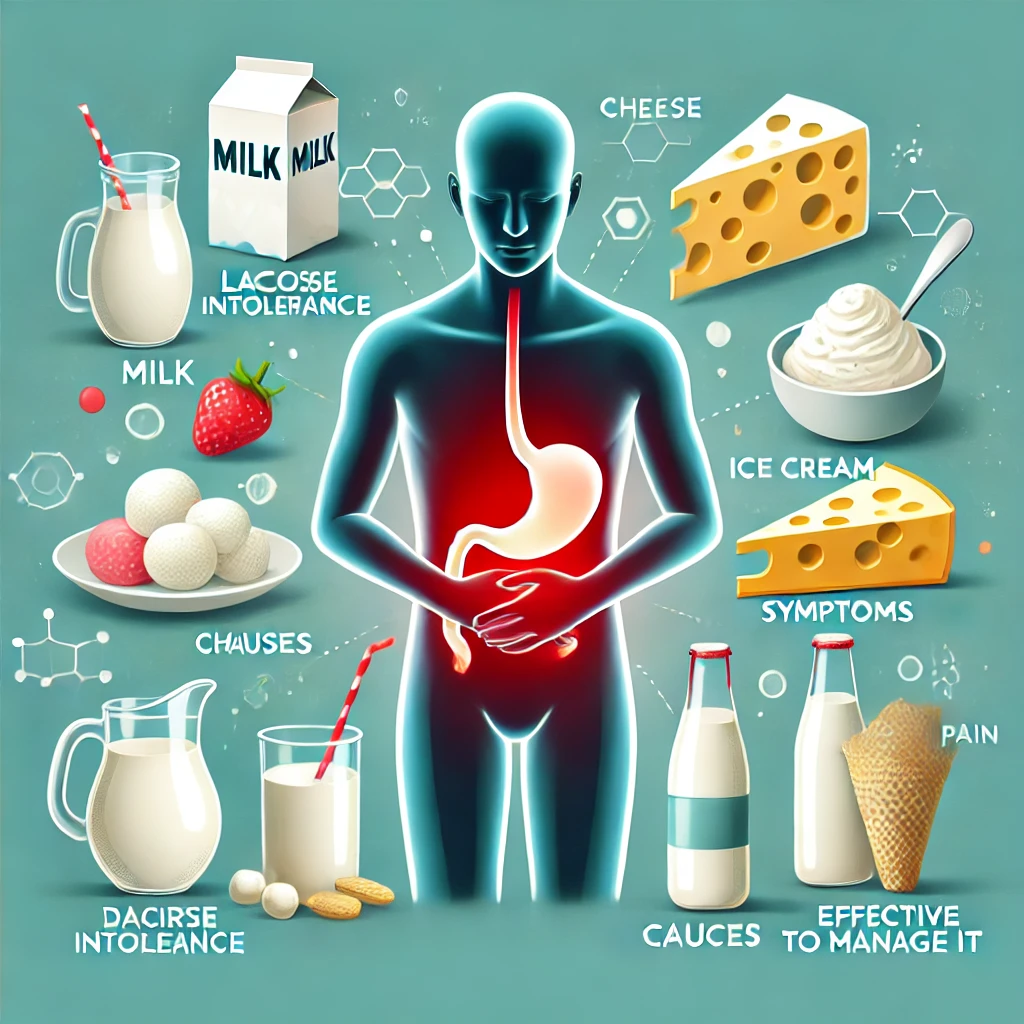
“Lactose Intolerance: Symptoms, Causes, and Effective Ways to Manage It”

Introduction

Persons with lactose intolerance have genetic deficiency of the enzyme Lactase that breaks down the lactose in the food into smaller particles that are absorbable in small intestine. Lactose is natural sugar present in the milk and other dairy products.  sizable number of adults believe they are lactose intolerant but do not actually have impaired lactose digestion, and some persons with lactase deficiency can tolerate moderate amounts of ingested lactose. 

Pathophysiology

The lactase enzyme is present in the brush border villi of small intestine. This enzyme breakdown the lactose in glucose and galactose, only these small breakdown products are able to cross the cell membrane in the jejunum and get absorbed in jejunum. These unabsorbed sugars osmotically attract fluid into the bowel lumen. The lactose alone increases the water content three times.

Further, these unabsorbed lactose molecules are acted upon by the colon bacteria that cause fermentation. Fermentation produces gas and results in the cleavage of lactose into monosaccharides. These monosaccharides are also not absorbed in the gut thus further increasing the osmotic pressure and drawing more fluid into the bowel. And these answers can it causes diarrhea?

Prevalence

According to the data from World Population Review 65% of the people have some degree of lactose tolerance. The prevalence vary from region to region` and ethnic groups. Lactose intolerance is generally most common in Asian countries, especially in East Asian, where about 70-100% of people show lactose intolerance; it is least prevented in Northern and Central Europe, where only about 5% of the population has lactose intolerance.

Some people often ask Which are the countries that are 100% lactose intolerant or where is lactose intolerance prevalent? Ghana, Malawi, South Korea, and Yemen are the countries that are considered 100% lactose intolerant.

Causes

There are different causes of the lactose intolerance. And they are classified into different types depending on the cause of intolerance.

1.Primary lactose intolerance

Primary lactose intolerance is associated with natural decline in the enzyme levels which is age related and without any external factors. In infancy and early childhood, the levels of the enzyme are enough in the body to digest lactose but with the time the amount starts declining leading to lactose intolerance in many adults.

2. Secondary Lactose Intolerance

It is secondary to some disease or illness that affects the small intestine where lactase is produced. Most common diseases that affect the small intestine are Gastrointestinal diseases (e.g. Crohn’s disease, Celiac disease) Infections (e.g. gastroenteritis) and surgeries involving small intestine. Symptoms improve if we treat the underlying condition. This is the type of Lactose intolerance that develops later in the life and answers why lactose intolerance develops later in life and in adults.

3. Congenital Lactose Intolerance

There is a rare inherited condition in which there is mutation in the LCT gene. This genetic mutation causes complete absence of the lactase enzyme since birth. And these kids cannot tolerate Brest milk and formula milk containing lactose they require lifelong avoidance of lactose containing foods. And this is why lactose tolerance occurs in babies.

4. Developmental (Transient) Lactose Intolerance

This type of lactose tolerance is present infants that has underdeveloped digestive system due to premature birth or some pathologies. It usually improves as the baby grows, often resolving the intolerance. They usually develop symptoms after consuming milk.

When lactose intolerance develops in life? All these types of Lactose intolerance have different pattern of pathologies and different time of development in life. Congenital and developmental lactose intolerance develops at the time of birth while primary develops later in life whereas secondary type develops at any time in life.

Symptoms

There are different symptoms of lactose intolerance, and they have different amount of severity depending upon the amount of lactose intake and deficiency of Lactase in body. Here is how a person feels like to have lactose intolerance

Abdominal pain: Where is the pain of lactose intolerance? Lactose intolerance cause pain and abdominal cramps in the lower abdomen due to fermentation of lactose in the lower abdomen.

Bloating: Lactose fermenting in the colon produces gas in the abdomen that gives a feeling of fullness and swelling in the abdomen.

Diarrhea: Lactose intolerance, cause diarrhea due to the change the osmotic pressure in the colon.

Flatulence (Gas): Fermentation produces gas in colon that leads to excessive passing of gas.

Nausea and Vomiting: Disturbance in the stomach gives a sick feeling to the stomach which leads to vomiting.

Alot of people lactose intolerant people experience symptoms that are different from what have explained and ask different question like can lactose intolerance cause constipation? Can it cause headache? However, these symptoms have not been established as true symptoms of lactose intolerance and may have other causes that are related to lactose intolerance. Symptoms that are reported but have less scientific support are

  • constipation
  • headaches
  • fatigue
  • loss of concentration
  • muscle and joint pain
  • mouth ulcers
  • problems urinating
  • eczema

Effective ways to manage Lactose intolerance

The first step towards the effective management of lactose intolerance is the dietary management and sometimes vitamins are given to relief symptoms.

Dietary modifications in lactose intolerance:

Reduce lactose containing foods e.g. milk, soft cheese and ice cream. Use the alternatives available which provide similar nutritional benefits like Almond milk, Soya milk, or Oat milk into your diet.

2. Lactase Supplements

Lactase enzyme supplements can be taken before consuming dairy products to aid digestion. Expert consultation is required to determine the side effects in children and pregnant or breastfeeding women.

3. Acclimatization to lactose

By gradually introducing the lactose in small amounts in diet allows bacteria to adapt that helps bacteria to build tolerance towards it.

4. Nutritional Considerations

Dairy products are the primary source of some nutrients like calcium and vitamin D so the body become deficient of these nutrients so consider fortified foods or supplements to meet daily requirements.

5. Seek guidance

Seek guidance from dietician and health care providers to develop a balanced diet that meets nutritional needs avoiding the symptoms of the disease.

FAQs

How to diagnose lactose intolerance?

Mainly it is diagnosed with history pattern then by eliminating the lactose from diet for 2-3 weeks and observe symptoms. For the confirmation we perform the tests like Hydrogen breath tests, lactose tolerance test and stool acidity test.

Posted on 6 Comments

” Mental Health Myths Debunked: Facts Backed by Science You Need to Know”

Introduction

There is a widespread misconception about the mental health that creates a barrier that stop people from understanding, treatment and seeking help worldwide. These myths frequently lead to a lack of knowledge about the realities of mental health issues, deter people from getting assistance, and reinforce stigma. By making up for these misconceptions we may be able to destroy the stereotypes that are damaging the society and make a world that is more accepting, healthier and enable people to seek help for mental health problems with empathy.

Myth: Mental Health Problems Are Rare

Mental Health: Not an Infrequent Occurrence, But a Common Reality

There is a widespread misconception that mental health problems are uncommon and only impact a tiny percentage of people. But the reality presents a completely different picture. A fairly large population is victim of mental and neurological problems and are more common than most believe it is, with one in four individuals in world experience it at some points in their lives, according to World Health Organization (WHO).

In some parts of the world, such as in UK, according to research one in six adults can face some kind of mental health problems such as anxiety, stress or depression, once a week. And these figures clearly shows that how common it is.

It is important to understand that how quickly and it is spreading and how frequently it is present in the society around us only then we will be able develop the empathy, lessen stigma and encourage people to talk about this more frequently. By acknowledging that mental health issues are affecting lives in every walk of life we can change the thinking from responsibility of a one person to shared responsibility.

The first step in developing a better and more caring world for the people suffering from the mental health disorders as a common concern rather than an uncommon exception is to acknowledge the prevalence and frequency of mental health issues that are present in our society.

Myth: People with Mental Illness Are Aggressive and unpredictable

False media representations is the leading source of this stigma that associates the mental health problems to the violence. Headlines wrongly associating the violent activites to the mental health issues is reinforcing this stigma. But reality is otherwise in which these incidents are rare rather than the rule.

Studies repeatedly reveal that most mentally ill people are not violent. The U.S. Department of Health and Human Services reports that just 3-5% of violent acts are committed by the people with mental health illness and these stats are far lower than people perception. Substance abuse, trauma and socioeconomic stresses are the contributor to the mental health violence. Mental illness rarely causes violence alone.

Myth: Mental Health Issues Show Weakness

The root cause of this stigma that mental health issues show weakness is the social stigma or culture beliefs that consider emotional difficulties equal to the weakness. And this is further supported by the historical perception that discounted mental health illness is the human short comings. This misconception discourages many people from seeking help out of concern of mockery or critics. But contrary to that mental health issues are illness not personal shortcomings.

For every mental health illness (For example anxiety or depression) there are genetic, biochemical or environmental variables. Just like the other diseases they also have some pathology that requires the particular treatment. Asking for help isn’t sign of weakness it is actually an act of bravery, determination and self-awareness. But mental health disorders require the courage and perseverance to manage with juggling personal and professional obligation.

Myth: Children Don’t Experience Mental Health Problems

Alot of people do not realize the complications and influence of children surroundings on their mental health. And they consider it just a bad phase in their life rather than possible signs of bigger problems. Parents may not discuss about this in the fear of being judged by others.

It is a widespread misperception that mental health problems are only present in adults and that kids are too young to think about these things. In reality they are equally vulnerable to the mental health issues and ignoring the signs and symptoms of mental health issues in children leads to the untreated problems, delayed diagnosis, and long-term effects.

According to World Health Organization (WHO) 14% of children and adolescents around the globe are affected by the mental health disorders. These include attention-deficit/hyperactivity disorder (ADHD), depression, anxiety disorders, and more. (UNICCEF)

Children’s mental health problems are as frequent as these problems are present in adults, but they present differently in children making it difficult to diagnose . Trauma, family strife, bullying, and academic pressure are some of key factors that impact the children mental health badly. Hormonal fluctuations, brain development, and genetics can all predispose kids to mental health problems and the risk is raised by environmental factors such exposure to violence, unstable family situations, and poverty.

Myth: Therapy Is Only for People with Severe Mental Illness

A common misconception is that therapy is only for persons experiencing serious mental health issues or crises. But therapy is a flexible instrument that can help everyone, no matter how bad their problems are. It can help people to overcome a variety of daily stressful activities and foster better relationships.

Not everyone responds to the therapy in the same manner in some cases therapy isnt helpful. Those having problems with the stress, life changes, marital problems, or personal development objectives may find it beneficial.
Improving communication abilities, managing bereavement, and obtaining clarity of mind when making important life decisions are some of common motivations for the people for asking help.
There is a spectrum of mental health, and treatment can help people at every stage of the disease, from managing complicated disorders to helping moderate anxiety. Therapy can serve as a preventive approach, addressing difficulties before they become more serious, much like routine doctor’s visits help maintain physical health.

Myth: Medication Is the Only Treatment for Mental Health Issues

A widespread misperception about mental health care is that medicine is the only option for treating mental illnesses. There is no doubt that the medication plays a significant role in managing mental health issues, but it is not the only method. People use different approach, including therapy, lifestyle changes, and support networks to successfully address individual needs.

Media shows medication as the only way of treating mental health issues downgrading the other methods. Many people seek immediate relief, and medication can sometimes provide speedier symptom control than the steady progression of therapy or lifestyle modifications. In many locations, therapy and alternative treatments are less accessible than medication, supporting the belief that medication is the only option.

The most effective method of treatment of anxiety and depression found by the researchers are combination of medication and psychotherapy. According to a study published in The Journal of the American Medical Association (JAMA), patients with severe depressive disorder benefit more from both medication and cognitive behavioral therapy. Therapy, lifestyle improvements, and support systems can help maintain mental health and reduce pharmaceutical need in the long run. Learning to manage triggers, develop resilience, and cultivate healthy habits offers people power over their mental health journey.

Myth: People with Mental Health Conditions Can’t Hold Jobs

Individuals with mental health disorders can be as productive as their colleagues without them, according to the National Alliance on Mental Illness (NAMI), with the right support. According to a World Health Organization (WHO) study, people with mental health conditions who obtain some kind of support or workplace accommodation are very highly going to stay in their jobs and perform well.

Lack of knowledge and misconceptions regarding the mental health illnesses contribute to this notion specifically its association with instability and unreliability. Coworkers don’t know how these problems are addressed and likelihood of success with their support. These people face job discrimination due to the historical stereotypes.

A person’s talent is not limited due to any mental health condition. Many people with variety of mental health conditions have done great in different fields. After dealing with these mental health conditions a person usually gain a variety problem solving skills, empathy and creativity that can be very helpful at work. Many persons with these disorders can control their symptoms and function efficiently in their workplace with appropriate treatment and lifestyle changes. Flexible workplace rules, such as remote work or mental wellness days, contribute to employees’ success.

Myth: If you have a mental illness, you cannot recover

One of the most depressing and inaccurate clichés about mental health is that persons suffering from mental illnesses can never recover. This misunderstanding not only contributes to stigma but also discourages people from getting help, encouraging emotions of hopelessness. While in truth, mental illness is treatable and can be cured just like any other disease. They are very much misinterpreted that these disorders can’t be treated, and they are permanent.

Many people learn to manage the symptoms of their illness along with doing their work efficintly and mantainig their relationships. Recovery is a journey, not a destination. It comprises gradual improvement, with setbacks as a normal part of the process.

Conclusion

By understanding what mental health is and we will be able to overcome these myths with scientifically proven facts and maybe can create a society which is more informed. Mental health issues are not a sign that a person is weak neither they are uncurable nor uncommon. People can effectively manage their work along with their mental health with a little support and necessary resources.

It is time to abandon the myths and accept the fact mental health is as important as physical health. Together, we can make a world where we can help each other, asking for help is easier, support is available, and no one suffers alone. In short, we can work on making a world better place to live. Let us continue the conversation, communicate the truth, and lobby for increased mental health awareness for everyone.

Posted on 3 Comments

“The Impact of Sleep on Mental and Physical Health: Why Quality Rest is Essential”

Introduction

Modern life moves so quickly that there are moments when you hardly have time to pause and relax. It can make consistently getting a decent night’s sleep feel unattainable.

However, sleep is just as vital to health as food and exercise. Getting enough sleep enhances your happiness, health, and cognitive function.

Sleep is physically essential for cardiovascular health since it lowers the risk of heart disease, stroke, and hypertension. By balancing hormones, it also controls appetite and metabolism, preventing weight gain. Additionally, sleep helps the immune system by generating proteins called cytokines, which improve the body’s defenses against inflammation and infections. (NIH News in Health)

Making sleep a priority is a proactive way to enhance general health. People can improve their physical resilience, emotional stability, and cognitive function by implementing appropriate sleep habits, which will ultimately lead to a higher quality of life.

This blog’s goal is to draw attention to how important sleep is for preserving both physical and mental well-being. This blog seeks to inform readers about the importance of getting enough sleep by examining the science underlying sleep, its effects on wellbeing, and the negative effects of sleep deprivation. It also offers doable methods for enhancing sleep patterns, enabling people to take concrete measures for improved health and a more balanced way of living.

How much sleep a person needs?

As you age, your sleep requirements vary. Experts advise teens should receive eight to ten hours per night, while school-age youngsters should get at least nine. The majority of adults require seven hours or more of sleep every night.

There are a lot of misconceptions around sleep. One is that as people age, they require less sleep. This is untrue. The amount is still the same for older folks. But as you age, the quality of your sleep may deteriorate. Additionally, older persons are more likely to take sleep-impairing drugs.

Sleep Science

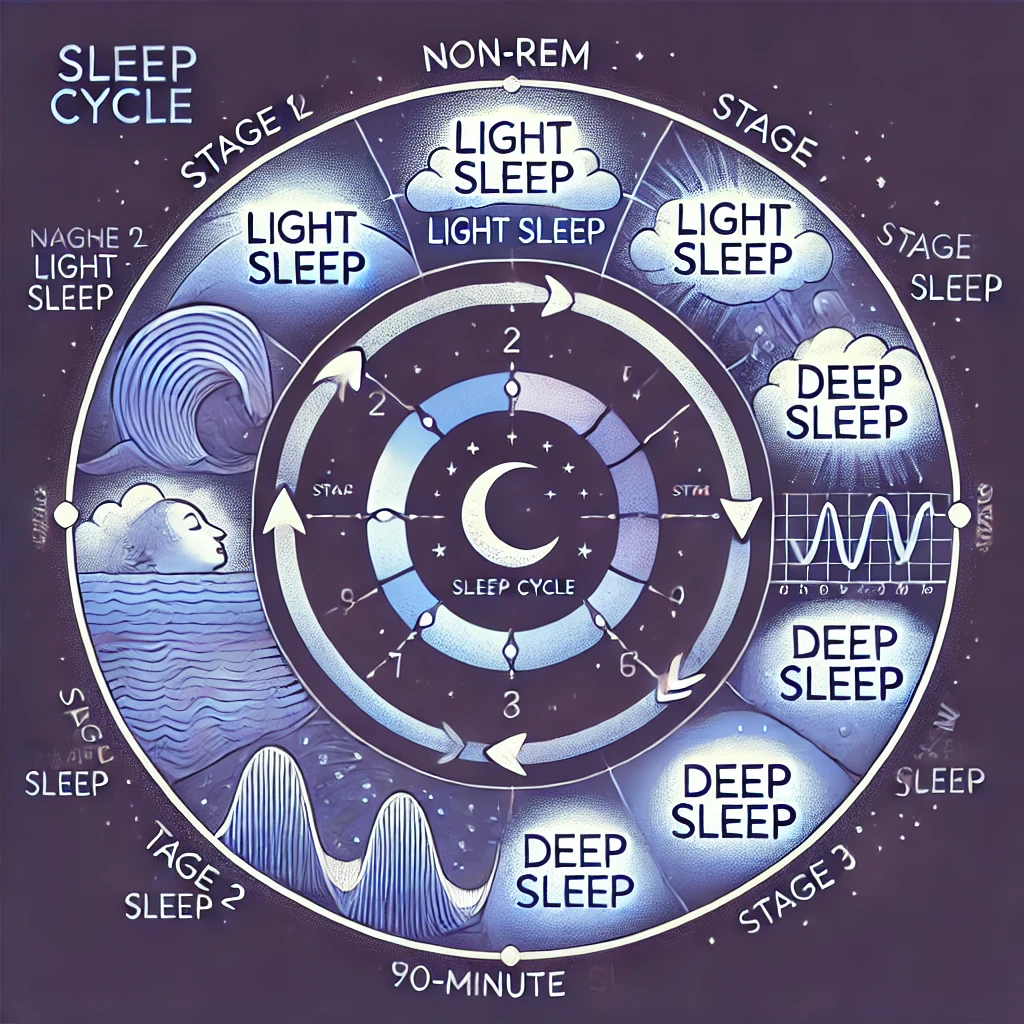
The circadian rhythm, which is the body’s internal clock, controls the various stages of sleep.Sleep is not consistent. Rather, your overall sleep is comprised of multiple cycles of the sleep cycle, which consists of four distinct stages, throughout the night. A person experiences four to six sleep cycles in a normal night.

Sleep Stages

Rapid eye movement (REM) sleep and non-rapid eye movement (NREM) sleep are the two primary categories of sleep. Every kind includes distinct phases that alternate over the night.

NREM Sleep:

Stage 1: This phase, which lasts for a few minutes, is the change from wakefulness to sleep. Muscles start to relax during this period of light sleep, and respiration, eye movements, and heartbeat all slow down.
Stage 2: A brief interval of light slumber followed by deeper sleep. Muscles relax even more and breathing and heartbeat slow down even more. Body temperature decreases and eye movements cease. Short electrical activity bursts cause the brain’s activity to slow down.
Stage 3: Also referred to as slow-wave sleep or deep sleep, this stage is essential for feeling rejuvenated. Muscles are completely relaxed, and respiration and heart rate drop to their lowest points. During this phase, awakening is challenging.

REM Sleep:

occurs roughly ninety minutes after going to sleep. Behind closed eyelids, the eyes move quickly, and brain activity resembles that of waking. REM sleep is when most dreams occur. In order to stop dreaming, muscles are momentarily paralyzed.
Each of these phases lasts roughly 90 to 110 minutes and repeats cyclically throughout the night. While deep sleep diminishes as the night go on, REM sleep durations increase.

What is Circadian Rhythms

The body’s internal 24-hour clock, known as the circadian rhythm, controls the sleep-wake cycle and affects our feelings of alertness and drowsiness. The brain’s suprachiasmatic nucleus (SCN), which reacts to environmental cues including light and dark, is principally in charge of it.

Light Exposure: The SCN tells the brain to produce less melatonin, a hormone that encourages sleep, when exposed to light, particularly natural sunshine. This results in heightened alertness. On the other hand, darkness causes the SCN to increase melatonin levels, which results in drowsiness.
Daily Fluctuations: Circadian rhythms adapt physiological processes to the outside world by causing changes in body temperature, hormone release, and other physiological activities throughout the day.
Sleep disorders and adverse health effects can result from circadian rhythm disruptions brought on by shift work, time zone changes, or exposure to artificial light at night.

Impact of Sleep on Mental Health

Sleep deprivation causes more than simply fatigue. According to an American Psychological Association study that summarized more than 50 years of research on sleep deprivation and mood, it can impair our emotional functioning, reduce good emotions, and increase our risk for anxiety symptoms.

In our largely sleep-deprived society, quantifying the effects of sleep loss on emotion is critical for promoting psychological health,” said study lead author Cara Palmer, PhD, of Montana State University. “This study represents the most comprehensive synthesis of experimental sleep and emotion research to date, and provides strong evidence that periods of extended wakefulness, shortened sleep duration, and nighttime awakenings adversely influence human emotional functioning.”

The study was published in the journal Psychological Bulletin.

Control of Emotions

Sleep is essential for maintaining emotional stability. Lack of sleep can make it harder to handle stress and everyday demands by increasing anger and emotional instability. Sleep deprivation has been shown to increase anxiety and reduce pleasant moods.

Mental Abilities

For cognitive functions like learning, memory consolidation, and attention, getting enough sleep is essential. Sleep deprivation affects these processes, making it harder to focus, make decisions, and solve problems. Lack of sleep negatively impacts cognitive function, affecting tasks requiring attentiveness and fast thinking, according to studies.

Mental Illnesses Due to Sleep deprivation

Numerous mental health conditions are directly associated with persistent sleep disturbances:

Depression: There is increase in the symptoms of major depressive symptoms in individuals with the lack of proper sleep. Sleep deprivation is also associated with the higher risk of the depression. COLUMBIA PSYCHIATRY

Anxiety: Sleep deprivation makes us less happy, more anxious. Anxiety symptoms are more likely to be heightened in people who are sleep deprived. AMERICAN PSYCHOLOGICAL ASSOCIATION

Bipolar Disorder: Bipolar disorder sufferers who experience sleep deprivation may experience manic episodes, suggesting a close connection between mood stability and sleep habits.

Suicidal Ideation: It is seen that the sleep deprivation can lead to increase in the suicidal thoughts and behavior. By focusing on the sleep issues one can mitigate this risk and improve the overall health outcomes.

What Factors Affect Sleep Quality?

Irregular Sleep Schedules: Sleep can be enhanced by establishing a regular bedtime and wake-up schedule. People going to bed at different times can disturb the circadian rhythm and that disturbs the sleep quality.

Dietary Habits: Consuming excessive amounts of alcohol or coffee might make it difficult to fall or stay asleep

Physical Activity: Physical activity is essential for the healthy life and a good sleep but doing externes exercise near the sleeping time can leads to arousal and disturb the sleep.

Light Exposure: Melatonin, a hormone that controls sleep-wake cycles, can be suppressed by exposure to light, especially blue light from electronics. In a 2016 study, researchers examined how light pollution—which includes light from streetlights, billboards, buildings, automobiles, and more—affects the quality of sleep. They discovered that even a small amount of light, such that from nocturnal lights outside, can interfere with sleep and raise the risk of illness.

Room Temperature: What room temperature is the best for the sleeping is the question often asked. For the best sleeping conditions, experts advise keeping the bedroom temperature between 60- and 68-degrees Fahrenheit.

Snoring: Although some snoring is natural, excessive snoring can have an impact on the sleeper or their partner. One possible cause of this kind of snoring is obstructive sleep apnea (OSA).

Medications: Certain prescription medications, like diuretics, can cause users to wake up in the middle of the night by increasing the desire to use the restroom. Whether prescribed by a physician or purchased over the counter (OTC), sleep aids can have adverse consequences, including daytime sleepiness.

Sleep Disorders: Sleep quality is directly impacted by disorders like restless legs syndrome, sleep apnea, and insomnia. To restore good sleep patterns, it is imperative to seek medical diagnosis and proper treatment for these problems.

Strategies for Improving Sleep Quality

1.Keep the constant sleep schedule: Try to go to sleep and wake up at about the same times every day — even on weekends. This reinforces your body’s sleep cycle (your internal clock), which can make it easier for you to fall asleep and wake up every day.

    2. Create a Restful Sleep Environment: You can create a restful sleep environment by reducing the amount of exposure to the blue light before you go to bed, using the earplugs for reducing the ambient noise. Keep your bedroom at or below 65°F (18.3°C) to encourage restful sleep.

    3.Don’t drink any liquids before the Bed: Drinking large amounts of water and other liquids leads to excessive urination which can have a negative effect on the sleep quality and daytime energy.

    4. Supplements for the good sleep: A number of supplements could aid with your relaxation and sleep, such as: Nitrate of magnesium, zinc, resveratrol, and omega-3
    These supplements can be helpful when used in conjunction with other tactics, even though they are not a panacea for sleep problems. To evaluate these supplements’ impact on your sleep and ensure you do not have a bad reaction, try them one at a time.

    5.Melatonin supplements: One important sleep hormone that signals to your brain when it is time to unwind and go to sleep is melatonin. Supplementing with melatonin, a very common sleep medication, may help you go to sleep more quickly.

    6. Reduce daytime naps: Short power naps have their uses, but prolonged or erratic naps during the day can interfere with your ability to sleep at night. Sleeping during the day might throw off your internal clock, making it difficult for you to fall asleep at night.

    7. Exercise regularly: Your general health and quality of sleep can be enhanced by as little as 30 minutes of aerobic exercise each day. Given that exposure to natural light helps regulate your sleep cycle, exercising outside may enhance the advantages even further.

    8. Manage stress before going to bed: It can keep you up at night to think about your concerns. To lessen the likelihood that your anxieties will keep you up:

    To help you get your problems out of your thoughts,

    • write them down before bed
    • Write down your to-do list as well if it causes you tension. Set your priorities for tomorrow and the remainder of the week, then make an effort to unwind.
    • According to research, a weighted blanket may offer advantages akin to those of deep pressure treatment for treating anxiety and sleeplessness.
    • To help you relax, try meditation before bed.

    9.Limit large meals before the bed: Limit your large meals before the bed as it can affect your sleep and it may also cause symptoms of acid reflux, which can keep you awake.

    10. Rule out sleeping disorders: You might also experience insomnia, which can be caused by factors such as stress and underlying medical conditions. If you’ve always had trouble sleeping, it might be a good idea to consult a healthcare professional.